




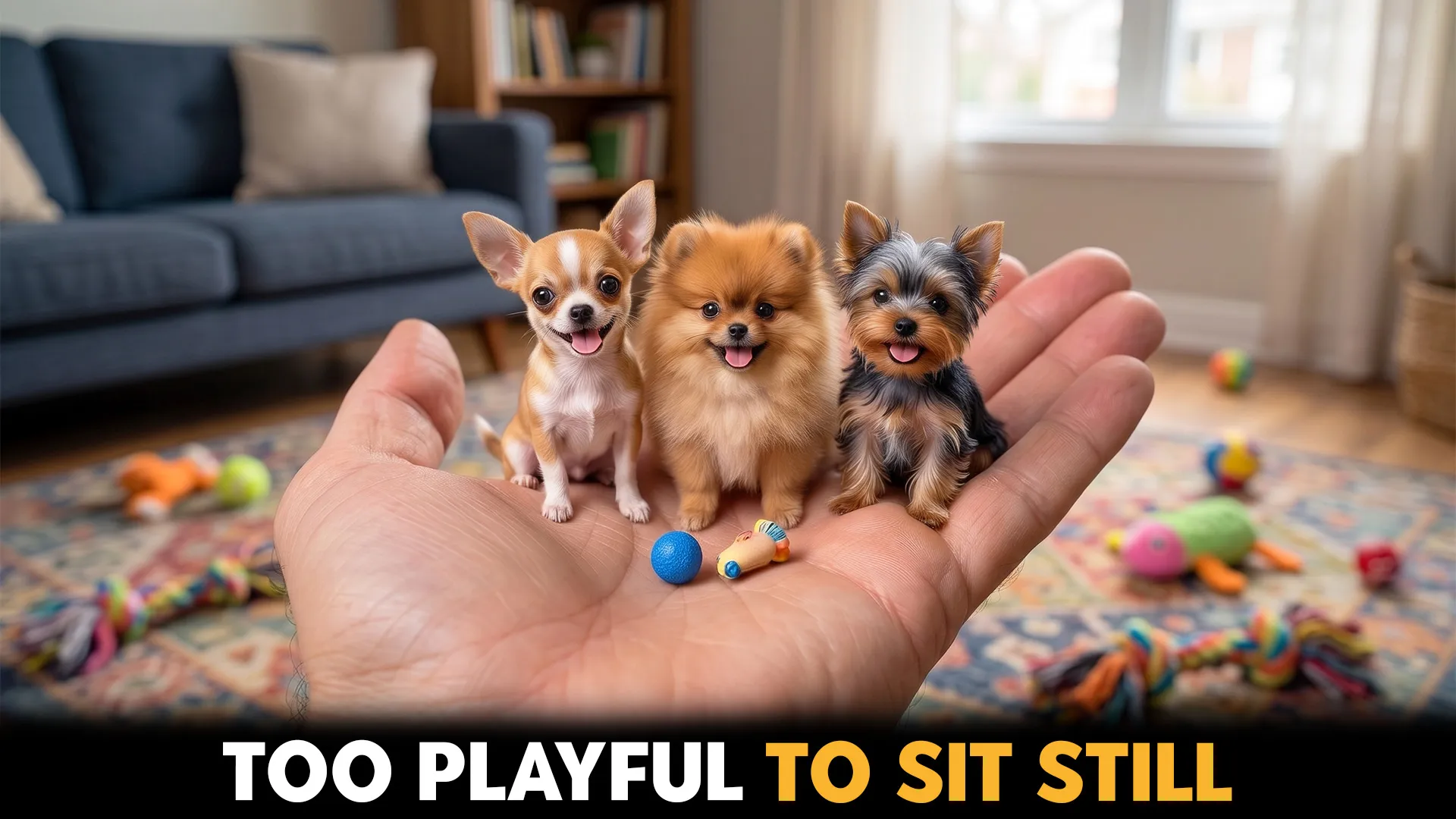
How much personality can fit into a dog that weighs only a few pounds? Quite a lot, as anyone familiar with micro dog breeds can tell you. These exceptionally small companions can be quick, curious, vocal, and surprisingly adventurous.
A simple walk around the house may turn into an investigation, while an ordinary afternoon can involve chasing toys, learning tricks, and demanding attention. Their tiny frames often make people assume they need very little activity, but their playful nature can keep an entire household occupied.
Some enjoy lively games, others prefer exploring their surroundings, and certain dogs are particularly fond of interactive play with their families. Their small stature also comes with practical considerations, including protection from accidental injuries and careful supervision around larger pets.
So, what makes these little dogs such entertaining companions? Let’s take a closer look at the micro dog breeds that can turn ordinary days into something far more lively.
Key Takeaways
A Chihuahua can race around for one minute and pick a fight with a much bigger dog the next, which gives you an idea of how lively this list gets.
Pomeranians bring zoomies and plenty of opinions, while Yorkies may stash their favorite toys away and Toy Poodles happily climb up for a better view.
The fun continues with energetic games, sudden bursts around the house, clever tricks, and a Toy Fox Terrier whose ancestors once entertained circus crowds.
Keep reading because the final breed has some wonderfully strange habits, including an excited spin and an unusual little song.
Playful Micro Dog Breeds That Will Keep You on Your Toes
1. Chihuahua
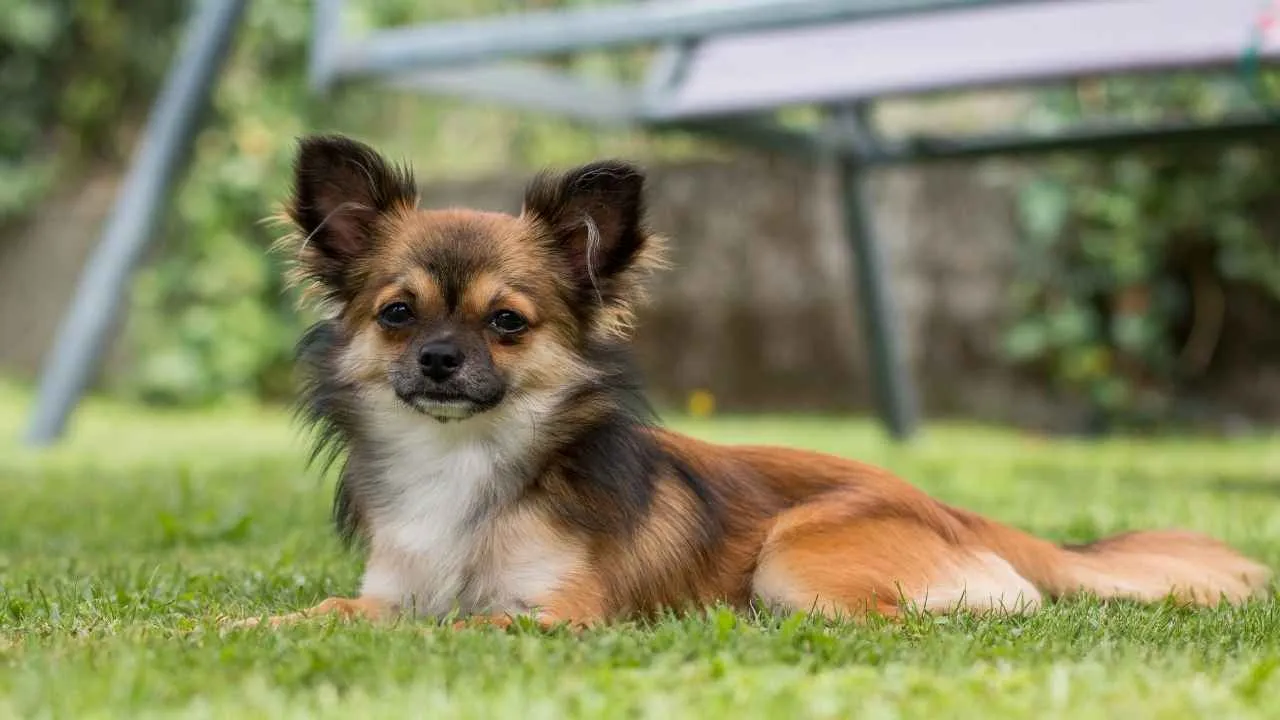
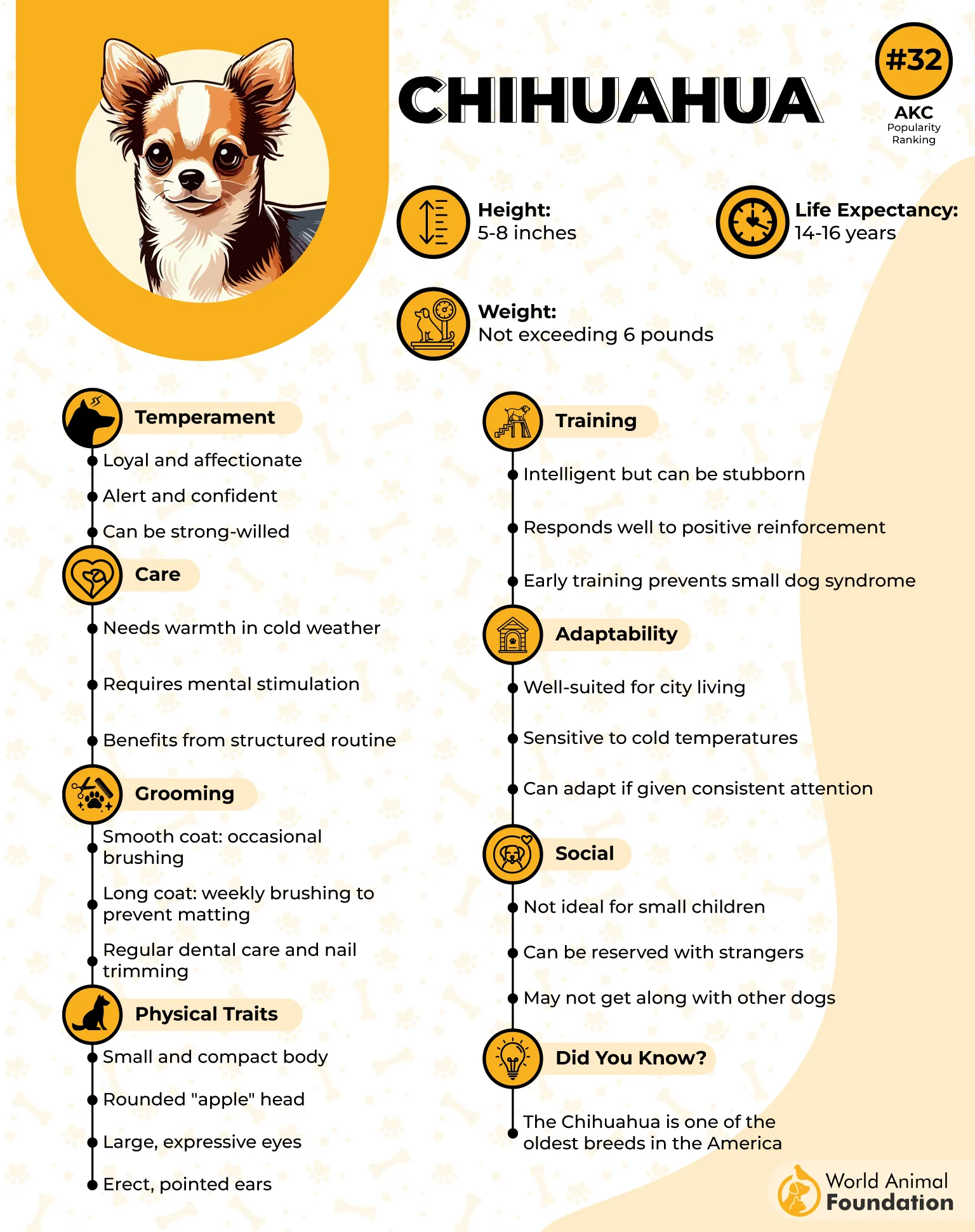
Named after the Mexican state where it originated, the Chihuahua may descend from the Techichi, a small dog kept by the Toltecs as early as the ninth century. The American Kennel Club recognized the breed in 1904, and its popularity grew over the following decade.
Always Ready for Some Mischief
A Chihuahua can switch from a cheerful burst of running to a lively game in seconds. These little dogs enjoy playtime and have plenty of enthusiasm for everyday adventures, making even simple activities entertaining.
Their amusing habits can keep the household busy:
Spins in tight circles when excited.
Uses a surprisingly loud bark to express its feelings.
Boldly challenges animals much larger than itself.
Room to Explore
These little dogs still need opportunities to walk, sniff, and investigate their surroundings, as noted by PDSA. Gradual introductions to unfamiliar people and places, along with training from an early age, can help prevent excessive barking and build better everyday manners.
2. Pomeranian
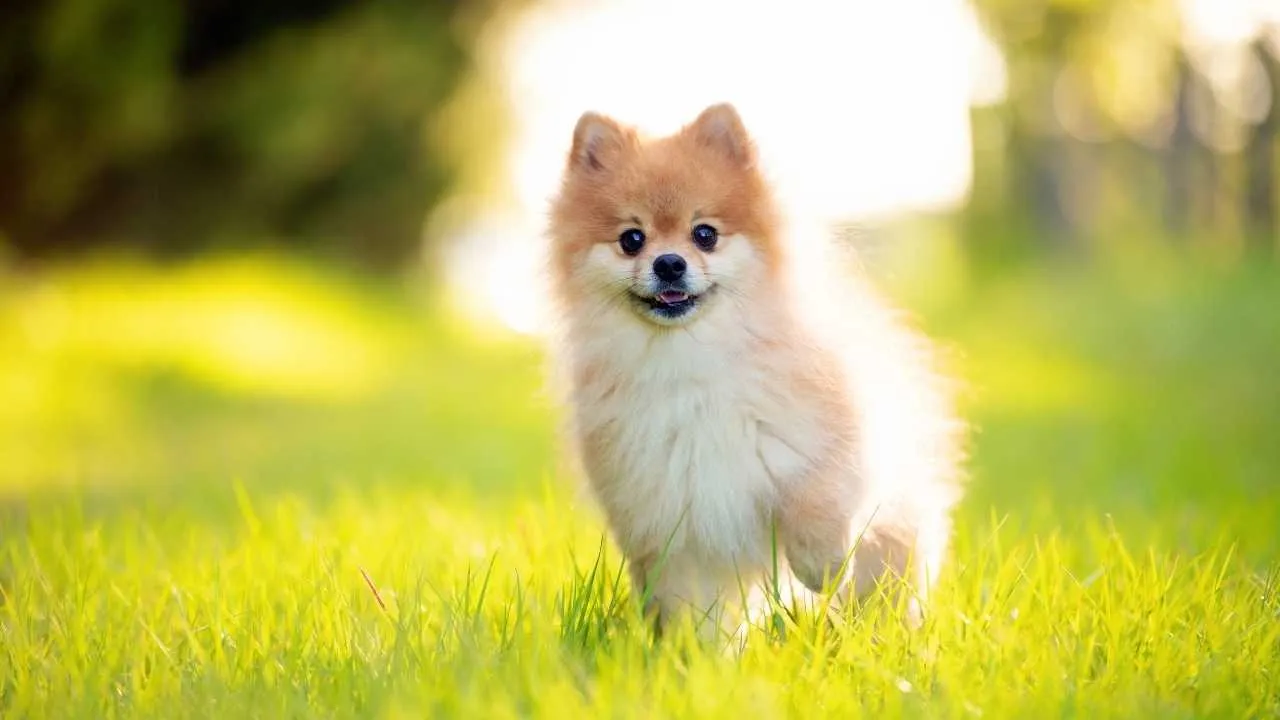
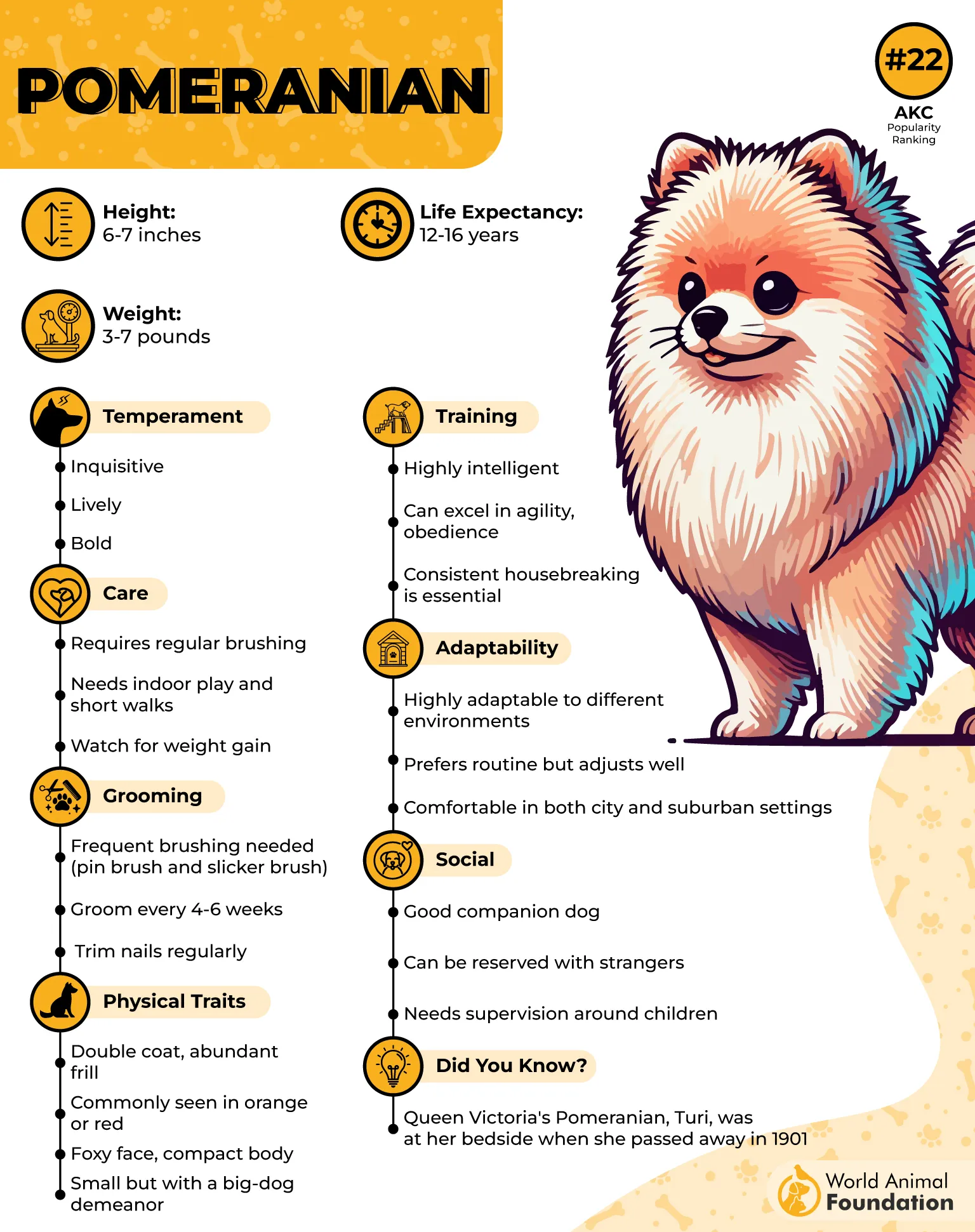
The Pomeranian takes its name from Pomerania, a historic region along the Baltic Sea, with its modern origins linked to Poland and Germany. Its ancestors were much larger Spitz dogs associated with sled work in Iceland, known for their thick coats, pointed ears, and curled tails.
A Little Dog With Endless Antics
A Pomeranian can turn an ordinary afternoon into a lively event. According to WebMD, these outgoing dogs enjoy social interaction, love being involved in family activities, and often find ways to get everyone’s attention with their cheeky behavior.
Their excitement often comes out in some entertaining ways:
Sudden zoomies around rooms and furniture
Rapid little spins when anticipating meals or walks.
Grumbles, huffs, and whines to express their opinions.
Clever Enough to Learn Quickly
These toy breeds are intelligent and usually pick up new tricks with enthusiasm. They respond well to training and positive reinforcement, making obedience lessons an enjoyable activity. Their tendency to bark also makes teaching a quieter response a useful part of their training.
3. Yorkshire Terrier
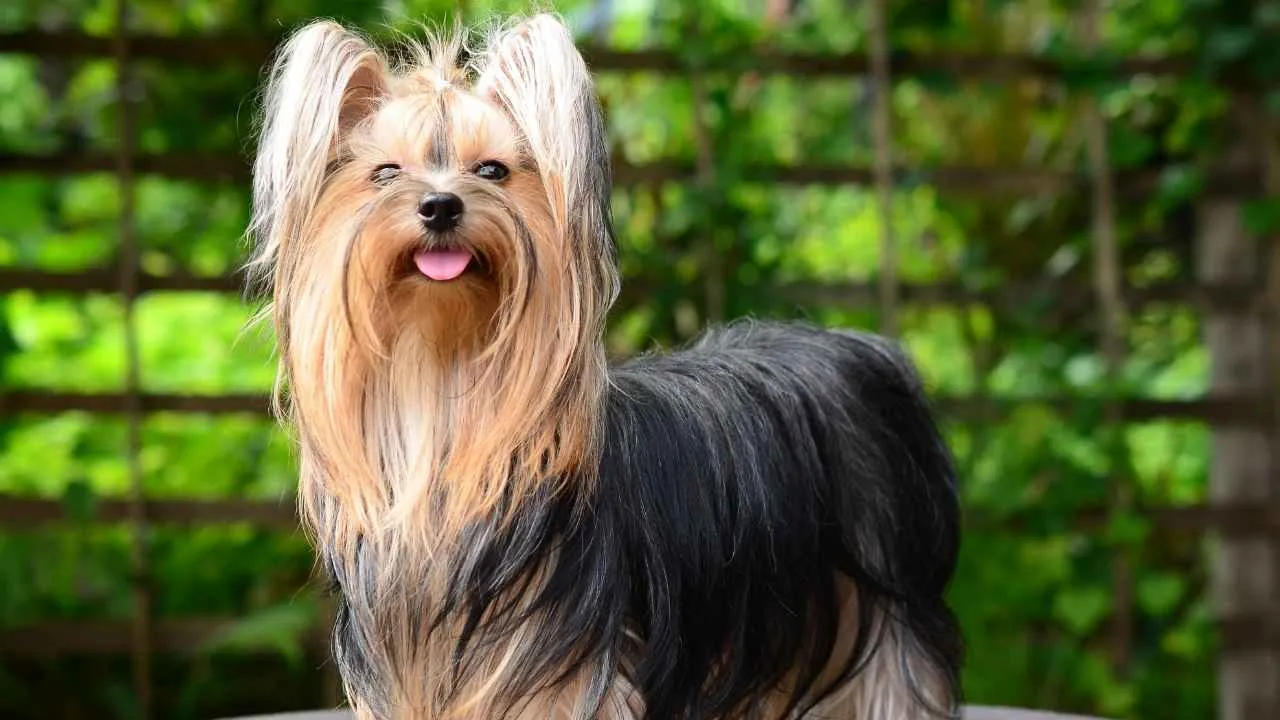
The Yorkshire Terrier originated in Yorkshire, England, during the mid-1800s, with Scottish Terrier ancestors brought to the region by workers seeking employment.
Originally used to catch rats, these little dogs later became fashionable companions among Victorian women, who prized their small size and lively nature.
Always Up to Something
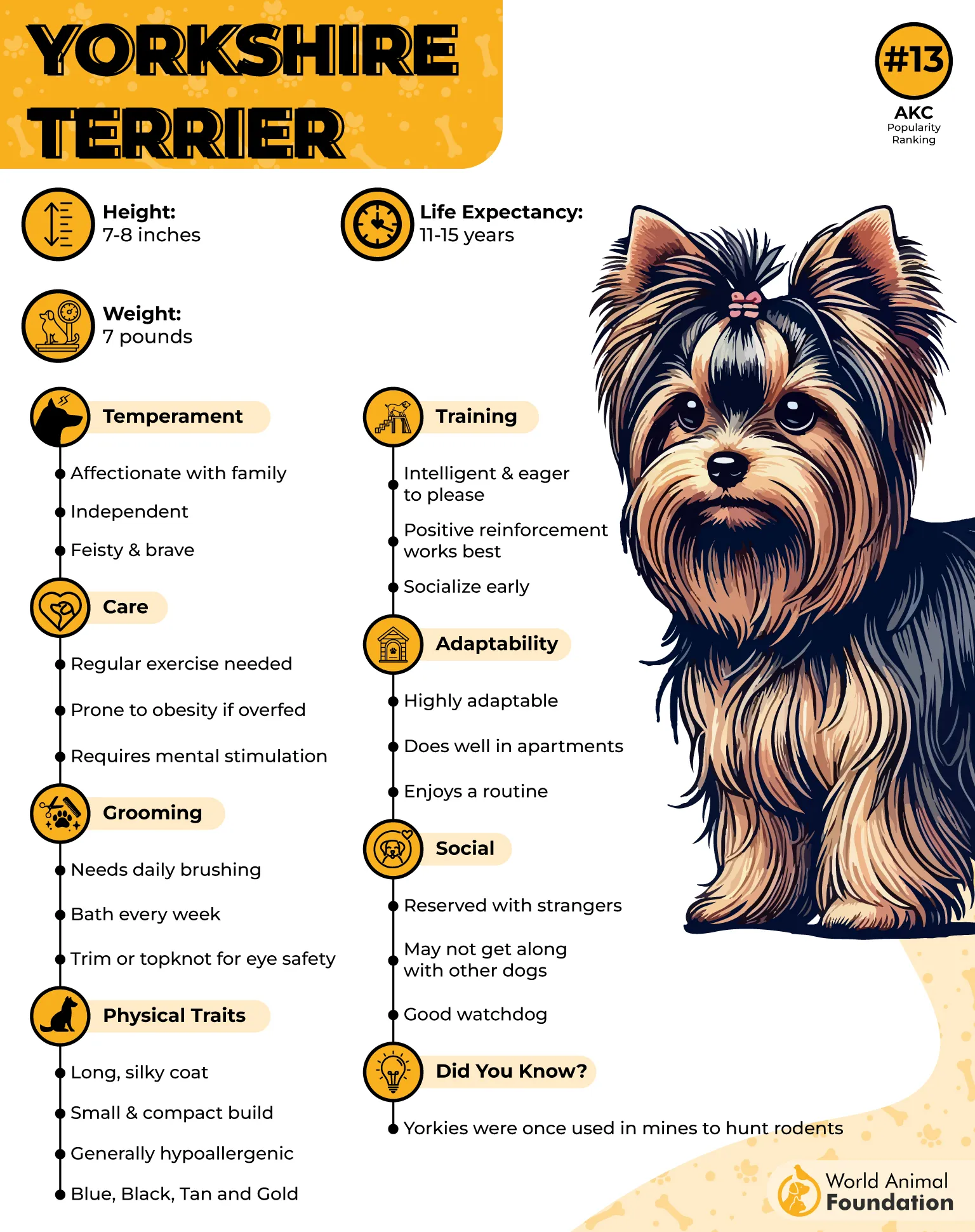
A Yorkie can turn an ordinary day into a busy one, whether it’s racing around the house, exploring a new activity, or demanding attention.
These energetic little dogs enjoy interactive puzzles and spontaneous walks, and they are often eager to join whatever their family is doing.
The breed characteristics of Yorkies are quite entertaining:
Follows family members from room to room.
Hides toys and little treasures around the house.
May vocalize along with sirens or high-pitched sounds.
A Small Dog With a Big Opinion
These cute dogs can be affectionate and playful with family members, yet their confidence sometimes gets ahead of their size when meeting larger dogs.
They can make good family companions, although interactions with young children need supervision because their delicate bodies can be injured by rough handling.
4. Toy Poodle
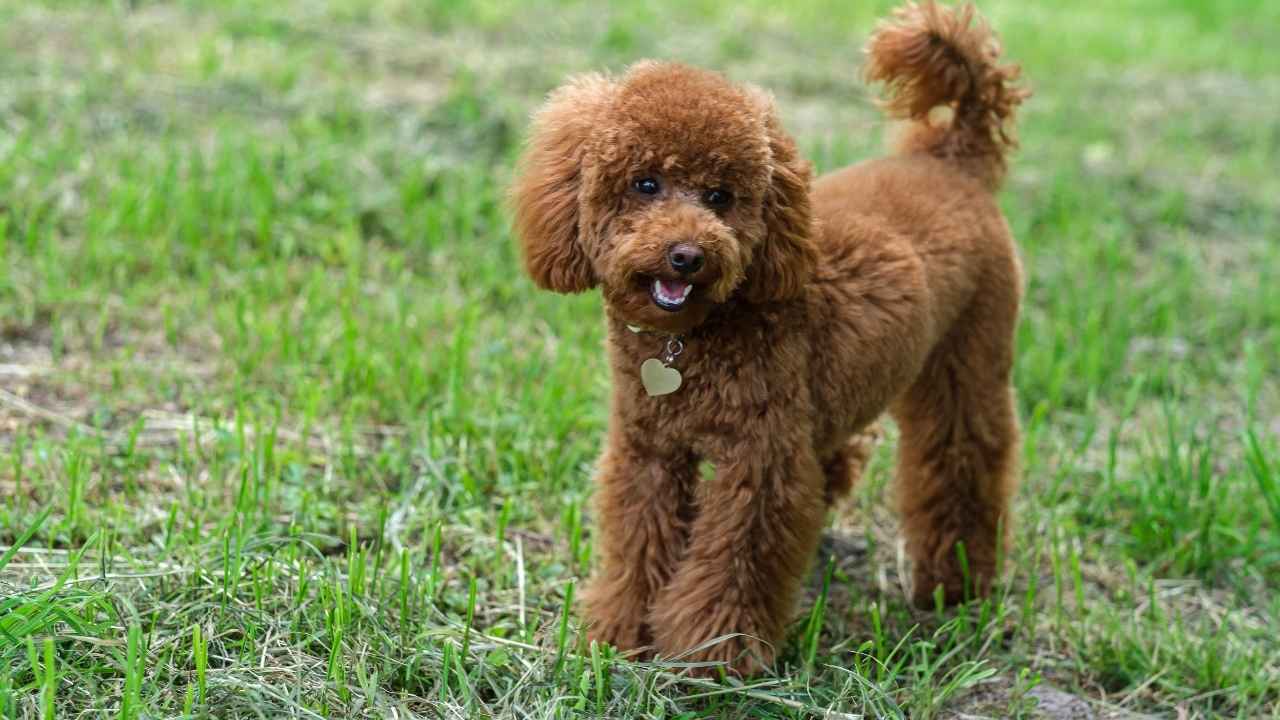
The Toy Poodle’s story begins with the Standard Poodle, a much larger dog once used to retrieve ducks for hunters. Smaller Poodles later became popular in France, where the Miniature variety attracted nobility and traveling performers before the Toy size gained attention as a companion.
Small Body, Busy Schedule
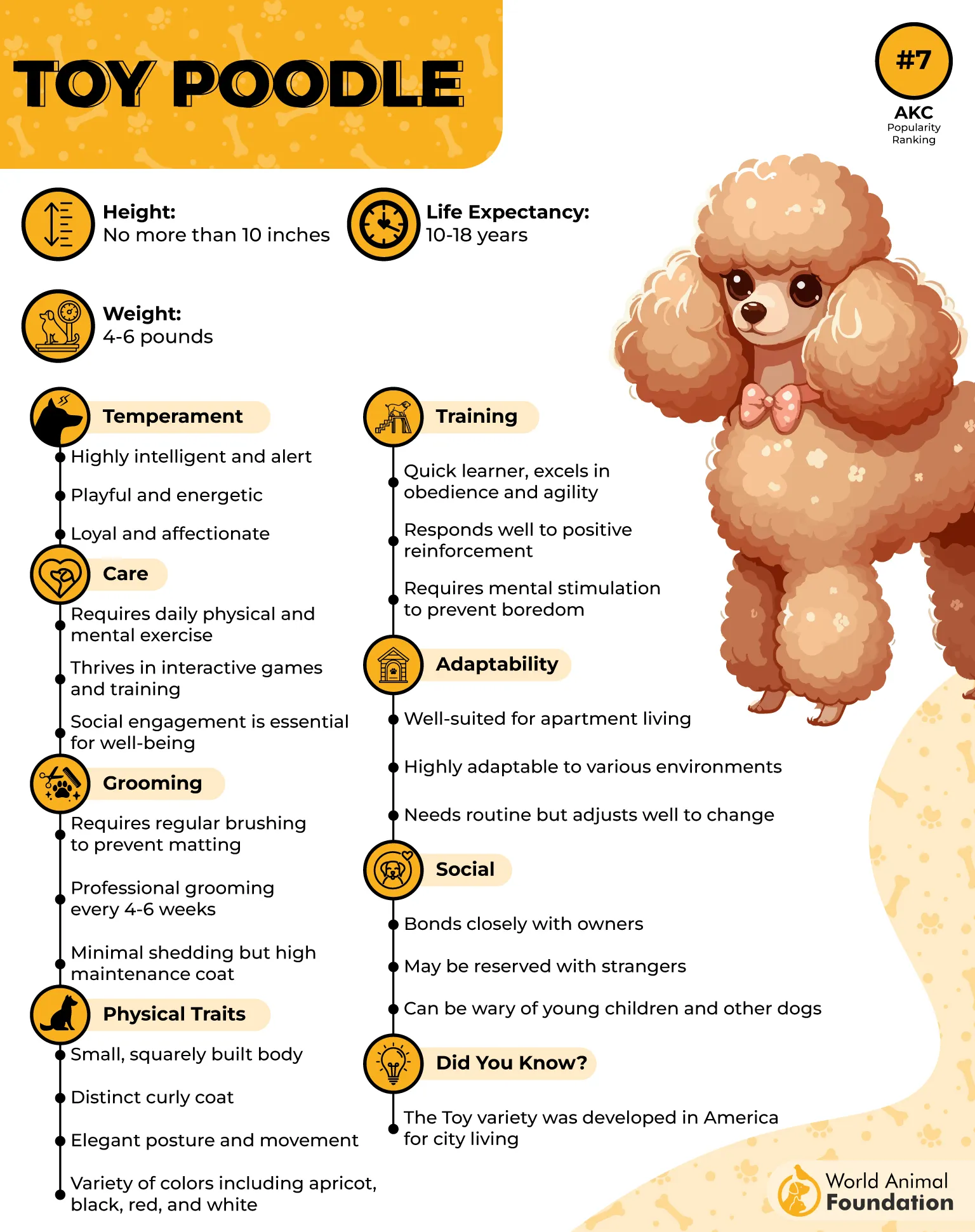
Standing under 10 inches tall, this small dog breed packs surprising energy into a tiny frame. It enjoys regular play, active games, and plenty of interaction throughout the day, so quiet afternoons can quickly turn into little adventures.
Its everyday antics can be quite amusing:
Taps people with a paw when asking for attention.
Follows family members from room to room.
Climbs onto sofa backs and armrests for a better view.
Handle With a Little Extra Care
Toy Poodles can be affectionate family companions, although their tiny bodies need protection during play. According to the AKC, children should be supervised around them, and interactions with larger dogs need close attention because rough play or an accidental tumble can cause serious injuries.
5. Papillon
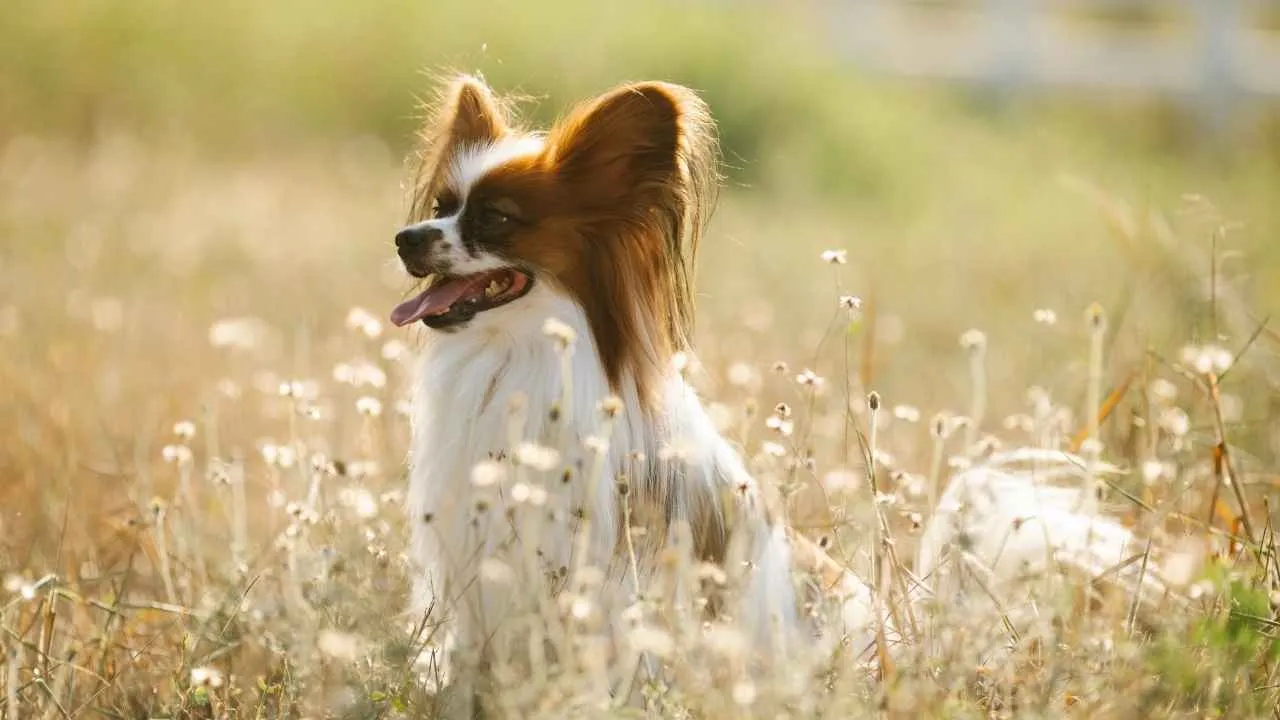
During the Renaissance, European nobles favored smaller versions of popular dogs, and spaniels were crossed with toy breeds to create tiny companions.
The Papillon became especially fashionable in King Louis XIV’s French court during the 17th century, with its likeness later appearing in paintings by artists such as Rembrandt and Goya.
Always Ready for Another Game
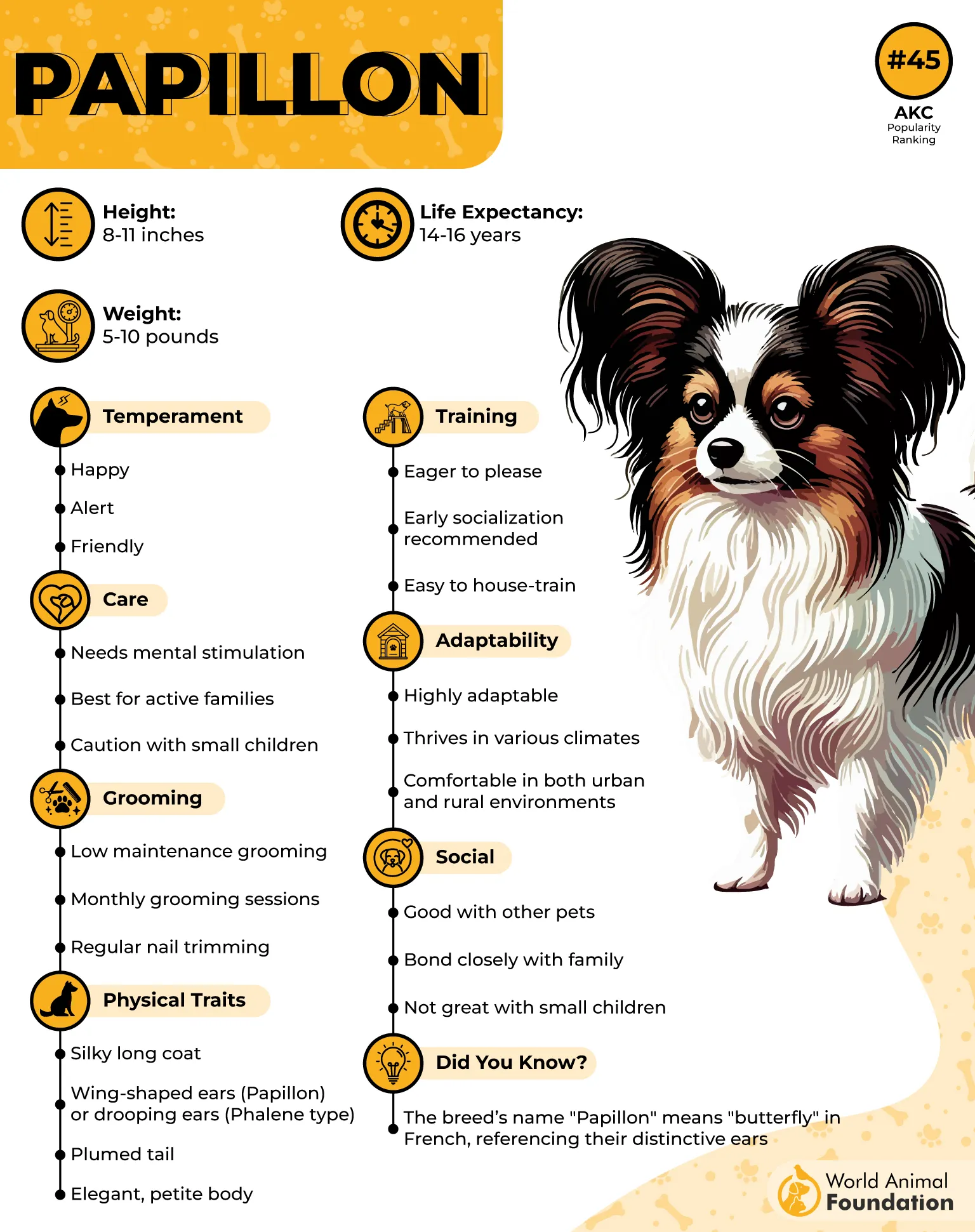
A Papillon has plenty of energy for games and interactive activities, so a quiet day at home can quickly turn into an invitation to play. It enjoys having someone join in, and regular play sessions are important for keeping this lively little dog content.
You can keep its playful side busy with activities such as:
A lively game of fetch.
Tug-of-war with a suitable toy.
Hide-and-seek around the house.
Small Dog, Fearless Attitude
This elegant toy dog can be remarkably confident around dogs much larger than themselves. They generally get along with other small dogs, cats, and older children, but their delicate build calls for supervised play around bigger dogs and energetic young children.
6. Maltese
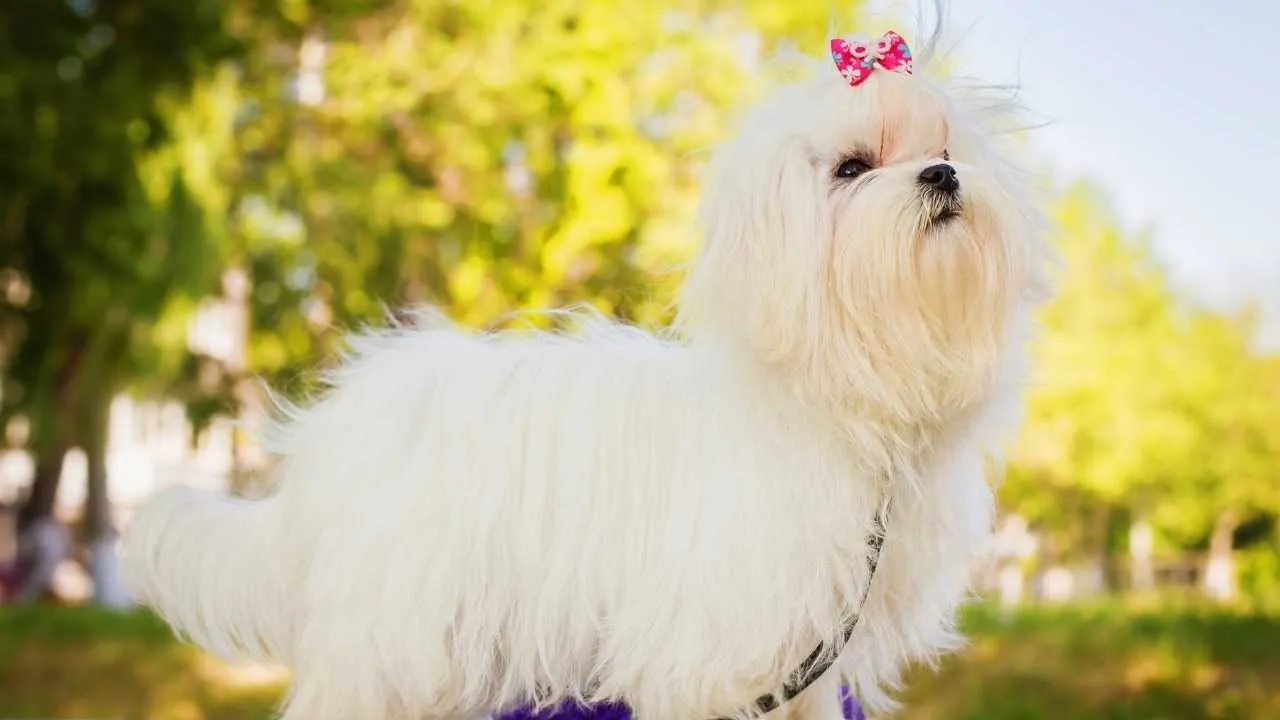
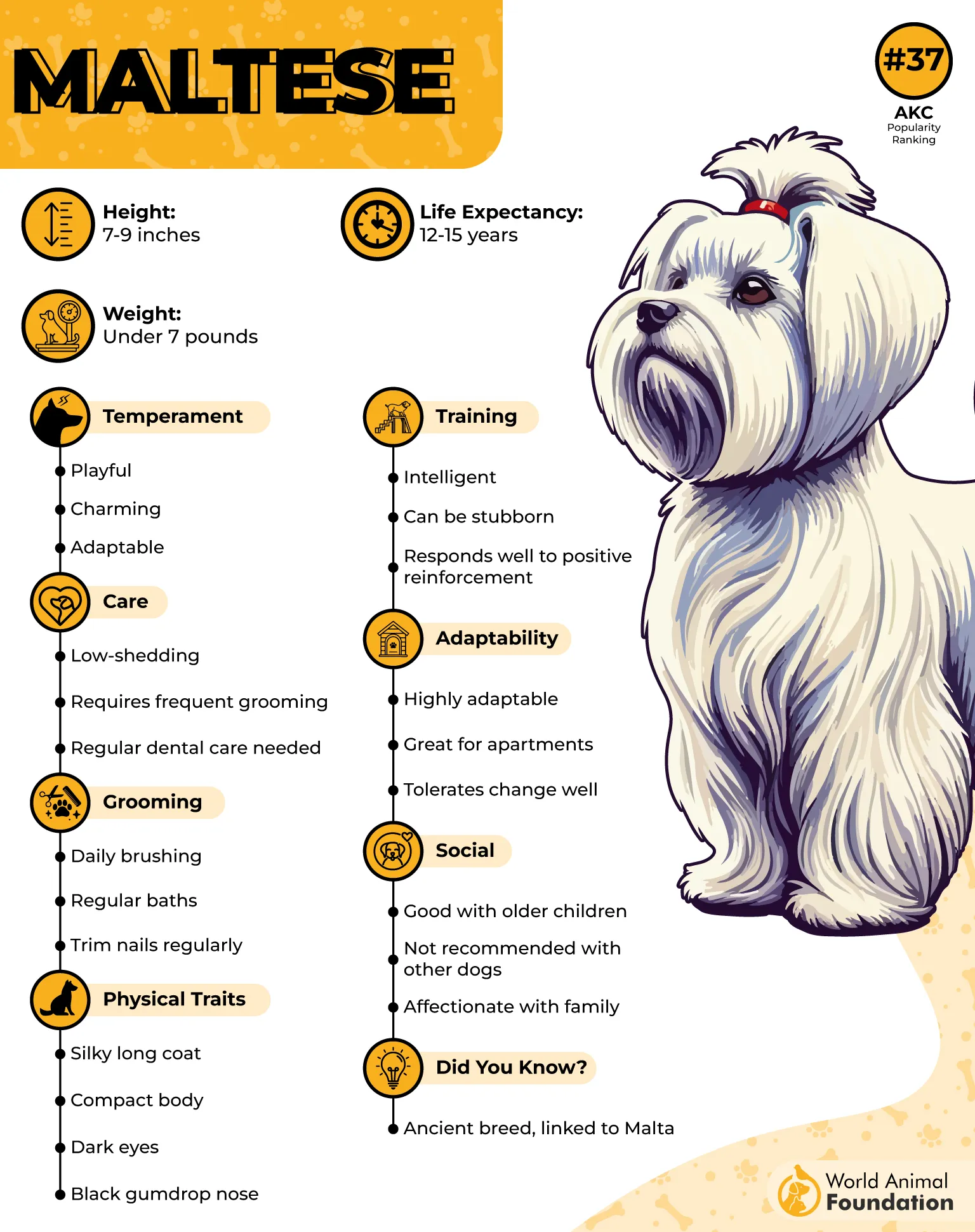
The Maltese has a long history as a companion to noble families, with its name linked to Malta, an island in the Mediterranean Sea. Its presence on the island is thought to date back to around 1500 B.C.E., when Phoenician traders may have introduced the breed to the region.
Little Bursts of Excitement
A Maltese enjoys being close to its favorite people and can turn an ordinary evening into a lively chase around the house. This ancient breed often has sudden bursts of energy, commonly called zoomies, especially after a bath or later in the day.
Their everyday antics can be quite amusing too:
Loves tearing up tissue paper and paper towels
Recognizes the sound of a treat wrapper instantly.
Uses dramatic sighs and pleading eyes to request attention.
Clever and Gentle Companions
These charming little dogs are intelligent, responsive, and generally eager to learn tricks. Their gentle, trusting nature also makes them suitable therapy companions, while their playful side brings plenty of activity to indoor games and training sessions.
7. Brussels Griffon
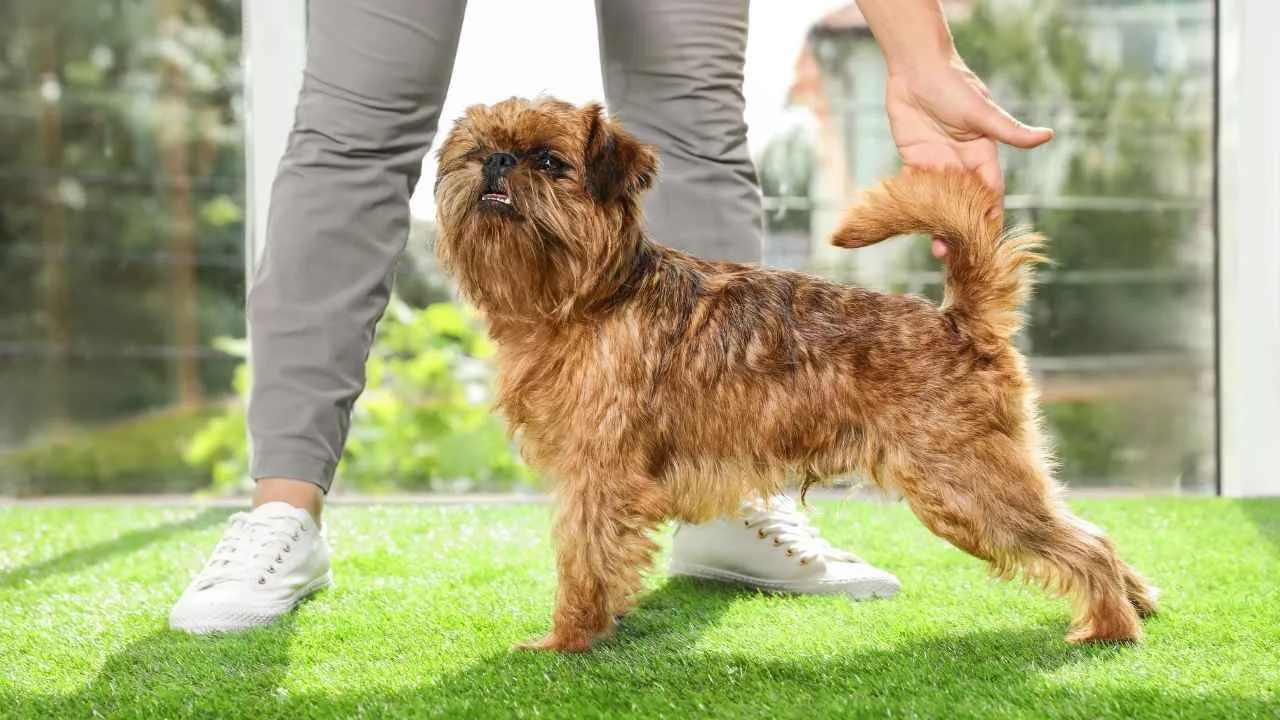
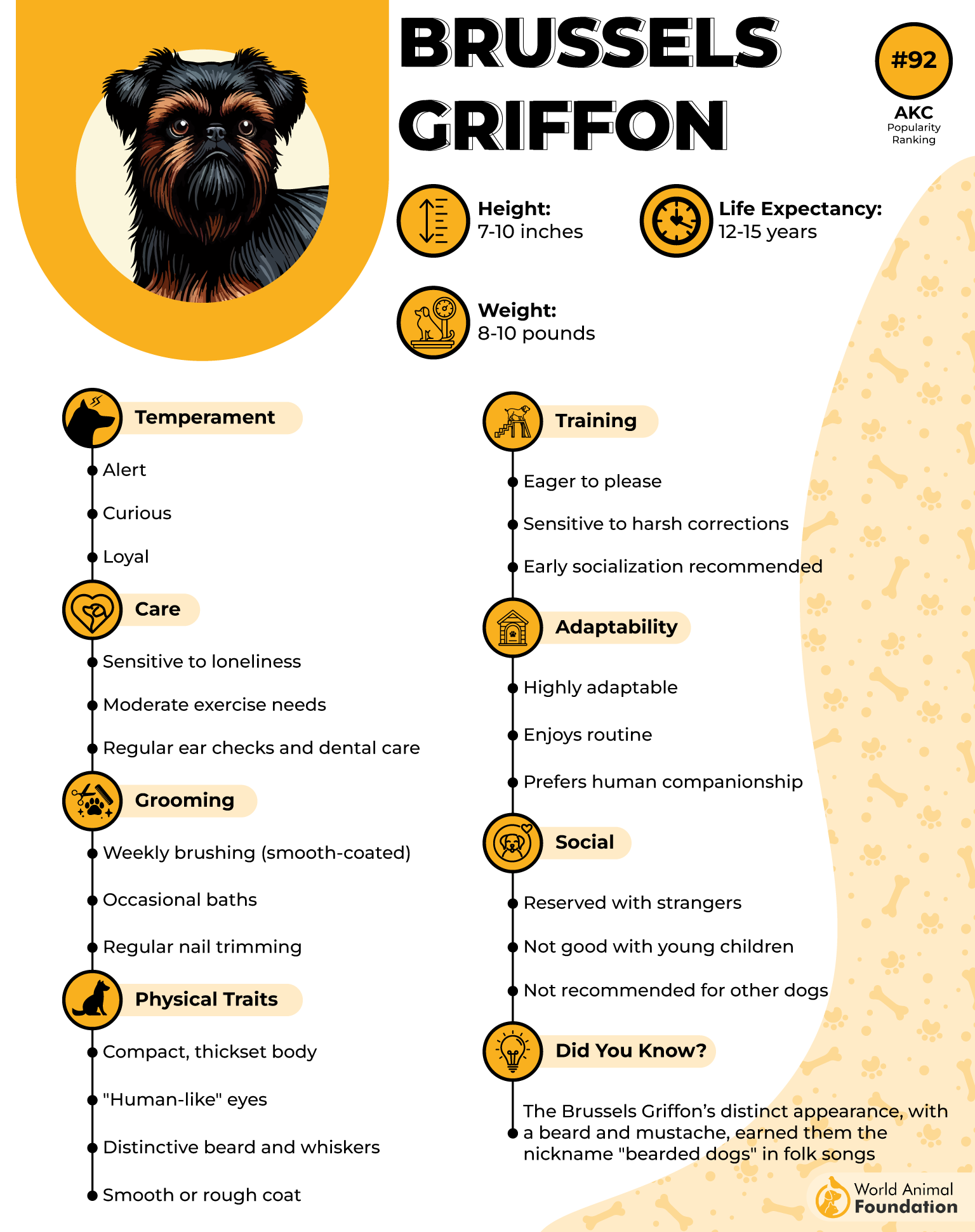
The Brussels Griffon developed in Brussels, Belgium, during the early 1800s, where it gradually became a distinctive companion breed.
Its ancestry includes the Affenpinscher, Pug, Cavalier King Charles Spaniel, and English Toy Spaniel. The American Kennel Club officially recognized the breed in 1910.
A Small Dog With a Playful Streak
These small furries have plenty of energy for games and enjoy activities that keep them involved with their favorite people. It can happily follow its family around the house or yard, then join other dogs for a lively play session at the park or daycare.
Its amusing personality has a few more sides worth knowing:
Picks up on its person’s changing moods.
Repeats funny gestures that get a laugh.
Becomes unsettled when left alone for long periods.
Curious, Sensitive, and Full of Character
Brussels Griffons are naturally alert and curious, with a sensitive side that calls for gentle handling. They generally get along with unfamiliar people, dogs, and cats, while older children who understand how to handle a small dog are usually better companions. Supervision is important around younger children.
8. Toy Fox Terrier
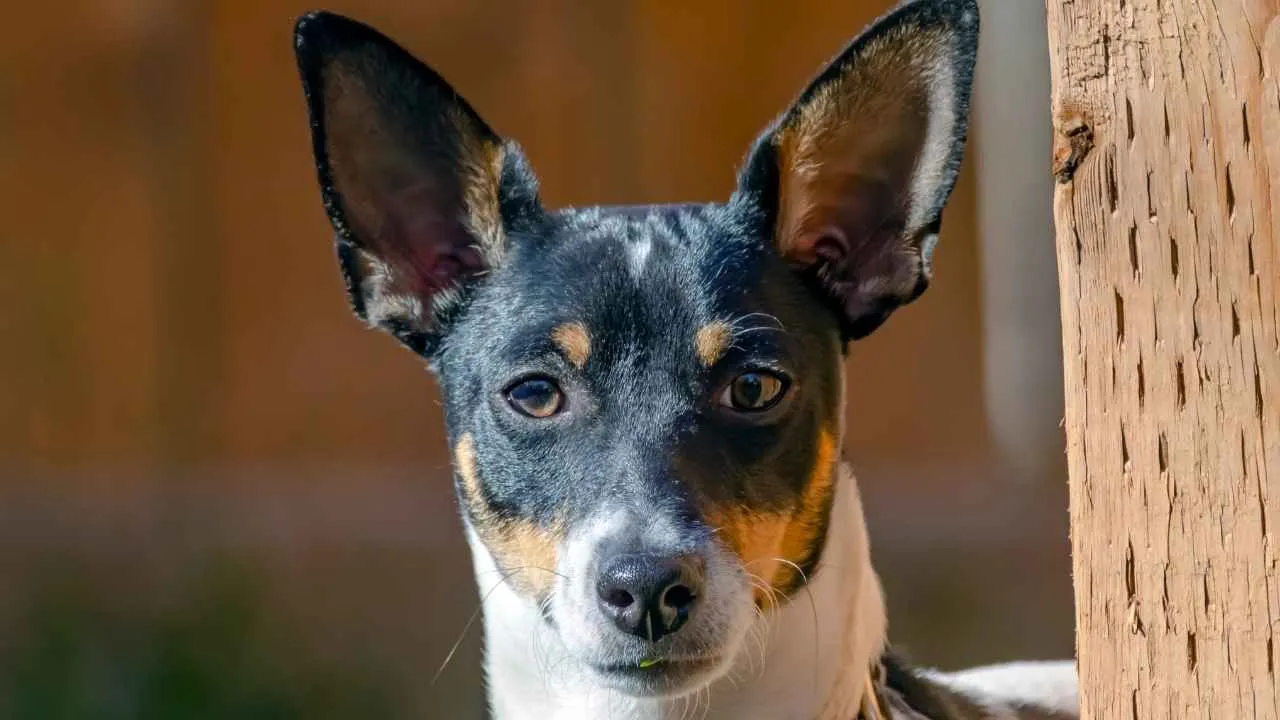
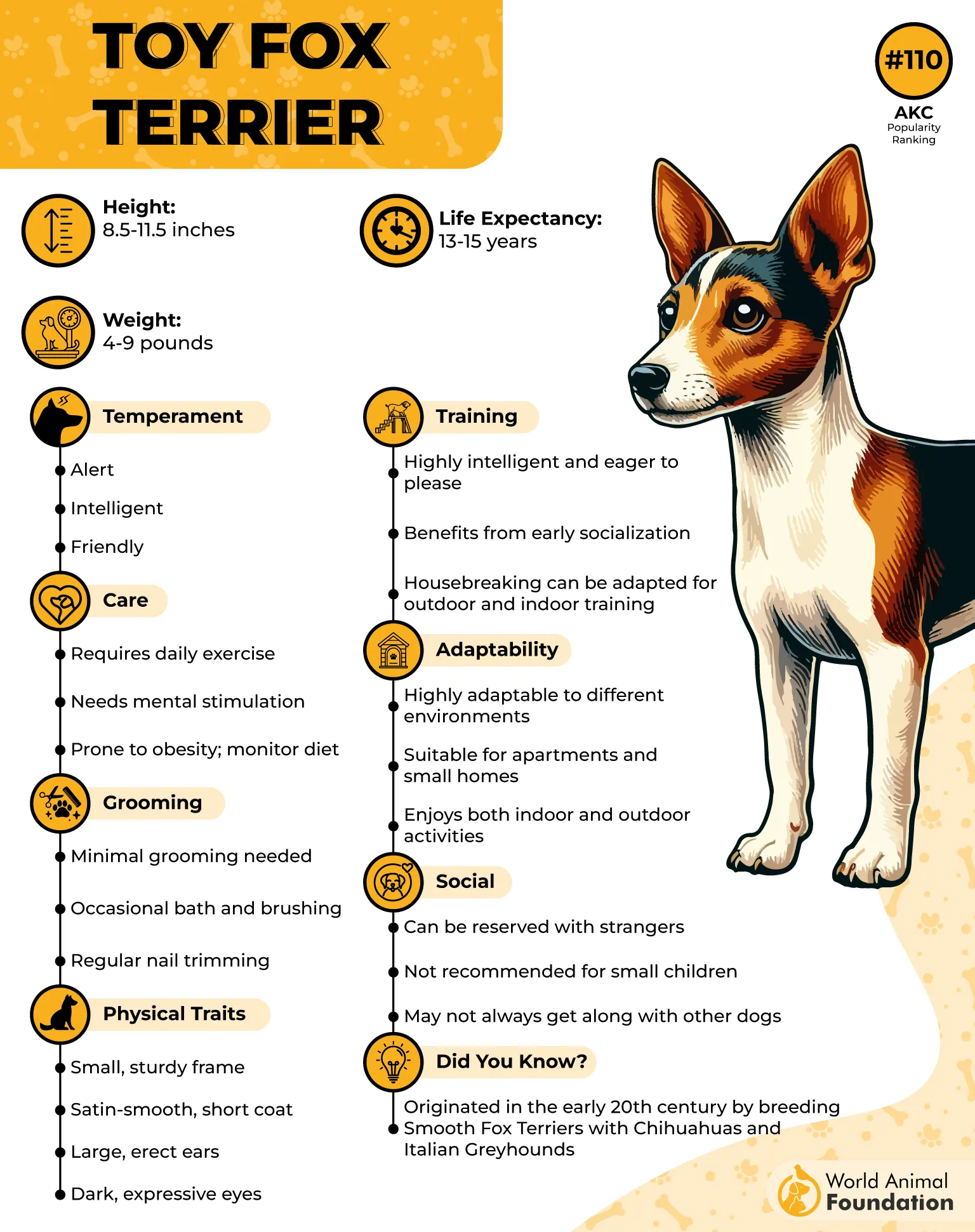
The Toy Fox Terrier originated in the United States in the early 1900s, when Smooth Fox Terriers were crossed with smaller breeds.
Chihuahuas, Italian Greyhounds, Manchester Terriers, and Miniature Pinschers helped produce a compact dog with its ancestors’ intelligence and athletic ability.
Always Ready for a Challenge
These terriers have plenty of energy and a sharp mind to match. It enjoys activities that keep both busy, from agility and obedience to rally competitions and learning new tricks. Training sessions can quickly become another favorite part of its day.
Its playful personality also comes through in some amusing habits:
Bursts into speedy laps around furniture after walks.
Uses its upright ears and pleading eyes to request extra treats.
Has a history as a circus performer and trick dog.
A Terrier’s Chasing Instinct
Its terrier ancestry can bring a strong desire to chase small animals. Early socialization helps it become comfortable around unfamiliar people and pets, while supervised introductions are important with smaller household animals. Outdoor time is safest on a leash or inside a secure fence.
9. Russian Toy
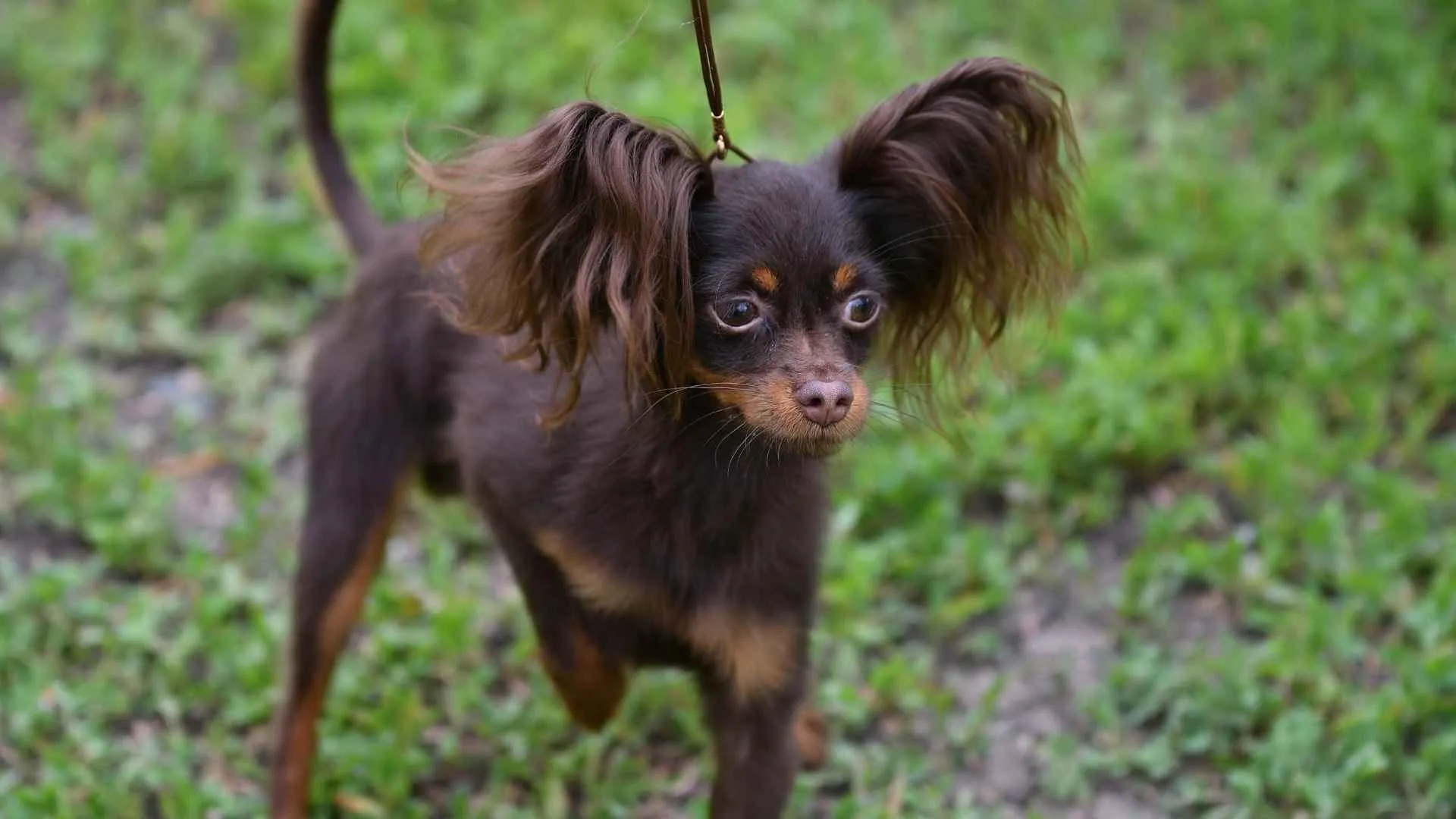
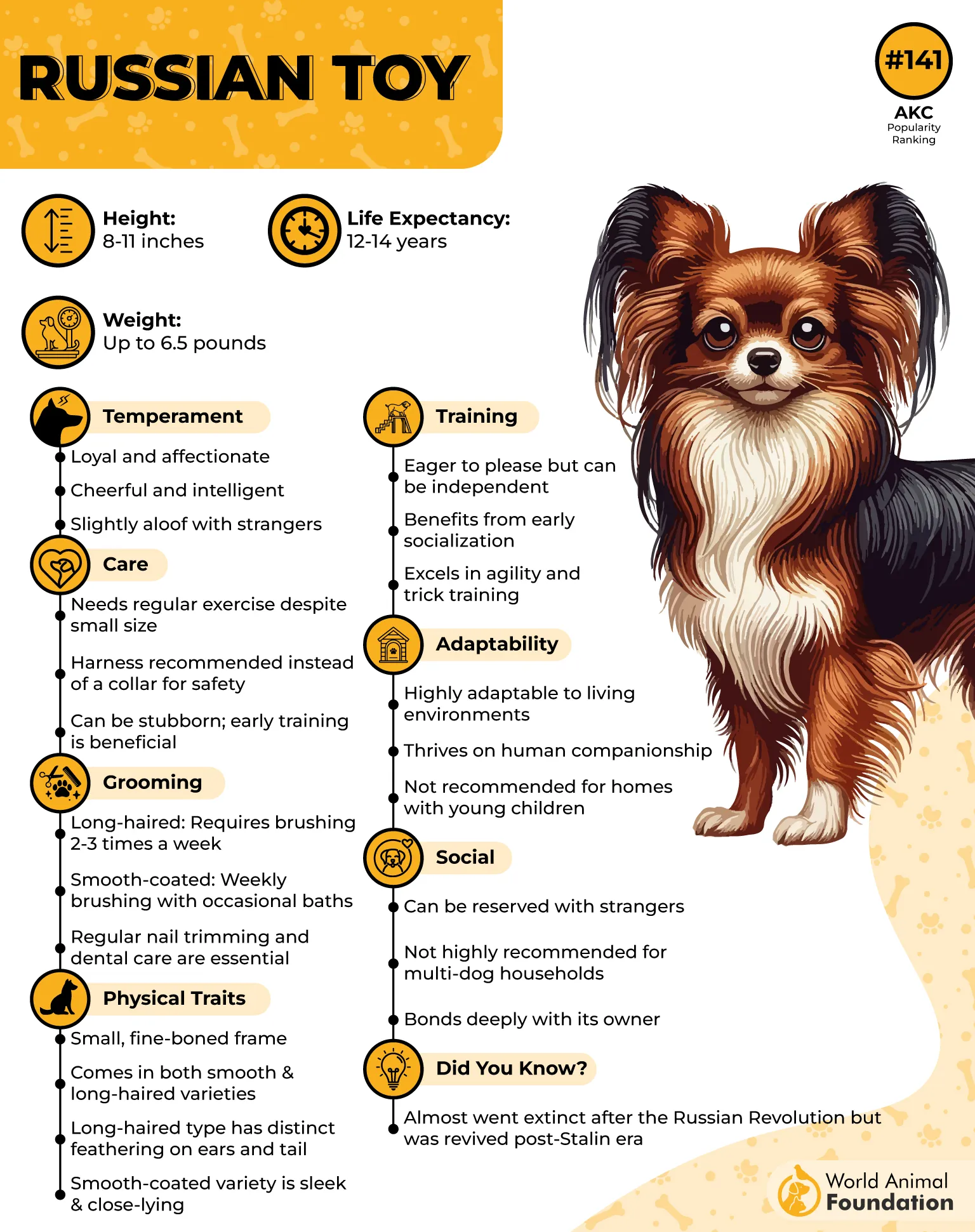
The Russian Toy has English toy terrier ancestry, linked to the Russian aristocracy’s fondness for small English dogs. These companions appeared in Russia during the early 1700s, and one famous example was Lizetta, a black-and-tan terrier belonging to Peter the Great.
A Little Dog With Theatrical Energy
The Russian Toy can turn an ordinary afternoon into a lively performance. Its playful, clown-like antics often put it at the center of household activity, and it is equally happy scampering around the yard or relaxing indoors when the excitement settles.
Its entertaining personality comes with some memorable habits:
Follows favorite people from room to room.
Sounds the alarm when something seems suspicious.
Enjoys agility, trick routines, and dog dancing.
Friendly With Familiar Faces
Affectionate and outgoing, these perfect playmates generally enjoy spending time with both children and older family members.
Early socialization helps it become comfortable around unfamiliar people, other dogs, and household pets. Supervision is still important when it interacts with children.
10. Japanese Chin
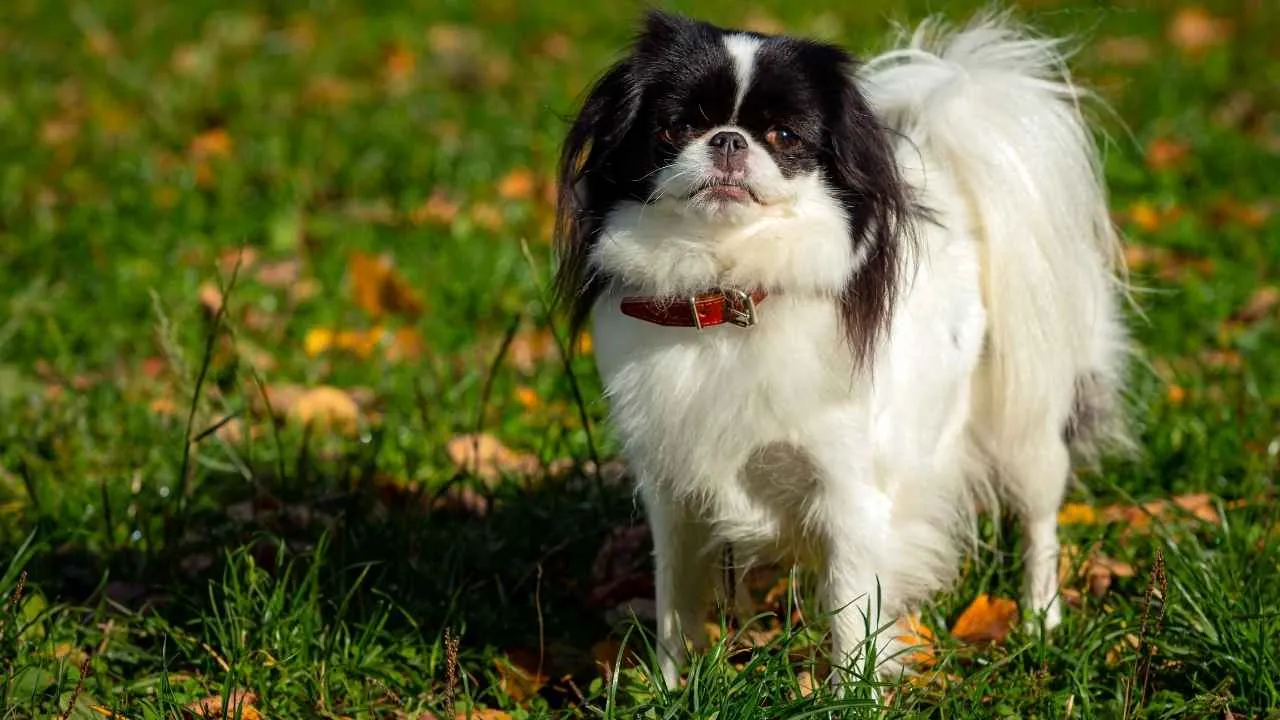
The Japanese Chin actually has Chinese ancestry, with its early relatives associated with Chinese nobility. Chinese rulers gifted these little dogs to Japanese dignitaries, where they became treasured companions of the aristocracy. Their long association with Japanese noble households eventually gave the breed its familiar name.
A Little Performer at Home
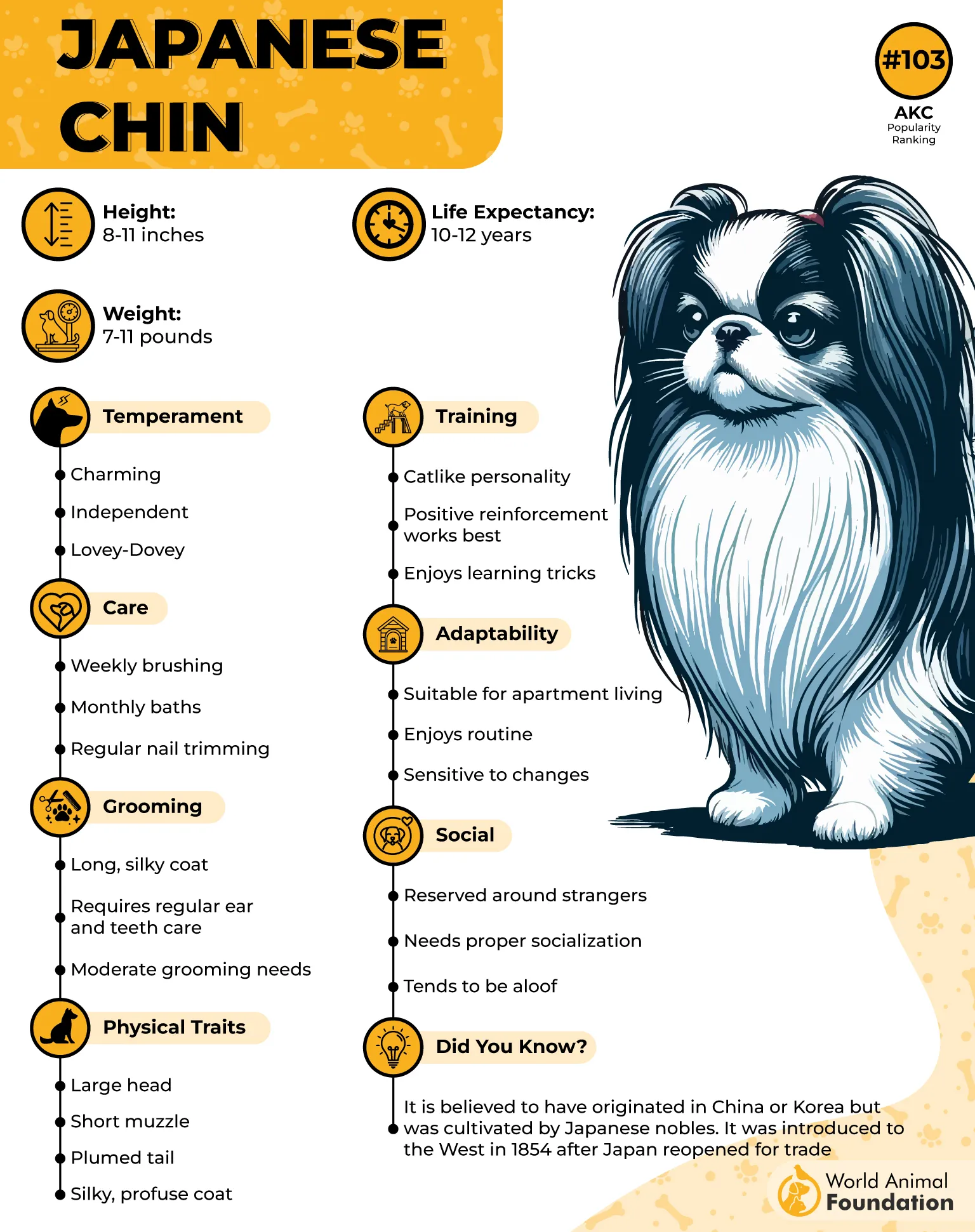
A Japanese Chin has a playful side that can turn an ordinary moment into an entertaining performance. It enjoys spending time with its favorite person and often seeks attention through amusing antics, including its unusual singing when it feels happy or wants company.
Keep an eye out for these delightful habits:
Performs the famous Chin Spin when excited.
Climbs onto sofa backs and other elevated spots.
Uses its paws to clean its face like a cat.
Clever With a Mind of Its Own
This breed is intelligent and can learn household manners with patient, consistent training. They also have an independent streak and may occasionally ignore a command when something else catches their interest. Early socialization helps them become comfortable around other dogs.
Conclusion
Small dogs can bring activity into a home, especially when they enjoy games, exploration, and time with humans. These playful pets may be easier to accommodate because of their size, but they still need plenty of attention. Regular play, patient training, and safe spaces help them use their energy and romp and play without putting their delicate bodies at risk.
Families should consider how a tiny dog will interact with children, larger pets, and humans. Their fun-loving nature can appeal to dog lovers, but each has its own habits and care needs, so daily routines matter.
With thoughtful handling, these lively companions can make ordinary moments more entertaining and keep everyone involved throughout the day.
