




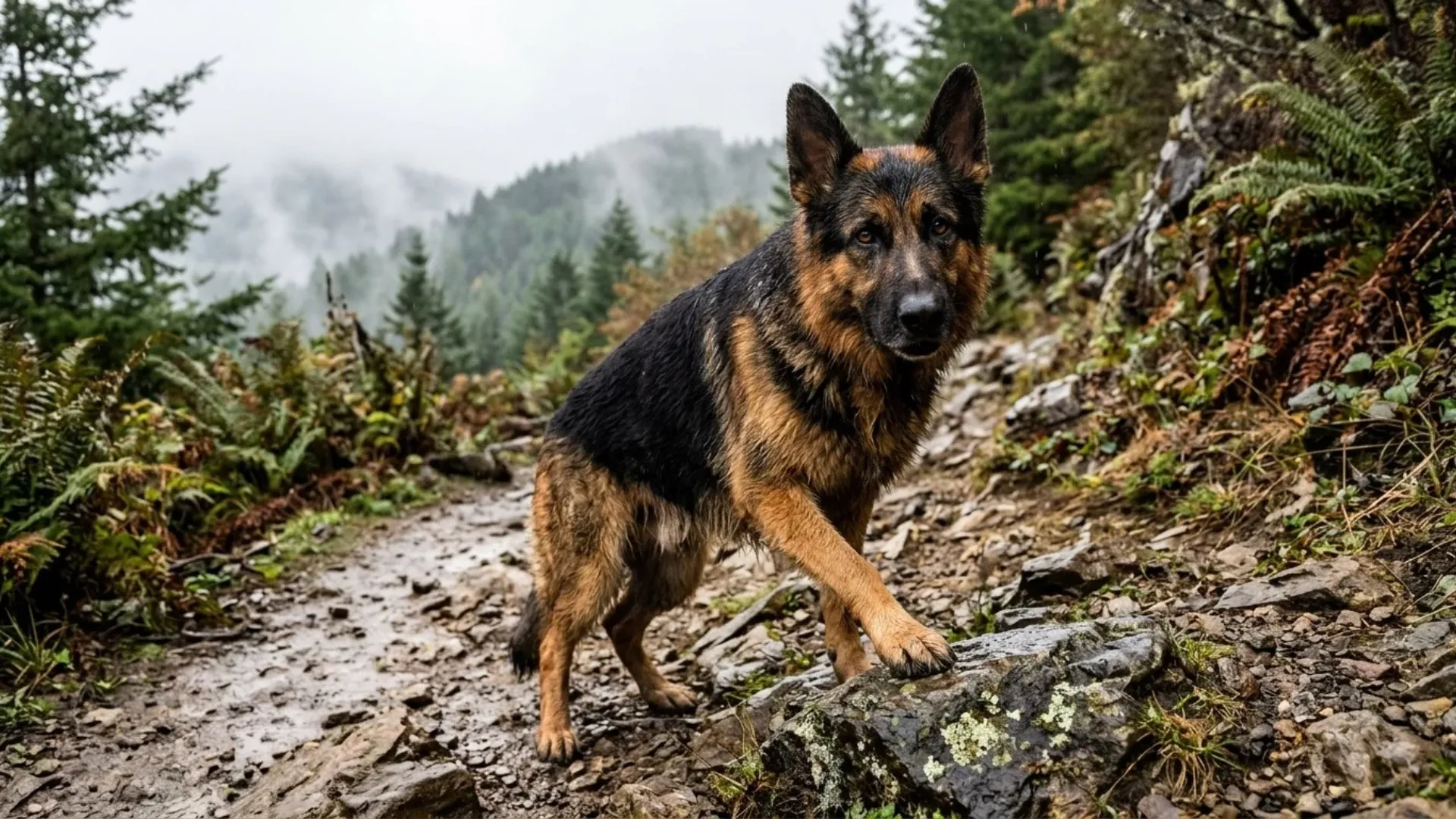
Some dogs seem built with an unbreakable spirit, pushing forward through bitter cold, steep mountain trails, and demanding tasks without ever losing their focus.
Shaped by centuries of working alongside humans in harsh climates and rugged landscapes, these determined breeds rely on grit, endurance, and sharp problem-solving to see every job through to the end.
True canine resilience goes far beyond physical toughness—it is a combination of mental focus, adaptability, and steady loyalty when conditions get rough. Whether hauling sleds across frozen terrain, guarding livestock through long nights, or powering through demanding training sessions, these dogs refuse to back down when a challenge appears.
For active owners who admire tenacity and want a partner with an unmatched work ethic, few breeds compare to these relentless workers. Below, explore the top nine most resilient dog breeds that never give up—along with the history, strengths, and care needs behind their unstoppable drive.
Top Most Resilient Dog Breeds That Never Give Up
1. German Shepherd
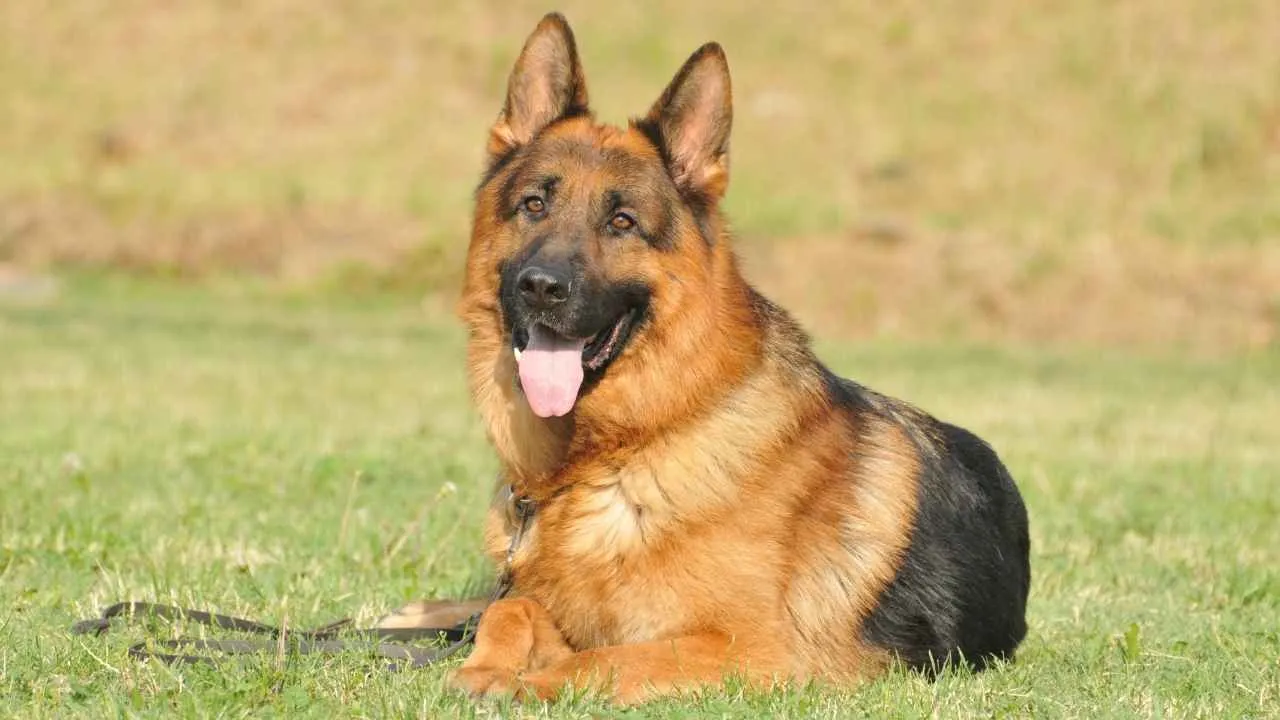
During World War I, German Shepherd messenger dogs sprinted across shelled fields once telephone lines failed. Their nerve under fire outshone every other military dog of the era, according to VCA. A herding dog became a wartime legend overnight.
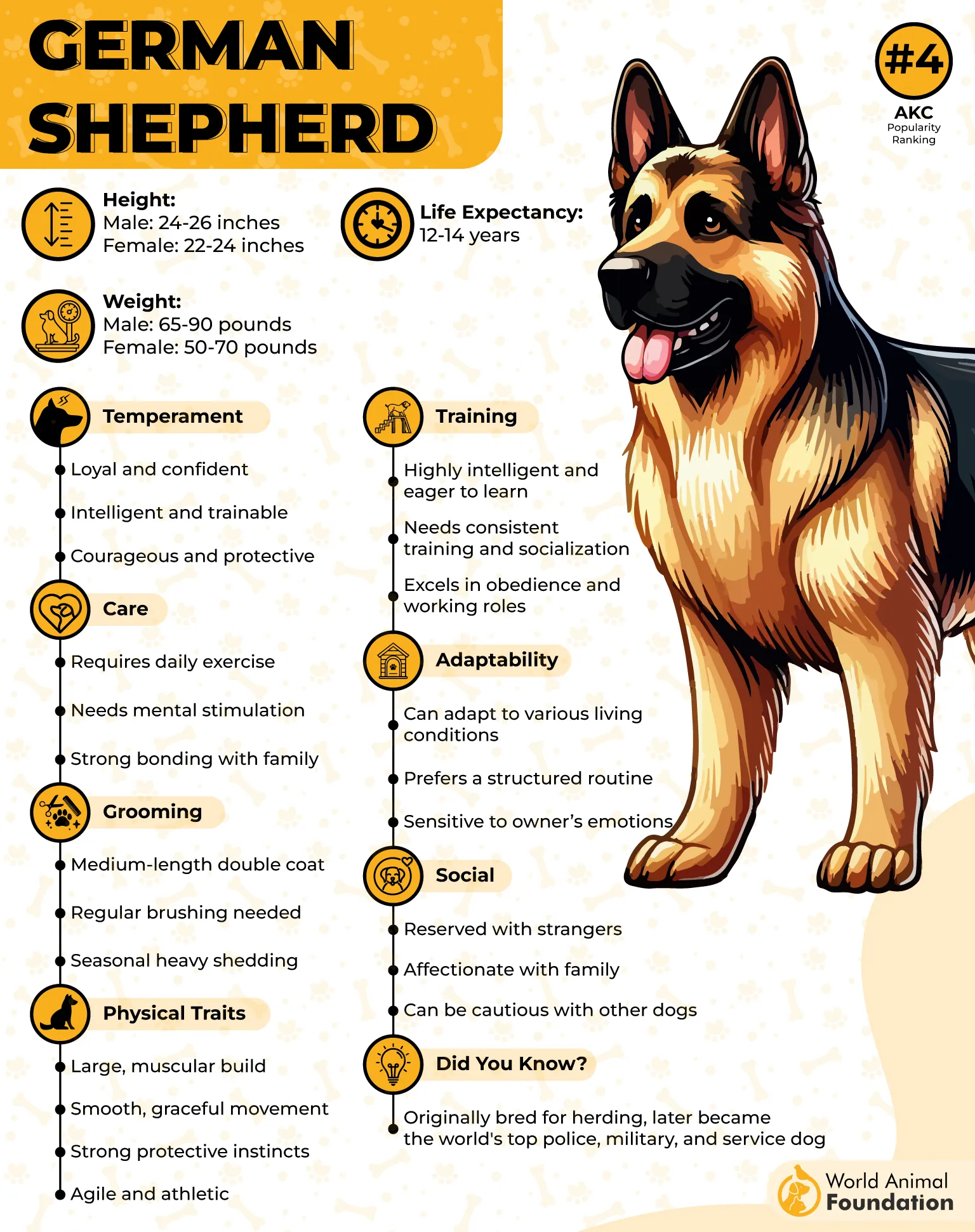
That grit comes from herding instinct, the drive that keeps this breed circling a flock until every sheep is accounted for. A strong protective streak adds fuel to the fire.
What it looks like at home: A German Shepherd will run the same drill again and again without losing focus.
The catch: That same drive can turn into pacing or herding the kids around the house.
This breed suits owners who want a working partner, not just a pet, like service dog handlers or sport trainers. Give it a job, and it never quits.
2. Rottweiler
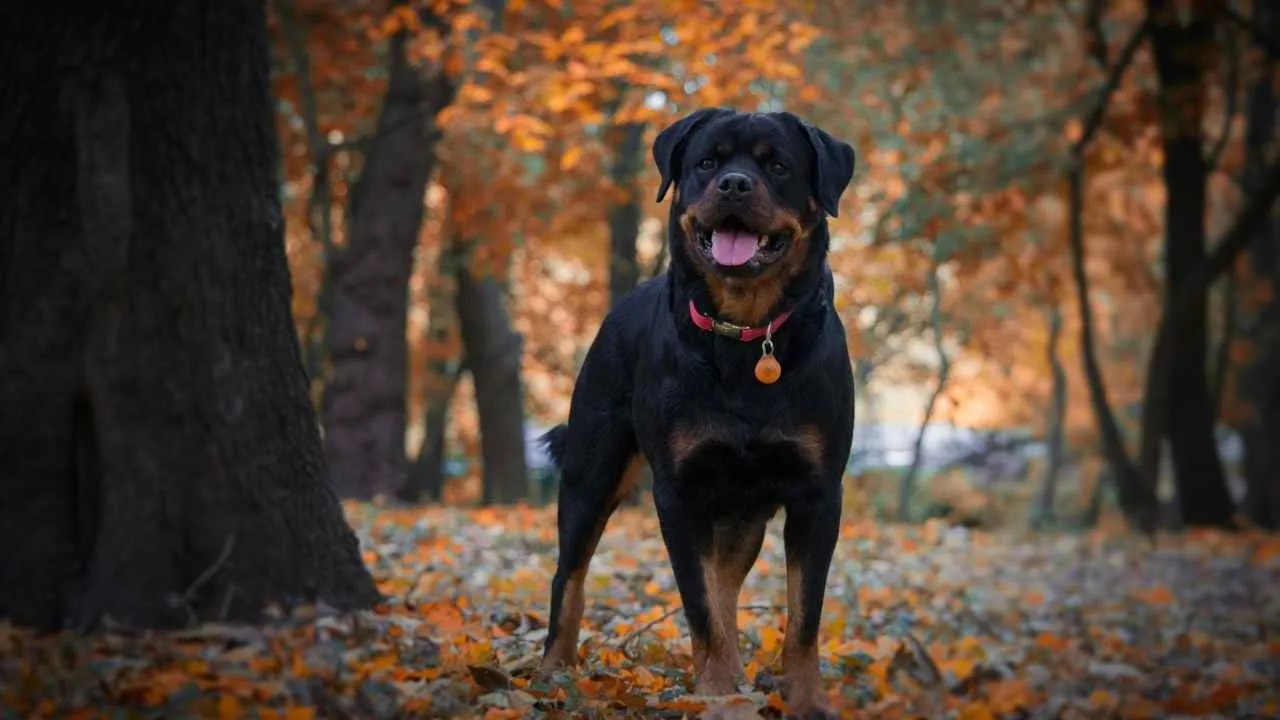
Rottweilers descend from Roman drover dogs, built to push cattle for miles to market and guard the earnings on the walk home. A full day’s drive, then a full night on watch, was standard. That dual job never fully left the breed.
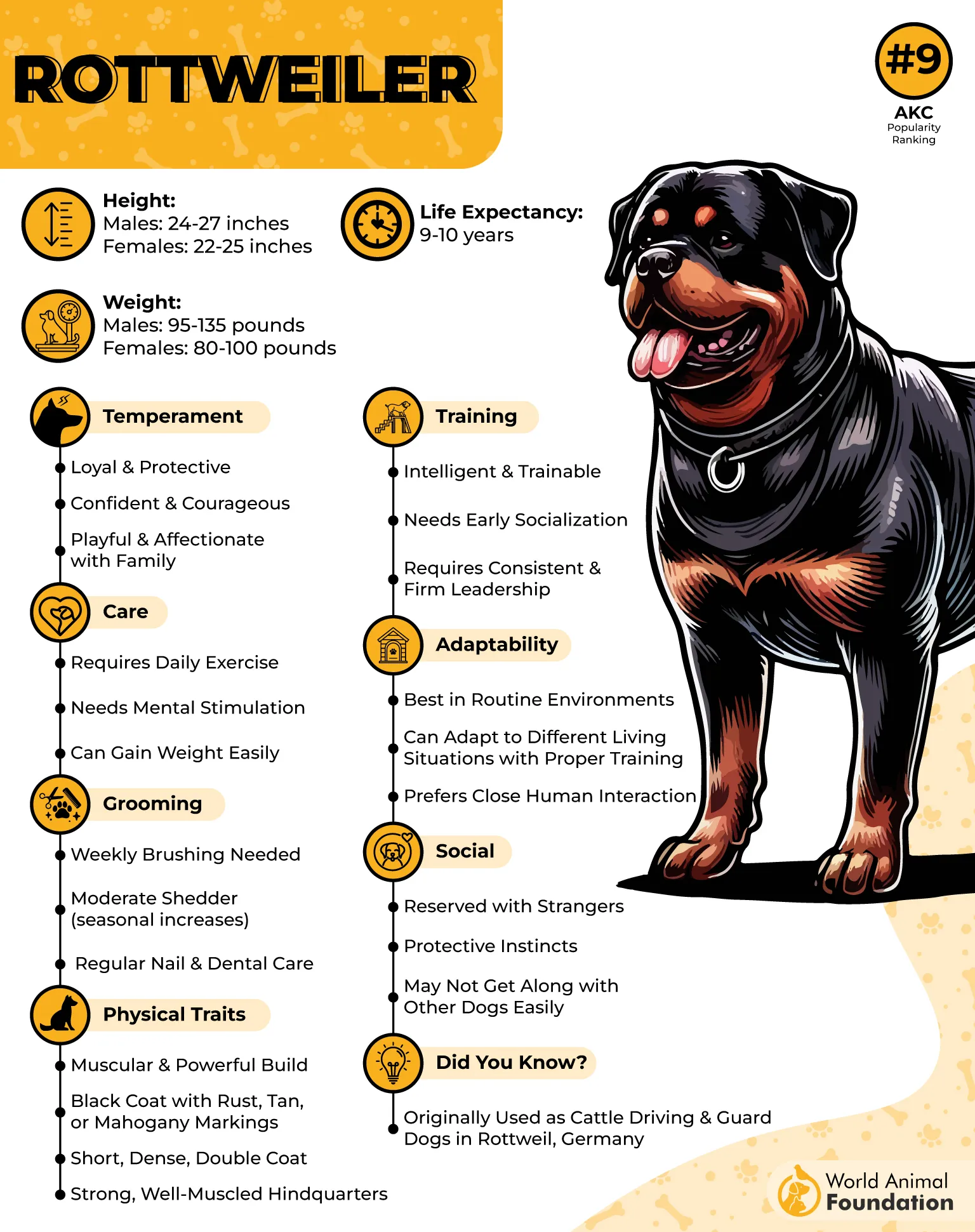
The instinct behind it blends herding drive with guarding instinct, a strong-willed combination built for a dog that works and watches at once. Nothing about it is soft.
What it looks like at home: A Rottweiler will plant itself at the door and refuse to budge until it clears the visitor.
The catch: Without early socialization, it can decide almost anyone qualifies as a threat.
Rottweiler puppies do best with an owner who trains early and stays consistent, since this breed requires firm handling to turn raw strength into something reliable.
3. Doberman Pinscher
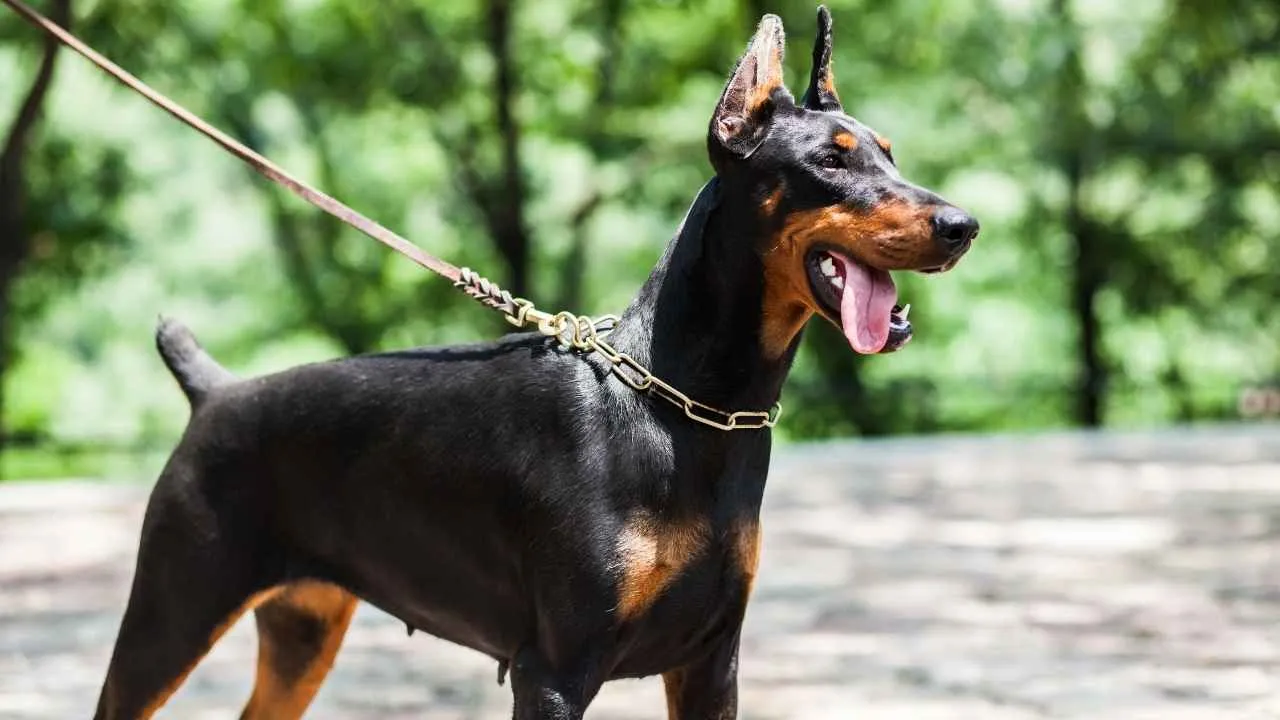
The Doberman Pinscher was built by a German tax collector who needed a guard dog nobody would dare approach, according to PetMD. Protecting one vulnerable person was the whole job. The military and police later borrowed the same instinct.
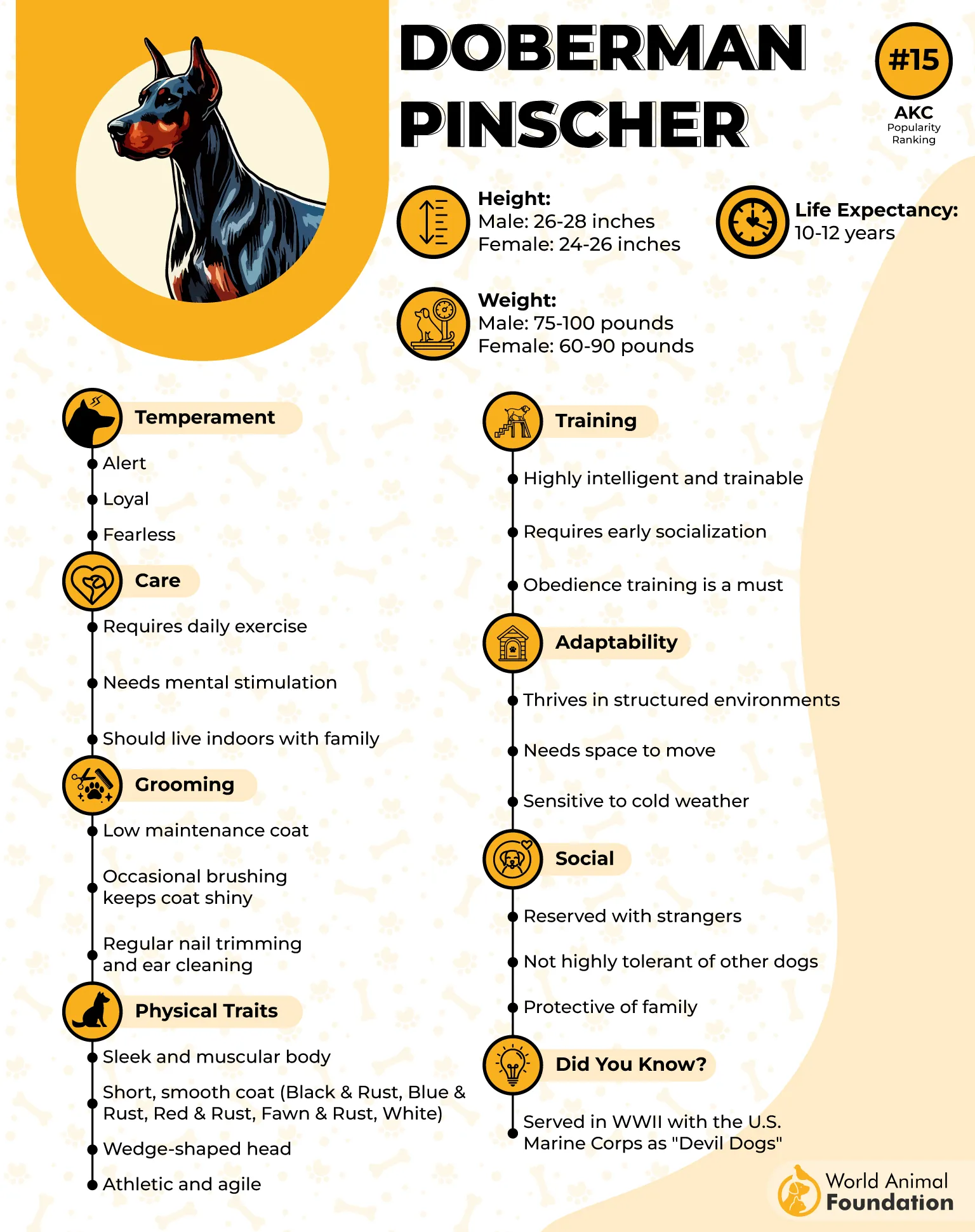
The drive is pure protective instinct, sharpened across generations into a dog that reacts fast and rarely hesitates. It reads a room before anyone else notices trouble.
What it looks like at home: A Doberman will plant itself between a stranger and its family in an instant.
The catch: That same instinct can misread a loud guest as a genuine threat.
This breed suits a confident owner with time for structured training, since an undertrained Doberman channels its fearless commitment in all the wrong directions.
4. German Shorthaired Pointer
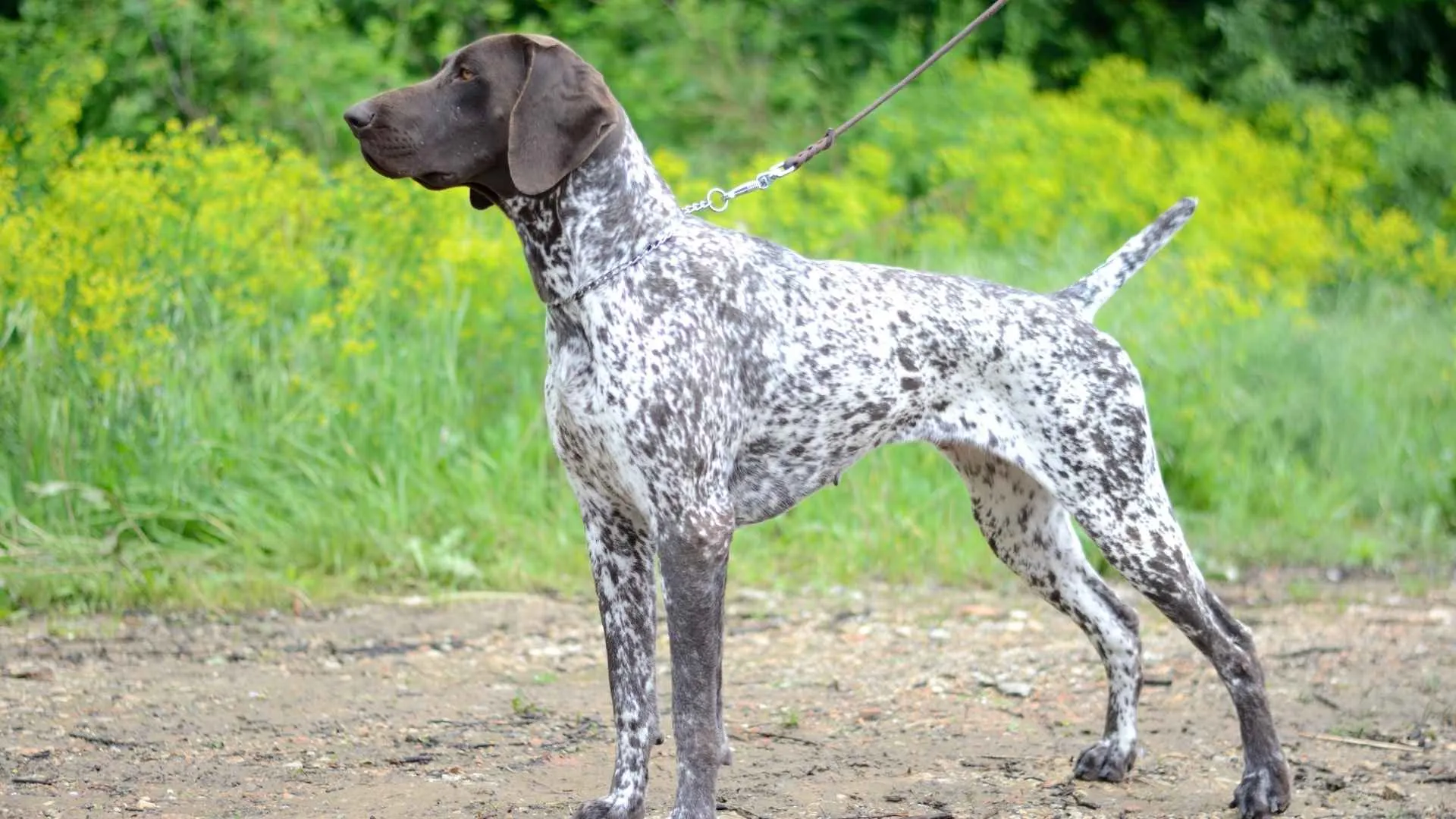
A German Shorthaired Pointer was bred to point, flush, and retrieve across an entire hunt, covering miles of field and water without a break. One dog was expected to do every job a hunting party needed. That versatility demanded real stamina.
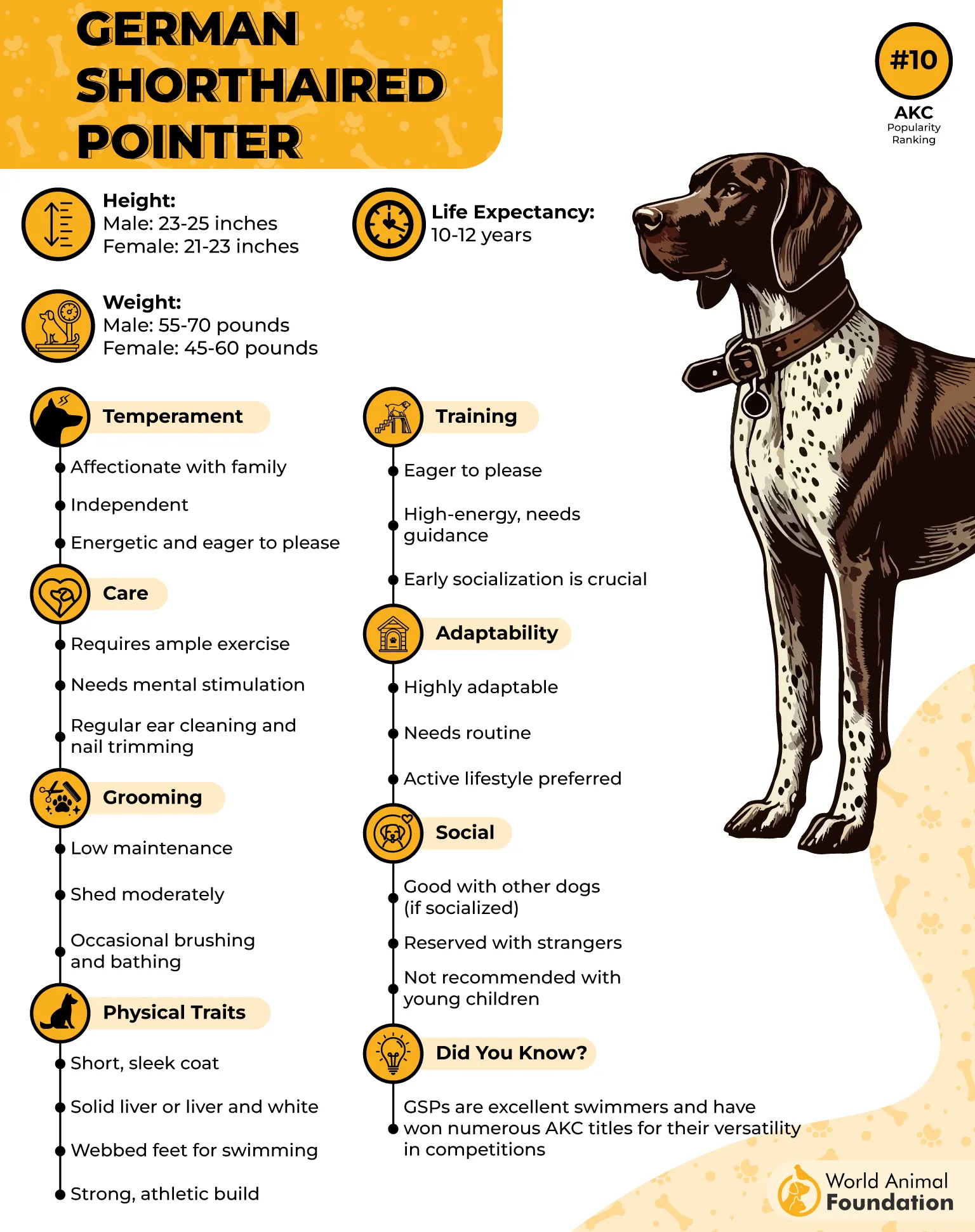
The engine behind the running is prey drive, paired with a nose built to track scent long after a weaker dog would quit. It is an incredible work ethic wrapped in muscle.
What it looks like at home: A German Shorthaired Pointer will search a yard for a lost ball well past the point of reason.
The catch: Without a daily outlet, that drive turns into counter-surfing or frantic indoor zoomies.
Hunters, runners, and endurance athletes will find this breed hard to beat, since it needs a job that tires its mind, not just its legs.
5. American Foxhound
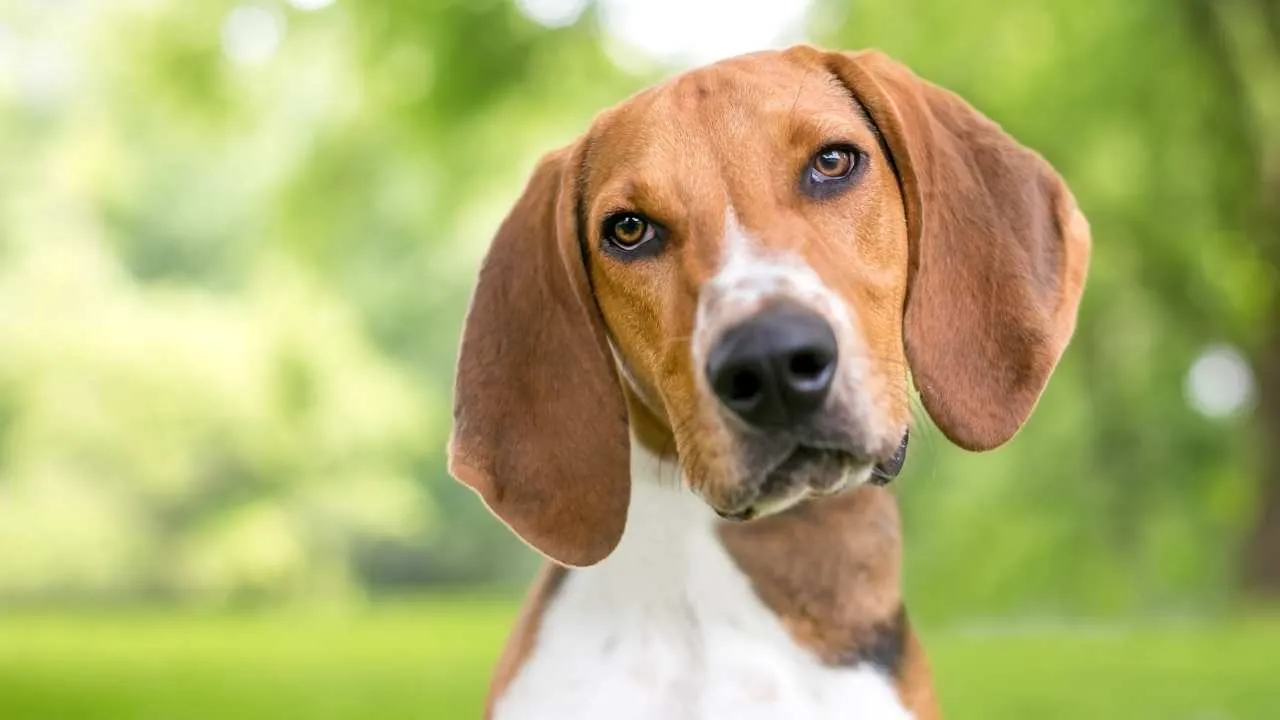
American Foxhound packs were bred to chase a fox’s scent for hours, losing the trail and finding it again without anyone calling them off. Giving up was simply not part of the job. A short chase counted as a failure.
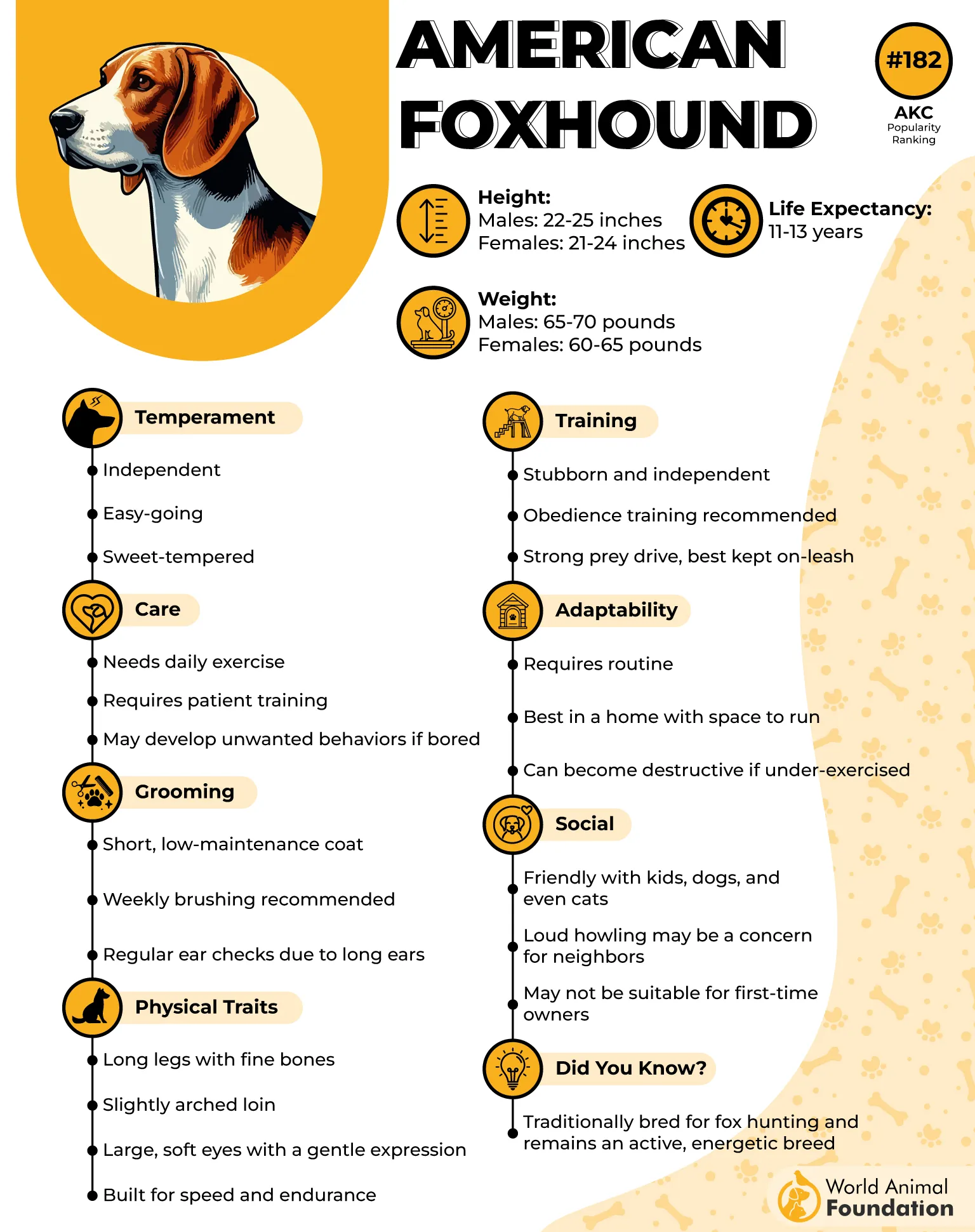
That persistence runs on scent drive, a nose-first instinct that keeps this breed locked onto a trail long after sight and sound stop helping. Once committed, it rarely lets go.
What it looks like at home: An American Foxhound will trail an interesting scent around the yard for ages, nose down the whole time.
The catch: That same nose can lead it straight over a fence, chasing a scent instead of a recall command.
This breed suits an owner with secure fencing and patience for scent work, since a bored Foxhound will simply invent its own job.
6. Alaskan Malamute
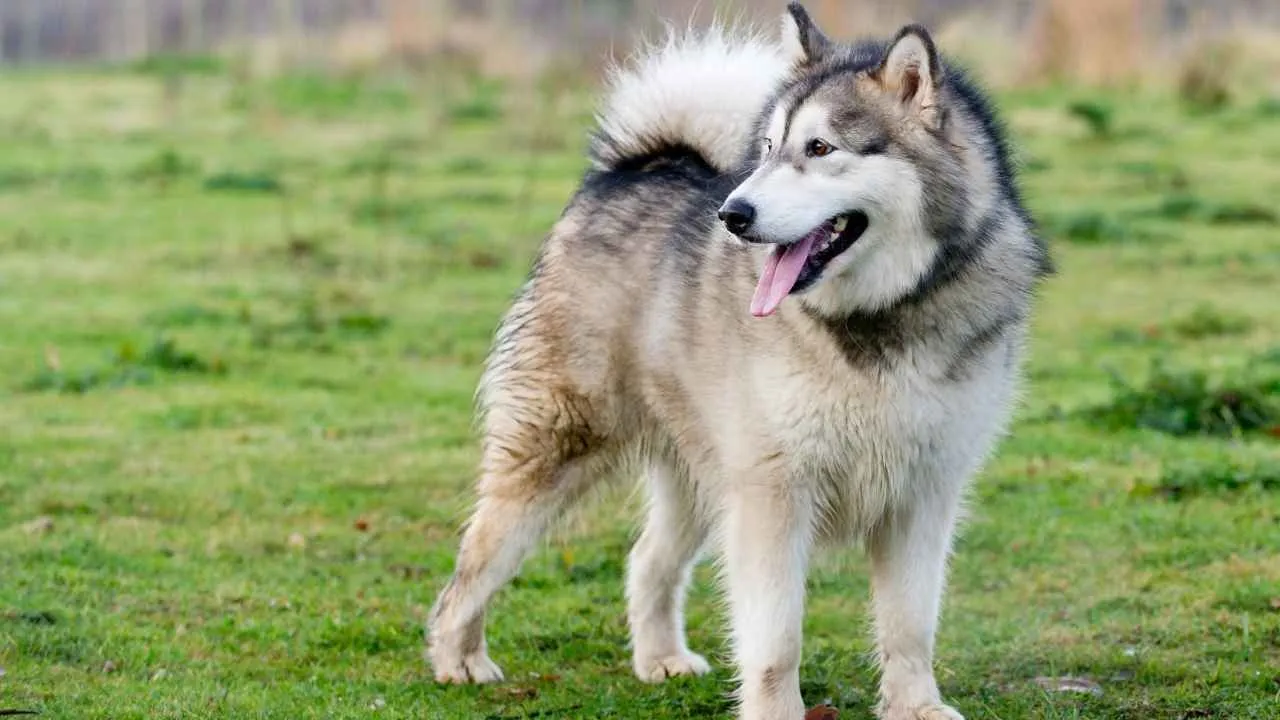
Alaskan Malamutes hauled freight sleds across the Arctic for generations before anyone raced them for sport, pulling heavy loads over ice for hours at a stretch. Admiral Byrd even brought the breed on an Antarctic expedition. Power, not speed, was always the point.
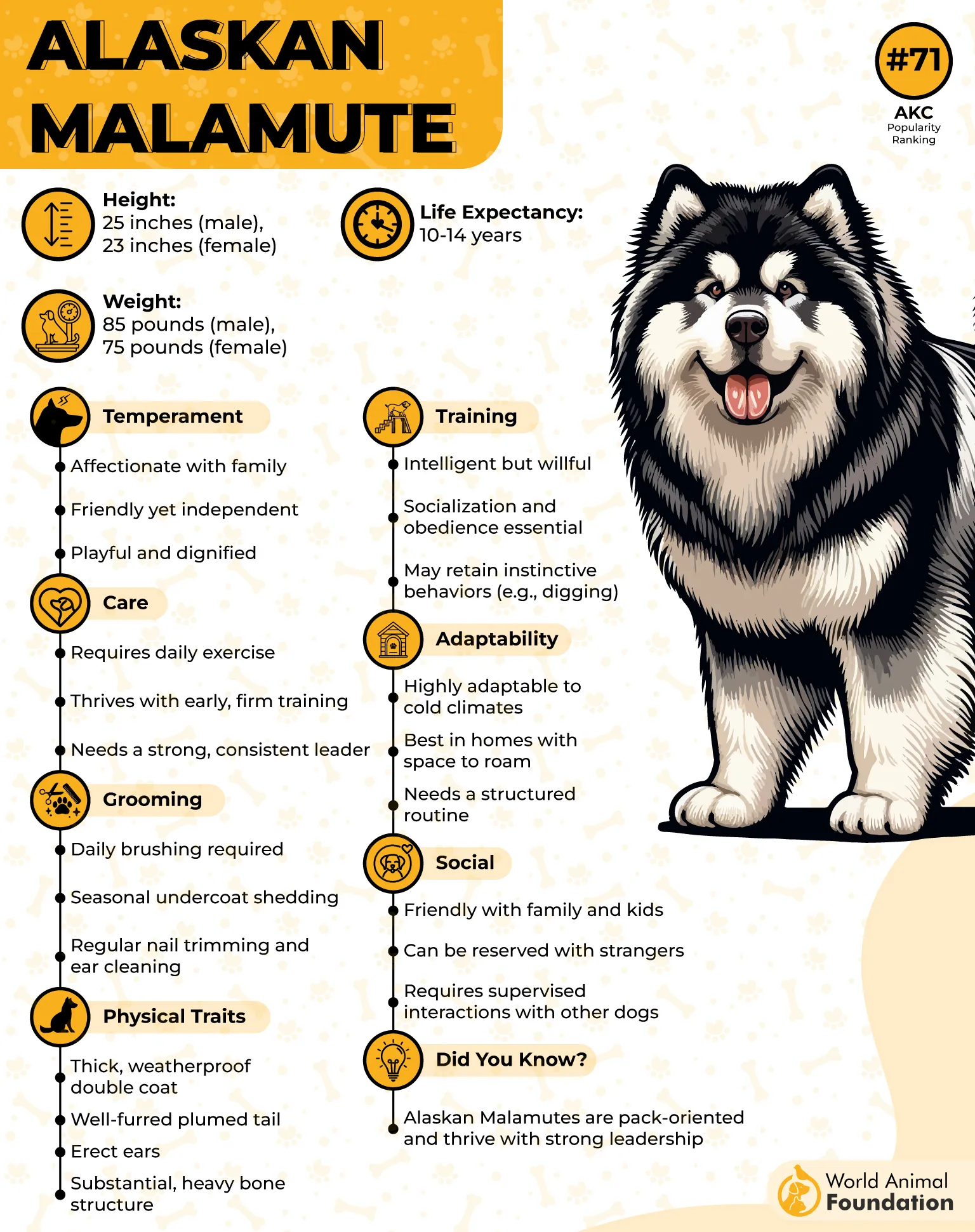
The drive here is a pulling instinct built for sustained effort, not short bursts, so a long walk reads as a warm-up rather than the main event. Strength and endurance come as one package.
What it looks like at home: An Alaskan Malamute will lean its full weight into a harness, pulling steadily rather than lunging.
The catch: That same pulling instinct makes loose-leash walking a genuine training project.
Active owners who hike, sled, or do weight-pulling sports get the most from this breed, since it finds its own outlet when none is offered.
7. Siberian Husky
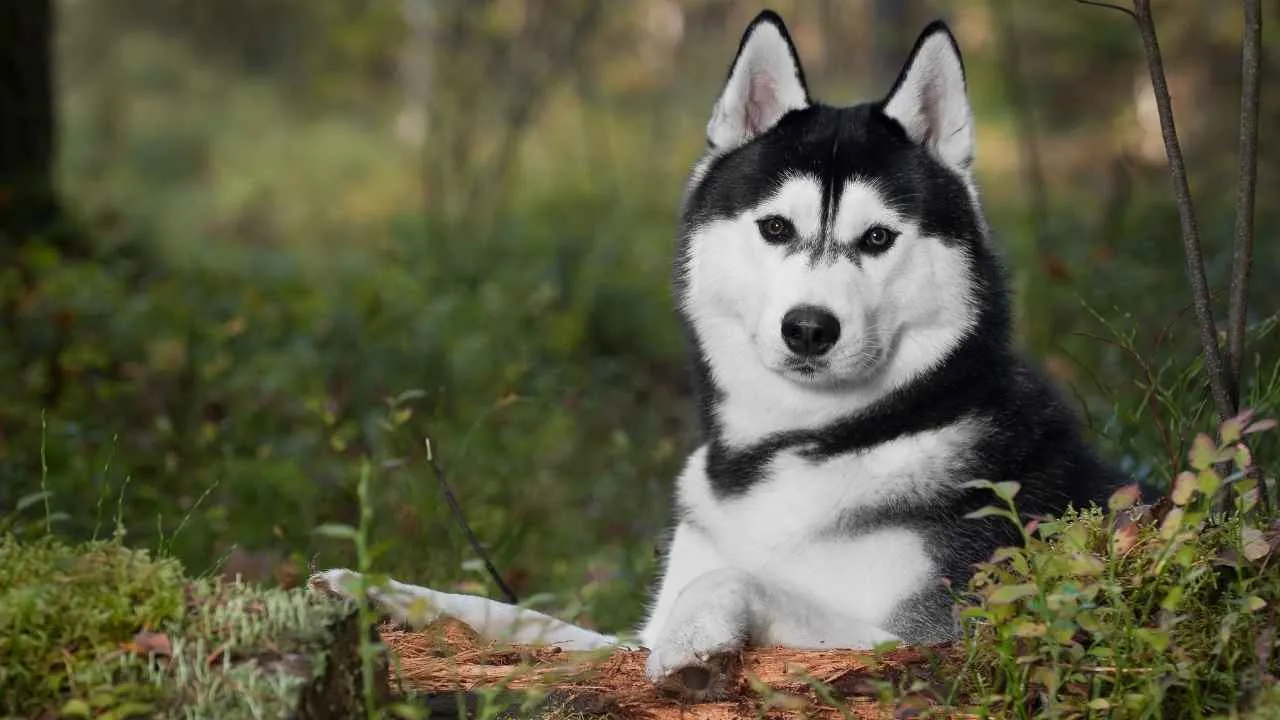
In 1925, relay teams of Siberian Huskies carried diphtheria serum more than 600 miles across Alaska to save the town of Nome, according to AKC. The lead dogs ran through blizzard conditions that stopped nearly everything else. That single relay made the breed famous.
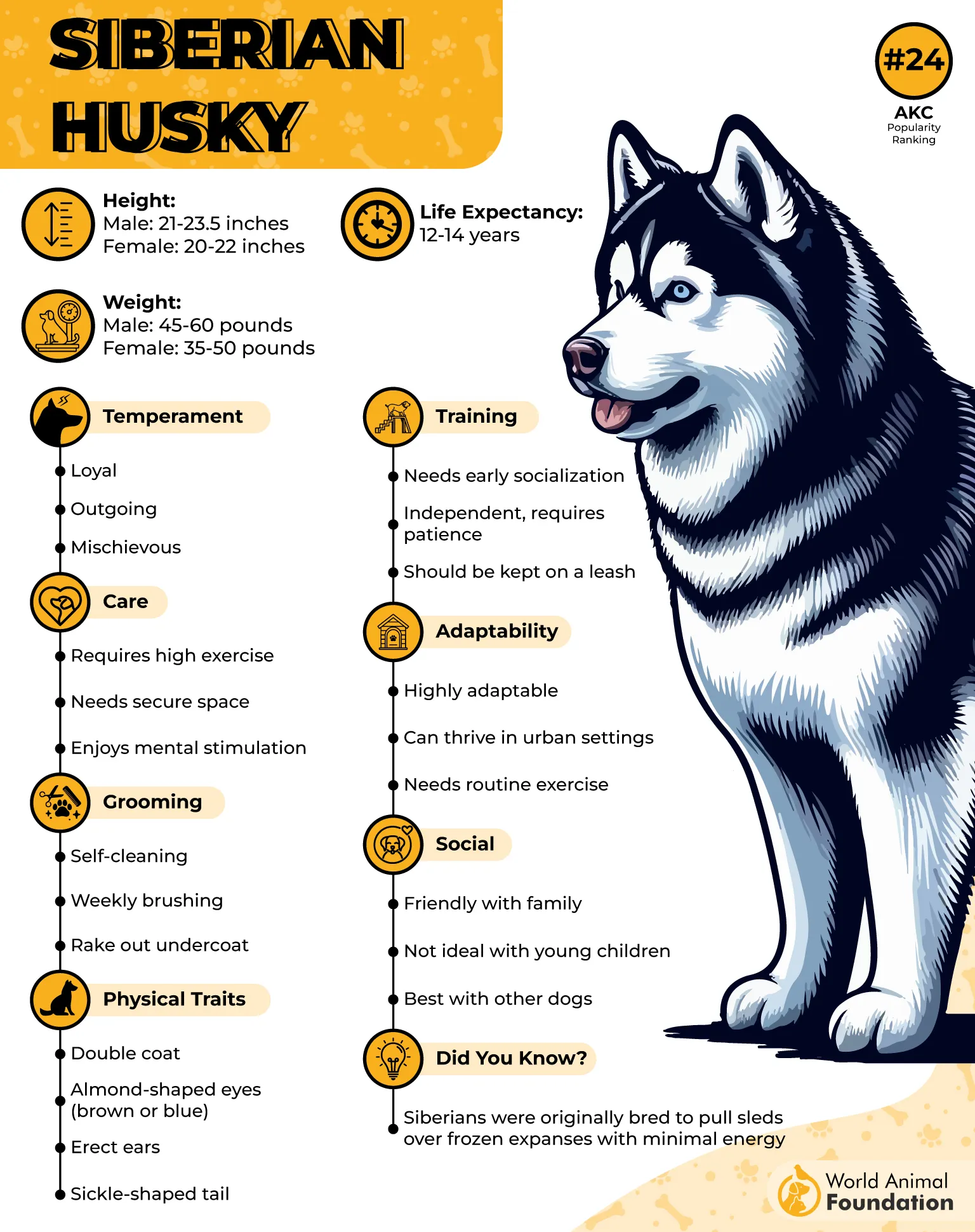
The drive behind that run is a built-in need to move, paired with pack instinct that keeps a Husky working in step with its team. Running is not exercise here; it is identity.
What it looks like at home: A Siberian Husky will pace a hallway or fence line when it has not moved enough that day.
The catch: That same need to run makes it a serious escape artist around any gap in a fence.
Owners who can offer real daily mileage, through running, hiking, or sled sports, suit this breed best, since pent-up energy writes its own exercise plan.
8. Great Pyrenees
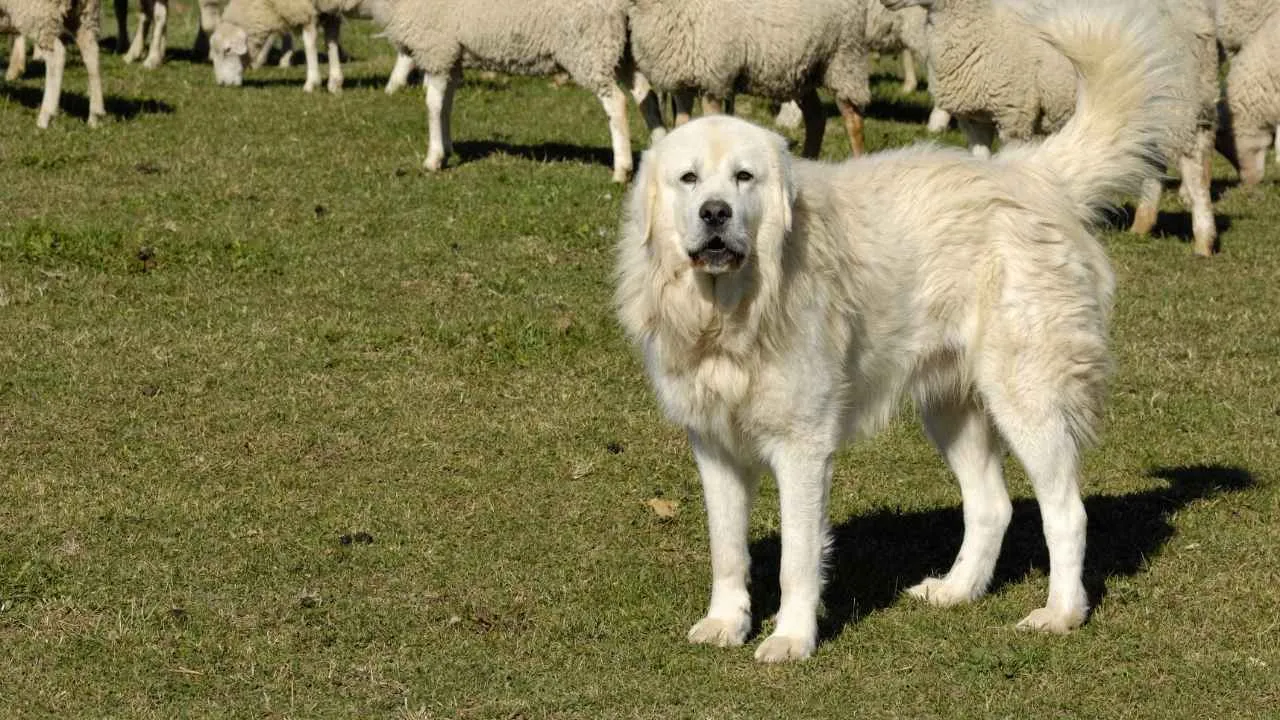
For centuries, the Great Pyrenees guarded flocks alone in the mountains, fending off wolves and even bears with no shepherd nearby, according to CKCUSA. No backup meant it had to be the last line of defense. It learned to stand its ground and mean it.
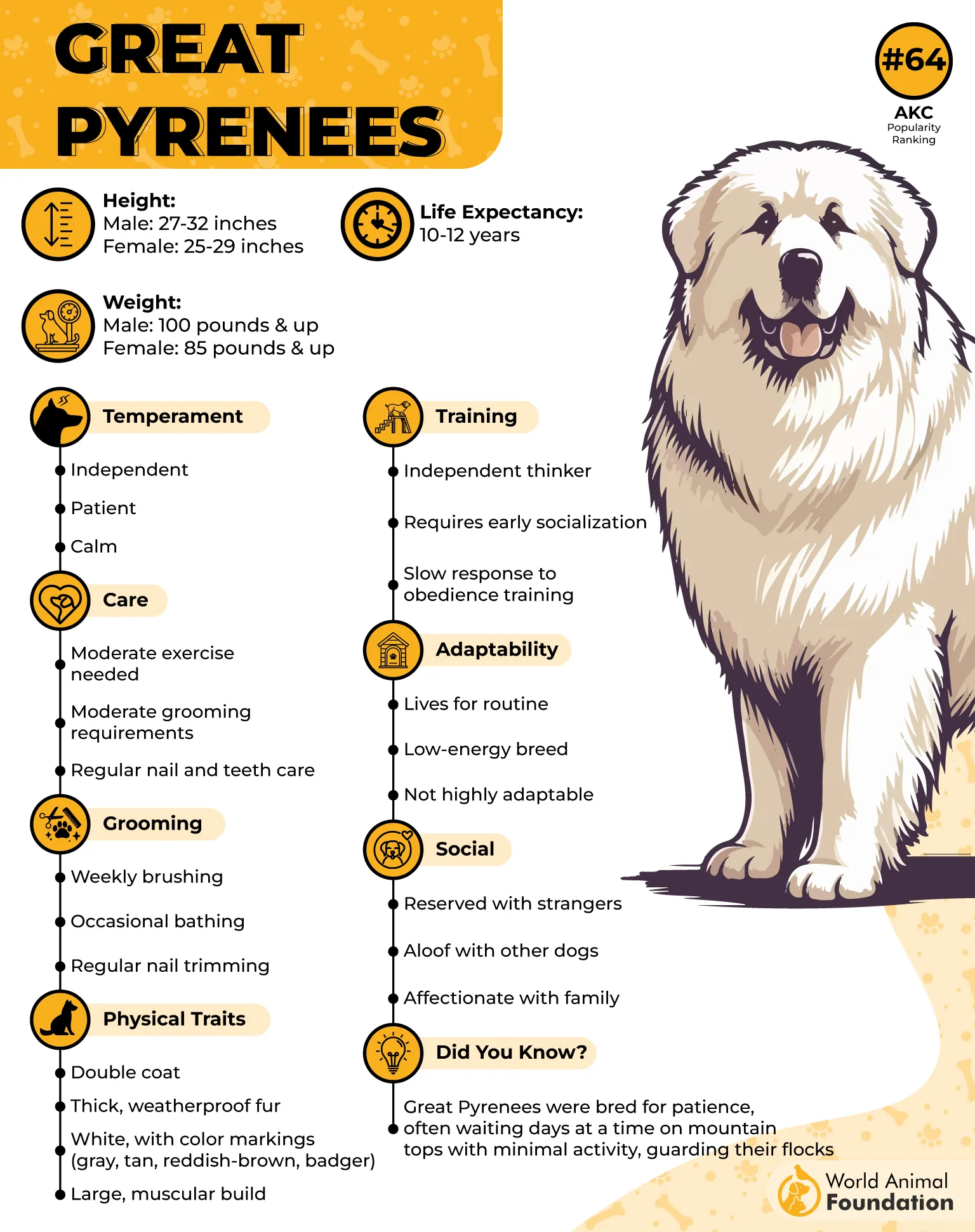
The instinct at work is guarding drive built for independent decision-making, since a lone guardian on a mountainside cannot wait for instructions. It watches first and reacts on its own judgment.
What it looks like at home: A Great Pyrenees will patrol the edges of a yard at night, barking at anything it decides does not belong.
The catch: That same independent streak makes off-leash reliability a genuine challenge to train.
Owners with property to patrol and patience for an independent thinker suit this breed best, since it still makes its own calls, with or without permission.
9. Rhodesian Ridgeback
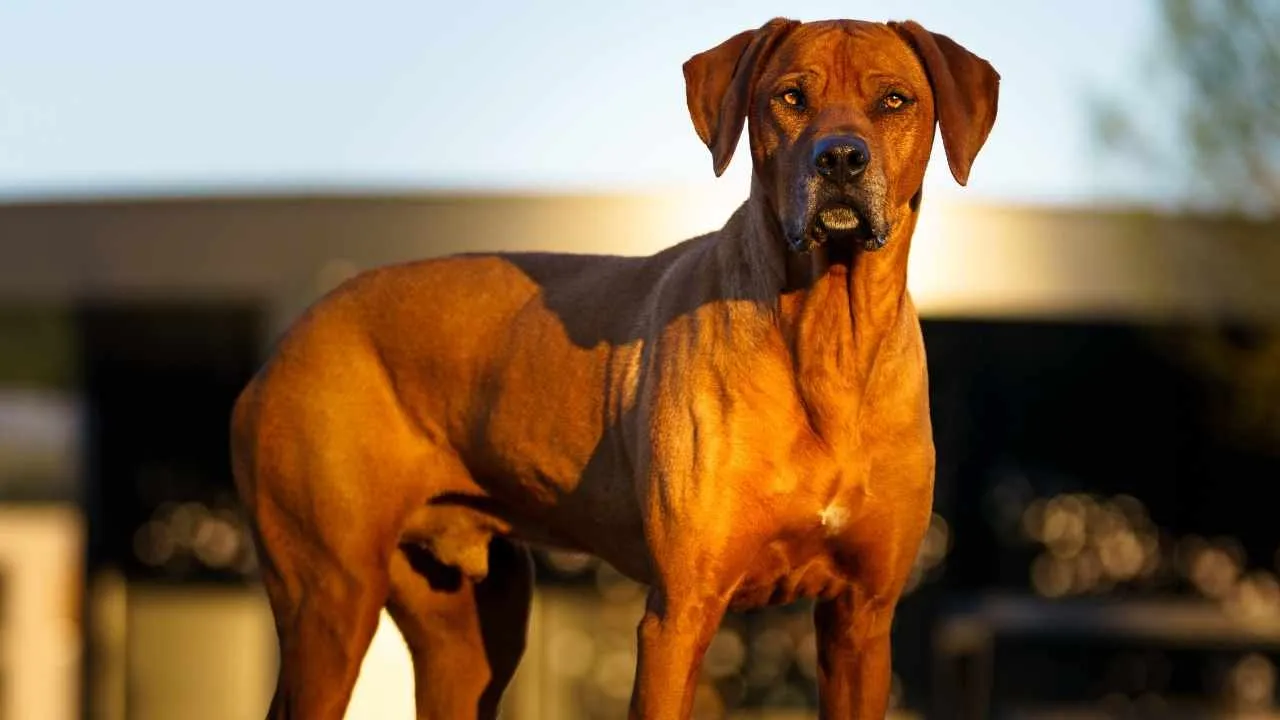
Rhodesian Ridgebacks were bred to track and corner lions, darting around slashing claws while barking and feinting until a hunter arrived, according to Britannica. No single dog could win that fight alone, so the job was to hold on and not back off. Courage mattered more than size.
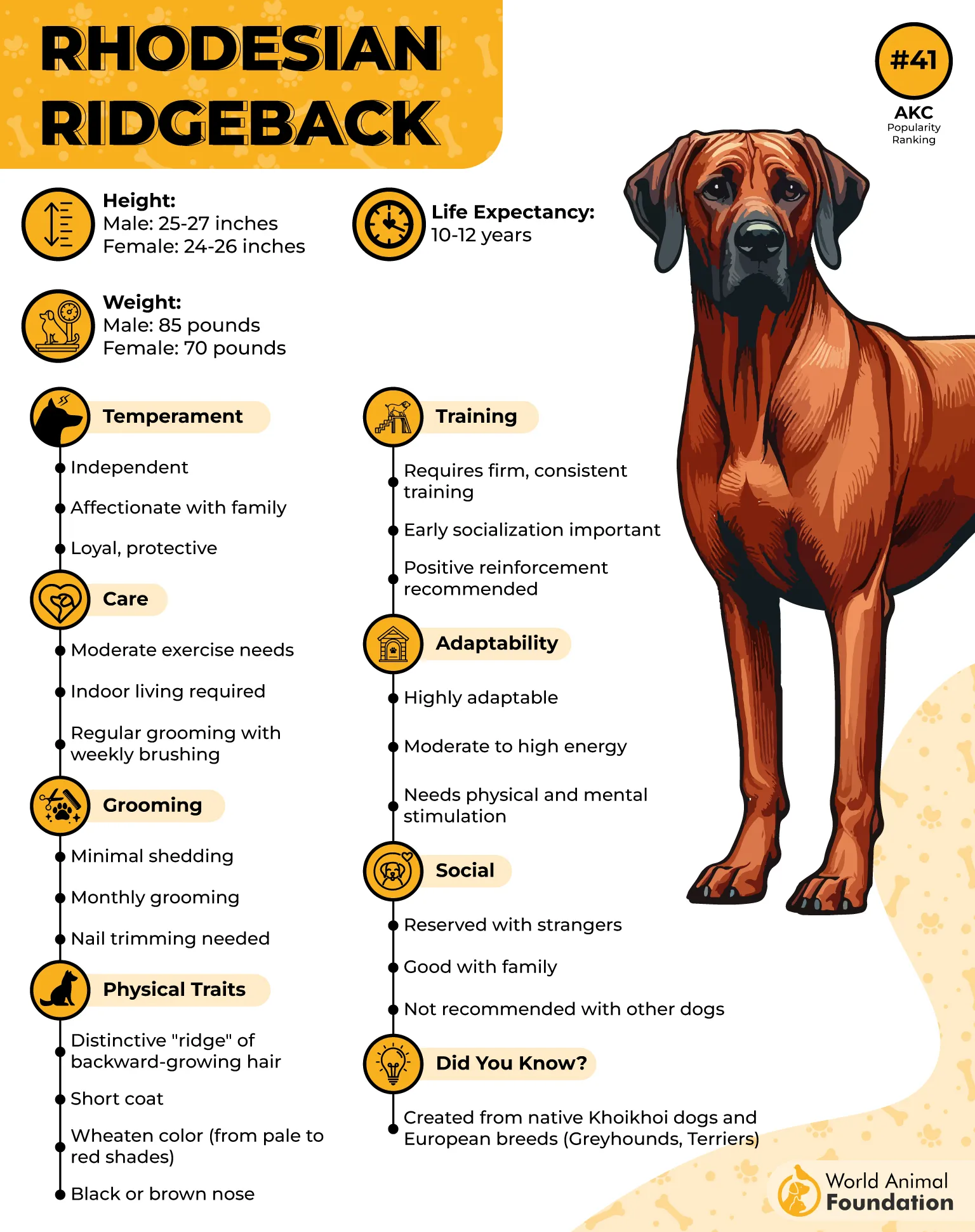
The drive fueling that nerve mixes prey drive with sheer independence, built for a dog that makes split-second calls without a handler barking orders. It thinks for itself under pressure.
What it looks like at home: A Rhodesian Ridgeback will stare down a much larger dog at the park without flinching.
The catch: That same fearless streak means it will test boundaries with its own owner just as calmly.
Experienced owners who want a loyal, low-drama protector and can out-stubborn a strong will of its own are the best match here.
Conclusion
Resilience, it turns out, was never about the weather. It’s about will, the deep, stubborn kind that keeps a dog pushing long after a lesser spirit would have packed it in and called it a day.
Pick any of these breeds, and you are not just getting a loving pet; you are taking on a built-in work ethic that expects a real job to do. So before those eyes win you over, ask yourself one honest question: can you keep up, or will this dog outlast you?
