




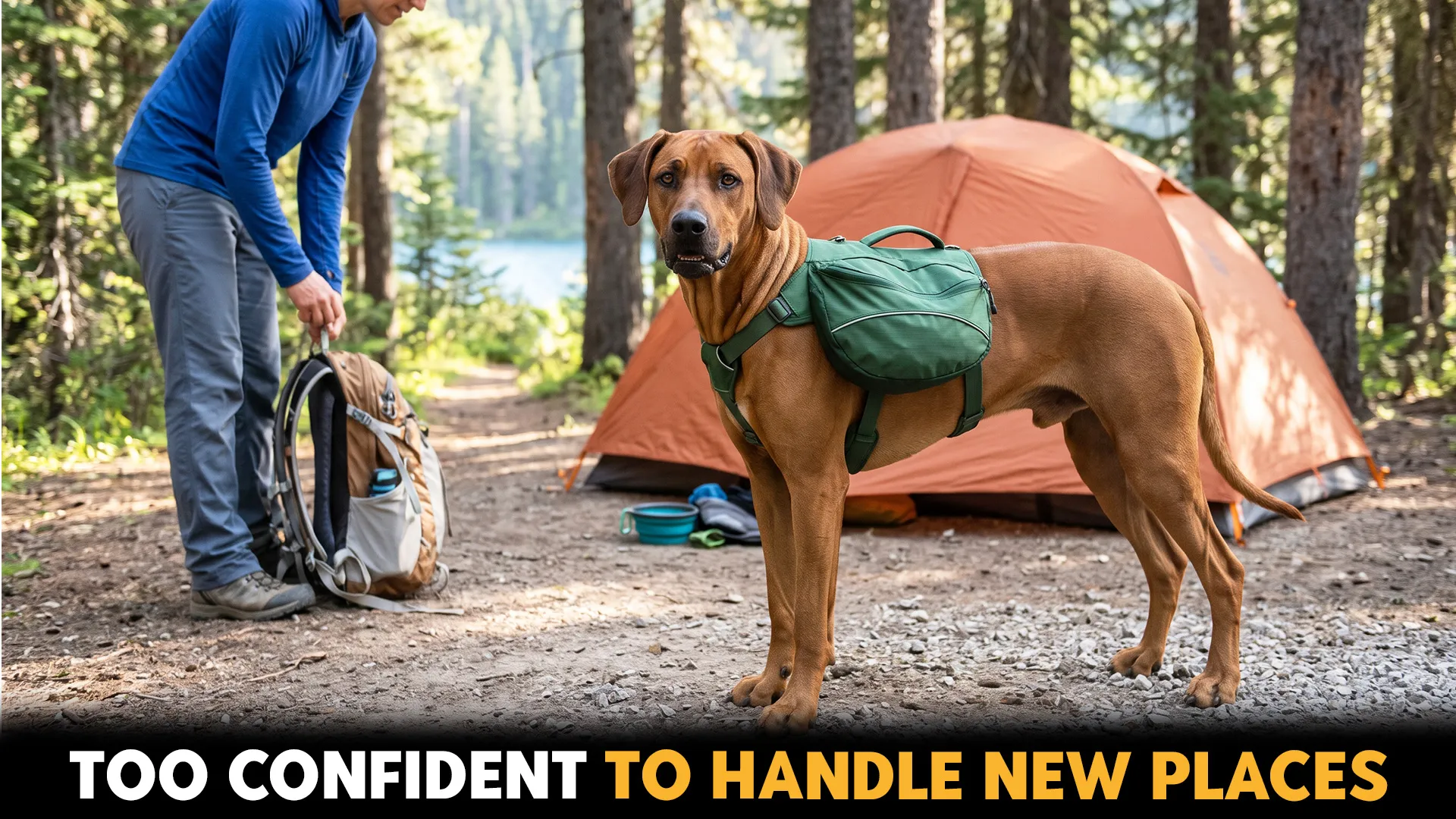
Nothing transforms an off-grid expedition quite like a battle-tested four-legged co-pilot charging up the incline beside you.
Waking to crisp alpine breezes and unmapped trails is the ultimate reset, but turning raw wilderness into an unforgettable trip requires more than just enthusiasm; it demands the right trail partner. Scaling steep terrain, handling unpredictable weather, and tackling relentless mileage will crush low-stamina canines, while true working breeds treat every mile as a mission.
Selecting the best packable dog breeds ideal for camping and outdoor life goes far deeper than aesthetic appeal. It hinges on matching high-output athleticism, mental grit, and field adaptability to your specific travel agenda. Whether your itinerary demands brutal backpacking trips, remote canoe trips, or fast-paced forest trails, matching your pace with the right canine athlete redefines every mile.
Discover seven high-performance breeds engineered for rugged terrain, high-endurance outings, and unmatched trail camaraderie.
Packable Dog Breeds Ideal for Camping and Outdoor Life
1. Golden Retriever
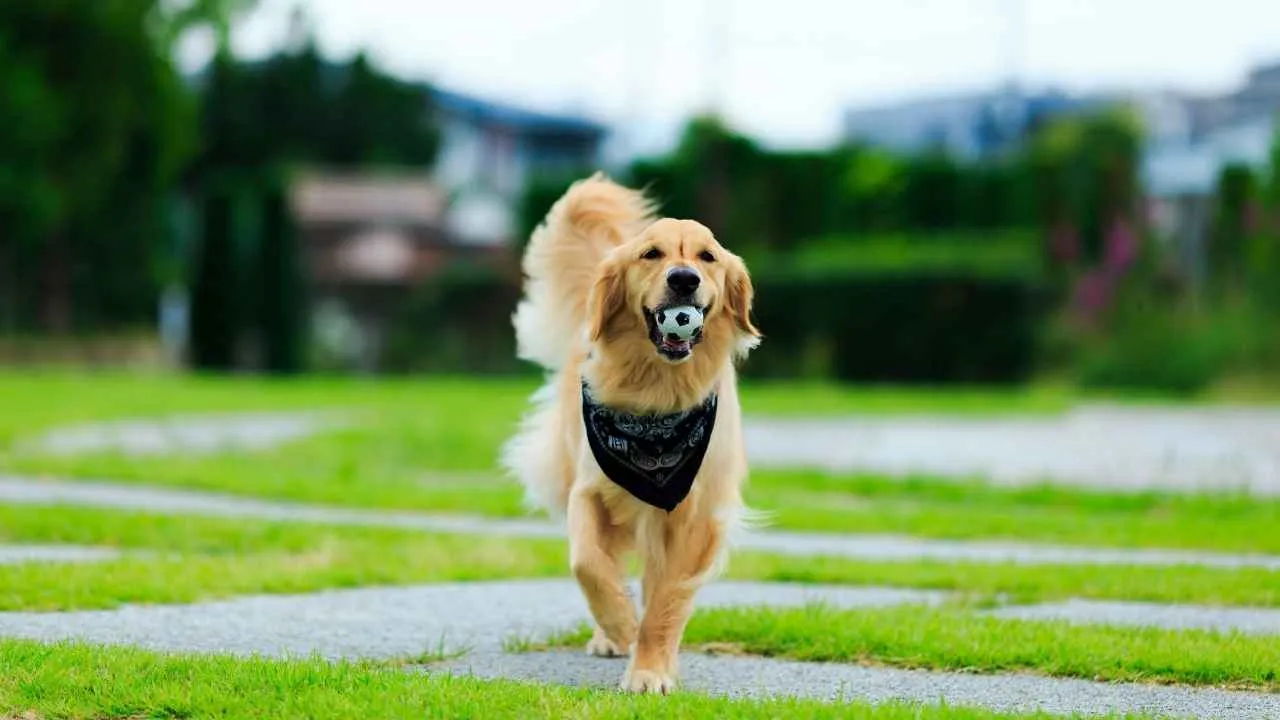
Golden Retrievers step onto wilderness paths as warmhearted gun-dog descendants celebrated for combining sturdy physical power with an affectionate disposition. Traced back to Scottish game-retrieving roots, the AKC notes that this muscular build handles long walks, swimming sessions, and games of fetch across open spaces effortlessly.
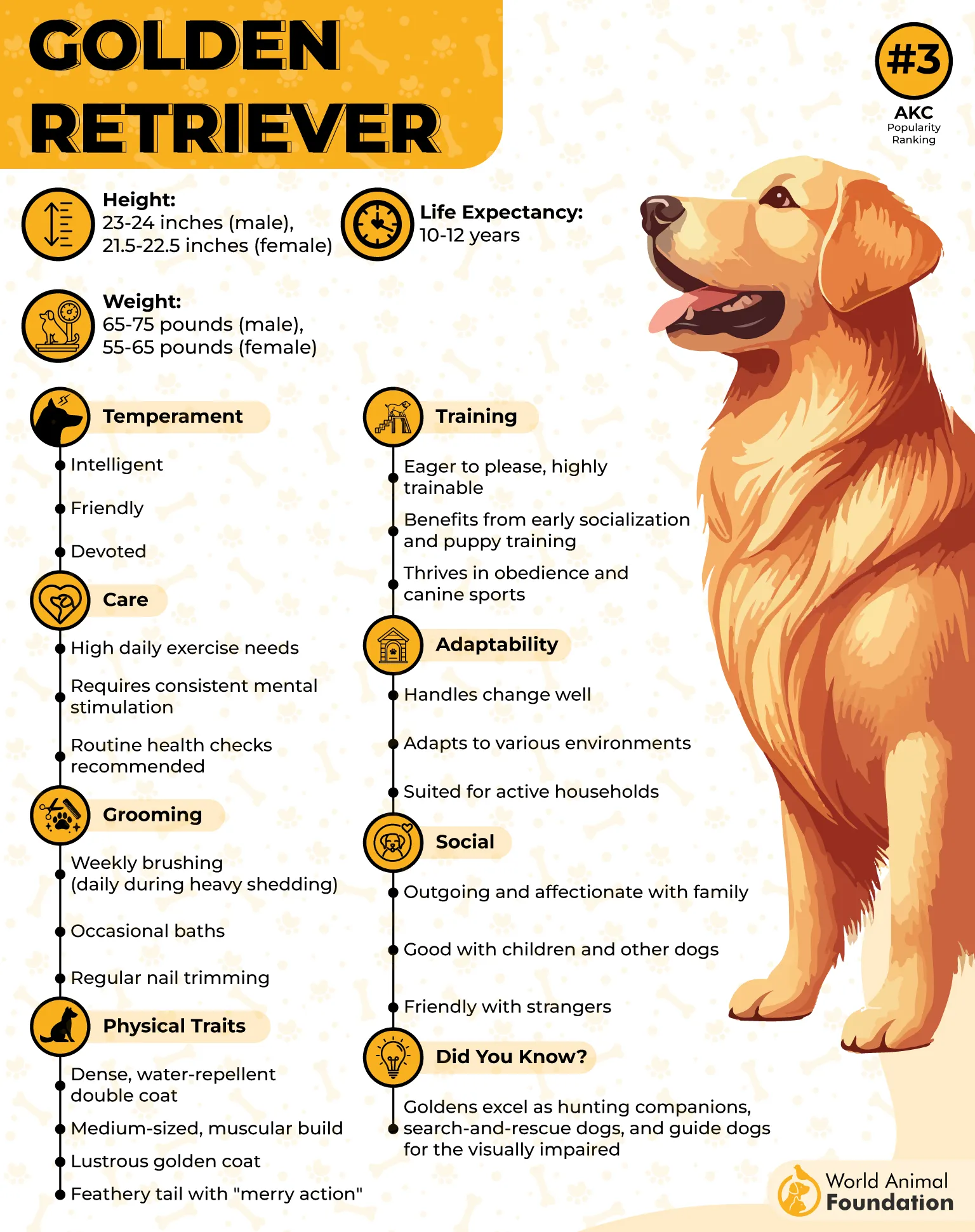
A Golden Retriever rarely needs much encouragement to investigate a new trail or splash around in a lake. Their people-oriented nature also makes them enjoyable companions during group camping trips, interacting peacefully alongside children, familiar animals, and other dogs when properly socialized.
Their eagerness to please is another advantage. You can teach them useful commands, including recall, staying close, and waiting at trail crossings. These easily trained qualities make them great hiking buddies for owners who enjoy an active lifestyle.
Training and Care
Dense double coats shield them against shifting climate elements, though seasonal shedding demands diligent grooming. Pack a towel for muddy paws, provide fresh drinking water, and check their coat for ticks after exploring grassy areas. Their friendly nature does not replace leash training, particularly around wildlife and unfamiliar campsites.
2. German Shepherd
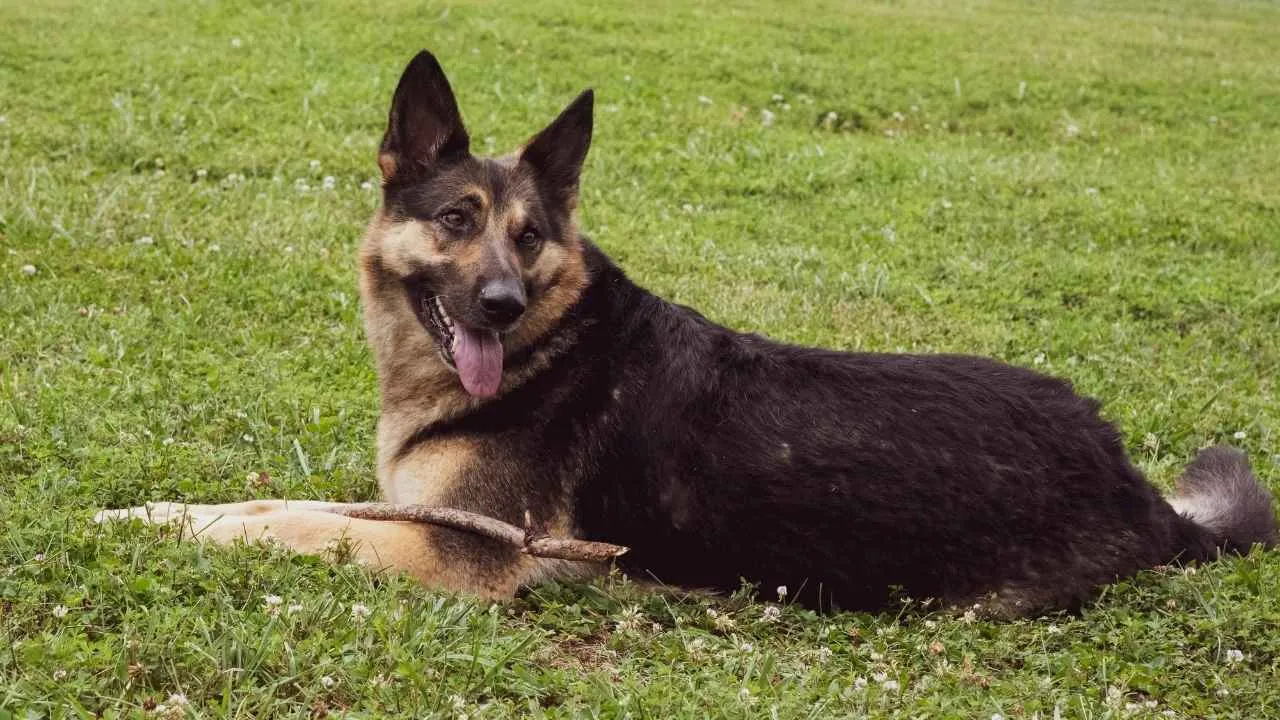
German Shepherds command the trail as steadfast guardians, bringing robust stamina, keen vigilance, and absolute devotion from their herding lineage to deep woods expeditions. Built with impressive endurance, they excel as athletic partners for hiking, trail exploration, and long countryside walks.
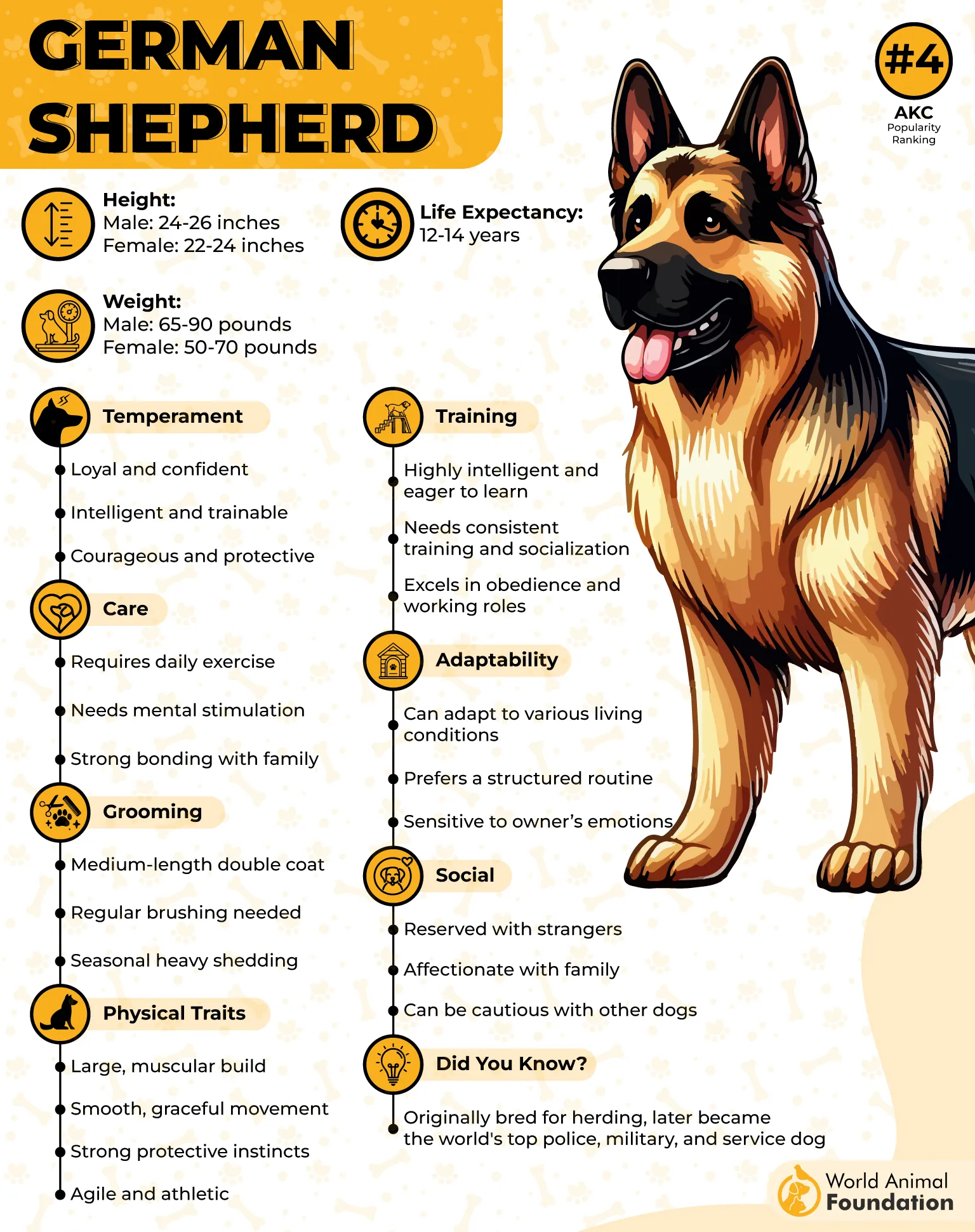
German Shepherds also enjoy having a purpose, so involving them in simple camping routines, such as carrying a properly fitted dog backpack with lightweight supplies, provides valuable mental stimulation.
These dogs are naturally attentive to their surroundings. Their alert personality can offer reassurance when camping in unfamiliar locations, although they need proper socialization to remain comfortable around fellow campers. They form strong relationships with their families and usually enjoy staying close to their humans.

Training and Care
Consistent obedience training is essential before taking a German Shepherd on challenging outdoor trips. Their thick double coat sheds throughout the year, with heavier seasonal shedding requiring additional brushing.
Provide sufficient exercise without pushing your dog beyond its fitness level, and inspect its ears, paws, and coat after every excursion. Owners should also be mindful of hip dysplasia and other joint problems associated with the breed.
3. Rhodesian Ridgeback
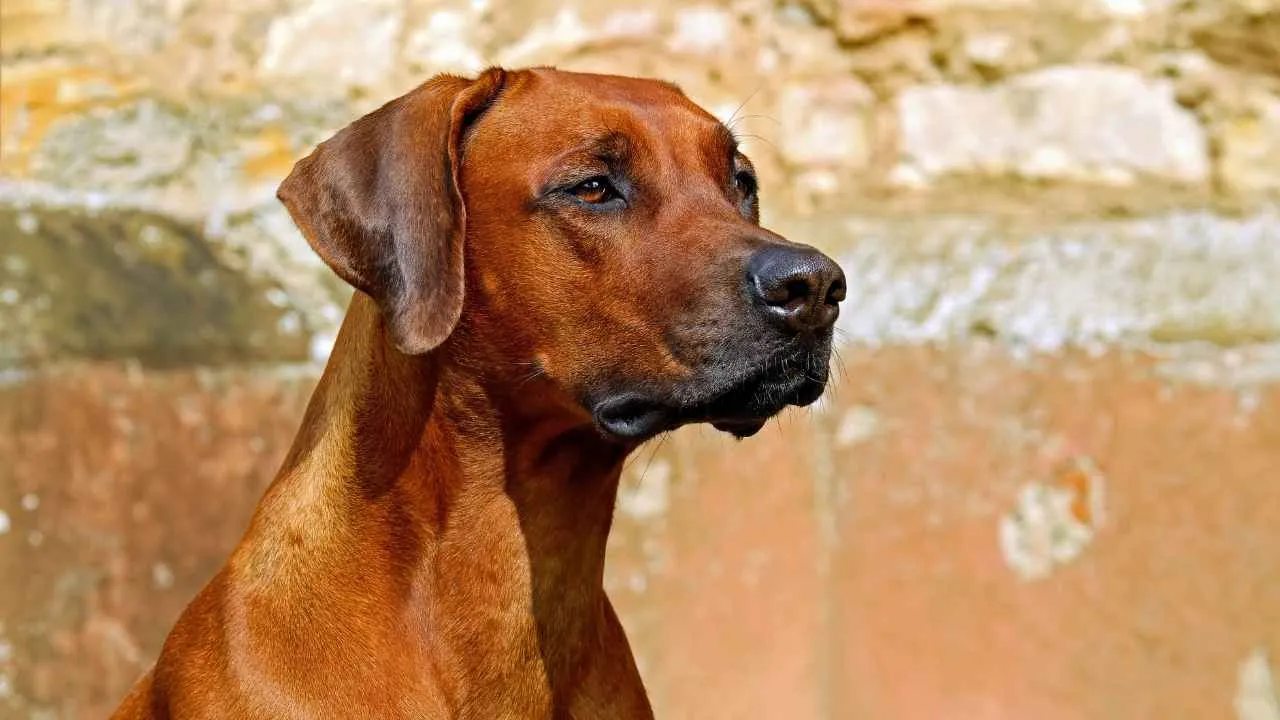
Rhodesian Ridgebacks bring formidable African hunting ancestry, raw capability, and extraordinary self-assurance directly to vast outdoor landscapes. Beyond its signature stripe of reversed fur running down its back, the Ridgeback has a lean, muscular frame that supports running, hiking, and extended outdoor activities.
It generally enjoys spending time with its family and develops a close attachment to familiar people.
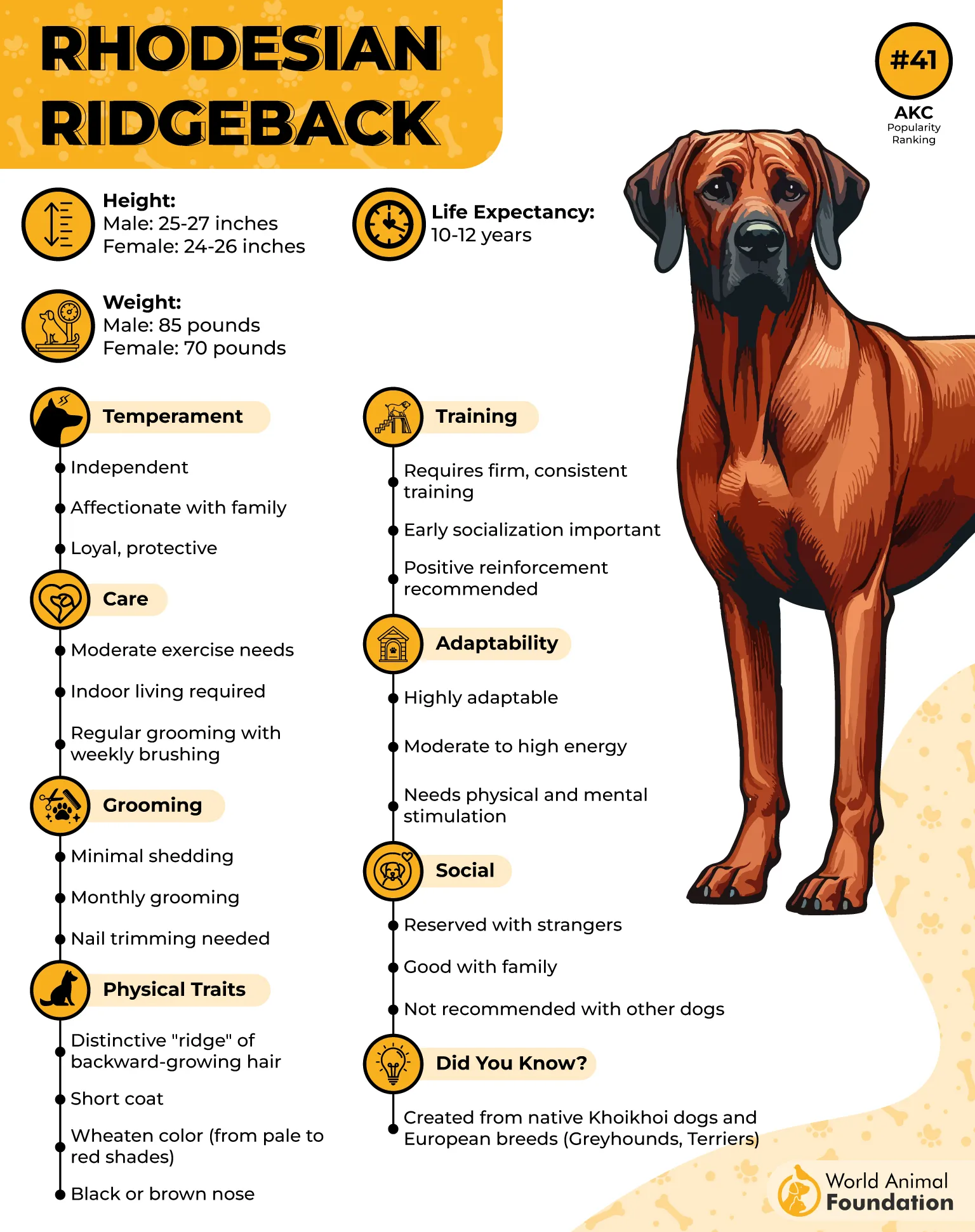
Unlike dogs that constantly seek attention from strangers, Rhodesian Ridgebacks tend to be more reserved around unfamiliar individuals. Omlet says that their independent personality also means they appreciate having room to explore under appropriate supervision. For experienced owners who enjoy physically demanding holidays, this big dog offers a capable adventure partner.
Training and Care
Rhodesian Ridgebacks have short coats that require relatively little grooming. Their strong prey drive makes reliable recall and leash manners particularly important, so avoid letting them roam freely in wildlife areas. They also need protection from extreme temperatures, particularly excessive cold, because their short coat provides limited insulation.
4. Vizsla
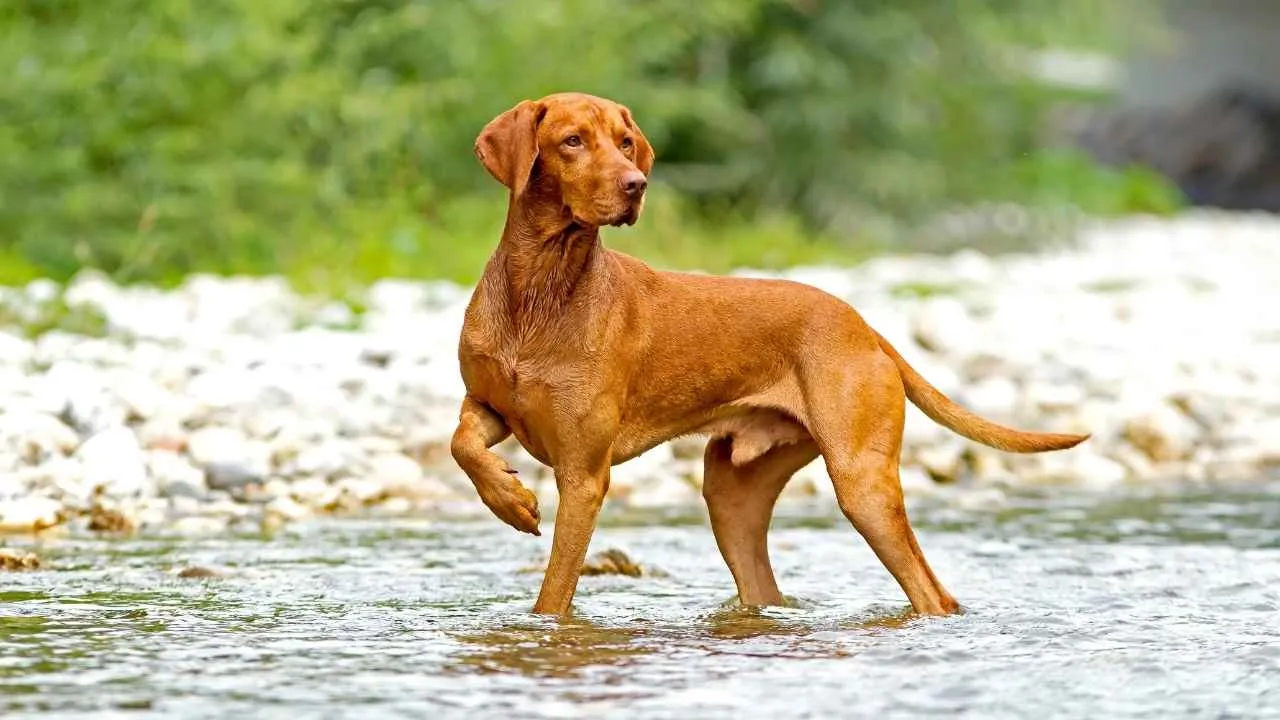
Vizslas lock onto your heel as ultra-devoted sidekicks from morning setup to sunset treks, channeling their golden-rust Hungarian heritage into every stride. High-energy dogs by nature, Orvis describes them as expressing tremendous passion for running, walking, swimming, and exploring unfamiliar surroundings.
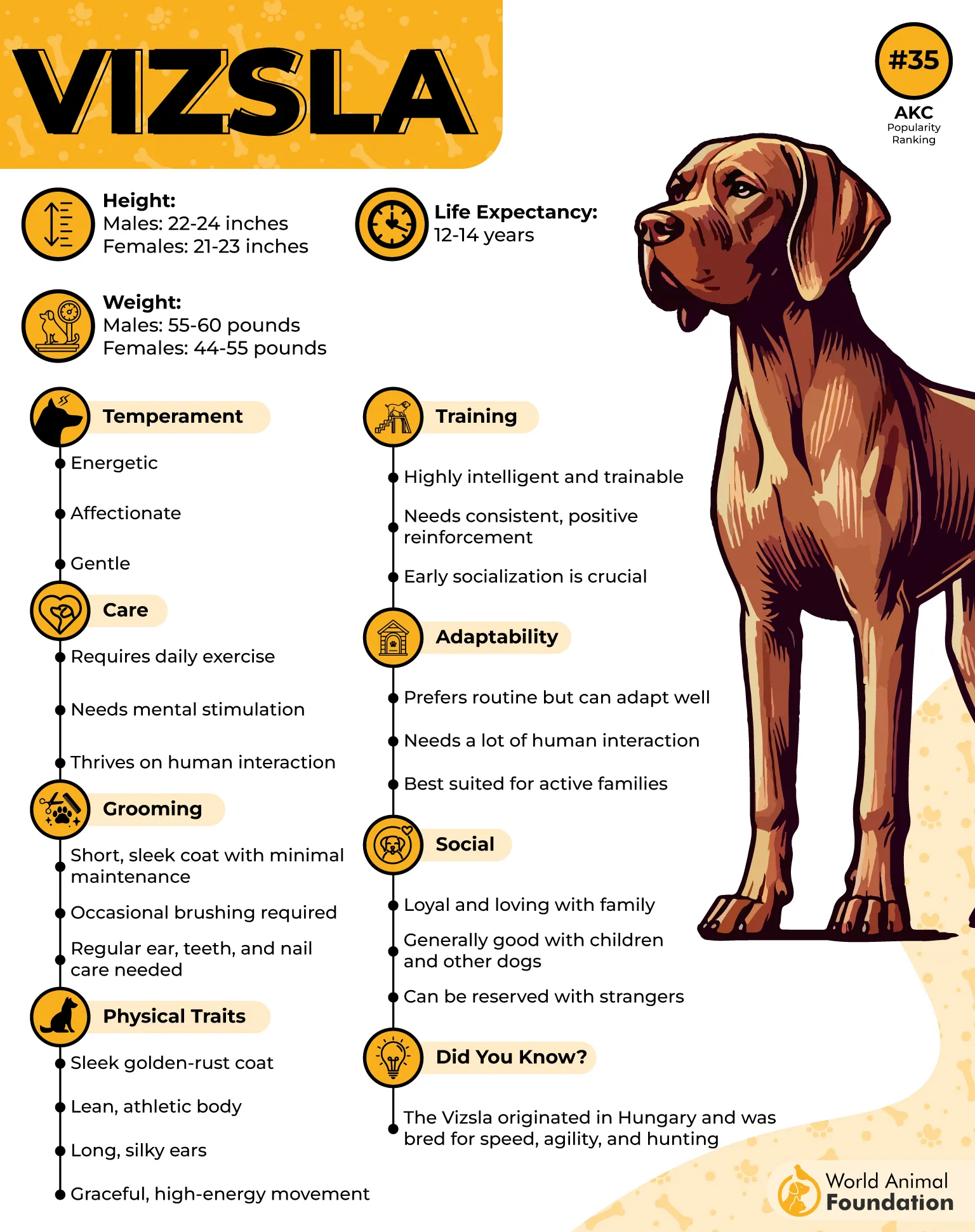
Their enthusiasm makes them particularly suitable for owners who prefer active weekends over relaxed holidays. They can also enjoy trail running when gradually conditioned for the activity.
One of their most endearing characteristics is their attachment to their owners. Vizslas are famously affectionate and enjoy being involved in everyday activities. Whether you are preparing breakfast beside your tent or relaxing after a long hike, expect your companion to stay close. Their intelligence also makes learning new commands enjoyable.
Training and Care
Their short coats are easy to maintain, requiring occasional brushing and routine grooming. Vizslas need regular physical exercise and mental challenges to remain content. Start with shorter walks before attempting demanding hikes, and avoid leaving them alone for extended periods. Their strong attachment to family makes companionship especially important.
5. Siberian Husky
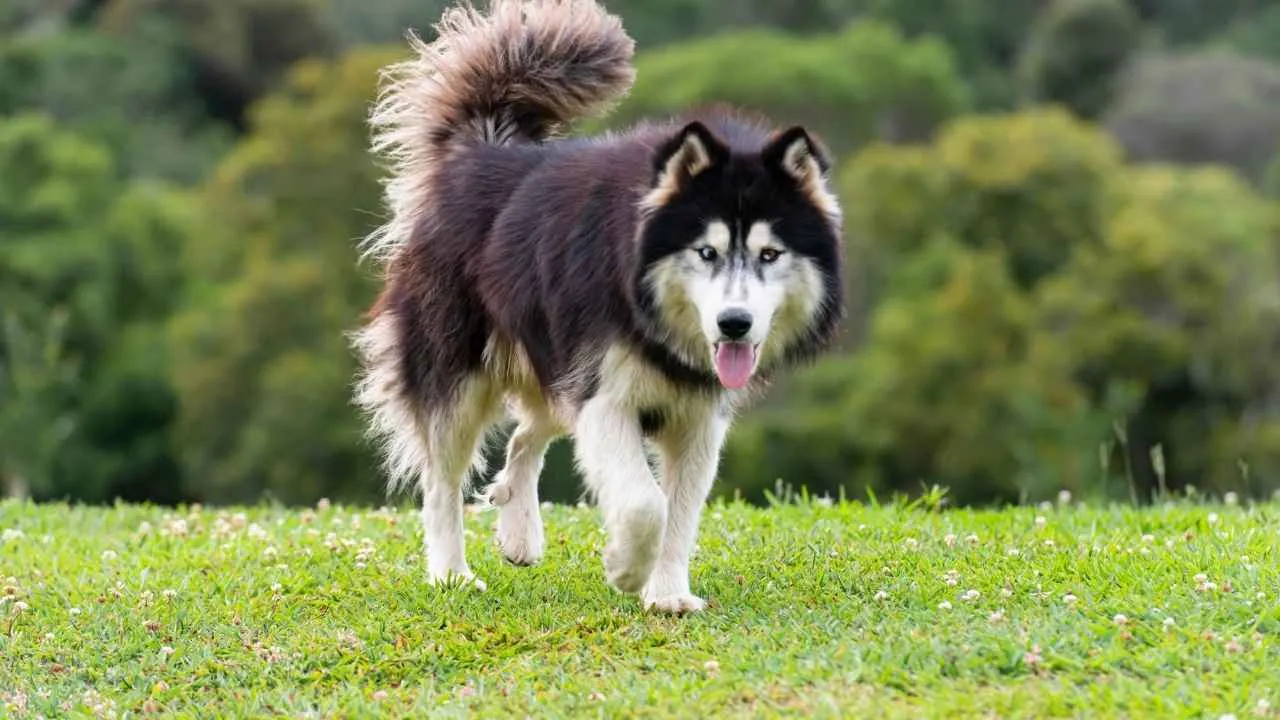
Siberian Huskies treat crisp mountain air and freezing temperatures as their ultimate playground, drawing on working sled-pulling roots from northeastern Siberia. Huskies possess strong bodies, impressive stamina, and a natural enthusiasm for physical activity.
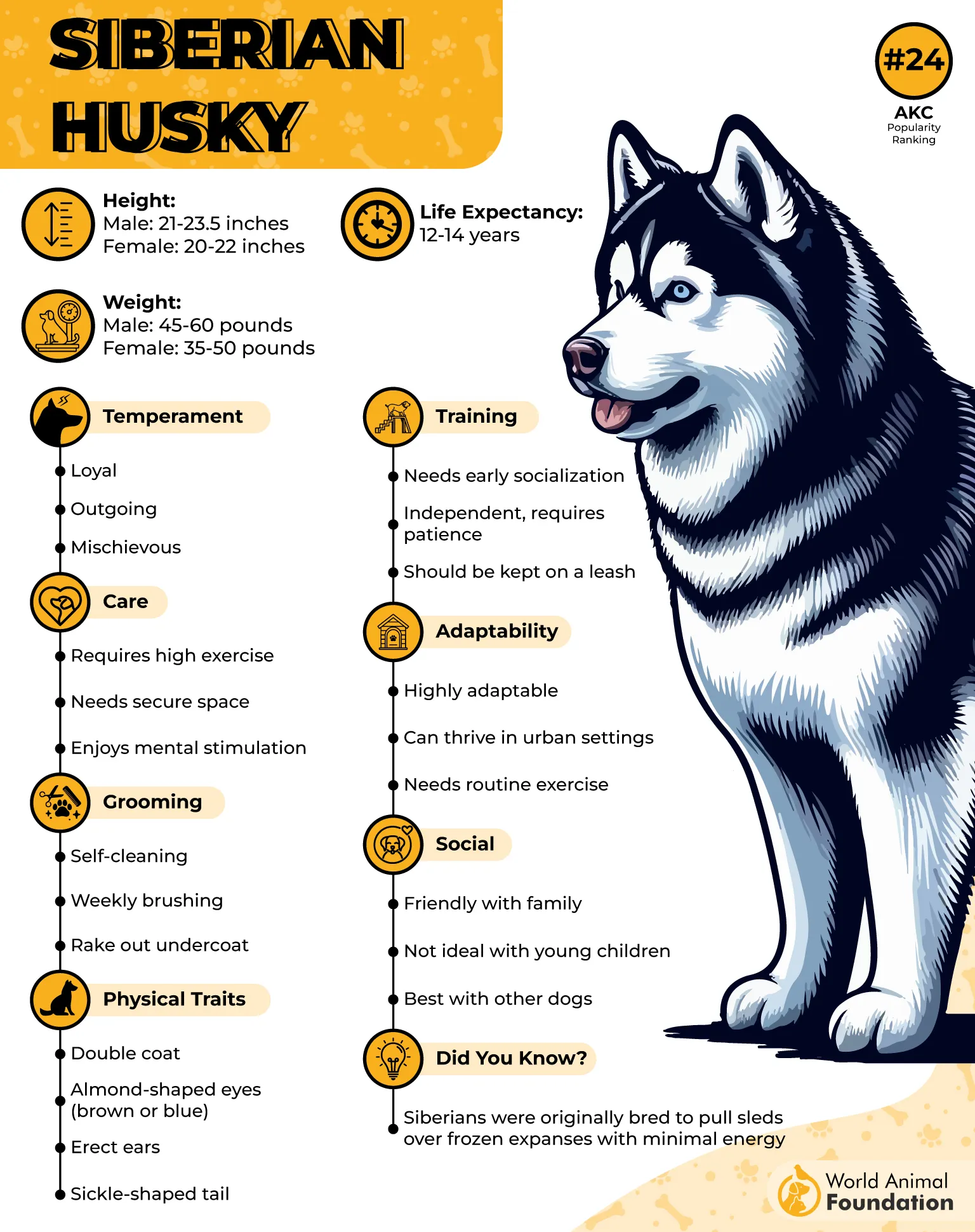
Their thick double coats help protect them in cold weather, making them particularly comfortable during chilly camping adventures. They enjoy exploring, running, and participating in activities that challenge their physical abilities.
Their striking appearance, featuring erect ears, expressive eyes, and a thick tail, is another reason people admire them. However, their personality is just as memorable. Britannica adds that Siberian Huskies are generally sociable, playful, and independent. They enjoy companionship and often bring plenty of entertainment to outdoor gatherings.
Training and Care
Huskies require secure supervision because their independent nature and tendency to wander can make off-leash adventures risky. Their thick coats need regular brushing, especially during seasonal shedding. Most importantly, avoid strenuous outdoor activities in hot weather.
Their heavy insulation makes overheating a serious concern, so choose cooler destinations, exercise during cooler hours, and provide plenty of water.
6. Weimaraner
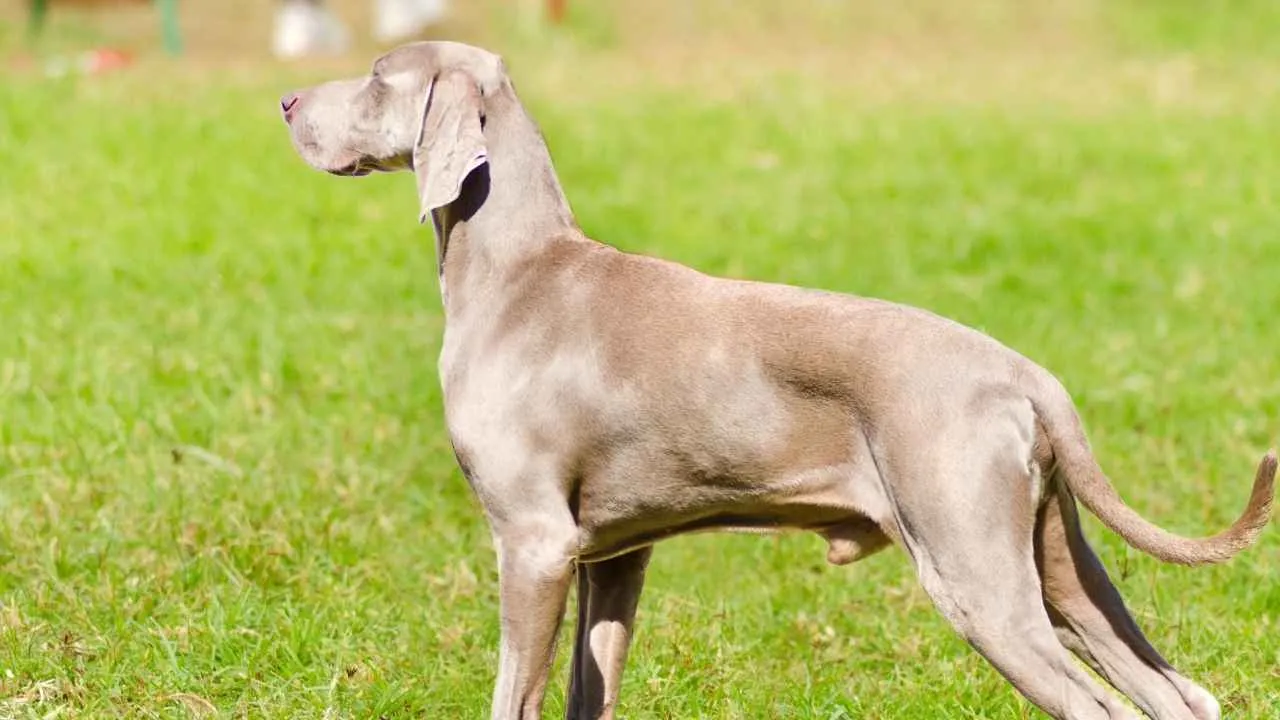
Weimaraners turn heads on back-country routes with an eye-catching silver-gray hide and striking pale eyes, backed by historic German point-and-retrieve power. Weimaraners enjoy running, hiking, swimming, and exploring unfamiliar landscapes. They have plenty of energy to accompany owners who enjoy physically demanding outdoor activities.
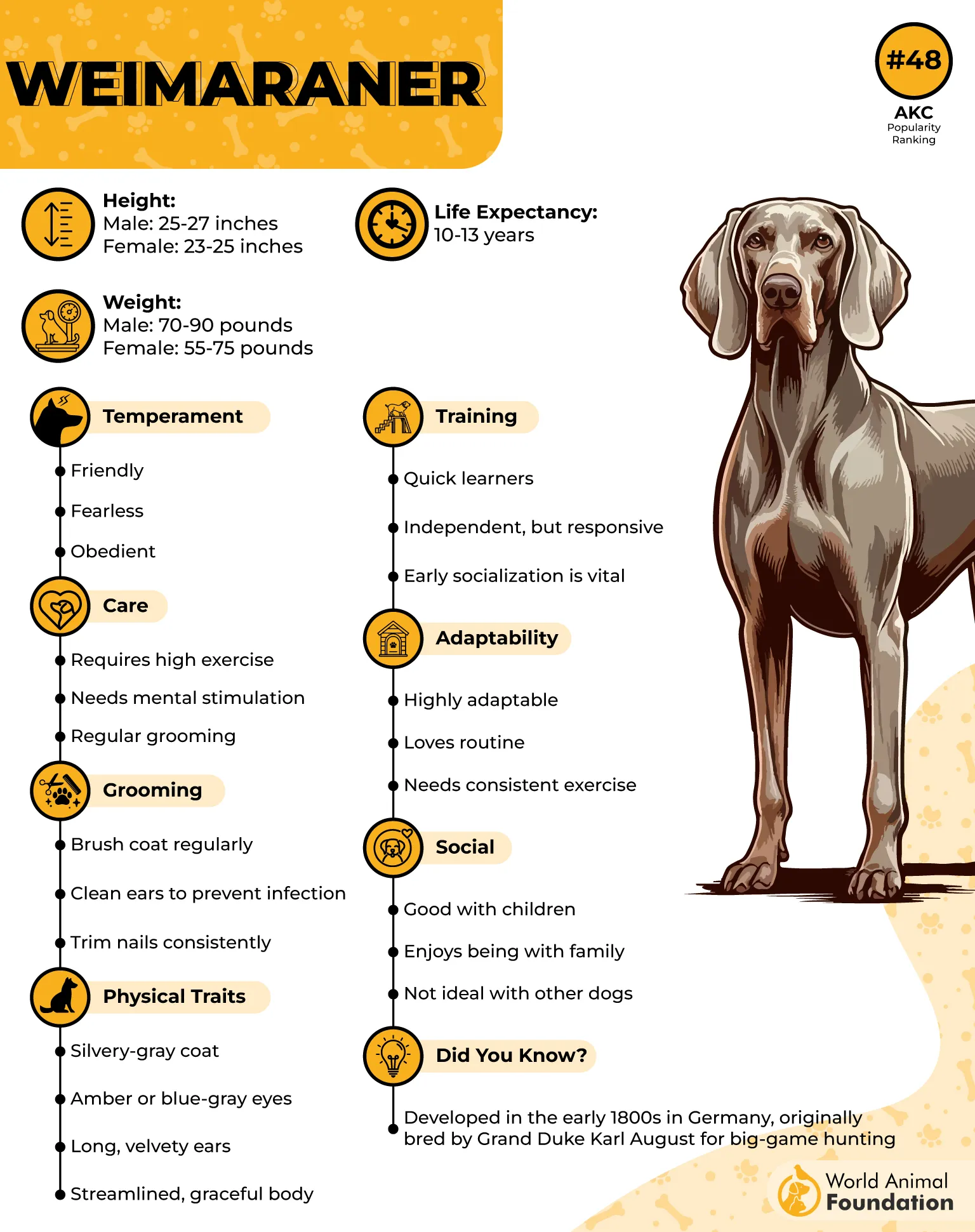
These dogs are also intelligent and highly people-oriented. They enjoy spending time with their families and usually prefer being involved rather than left behind at the campsite. Their alertness can also make them attentive companions in unfamiliar surroundings.
Training and Care
Weimaraners have short coats that require minimal grooming, making everyday maintenance relatively simple. They need regular exercise, structured activities, and consistent training. Their prey drive means leash control is important around small animals. Since they form strong attachments, provide companionship and avoid leaving them unattended for long periods.
7. Labrador Retriever
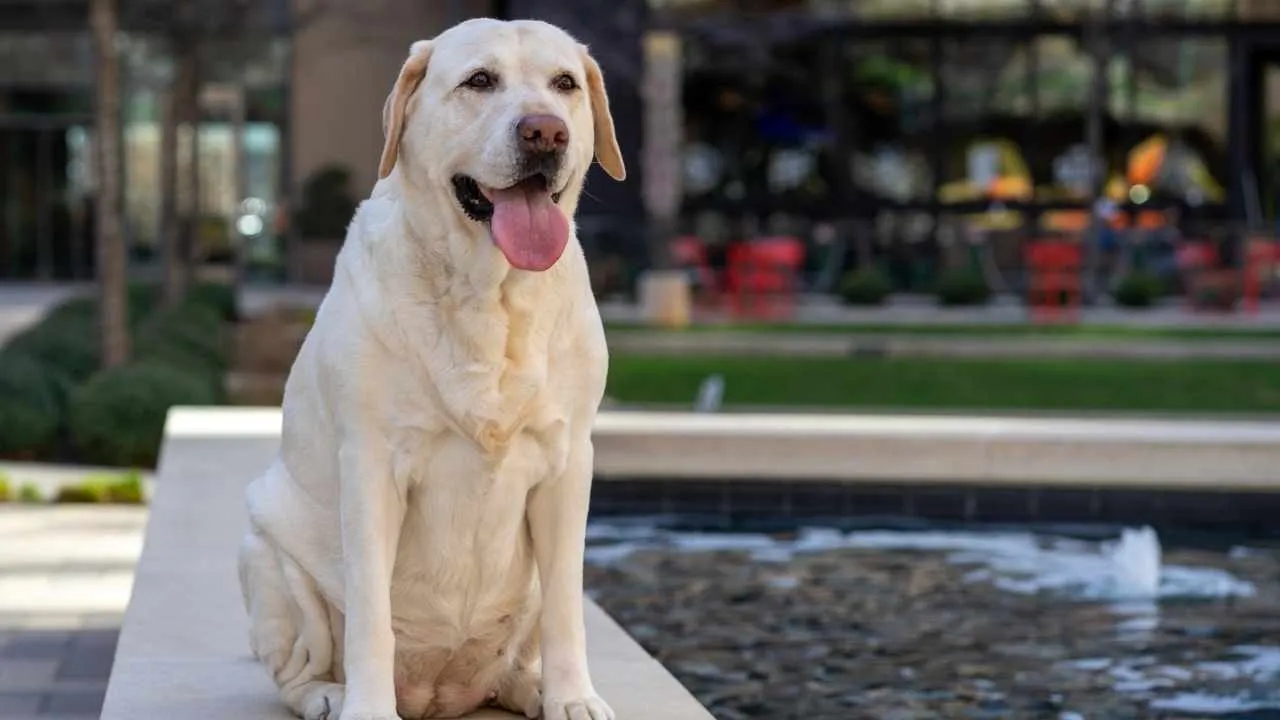
Labrador Retrievers complete any adventure roster as resilient, water-loving partners tracing back to Maritime Canada’s coastal fishing traditions. Their sturdy build and energetic personality make them suitable for swimming, hiking, playing fetch, and exploring open spaces.
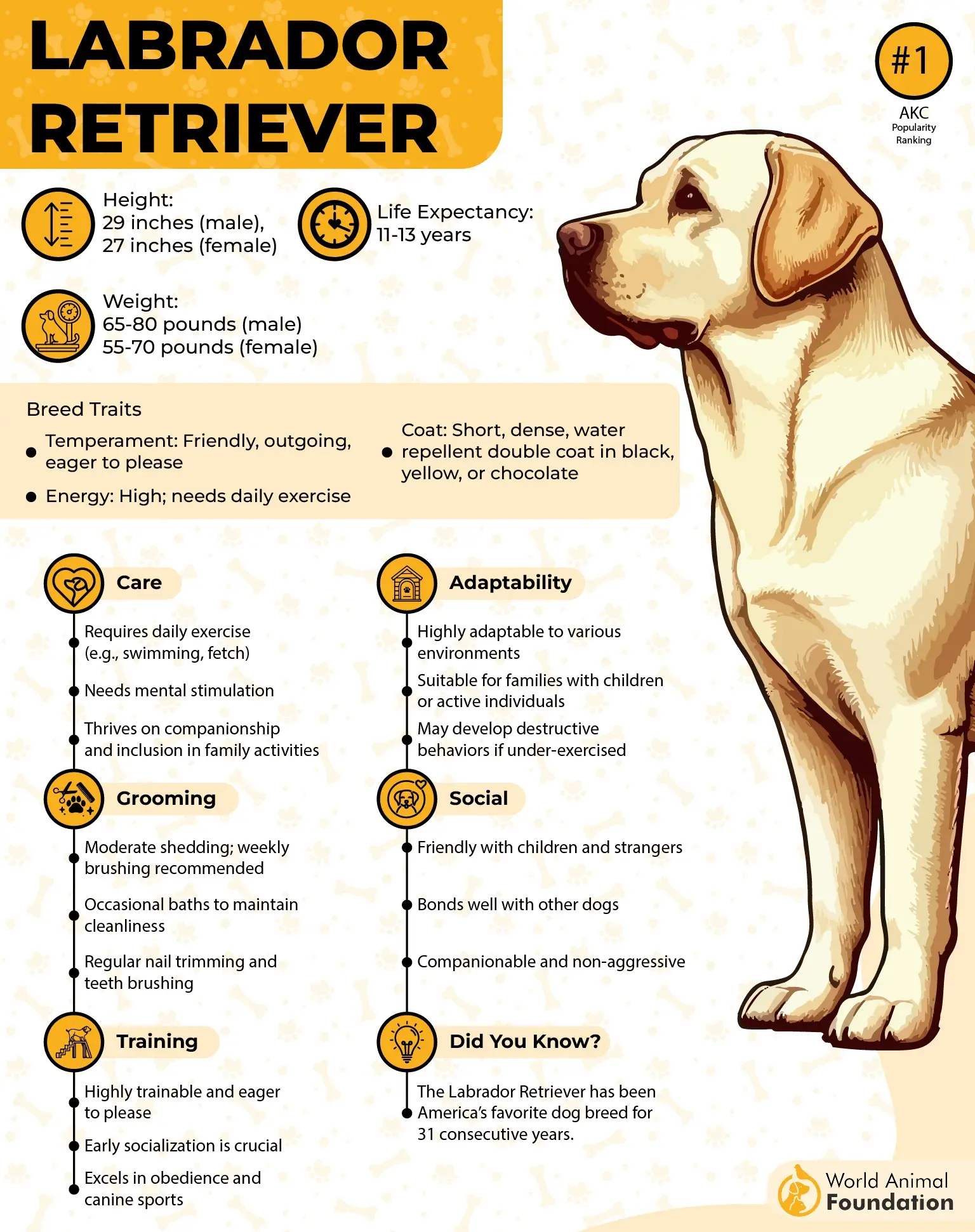
They are particularly enthusiastic around lakes and rivers, where they can enjoy supervised canoe trips and water activities. Their friendly temperament also makes them comfortable companions for families who frequently travel together.
Labradors are intelligent, cooperative, and generally eager to please. These qualities help them learn camping routines and basic outdoor commands. Their sociable nature also means they often enjoy meeting fellow campers and spending time around familiar dogs.
Training and Care
Labradors have dense, water-resistant double coats that shed throughout the year. Regular brushing helps manage loose hair, while routine checks keep their ears and paws clean after outdoor activities. They need plenty of daily exercise and portion-controlled meals because they can gain excess weight. Always supervise swimming sessions and provide fresh drinking water.
Conclusion
A memorable camping experience becomes even better when you have a loyal dog beside you, ready to explore every new destination. From the affectionate Golden Retriever and adventurous Labrador to the energetic Vizsla and cold-weather-loving Siberian Husky, each breed brings something different to outdoor life.
However, choosing a camping companion involves more than looking at appearance or stamina. Consider your destination, typical weather, activity level, training requirements, and your dog’s individual health and personality.
Most dogs need time to adjust to unfamiliar surroundings, so start with shorter trips before planning demanding adventures. Pack suitable food, fresh water, a secure shelter, and a comfortable resting place. With thoughtful preparation, your four-legged friend can become the happiest member of every camping adventure.
