




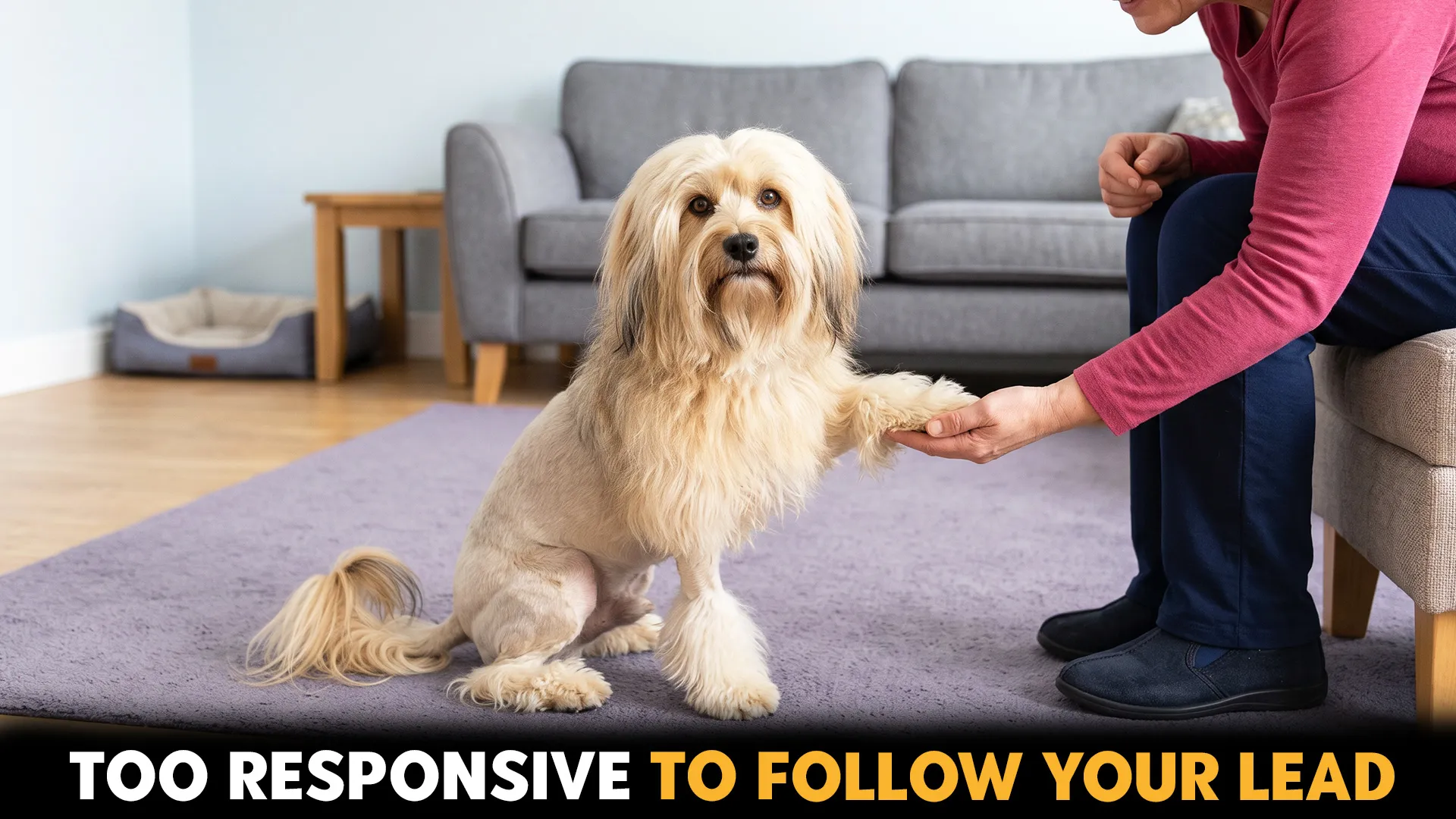
Picture a dog that sits when you ask, comes when you call, and still finds ways to make you laugh.
That is who we are talking about today.
These highly obedient dog breeds thrive in any setting, from a tiny city apartment to a loud home full of kids, cats, and a mail carrier who rings the bell at noon.
Now, when most folks think of the most obedient dogs, they picture the big names. Golden Retrievers, German Shepherds, Labrador Retrievers, Rottweilers, and Giant Schnauzers rank high, and they have earned it. Some of them even do serious military and police work, which says a lot about their trainability.
But a large breed isn’t the only road to reliable obedience.
Many smaller canines are highly intelligent, eager to learn, and a joy to live with.
Some breeds simply have a stronger ability to learn, and these breeds come in much smaller packages.
We picked ten of them, and a few might surprise you.
Did You Know?
Psychologist Stanley Coren ranked breeds for working and obedience intelligence in his book The Intelligence of Dogs. Coming in at number eight was a little Papillon. He also says the average dog can learn about 165 words and signals, and the brightest ones can learn around 250. So small dogs can be a lot smarter than people think. That’s great news for small-dog lovers!
Highly Obedient Dog Breeds That Thrive in Any Setting
1. Bolognese
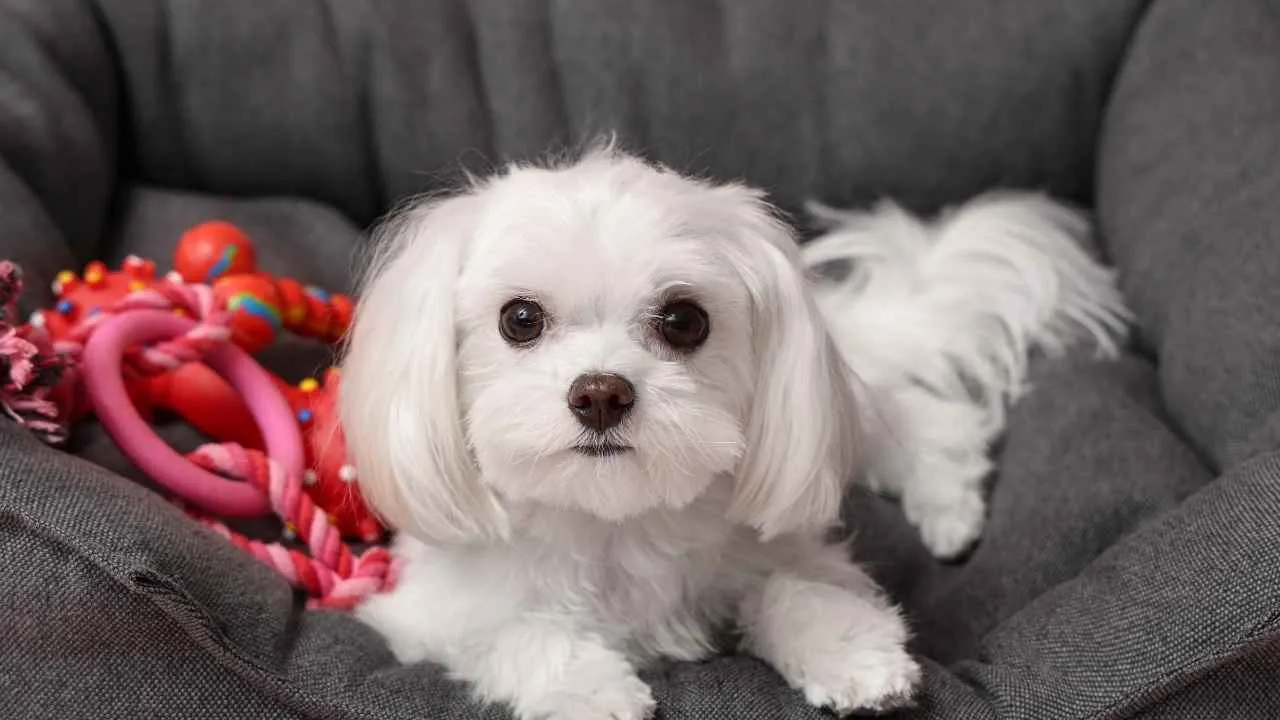
This little fluffy cloud takes its name from the Italian city of Bologna. For hundreds of years, it kept nobles company, so staying close to the humans is basically its full-time job.
They were a favorite due to their beauty, grace, and charm.
The Bolognese weighs only 5 to 9 pounds and sheds very little. That makes it one of those low-maintenance dogs, as long as you brush the coat a couple of times a week. This beautiful Italian dog is calm, quiet, and loyal. It shows high responsiveness to your voice, so a soft “come” and “stay” usually do the trick.
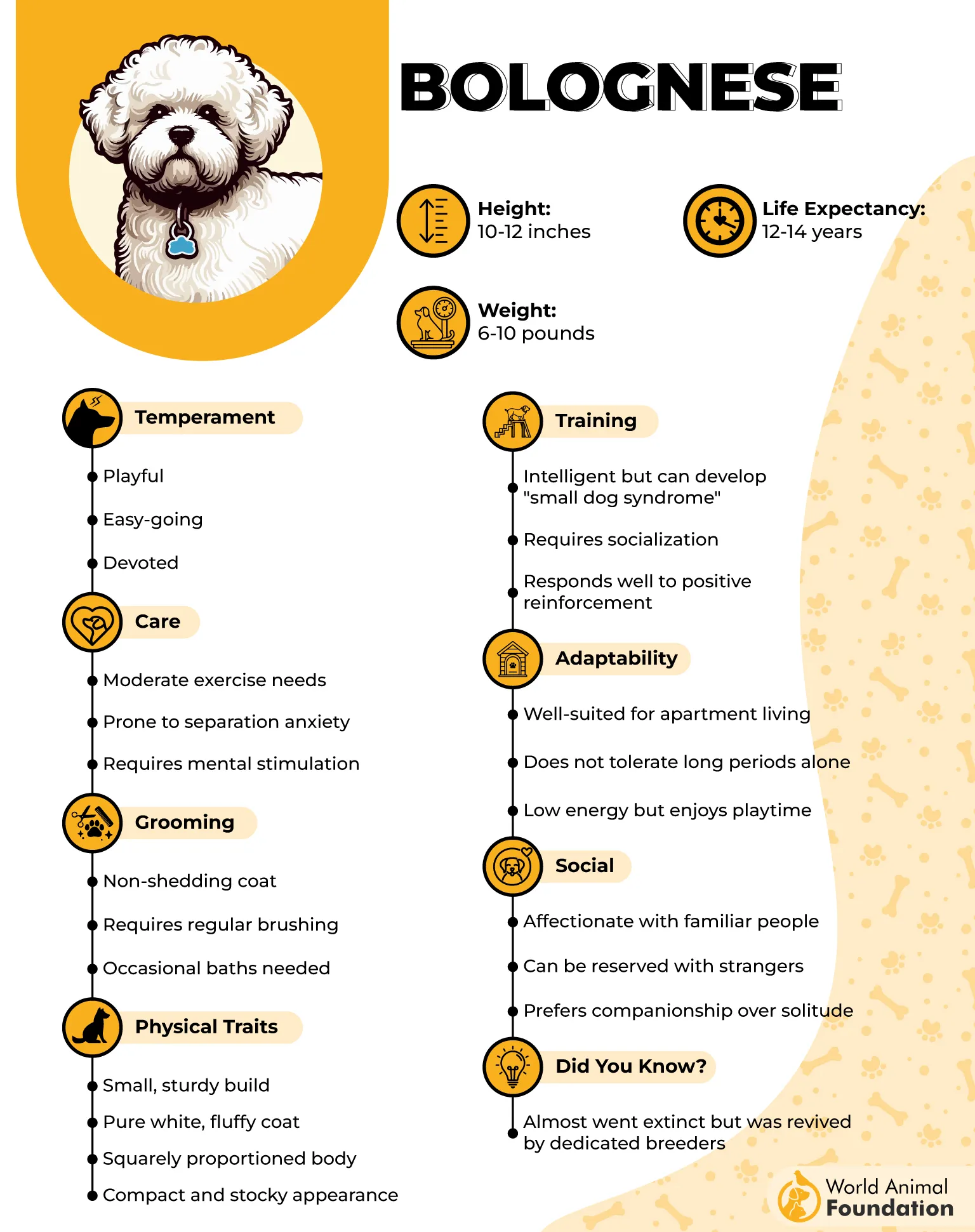
Positive reinforcement works best with the Bolognese. Treats, praise, and a happy tone go a long way. Just don’t leave a Bolognese alone all day. Omlet emphasizes that these dogs hate to be left alone. This breed bonds hard and gets lonely. If you want calm pets and a gentle best friend, this is a top pick.
2. American Hairless Terrier

This hairless breed started with one hairless puppy born in a Rat Terrier litter in Louisiana in 1972. Her name was Josephine, and every American Hairless Terrier today traces back to her.
These pups weigh about 12 to 28 pounds and love to play. They are bright and mischievous, so they need to be kept busy with puzzle toys, short games, and daily walks.
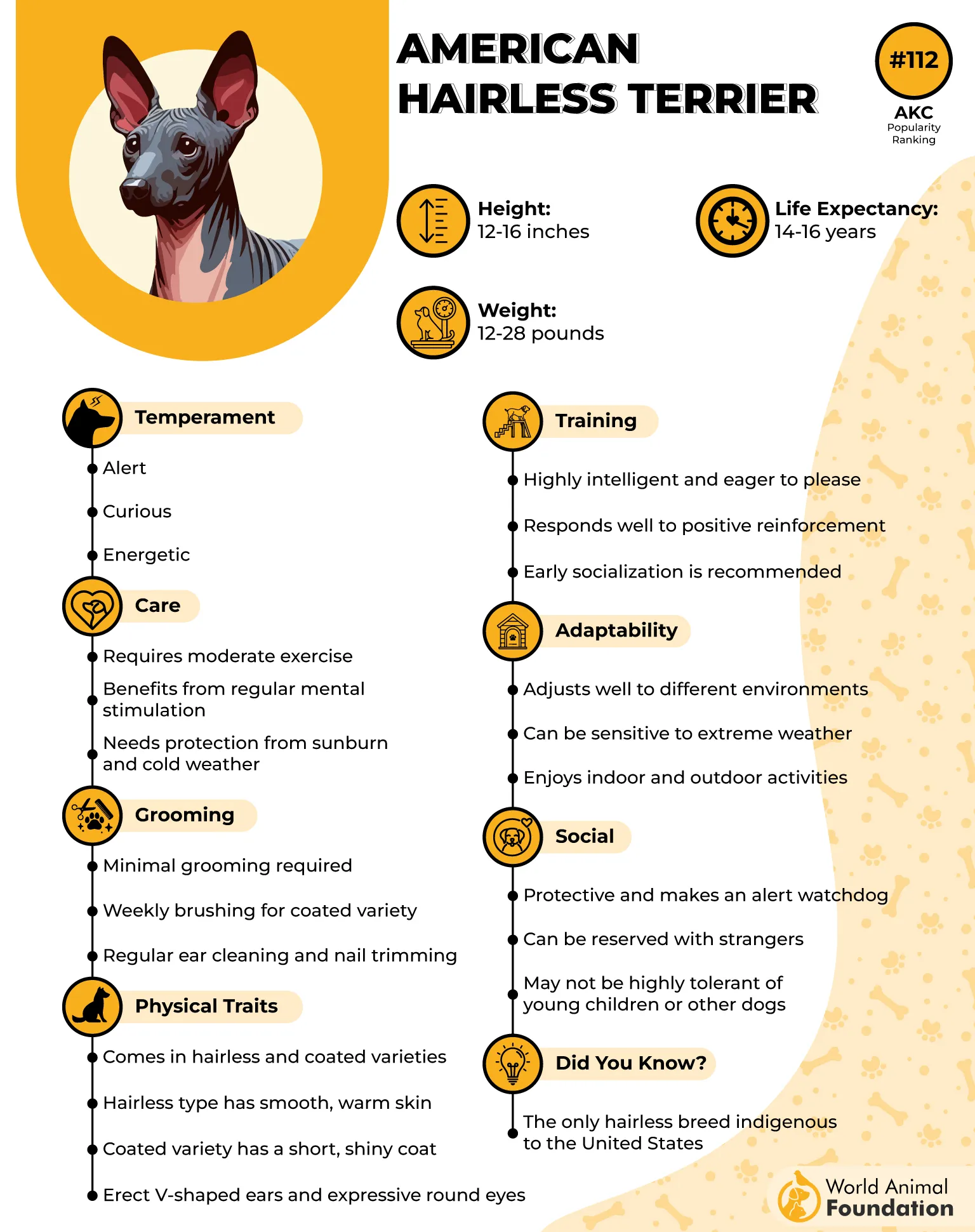
A bored American Hairless Terrier will invent its own fun, and you probably won’t like it. Training goes well when it feels like a game. Their skin needs some care, too. Use pet-safe sunscreen in summer and a cozy sweater in winter. A coated version exists, so you can pick up the look you prefer.
Terrier brains love learning, and with steady lessons, this dog can be exceptionally obedient.
3. Russian Toy
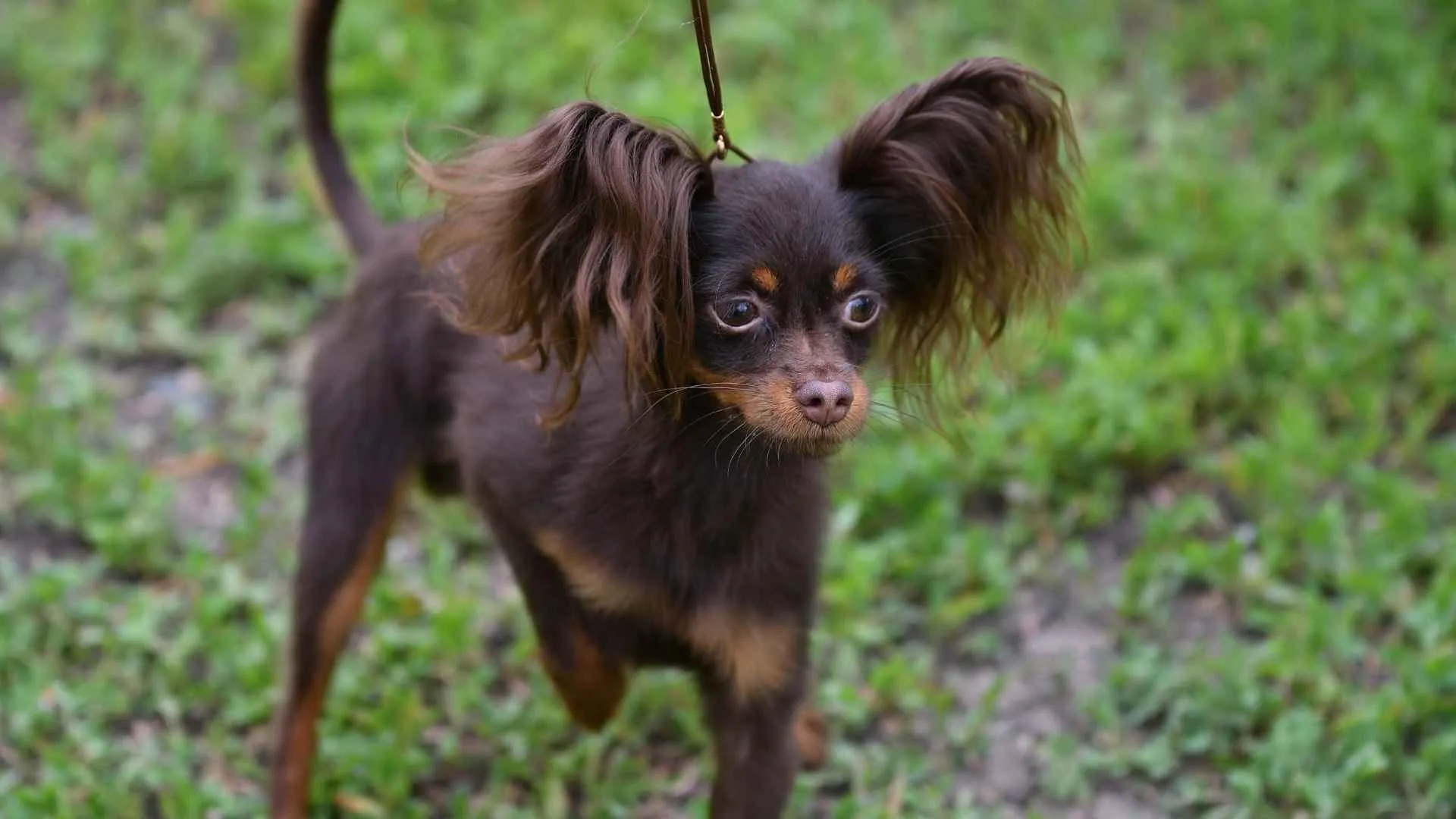
The Russian Toy is a tiny, long-legged dog with big ears and an even bigger attitude. It almost disappeared after the Russian Revolution, and breeders revived it in the 1950s.
Most weigh under seven pounds. They come in a smooth coat or a long-haired coat, and both need very little grooming. Russian Toys are lively and alert, so they will announce every visitor.
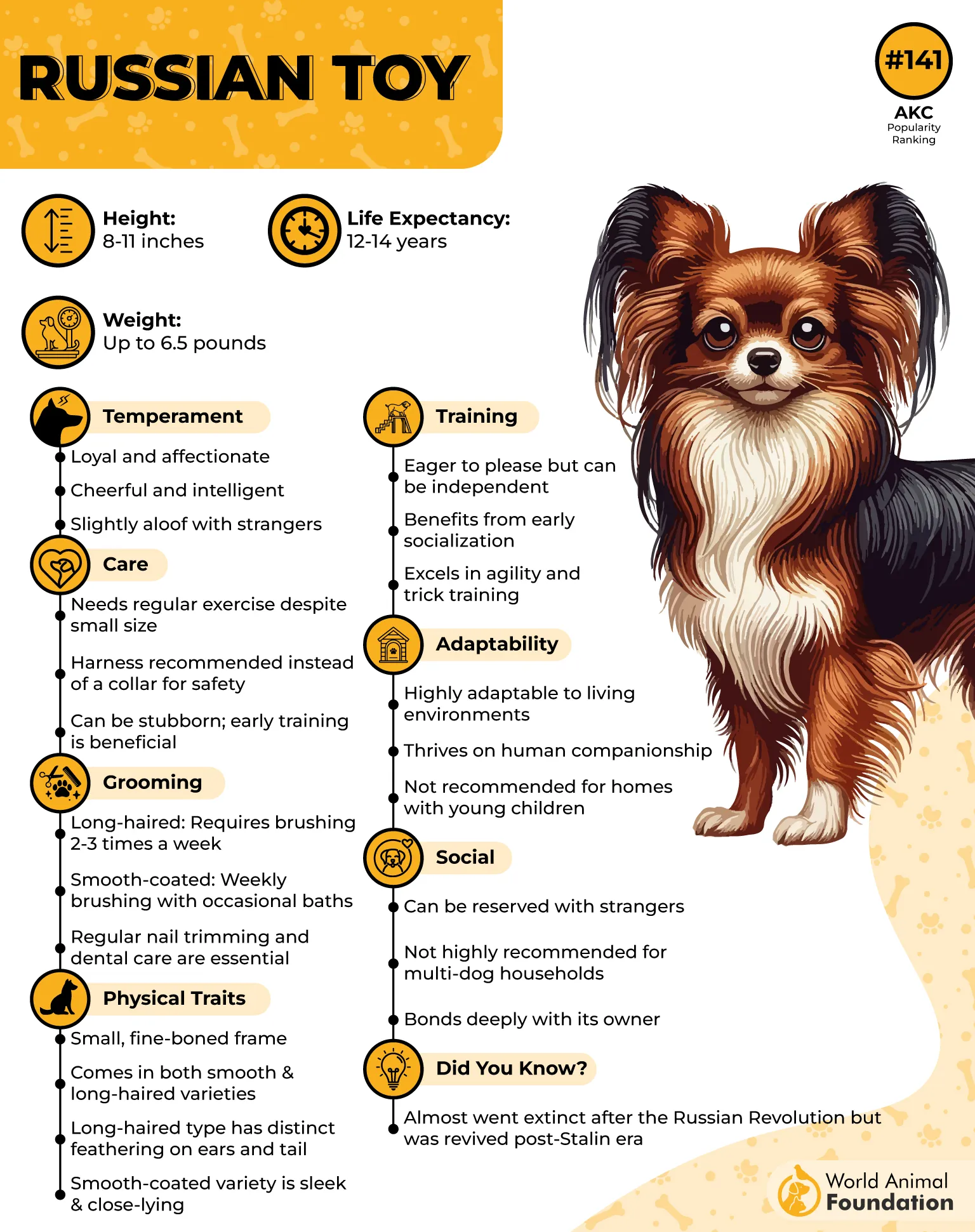
No, they are not a real guard dog, but they will always know when someone is at the door! They learn commands fast, as long as your voice stays gentle. Harsh words make them nervous. According to Purina, they are chatty and vocal, and great family dogs.
Short, happy lessons bring out their best. Their small size and high responsiveness make them easy to train indoors, even in the tiniest apartments.
4. Russian Tsvetnaya Bolonka
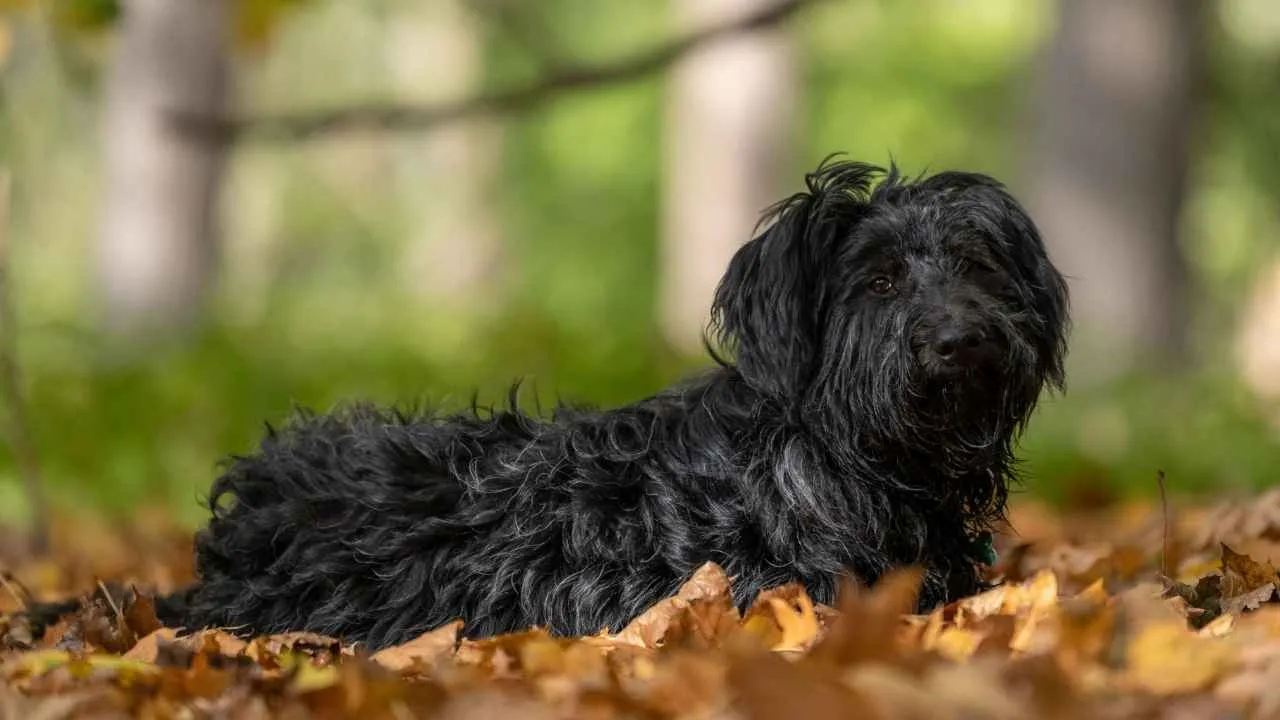
The name sounds fancy, but it simply means “Russian colored lap dog.” Breeders in the Soviet Union created it in the mid-1900s from small European lap breeds. They wanted a friendly companion in lots of colors.
This is a small dog with a soft, curly coat. Brush it a few times a week and trim it now and then. The Russian Tsvetnaya Bolonka is playful, gentle, and eager to learn, which makes it a lovely family pet.
Training is easy when you use positive reinforcement with these Russian dogs. These dogs also pick up tricks quickly, so try teaching yours to spin or shake hands. Keep your routine steady, since consistency matters more than size.
5. Lowchen
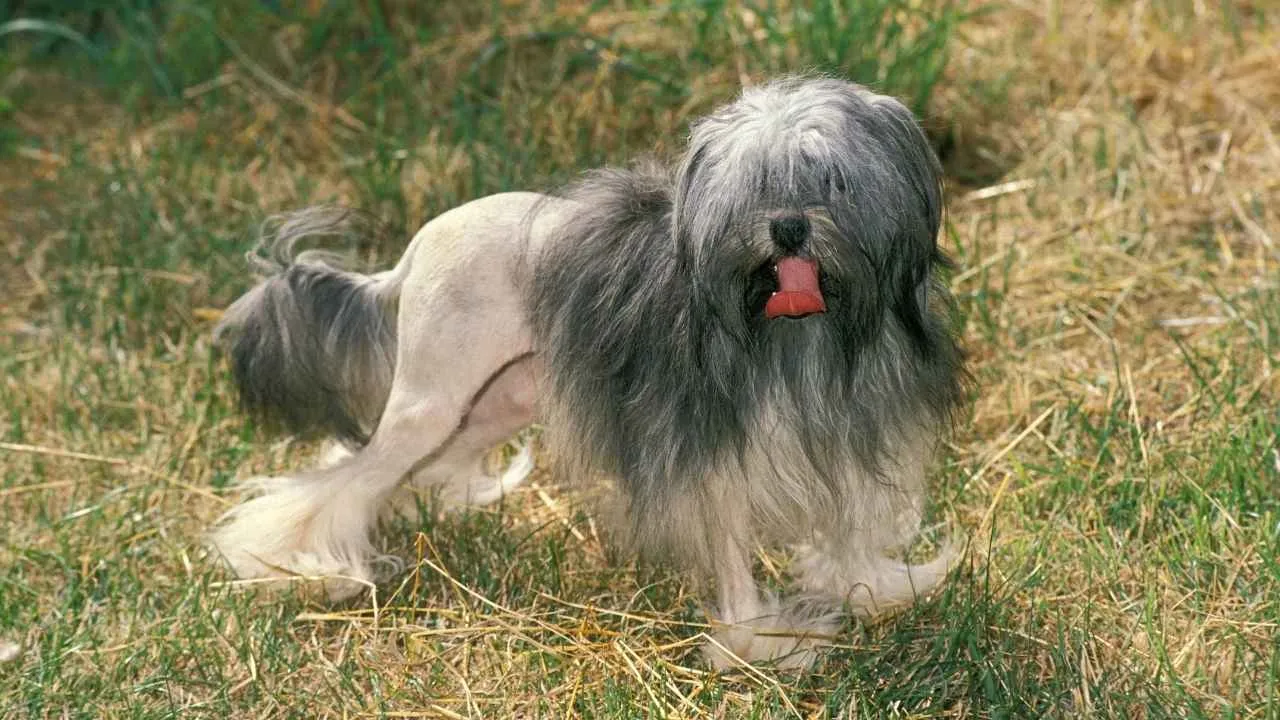
Lowchen means “little lion” in German, and the classic haircut gives it a lion-like mane. By 1973, the breed was so rare that The Guinness Book of World Records named it the rarest dog in the world.
Today, the Lowchen is doing much better. It weighs 9 to 18 pounds and stands about 10 to 13 inches tall.
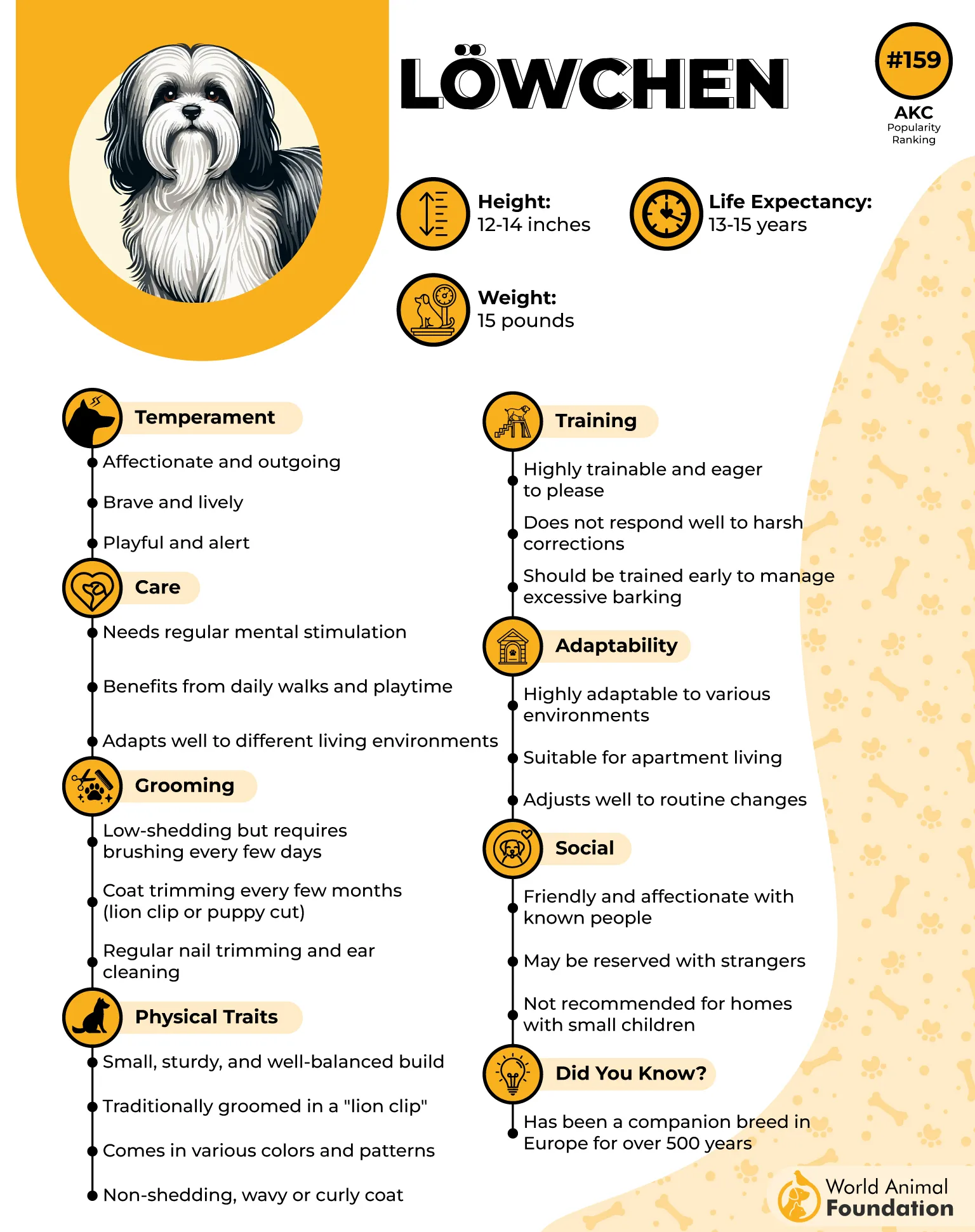
This playful, brave little dog is a good match for a first-time owner. It takes instruction readily and loves treats and praise. Keep lessons short and fun, because a bored Lowchen loses interest quickly.
The coat needs brushing every few days, and the lion clip is optional. A plain trim works fine, too. Its friendly nature and loyalty make it a pleasure to train.
6. Havanese
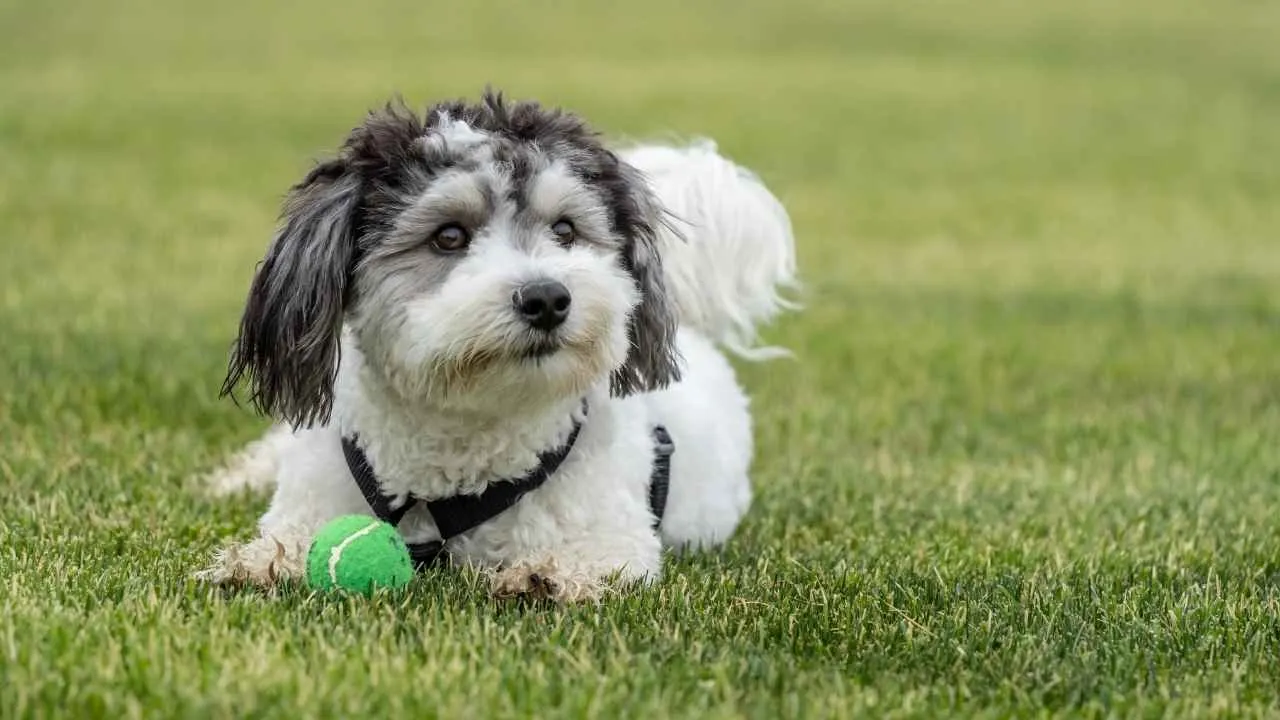
Cuba’s national dog is a silky, cheerful charmer. Havanese dogs have long worked as circus performers because they learn tricks so quickly, and that ability to learn still shows today.
A Havanese weighs 7 to 13 pounds and is known as a Velcro dog, since it follows you from room to room. It is highly trainable, so sit, stay, and roll over come easily.
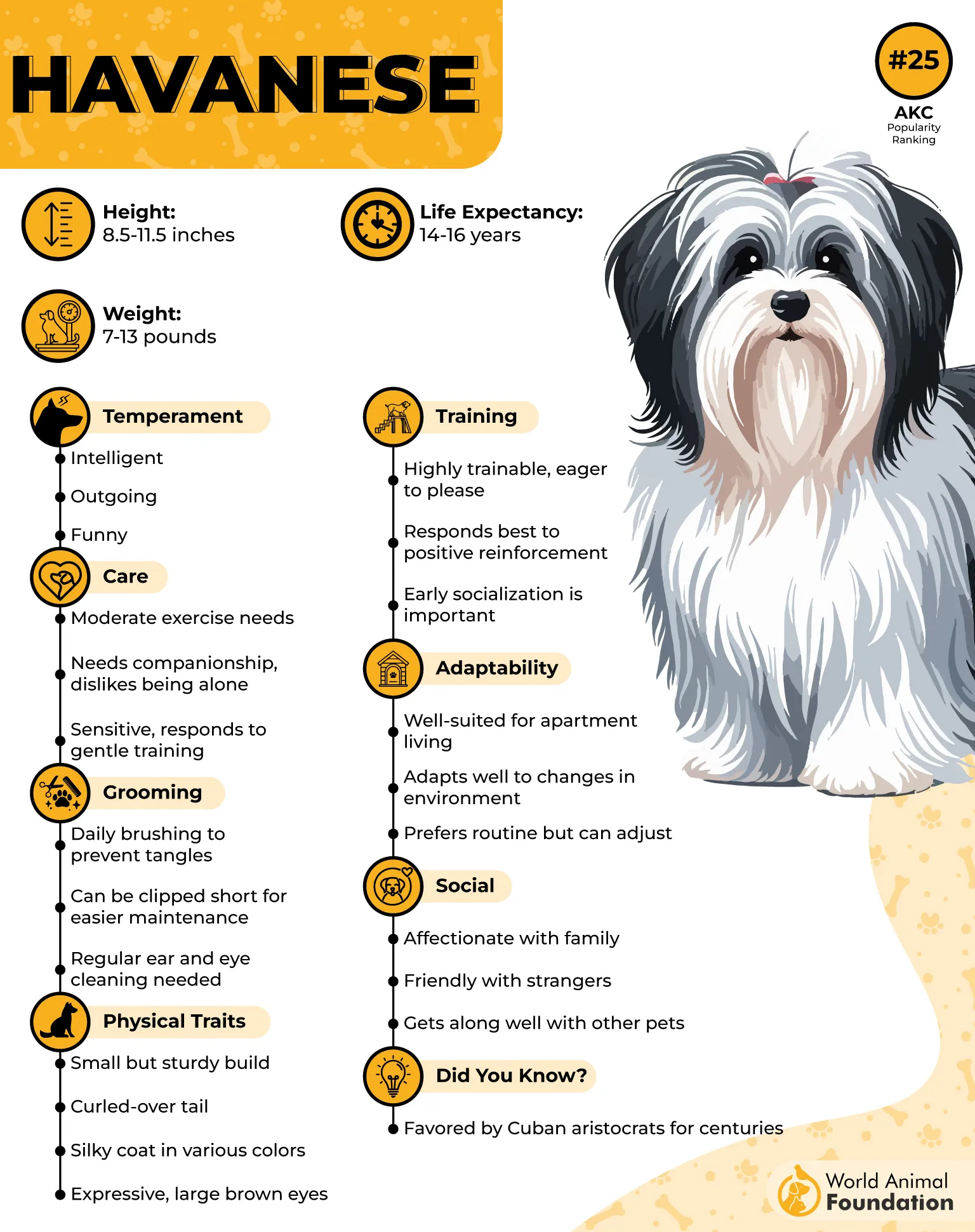
The long coat needs brushing several times a week, which is the one real chore. This breed adapts to nearly any home, from a studio apartment to a farmhouse.
Just keep in mind that a Havanese doesn’t like being left alone for hours. This is one of the easiest dogs to train, which is why so many families call it their top pick.
7. Cavalier King Charles Spaniel
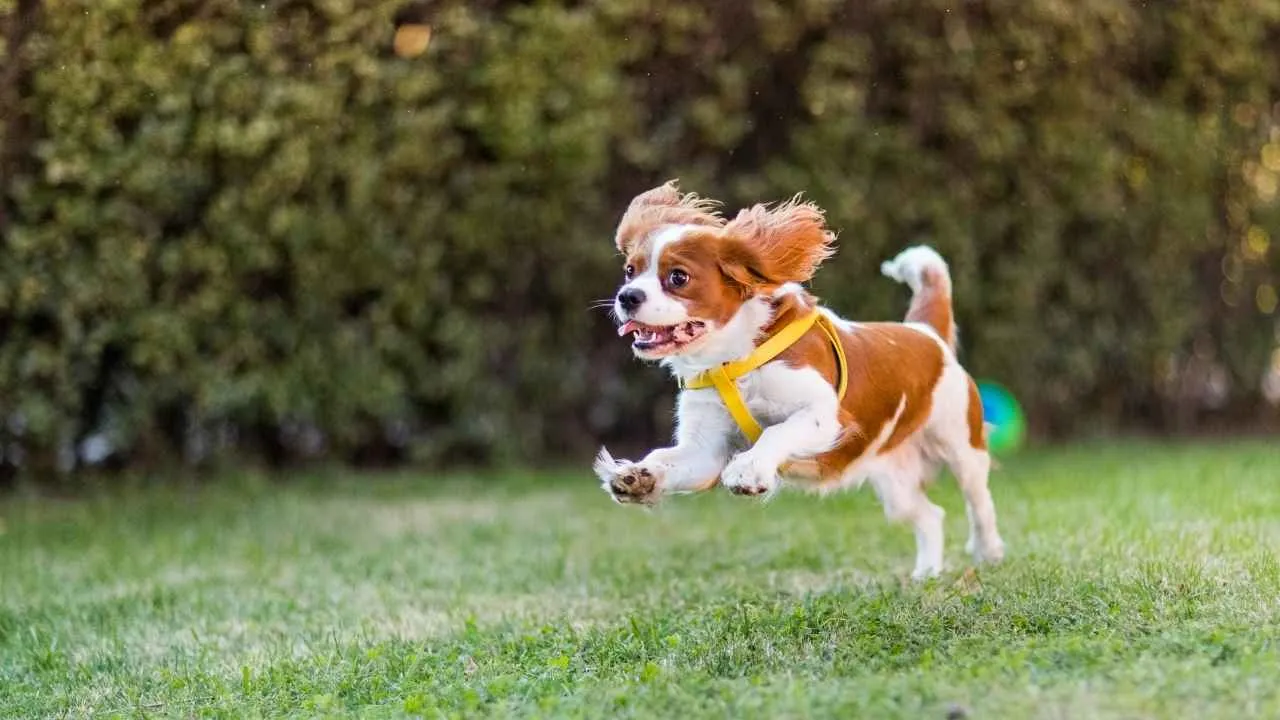
Named after King Charles II, who adored these Spaniel dogs, the Cavalier is a sweet, gentle soul. Its friendly nature suits just about anyone.
Cavaliers weigh 13 to 18 pounds and love to please. Their willingness to follow your lead makes obedience feel natural.
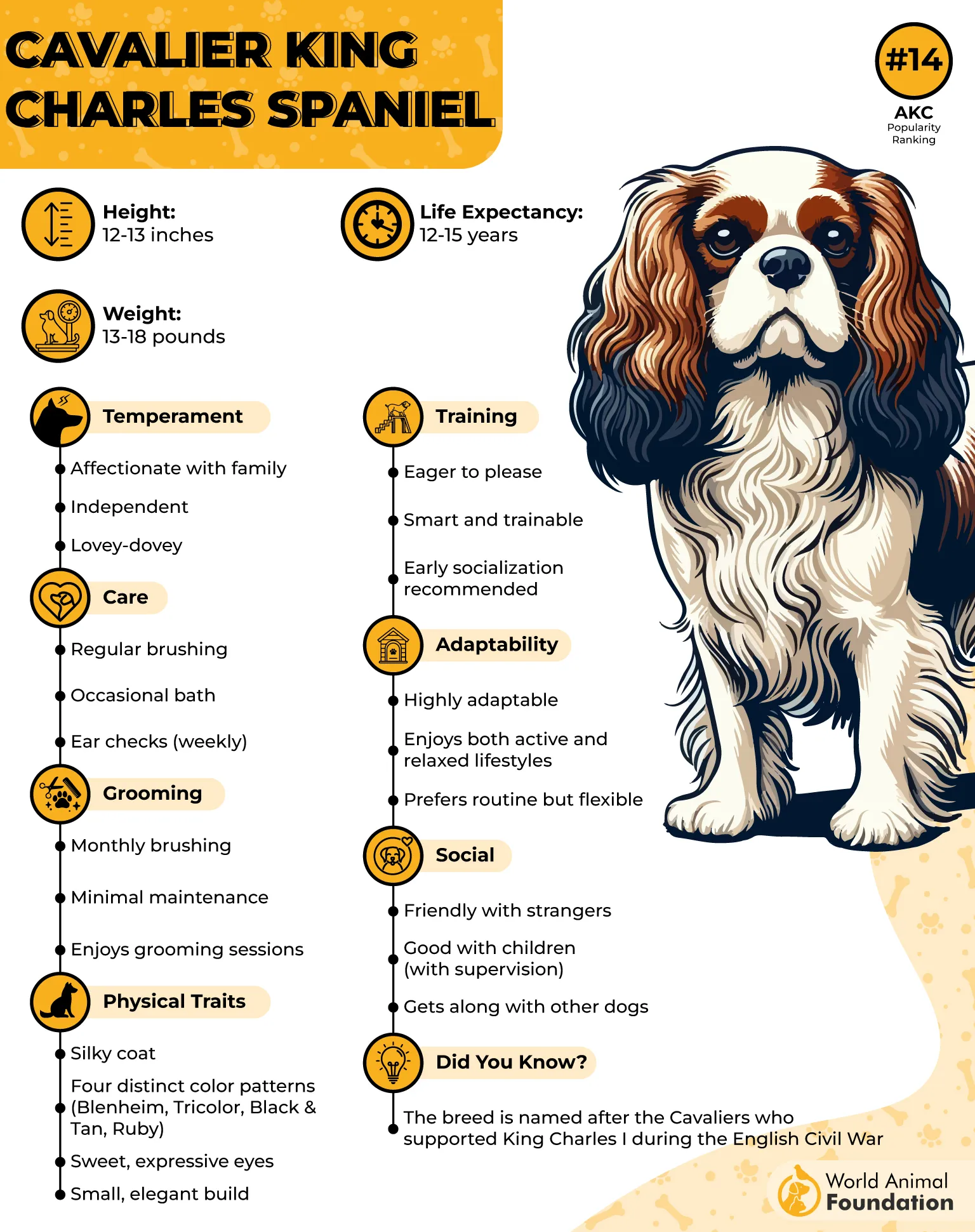
Their old Spaniel instincts can kick in outside, though, so keep them on a leash around birds and squirrels. They can also have heart problems, so schedule regular checkups with your local vet.
A Cavalier does best in a home where someone is around most of the day. They are exceptionally responsive to a kind voice, and they rarely behave badly when they get enough attention.
8. Shih Tzu
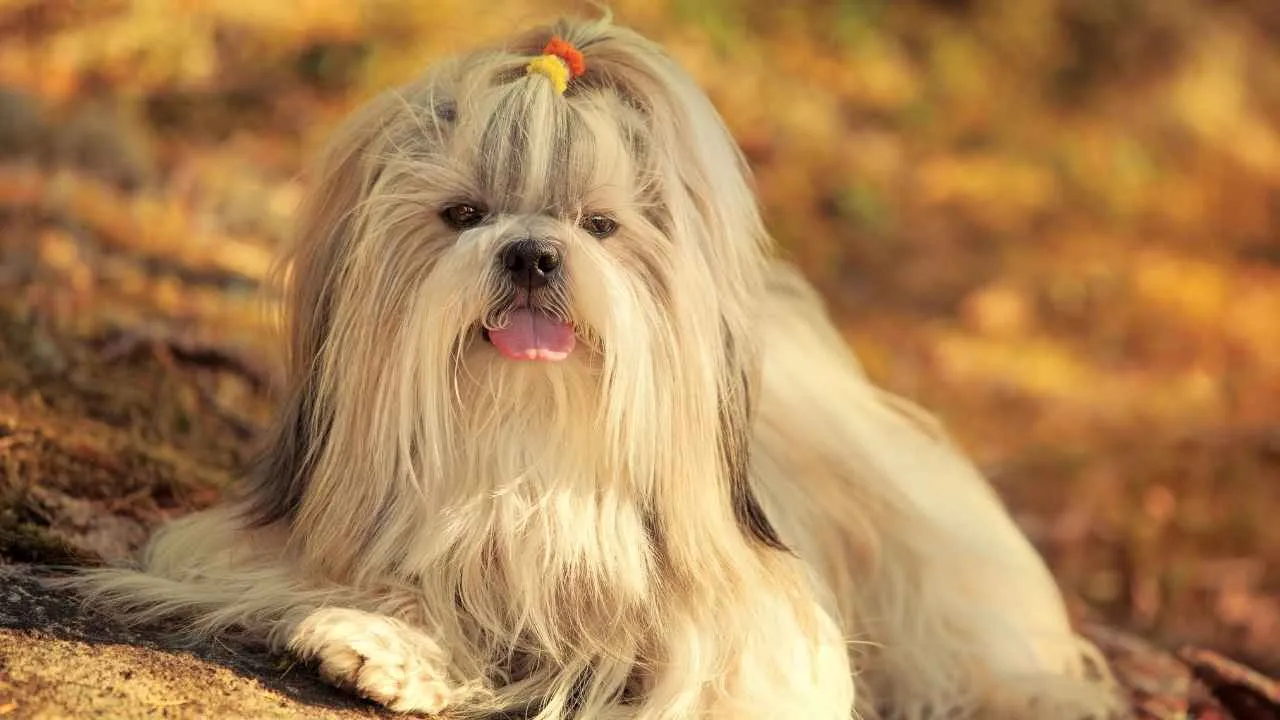
The name means “lion” in Chinese, but this puppy is no fierce beast. Shih Tzus lived in the palaces of Chinese royalty, and they still act like they own the place.
A Shih Tzu weighs 9 to 16 pounds and has a cheerful, friendly nature. It also has a stubborn streak. Obedience takes consistency, and house training takes patience, so keep lessons short and bring tasty treats.
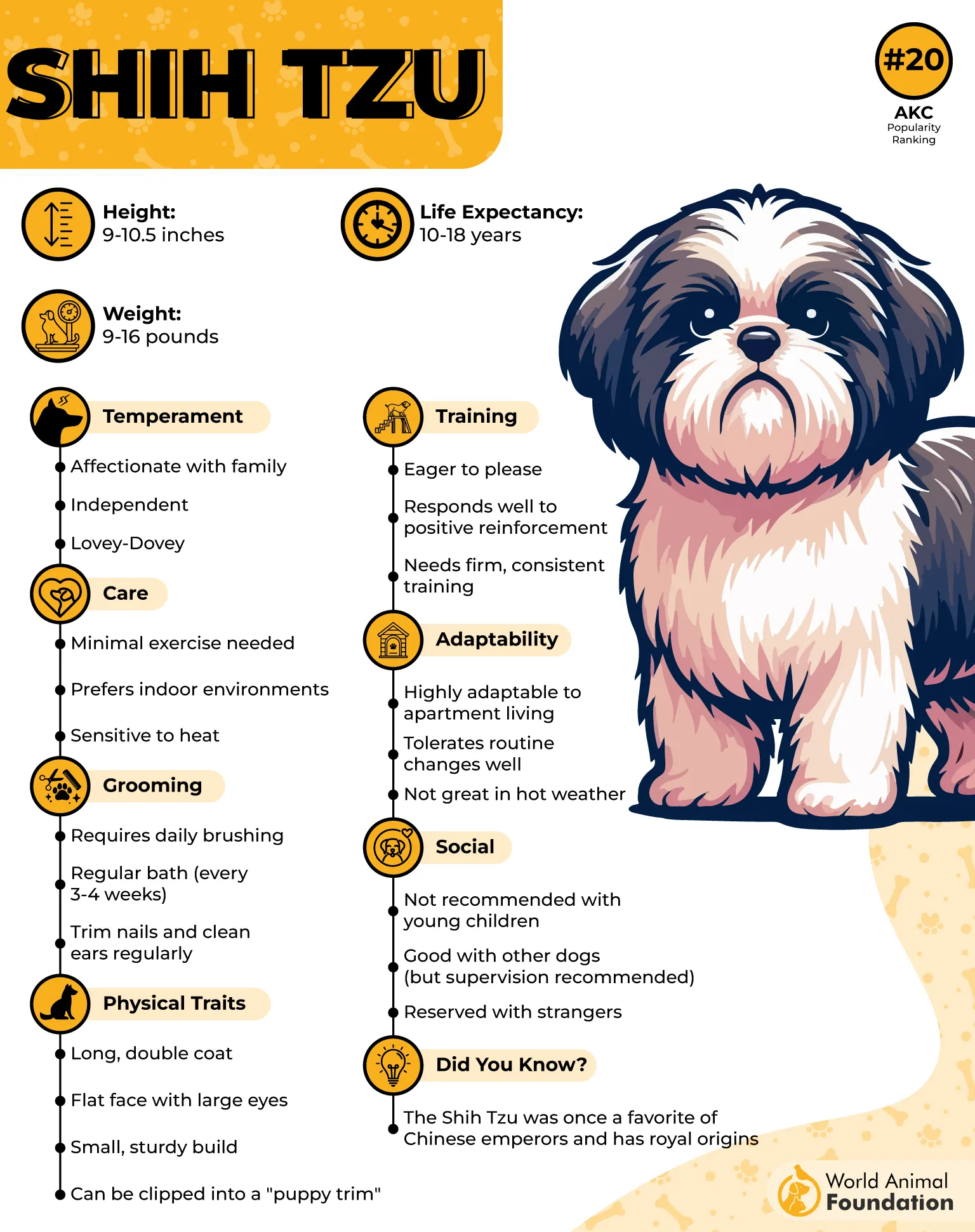
Every individual dog is different, and some Shih Tzus learn faster than others. That long coat needs daily brushing, or you can ask a groomer for a short puppy cut.
With patience and consistency, this Asian dog can reach reliable obedience at home.
9. Australian Terrier
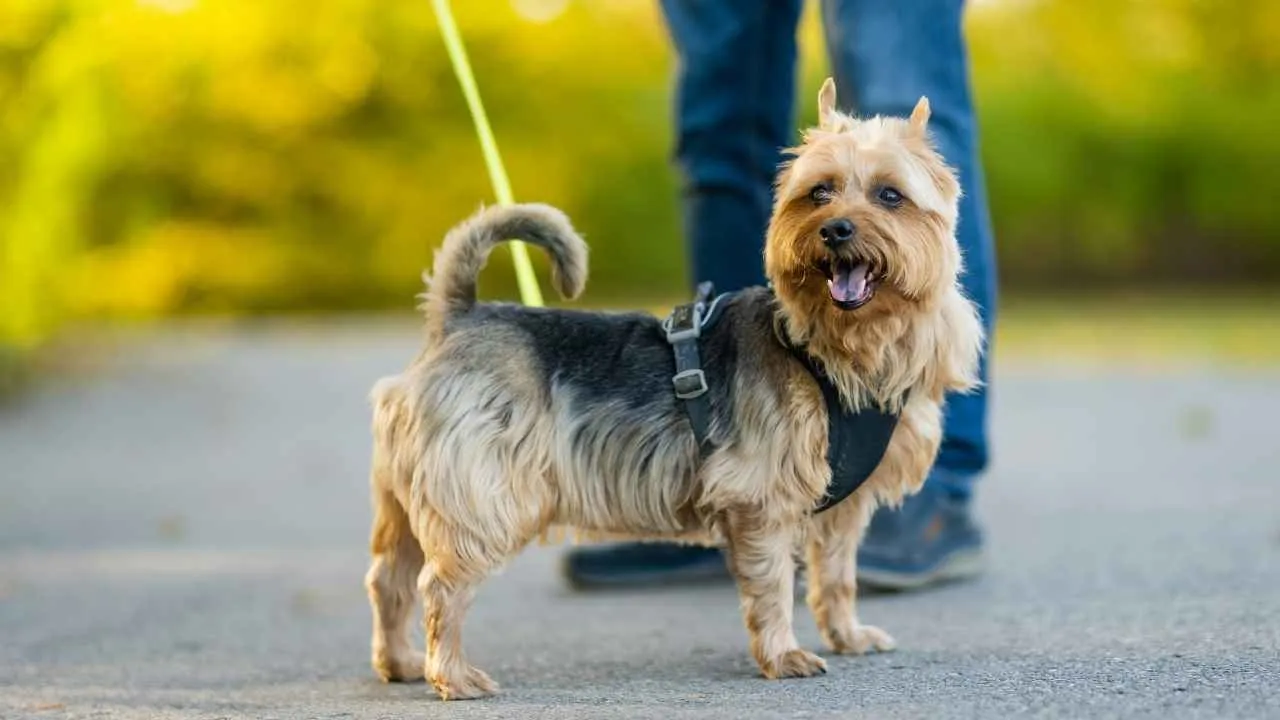
This tough little Terrier was bred on Australian farms to hunt rats and even snakes. It was one of the first breeds from Australia to be shown at dog shows.
The Australian Terrier stands 10 to 11 inches tall and weighs 14 to 16 pounds. Its rough, weather-resistant coat needs a weekly brush. Despite those short legs, it is extremely agile and enjoys agility classes.
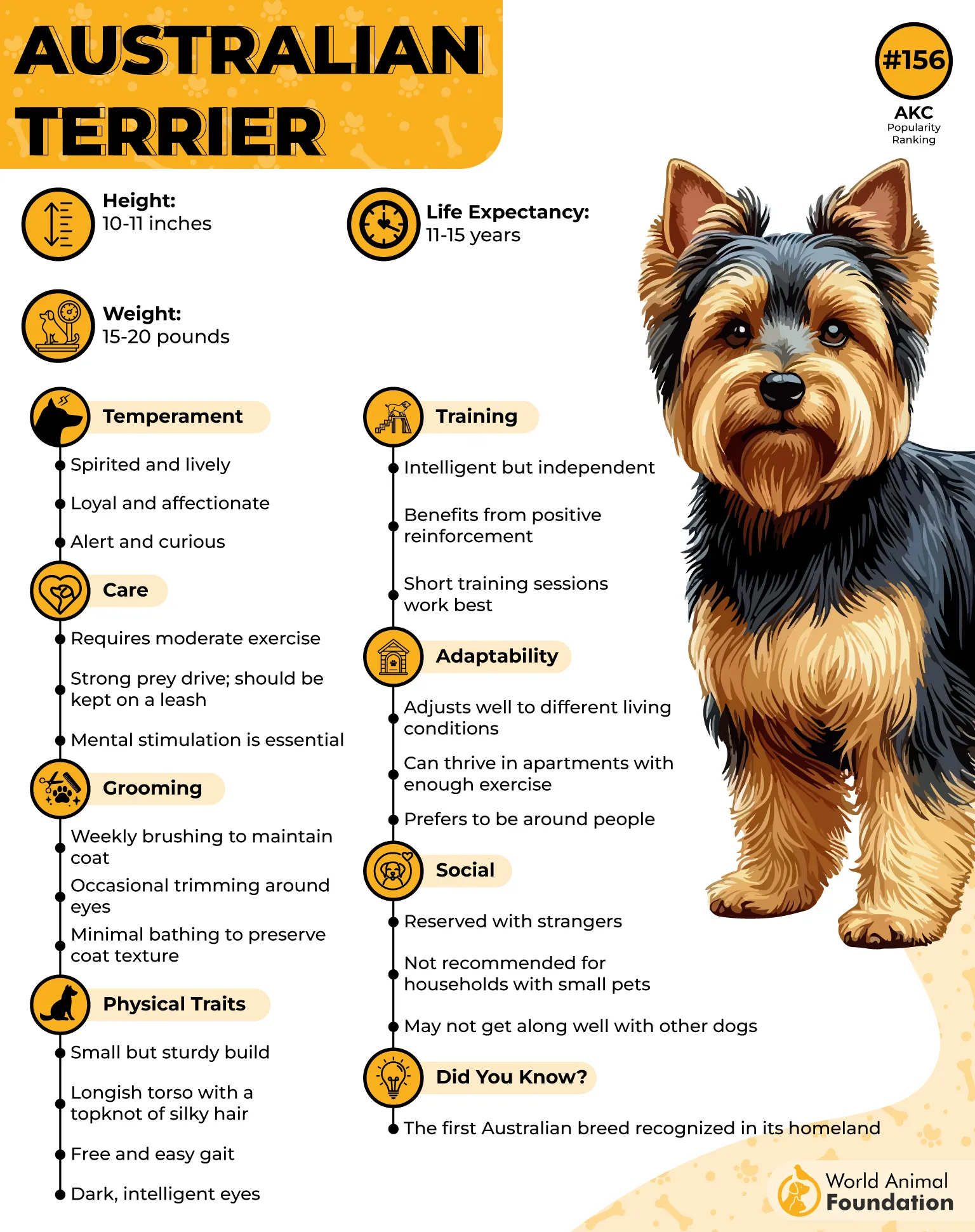
This small breed is smart, sturdy, and loyal. Like most terriers, it loves to dig and chase, so expect a few holes in the yard. It is small in size, but it has the heart of a large breed. Daily exercise and clear rules keep this dog well-trained and happy.
10. Brussels Griffon
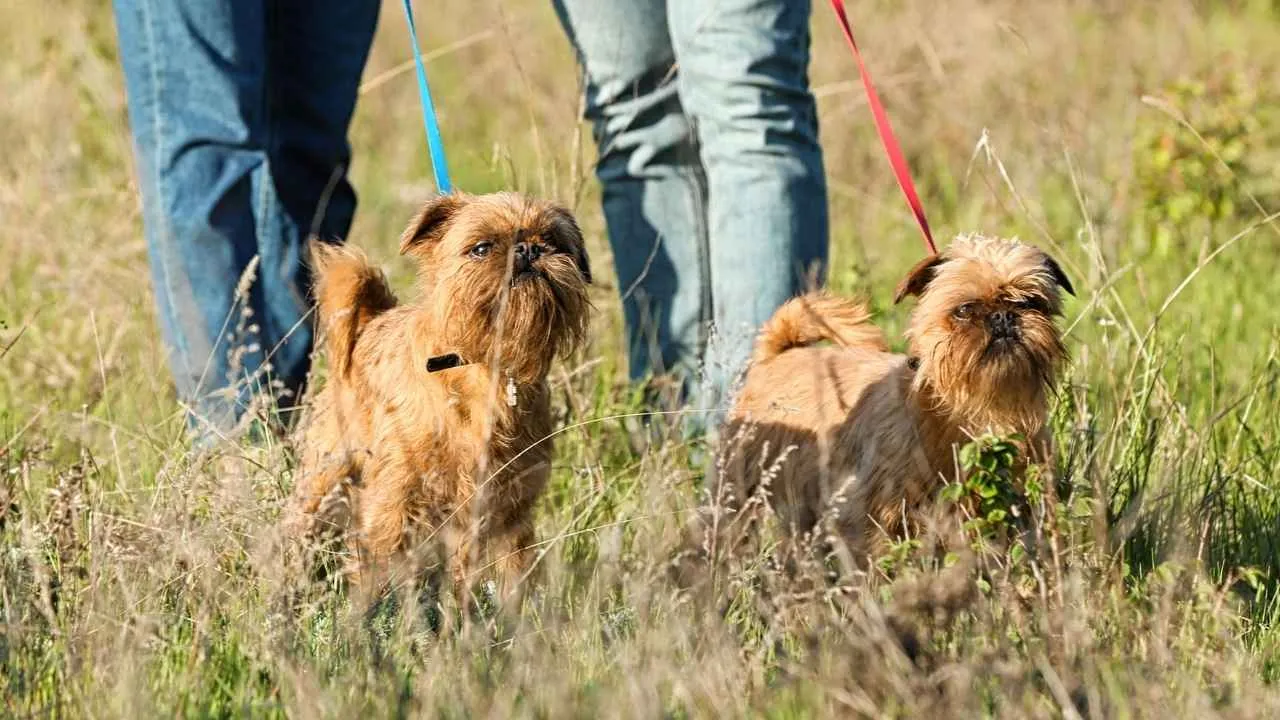
In Belgium, these dogs started out chasing rats in stables. Later, they moved into royal homes. You may also remember one from the movie ‘As Good as It Gets.’
The Brussels Griffon weighs 8 to 10 pounds and has a funny, almost human face. It is sensitive, so harsh correction backfires fast. Gentle consistency works much better.
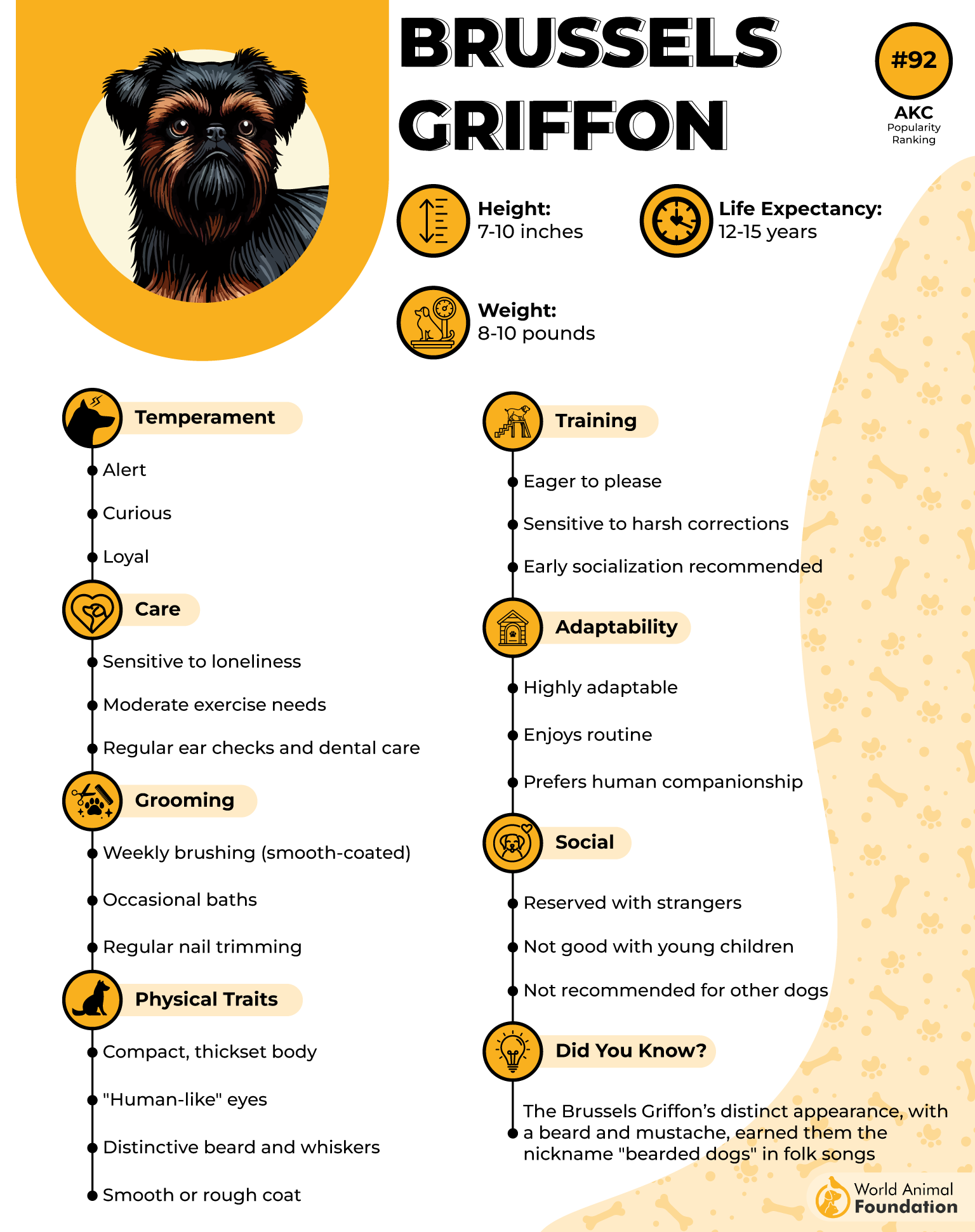
This breed wants to be near its people all the time, which actually helps with training, because it watches you closely. The coat comes in rough or smooth, and both are easy to care for.
When appropriately trained, this little dog can show high obedience even in a busy household.
Conclusion
Each of these breeds can show excellent obedience when the owner puts in the work.
No dog is effortlessly obedient, and there is no automatic obedience, even in the most obedient breeds. It comes from consistency, positive reinforcement, and patience.
If you want a bigger partner, Australian Cattle Dogs, Doberman Pinschers, Shetland Sheepdogs, Pembroke Welsh Corgis, Rough Collies, English Springer Spaniels, and Cocker Spaniels are also among the most trainable breeds.
Herding breeds, sporting dogs, and even military and tracking dogs are known for their trainability.
The right breed choice makes training much easier.
Whatever breed you choose, a well-trained dog is a happy dog, and a happy dog makes any home better.
