





Here’s something most dog lovers get wrong about comfort: just having a calm dog nearby is not enough to lower your stress. A real study found cortisol only dropped when people actually touched the animal, not when they simply watched from a few feet away.
The AERA Open study measured actual stress hormones, and the gap between touching a dog and merely sitting near one turned out to be huge.
That gap matters if you recharge alone, because not every calm breed gives comfort the same way. Some hand it over through constant touch, others through quiet company nearby, and those are two very different kinds of closeness.
Matching the right kind of closeness to your own energy, not just picking the cutest face off a calmest dog breeds list, is what actually leads to a perfect match. Keep reading to see exactly how that plays out, breed by breed.
Top Cozy Dog Breeds for Introverts Who Cherish Comfort
1. Cavalier King Charles Spaniel
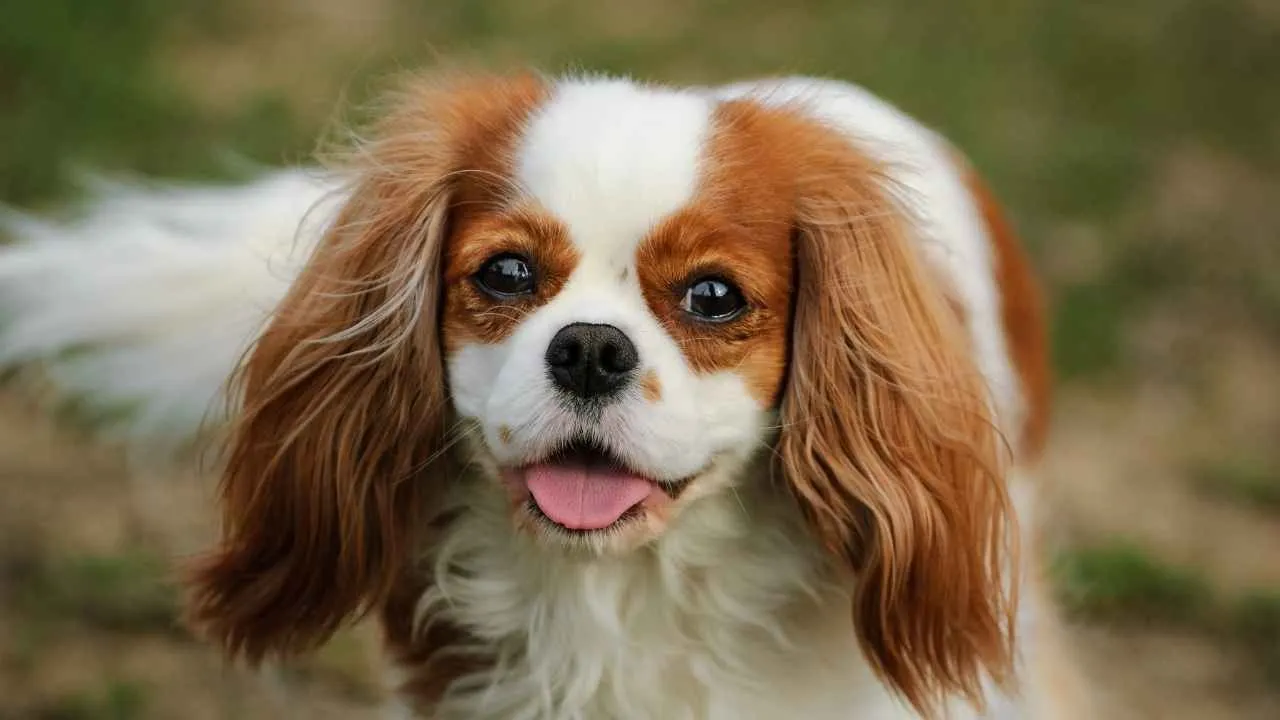
This breed was bred for one job only: sitting in the laps of British royalty. With no herding or guarding duty ever asked of it, it never developed a need to work. That history produced a companion that is content just existing beside you, calm temperament and all.
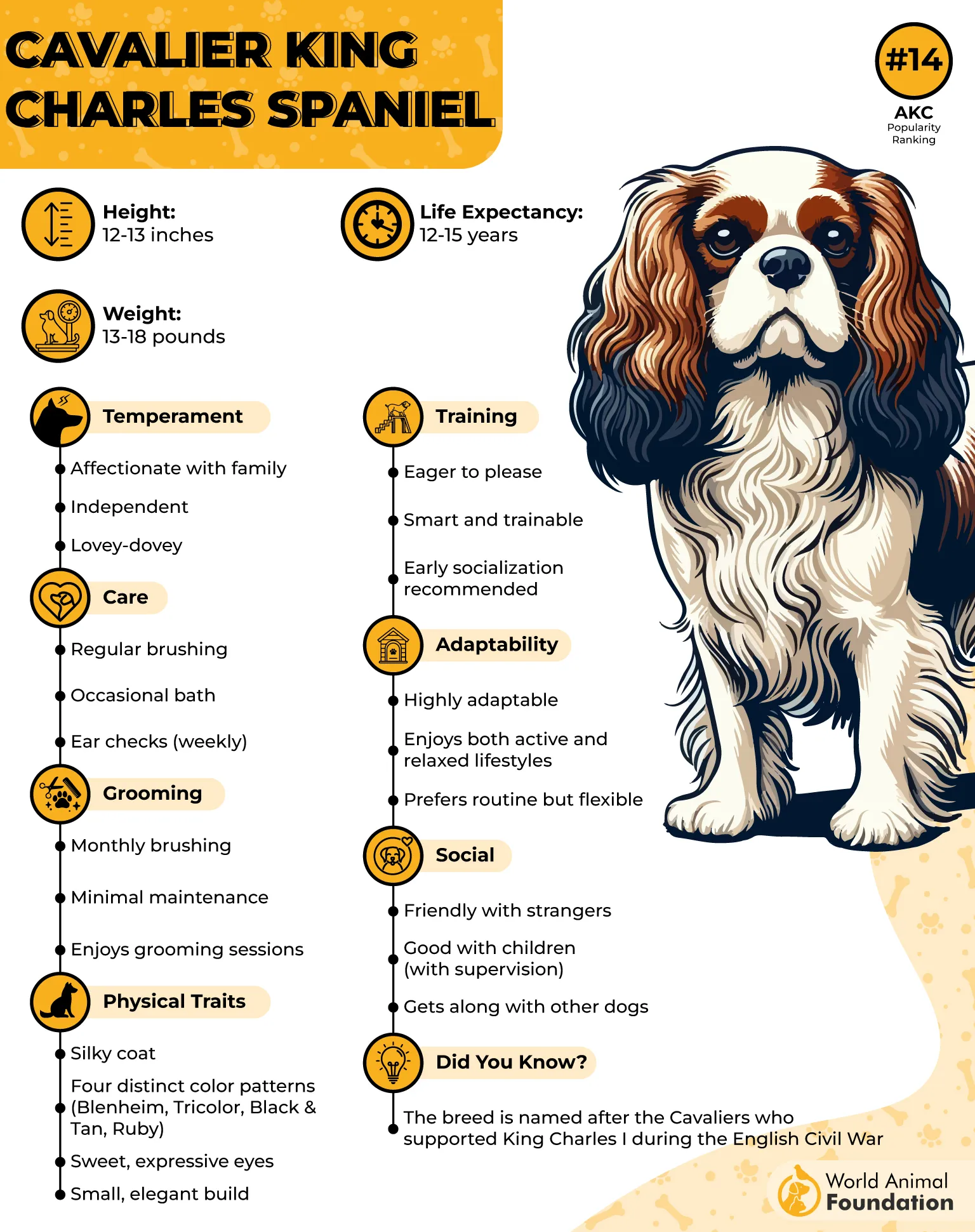
On the closeness compass, the Cavalier is a true contact-seeker. It measures closeness in inches, not rooms, and a spot on the same couch is never quite enough. Actual touch is the whole point.
Caveat: Its devotion runs deep enough to tip into separation anxiety, so long stretches alone are genuinely hard on this breed.
Noise level: It is not a big barker and stays fairly quiet unless something truly startles it.
Watch for the moment it rests its head on your knee and asks for nothing else. No play, no fuss, just quiet contact. That gesture says more about its affection than any amount of tail wagging.
2. Maltese
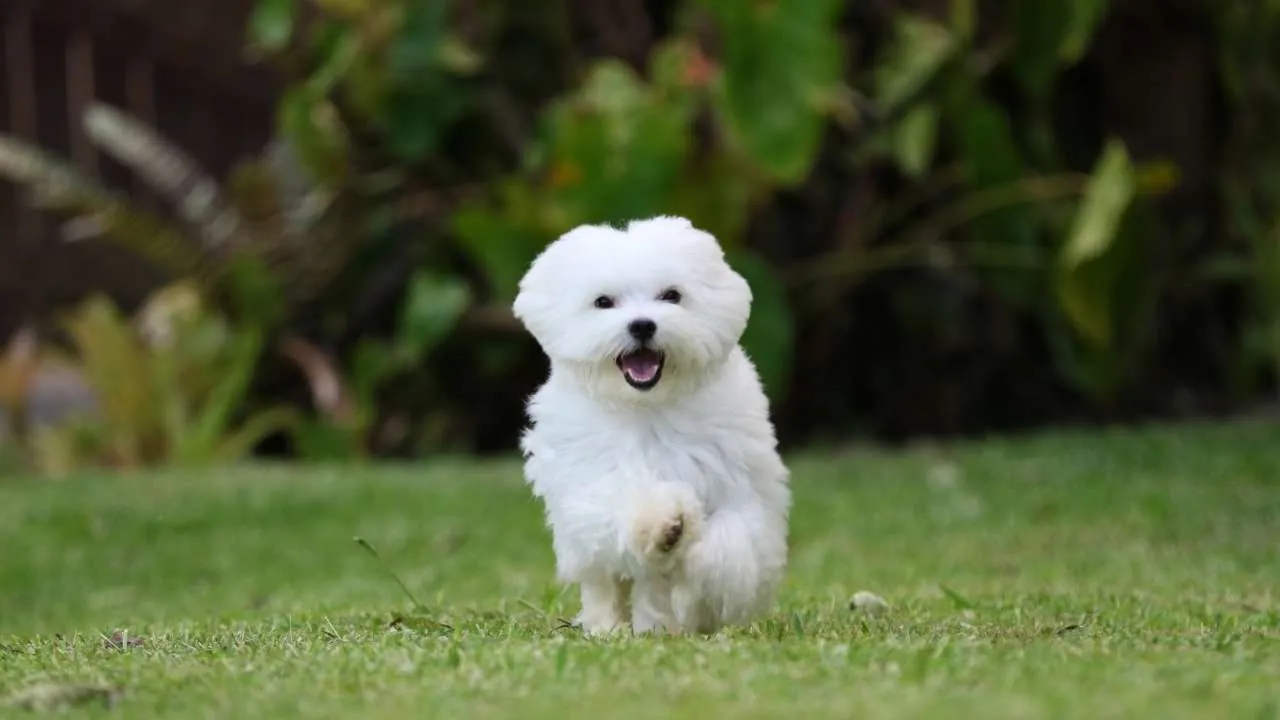
Centuries of breeding for Mediterranean nobility gave the Maltese a single purpose: company. It was never asked to hunt or guard, so pet parents got a dog wired purely for closeness. Among small breeds, few are this singularly focused on just being near people.
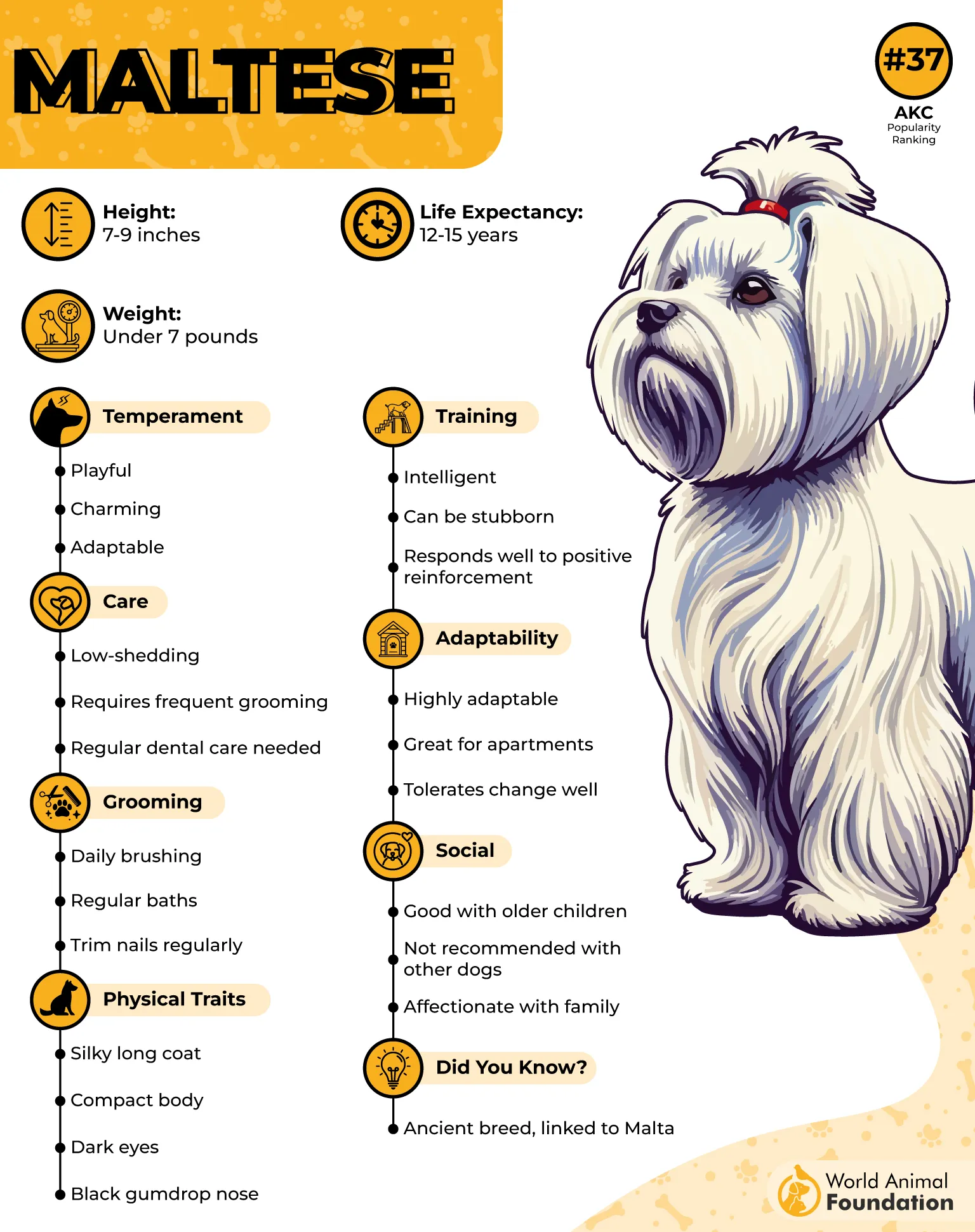
This little dog is a committed contact-seeker on the closeness compass. Lap time is not optional; it is the default setting. Proximity without touch rarely satisfies a Maltese for long.
Caveat: The long white coat demands near-daily brushing, so grooming becomes a real routine commitment.
Noise level: It tends to sound off at strangers or doorbell rings, more alert barker than silent type.
Rather than needing to be scooped up constantly, it will simply curl against a leg or shoulder and stay there. That quiet press of its body against yours is its version of a hug.
3. Basset Hound
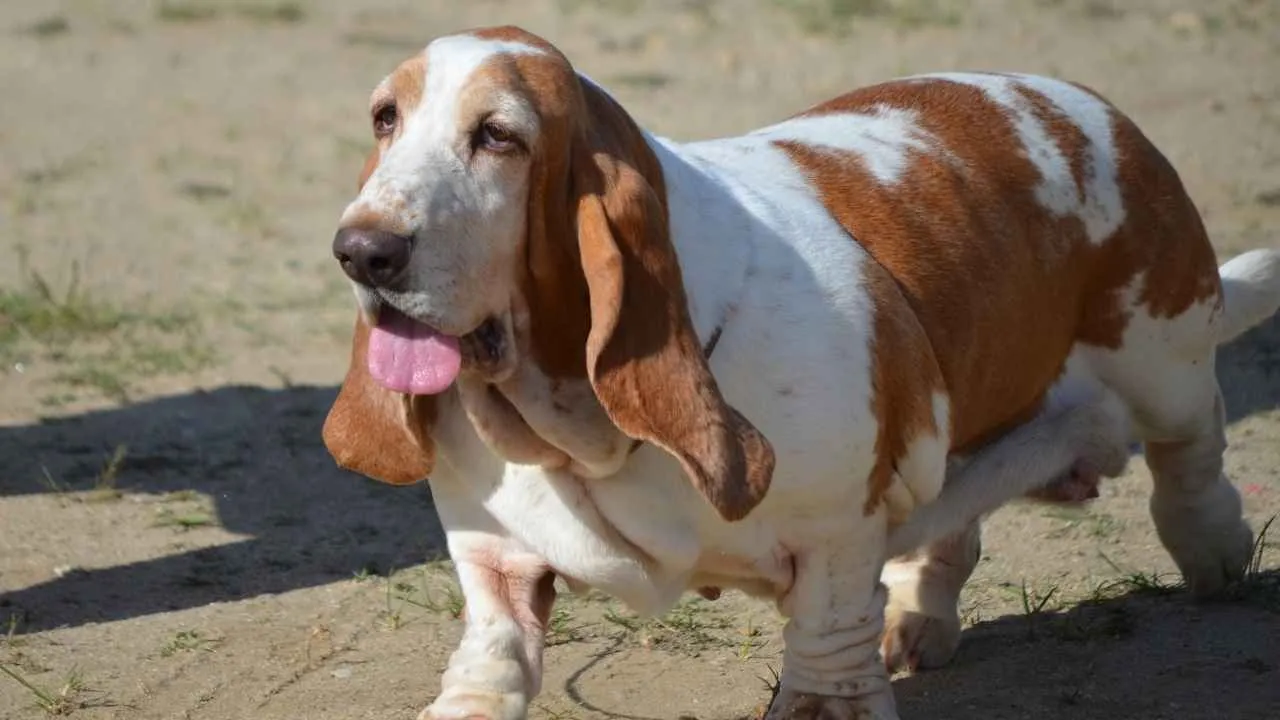
The Basset Hound was bred to scent-trail hares at a hunter’s walking pace, never built for speed or constant stimulation. That slow, methodical working style carried straight into its home personality. Few breeds wear low energy this naturally.
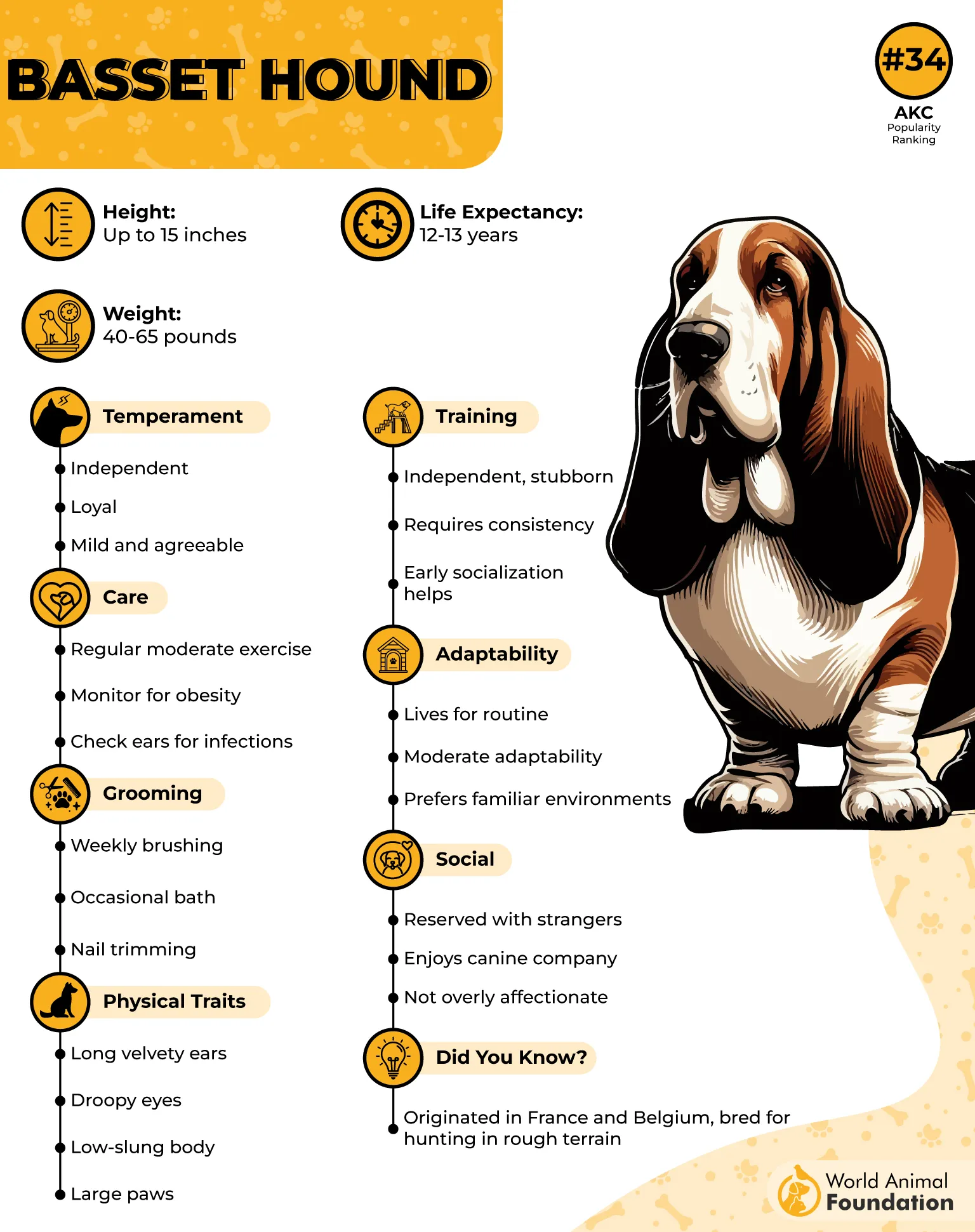
This hound is a proximity-seeker through and through. It is happy sprawled across the room from you, no touching required, as long as you are both there.
Caveat: Hound independence means a stubborn streak that slows down training and basic listening.
Noise level: It has a deep, distinctive howl that surfaces when boredom or a strange sound sets it off.
Instead of climbing into a lap, a Basset Hound will flop down right at your feet and sigh contentedly. That full-body collapse near you, not on you, is its calmest form of affection, according to PDSA.
4. Pug

Chinese emperors kept Pugs for exactly one reason: to be good company. No working role ever got in the way of that single job. Generations of pure companionship breeding built a dog made for the couch, not the field.
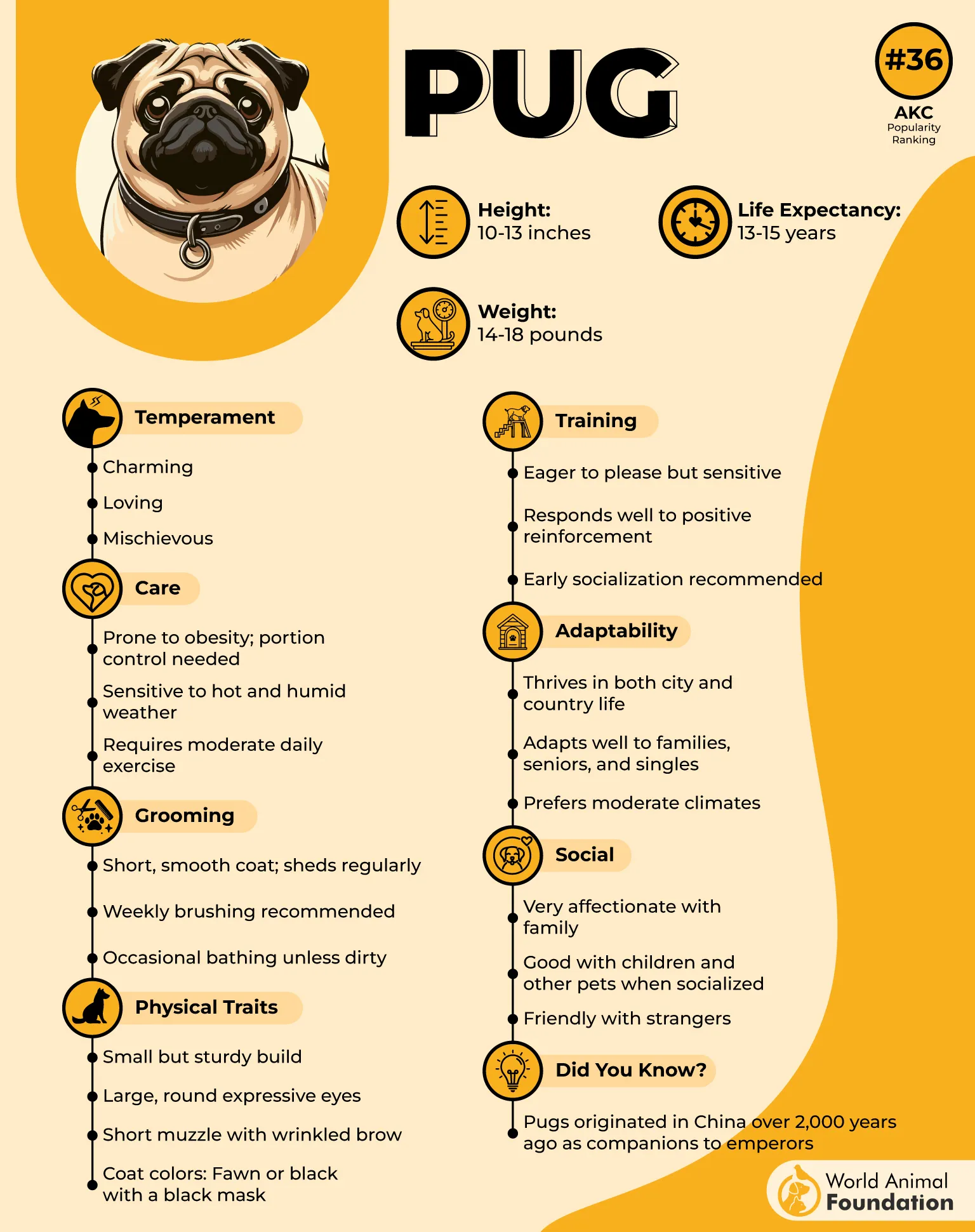
Pugs land solidly on the contact-seeker end of the closeness compass. Being physically close, ideally on your lap, is non-negotiable. Mental stimulation matters less to this breed than simple nearness.
Caveat: Its flat face makes it sensitive to heat and stress, so a steady routine and climate matter more than for most dogs.
Noise level: Barking is rare, though snorting and snoring more than make up for the quiet.
Rather than demanding attention, a Pug tends to follow you from room to room and settle with one paw resting against you. It is a gentle, low-effort way of staying connected all day.
5. French Bulldog
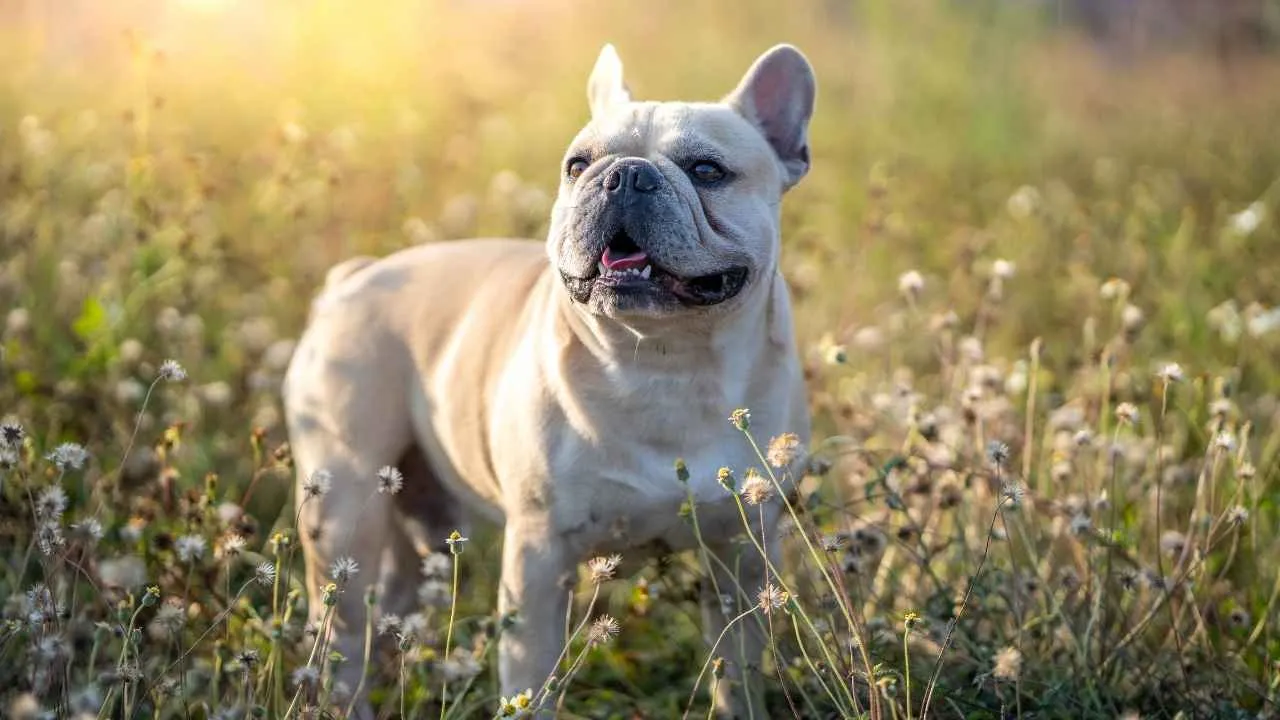
French Bulldogs were bred down from working bulldogs in England specifically for lace workers who wanted a companion, not a laborer. Temperament, not task, was the entire selection criteria. That history is why apartment living suits this breed so well today.
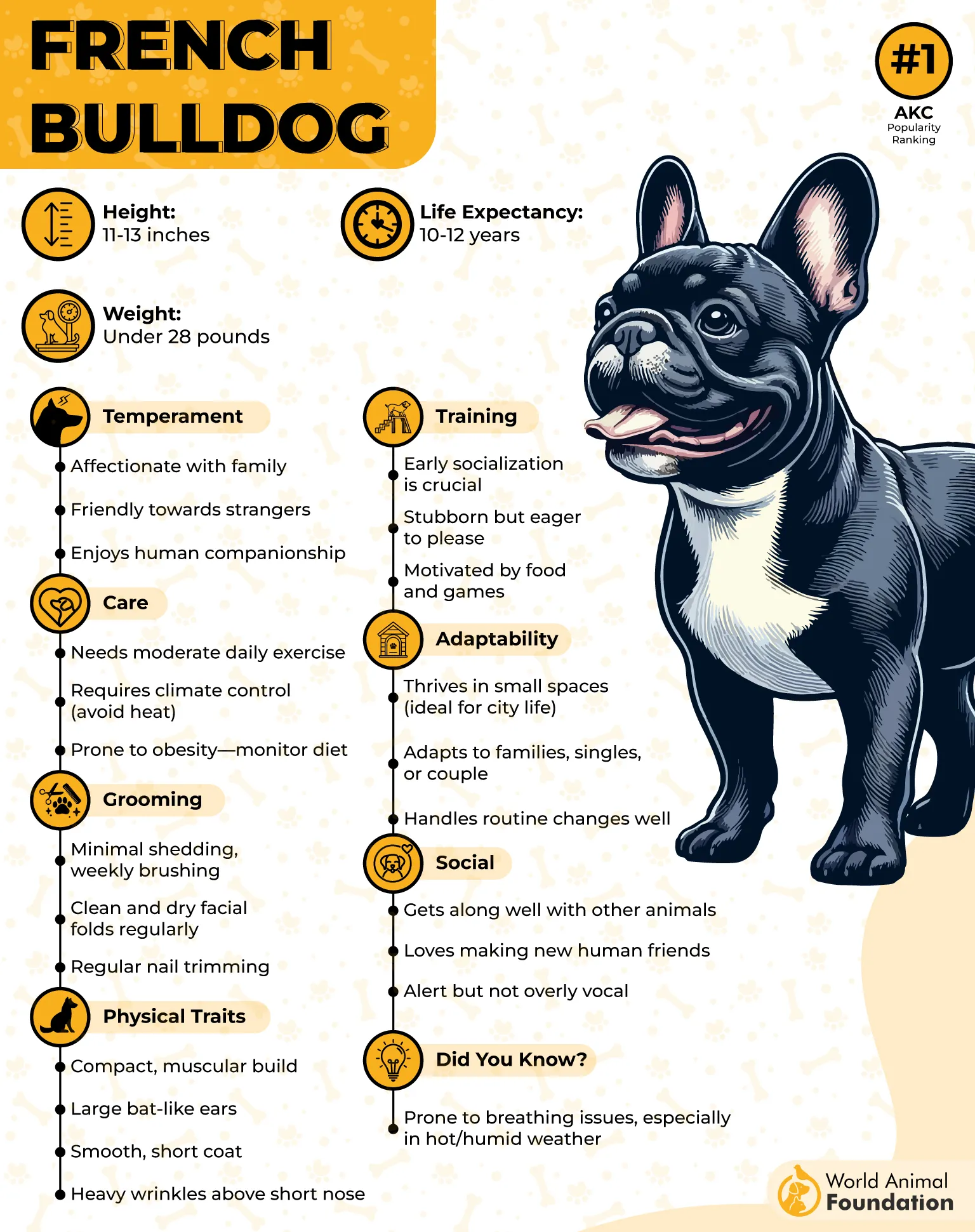
This breed is a clear contact-seeker on the Closeness Compass. Draping itself across a lap or leaning its full weight on a leg is standard behavior. Personal space is not really in its vocabulary.
Caveat: It can develop separation anxiety and needs enough mental stimulation at home to avoid boredom-driven trouble.
Noise level: Barking is uncommon, but loud grunting and snoring come standard with this affectionate breed, as per VCA.
Instead of pawing for attention, it simply wedges itself against your side and stays put. That steady, wordless lean is its whole love language.
6. Chihuahua
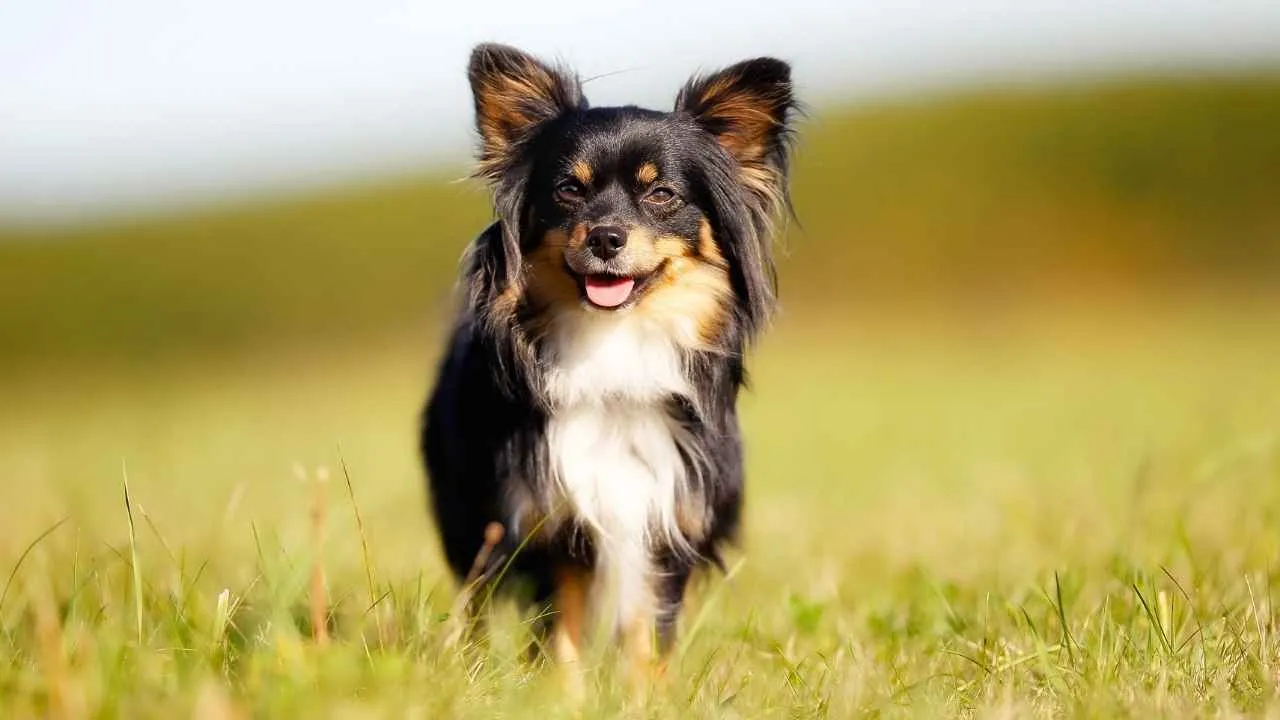
Ancient companion dogs kept across Mexico shaped the Chihuahua long before it became a modern lap favorite, with zero working history behind it. That pure companionship lineage built an intense, single-owner bond. Among little dogs, few attach this strongly to one person.
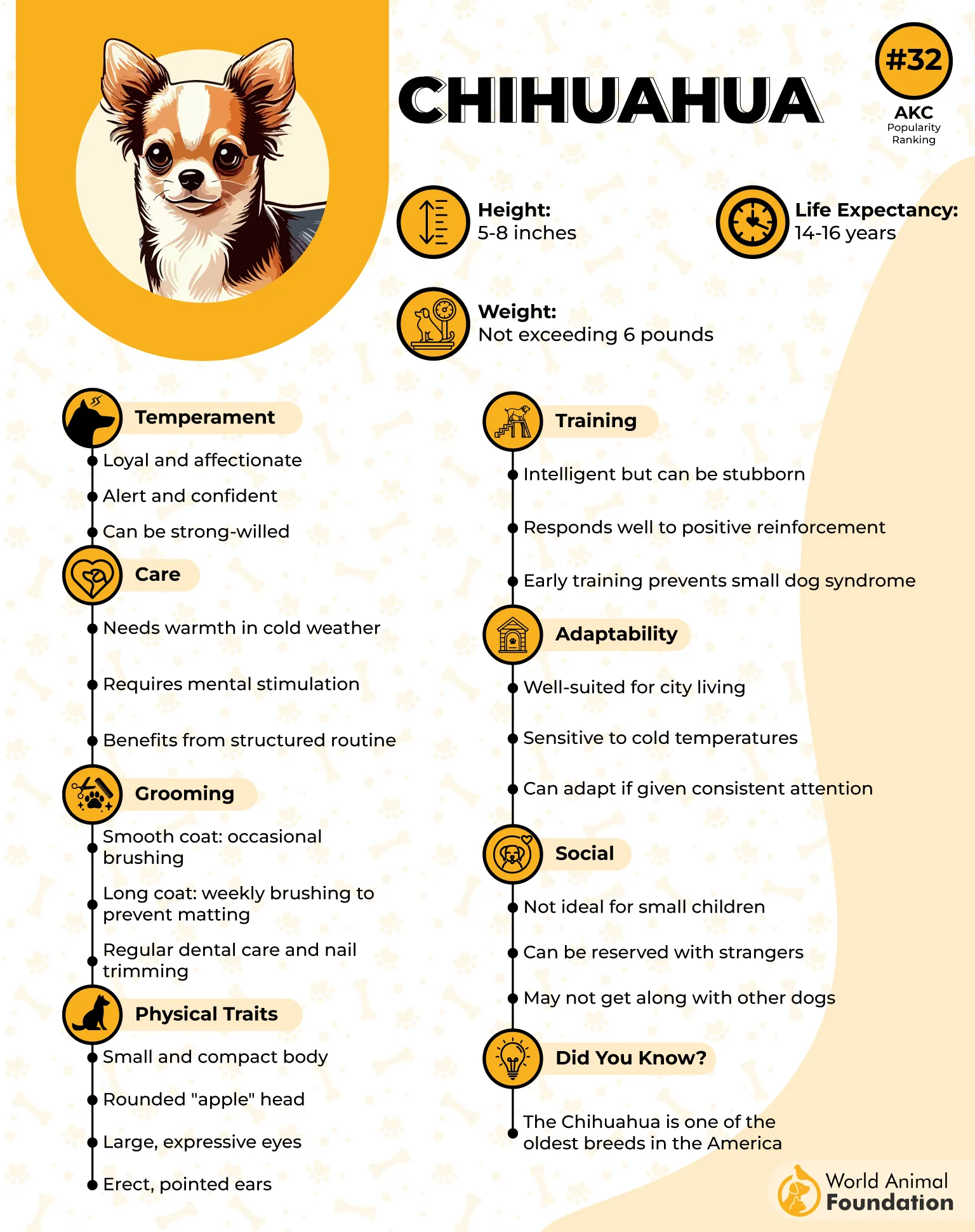
A Chihuahua is firmly a contact-seeker, often wanting to be held or tucked under an arm entirely. Sharing a room is never the goal; touching you is.
Caveat: The strong one-person bond can slide into real anxiety if it is left alone too often.
Noise level: It is genuinely vocal, quick to bark at new sounds, strangers, or other dogs at the door.
Rather than asking to play, it burrows under a blanket or against your chest purely for warmth. That small, wordless act of spending time close to you is its quiet version of trust.
7. Coton de Tulear
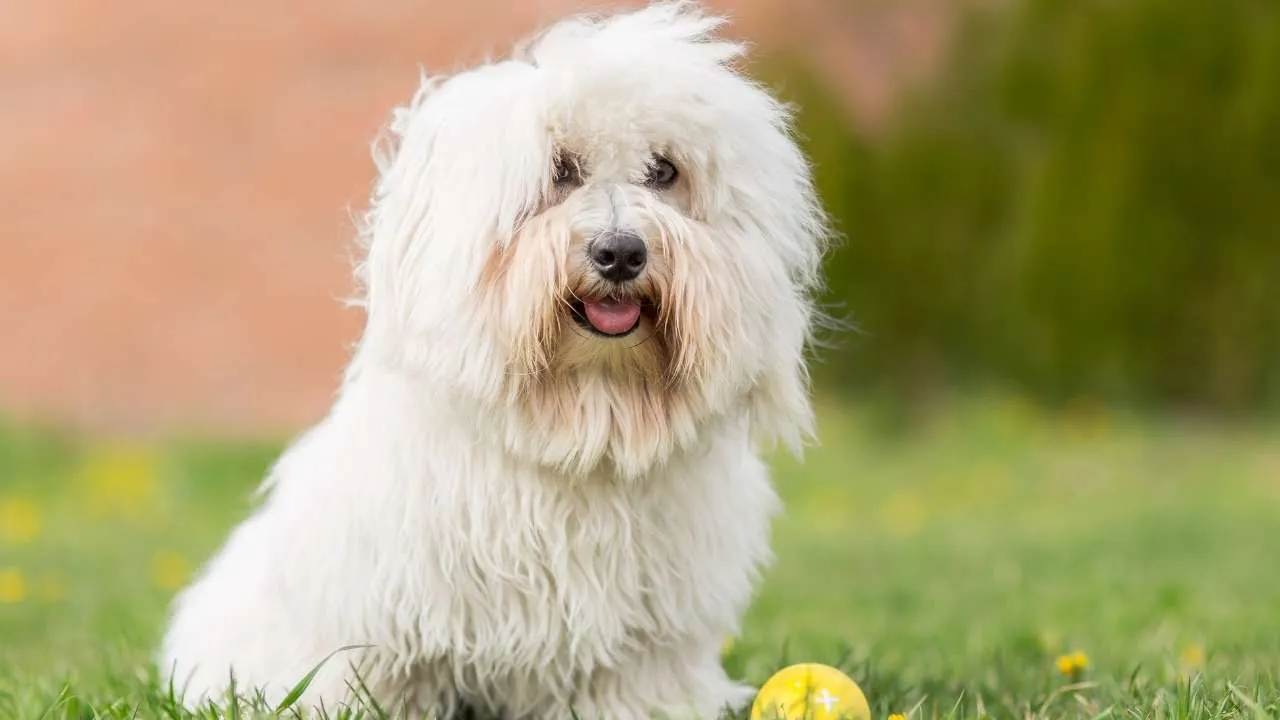
Developed on Madagascar purely as a companion for local nobility, the Coton de Tulear was bred for charm, not any working purpose. That soft, cotton-coated history produced one of the more easygoing, even-tempered small breeds around.
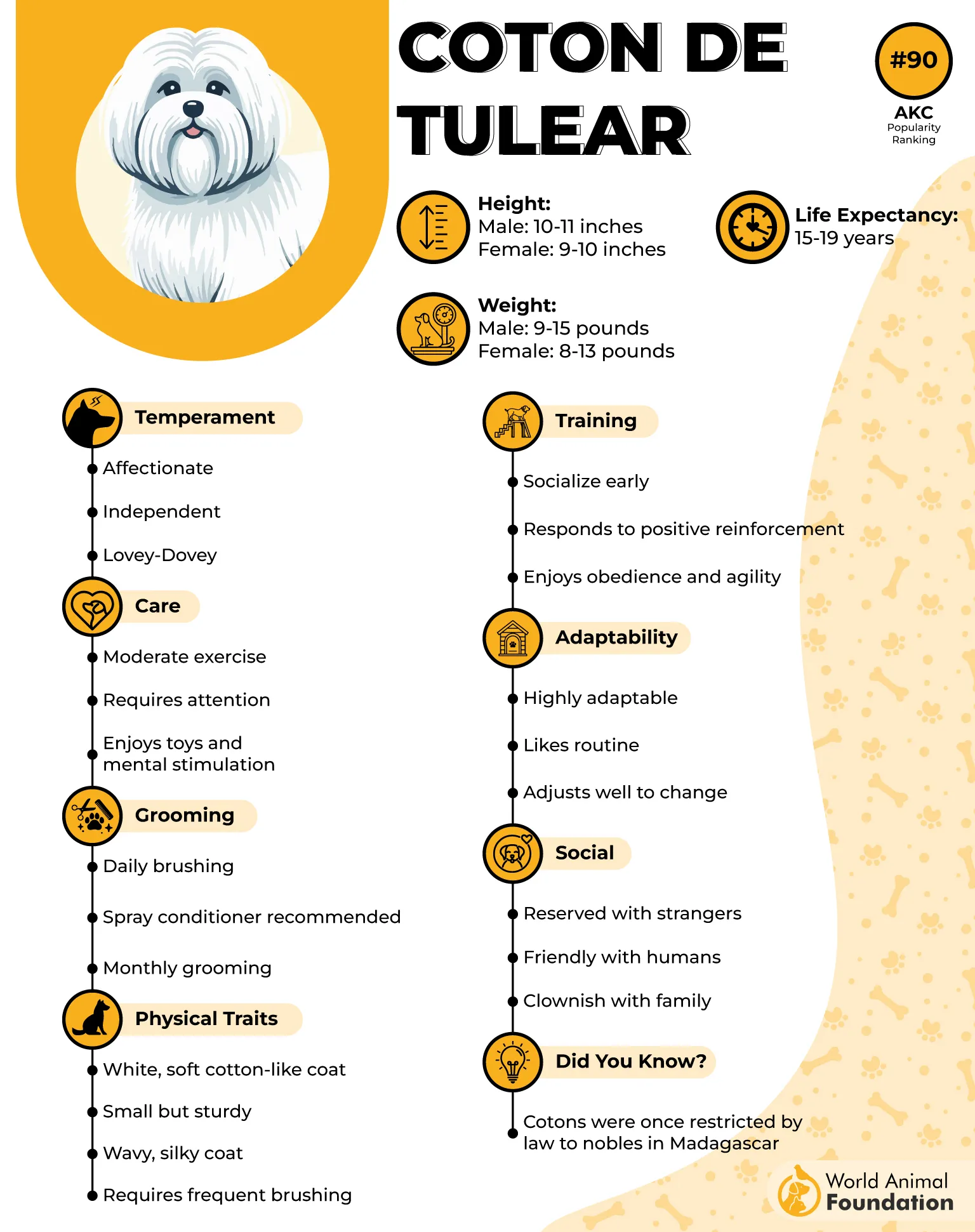
This breed leans proximity-seeker on the closeness compass. It is just as happy playing a few feet away as it is being petted directly, which makes it a flexible fit for many households.
Caveat: The cotton-soft coat needs a consistent grooming routine, or it mats quickly.
Noise level: It is one of the calmer small breeds for noise, rarely sounding off without a real reason.
Rather than climbing into a lap, it trots along at your heel from room to room all day. According to PetMD, that steady, cheerful shadowing is simply how this breed shows it cares.
8. Finnish Lapphund

Reindeer herders bred the Finnish Lapphund to work and sleep close to people through harsh Arctic winters. That history built a dog that craves nearness without needing constant engagement. It is a rare case of a working breed built for coziness too.
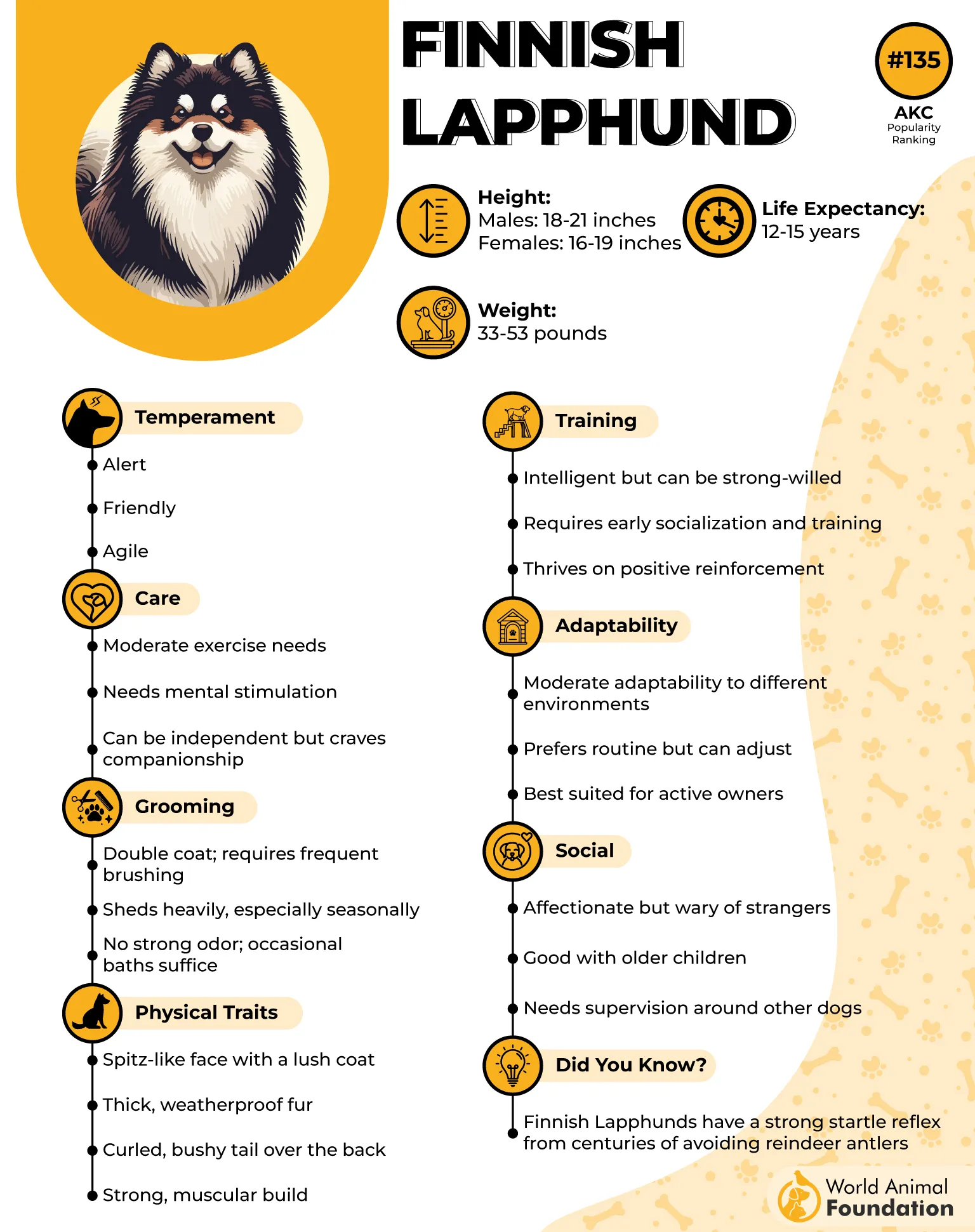
On the Closeness Compass, this one is a proximity-seeker. Being in the same room matters far more than being touched, and it is genuinely content keeping its own spot nearby.
Caveat: Old herding instincts mean it still needs a job or routine indoors, plus real daily exercise to stay settled.
Noise level: Bred to alert herders to predators, it barks more readily than most breeds on this list.
Instead of leaning in for contact, it will park itself a few feet away and simply keep watch. That quiet, steady presence nearby is its own calm demeanor on full display.
9. American Hairless Terrier

This breed descends from a hairless terrier line discovered in the 1970s and kept purely as a companion, never a working ratter. Dropping the working job softened the usual terrier intensity into something far calmer indoors. It is a genuine surprise among terriers.
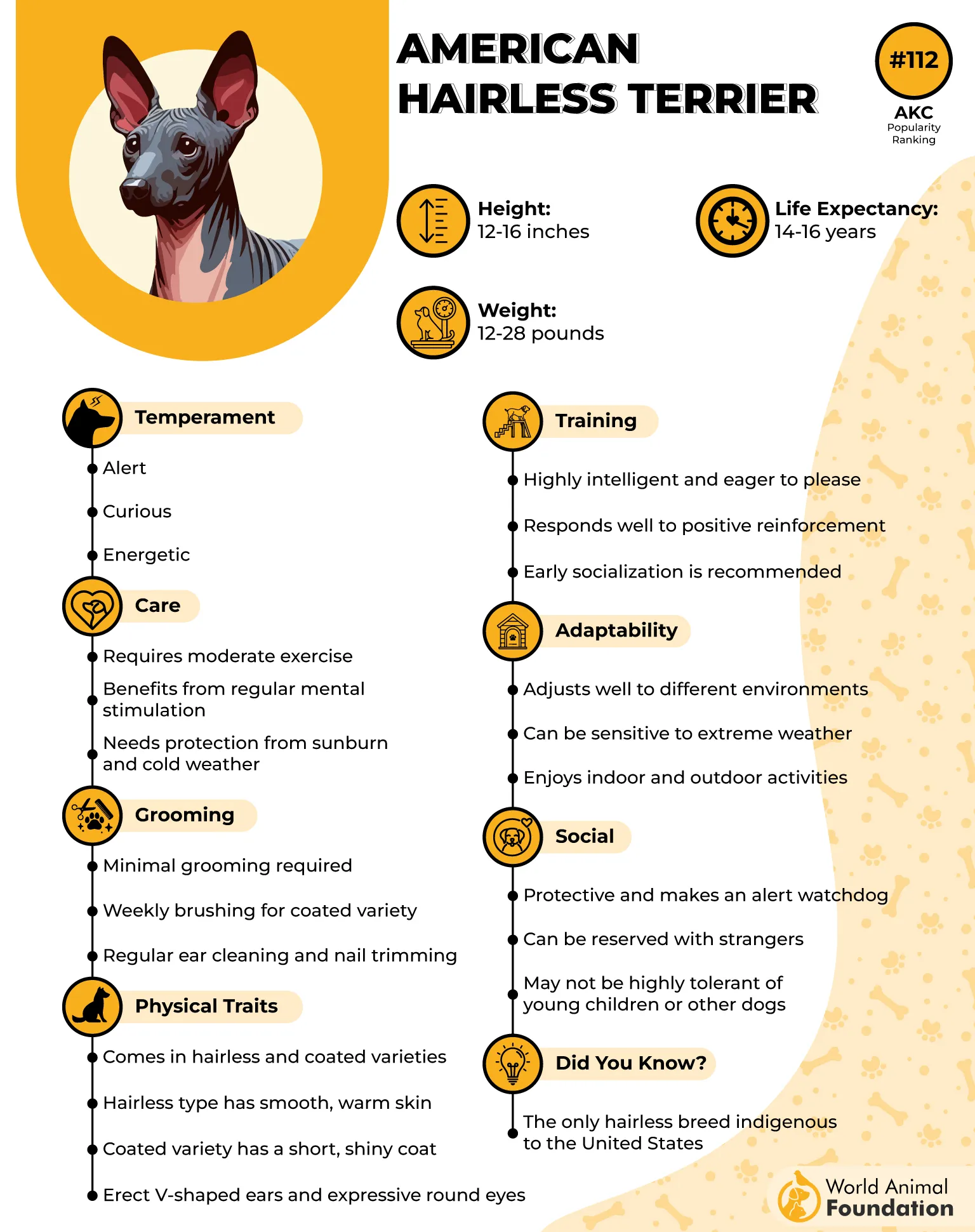
This terrier is a contact-seeker, craving physical warmth since it has no coat to keep itself cozy. Pressing right up against you is less affection and more necessity.
Caveat: Bare skin means real sun and temperature care are needed, essentially wardrobe management for daily life.
Noise level: Terrier alertness is still intact, so it will bark at the doorbell or deliveries.
Rather than seeking attention for its own sake, it burrows under blankets or into a lap simply to get warm. That instinct, as per Orvis, makes it one of the more quietly affectionate picks here.
Conclusion
The best dog breeds here were never really about the softest fur or the cutest face in a photo. They are simply the ones that match your own energy and hand you real companionship instead of extra work for your day.
Whichever type you land on, give that particular dog a little time to settle in and build a strong bond with you first. Once you know which kind of closeness actually recharges you, scroll back up, pick your favorite, and go say hello to your new best friend.
