




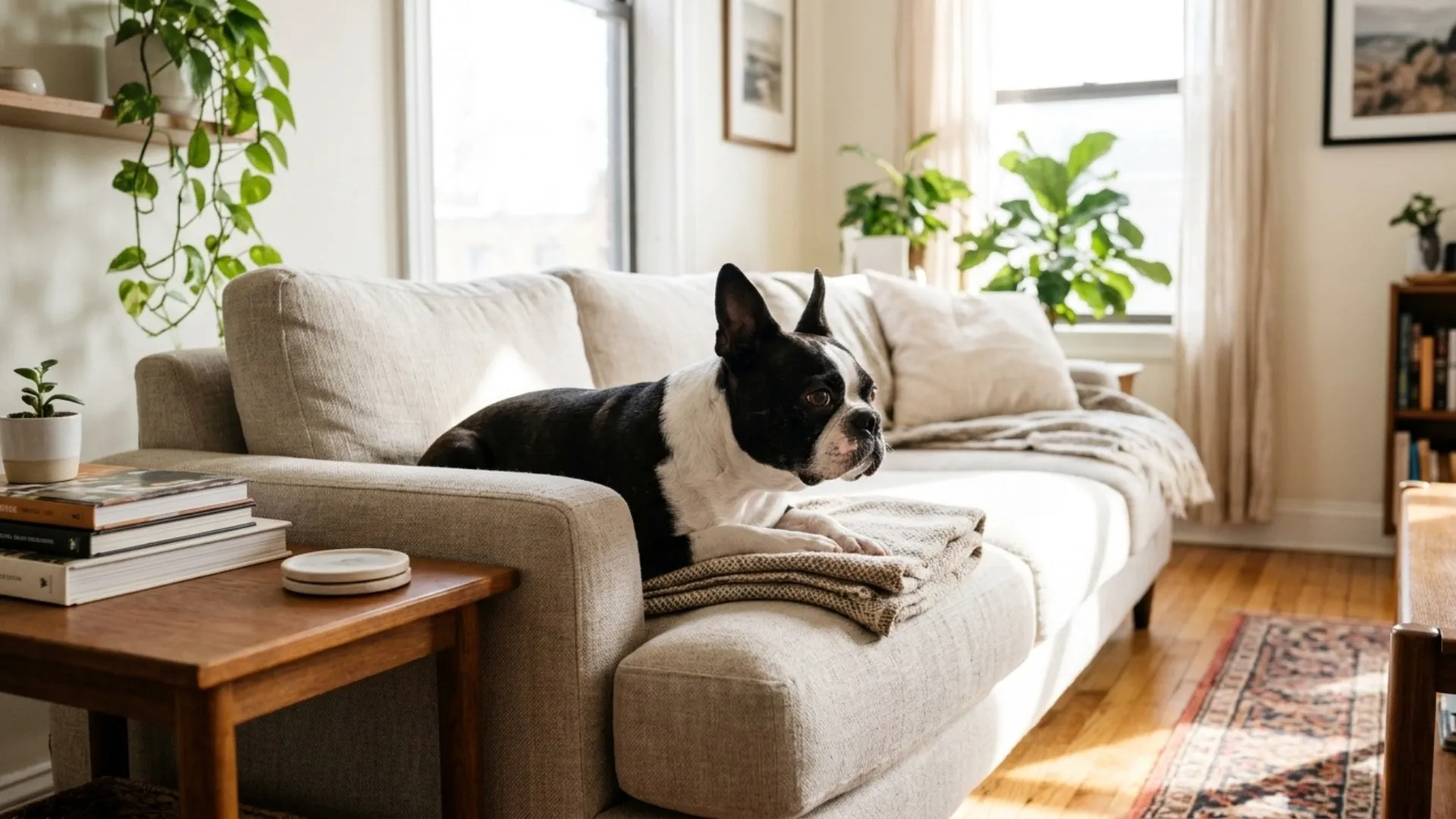
Love dogs but also love disappearing into your personal bubble for a little peace? Some pups act like your full-time shadow, while others are perfectly happy doing their own thing as you binge-watch Netflix, finish work, or recharge your social battery.
A dog that appreciates personal space can make everyday life feel less chaotic and a lot more comfortable.
Here’s the plot twist: Independent dogs aren’t necessarily less affectionate, and their quieter personalities can make their companionship feel extra special. Some breeds naturally enjoy lounging, exploring, or relaxing without constantly demanding entertainment, though every dog still needs attention, exercise, and human connection.
Meet the top dog breeds that love your alone time and appreciate your quiet moments without making you feel like you’ve abandoned the group chat.
Dog Breeds for People Who Value Personal Space
1. Basenji
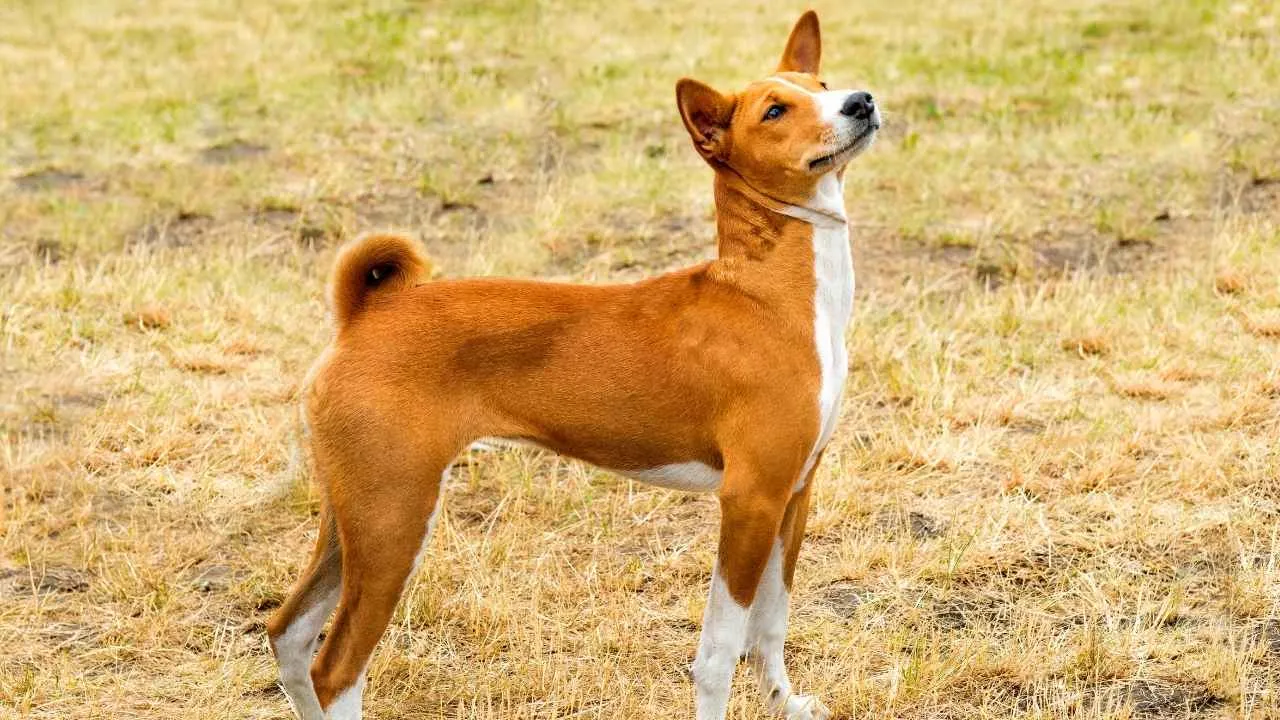
Ever met a dog that seems convinced it’s actually a cat trapped inside a canine body? The Basenji brings that exact energy, combining impressive intelligence with a famously independent personality that makes constant attention feel unnecessary.
One of the best dog breeds for pet lovers, this dog appeals to people who value personal space because it can entertain itself once its physical and mental needs are met. Instead of constantly begging for cuddles, a confident adult may choose a comfortable resting spot, investigate an interesting scent, or quietly observe household activity from a distance.
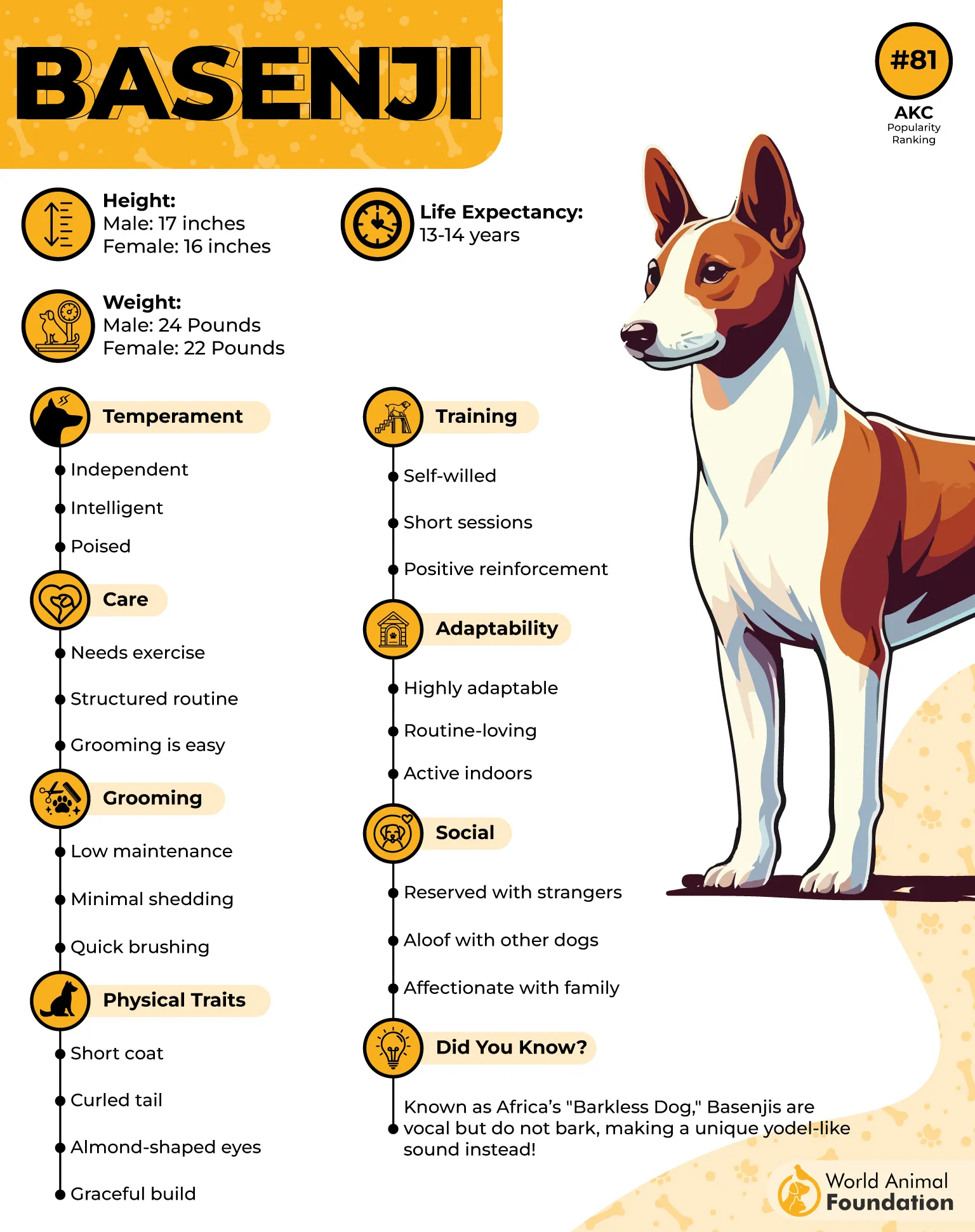
Here’s a fun fact that makes these dogs even more iconic: Basenjis are commonly called barkless dogs because they produce unusual yodel-like vocalizations instead of typical barks. That doesn’t mean they’re completely silent; though some call them that, Basenjis can absolutely make their feelings known through expressive sounds and energetic behavior.
However, PDSA says their independence comes with a mischievous side that deserves serious respect. A bored Basenji may turn furniture, household objects, or unsecured areas into an unscheduled adventure, especially when curiosity and natural hunting instincts kick in.
2. Boston Terrier
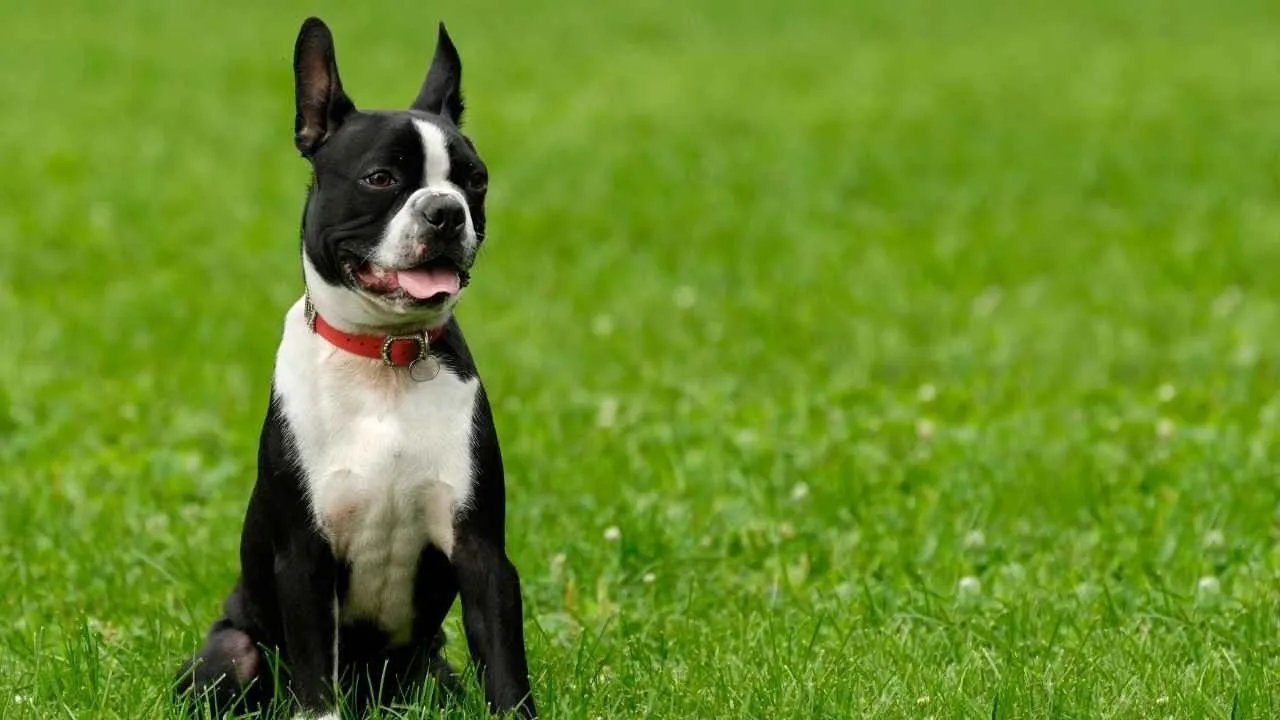
While Boston Terriers are generally affectionate and people-oriented, some well-trained adults can settle independently for short periods when their owners need uninterrupted time.
Imagine you’re deep into an important project, surrounded by coffee cups, open tabs, and a deadline that suddenly feels way too close. This small dog with a consistent routine may relax nearby with a favorite toy or nap after a satisfying play session, letting you concentrate without completely disconnecting from your furry companion.
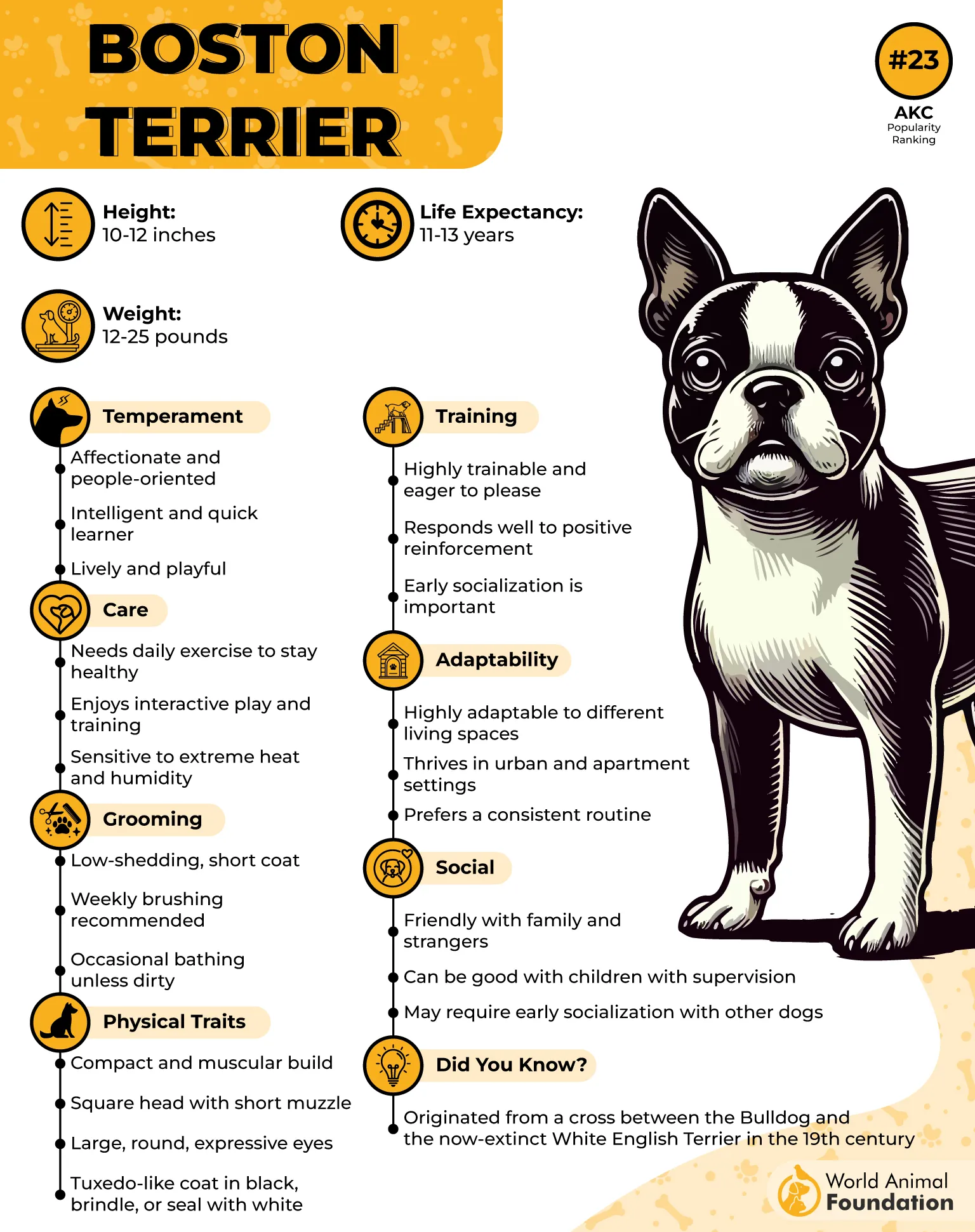
However, this breed isn’t the ultimate independent introvert, and that’s an important distinction before falling for those adorable faces. The American Kennel Club specifically warns that Terriers can become frustrated and develop undesirable behaviors when left alone for extended periods, so they’re better suited to occasional quiet time rather than long daily absences.
Another important consideration is their flat-faced anatomy, which can make breathing and temperature regulation more challenging during hot or humid weather. Unlike breeds that can comfortably handle demanding outdoor exercise, they need activity tailored to their individual fitness, breathing comfort, and the environment.
3. Whippet
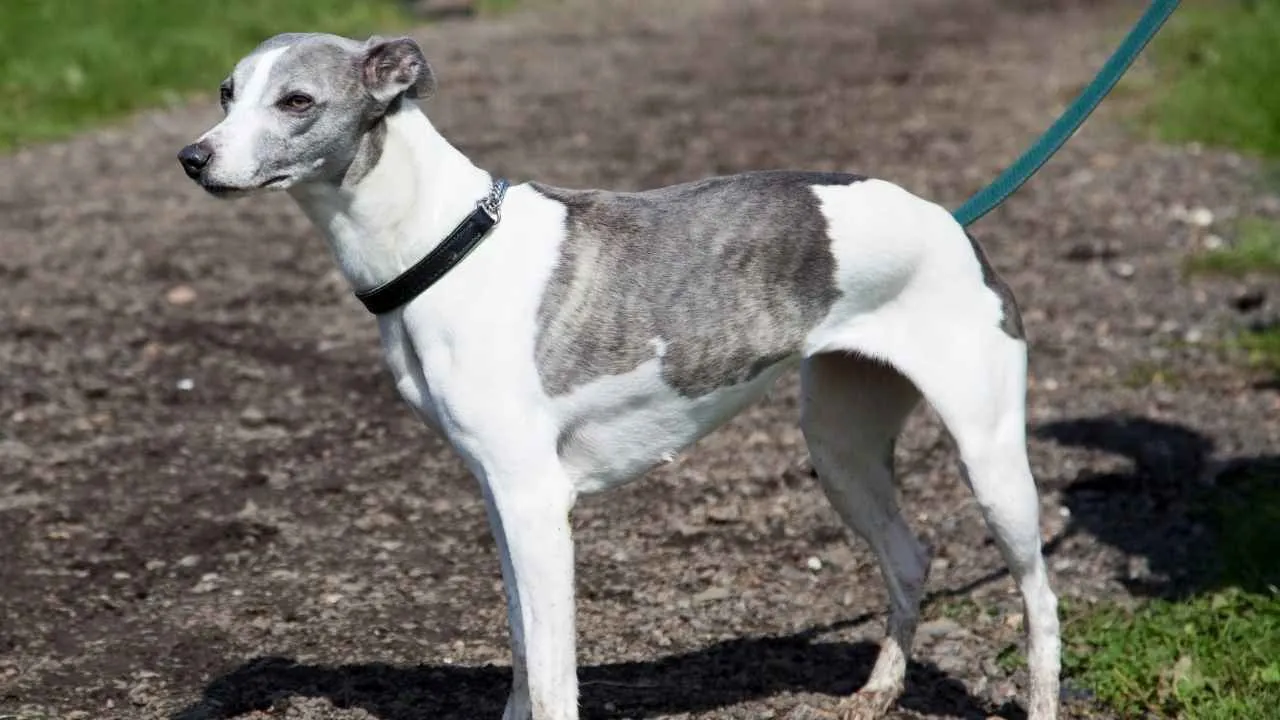
The Whippet is a graceful sighthound famous for remarkable speed, gentle behavior, and an impressive ability to relax indoors.
The Whippet’s relaxed indoor nature is one of its biggest advantages for someone who enjoys personal space without sacrificing affectionate companionship. After enough exercise and enrichment, many happily stretch out on a comfortable sofa, curl up under a blanket, or rest quietly while their humans focus on other activities.
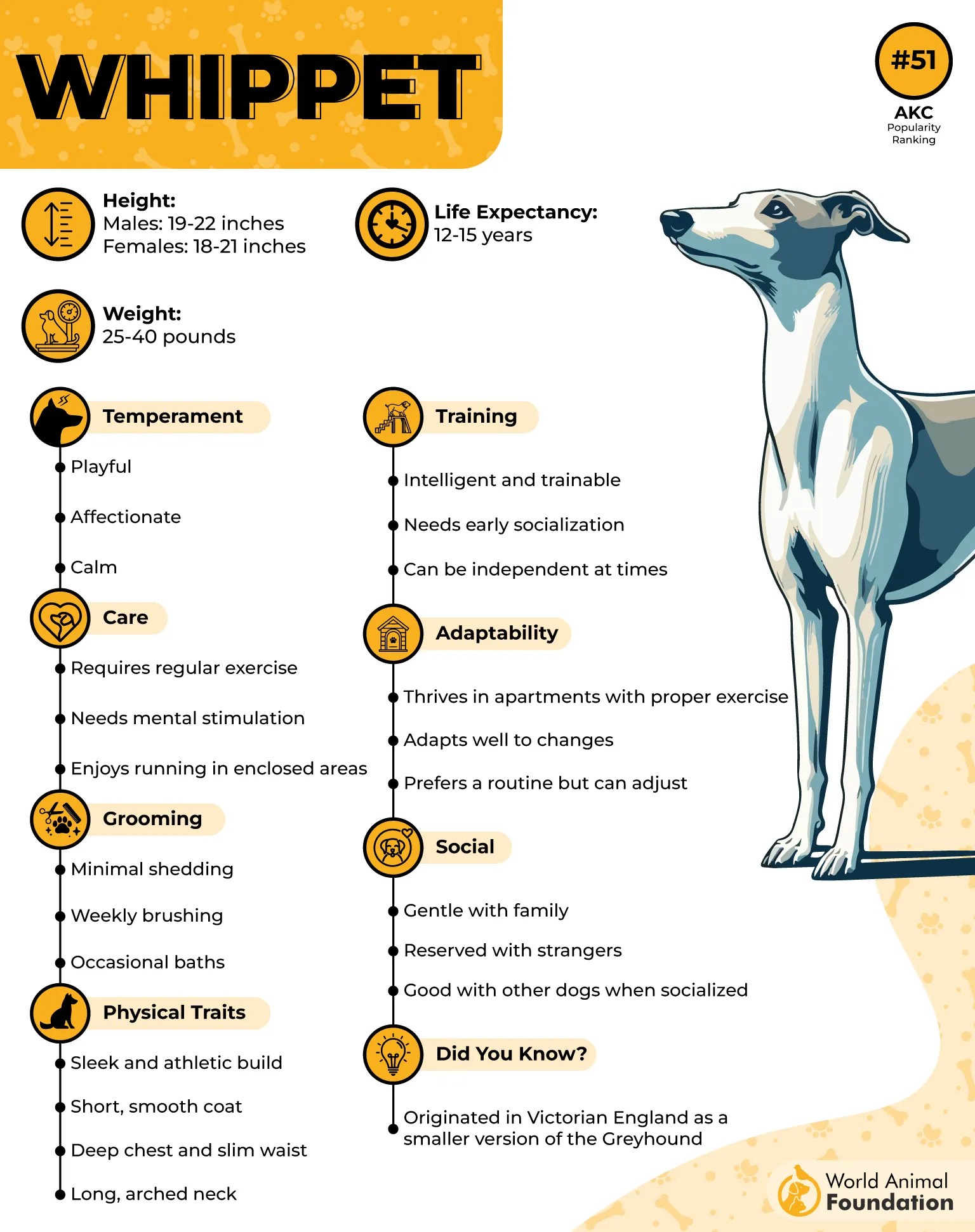
Whippets tend to form close emotional bonds with their families, and some pups struggle with separation despite appearing incredibly relaxed when their owners are nearby. The best approach is to introduce care gradually, observe, and make sure peace doesn’t turn into hidden distress.
Their short coats make regular grooming relatively straightforward, although their slender bodies and limited insulation mean they often appreciate warm bedding and suitable protection in cold weather.
4. Basset Hound
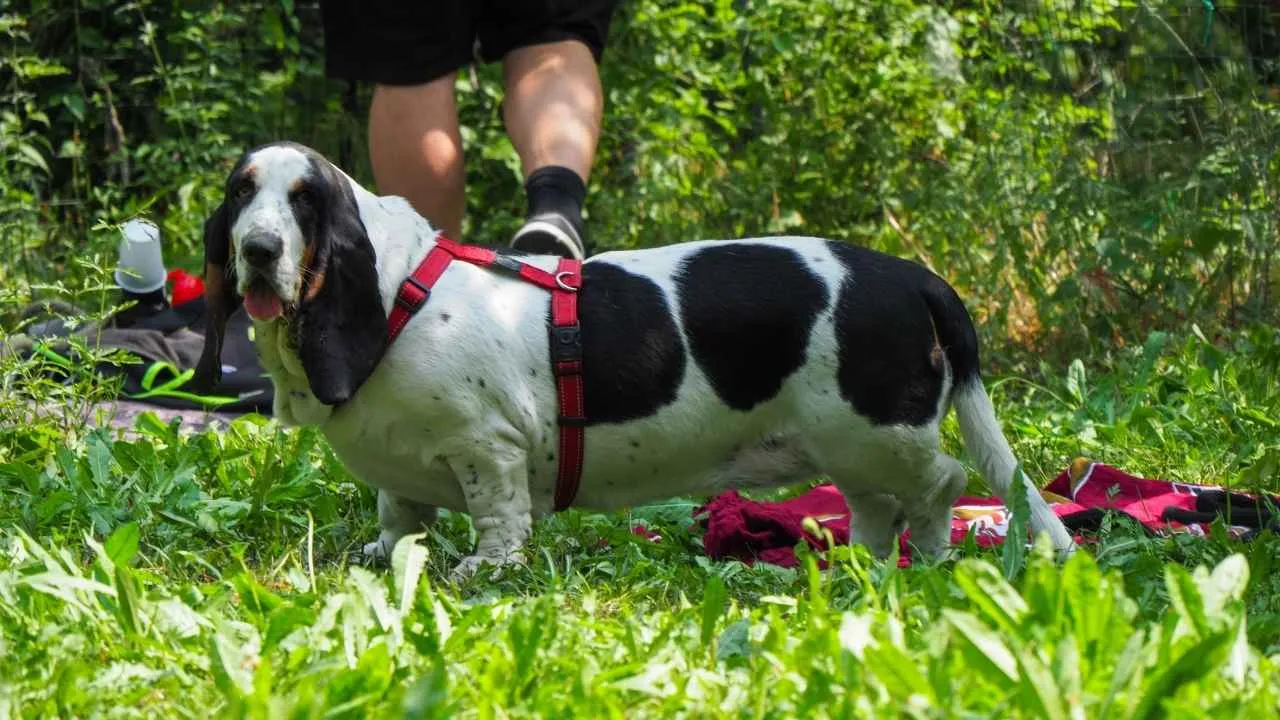
Basset Hounds can be great companions. One of the most appealing things about Basset Hounds is how their naturally calm indoor habits complement a slower-paced household. When properly exercised and emotionally comfortable, an adult Basset may happily settle onto a favorite cushion while you catch up on reading, work through household tasks, or recharge after socializing.
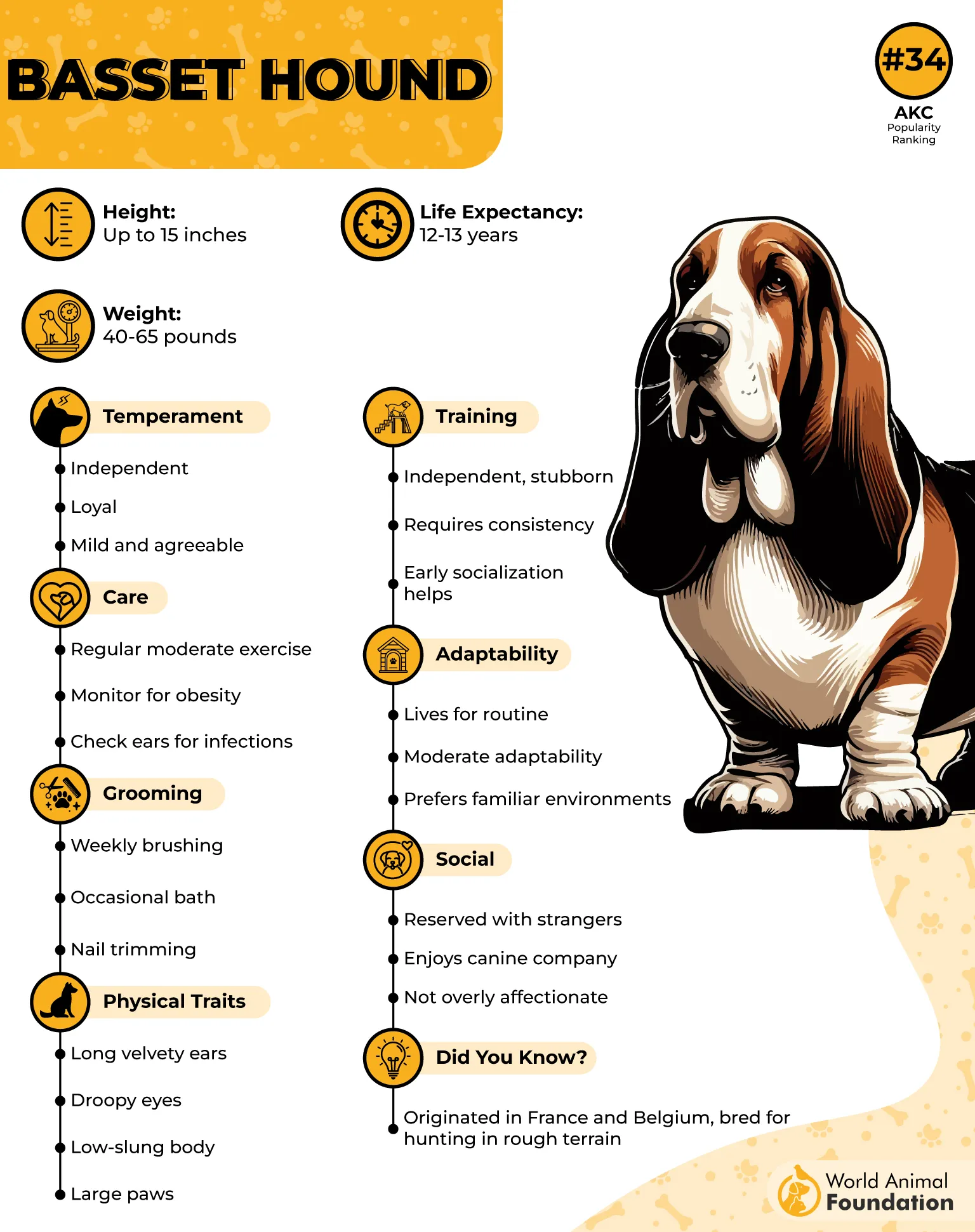
But before you assume these adorable sleepyheads enjoy being left alone all day, there’s an important personality detail worth knowing. These hound dogs were bred to follow scents and work alongside other hounds, and their devotion to family means some become lonely, vocal, or unsettled during extended isolation.
Their laid-back energy is therefore a better indicator of peaceful indoor companionship than guaranteed tolerance for lengthy owner absences.
A Basset’s extraordinary nose also deserves attention because interesting smells can become incredibly distracting, even during the simplest daily walk. Instead of expecting enthusiastic obedience every time you call, give this scent-driven explorer structured sniffing games and rewarding training activities that respect its instincts.
5. Greyhound
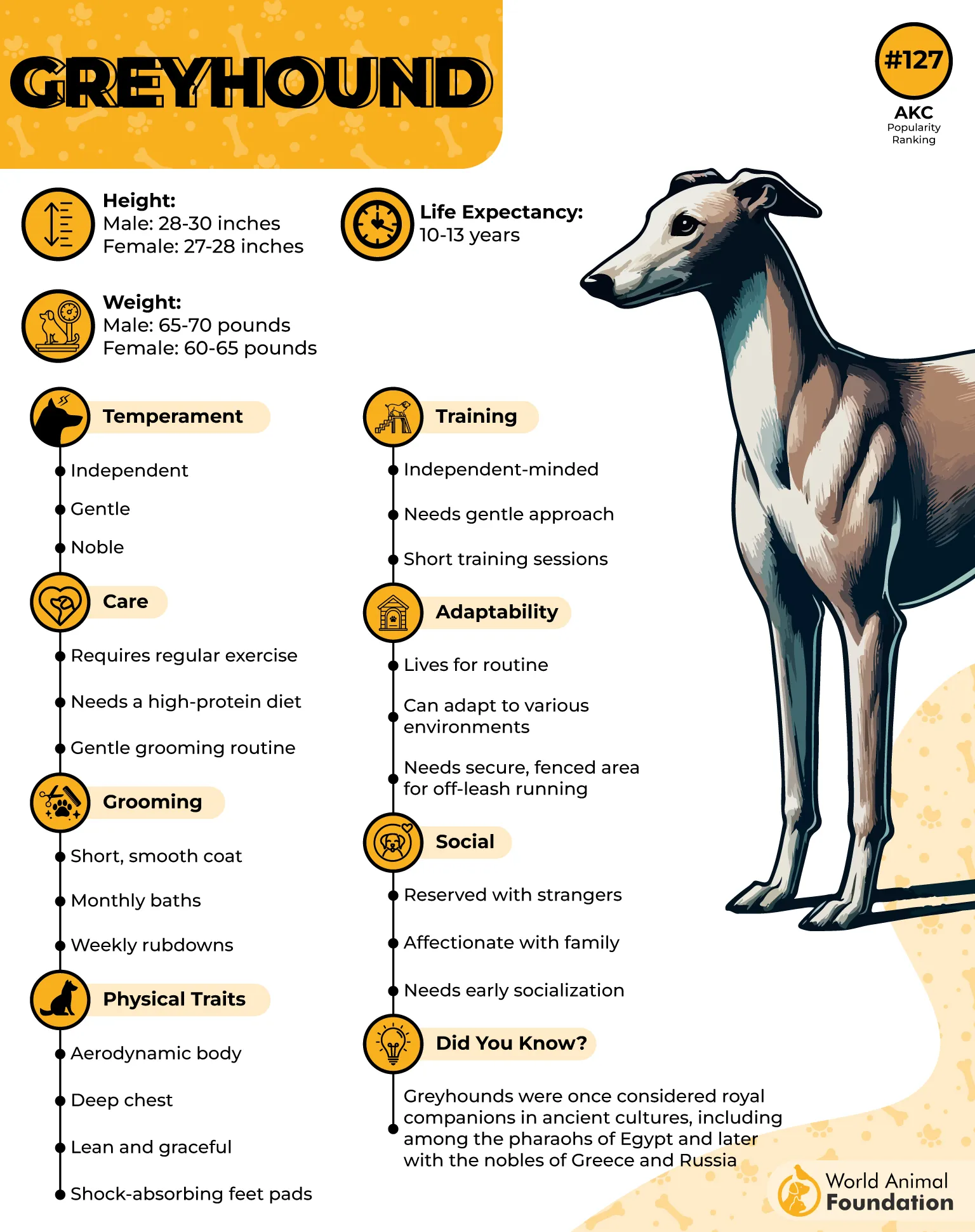
Greyhounds’ gentle, sweet-tempered personalities and comparatively independent nature make them especially appealing to people who prefer a calm atmosphere over constant household excitement.
A Greyhound relaxing at home can look like a dramatic piece of modern art, complete with impossibly long limbs stretching across an entire sofa. The breed’s naturally quiet demeanor means many individuals are comfortable observing their surroundings or sleeping while their owners enjoy activities that don’t involve the dog.
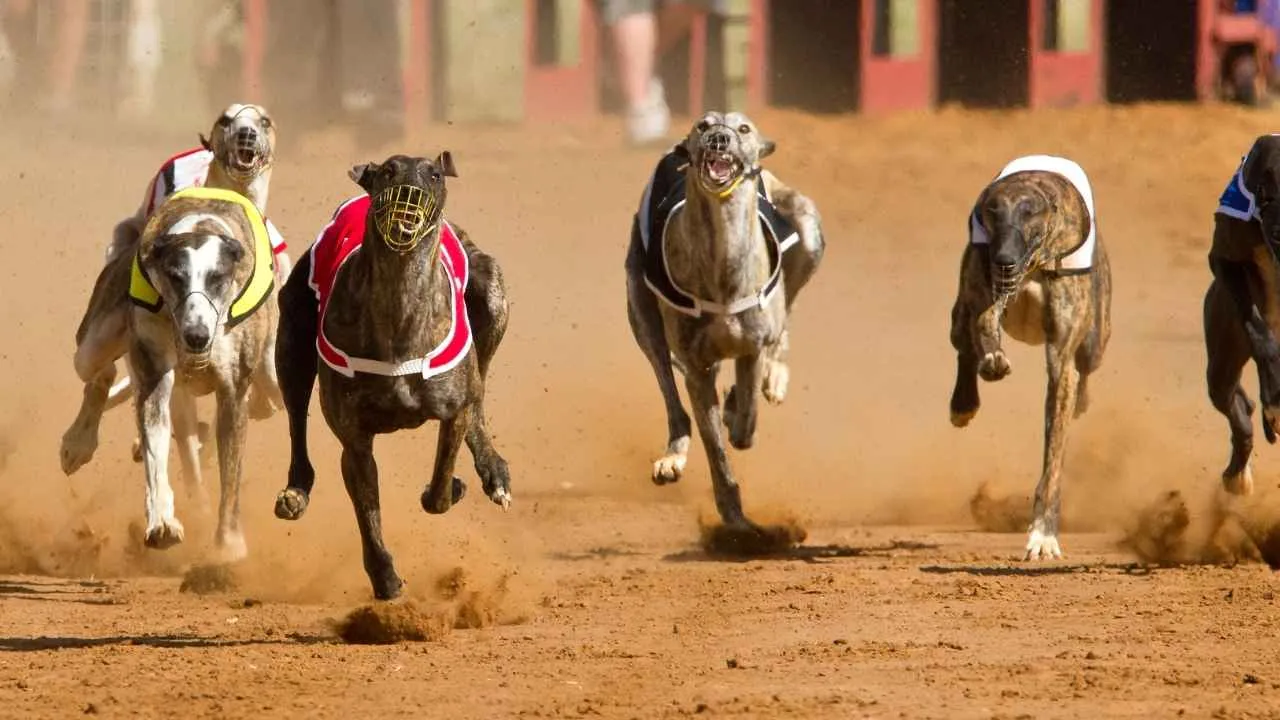
However, retired racing Greyhounds can have unique adjustment needs that deserve thoughtful consideration before adoption. Some spent much of their lives around other dogs and in established kennel routines, so home life and solitude may initially feel unfamiliar or stressful.
A successful alone-time routine should start by helping your Greyhound feel confident in its new environment, rather than immediately testing how long it can tolerate being by itself. Comfortable bedding, consistent mealtimes, predictable departures, and appropriately sized exercise sessions can help create stability as household habits develop.
6. Chow Chow
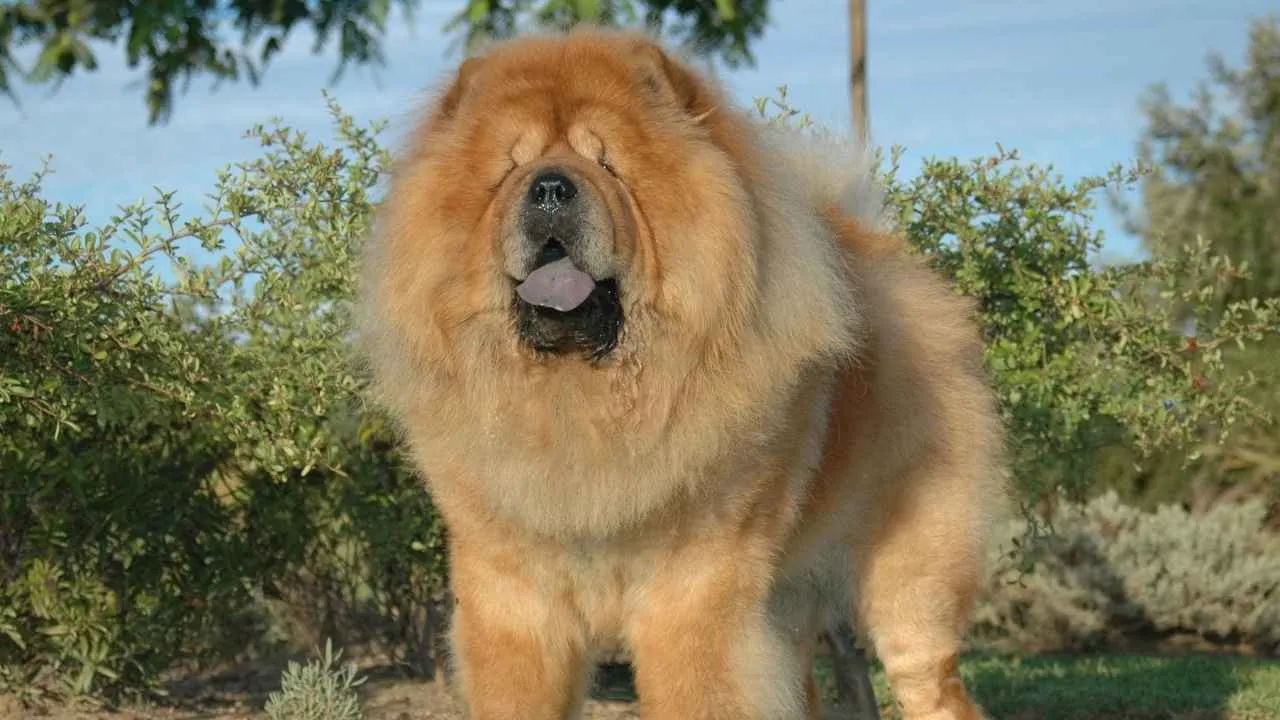
Originally bred in ancient China, the Chow Chow is a distinctive breed known for its dignified manner, independent spirit, and strong preference for choosing when and how it interacts.
Their naturally aloof temperament may seem almost too good to be true. Many are comfortable resting separately from their owners, observing household routines without actively participating, and enjoying affection on their own terms rather than becoming enthusiastic attention seekers.
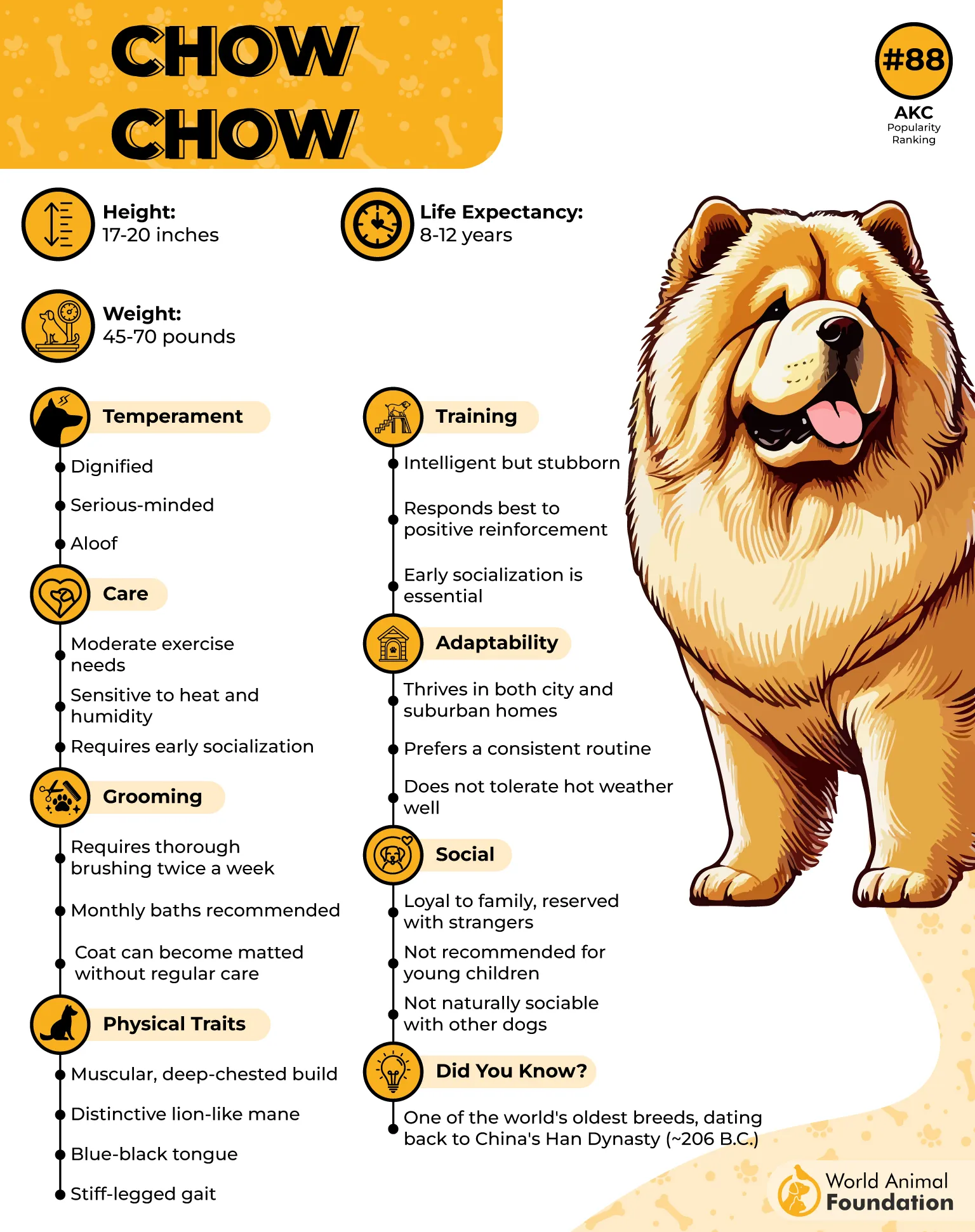
Here’s what makes their personality particularly fascinating: emotional reserve doesn’t mean these dogs lack loyalty or affection. These guard dogs often form strong bonds with trusted family members while staying cautious or uninterested around unfamiliar people, which is why early, thoughtful socialization matters so much.
Their self-sufficient attitude can help them enjoy moments of quiet relaxation, but it’s essential not to confuse aloofness with an automatic ability to cope with extended isolation. A Chow Chow that feels insecure without enough mental stimulation, lacks appropriate social experiences, or hasn’t practiced being alone may still experience anxiety and unwanted behavior when separated from its caregivers.
7. Shiba Inu
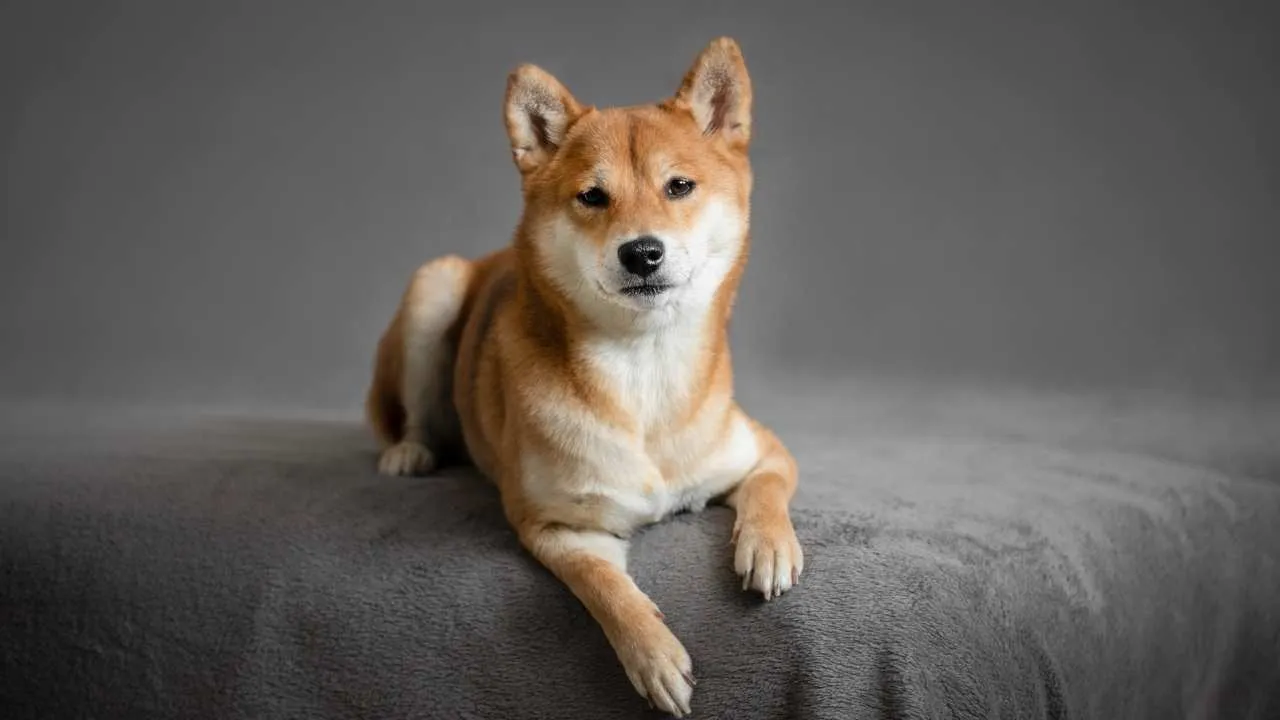
The Shiba Inu is basically that independent friend who loves you deeply but will absolutely ignore your messages when enjoying some personal time. This compact spitz-type smart dog combines alertness, agility, intelligence, and a strong sense of independence with a seriously adorable foxlike appearance.
One reason they fascinate personal-space enthusiasts is their wonderfully selective approach to affection. Rather than constantly requesting physical contact, a confident Shiba may prefer resting on its own cushion, watching activity from a favorite spot, or engaging with enrichment without demanding constant participation.
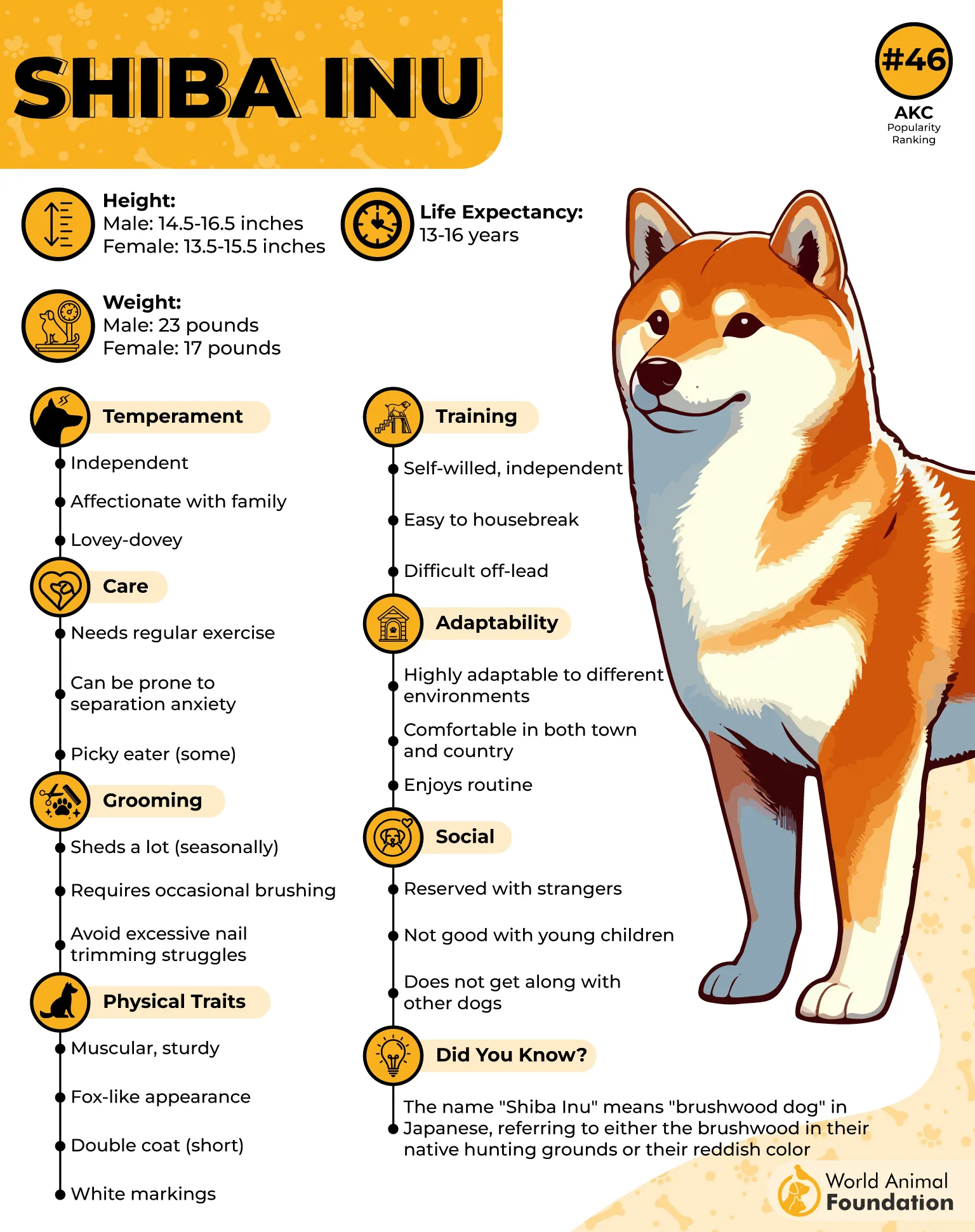
Their personality also comes with a little main-character energy because Shibas often seem convinced their opinions deserve immediate consideration. The breed is famously intelligent but can be stubborn, so repetitive commands and overly controlling training methods work less well than patient, creative, reward-based lessons.
Another fascinating characteristic is their reputation for distinctive vocalizations, including the dramatic high-pitched sounds sometimes nicknamed the Shiba scream. This means a Shiba’s willingness to entertain itself quietly shouldn’t be mistaken for a guarantee of silence, especially when frustration, excitement, or discomfort takes over.
Conclusion
Finding a dog that respects your alone time doesn’t mean choosing a pet that barely notices you exist; that’s the beauty of these seven breeds. Miniature Schnauzers, Lhasa Apsos, Poodles, and Great Pyrenees are also companion animals that can become phenomenal furry friends.
According to the RSPCA, dogs generally shouldn’t be left alone for more than four hours at a time, so independence training is as important as choosing the right breed. However, even the most independent dog needs meaningful human connection, appropriate exercise, mental stimulation, and gradual training to become comfortable with separation.
