




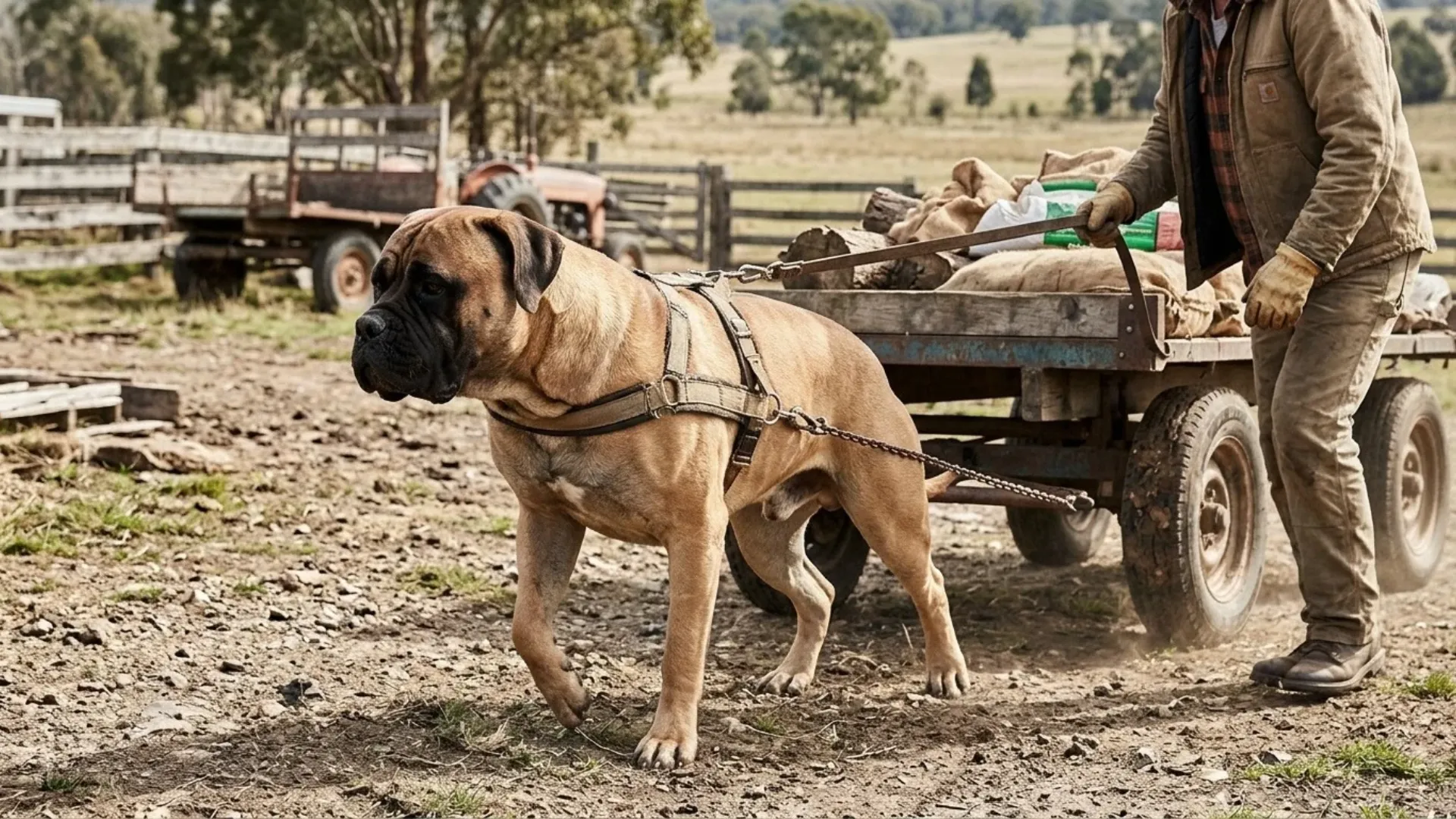
Some dogs are built for more than companionship. With impressive strength, stamina, intelligence, and determination, certain breeds can handle demanding tasks that require hours of hard work.
From pulling heavy loads and guarding livestock to assisting with rescue operations and protecting property, these hardworking dogs have physical abilities and instincts that set them apart.
Powerhouse working breeds are often developed for specific jobs, making them strong, focused, and highly capable in challenging environments. Their abilities go beyond physical strength, as intelligence, confidence, and a strong work ethic also play important roles.
Whether you’re interested in dogs with remarkable working abilities or simply curious about breeds known for their toughness, these seven powerhouse dogs deserve attention.
So what are you waiting for? Let’s take a look!
Powerhouse Dog Breeds That Excel in Heavy‑Duty Work
1. Rottweiler
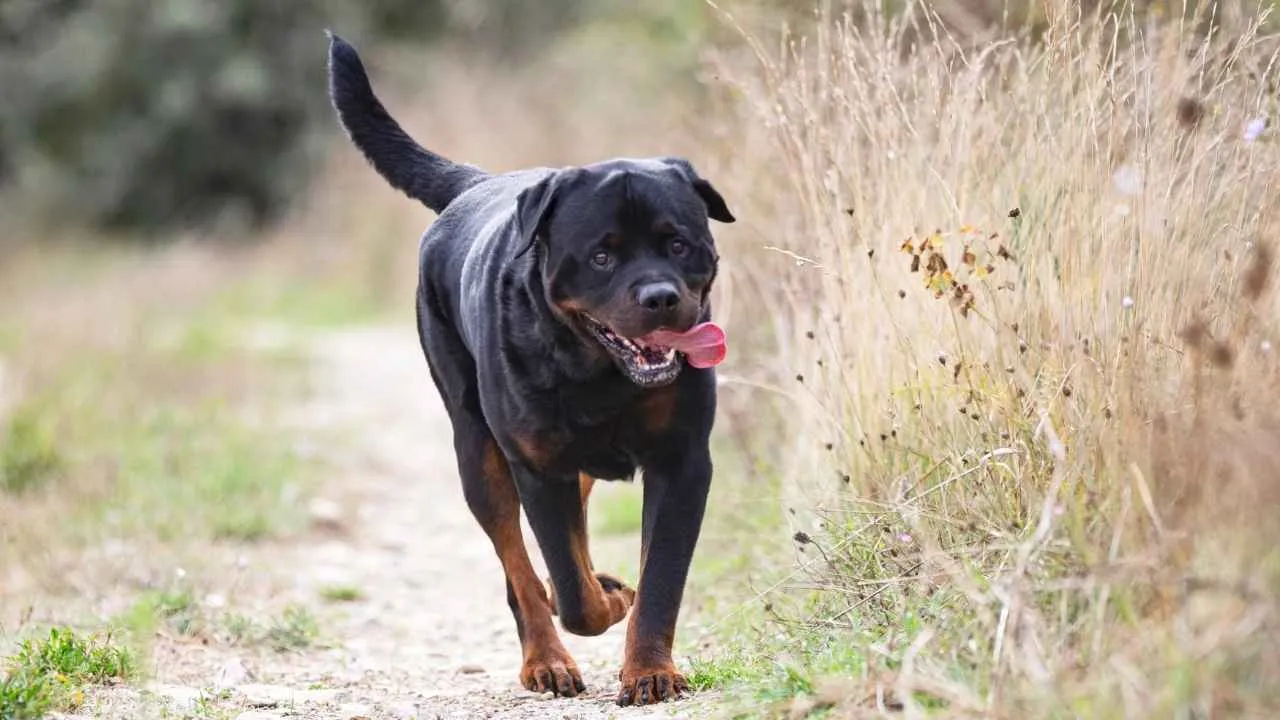
Rottweilers are powerful working dogs with a long history of handling demanding tasks. They descended from the mastiffs used by Roman legions and later became popular in Germany as cattle-driving dogs.
Their history also includes police work, guide dog duties, and search-and-rescue operations, showing their ability to take on a wide range of heavy-duty jobs.
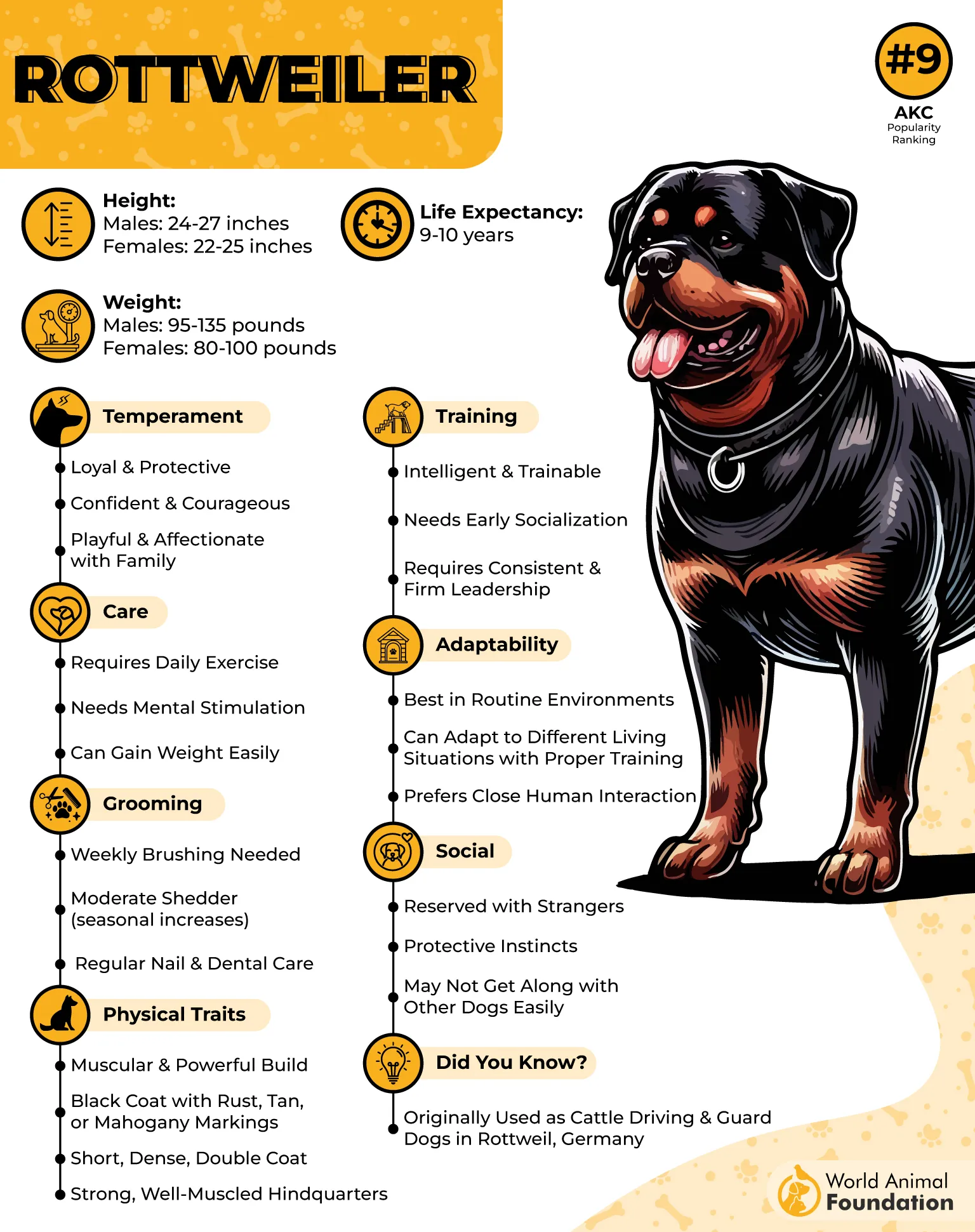
Their muscular build, broad head, and strong hindquarters give them an imposing appearance. Rottweilers are naturally confident, intelligent, and protective.
While they can be reserved around strangers, they are often playful, affectionate, and gentle with their families. They also learn commands quickly and respond well to food-based rewards during training.
Working Strengths and Key Traits
Protection Work: Their natural guarding instincts make them reliable property and family protectors.
Rescue Operations: Their history includes search-and-rescue work and service as guide dogs.
Daily Activity: They need at least 60 minutes of exercise, along with mental stimulation to prevent boredom.
Training Requirements: Early socialization and consistent guidance help manage their territorial instincts and build good behavior.
2. Bullmastiff
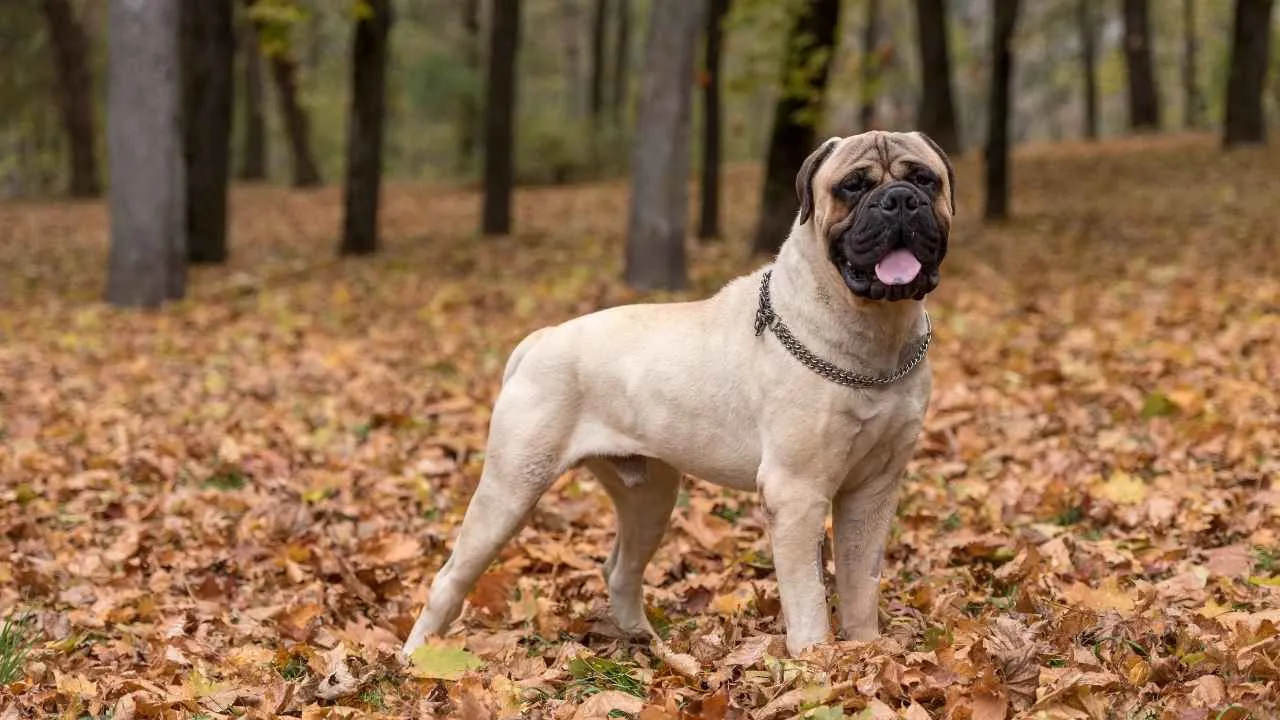
Bullmastiffs were developed in 19th-century England to help gamekeepers catch and control poachers on large estates. Originally known as the “Gamekeeper’s Night Dog,” they were created by crossing English Mastiffs with Bulldogs, according to Royal Canin.
These dogs needed to be strong, agile, and obedient enough to chase, overpower, and hold intruders without mauling or killing them. Their history makes them particularly well suited to guarding and protection work.
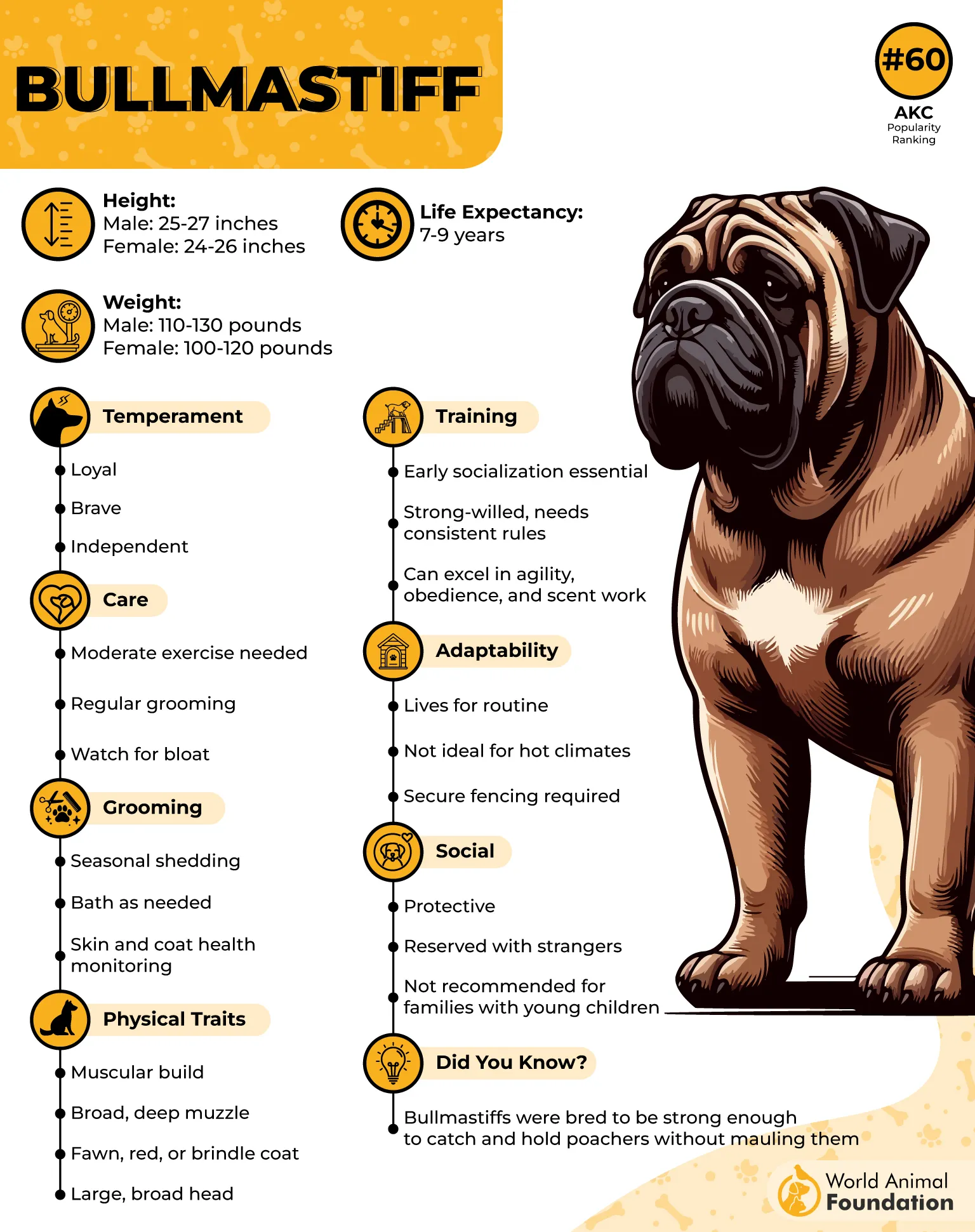
With their muscular bodies, broad heads, and powerful build, Bullmastiffs have an imposing presence. Despite their serious guarding abilities, they are often calm, affectionate, and gentle at home. They can also be playful and enjoy spending time with their families.
Key Working Traits and Requirements:
Protection Abilities: They can quickly identify unfamiliar people and distinguish visitors from potential intruders.
Training: Consistent obedience training and early socialization are essential to manage their strength and protective nature.
Exercise: Adults benefit from a couple of hours of daily activity, including family games and walks. Young dogs need controlled exercise to protect their developing joints.
Experienced Handling: Their independent nature, stubbornness, and strong guarding instincts make them better suited to owners with experience handling large breeds.
3. Cane Corso
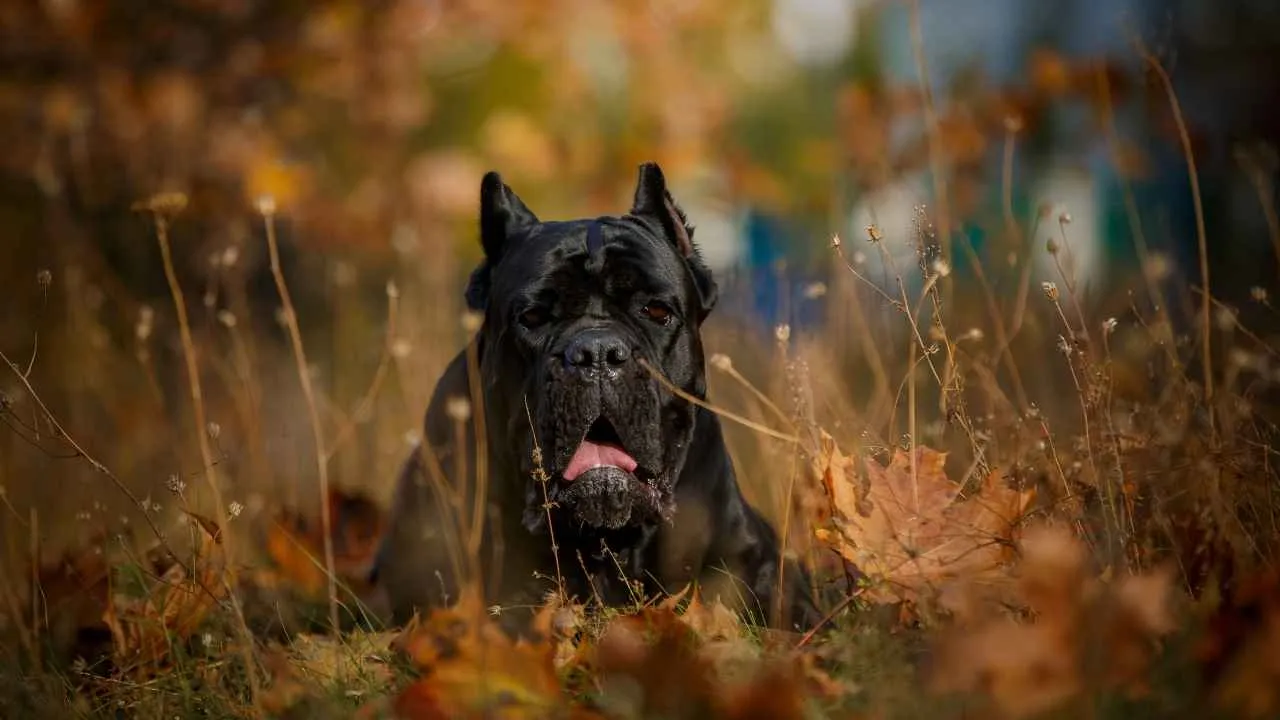
Cane Corsos are powerful Italian working dogs with roots dating back to ancient Roman times. Their name roughly translates to “bodyguard dog,” reflecting their long history of guarding, hunting, and farm work. They also served as watchdogs and canine soldiers.
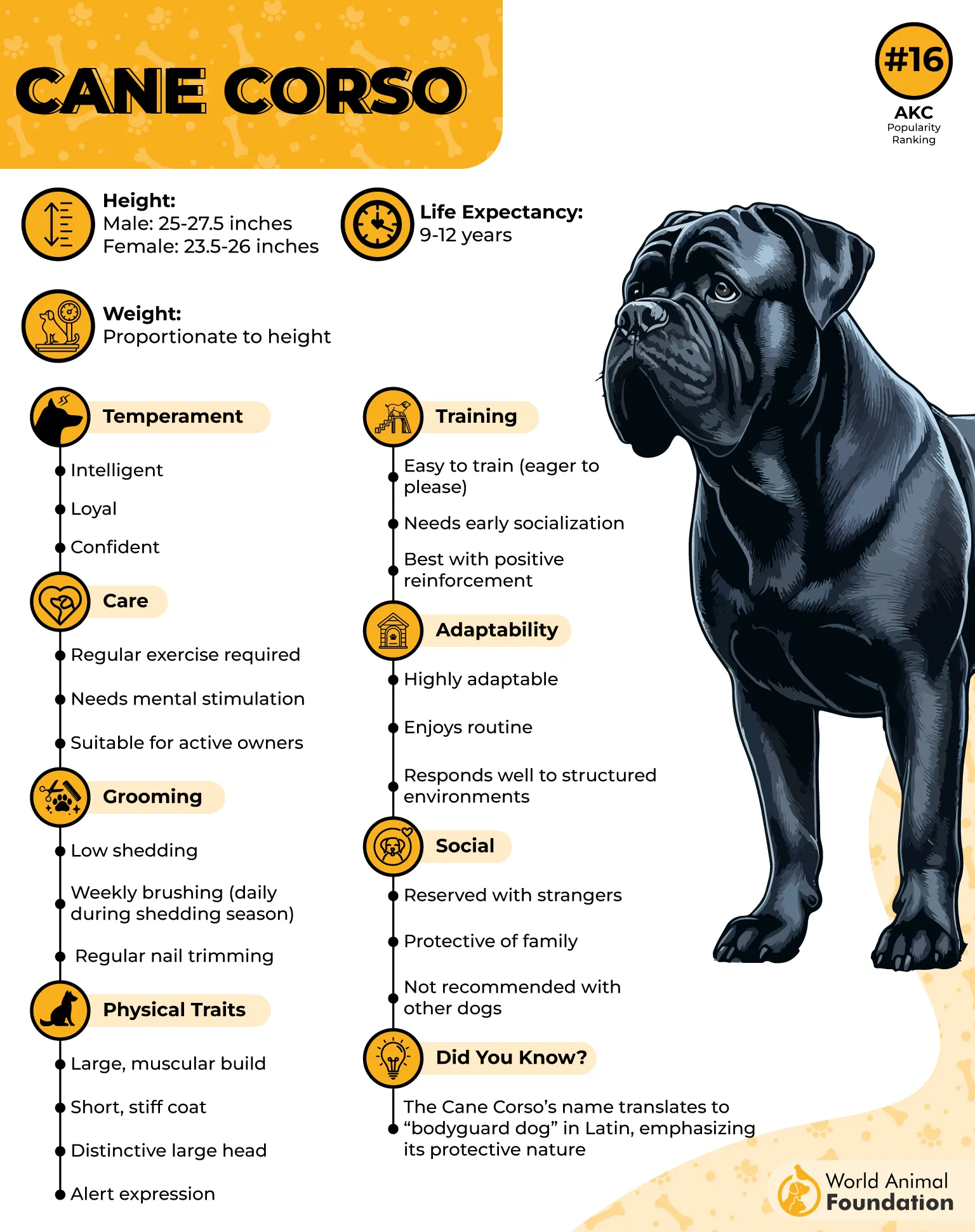
Originally developed for demanding physical tasks, these dogs combine strength, intelligence, and confidence, making them highly capable protectors.
Beneath their imposing exterior, they are affectionate, loyal, and eager to please their owners. They are also intelligent and versatile, but their assertive and independent nature requires firm, experienced handling.
Key Working Abilities and Requirements:
Protection Work: Their strong guarding instincts make them natural protectors of families and property.
Farm and Hunting Work: They were historically used for farm duties, hunting, and guarding.
Dog Sports: Their intelligence and athleticism make them suitable for tracking, agility, obedience, and protection sports.
Exercise and Training: They need at least two daily walks, consistent training, and early socialization with people and other dogs.
4. Saint Bernard
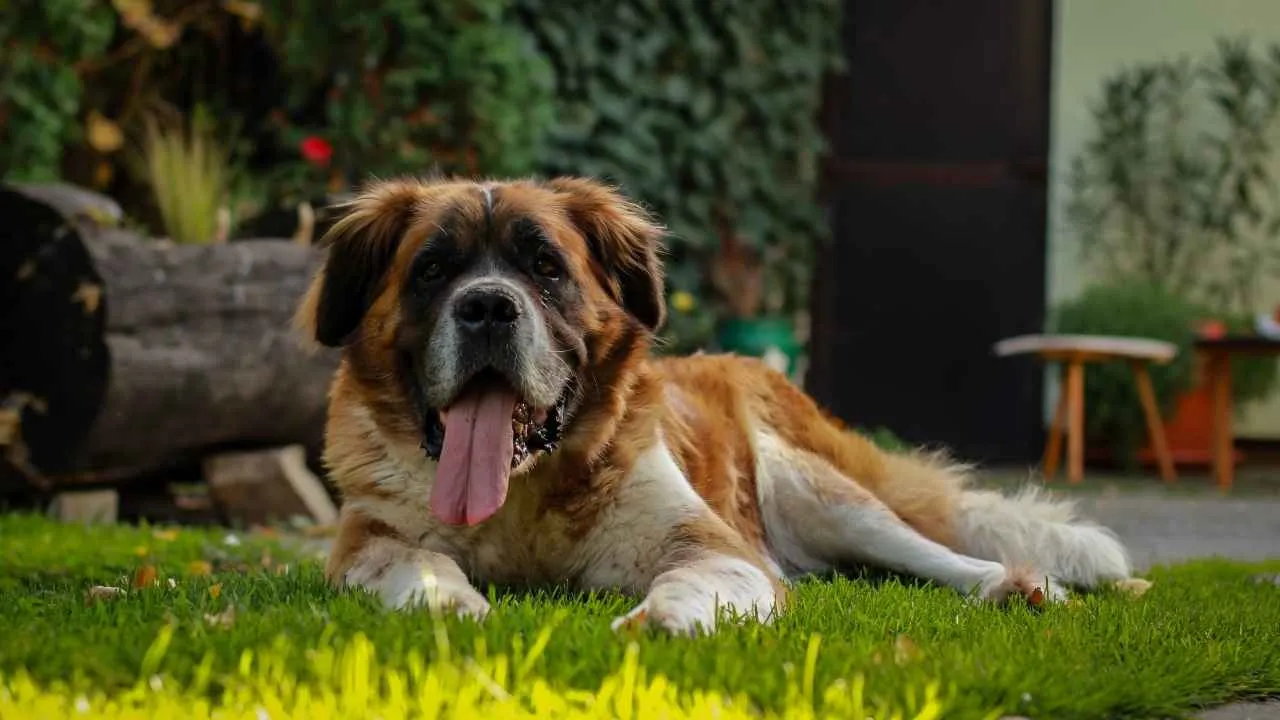
Saint Bernards are famous working dogs that originated in the Swiss Alps, where they were trained by monks during the 1600s to rescue travellers trapped in snow and avalanches, as mentioned by PetMD.
Their powerful build, strength, and ability to work in harsh mountain conditions made them valuable rescue companions. They earned a reputation for locating stranded people and helping save lives, a role that continues to define their history.
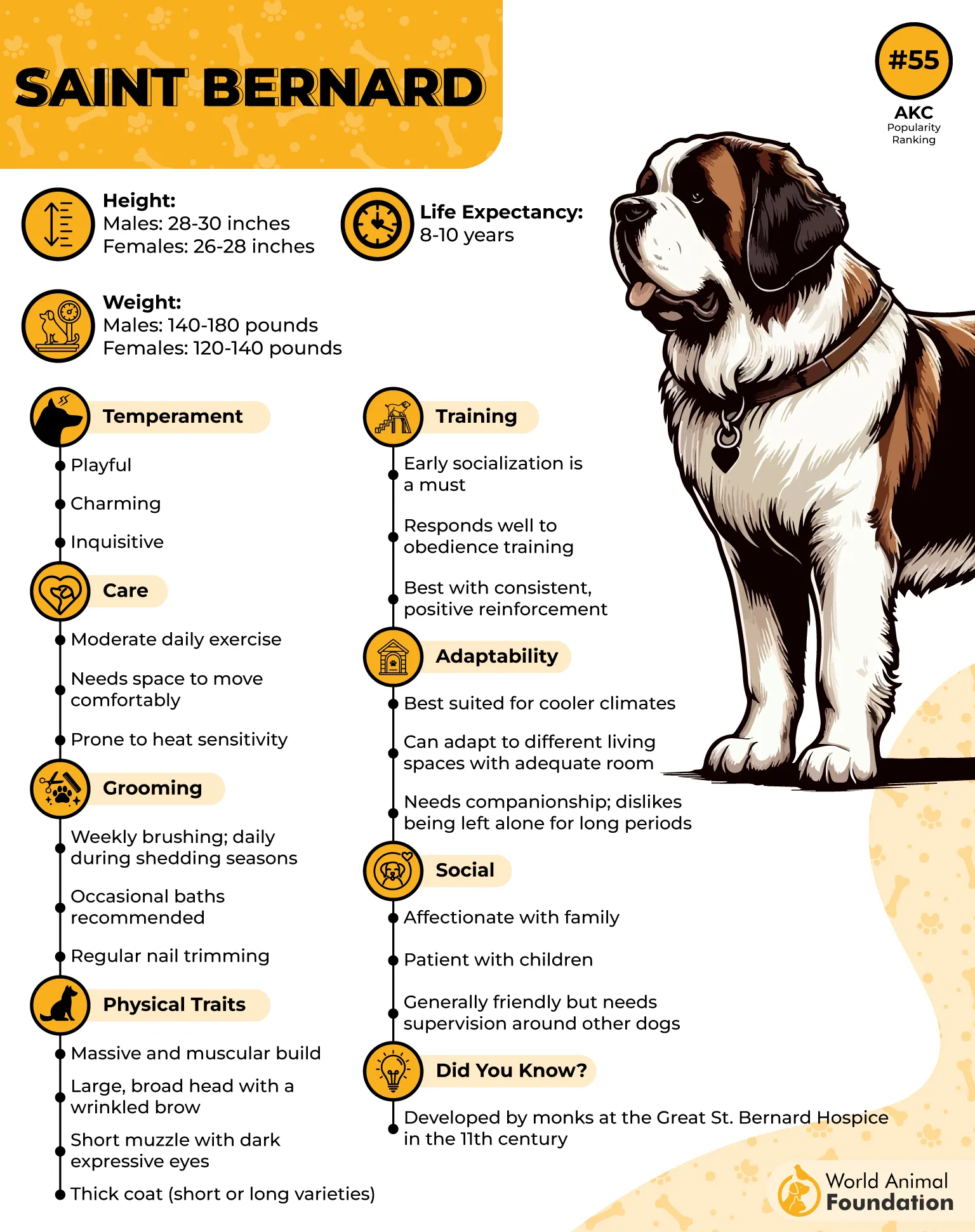
They are naturally watchful and have a strong protective instinct, particularly towards their families. They are also known for being tolerant around children and enjoy spending time with their owners.
Key Working Traits and Requirements:
Search and Rescue: Their original role involved locating travellers buried in snow and helping stranded people in the Swiss Alps.
Protective Instincts: Their watchful nature and imposing presence can help deter potential intruders.
Exercise Needs: They need around 30 minutes of daily exercise and can enjoy longer walks and hikes.
Training and Companionship: Early socialization and consistent training help develop good manners. They also need regular human interaction and may struggle when left alone for long periods.
5. Newfoundland
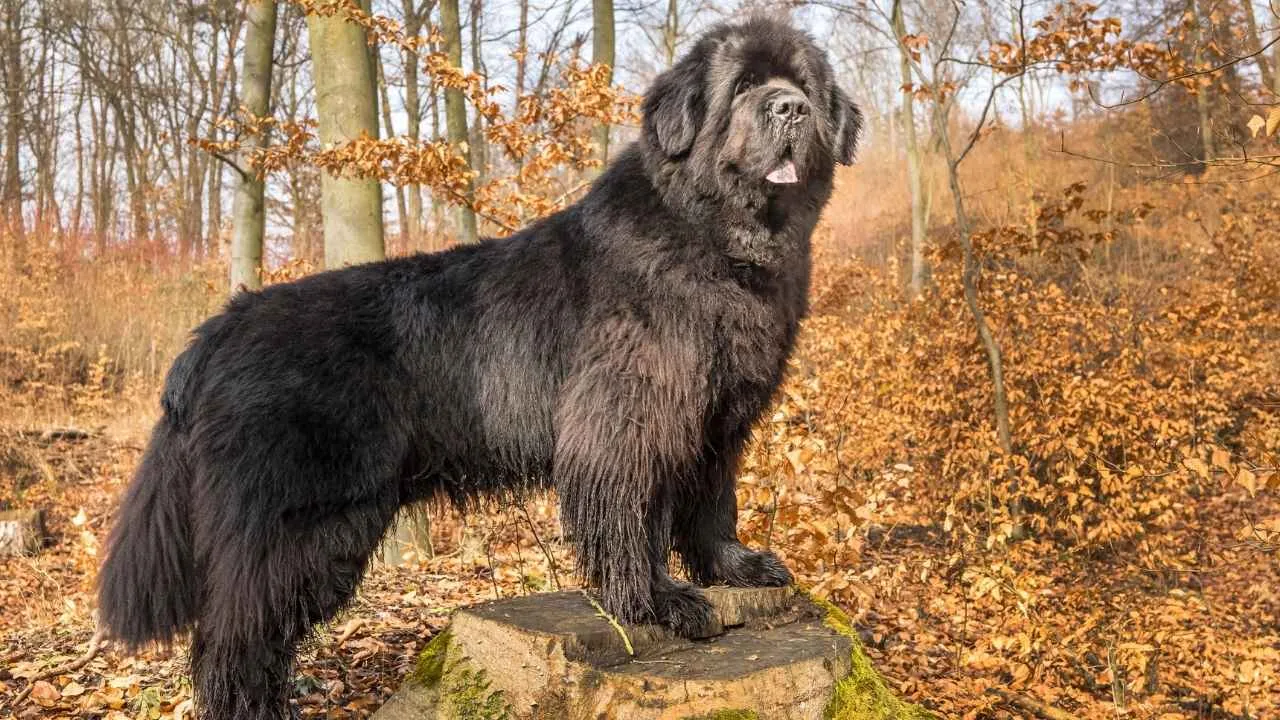
Newfoundlands originated in Newfoundland, Canada, where they worked alongside fishermen during the 16th century. Omlet mentions these strong dogs helped haul fishing nets, pull carts, and carry out other demanding tasks.
Their natural swimming ability also made them valuable for water rescues. They are known for their lifesaving instincts, with many reportedly jumping into the water to help people in danger without any formal training.
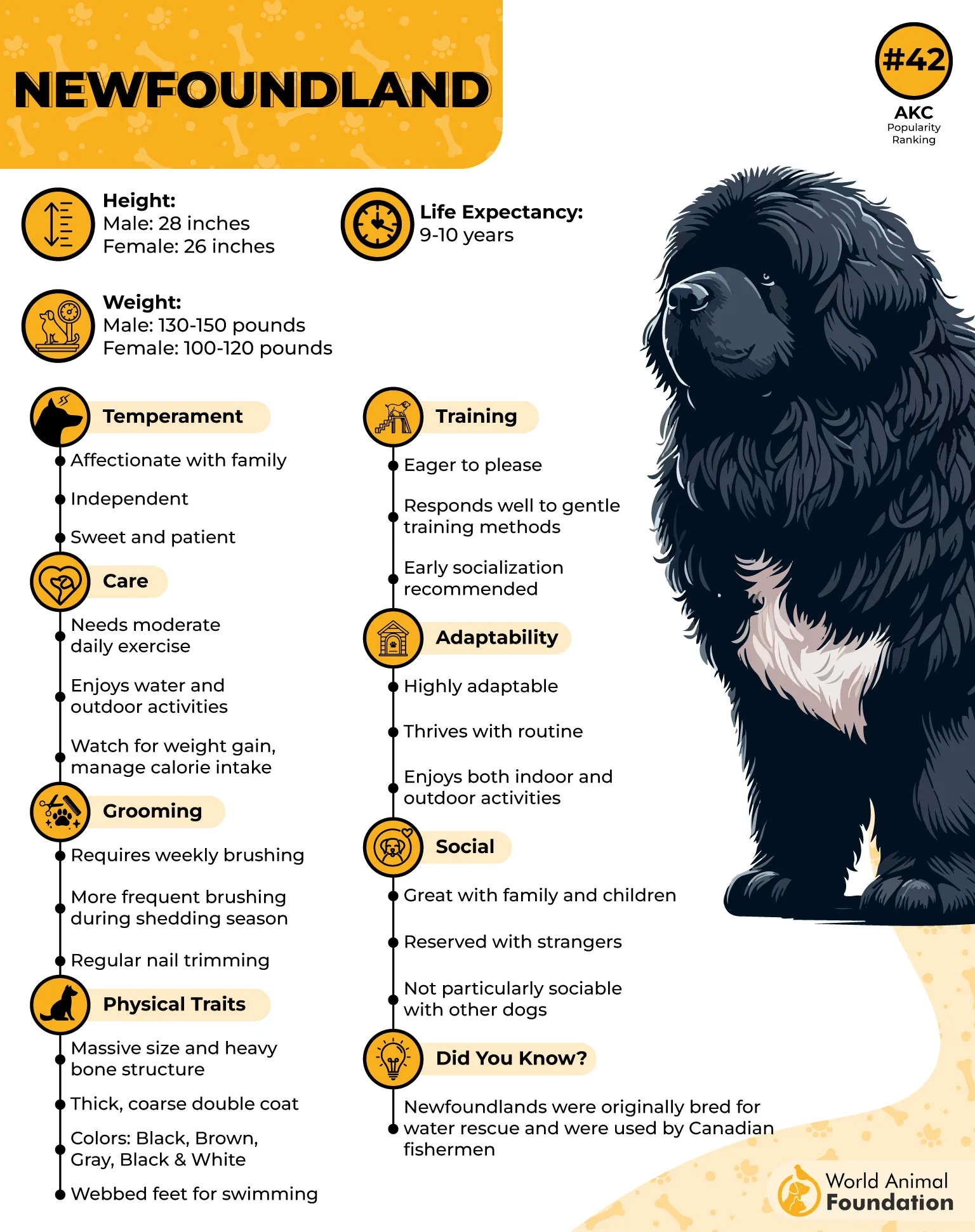
With their heavy bones, webbed feet, and thick double coats, Newfoundlands are well equipped for work in cold water. They are intelligent, obedient, and eager to please, although they respond best to gentle guidance.
Despite their powerful build, they have a calm and sweet temperament. They are also affectionate family companions and are known for their patience around children.
Key Working Traits and Requirements:
Water Rescue: Their strong swimming abilities and natural lifesaving instincts make them valuable in water emergencies.
Fishing Assistance: They have a history of working alongside fishermen in coastal communities.
Cart Pulling: Their muscular build makes them capable of pulling carts and handling loads.
Daily Care: They need regular exercise, frequent coat brushing, and early leash training before their strength becomes difficult to manage.
6. Bernese Mountain Dog
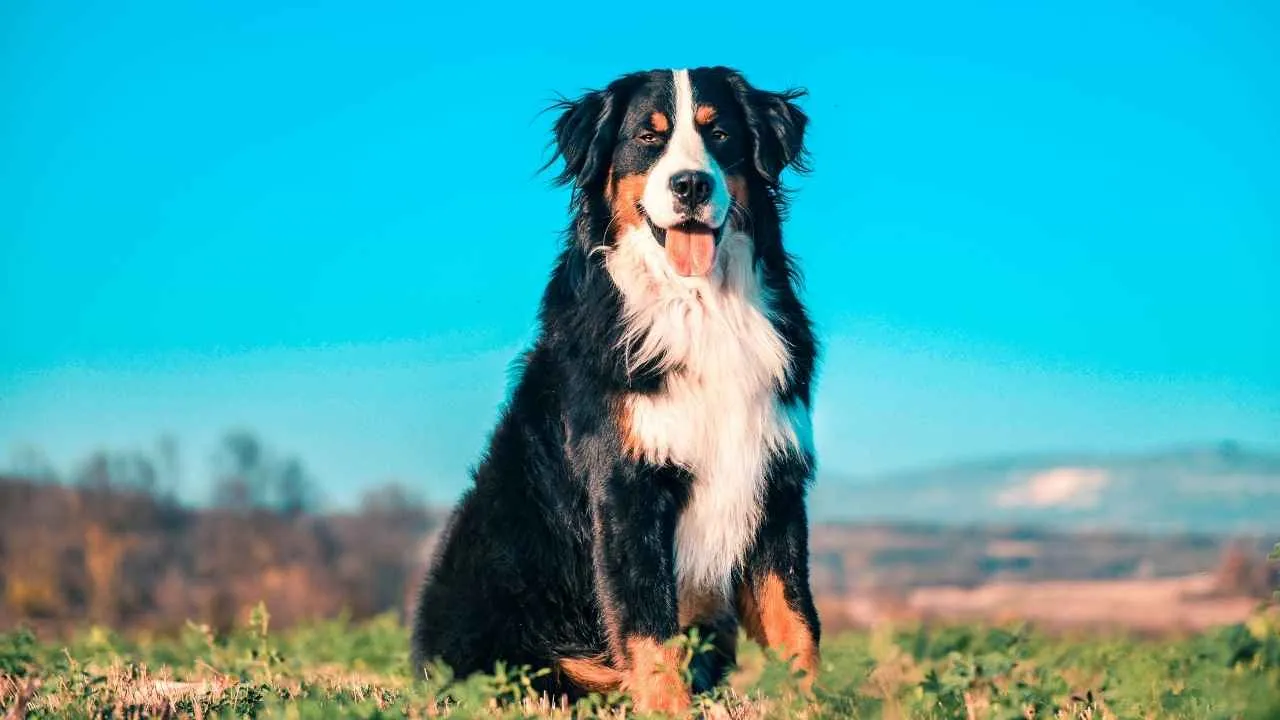
Bernese Mountain Dogs originated in Switzerland, where they worked as versatile farm dogs. Their ancestors arrived with Roman cattle drovers and were later crossed with flock-guarding dogs suited to the harsh Alpine climate.
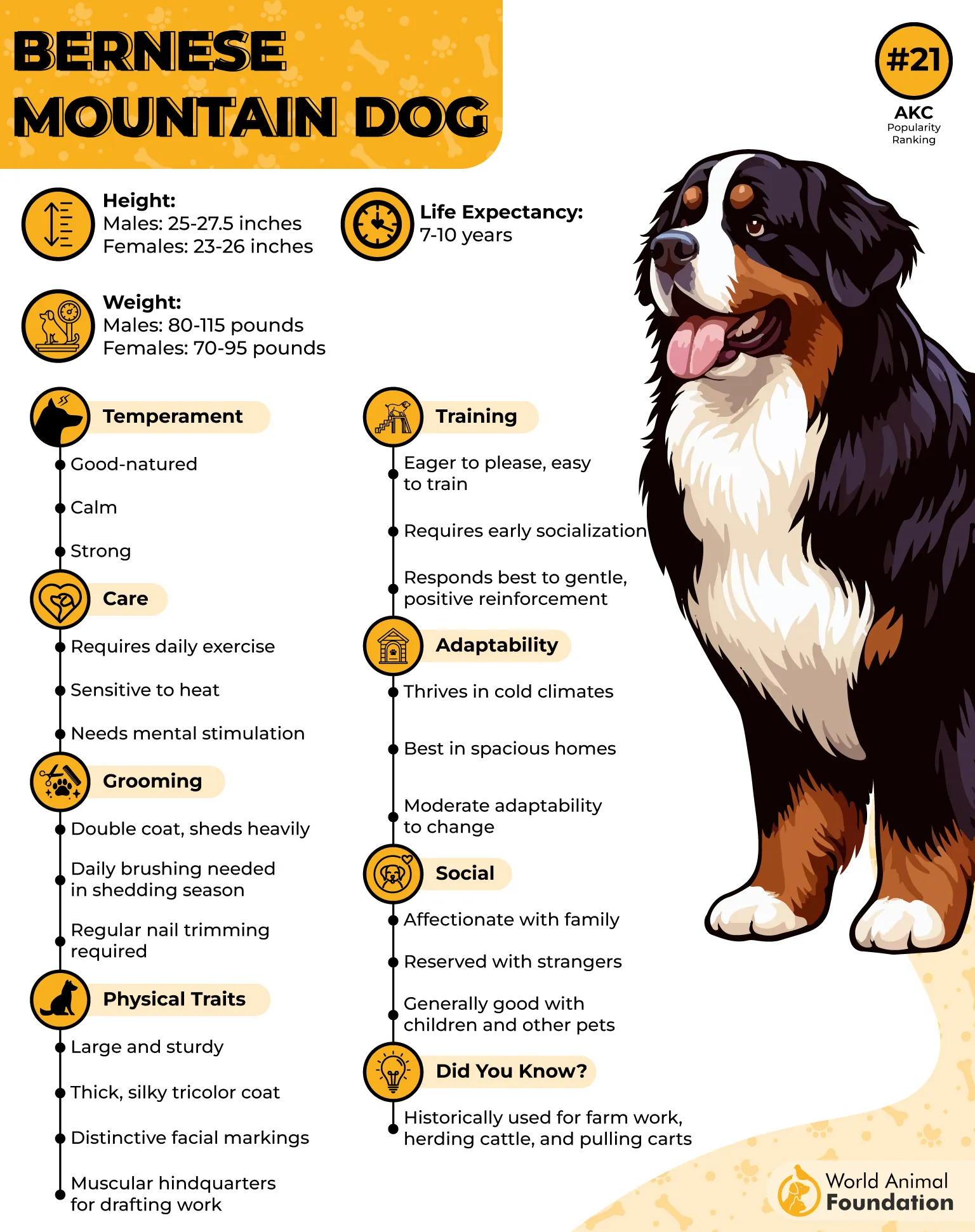
Farmers relied on these strong dogs to pull carts loaded with dairy products and woven goods from village to village. Their ability to handle both farm work and guarding duties made them valuable helpers in rural communities.
Bernese Mountain Dogs have sturdy builds, thick tricoloured coats, and the strength needed for demanding outdoor work. Despite their working background, they are gentle and affectionate companions.
Key Working Abilities and Requirements:
Draft Work: They can pull carts and transport farm produce and other goods.
Herding and Guarding: Their working instincts make them capable farm helpers and reliable watchdogs.
Cart-Pulling Trials: They participate in competitions that test their ability to pull and control carts.
Training and Exercise: They need early obedience training, gentle guidance, and around an hour of daily exercise as adults. Puppies should avoid excessive exercise while their bones and joints develop.
7. Alaskan Malamute
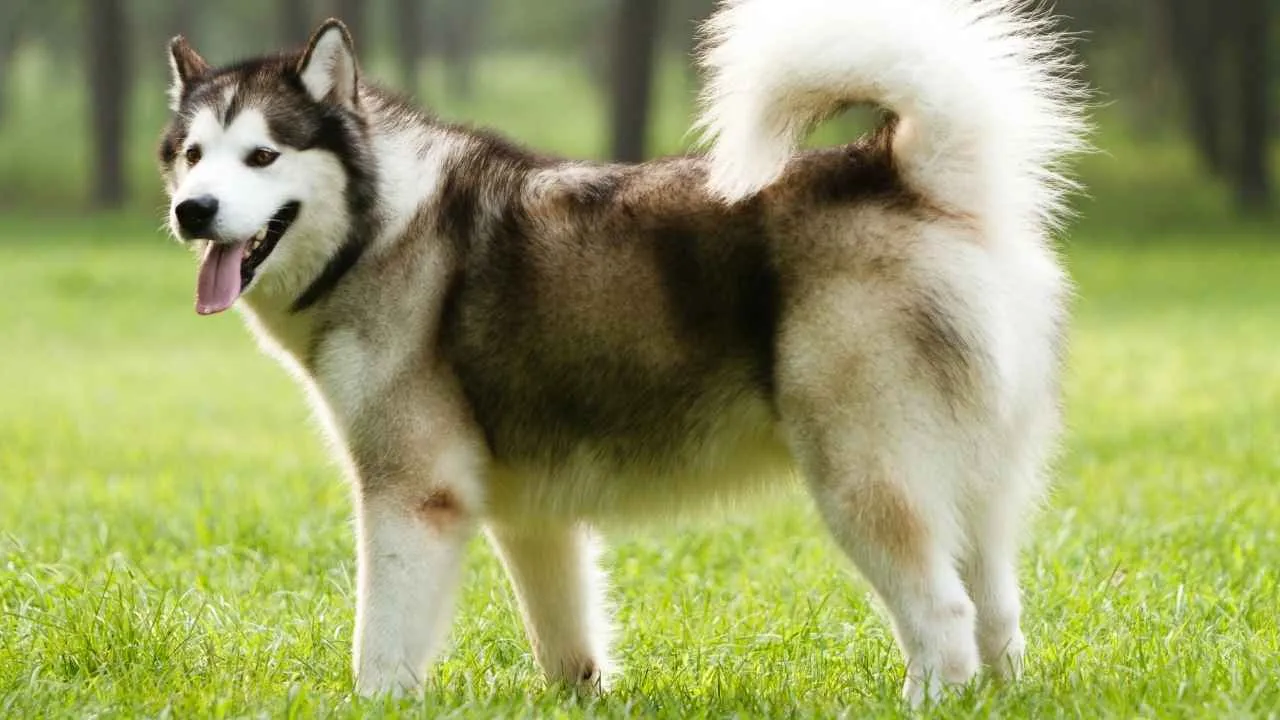
Alaskan Malamutes are among the oldest Arctic sled dogs, developed by the Indigenous Mahlemut people of Alaska. For centuries, they hauled heavy freight across frozen landscapes and helped people with hunting and travel.

Their strength, courage, and stamina made them essential partners in harsh Arctic conditions. During the late 1800s, explorers and gold miners also relied on them for transportation and survival.
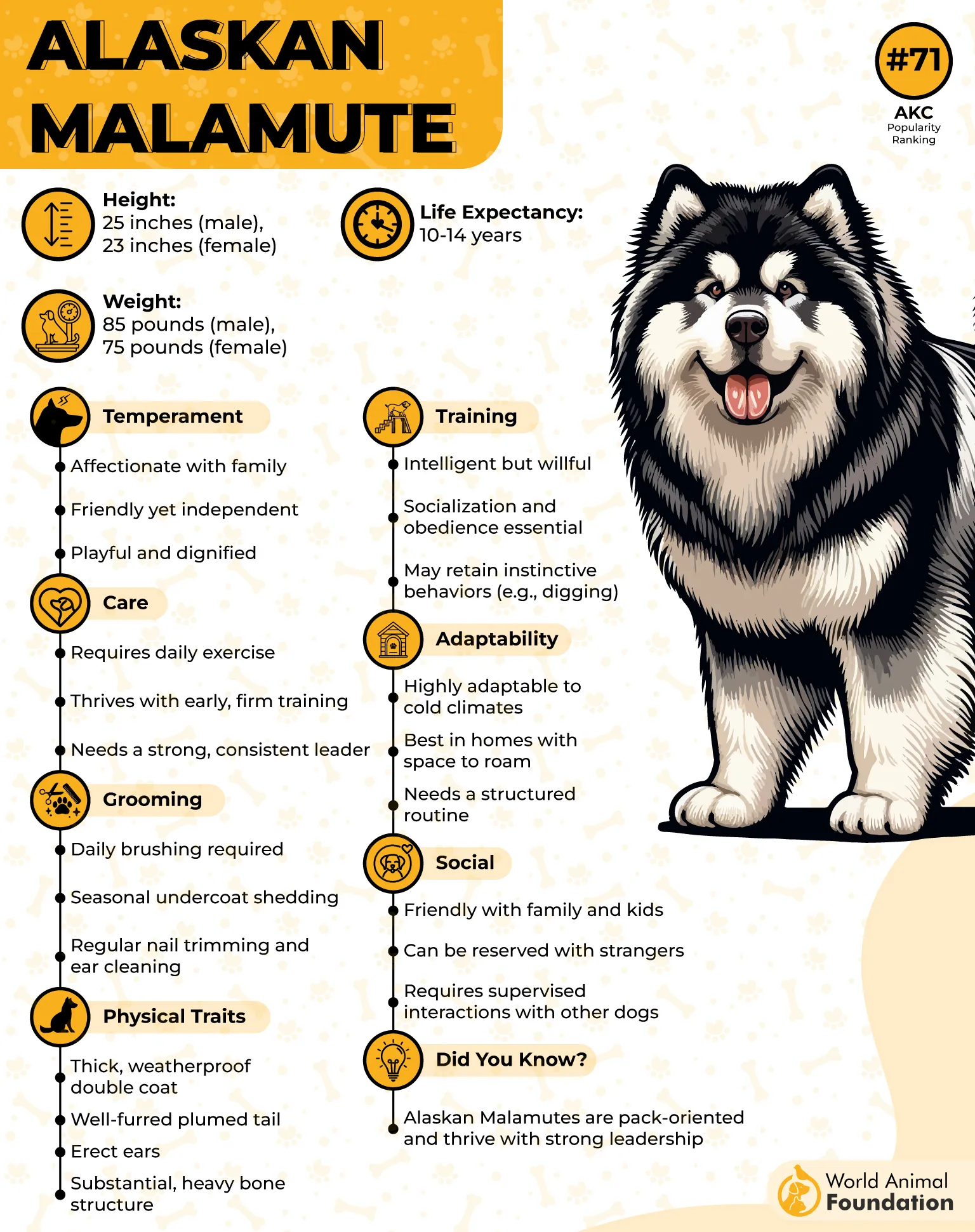
Built for demanding work in cold climates, Alaskan Malamutes have powerful shoulders, deep chests, heavy bones, and dense, weather-resistant coats. They are athletic, intelligent, and independent dogs that enjoy outdoor activities and being part of family life.
They are also friendly, affectionate, and playful, often spreading their attention equally among household members.
Key Working Traits and Requirements:
Heavy Freight Hauling: Their strength and endurance made them valuable for transporting heavy loads across frozen terrain.
Arctic Transportation: They helped explorers, miners, and Indigenous communities travel through harsh conditions.
Outdoor Activities: They enjoy hikes, outdoor play, and physically demanding activities, especially in cooler weather.
Training and Mental Stimulation: Early training, socialization, interactive games, and dog sports help keep their minds engaged and manage their independent nature.
Conclusion
Powerhouse dog breeds bring together strength, intelligence, endurance, and a strong willingness to work. Despite their impressive working skills, many of these dogs are also affectionate and devoted family companions.
If you’re considering one of these hardworking breeds, look beyond its strength and appearance. Think about its exercise needs, training requirements, temperament, and the space it needs to thrive.
With the right guidance and a suitable environment, these dogs can be remarkable companions. Their true strength lies not just in what they can do, but also in the loyalty and dedication they bring to the people around them.
