




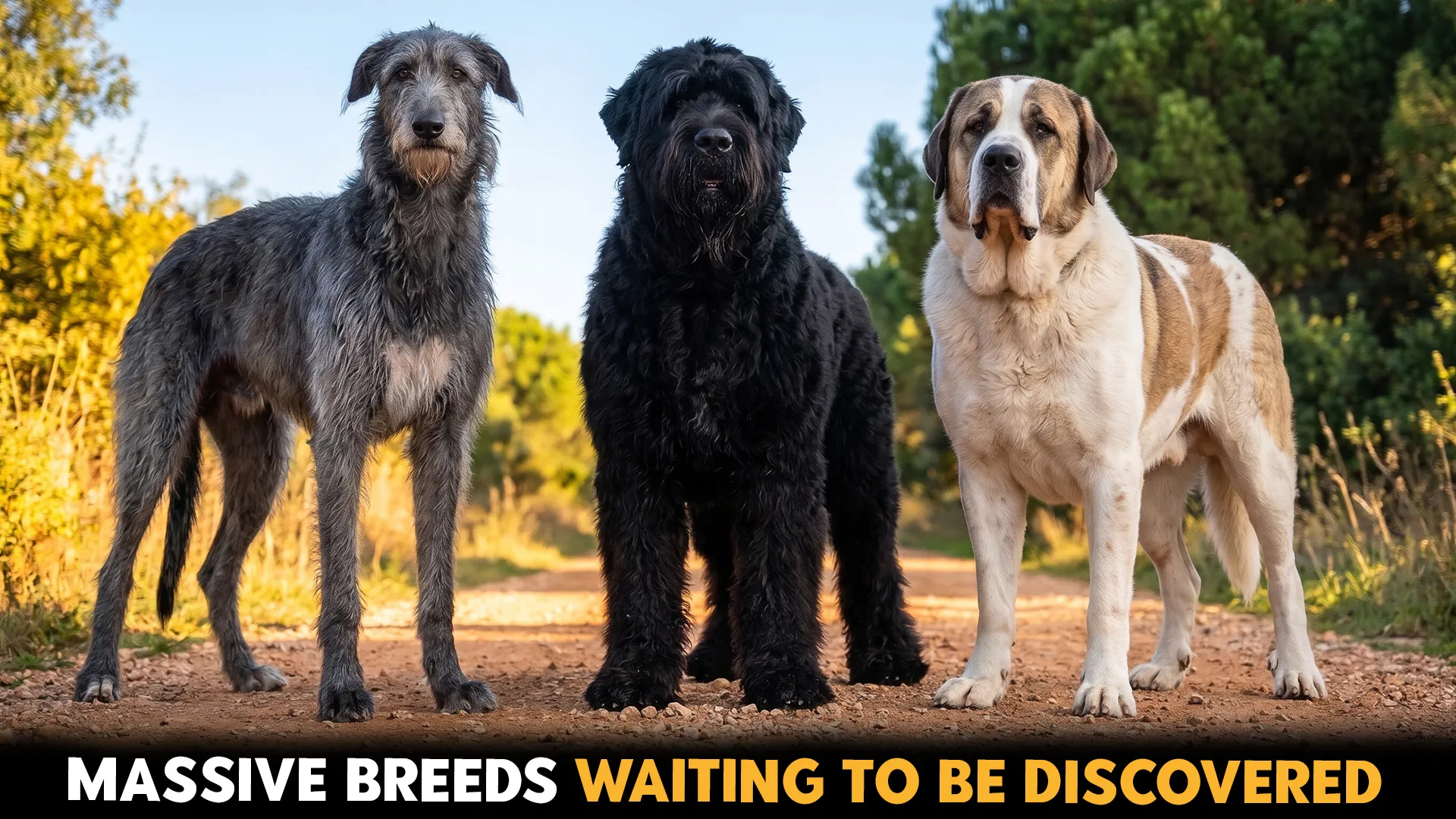
When people picture giant dogs, familiar favorites like the Great Dane, Saint Bernard, or Mastiff usually come to mind first. Yet beyond these well-known gentle giants lies a fascinating group of massive, lesser-known breeds with rich histories, striking appearances, and unforgettable personalities.
Bred for demanding work across mountains, farms, and rugged terrain, these rare giants prove that the biggest dogs often have the most intriguing stories.
Exploring rare giant dog breeds opens the door to extraordinary companions that rarely appear at the local dog park. From towering livestock guardians with thick, weather-resistant coats to calm, devoted family protectors with soulful expressions, each breed brings a unique blend of strength, loyalty, and temperament.
Understanding their origins and natural instincts also helps future owners appreciate what makes these big dog breeds truly special.
Below, discover some of the most amazing large dog breeds most people don’t know—along with the traits, backgrounds, and care needs that set them apart.
Amazing Giant Dog Breeds Most People Don’t Know
1. Pyrenean Mastiff
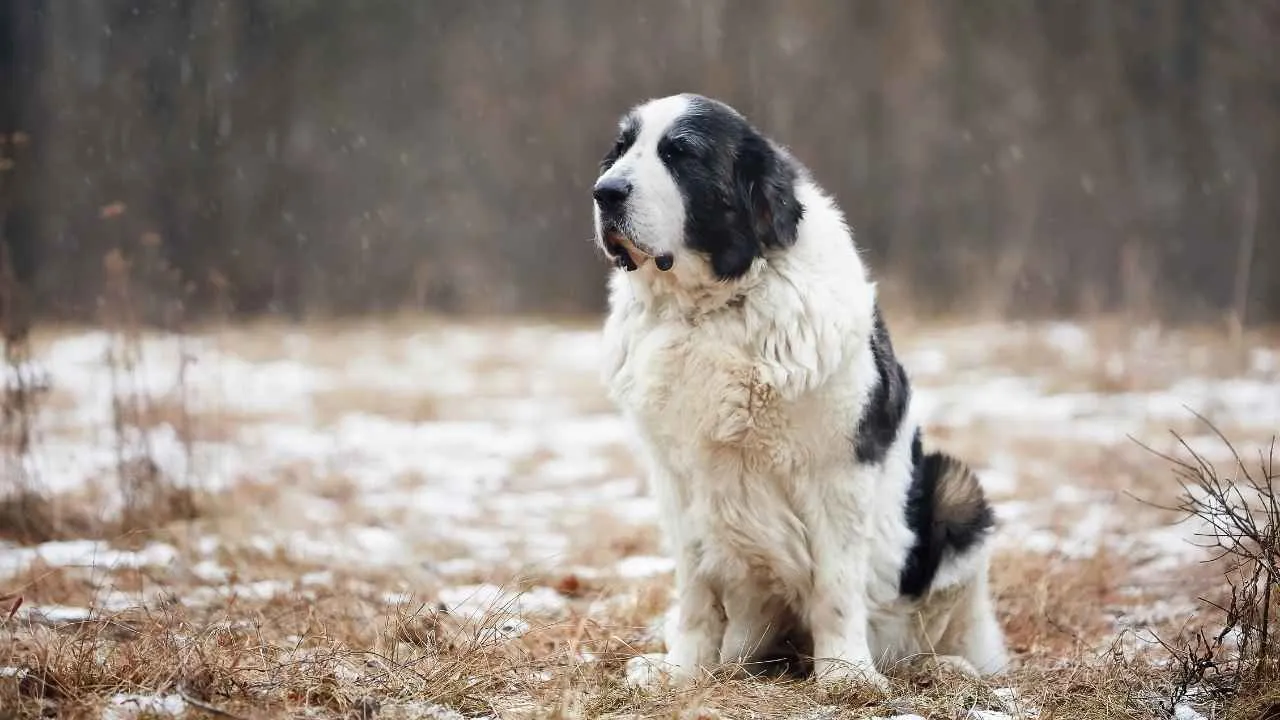
The Pyrenean Mastiff is a rare giant breed originating in Spain’s Pyrenees Mountains, where it guarded livestock against predators and thieves. Its imposing size and protective instincts remain central to its character, although it is also valued as a devoted family companion.
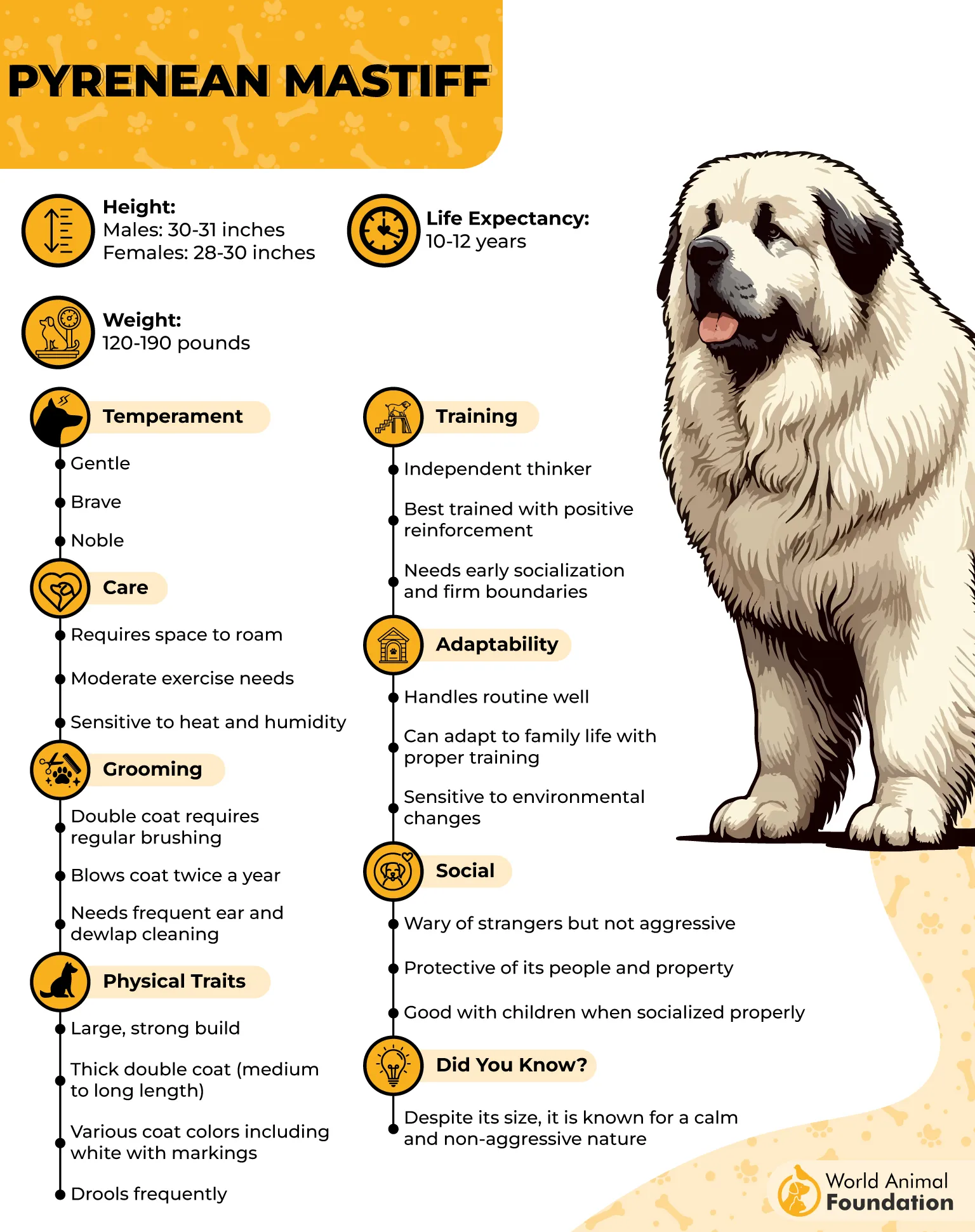
Despite its powerful appearance, this breed is generally calm, affectionate, and gentle with children and familiar animals. It tends to observe unfamiliar people carefully and will alert its family when something seems amiss rather than barking constantly. Early socialization helps it distinguish everyday visitors from genuine threats.
According to PetMD, Pyrenean Mastiffs are intelligent but benefit from patient, consistent training. They usually enjoy a relaxed pace of life and do not require excessive exercise, though regular walks and companionship remain important.
Their thick coat needs frequent brushing, and owners should be prepared for considerable shedding and drooling.
How This Breed Stands Out
Massive frame bred to guard livestock: Its imposing build reflects generations of protecting flocks in rugged mountain terrain.
Gentle, watchful temperament: Calm and loving with its family, this guardian remains alert to unfamiliar people and potential dangers.
2. Greater Swiss Mountain Dog
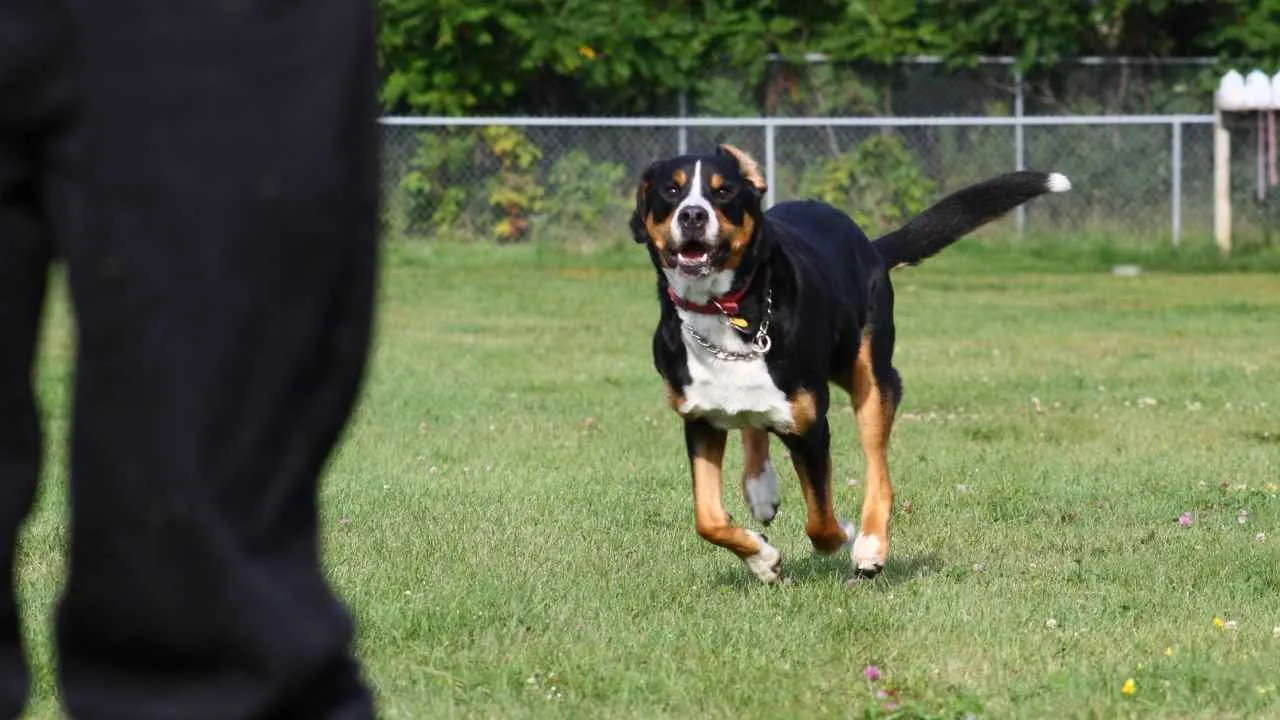
The Greater Swiss Mountain Dog, often called the Swissy, is a powerful working breed with deep roots in Switzerland. Historically, these sturdy dogs helped farmers herd cattle, haul carts, and guard property, developing the strength and endurance needed for demanding tasks.
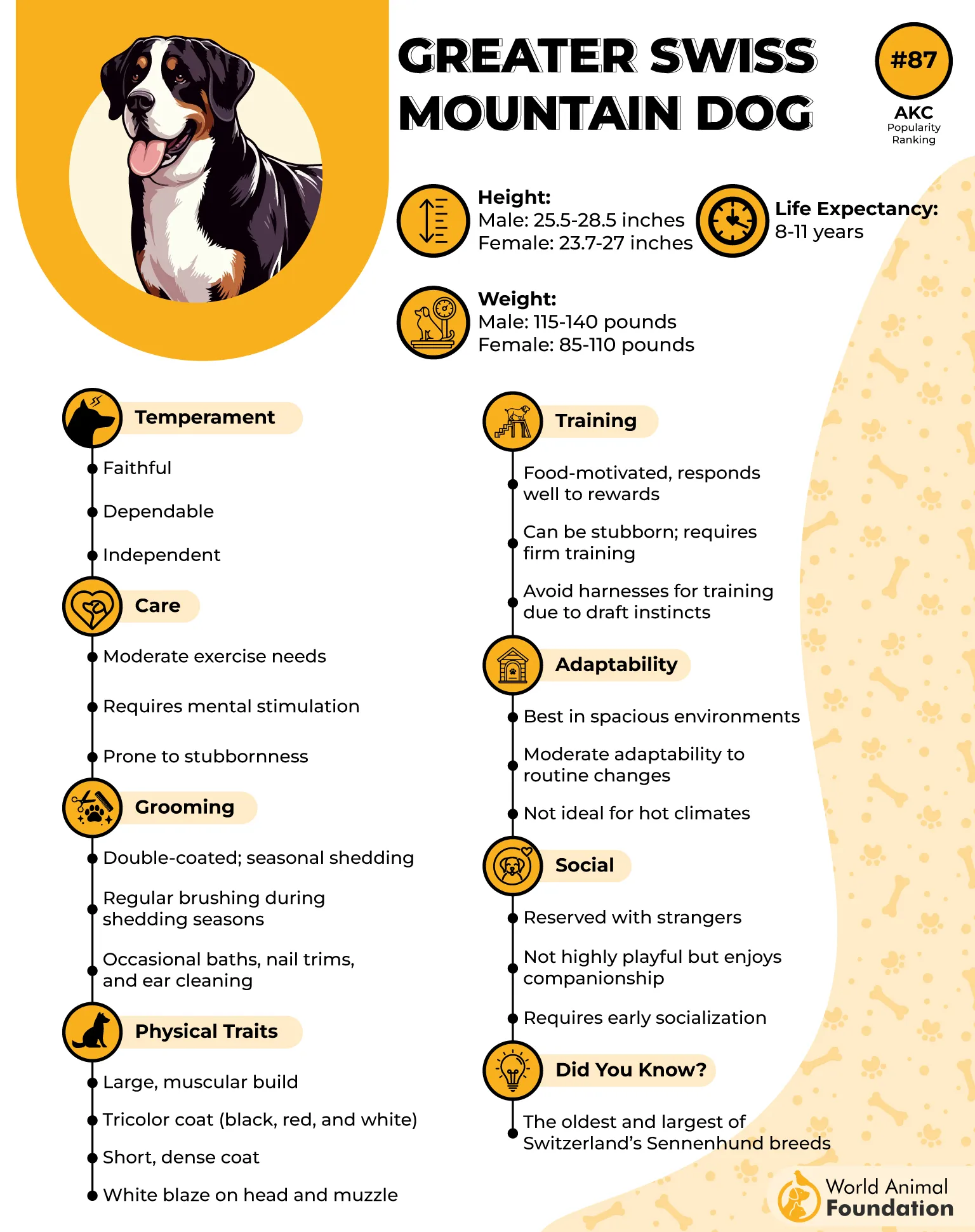
Despite their imposing size, Swissies are known for their good-natured, affectionate personalities. Their calm disposition and loyalty can make them wonderful family companions, particularly in active households with enough space to accommodate a large dog.
Reaching up to 140 pounds, they have a muscular frame and a dense double coat that once helped protect them while working outdoors.
According to WebMD, they still benefit from regular activity and purposeful tasks that engage their working instincts, and keeping them active every day helps them stay healthy.
How This Breed Stands Out
owerful cart-pulling heritage: Their strong build and endurance reflect generations of pulling loaded carts and assisting with farm work.
Distinctive black, rust, and white markings: Their tri-colored coat creates a recognizable pattern, complemented by expressive brown eyes.
3. Romanian Mioritic Shepherd Dog
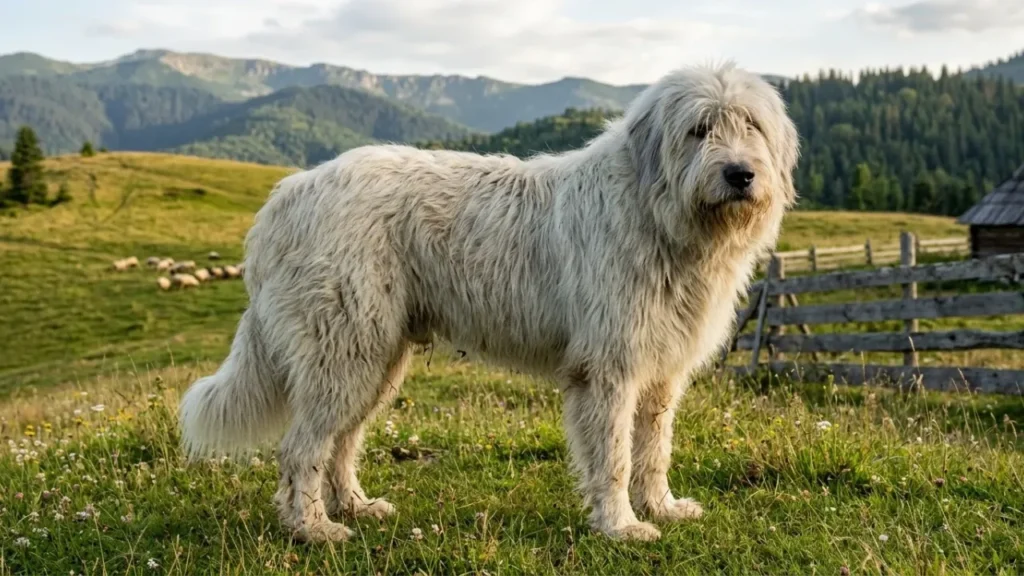
Originating near Romania’s Carpathian Mountains, the Romanian Mioritic Shepherd Dog is a powerful livestock guardian developed to protect flocks from predators. Beneath its abundant fur lies a sturdy working dog known for its courage, independence, and loyalty.
Mioritics form close bonds with their families and can be patient, affectionate companions around children. However, they tend to distrust unfamiliar people and remain alert to potential threats. Their independent streak means they benefit from consistent obedience training, early socialization, and regular walks or hikes.
This breed’s long, shaggy coat requires frequent grooming to prevent tangles and maintain its condition. Although naturally protective, the Mioritic is also sensitive and thrives when it feels closely connected to its family or flock.
How This Breed Stands Out
Long, shaggy coat conceals its sturdy build: Its heavy, flowing fur gives the Mioritic a distinctive appearance while covering a strong, robust frame.
Devoted guardian of mountain flocks: Bred to defend livestock against predators, it combines vigilance and bravery with deep loyalty to its family.
4. Scottish Deerhound
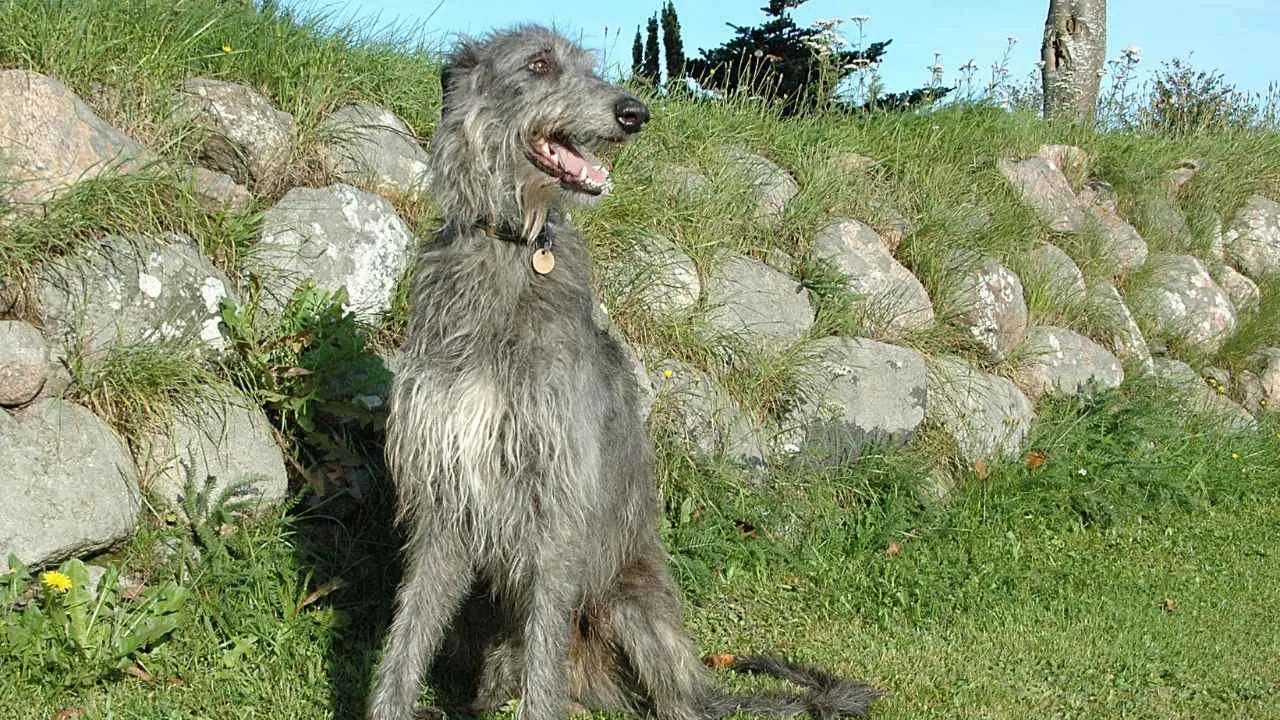
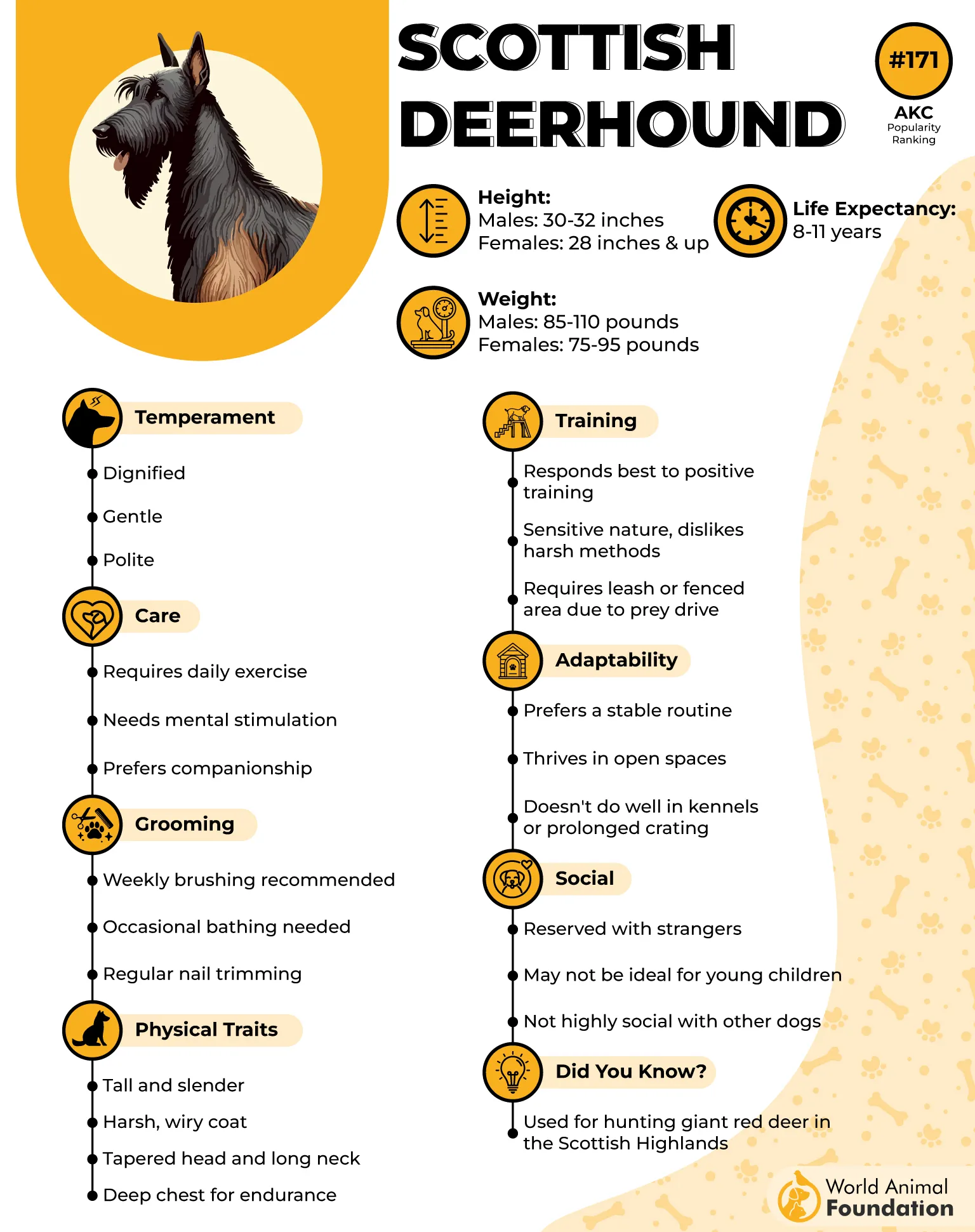
The Scottish Deerhound, sometimes called Scotland’s royal dog, is a towering sighthound developed to pursue large red deer across rugged landscapes. Its Greyhound-like outline, elongated head, and graceful proportions give this rare giant breed a particularly stately appearance, and it often looks like a scruffy, big-boned Greyhound.
According to Purina, this dog is affectionate and gentle with its family but displays courage and determination when working in the field.
Despite its impressive size, the Deerhound is generally gentle, loyal, and easygoing at home. It enjoys long periods of rest but still needs about an hour of exercise each day, including opportunities to stretch its legs and run safely in a securely fenced area. That routine helps keep the breed healthy while still fitting its relaxed nature indoors.
How This Breed Stands Out
Tall, greyhound-like silhouette: Its long legs, narrow frame, and elevated stature create the unmistakable profile of a giant sighthound.
Rough coat adapted to rugged terrain: The crisp, wiry fur provides a weather-ready covering suited to outdoor pursuits across rough country.
5. Black Russian Terrier
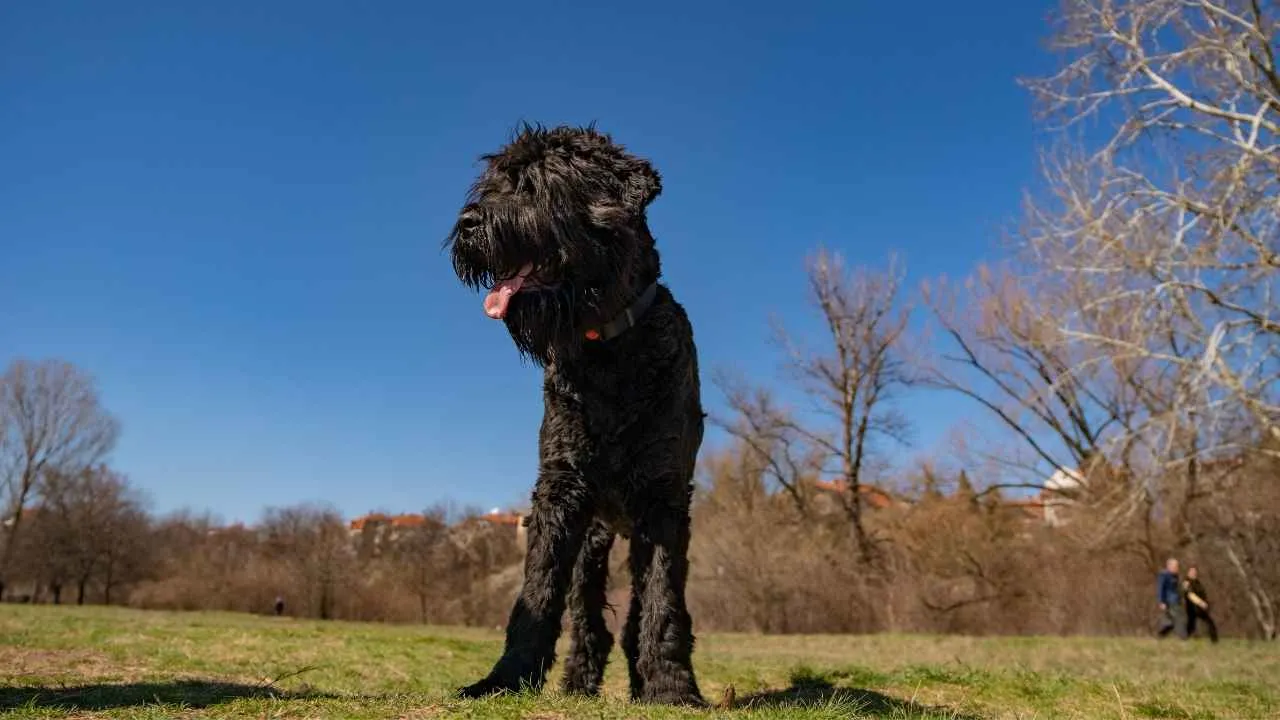
Despite its name, the Black Russian Terrier may sound smaller because of the word terrier, but it is still a substantial giant working dog developed in the Soviet Union during the nineteen thirties. Bred for guarding and protection, this powerful breed combines intelligence, courage, and a naturally watchful disposition.
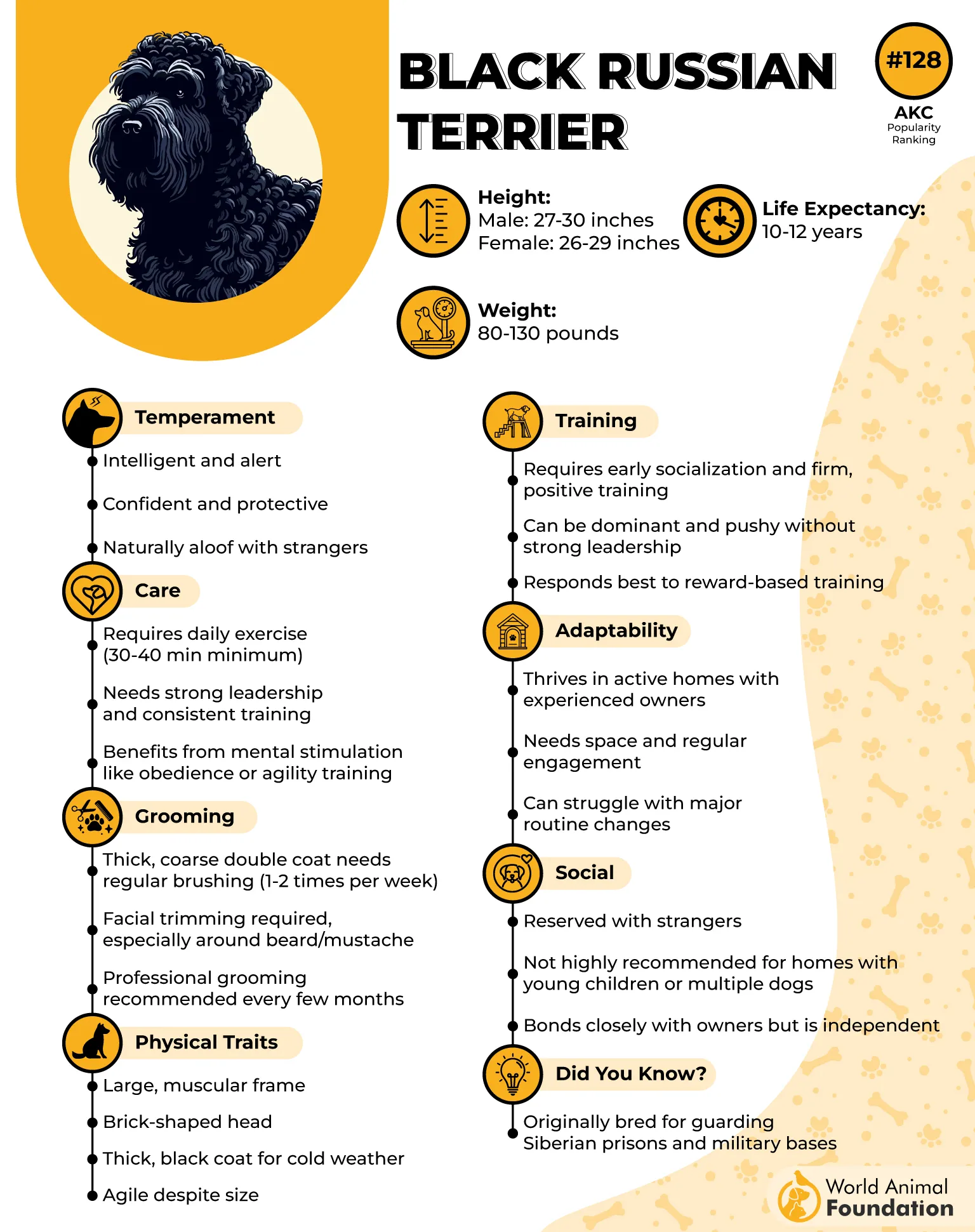
These dogs are deeply loyal to their families and can be highly protective of their homes. Their confidence and strength make puppyhood training and consistent handling important, while their intelligence helps them respond well to calm guidance and positive reinforcement rather than harsh correction.
Their wariness around unfamiliar people reflects their traditional guarding role. Giant puppies also benefit from large-breed puppy food and support for healthy bone and joint development during growth, making an experienced, committed owner well suited to their needs.
Black Russian Terriers can weigh up to 130 pounds and stand as tall as 30 inches at the shoulder. Their dense, weather-resistant coat helps insulate them against cold conditions and repels moisture, making them well equipped for demanding outdoor environments.
How This Breed Stands Out
Dense, tousled black coat: Its thick, textured black fur provides insulation and protection in harsh weather.
Confident, versatile working-dog instincts: Originally bred for guarding, this intelligent, courageous dog is naturally alert and protective of its family.
6. Rafeiro do Alentejo
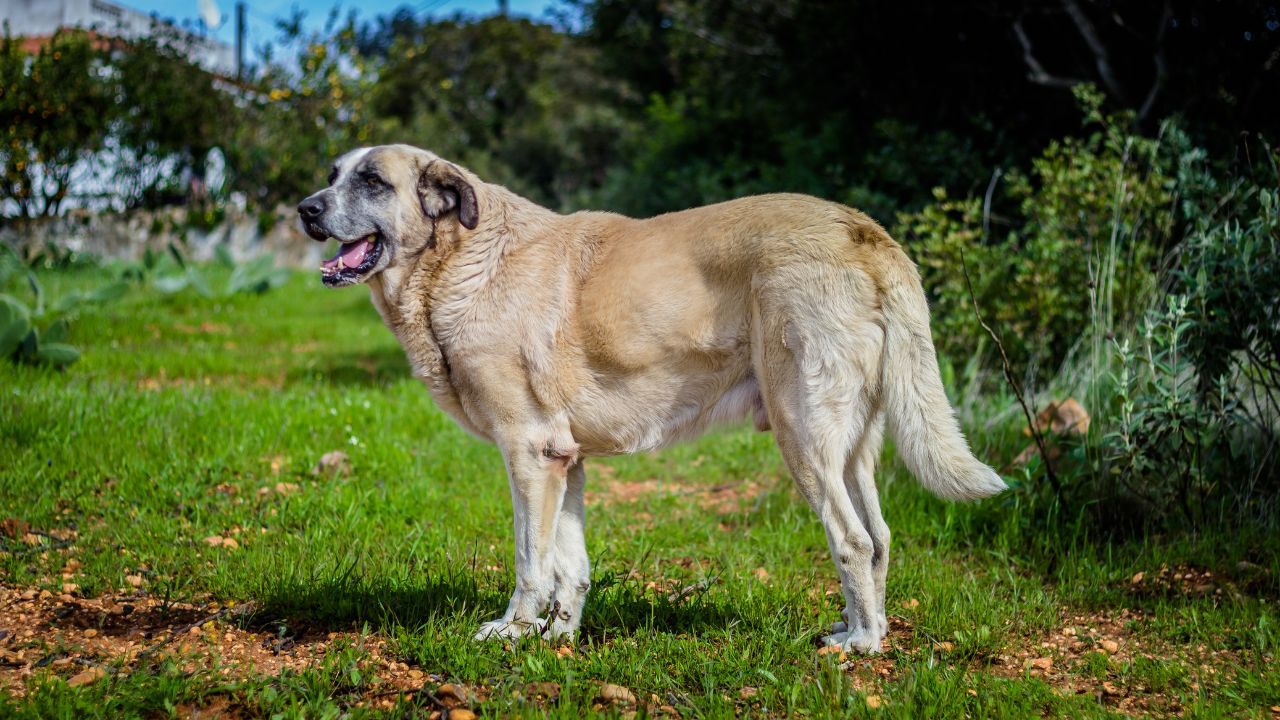
Originating in Portugal, the Rafeiro do Alentejo is a powerful, rustic giant historically used to protect livestock and estates. Its broad head, muscular body, deep chest, and steady movements give this imposing breed a distinctive presence.
Despite its size, this rare breed is known for a composed, confident temperament. Traditionally, Rafeiros guarded sheep and cattle across open countryside, sometimes working independently to defend herds against intruders. They are particularly watchful after dark, when their protective instincts become more pronounced.
The breed has a thick, straight coat of short to medium length, with colors that include black, wolf gray, fawn, and yellowish shades, sometimes accompanied by white markings. Its loose skin around the neck and calm, expressive face further contribute to its unmistakable appearance.
How This Breed Stands Out
Loose-skinned, imposing appearance: A broad head, robust frame, and noticeable neck dewlap create a powerful silhouette.
Traditional nighttime livestock guardian: Historically entrusted with sheep and cattle, this vigilant dog is especially attentive when guarding territory after dark.
7. Spanish Mastiff
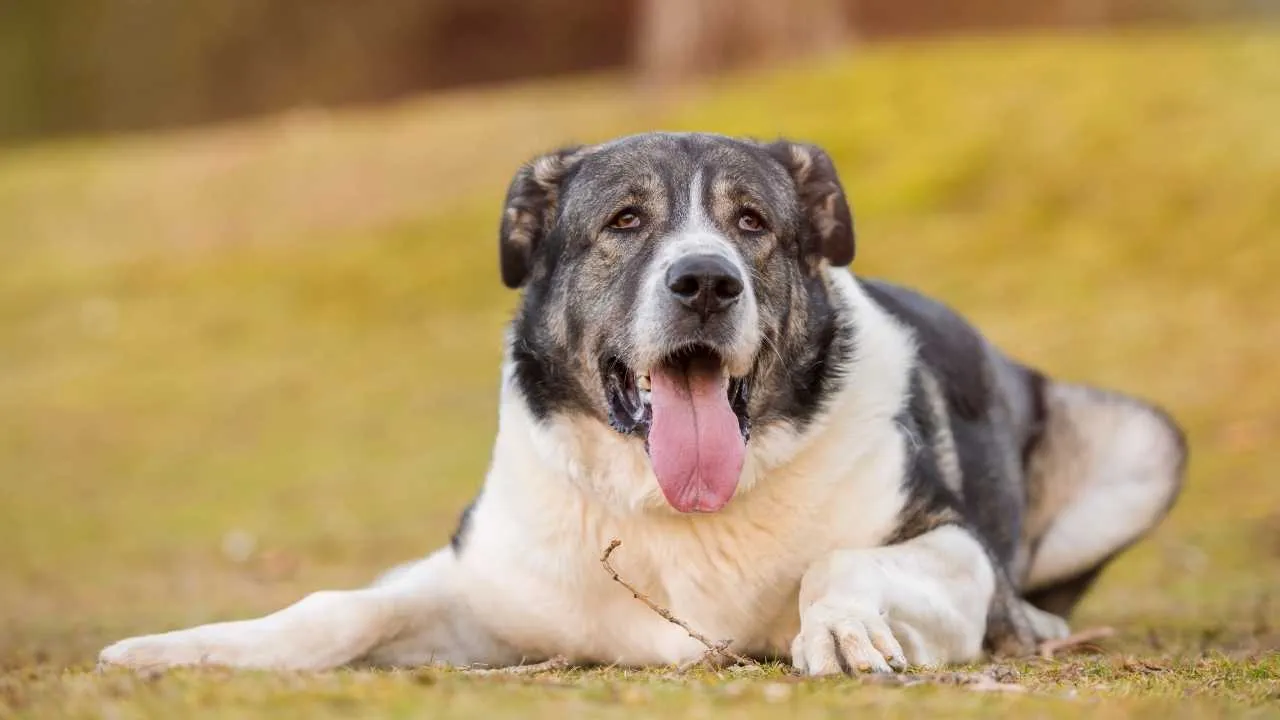
The Spanish Mastiff is a massive, muscular breed with a substantial bone structure and a commanding presence, and adults can weigh between 120 and 230 pounds. Its broad, heavy head and loose skin around the throat give it a rugged appearance, while its deep, resonant bark carries across considerable distances.
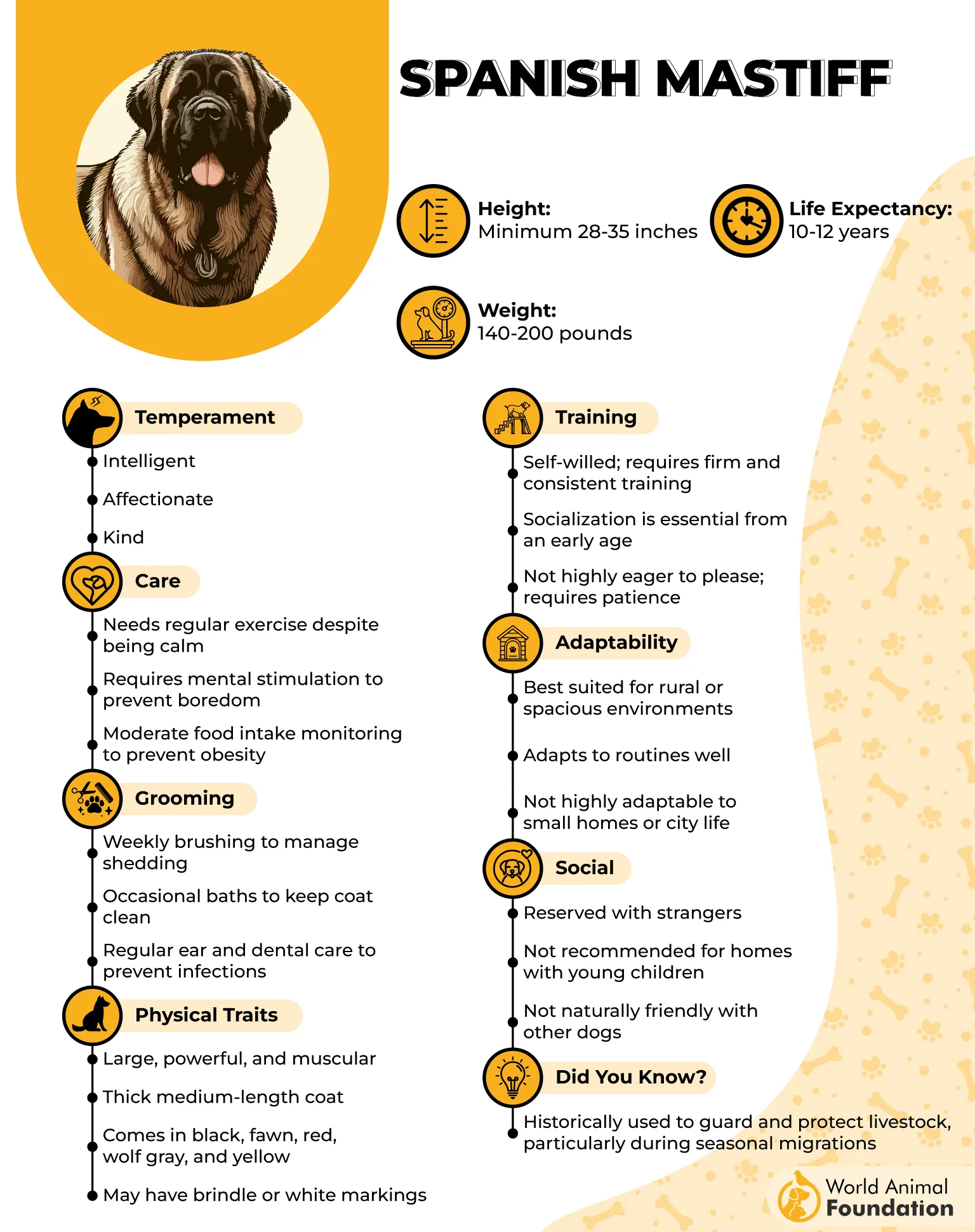
Despite their formidable build, Spanish Mastiffs are generally calm, patient, affectionate, and noble. They tend to assess situations with confidence rather than unnecessary agitation, so consistent socialization is especially important because guardian breeds may be slow to warm to strangers.
Their medium-length coat comes in shades such as black, fawn, red, gray, and yellow, sometimes with brindle or white markings.
How This Breed Stands Out
Heavy head with loose throat skin: Its massive head, powerful frame, and loose skin create a distinctive, imposing profile.
Calm, independent flock-protection instincts: Traditionally trusted to defend sheep from predators, this breed combines a steady temperament with strong livestock-guarding instincts.
Conclusion
Giant dog breeds offer far more than impressive size. From the graceful Scottish Deerhound to the powerful Black Russian Terrier, each has distinctive qualities that make it stand out.
Many of these remarkable dogs were developed for demanding work, including guarding estates, protecting livestock, and navigating rugged landscapes. Their strength, intelligence, and courage reflect the important roles they once performed, and many still retain those working instincts today.
Despite their imposing appearances, several of these breeds are known for their calm, loyal, and affectionate nature. However, their size and protective instincts make responsible ownership, consistent guidance, and suitable living conditions essential.
Positive reinforcement and training begun early are especially important because of their size and strength.
Discovering these lesser-known giants reveals the incredible diversity of the canine world. Whether admired for their rugged coats, watchful personalities, or devotion to their families, these dogs demonstrate that being a giant is about much more than physical stature.
