




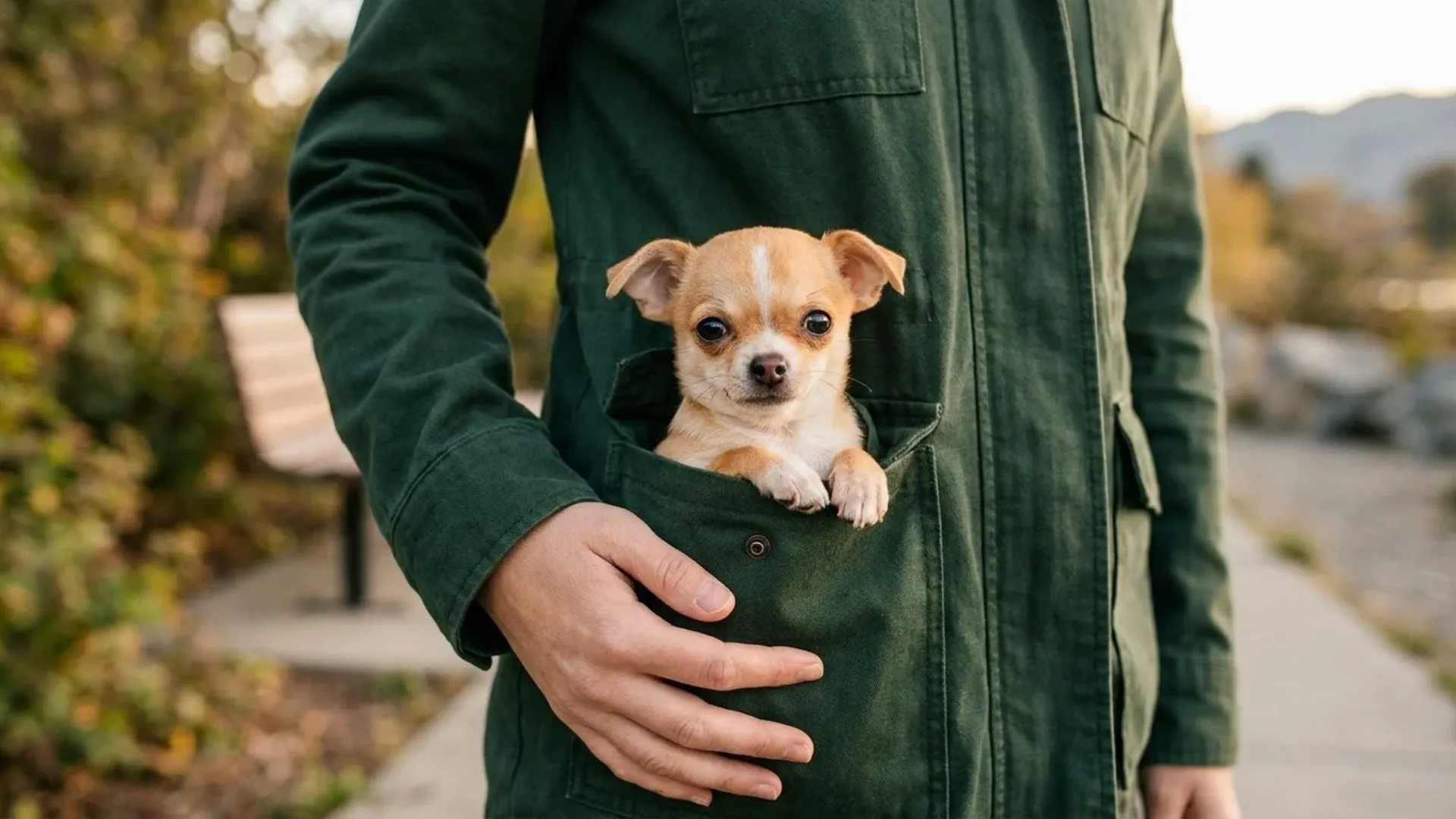
Imagine visiting a friend who owns a tiny dog that seems to have an opinion about everything. It follows conversations from one lap to another, investigates every sound near the door, and quickly becomes the center of attention.
Later, you meet another pocket-sized companion that spends most of its afternoon tucked beneath a blanket, perfectly content with a familiar face nearby. Both dogs are small enough to fit comfortably into compact homes, yet their personalities could hardly be more different. Their coats tell another part of the story.
One may have sleek fur that needs occasional brushing, while the other requires regular combing, careful bathing, and attention around delicate facial hair. These differences matter when choosing a dog that will share your everyday routine. A pleasant experience depends on knowing what to expect before bringing one home.
In this article, seven pocket dog breeds receive a closer look, including their temperaments, grooming demands, and everyday care requirements.
Key Takeaways
Before falling in love with a pocket dog’s adorable appearance, consider how much time you can dedicate to its grooming and daily activities.
A smooth-coated Chihuahua generally needs weekly brushing, while a Pomeranian’s thick double coat requires more frequent attention.
The grooming routine becomes even more interesting with Toy Poodles, whose continuously growing curls require regular professional trimming.
Read till the end to meet these little dogs and discover which one’s care requirements fit comfortably into your everyday life.
Best Pocket Dog Breeds: Personality and Grooming Tips
1. Chihuahua
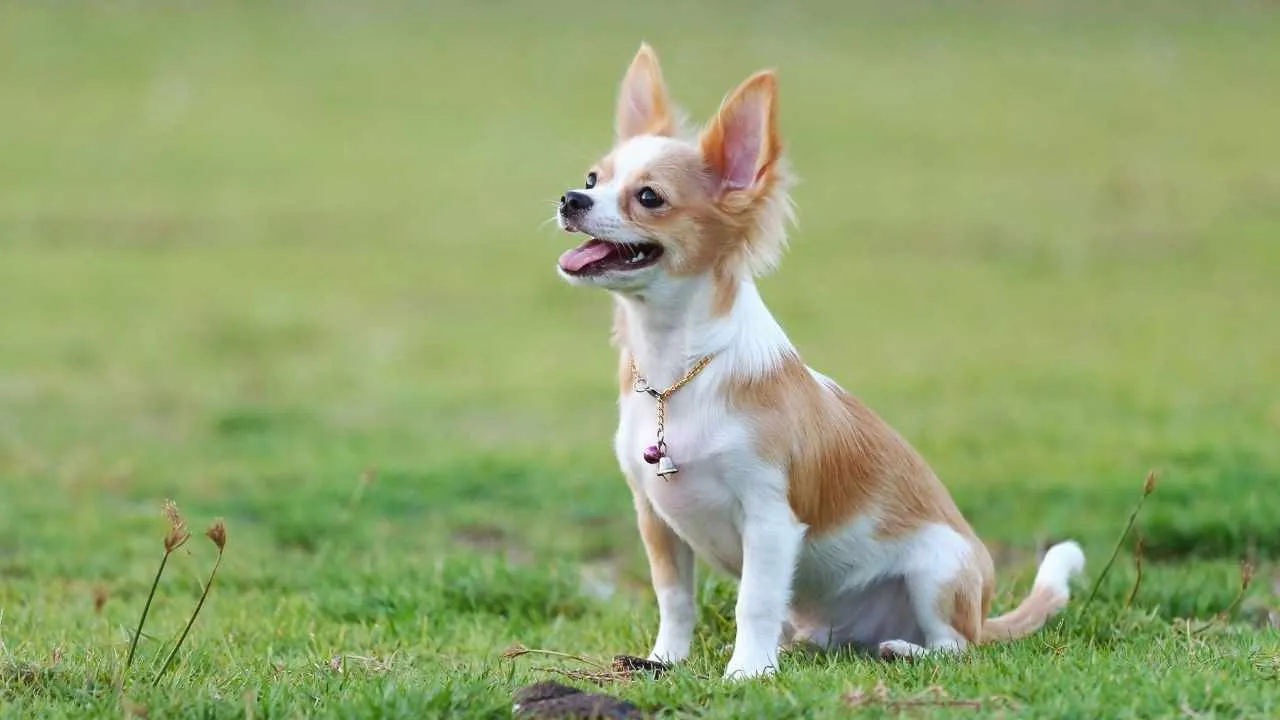
The Chihuahua’s exact origins remain uncertain, with theories linking its ancestry to China or Central and South America. In 1850, small dogs were found in Chihuahua, Mexico, and brought to the United States, where people gradually came to appreciate their value as companions.
A Bold Little Personality
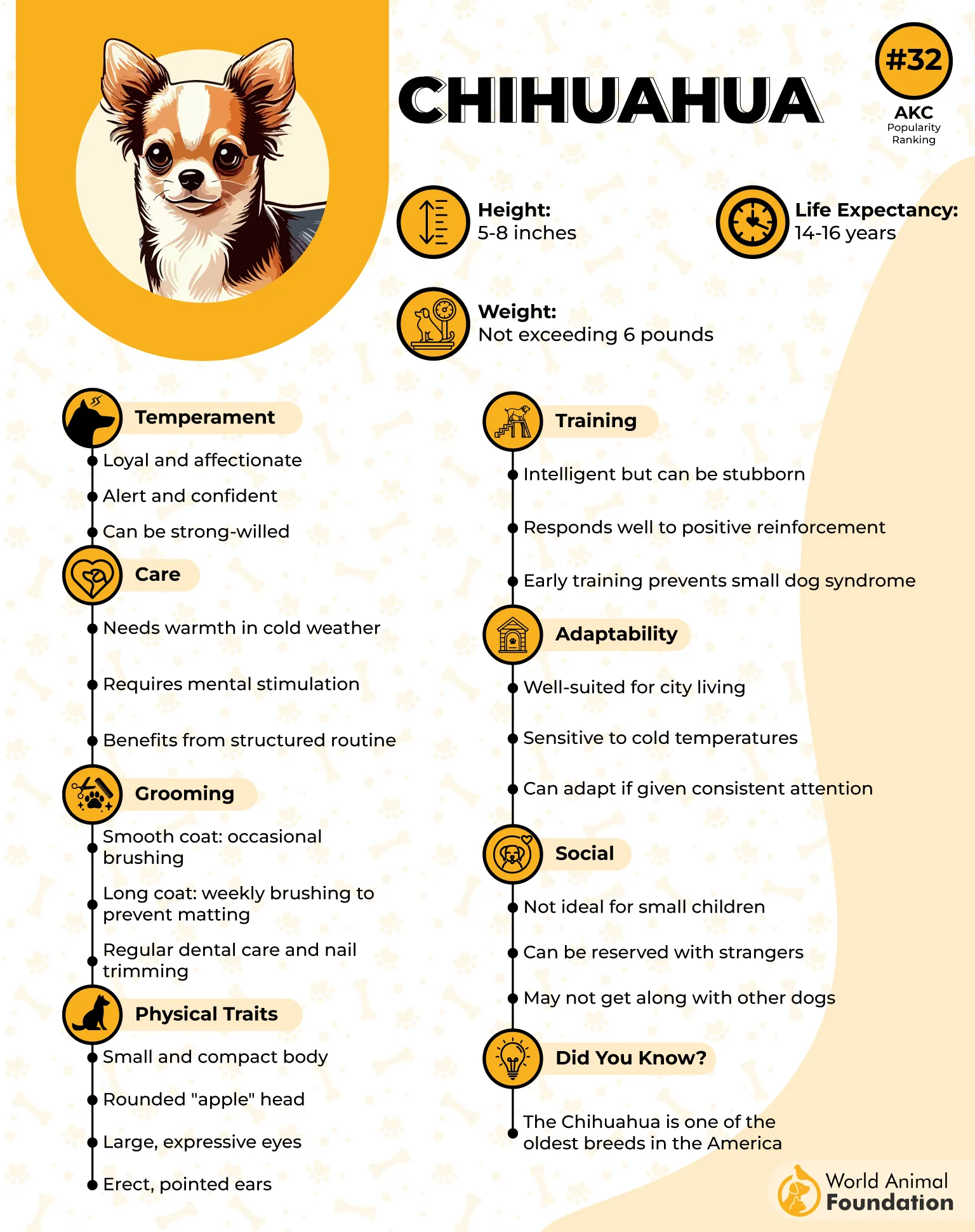
These excellent companions have plenty of confidence packed into their tiny frames, as PDSA explains. These playful dogs enjoy attention, games, and affection, often switching from an energetic romp to a cozy lap nap when they’re ready for a break.
Their small size can hide a few big opinions:
May bark loudly when feeling threatened.
Benefits from gradual introductions to unfamiliar people and places.
Needs chances to sniff, explore, and walk outdoors.
Simple Care With One Important Rule
A smooth-coated Chihuahua usually needs weekly brushing, while its long-haired counterpart benefits from brushing about three times a week and occasional trimming around the legs and tail. Monthly baths are generally enough, and shaving should be avoided because the coat helps protect the skin from sun and heat.
2. Pomeranian
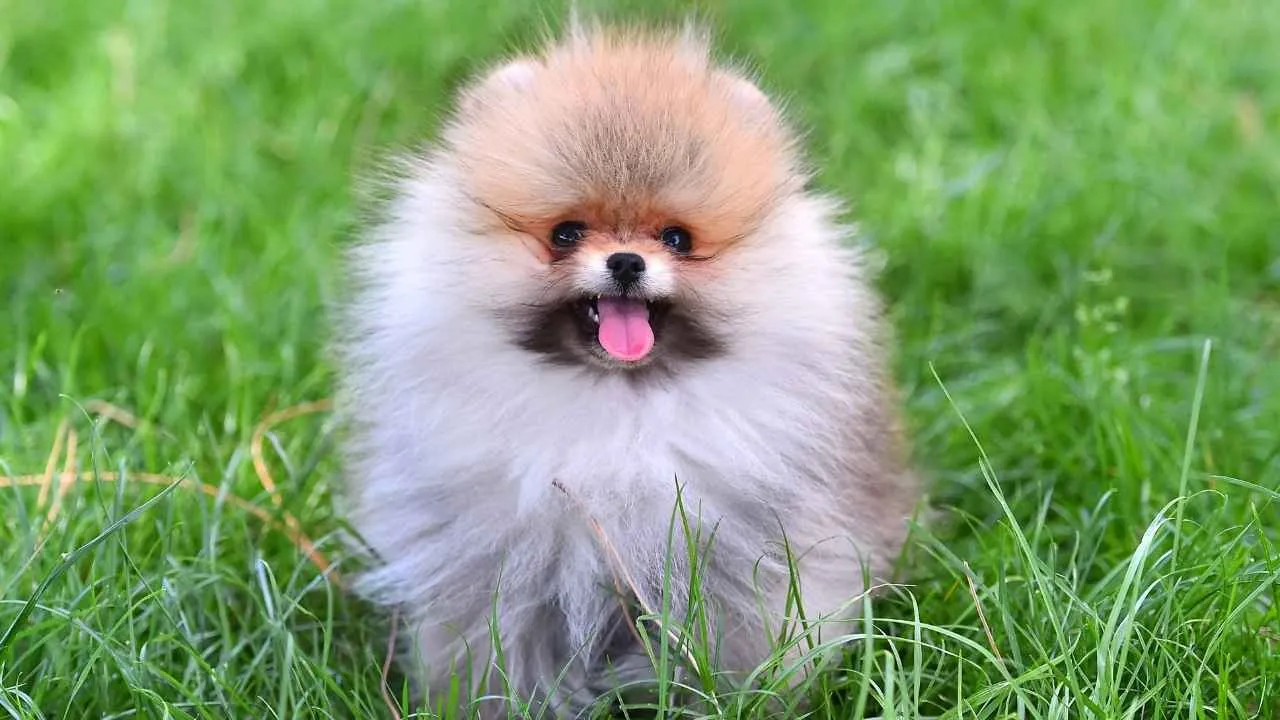
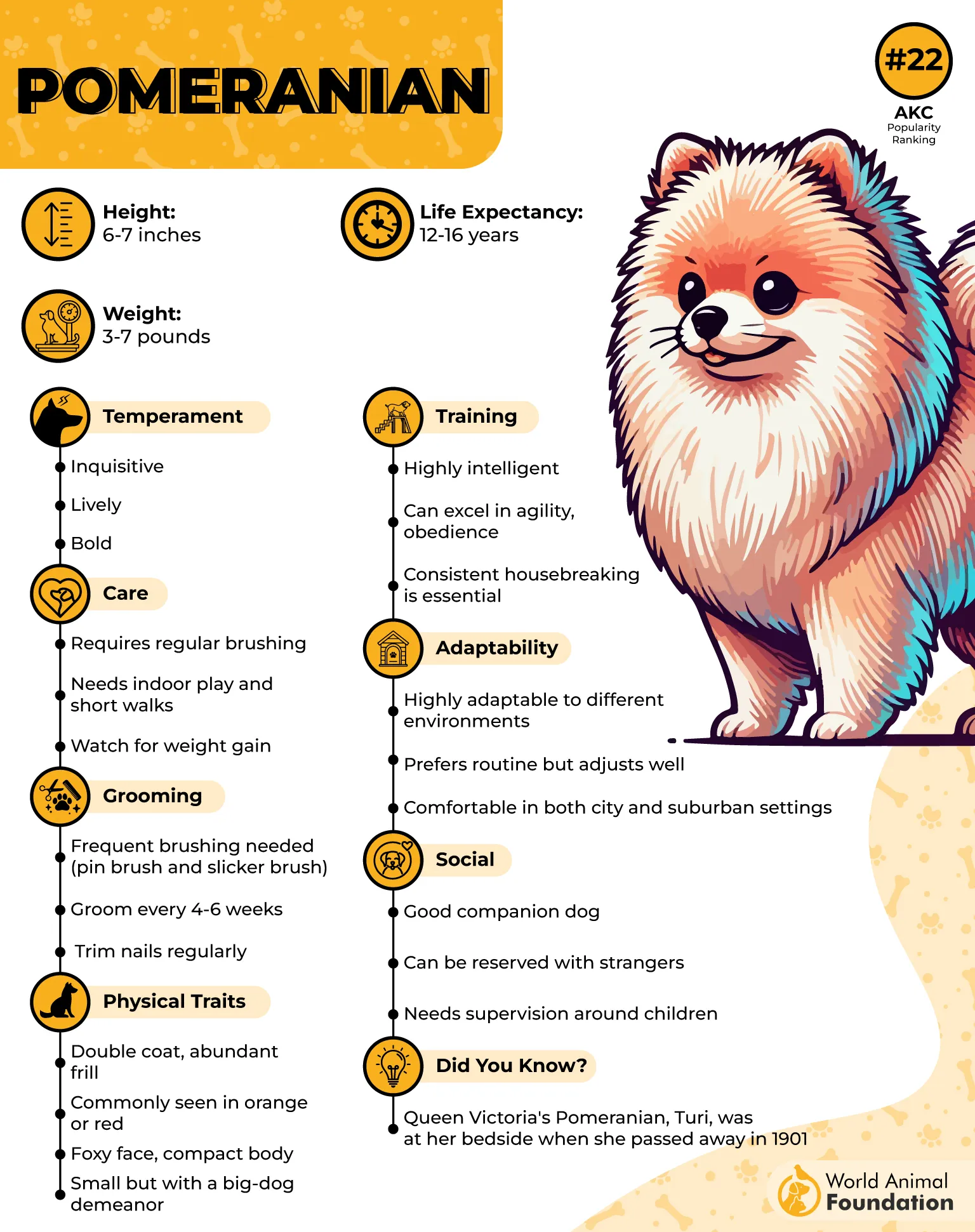
The Pomeranian comes from the Pomerania region of present-day Poland and Germany and is believed to descend from the German Spitz.
Smaller puppies were selectively bred to reduce its size, and the breed gained popularity during the 18th century, with Queen Victoria among its well-known admirers.
A Big Personality in a Small Dog
A Pomeranian brings plenty of enthusiasm into daily life. These cheerful, outgoing dogs enjoy social interaction and often have a playful way of getting attention, as noted by Purina. They can get along well with children and cats, although their small frames call for gentle handling during play.

These other habits make life with a Pom interesting:
Picks up tricks and obedience lessons quickly.
Often barks at sounds and activity around the home.
Can be rather confident around people and other dogs.
All That Fluff Needs Attention
Beneath its abundant outer coat, this lovable breed has a short, thick undercoat. This double layer gives its fur a full appearance, but loose hair and tangles need regular attention. Brushing a couple of times each week helps remove shed hair and prevent matting.
3. Yorkshire Terrier
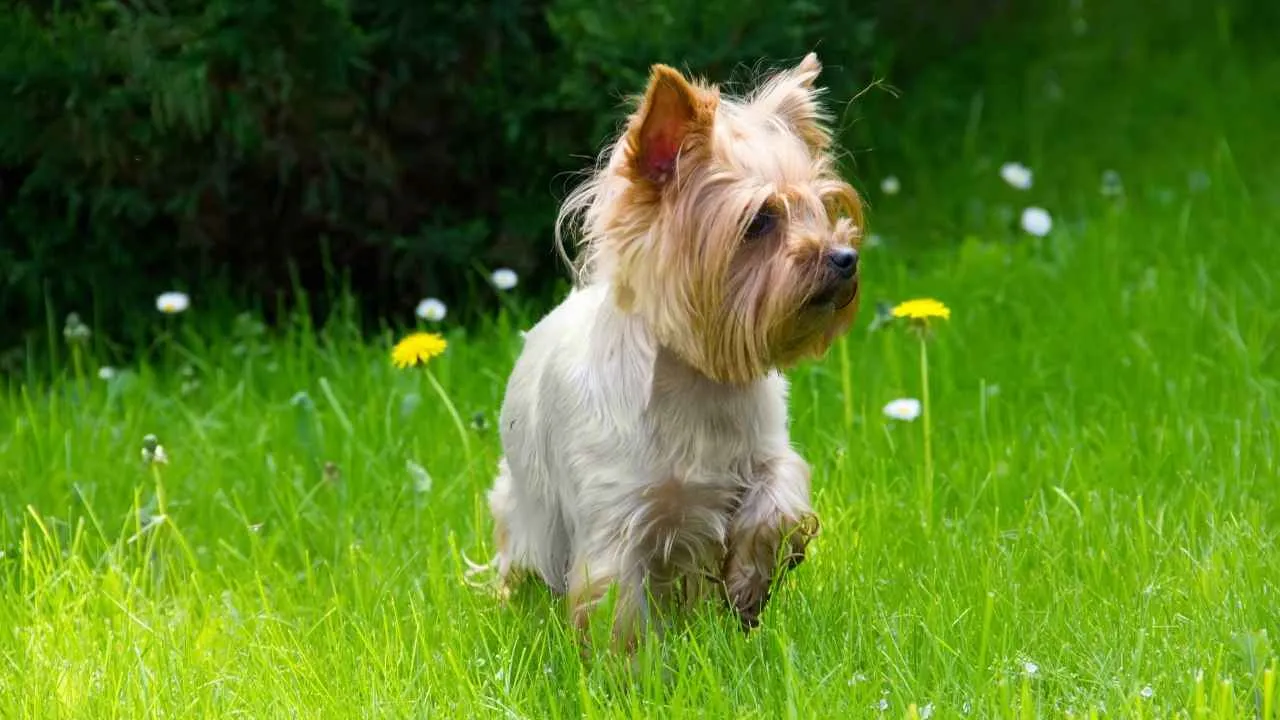
The Yorkshire Terrier was originally bred in Yorkshire, England, during the Victorian era, with ancestry linked to several terrier breeds and possibly the Maltese. Its early purpose remains debated, with accounts connecting it to rat-catching in mines, hunting in burrows, and working families in Northern England.
A Spirited Little Companion
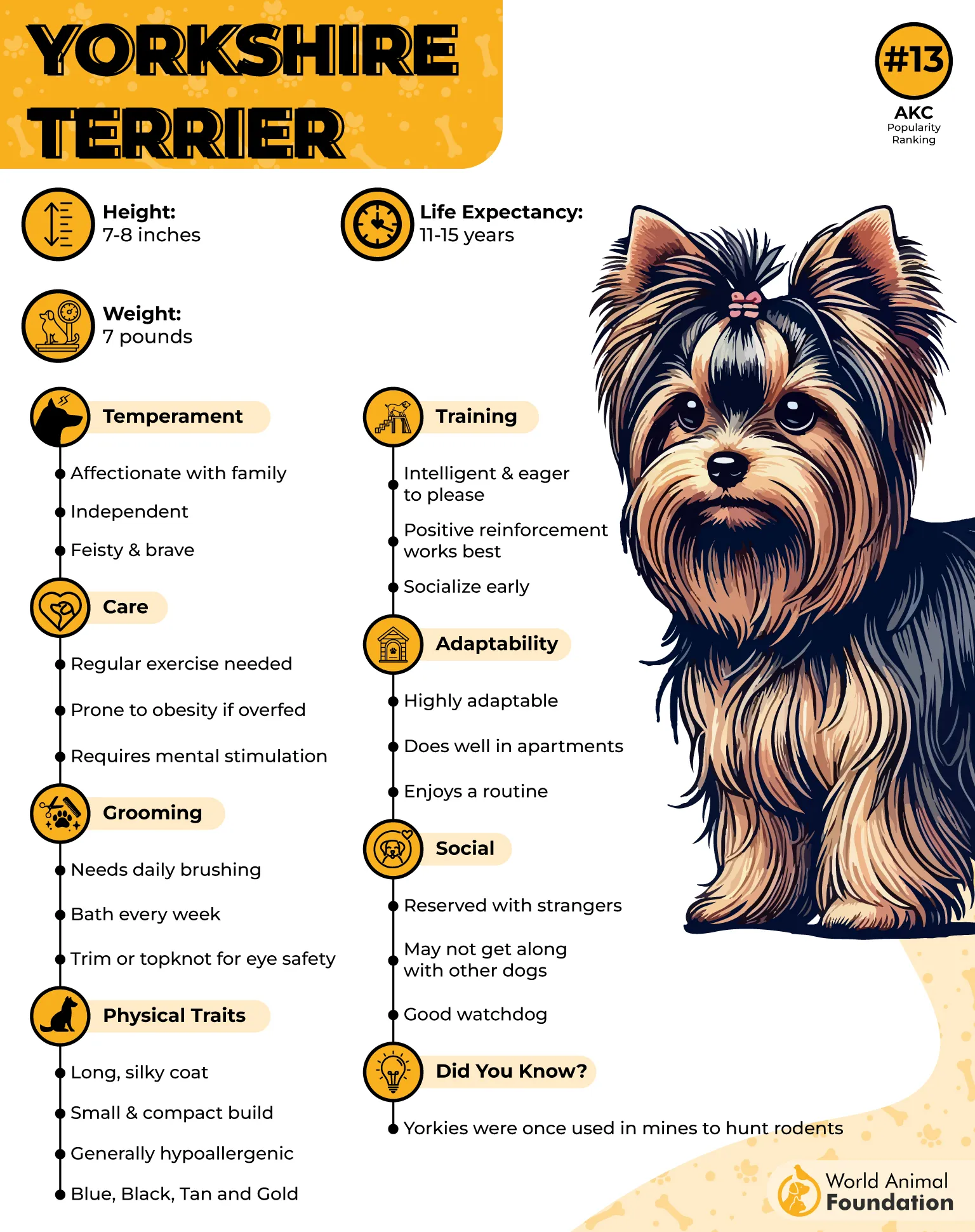
Yorkies have lively, confident personalities packed into their tiny frames. According to the AKC, they can be feisty and vocal, yet their loyalty and outgoing nature make them engaging companions that enjoy being involved in everyday life.
Their curious side comes through in several ways:
Enjoys solving mentally stimulating puzzles.
Often wanders over to greet people.
Likes following favorite family members around.
A Coat That Needs Attention
The Yorkie’s fine, silky hair can grow all the way to the floor, giving it a distinctive and elegant appearance. Although the breed sheds very little, its coat needs regular brushing to prevent tangles, with long hair requiring considerably more grooming and occasional professional trimming.
4. Maltese
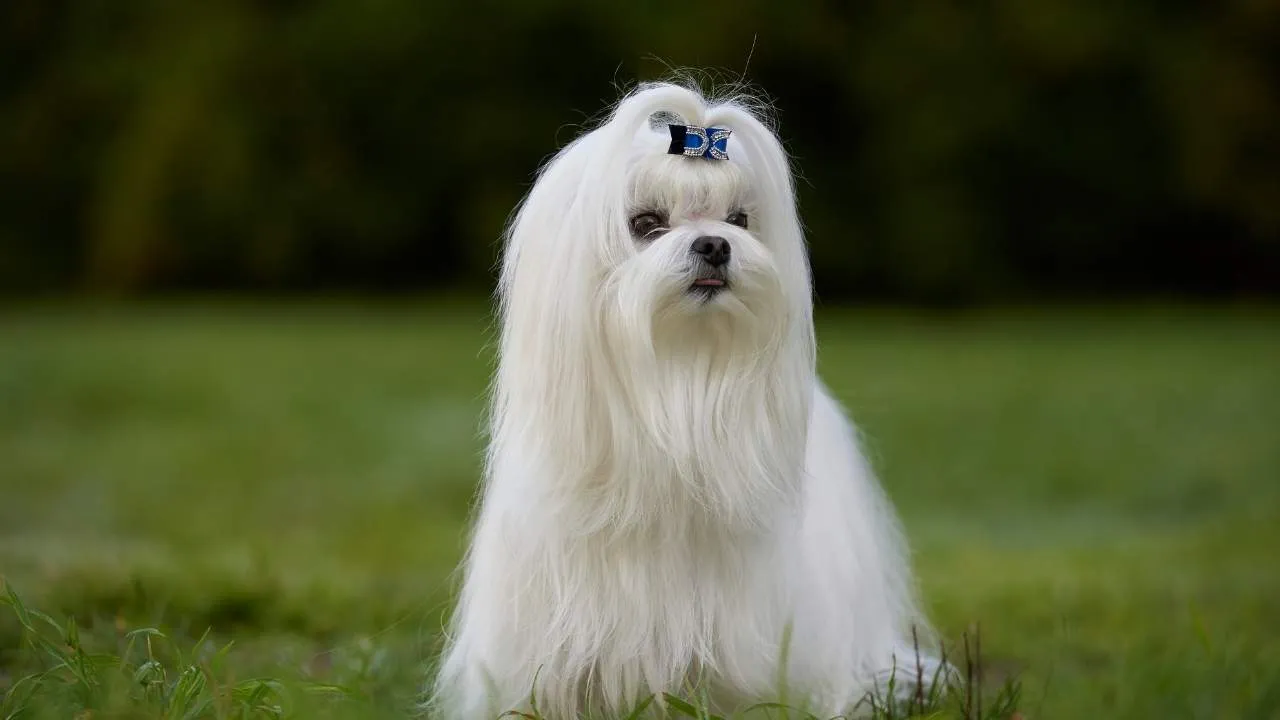
The Maltese has an uncertain origin, with theories linking its ancestors to traders who brought small dogs through Asia into Central Europe. Records mentioning similar dogs date back to 300 BC, while the breed gained popularity among England’s upper-class women by the 14th century.
A Little Companion With a Big Heart
Friendly and affectionate, the Maltese enjoys being close to its favorite people and often seeks a spot on their laps. Its playful nature lasts beyond puppyhood, and it makes a gentle household companion for children who handle it carefully.
The following everyday habits add to its personality:
Enjoys joining people on outings and visits.
Barks at the door before greeting visitors warmly.
Responds well to attention and positive interaction.
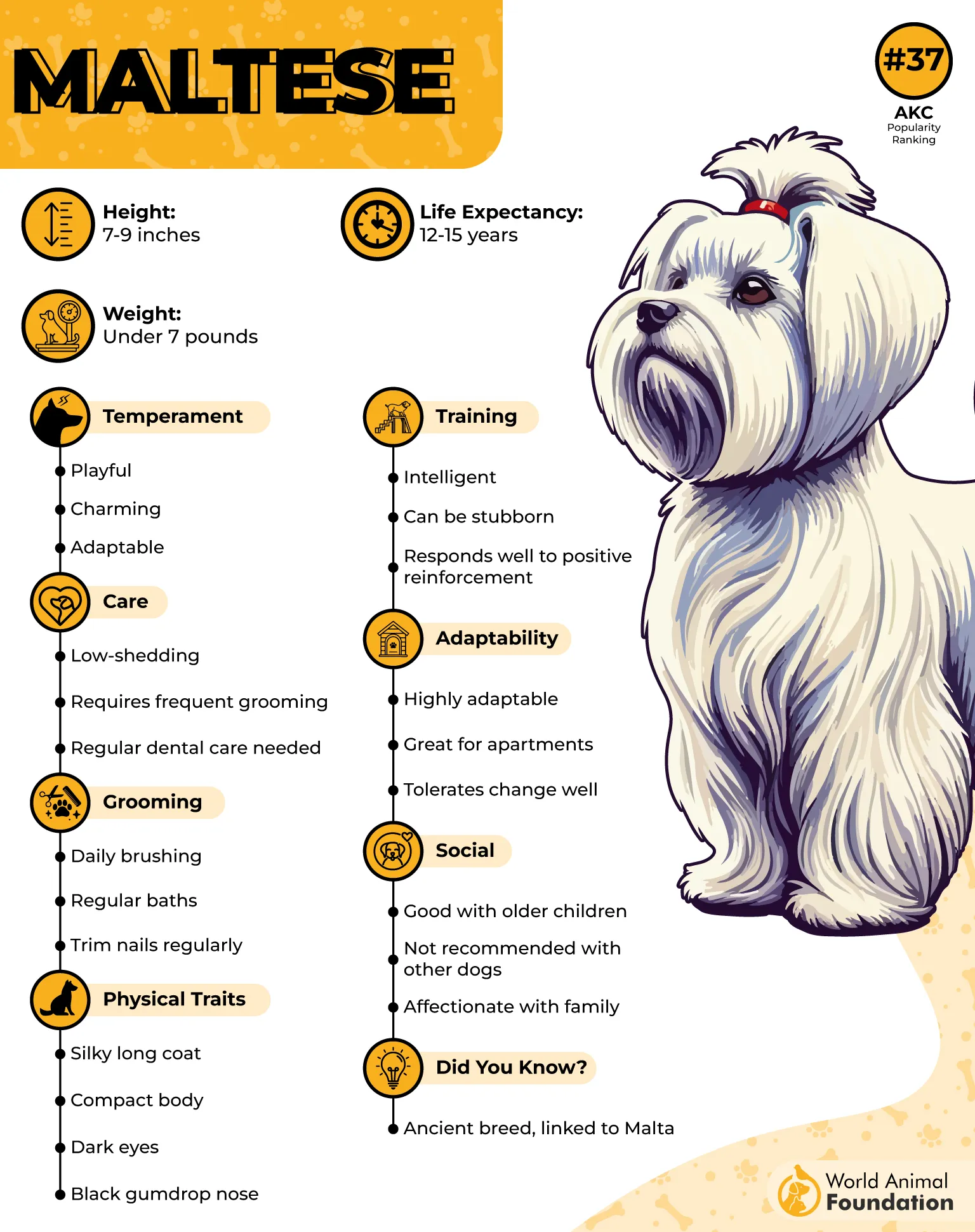
A Silky Coat That Needs Attention
This lovable companion has a long, silky coat without an undercoat, which contributes to its relatively low shedding. Its hair needs daily brushing to prevent tangles, even with a shorter haircut, while a bath every four to six weeks helps keep the coat clean without drying out its skin.
5. Papillon
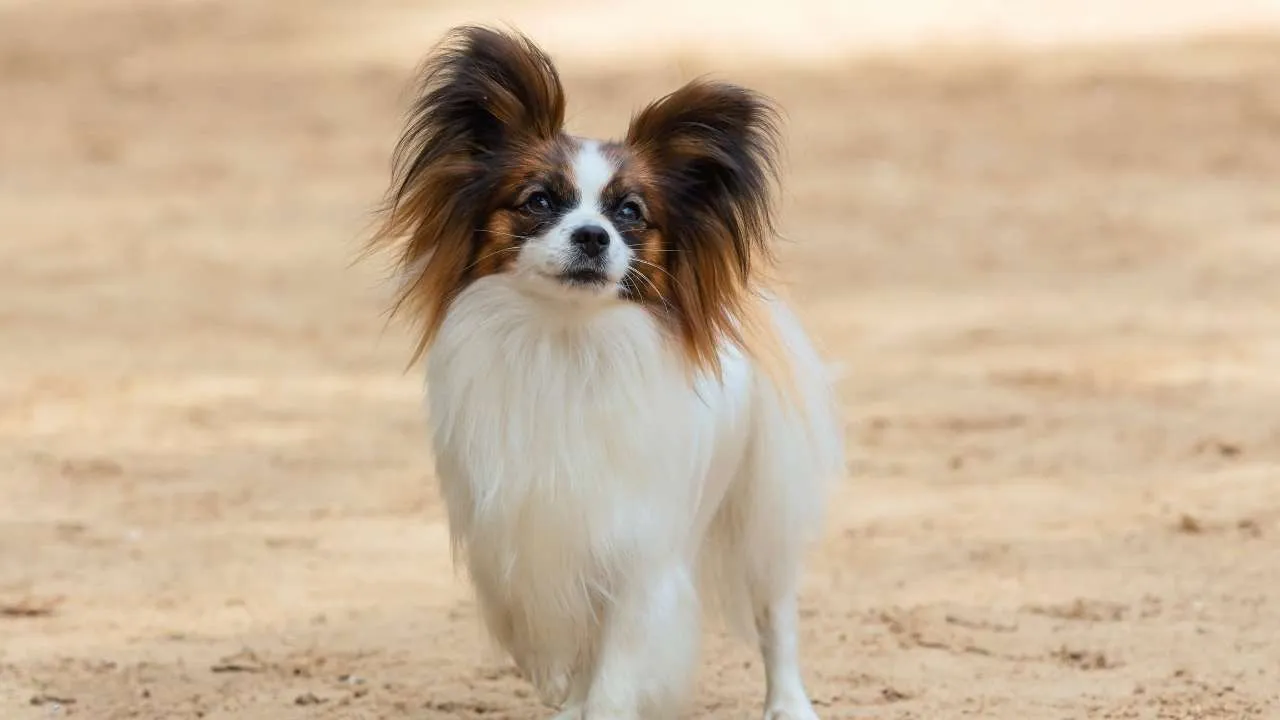
France is closely associated with the Papillon’s development, although its history reaches far into medieval Europe. This elegant little Toy Spaniel became a cherished companion among noblewomen in royal courts, with early paintings depicting dogs of its type dating back to the 13th century.
A Big Personality in a Small Frame
Confident, outgoing, and full of enthusiasm, the Papillon enjoys meeting people and joining everyday activities. Its adaptable size suits apartments as well as larger homes, while its friendly nature makes it an appealing companion for sociable households.
Here are some worth-noting daily habits of this breed:
Learns tricks quickly through praise and play.
Needs early socialization to build confidence around unfamiliar situations.
Requires supervised play with larger dogs and energetic children.
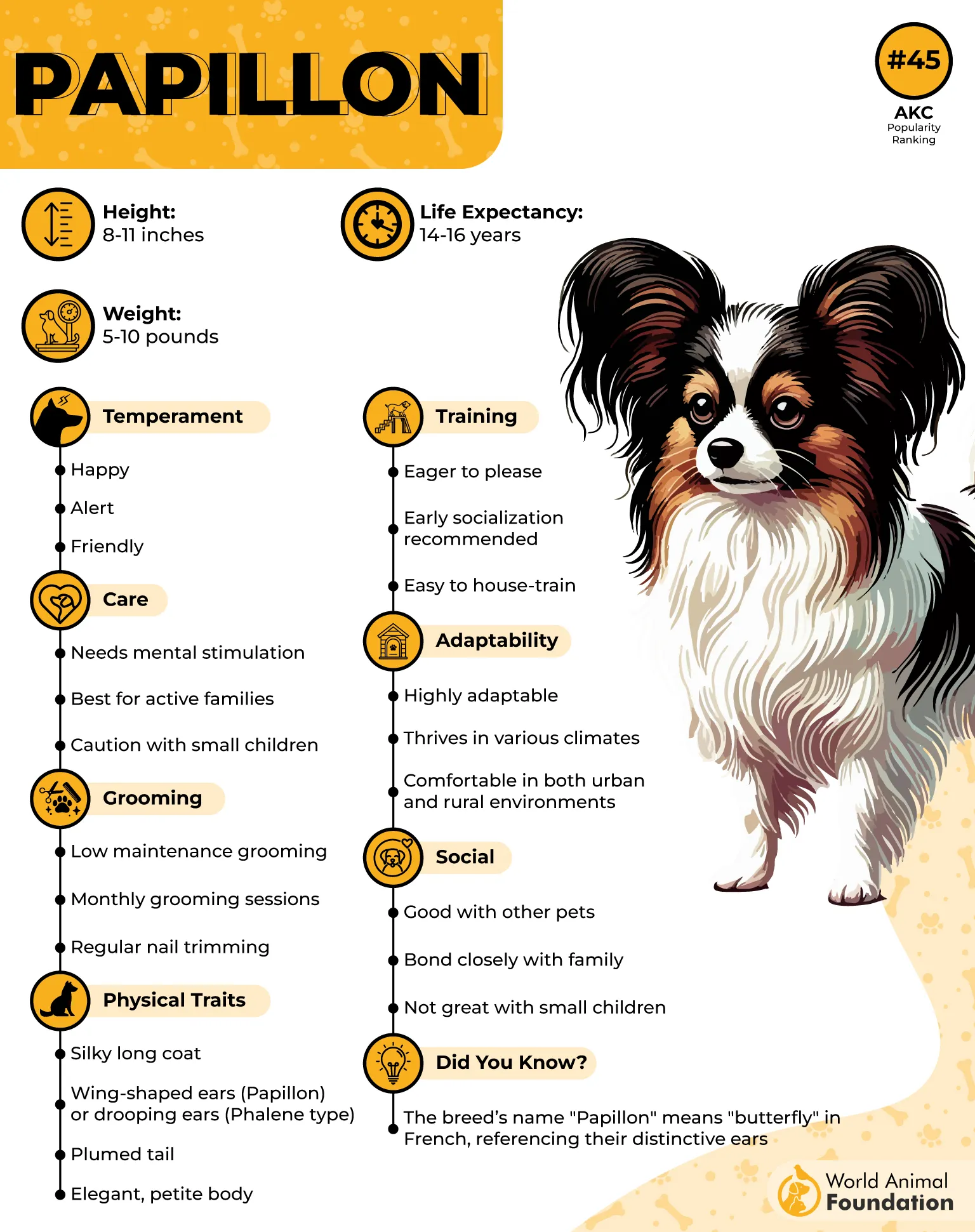
Simple but Regular Coat Care
Despite its flowing coat, this gentle and playful breed has fairly moderate grooming needs. It has no undercoat and generally sheds lightly, although weekly brushing with a slicker brush helps prevent tangles. A monthly bath with dog-friendly shampoo is usually sufficient.
6. Toy Poodle
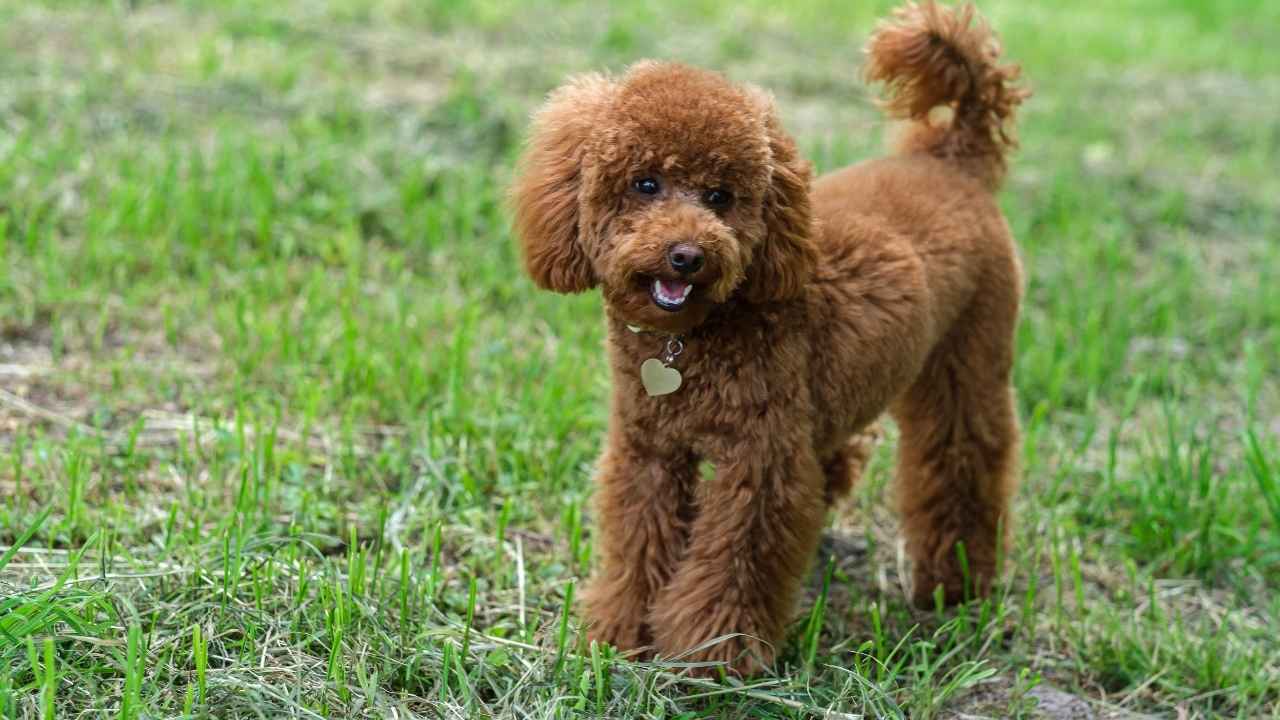
The Toy Poodle belongs to a breed with a history that stretches across Europe, although its earliest ancestry may have come from curly-coated dogs in Asia. Germany helped shape the Poodle we recognize today, while its popularity grew in France, where it became the country’s national breed.
A Little Dog With a Big Personality
This small dog breed loves being the center of attention and can turn simple moments into an entertaining performance. These affectionate companions enjoy praise, treats, and activities with their favorite people, so a quiet day rarely means being ignored for long.
Its small frame also calls for a few practical precautions:
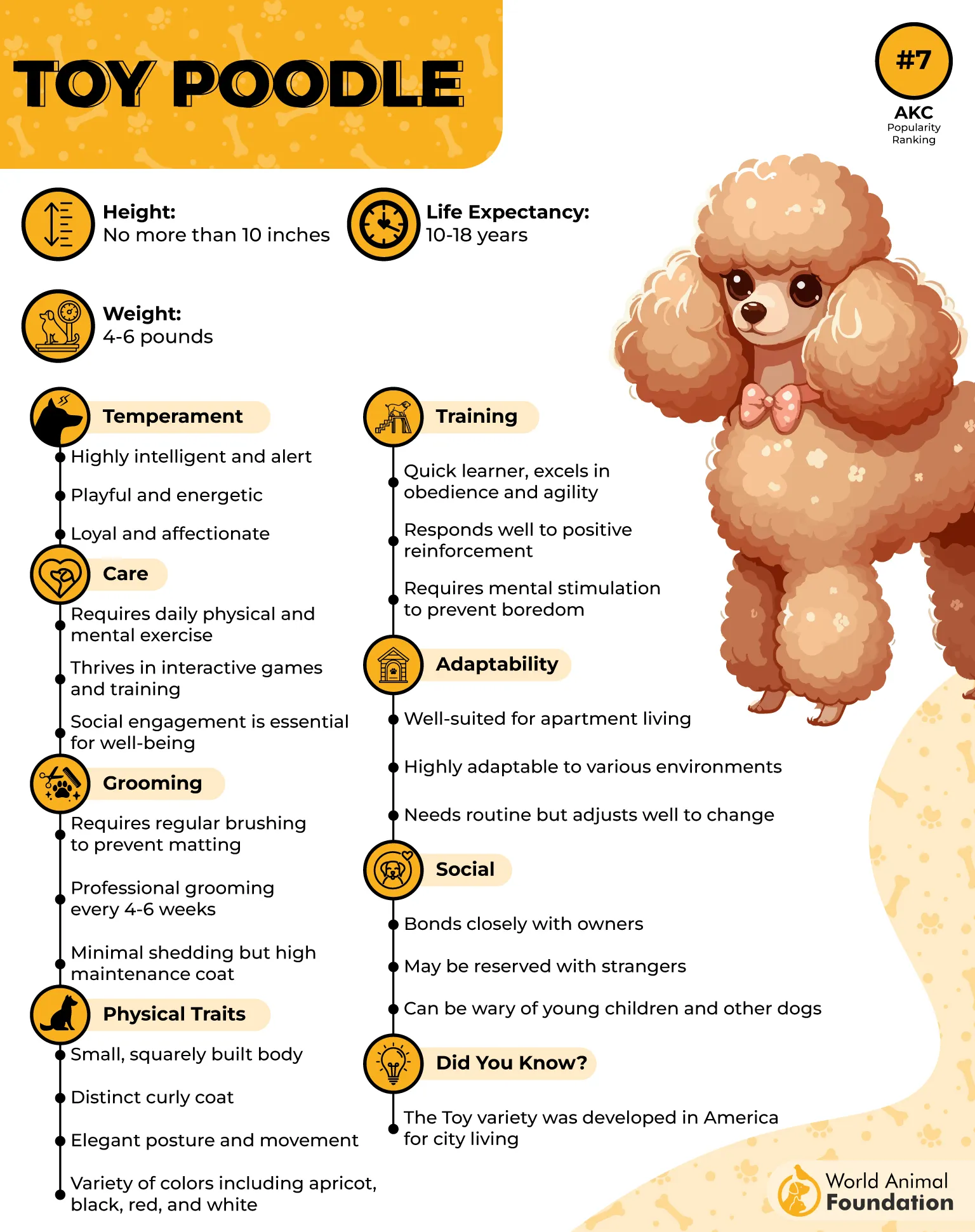
Usually measures under 10 inches tall.
Needs gentle, supervised play with young children
Requires careful monitoring around larger dogs.
Those Curls Need Regular Care
The Toy Poodle’s curly coat grows continuously, so brushing needs to be part of its routine. Daily attention helps prevent tangles, while professional grooming every four to six weeks keeps the coat manageable. Shorter haircuts generally require less brushing.
7. Shih Tzu
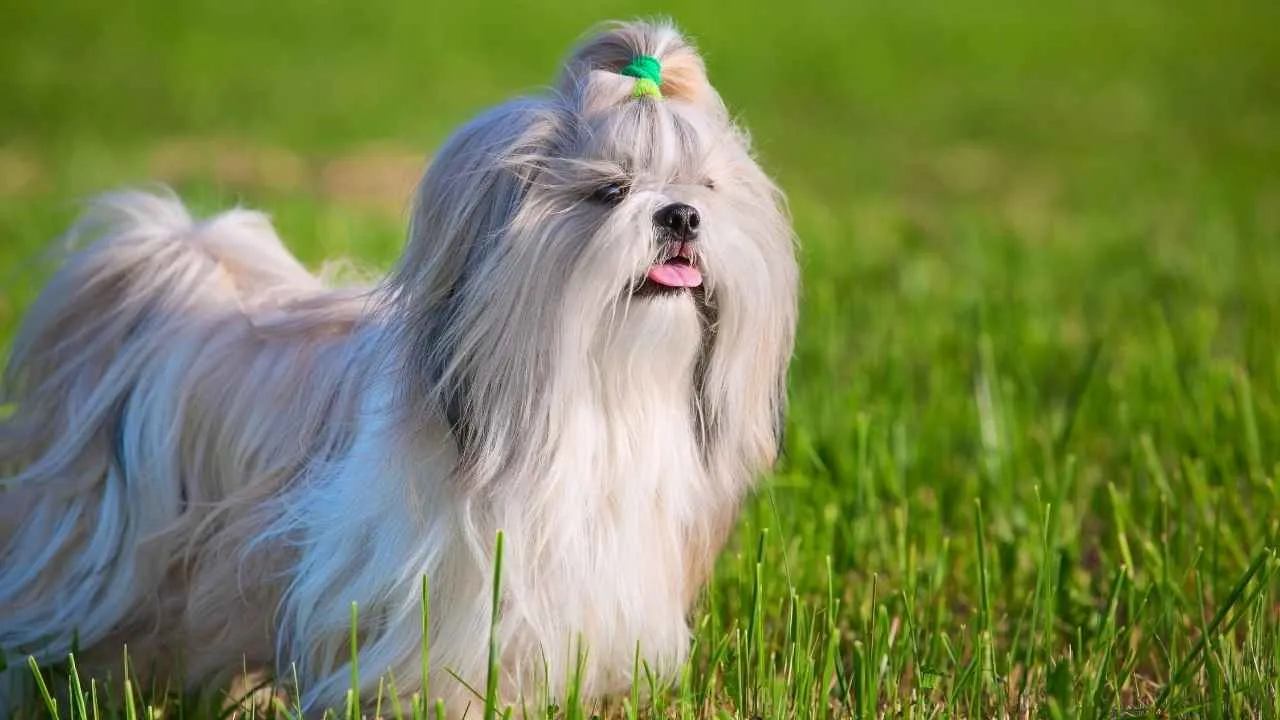
The Shih Tzu has a long association with China, where it was treasured as a companion and linked with Buddhist traditions. Often called the Lion Dog, it is also believed to have Tibetan roots and shares a resemblance with the Lhasa Apso. Its smaller size and broader skull eventually distinguished it as a separate breed.
A Soft Spot for Attention
These charming dogs have an easygoing, affectionate nature and are happiest when their favorite people are nearby. They enjoy cuddles, playful moments, and relaxed afternoons together, making companionship a big part of their daily routine.
Here is a clearer picture of their personality:
Usually enjoys the company of older children.
May become mouthy when play gets too rough.
Often alerts the household when someone arrives.
Keeping That Hair Tangle-Free
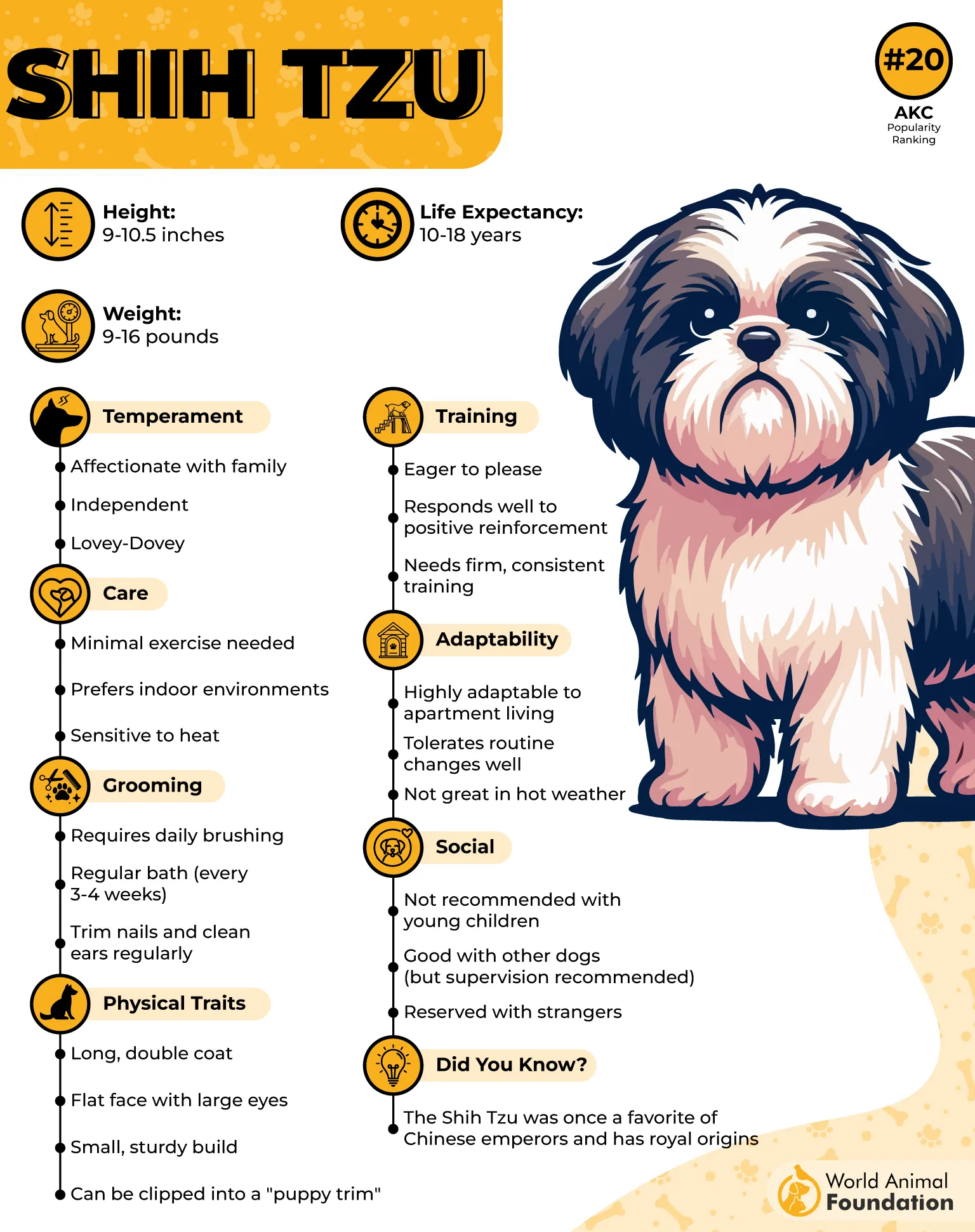
Daily brushing is important, especially when the coat is kept long, as knots can form close to the skin. A pin brush helps reach through the layers, while a fine-tooth comb works well around the mustache and topknot. Bathing about every three weeks helps keep the coat and skin clean without stripping away natural oils.
Conclusion
Living with a tiny dog can be a rewarding experience, especially when its personality suits your household. Grooming, however, can look quite different from one companion to another. Smooth coats may need only weekly brushing, while long, silky hair and thick curls require more frequent care. Temperament matters just as much.
Some little dogs enjoy meeting visitors and joining family activities, while others prefer familiar people and quieter surroundings. Think about your available time, living arrangements, and approach to training before bringing one home.
Knowing these everyday requirements can make the transition easier for everyone involved.
