




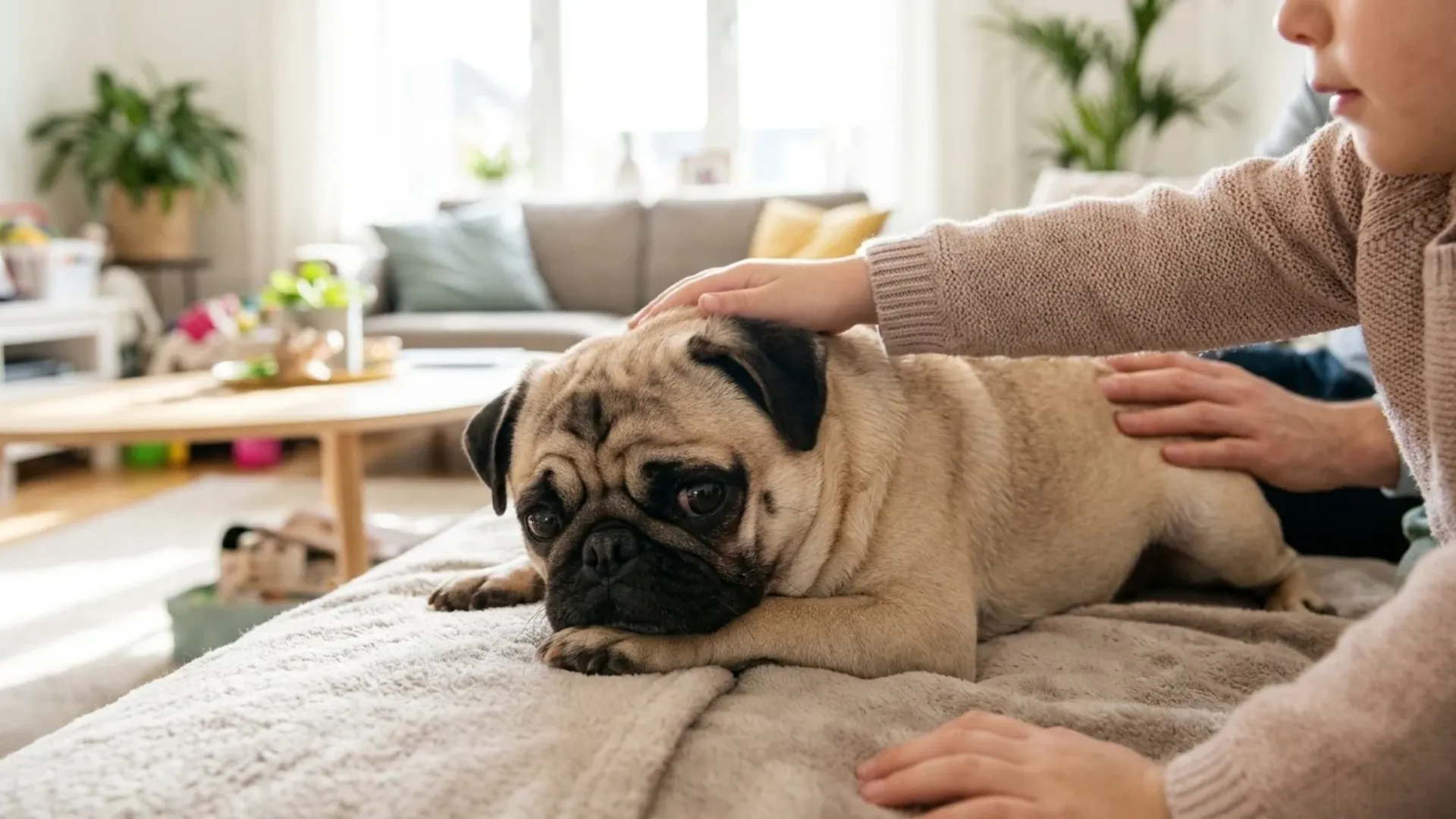
Family life can get noisy in a matter of seconds, especially when children are running through the house, toys are scattered across the floor, and everyone wants the dog’s attention at once.
In such an environment, a dog’s temperament matters as much as its size or appearance. Some dogs have a naturally patient disposition and can handle ordinary household activity with greater ease. Others may become uncomfortable around sudden movements, loud voices, or rough handling.
According to the American Kennel Club, temperament, socialization, and training all play important roles in shaping a dog’s behavior around people. Families need an incredibly affectionate dog that can fit into their daily routines and respond well to consistent guidance.
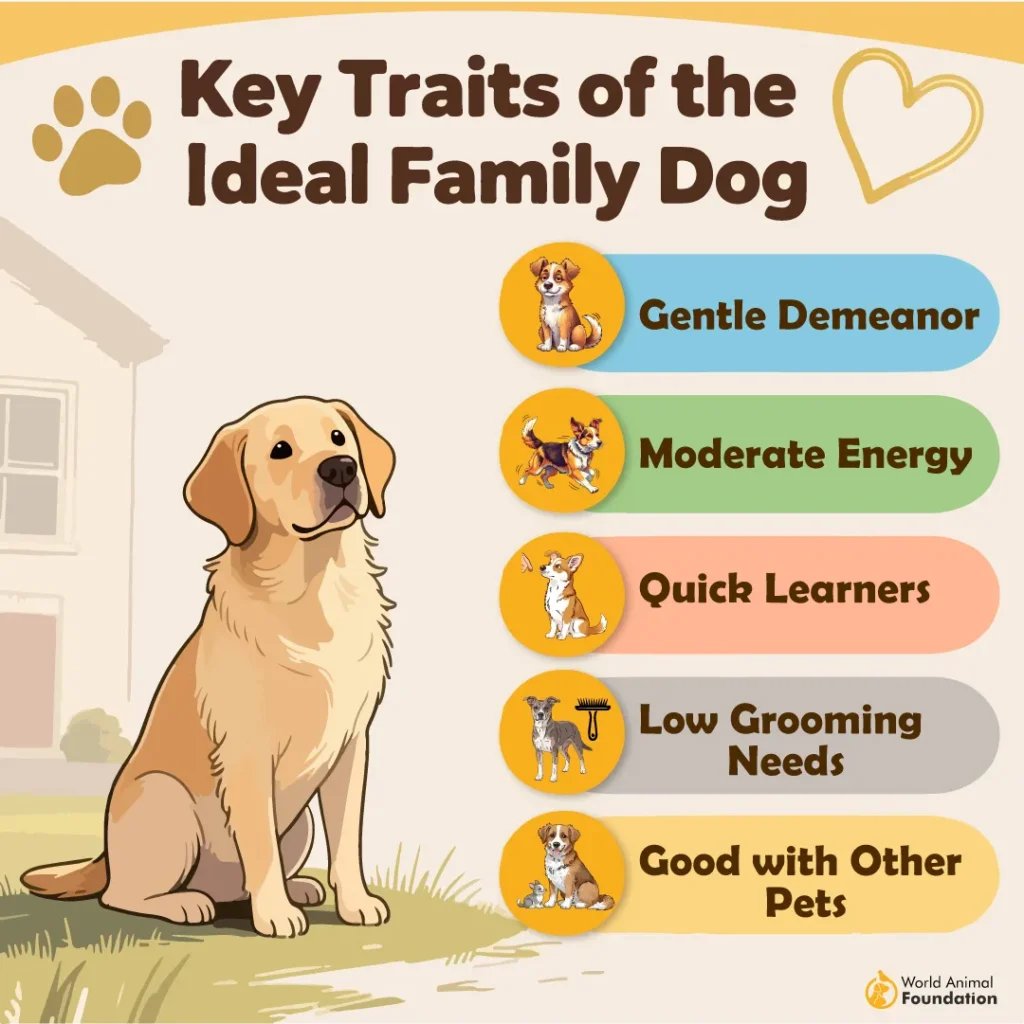
The following breeds offer a closer look at dogs known for their dependable nature, family compatibility, and patience, helping you find a companion suited to a happier household.
Key Takeaways
Ever wondered why Golden Retrievers are trusted with important jobs like guiding people and helping in search-and-rescue operations?
Their gentle nature also makes them wonderful family companions, while Pugs bring their own cheerful habits and amusing little antics.
Labrador Retrievers are equally affectionate, often following family members around the house and leaning against them for attention.
Keep reading to discover which other breeds have the patience and friendly nature that families appreciate.
Highly Reliable Dog Breeds for Anger‑Free Families
1. Golden Retriever

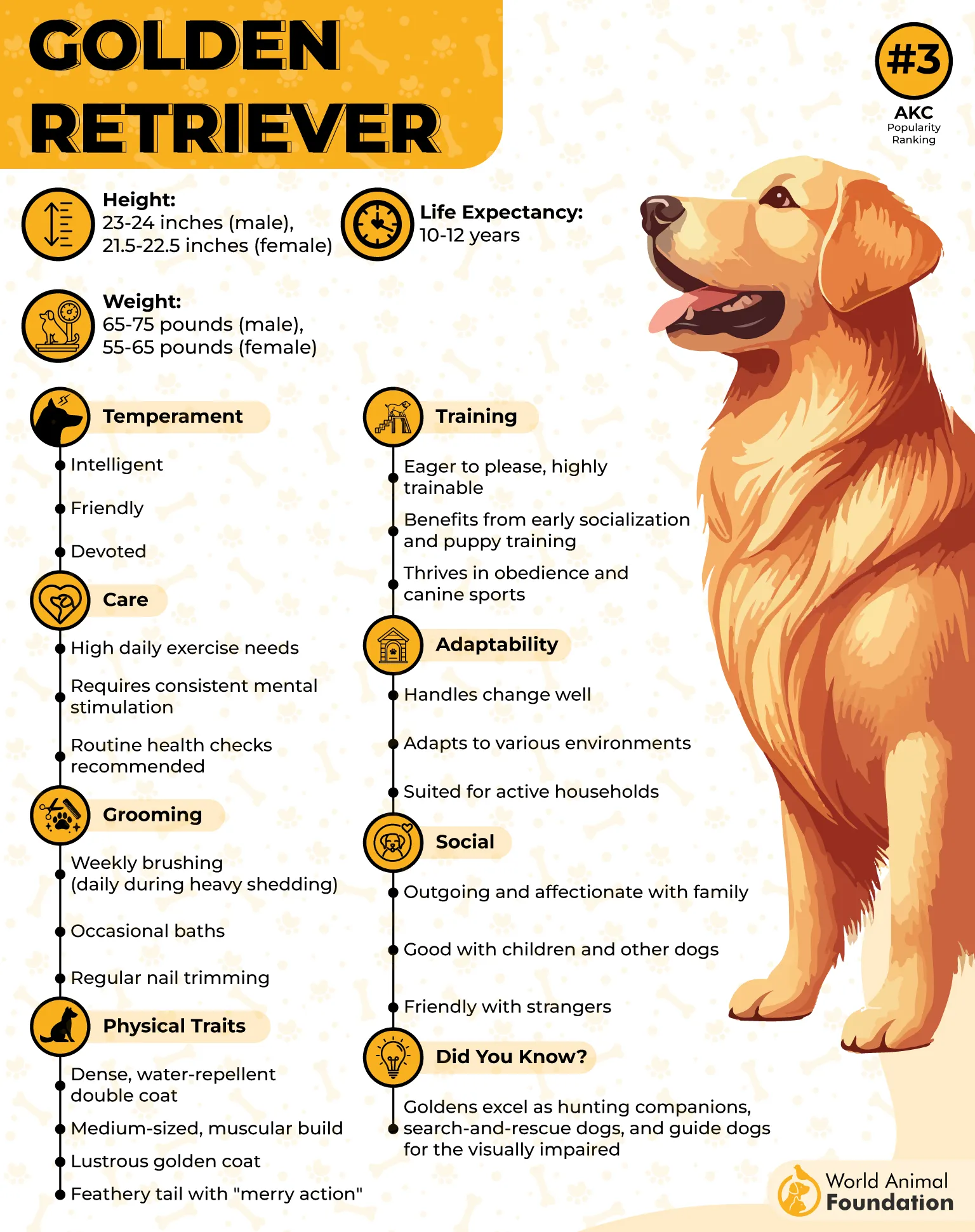
The Golden Retriever originated in Scotland during the mid-19th century, when Lord Tweedmouth wanted a capable gundog for retrieving game through dense undergrowth. Selective crosses involving a Newfoundland, a Water Spaniel mix, and later Setters helped shape the breed, including its famously gentle mouth.
A Gentle Presence Around Family
Golden Retrievers are affectionate, easygoing dogs that generally behave gently around children and other people. Their friendly nature makes everyday family interactions easier, especially in homes where visitors and familiar faces come and go.
Their social nature comes through in several other ways:
Usually welcomes unfamiliar visitors.
Gets along well with other household animals.
Enjoys joining family games and outings.
Bright Minds and Helpful Roles
This best dog breed is usually eager to learn and responds well to consistent, positive training methods. Its intelligence and willingness to cooperate have made it useful in demanding assistance roles, including guide work, hearing support, therapy, and search-and-rescue operations, as Omlet claims.
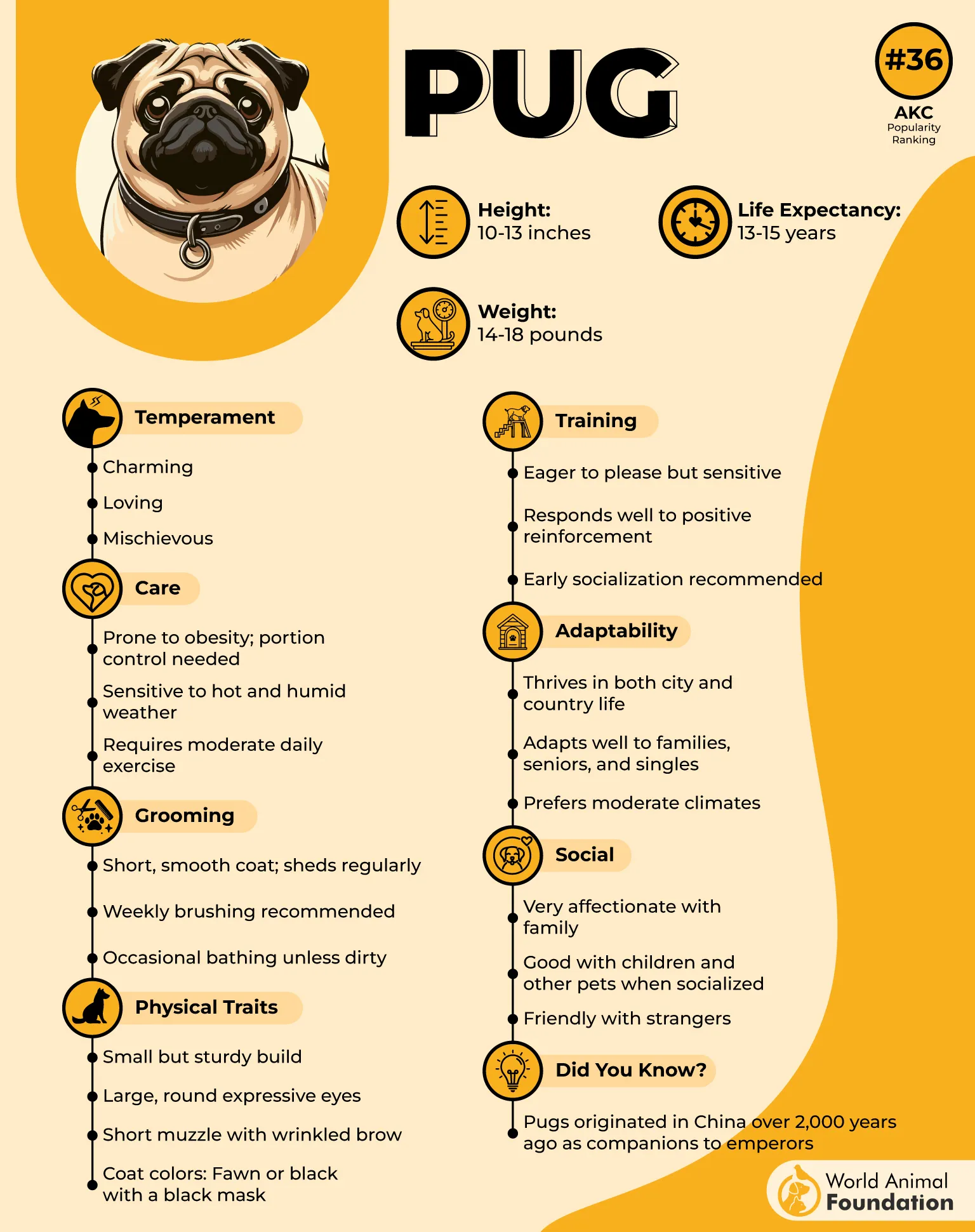
2. Pug
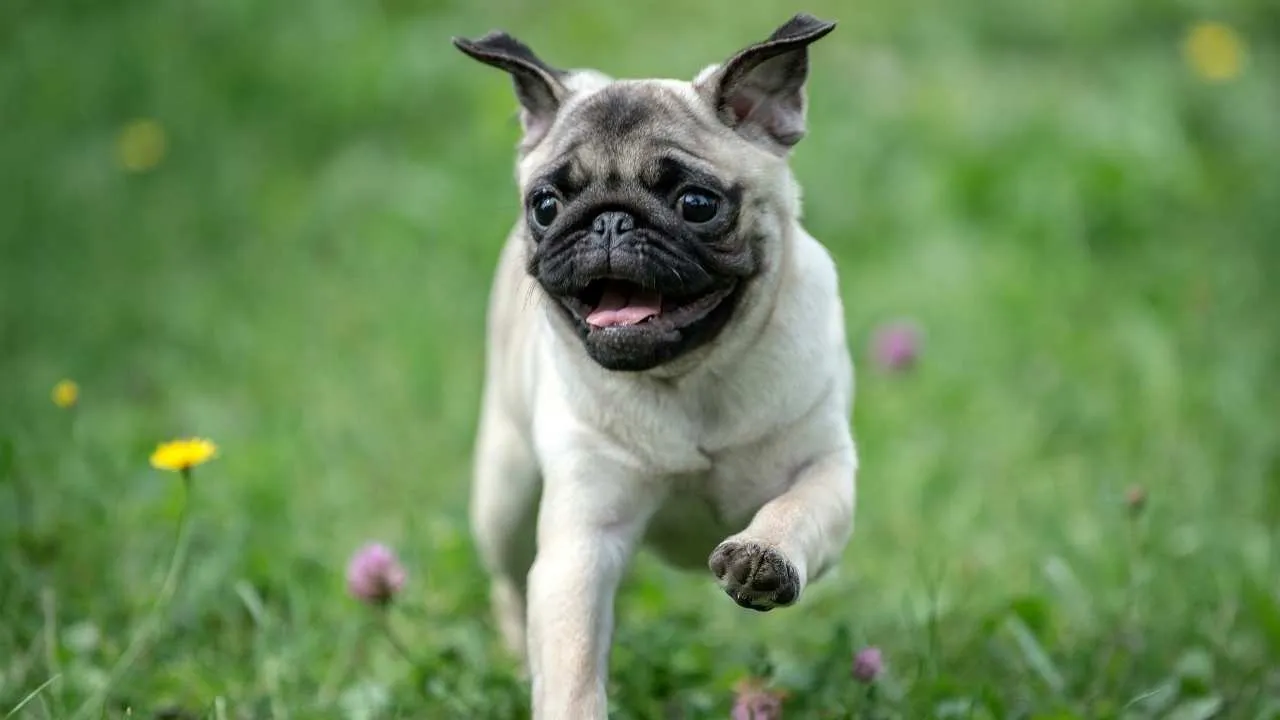
The Pug has ancient roots in the Orient and is believed to descend from larger mastiff-type dogs. It was once a favored companion in Tibetan monasteries before eventually traveling from China to Europe aboard trading ships associated with the East India Trading Company during the 1700s.
A Friendly Face Around the House
This affectionate breed has a cheerful, easygoing nature that makes family interactions enjoyable. According to Pawlicy Advisor, they generally get along well with children, babies, other pets, and visitors, and they love being included in whatever is happening around the house.
These familiar Pug habits add to their amusing personality:
Often performs little antics to attract attention.
Has a famously enthusiastic appetite.
Usually makes more snorting and snoring sounds than barking.
Those Big, Expressive Eyes
A Pug’s large, prominent eyes give its face a distinctive and expressive appearance, but they also need extra care and protection. Children should learn to handle the dog gently during play, since accidental bumps or rough physical contact can easily injure its sensitive eyes.
3. Labrador Retriever
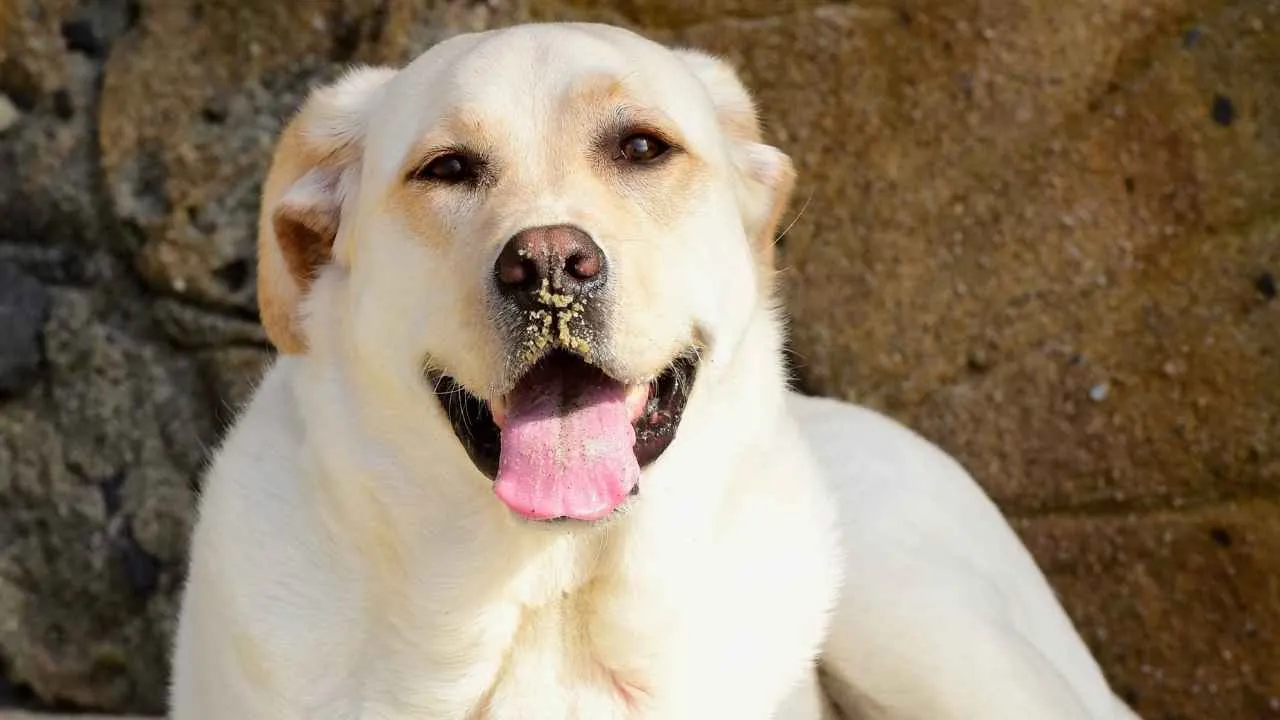
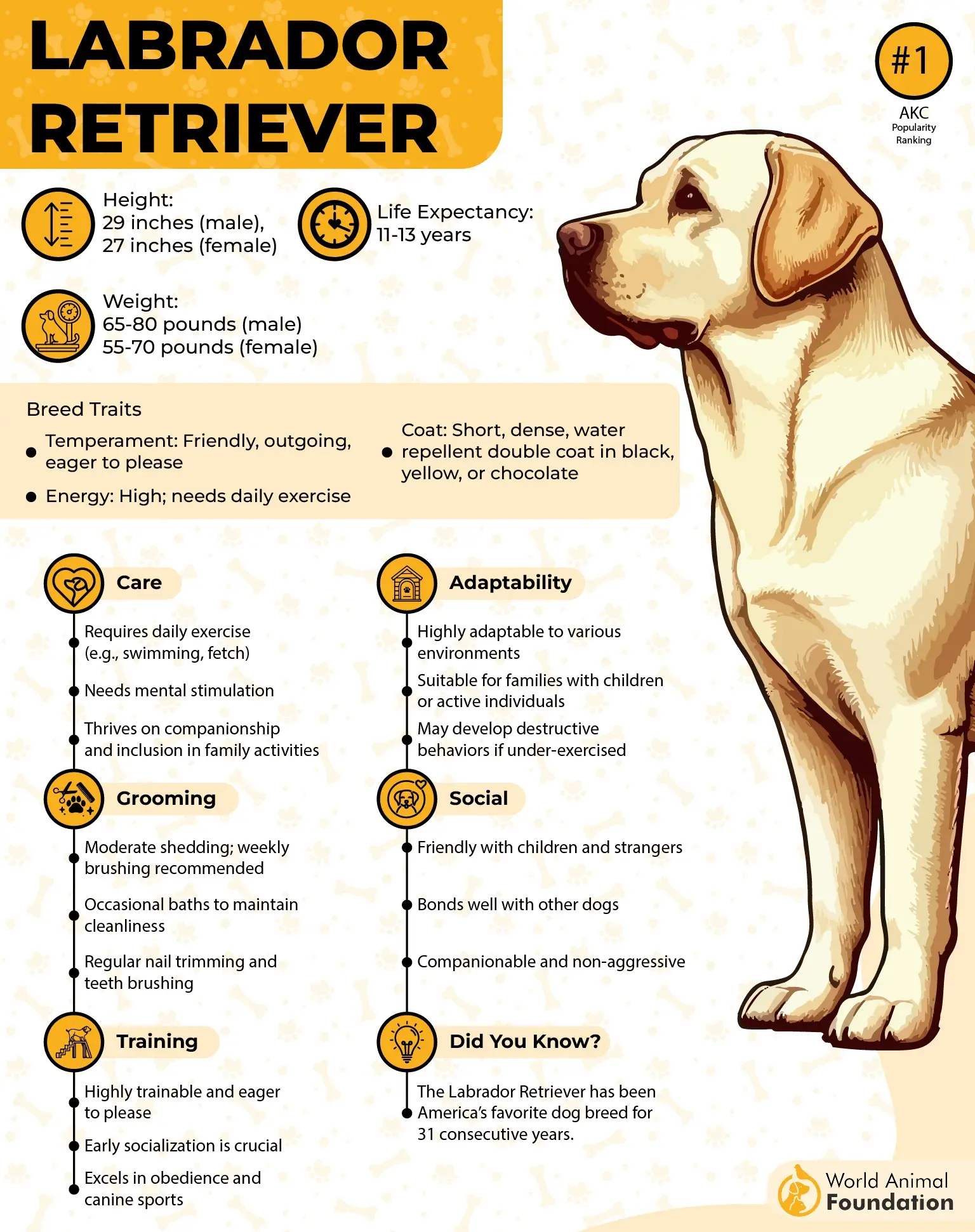
The Labrador Retriever’s ancestors were smaller black working dogs from Newfoundland, where they retrieved fish and game and helped fishermen with their boats. Some reached England in the early 1800s, where a breeding program shaped the modern breed.
Patient With the Whole Family
Labradors are known for their gentle nature around children and their friendly attitude toward people and other animals. They usually welcome visitors with enthusiasm, making everyday interactions easier in homes with children, dogs, or even cats.
These everyday habits give a better picture of life with a Lab:
Often follows family members from room to room.
Leans against people when asking for attention.
Can become mischievous during lengthy periods alone.
Smart Enough for Important Jobs
This furry friend learns quickly and enjoys having something to do, which makes early, consistent training especially useful, as noted by Pooch and Mutt.
Their intelligence and willingness to follow instructions have made them valuable as guide dogs, hearing assistance dogs, therapy companions, and detection dogs.
4. Cavalier King Charles Spaniel
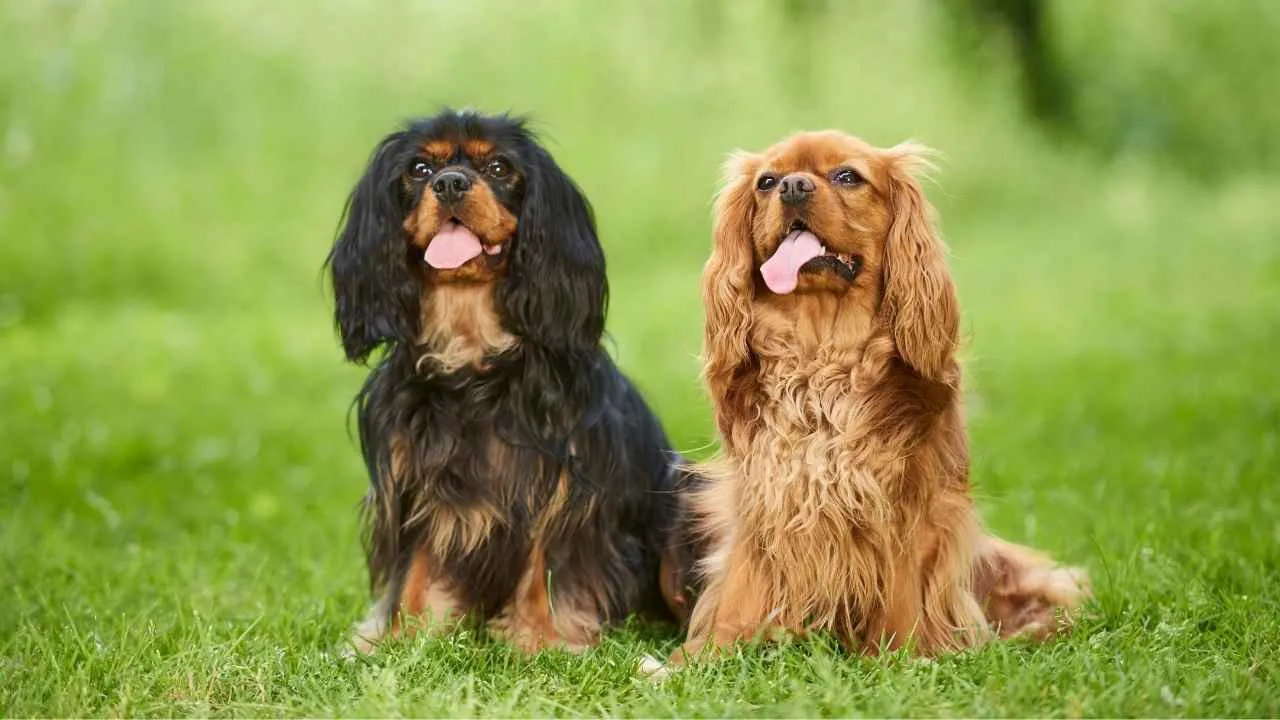
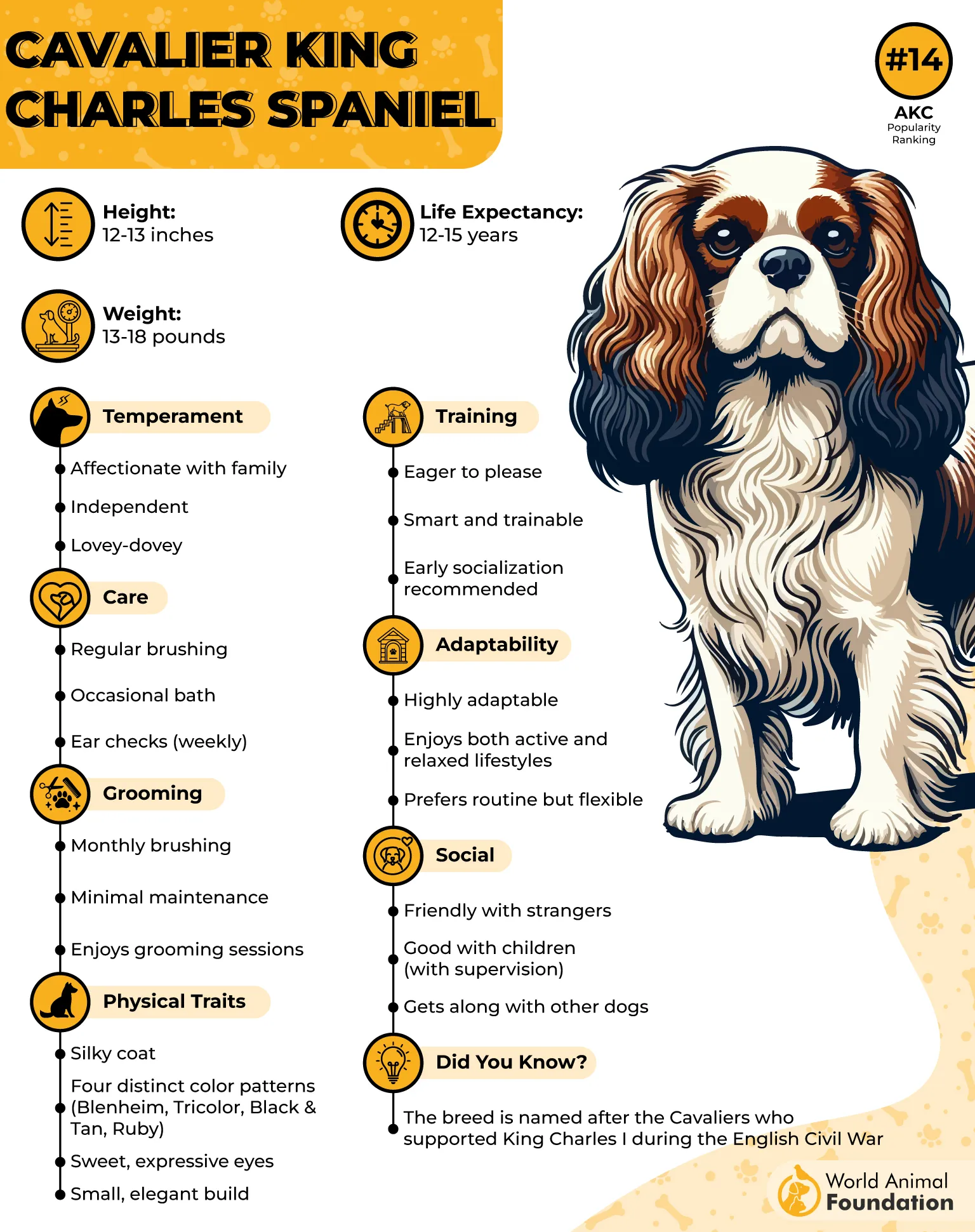
The Cavalier King Charles Spaniel has a history dating to Tudor England, where these little dogs served as lap companions and even warmed their owners’ feet. King Charles II became especially fond of the breed in the 17th century, and his name eventually became part of its identity.
A Gentle Nature Around the Family
Kind-hearted and easygoing, this small breed enjoys being close to its favorite people and joining their everyday activities. Its playful disposition and eagerness to please make it an appealing companion for households that appreciate a friendly, affectionate dog.
A few more details reveal its social side:
Usually welcomes unfamiliar visitors.
Often gets along well with cats.
May feel hesitant around much larger dogs.
A Balance of Play and Quiet Time
Outdoor romps and regular daily walks suit this moderately active companion, while quiet afternoons relaxing at home are equally welcome. Cavaliers enjoy a relaxed weekend with their families too, provided their daily walks and regular bathroom breaks remain part of the routine.
5. Shih Tzu
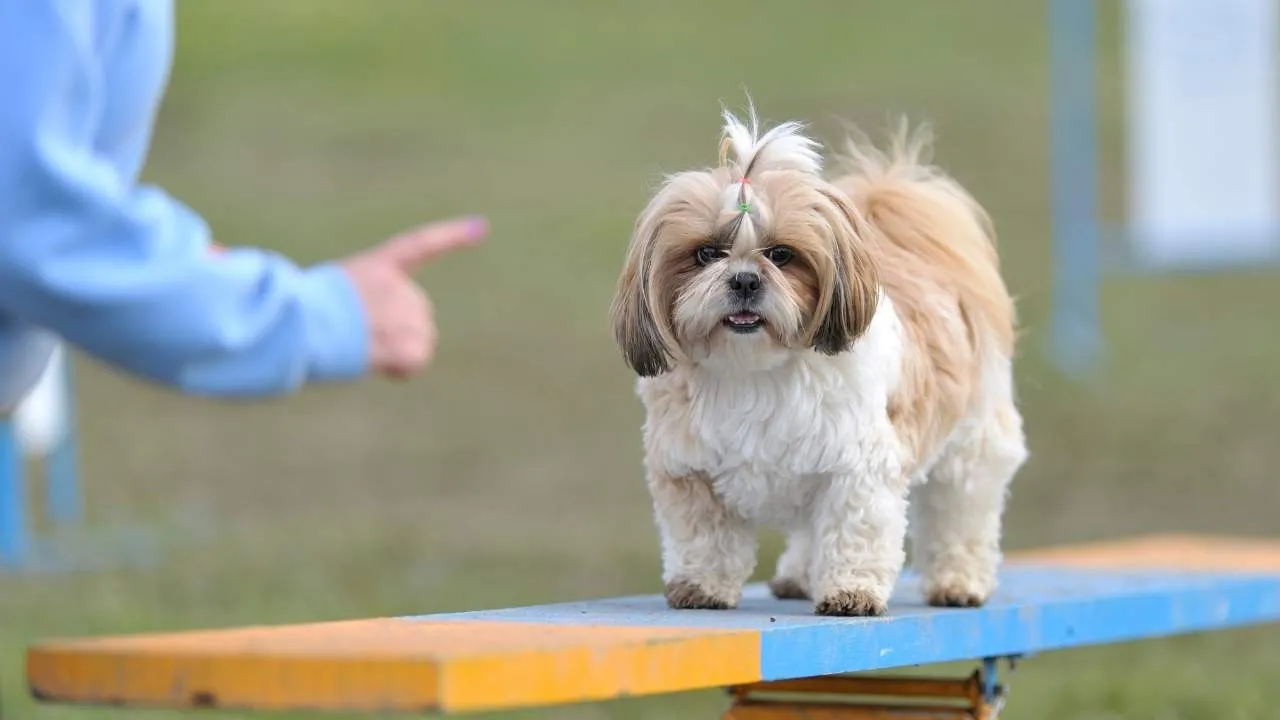
The Shih Tzu has a long association with China and Buddhist tradition, where it was affectionately known as the Lion Dog. Its earlier roots are often linked to Tibet, and one theory suggests that the breed’s ancestry includes both the Pekingese and Lhasa Apso.
An Easygoing Housemate
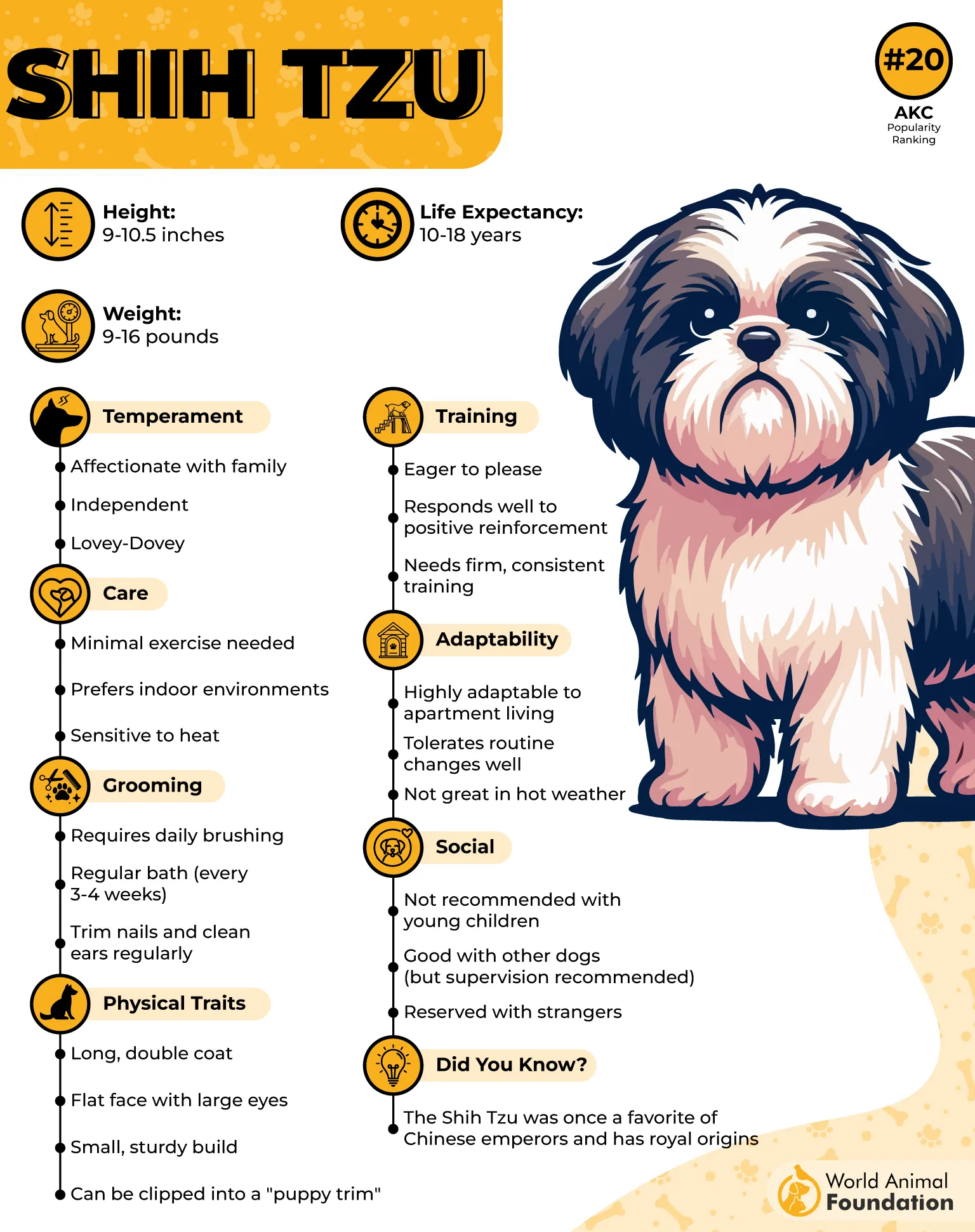
Friendly and affectionate, the Shih Tzu generally gets along well with people, visitors, and other pets. It enjoys spending time with its family and can be a pleasant companion for older children who understand gentle play, as rough handling may trigger a snappy response.
These other habits make this little companion interesting:
Alerts the household when someone arrives.
Loves resting on soft pillows and beds.
Can make a suitable emotional support companion.
Patience During Training
Shih Tzus can have a strong independent streak, which sometimes makes basic obedience lessons a little slower than expected. Short, patient training sessions work better, and this clever little dog can even enjoy activities such as agility when given the right opportunity.
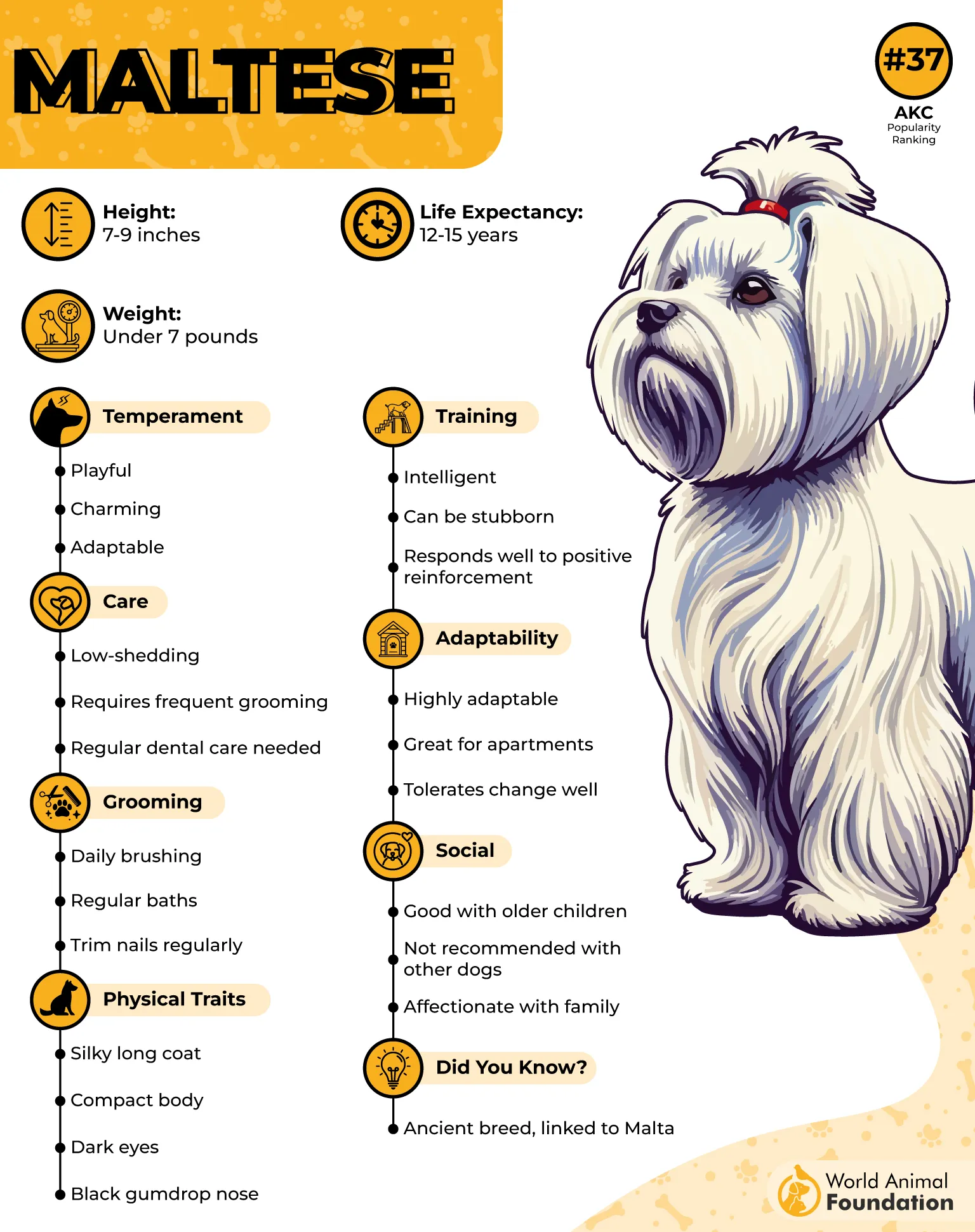
6. Maltese
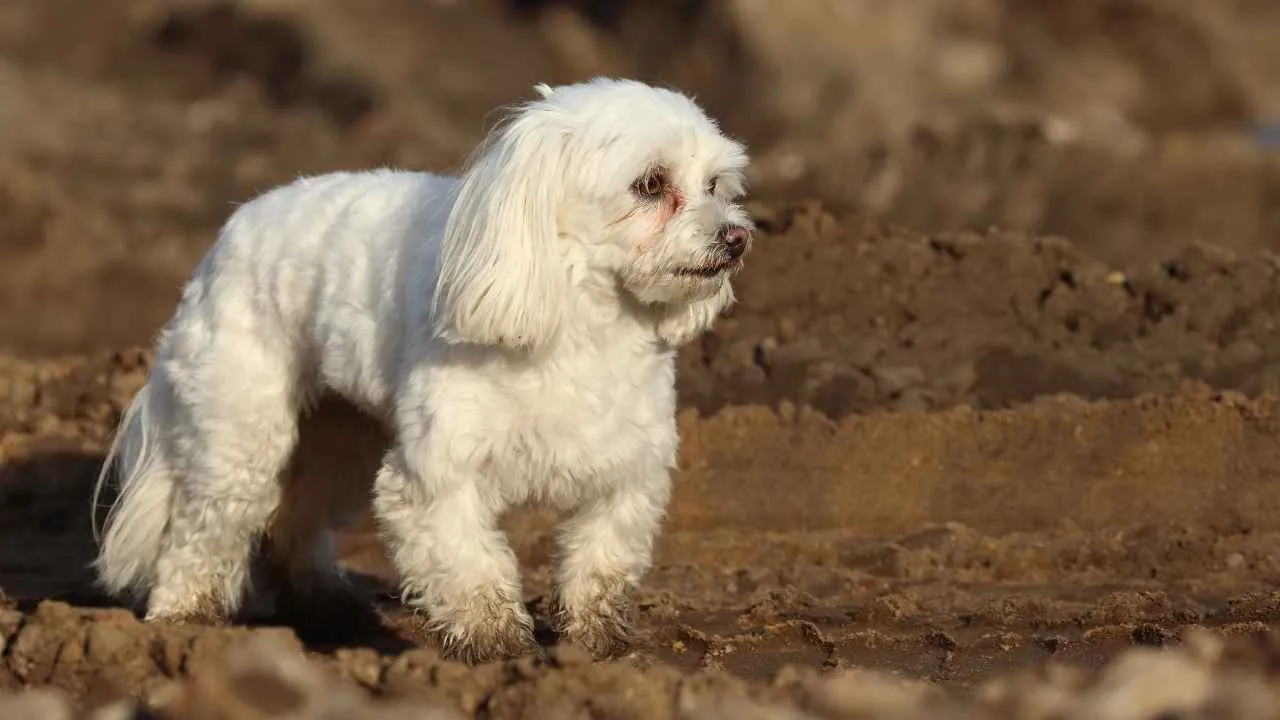
The Maltese has an uncertain origin, although some accounts suggest its ancestors reached Central Europe through traders traveling across Asia.
Its name is linked to Malta, an important trading port, and by the 14th century, the breed had become a fashionable companion among upper-class women in England.
A Gentle Presence at Home
The Maltese is affectionate, friendly, and happiest when spending time with its family. It generally gets along well with children and other pets when properly introduced, making it a pleasant companion in households where everyone treats small dogs gently.
These other qualities make this little dog interesting:
Alerts the household when someone approaches the door.
Retains a playful, puppy-like attitude into adulthood.
Has a naturally affectionate temperament suited to therapy work.
Small Space, Simple Exercise
Apartment living can suit the Maltese well, as a short daily walk and some backyard play are generally enough for its modest activity needs. Its small, delicate body also calls for supervision around babies and very young children, who may accidentally handle it too roughly.
7. Yorkshire Terrier
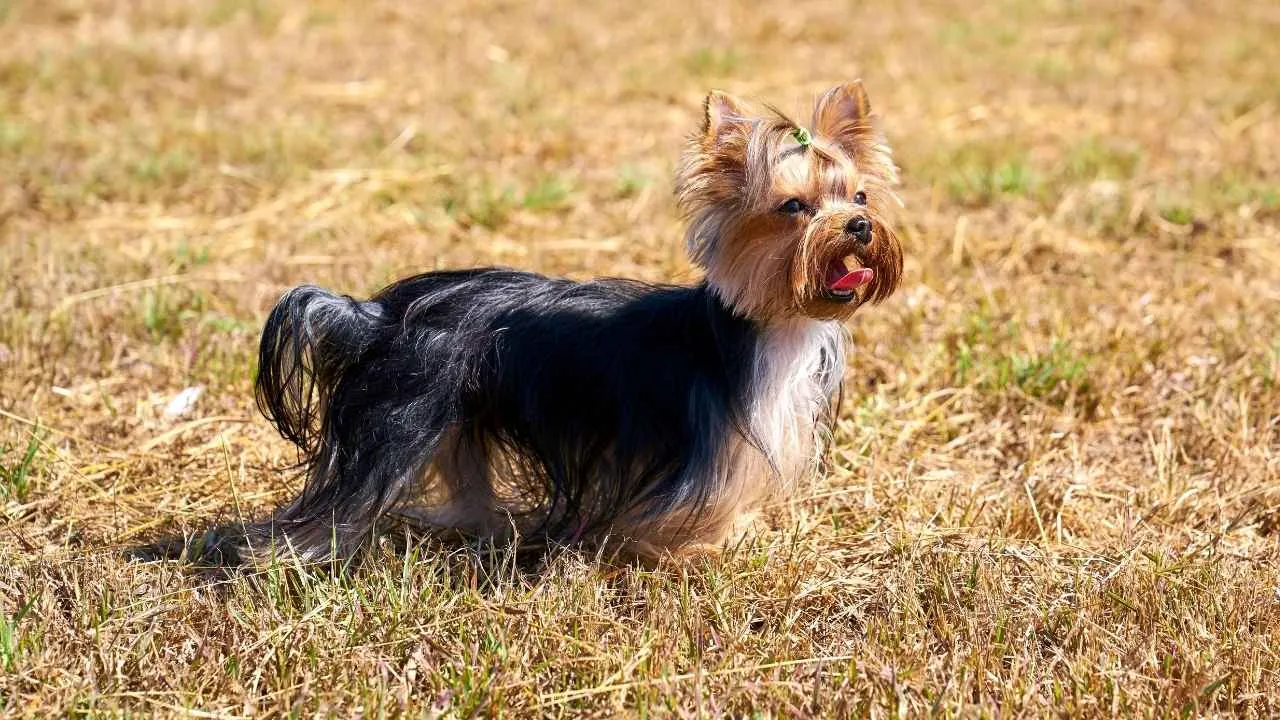
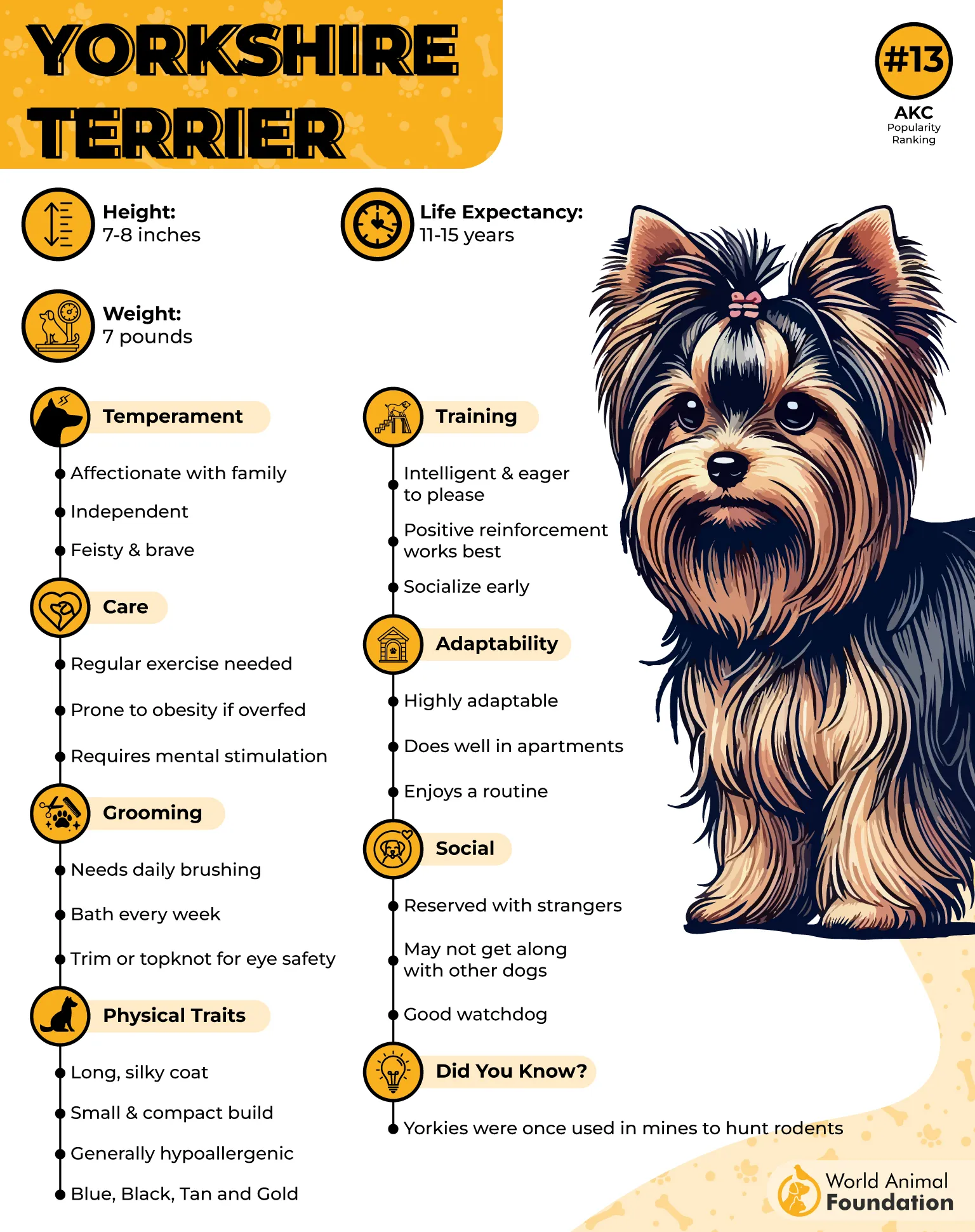
The Yorkshire Terrier developed in 19th-century England, when Scottish workers brought small terriers to Yorkshire’s cotton mills. These dogs hunted rats around the workplaces, and crosses with Waterside, Paisley, and Skye Terriers helped shape the little breed known today.
A Big Personality at Home
Yorkies are affectionate and loyal companions, although their strong attachment can sometimes turn into overprotective behavior. They may bark frequently and react to people approaching the front door, so consistent guidance helps keep household interactions more manageable.
These early lessons help build good habits:
Introduce them to unfamiliar people from puppyhood.
Begin basic cue training as early as possible.
Use puppy classes to practise polite behavior around other dogs.
Gentle Play Around Children
Yorkies can make affectionate family companions, but their tiny size calls for care during play. Younger children may handle them too roughly or mistake them for toys, so an adult should supervise their interactions and teach children to treat the dog gently.
Conclusion
A dependable family companion with a gentle temperament should feel comfortable around the people, sounds, and routines of everyday home life. This can make the transition easier for first-time dog owners, but children still need guidance about handling and respecting a dog. Supervision is important during play, particularly with small or delicate companions.
Training and early socialization help dogs respond appropriately to visitors, other pets, and unfamiliar situations. Consider activity levels, grooming needs, and attention requirements before making a decision. Some dogs enjoy dog sports, while couch potatoes may prefer moderate exercise and quiet routines.
A thoughtful choice can help you find the perfect match and create a calmer household for everyone.
