




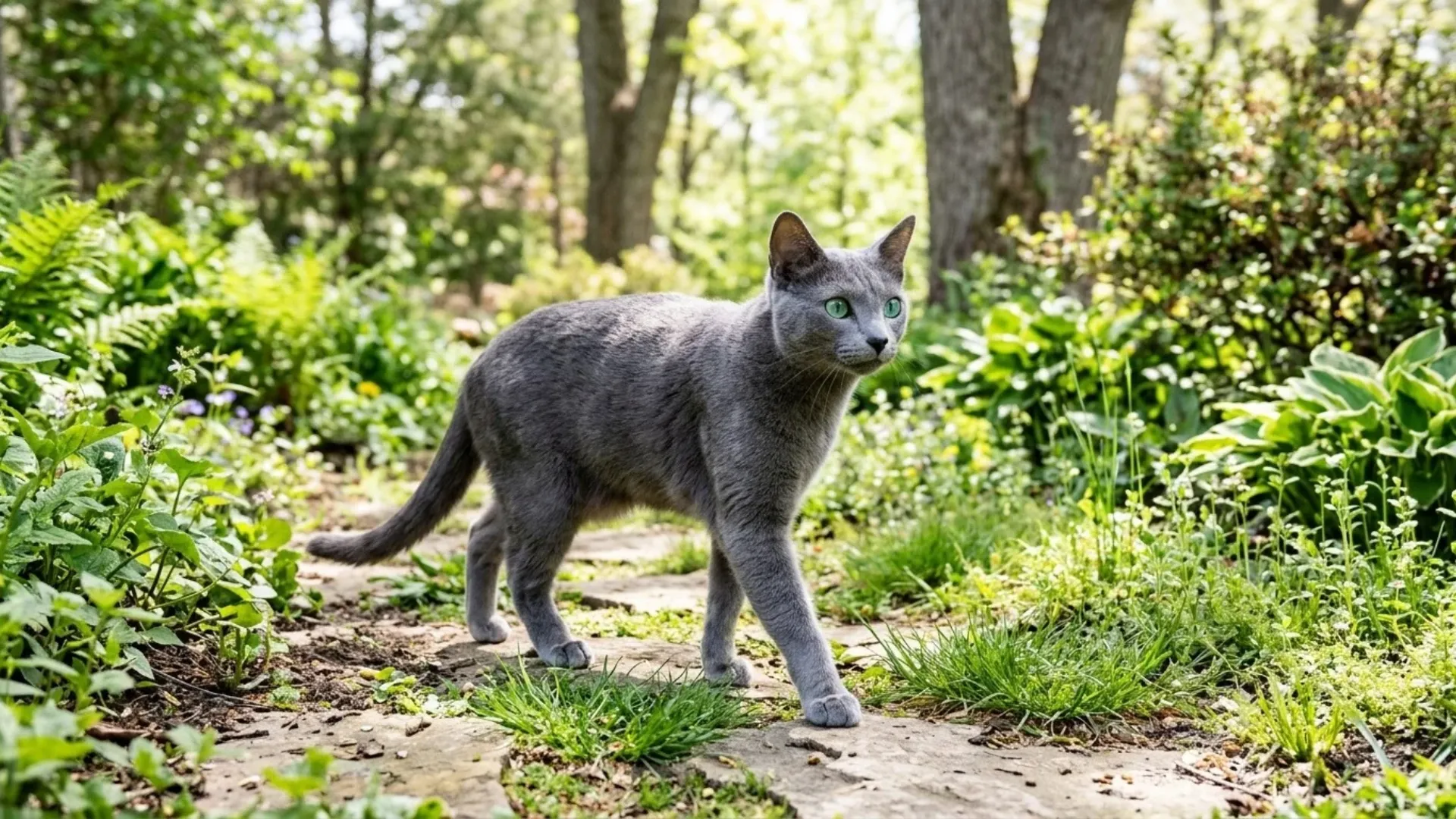
Not every cat wants to spend the day curled up in your lap or following you from room to room. Some felines are naturally more self-reliant, enjoying opportunities to explore, play, and relax without constant human interaction.
Independent cat breeds can be a good match for people with busy work schedules or active family lives. They may be comfortable spending several hours alone, provided they have toys, a stimulating environment, and their basic needs are met.
Explore seven independent cat breeds and discover which self-sufficient feline might fit your lifestyle while remembering that every cat still needs care, companionship, and affection.
Most Independent Cat Breeds
1. British Shorthair
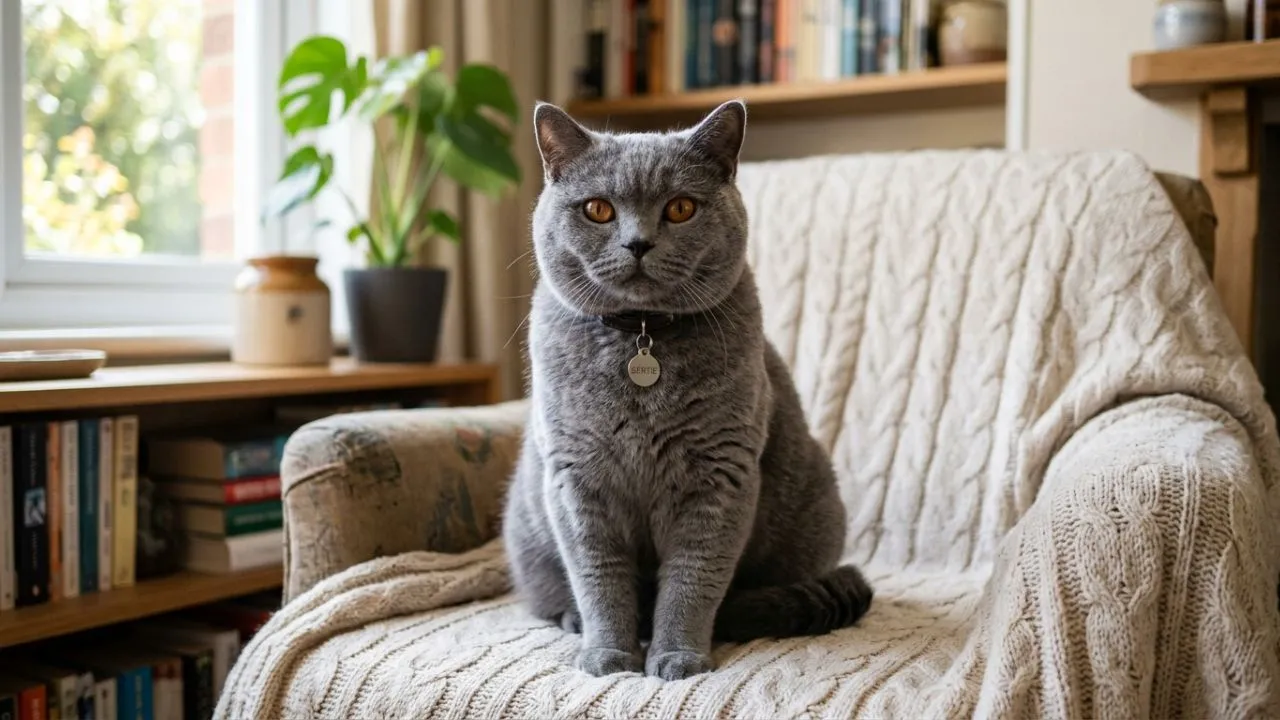
The British Shorthair is a relaxed, self-sufficient cat that suits owners who spend part of the day away from home. Rather than constantly seeking attention, this breed is happy to nap or quietly occupy itself until its favorite people return.
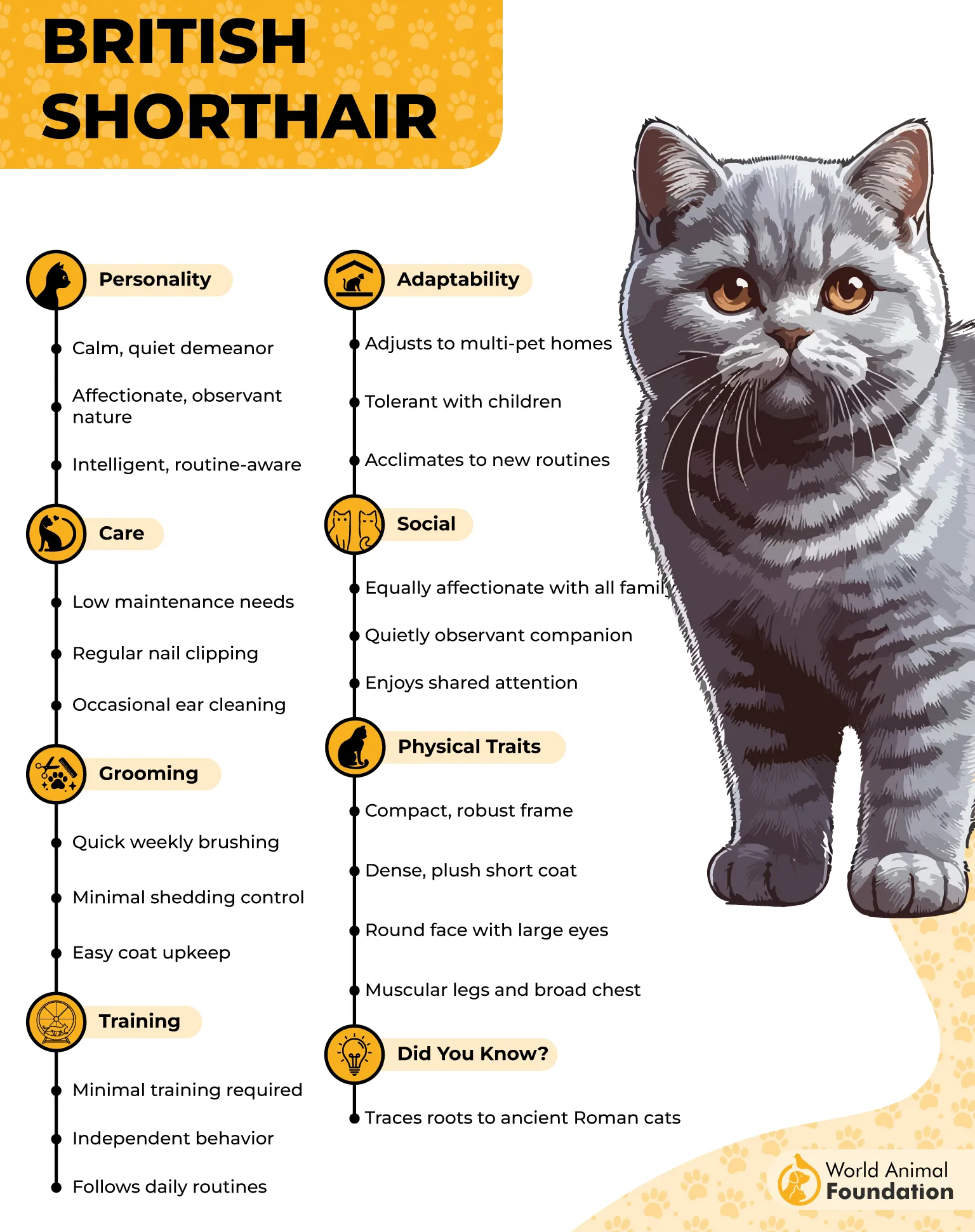
According to Purina, British Shorthairs tend to shed more during spring and fall, making frequent brushing helpful during these periods, while a weekly grooming routine is generally sufficient for the rest of the year.
Although independent, British Shorthairs can be affectionate without becoming overly demanding. They may enjoy settling beside their owners or curling up on a lap after a long day. Providing prey-like toys and other enrichment also helps satisfy their natural hunting instincts.
Their short, dense fur is relatively easy to maintain, usually benefiting from weekly brushing. While blue-gray is a familiar coat color, British Shorthairs come in several other shades as well.
How This Breed Stands Out
Comfortable spending time alone: Content to rest or entertain itself while its owners are busy.
Plush coat and round cheeks: Its dense, velvety fur and full cheeks give the breed its distinctive, rounded appearance.
2. Russian Blue
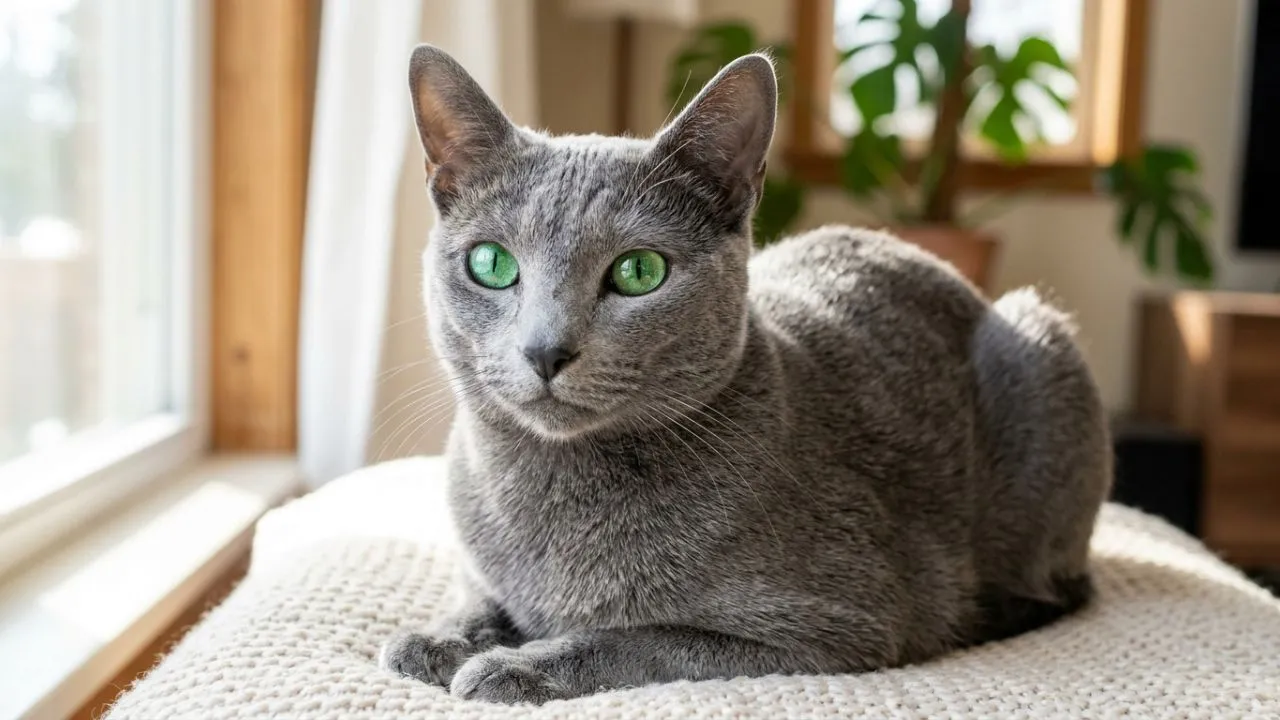
The Russian Blue is a graceful, quiet cat that values companionship without constantly demanding attention. Although it forms close bonds with its family, this self-reliant breed can happily occupy itself while its owners are busy and can usually be left alone for a full workday.
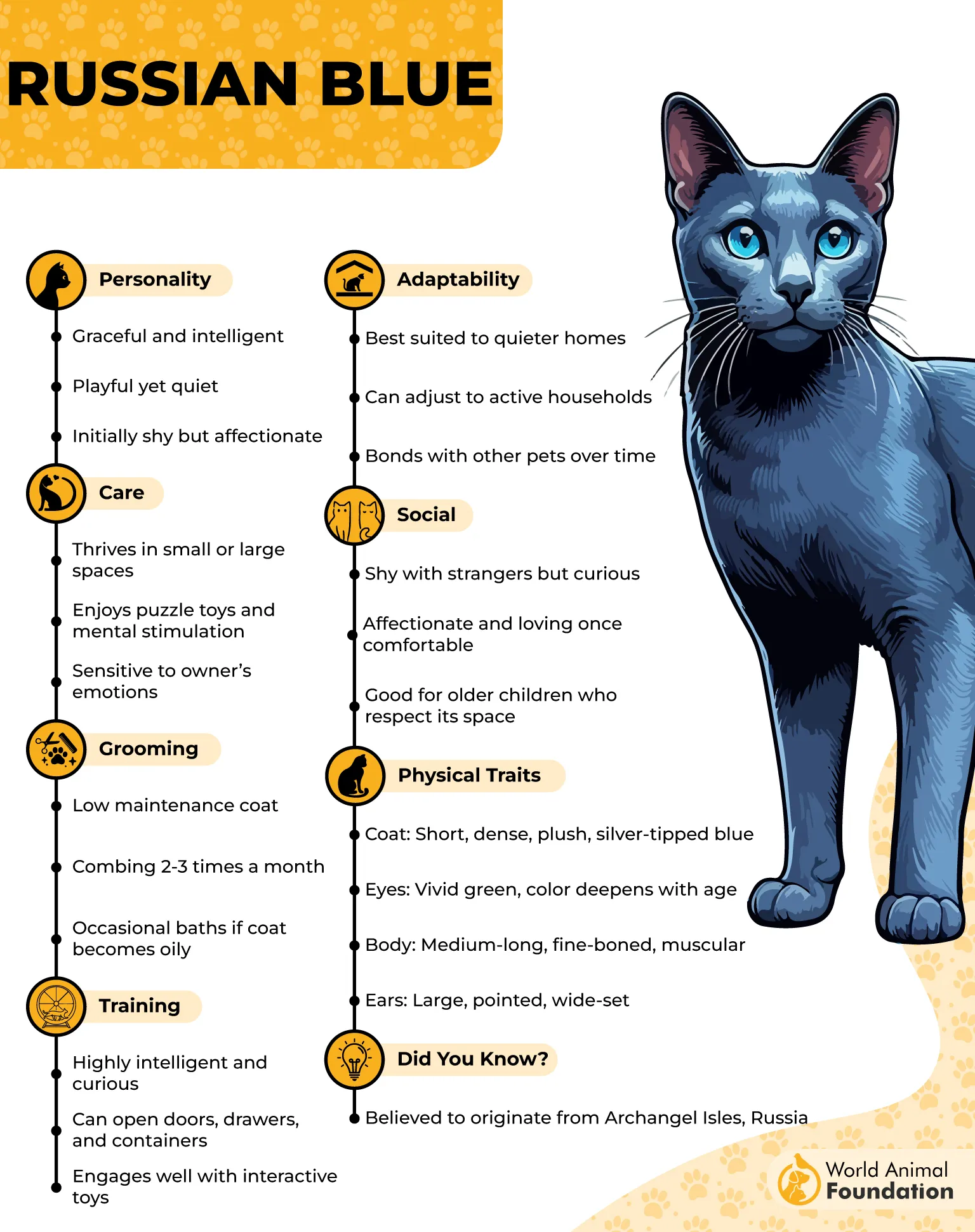
According to Petplan, Russian Blue cats can be excellent family companions but thrive best in calm homes with consistent routines, as young children and energetic pets may cause them stress.
Rather than seeking nonstop activity, Russian Blues enjoy observing their surroundings from elevated perches or watching birds through a window. They appreciate occasional play sessions but are not high energy, generally balancing their curiosity with plenty of peaceful downtime.
Their short, smooth coat has a distinctive silver-blue sheen and is relatively easy to maintain with weekly brushing. These cats may take time to warm up to unfamiliar people and often feel more comfortable when their surroundings remain familiar.
How This Breed Stands Out
Reserved around strangers: Russian Blues can be cautious with unfamiliar visitors but affectionate with people they trust.
Prefers predictable routines: A calm, consistent environment can help these sensitive cats feel secure and settled.
3. Norwegian Forest Cat
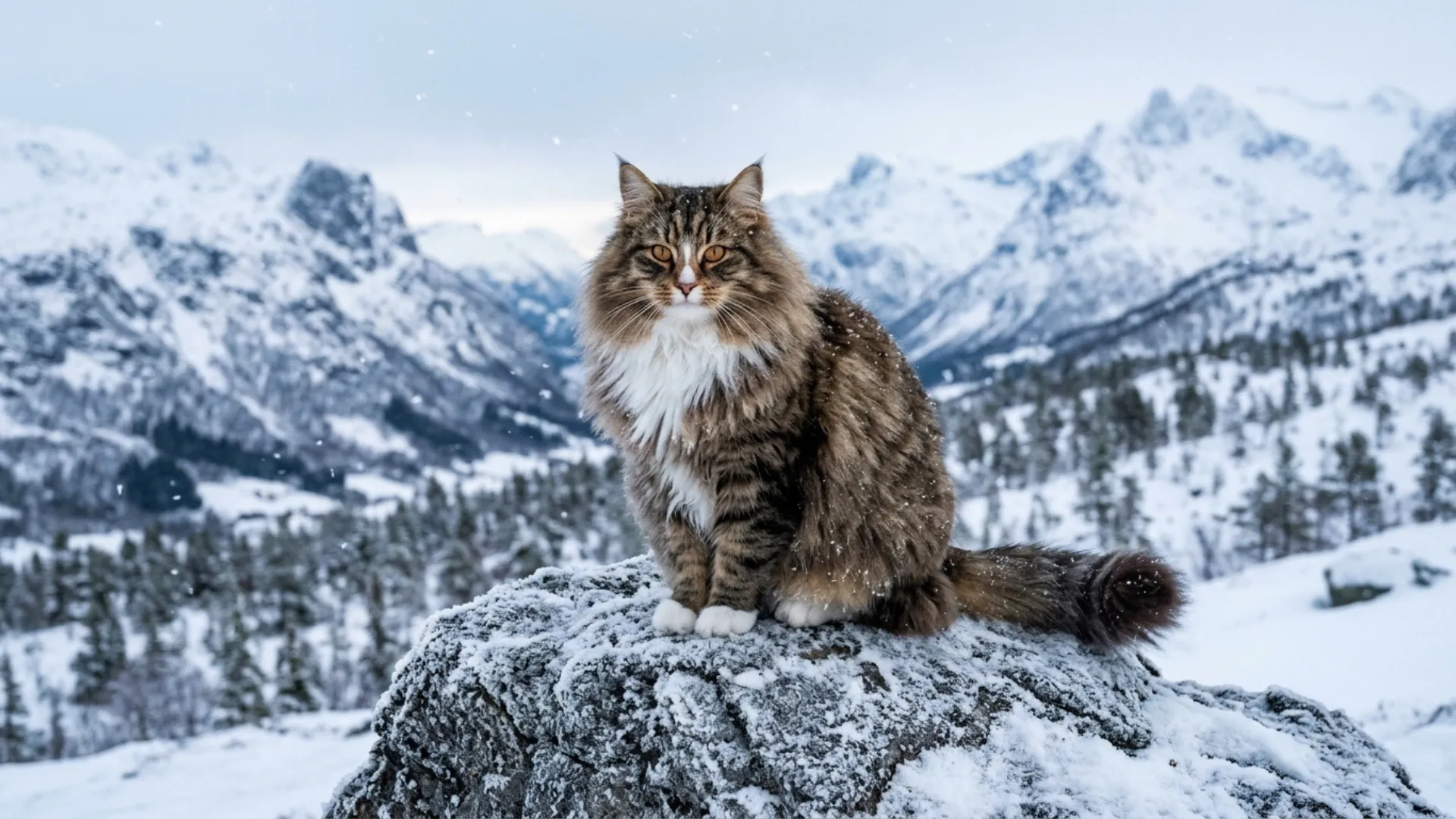
The Norwegian Forest Cat is a hardy breed developed to withstand Scandinavia’s harsh winters, giving it a rugged physique and a naturally self-reliant character. Although affectionate toward its family, this large breed usually prefers companionship on its own terms rather than constant cuddling.
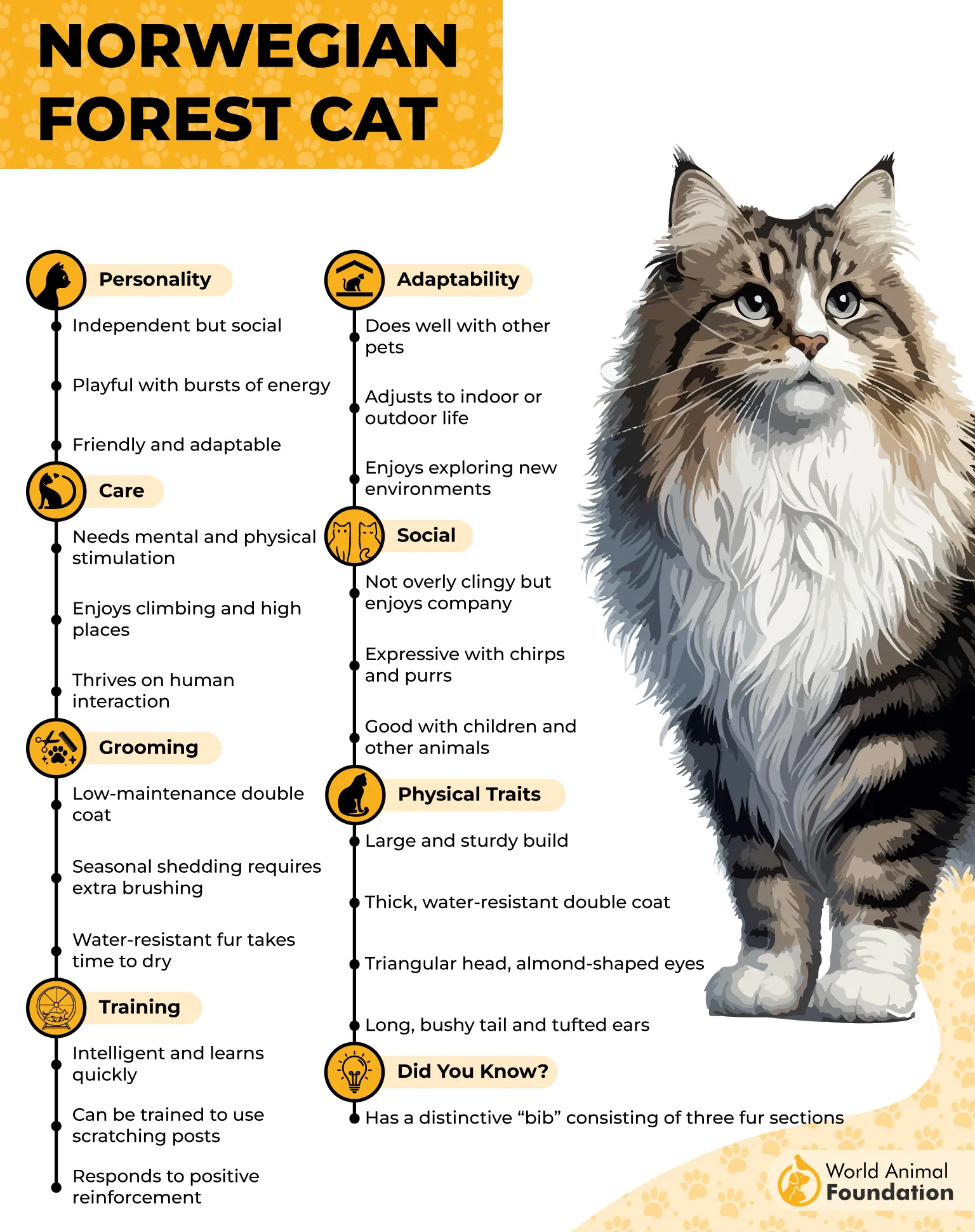
According to Royal Canin, Norwegian Forest Cats stand out for their large build, thick coat, and striking, lynx-like appearance enhanced by their tufted ears.
These domestic cats enjoy surveying their surroundings from elevated spots, keeping an eye on household activity without needing to be at the center of it. Their independent hunting background also makes them calm and undemanding when owners are occupied, comfortable exploring and entertaining themselves for periods on their own.
Providing a tall cat tree, sturdy shelves, or a window perch gives a Norwegian Forest Cat opportunities to climb and observe its territory. These features help satisfy its natural instincts and offer stimulating ways to use its indoor environment.
How This Breed Stands Out
Self-sufficient explorer: Its independent nature allows it to investigate and occupy itself without continuous attention.
Excellent climbing ability: A strong, muscular body and love of high vantage points make climbing an especially appealing activity.
4. Turkish Angora
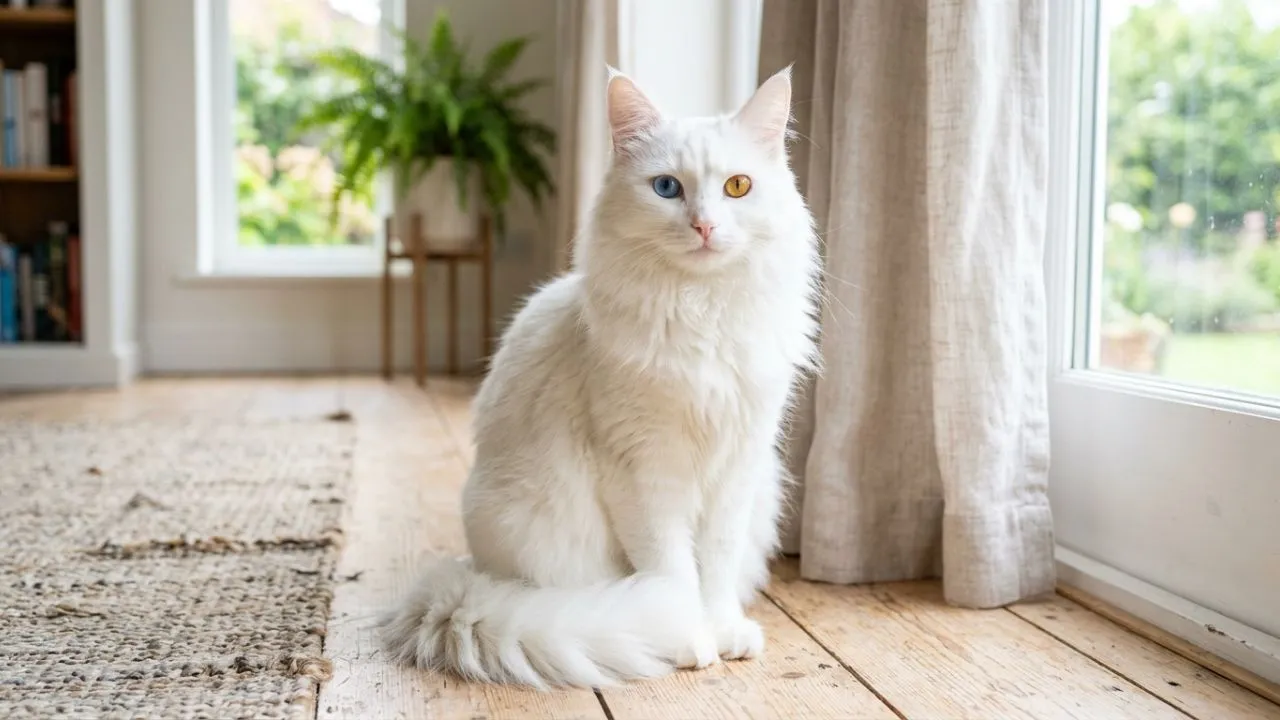
The Turkish Angora is an elegant, intelligent breed that developed naturally in Turkey. Its combination of affection and independence makes it distinctive: these cats enjoy being near their owners but generally prefer choosing when and how they interact.
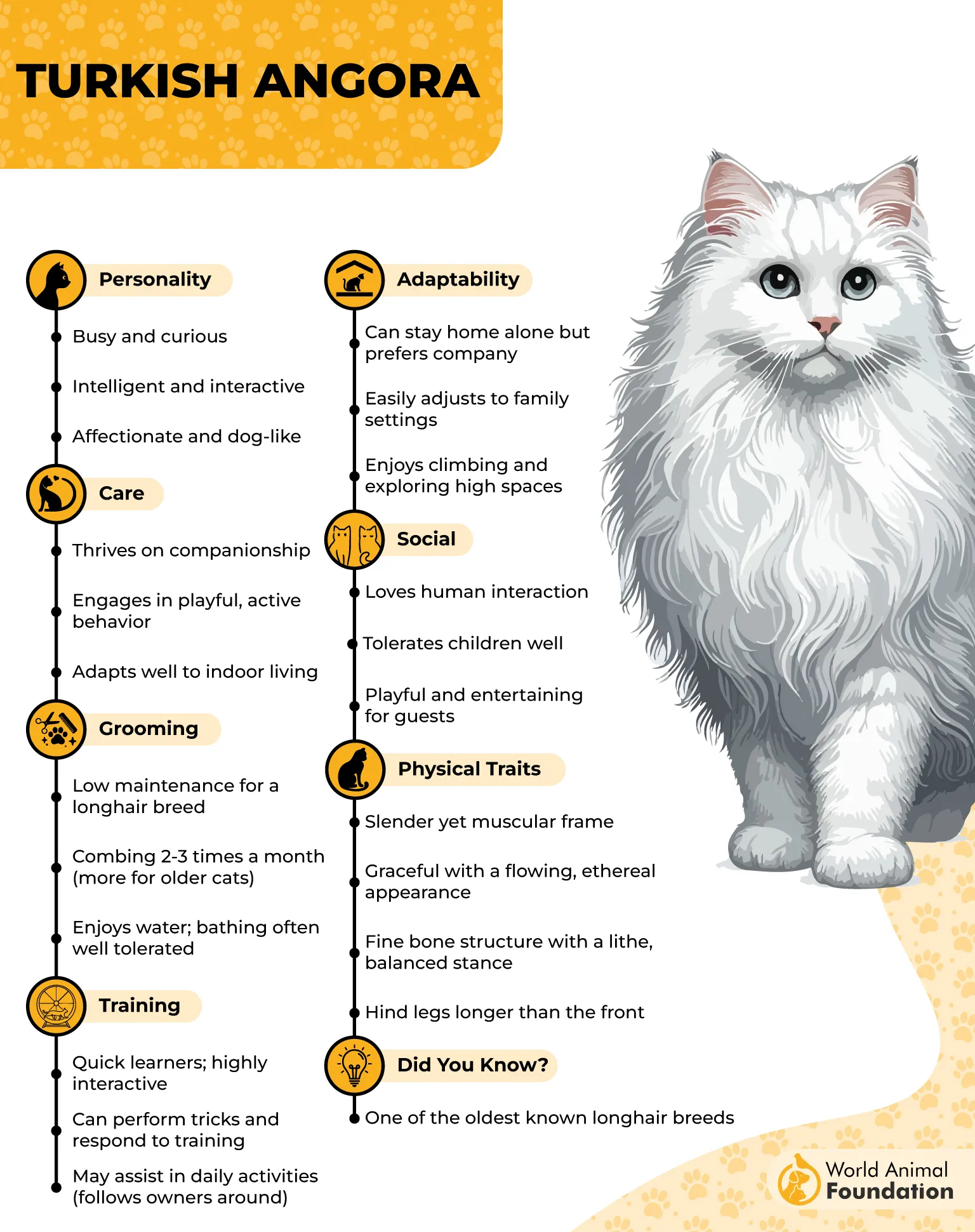
Curiosity keeps Turkish Angoras busy exploring their surroundings and finding ways to entertain themselves. Although loyal and people-oriented, they may dislike being held and often prefer observing household activity from a high perch or relaxing in their own space.
Their athletic physique supports an active lifestyle filled with climbing, jumping, and playful exploration. Despite their silky, semi-long fur, grooming is relatively straightforward, with brushing once or twice a week usually sufficient to maintain the coat.
How This Breed Stands Out
Curious, independent problem-solver: Its intelligence helps it discover engaging activities and explore its environment without constant attention.
Agile, athletic movements: A graceful, balanced body makes the Turkish Angora a nimble climber and enthusiastic explorer.
5. Persian
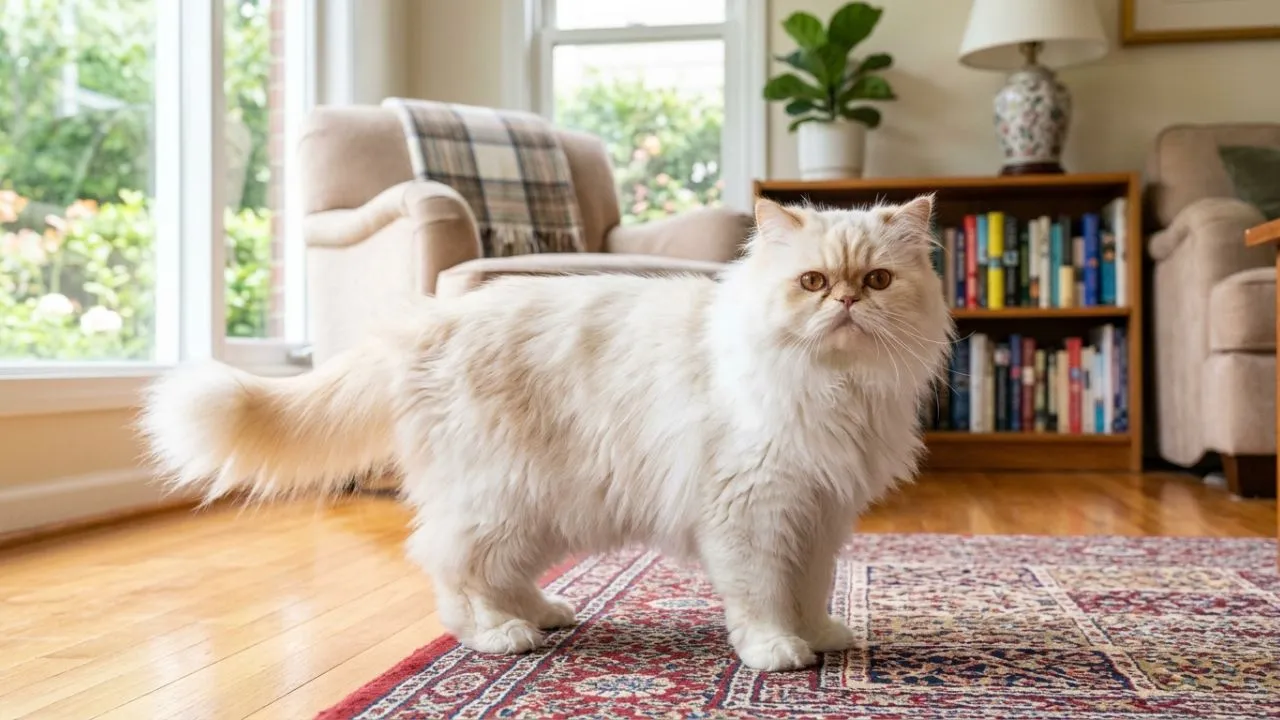
The Persian is admired for its big size, luxurious fur, and sweet, expressive face. An ancient breed as well as a quiet companion, it suits people who value a calmer household and a cat that still appreciates its own space.
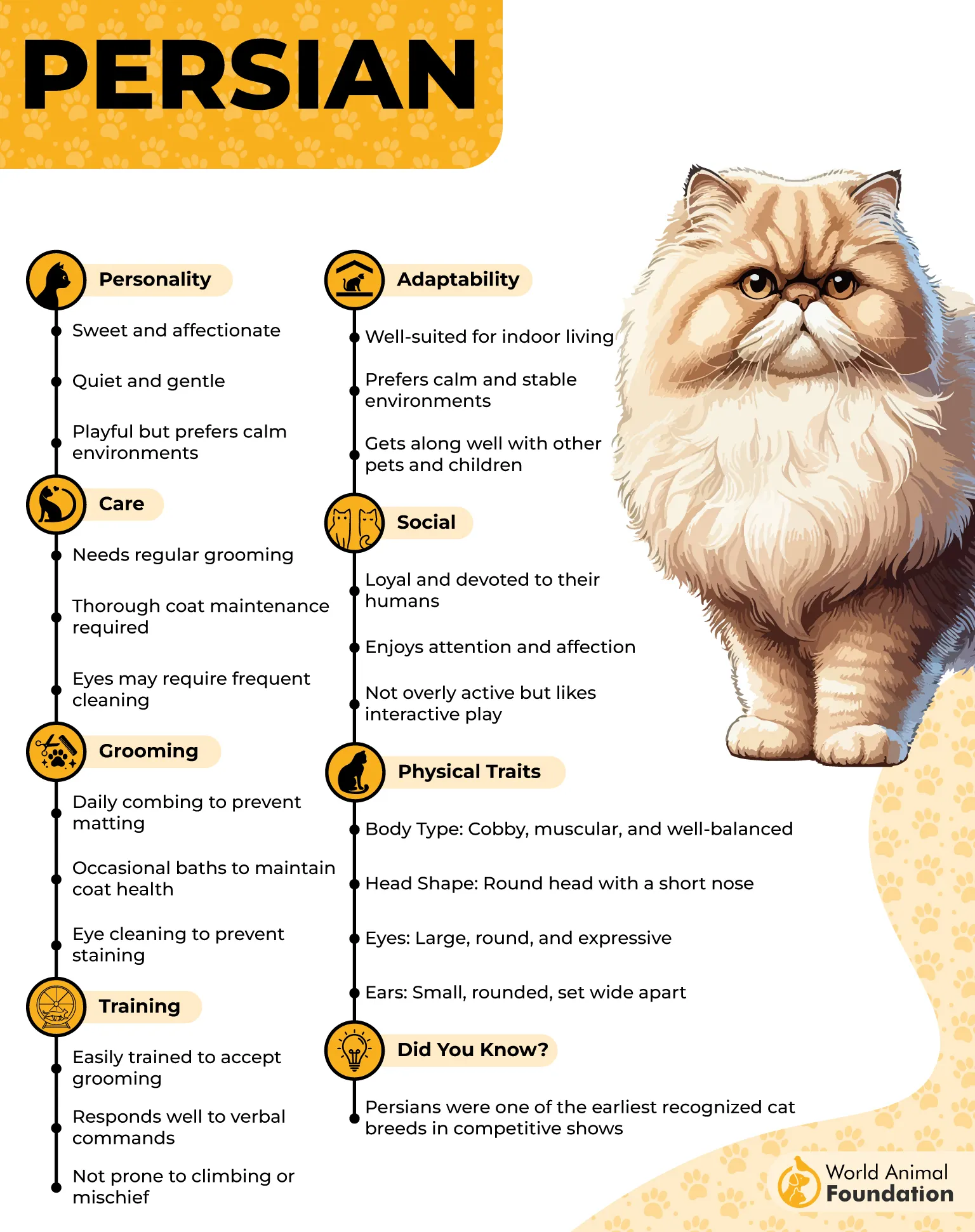
With a naturally peaceful disposition, Persians tend to prefer observing their surroundings over demanding constant attention. They are generally low-energy cats that enjoy relaxing in familiar places and taking frequent naps rather than engaging in vigorous activity.
Their flowing coat is a defining feature and requires regular grooming to prevent tangles and maintain its condition. Persians may happily spend time lounging independently while their owners are busy and can be left to their own devices for stretches, provided they have a comfortable, calm environment.
How This Breed Stands Out
Peaceful, low-key temperament: Persians are typically quiet and relaxed, preferring calm surroundings and gentle companionship.
Luxurious, flowing coat: Their long, abundant fur gives them a distinctive appearance but needs consistent brushing and care.
6. Chartreux
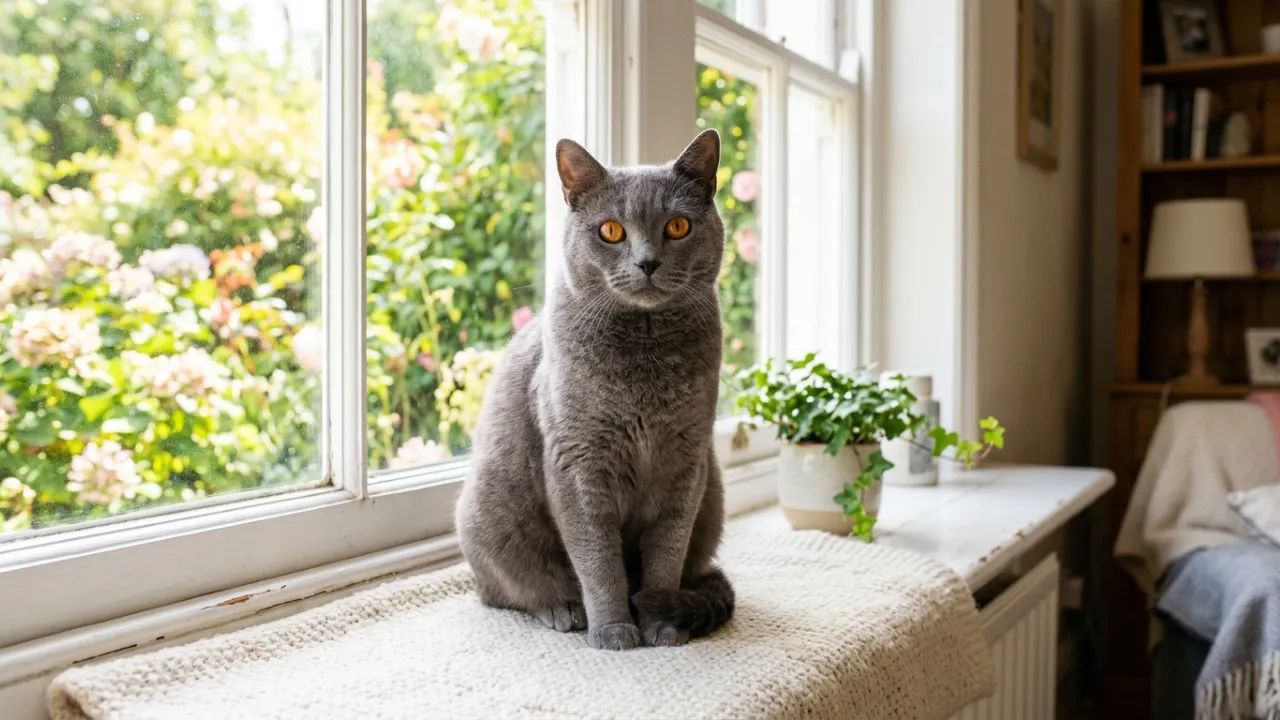
The Chartreux is a distinctive French breed with a long history, recognized for its blue-gray coat and striking yellow or gold eyes. Beneath its sturdy appearance lies a gentle, observant personality that makes it a pleasant companion in many households.
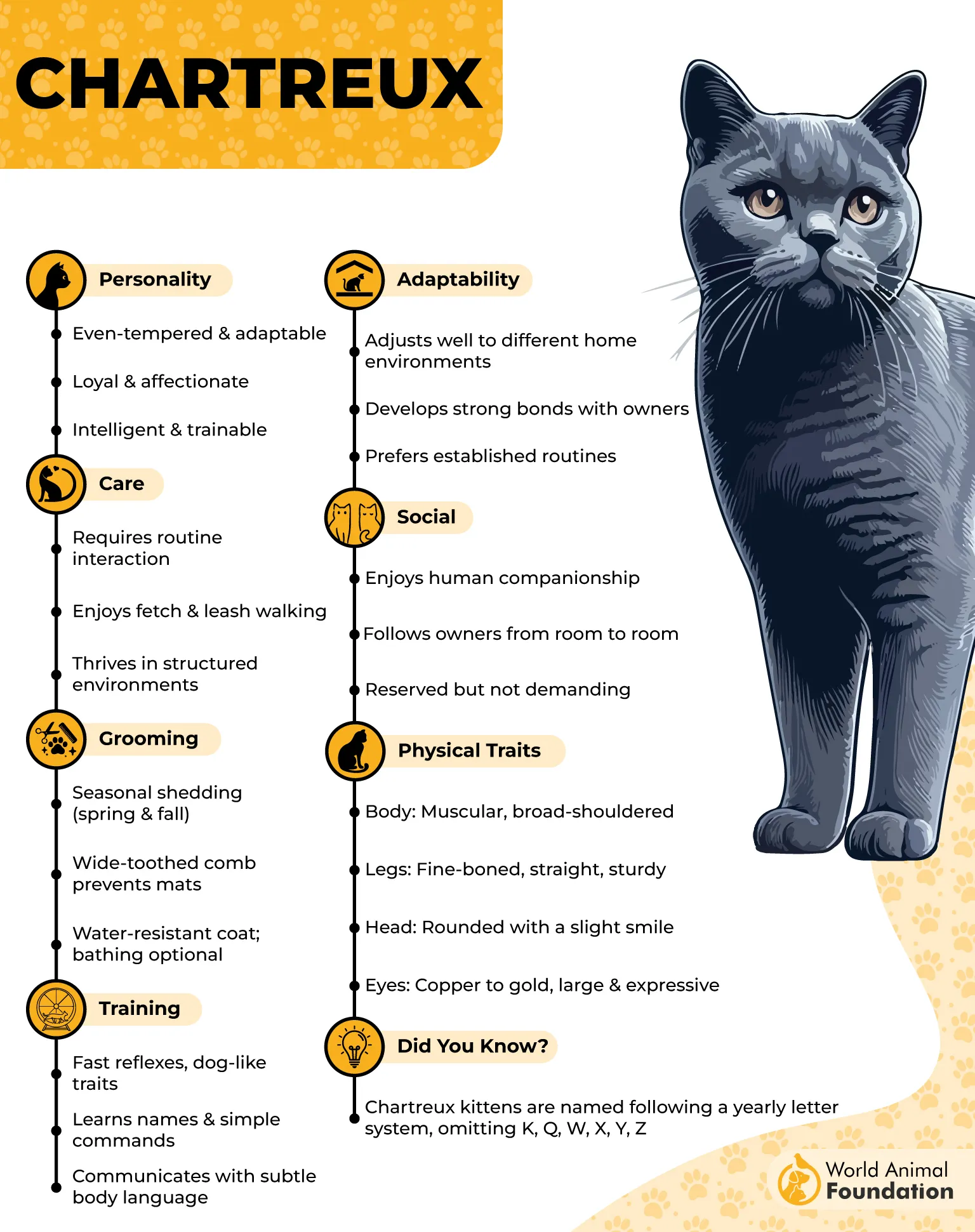
Although Chartreux cats form strong bonds with their owners, they are laid-back, comfortable spending time independently, and generally quiet. They rarely vocalize unnecessarily and can occupy themselves with toys or watch birds from a window while the household is away.
These intelligent cats retain their natural hunting instincts and enjoy games that challenge their curiosity. Their short, woolly-textured coat is always blue-gray and benefits from regular grooming to keep it in good condition.
How This Breed Stands Out
Quiet, unobtrusive companionship: Affectionate without being demanding, the Chartreux can enjoy its own company while remaining devoted to familiar people.
Strong, muscular build: Its robust physique reflects its history as a capable hunter, particularly of rodents.
7. American Shorthair
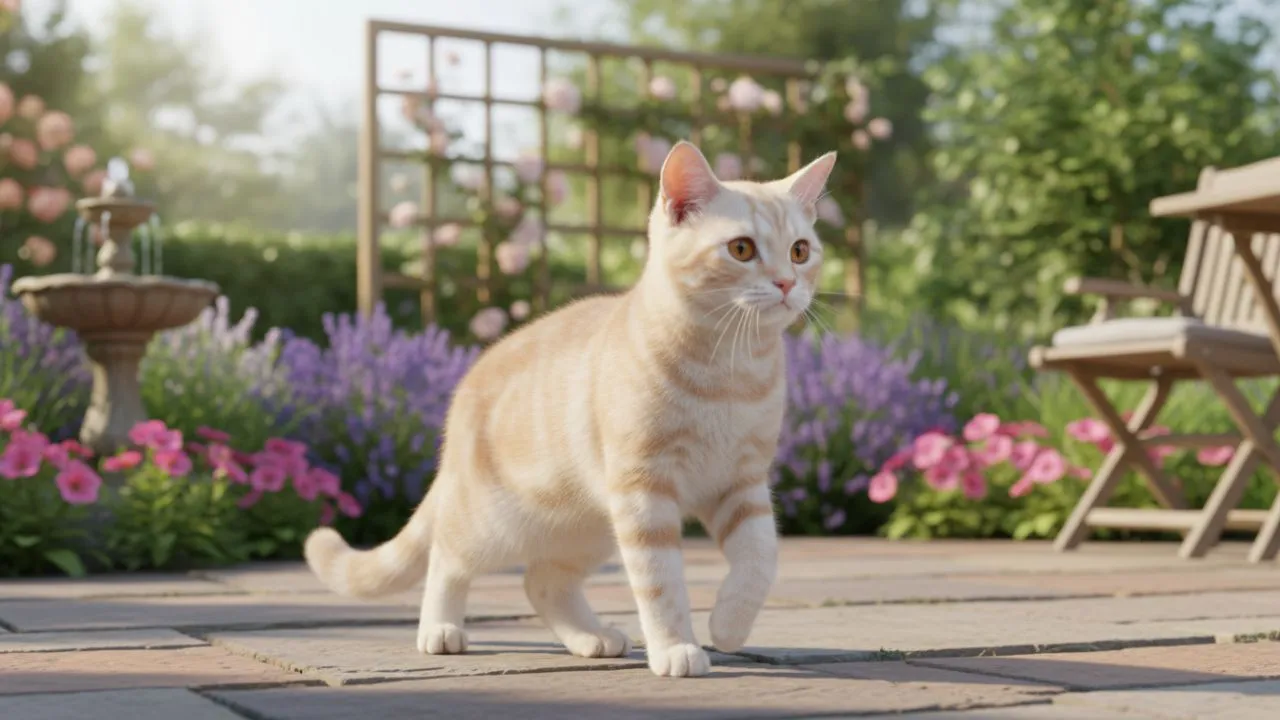
The American Shorthair is a sturdy, good-natured cat valued for its adaptability and easygoing personality. Although it enjoys attention from family members, including children, it is sociable without being clingy and often prefers sitting beside its owners rather than being picked up or carried.
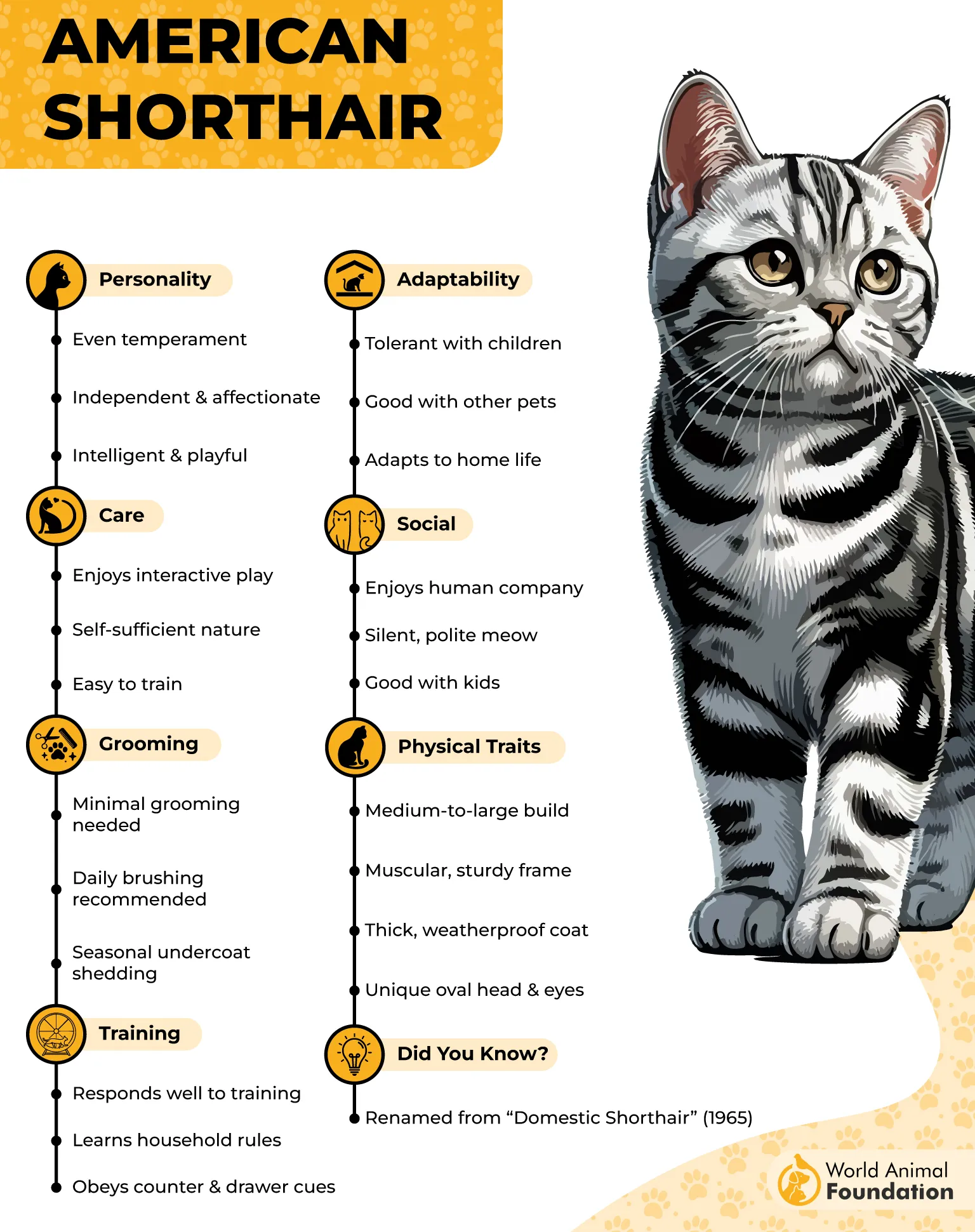
This breed can fit comfortably into different household routines and does not necessarily seek attention all day, making it less likely to get into trouble when left alone for several hours. American Shorthairs can also coexist with cat-friendly dogs, but their hunting instincts may make homes with pet birds or other small animals more challenging.
Originally valued as a working cat, the American Shorthair has a muscular body, strong legs, and impressive agility. Its short, dense coat, rounded face, and wide eyes contribute to its recognizable appearance.
How This Breed Stands Out
Adaptable, independent nature: Comfortable with family interaction but equally content relaxing nearby or enjoying its own space.
Natural mousing instincts: Its working-cat heritage gives it strong hunting skills and an instinct to chase small prey.
Conclusion
Independent cats can be wonderful companions for people who appreciate a balance of affection and personal space.
However, independence does not mean these cats should be left without attention or stimulation. Fresh water, nutritious food, suitable toys, comfortable resting spots, and regular interaction remain essential for their well-being.
When choosing a feline companion, consider its personality, grooming requirements, and activity level alongside your daily routine. With a suitable environment and consistent care, an independent cat can become a loving and rewarding member of your household.
