




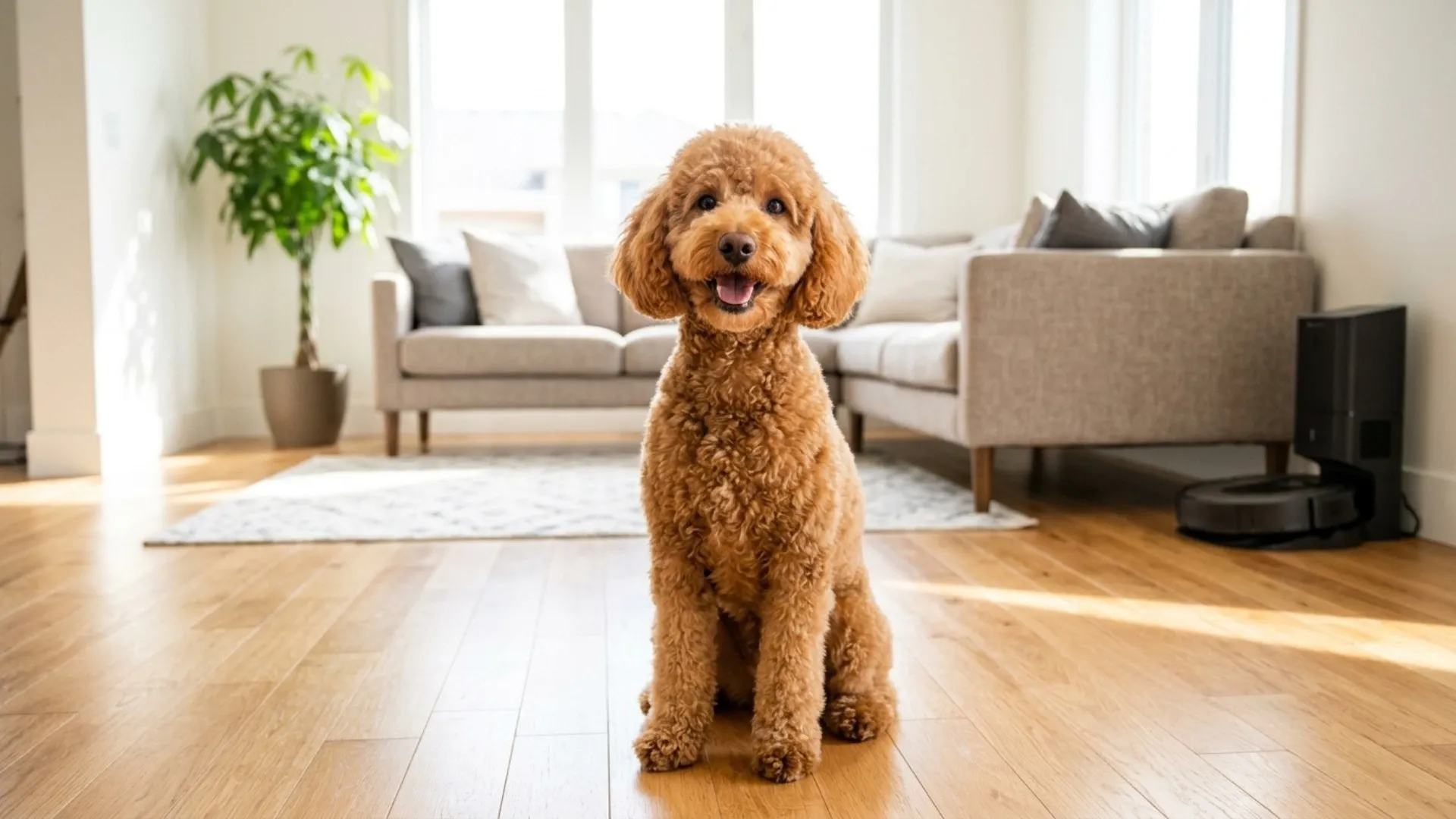
There’s a corner of academic physics dedicated to a question every dog owner already lives with: how much hair actually ends up vacuumed off American floors each year. If that makes you glance guiltily at your own carpet, you are not alone.
The question was serious enough to earn a spot as a featured problem in The Physics Teacher, proof that shedding is less a minor nuisance and more a measurable force of nature. For anyone sharing a home with a family dog, that probably tracks.
Not every dog contributes to that number, though. Some breeds grow hair instead of fur, so it keeps lengthening instead of shedding out in clumps across your floors and furniture.
A tidy, fur-free home is real, but it is not automatic. The amount of grooming you are ready to take on matters just as much as the hair you are trying to avoid.
Keep reading to find the breed that fits your home and your patience.
Excellent Dog Breeds for a Tidy and Fur-Free Life
1. Poodle
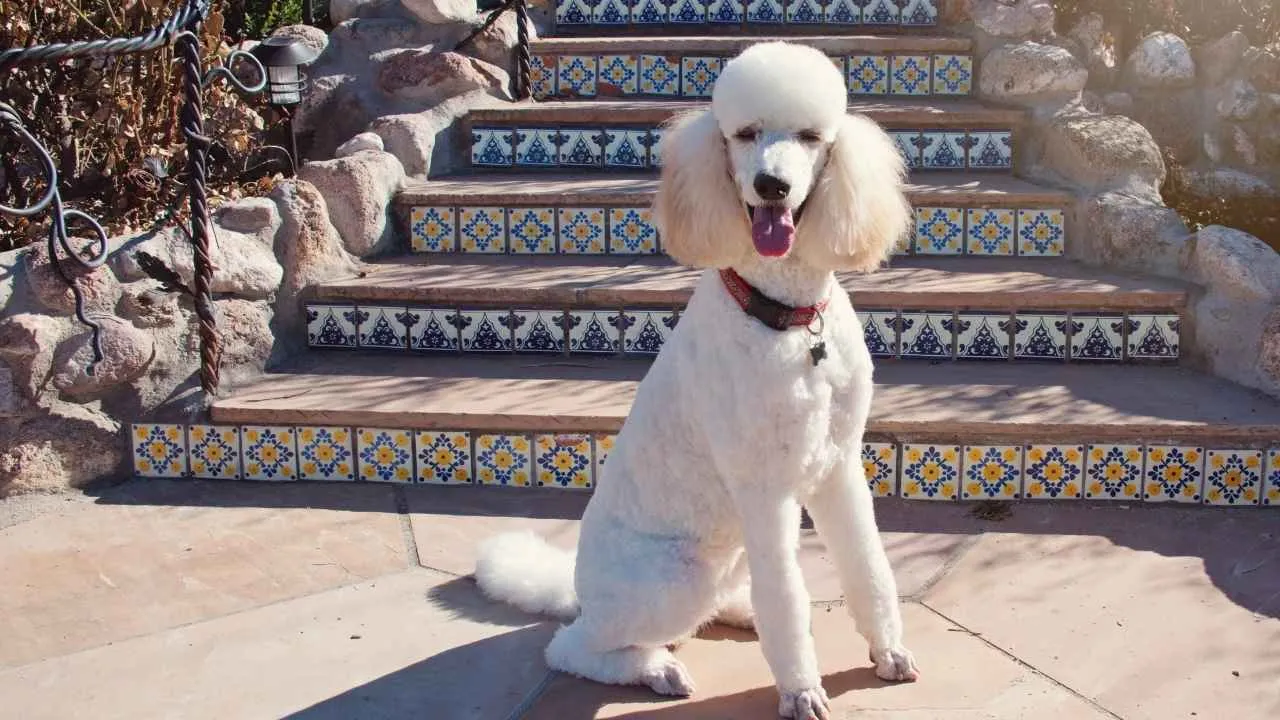
The Poodle might be the poster dog for a fur-free home. Its dense, curly coat, confirmed hypoallergenic by the AKC, grows nonstop like human hair instead of shedding into tufts, which keeps floors remarkably clean.
The catch is that constant growth needs constant upkeep. Left alone, the curls twist into tight cords that pull on the skin, and a few skipped weeks can turn the coat into a matted, uncomfortable mess.
Brushing: Comb through the coat 2 to 3 times a week to stop mats before they start.
Clipping: Book a professional trim every 4 to 6 weeks to keep the curls manageable
This curly-haired breed suits owners who enjoy a grooming routine as much as a clean floor, especially households with steady schedules. Allergy sufferers willing to invest the effort will find the Poodle’s fur-free reputation well earned.
2. Bichon Frise
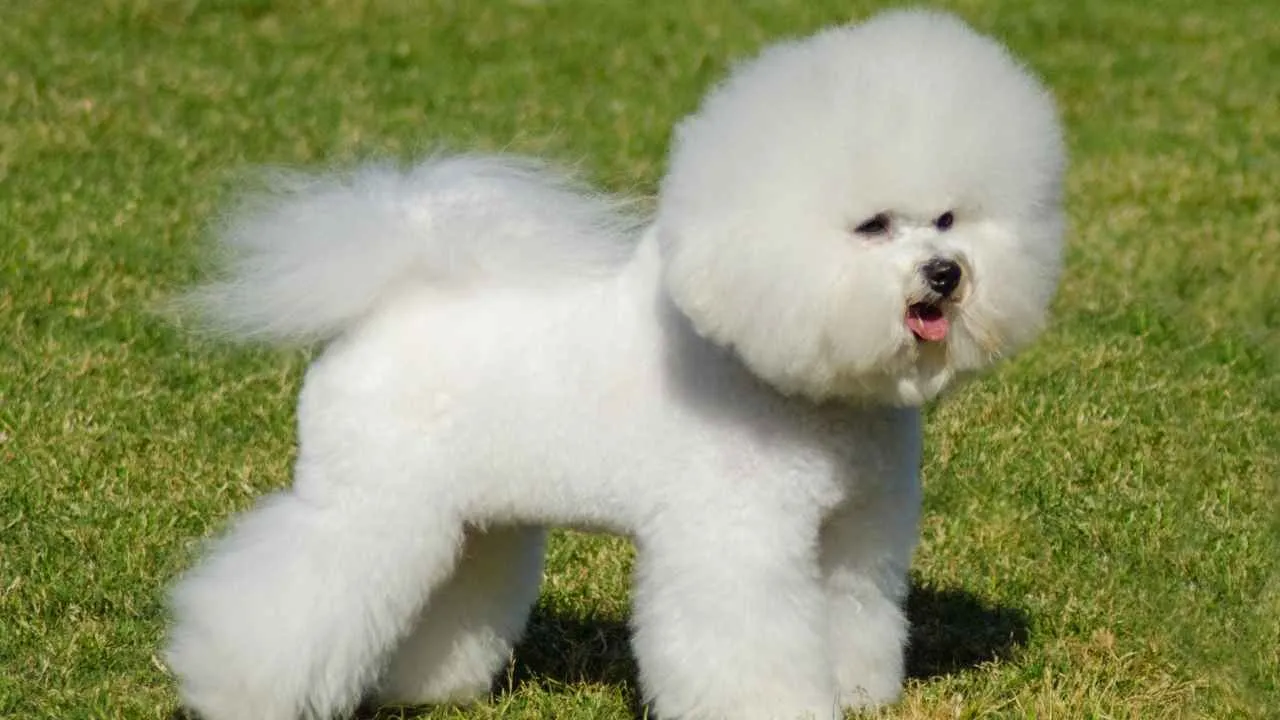
The Bichon Frise hides a secret under all that fluff. According to Omlet, its curly double coat pairs a soft undercoat with a coarser topcoat, trapping loose hair instead of releasing it onto the floor.
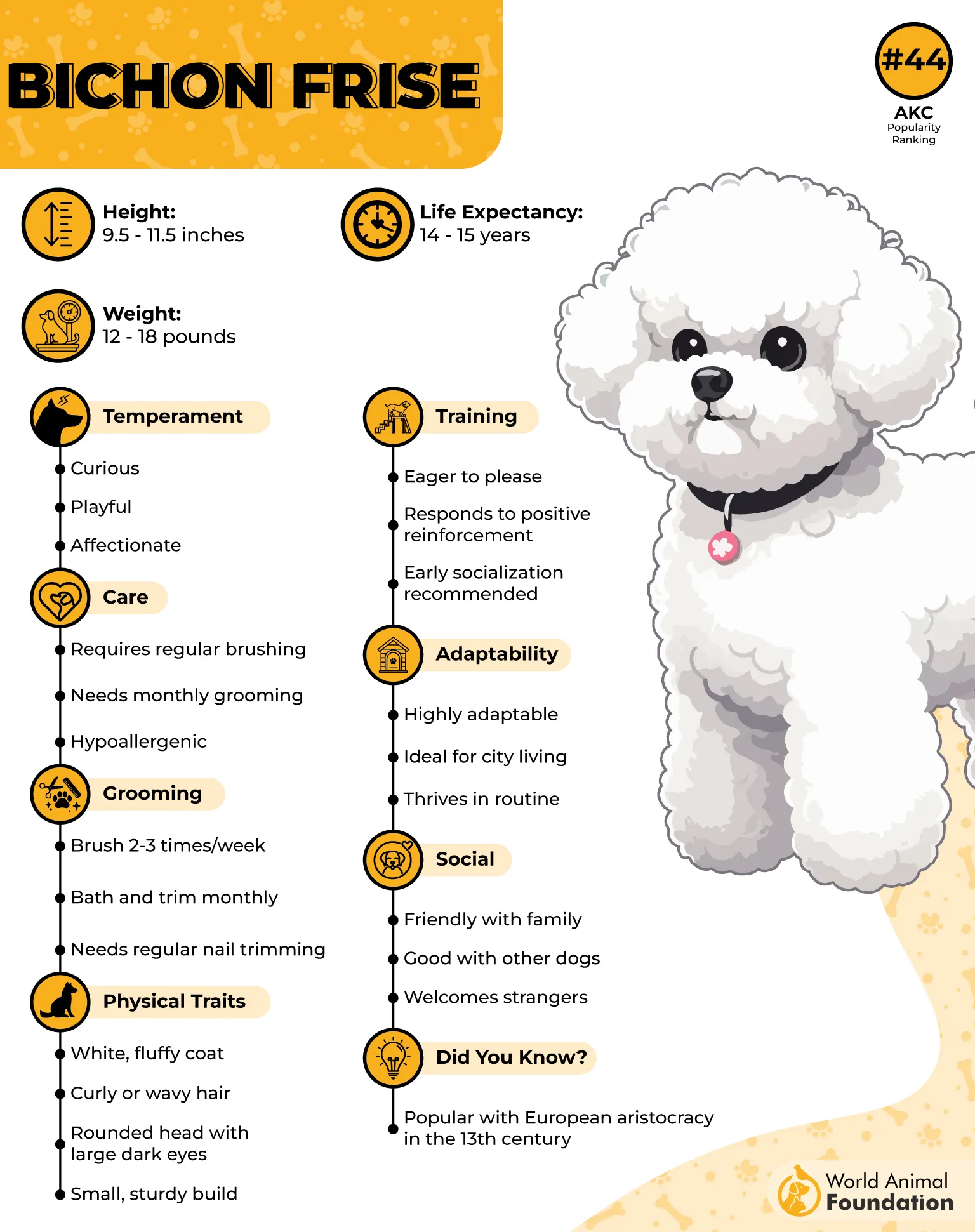
Trapped hair is the real catch here. Left ungroomed, it clumps together with the undercoat and forms tight mats close to the skin, especially around the ears, legs, and under the collar where moisture collects most.
Brushing: Work through the coat 3 to 4 times a week with a slicker brush to clear trapped hair.
Grooming: Schedule a professional trim every 4 to 6 weeks to maintain the round, puffy shape.
The Bichon fits families who want a tidy home, playful companionship, and apartment living with minimal shedding. Owners who skip brushing sessions will quickly undo the fur-free benefit this breed is known for.
3. Maltese
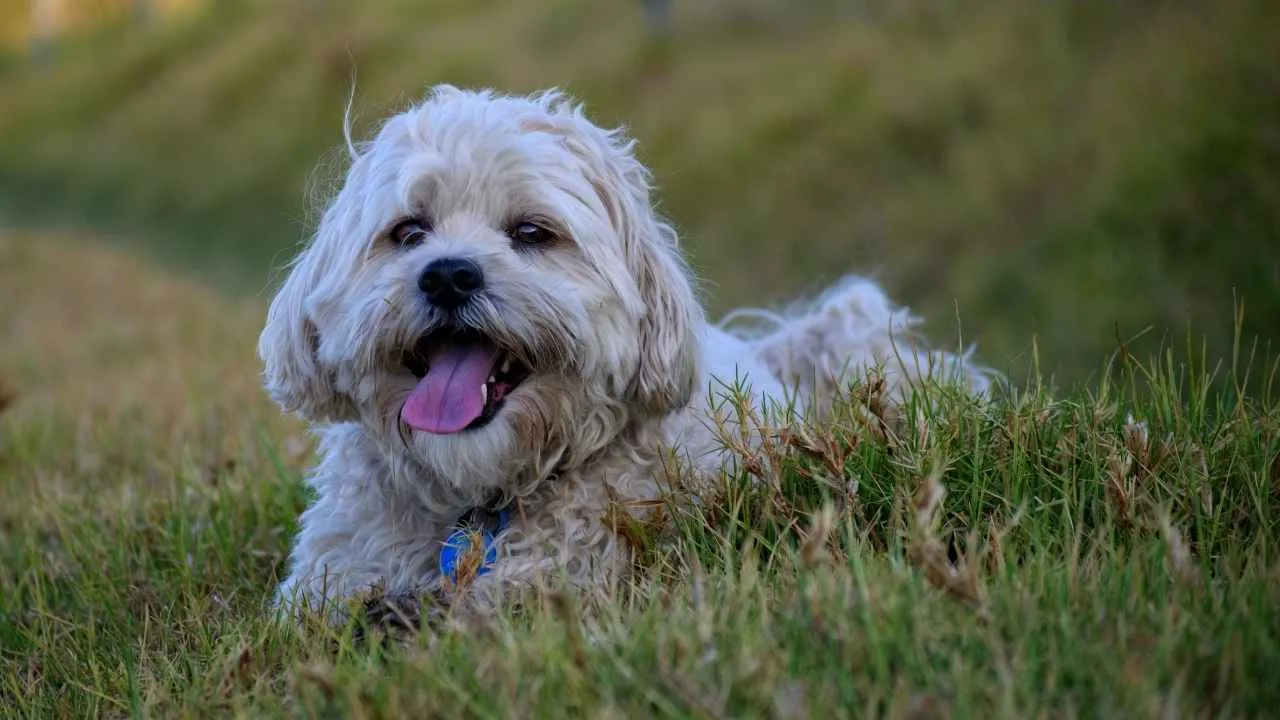
The Maltese breaks the mold on this list. Its coat is straight and silky, not curly, with a single layer and no undercoat to shed, which is exactly why Purina notes Maltese hair rarely ends up on the floor.
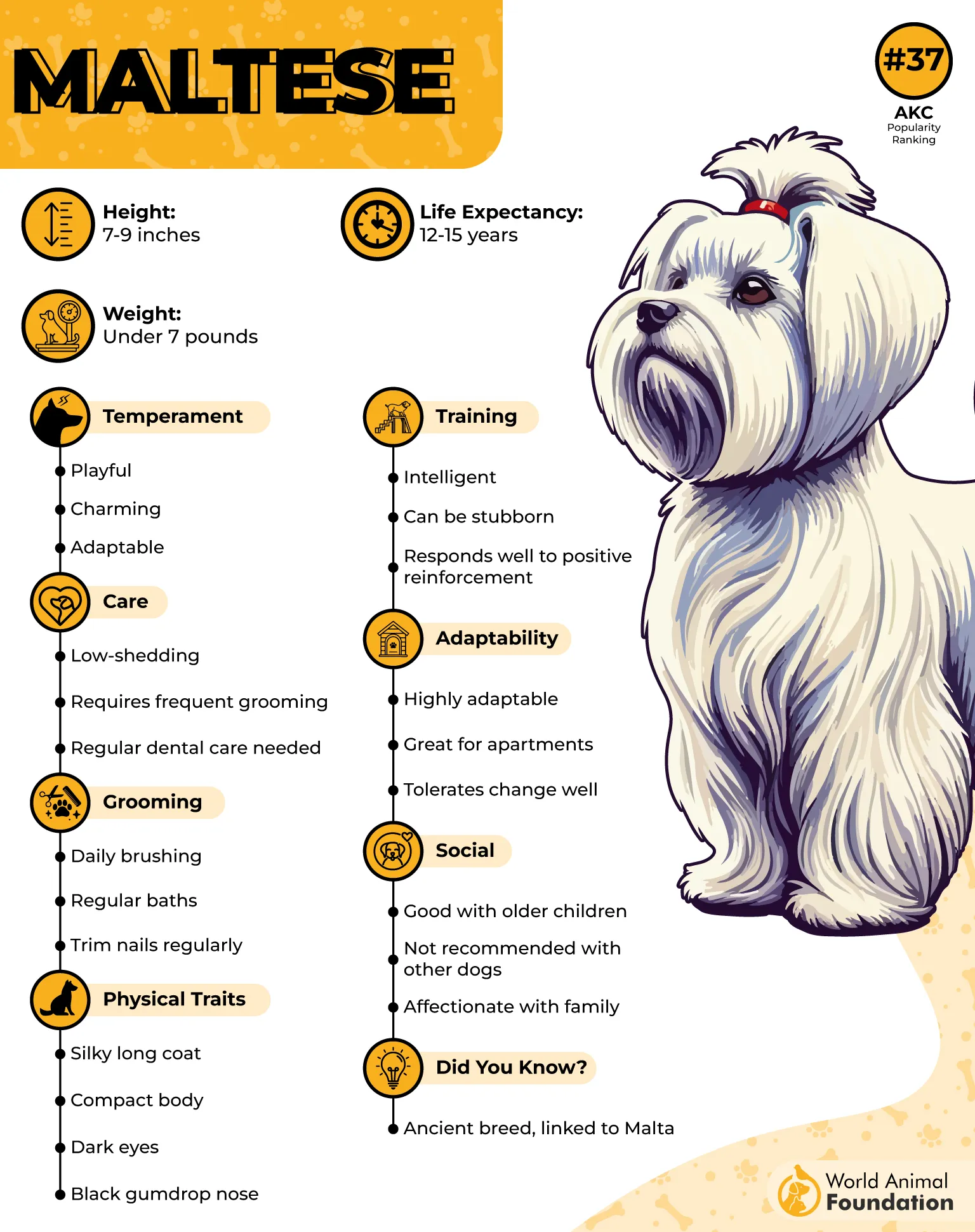
The trade-off here is tangling, not cording. Long Maltese hair picks up debris and knots easily around the legs and belly, especially after daily indoor play or a few moderate walks outside.
Brushing: Brush daily with a pin brush to stop tangles from setting into knots.
Trimming: Opt for a short puppy cut every 6 to 8 weeks if daily brushing feels like too much.
Maltese suit owners who want a lap companion and do not mind picking up a brush every day. Families with young children may prefer the shorter cut, since it is easier to manage.
4. Portuguese Water Dog

The Portuguese Water Dog was bred to work in the sea, and its coat shows it. Royal Canin describes the texture as tightly curled or wavy and single-layered, which keeps loose hair to a minimum indoors.
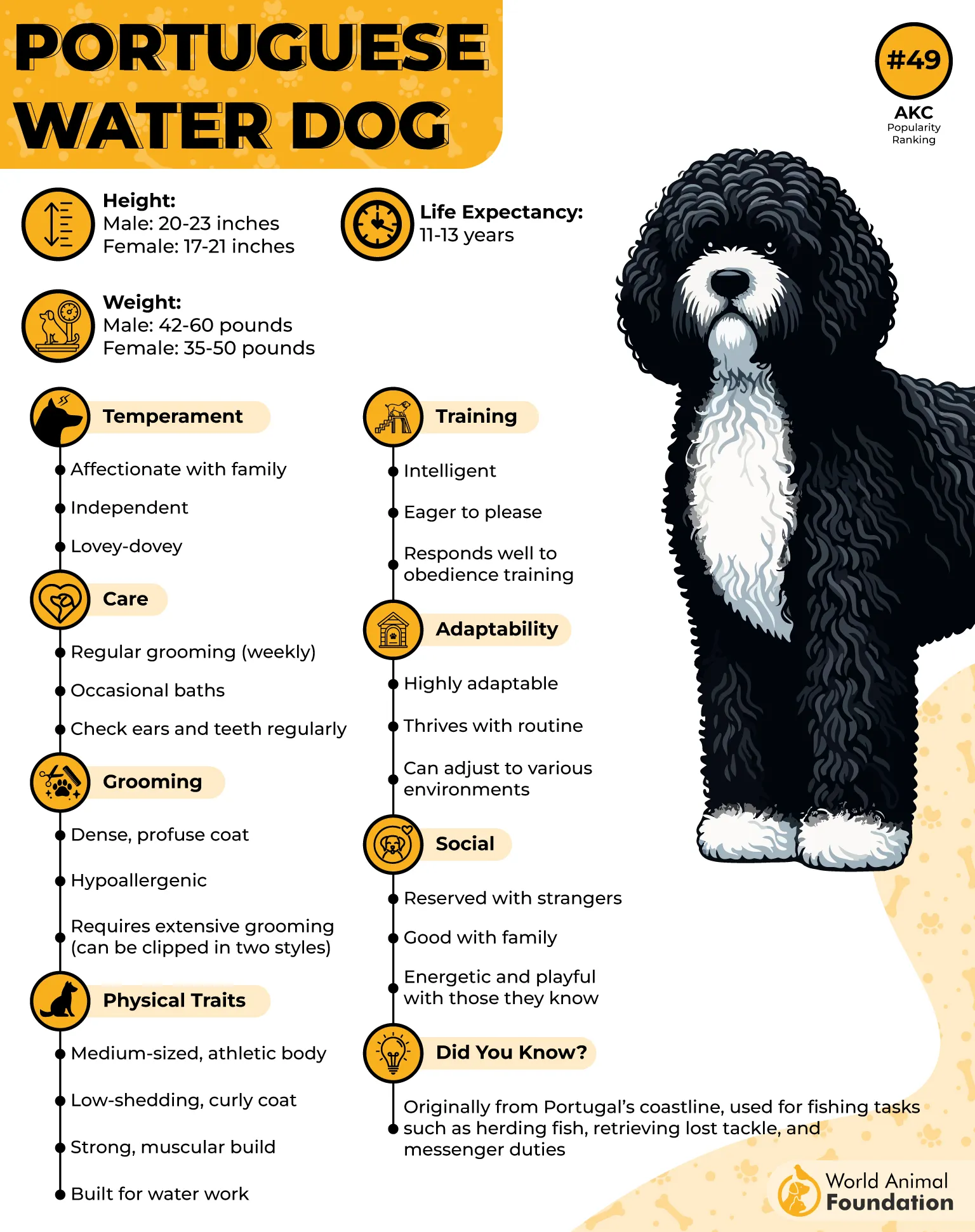
The catch with a water-ready coat is upkeep on dry land. Without regular care, the curls felt together near the ears and underarms, which is partly why the traditional lion clip exists for working dogs.
Brushing: Brush 2 to 3 times a week to keep the dense curls from tangling together.
Clipping: Visit a groomer every 6 to 8 weeks for a working or lion-style trim.
This breed suits active owners who enjoy daily exercise and do not mind a grooming bill. Families drawn to an energetic, easy-to-train companion will find the fur-free upside well worth the regular effort.
5. Lagotto Romagnolo
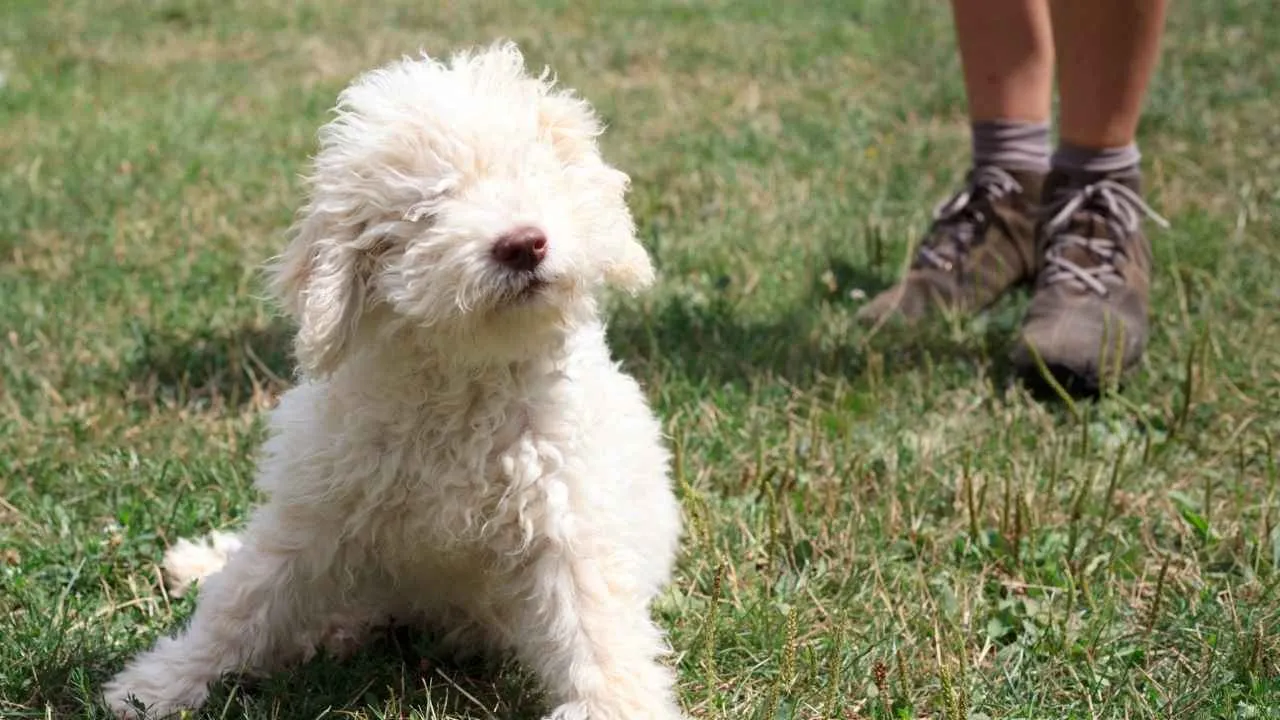
The Lagotto Romagnolo wears a coat that looks more like wool than fur. Its texture is dense and tightly curled, with ringlets covering the whole body, including the face, and that wool-like structure sheds very little around the house.

The catch is that wool felts fast without regular care. Matting can hide skin problems underneath before an owner notices, and the ears and facial fur are especially prone to tangling on this breed.
Brushing: Brush 2 to 3 times a week down to the skin, not just the top coat.
Clipping: Schedule a trim every 6 to 8 weeks to prevent the curls from felting.
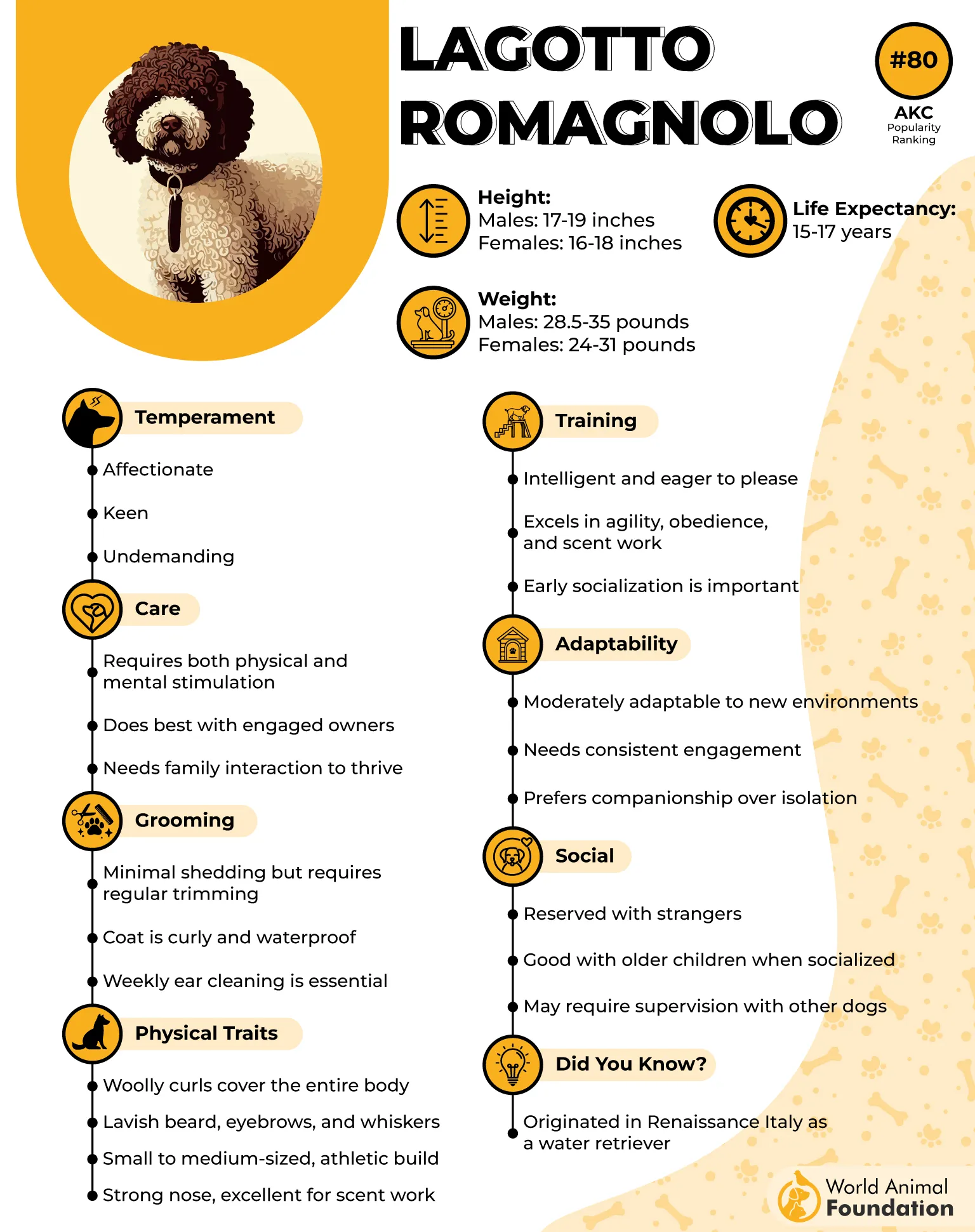
The Lagotto suits owners who enjoy a curious, energetic companion and a regular grooming routine. Moderate walks and plenty of mental stimulation keep this breed content, and its naturally cheerful personality makes the extra care feel worthwhile.
6. Kerry Blue Terrier

Kerry Blue Terrier puppies are born black, and their coat lightens to a soft blue-gray by adulthood. PetMD notes the coat is soft, dense, and wavy, with no real undercoat left behind to shed around the house.

The trade-off shows up around the face. Ear and beard hair catches food and debris quickly, and mats form fast if the area is left unchecked for more than a week or two, especially during active outdoor play.
Brushing: Brush weekly to keep the wavy coat free of early mats.
Trimming: Book a trim every 6 to 8 weeks, including hand stripping around the face if preferred.
The Kerry Blue suits confident owners who enjoy an independent-minded, loyal dog with plenty of personality. Families with older children tend to do best, since this terrier rewards patient, consistent training with real affection.
7. Bedlington Terrier

The Bedlington Terrier looks like a small lamb, and its coat explains why. The texture mixes crisp and soft hairs into a curly, woolly blend that barely sheds, which keeps this breed off most allergy sufferers’ worry list.
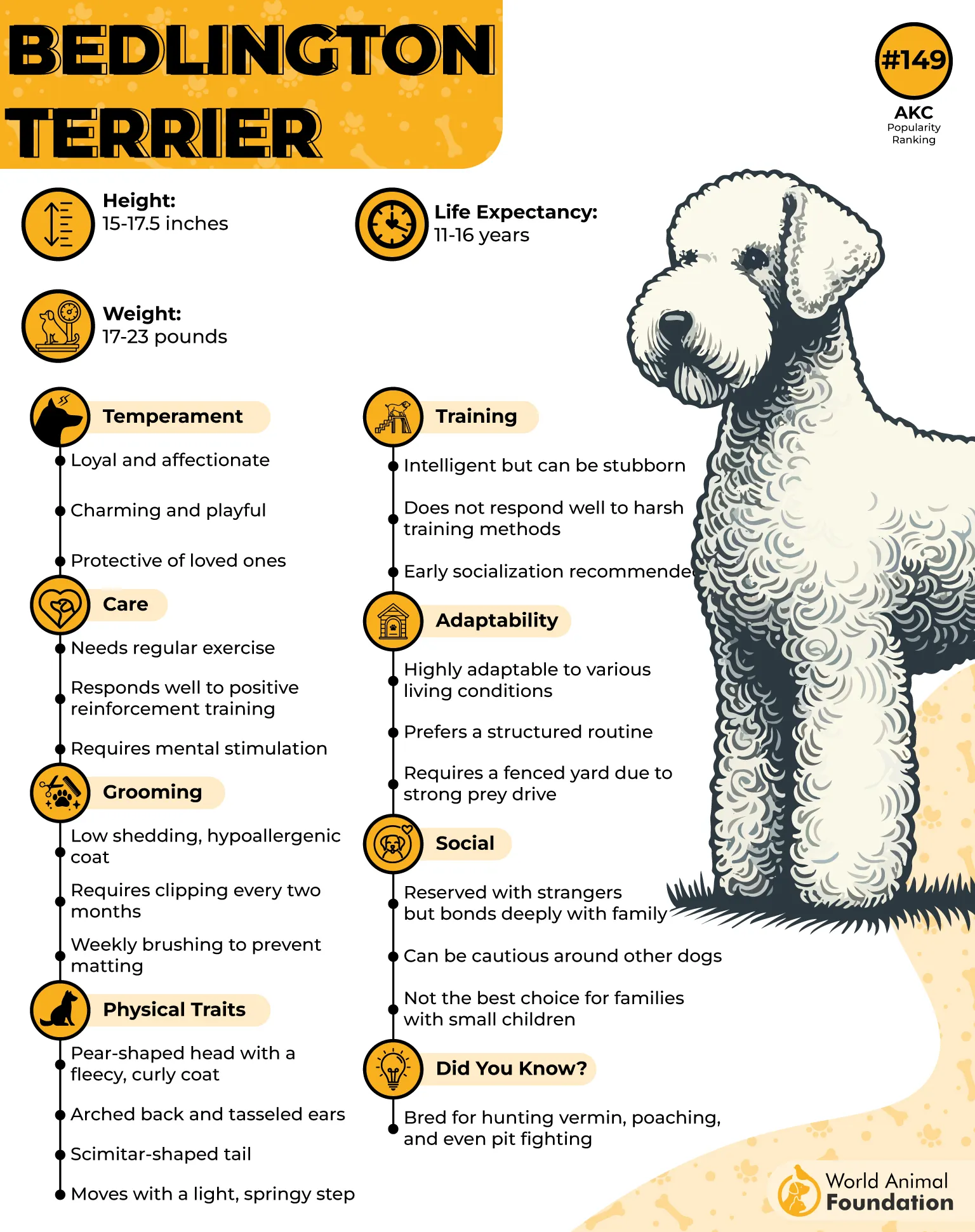
The catch is shape maintenance, not just cleanliness. The signature rounded silhouette grows out fast and loses its form without regular shaping, and the coat also mats around the legs and ears if left too long.
Brushing: Brush 2 to 3 times a week to prevent mats under the curls.
Clipping: Schedule a shaping trim every 6 to 8 weeks to keep the signature lamb-like look.
This family dog suits owners who like a distinctive look and frequent grooming appointments as part of the routine. Small dog breeds with this kind of upkeep reward patient owners with a tidy, fur-free home.
Conclusion
Choosing a fur-free dog breed is less about avoiding grooming altogether and more about picking the kind of maintenance you actually enjoy. From a Poodle’s clip to a Maltese’s daily brush to a Lagotto’s wool-like curls, every breed on this list trades loose hair for a little extra attention from the owner or a trusted groomer.
The good news is there is a fit for every routine, budget, and personality, so pick the coat type that suits your lifestyle and commit to the care it requires. Match your routine to the right breed and get ready to welcome your new, fur-free companion home.
