




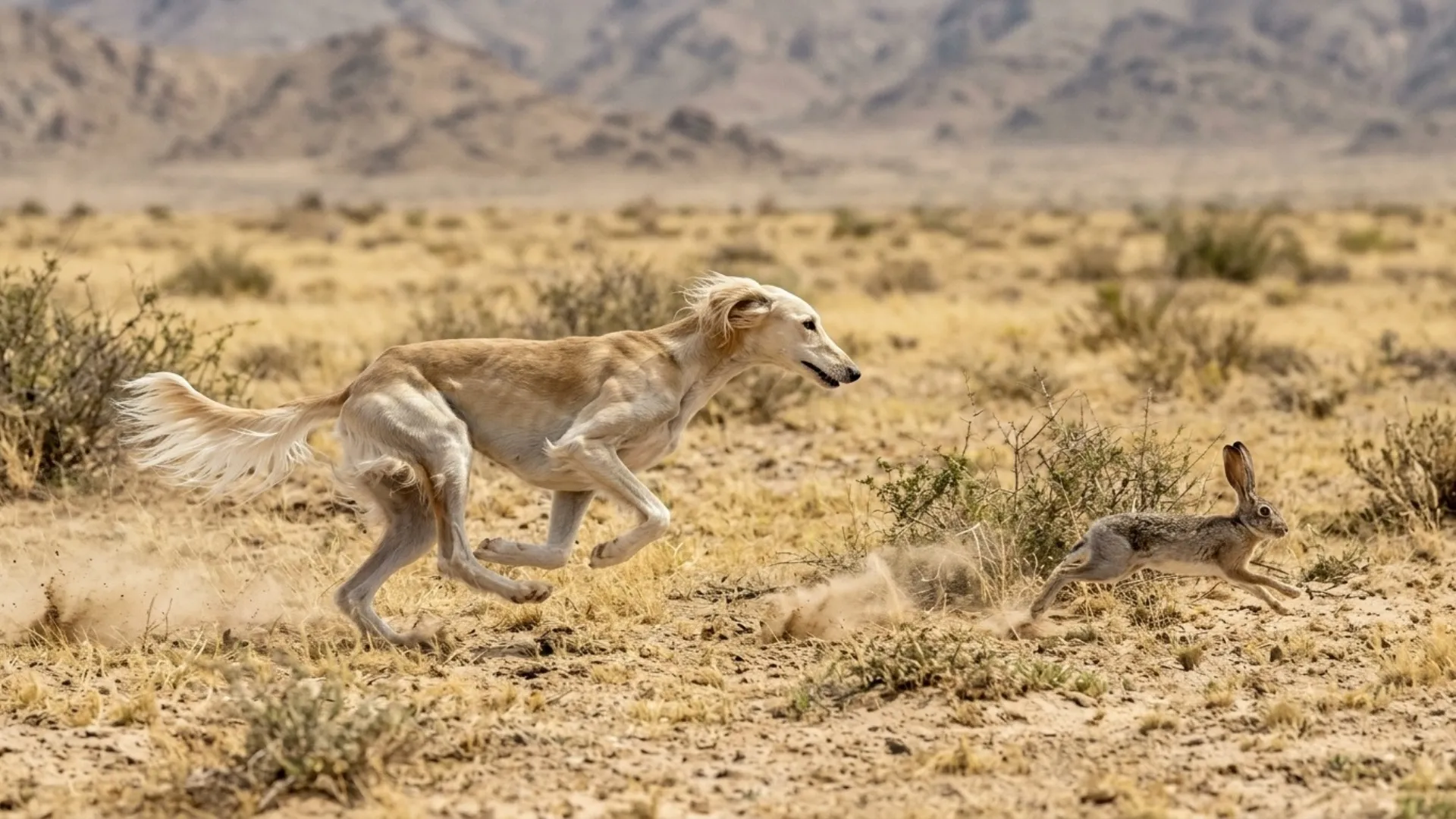
Dogs can spot a moving rabbit from nearly 900 meters away, yet barely notice it standing still half that distance off. That gap is where an old wild predator instinct lives in plenty of modern house dogs.
A study in PMC found dogs detect moving animals from far greater distances than stationary ones, a trait shared across many breeds of dogs. Even a flicker of motion or a sudden high-pitched noise can trigger a prey-driven frenzy that training alone rarely keeps down.
Some breeds carry that wiring harder than others, and it rarely looks like a textbook case of high prey drive. It shows up as one specific moment, in one specific place, where a calm dog isn’t.
Knowing which traits are prone to firing, and exactly where, takes the guesswork out of living with a dog wired to chase. Keep reading to find the moment waiting in your yard.
Remarkable Dog Breeds Known for High Prey Drive
1. Greyhound
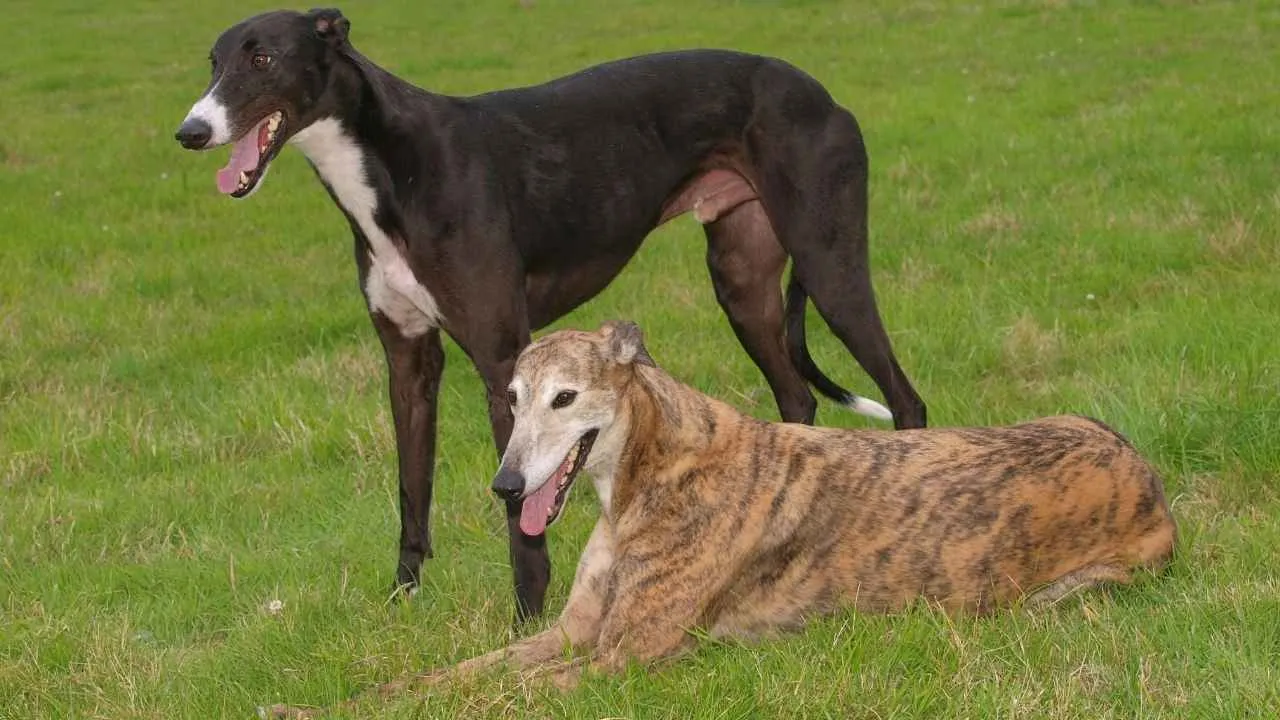
A squirrel bolts across the yard. Within 3 strides, this fast dog has closed half the distance, eyes locked and legs blurring. Training rarely gets a vote in that moment.
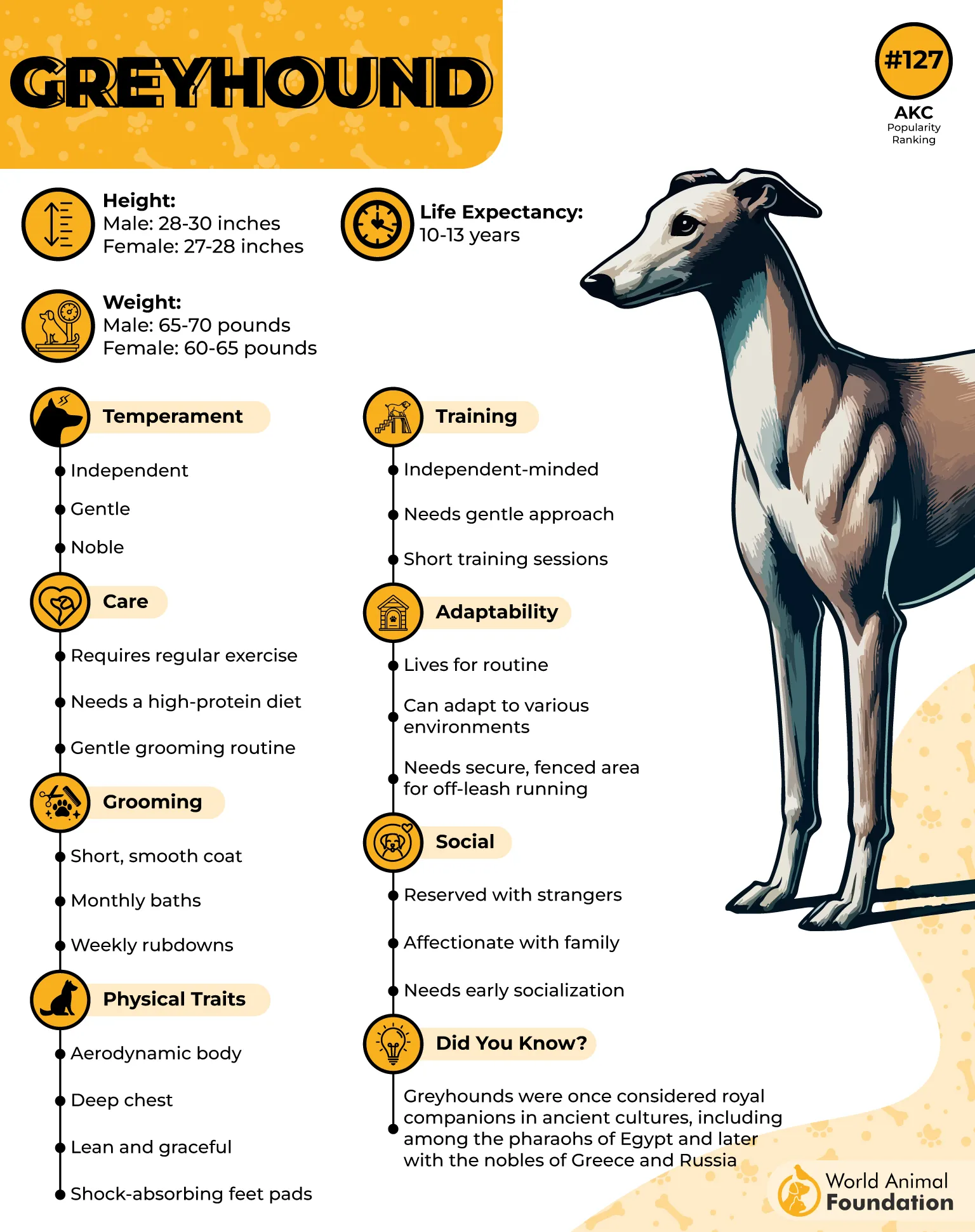
Centuries of coursing hares across open ground built a body that reacts to motion before the brain catches up. Royal Canin notes a Greyhound has been clocked at over 45 mph, a speed no ordinary leash was built to hold.
Safety Tip: Use a long line in open, unfenced areas and save full-speed sprints for a secure yard or a lure-coursing field.
A common myth claims a tired dog won’t chase. Fast-moving animals flip a switch that tiredness cannot reach, so even a worn-out dog will still bolt after a squirrel.
2. Saluki
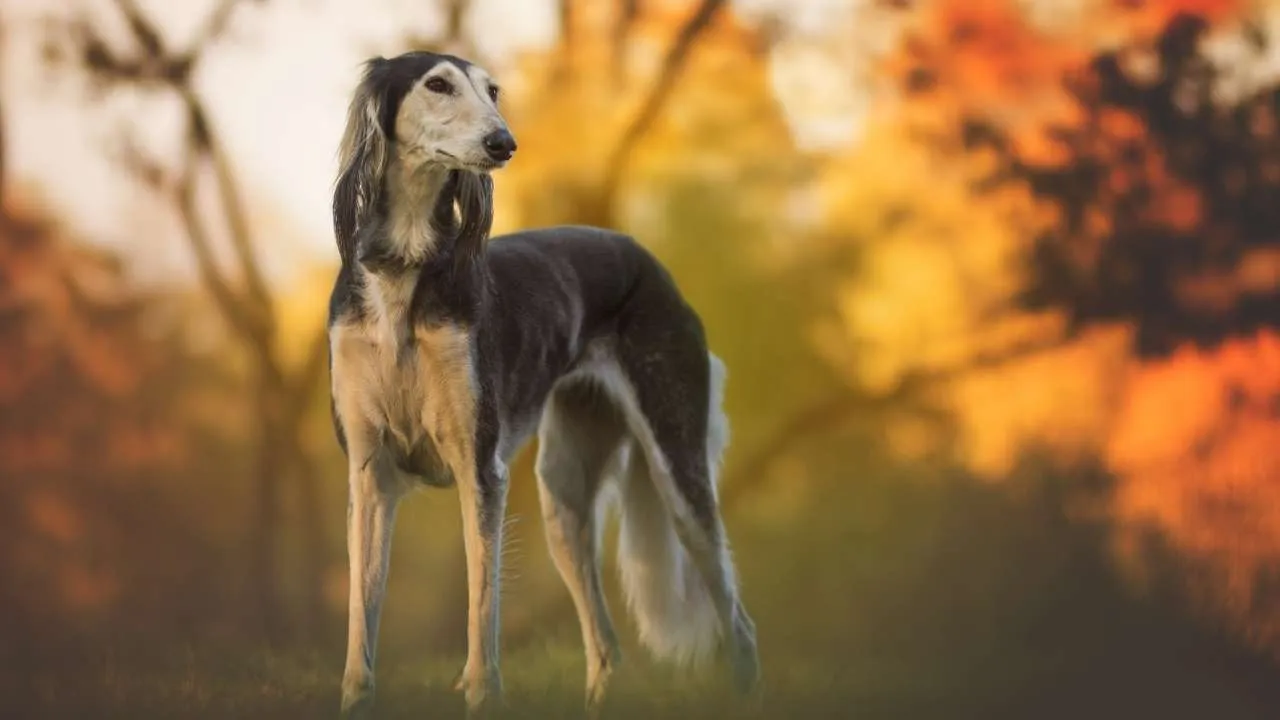
A gazelle-quick shape crosses the horizon, and this dog is already running. The chase can stretch on for miles, past the point most owners would have called it back.
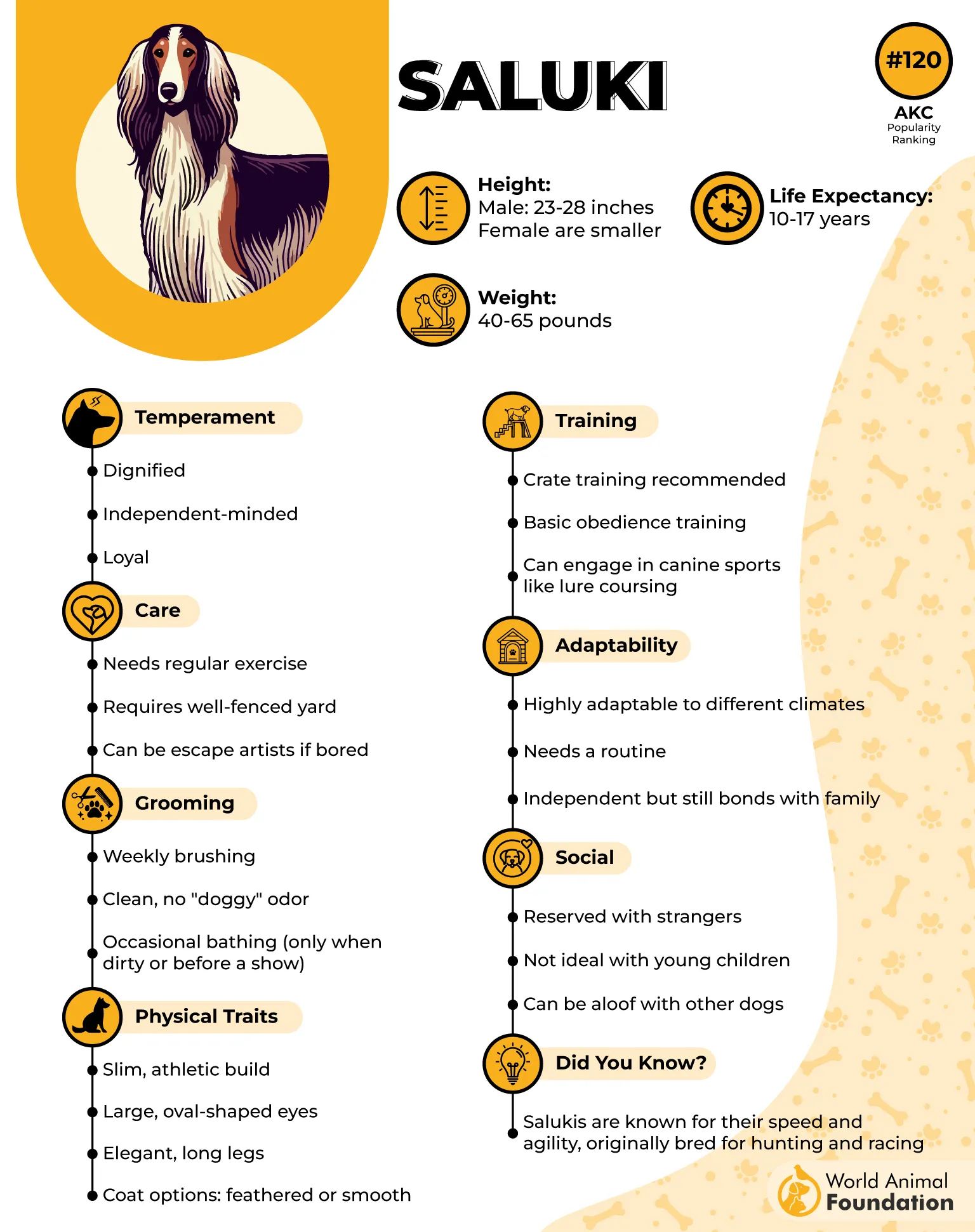
Desert hunters bred this sighthound to run alongside horses for hours, chasing game across open terrain where stamina mattered more than a quick dash. That distance-built engine is still what powers the dog today.
Safety Tip: Exercise only in a securely fenced area or on a long line, since recall rarely beats a sighthound already at full stride.
People assume a calm, aloof dog at home must have a mild predatory instinct. That calm is just a low idle, and once a fast-moving animal registers, the switch flips completely.
3. American Foxhound
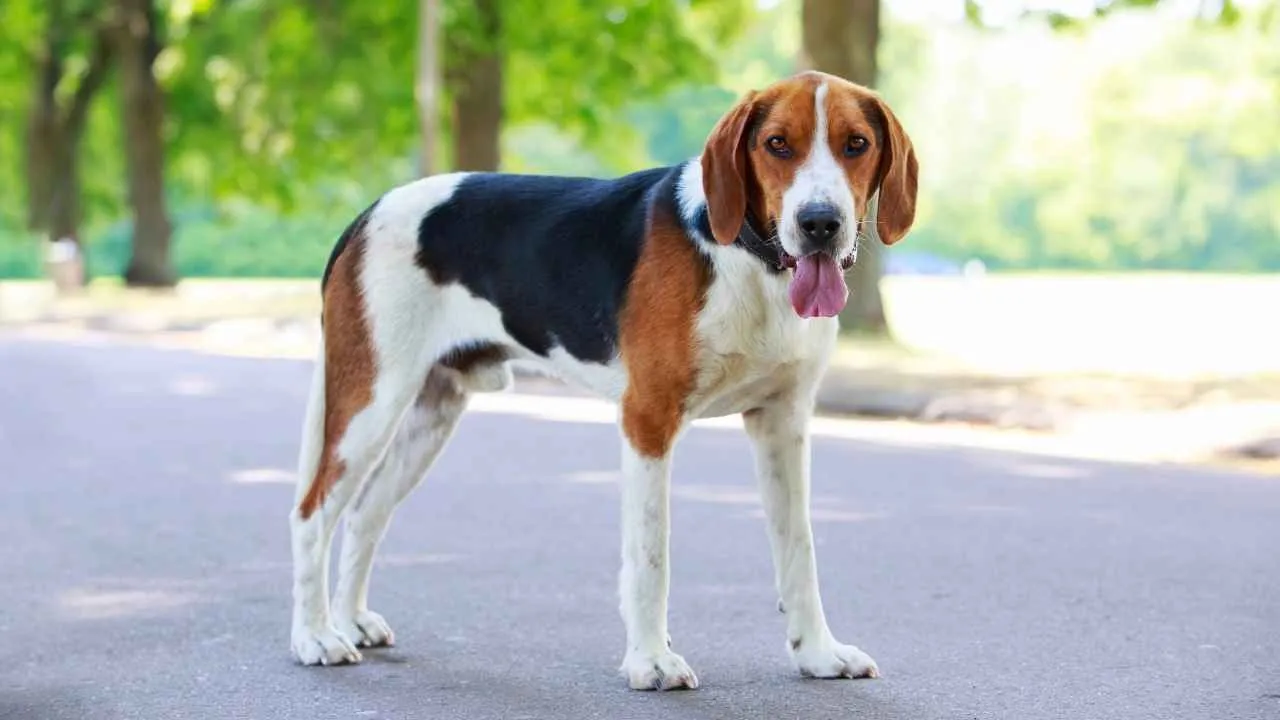
A cold scent crosses the yard, and this dog’s nose takes over completely. Calls to come back stop mattering the second that trail picks up.
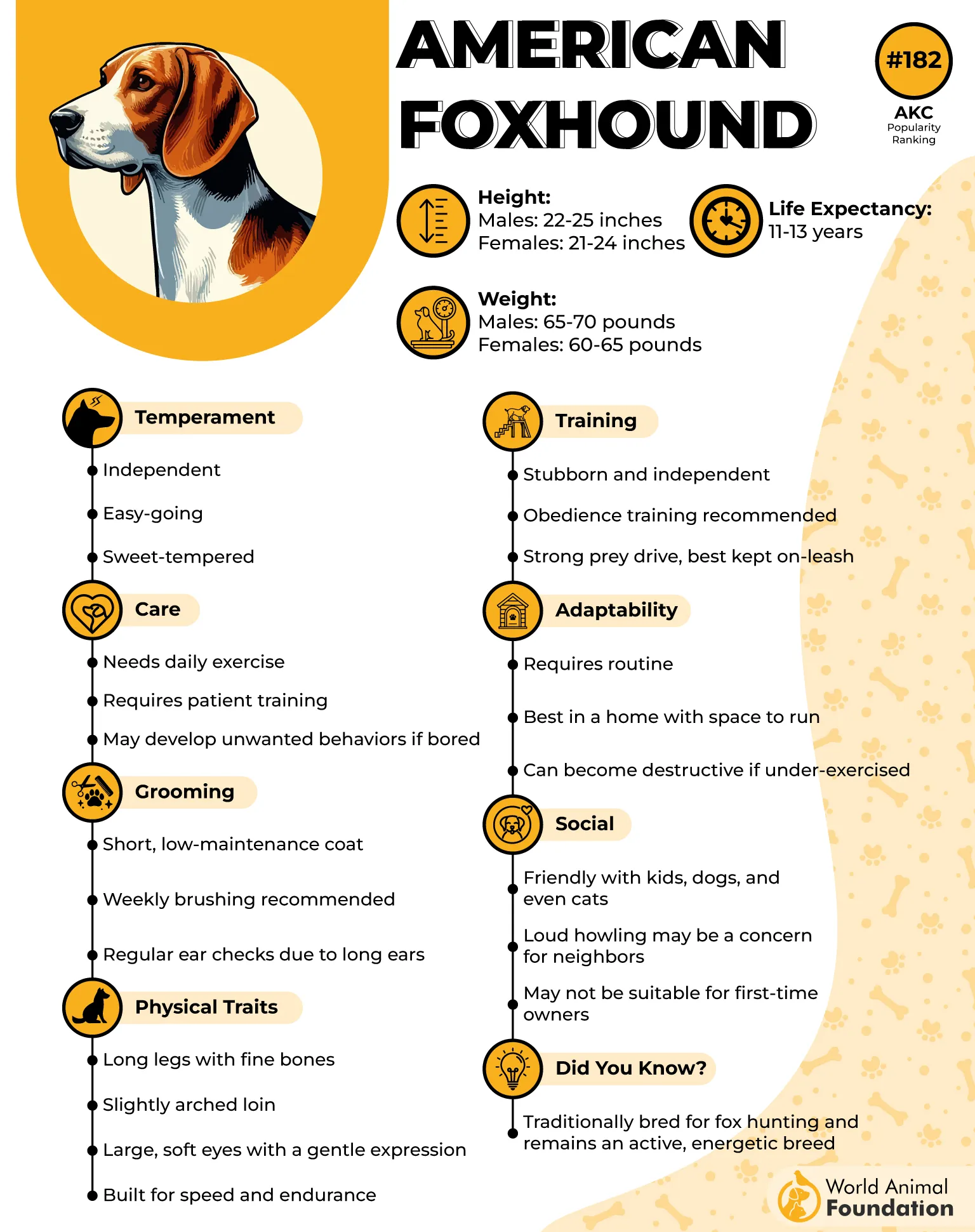
Bred for generations to run fox trails in packs, this hound’s nose was built to lock onto a scent and never let go. The AKC notes the American Foxhound can trail a scent for miles, a trait that made it an elite hunter and tough to call off mid-trail.
Safety Tip: Treat off-leash time as a privilege, not a given, and use a long line or a securely fenced large yard near scent-rich ground.
A common misconception is that a properly trained dog always answers a recall command. For a scent hound mid-trail, the nose outranks the ear, and training alone rarely wins that contest.
4. Jack Russell Terrier

The family cat strolls past, and this dog’s whole body locks onto it like a target. A hamster cage suddenly reads less like a pet and more like an invitation.
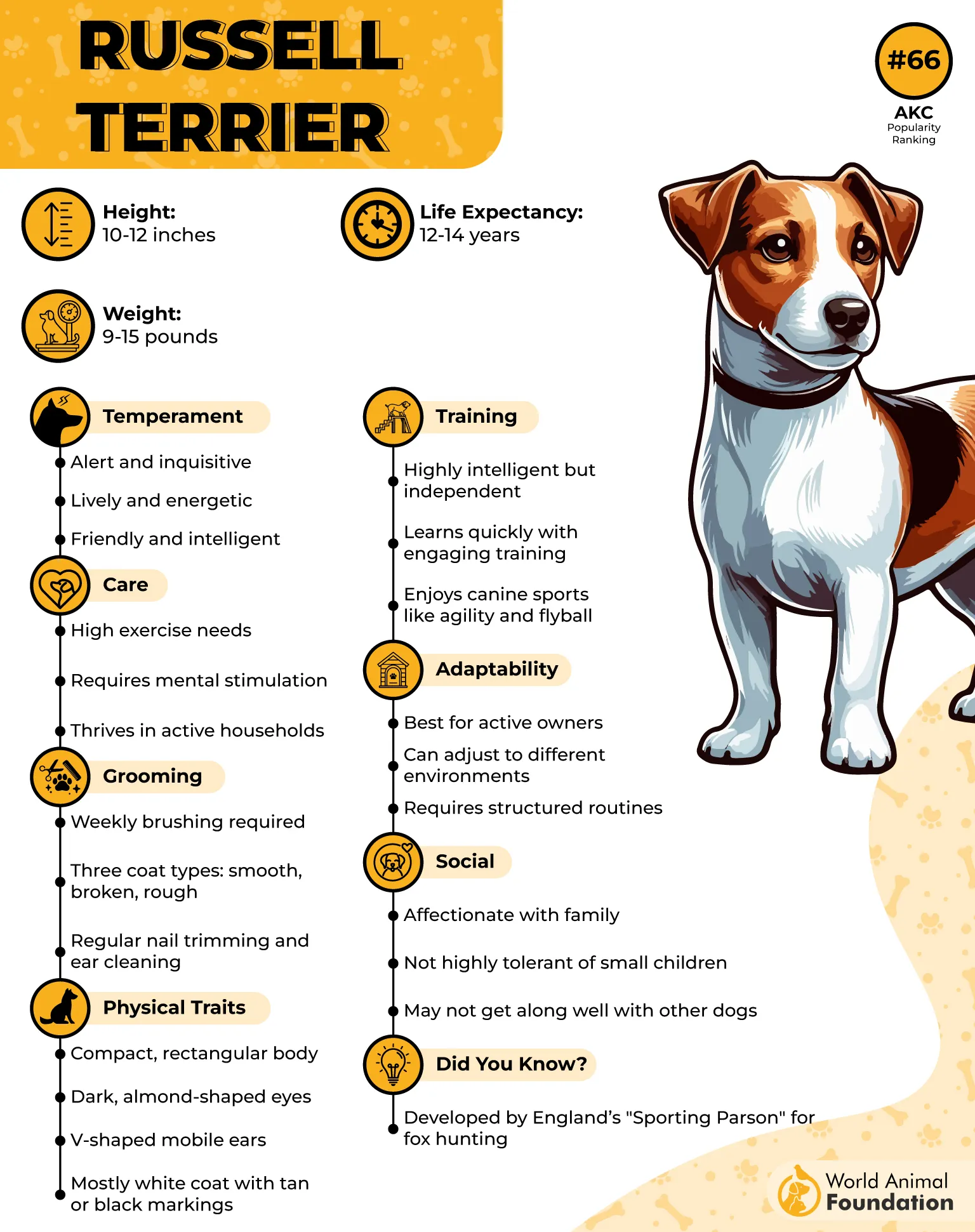
Jack Russell Terriers were bred to hunt foxes and rats, work that rewired how they read anything small and fast. Britannica notes cohabiting with small pets is not advisable for the breed, since that hunting wiring rarely clocks off at home.
Safety Tip: Keep small pets in rooms or enclosures this dog cannot reach unsupervised, and introduce any new small animal only behind a secure barrier.
Owners often believe a dog raised with a cat from puppyhood will always see it as family. That bond can hold for years and still snap the moment a strange small animal triggers the old hunting instinct.
5. German Shorthaired Pointer
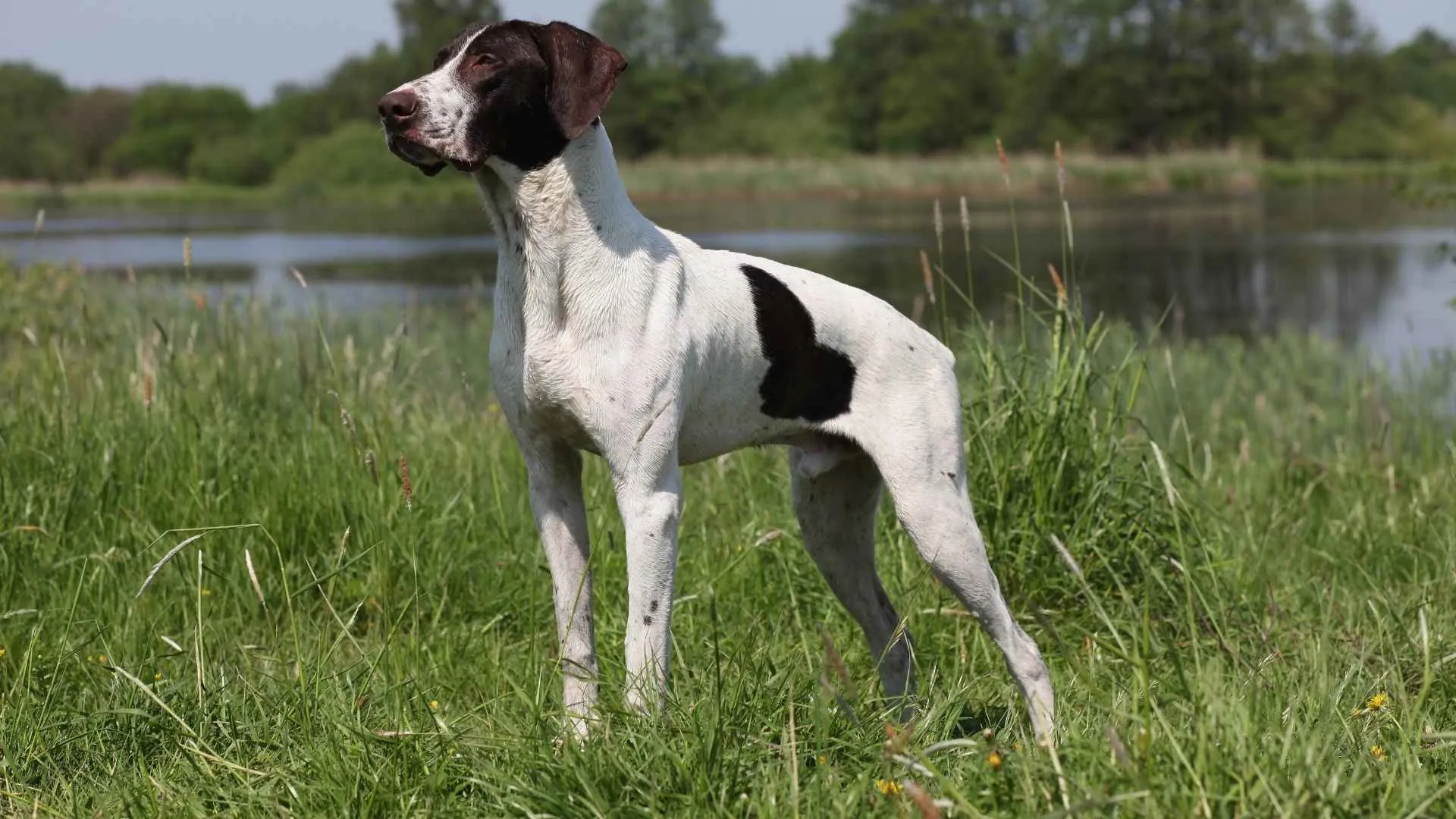
A bird flushes from the brush, and this dog freezes mid-stride before launching into a dead sprint. One second it’s a statue, the next it’s gone.
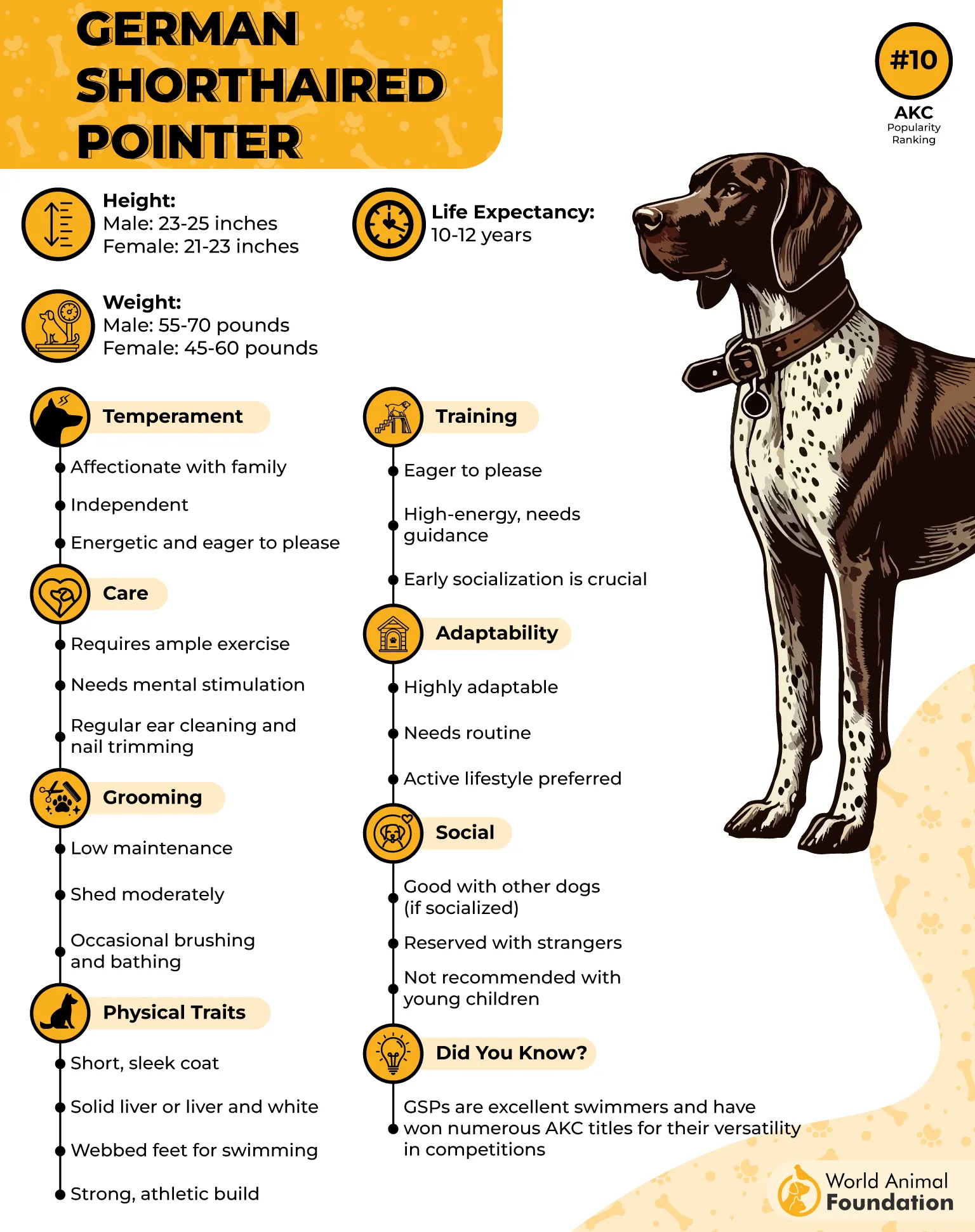
Bred in Germany to point, trail, and retrieve upland game, this breed’s body still runs on that same wiring. Hill’s Pet traces the roots to the 1600s, when a heavy pointer was crossed with a scenting hound to build a dog equally drawn to trailing and pointing.
Safety Tip: Use a fenced area or a long line near open brush and birdy ground, where the point-flush-chase sequence is most likely to fire.
A common myth says a dog that loves fetching balls has only a mild predatory instinct. Retrieving and the point-flush-chase sequence share the same hunting toolkit, so a strong fetch habit often signals the drive, not proof it is tame.
6. Siberian Husky
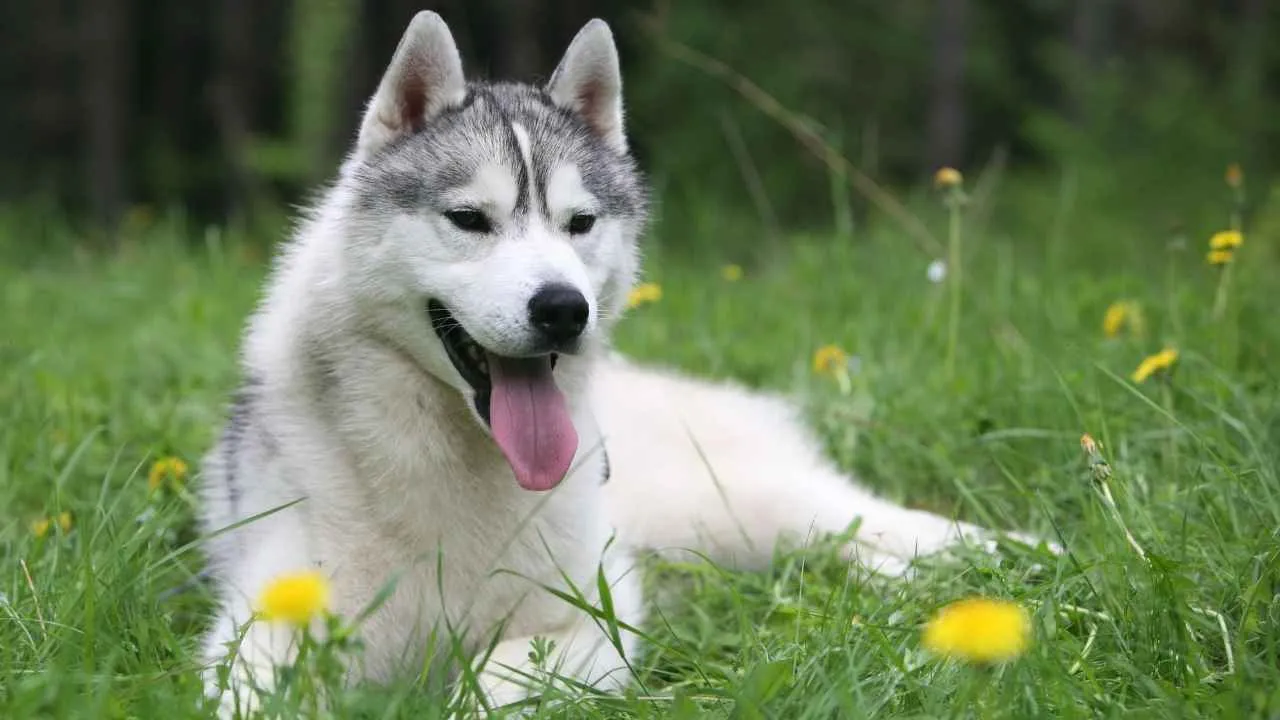
The yard looks secure until this dog finds the one gap under the fence. One moment it’s lounging by the door, the next it’s loose and chasing something small across the neighbor’s lawn.
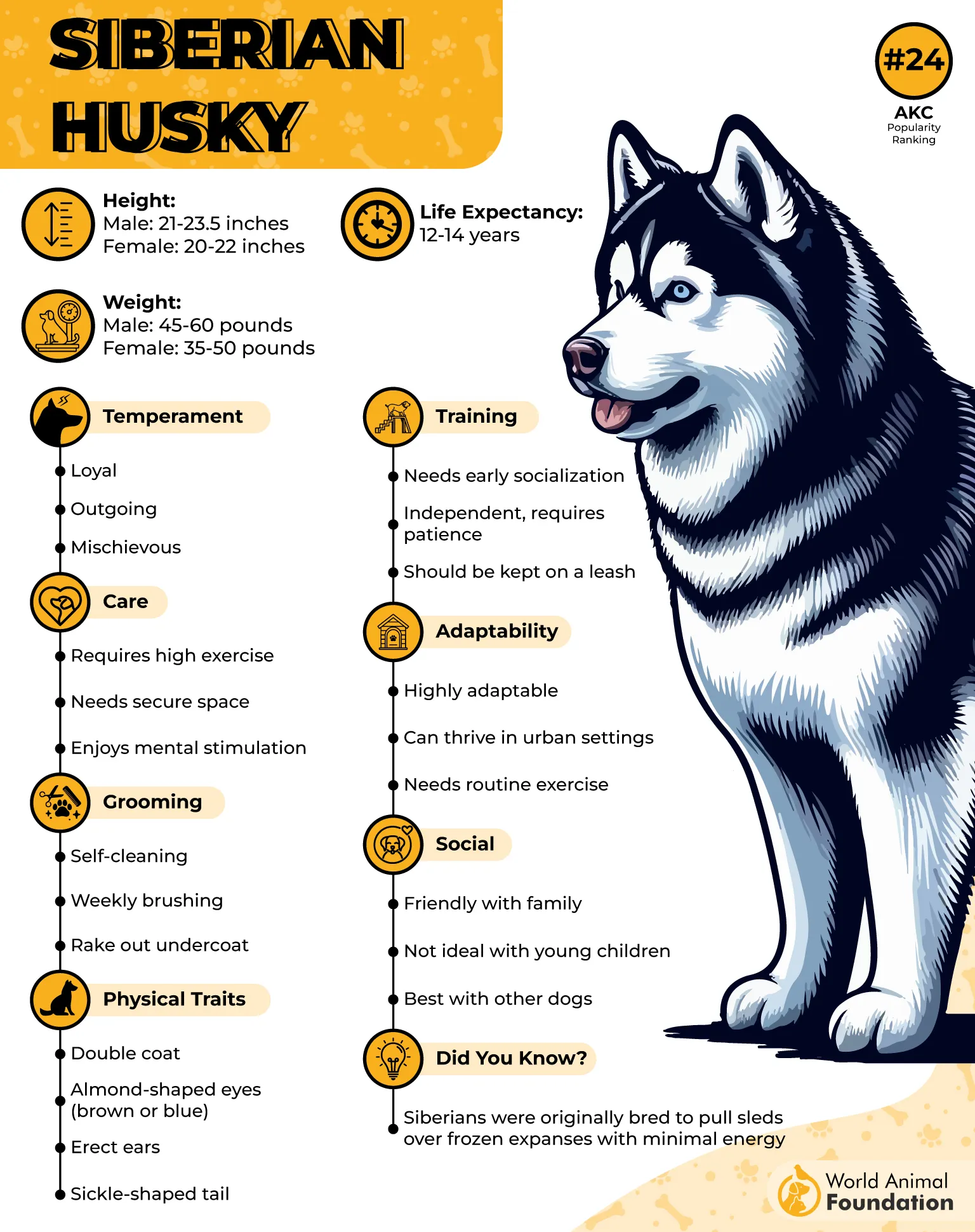
Bred to run for hours pulling sleds across open tundra, this breed carries both a wandering streak and a strong tendency to chase small, fast-moving animals once free. That mix requires a yard that’s genuinely secure, not just fenced.
Safety Tip: Check physical fences for dig-outs and jumping points each season, bury wire along the base if needed, and skip GPS fences, which won’t stop a determined runner.
A common myth says a tired Husky stays put. This breed can run for hours without tiring, so a long walk rarely drains the urge to slip the fence the second something worth chasing appears.
7. Weimaraner
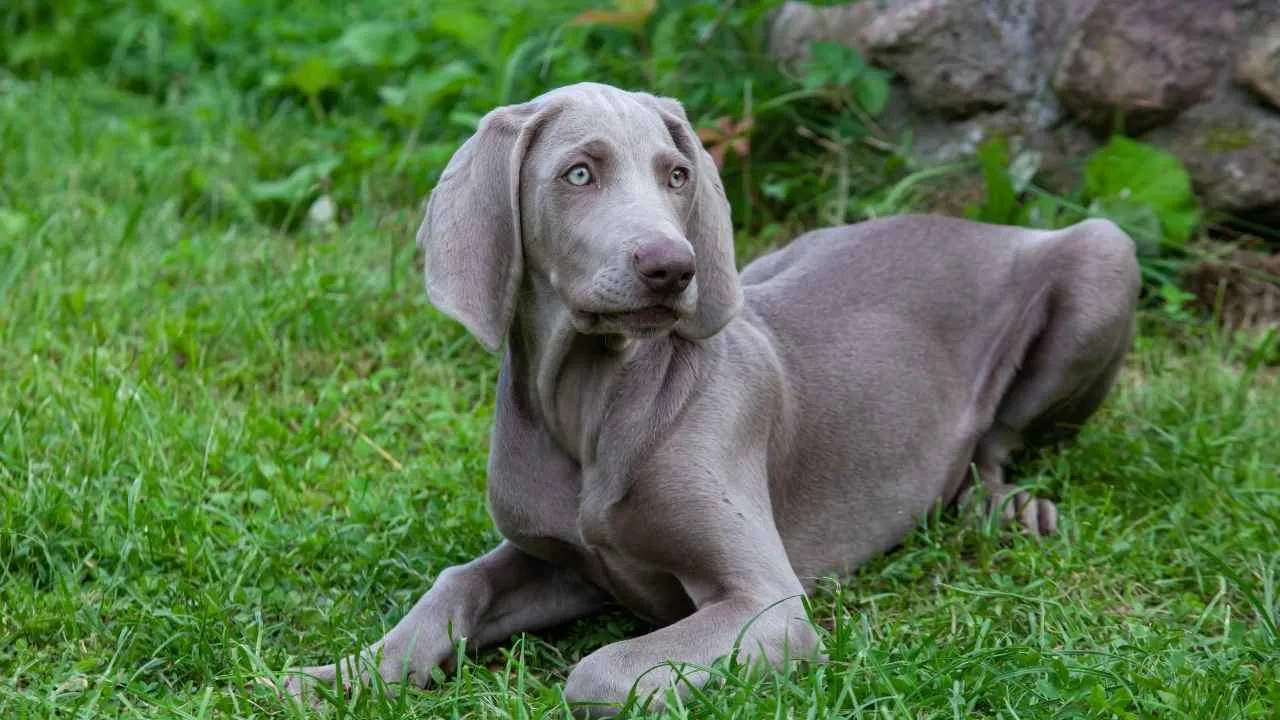
A deer slips along the back fence line, and this dog goes from lounging on the porch to a full chase in seconds, covering the length of a large yard before anyone reacts.
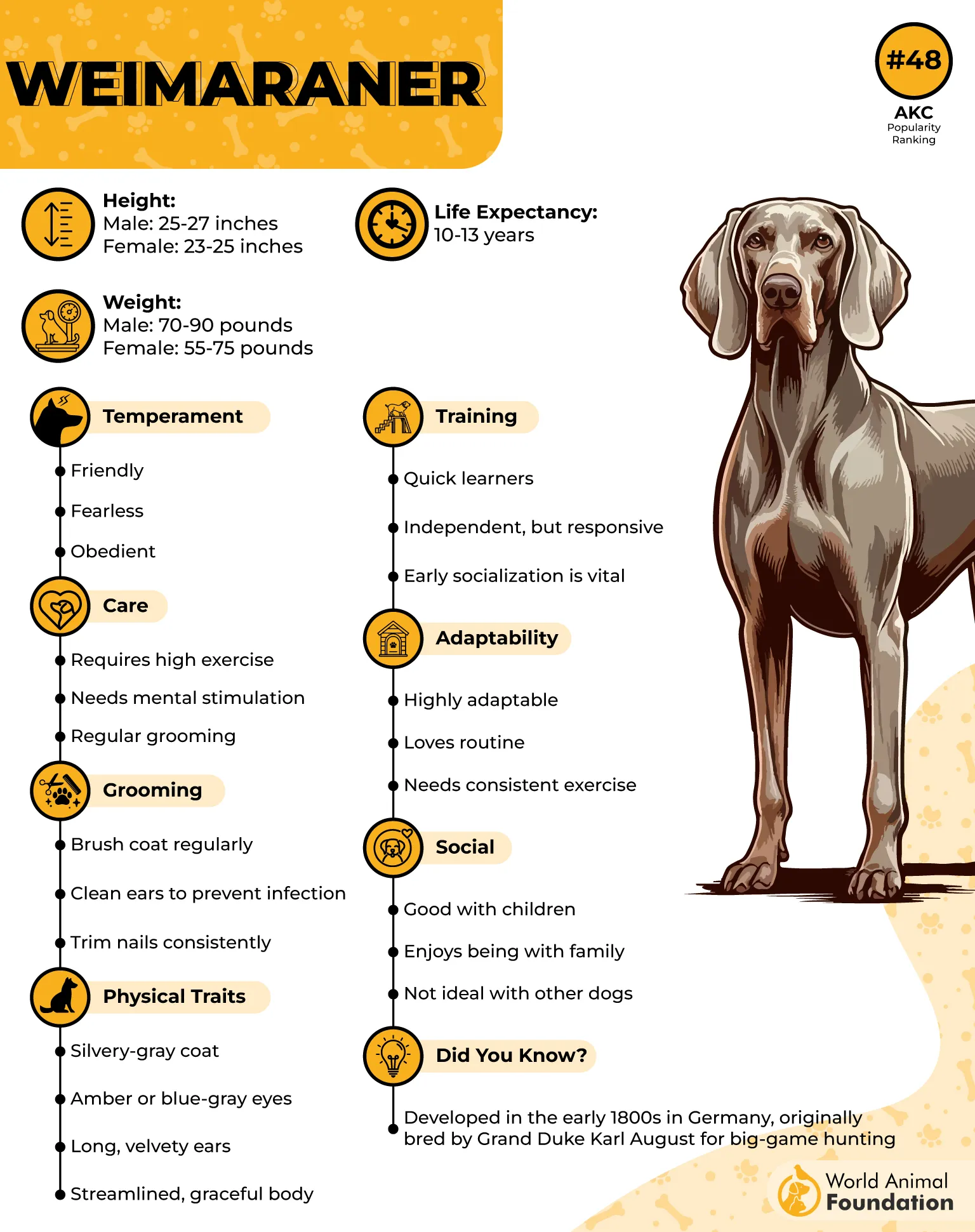
German nobility bred the Weimaraner to track and corner big game like boar and deer, so this large-breed build still gears up for animals far bigger than a squirrel. VCA Hospitals notes that hunting remains this breed’s favorite exercise, proof that much of that drive is still baked in.
Safety Tip: Walk the fence line each season for weak spots, and supervise time in any large yard backing onto open fields or woods.
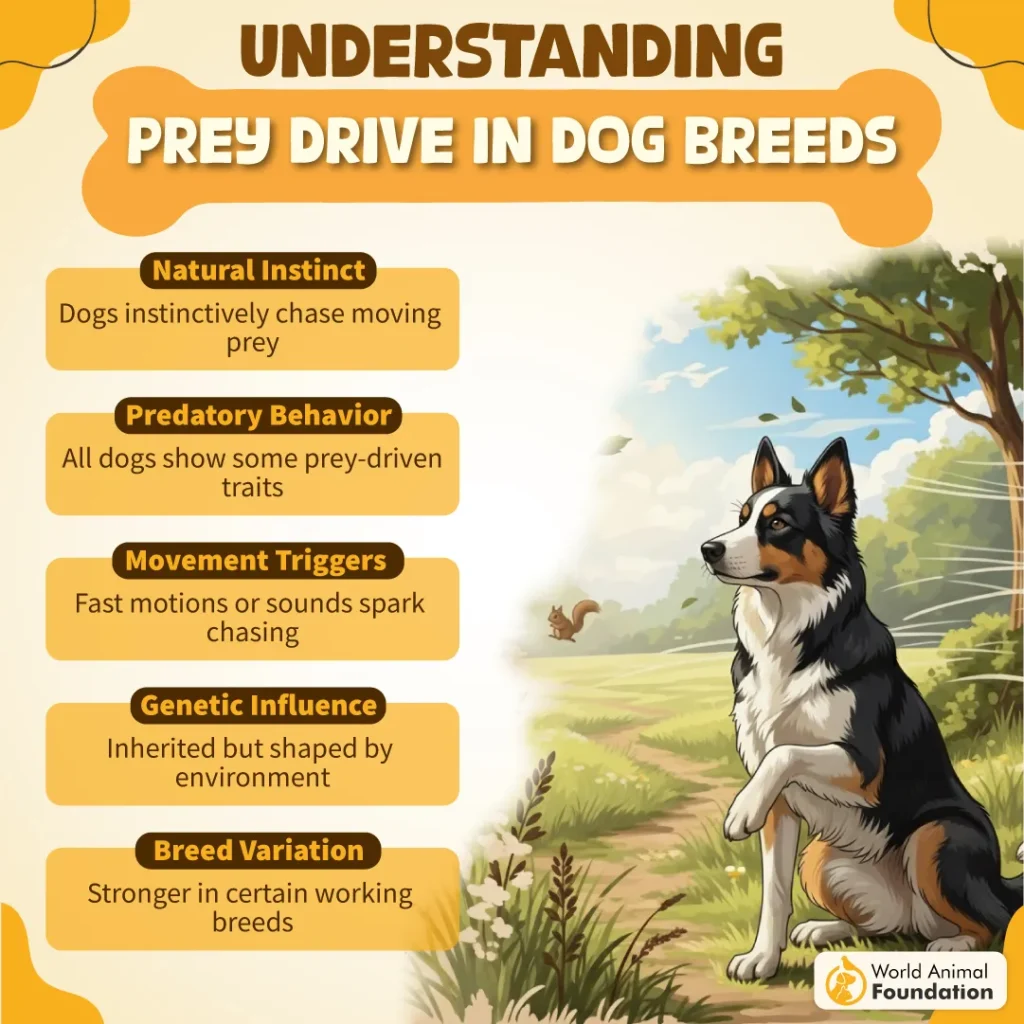
People sometimes assume a dog this large and friendly is too mellow for serious prey drive. Generally speaking, the bigger the original quarry a breed was built to chase, the less a backyard fence impresses it.
Conclusion
None of these dogs are looking for trouble. A strong instinct just means a squirrel chase, a sudden dash toward other animals, or a fence that needed a few additional steps to actually hold, long before training ever got a say.
Some of these dogs run so fast nothing catches them, while large breed dogs in the group carry a nose that simply won’t quit once it’s on a trail, but the fix stays the same: know the flashpoint, manage it, and let that focused drive work for you instead of against you. Keep this list handy before your next walk with one of these breeds.
