




Ask most dog lovers to name a giant breed, and you’ll hear the same three or four names every time. Plenty of large, lesser-known giants never make that list.
Here’s a fact that puts their scale in perspective: one livestock guardian giant was once trusted to protect an entire flock of up to 100 sheep completely on its own.
Many of these big dogs spent centuries guarding flocks and estates long before anyone called them a family dog. Their watchdog nature and weather-resistant coats were shaped by tough working lives in remote corners of the world.
Some carry fluffy coats built for brutal winters; others carry the largest head and most dominating presence around. Every one has a story that explains why it looks and acts this way.
Ready to meet seven fascinating and rare giants the world barely talks about? Keep reading, because the first one alone is worth the click.
Little-Known Giant Dog Breeds With Stunning Traits
1. Caucasian Shepherd

Picture a dog built like a small bear guarding a mountain pass. The Caucasian Shepherd’s look changes with region; some lines lean, others massive and heavily boned.
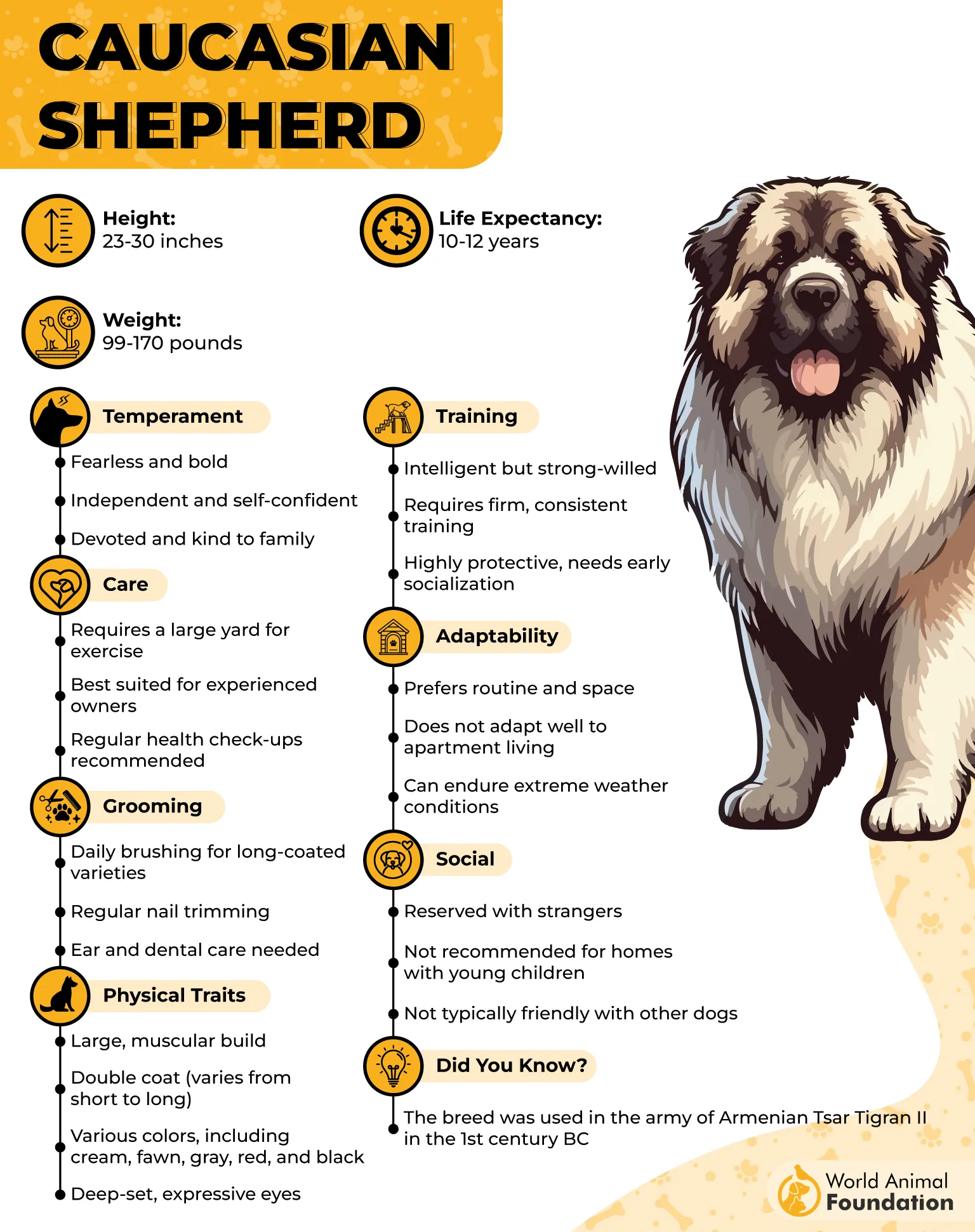
This breed grew up as a livestock guardian across Georgia, Armenia, Azerbaijan, and Dagestan. Soviet breeders unified those regional lines into one standard around 1920.
Temperament/family fit:
Bold and fearless with strangers, yet soft and devoted at home, per the AKC.
Not the best match for households with small kids underfoot.
That thick double coat needs regular brushing. This is not a beginner’s dog, and it does best with an experienced handler.
Here’s the twist: even with fans across several countries, this breed still isn’t fully AKC-recognized; it sits in the Foundation Stock Service instead. That alone makes it feel like an insider’s pick among giant dog breeds.
2. Pyrenean Mastiff
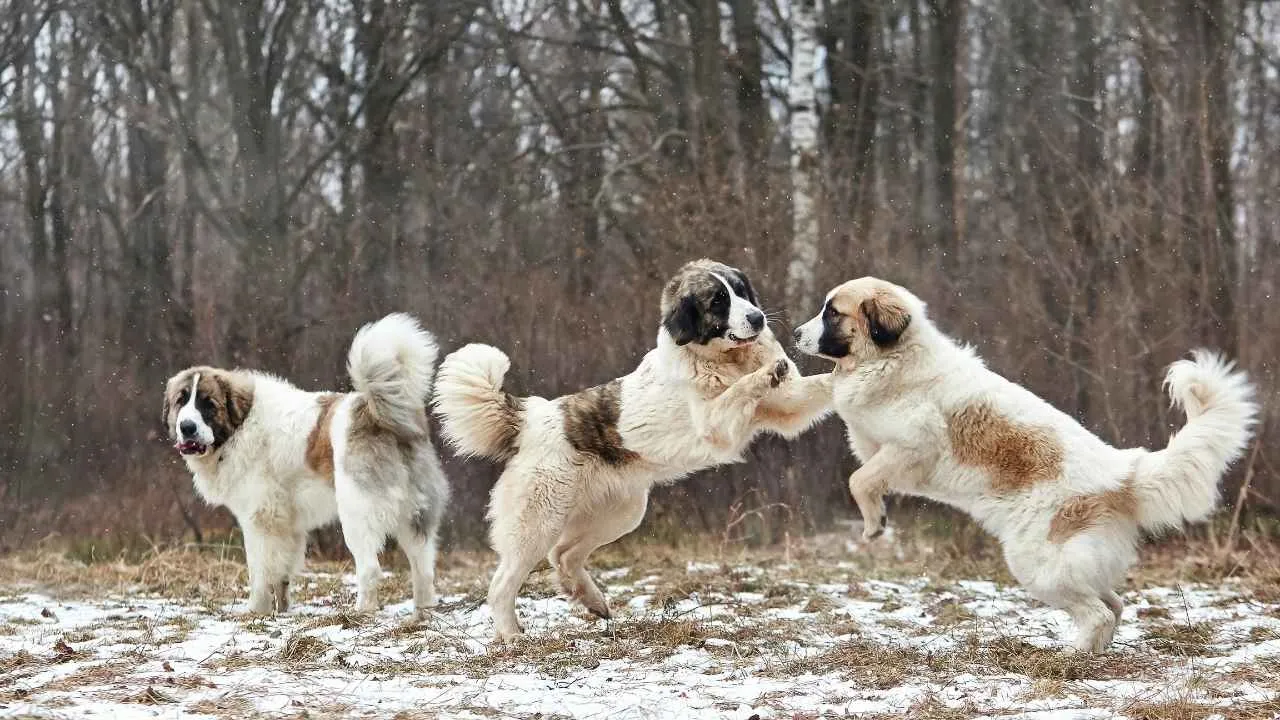
Stand this dog on its hind legs, and it might tower over you. The Pyrenean Mastiff carries serious size, yet moves with an easy grace that never feels heavy.
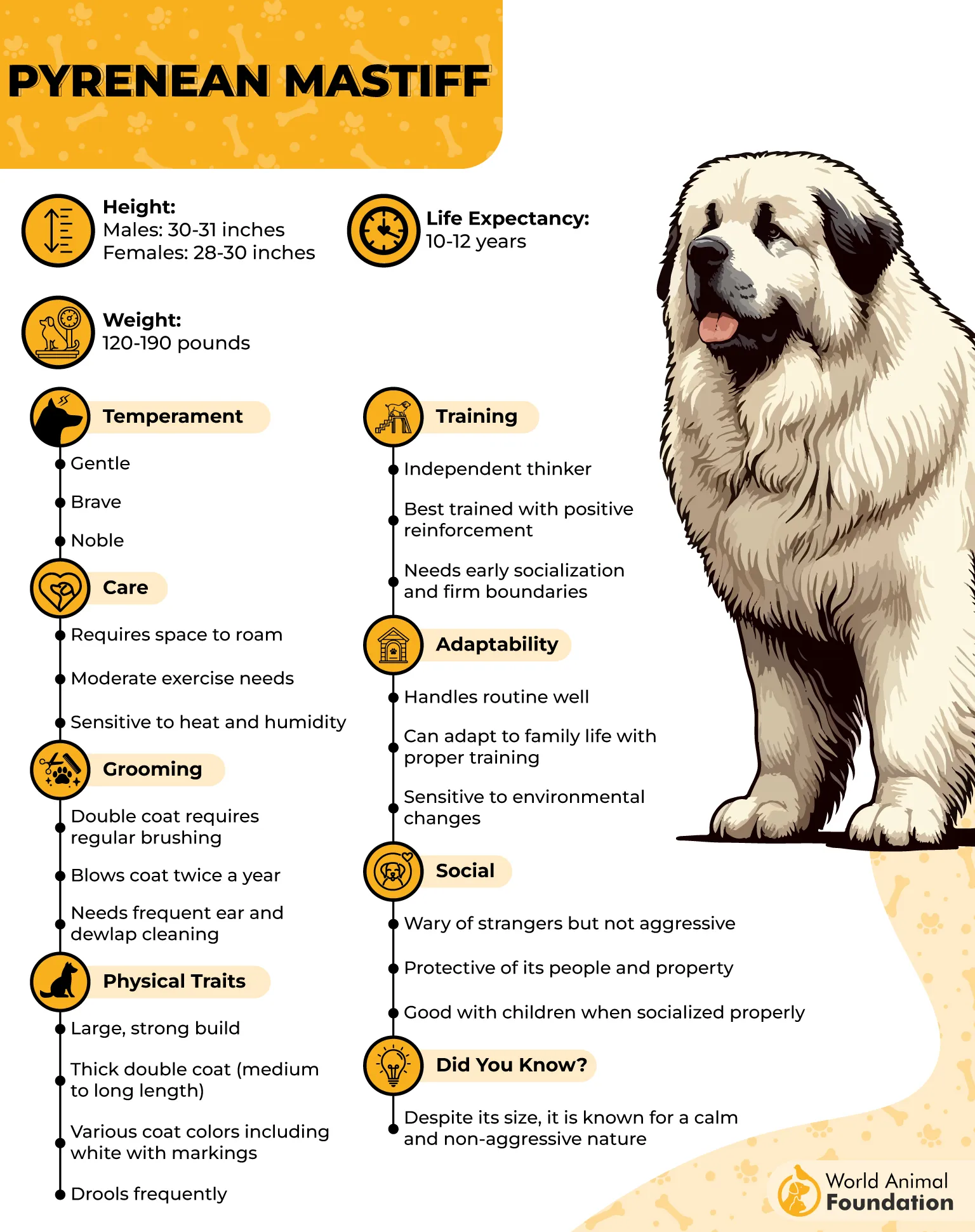
This breed comes from Aragón, Spain, where it once guarded flocks crossing the Pyrenees each summer. Shepherds relied on it to fend off wolves and bears.
Temperament/family fit:
Calm and gentle with family, patient with kids who treat it kindly.
Mostly quiet, though PetMD notes it barks to flag anything unusual, then settles back down.
This giant sheds a fair amount and needs weekly brushing. It isn’t suited to apartment life and does best with yard space.
Be ready for drool, since heavy droolers run in this breed’s mastiff blood. Its ancestors likely descend from molossers that reached the Pyrenees some 3,000 years ago.
3. Spanish Mastiff
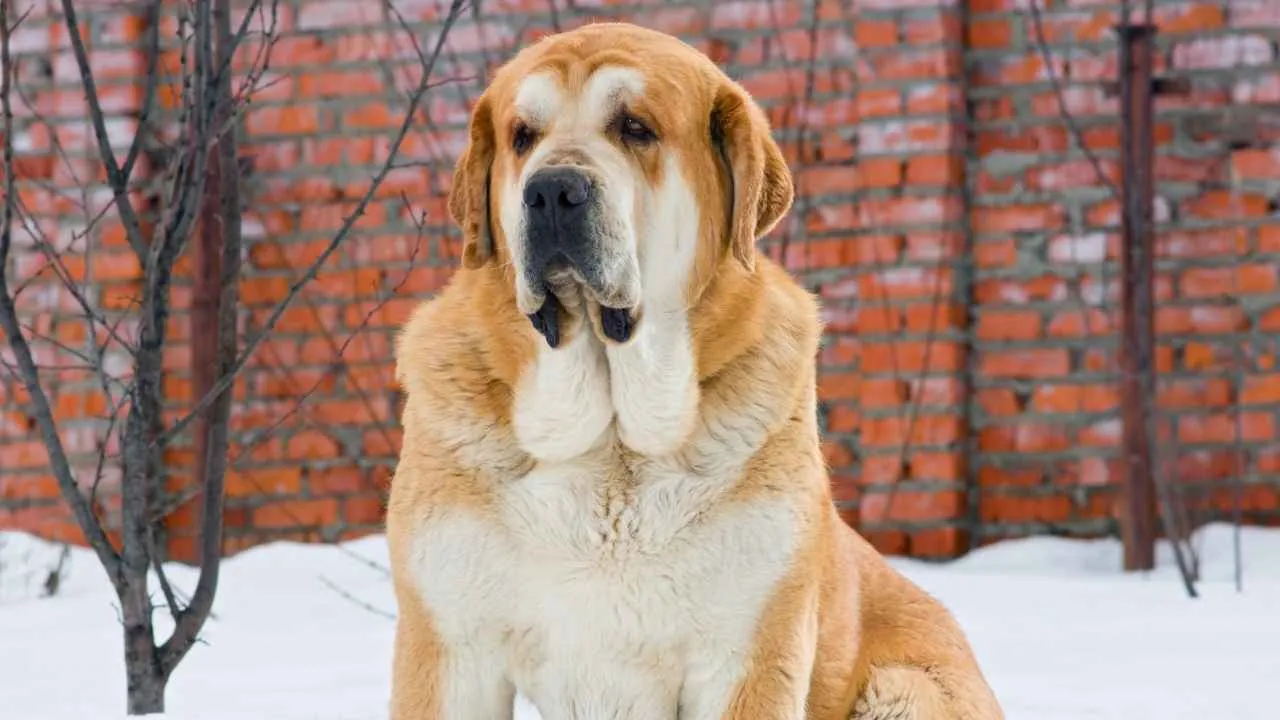
One Spanish Mastiff was once considered capable of guarding up to 100 sheep by itself. That kind of confidence explains its massive head and equally massive presence.
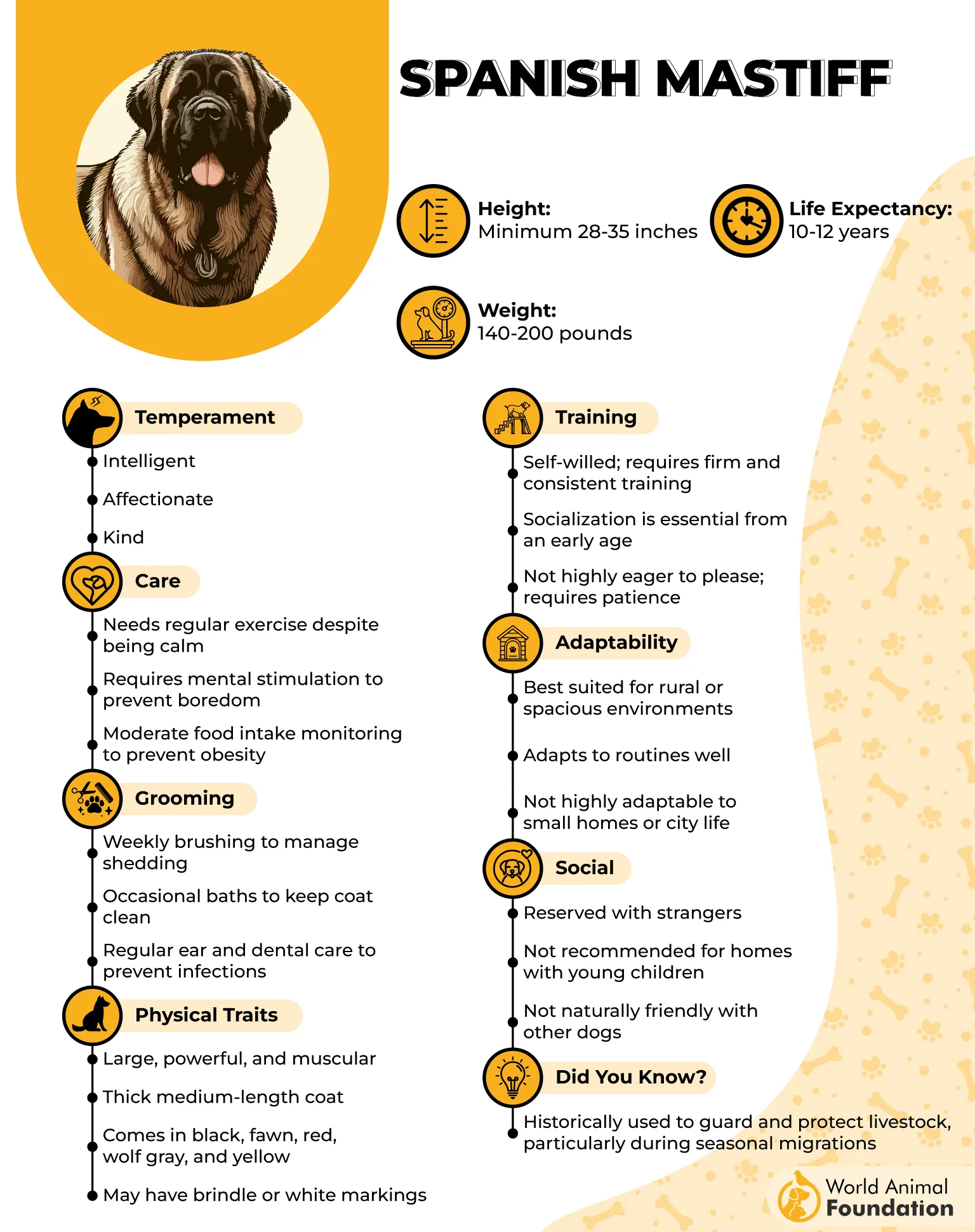
This breed worked the Iberian Peninsula for over 2,000 years, moving with flocks between grazing grounds. Large, heavily built guardian dogs of this type appear in records dating back thousands of years.
Temperament/family fit:
Dignified, calm and intelligent, and genuinely devoted to their family.
Wary of strangers at first, and not always keen on other dogs.
A loose double dewlap and heavy bone structure mean this dog needs space, not a cramped yard. Regular joint checkups matter for a breed this size. It is a big working dog through and through.
Its lineage may trace back to mastiff-type dogs Phoenician traders brought to Spain around 2000 BC. Few giant dog breeds carry a resume that old.
4. Central Asian Shepherd
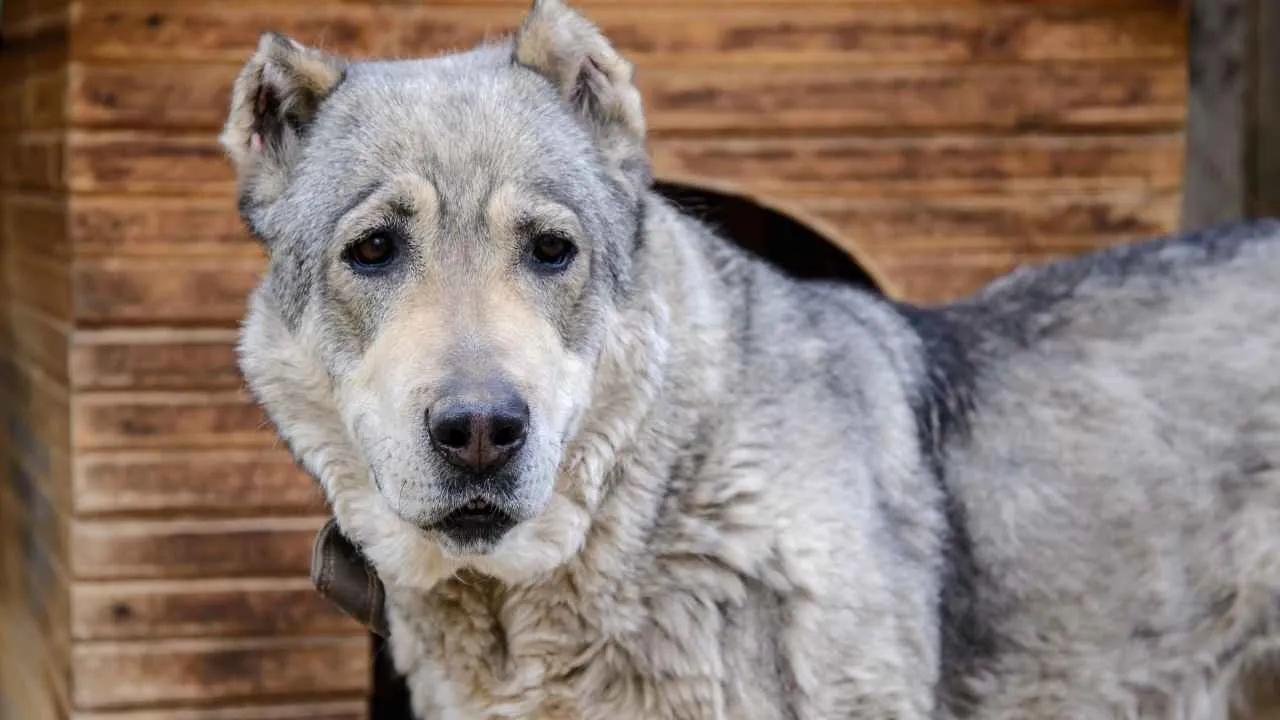
Few dogs can claim a history this long, and this one wears it well. The Central Asian Shepherd is often called one of the oldest breeds still working today.
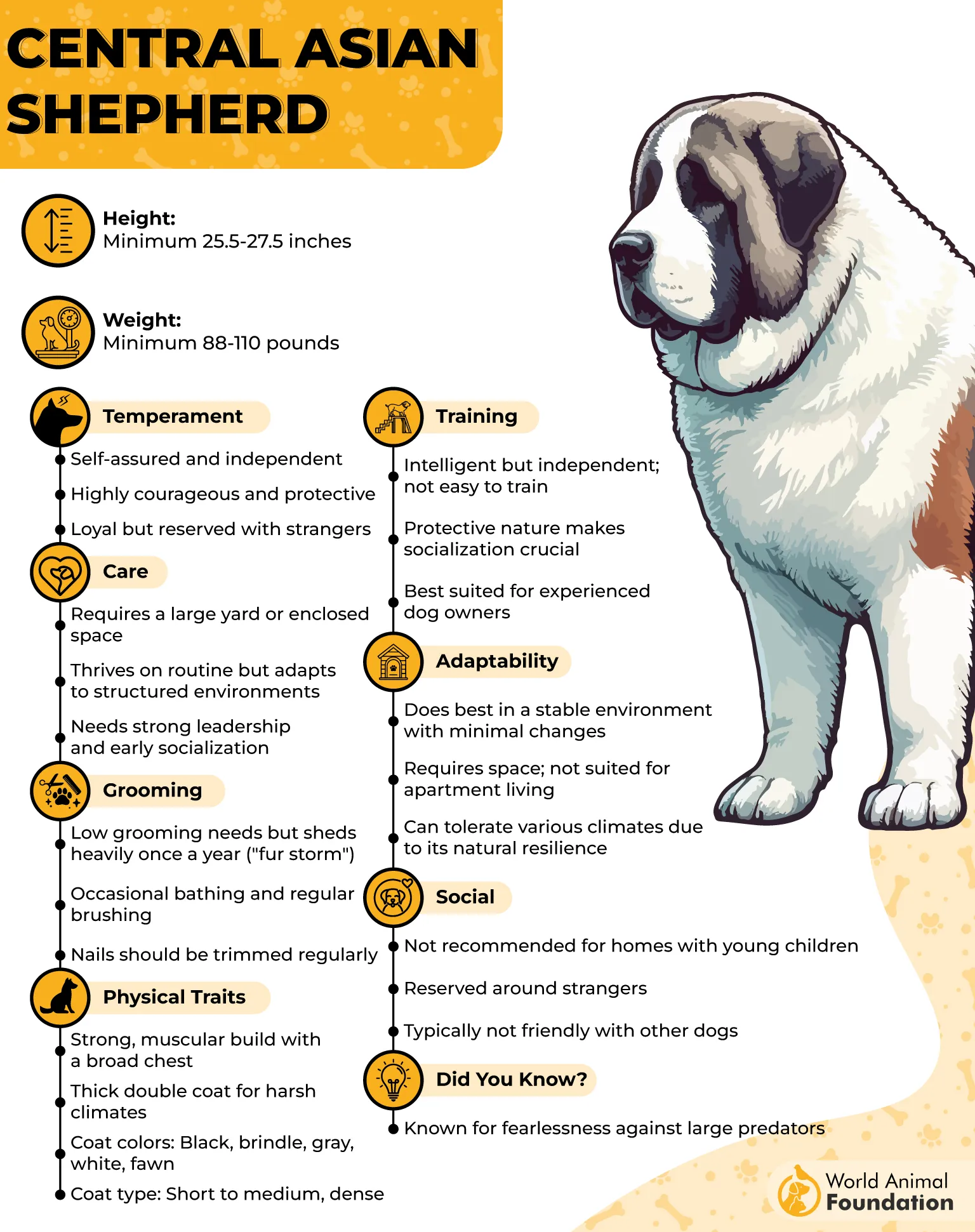
Landrace lines developed across Russia, Turkmenistan, Kazakhstan, and Uzbekistan, shaped by nomadic herders rather than a kennel club. According to CKC USA, these dogs can be traced back roughly to 3000 BCE, moving with tribes along the Silk Road.
Temperament/family fit:
Loyal and loving with its own people, but reserved and watchful around strangers.
Confident enough to face down predators without flinching.
This breed needs firm, early training and isn’t the easiest first dog. A large yard beats apartment living every time. Screening for hip dysplasia is worth asking your breeder about.
Some regional lines still have naturally cropped-looking short ears, a trait passed down long before modern grooming trends existed.
5. Cão de Gado Transmontano
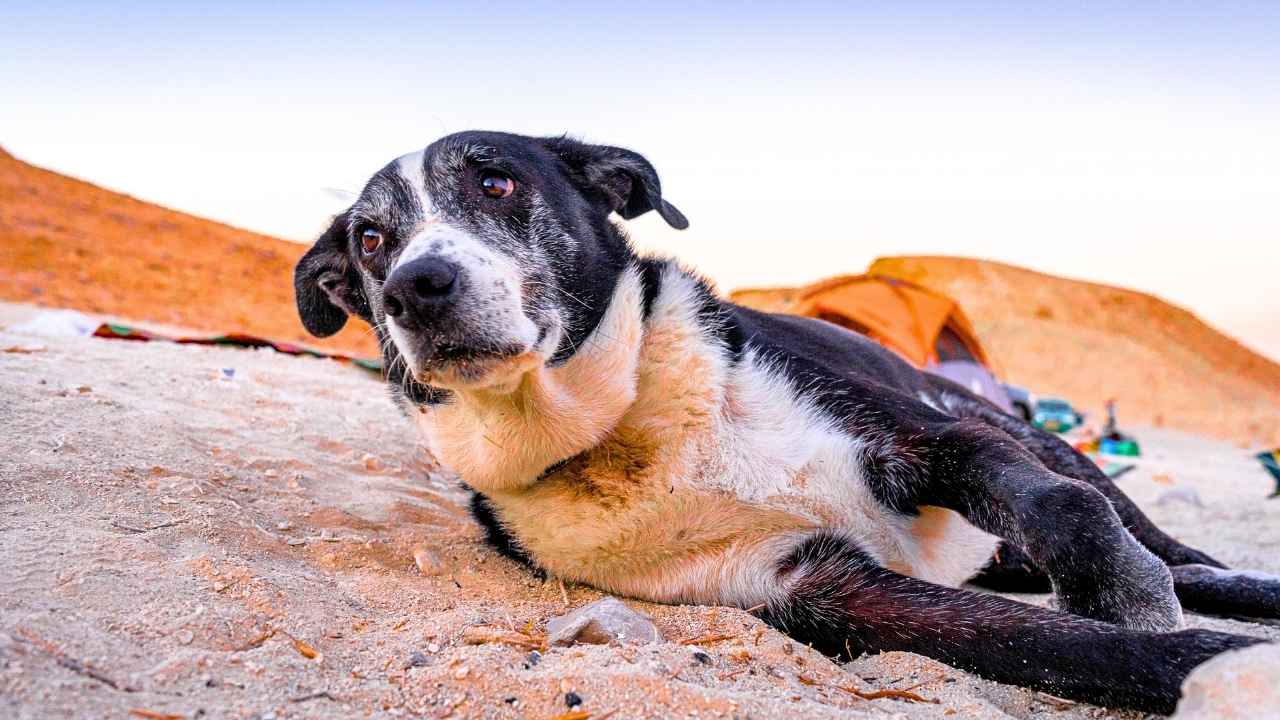
This dog quietly does conservation work most breeds never touch. The Cão de Gado Transmontano now helps protect endangered Iberian wolves by living peacefully alongside the very flocks it guards.
Hailing from Trás-os-Montes in northeastern Portugal, this rare breed descends from ancient Iberian mastiffs bred to fend off wolves in rugged mountain terrain. It remains largely confined to its home region even today.
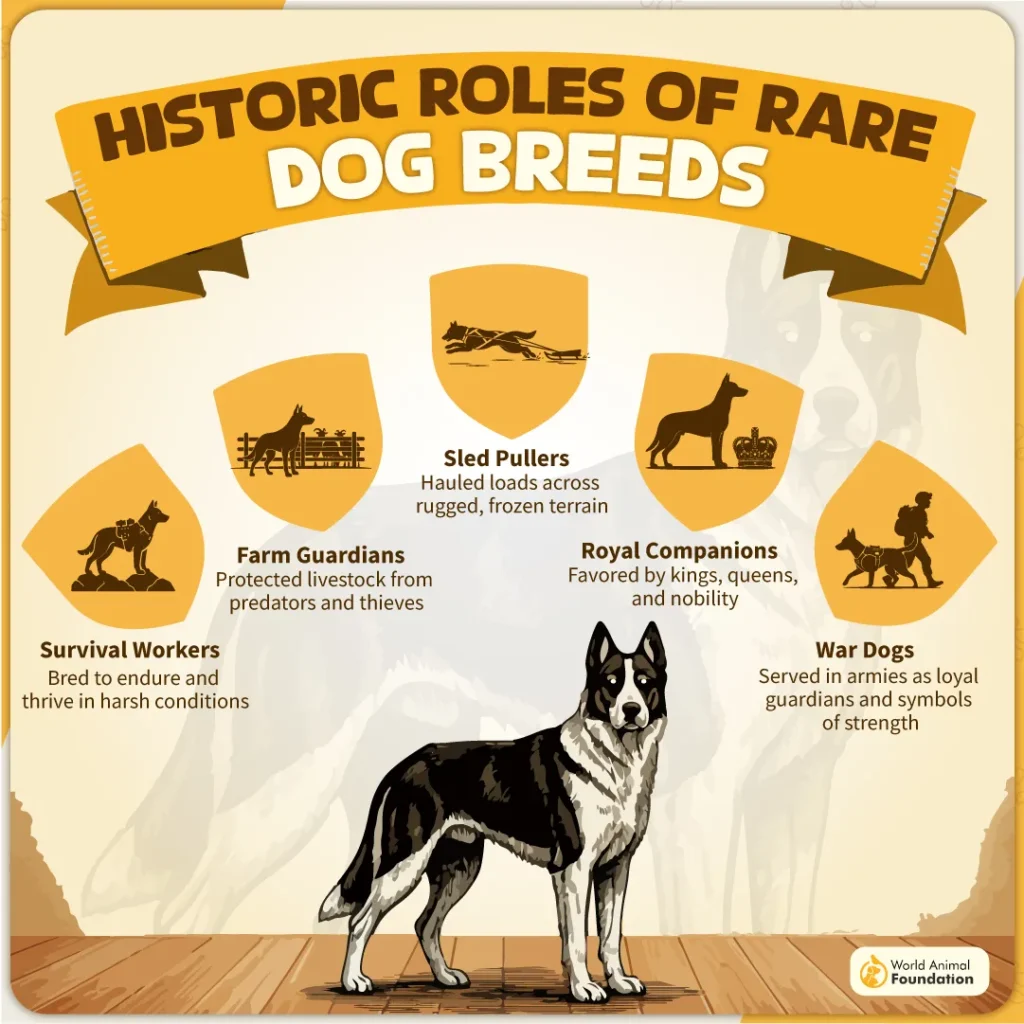
Temperament/family fit:
Curious, intelligent, and notably calm when facing a threat.
Works well within a canine pack behavior setup, often alongside other guardian dogs.
- This breed needs room to roam and a secure fence, since digging out and expanding its territory comes naturally. It isn’t a city dog by any stretch. Females tend to be more tractable companions than males.
Imported dogs of this breed even took part in a US government study testing whether livestock guardians could reduce wolf predation out west.
6. Broholmer
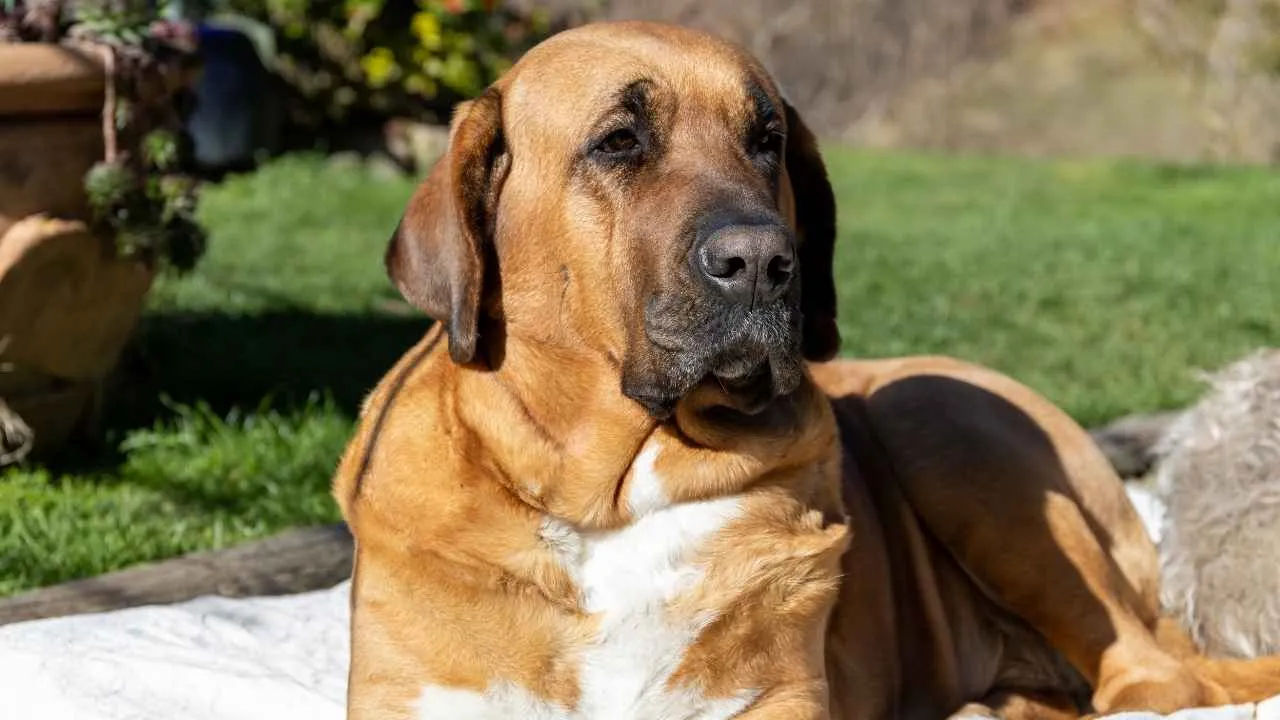
This gentle giant nearly vanished from the world twice. The Broholmer’s imposing, squared frame hides a surprisingly mellow, low-key personality once it settles into a home.
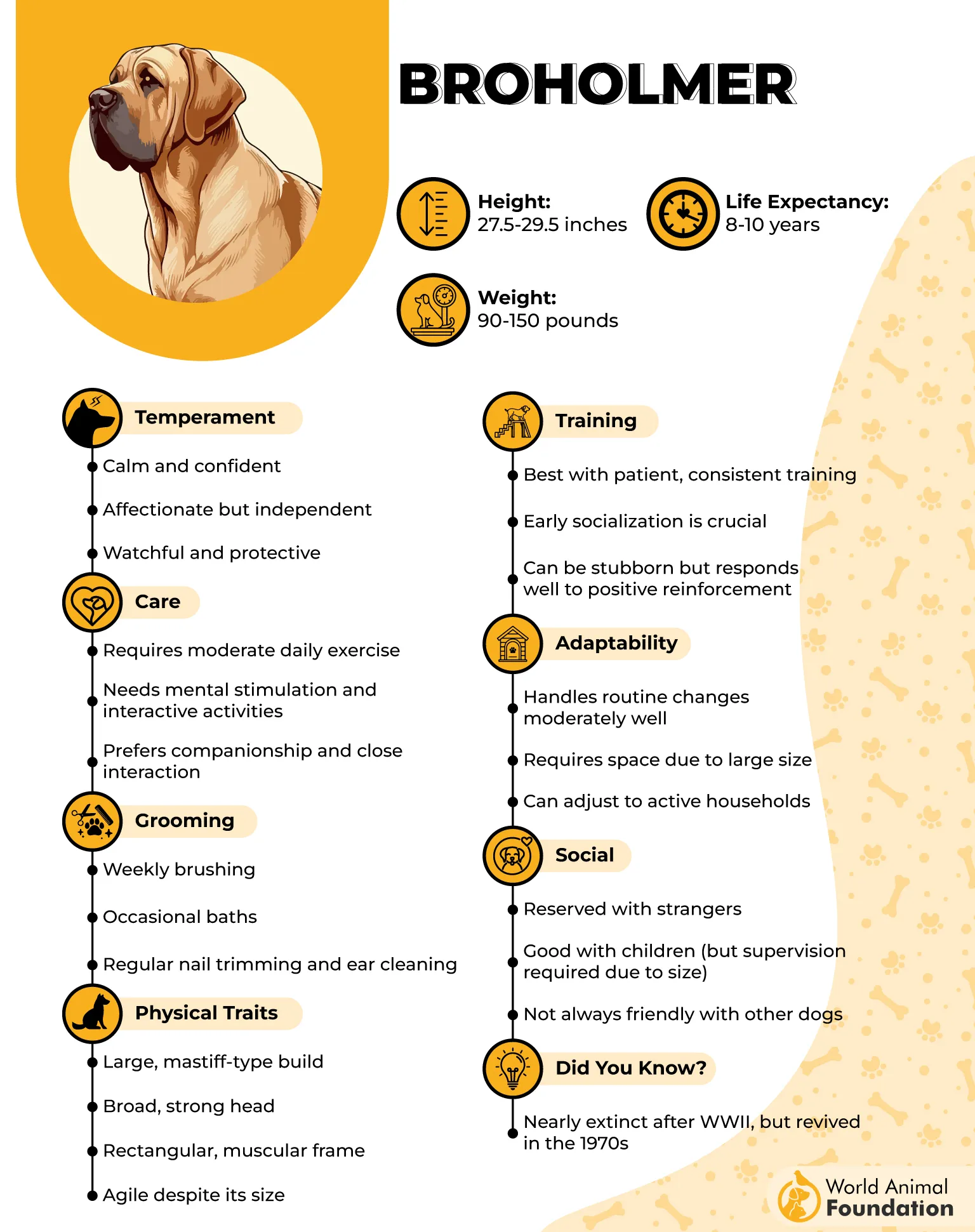
Denmark’s own giant breed traces back to the Middle Ages as a stag-hunting dog, later guarding large farms and manors. It takes its name from the Broholm estate, where an 18th-century gamekeeper helped refine the line.
Temperament/family fit:
Calm, good-natured and watchful, with real affection for its family.
Reserved with strangers at first, then warms up once introductions are made.
Grooming stays fairly simple thanks to a short coat, though daily walks matter for this large working dog.
The family dog breed nearly went extinct after World War Two, and was only saved when Danish enthusiasts tracked down surviving dogs in the 1970s.
7. Black Russian Terrier
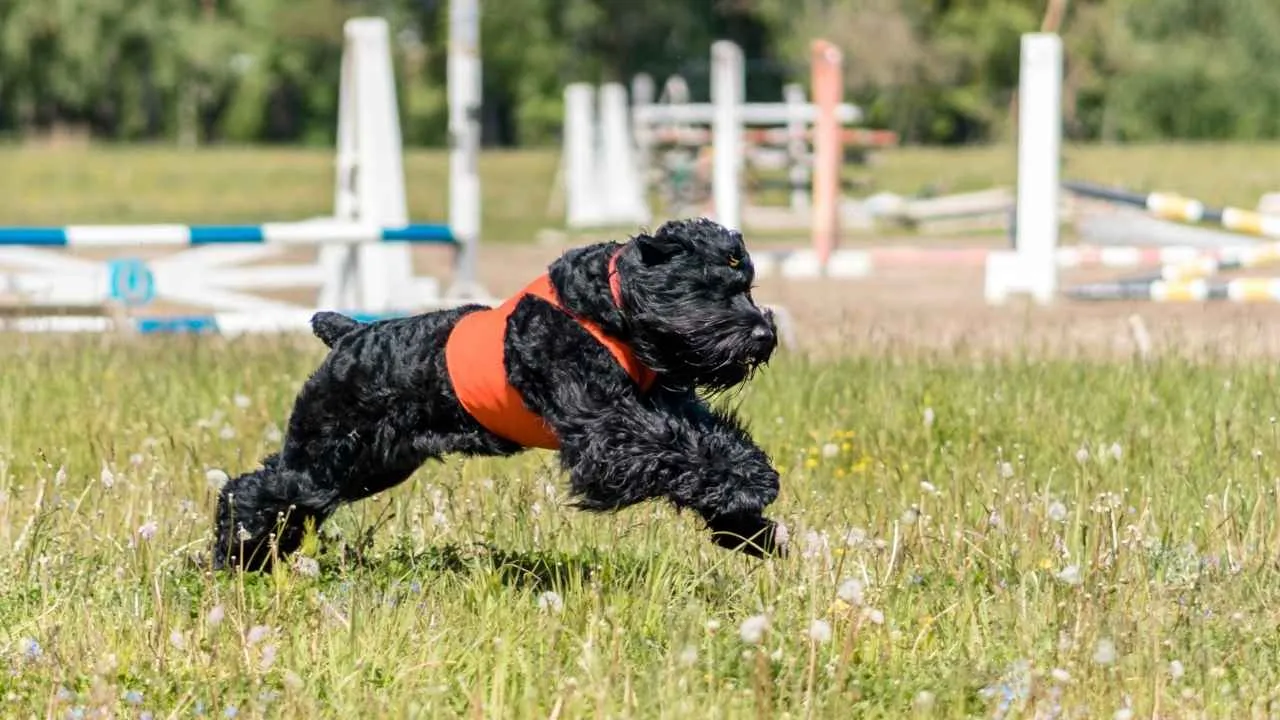
Nicknamed “Stalin’s dog,” this breed was engineered rather than simply bred. The Black Russian Terrier was built from roughly 17 different ancestor breeds to survive brutal Soviet winters on duty.
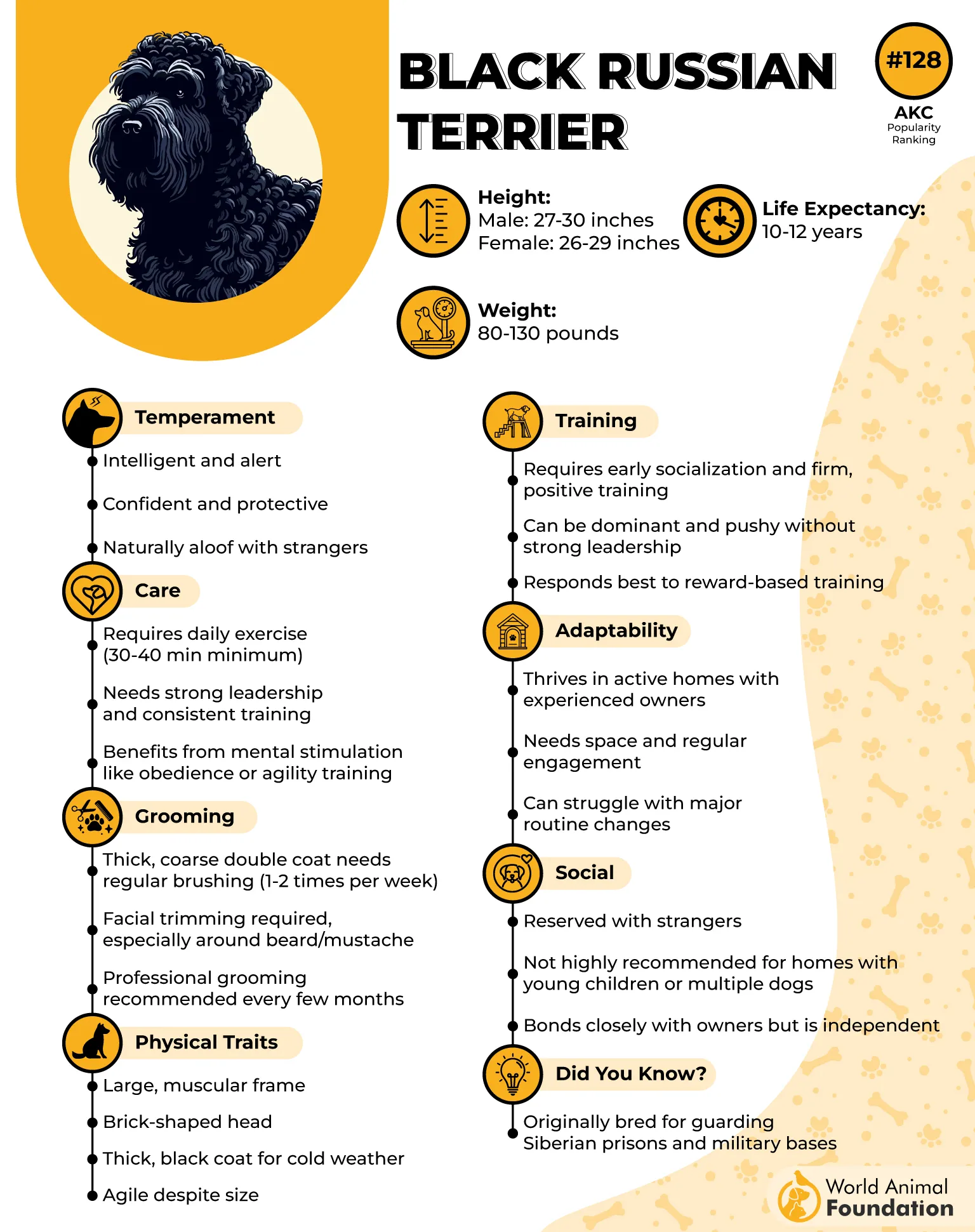
Soviet military breeders created this dog at the Red Star Kennel in the late 1940s for guard and working roles. It reached the United States decades later and earned AKC recognition in 2004.
Temperament/family fit:
Confident, calm, and protective, often forming strong bonds with children.
Wary of strangers, and this instinct never fully trains out, as per Orvis.
That dense, wiry coat needs regular brushing to prevent matting, though shedding stays fairly minimal. This breed suits experienced owners more than first-timers.
The military nickname sticks, but breed advocates note the original goal was a sociable dog who loved children, not a fearsome one.
Conclusion
Every dog on this list earned its size through work, not looks. These are guardians first and loyal companions second, bred to stand between danger and the flock long before anyone thought to bring one indoors as a pet.
If one of these giants caught your eye, look up a breed-specific rescue or club near you and ask real owners what daily life with one actually looks like. Their honest answers will tell you far more than any photo ever could.
