




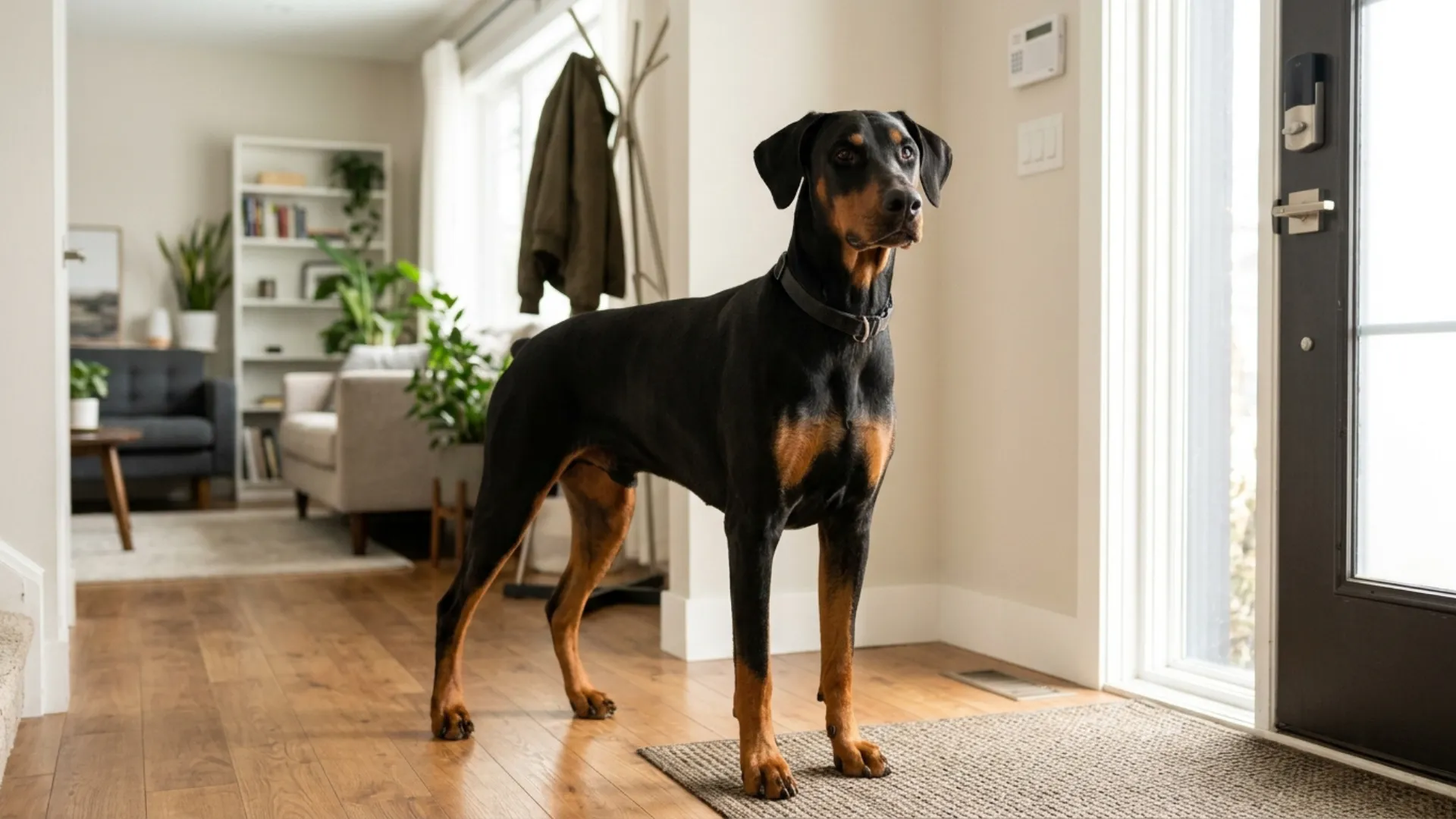
Nearly 3 in 10 American households now hold just 1 person, a share that has almost quadrupled since 1940. That is a lot of front doors with only 1 set of keys behind them.
According to a Current Population Survey estimate, living alone has quietly become the second most common home environment in the country. That means more homes are watched over by just 1 person, with no family members to share the job.
Most advice about the best guard dogs assumes a household that can split the walks, the training, and the worry. A single owner does not get that luxury, so the usual list needs a serious rethink.
Some popular guard breeds quietly demand more energy than 1 person can realistically give on a busy week. Keep reading to see which breeds actually earn their keep in a home of one, and which only look like they do.
Low-Maintenance Guard Dog Breeds for Singles
1. Cane Corso
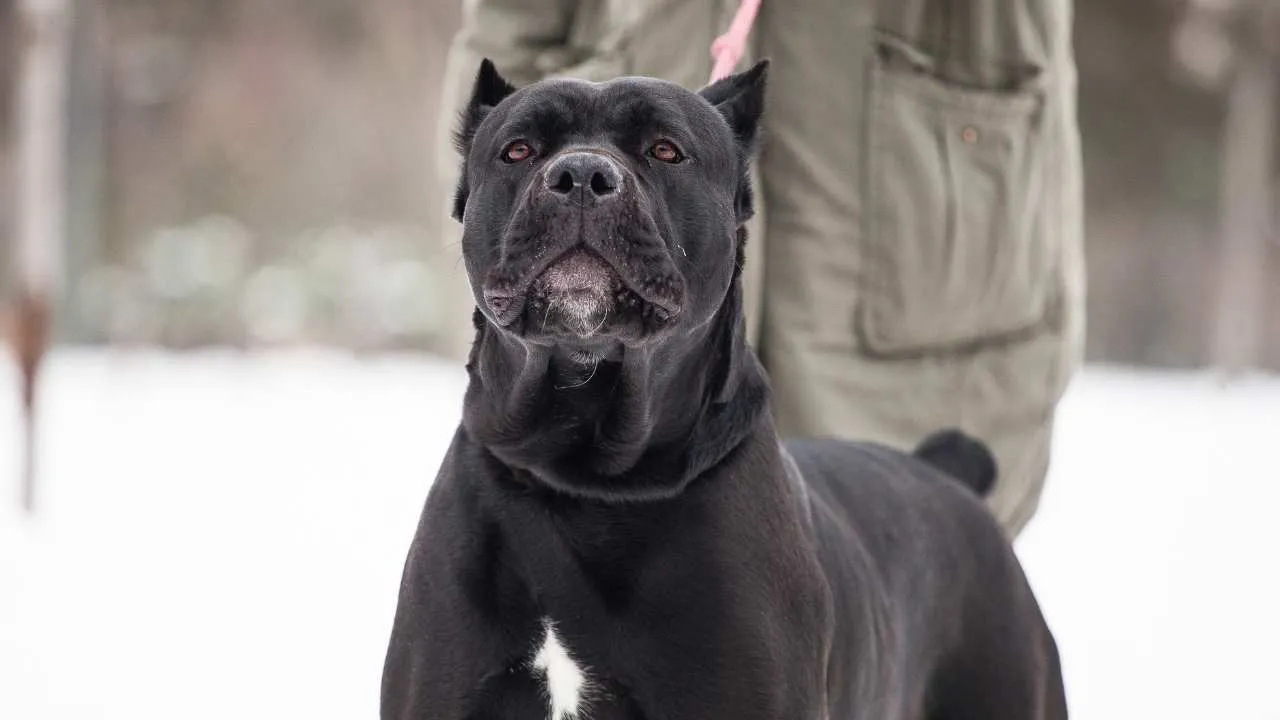
The Cane Corso does not need to bark its case. One flat stare and a low growl usually settle things before a stranger gets close enough to test it further. That quiet confidence is the whole point.
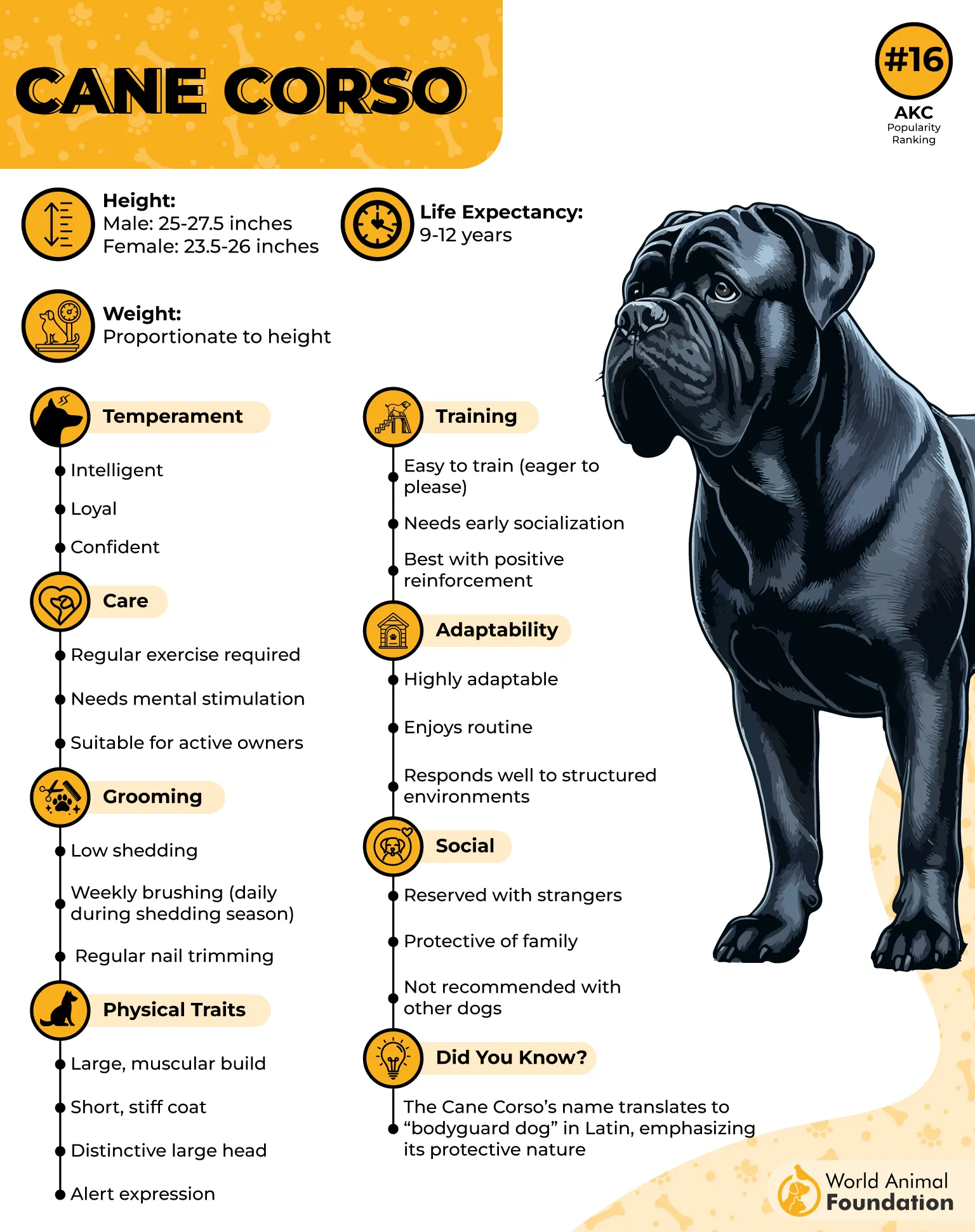
Living solo suits this breed better than you would guess. It bonds hard to one person and does not need a crowd to feel secure, so an inconsistent work week will not unsettle it much. It just wants its person present and predictable.
Exercise: A brisk 45-minute walk daily, plus some structured play.
Grooming: Weekly brushing covers that short coat easily.
Training: Early training and steady socialization from puppyhood, not a single class.
This is a genuinely large, strong dog, and new owners often underestimate what that frame can do if it is bored or under-exercised. A bored Corso can get destructive fast. First-time guard dog owners should line up an experienced trainer before bringing one home.
2. Doberman Pinscher
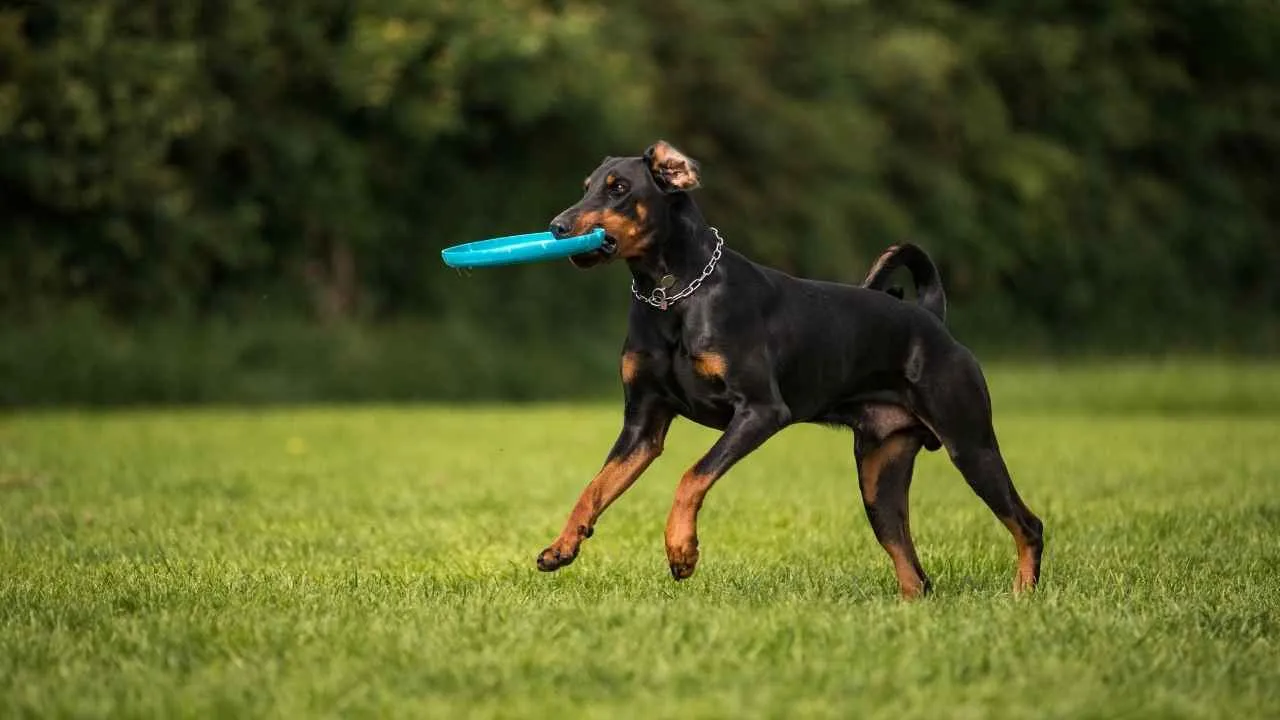
Few breeds read a room faster than the Doberman. It notices strangers before anyone else does, and its sharp bark gives a clear warning long before anything physical happens. Bred for personal protection, it takes the job seriously.
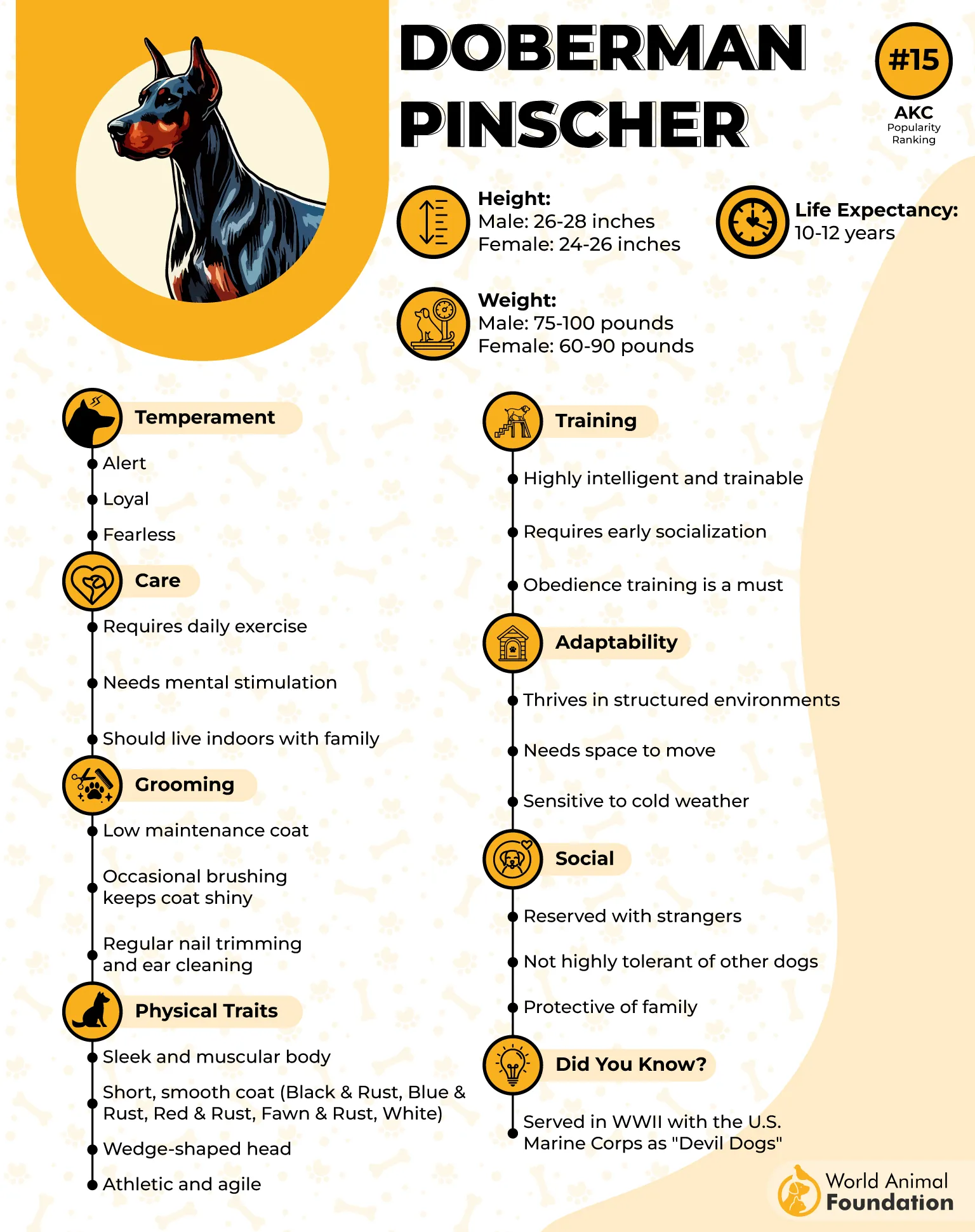
A Doberman adapts well to a one-person household, mostly because it prefers a single steady bond over a busy family dynamic anyway. It does not love being left alone for long stretches, so a solo owner’s schedule needs some consistency. Company matters more than company size.
Exercise: 1 to 2 hours of real activity daily, not just a stroll.
Grooming: Weekly brushing, nothing more, thanks to that short coat.
Training: Structured obedience work starting young, kept up weekly.
The energy level here surprises a lot of first-time owners. A Doberman left under-exercised gets anxious, not calm, and that anxiety can tip into unwanted aggression. According to the AKC, this is a breed that needs a confident, consistent handler from the start.
3. Boxer

The Boxer is more an alarm system than an enforcer. It barks loudly and often at anything unfamiliar, then sizes up whether the situation actually needs more than noise. Guests usually get a dramatic greeting rather than a real challenge.
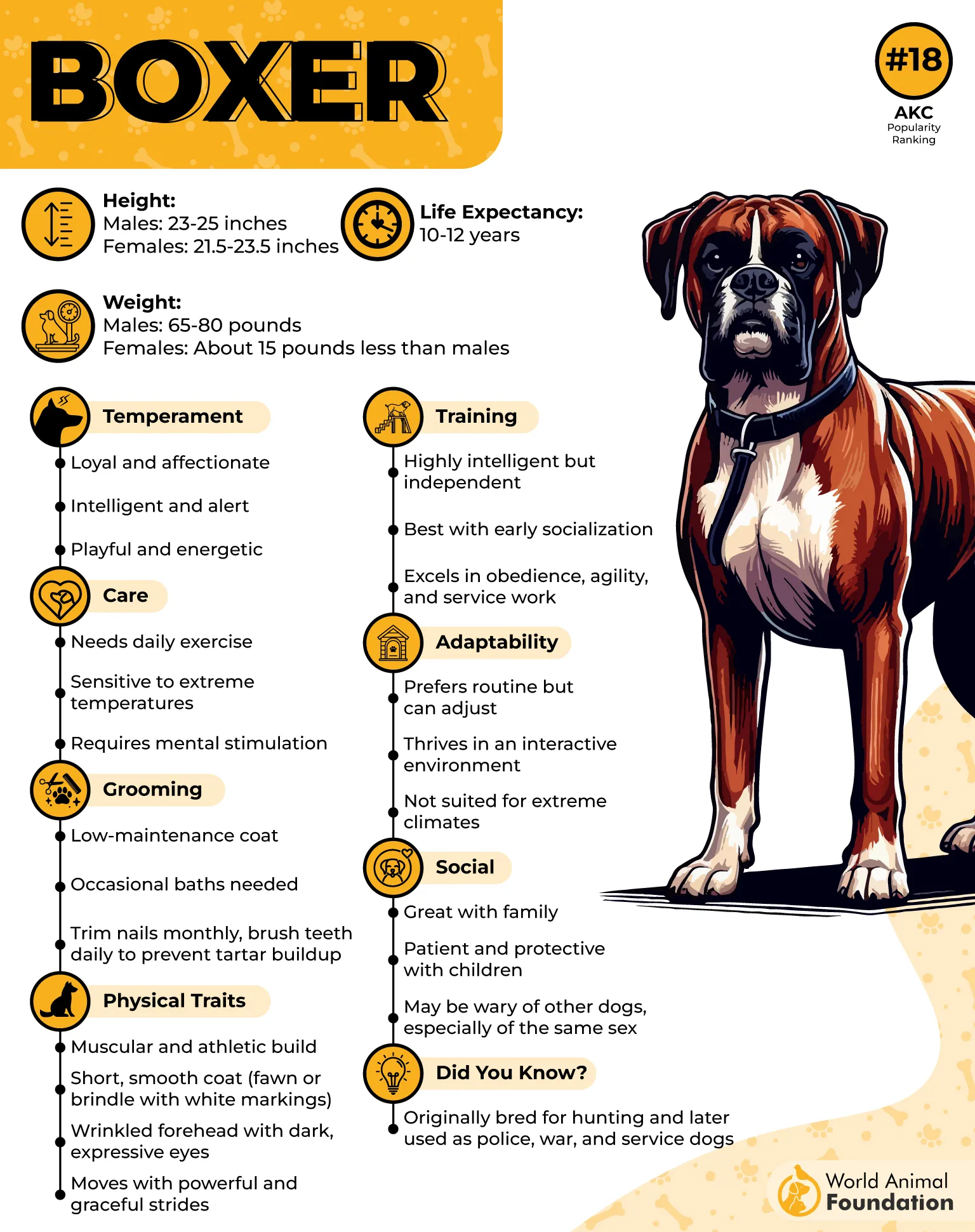
This breed can manage solo living fine, provided its person is actually around enough to engage with it. Boxers crave attention and get restless without it, so a long, erratic work schedule is the real test here. Loneliness bothers it more than routine changes do.
Exercise: 1 to 2 hours daily, split across the day if possible.
Grooming: A quick weekly wipe-down, no brushing marathons required.
Training: Short, frequent sessions, since repetition bores this breed fast.
Boxers are a handful of pure energy wrapped in a medium-to-large frame, and that combination catches new owners off guard. Left under-stimulated, a Boxer gets loud, jumpy, and a little chaotic. It is a kind, friendly dog, but it needs an owner ready to match its pace.
4. Great Pyrenees
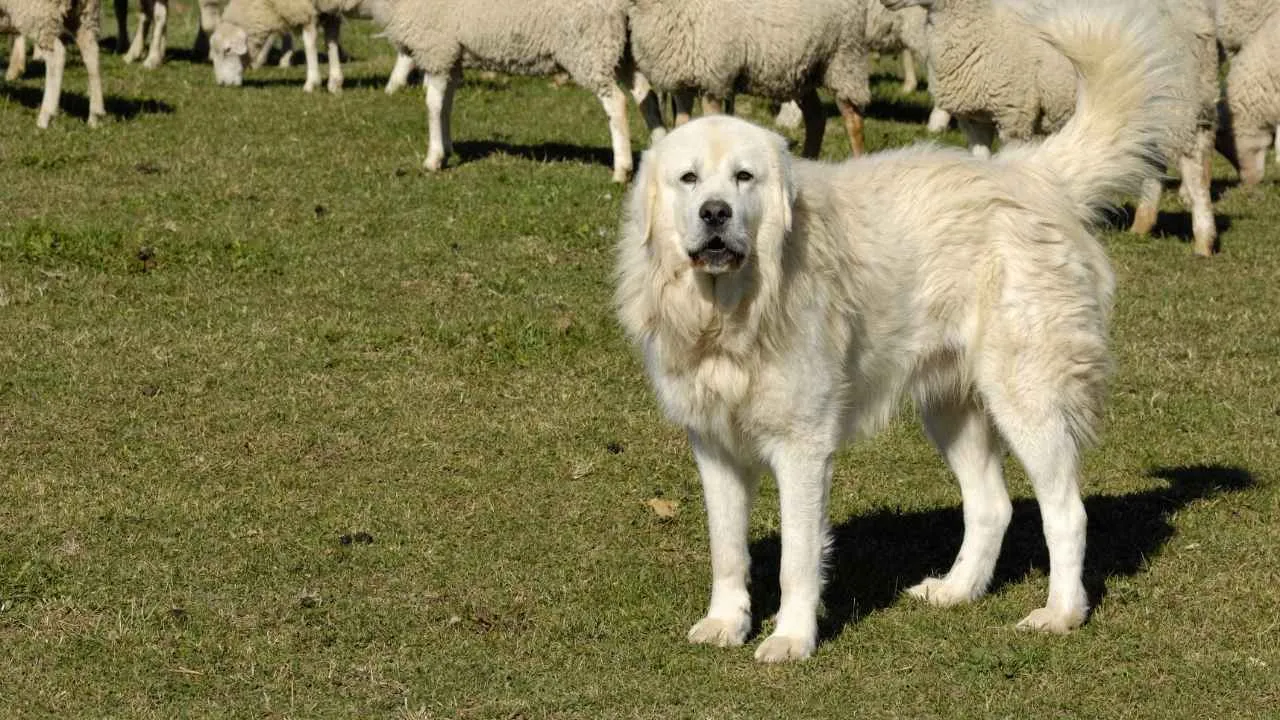
The Great Pyrenees was bred to guard livestock through the night, and that instinct never clocked out. It assesses threats on its own terms, often choosing a deep, carrying bark over any confrontation. Intruders rarely stick around to find out what comes next.
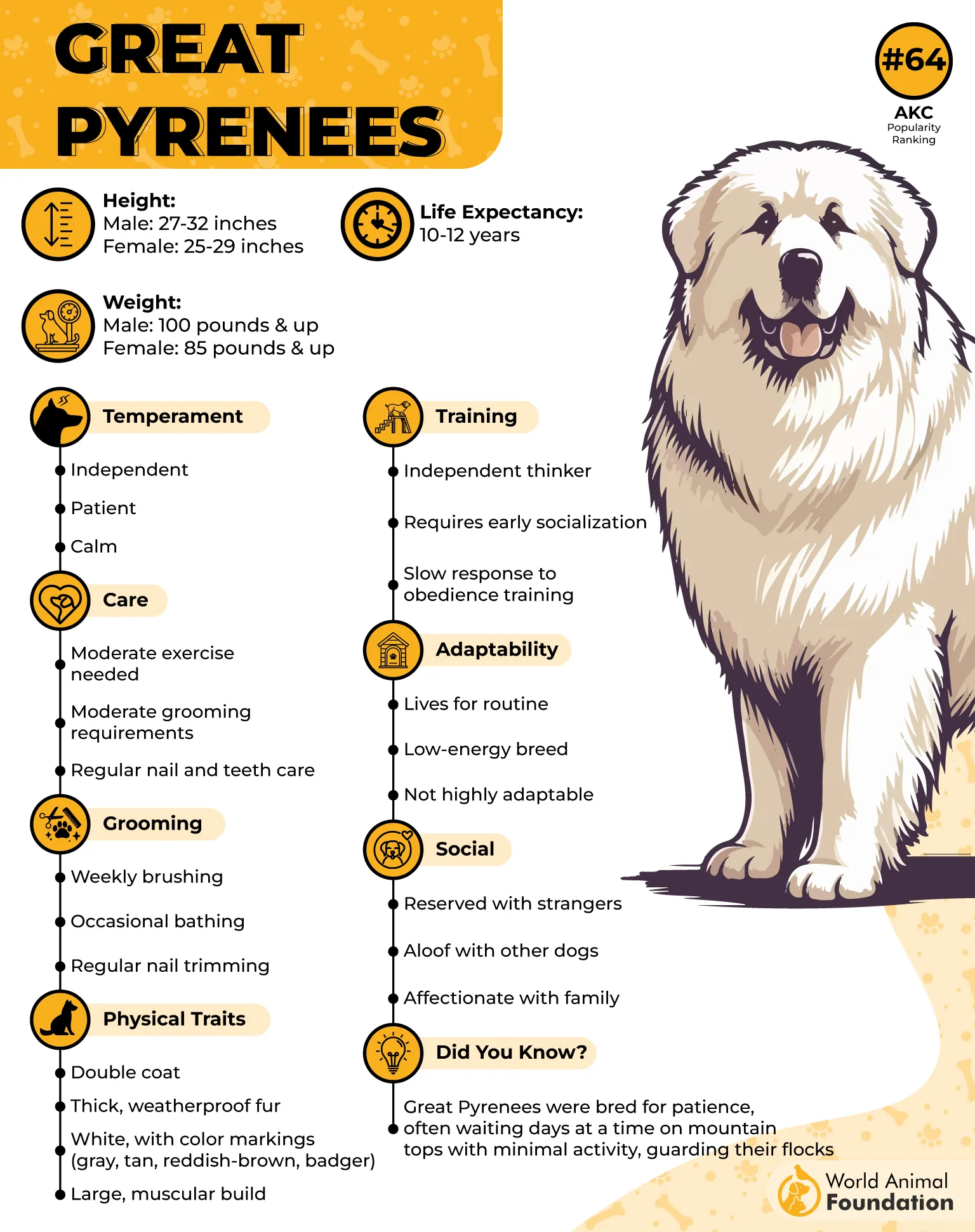
Independence is this breed’s whole personality, which actually works well for a single owner with an unpredictable schedule. It does not demand constant company and is comfortable making its own calls about the home environment. It simply expects to be trusted.
Exercise: Short walks, about 30 minutes daily, nothing intense.
Grooming: Brushed several times a week, more during heavy seasonal shedding.
Training: Patient, low-repetition sessions, since this breed resists over-handling.
That thick double coat sheds a serious amount, and allergy-prone households should think twice. According to PetMD, the Great Pyrenees also has a stubborn streak that frustrates owners expecting quick obedience. Bravery here comes paired with a mind of its own.
5. Mastiff

A Mastiff barely has to move to make its point. Its sheer size does most of the deterring, and it reserves active intervention for moments that genuinely call for it. Most intruders decide the risk is not worth it.
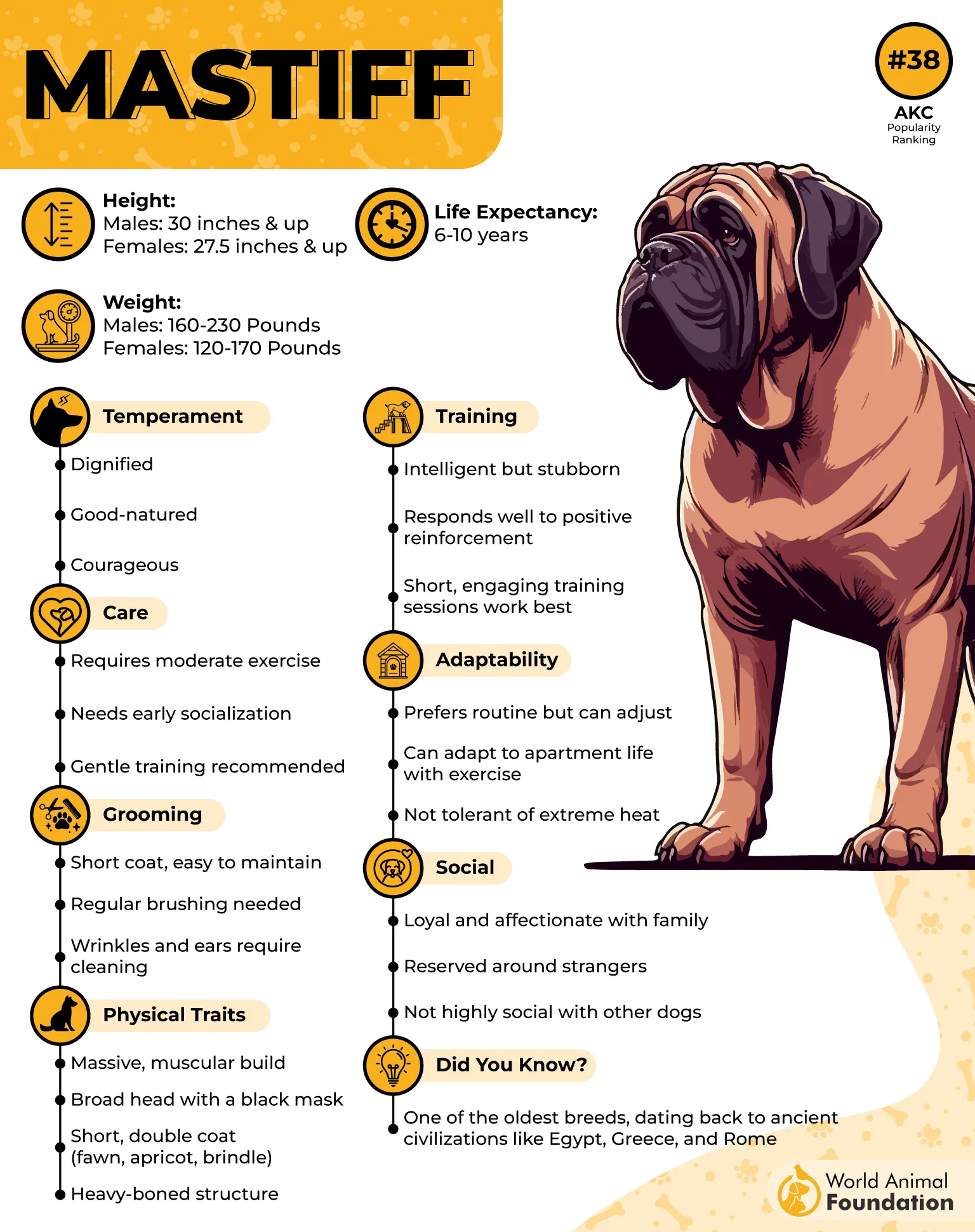
This gentle giant is surprisingly well suited to a quiet, solo home. It is not a breed that craves constant activity or company, so an owner working long or irregular hours will not feel much guilt. Calm is its default setting.
Exercise: Short, easy walks, about 30 minutes, due to its giant size.
Grooming: Weekly brushing, plus regular wiping for drool control.
Training: Early socialization is essential, started while it is still small enough to manage.
The challenge with a Mastiff is pure scale. A young, untrained Mastiff can knock over a guest without meaning any harm at all. Owners also need to watch for joint and health issues that come with carrying that much weight.
6. Great Dane
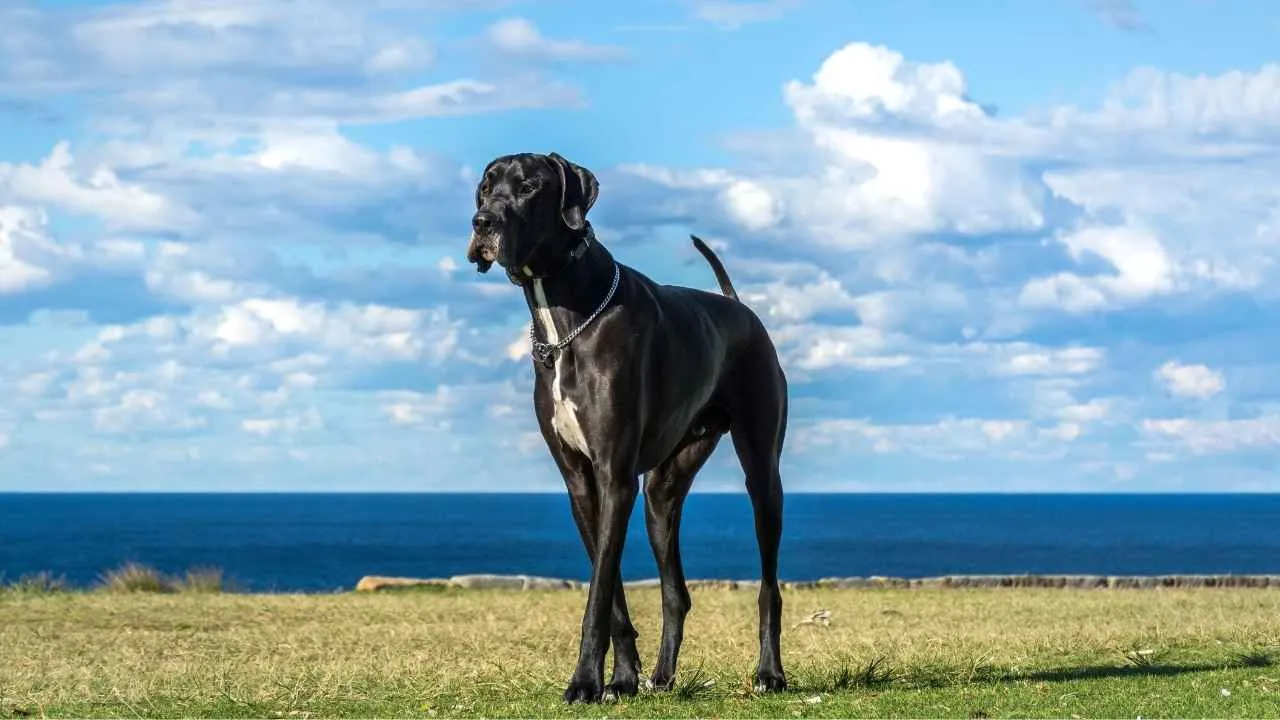
A Great Dane’s guarding method is mostly visual. Few strangers push past a dog standing at eye level with an adult, and its deep bark finishes the job. It rarely needs to do anything more.
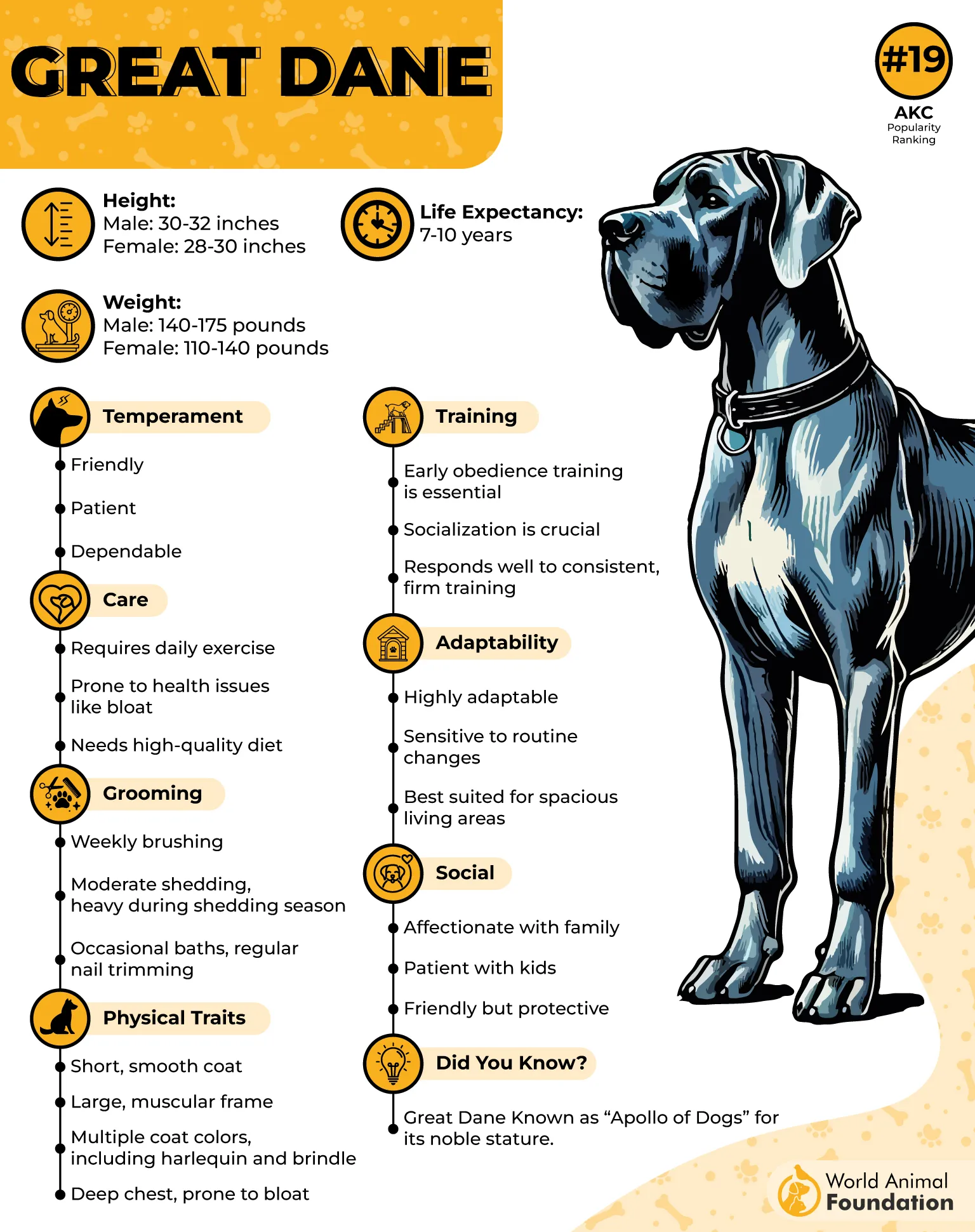
Great Danes are famous for leaning on their favorite person, which makes them surprisingly good solo-household companions. They adapt to a single owner’s routine without much fuss, as long as that person is home enough to lean on. One steady presence is all it asks for.
Exercise: 30 to 45 minutes of walking daily, nothing extreme.
Grooming: Weekly brushing handles that short coat with ease.
Training: Manage jumping and leaning habits early, before the dog reaches full size.
According to Britannica, the Great Dane’s imposing size arrives fast, and first-time owners are often unprepared for how much space and strength a young one already has. Health issues tied to its large frame are worth researching before committing.
7. Rhodesian Ridgeback
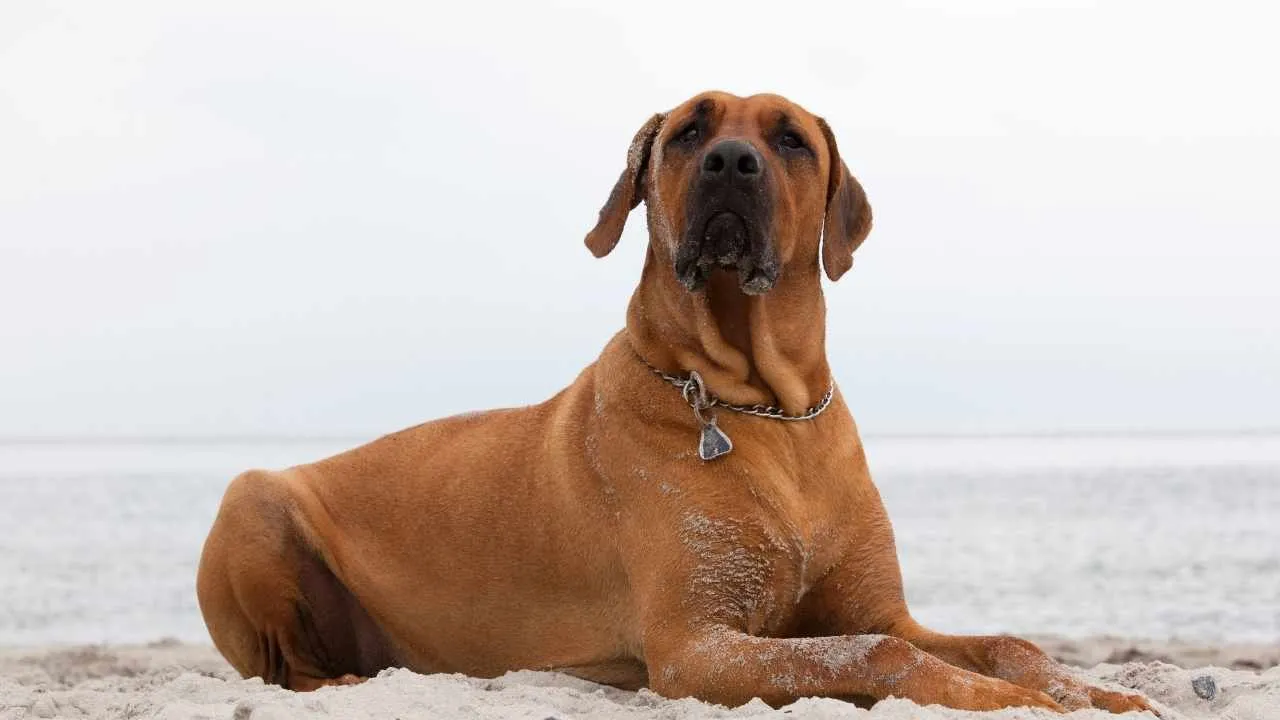
Bred originally to track lions, the Rhodesian Ridgeback keeps a calm, watchful energy rather than a loud one. It studies a stranger before reacting, which makes its eventual response feel earned rather than reflexive. Few breeds carry that quiet bravery as naturally.
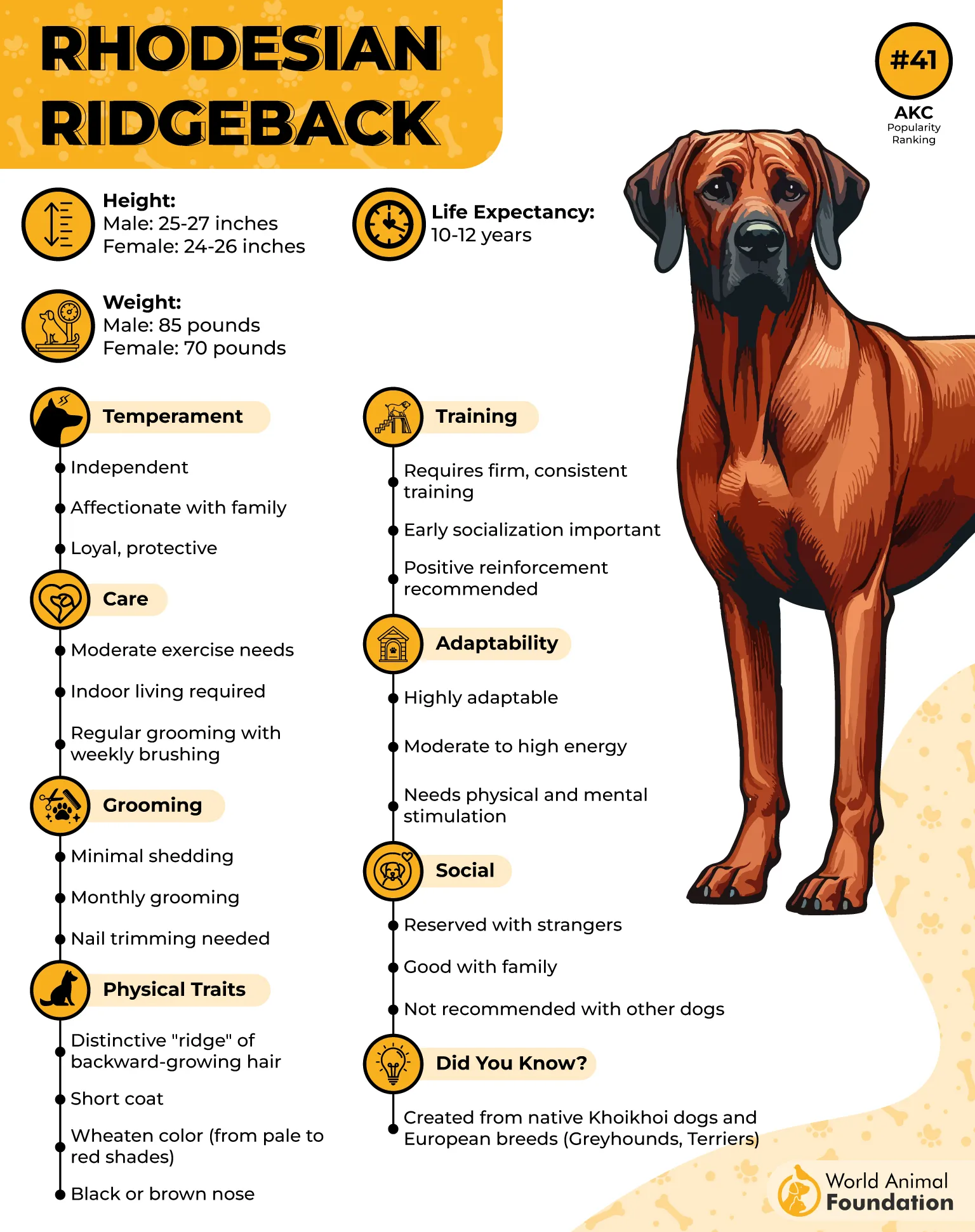
This is an independent dog that genuinely does not mind a solo household, provided its owner respects that independence instead of fighting it. It bonds closely but does not need hovering attention all day. A confident, hands-off owner suits it well.
Exercise: About an hour of real running or hiking daily.
Grooming: Weekly brushing is plenty for that short, easy coat.
Training: Needs an experienced, firm hand, since repetition alone will not work.
New owners sometimes mistake this breed’s independence for stubbornness, and that mismatch causes real friction. A Ridgeback that is under-exercised will find its own entertainment, often at the home’s expense. It is a serious commitment disguised as a sleek, easy-looking dog.
8. Bullmastiff
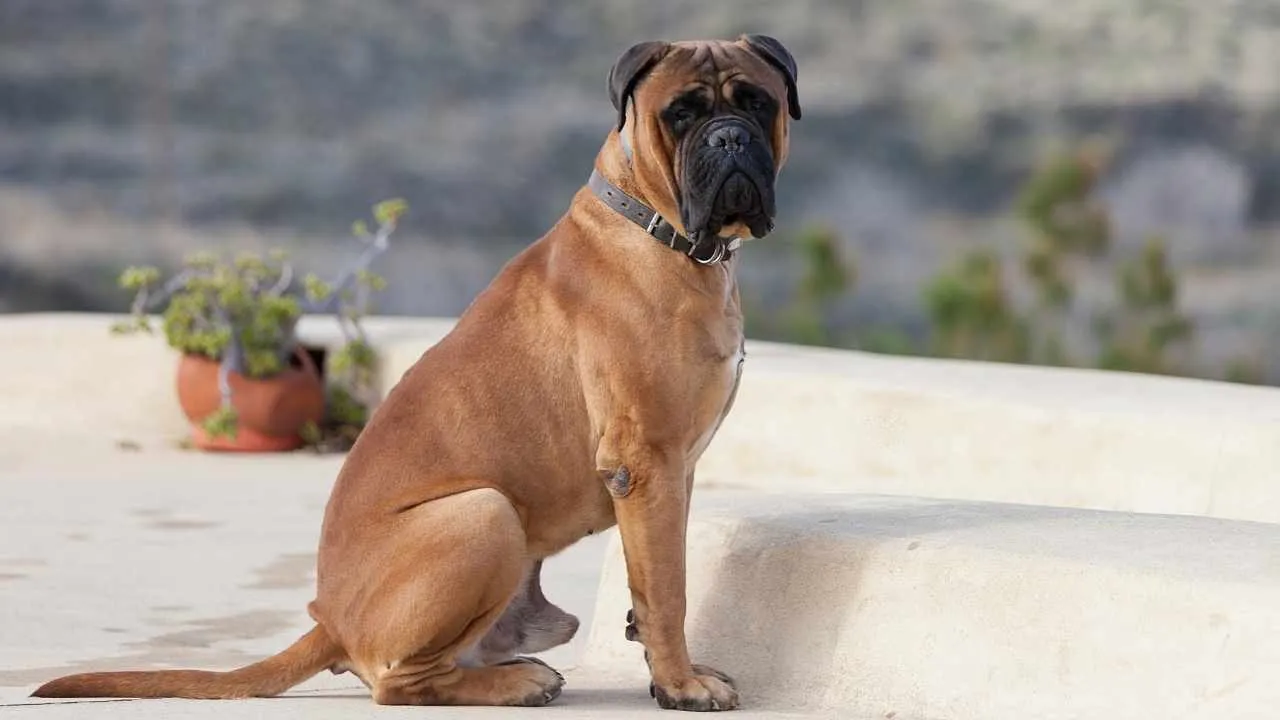
The Bullmastiff was bred to catch and pin, not maul, so its instinct leans toward blocking an intruder rather than attacking one. It stays quiet until it genuinely needs to act. That restraint is exactly what makes it so intimidating.
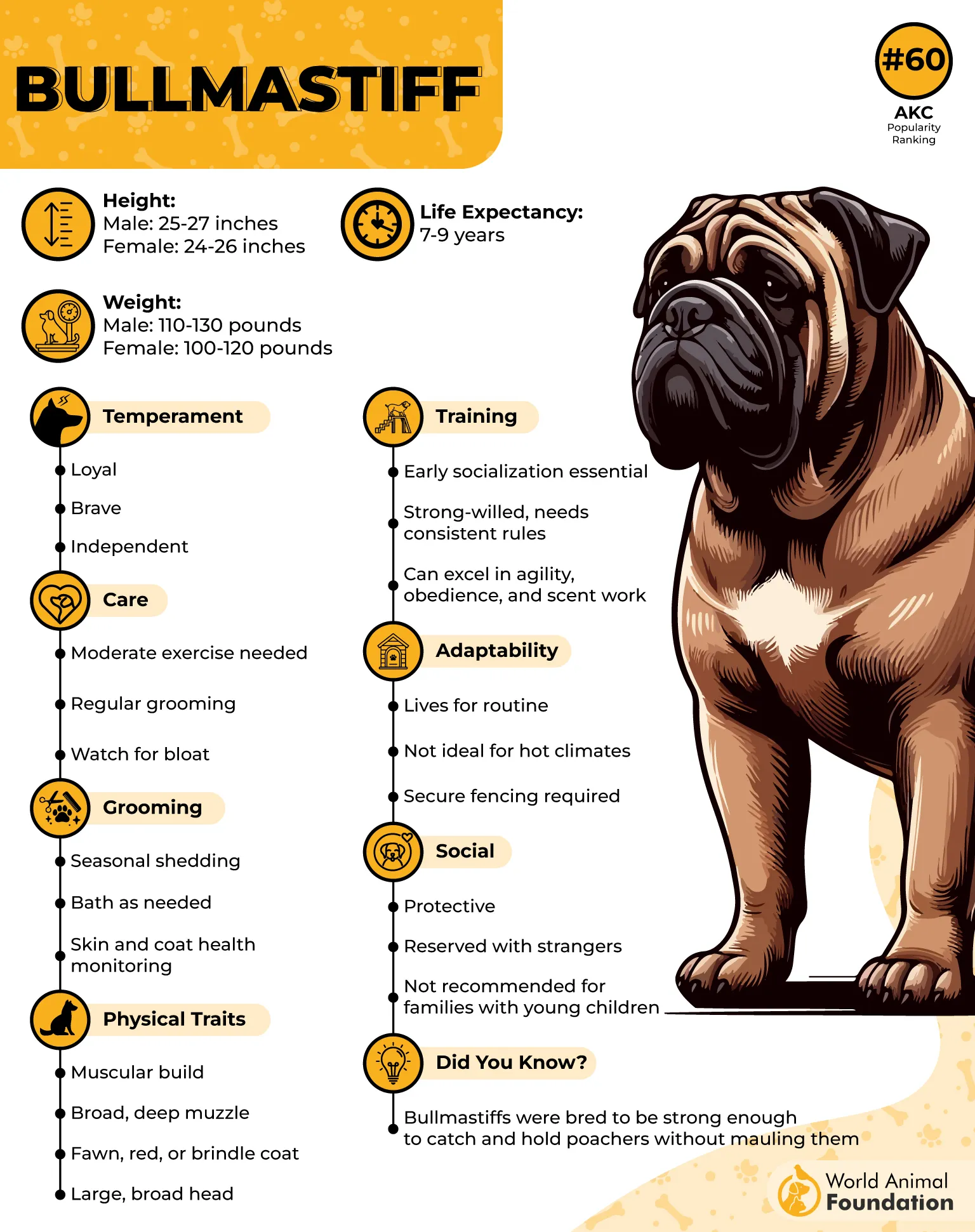
A Bullmastiff settles into solo life calmly, mostly because it is not a particularly demanding companion once past puppyhood. It tolerates a single owner’s uneven schedule better than many giant breeds do. It just wants to be near its person, not entertained by them.
Exercise: 30 to 40 minutes of walking, kept low-impact.
Grooming: A quick weekly brush covers its short coat.
Training: Early socialization matters most, given its strength as an adult.
A grown Bullmastiff carries enormous weight behind its calm exterior, and an untrained one can be genuinely hard to control. Health issues linked to its size are common, so regular checkups matter. This is not a breed for a hands-off first-time owner.
9. Staffordshire Bull Terrier
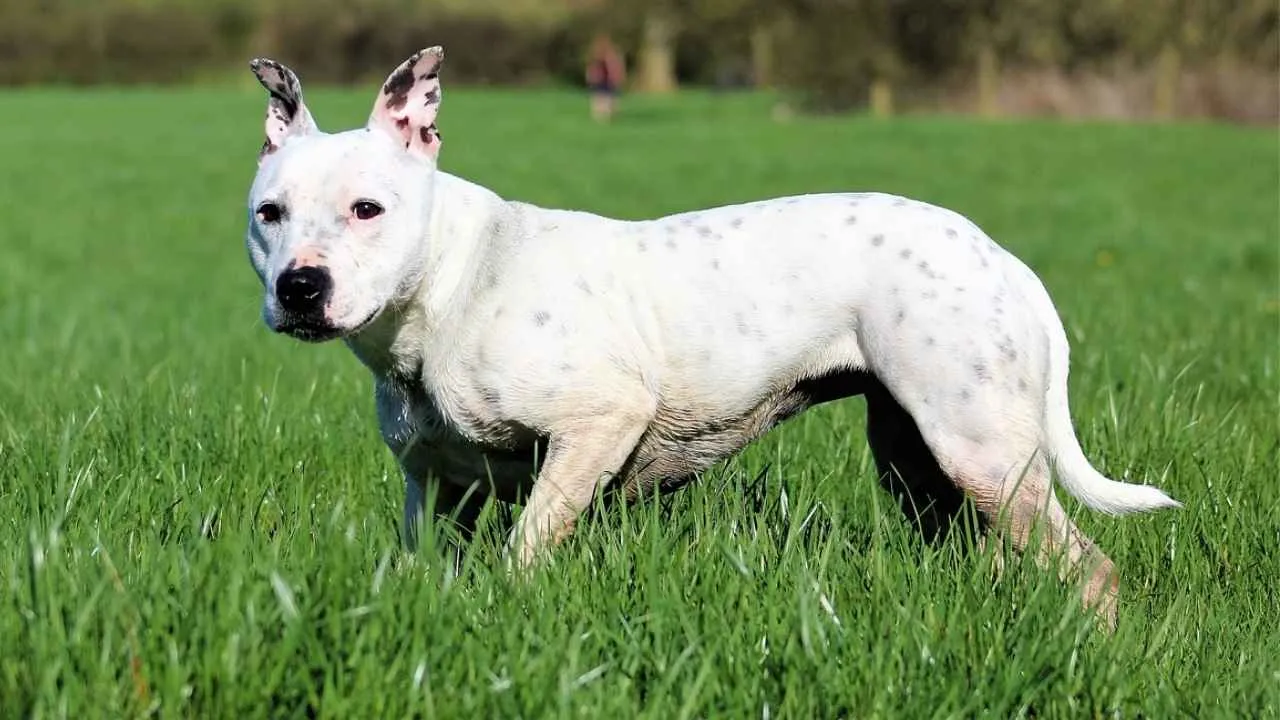
The Staffordshire Bull Terrier guards through loyalty more than menace. It stays alert to anything unfamiliar near its family and will bark and position itself between a stranger and its person. Its protective instinct runs deeper than its friendly reputation suggests.
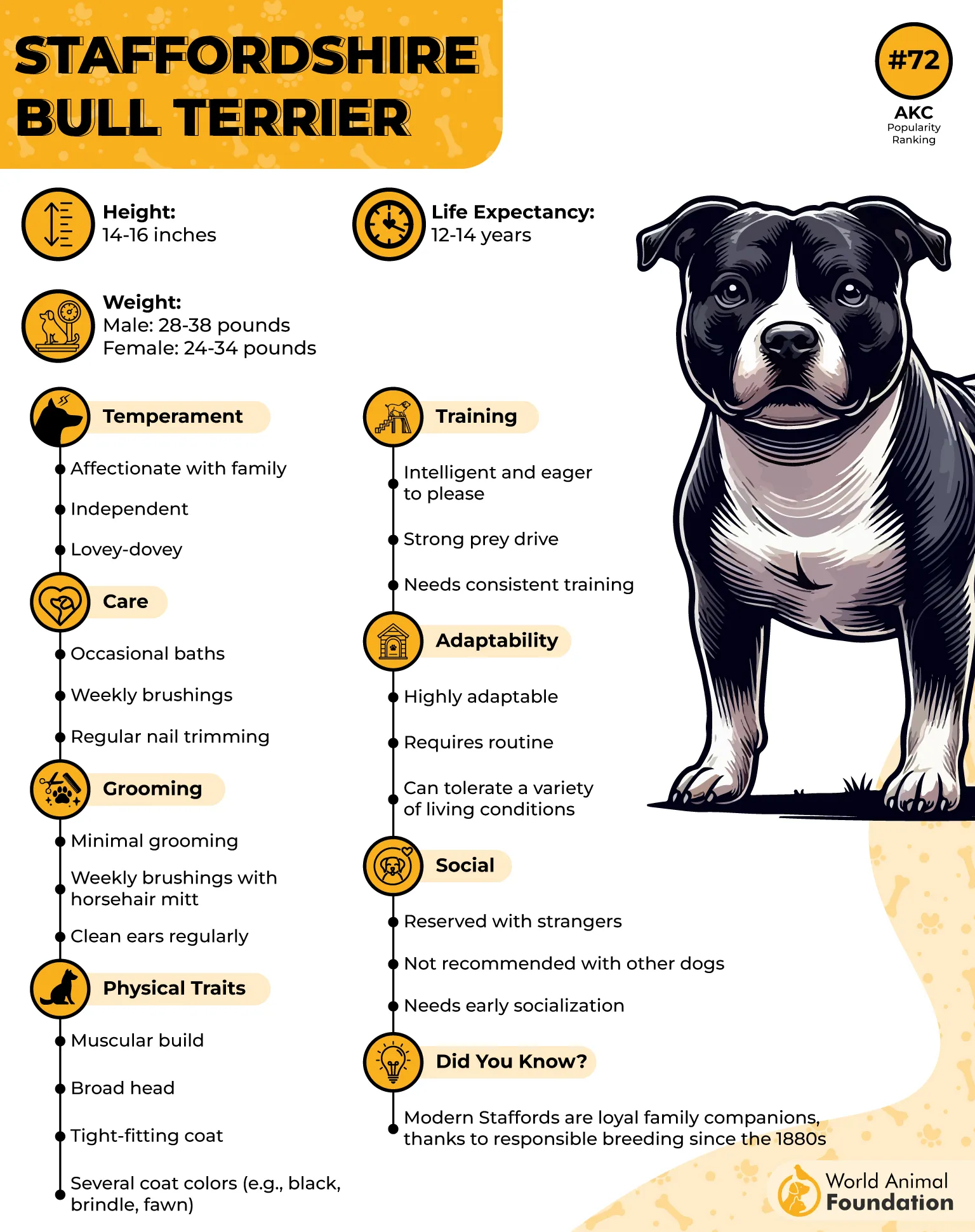
Few breeds adapt to a solo home as easily as this one. It is affectionate and eager, but not fragile about an inconsistent schedule, and it settles in wherever its one person happens to be. It just wants to be included, not catered to.
Exercise: About an hour of active play or walking daily.
Grooming: A quick weekly wipe-down, no brushing needed.
Training: Highly responsive, enjoys short sessions with real mental engagement.
People often underestimate this breed because of its medium build and friendly face. Underneath that is real strength and a stubborn streak that catches new owners off guard. Early, consistent training keeps that strength pointed in a useful direction.
10. Giant Schnauzer
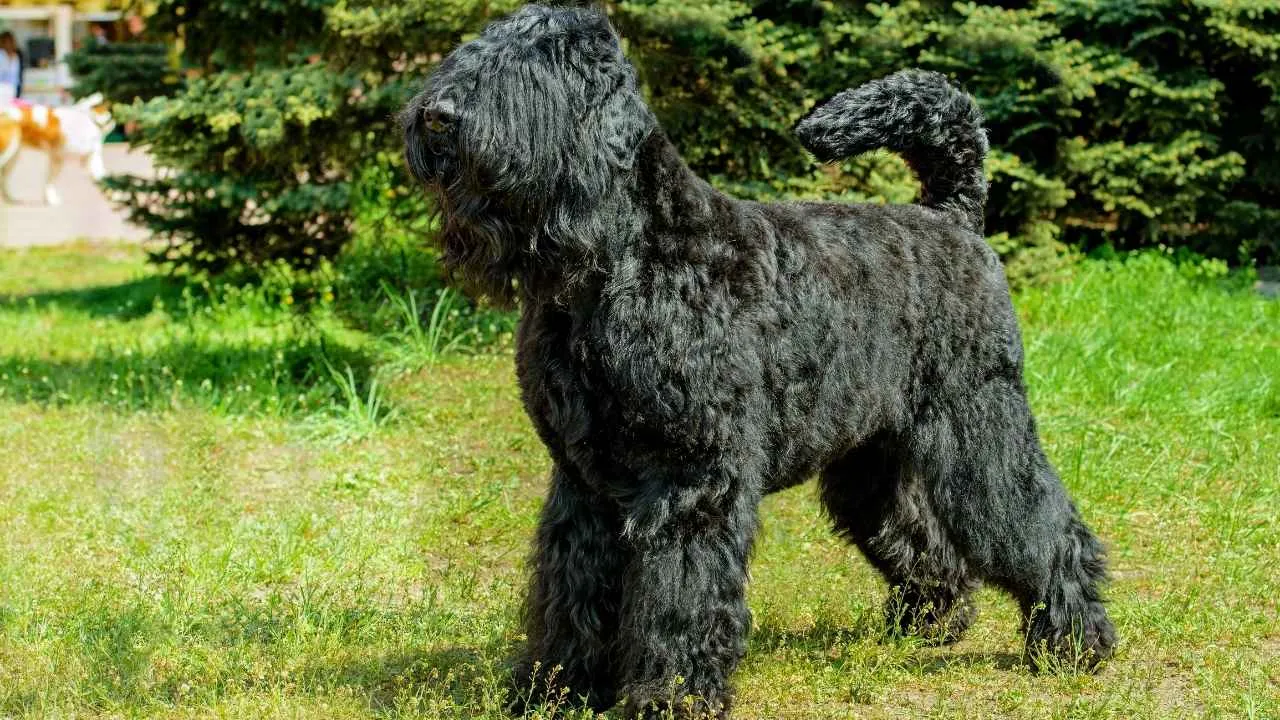
The Giant Schnauzer was bred as a working guard dog, and it still thinks like one. It reads a situation before reacting, then uses a sharp, deliberate bark to make its assessment known. Little gets past this breed unnoticed.
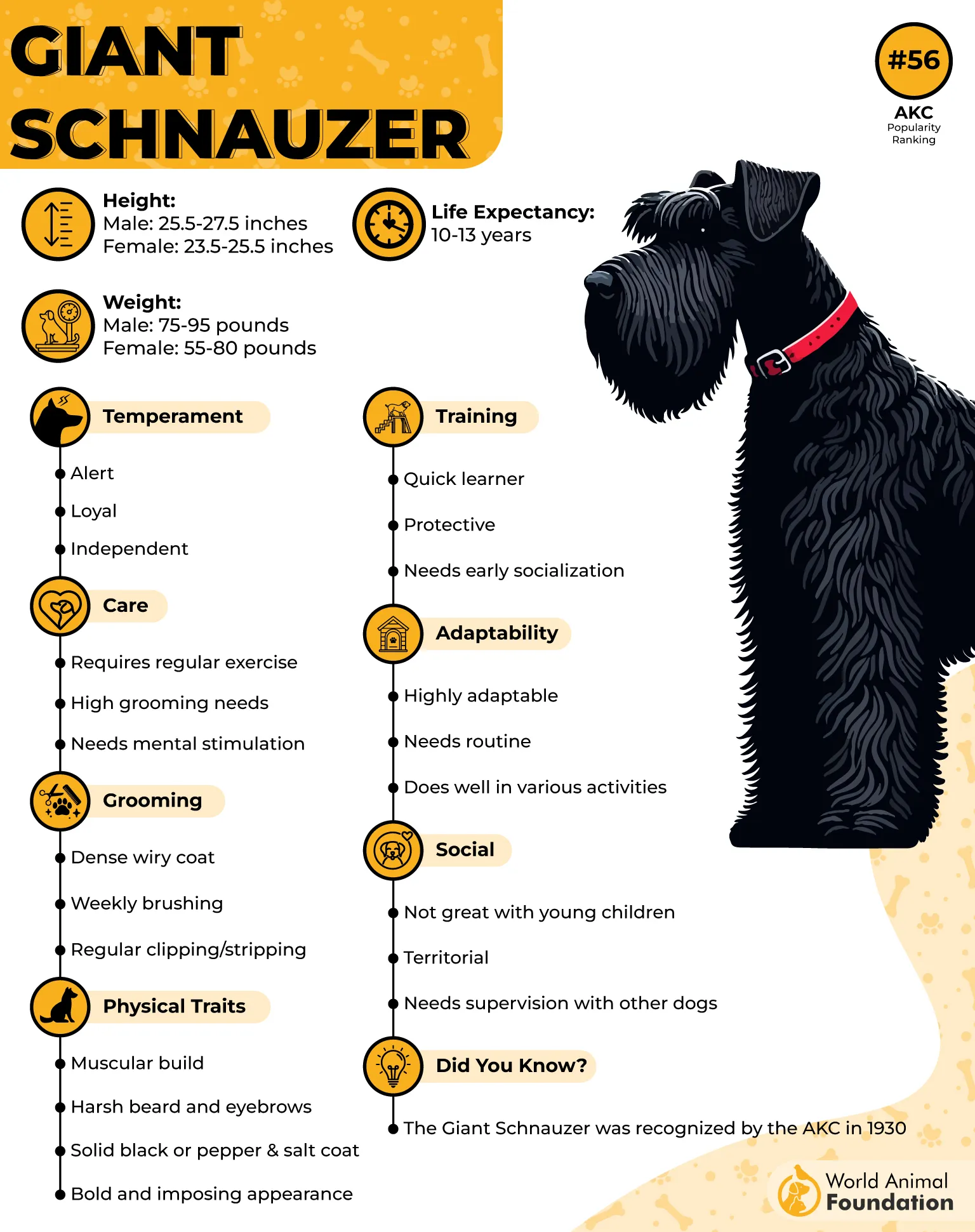
This intelligent breed can thrive alone with the right owner, since it is more interested in mental engagement than constant company. A solo schedule works fine as long as the dog has enough to think about during the day. Boredom is the real risk here, not loneliness.
Exercise: An hour or more of real activity daily.
Grooming: Brushed several times weekly, with professional clipping every few weeks.
Training: Needs ongoing mental challenges, or it will invent its own.
According to Purina, this breed’s intelligence cuts both ways, since an under-stimulated Giant Schnauzer can become genuinely destructive. First-time owners should be ready to meet that intelligence with real structure, not just affection.
Conclusion
The real test here is not your best week; it is your average one. Match a breed to the lot you can actually give, not the version of you with endless energy.
If that honest look leans low-effort, the Great Pyrenees and the Bullmastiff are worth a serious look, since both settle into solo life without constant hand-holding.
Go back through the list, find the breed that fits the home you actually live in, and get ready to adopt a guard dog that works with your life instead of against it.
