




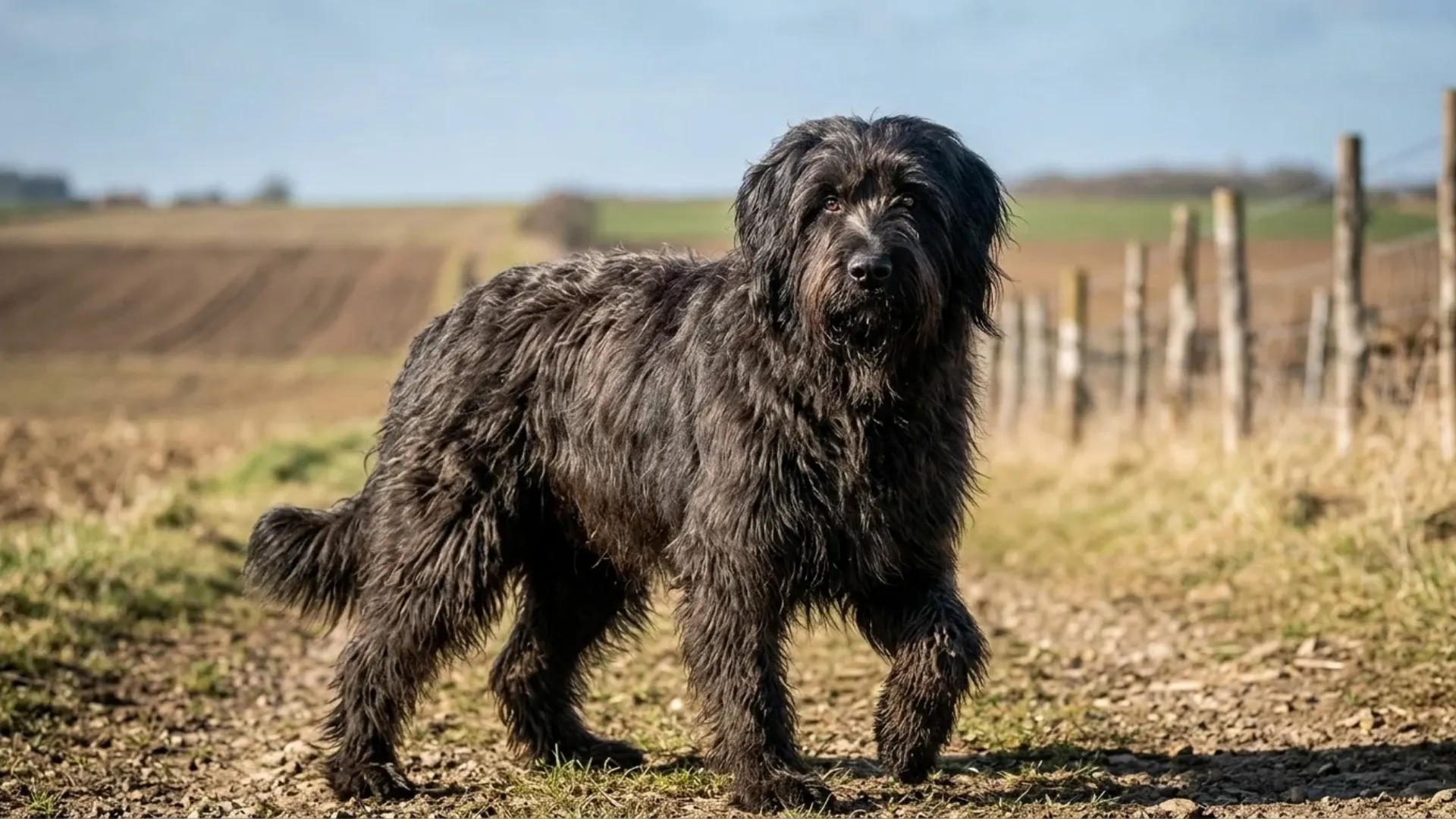
When a task demands raw strength, relentless pulling power, and unwavering physical resilience, standard pets simply will not do. From hauling heavy loads across unforgiving landscapes to standing firm against daunting field challenges, muscle-built dog breeds are the undisputed powerhouses of the canine world.
Forged by generations of hard work and selective breeding, these athletic titans combine massive bone structure with dense, functional muscle designed to endure punishing environments.
This comprehensive guide dives deep into the world’s most powerful working and guarding breeds, breaking down their physical capabilities, historical working roles, and specific care needs.
Whether you are searching for a capable partner for demanding outdoor operations or exploring the genetics behind canine muscle and stamina, this guide provides the exact, unvarnished details you need to understand these magnificent athletes.
Muscle‑Built Dog Breeds Perfect for Field Work
1. Briard

The Briard once guarded French flocks against wolves and thieves. During World War I, it even served as the official French army dog, carrying supplies and finding wounded soldiers, according to Purina. That job never goes to a dog built for looks.
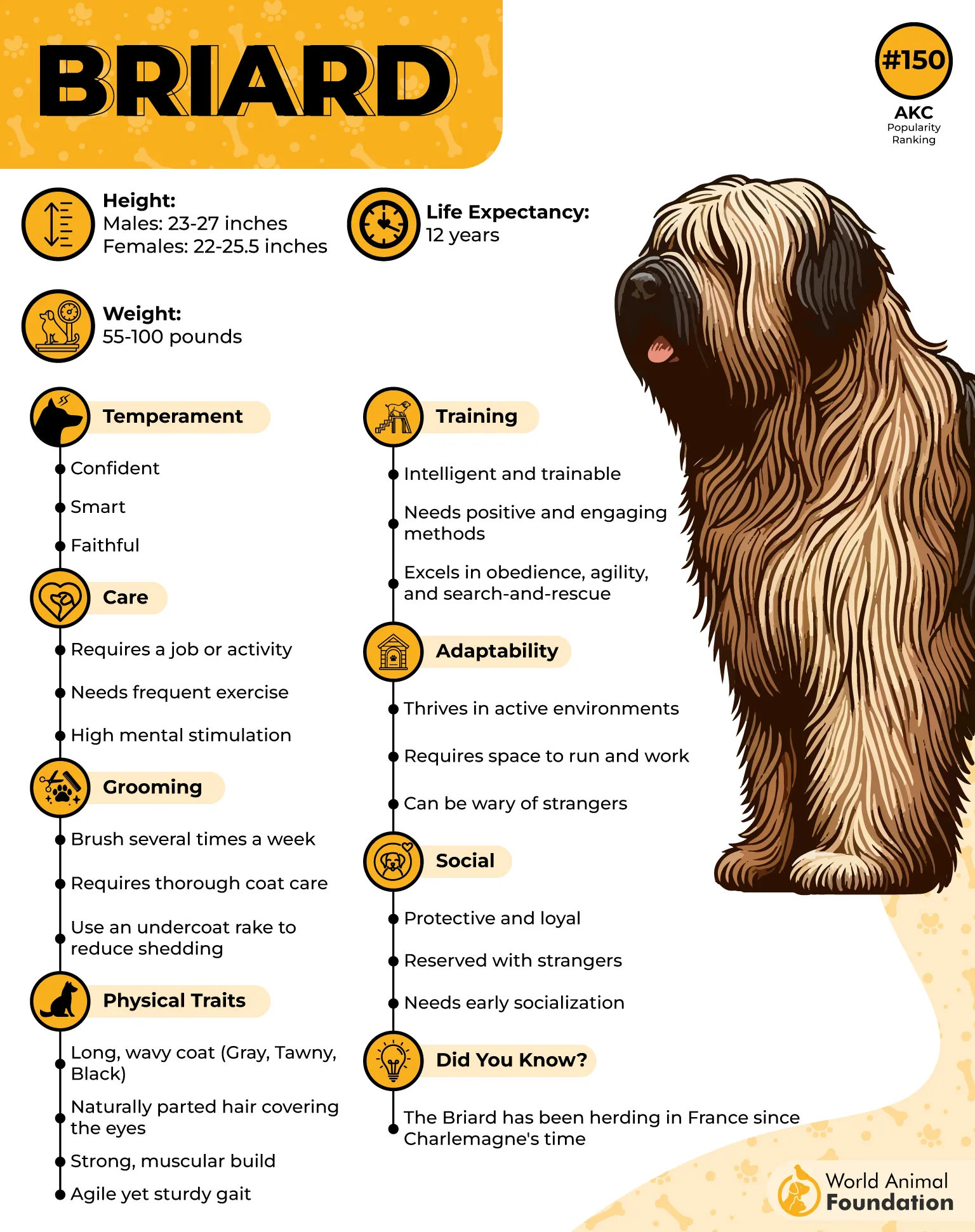
Today, a Briard excels at driving livestock and patrolling a herd’s edges for hours. Its long, wavy coat sheds rain and blocks cold nicely, though it mats fast in mud. Rough or wet ground barely slows this dog down.
Energy level: Built for quick bursts and all-day stamina alike.
Physical trait: A lean muscle structure backed by strong lung capacity.
Skip the job, and this pup turns restless, showing up as pacing or herding the kids around the yard. Daily exercise and a real task settle this dog right down.
2. Rottweiler
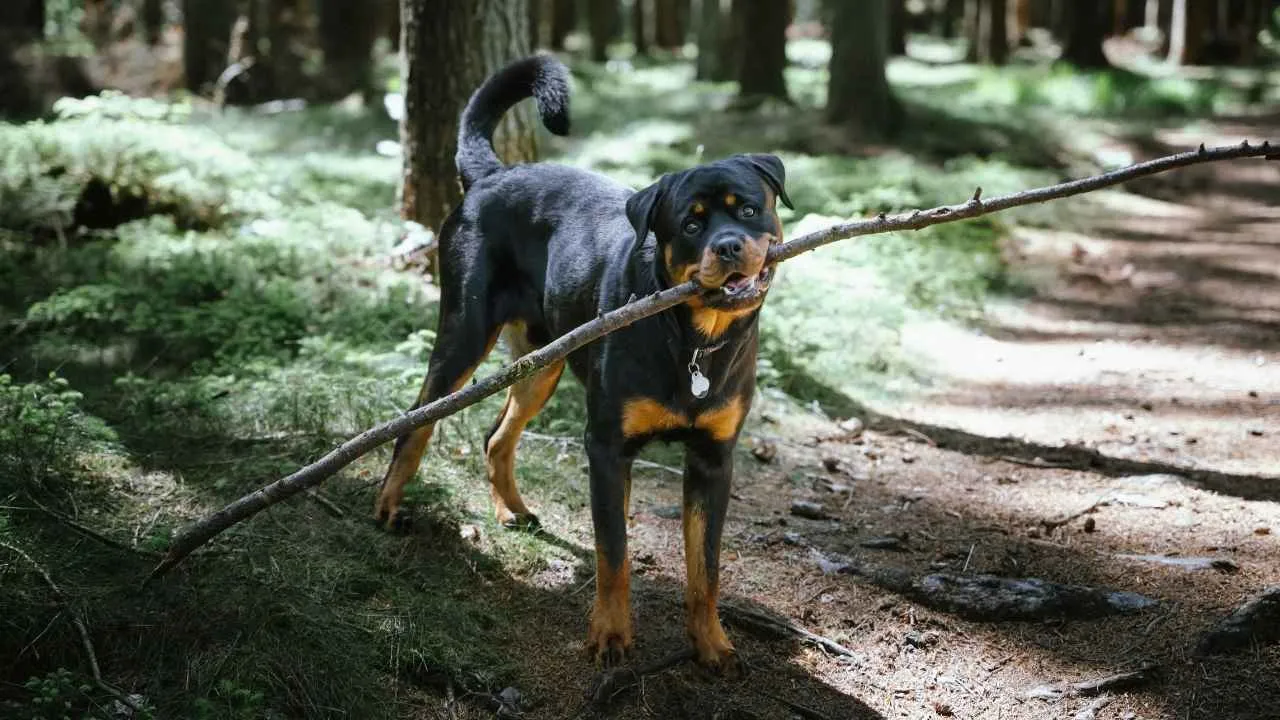
The Rottweiler’s power traces back to mastiffs that marched with Roman legions and later drove cattle across Europe. AKC still calls it a robust working breed of great strength. That strength was built for moving heavy, stubborn animals, not posing for photos.
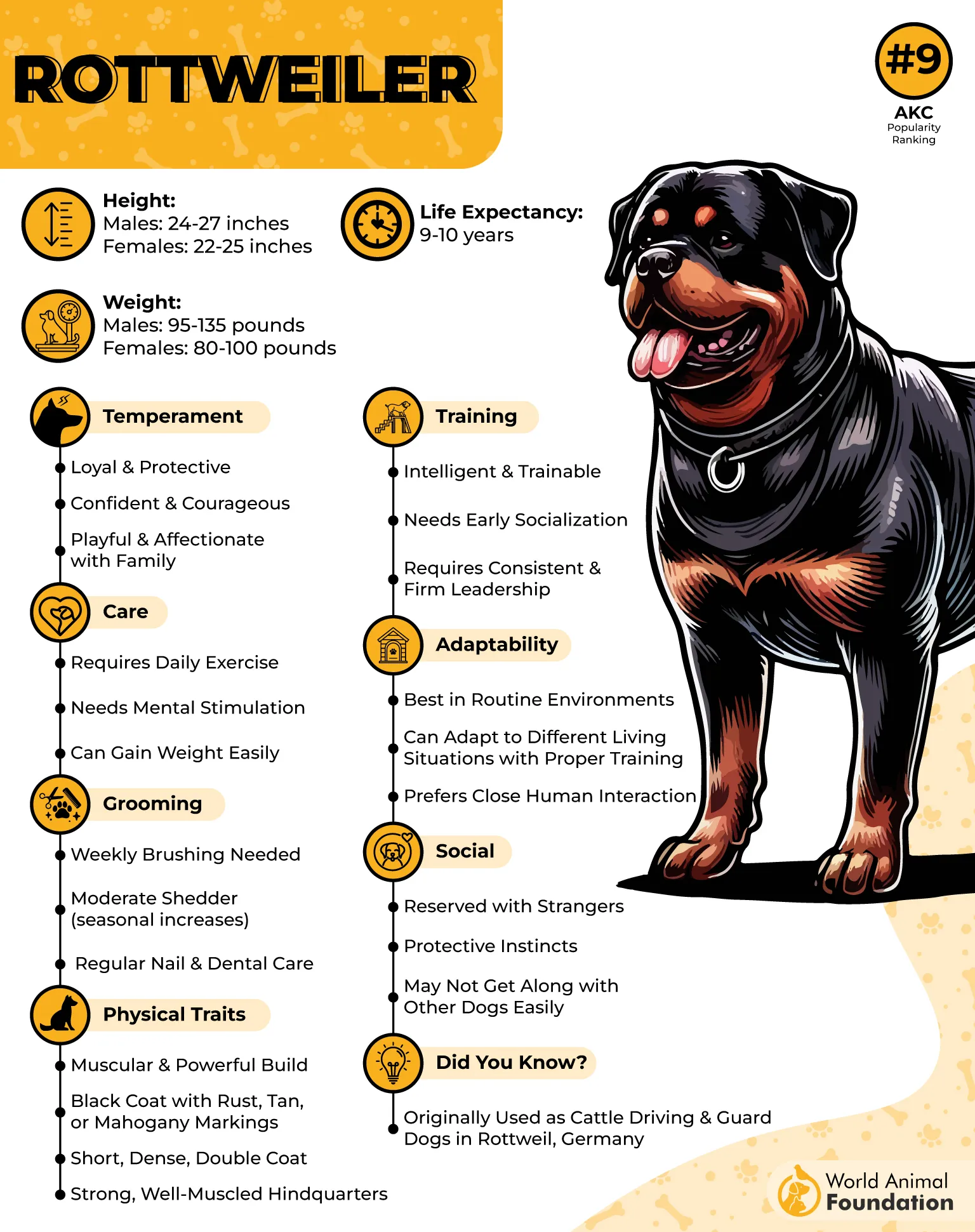
On a working property, a Rottweiler excels at driving cattle and holding ground against bigger animals. Its short coat handles cold fine but needs shade in heat. Uneven pasture barely registers as a problem for that low, powerful stance.
Energy level: Built for short, forceful pushes.
Physical trait: Heavy bone density and a broad chest drive that power.
Without livestock or real work, that explosive power turns into leash-pulling or barreling through the yard. Structured daily training channels it into something useful instead.
3. Polish Lowland Sheepdog
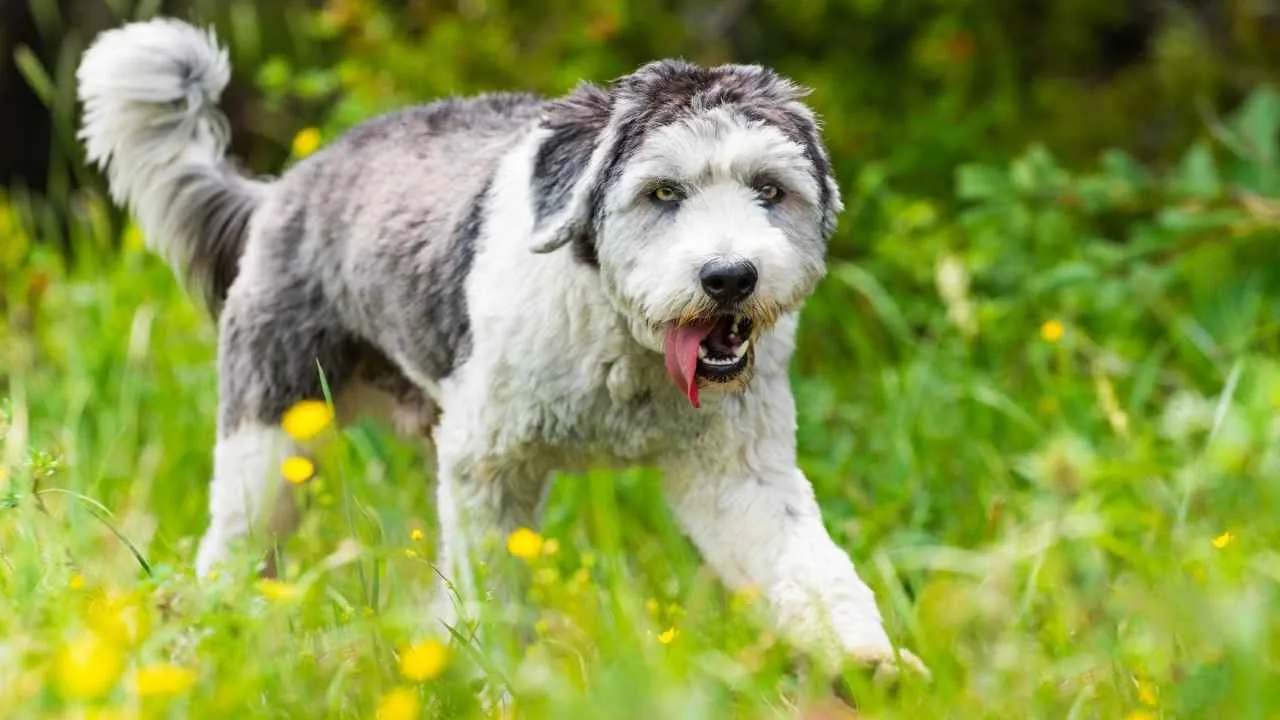
The Polish Lowland Sheepdog, or PON, drove sheep across Poland’s open lowlands from dawn to dusk. Royal Canin notes real strength hides under all that shaggy coat, built sturdier than its modest size suggests. Nobody expects that much power under all that fur.
In the field, a PON excels at steady, all-day herding rather than short sprints. That double coat handles cold, wet lowlands well but mats fast in humid climates. Flat or rolling pasture suits this breed better than steep terrain.
Energy level: Tuned for steady output over speed.
Physical trait: A compact, muscular build with efficient breathing for long hours.
Leave a PON without a flock, and that steady pup turns into constant pacing and watchfulness at home. A predictable routine with real exercise needs keeps this dog genuinely content.
4. Bergamasco Sheepdog
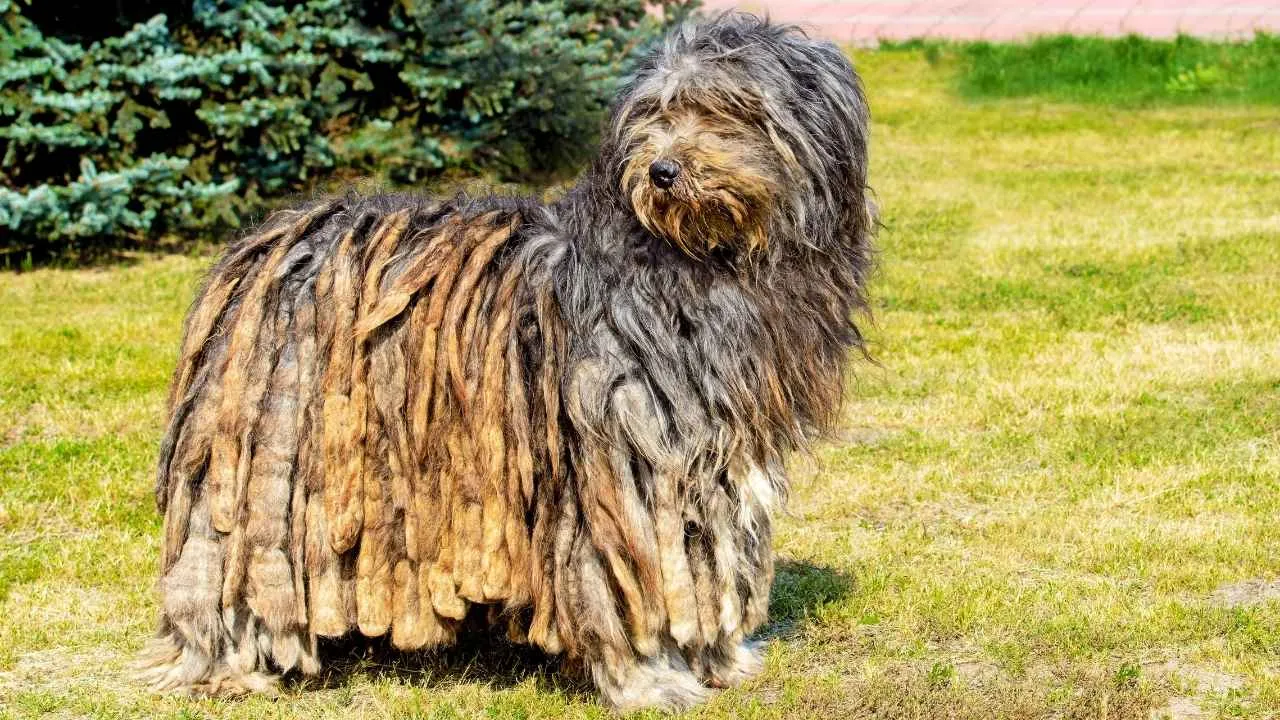
High in the Italian Alps, the Bergamasco Sheepdog guarded flocks across steep, rocky slopes for centuries. Its famous corded coat grew out of a real need for warmth in brutal mountain weather. Underneath all that felted fur sits a calm, independent-minded working dog.
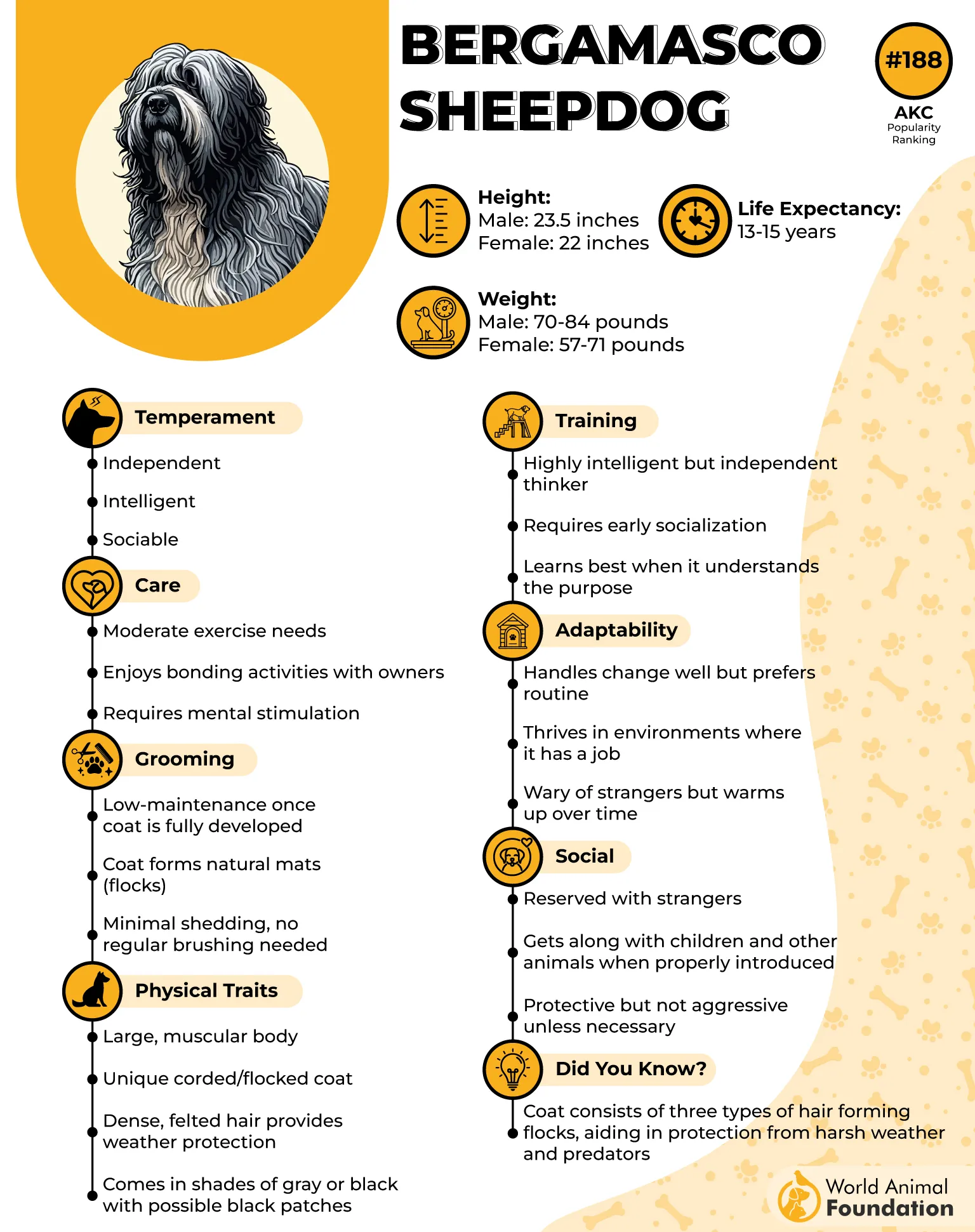
This muscular dog breed suits slow, deliberate patrol of large pastures over quick chases, often watching flocks for hours with little direction. That heavy coat insulates against alpine cold, but traps heat in humid climates. Steep, uneven ground is where it feels most at home.
Energy level: Built to patrol and endure rather than chase.
Physical trait: A dense, sturdy frame with strong joints suited to standing watch.
Underuse their energy and the Bergamasco turns stubborn, since it was bred to make its own calls. Clear boundaries and a real job keep that independence on your side.
5. Belgian Malinois
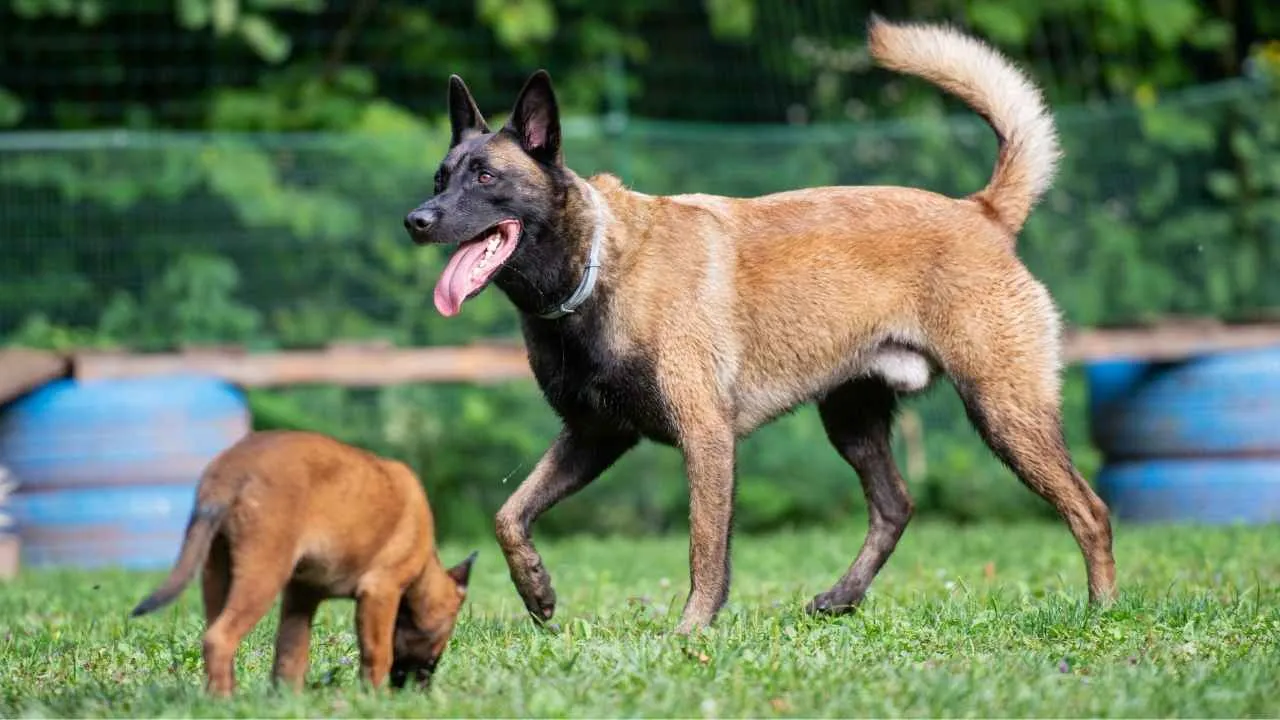
Developed in Malines, Belgium, in the 1800s, the Belgian Malinois was bred for herding work that demanded constant motion and sharp focus. That same drive later made it a favorite for police and military work worldwide.
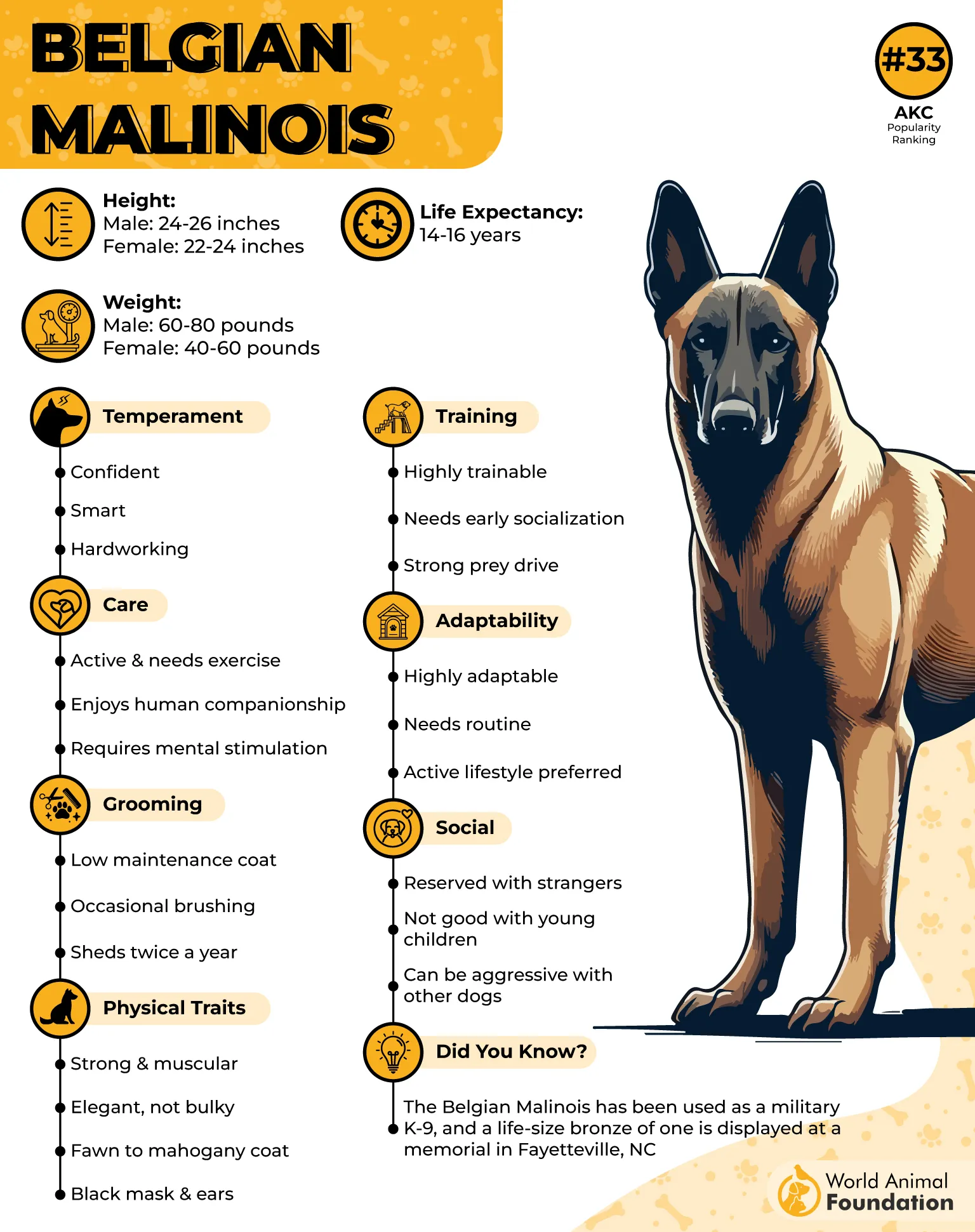
In the field, the Malinois thrives on driving livestock quickly rather than slow, steady patrol. PetMD notes that daily walks are not enough, pointing to something closer to a five-mile run instead. Its short coat handles heat well but still needs shade on long days.
Energy level: Built for explosive speed and rapid direction changes.
Physical trait: Lean muscle mass and a light frame that favor quick acceleration.
Underexercise a Malinois, and that pup turns into destructive chewing or nonstop herding of anything that moves, cats included. This powerful dog breed needs a genuine daily outlet, not an occasional walk, to stay balanced.
6. German Shepherd
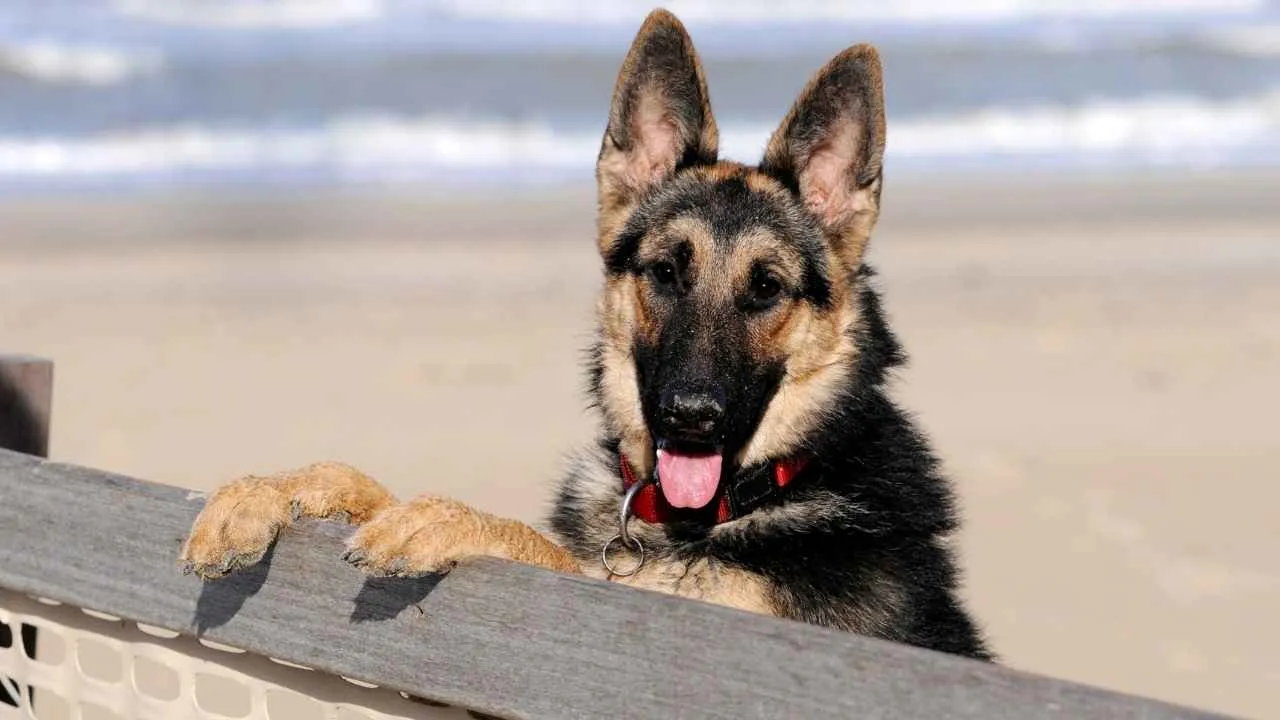
Developed in Germany from traditional herding and farm dogs, the German Shepherd was built to handle nearly any job a farm could offer. Britannica lists the breed at 75 to 95 pounds, proof of its versatile build. That versatility carried it through both world wars as a messenger dog.
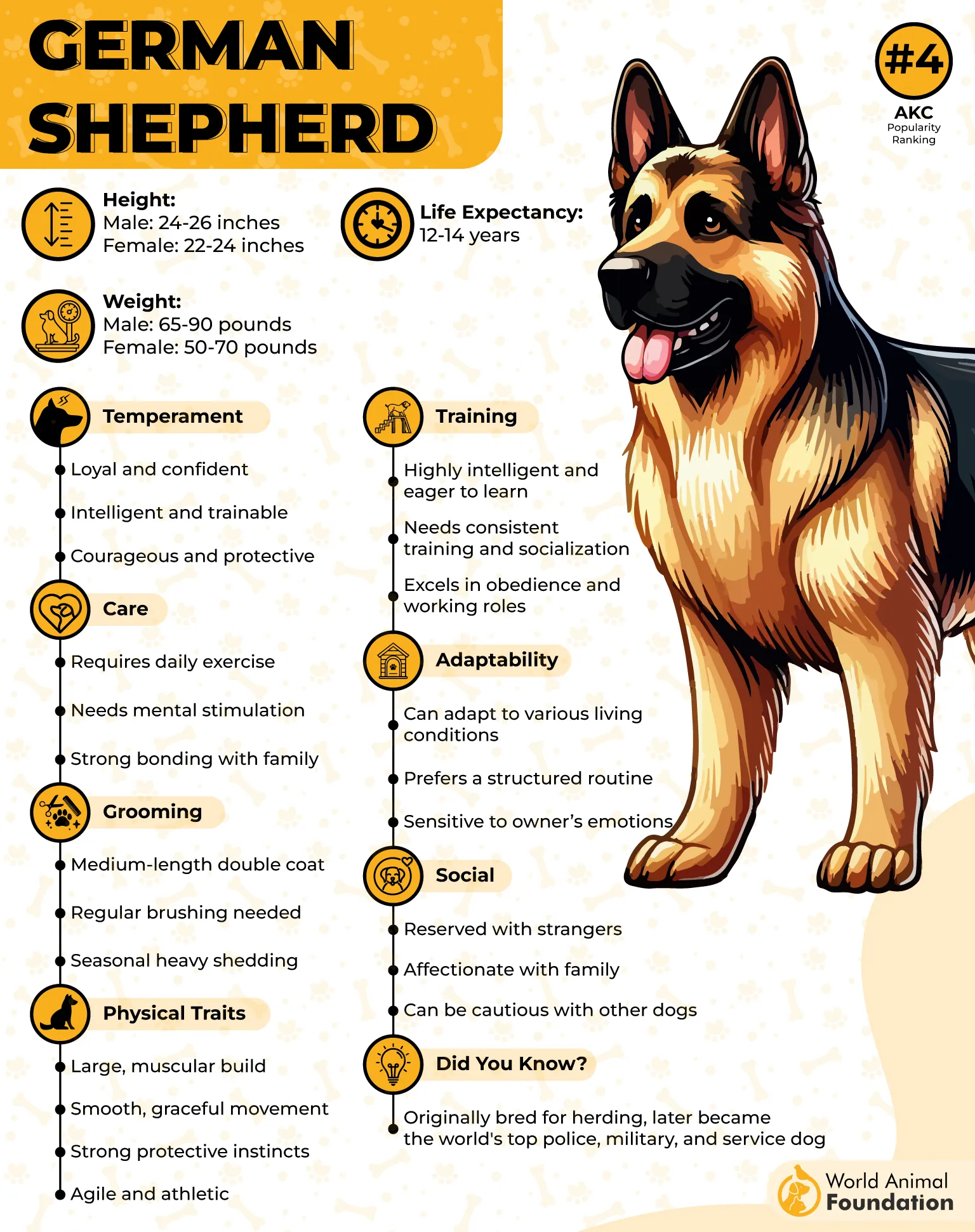
On a working property, this muscular dog breed handles driving, patrolling, and guarding with equal ease. Its double coat handles cold well but runs hot in summer, so shade and water breaks matter. Varied terrain rarely slows it down.
Energy level: Balancing explosive bursts with genuine endurance.
Physical trait: A well-proportioned muscle structure with stamina for switching tasks all day.
Give this loyal companion too little to do, and that balanced pup gets restless, often showing up as nuisance barking or over-guarding the family. Daily exercise plus real mental engagement keeps a German Shepherd steady and genuinely happy.
7. Bearded Collie
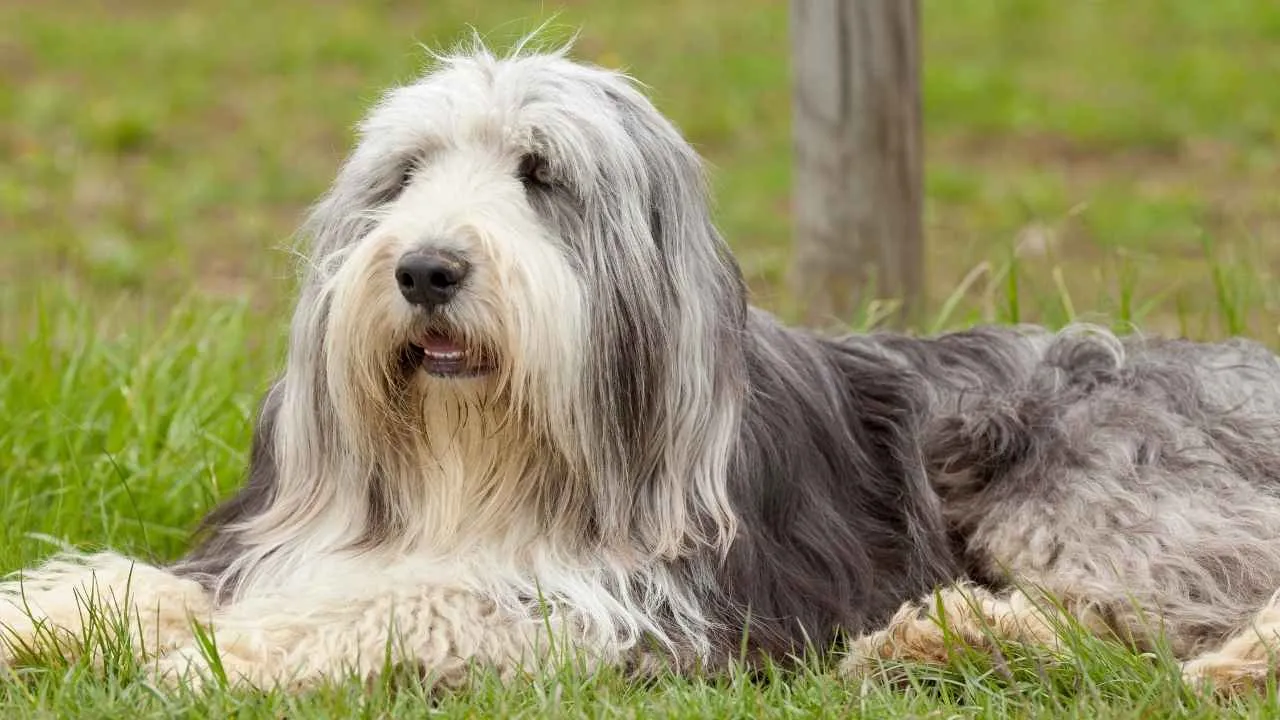
In the hills of Scotland, the Bearded Collie herded both sheep and cattle across rough, wet terrain for generations. That job demanded staying power more than raw muscle, since a day’s work stretched on for hours. The shaggy double coat tells the same story as the body underneath.
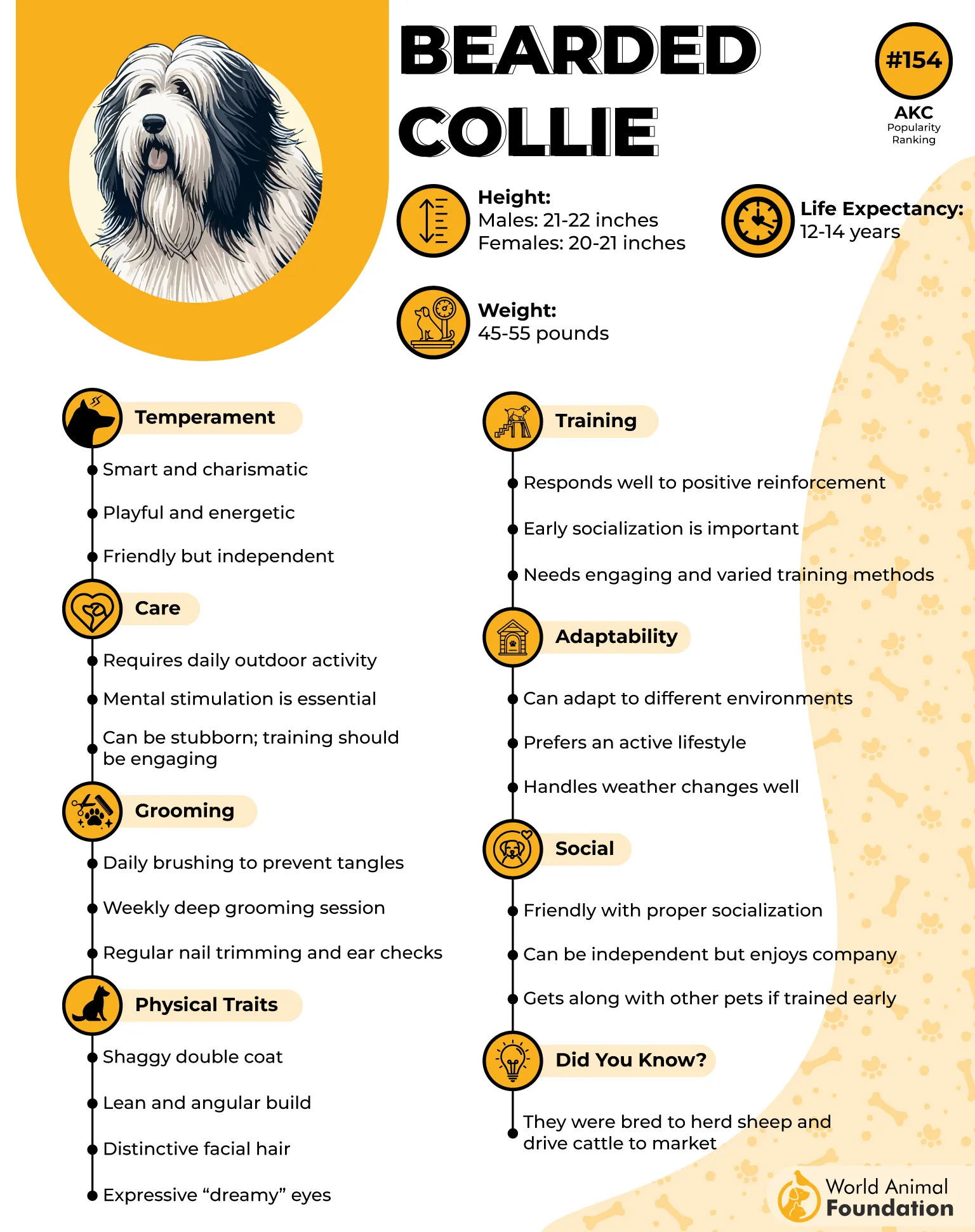
This furry friend suits steady, all-day herding over hilly ground far better than quick chases. That weatherproof coat shrugs off rain and cold easily, though it needs regular brushing. Rough terrain is where its stamina pays off.
Energy level: Built for stamina over a long working day.
Physical trait: Long, lean leg muscles paired with efficient lung capacity.
Skip the daily exercise, and that pup turns into nonstop indoor energy, often aimed at furniture or anything that moves. Long walks and a consistent routine give this dog the outlet its body needs.
Conclusion
At the end of the day, picking a muscular dog breed for field work comes down to matching the dog breed to the task, not just admiring a powerful build. The right furry friend for an explosive chase is rarely the right one for a slow, steady watch over the flock.
Get that match right, and you gain a working partner with real character, ready to protect, herd, and thrive alongside your family for years to come. So go on, pick the pup that fits your land, and give one of these seven breeds the job it was built for.
