




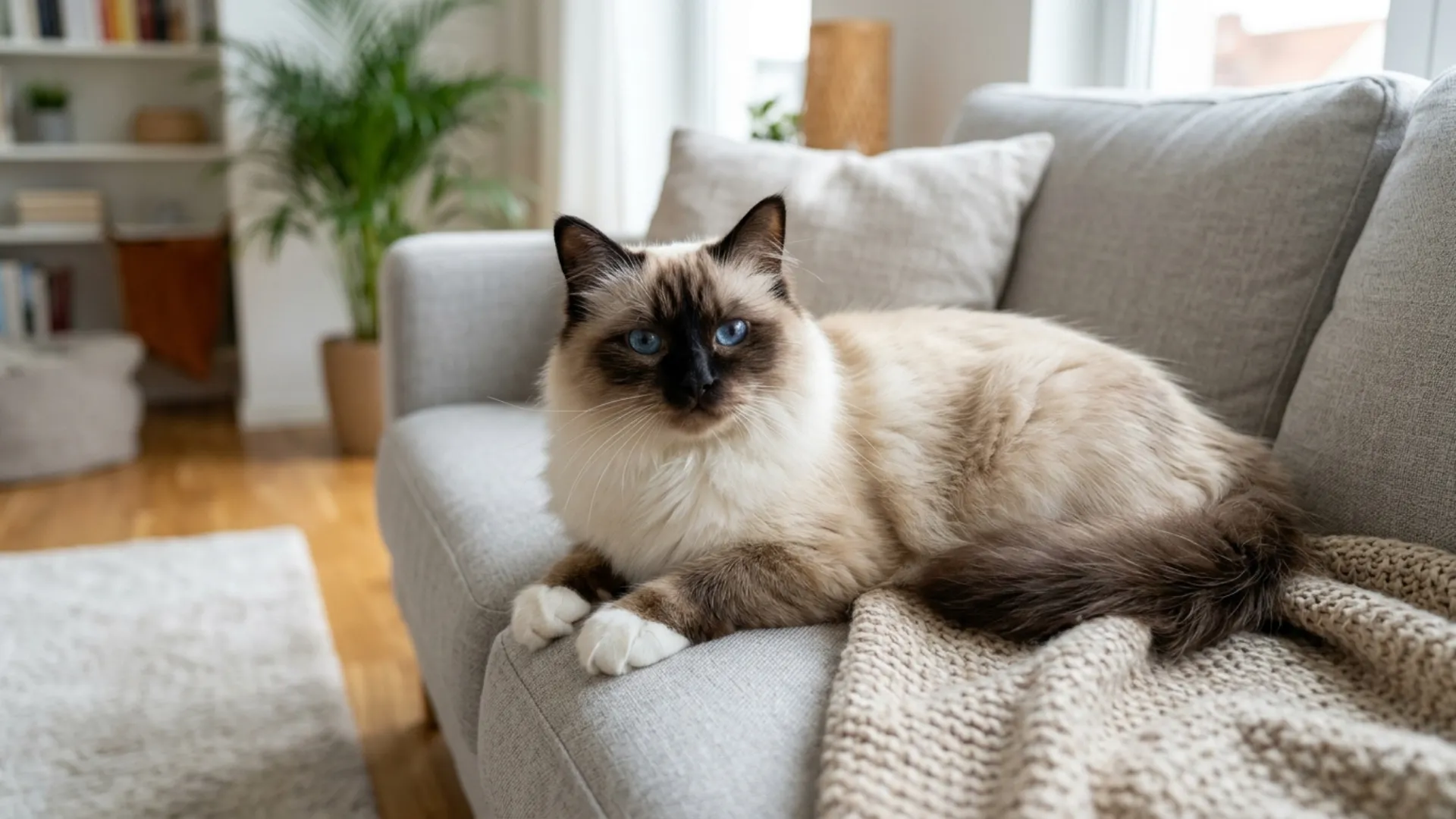
Moving to a new home, welcoming another pet, or adjusting to a different routine can be a big change for a cat. Some breeds are known for their relaxed temperaments and sociable nature, helping them settle into different household environments more comfortably.
Still, adaptability varies from one cat to another. A calm introduction, familiar comforts, and patience can help any feline feel more secure during transitions.
Explore the best cat breeds that may adjust well to changing circumstances and discover which feline companion could fit your household and lifestyle.
Best Cat Breeds That Adapt Easily
1. Exotic Shorthair
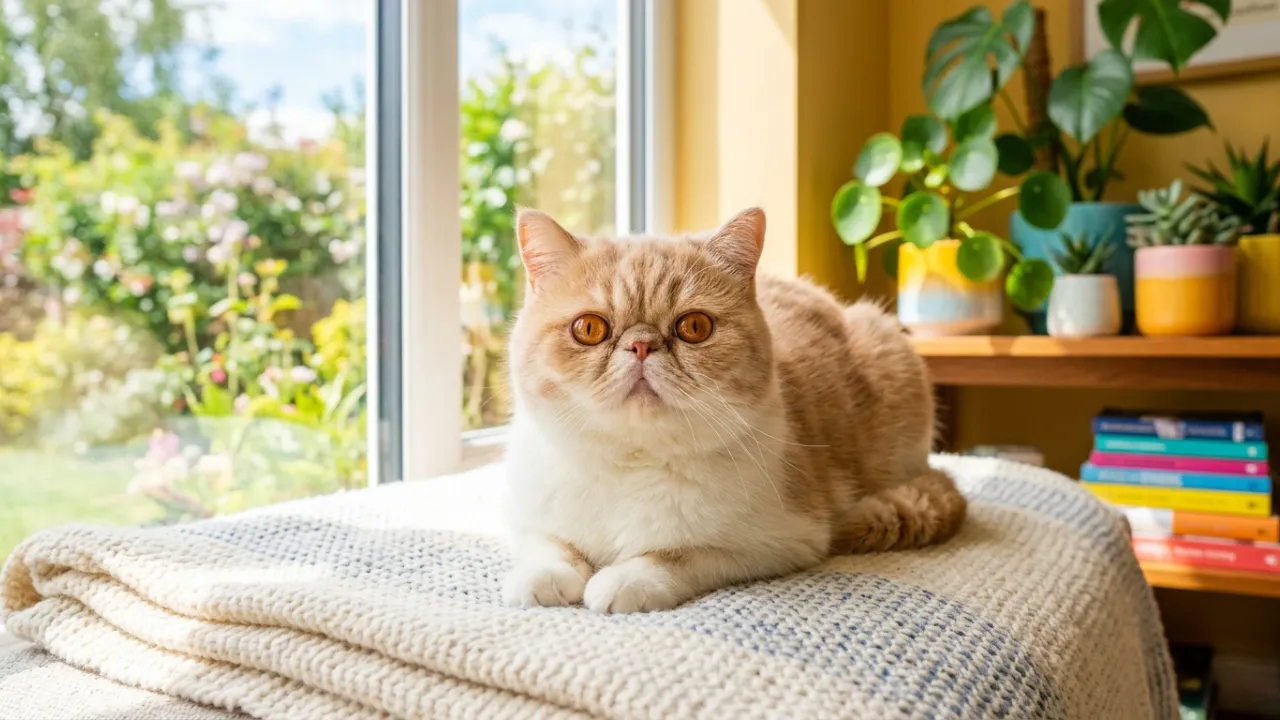
The Exotic Shorthair combines the Persian’s rounded features and plush appearance with a shorter, more manageable coat. Its broad face, large expressive eyes, and compact body give it a teddy-bear-like look, making this breed especially appealing to admirers of fluffy cats.
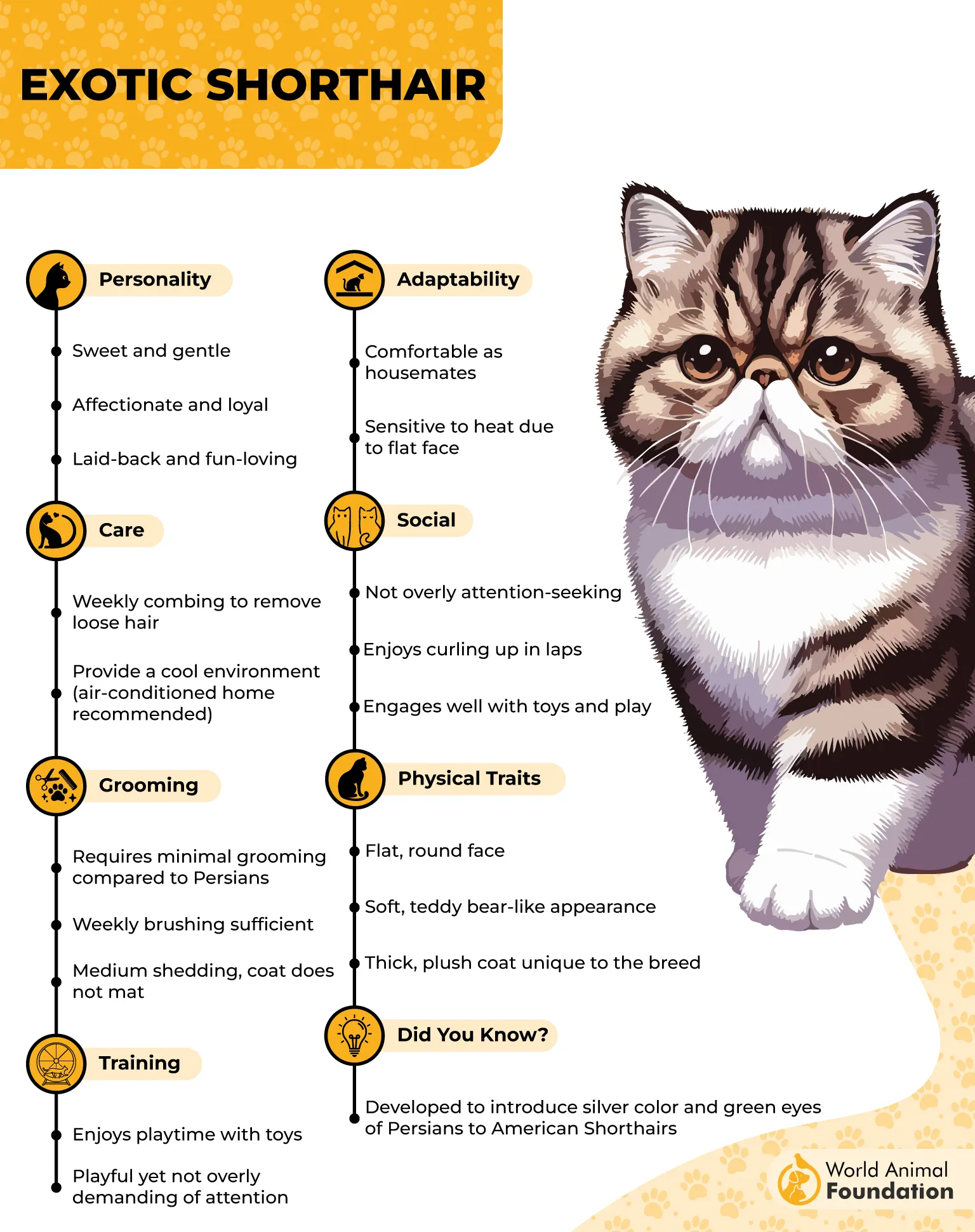
According to WebMD, Exotic Shorthairs enjoy staying near their owners without constantly demanding attention, often keeping them company during everyday activities around the house.
Their quiet nature and adaptable temperament help them settle into different households, including families with children, and predictable routines such as consistent feeding times can help a transitioning cat feel more secure. Although they may initially be reserved around unfamiliar pets, they can learn to coexist peacefully with other cats and dogs.
These cats need less intensive grooming, although their dense fur still benefits from regular brushing. They may be slightly more playful than their Persian relatives, enjoying gentle games and interaction, including simple games of fetch, between periods of relaxation.
They may also rest nearby for a nap while their owners work at home. Rather than vocalizing frequently, they often communicate through expressive eyes and soft purrs.
How This Breed Stands Out
Calm nature with easier coat care: Offers a similar gentle temperament with a shorter coat that is simpler to maintain.
Round face and teddy-bear appearance: Its plush fur, full cheeks, and large eyes create an unmistakably cuddly look.
2. Birman
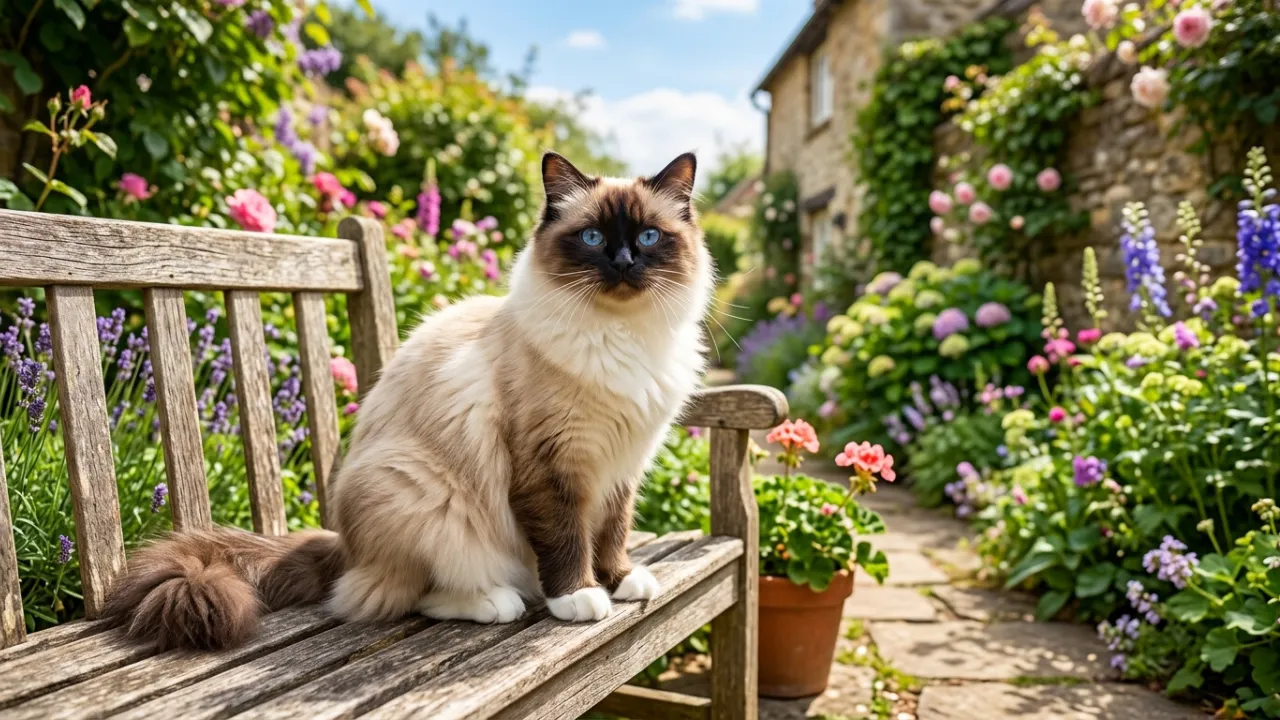
The Birman is a medium-to-large cat with silky, semi-long fur, captivating blue eyes, and a distinctive pattern of white paws. Its sturdy build, fluffy tail, and soft coat give it an elegant appearance, while its gentle disposition makes it a beloved companion in many households.
According to PetMD, Birman cats are affectionate and laid-back companions, known for their loving, sociable, friendly, and gentle temperaments. People-oriented and affectionate, Birmans enjoy staying close to their families and often follow their owners from room to room.

Their patient, friendly temperament helps them adapt to busy homes, including those with children and other pets, and they can be happy in both active family households and quieter homes. However, they can become lonely if left without companionship for extended periods.
Despite their luxurious coats, Birmans have a single layer of fur that generally sheds less than many double-coated longhair breeds. Their coats benefit from regular brushing to keep the silky hair smooth and manageable.
How This Breed Stands Out
Gentle adjustment to family routines: Its calm, adaptable personality helps it settle into different household environments.
Signature white-gloved paws: Distinctive white markings on the feet contrast beautifully with its darker color points.
3. Siamese
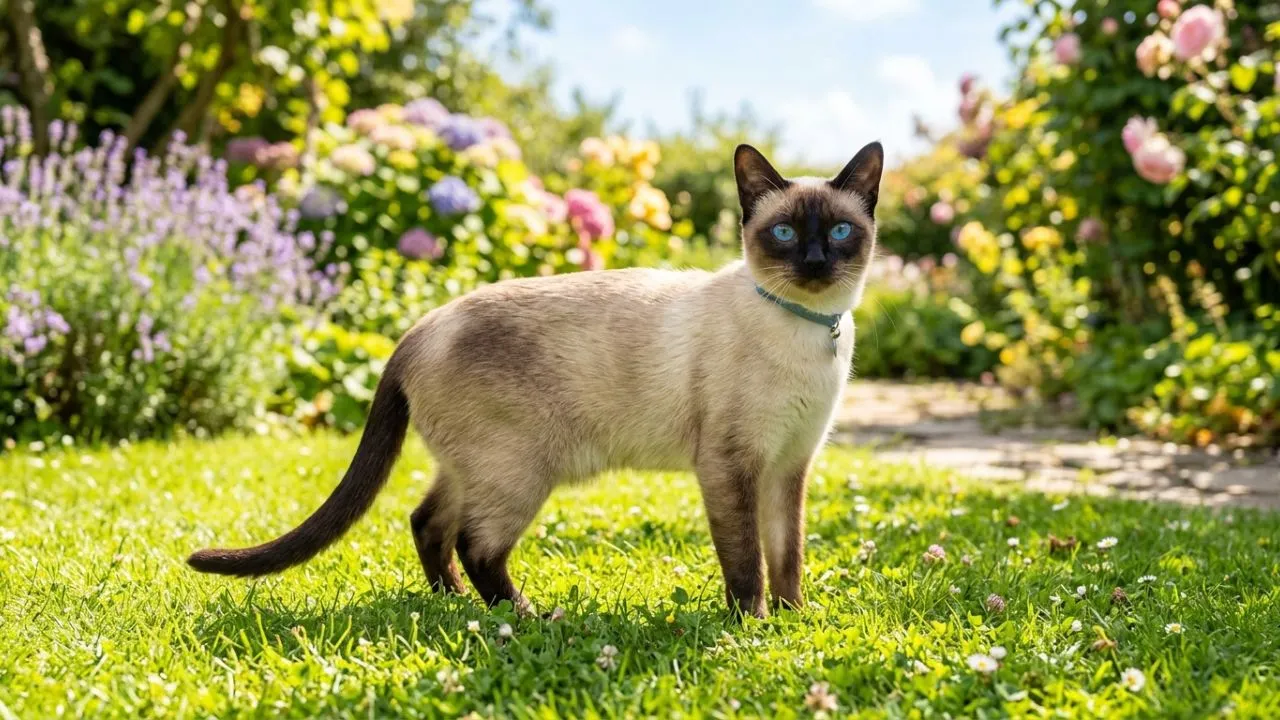
The Siamese cat, originating in Thailand, is instantly recognizable for its elegant appearance, distinctive color points, and striking personality. This intelligent breed combines curiosity with an energetic nature, often seeking out activities that keep its mind and body engaged.
According to PDSA, Siamese cats enjoy staying close to their owners and following them around, while generally having moderate activity levels.
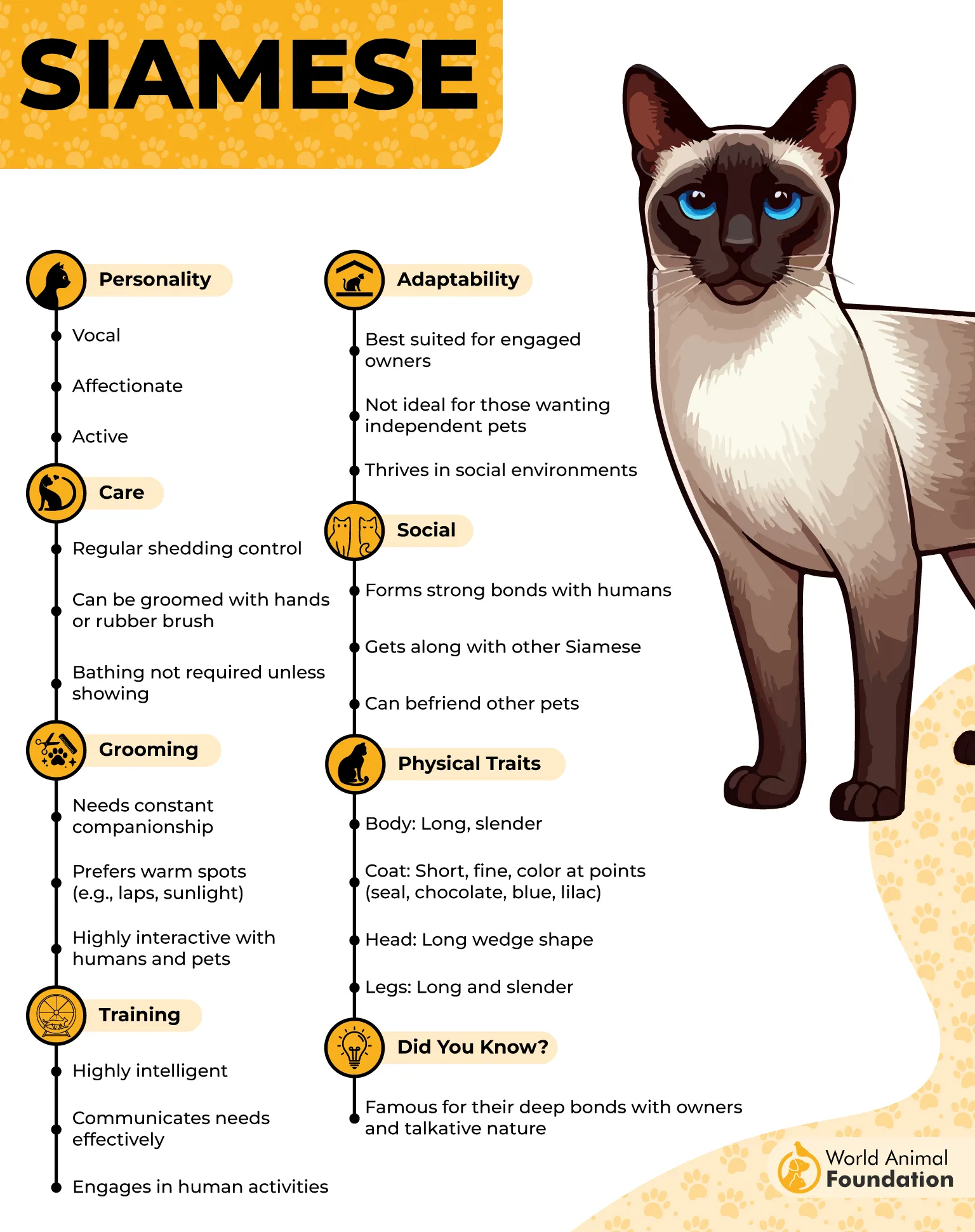
Strongly attached to their owners, Siamese cats enjoy following people around the home and participating in everyday routines. They are highly social animals that may struggle with extended periods alone, making companionship and interactive play important parts of their daily lives.
One of the Siamese cat’s most distinctive traits is its expressive voice. Its high-pitched meows help it communicate needs and seek attention, creating an almost conversational relationship with its family. Quick-witted and playful, this breed can also learn simple tricks and respond to familiar cues.
How This Breed Stands Out
Highly social and interactive: Enjoys close involvement in family activities and regular companionship.
Vocal, conversation-loving personality: Uses distinctive meows to communicate and engage with its owners.
4. British Shorthair
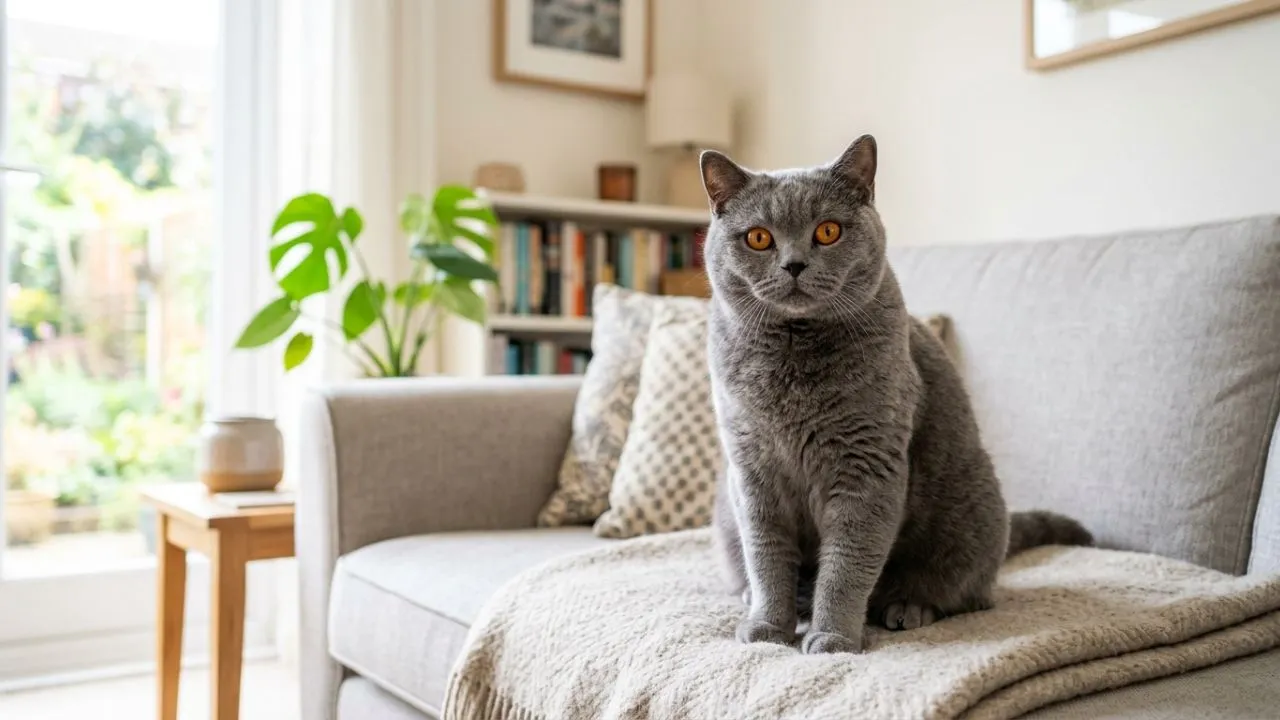
The British Shorthair is recognized by its sturdy frame, round cheeks, large eyes, and short, plush coat. Originating in the United Kingdom, this domestic breed developed from cats brought by the Romans and native British cats, eventually becoming valued for its strength and ability to control rodents.
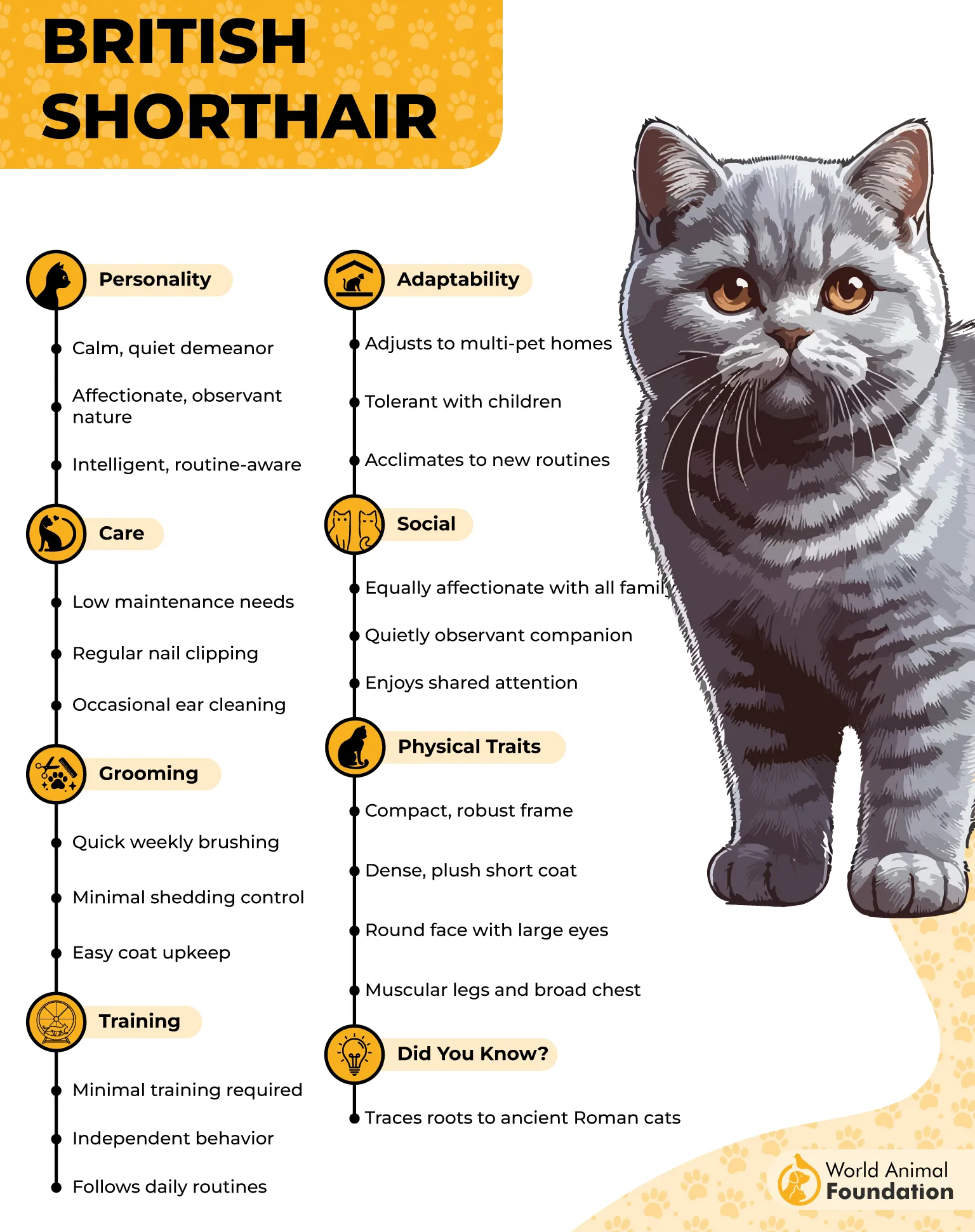
Calm and self-assured, British Shorthairs enjoy being around their families without constantly seeking attention. They often prefer sitting beside their owners rather than being carried or held, showing affection through quiet companionship. Their patient temperament can also help them adjust to family life with children and other pets.
Although independent, these cats still appreciate interactive play and occasional attention. Their thick coats come in various colors and patterns, with blue-gray being especially recognizable.
Regular grooming helps maintain their plush appearance, while their undemanding personality makes them appealing to owners seeking a relatively easygoing companion.
How This Breed Stands Out
Independent, undemanding nature: Enjoys family company while remaining comfortable with time alone.
Plush coat and round cheeks: Its dense fur and distinctive rounded features give it a charming, teddy-bear-like appearance.
5. Ragdoll
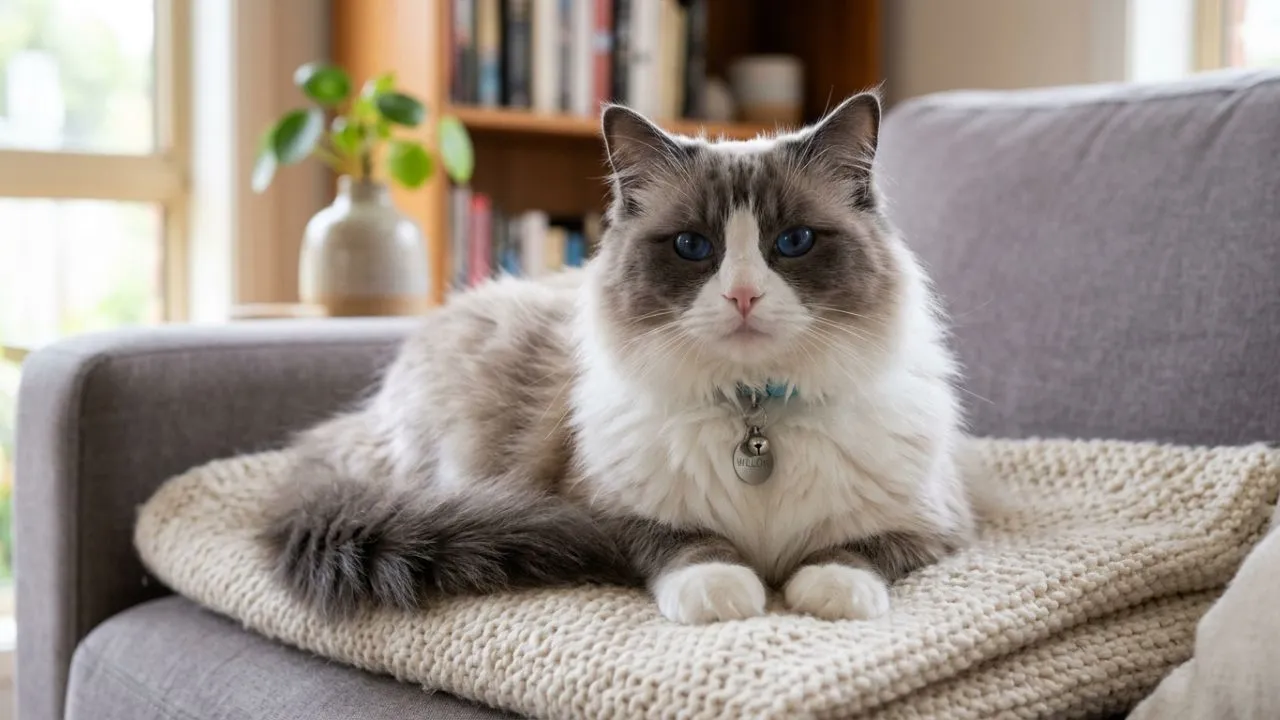
The Ragdoll is admired for its striking blue eyes, silky semi-long coat, and darker markings on its face, ears, legs, and tail. Beneath its plush appearance lies a large, sturdy body, while its gentle temperament makes it a popular companion for households seeking an affectionate cat.
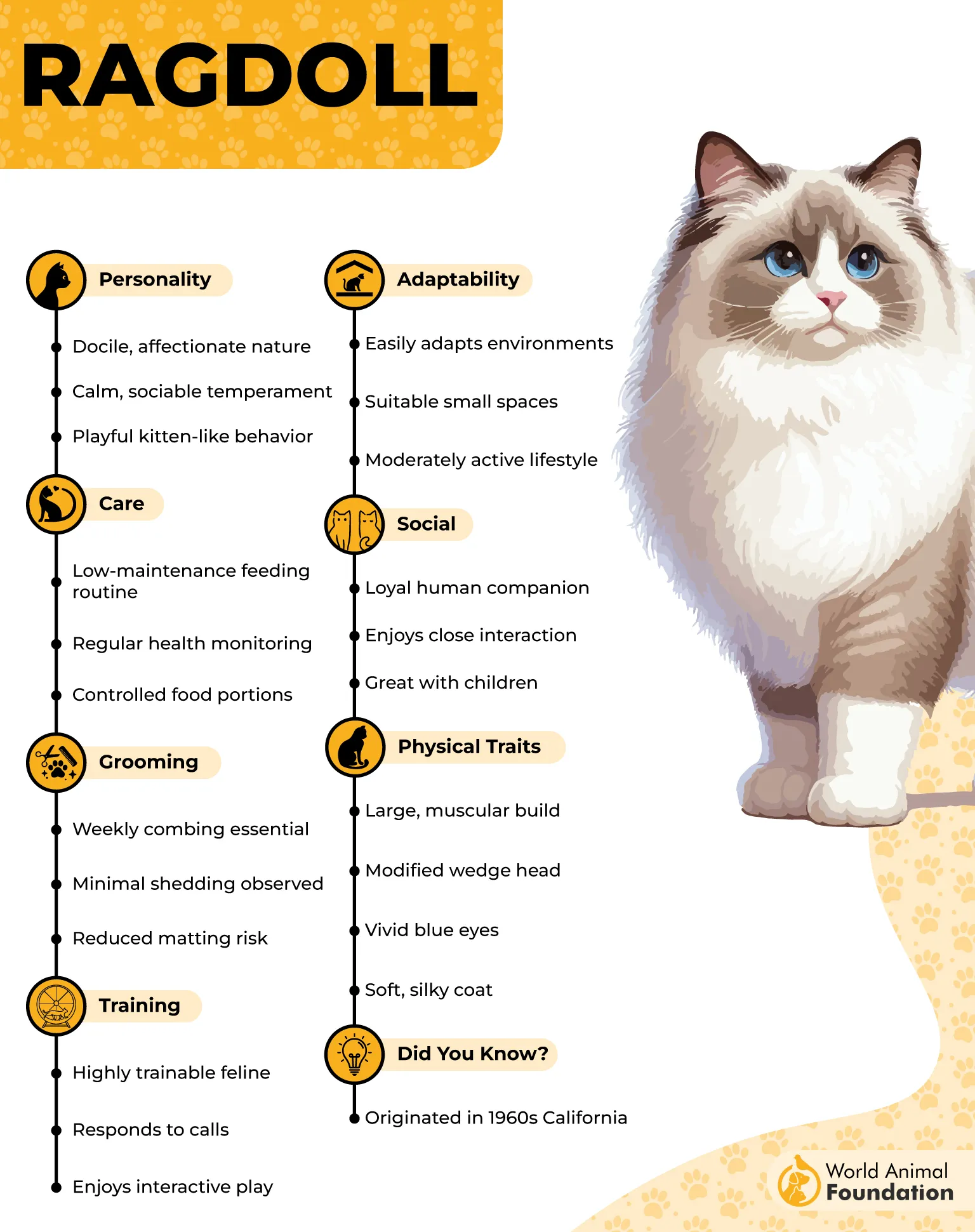
Unlike more independent breeds, Ragdolls often crave human company and enjoy relaxing beside their owners or curling up on a lap. Their calm, tolerant nature can make them well suited to families with children and other pets, particularly when interactions are gentle and respectful.
These cats are generally quiet and content in indoor environments, where they can stay close to their families.
Their coats benefit from brushing at least twice weekly to prevent tangles and maintain softness. As a large breed, they may be prone to weight and joint concerns, while some also have a genetic risk of hypertrophic cardiomyopathy.
How This Breed Stands Out
Relaxed, affectionate personality: Ragdolls enjoy cuddles and close bonds with their human companions.
Comfortable indoor companionship: Their calm disposition suits peaceful indoor living and regular family interaction.
6. Maine Coon
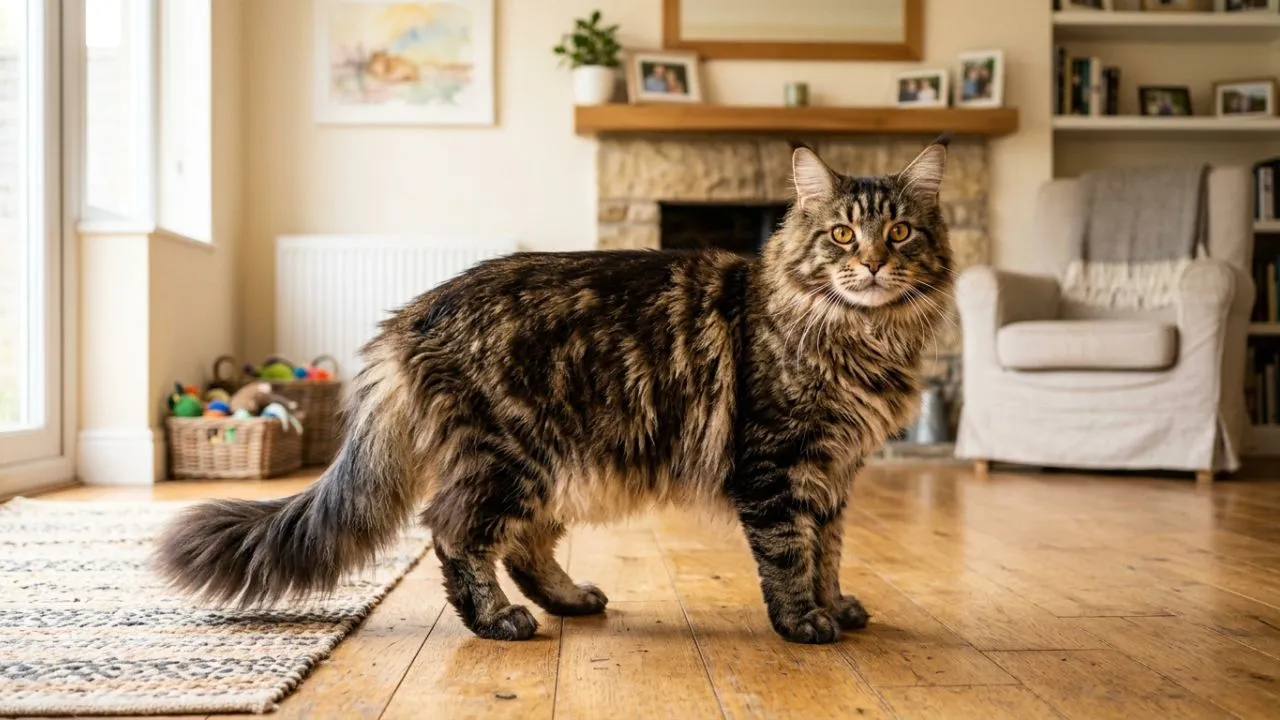
The Maine Coon is a large, shaggy cat whose gentle temperament contrasts with its impressive appearance. Often called a gentle giant, this American breed is known for its sweet disposition, adaptability, and affectionate nature, making it a popular choice for family households.
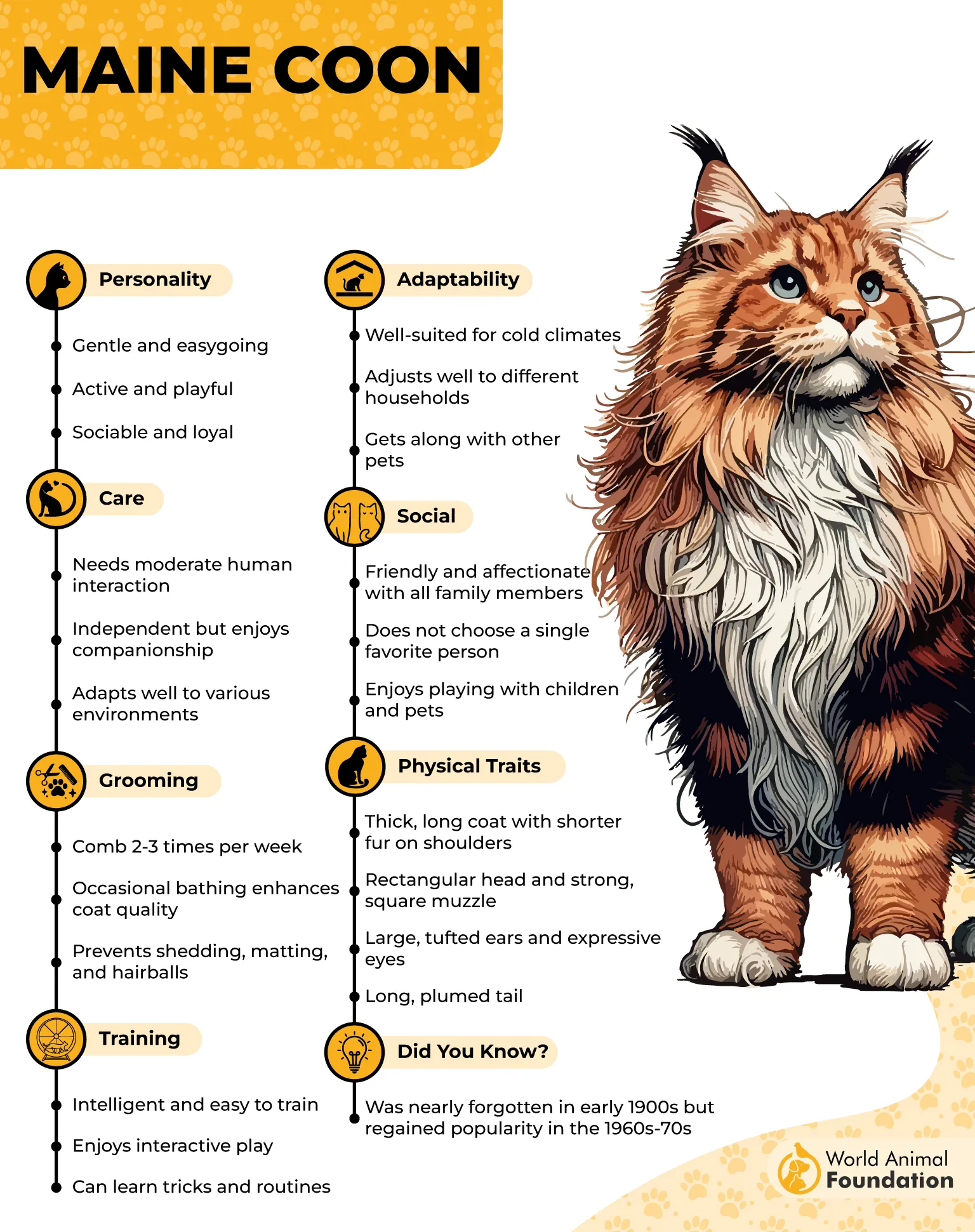
Although Maine Coons may take time to feel comfortable around unfamiliar people, they often become sociable companions once trust develops. They enjoy interacting with different family members, get along well with children and other animals, and communicate through distinctive chirps, trills, and purrs rather than constant meowing.
Their intelligence and playful instincts remain noticeable well into adulthood. Originally valued for catching rodents, Maine Coons enjoy games that challenge their curiosity and hunting skills. Their thick, flowing coats and broad, tufted paws also reflect their origins in the cold climate of Maine.
How This Breed Stands Out
Sociable, family-friendly nature: Its affectionate, adaptable personality helps it bond with family members and coexist with other pets.
Playful curiosity into adulthood: Its intelligence and lasting interest in toys, games, and exploring keep playtime engaging.
7. American Shorthair
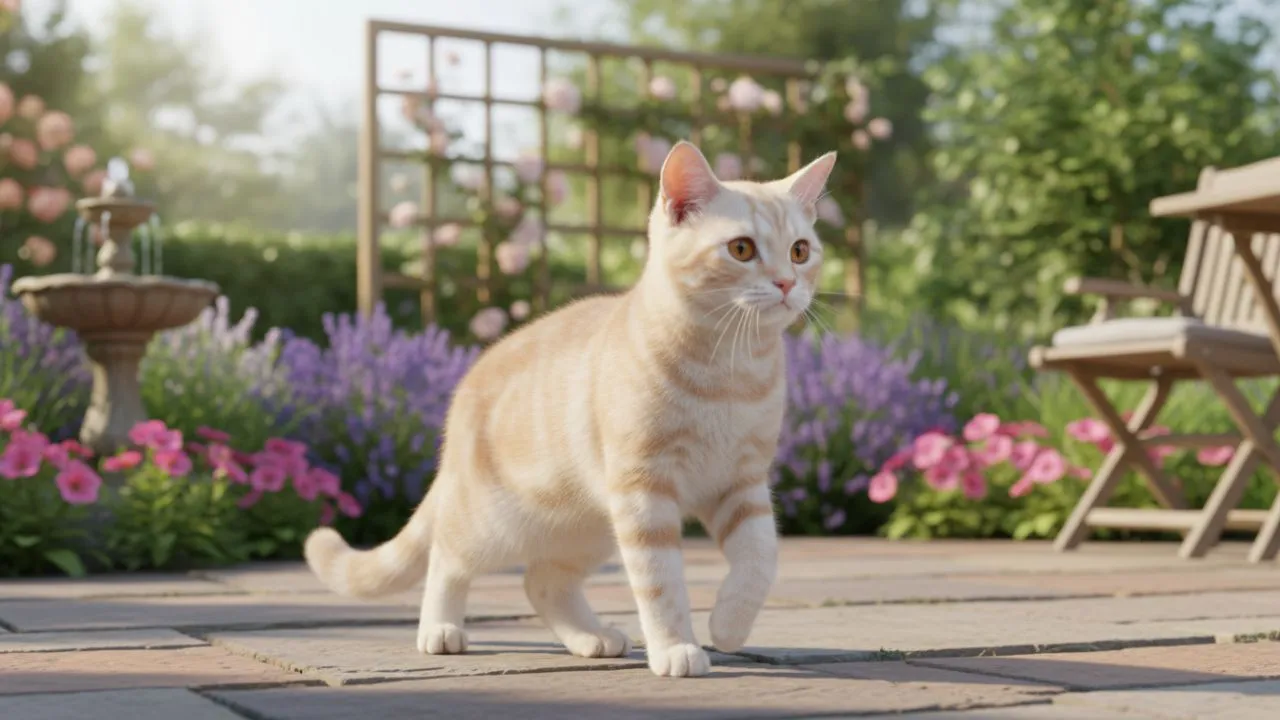
The American Shorthair is a medium-sized cat known for its friendly personality and ability to adjust to different living environments. Brought to North America by early settlers, these cats earned their place as skilled mousers, helping protect food supplies from rodents.
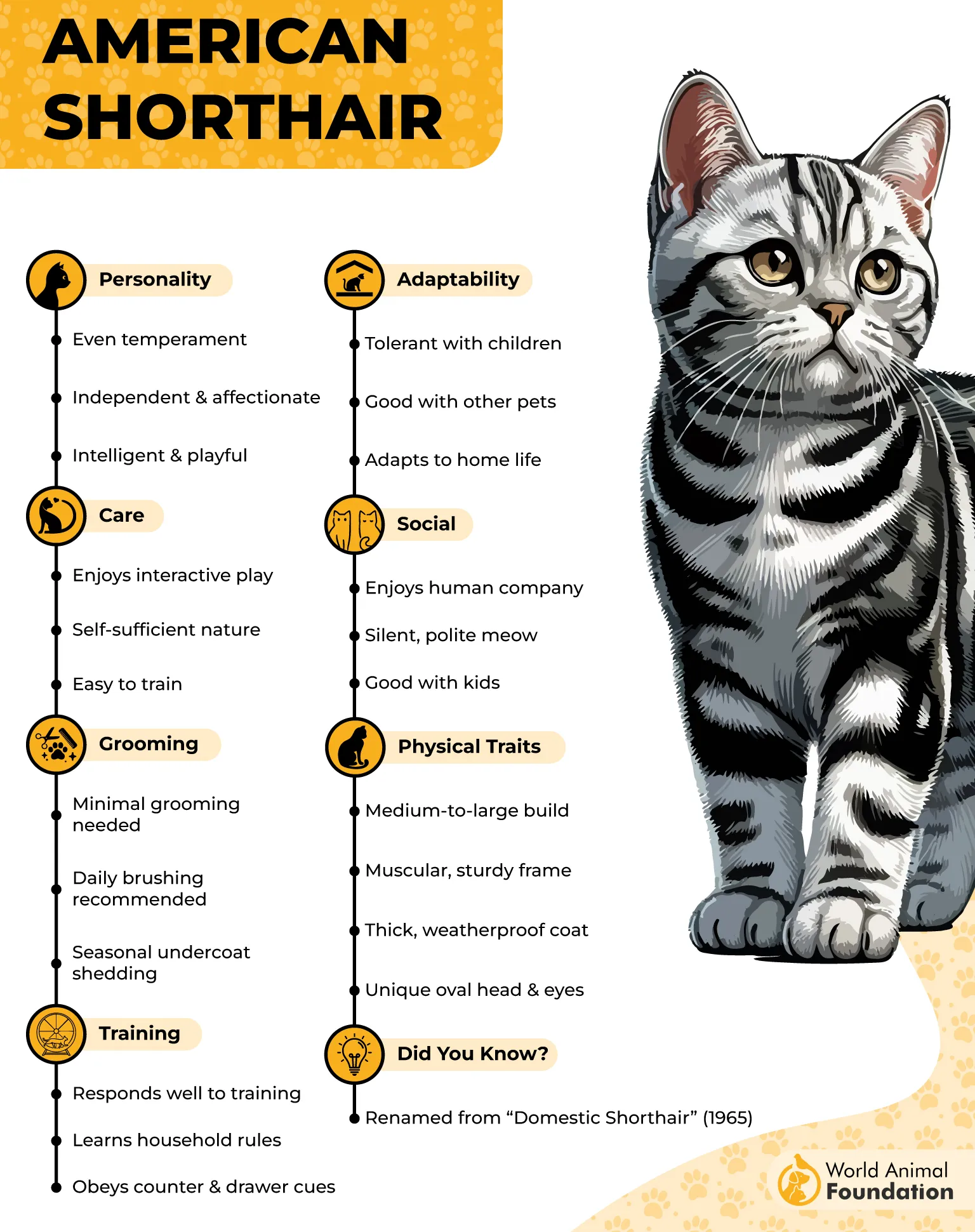
Affectionate and people-oriented, American Shorthairs enjoy spending time with their families without needing constant attention. Their curious nature keeps them interested in household activities, making them suitable companions for homes with children, seniors, and other family members.
Their dense, short coat comes in numerous colors and patterns, with silver tabby being especially recognizable. Originally valued for their working abilities, these hardy cats have a sturdy build and a coat that offers protection in cold, damp conditions.
How This Breed Stands Out
Easygoing, adaptable temperament: Its relaxed, sociable nature helps it settle into a variety of households.
Hardy, low-maintenance coat: The dense, short fur is practical to care for and provides protection in challenging weather.
Conclusion
Choosing a cat that adapts easily can make life more enjoyable for both pets and their families. Some breeds offer friendly temperaments and different levels of independence to suit various households.
Every breed has its own preferences, grooming needs, and activity levels. Some thrive on frequent interaction, whereas others are comfortable enjoying their own space while remaining near their owners.
Before choosing a cat, consider your household routine, available time, and ability to provide companionship and care.
Understanding a cat’s individual personality is just as important as its breed when creating a comfortable, welcoming home, and remember that breed tendencies are only general guidelines, not guarantees.
