




A small dog breed can look like the easiest choice for a first-time owner, but the real test begins after it comes home. Who would expect a little companion to bark at every passing sound, resist a leash, or demand more attention than its owner anticipated?
These habits can catch beginners off guard, particularly when they assume a smaller body means fewer responsibilities. Compact dog breeds can be excellent companions for new owners because they are generally easier to lift, transport, and accommodate in limited living spaces.
However, individual breeds differ considerably in energy, sociability, coat care, and training requirements, which can affect everyday life. Some are content with relaxed daily walks and indoor play, while others need regular activity, mental stimulation, and consistent boundaries.
The best place to start is with breeds whose everyday needs match your circumstances. Here, you will discover which compact companions deserve a closer look before you decide.
Key Takeaways
A small dog can fit perfectly into your home and still surprise you with barking, stubbornness, or a need for constant attention.
The Russian Tsvetnaya Bolonka weighs no more than nine pounds and enjoys indoor games, making it an interesting first choice for apartment living.
Next comes the Australian Terrier, whose weather-resistant coat was made for the bush, while the Pug brings a playful personality and a history linked to China.
From the easygoing Bolognese to the determined Border Terrier, these breeds have different routines and quirks worth knowing before choosing your first dog.
Compact Dog Breeds Ideal for New Dog Owners
1. Russian Tsvetnaya Bolonka
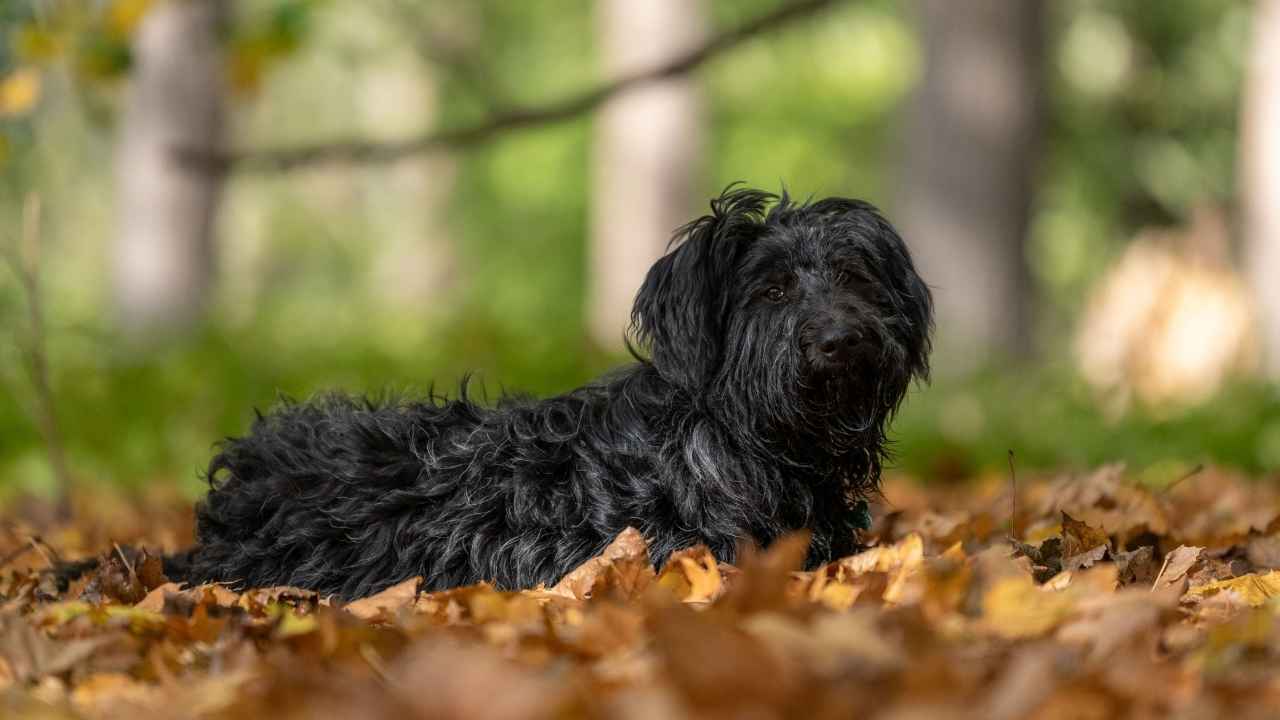
Russian Tsvetnaya Bolonka took shape in Leningrad during the 1950s, when breeders set out to create a small decorative companion dog suited to apartment living. They combined local lapdogs with breeds such as the Bolognese, Maltese, and Shih Tzu to establish this affectionate little companion.
Small by Nature
Weighing no more than nine pounds, this cute small dog breed suits homes where floor space is limited and indoor play matters more than long, strenuous outings, as noted by Dog Breed Info.
Short games of hide-and-seek or searching for a hidden toy give this playful dog something enjoyable to do between walks.
The following habits make their daily care easier:
Learns new cues and tricks readily
Enjoys puzzle toys and chew treats
Needs relatively little daily exercise
Friendly With Company
Russian Tsvetnaya Bolonka has an open, affectionate nature and often welcomes visitors with a wagging tail, even when meeting someone for the first time. It can also get along with cats, rabbits, and other pets, with careful introductions and early socialization helping those relationships develop.
2. Australian Terrier
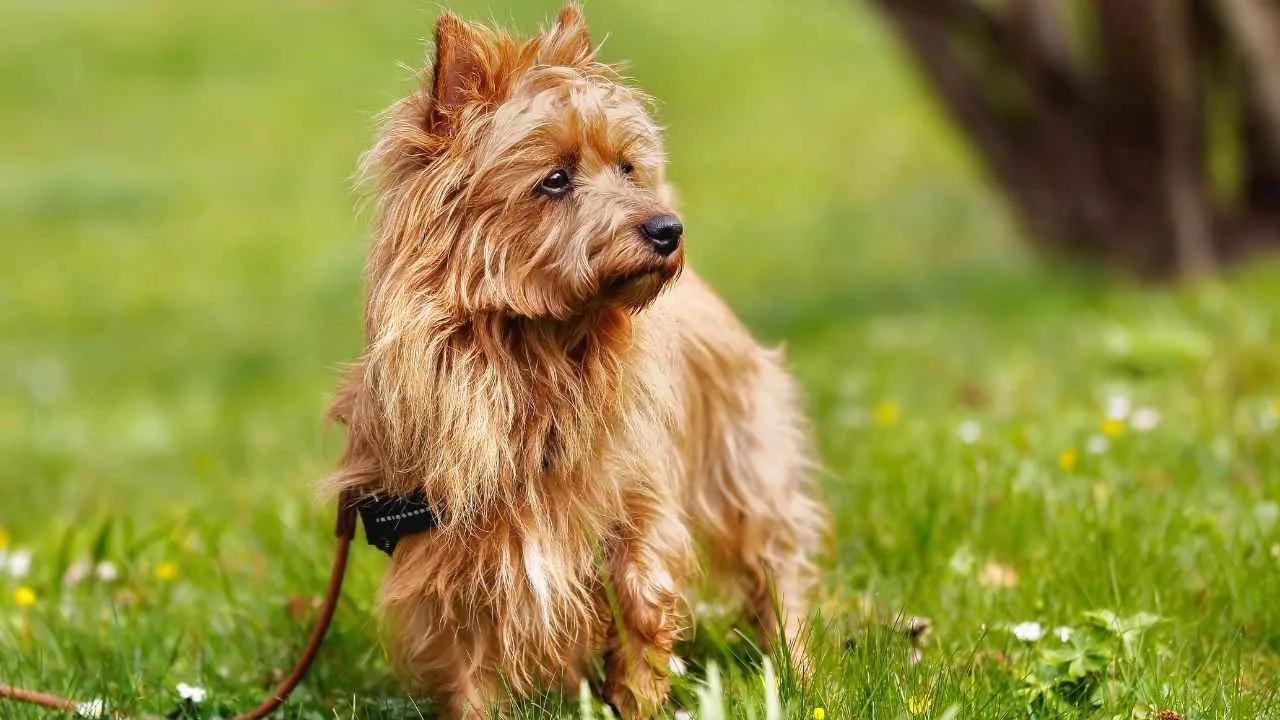
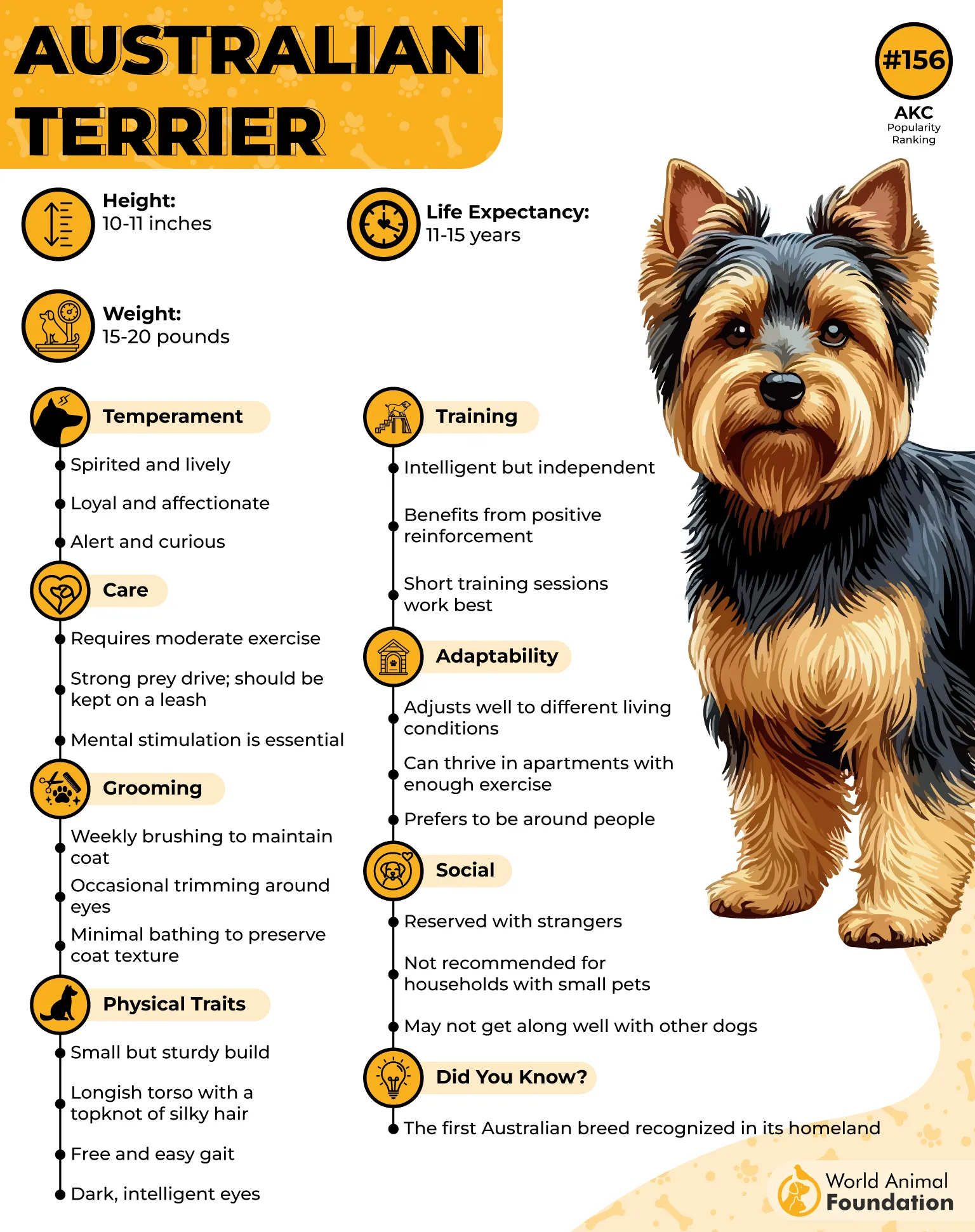
Australian Terrier began taking shape around 1820, when British settlers brought working terriers to Australia. First called Rough Coated Terriers, the breed received its Australian Terrier name in 1892, with Norwich, Scottish, and Yorkshire Terriers among its ancestors.
A Coat Built for the Bush
They have a weather-resistant double coat suited to Australia’s changing conditions, with a distinctive neck ruff that protects the skin while the dog explores dense brush. Its coat needs relatively minimal grooming, making upkeep manageable for someone new to dog care.
The following coat-care details deserve attention:
Weekly brushing with a stripping comb
No routine haircut required
Neck ruff should remain intact
Independent by Nature
Australian Terriers can be reserved around unfamiliar people and often prefer familiar company to busy social gatherings, as the AKC highlighted. It may also chew household items or bark unnecessarily when left alone too long, while early socialization helps it adjust to new people and situations.
3. Pug
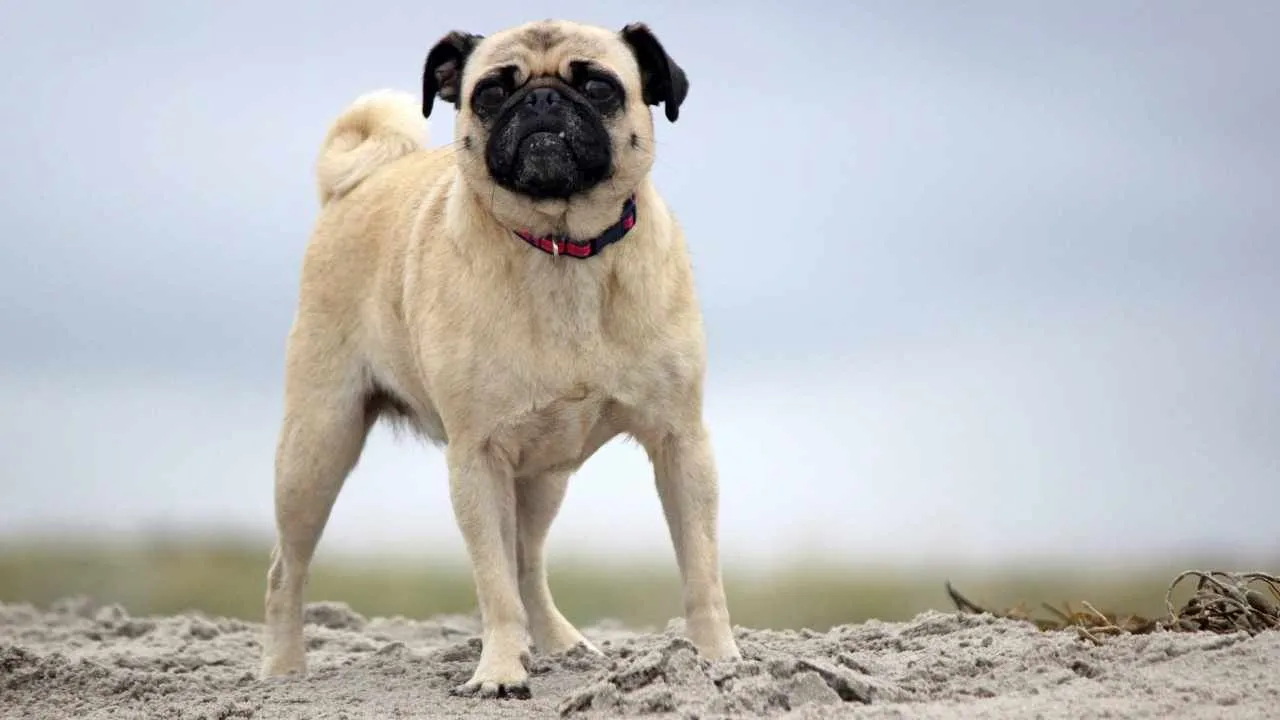
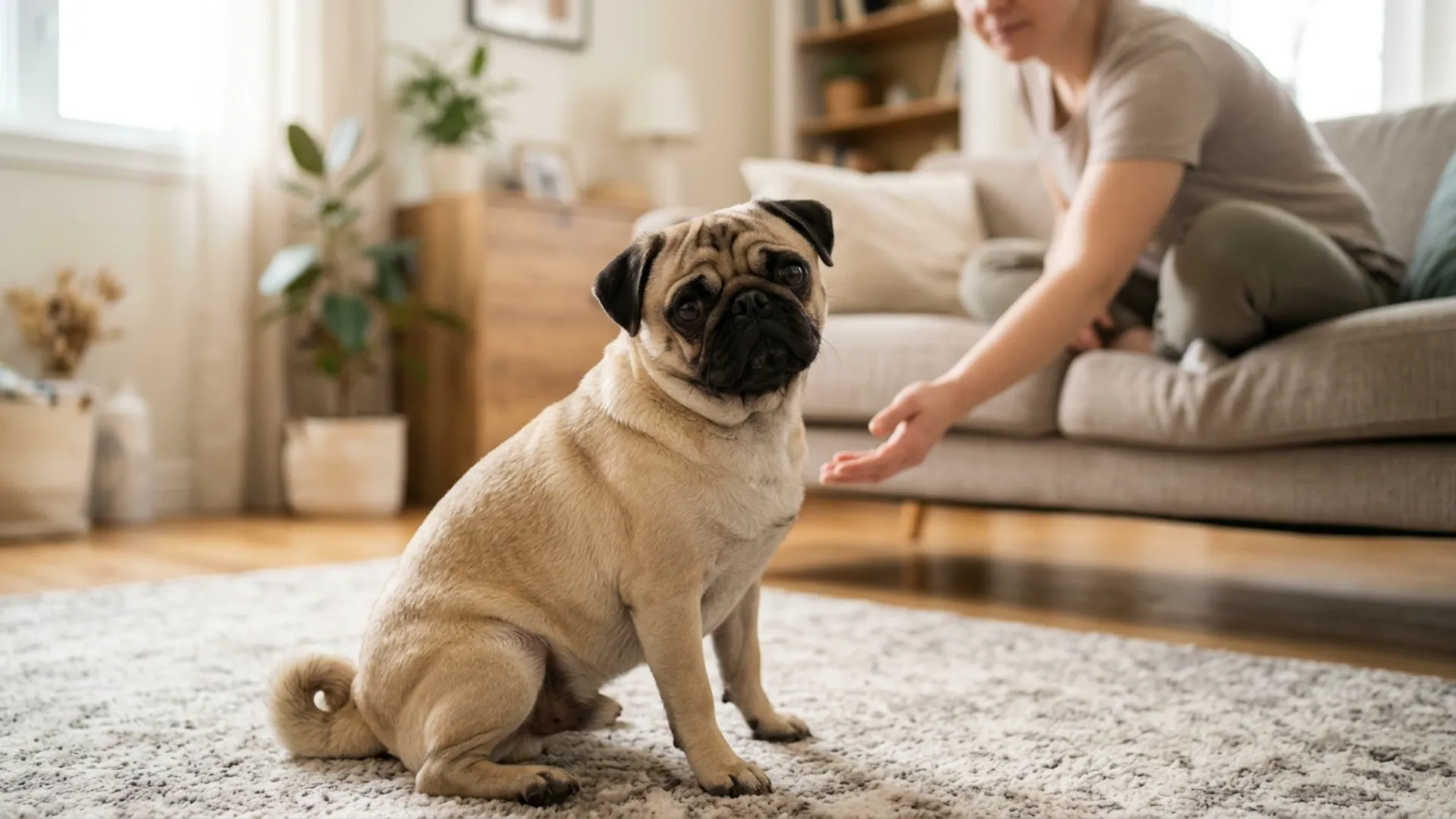
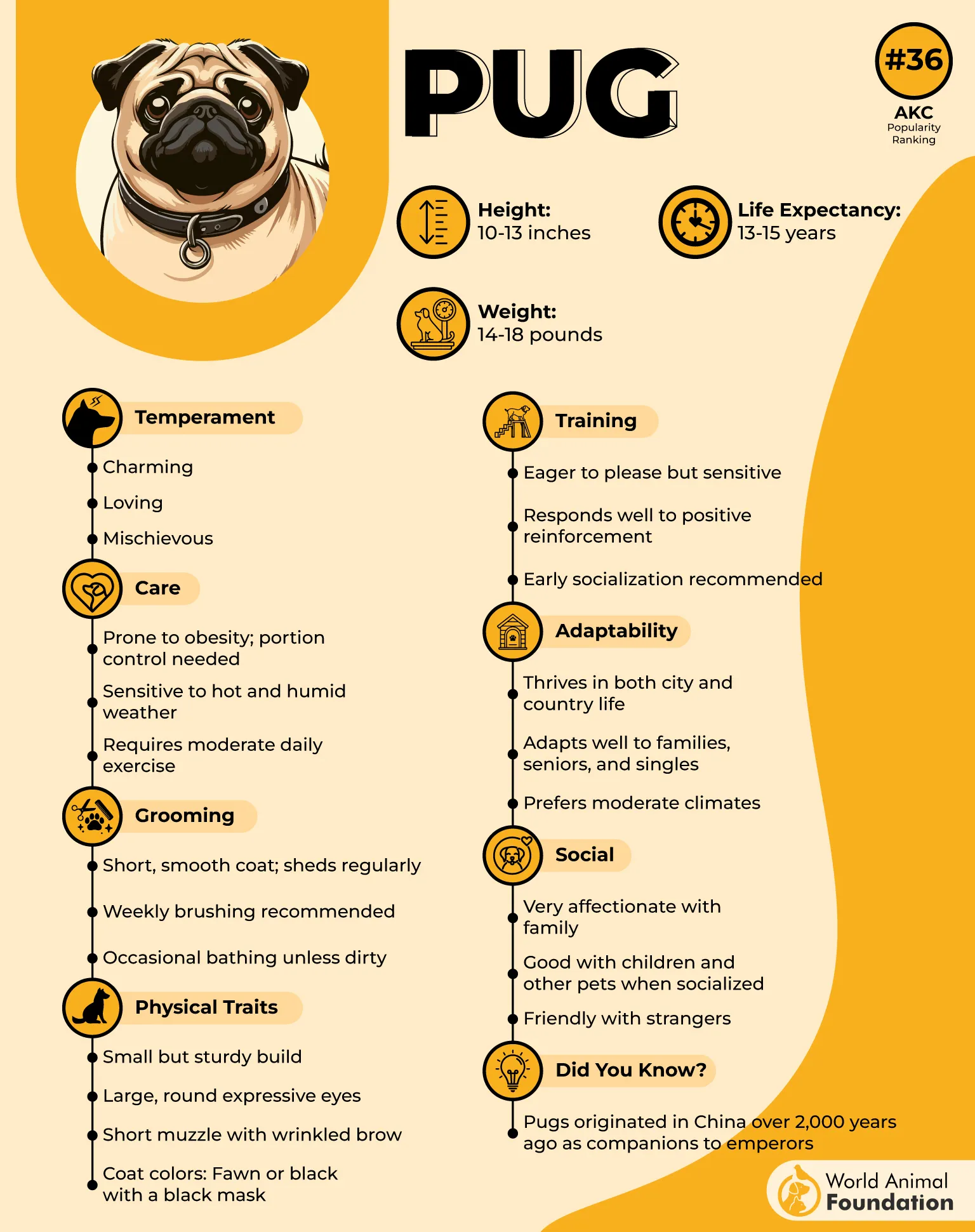
Pug has a long history as a companion dog, with early roots linked to China and Tibetan monasteries before it reached Europe through the East India Trading Company in the 1700s.
Even its name has an unusual origin, possibly linked to the Latin word pugnus, meaning fist, because its rounded head resembles a clenched hand.
Small Breed, Easy Routine
First-time pet parents who prefer shorter walks and relaxed indoor activities over demanding outdoor routines. Its flat face and shortened snout can make breathing difficult during intense exercise or hot, humid weather, so brief outings and indoor games are often more suitable.
A few practical details make daily care easier:
Usually needs under an hour of daily exercise
Enjoys gentle fetch games and indoor play
Has a typical running speed of around 5–10 mph
A Comical Companion
This friendliest small dog breed has a playful, attention-seeking personality and may climb onto a lap, chair, or sofa to get closer to its favorite person. Its friendly nature often extends to children, unfamiliar people, and other household pets, making early socialization useful for family life.
4. Bolognese
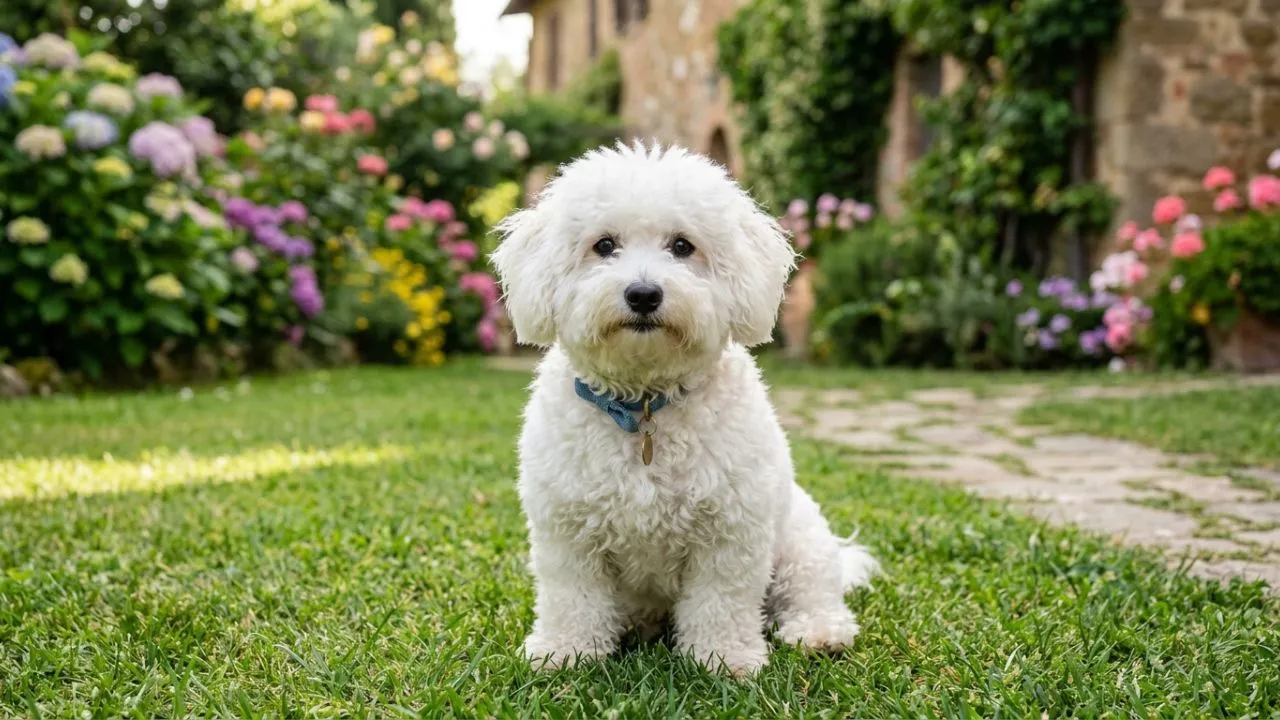
Bolognese was originally bred in Bologna, Italy, as part of the Bichon family, whose early members were bred in the Mediterranean from larger water dogs and small white dogs. Wealthy families prized these little companions as lapdogs and frequently exchanged them as gifts.
An Easygoing Routine
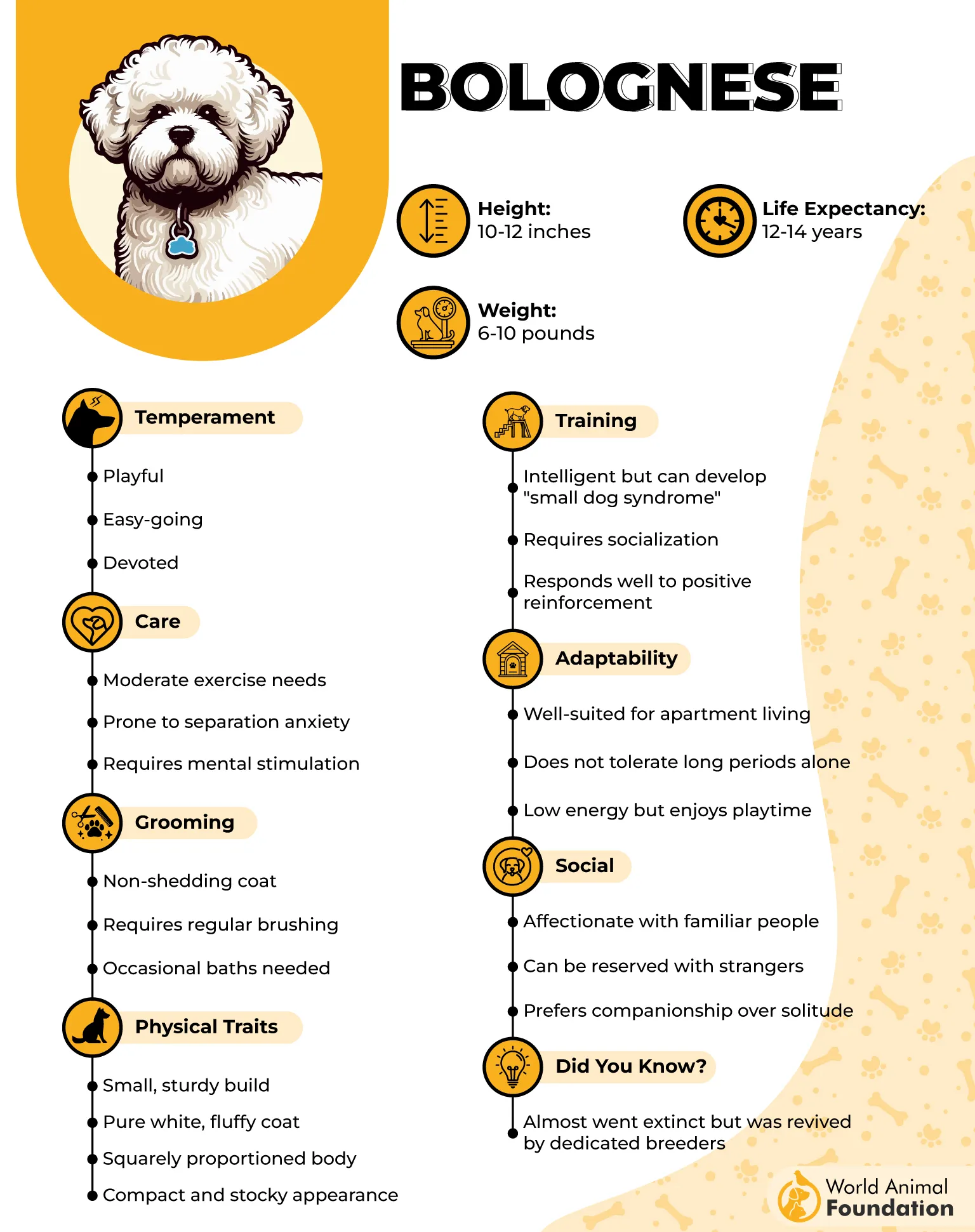
Bolognese suits first-time dog owners who prefer relaxed daily outings to demanding exercise schedules. Two walks of around 20 minutes each, combined with indoor games such as rolling a ball across the floor, can meet its modest activity needs.
Training and play can easily fit into its routine:
Training can begin at eight weeks old
Short sessions of 30 minutes or less help limit boredom
Hide-and-seek provides an enjoyable indoor activity
A Clever Little Learner
According to Omlet, Bolognese are intelligent and eager to please, so beginners can teach basic skills through praise, treats, and consistent practice. Its independent streak can surface when lessons become repetitive, making varied activities more useful than drilling the same command.
5. Cavalier King Charles Spaniel
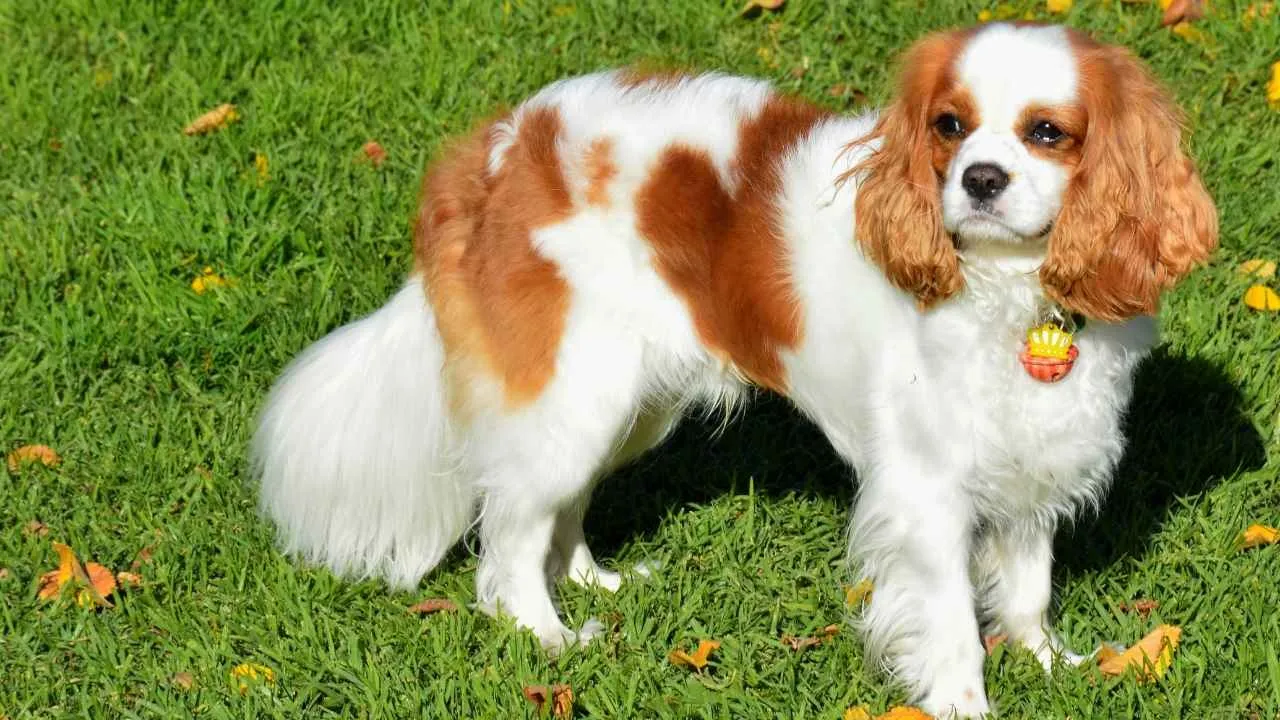
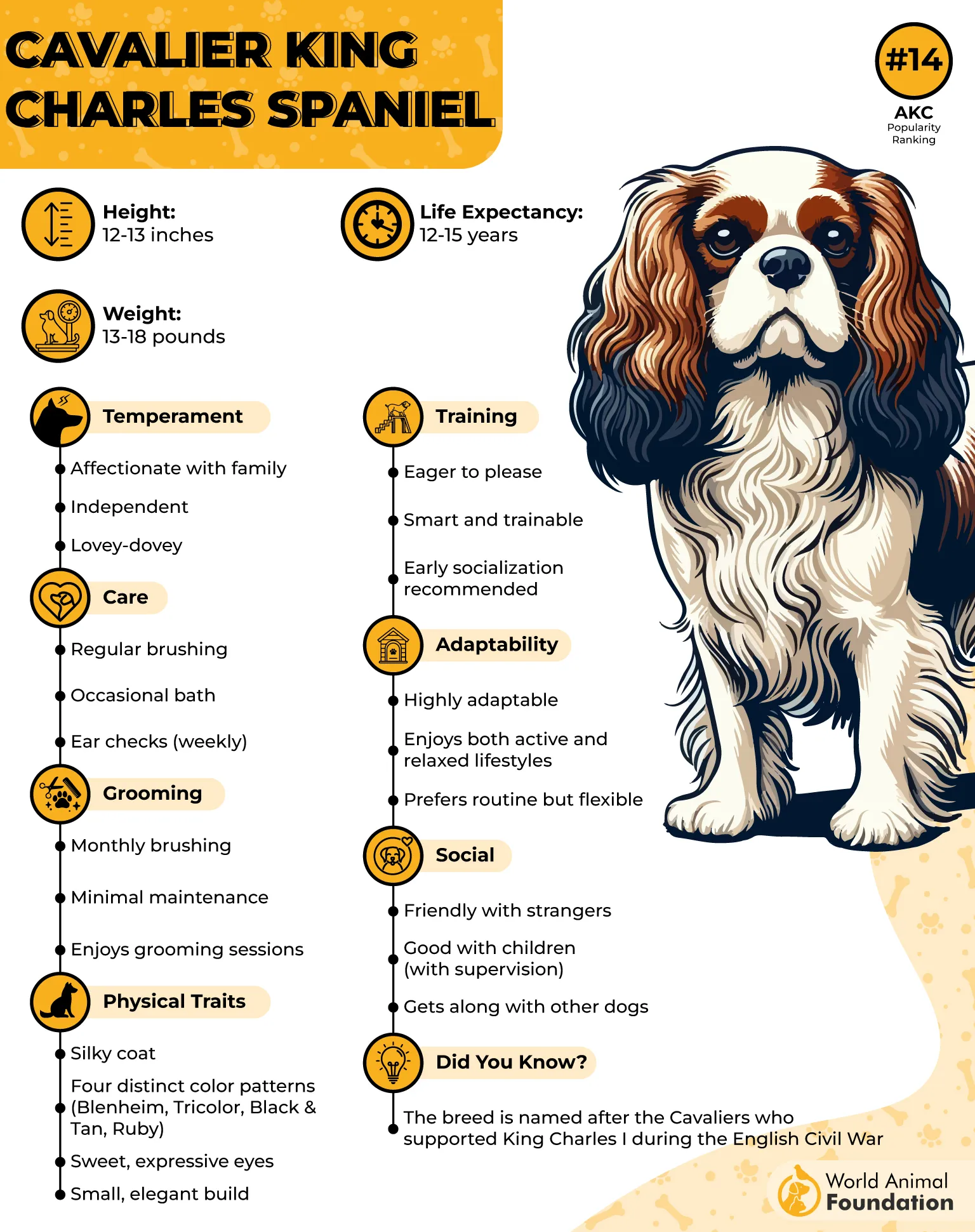
Cavalier King Charles Spaniel traces its roots to Tudor-era England, where small spaniels warmed their owners’ laps and feet during colder days. King Charles II became so devoted to these dogs in the 17th century that his name became permanently linked to the breed.
Small Dog, Easy Routine
This wonderful companion can match a first-time owner’s pace, from short outings to relaxed evenings indoors. Two walks of around 20 to 30 minutes, along with play and short training sessions, can meet much of its everyday exercise needs.
Here are a few easy ways to keep it active:
Enjoys scent-filled walks at a relaxed pace
Learns basic obedience cues with positive reinforcement
Benefits from puzzles and simple problem-solving games
Friendly by Nature
Cavalier King Charles Spaniel usually welcomes visitors and can get along well with other pets, including cats, when introductions are handled carefully. Its gentle temperament has also made the breed useful in therapy settings, while its small size may leave it cautious around much larger dogs.
6. Brussels Griffon
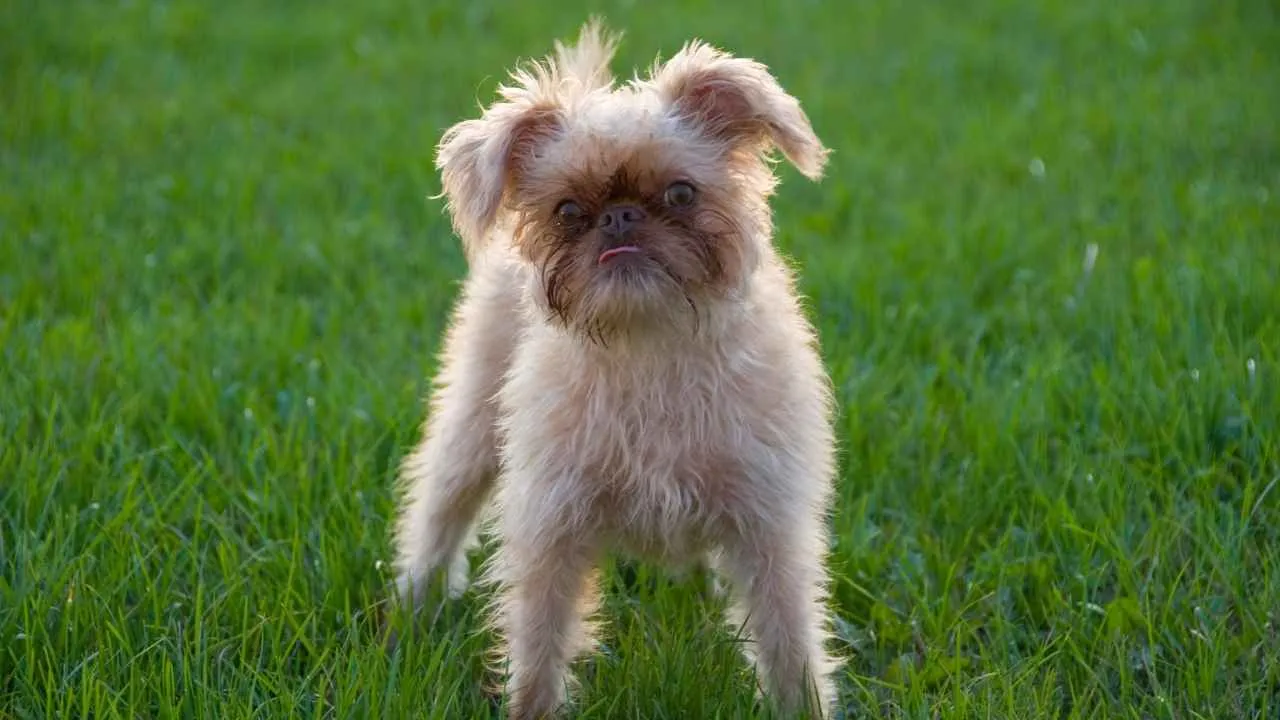
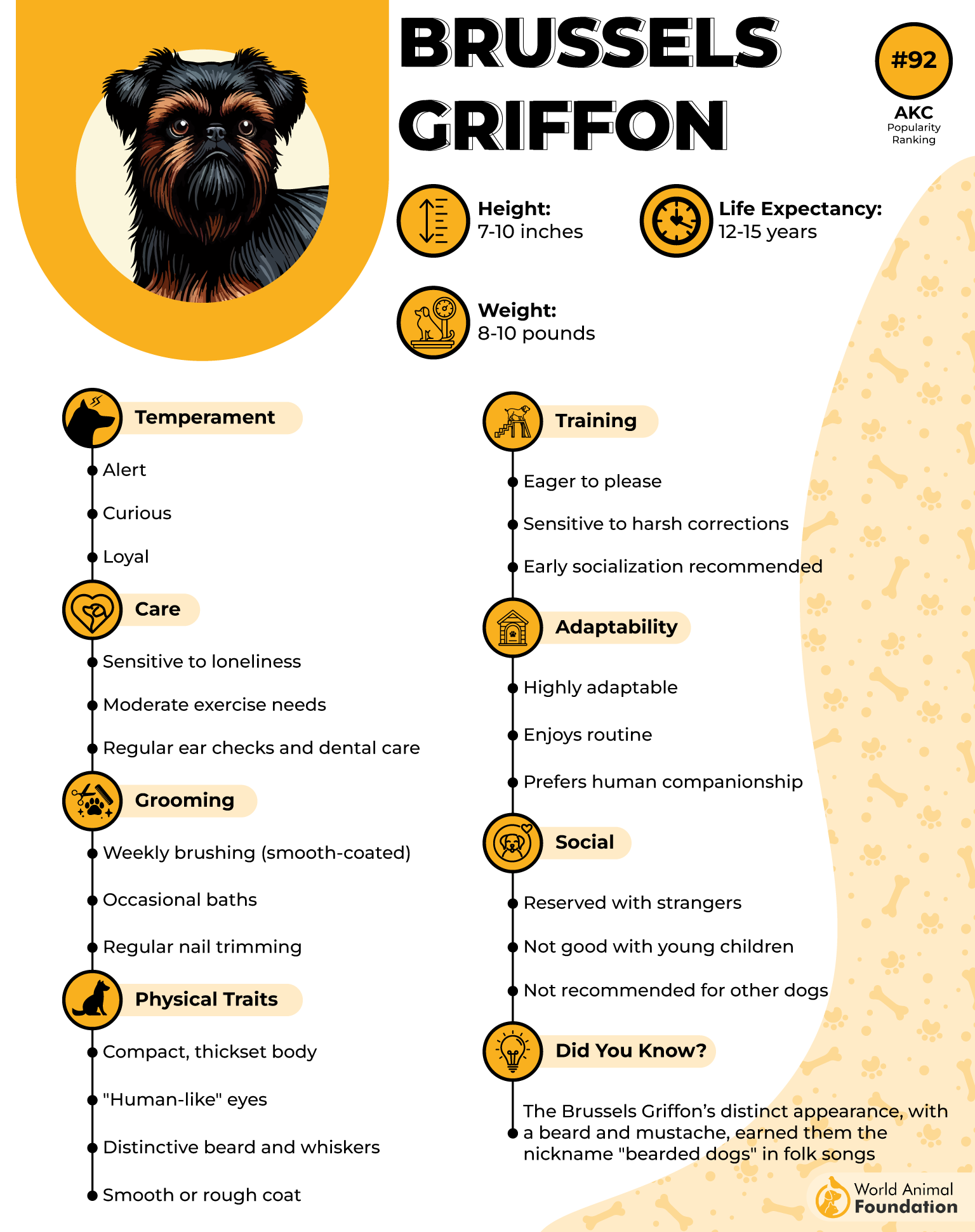
Brussels Griffon developed in Belgium, where its ancestor, the Smousje, hunted rats and other vermin around stables. Crossbreeding with the Pug in the late 1800s helped create its distinctive face, and by the early 1900s, the breed had attracted Belgium’s upper classes.
Small Dog, Active Mind
Brussels Griffon suits compact living when its daily routine includes walks, indoor games, and opportunities to explore. Around 30 minutes of daily exercise is a useful minimum, while hide-and-seek and treat puzzles offer engaging ways to use its energy indoors.
These considerations make its care easier to plan:
Hand-stripping a few times yearly helps preserve the wiry coat
A pin-brush session every two weeks helps control shedding
Beard combing helps prevent tangles around the muzzle
A Little Shadow
This best small dog breed often picks one or two favorite people and follows them from room to room, including on ordinary trips around the house. This close attachment makes early socialization important, especially if you want the dog to feel comfortable around a wider circle of people.
7. Border Terrier
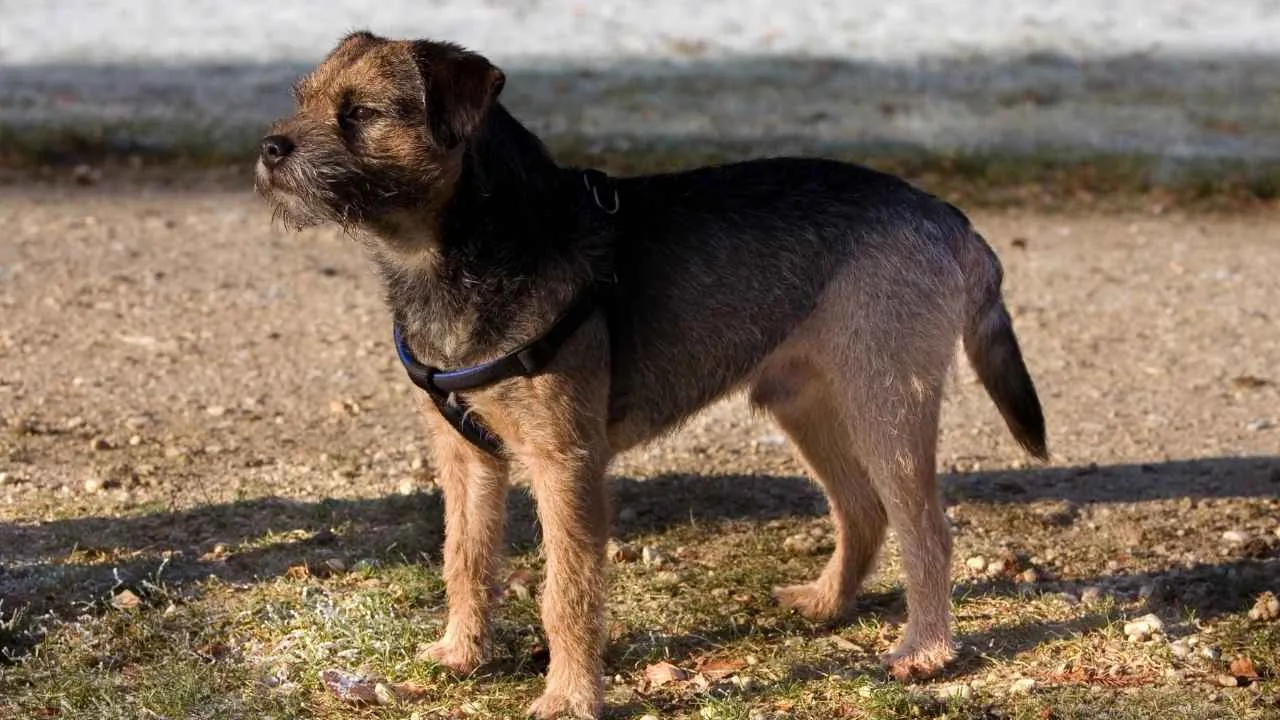
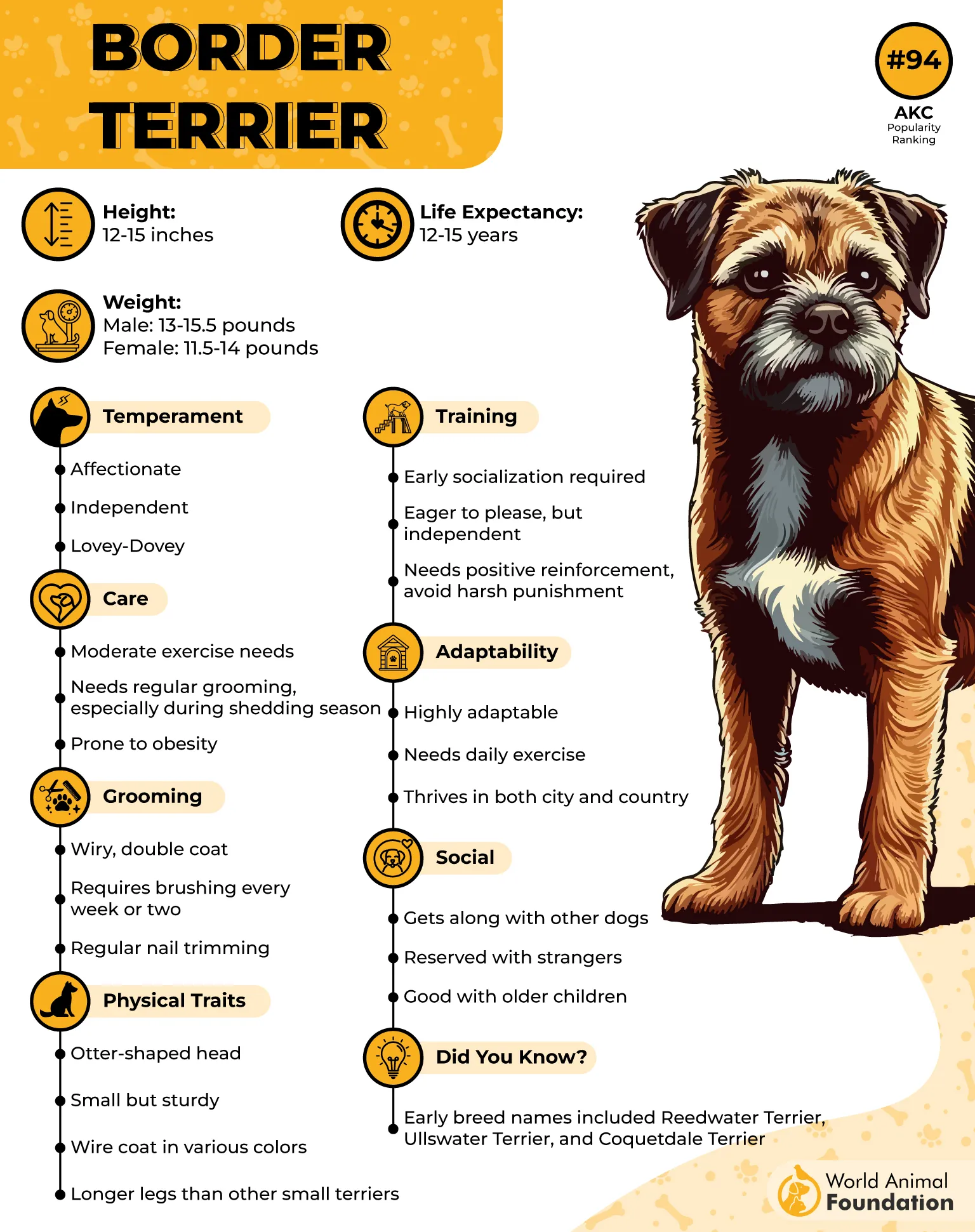
Border Terrier originated in the countryside between Scotland and England, where farmers relied on small, determined dogs to help hunt foxes. Once called the Coquetdale Terrier, the breed received its modern name by around 1870, reflecting its connection to the border region.
Small Dog, Strong Instincts
Border Terrier suits households that can offer regular walks and safe outdoor play, with at least 30 minutes of daily exercise as a starting point.
Its strong prey drive means open areas need careful supervision, especially when squirrels or other small animals catch its attention.
These essential considerations are worth considering:
Low shedding and usually needs weekly brushing
Frequent baths can strip essential oils from its coat
Fetch and tug-of-war offer useful activity on busy days
Independent Thinker
This lively little dog is bright and eager to learn, although its terrier determination can make obedience practice a little unpredictable at times. Short sessions with praise, treats, and patient repetition can help teach basic cues and reinforce good habits without turning training into a battle.
Conclusion
Bringing home your first dog should feel exciting, not like taking on more than you can handle. Dog breeds for first-time owners with a short coat can be easier to groom, but their daily needs still deserve attention.
Barking, exercise, and training can vary considerably from one dog to another, even among low-maintenance dog breeds.
Think about your schedule, living space, and experience before making a choice. Some dogs with a gentle disposition prefer quiet human companionship, while others need more activity and firm boundaries.
The right match is one whose personality fits your routine and whose care you can manage comfortably for years to come.
