




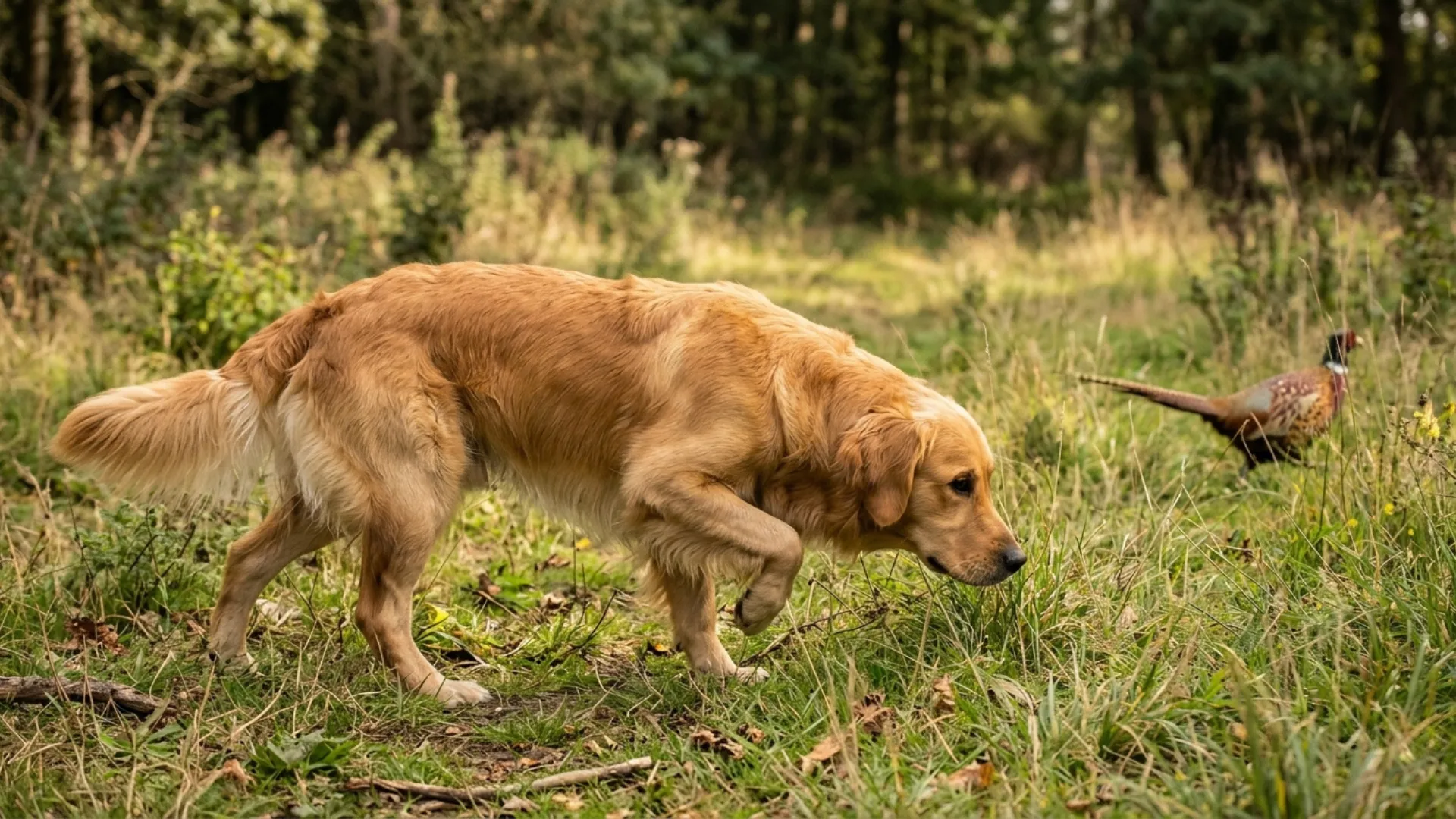
For centuries, dogs have helped hunters locate game by following scents, scanning open fields, and searching through dense vegetation. Some breeds excel at tracking hidden animals, while others specialize in pointing, flushing, or retrieving birds with remarkable precision.
Their natural abilities are supported by athletic builds, intelligence, and strong working instincts, making them valuable outdoor companions.
Discover the breeds that stand out for their tracking skills and learn what makes each one exceptional in the field.
Best Dog Breeds For Tracking Birds and Small Animals
1. Labrador Retriever
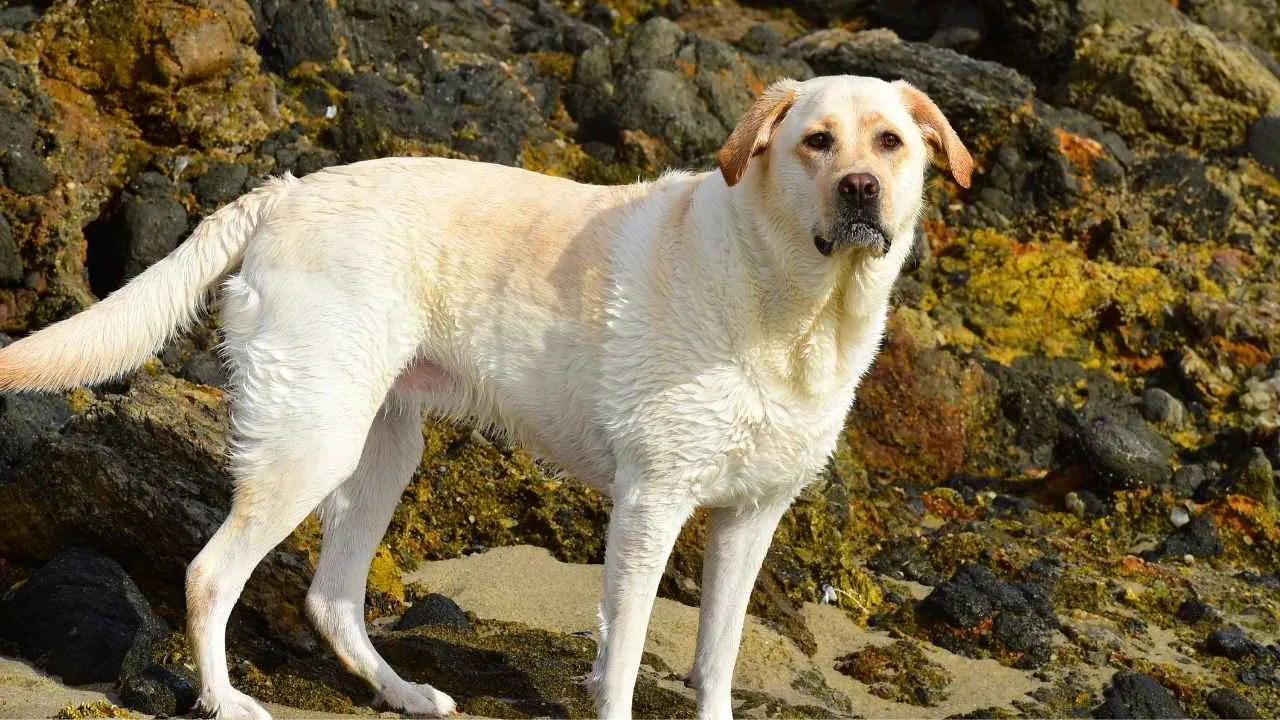
Labrador Retrievers have a long history as sporting dogs, valued for their ability to locate and retrieve game on land and in water. Their energetic, outgoing nature and eagerness to work make them suitable companions for both upland bird and waterfowl hunting.
According to PetMD, Labrador Retrievers are generally friendly with people, but their energetic behavior and powerful tails may accidentally knock over toddlers and young children during play.
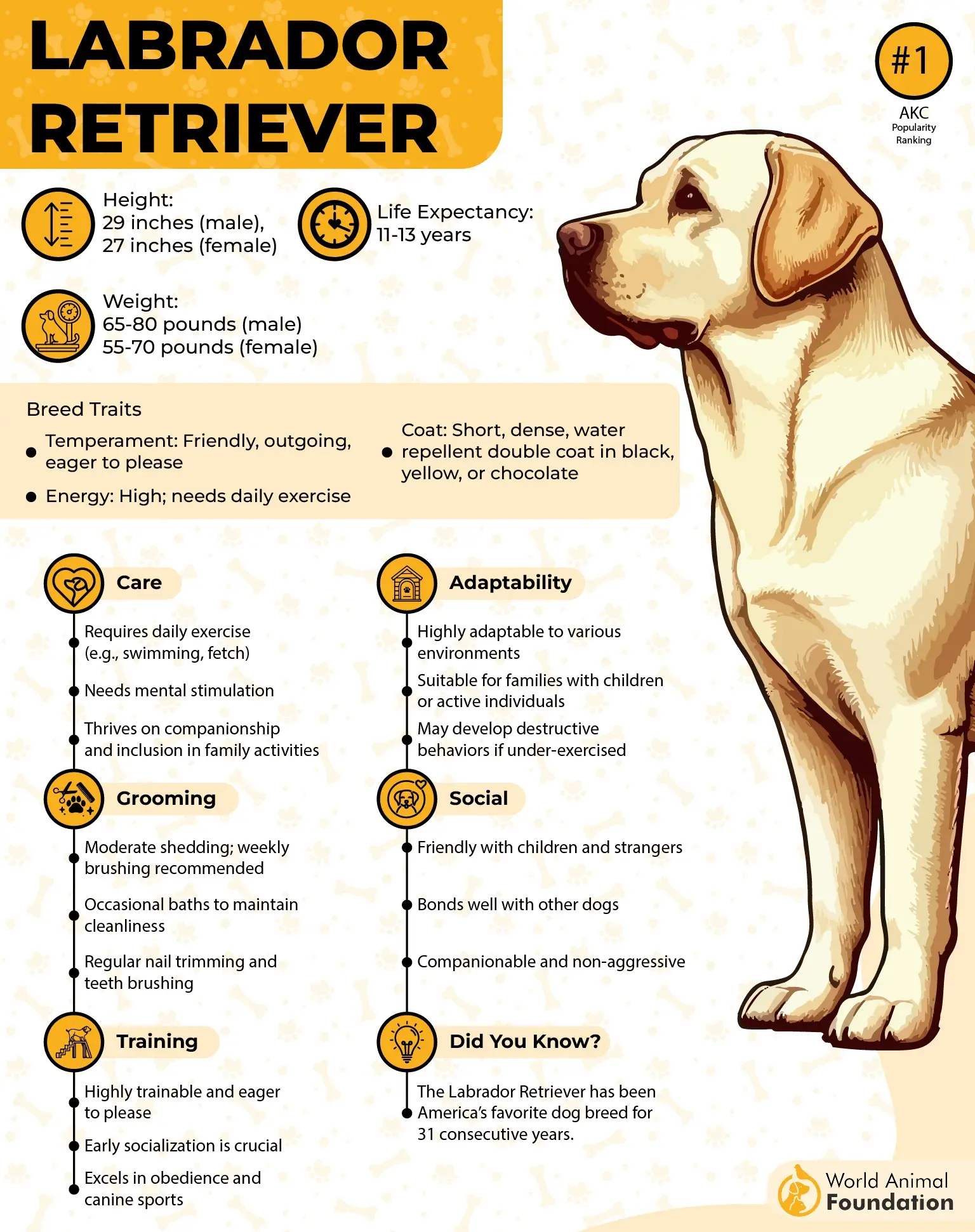
Their webbed feet help them swim efficiently, while a protective double coat supports them during cold-water retrieves. Once a bird is down, their retrieving instincts help them bring it back to the handler. They also need regular physical activity and mental challenges to stay engaged.
How This Breed Stands Out
Excellent scent-detection ability: Their keen noses help them locate birds and follow scent trails during hunting.
Reliable soft-mouth retrieving: They are valued for carrying downed birds gently back to their handlers.
2. Golden Retriever
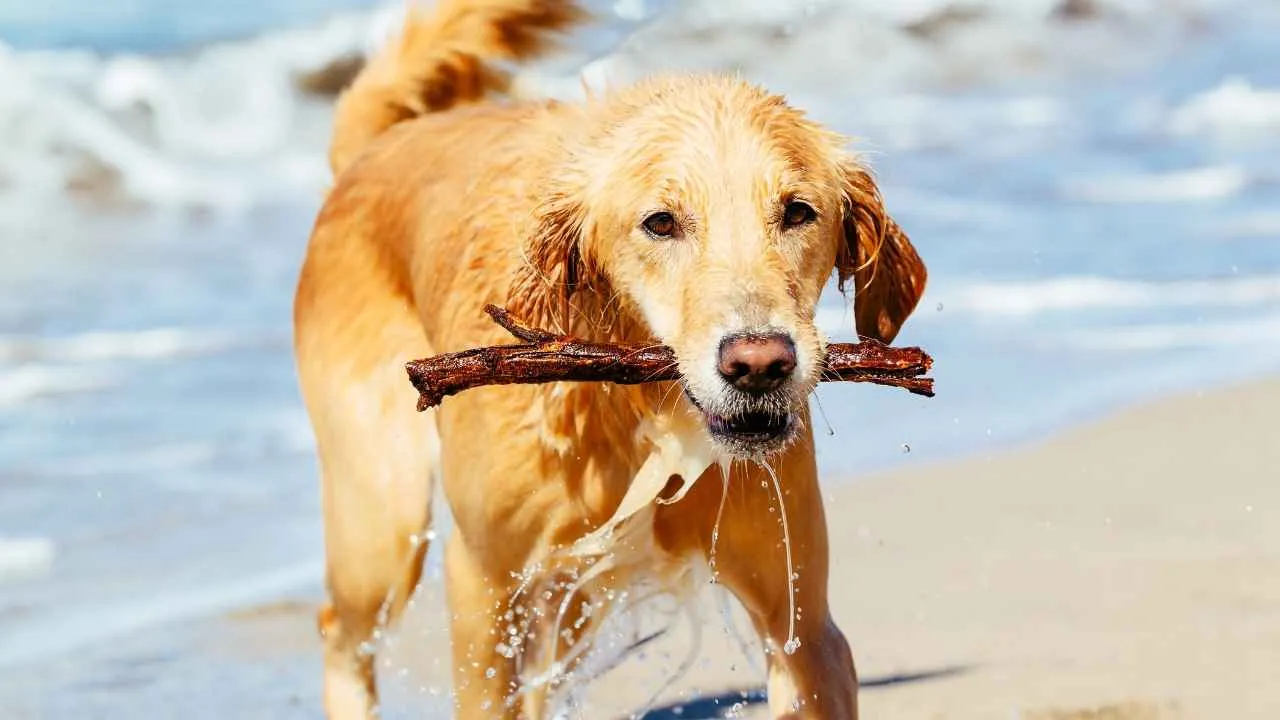
Golden Retrievers were developed as sporting dogs, with a strong background in locating and retrieving game birds. Their intelligence, enthusiasm, and willingness to follow instructions make them capable partners for upland hunting and waterfowl retrieval, and a solid puppy choice for handlers who want a cooperative bird dog.
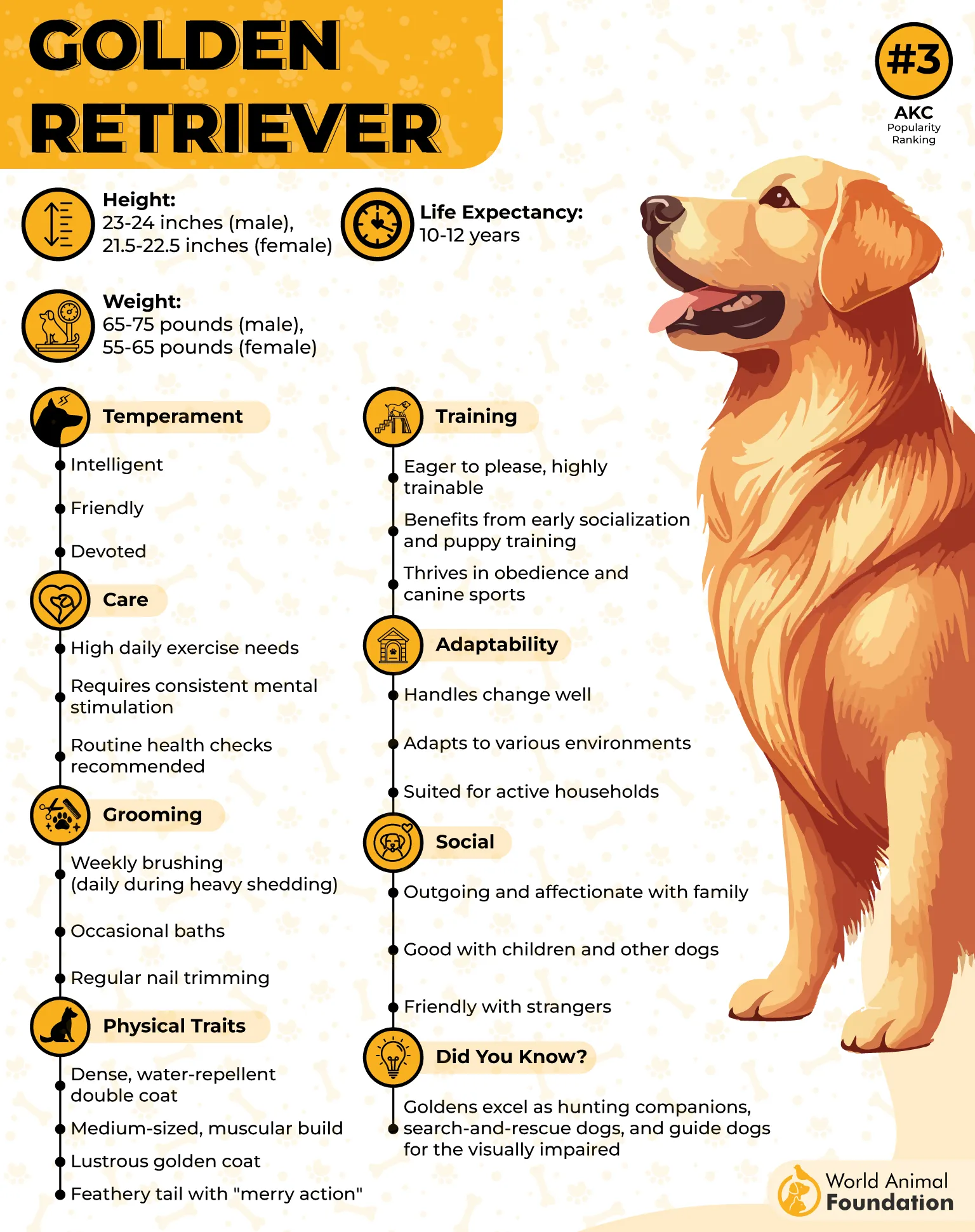
Their natural affinity for water further supports their work in the field. These dogs combine stamina with a friendly, cooperative temperament. Their field skills have been recognized in hunting competitions since the early twentieth century, reflecting their ability to work alongside handlers during sporting activities. They also make affectionate companions for people who want a hunting dog that is easy to have at home.
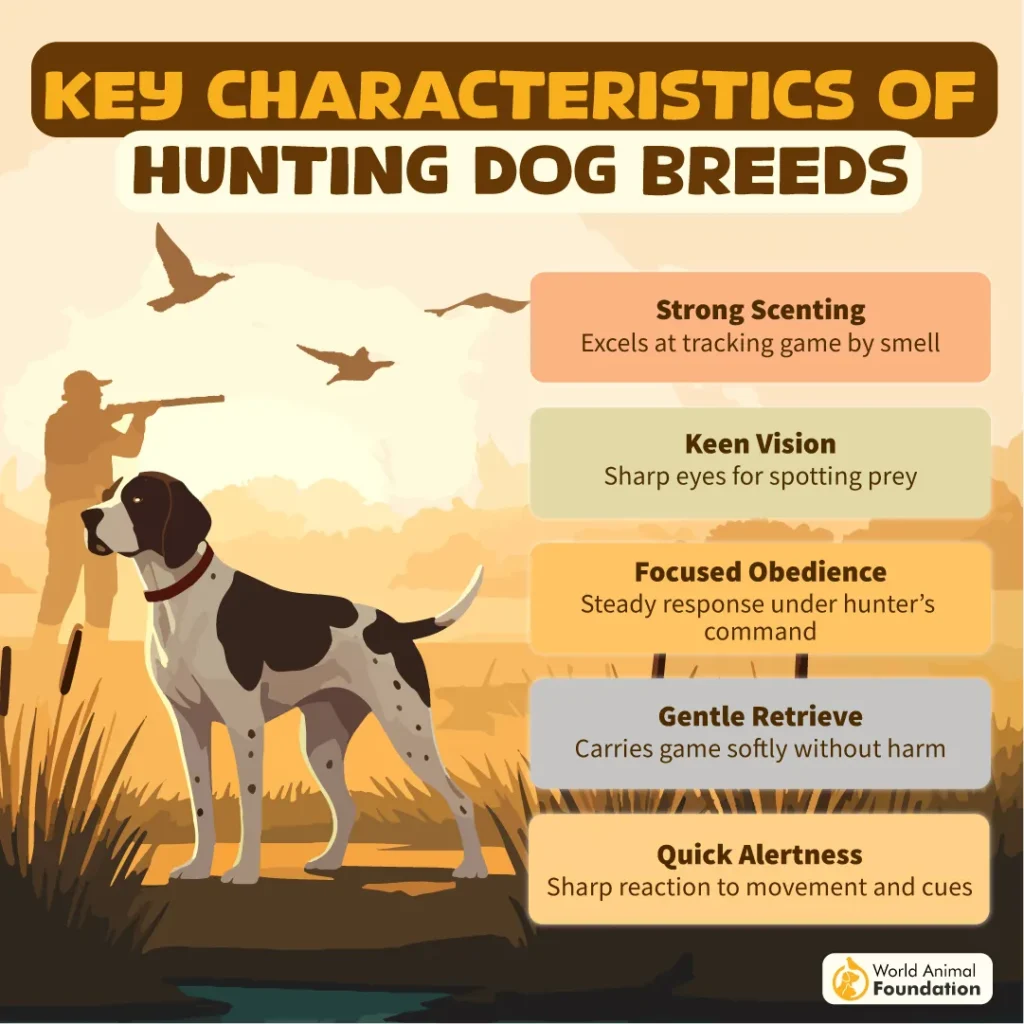
How This Breed Stands Out
Strong game-bird locating instincts: Their sporting background and keen working abilities help them search for and locate birds in the field.
Gentle delivery of retrieved prey: Their natural retrieving instincts allow them to carry game carefully back to the hunter.
3. Chesapeake Bay Retriever
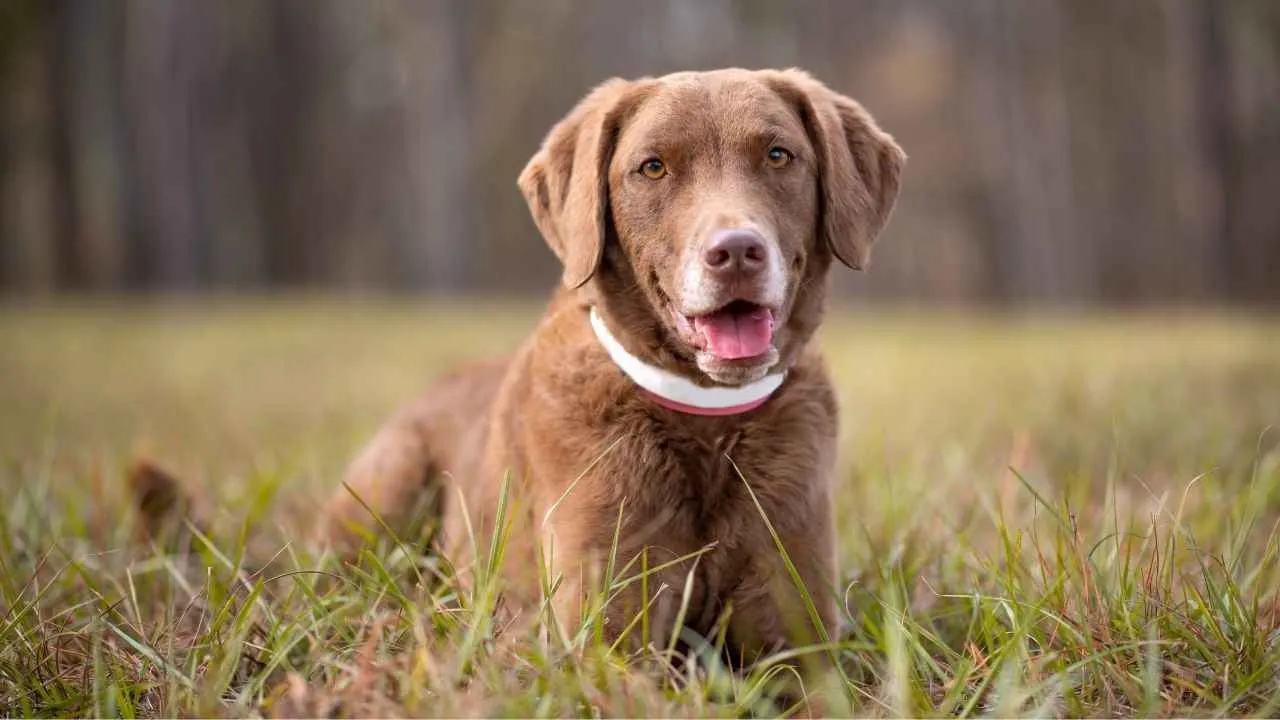
The Chesapeake Bay Retriever was developed to work in harsh water conditions, particularly when retrieving waterfowl from cold lakes and rough coastal waters. Its powerful build, determination, and stamina allow it to handle demanding hunting sessions that require sustained effort.
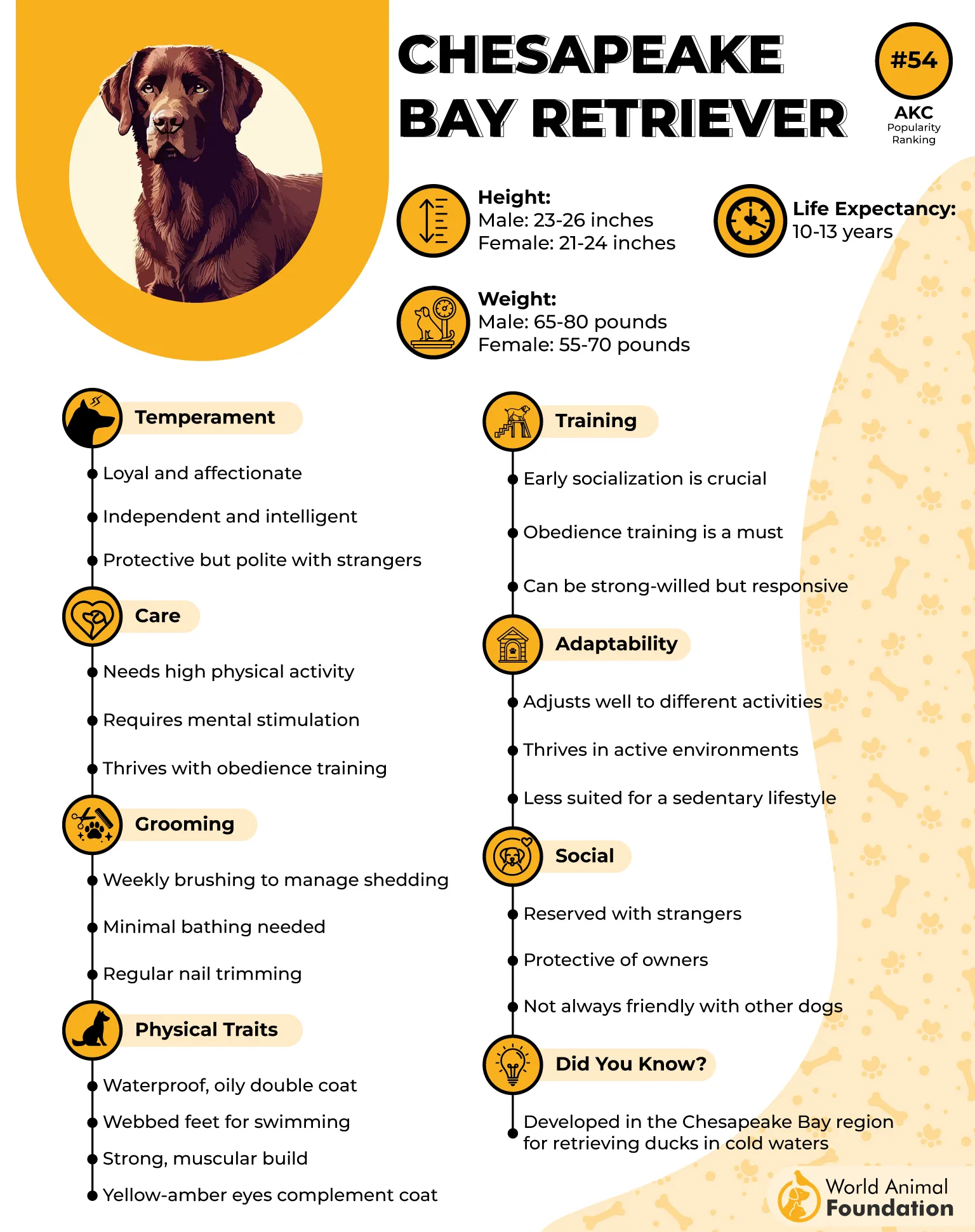
Unlike many water-loving breeds, the Chessie is especially valued for its resilience in chilly environments. Strong swimming ability helps it cover challenging waters, while its rugged coat provides protection during repeated swims.
Its loyal, energetic nature also makes it a devoted companion, although early socialization and consistent training are important. According to the AKC, these dogs perform exceptionally well in various canine sports, including obedience, tracking, and agility, while their natural strengths remain rooted in hunting and fieldwork.
How This Breed Stands Out
Exceptional cold-water tracking: Its endurance and swimming strength help it work through cold, rough waters while searching for downed waterfowl.
Dense, water-resistant coat: Its protective coat helps retain warmth and withstand repeated exposure to chilly water.
4. Brittany
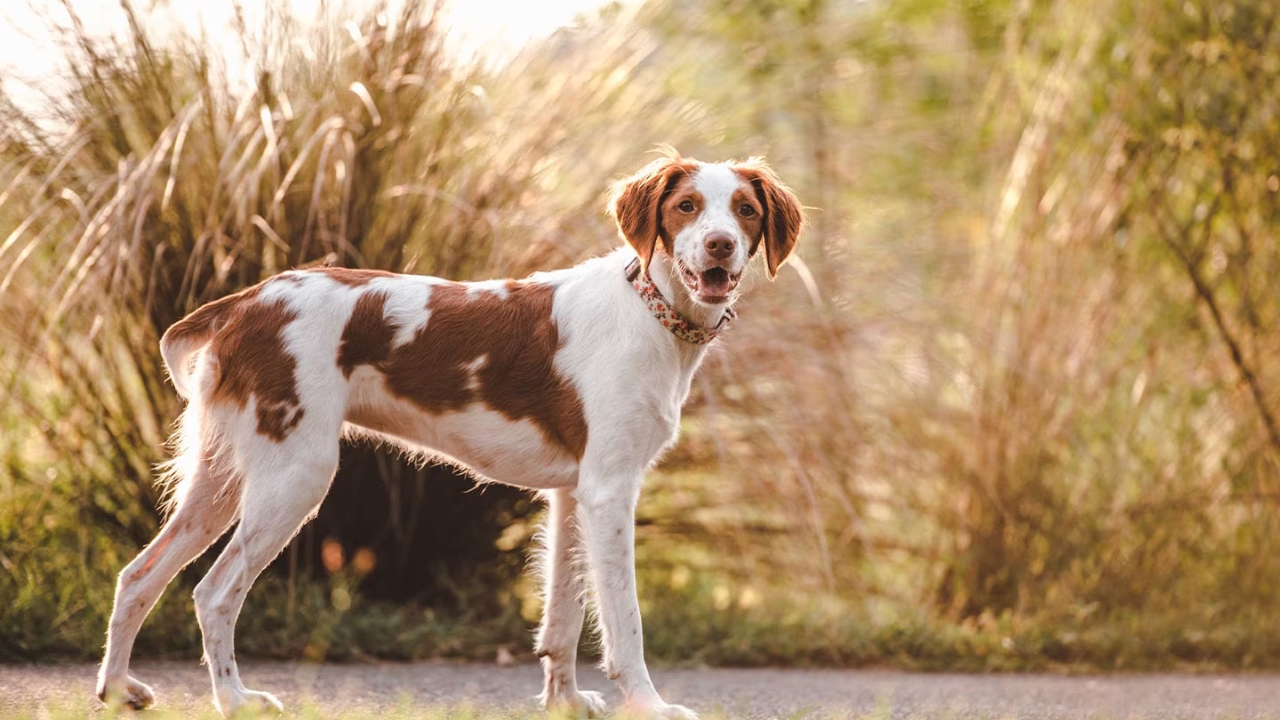
Originally developed in France as a versatile pointing dog, the Brittany combines speed, stamina, and a sharp nose. Its natural hunting instincts help it search open fields for birds and small game such as quail and pheasants, making it a valuable partner for upland hunters.
This athletic breed moves rapidly across varied terrain while remaining attentive to its handler. Its intelligence and enthusiasm also make it well suited to field trials, agility, and other activities that challenge both mind and body.
Brittanys are often a practical guide choice for hunters who want a close-working bird dog rather than a wide-running breed. Their smaller size can also make it easier to keep them in homes with limited space, including apartment living, as long as their exercise needs are met.
Daily exercise and consistent training are important for managing its high energy. According to Omlet, their affection for human interaction and enthusiasm for physical activities help them succeed in competitions worldwide while providing essential mental stimulation.
How This Breed Stands Out
Quick upland bird localization: Its keen scenting ability and pointing instincts help detect birds hiding in field cover.
Agile, close-range field movement: Its speed and compact athletic build allow it to navigate terrain quickly while working near its handler.
5. English Springer Spaniel
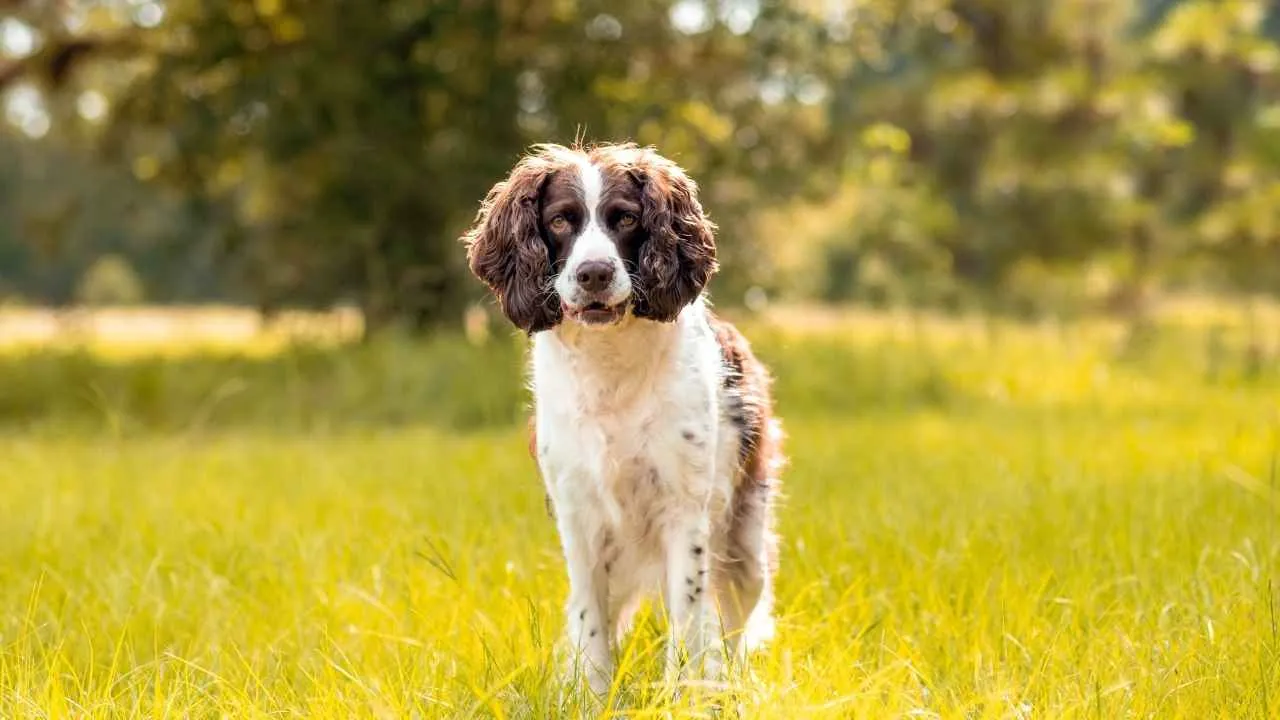
English Springer Spaniels were developed as gundogs, with a particular talent for locating birds hidden in thick vegetation and working close to the gun as they flush birds from cover. Rather than simply retrieving game, they flush birds into flight, allowing hunters to pursue them.
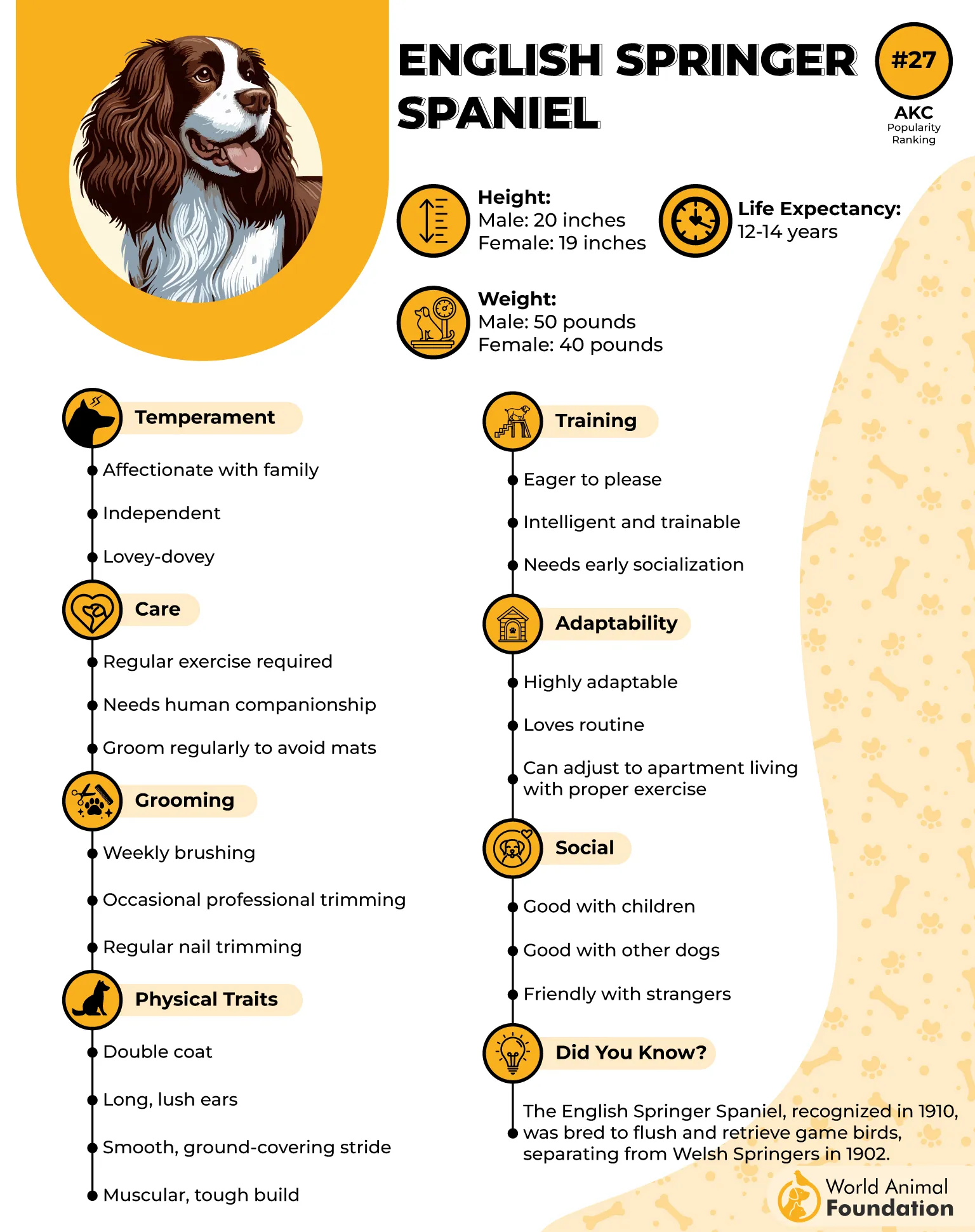
Their stamina, quick reactions, and energetic movement make them effective in woodland and dense field cover. Their energy and nose make them ideal for long days in dense cover. Historically, larger spaniels from a litter were selected for springing game, while their smaller counterparts became known as Cockers.
Today, English Springers also participate in field trials, showcasing their intelligence and working ability. Their eagerness to work can also make them a biddable option for handlers who want a practical flushing spaniel.
How This Breed Stands Out
Skilled flushing from dense cover: Their instinct to search vegetation and drive hidden birds into flight makes them valuable upland hunting partners.
Tireless woodland tracking: Their stamina and purposeful movement help them work through wooded terrain while searching for game.
6. German Shorthaired Pointer
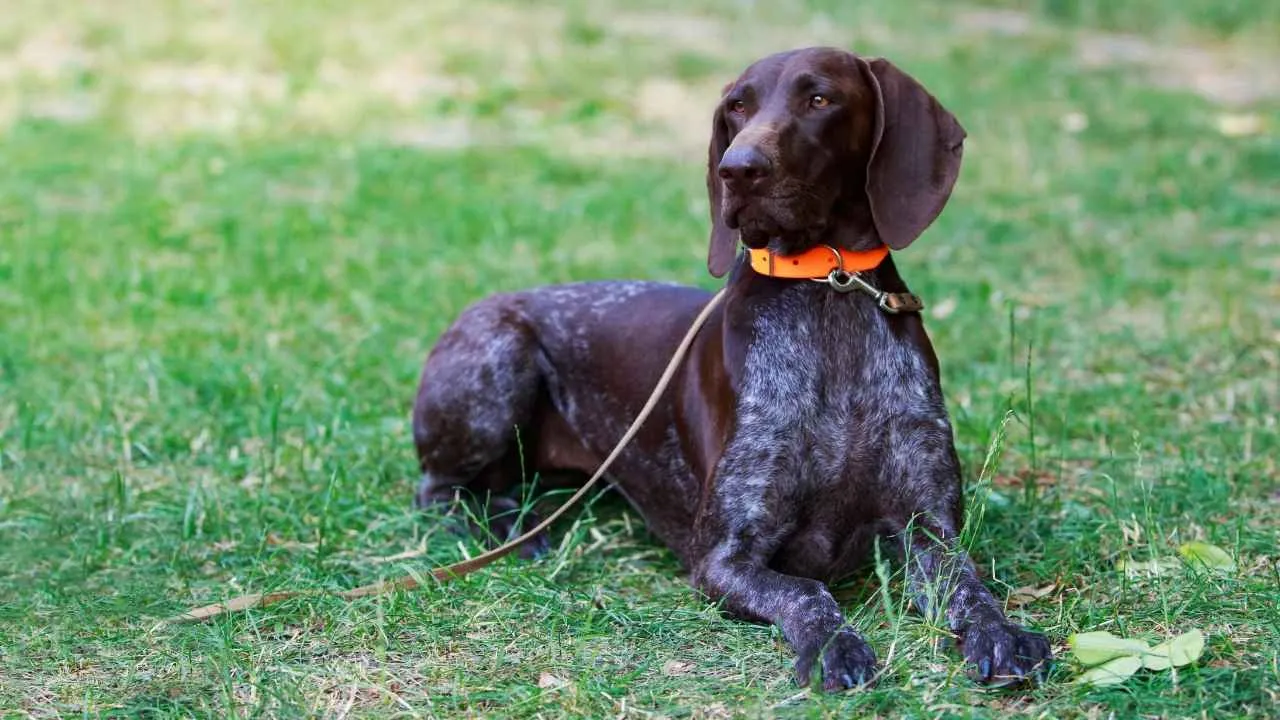
Developed in Germany as an all-purpose hunting dog, the German Shorthaired Pointer can track scents, locate game, and retrieve birds. Its adaptability shows in the variety of hunting tasks and conditions it can handle. Its strong hunting instincts and athletic build make it especially useful for hunters seeking one dog for different field conditions.
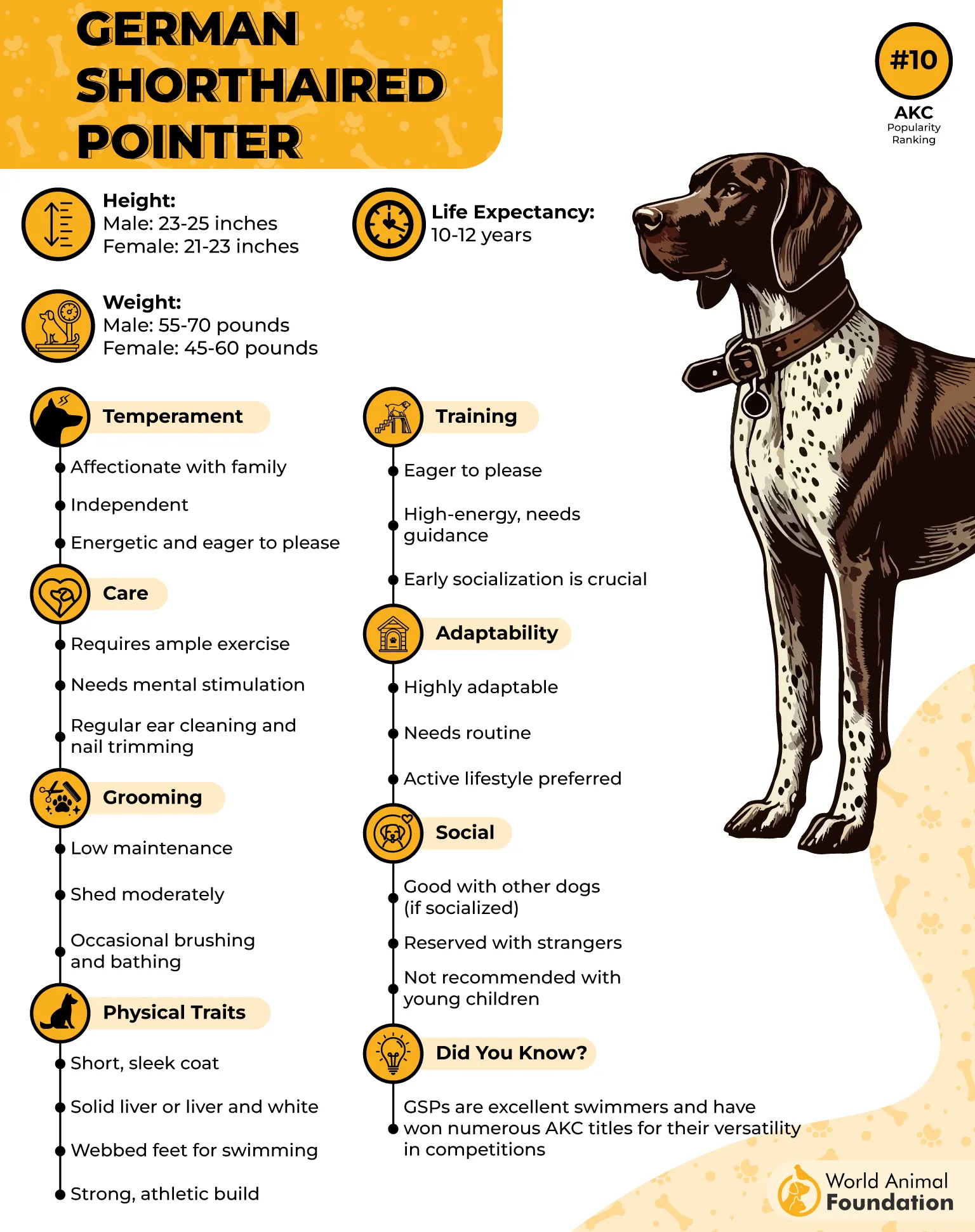
When it detects a bird’s scent, it often freezes in a characteristic pointing position, directing the hunter toward hidden game. Its abilities also extend to water, where it can assist with retrieving, which makes it ideal for hunters who want one dog to point, track, and retrieve.
Intelligent and eager to work, this breed responds well to training but needs substantial daily exercise and mental stimulation. Because of its high drive, it also needs regular work and attention to stay manageable at home.
How This Breed Stands Out
Distinctive pointing stance: It pauses with its body held still to indicate where birds are hiding.
Versatile land-and-water hunting: Its tracking, pointing, and retrieving skills allow it to work across fields and waterways.
7. Irish Setter
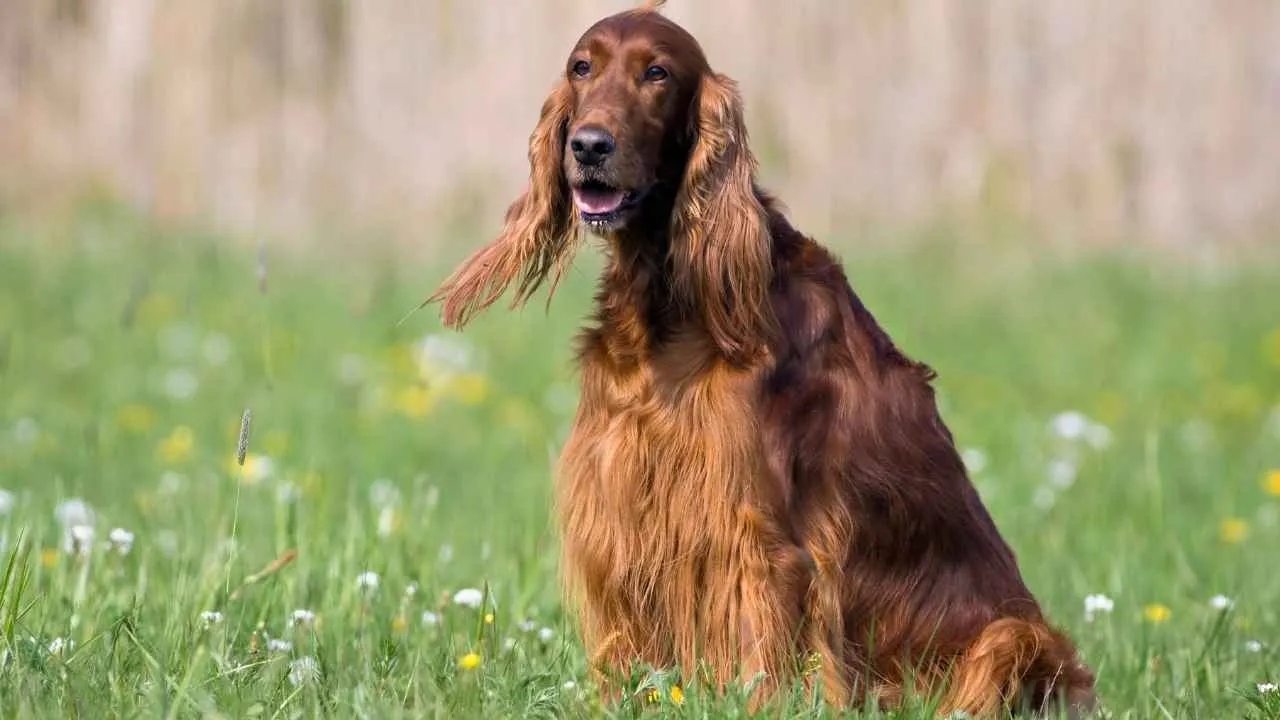
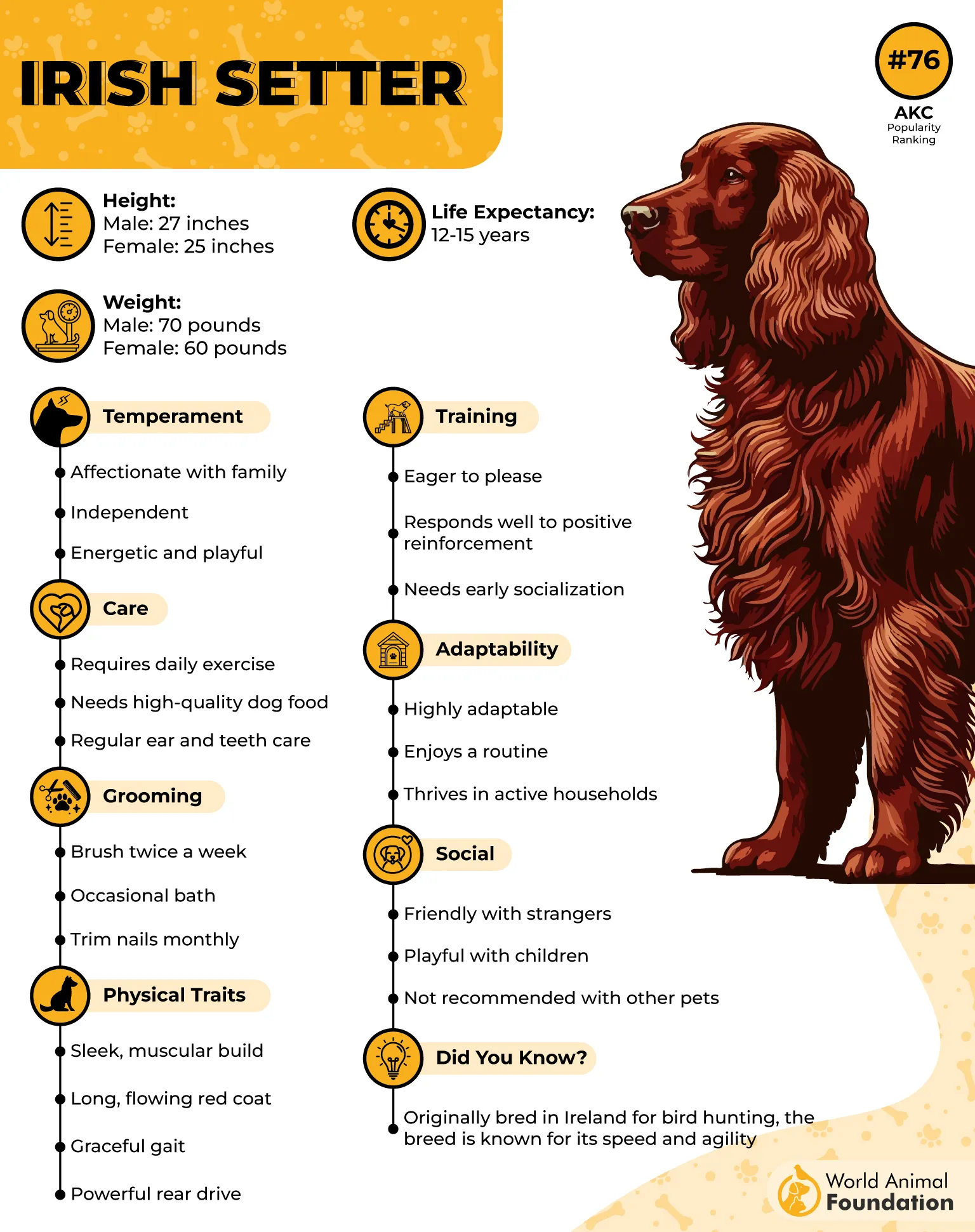
The Irish Setter is a fast, energetic gundog recognized for its ability to search wide areas during bird hunts. Its speed, athletic build, and enthusiastic working style make it particularly suited to open fields where game may be scattered across large stretches of terrain.
Hunters who focus on big country upland bird hunting often prefer the English Pointer, while the Irish Setter also suits wide-open ground.
With long legs and powerful hindquarters, this breed can maintain a brisk pace over extended distances. Its hunting drive is matched by an affectionate, outgoing personality. Irish Setters respond best to patient, reward-based training and need regular physical activity to channel their energy.
How This Breed Stands Out
Wide-ranging bird-searching style: Its swift movement allows it to cover broad areas while searching for birds.
Strong stamina across open fields: Its athletic build and endurance support prolonged activity during demanding hunting sessions.
Conclusion
Choosing a dog for tracking birds and small animals involves looking beyond natural hunting instincts. A good hunting companion needs a keen nose, strong focus, athletic ability, and the willingness to work alongside its handler.
Some dogs excel at locating hidden game, while others are particularly skilled at pointing, flushing, or retrieving birds. Their different working styles make them suitable for varied hunting environments, from dense woodland to open fields and waterways.
Training, regular exercise, and mental stimulation help these dogs develop their natural abilities. Matching their energy levels and hunting skills with your needs is essential.
Ultimately, the right companion combines reliable field performance with a temperament that suits your lifestyle.
