




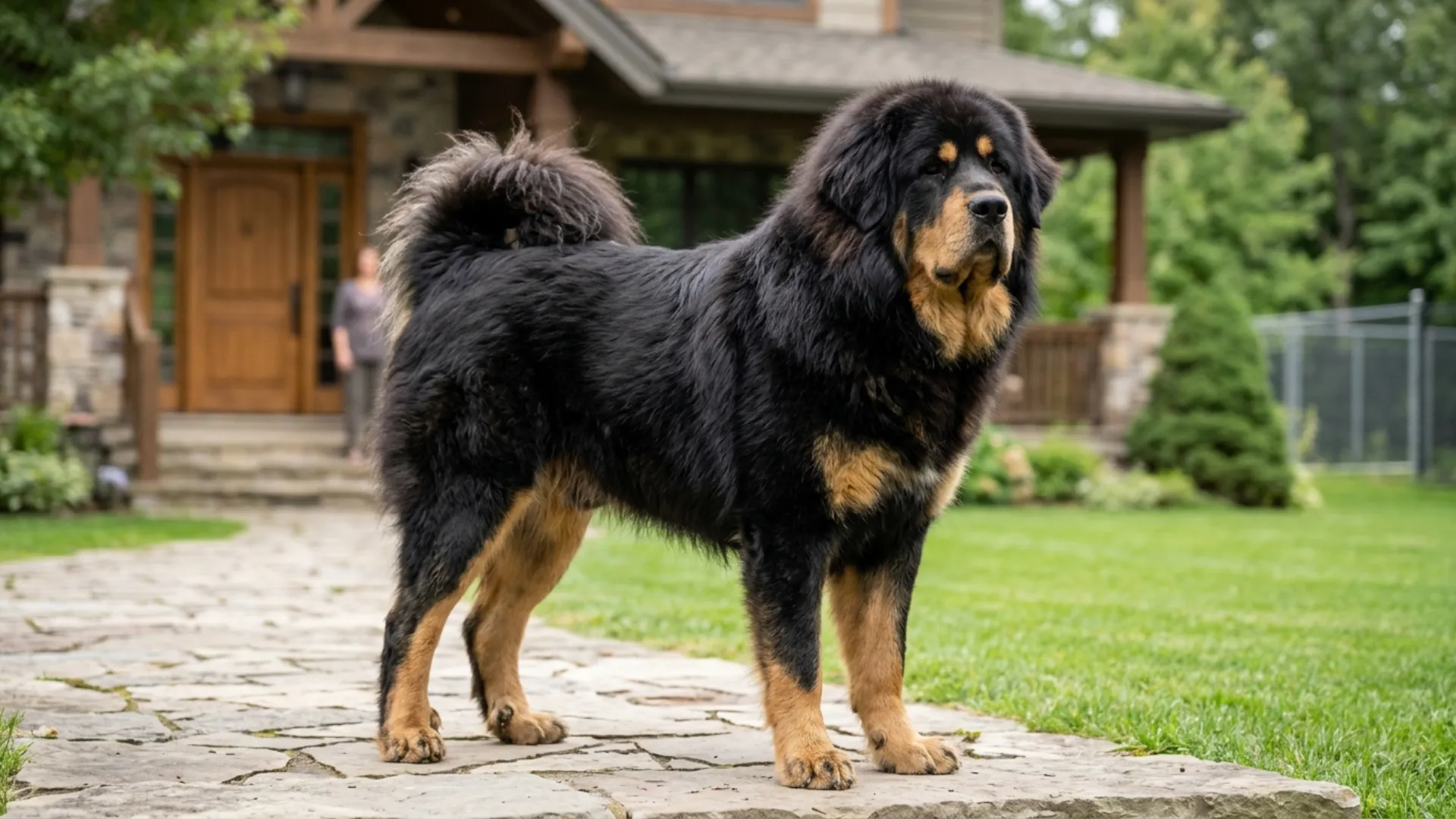
Burglars do their homework before picking a target, and it turns out dogs are part of that homework. A loud bark can matter more to a criminal’s decision than a flashing camera light.
Researchers who interviewed hundreds of convicted burglars found that a dog inside the home ranked right alongside alarms and cameras on a burglar’s checklist before breaking in, according to recent home security research.
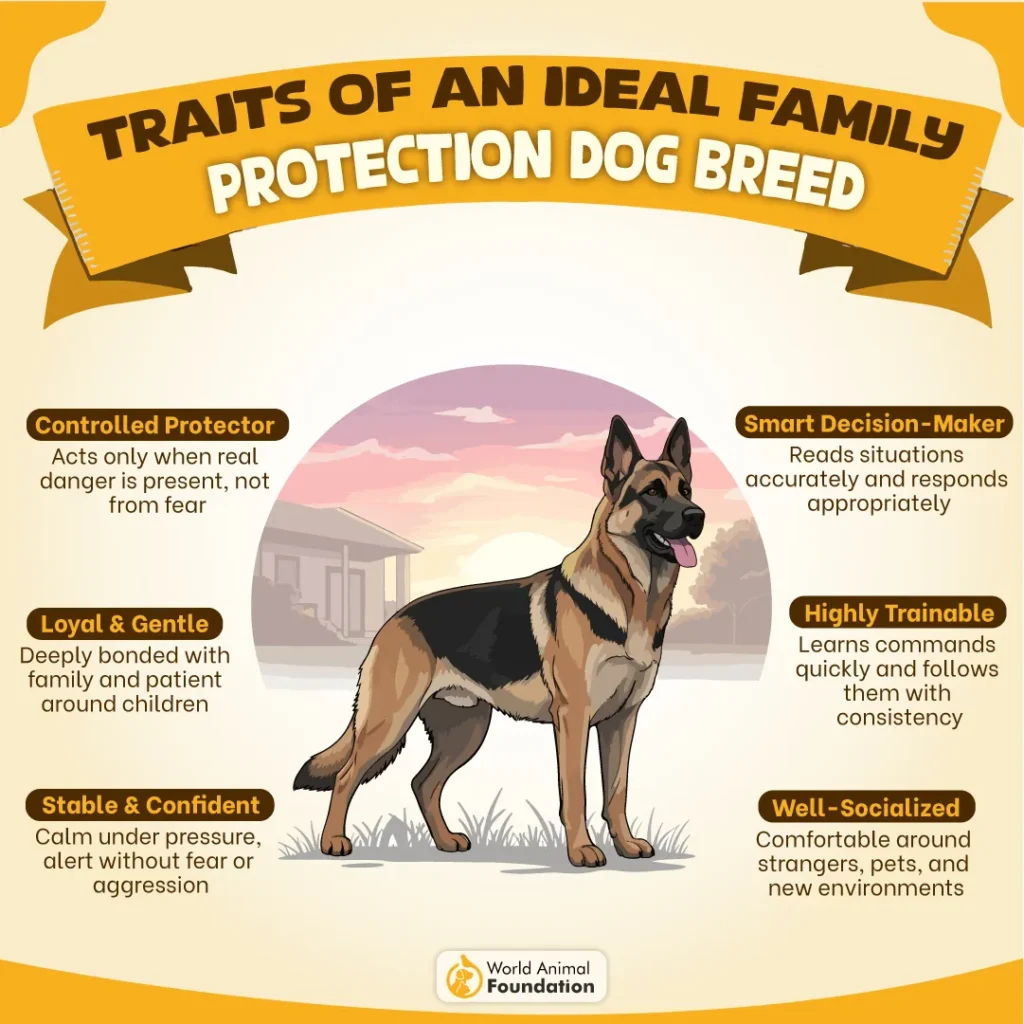
Not every big dog brings the same protection, though. Some guard dog breeds simply look intimidating, while others are wired to step in when a threat gets close.
Knowing that difference matters more than most families realize when choosing a tough guard dog breed for real family protection, not just good looks.
Here’s where each giant protector on this list actually lands, and which one truly fits your family’s lifestyle and peace of mind. Keep scrolling to find the right dog for your loved ones.
Protective Giant Dog Breeds You Should Consider for Family Security
1. Saint Bernard
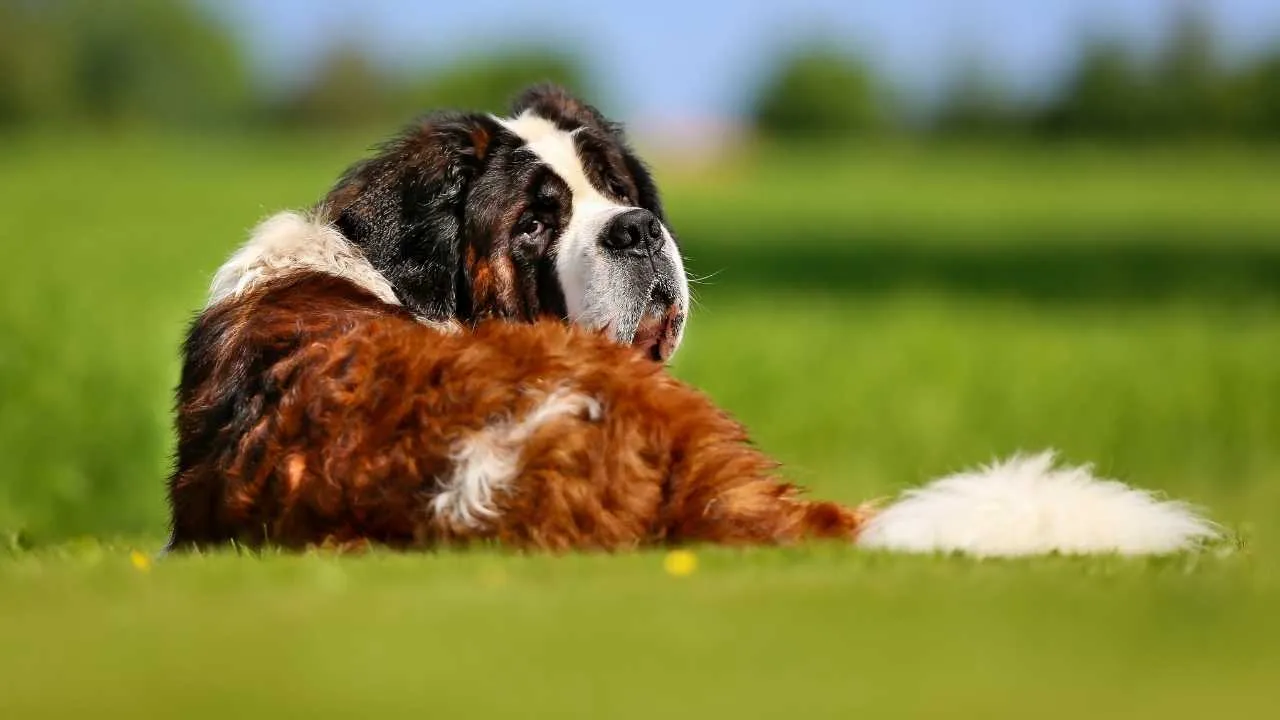
A Saint Bernard can block a doorway just by standing in it. This gentle giant leans toward the deterrent end of our spectrum. The AKC notes its roots as a calm hospice guard dog.
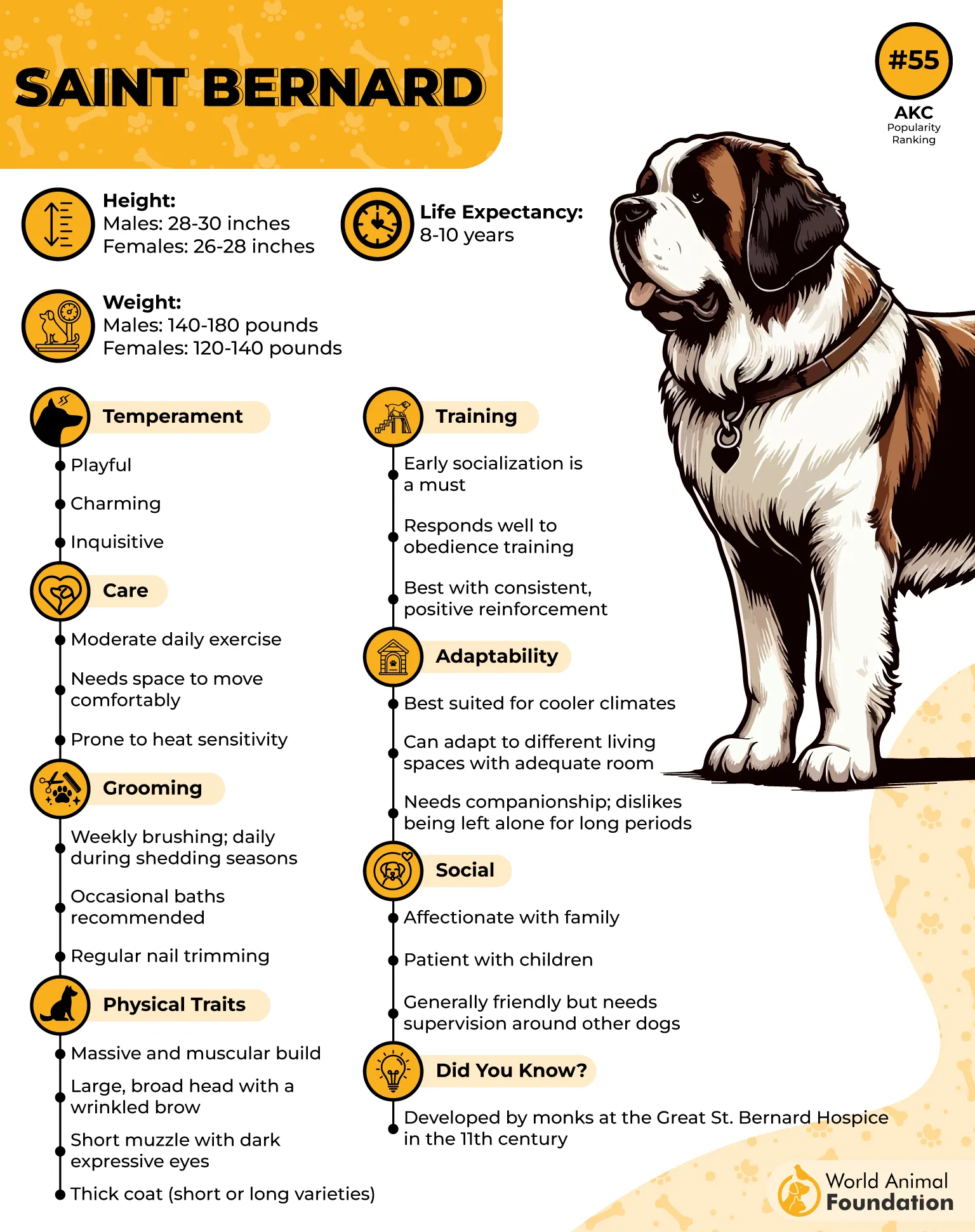
Picture a stranger walking up the driveway uninvited. This dog blocks the path and lets out a deep, booming bark. It rarely goes further than that.
Space: This giant needs a big yard, not a small apartment.
Grooming and health: The thick coat needs weekly brushing, and hip dysplasia is worth watching for.
Saint Bernards are famous gentle giants around small children and guests. Early training keeps that calm nature consistent with strangers too. Families wanting a patient giant will love this breed.
2. Tibetan Mastiff
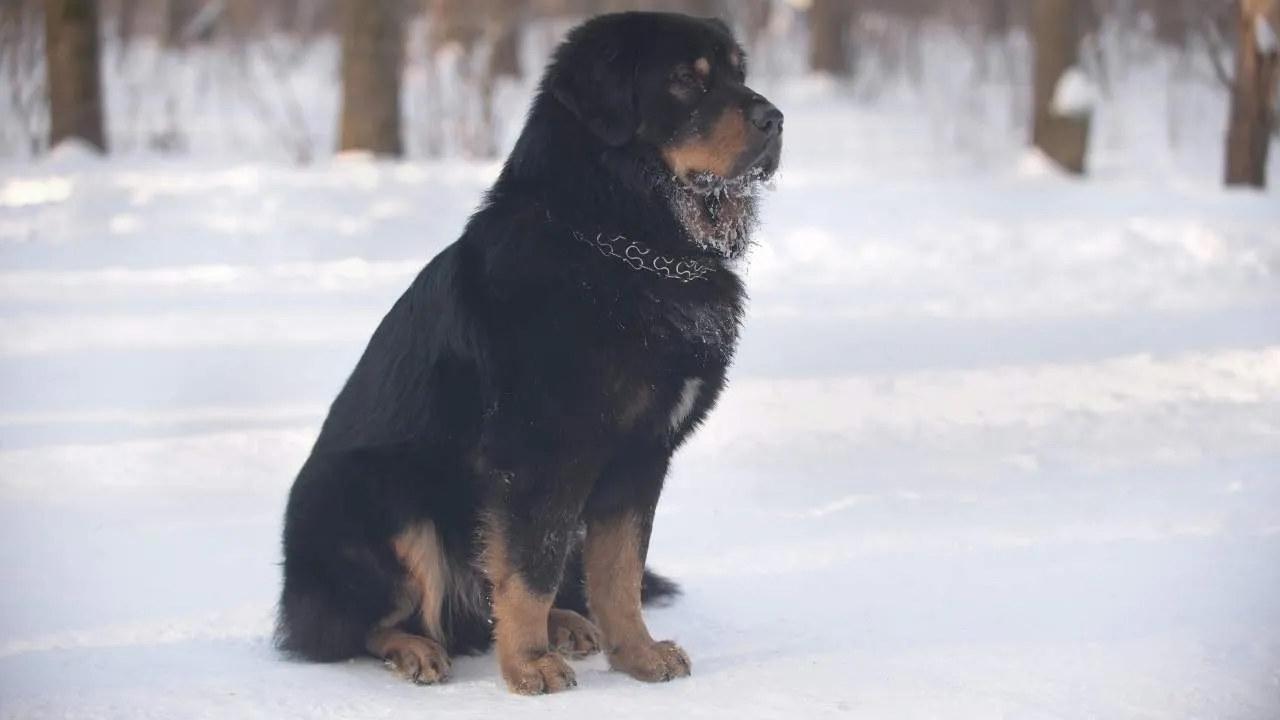
The Tibetan Mastiff is not here just to look pretty at the gate. On our spectrum, this breed sits firmly on the defender side. PetMD describes its temperament as aloof yet alert, built for real guarding.
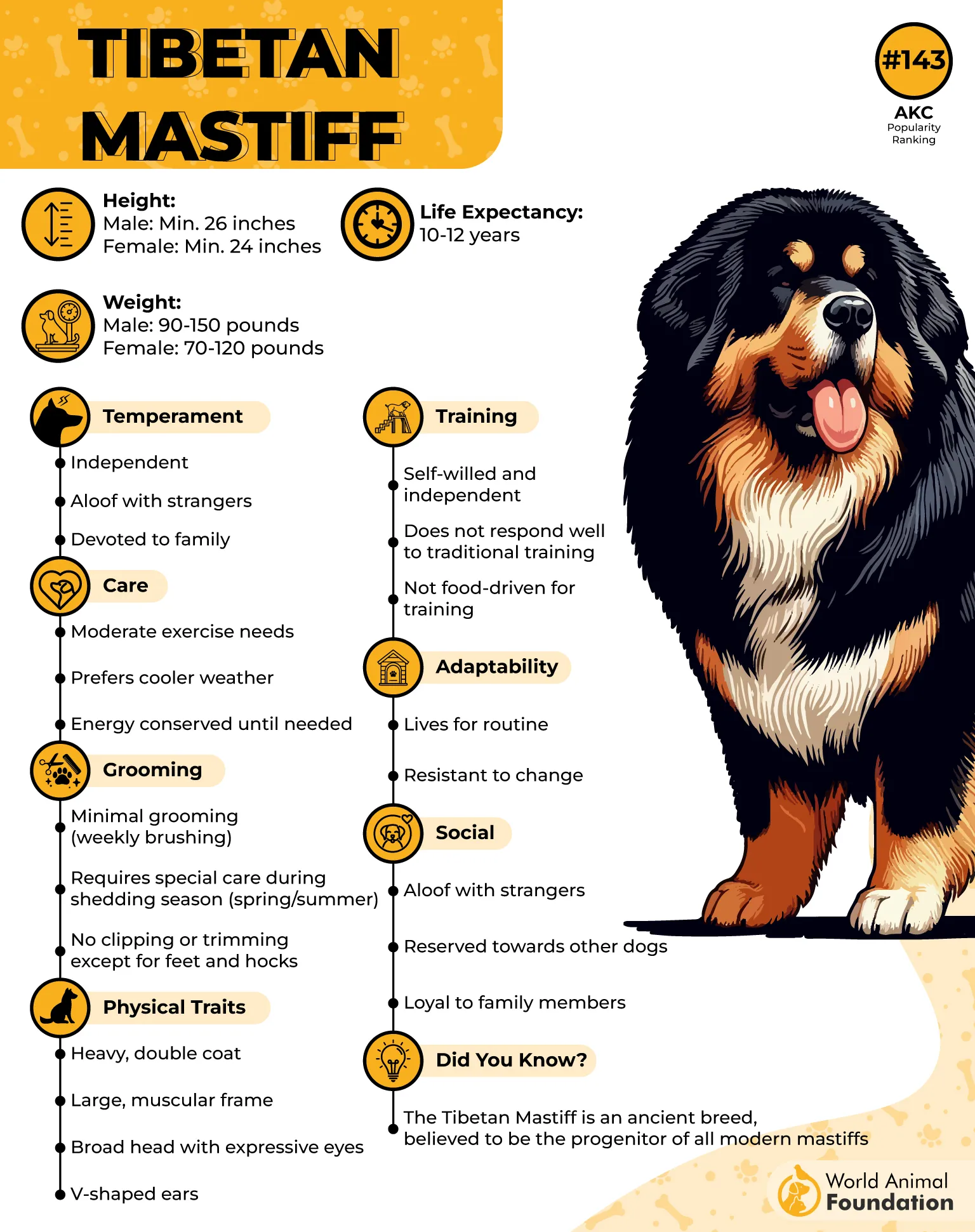
A real threat at the fence line gets a very different reaction here. This dog will patrol, posture, and physically block an intruder if barking alone fails. Strangers rarely get a second chance to push past it.
Space and exercise: A large fenced yard matters more than long walks, since this dog does not do well in tight, closed-in spaces.
Training: Early training and proper socialization keep natural protective instincts from turning into constant suspicion.
Tibetan Mastiffs bond deeply with their own family members but stay naturally wary of strangers. Supervise visits with small children until the dog settles in. Proper care and patience make this loyal breed a steady companion.
3. Broholmer
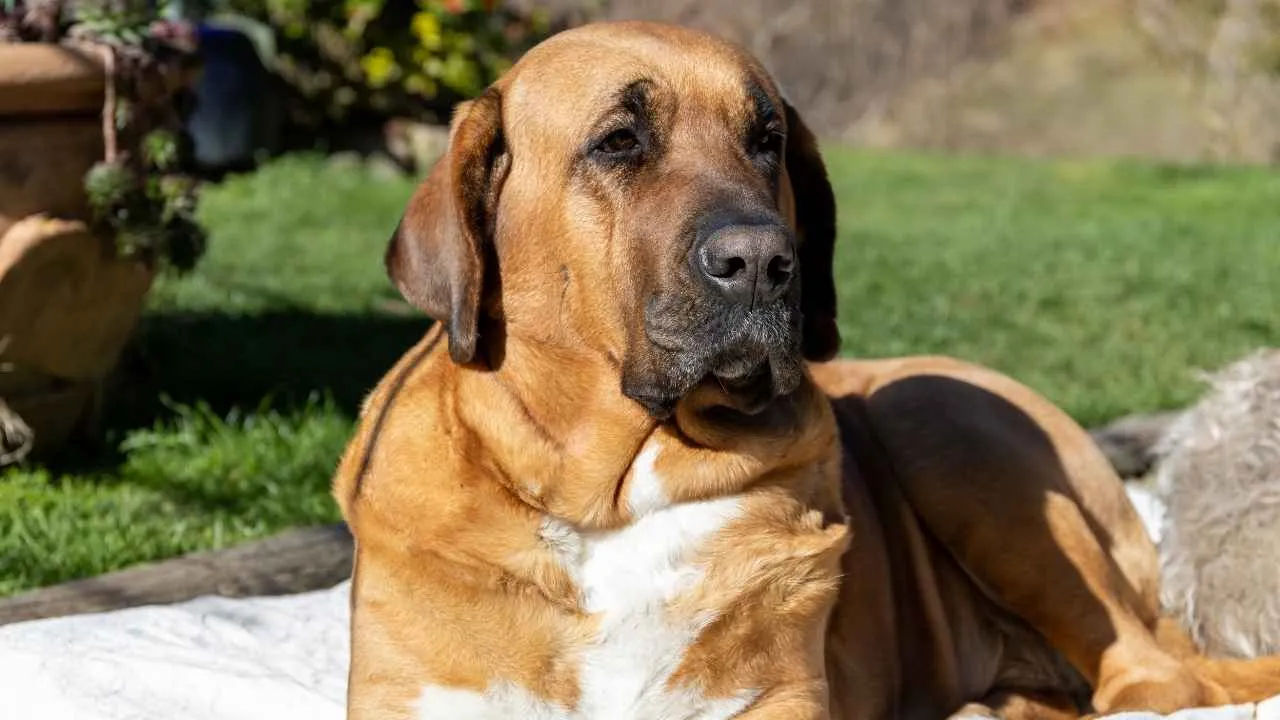
The Broholmer was originally bred to guard Danish manor estates, catching trespassers, not just barking at them. On our spectrum, this breed sits closer to balanced, able to switch from calm presence to real action. Its working history put it right between a watchdog and a true defender.
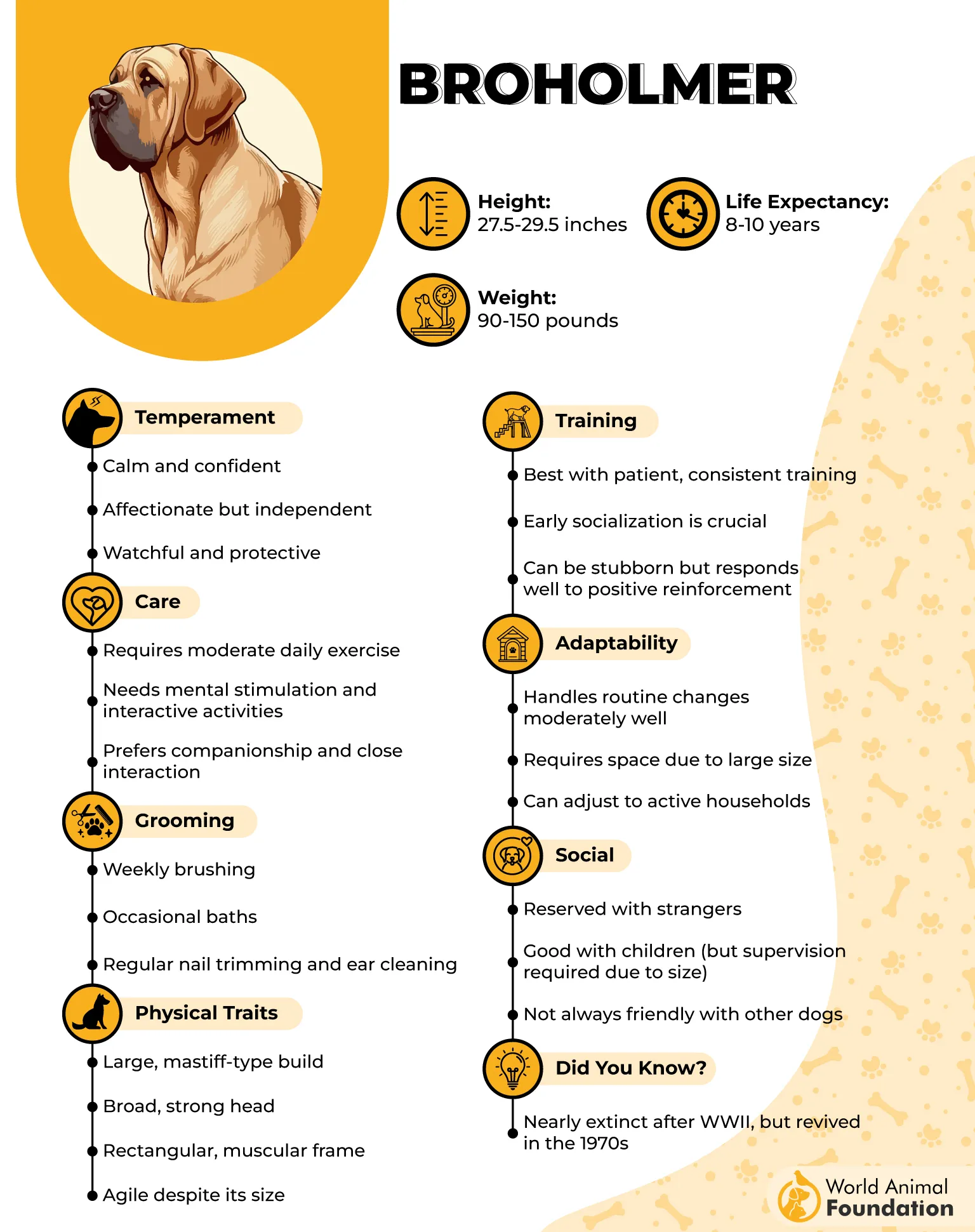
A delivery person who lingers too long at the gate gets noticed fast. The Broholmer will stand its ground and bark with real weight behind it. If that person keeps advancing, this dog will not back down.
Exercise: Regular exercise keeps this muscular frame from getting restless indoors.
Property: A fenced yard suits this breed better than city life, since it was bred to patrol open grounds.
Its serious job history aside, the Broholmer is known as a calm, loyal family dog at home. Proper socialization early on keeps it relaxed around visitors and other dogs. Many families find this breed surprisingly gentle once trust is earned.
4. Great Pyrenees
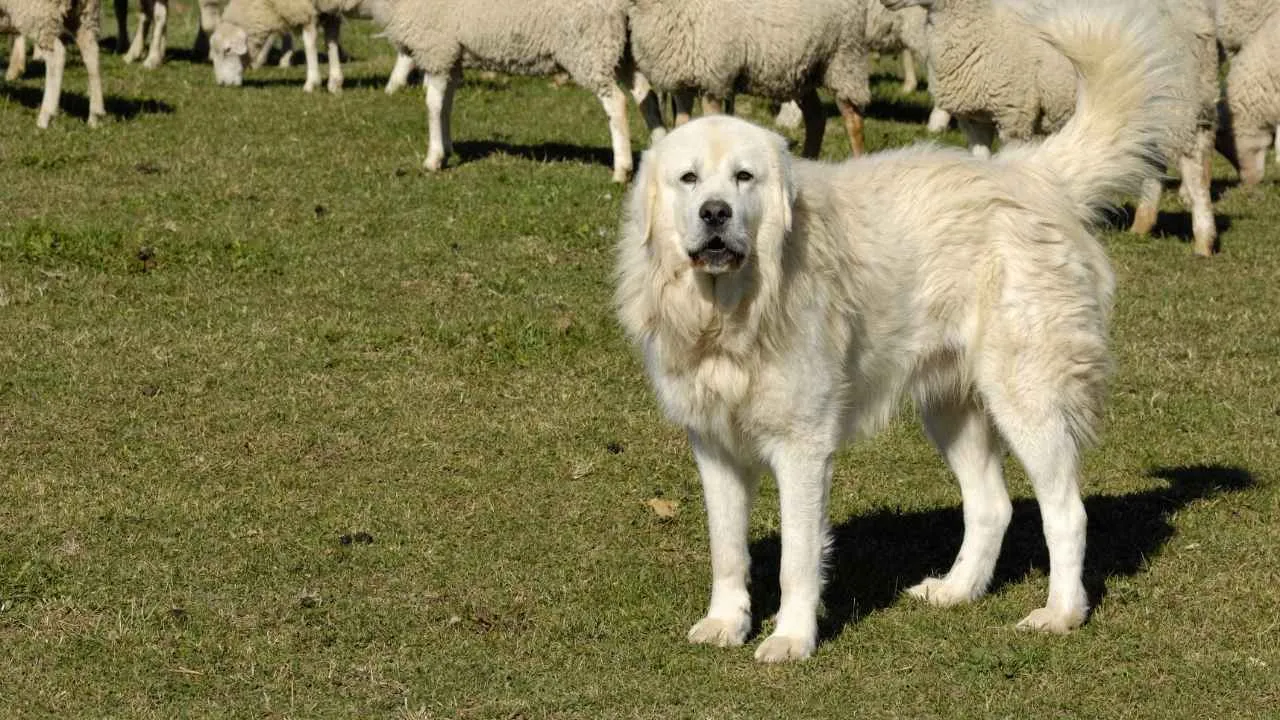
The Great Pyrenees has guarded mountain flocks for centuries without needing to fight every battle. On our spectrum, this breed sits right in the balanced middle. Britannica notes it was bred to guard sheep across the Pyrenees mountains long before guarding homes.
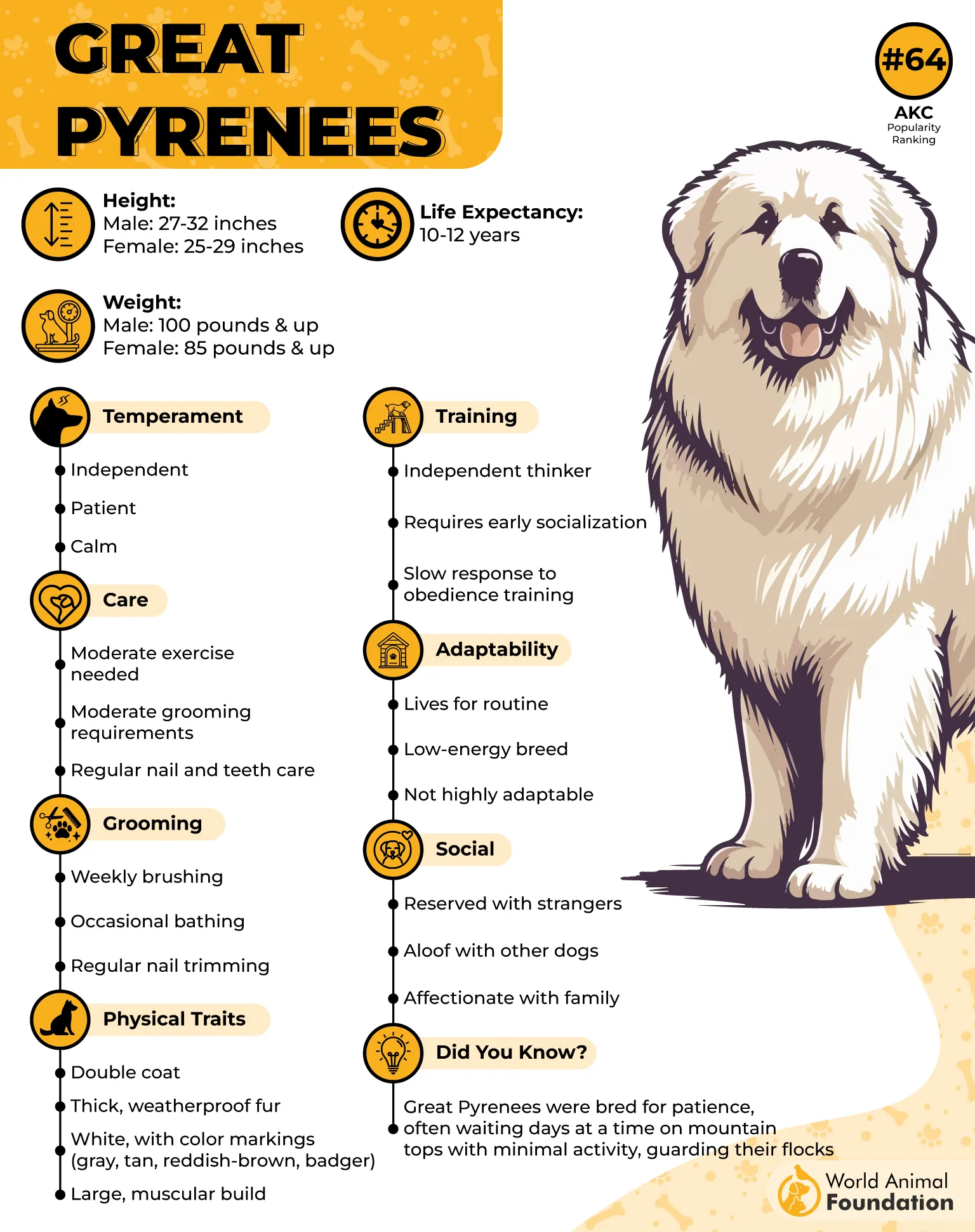
A coyote near the fence line gets a loud warning bark first. If that warning is ignored, this dog will step in and physically intervene. Most threats never make it past the first bark, though.
Coat and climate: The thick double coat is built for cool climates, so hot weather needs extra care.
Independence: This breed is naturally independent, so it does best with a structured environment and a confident owner.
Great Pyrenees dogs are famously gentle with small children in the household. Proper socialization early on keeps that gentle nature consistent with strangers and visitors. This breed suits families wanting natural protective instincts without constant tension.
5. Great Dane
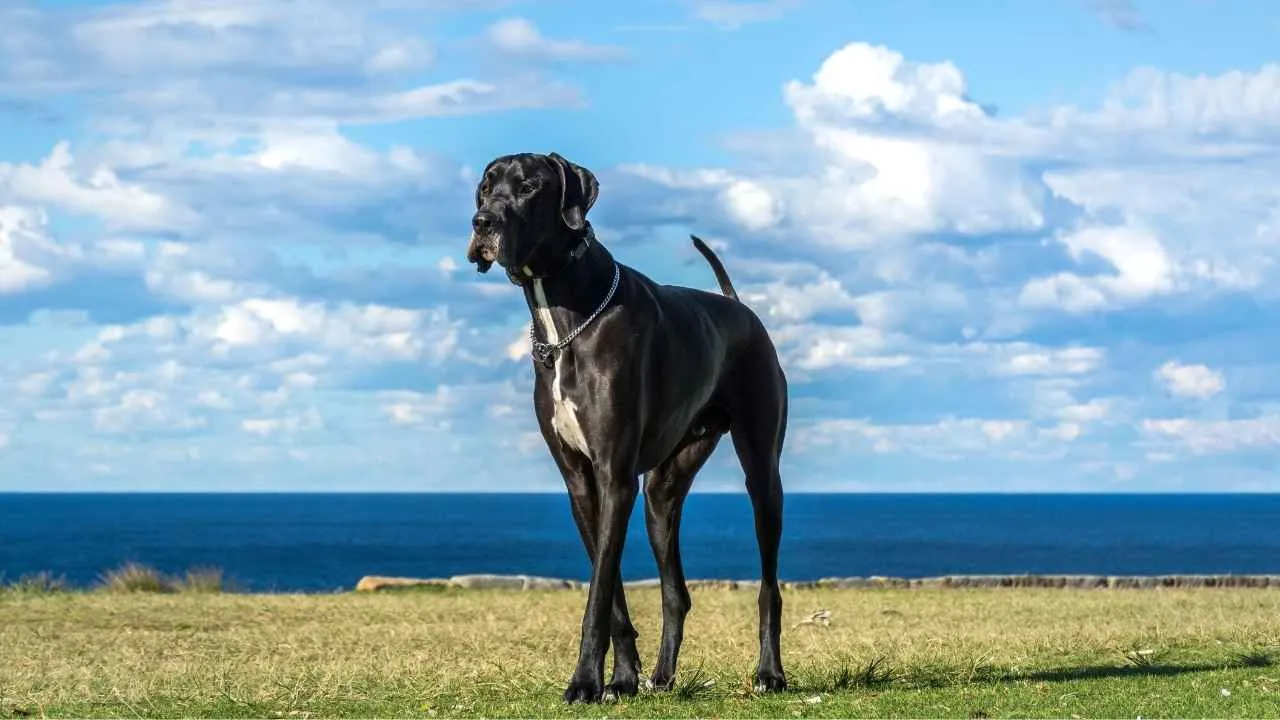
A Great Dane standing in a doorway is a message on its own. On our spectrum, this breed sits at the far deterrent end, relying almost entirely on its physically imposing frame. Most intruders never get close enough to find out if it would do more.
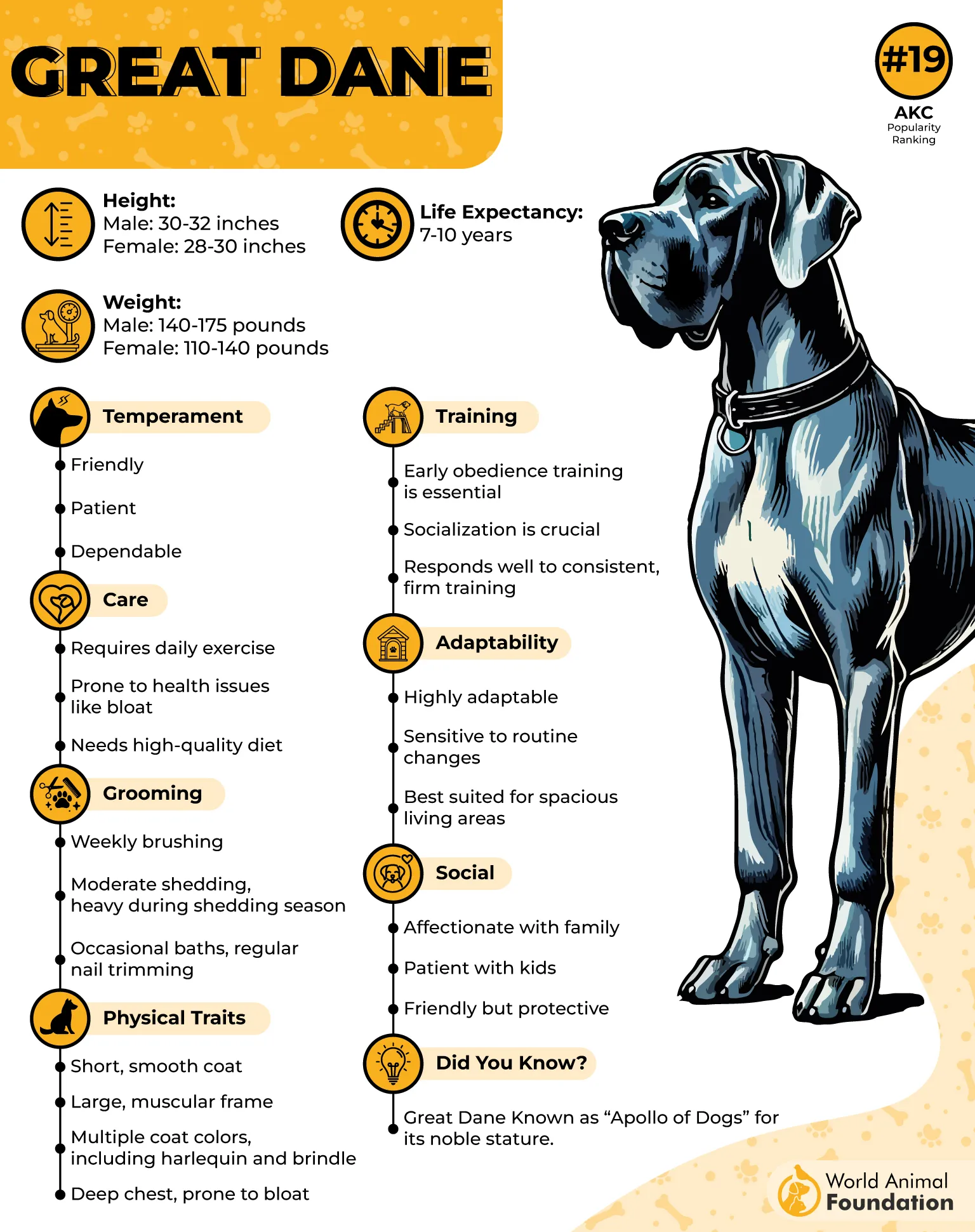
A knock at the door at night usually gets one booming bark. This dog will stand tall and watch closely, but rarely moves past that. Its presence alone tends to settle the matter.
Space: A large dog like this needs room to stretch out, so tight apartments are not ideal.
Exercise: Daily exercise keeps this athletic breed from getting bored or restless indoors.
Great Danes are known as gentle giants around family members and small children. Early training matters since their size alone can knock someone over by accident. Families wanting a calm, friendly giant often land on this breed.
6. Leonberger
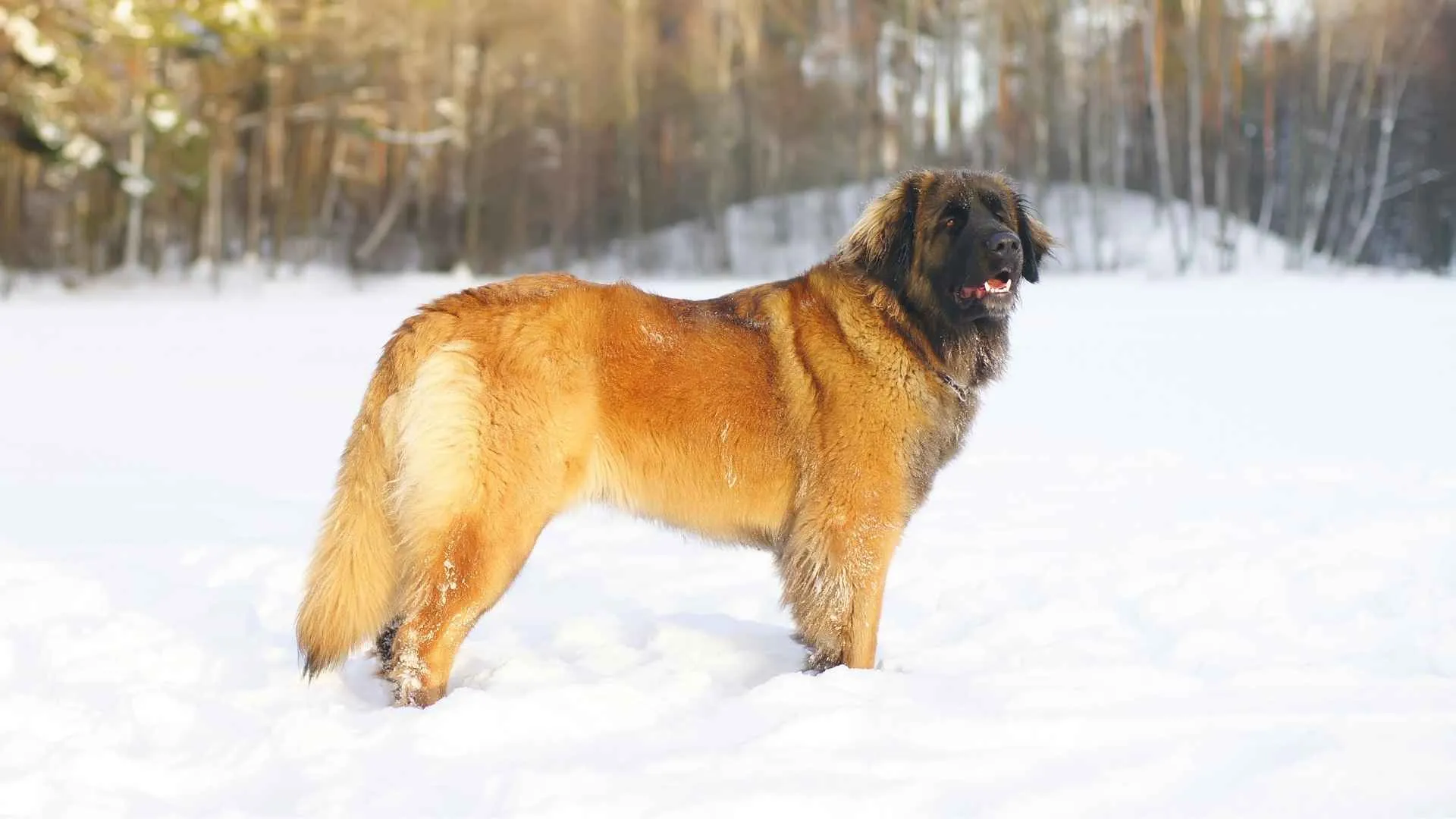
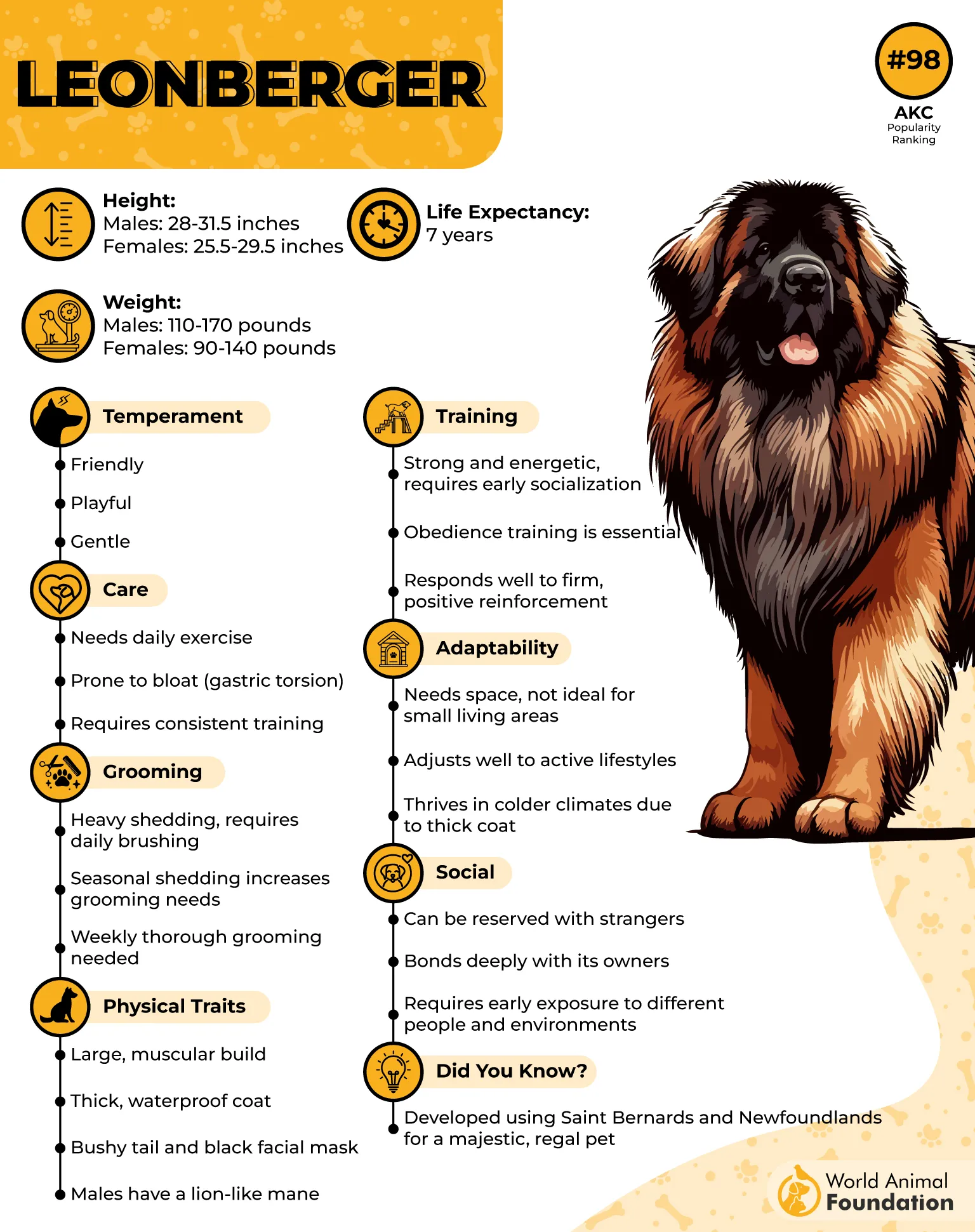
A Leonberger’s bark sounds a lot scarier than the dog actually is. On our spectrum, this breed sits toward the deterrent end, with real alertness behind a mostly gentle nature. Royal Canin notes that its imposing size hides a loving, patient temperament.
A stranger lingering near the yard gets noticed right away. This dog will bark low and move closer to investigate, rather than stay quiet. Once it decides the visitor is harmless, the tail usually starts wagging.
Grooming: The thick double coat needs regular brushing to manage shedding.
Exercise: This working dog benefits from daily exercise, including swimming when possible.
Leonbergers are well suited to family life with small children and regular visitors. Proper training channels that natural protective instinct into calm alertness instead of nervous barking. Many families consider this one of the most loyal, easygoing giant breeds around.
7. Estrela Mountain Dog
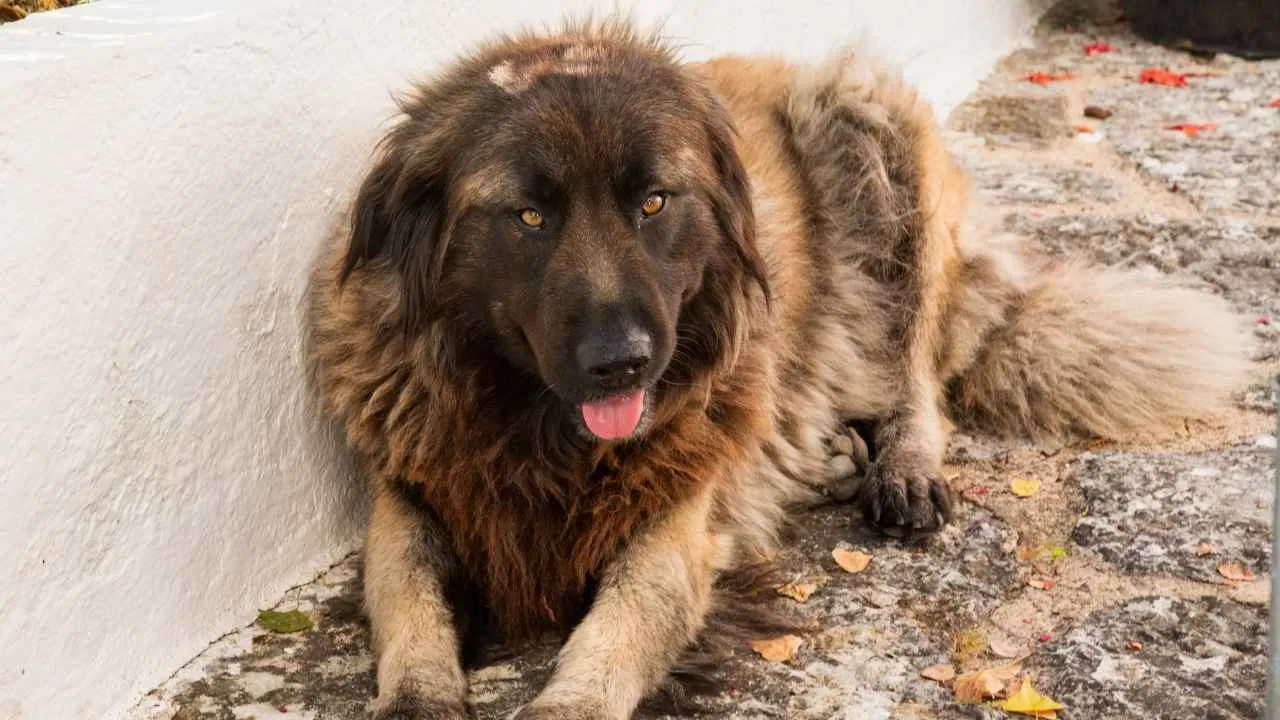
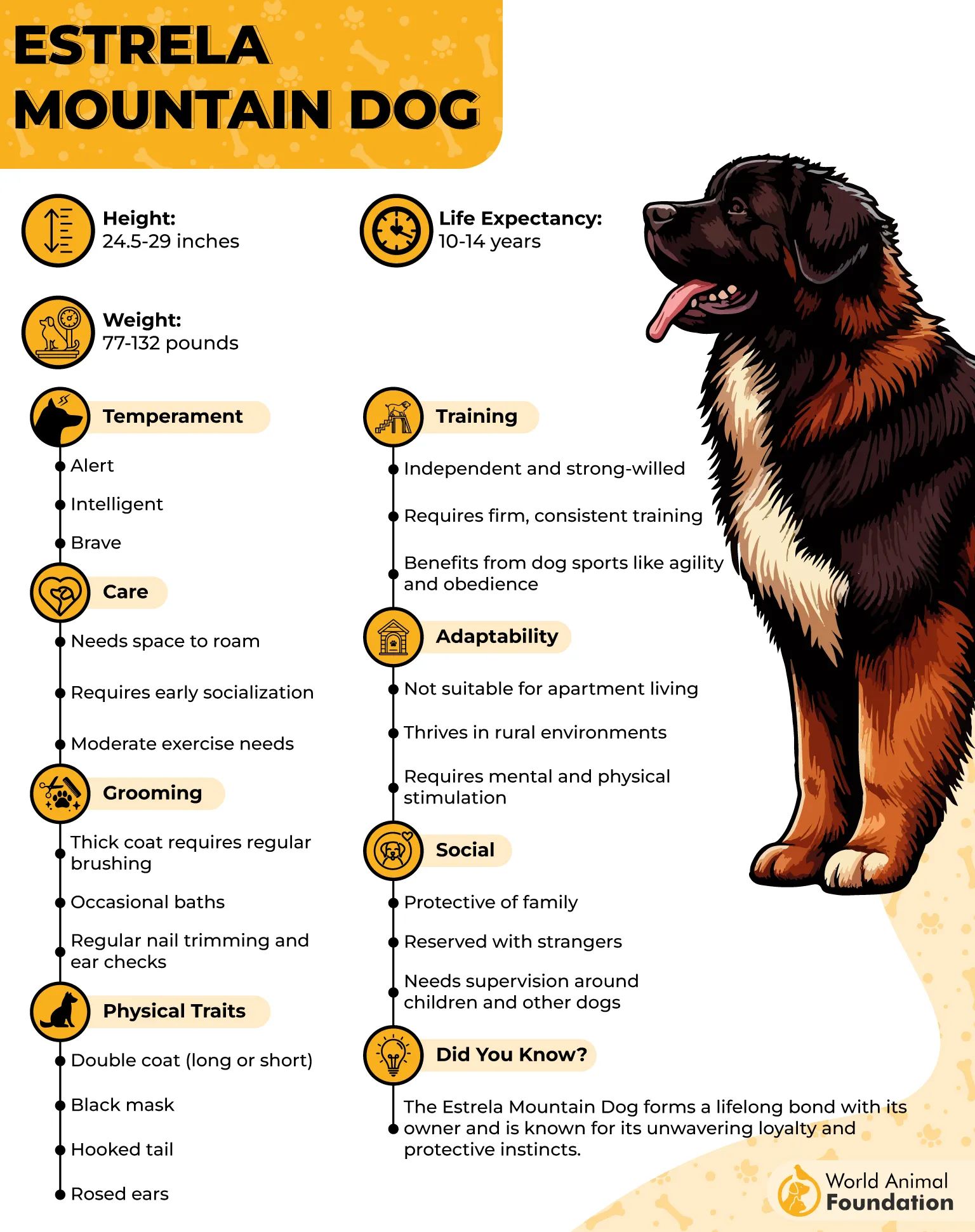
The Estrela Mountain Dog was bred to go toe to toe with wolves, not just bark at them. On our spectrum, this breed sits close to the defender end. Omlet traces its guarding roots back to ancient Molosser dogs brought to Portugal centuries ago.
A stranger who ignores the first warning bark will not get a second one. This dog closes the distance fast and will physically block or confront a real threat. Its naturally wary streak gives it a serious, intimidating appearance up close.
Socialization: Begin training and socialization in puppyhood, since the guarding instinct here starts up early.
Space: A large, fenced property suits this working dog far better than apartment living.
Estrela Mountain Dogs form incredibly loyal, deep bonds with their own family members. They can be gentle and patient with small children they grow up with. New visitors should be introduced slowly, since this breed’s protective nature takes real trust to earn.
Conclusion
Every breed on this list earns its spot as one of the genuinely excellent guard dogs out there, just in its own way. Some rely on size and a deep bark to keep trouble away, while others step in fast and do not back down.
The right breed for your family life comes down to how much active guarding you actually want versus a calm presence that is easy to manage day to day. Pick the one that fits your home and lifestyle best, then start researching reputable breeders or rescue groups near you today.
