




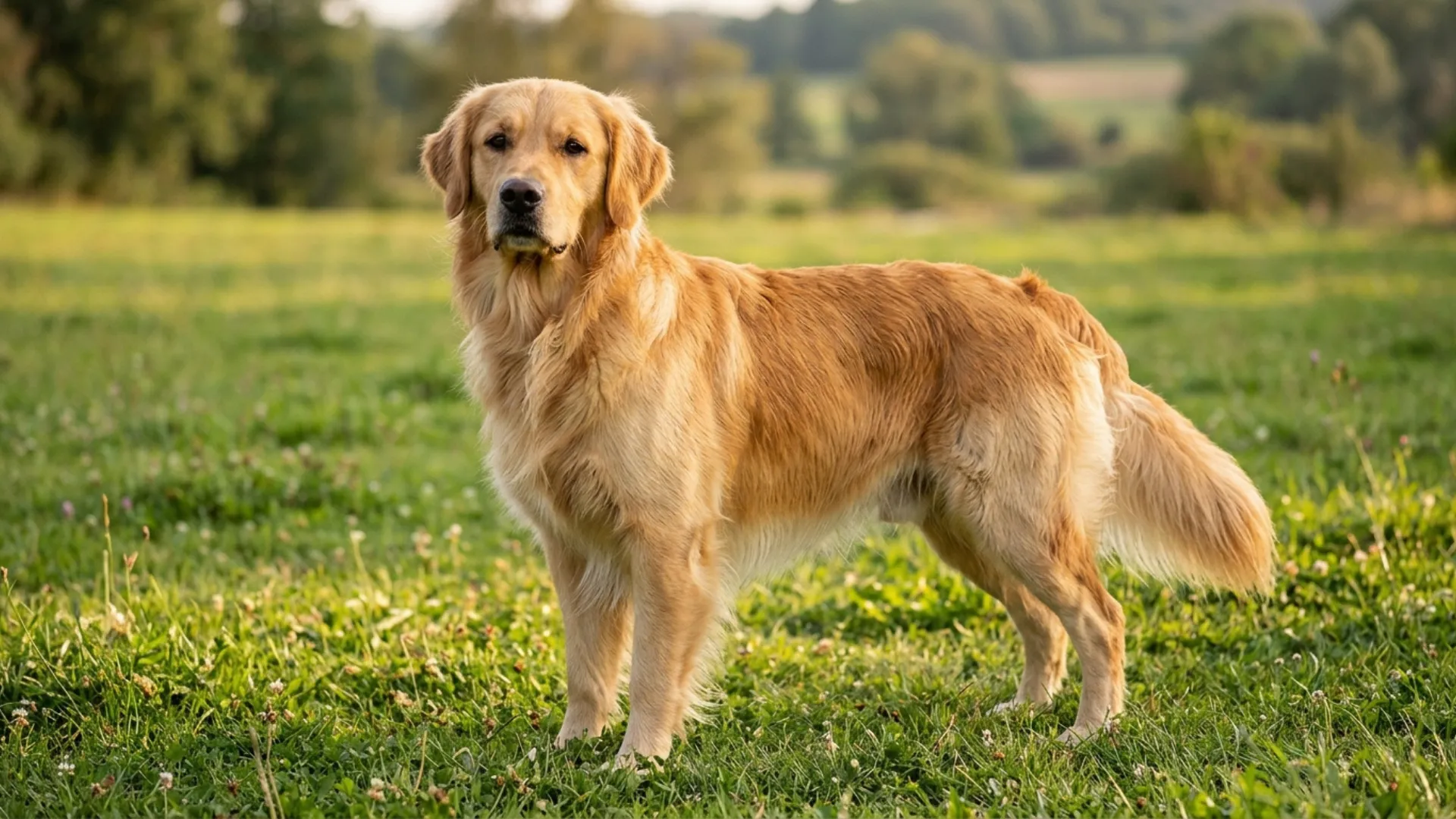
Some dogs look like they were dipped in sunshine. Their coats glow in honey, amber, cinnamon, and rich gold, colors that make people stop mid-walk to say, “Wow, what a beauty.”
But a golden coat is more than good looks. In many breeds, it reflects history, purpose, and careful breeding. Think of a Golden Retriever bounding through a field, or a Vizsla blending into autumn grass.
Each shade tells a story. Some dogs were bred to work outdoors, while others were pampered palace companions. Either way, their warm coats have a way of warming hearts too.
This guide explores seven remarkable breeds with golden coat varieties. You’ll meet fluffy showstoppers, sleek athletes, and small dogs with big personalities. No fluff, just honest, useful information for anyone who loves dogs and wants to understand what makes these golden coats so special.
Remarkable Dog Breeds with Golden Coat Varieties
1. Chow Chow

The history of the versatile dog breed dates back to 206 BCE, when it was used for herding, hunting, and pulling sleds. Soon, it was adopted by the Chinese royalty and was favored by Queen Victoria in the 18th century, as noted by Orvis. The popular dog breed was recognized by the American Kennel Club in 1903.
The coat comes in two different varieties: the rough coat (long, abundant, straight. It has a lion-like ruff around the neck and shoulders and heavy feathering on the tail and thighs) and the smooth coat (shorter and a sleek double coat with a ruff and feathering). The coat color ranges from honey blonde or golden honey to dark mahogany orange-red.
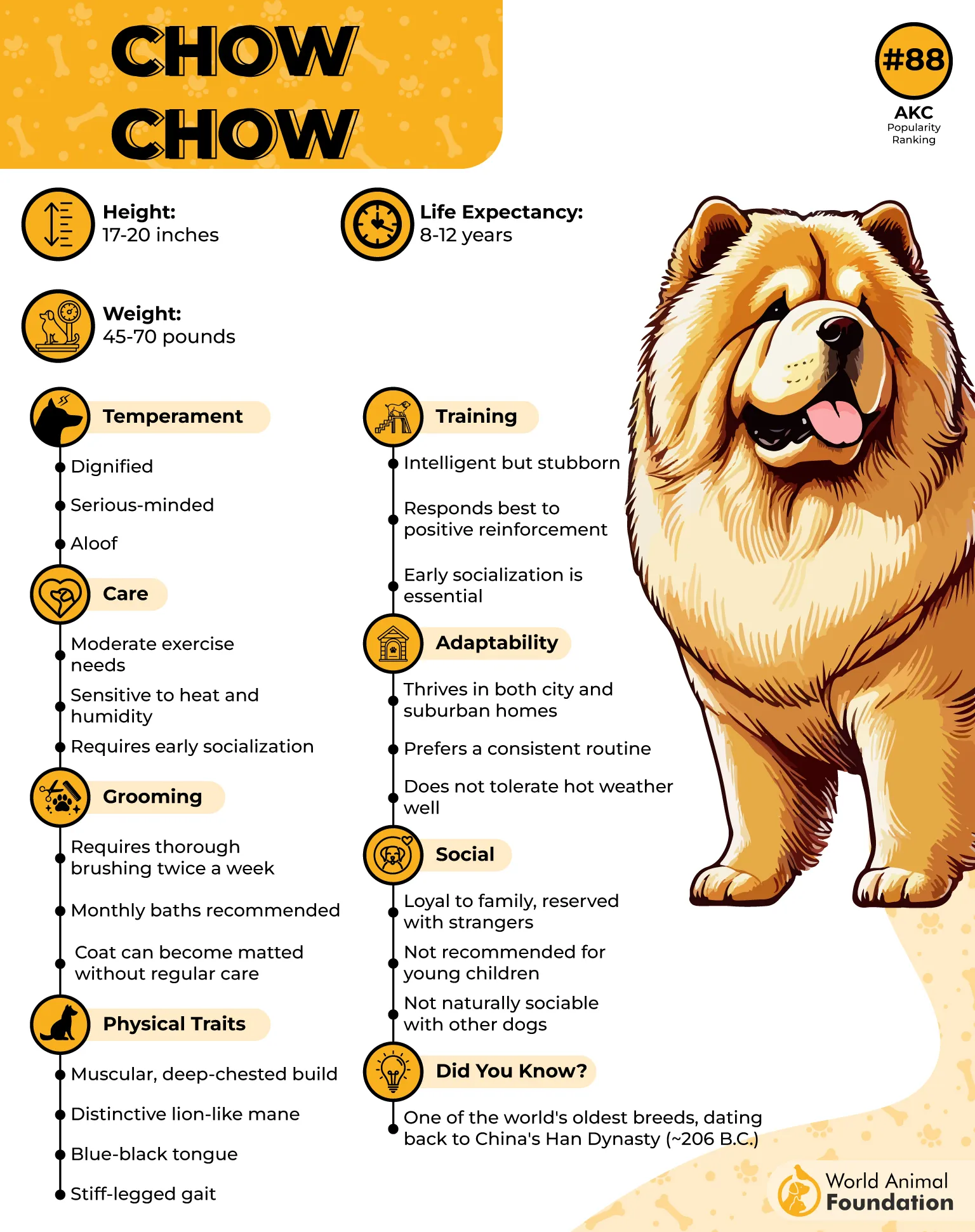
Shaded reds are the most common and featured near white, cream, and light shadings on the ruff, tail, and back of the thighs. The high-maintenance breed requires 2-3 times weekly brushing.
2. Golden Retriever
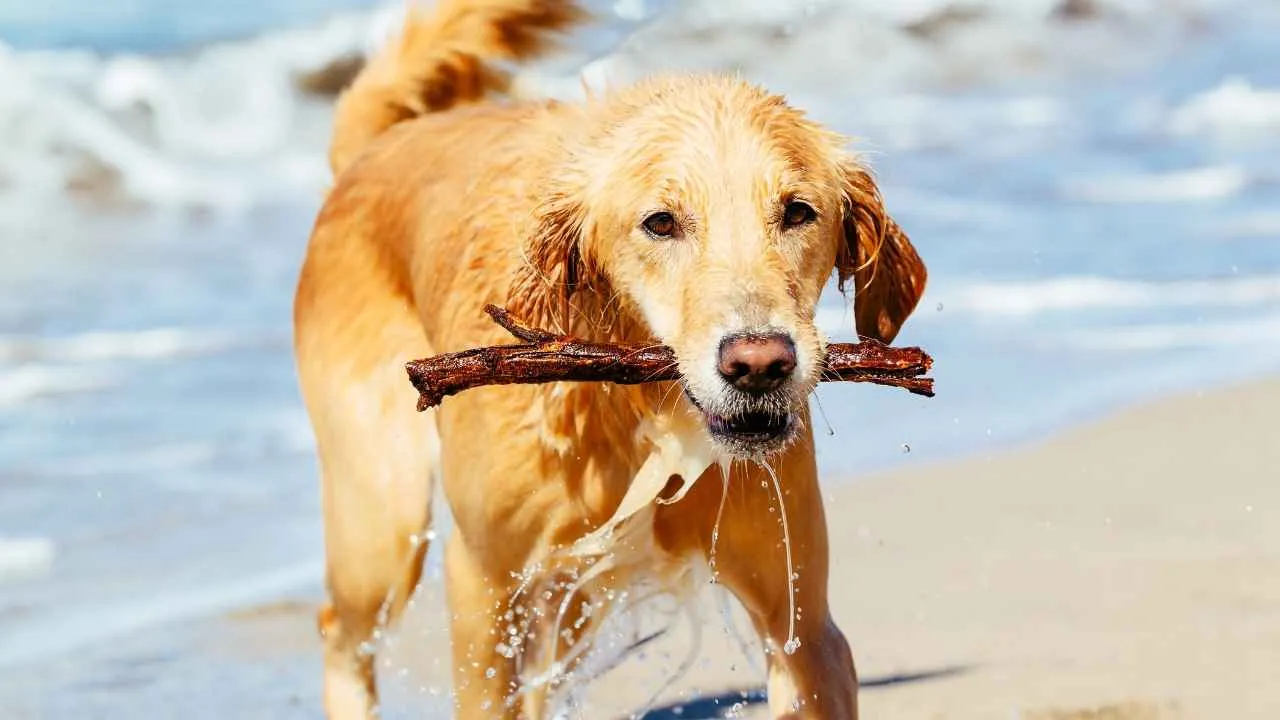
This hunting breed was originally bred in the Scottish Highlands and was used to retrieve birds from both water and land. Developed by Dudley Marjoribanks, the gentle giant was bred by crossing the Yellow colored retriever and the Tweed Water Spaniel. Soon, it gained popularity in England and was recognized by the UKC in 1911.
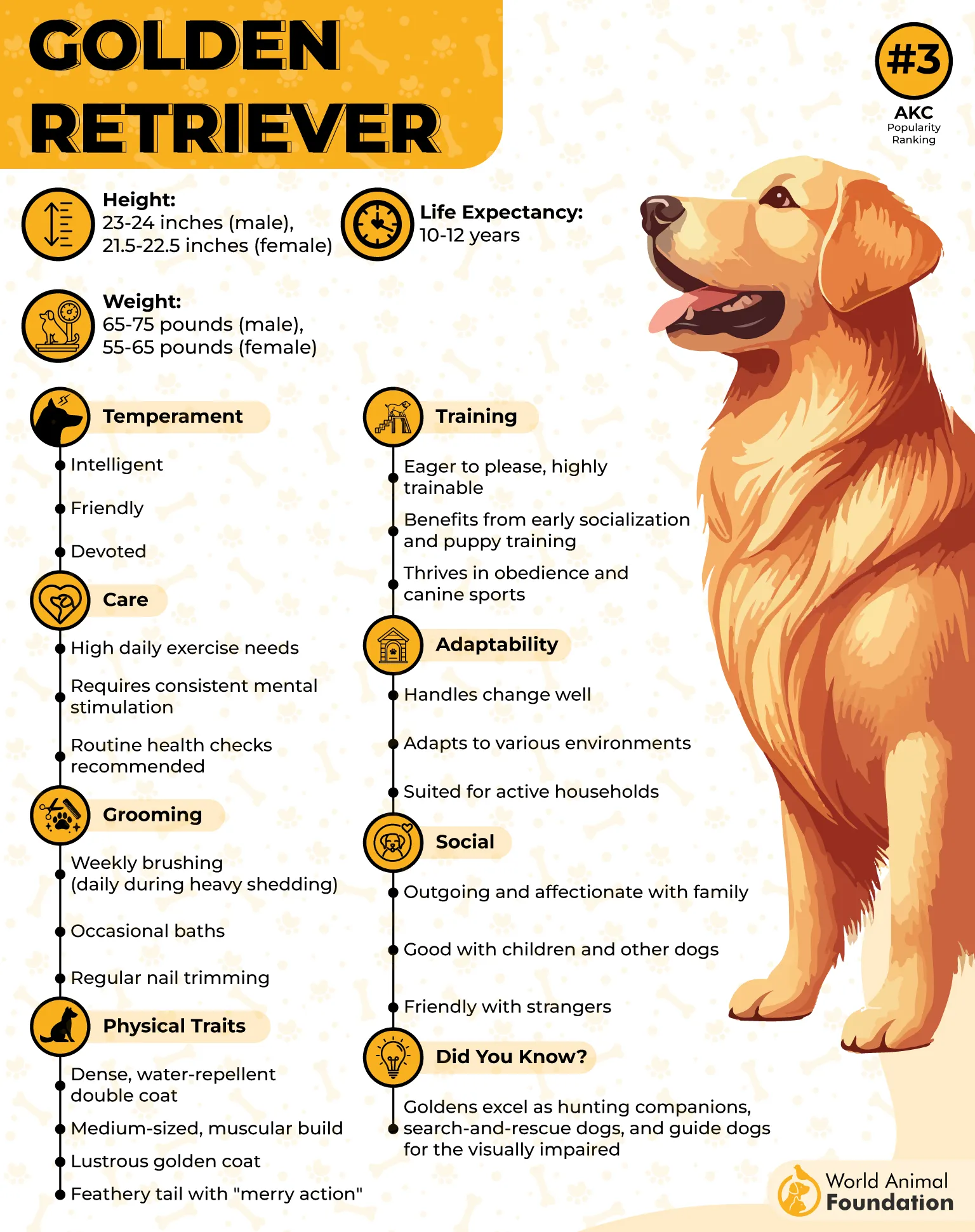
The genetic lineage is divided into 3 types: The American (has a medium-length coat, which is heavily feathered along the thighs, chest, neck, and tail. It has quintessential golden tones), the British (short coat that comes in pale and light cream shades), and the Canadian (thinner, less feathered, and has darker, rich golden, or deep reddish hues).

The Golden Retriever has a heavily shedding double coat that needs 2-3 times weekly brushing and daily brushing during shedding seasons using a slicker brush, an undercoat rake, and a fine-toothed steel comb.
3. Vizsla
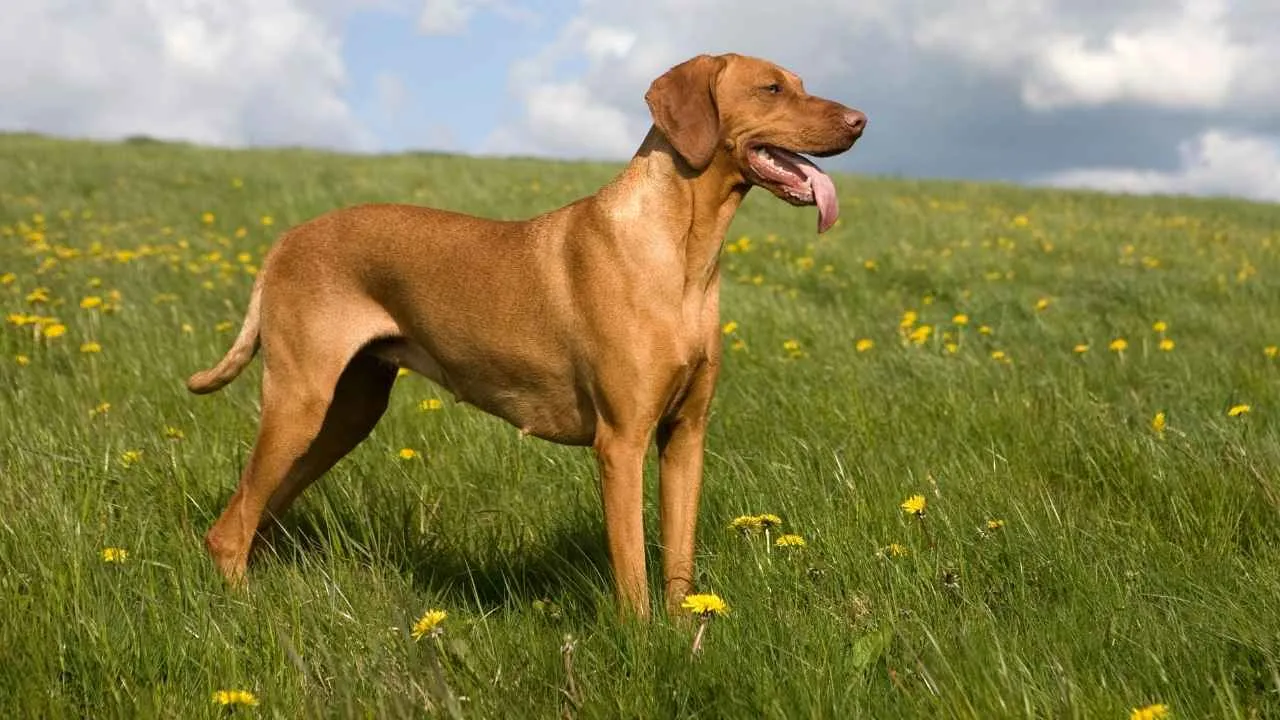
Originally developed in Hungary, the hunting dog was used to work alongside the Magyar warriors. It nearly became extinct after World War I and was recognized by the American Kennel Club in 1960. Today, the excellent companion is widely kept as a sporting and a family dog, according to Hill’s Pet.
There are two coat types of the ancient breed: the smooth coat (the most common type, with short hair that lies flat against the skin; it lacks the undercoat) and the wire-haired coat (a dense, double coat with prominent facial hair: beard, eyebrows, and whiskers). The official standard coat color is golden rust.
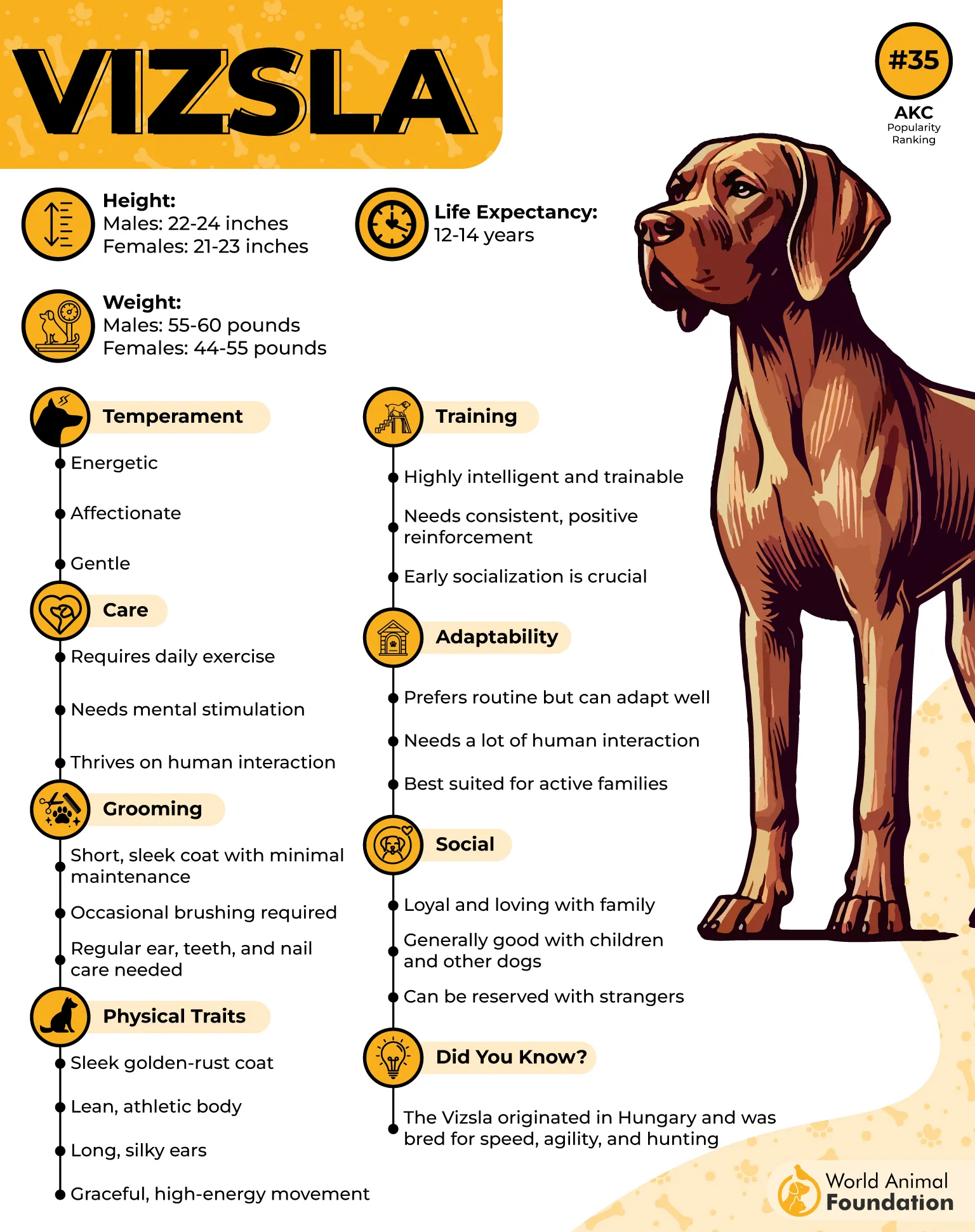
Other shade variations, such as reddish gold roots, well-toasted baguette, or sandy gold colors are also acceptable. The breed has minimal dog odor and does not need frequent brushing.
4. Tibetan Spaniel
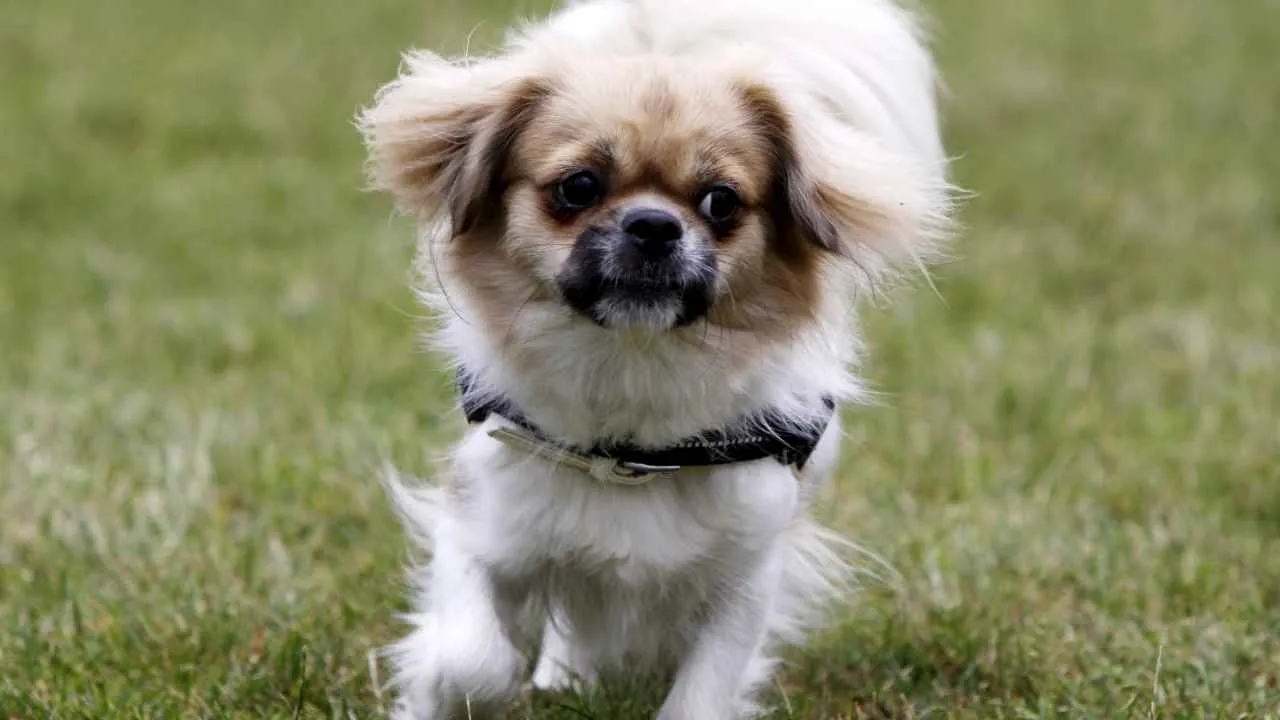
The history of the ancient breed dates back to 1,100 BCE, when it was depicted in ancient European artwork. Bred by the Buddhist monks in Tibet as a companion dog and a watchdog, the smaller dog made its way to the Western world in the 19th century and was recognized by the AKC in 1983.
The natural double coat consists of two layers: the outer layer with straight and flat hair, and the undercoat with softer and denser hair. The males have a prominent mane and a heavier coat. The golden coat spectrum ranges from clear gold, gld-white with markings, and golden sable to cream/fawn colors.
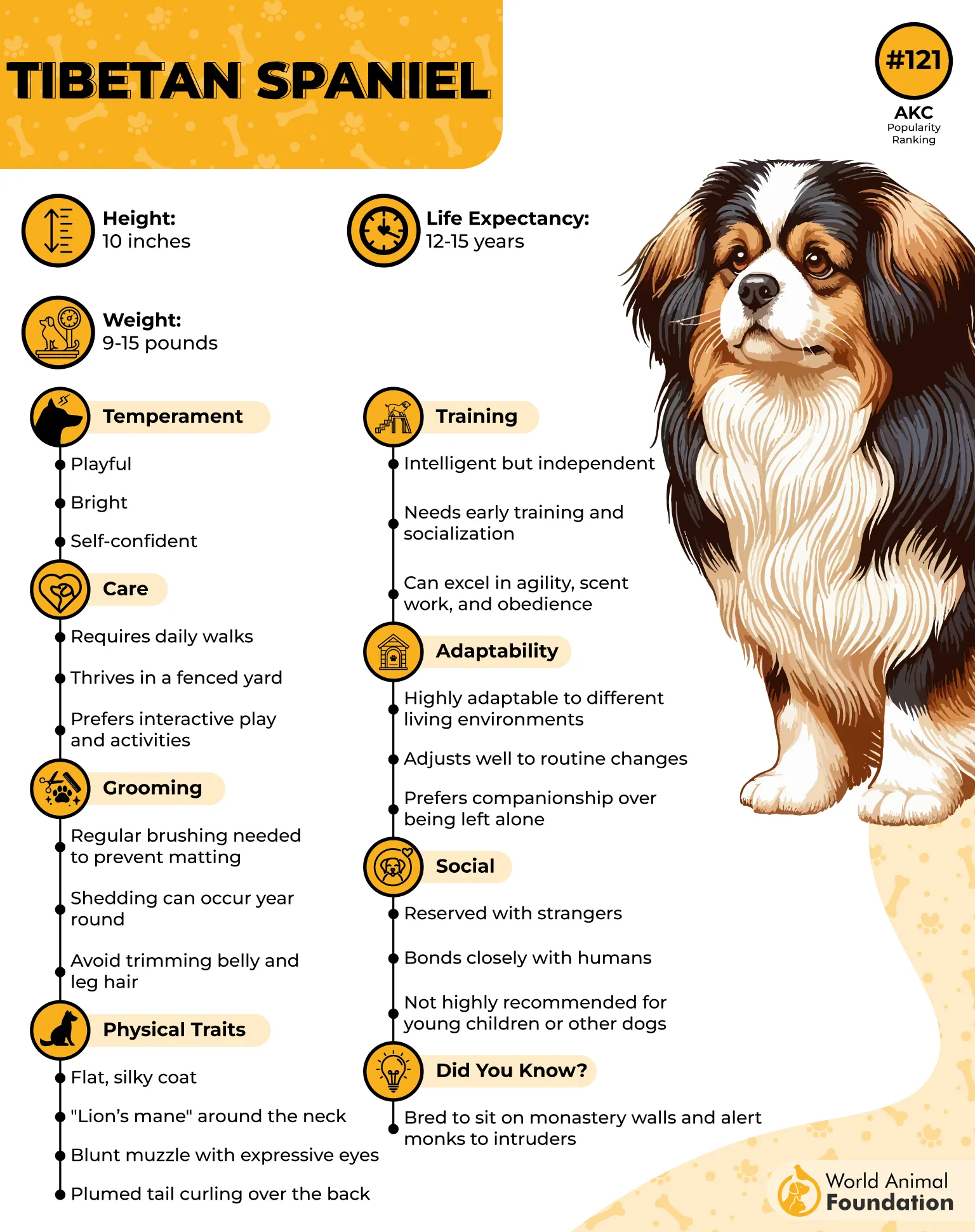
The loose fur naturally traps under the coat and does not cause much shedding, making it a breed with minimal grooming needs: weekly brushing with a line brush and monthly baths.
5. English Cocker Spaniel
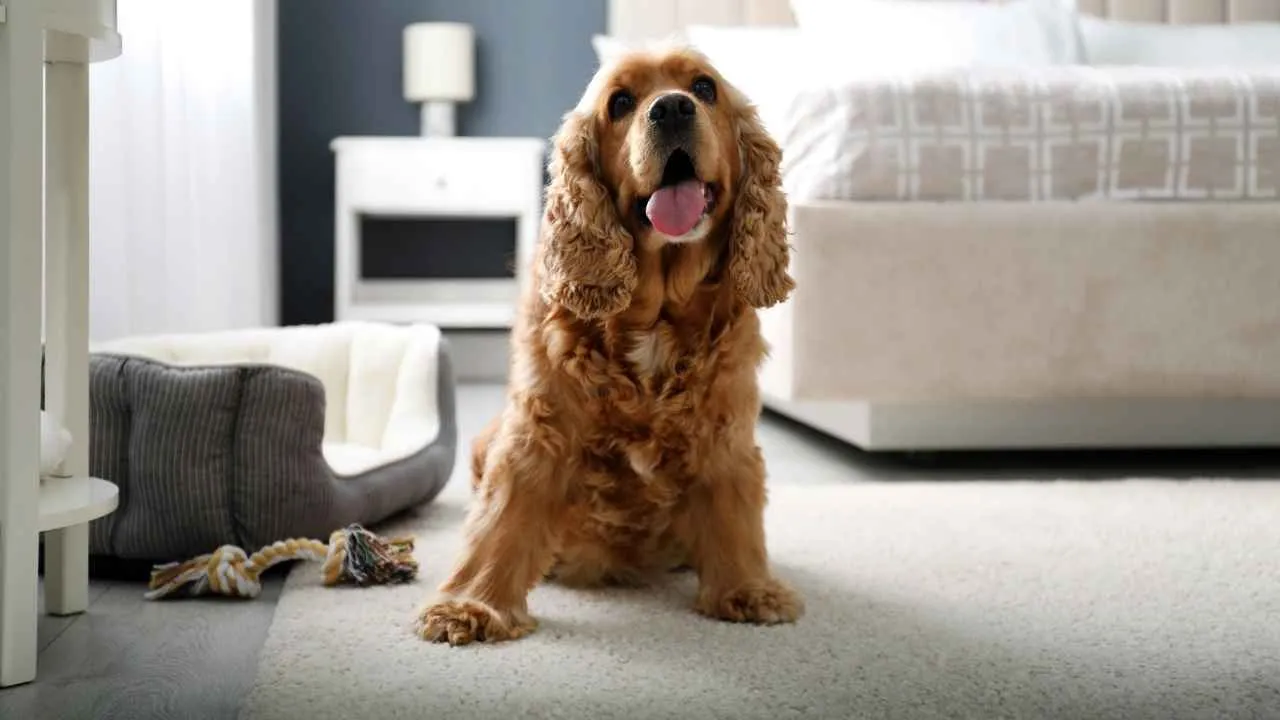
Both the Cocker Spaniel and the Springer Spaniel were categorized into one class of breed, the Land Spaniel before the 19th century. Later, the smaller breed was used to flush out woodcock, and the larger one was developed for ‘springing’ the game, as reported by Purina.
The breed is divided into 2 types: the show breed (with a highly profuse and long coat and feathering draping from the ears, chest, belly, back of legs, and hocks) and the working breed (the coat is shorter and tighter). True gold, red, and lemon are the solid colors, while the parti colors and roans are also acceptable.
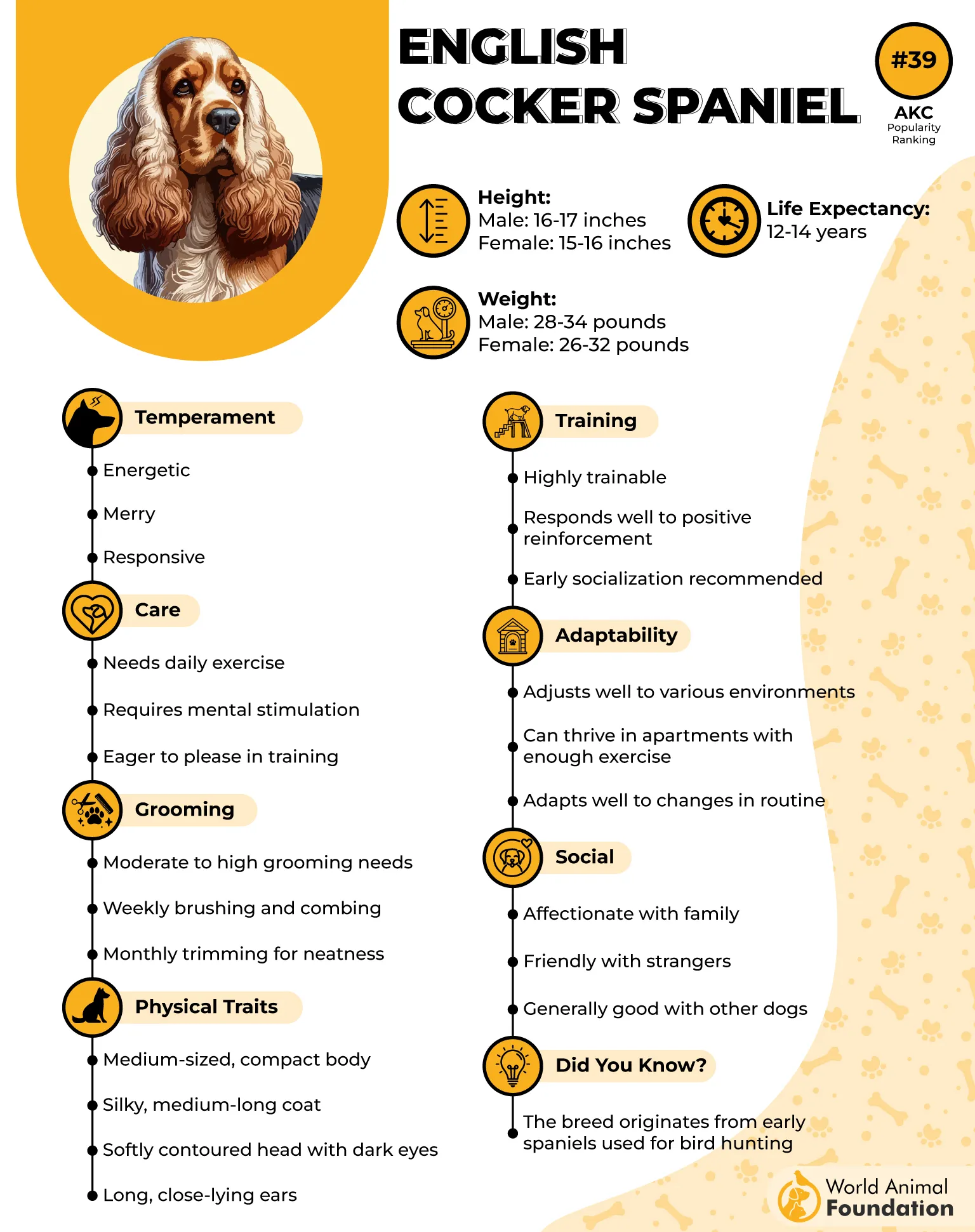
Brushing is needed every 2 days to prevent matting. Pay close attention to the ears, belly, and legs. Use a carding knife or a bare hand for stripping to preserve optimal silky texture.
6. Pomeranian
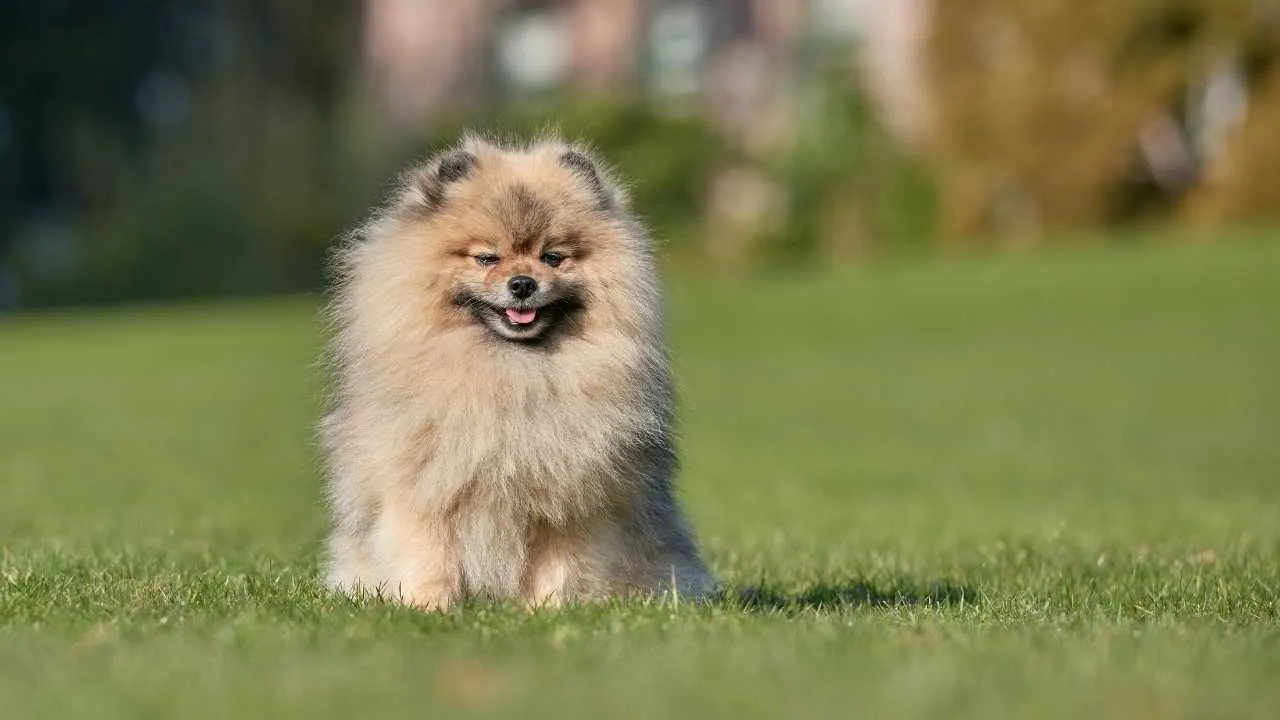
Since the dog is descended from the Spitz-type breed, it has some wolf-like physical characteristics, such as a thick and fuzzy coat, pricked ears, and strong limbs. The dog was originally developed as a larger dog and weighed up to 66 pounds, but went through size reduction during the time of Queen Victoria.
The thick double coat provides protection against external stimuli and acts as a thermoregulator by trapping the air inside. The coat color comes in solid orange (rust to sunset orange without any dark hair), orange sable (rich golden orange base layer with pigmented guard hair tips), red, and cream.
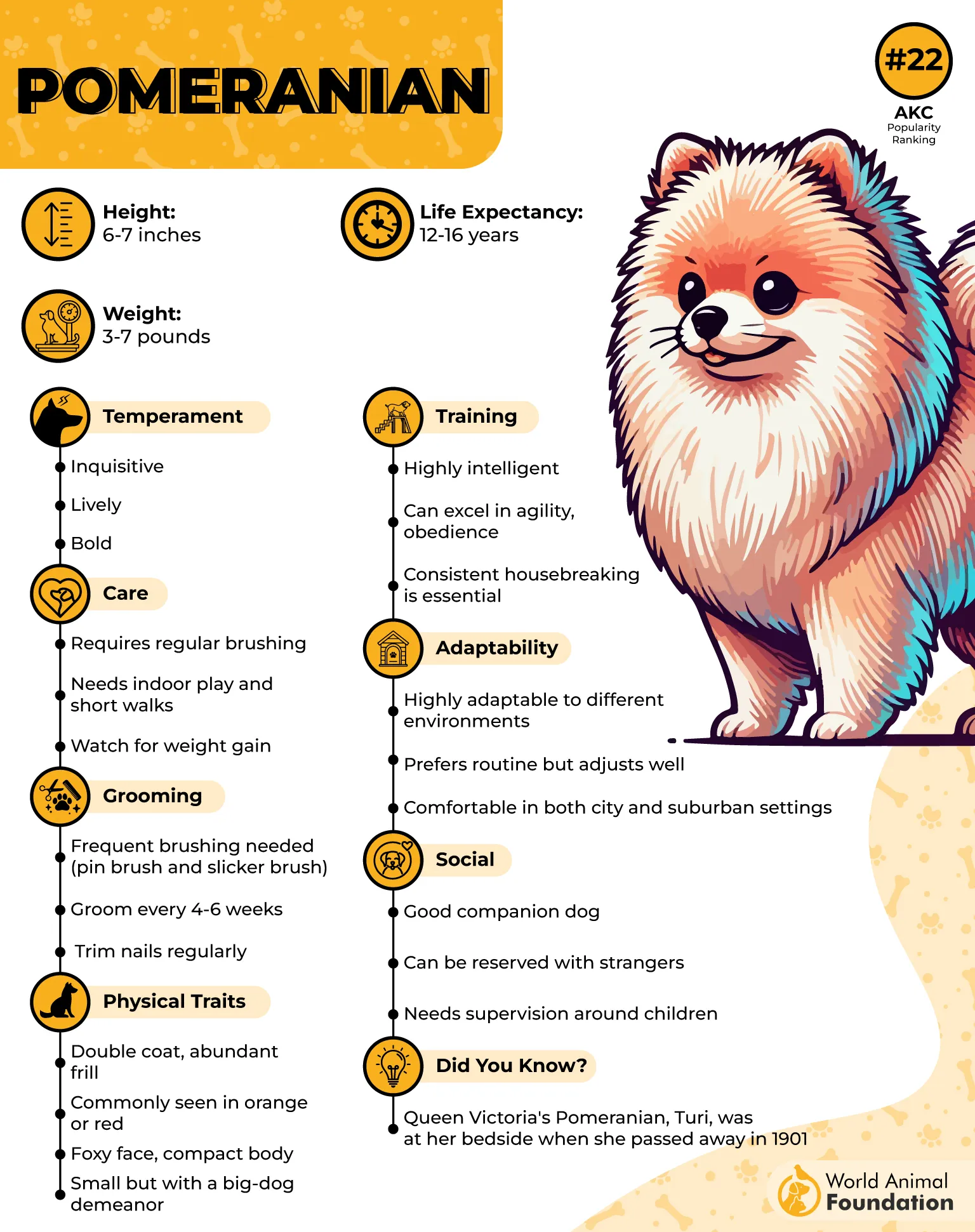
Use line brushing technique to brush the coat 2-3 times a week. A de-shedding tool is recommended during the shedding seasons (spring and summer). Bathing is suggested after 4-6 weeks.
7. Pharaoh Hound
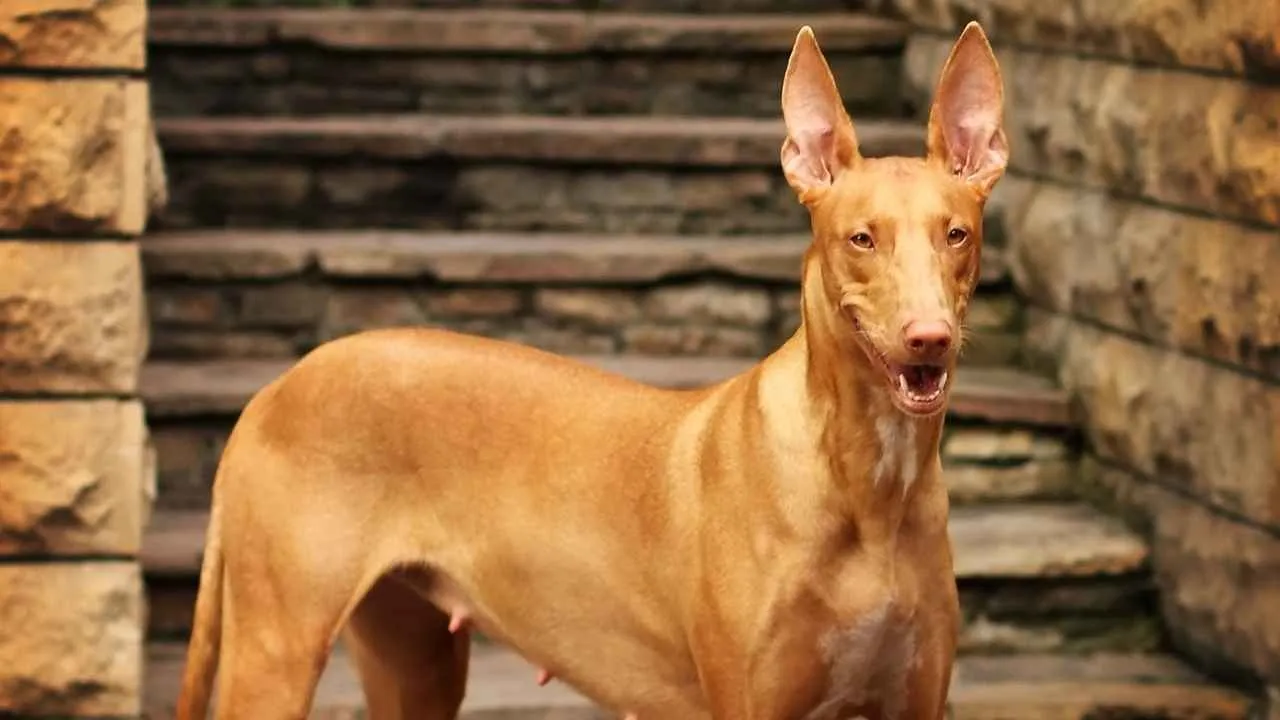
Also known as the Kelb tal-Fenek, this hunting dog belongs to the Maktese breed of warren hounds. Its primary purpose was to hunt rabbits. However, its ancestral roots are linked to ancient Egypt. It was recognized by the UKC in 1974.
The adult coat is short and close-fitting across the entire body, while the puppy is born with a longer and fluffier coat. The coat colors mimic the warm tones of the Mediterranean landscape with acceptable shades of red, golden, tan, and chestnut. White markings are allowed on the tail tip, chest, toes, and facial blaze.
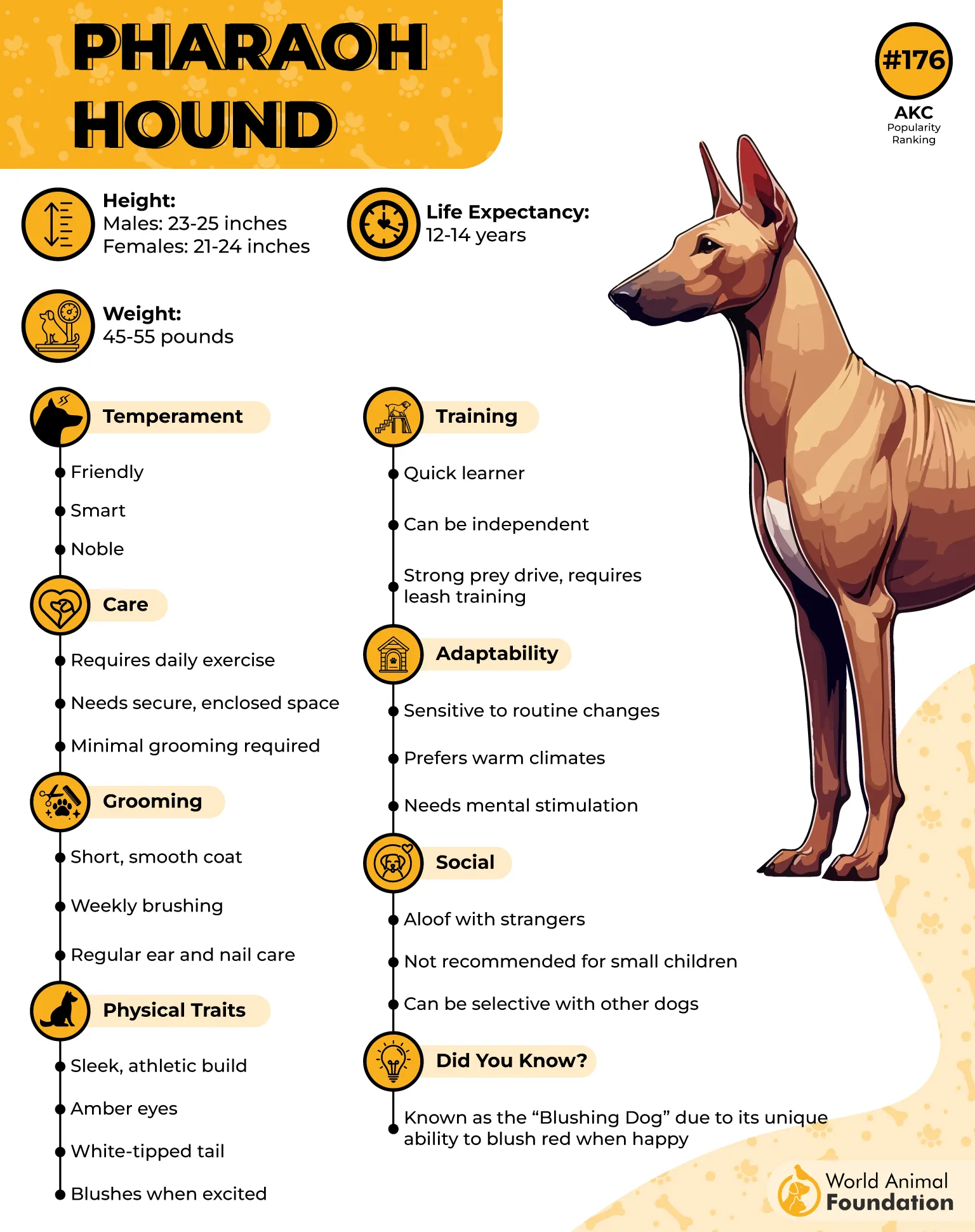
Famously known as the ‘wash-and-wear’ breed, the Pharaoh Hound has minimal grooming needs: weekly brushing, occasional baths, and routine skin checkups.
Conclusion
Golden-coated dogs come in every size, shape, and personality. Some, like the Golden Retriever, are social butterflies. Others, like the Chow Chow or Tibetan Spaniel, carry a more independent spirit. What they share is a coat that catches the light and a presence that stays with you.
Choosing a dog should never be only about color. A glowing coat may catch your eye, but temperament, exercise needs, grooming, and lifestyle fit decide whether a breed truly belongs in your home. The right match feels less like picking a pet and more like finding a missing piece of your daily life.
