




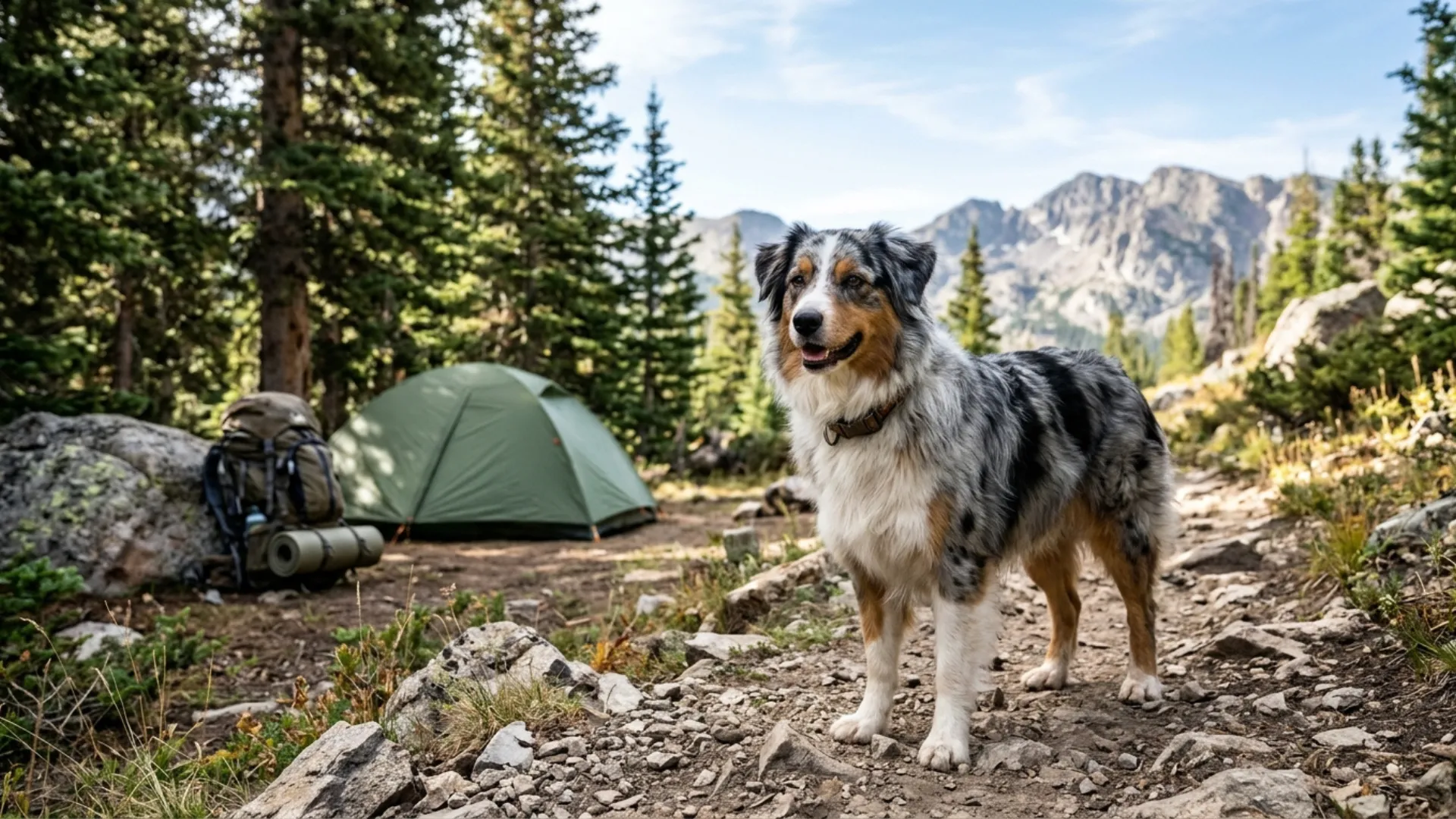
Camping trips and wilderness hikes become even more rewarding when a loyal canine companion joins the adventure. From winding forest paths to challenging mountain trails, the right dog can bring energy, companionship, and excitement to every outdoor escape.
However, not every breed is suited to demanding terrain or extended activity. Dogs with strong endurance and athletic builds may be better adventure partners, but conditioning, training, weather awareness, and proper preparation remain essential.
Discover seven rugged dog breeds that may be ideal for your next outdoor adventure and learn what makes each one a promising companion for life on the trail.
Rugged Dog Breeds That Love Camping and Back‑country Trails
1. Alaskan Malamute
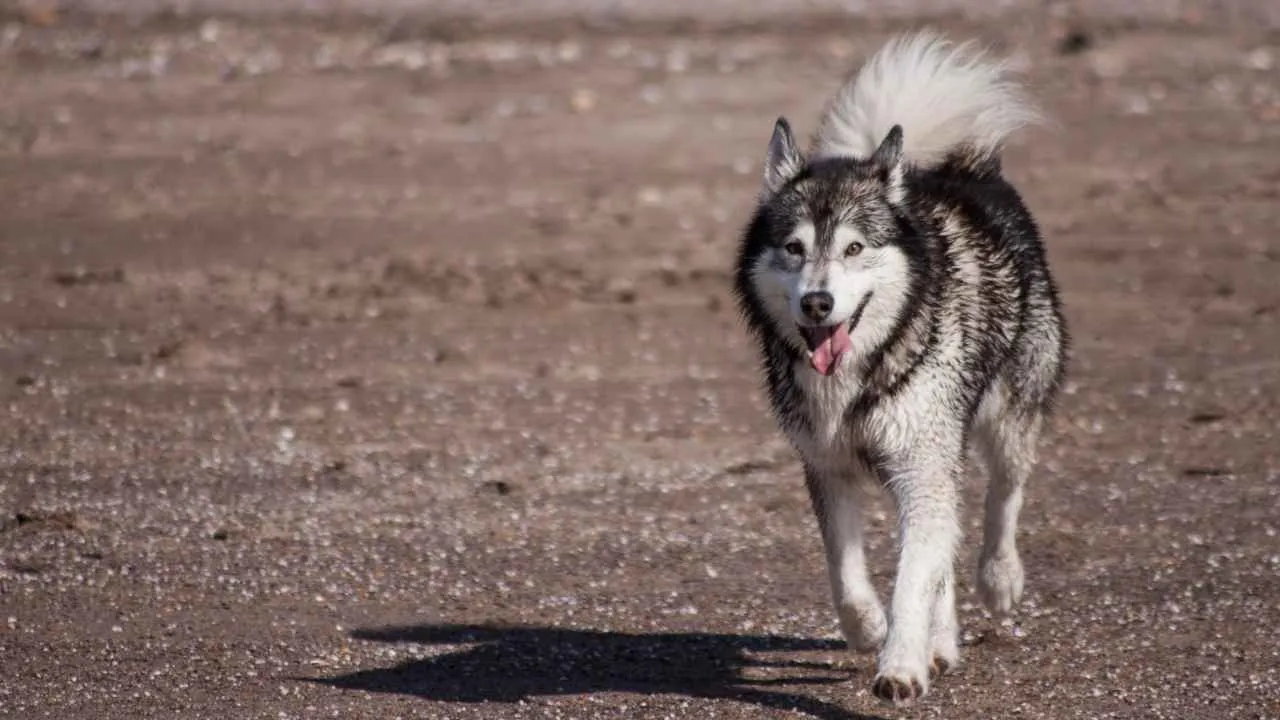
Originating in Alaska, the Alaskan Malamute is a powerful sled dog developed to haul heavy loads across icy terrain. Larger and more endurance-focused than the Siberian Husky, this hardworking breed is well suited to demanding hikes and extended backcountry adventures.
According to PetMD, Alaskan Malamutes are devoted companions that thrive on plenty of attention and vigorous exercise, reflecting their heritage as hardworking sled-pulling dogs.
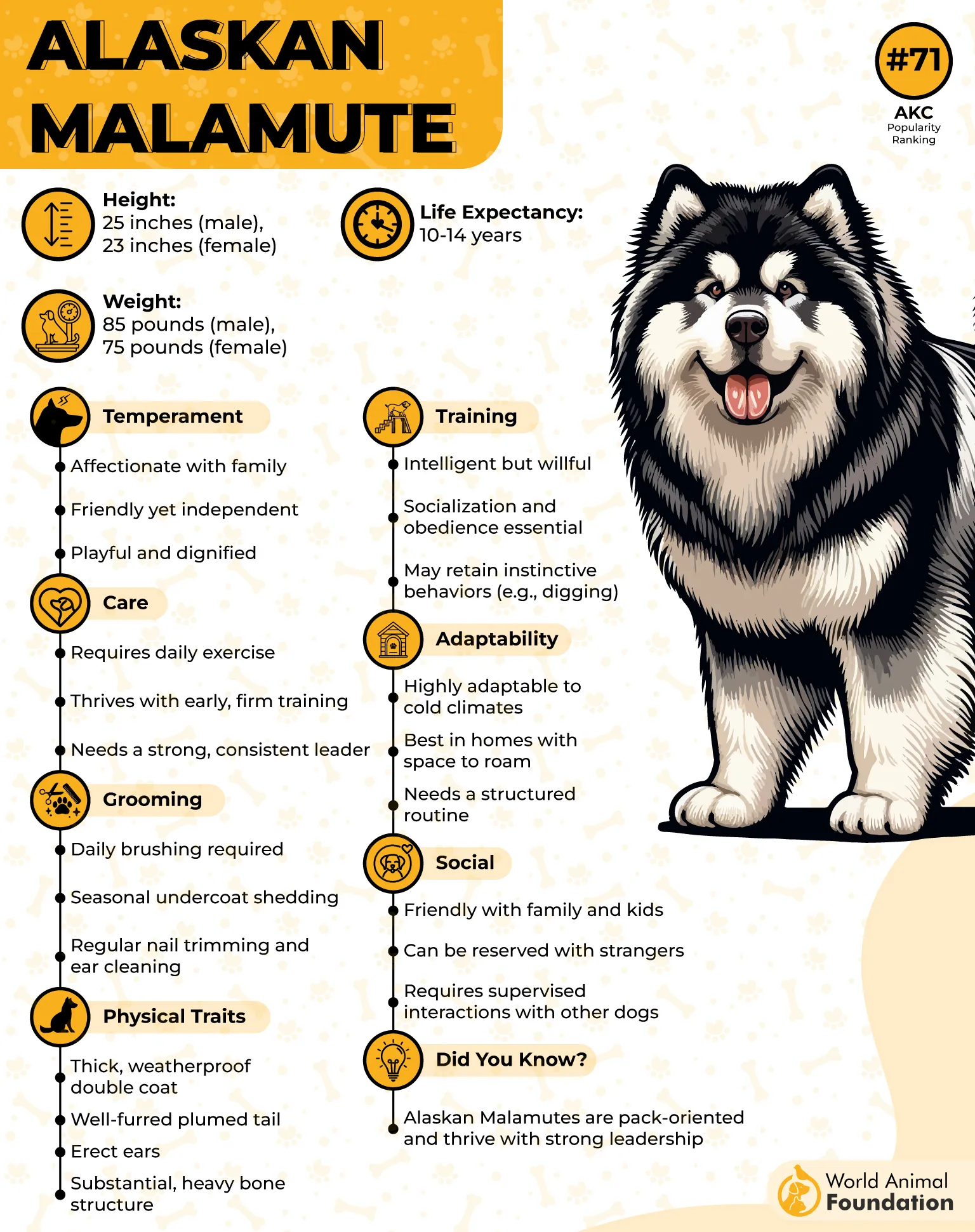
Its broad chest, strong shoulders, and substantial bone reflect its working heritage. A dense, weather-resistant double coat provides insulation in frigid conditions, making the Malamute a better fit for chilly camps than hot-weather excursions.
Affectionate, playful, and loyal, Malamutes enjoy staying active with their families. They need substantial daily exercise, often at least two hours, along with consistent, firm but loving training. Their independent nature makes early guidance especially important on outdoor trails.
How This Breed Stands Out
Heavy-load hauling strength: Powerful build suited to hauling heavy loads across demanding terrain
Thick coat for cold-weather camps: Dense, weather-resistant double coat provides insulation during cold-weather camping
2. Australian Shepherd
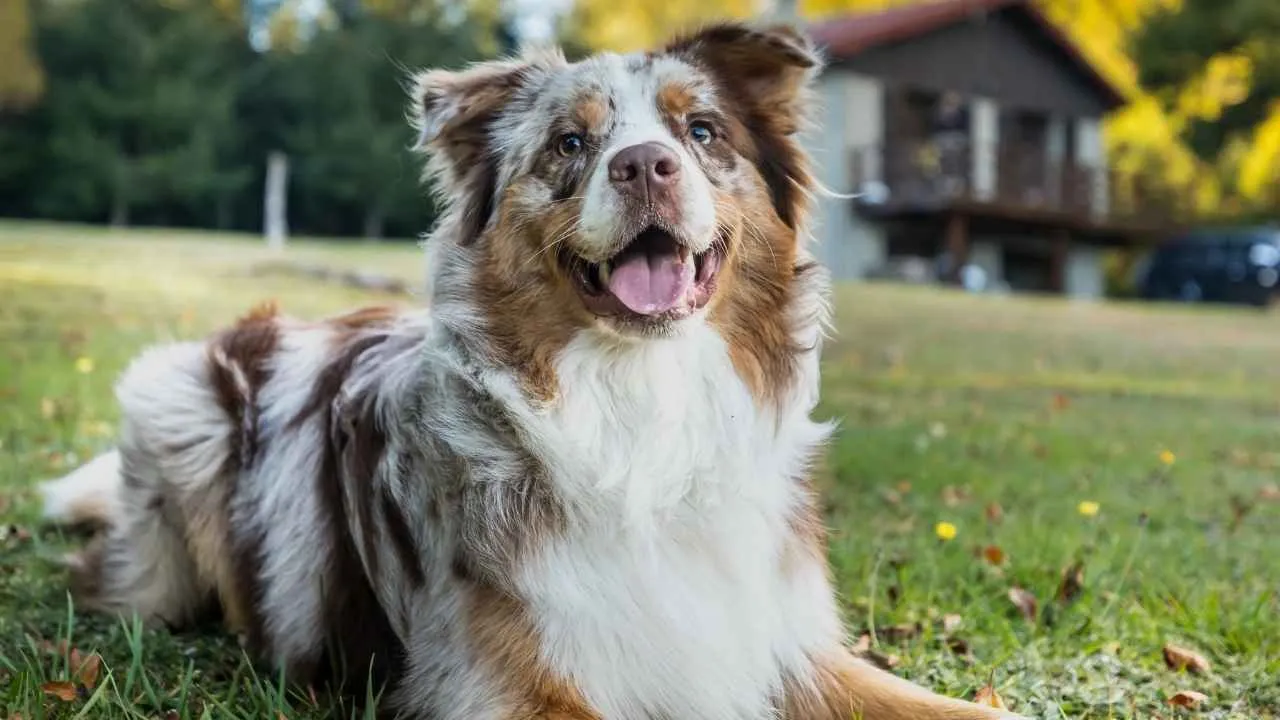
Bred to work as a herding dog, the Australian Shepherd is an energetic, intelligent companion that thrives on outdoor challenges. Its athletic build and agility make it well suited to navigating winding trails, rocky paths, and uneven ground during backcountry hikes.
According to Orvis, American Shepherds are versatile, clever, and energetic dogs known for their adaptability and lively personalities.
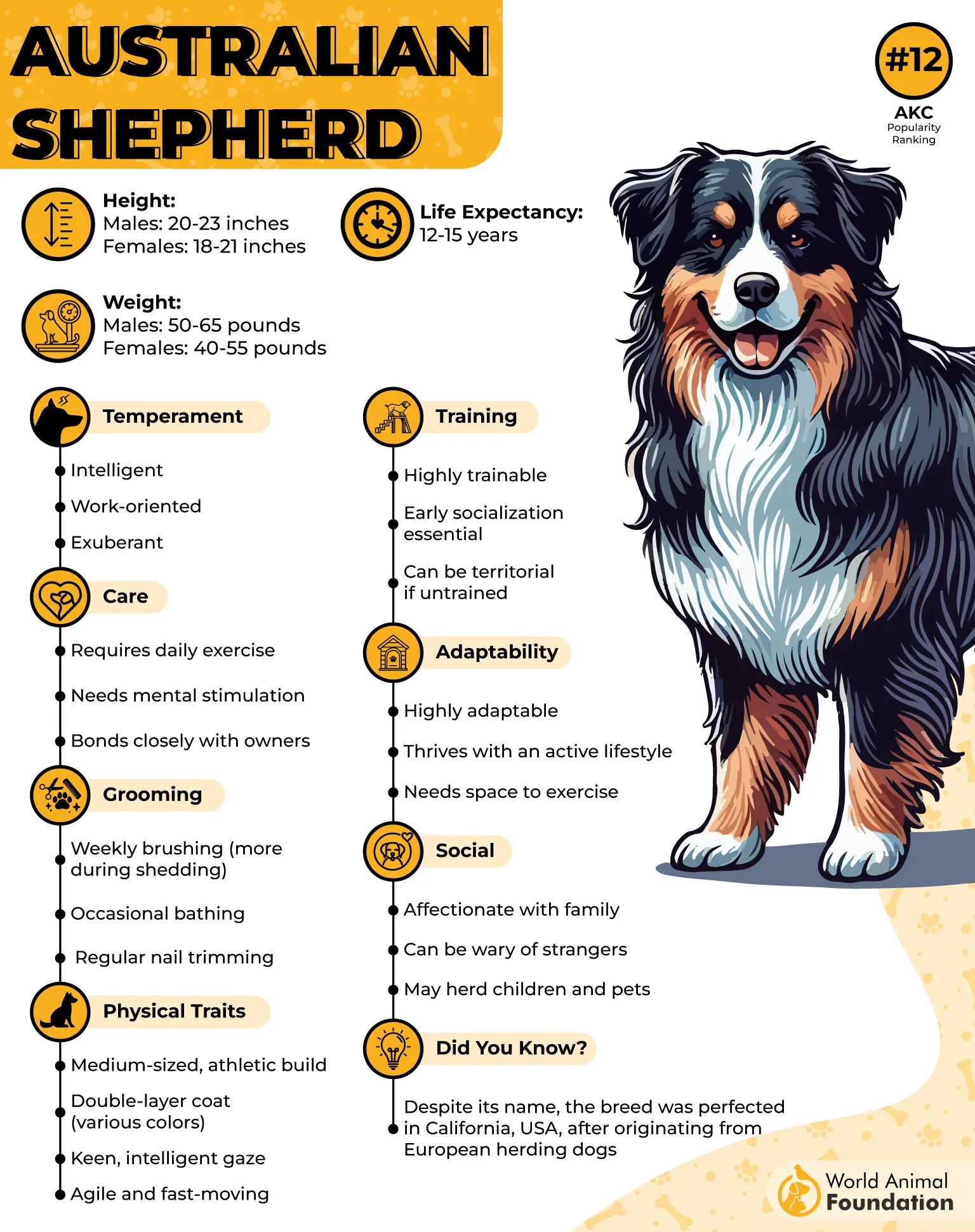
Beyond physical stamina, this breed has a sharp mind and a natural drive to work. Australian Shepherds enjoy activities such as frisbee and benefit from tasks that challenge their problem-solving abilities, making hikes with varied terrain and activities especially engaging.
Loyal and affectionate, Aussies often develop strong bonds with their owners and can be protective in unfamiliar surroundings. They need plenty of daily exercise and mental stimulation, along with consistent training to manage their enthusiasm and strong working instincts on the trail.
How This Breed Stands Out
Quick navigation over uneven terrain: Agile movement helps navigate uneven ground and winding trails
Strong herding instincts and problem-solving skills: Strong herding instincts and sharp problem-solving skills suit challenging outdoor activities
3. Siberian Husky
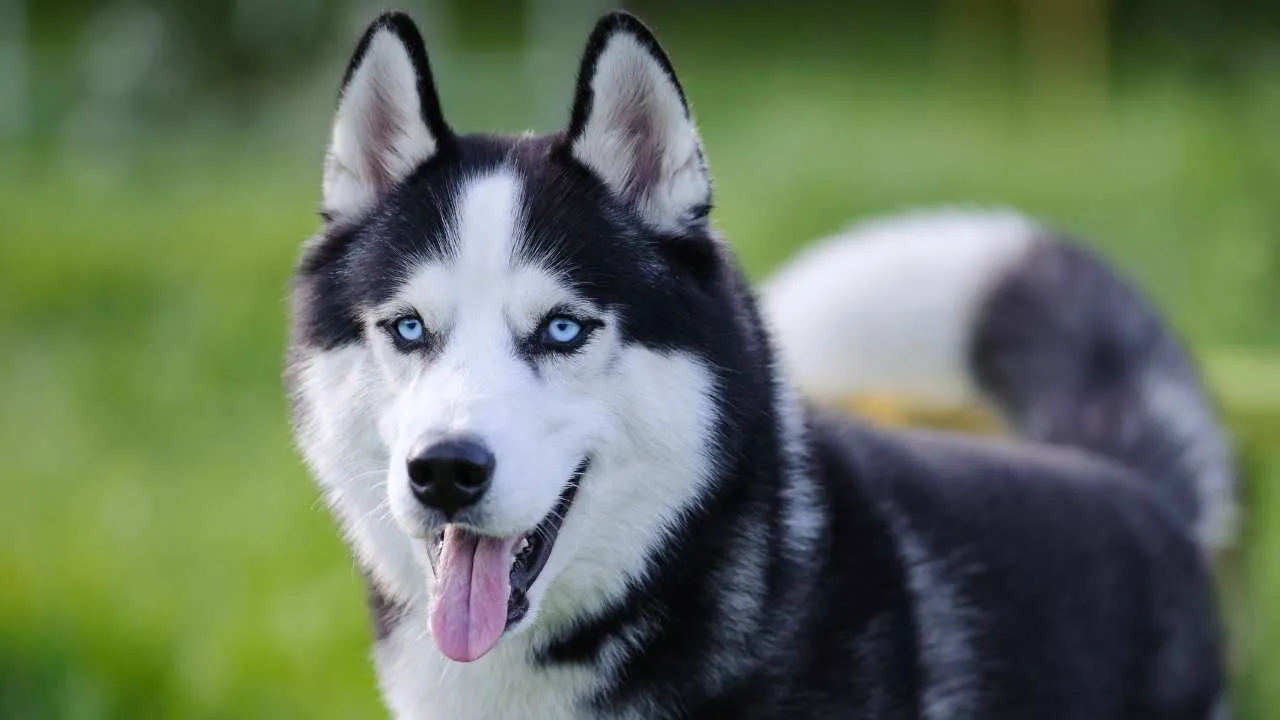
Developed in northeastern Asia to work in harsh, cold environments, the Siberian Husky is naturally suited to snowy trails and winter camping. Its stamina and efficient movement make it a strong candidate for long-distance hikes through chilly mountain landscapes.
According to Purina, Siberian Huskies are energetic, intelligent dogs that enjoy adventures and a variety of activities, especially those that let them run freely and have fun.
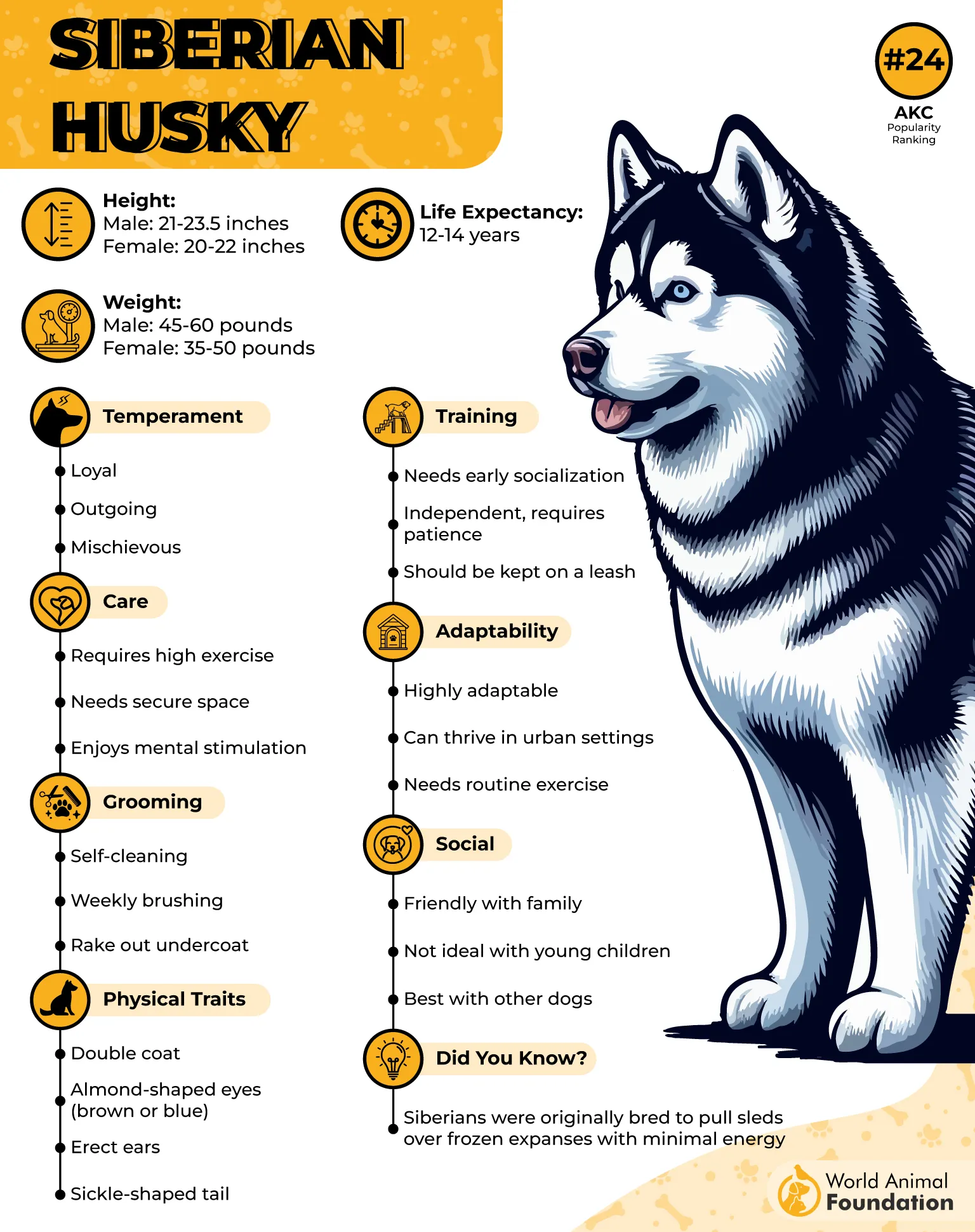
Huskies are friendly, intelligent, and full of personality, but their independent streak can make them mischievous when bored. They thrive on regular physical activity and mental challenges, so extended outdoor adventures can provide welcome outlets for their energy.
Training requires patience and consistency, particularly when teaching reliable recall. Because Huskies may wander if given the opportunity, keeping them leashed on trails is important until they respond dependably to commands. Owners should also provide plenty of exercise to help prevent boredom-driven escapes.
How This Breed Stands Out
Exceptional endurance on long trails: Exceptional endurance supports long-distance trail adventures
Efficient movement through snowy landscapes: Efficient movement and a thick coat suit snowy landscapes and cold conditions
4. Bernese Mountain Dog
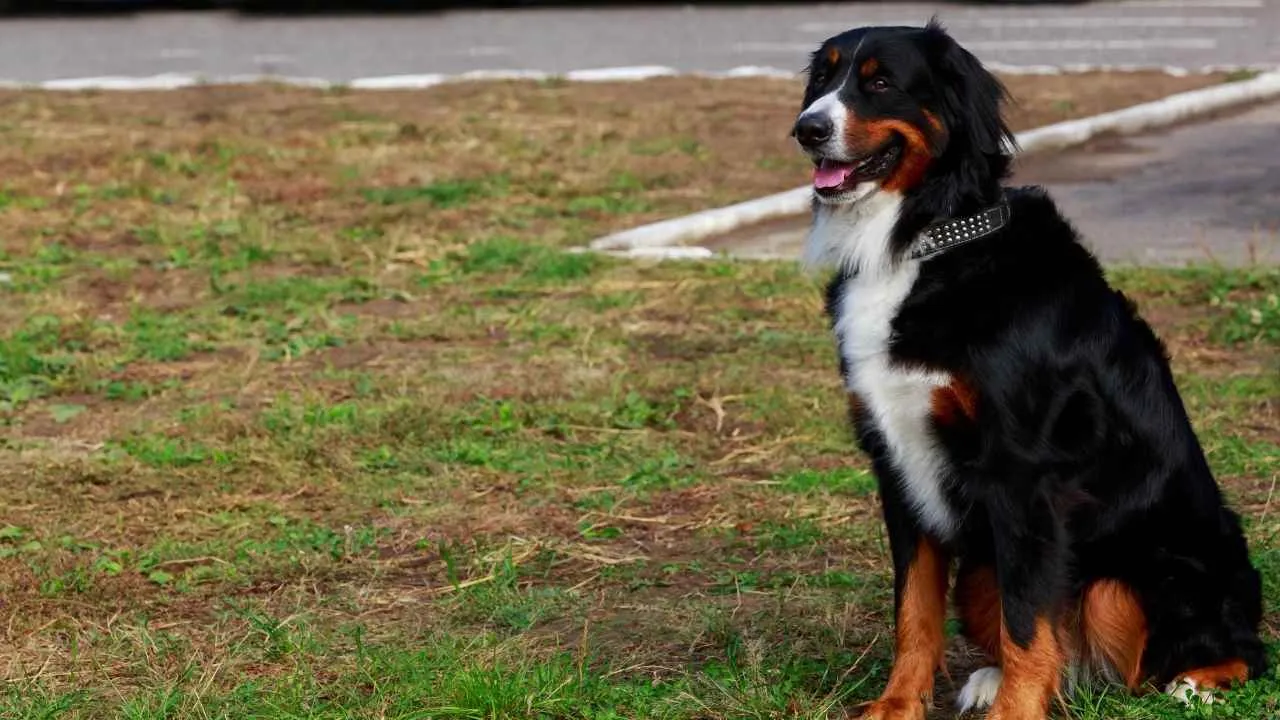
Originating in Switzerland’s Bernese Alps, the Bernese Mountain Dog was bred for demanding farm duties, including pulling carts and herding cattle. Its sturdy frame and strength reflect this working heritage, making it a capable companion for mountain trails and outdoor exploration.
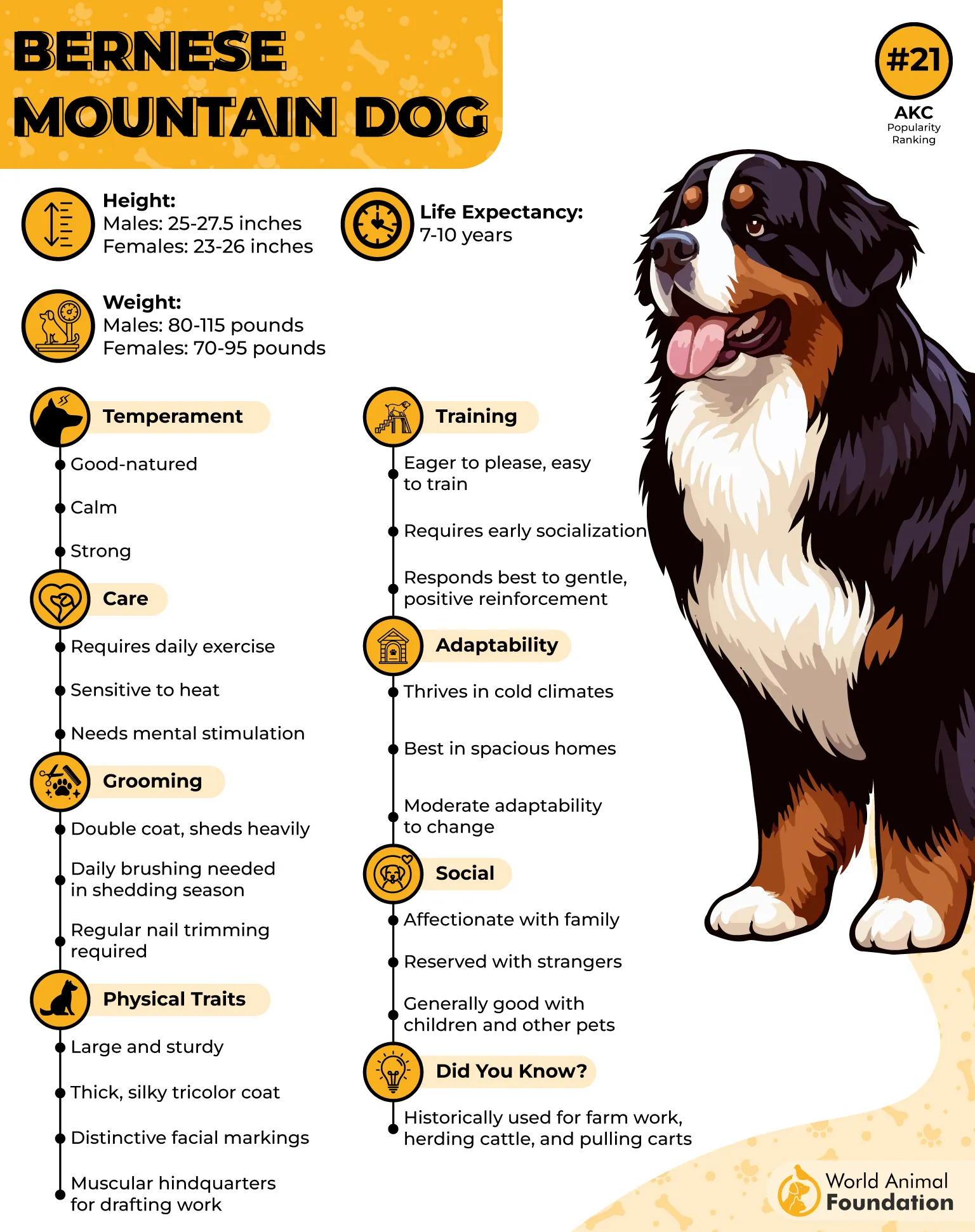
Beneath its thick, woolly coat lies a dog that enjoys steady activity without the relentless energy of some working breeds. Berners are particularly suited to cool-weather camping, as their heavy coats make hot conditions uncomfortable. Plan outings with shade, water, and regular rest breaks.
Despite their impressive size, Bernese Mountain Dogs are affectionate, gentle family companions that may be reserved around unfamiliar people. Before attempting strenuous hikes, owners should check with a veterinarian about their dog’s fitness, especially given the breed’s susceptibility to certain joint problems.
How This Breed Stands Out
Sturdy build rooted in Alpine farm work: Sturdy build reflects its heritage of demanding Alpine farm work
Calm companionship at cool mountain camps: Gentle, calm companionship suits relaxed stays at cool mountain camps
5. Australian Cattle Dog
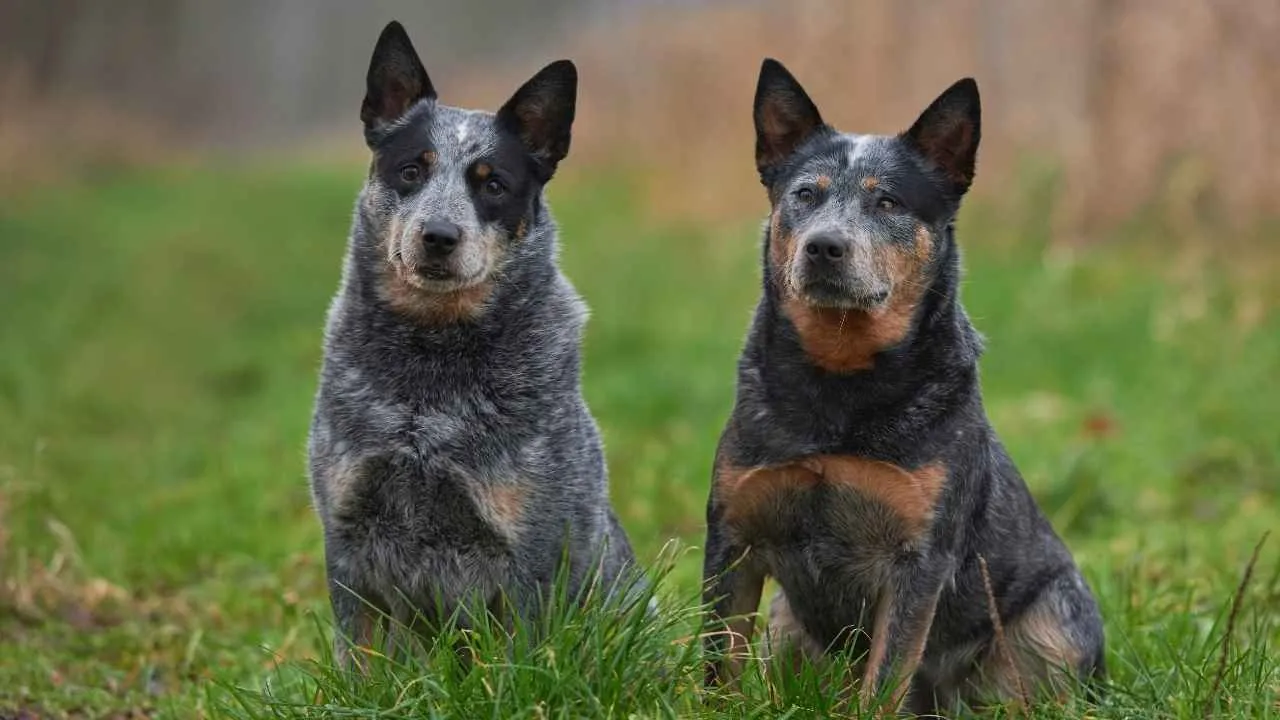
Bred to herd cattle across demanding farmland, the Australian Cattle Dog is a compact, athletic worker with impressive agility and stamina. Its experience handling challenging workloads makes it well suited to rugged hikes, rocky paths, and adventurous backcountry routes.
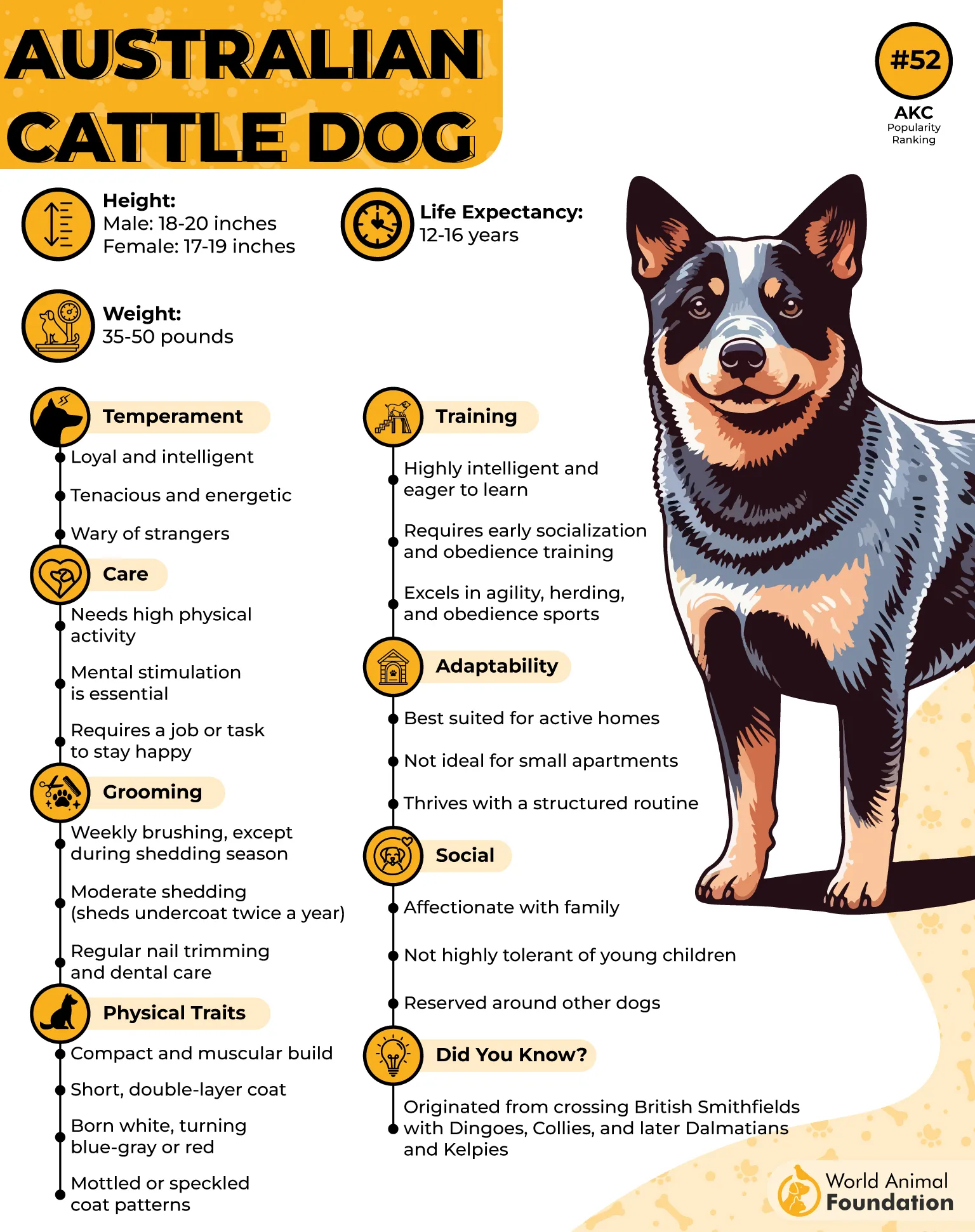
Intelligent and energetic, this breed thrives when given plenty of physical activity and tasks that engage its mind. Long hikes and challenging outdoor activities can help satisfy its strong working drive, while regular exercise is essential to prevent restlessness.
Australian Cattle Dogs are also deeply loyal, often staying close to their favorite people wherever they go. Their alert, determined personalities make them enthusiastic trail companions, particularly for owners who enjoy active outings and can provide consistent guidance.
How This Breed Stands Out
Agile movement across rocky ground: Agile, athletic movement helps it handle rocky paths and rugged ground
Tireless energy for demanding outdoor activities: Tireless energy supports demanding hikes and active outdoor pursuits
6. Norwegian Elkhound
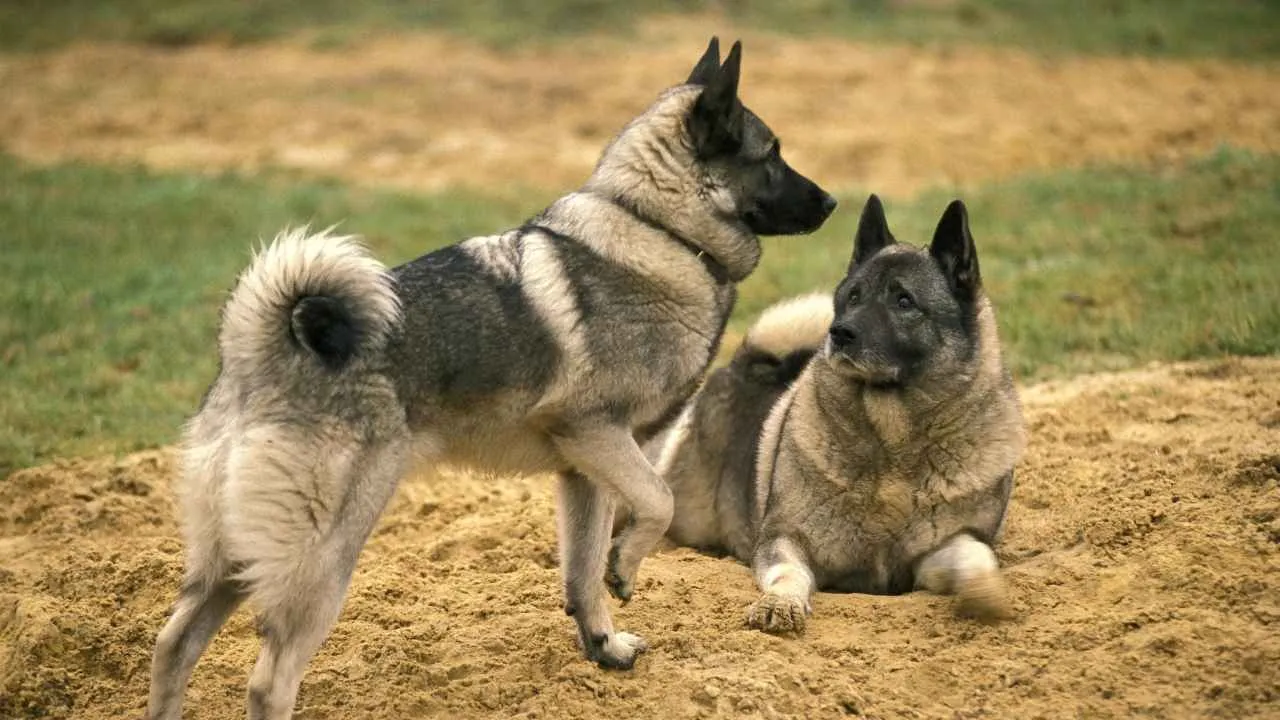
With roots in Scandinavia, the Norwegian Elkhound is an ancient northern breed historically used for hunting and valued for its toughness in challenging conditions. Its sturdy body, muscular legs, and deep chest help it handle rugged forest trails and demanding outdoor excursions.
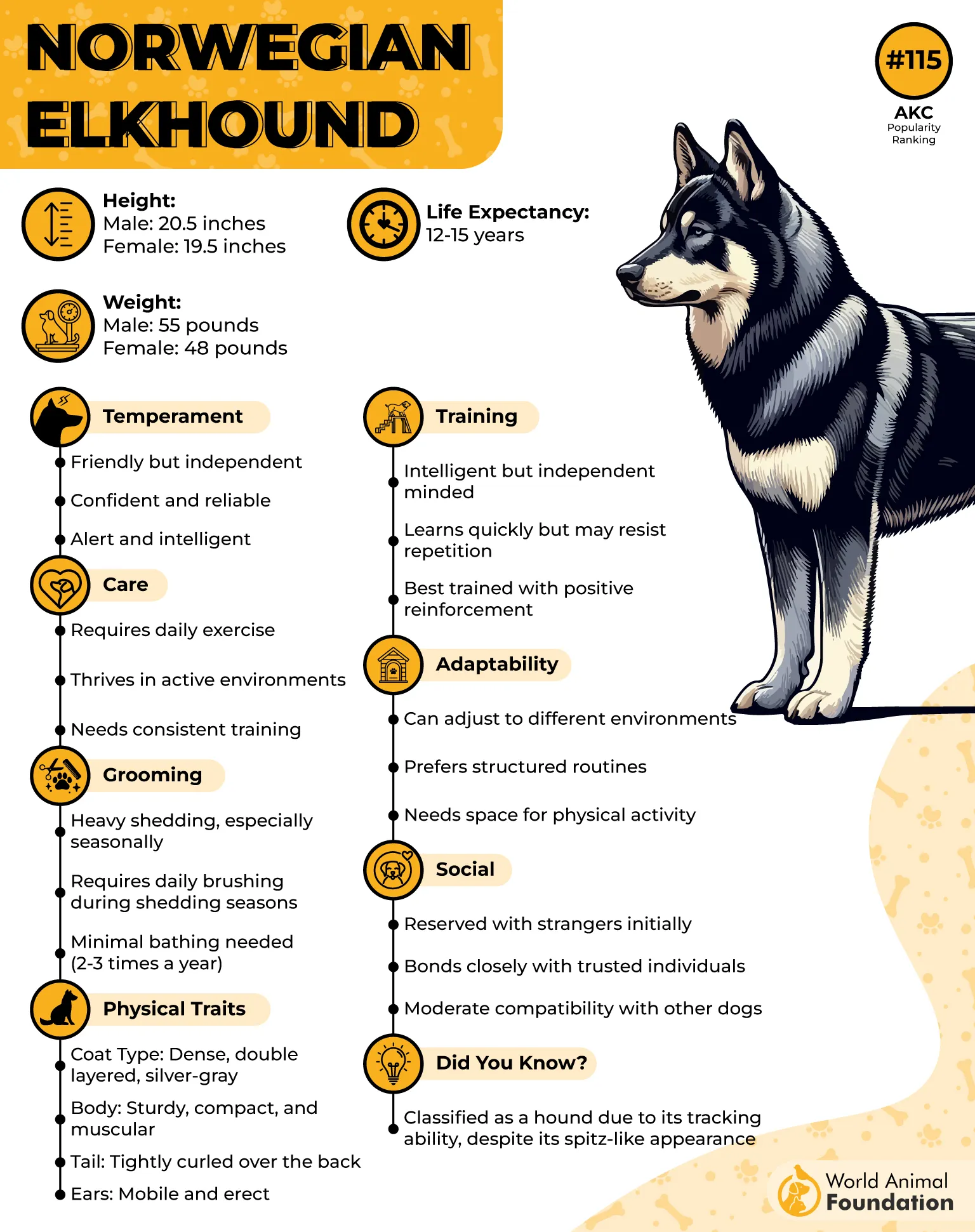
A dense silver-gray double coat offers protection in cold weather, while its curled tail and upright ears give this spitz breed a distinctive appearance. Intelligent, alert, and devoted to its family, the Elkhound can also be independent and naturally watchful around unfamiliar people.
This energetic dog needs vigorous daily exercise and consistent training to channel its working instincts. Norwegian Elkhounds are known to bark readily, so owners should consider this trait when camping near others. Their independent nature also makes patient leash training important on woodland trails.
How This Breed Stands Out
Cold-weather hunting heritage: Northern hunting heritage reflects its adaptation to cold-weather environments
Sturdy frame for rugged forest trails: Sturdy frame and muscular legs support exploration along rugged forest trails
7. German Shepherd
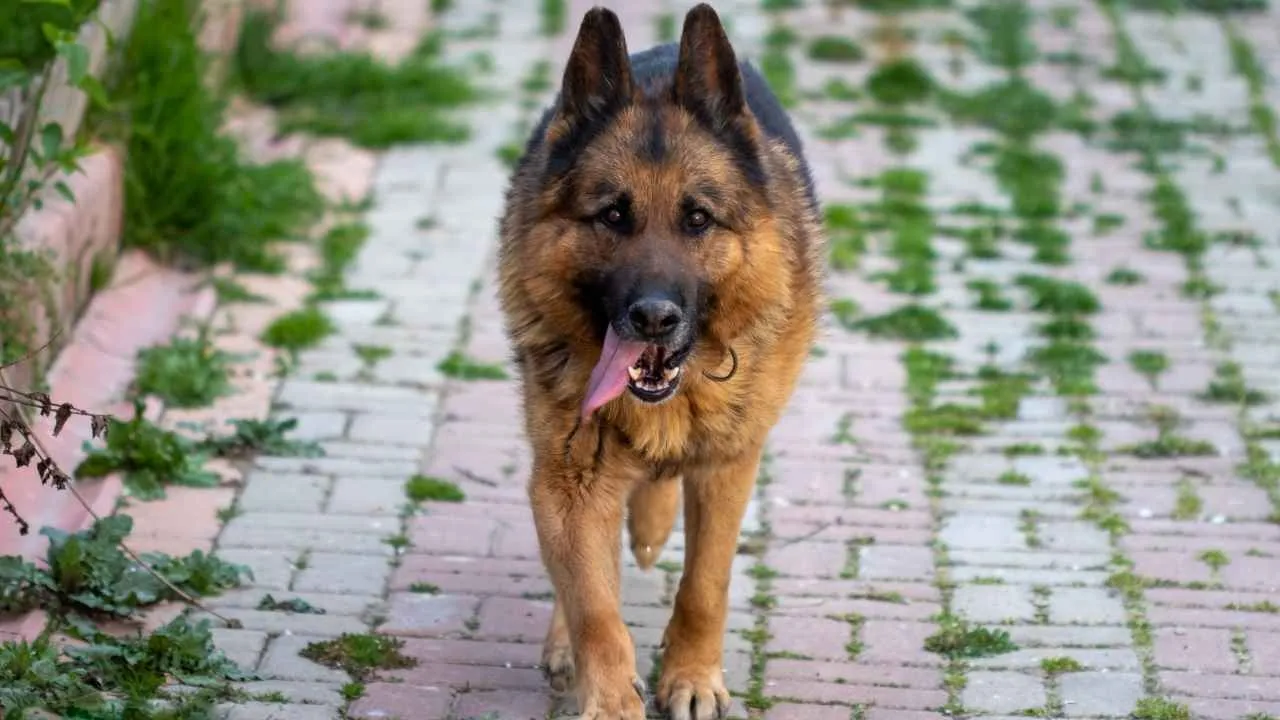
Originally developed for herding sheep, the German Shepherd has become a remarkably versatile working dog. Its muscular frame, sturdy legs, and durable build help it handle varied terrain, from woodland paths to challenging mountain trails.
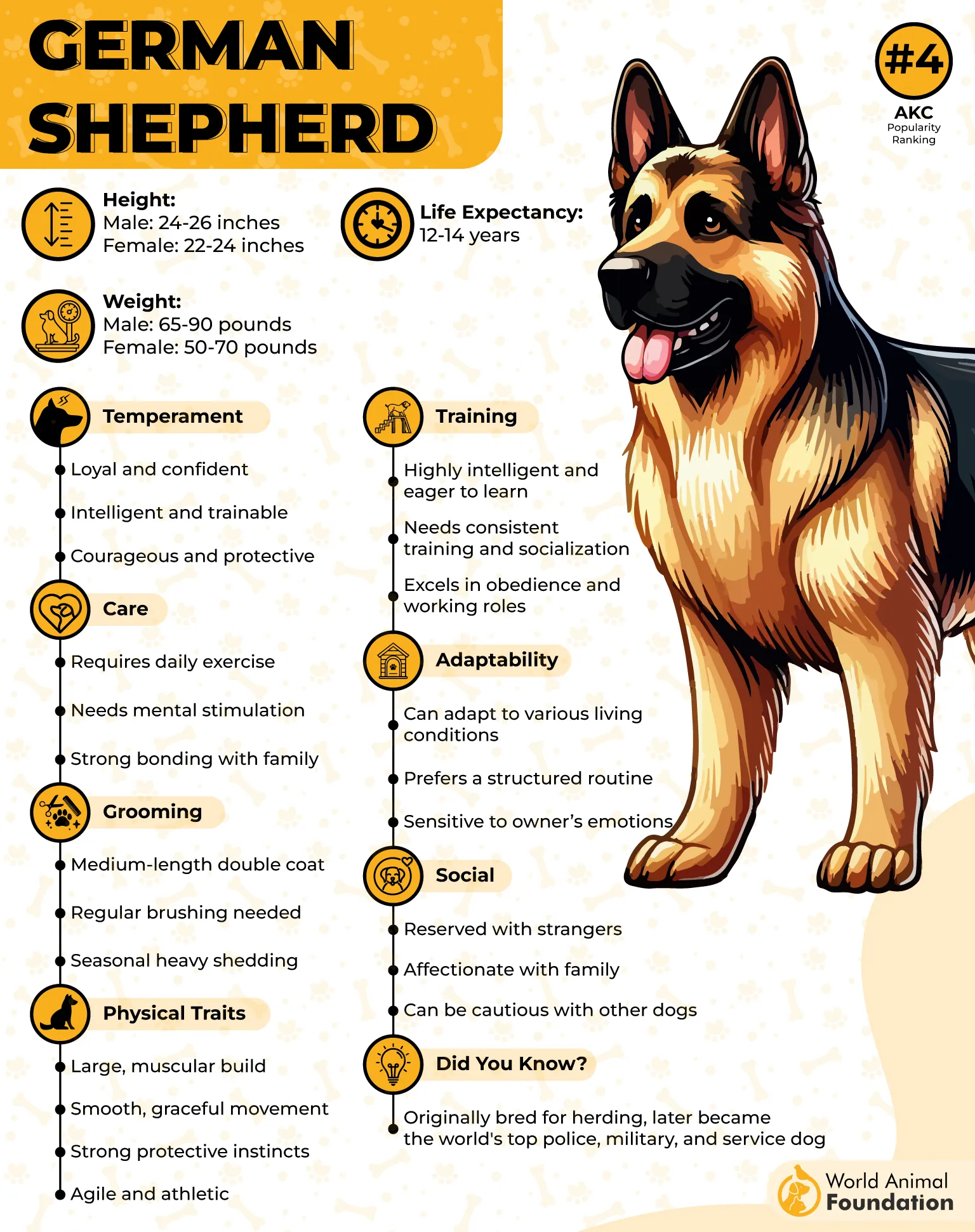
Highly intelligent and eager to learn, this breed thrives on activities that engage both body and mind. German Shepherds have worked in search and rescue, tracking, and other demanding roles, reflecting their ability to tackle outdoor challenges with focus and determination.
Loyal to their families and naturally alert, German Shepherds can be cautious around unfamiliar people. Early socialization, consistent obedience training, and daily exercise help channel their protective instincts.
Their responsiveness to guidance can be especially valuable on backcountry adventures, where reliable commands and awareness of the surroundings matter.
How This Breed Stands Out
Versatility across rough terrain: Versatile working ability helps it adapt to forests, hills, and varied terrain
Alert, responsive nature for outdoor challenges: Alert, responsive nature makes it a capable companion for outdoor challenges
Conclusion
Camping and backcountry adventures become even more rewarding with an athletic dog that enjoys the outdoors as much as you do. Each breed has its own personality, working instincts, and exercise requirements.
Before choosing a trail companion, consider the climate, terrain, and intensity of your planned adventures. Proper training, regular exercise, and suitable rest are essential for keeping your dog comfortable and safe outdoors.
With the right preparation and a compatible companion, you can explore mountain paths, forest trails, and peaceful campsites together while building a stronger bond along the way.
