




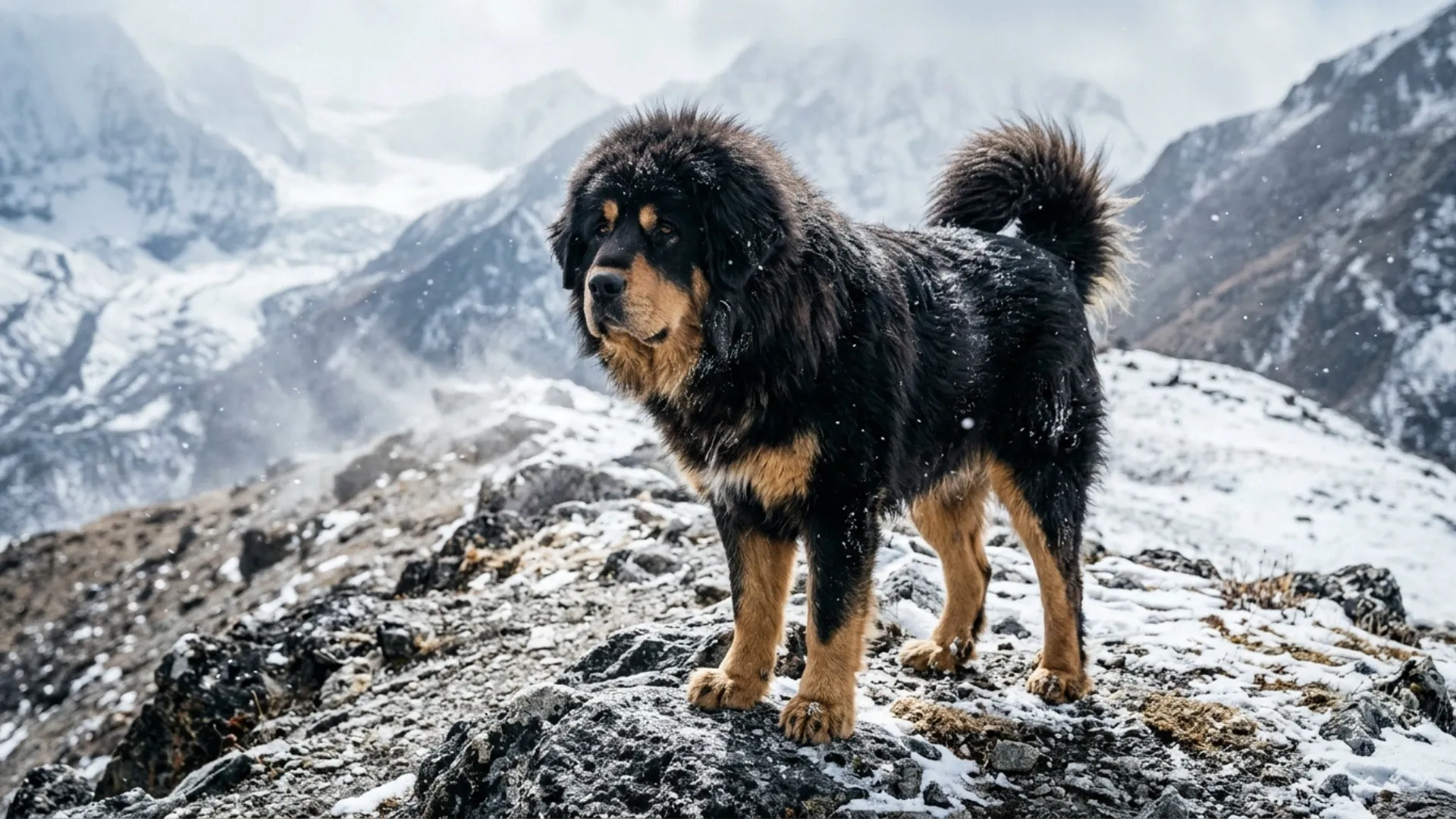
There are some dogs that are well suited for environments that other breeds can’t survive in. Whether they trot through icy mountain trails or sunbathe in hot open terrain, their coats, bodies, and working lives help them deal with difficult conditions.
These extraordinary dogs have been bred for hard work, sometimes alongside individuals who relied on their strength and endurance.
But no breed is impenetrable. Every dog needs appropriate shelter, fresh water, and rest. The knowledge of what makes each breed resilient provides insight into where it is successful and what the owner should be aware of when it comes to its limits.
Dog Breeds That Survive and Thrive in Extreme Conditions
1. Siberian Husky
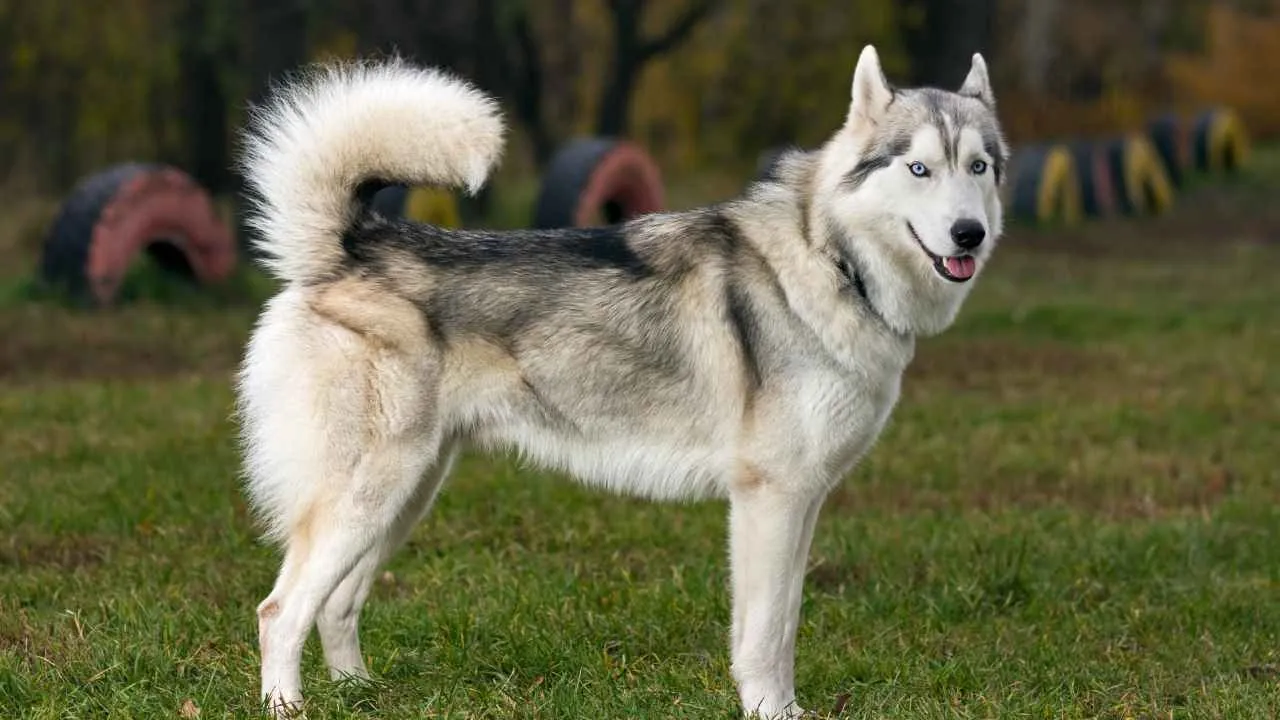
There are a few dogs that are as resilient to cold weather as the Siberian Husky. Bred by native Siberian people, these dogs were used for sledding in extreme temperatures. What makes them successful is their endurance and not their size or strength.
The double coat of a Husky makes it warm and protects it from cold weather. The thicker undercoat is good for warmth, and the outer smooth coat protects it from the weather. It is also a very athletic animal with efficient movement, which allows it to travel a great distance without expending energy.
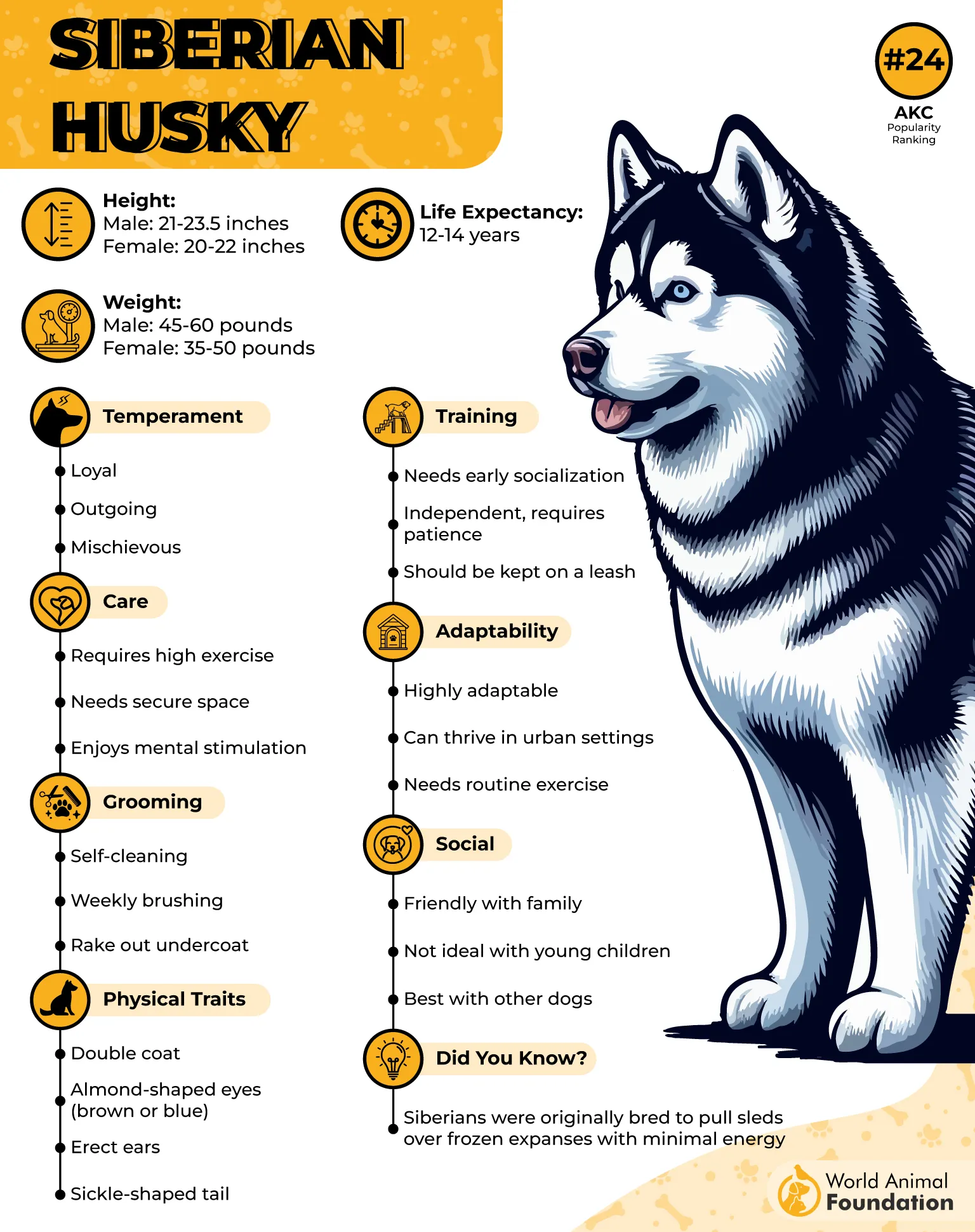
However, the Huskie’s real strength is its stamina. Such dogs are designed to be able to work together as a unit for extended periods of time and over long distances, so they need to be exercised and stimulated in a home environment regularly, according to Pedigree. Intense exercise must be supervised in hot weather since this dog is made for cooler climates.
2. Alaskan Malamute
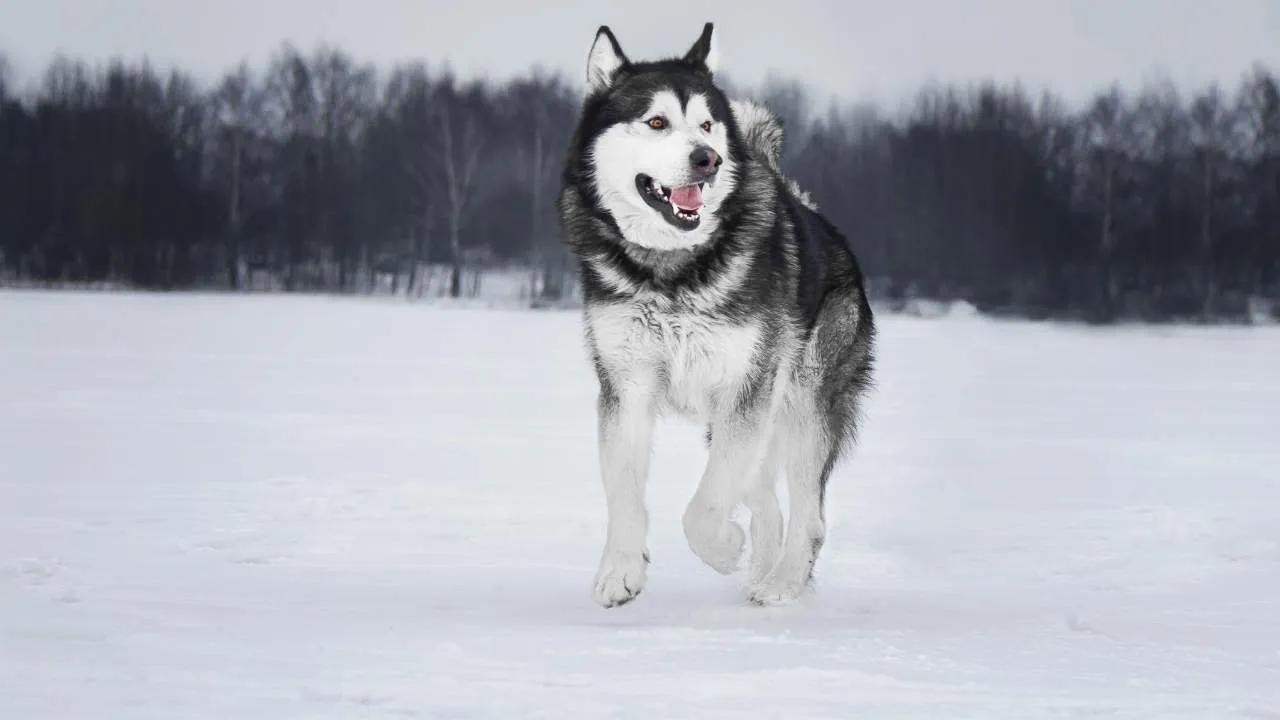
The Alaskan Malamute was bred to be a heavy hauler in the Arctic. It was comfortable carrying heavy objects over long distances with speed. This dog is larger and stronger than the Siberian Husky.
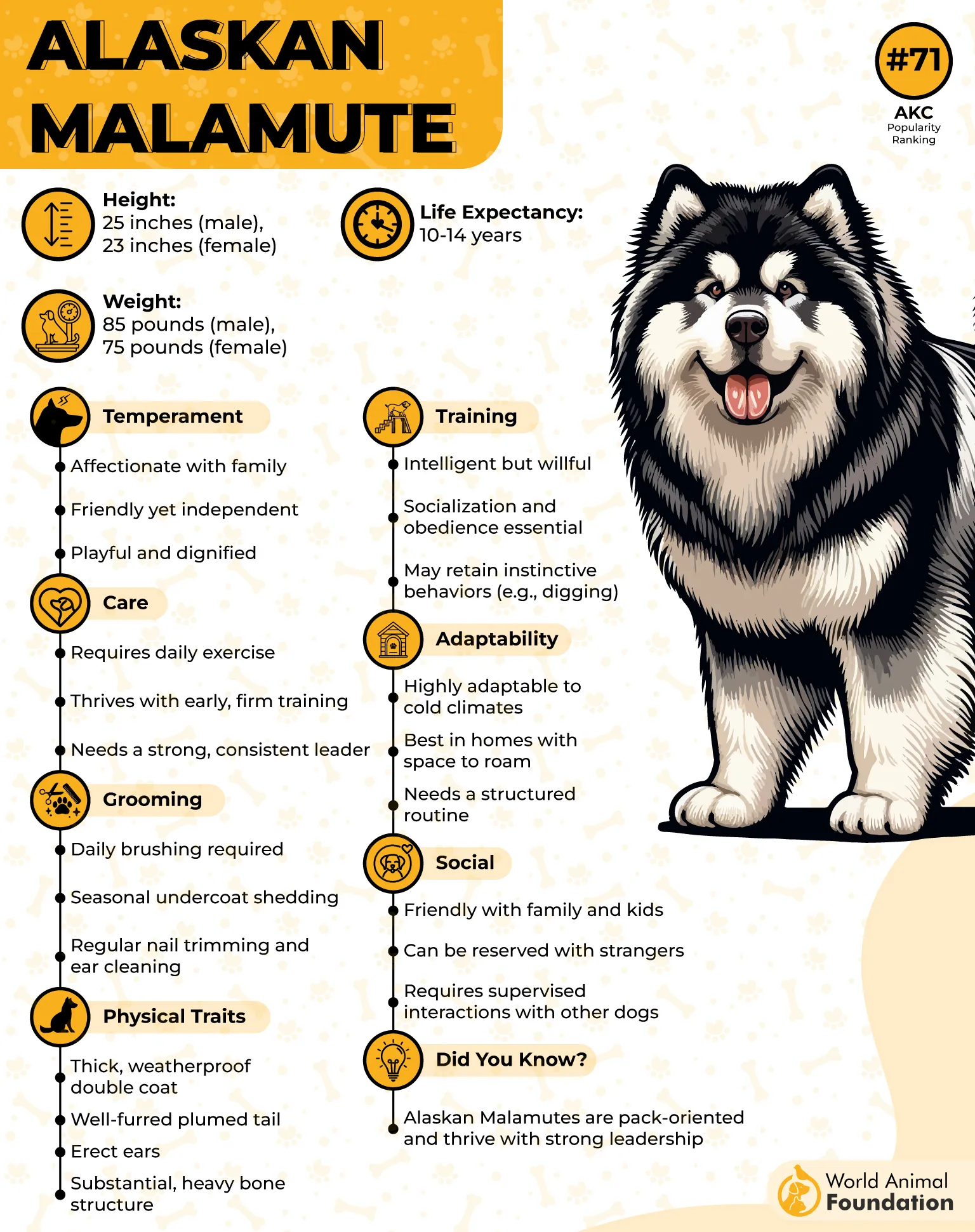
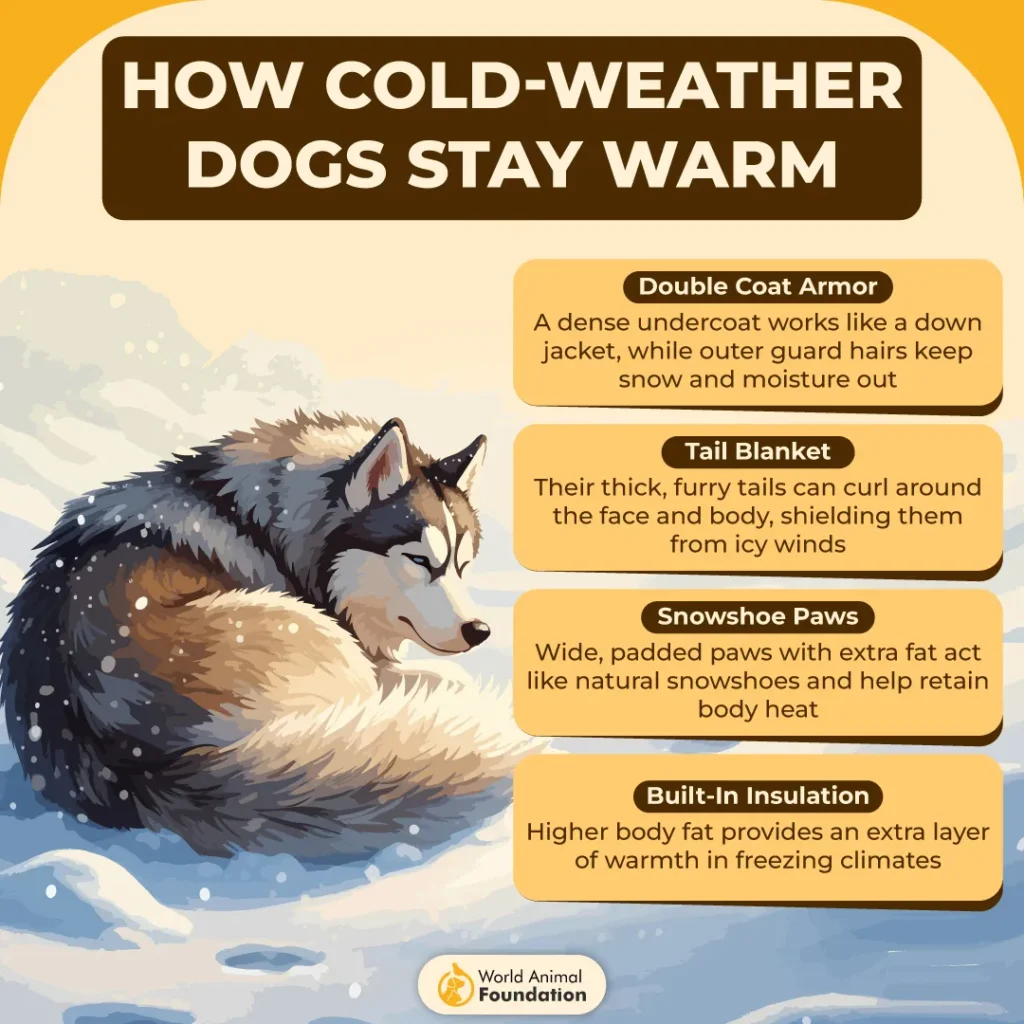
The thick double coat keeps it warm in cold weather, and a sturdy body, wide paws, and strong shoulders are ideal for heavy snow and stony terrain, according to the American Kennel Club. These dogs have been in service to communities that used them for transportation and other purposes in harsh climates.
They shed heavily in the spring and need to be brushed regularly to control the loose hair. During the warm season, owners need to be careful not to overwork these dogs so they can stay healthy. Experienced owners should be mindful of good nutrition because these dogs will need strength to carry heavy loads.
3. Tibetan Mastiff
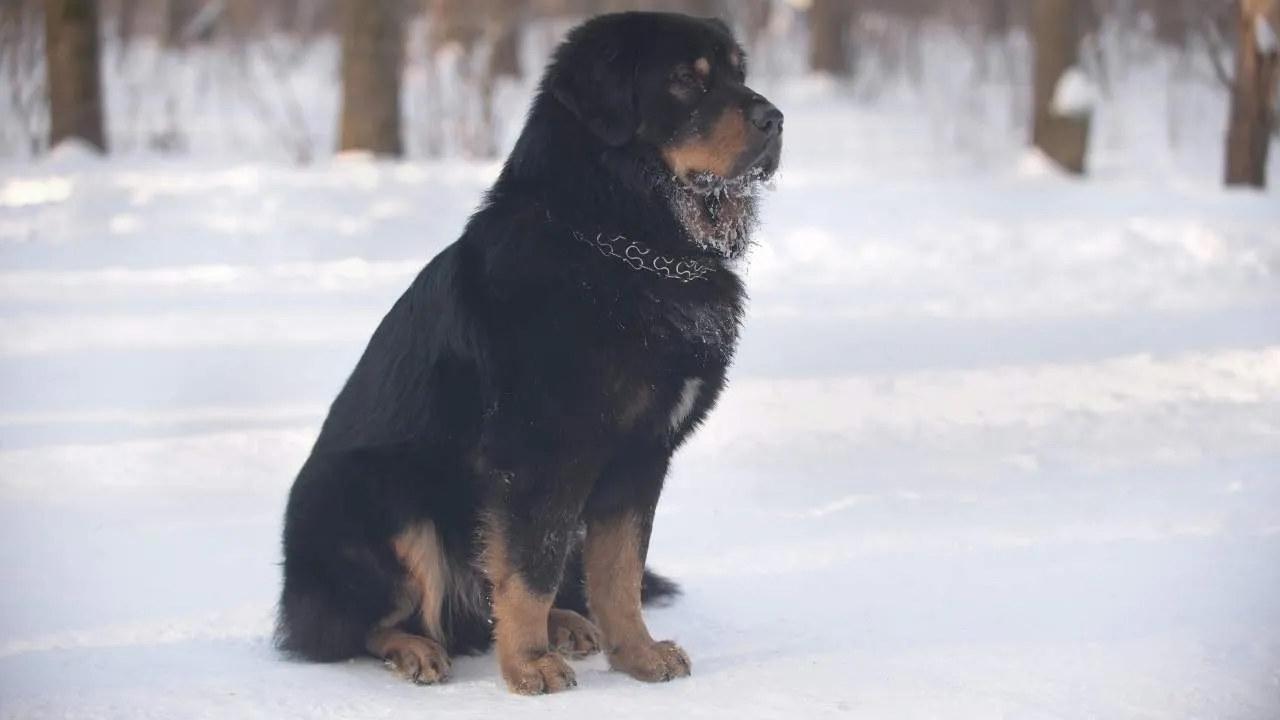
The weather can be harsh in the high altitudes of the Himalayas. The Tibetan Mastiff is a strong, protective dog that was bred to stand guard over livestock and property. This adaptable dog can survive in harsh weather and rough terrain.
It has a thick weatherproof coat that insulates it against cold weather. The thick fur also protects the dog in rough mountainous areas. This ancient breed needs mental and physical stimulation along with physical exercise to stay active and fit.
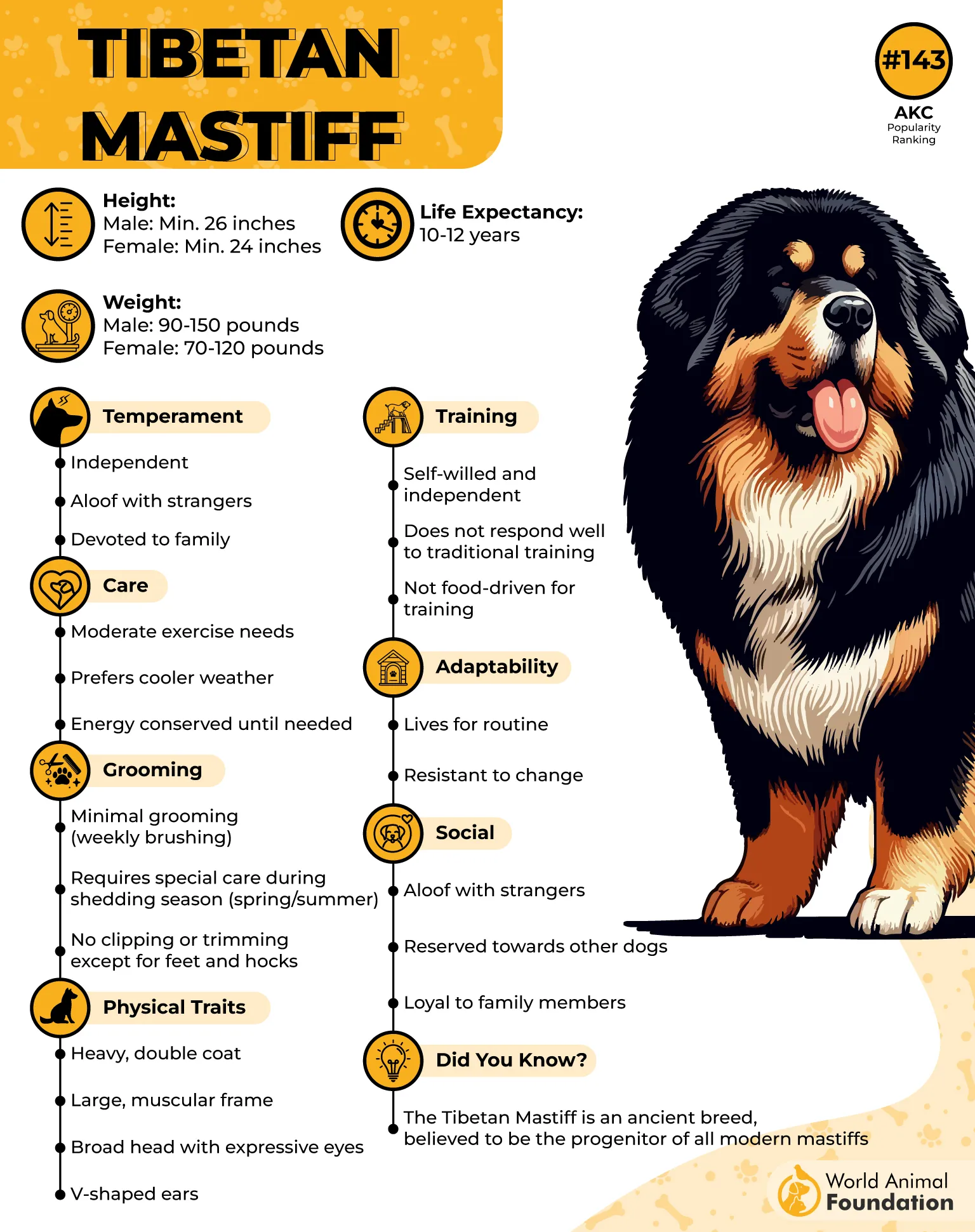
Tibetan Mastiffs have a protective and independent nature. This breed originated for the purpose of being good guard dogs. They can get quite hot in warm weather, which is why pet parents need to keep a check on their body temperature. They cannot be relied upon to behave reliably off-leash, which is why recall training is necessary for these gentle giants.
4. Norwegian Elkhound

Originally developed in the Scandinavian region, the Norwegian Elkhound is a tough dog able to survive in a very harsh environment that consists of cold winters, hard rock terrain, and vast tracts of forest. It has a history of tracking and hunting big game, especially moose.
It has double-coated fur that is cold-proof because of a tightly packed undercoat and a protective outer coat. This combination of coats retains warmth while also providing protection from dampness and cold. It has a compact, muscular body that gives it endurance and agility for scuttling on uneven terrain.
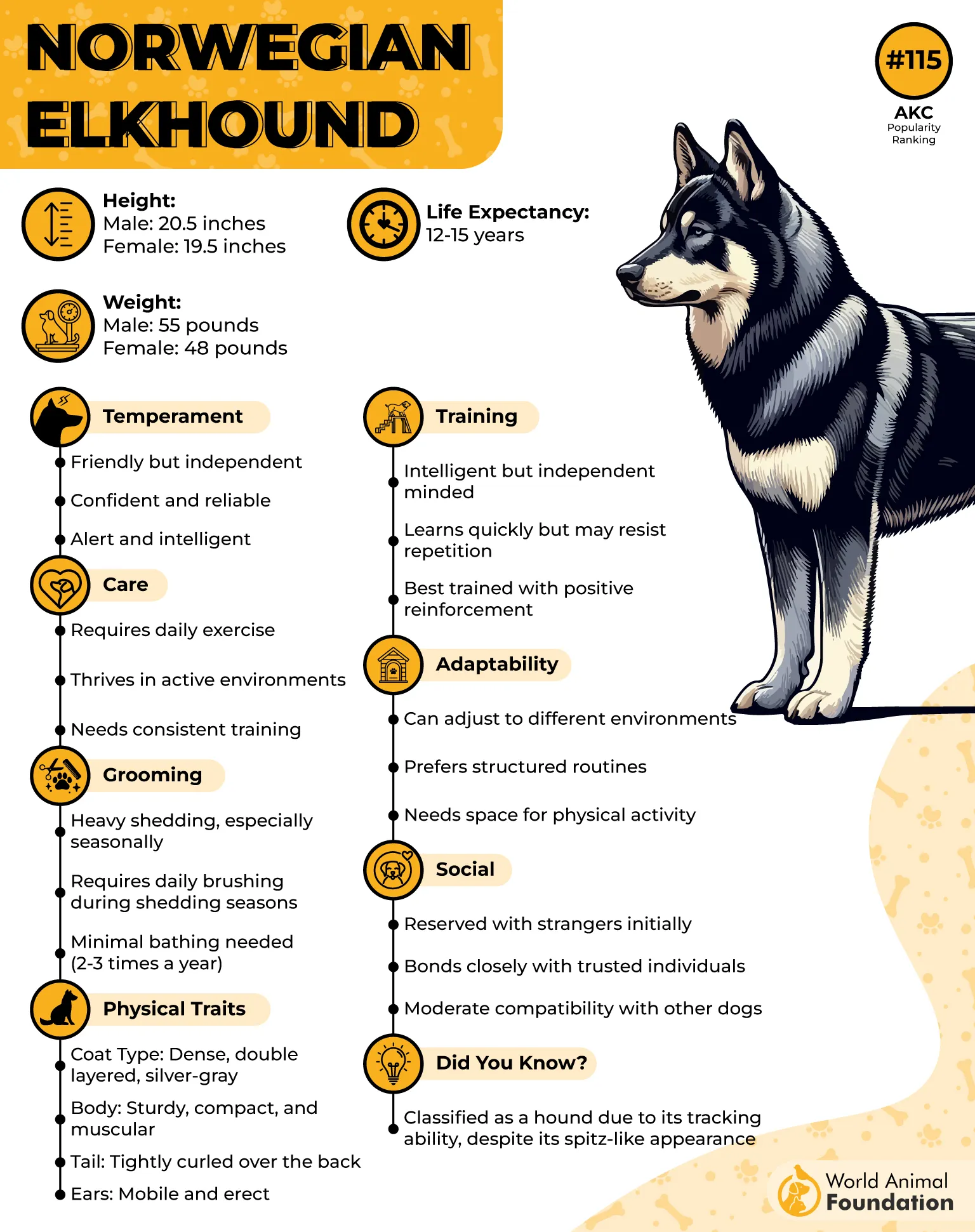
This four-legged friend is certainly full of energy. It requires plenty of exercise, exploration, and stimulating smell training. It may become noisy or seek out its own entertainment if not stimulated, according to Purina.
Regular brushing is part of coat maintenance, but it will need to be more intensive during the shedding season. Owners should also check their dogs’ paws after walks on icy or rough surfaces.
5. Saint Bernard
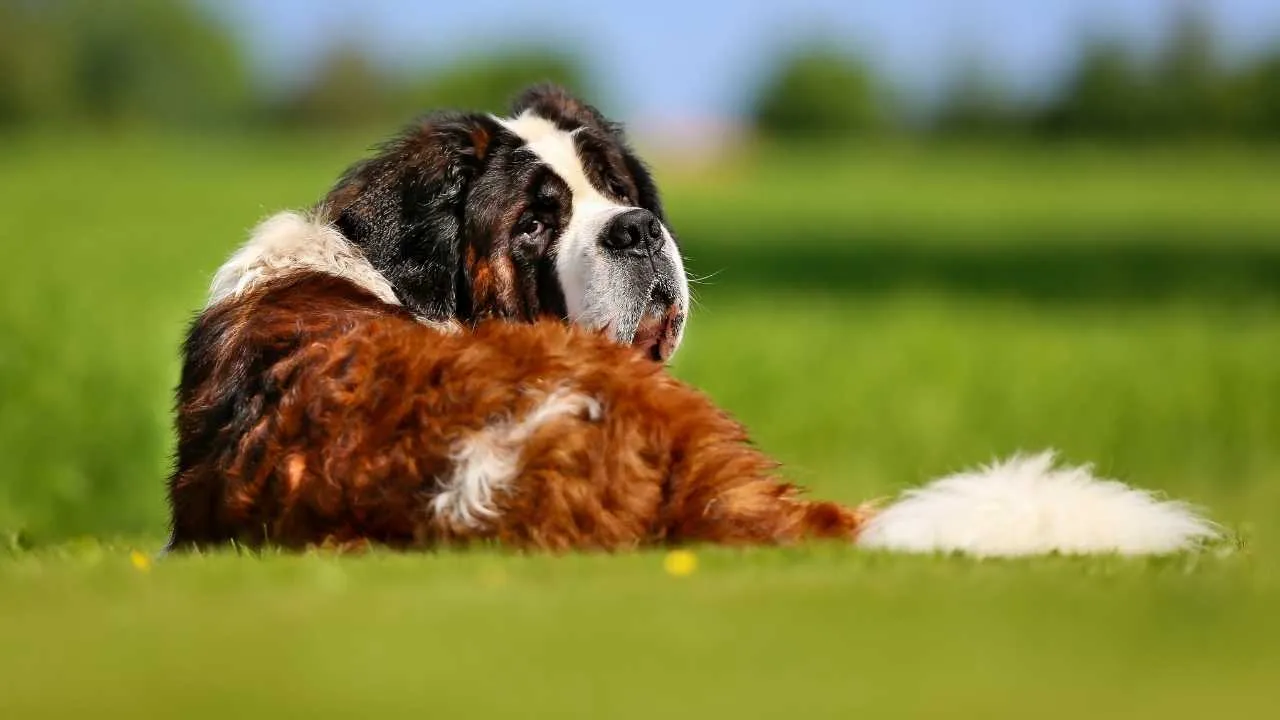
The Saint Bernard was bred in the Swiss Alps. This search and rescue dog did its job in the vicinity of the Great St. Bernard Pass, where travellers had to endure harsh mountain weather. It is large, strong, and cold-tolerant, making it invaluable in the challenging environment.
They have thick bodies and fur, which insulate them. Originally, Saint Bernards were used to search for and help travelers in trouble, using their speed and their keen sense of smell.
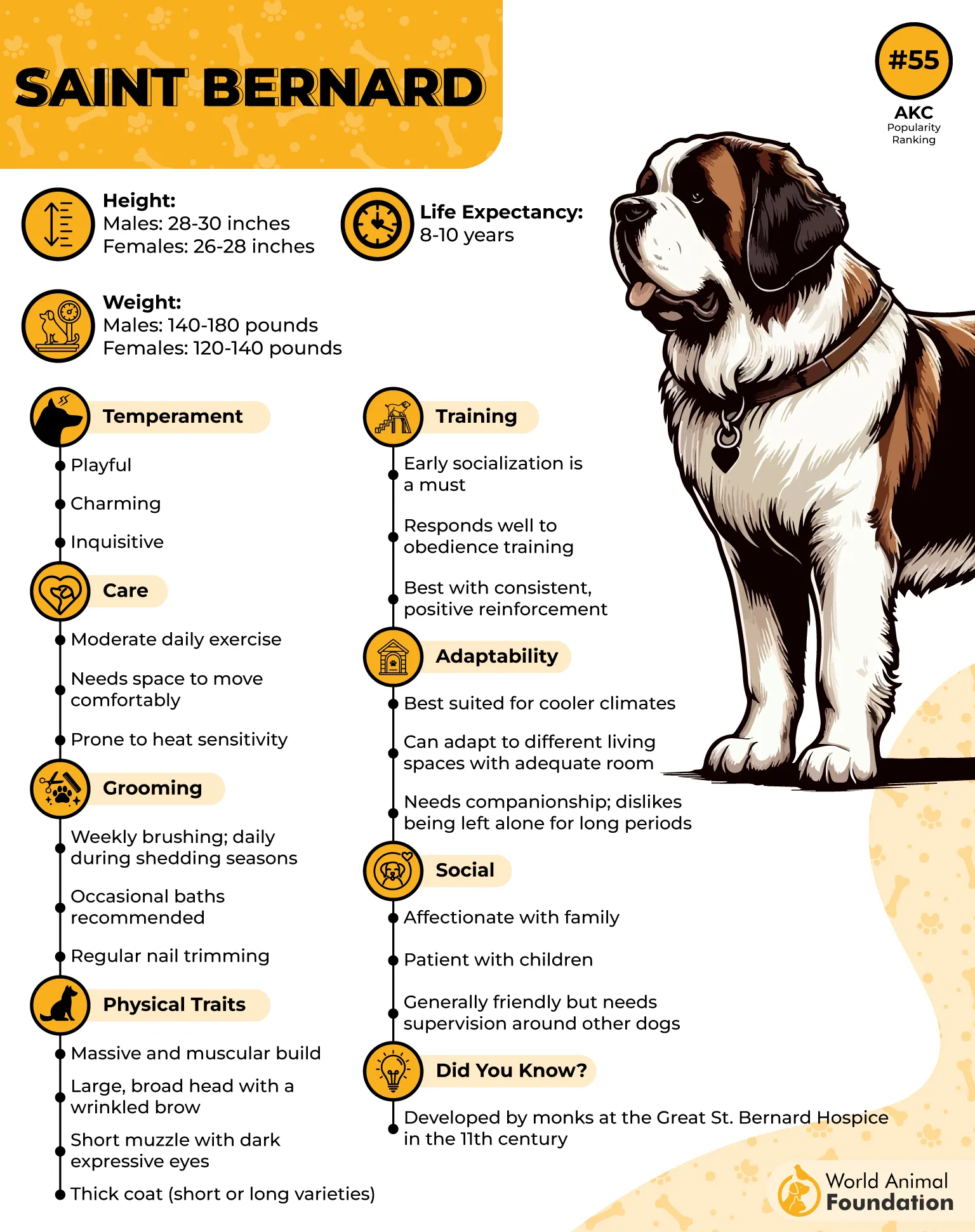
Though they are big, these dogs have a gentle and patient personality. They require moderate exercise regularly to keep them healthy, but strenuous exercise may not be appropriate for all, especially during warm weather.
They need to be brushed regularly and have sufficient room to move around.
6. Rhodesian Ridgeback
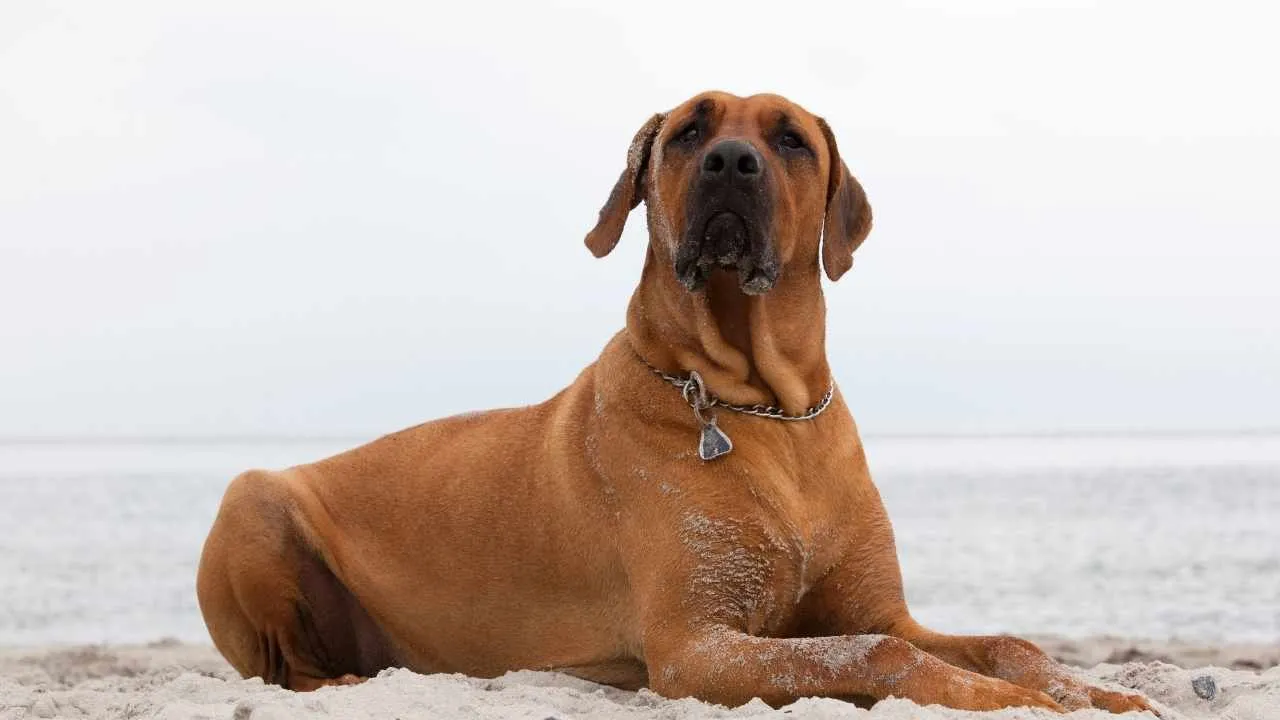
Not all conditioned dogs were bred for cold winters. The Rhodesian Ridgeback’s origins date back to the southern part of Africa, where warm conditions, open spaces and arduous hunting activities created a distinctly different kind of working dog.
It has a short, dense coat which is relatively easy to groom, and it retains less insulating fur than northern breeds. It is a very fit animal and able to run long distances in warm climates. It is named for its unique ridge of hair along its back.
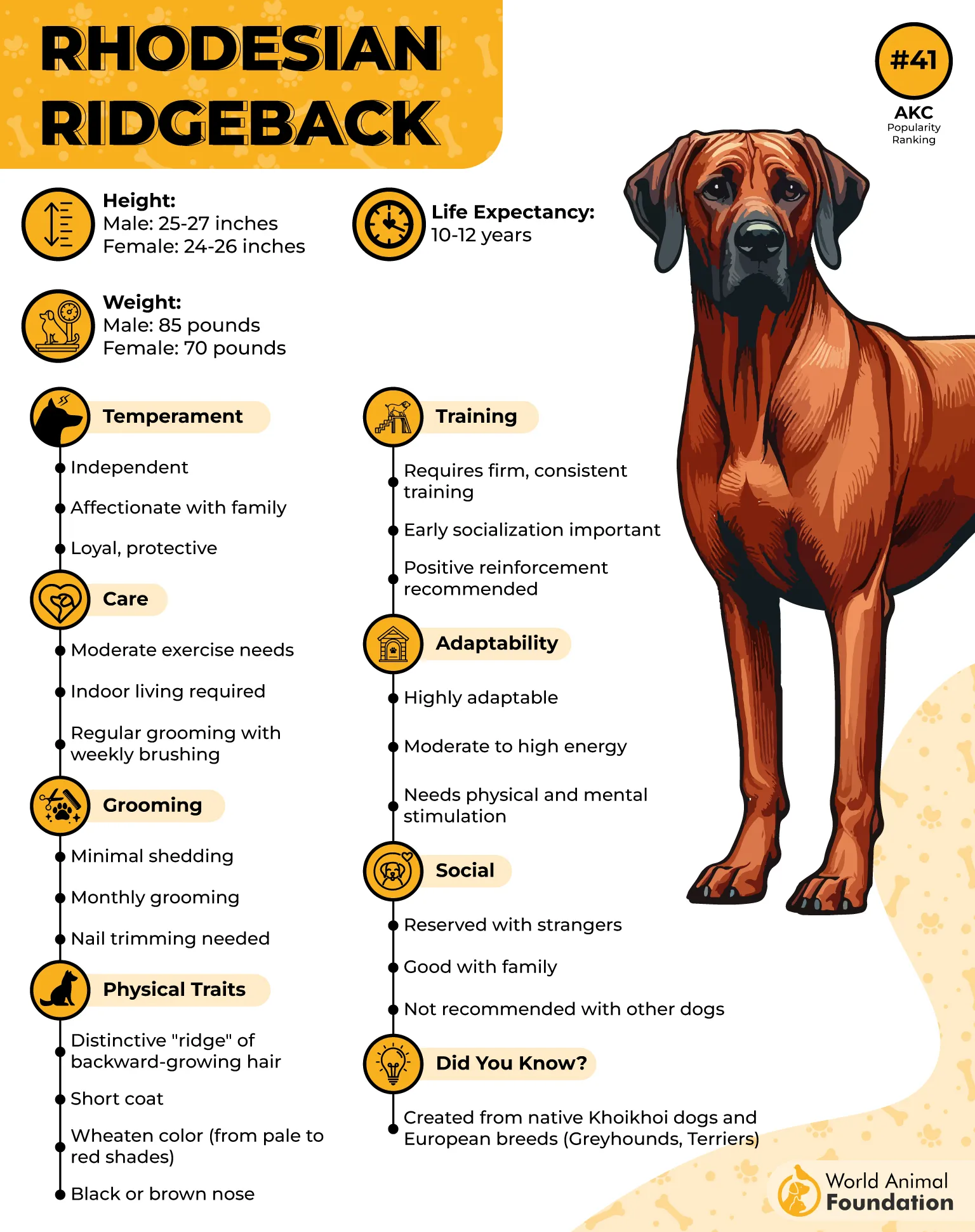
Rhodesian Ridgebacks are athletic and strong dogs that require regular exercise and proper training. Their hunting heritage means they are prone to chasing moving animals. They should be enclosed in a fenced area to avoid accidents.
These dogs were used to hunt big game in harsh summers. Their short coat helped them stay cool, and they had great endurance in chasing prey over large distances.
7. German Shepherd
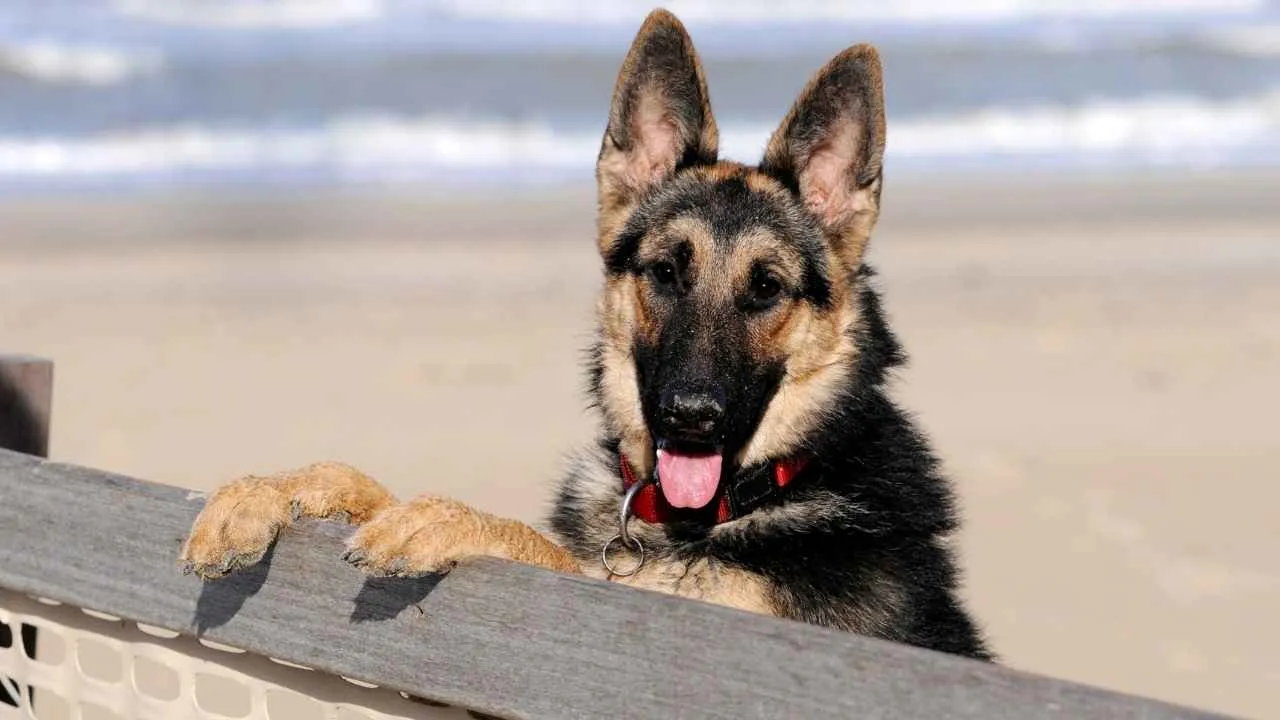
The German Shepherd dog breed is known for being versatile, hardworking, and adaptable. Originally bred in Germany as a herding dog, it has been used for many purposes including search and rescue, service work, and law enforcement. Its success in various environments is evidence of its intelligence, physical ability, and trainability.
German Shepherds have a double coat, which helps protect them from the changing weather. The undercoat insulates, and the outer coat acts as a deterrent to moisture and dirt.
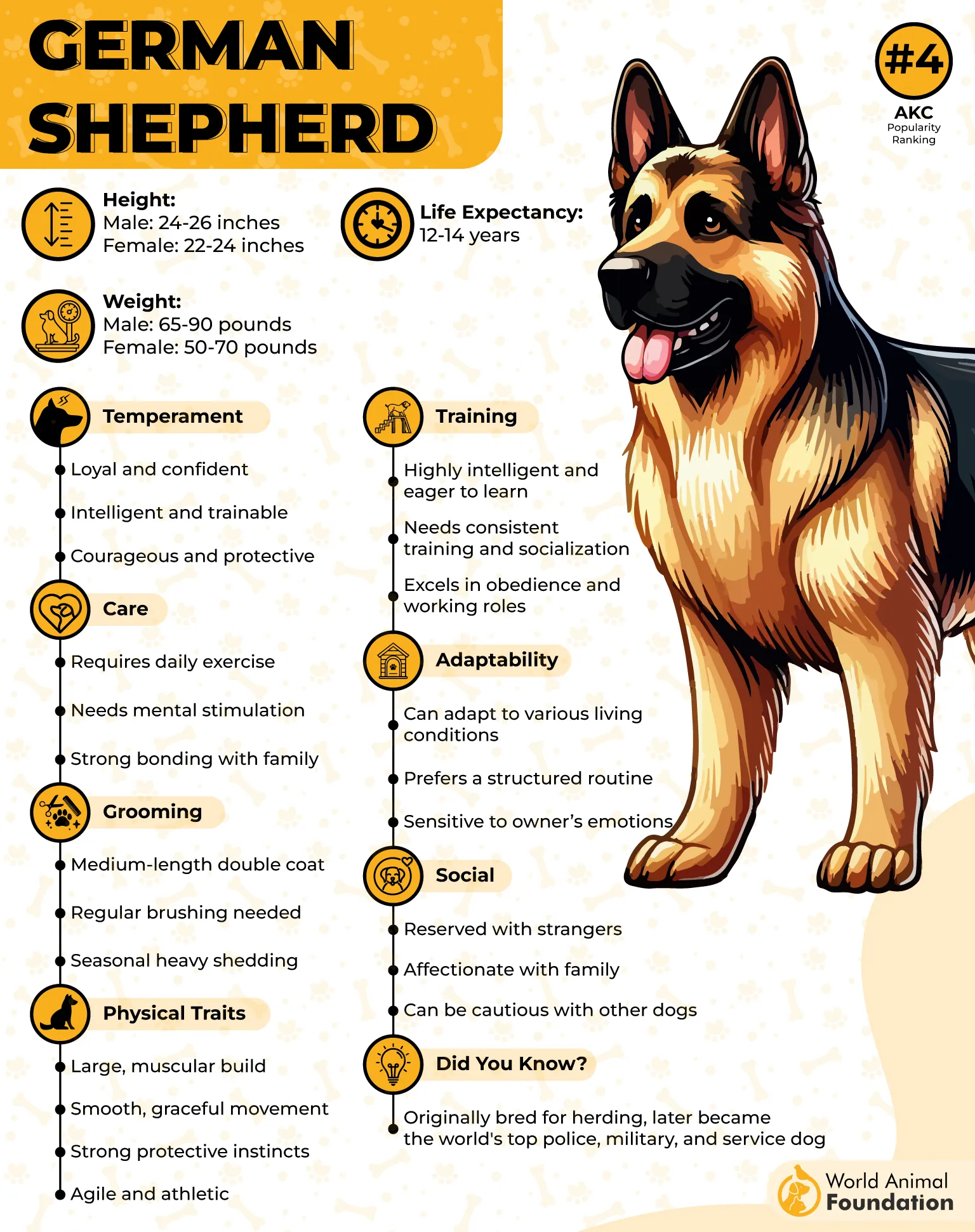
These dogs require mental stimulation, training, and exercise. They can comfortably work in cooler temperatures if properly conditioned, but high temperatures make them susceptible to overheating.
Regular coat maintenance can help to remove loose hair and keep the coat in good condition. It is recommended not to shave their coat as it provides insulation and protection from the harsh weather.
Conclusion
It’s only under extreme conditions that you can see how different the above-listed dogs are from the rest of the breeds. These dogs were bred with purpose and intent, and many of their attributes have been passed on through their lineages.
All the pups in this guide have common characteristics. Some of them have a muscular build, while others are highly intelligent dogs that do well in low temperatures as well as when temperatures rise. Their high energy makes them good for hunting large game and even spending time outdoors when the weather is harsh.
However, they still need an adaptable phase and some care from their owners. The weather can be very unpredictable in these harsh places, and owners should provide appropriate shade and be aware of their dogs’ health at all times.
