




Some dogs walk into a room and immediately become everyone’s best friend. In contrast, others prefer sitting quietly in the corner, observing the situation, and deciding whether socializing is even worth the effort.
Sound familiar? If your ideal weekend involves staying home, avoiding unnecessary drama, and spending quality time with a few favorite people, you might have more in common with certain dog breeds than you think.
These dogs bring serious introvert energy, whether through their independent personalities, reserved behavior around strangers, or preference for peaceful household routines. They’re not necessarily antisocial; they express companionship in ways that can feel more selective, subtle, and personal.
Let’s explore seven fascinating breeds whose personalities can make them wonderful companions for people who believe that staying home is sometimes the ultimate luxury.
Dog Breeds That Embrace Introverted Energy
1. Shiba Inu
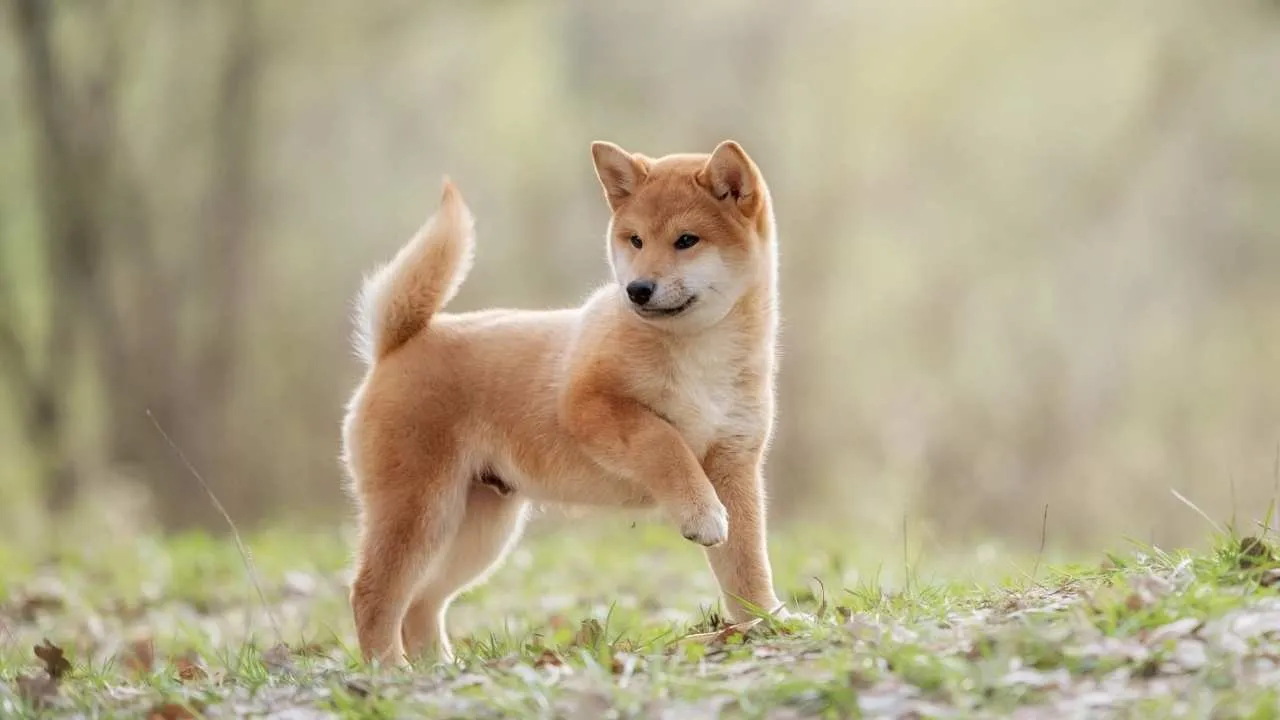
The Shiba Inu’s naturally reserved attitude toward unfamiliar people makes it one of the clearest examples of introvert-like behavior among popular companion dogs.
They often form strong attachments to their families while staying noticeably selective about physical affection and attention. Unlike overly enthusiastic dogs that demand constant cuddles, many Shibas prefer to sit nearby, watch their humans, or approach for affection only when they’re interested.
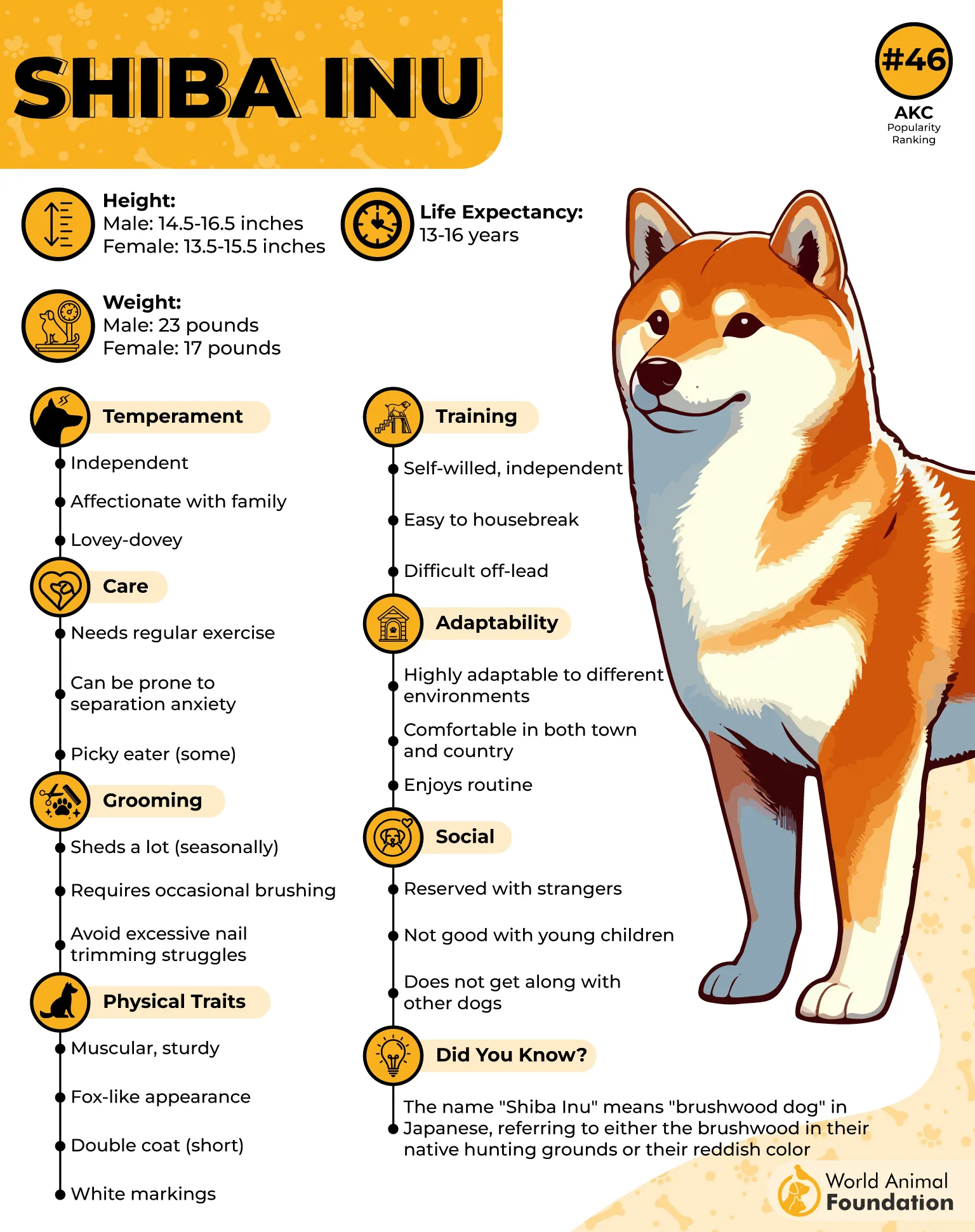
Their preference for familiar company doesn’t mean they want to spend their lives sleeping indoors, because Shibas possess significant energy and powerful hunting instincts. PetPlan claims that they enjoy exploratory walks, scent games, food puzzles, and activities that engage their senses without forcing them into overwhelming social environments.
Another unforgettable characteristic is the famous “Shiba scream,” a dramatic vocalization that can occur when these opinionated dogs become frightened, frustrated, or overwhelmed. Their dense double coats also need regular brushing, especially during seasonal shedding, and patient handling helps them tolerate grooming and vet visits.
2. Bulldog
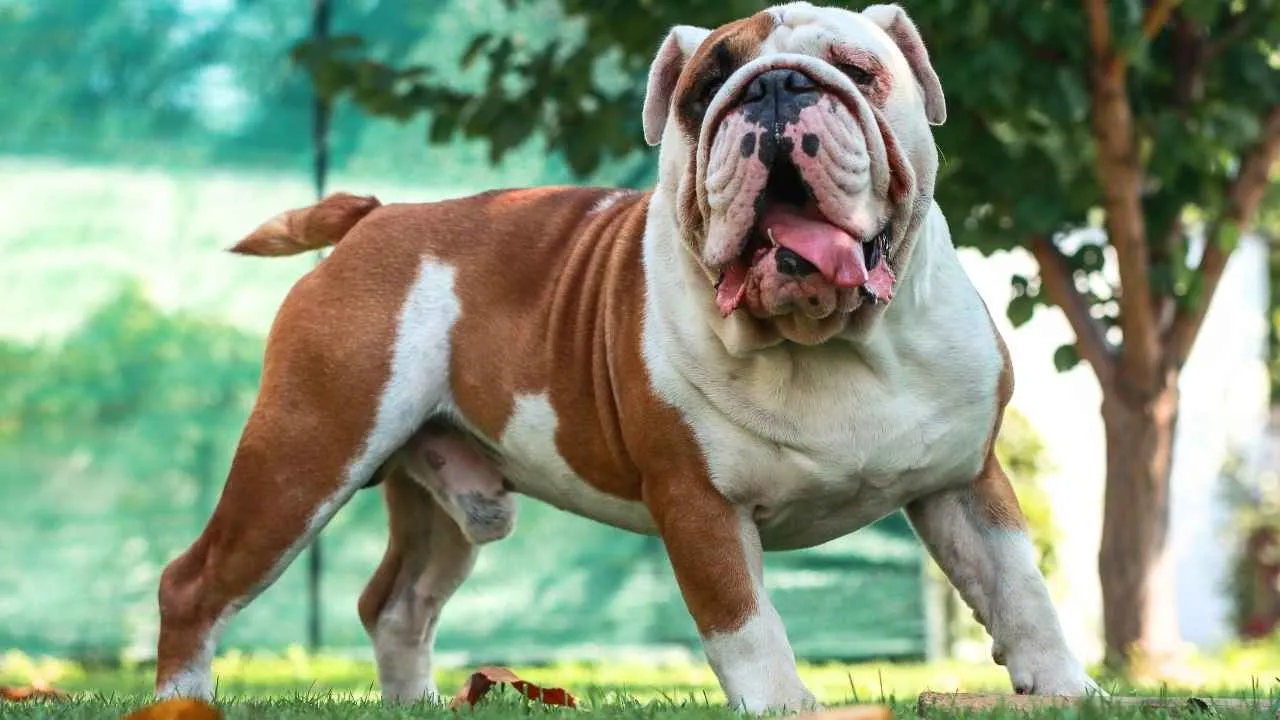
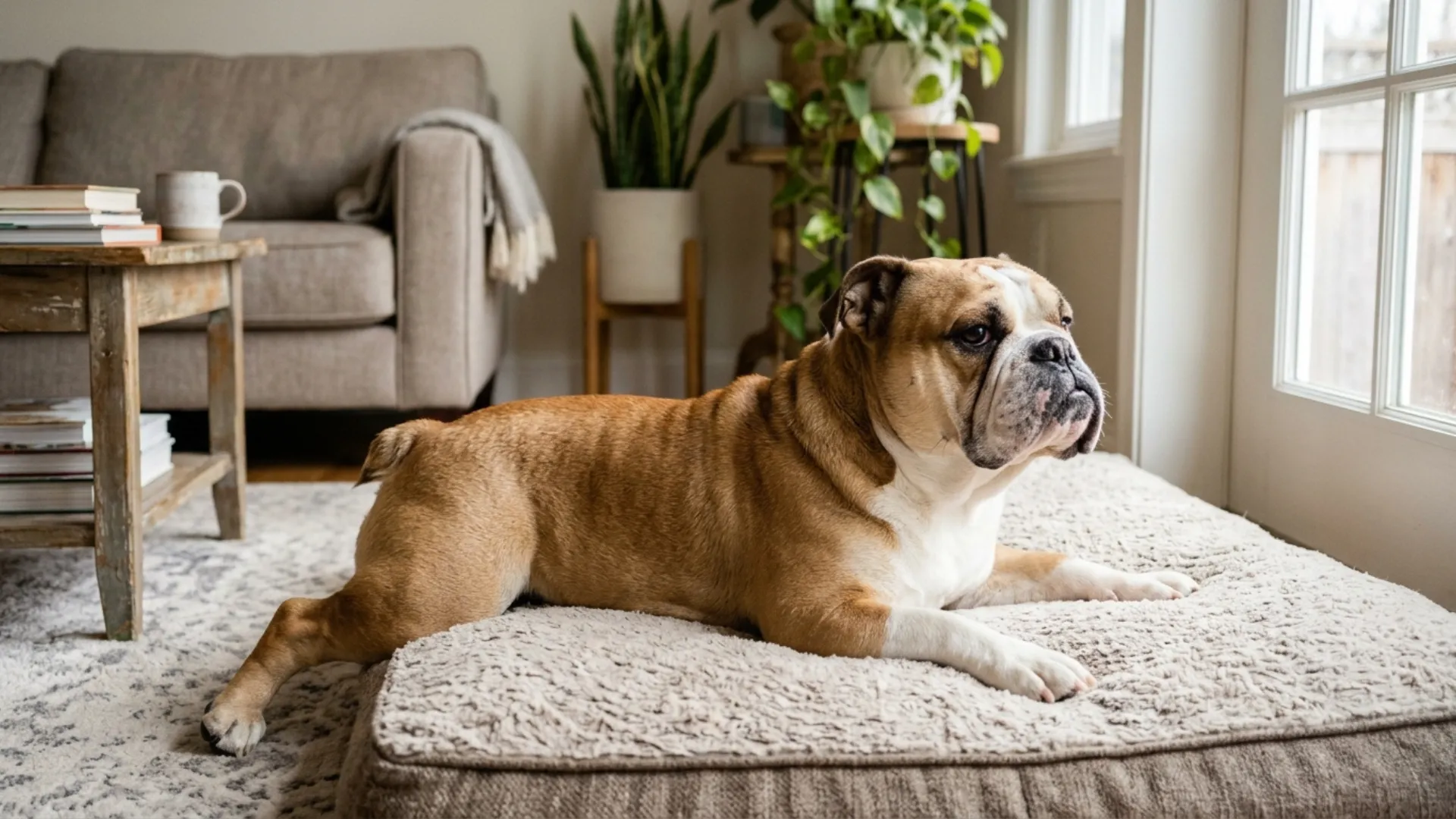
The Bulldog has a personality that makes canceling weekend plans seem like a completely reasonable lifestyle choice. With its muscular body, wrinkled expression, and famously relaxed attitude, this breed often enjoys long stretches in comfortable, familiar surroundings.
Unlike intensely energetic working breeds, Bulldogs generally need modest exercise and enjoy short activities followed by plenty of rest. A quiet afternoon on the couch, a gentle neighborhood stroll, and relaxed time with familiar people fit naturally into their daily routines. Their mellow approach to life means owners usually don’t need to plan exhausting adventures to keep them entertained.
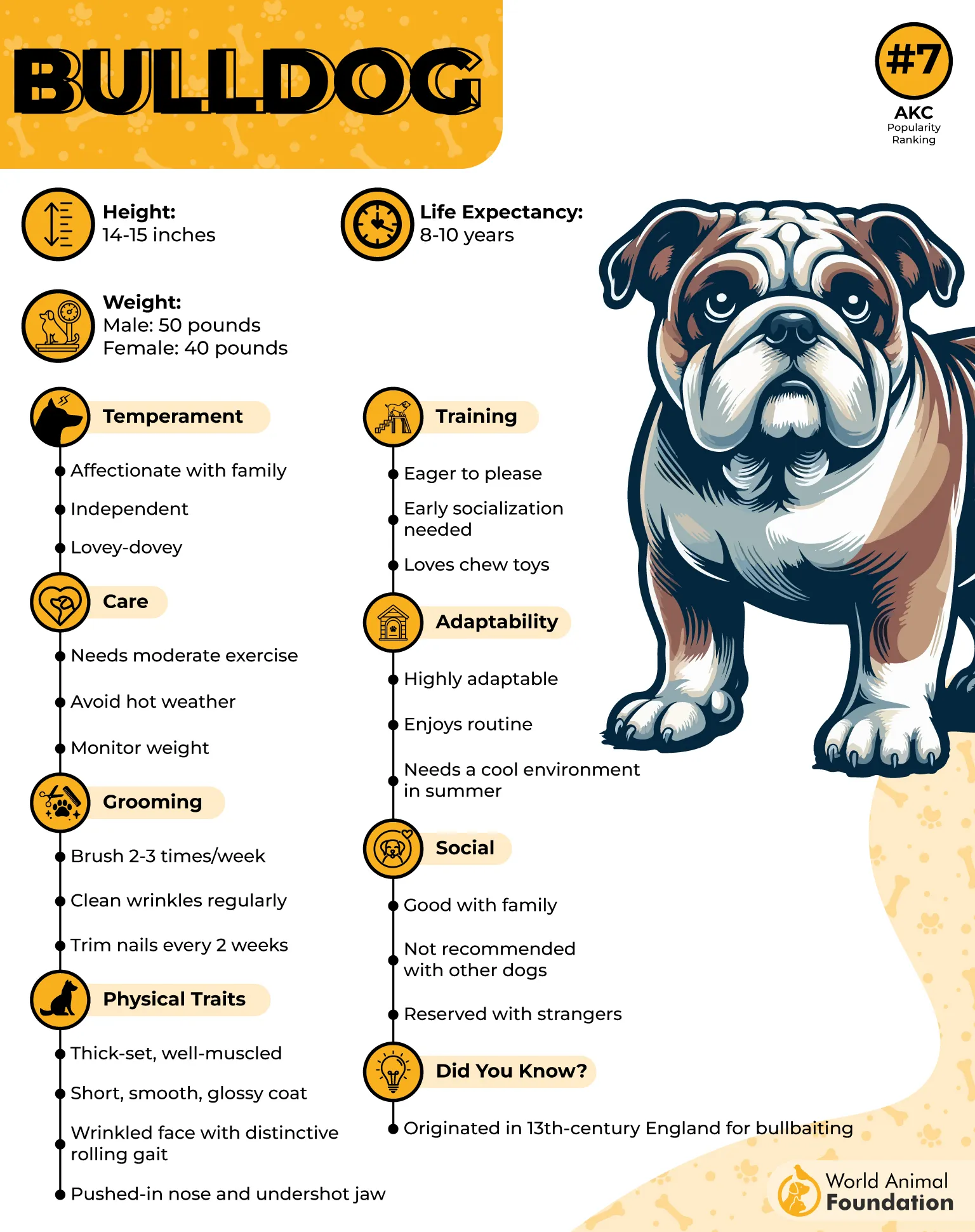
They can be affectionate and devoted without constantly demanding intense physical activity or elaborate entertainment. Many enjoy lying beside their owners during television time, resting near a desk while someone works, or quietly observing family activity from a comfortable spot.
According to PetMD, they are generally calm companions that still need appropriate daily activity, despite their reputation for loving naps. However, their flat facial structure can cause breathing difficulties and poor heat tolerance, meaning low exercise capacity may reflect medical limitations rather than simple personality preferences.
3. Pug
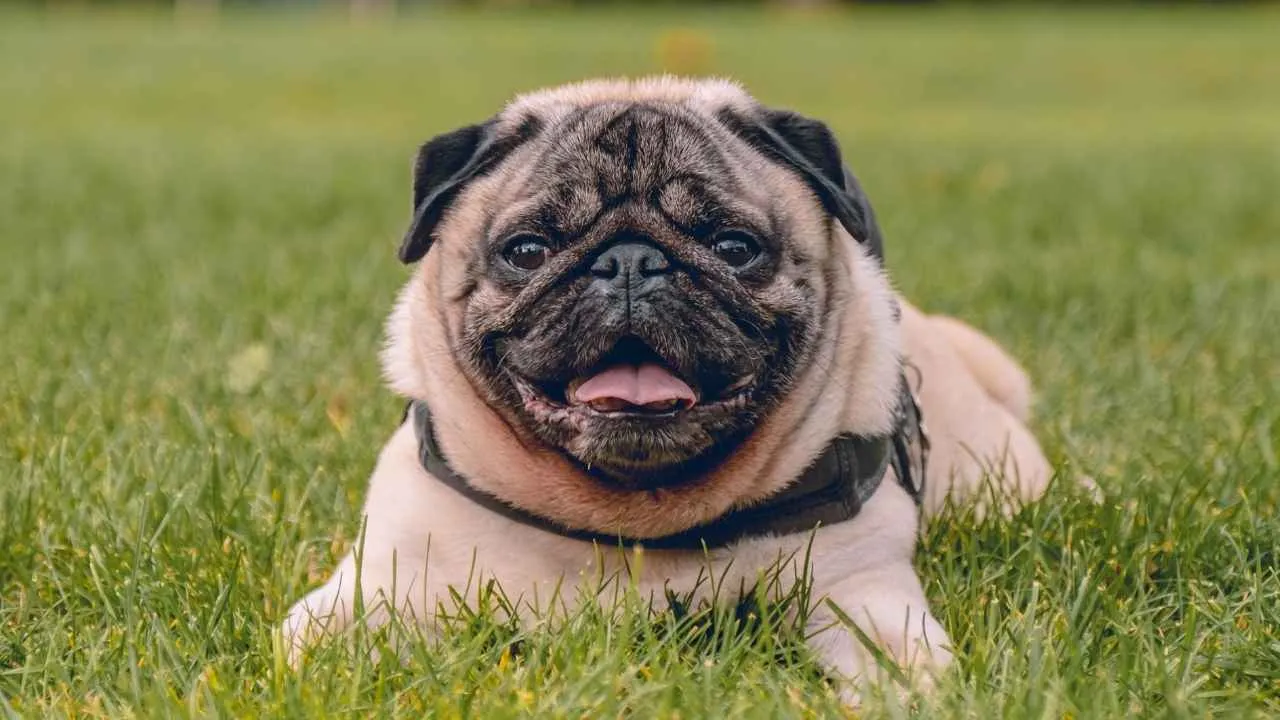
The Pug is basically that friend who refuses to go to a crowded party but insists on spending the entire evening with their favorite person. Originally developed as a companion dog, this affectionate little breed has long enjoyed close relationships with humans rather than demanding physical work.
Some of the best dog breeds for busy owners, they form strong emotional attachments to their families and often stay close to familiar people throughout the day. Many enjoy curling up beside their owners during quiet evenings, following them around the house, or simply resting nearby while everyday activities continue.
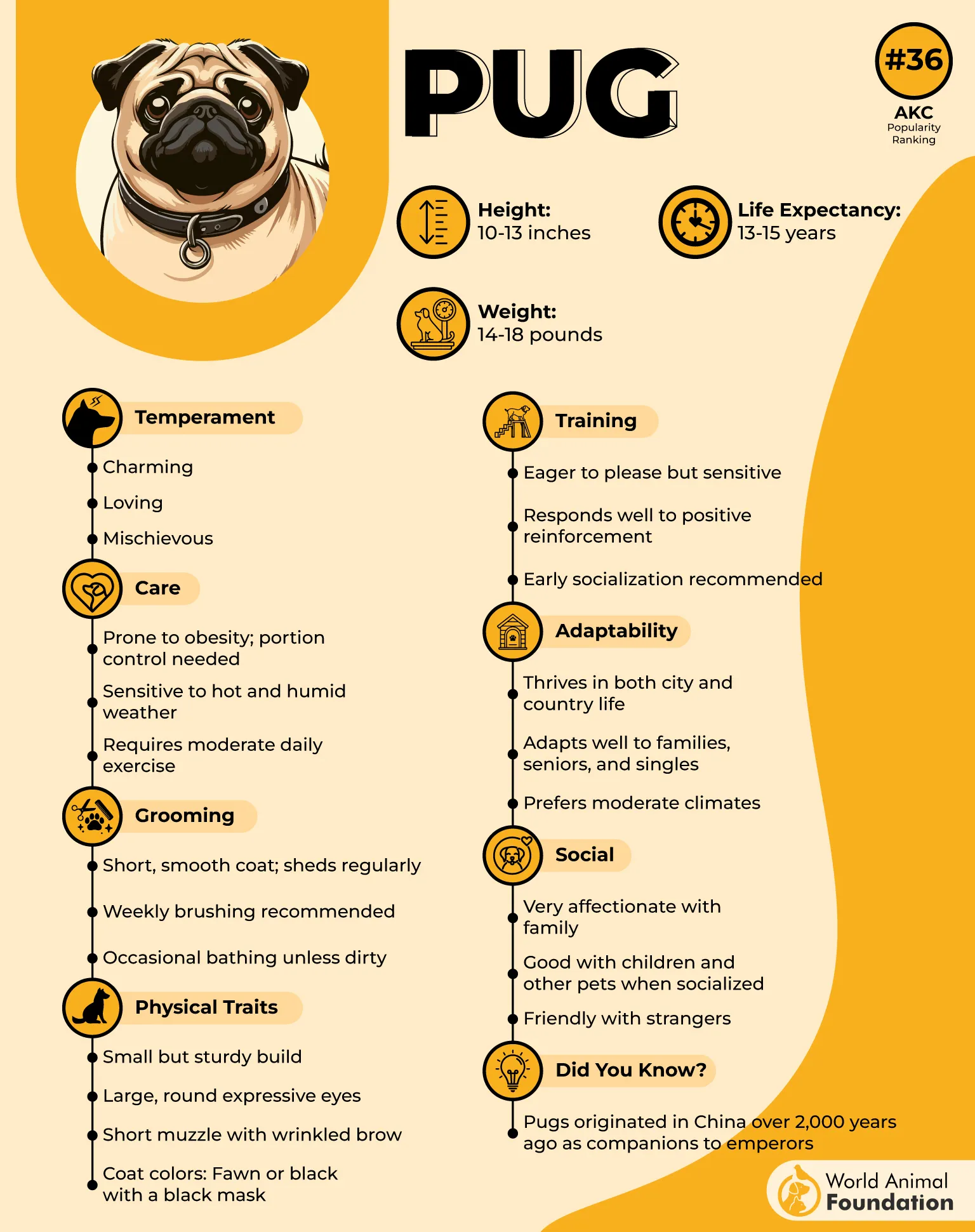
Orvis says they often prefer consistent companionship and may struggle when left alone for extended periods. They are susceptible to separation-related distress, particularly when their daily routines suddenly involve prolonged isolation. This means their home-loving personalities shouldn’t be mistaken for emotional independence, because many Pugs feel most secure when familiar humans stay nearby.
Despite their relaxed domestic lifestyle, they can display impressive enthusiasm for short games, food puzzles, and playful interactions. Their intelligence and occasional stubbornness make reward-based training useful, although treats should be carefully portioned because excessive weight can worsen breathing and mobility problems.
4. Lhasa Apso
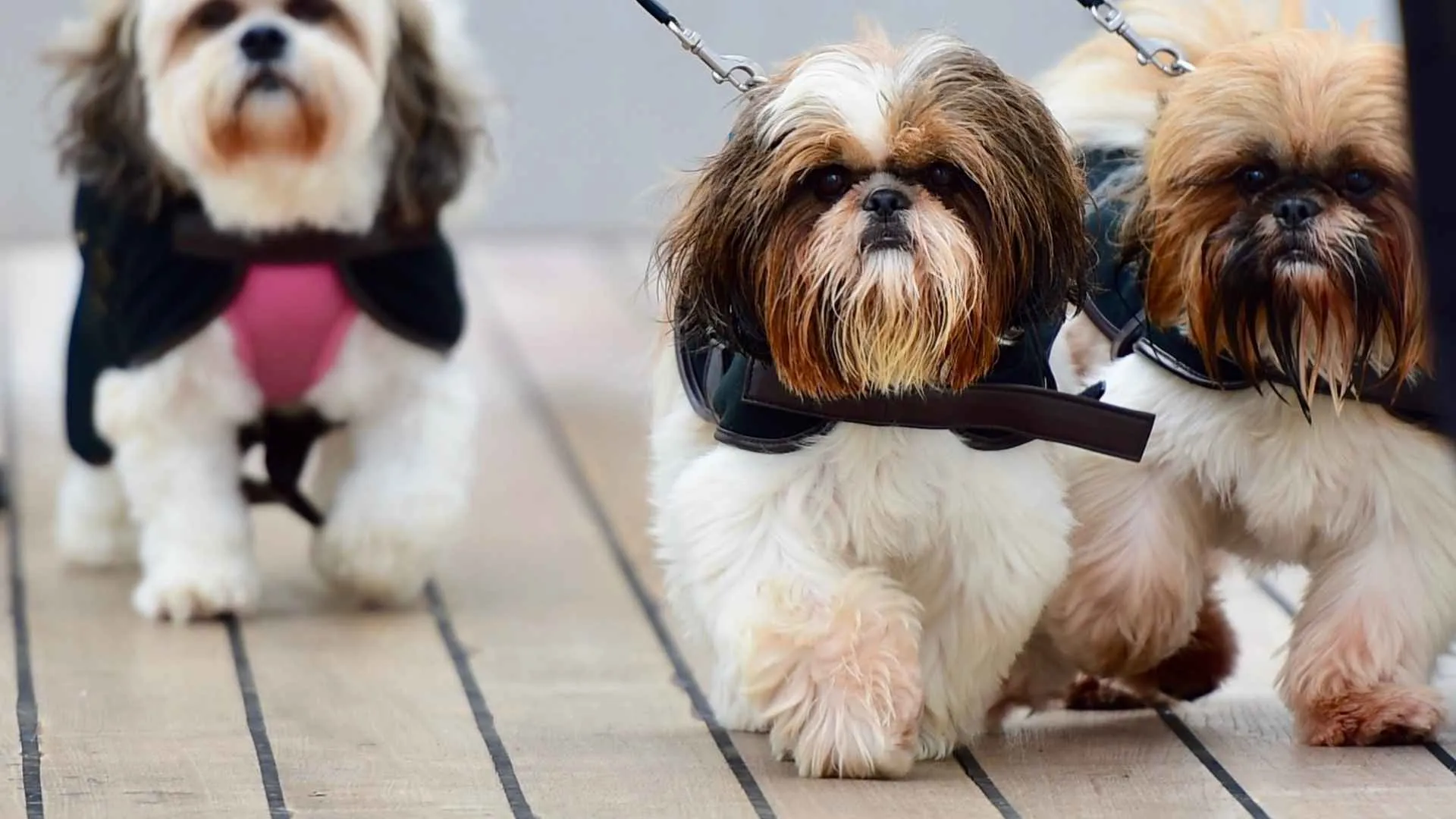
The Lhasa Apso is basically the tiny royal of the introvert community, complete with strong opinions, excellent observation skills, and absolutely no interest in entertaining random strangers. Historically, these small dogs served as indoor sentinels in monasteries and homes, alerting residents to unfamiliar activity.
Unlike breeds that enthusiastically welcome every visitor, Lhasa Apsos often prefer to keep their distance until they’ve assessed the situation. They typically show their strongest affection to familiar family members, while unfamiliar people may need repeated positive interactions to earn their trust.
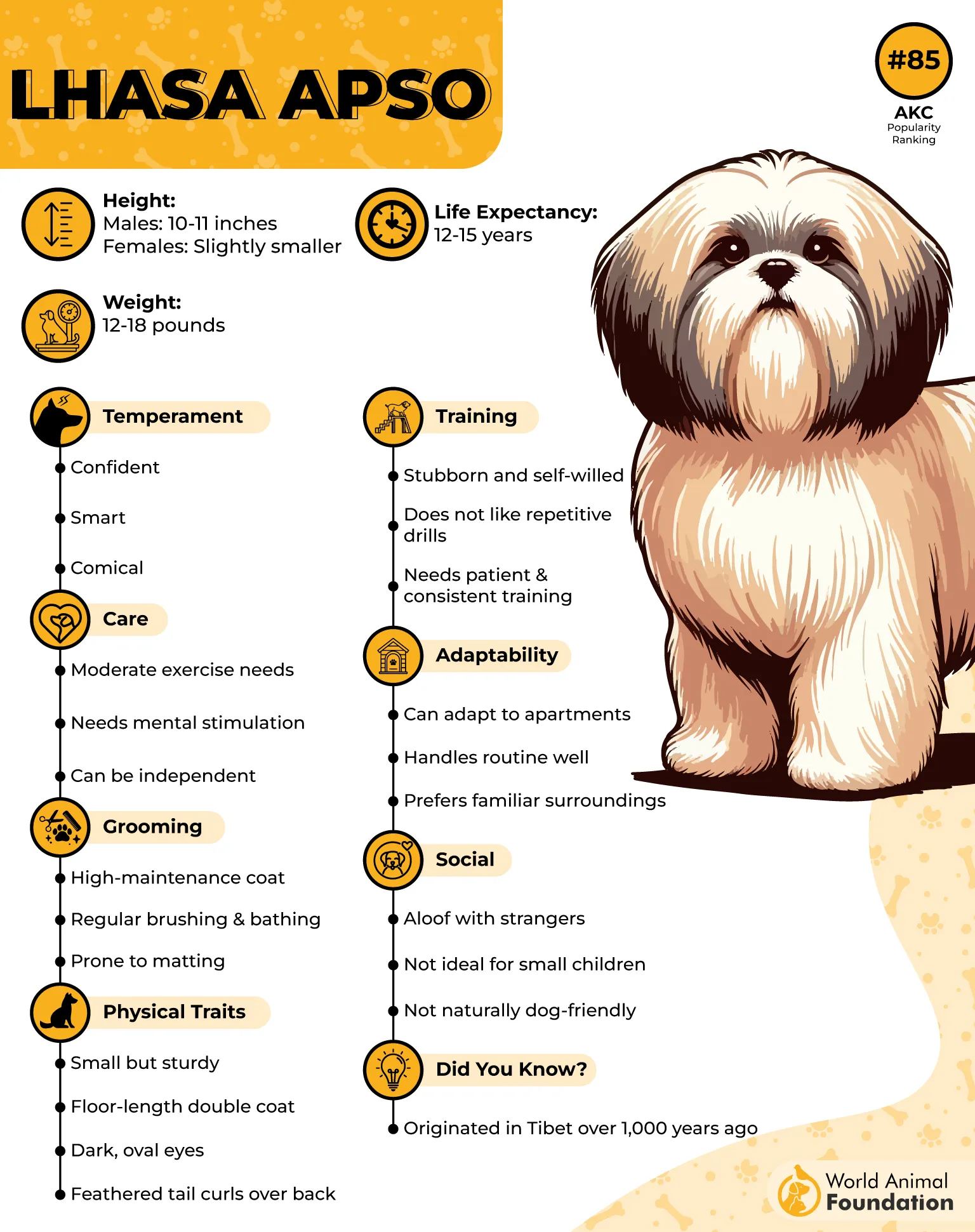
Lhasa Apsos can also be remarkably independent, enjoying quiet periods without constantly seeking attention or entertainment. They may settle comfortably in a favorite corner, watch household activity, or play with familiar toys while their owners focus on other tasks.
However, the Lhasa Apso’s reserved nature hides a surprisingly mischievous personality that often emerges around people it knows well. These dogs can be playful, curious, and enthusiastic about short training sessions, especially when activities involve rewards and gentle encouragement.
5. Great Pyrenees
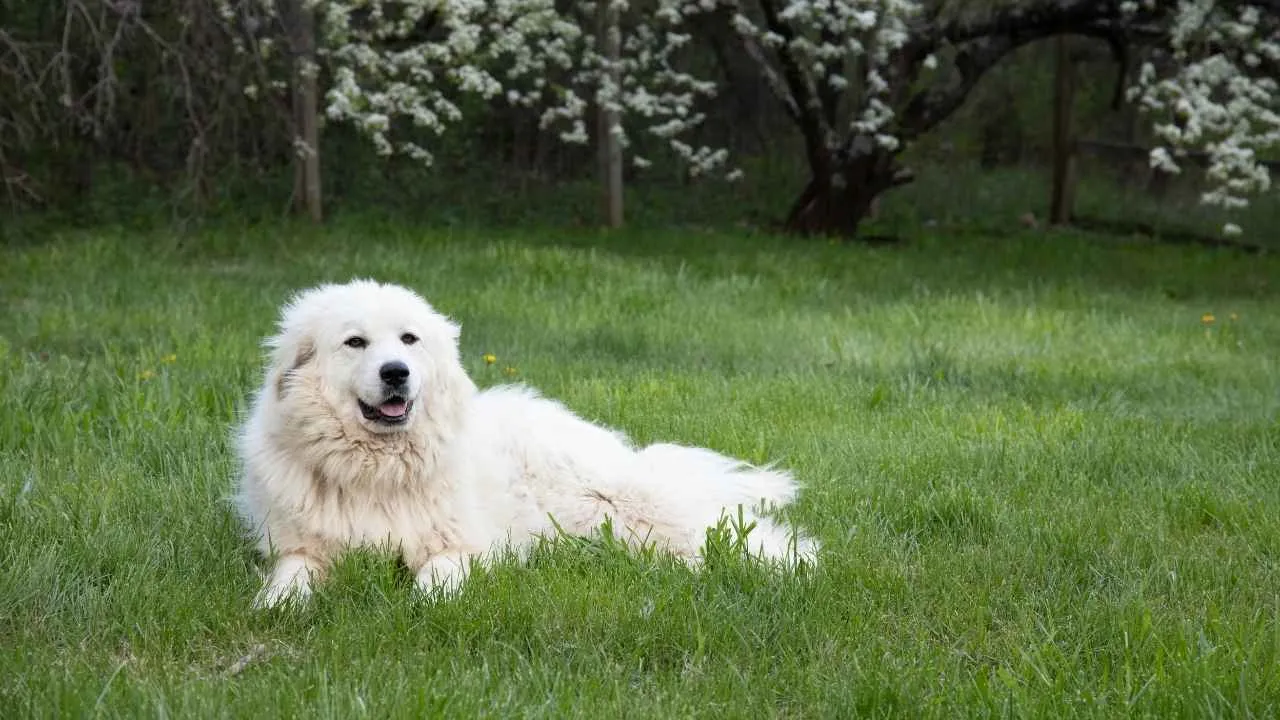
The Great Pyrenees is the canine equivalent of a quiet security guard who prefers to observe from a distance rather than join the conversation. This enormous white guardian spent generations working independently in remote environments. Today, they are a great addition to family life.
These dogs often form deep attachments to their families while remaining naturally suspicious of unfamiliar people and animals. Traditionally, they had to evaluate potential threats rather than enthusiastically welcome everything approaching the flock.
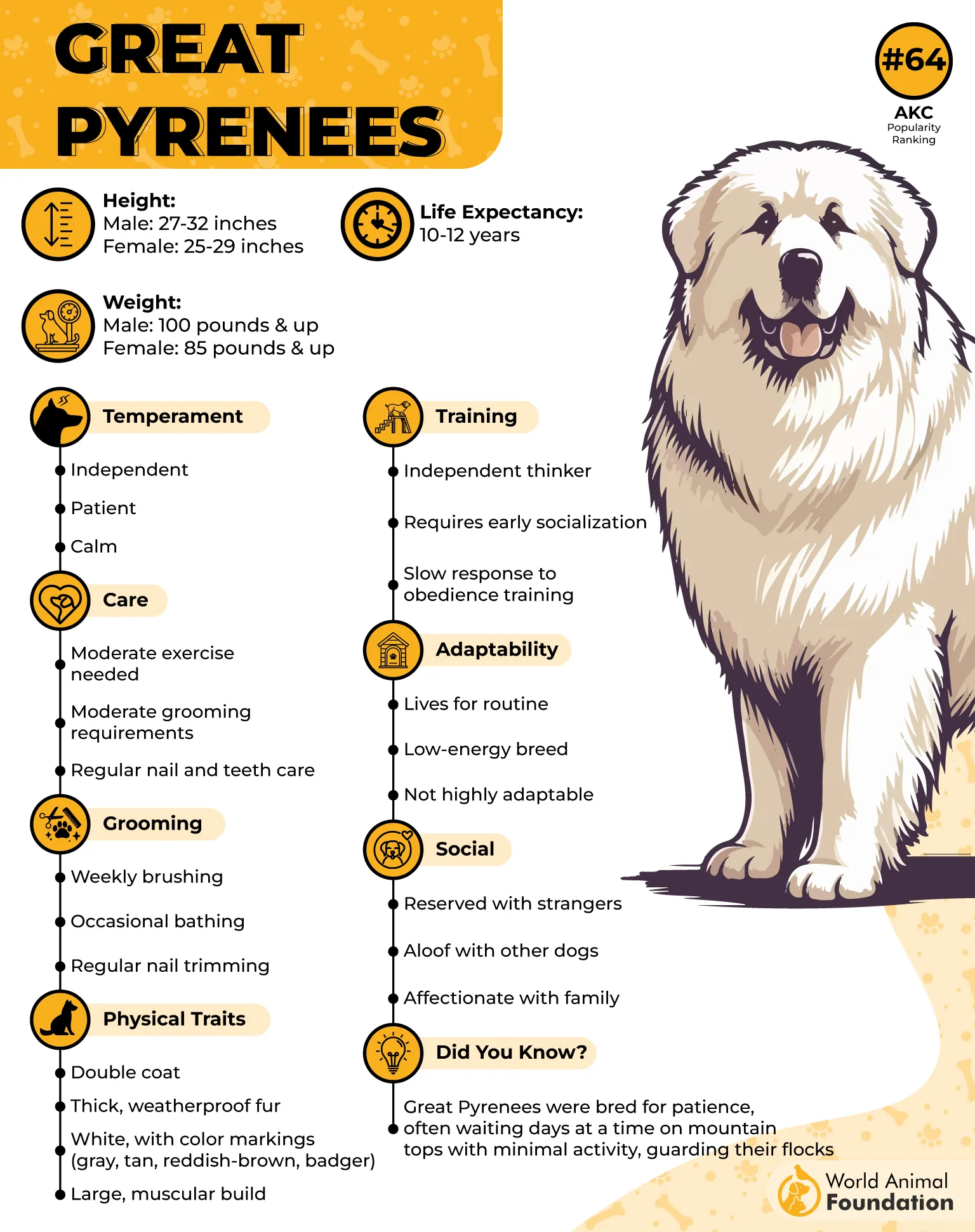
One of the breed’s most distinctive qualities is its ability to remain calm during long periods of relatively little activity. Historically, livestock guardians spent much of their time resting near their flocks while staying alert for movement, sound, and unfamiliar scents in the surrounding landscape.
However, their calm appearance shouldn’t be mistaken for a naturally silent personality because these dogs are famous for their powerful warning barks. The breed’s independent guarding instincts remain deeply rooted in its temperament, often challenging owners unfamiliar with livestock guardian behavior.
6. Basset Hound
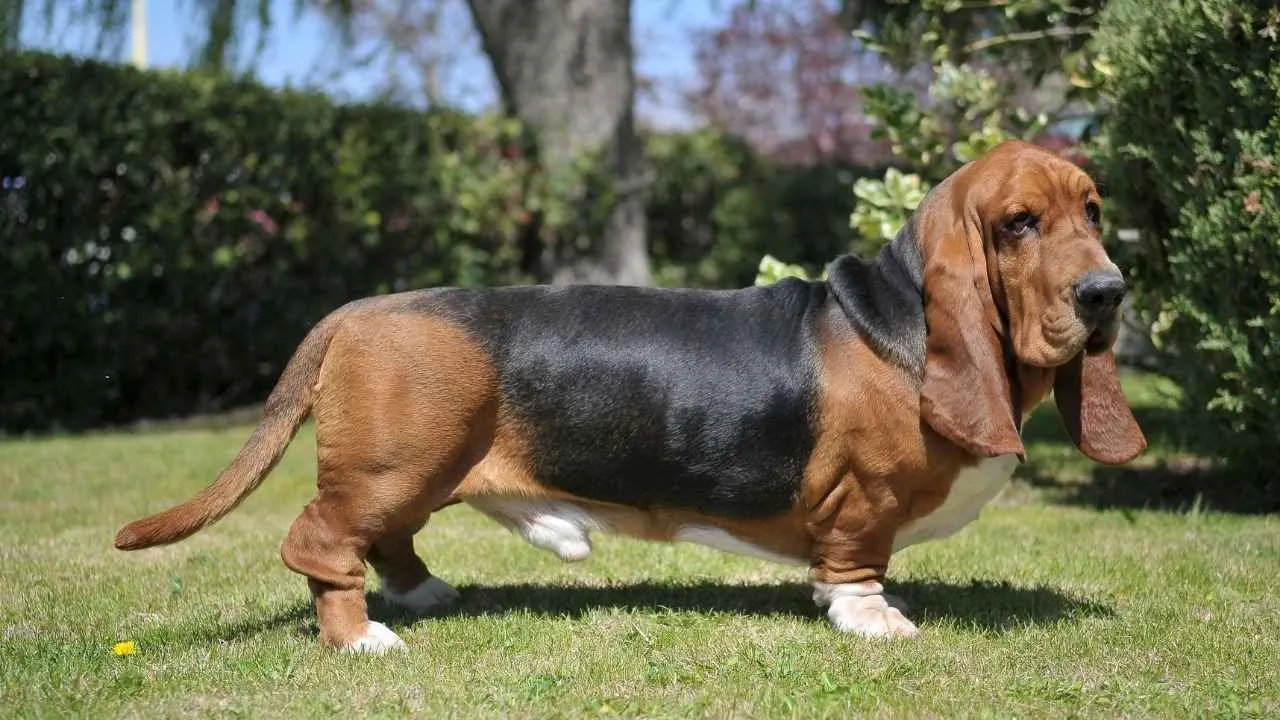
With drooping ears, a soulful expression, and a famously relaxed demeanor, the Basset Hound is a scent hound that often prefers peaceful activities over nonstop excitement. Its laid-back approach to everyday life can make it particularly attractive to owners who enjoy quiet homes and predictable routines.
These dogs are generally calm companions that rarely need the same demanding exercise schedules as highly energetic working breeds. They often enjoy slow walks, comfortable resting spots, and unhurried opportunities to investigate interesting smells around their environment.
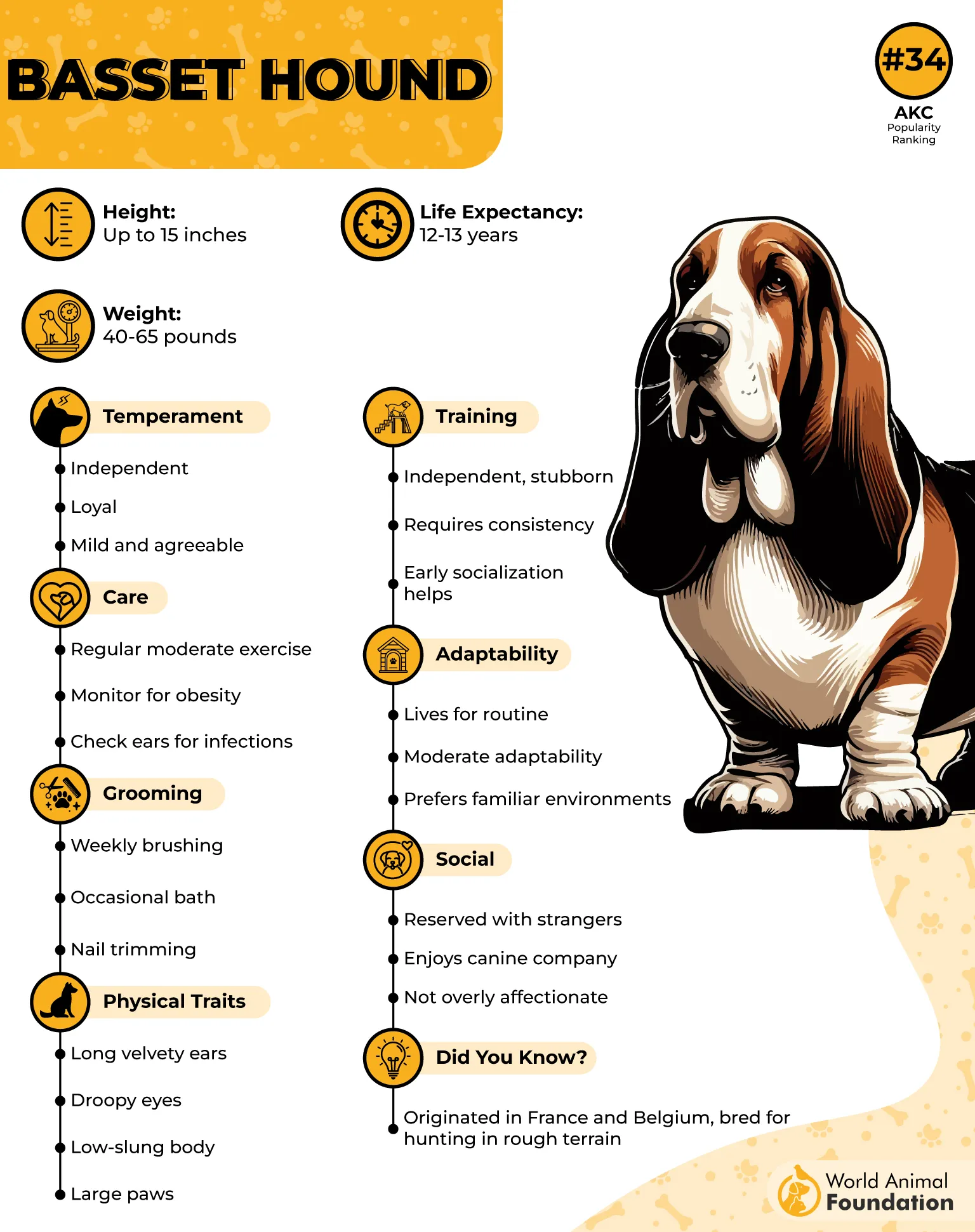
However, these hound dogs are traditionally pack-oriented dogs that enjoy companionship rather than extended solitude. Many form close relationships with their families and appreciate sharing household spaces with familiar people or compatible animals.
Their introvert-friendly qualities therefore come from their mellow lifestyle and unhurried social behavior rather than a strong desire to avoid interaction.
Their exceptional scenting abilities reveal a different side of their personalities, especially when an unfamiliar smell captures their attention during outdoor exploration. Originally bred to track game, these hounds can become intensely focused on scent trails, sometimes seeming completely uninterested in commands as they investigate their surroundings.
7. Greyhound
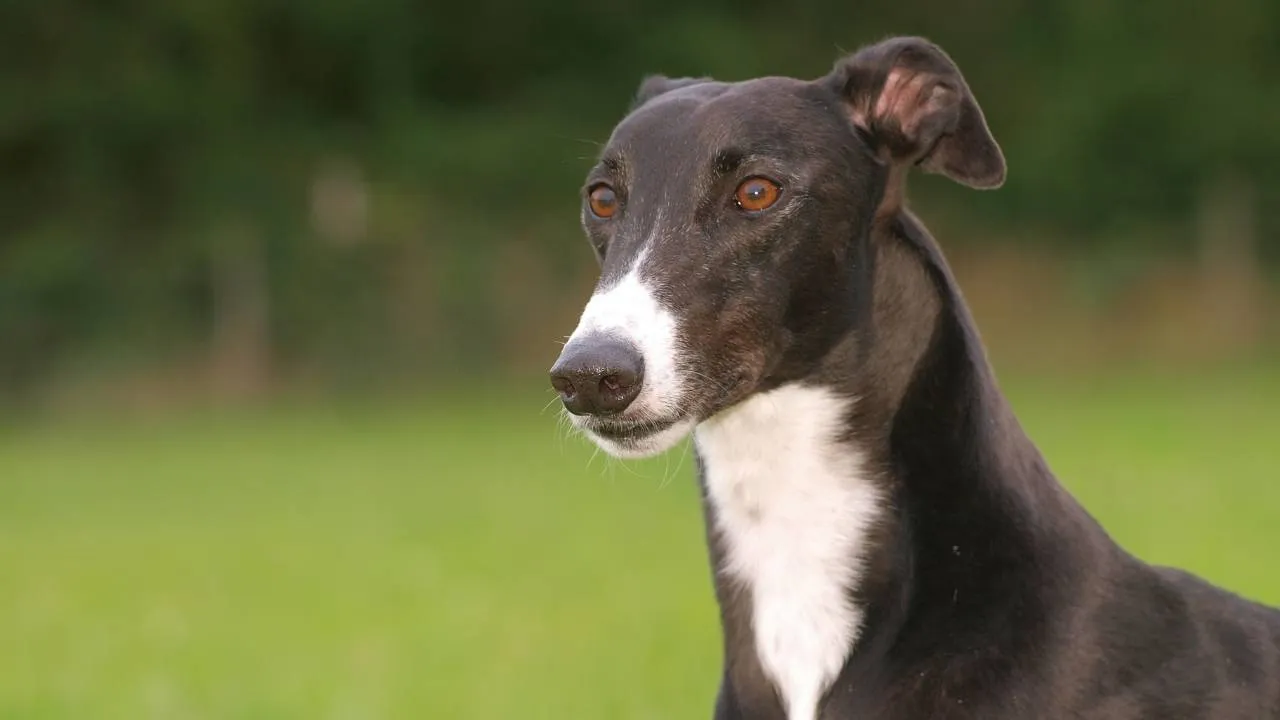
The Greyhound is basically the athlete who can outrun almost everyone but still considers spending the evening on the couch a perfect use of free time. Despite its remarkable sprinting ability and racing heritage, this elegant breed is widely recognized as surprisingly calm and gentle indoors.
These big dogs enjoy daily walks and short bursts of energetic activity followed by long periods of relaxation. Their athletic bodies are built for powerful sprinting rather than sustained high-intensity exercise, so they don’t necessarily need endless hours of physical activity.
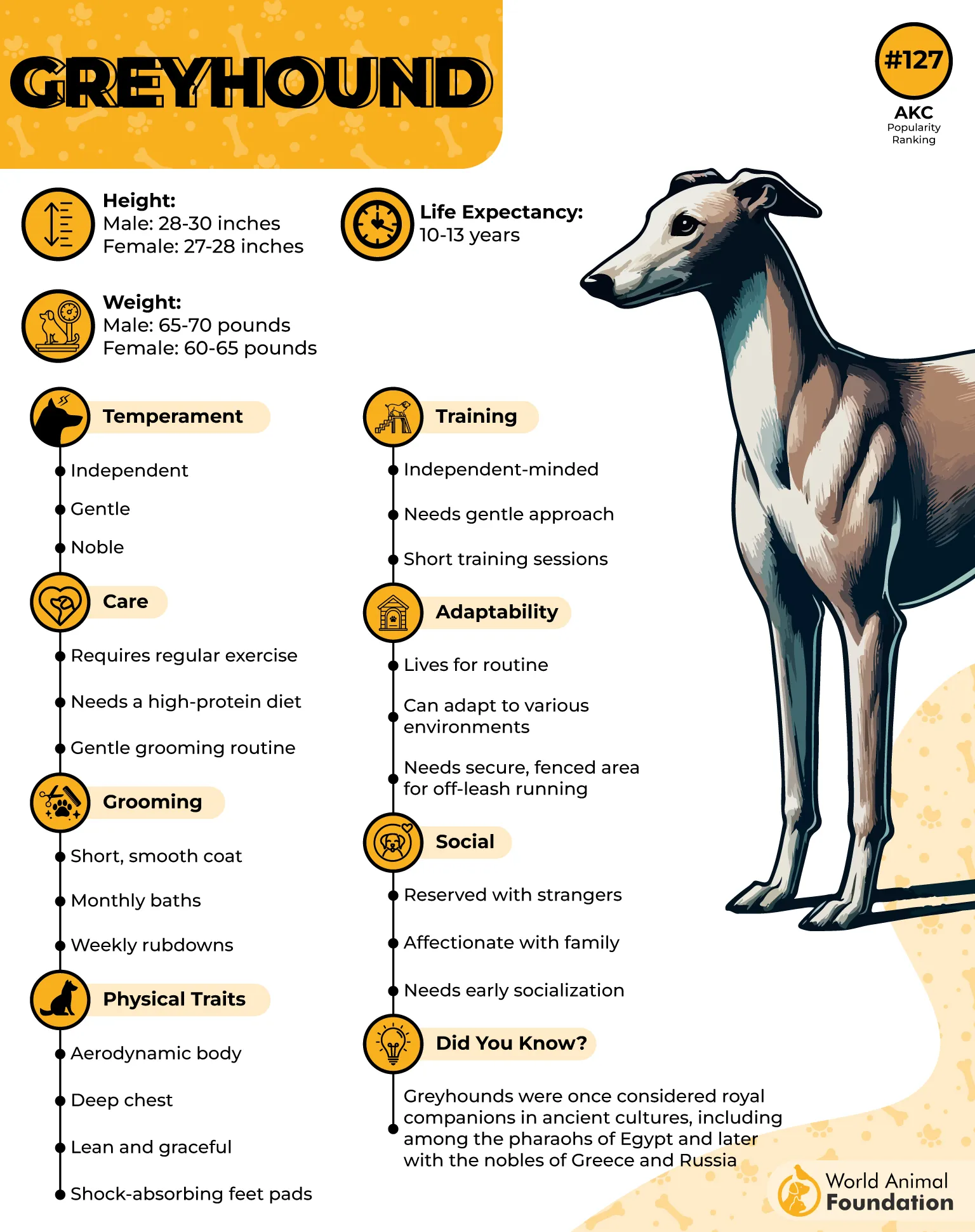
These deeply loyal pups are often sensitive to unfamiliar situations, so predictable routines are especially valuable during adjustment. Newly adopted dogs may need time to adjust to household noises, unfamiliar visitors, stairs, or experiences they haven’t encountered before. This sensitivity can make them seem reserved or shy.
Their affection is frequently expressed through quiet companionship rather than overwhelming excitement or constant demands for physical attention. Many Greyhounds enjoy resting near familiar people, following household routines, or occasionally leaning against their owners as a gentle expression of closeness.
Conclusion
Not every dog enjoys greeting strangers, attending crowded gatherings, or turning every moment into an exciting social event. Some breeds are naturally more reserved, while others appreciate relaxed routines and familiar companionship over constant activity.
Individual personality also matters enormously because dogs within the same breed have different preferences for social interaction and physical affection. Early experiences, training, environment, and health all influence whether a particular dog enjoys meeting strangers or prefers spending time with familiar people.
Choosing the right companion means seeing the whole picture, not just a breed’s reputation for being calm or independent. Grooming demands, exercise requirements, health risks, living arrangements, and training responsibilities should all influence the decision.
