




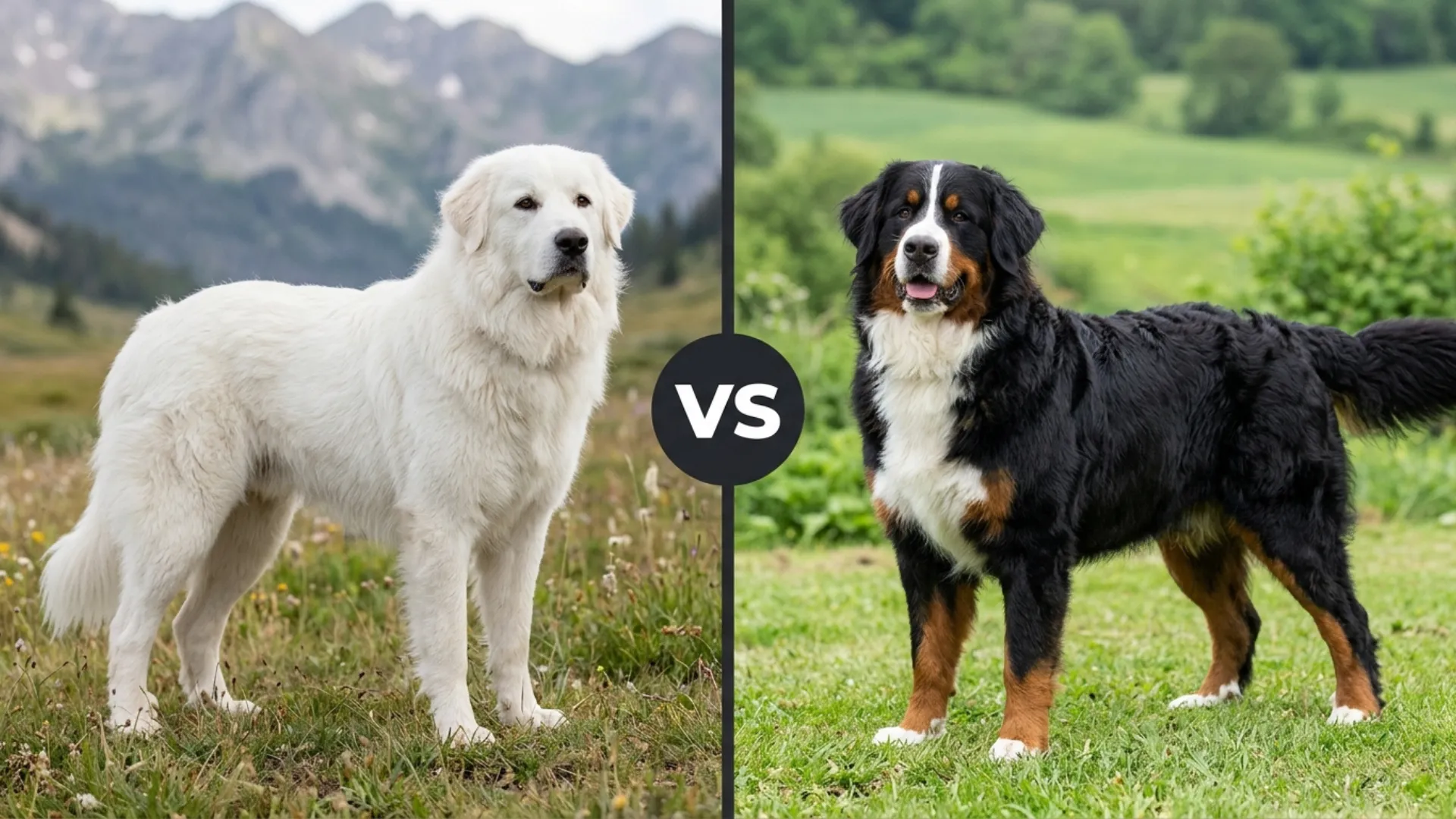
Your doorbell rings, and suddenly the giant fluff ball has an opinion. One may investigate like a self-appointed security chief; the other might appear ready to charm the visitor before you reach the hallway.
That difference is no accident. Great Pyrenees were developed to guard livestock independently, while Bernese Mountain Dogs worked alongside Swiss farmers, pulling carts and helping around the farm.
Both are gentle giants in the right hands, but their instincts can shape visitor greetings, training sessions, and quiet evenings at home. Which mountain dog’s personality will feel like a perfect fit, rather than a daily surprise?
Great Pyrenees vs. Bernese Mountain Dog: Temperament Compared
Let’s explore how each breed handles a knock at the door, unfamiliar guests, and perceived threats without considering either as an automatic guard dog.
Origins & Purpose
Picture two mountain dogs clocking in for completely different shifts. The Great Pyrenees developed to guard flocks independently in the Pyrenees, often making decisions far from a shepherd, while the Bernese Mountain Dog was bred in Switzerland to pull carts, move livestock, and work closely beside people.
AKC history notes the Pyrenees’ long role as a livestock guardian dog, which explains its watchful, self-possessed nature.
That heritage still matters indoors. One tends to patrol the property like it owns the deed; the other usually prefers joining the household meeting, even if nobody invited it.
Size & Build
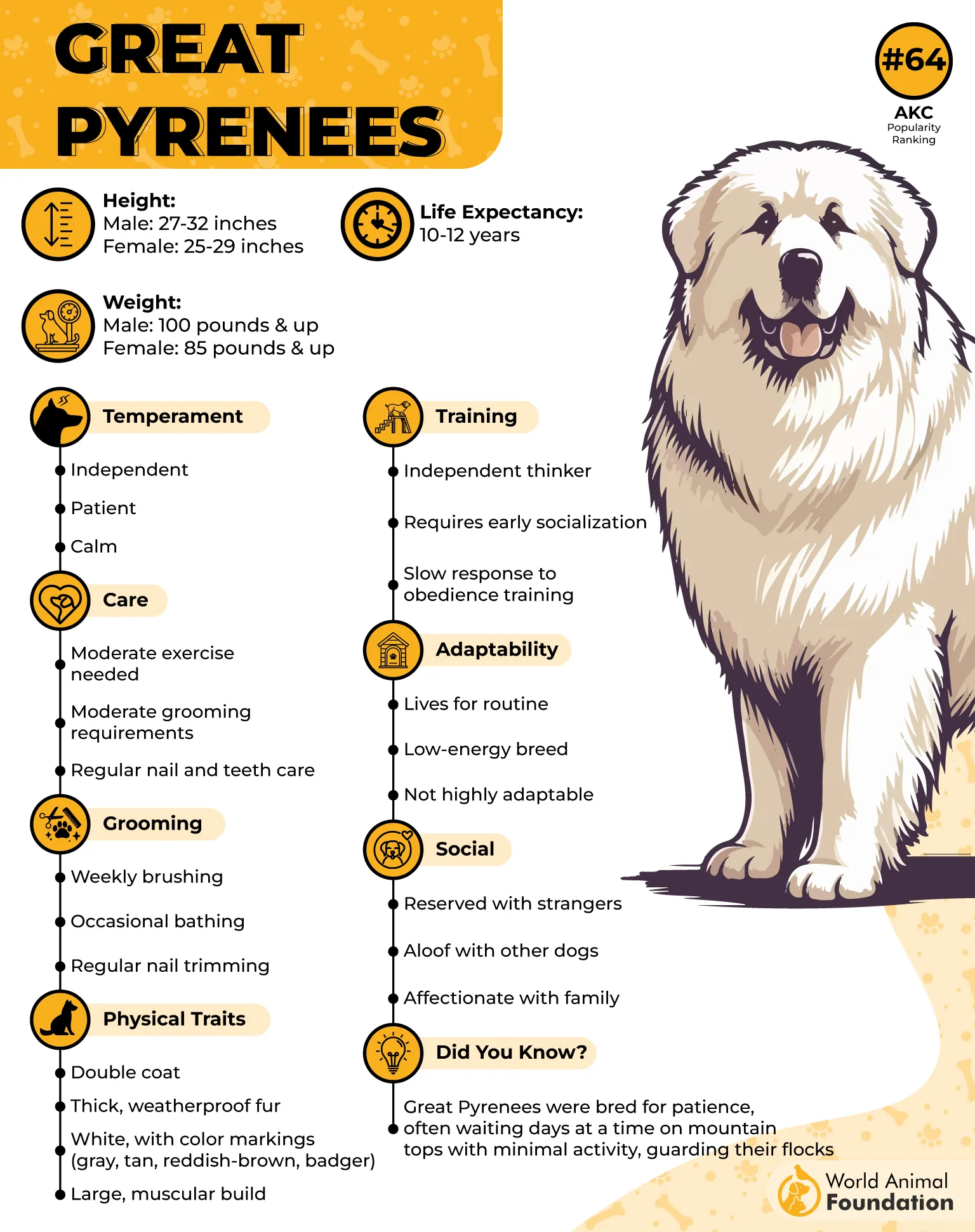
Big is the shared headline here. Great Pyrenees males typically stand 27 to 32 inches at the shoulder and commonly weigh 100 pounds or more, giving them a tall, rangy presence built for mountain patrols.
Bernese Mountain Dogs are generally 25 to 27.5 inches tall for males and weigh about 80 to 115 pounds, with a sturdier, more compact frame made for draft work.
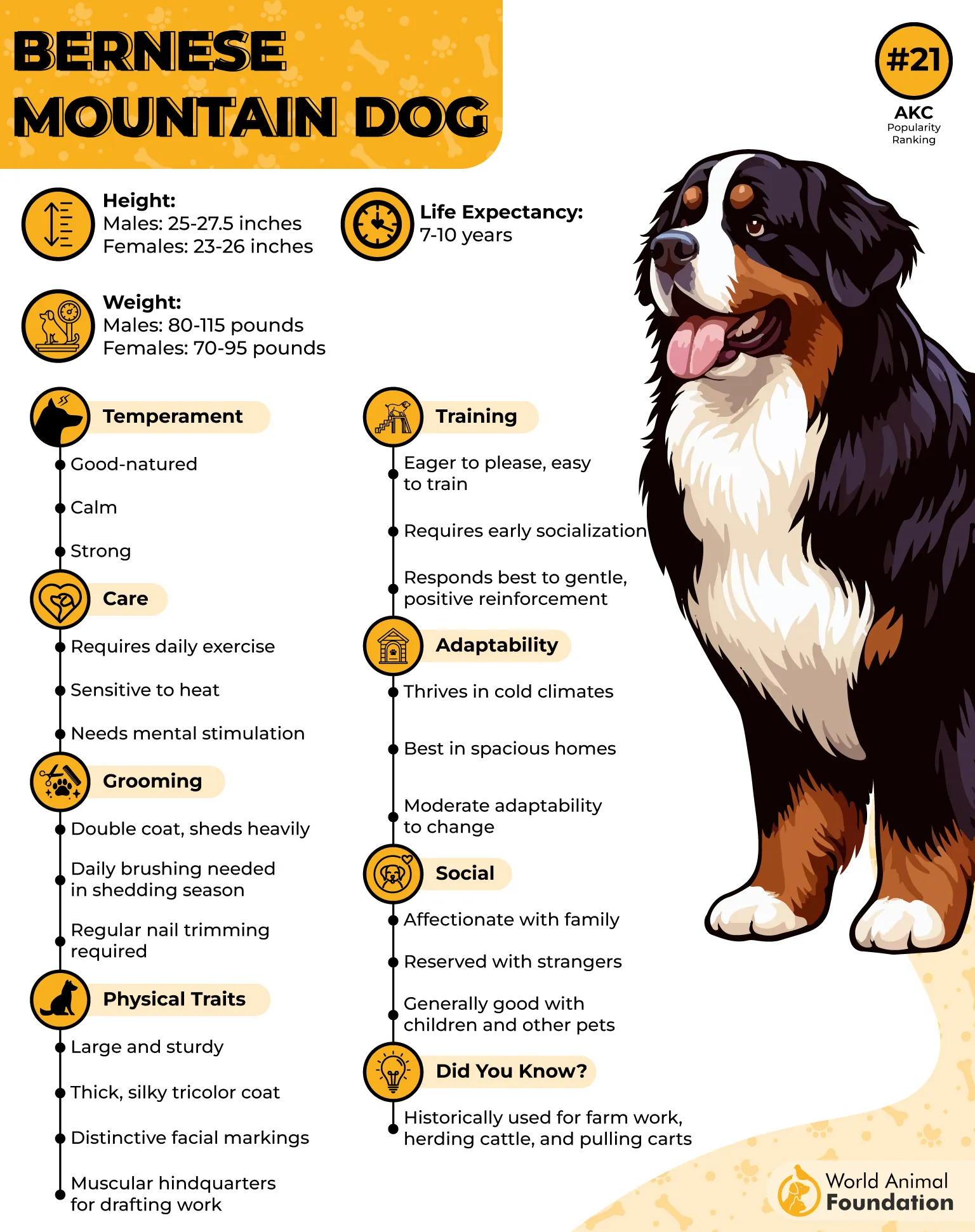
Britannica links the Bernese to the Swiss Alps and farm life, and its build makes sense once you imagine a dog helping pull a cart rather than scanning a hillside. Both need room to turn around gracefully, though the Pyrenees feels more like a white bear on legs.
Pricing & Availability
In the USA, expect roughly:
Great Pyrenees: $1000–$2,500 from a responsible breeder.
Bernese Mountain Dog: $2,000–$5,000 from a responsible breeder.
Rescue adoption fees for either can be a few hundred dollars, but giant breed food, training, grooming, fencing, and veterinary care quickly become the larger expense.
A well-bred giant puppy is rarely a bargain aisle discovery. Both breeds need breeders who complete relevant health testing, raise puppies carefully, and remain available after pickup day, so low prices should prompt plenty of questions.
Great Pyrenees puppies often appear more readily through working breeders and rescue networks, while responsibly bred Bernese Mountain Dog puppies can involve longer waits because demand is high and health screening is especially important.
Dog owners note that a dog’s first year includes food, veterinary visits, supplies, training, and preventive care, not merely the purchase price. Plan for a four-figure puppy budget, then leave breathing room for a very large appetite and future veterinary costs.
Temperament & Personality
Your front door will reveal the difference quickly. A Great Pyrenees may greet a visitor with serious observation, a booming announcement, and the air of someone reviewing security credentials; a Bernese is often more openly social once properly introduced.
The Pyrenees was shaped to assess threats independently, so it can be calm, patient, and remarkably stubborn when it disagrees with your plan. The Bernese usually brings a softer, more people-oriented temperament and often wants close family contact.
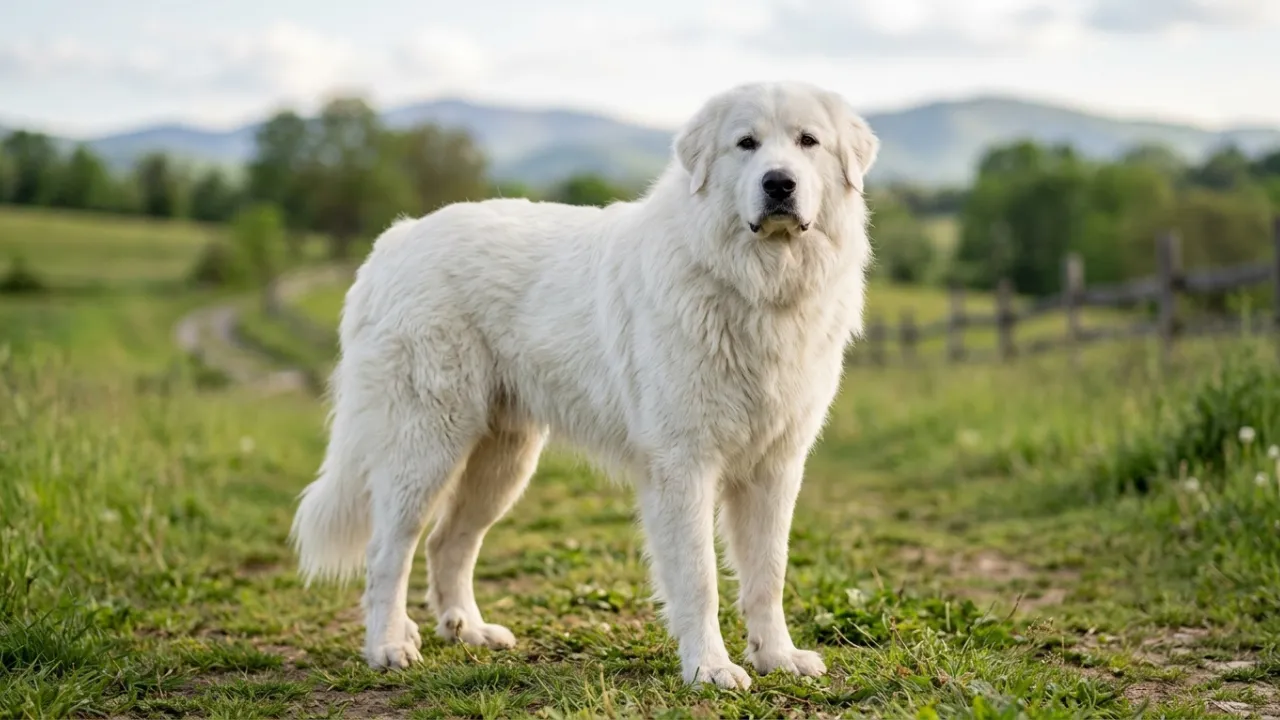
These large dogs can be gentle with respectful children, yet the Pyrenees’ protective instincts require early socialisation, while the Bernese needs companionship more than a job title.
Exercise Needs & Energy Levels
Neither dog needs an Olympic training montage, but neither is decorative furniture. A Great Pyrenees generally suits about 30 to 60 minutes of daily activity, including relaxed walks and time to investigate a secure outdoor space, because endless repetitive exercise can feel pointless to this independent thinker.
A Bernese Mountain Dog often enjoys around 45 to 60 minutes daily, especially steady walks, gentle hikes, and family activities with a clear purpose. Both should avoid hard impact exercise while growing, particularly during the first 12 to 18 months. The split is simple: the Pyrenees likes calm patrol duty; the Bernese likes joining your plans.
Training & Obedience
Great Pyrenees training rewards patience, humour, and a healthy respect for negotiation. Start proper socialisation and basic cues in the first few months, use short sessions, and secure boundaries early because a 100-pound adolescent cannot be managed through hopeful speeches.
Bernese Mountain Dogs are usually more responsive to cheerful, positive reinforcement and reward-based lessons and often enjoy working with their person for 10 to 15 minutes at a time.
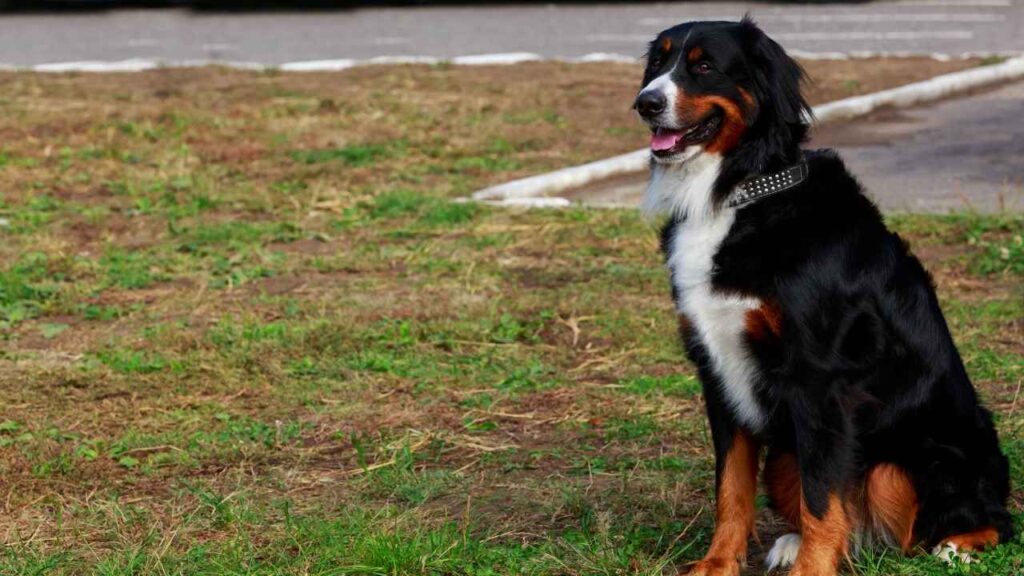
They can be sensitive to harsh correction, so calm consistency goes further than drama. The key divergence is motivation: a Bernese often asks, “What are we doing together?” while a Pyrenees asks, “Why is this necessary?”
Grooming Needs & Shedding
Fluff has consequences, and both dogs shed enough to make lint rollers feel like household employees.
Great Pyrenees: Brush two to three times weekly, then expect heavier seasonal coat blows in spring and autumn.
Bernese Mountain Dog: Brush at least weekly, increasing to several sessions weekly during heavier shedding periods.
Bathing: Aim for roughly every six to eight weeks unless mud, odour, or a vet-directed skin plan says otherwise.
Both mountain dog breeds have double coats that should not be shaved for convenience. The Pyrenees’ white coat can hide loose undercoat until it appears across the sofa, while the Bernese’s silky feathering collects debris on walks with almost artistic commitment.
Working Style & Breed Instincts
Leave these dogs alone in a large yard, and their original jobs may introduce themselves. The Great Pyrenees is a guardian first, historically bred to stay alert through the night and make independent calls around livestock, which can translate into boundary checking and alert barking at 2 a.m.
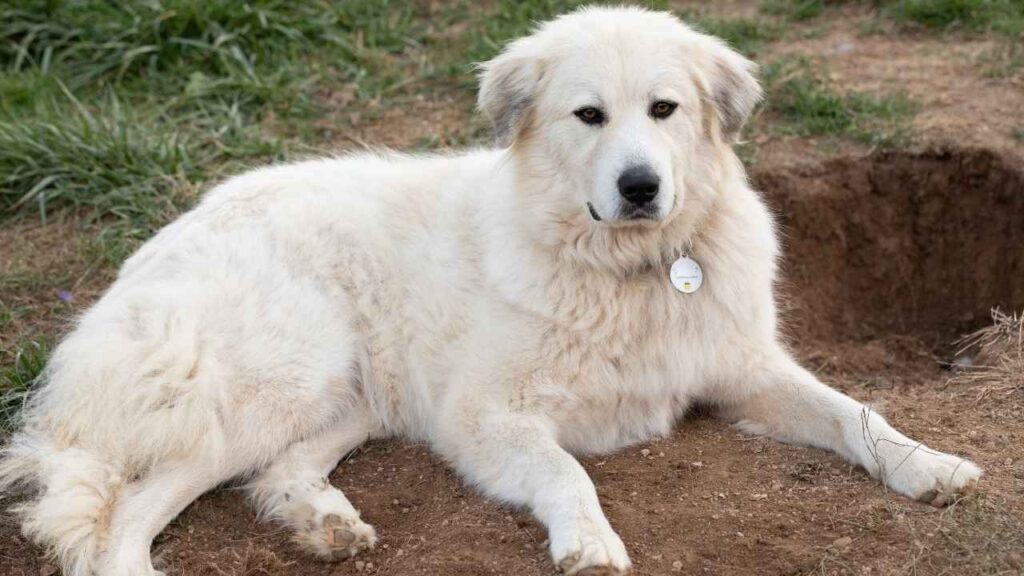
The Bernese Mountain Dog comes from a cooperative farm background, so it is more likely to enjoy carrying gear, pulling a properly fitted cart, or accompanying its people on a practical outing. Neither breed becomes a flawless worker without training.
However, the Pyrenees wants responsibility, while the Bernese wants participation, which creates very different household rhythms.
Health & Lifespan
Large mountain dogs are wonderful, but size brings a shorter lifespan and some serious health planning. Great Pyrenees commonly live about 10 to 12 years and may face hip dysplasia, bloat, patellar luxation, and eye conditions.
Bernese Mountain Dogs usually have a lifespan of roughly 7 to 10 years, with PDSA highlighting concerns including cancer, joint problems, and gastric dilatation-volvulus.
Many vets also identify bloat and hip dysplasia among health issues owners should discuss with a veterinarian for giant breeds.
Great Pyrenees: Budget for large breed preventive care and screening discussions.
Bernese Mountain Dog: Choose breeders who openly share health testing and family longevity information.
Both: Seek urgent veterinary help for repeated retching, a swollen abdomen, or sudden collapse.
Which Gentle Giant Fits Your Lifestyle?
A Great Pyrenees suits an experienced owner with secure fencing, tolerance for alert barking, and a rural or spacious setting where its guardian instincts have sensible outlets. It can also fit a calm family that values independence more than instant obedience.
A Bernese Mountain Dog suits people who want a close, affectionate companion for daily walks, gentle outdoor plans, and plenty of time near the family.
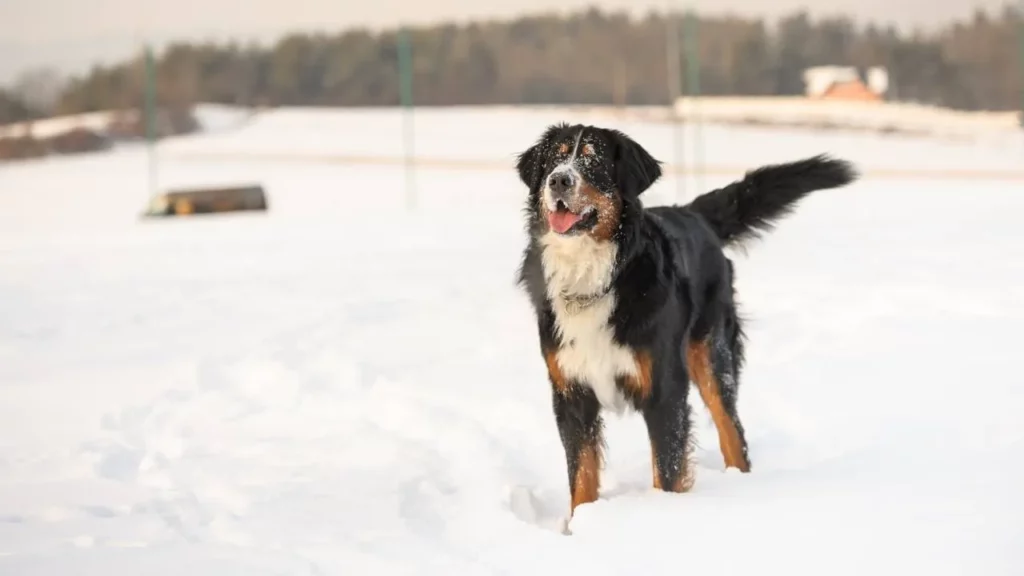
A hot apartment, long workdays, limited grooming tolerance, and little space make neither breed a wise choice. Meet adult dogs first, then choose the personality that fits your ordinary Tuesday, not the fantasy version of it.
Conclusion
The right gentle giant is not chosen by fluff level alone, because daily life depends on how much independence, companionship, training patience, noise, and grooming you can genuinely welcome. A calm home can suit very different personalities, provided the humans understand the job hidden beneath all that magnificent fur.
Before committing, meet adult dogs through responsible breeders or breed-specific rescues, ask about temperament and health history, then compare their needs against your normal weekly routine. Write down your space, climate, time at home, and tolerance for barking before bringing one home.
