




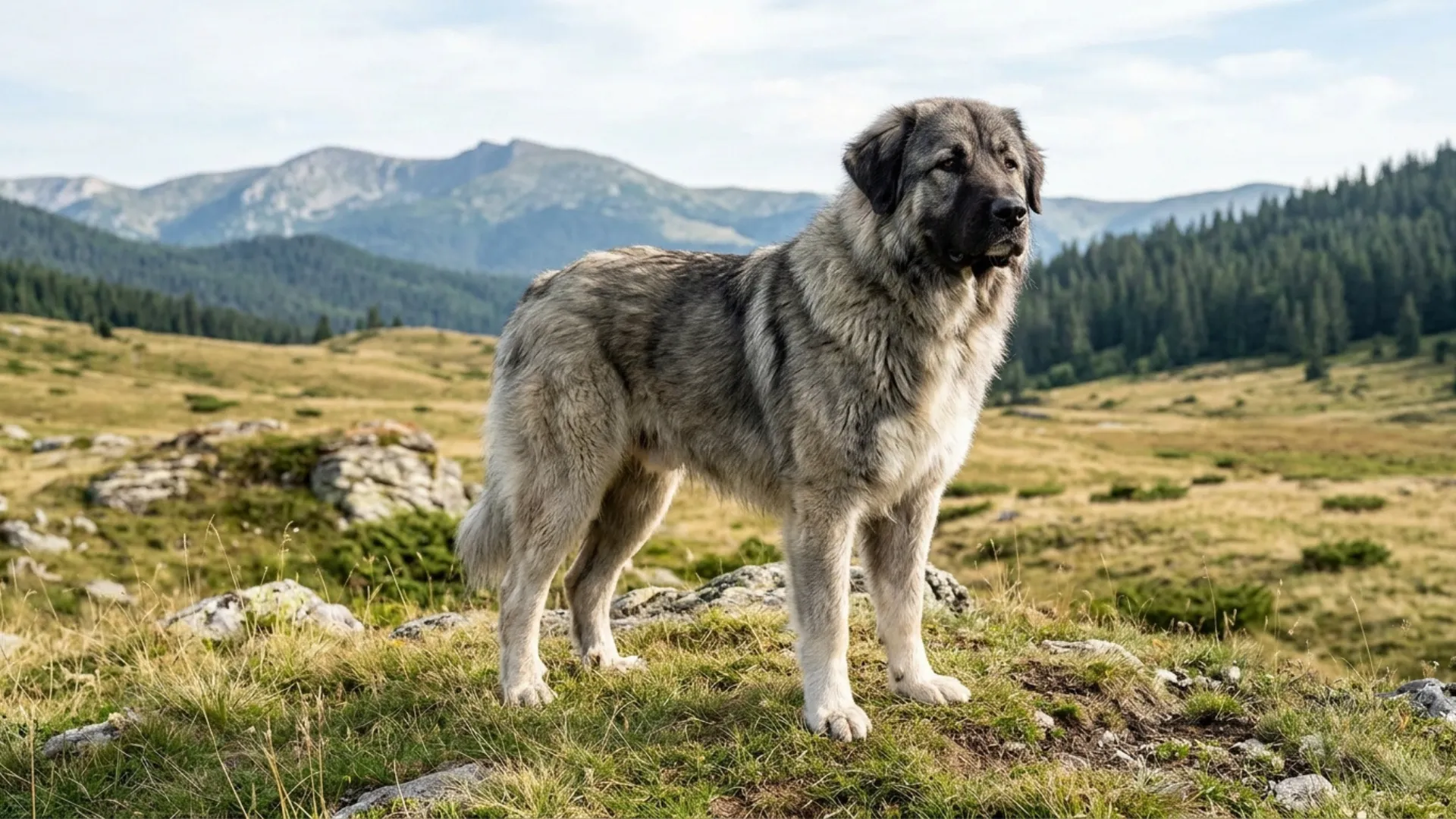
Here is something that might surprise you: canine independence is not a myth owners invent to excuse a stubborn dog; it is a real, measurable personality trait. Researchers can score it and watch it hold steady over time.
A behavioral study on livestock guarding dogs found independence stayed consistent across repeated tests, according to the Cheetah Conservation Fund. Some large breeds are not tuning you out; they are simply running their own program.
That raises a fun question for anyone eyeing a large, strong-willed guard dog: is the independence about territory, snap decisions, or just room to roam? Each type has its own training reality and ideal home.
Picking the wrong type for your space and lifestyle is how a dream dog turns into a daily power struggle.
Keep reading to find the freedom-loving giant that will actually thrive in your life, not just survive next to you.
Top Independent Large Dog Breeds That Love Freedom
1. Alaskan Malamute
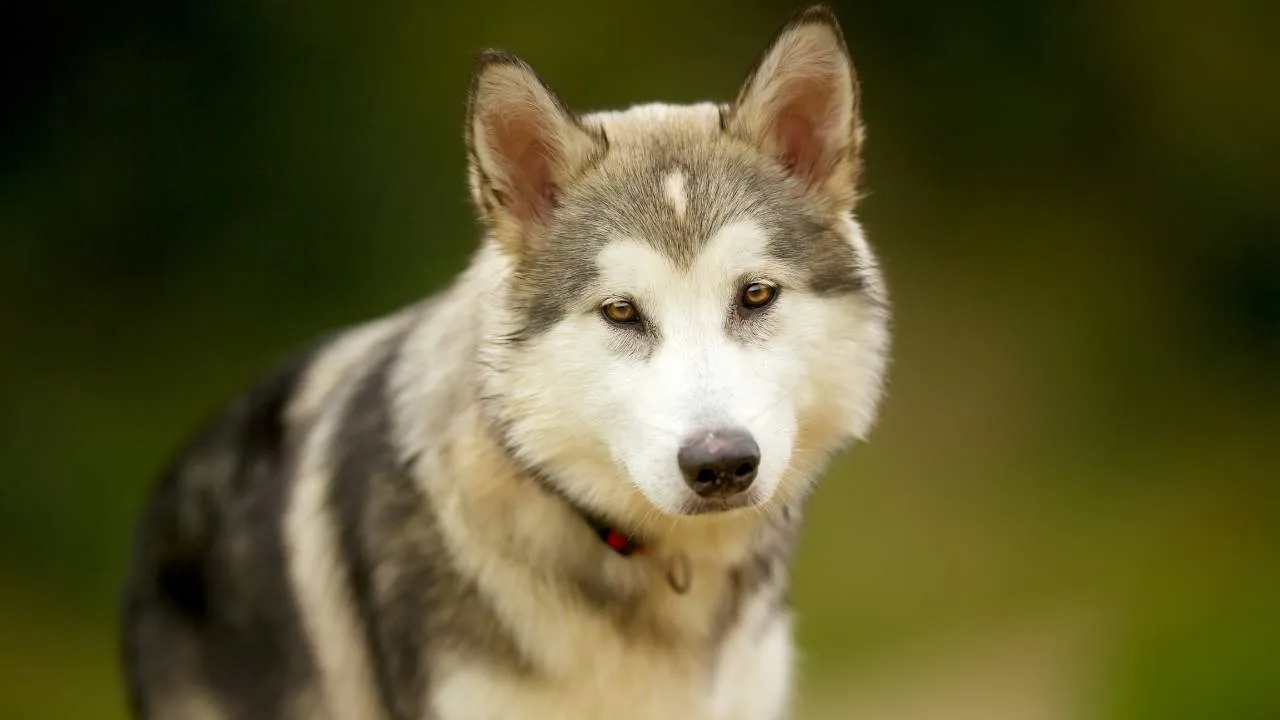
The Alaskan Malamute hauled loads across Arctic trails for Alaska’s Mahlemut people, a history traced by Orvis. Mushers needed a dog that judged ice and distance alone. That job built a mind wired to decide fast.
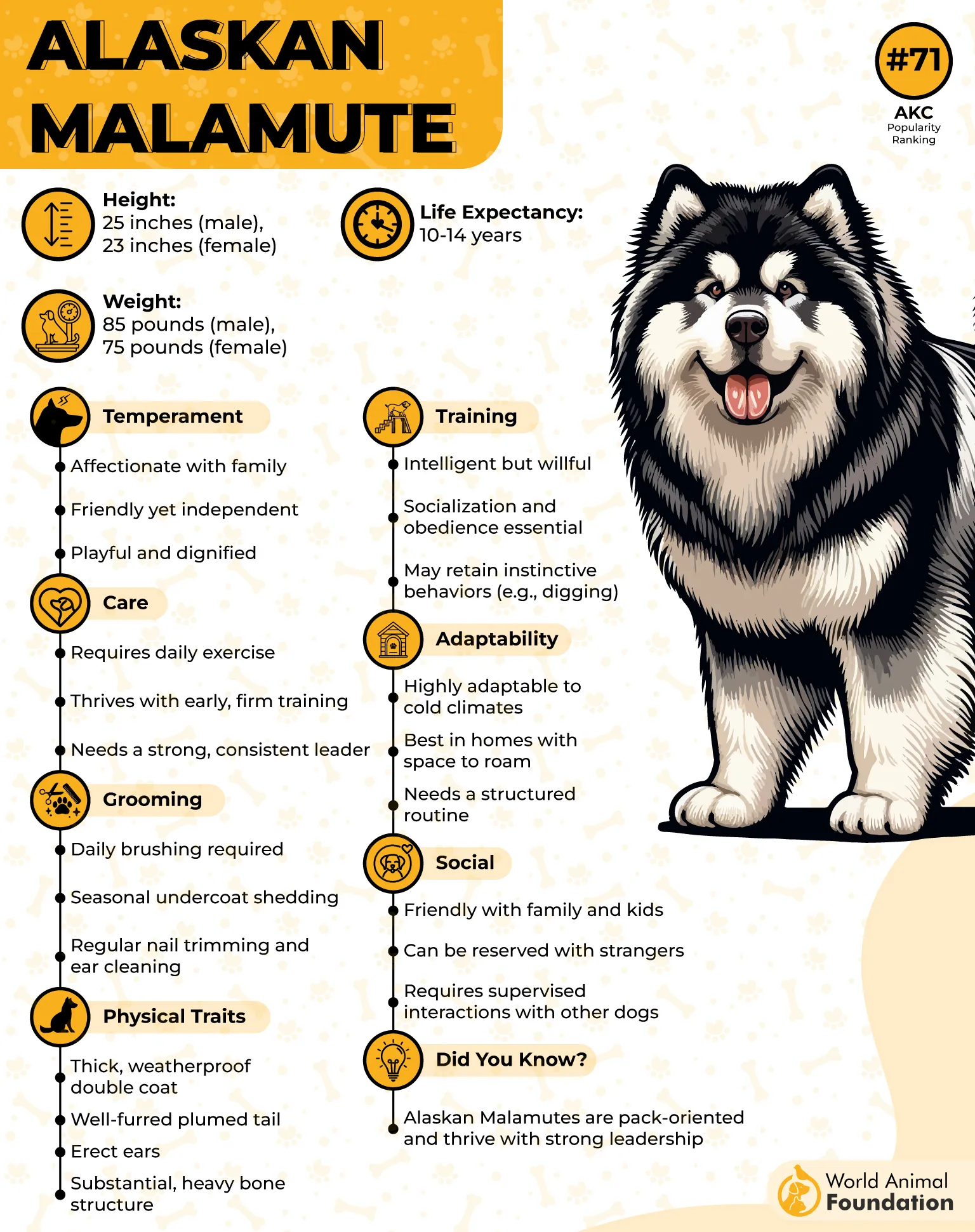
This big dog breed’s freedom is physical: the drive to move and cover ground. Off leash, a Malamute will not check in; it just goes. That pull toward the horizon is a sled dog’s instinct at work.
Size factor: A Malamute on the move can pull a grown adult off their feet.
Training note: This breed learns fast but bores fast, so training needs to feel like play.
Secure fencing and a solid recall matter more than for most breeds. This dog suits an active owner, not a yard alone. Give it a job involving movement, and it becomes a deeply loyal family member.
2. Romanian Carpathian Shepherd
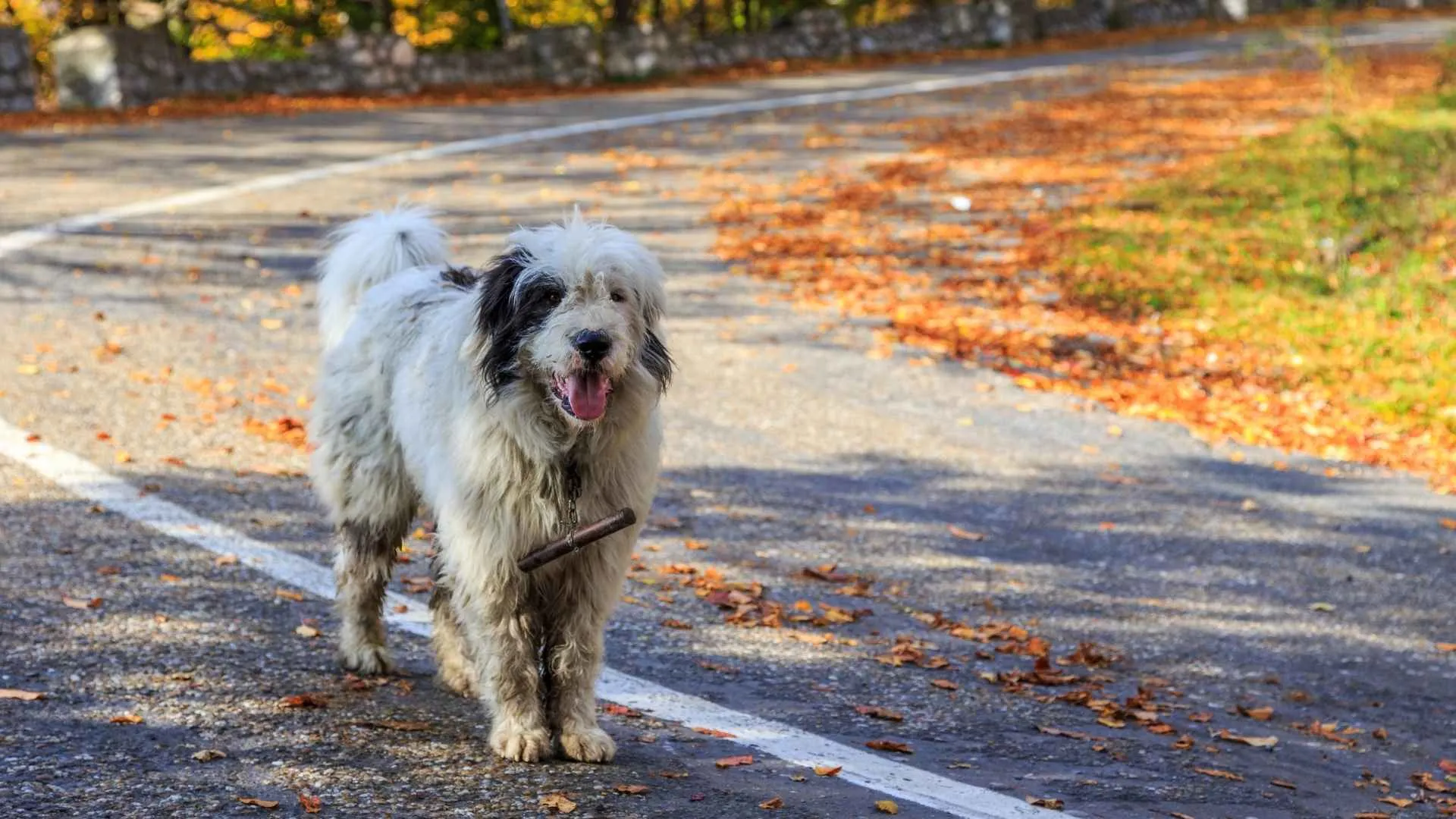
Romanian shepherds left this breed alone with the flock for days, facing wolves and bears with no backup. No one was near enough to give a command in a crisis. Survival meant deciding, not waiting.
This breed’s freedom is territorial, guarding ground without supervision, with decision-making layered in. It scans past the fence line long before anything shows itself. That watchfulness is the dog reading its own territory.
Size factor: At up to 100 pounds of mountain muscle, this breed is hard to call back mid-decision.
Training note: Skip early lessons, and it keeps making its own rules, so training starts in puppyhood.
Real territory to patrol keeps this breed settled instead of restless. It fits rural space or livestock, not an apartment. Give it ground to guard, and it becomes a famously brave, devoted protector.
3. Pyrenean Mastiff
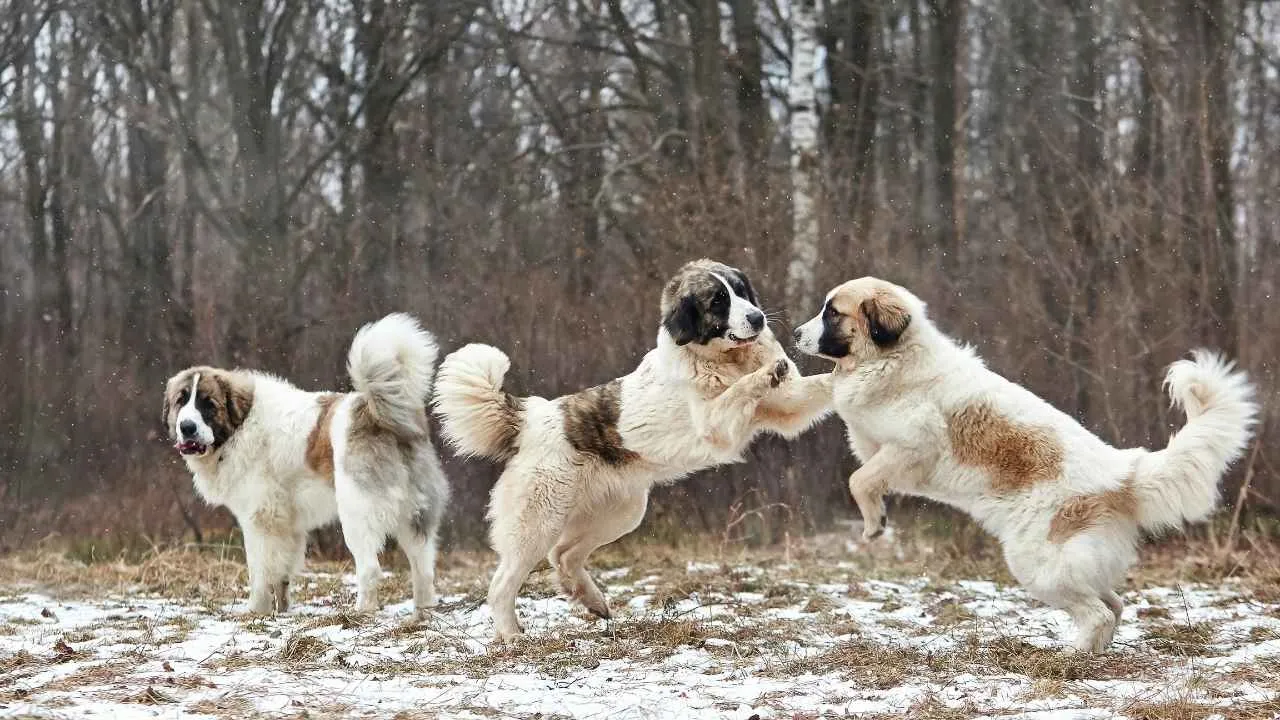
Spanish shepherds moved flocks across mountain terrain for days, leaving the Pyrenean Mastiff to guard overnight. No one could watch every ridge at once. The dog learned to patrol on its own judgment.
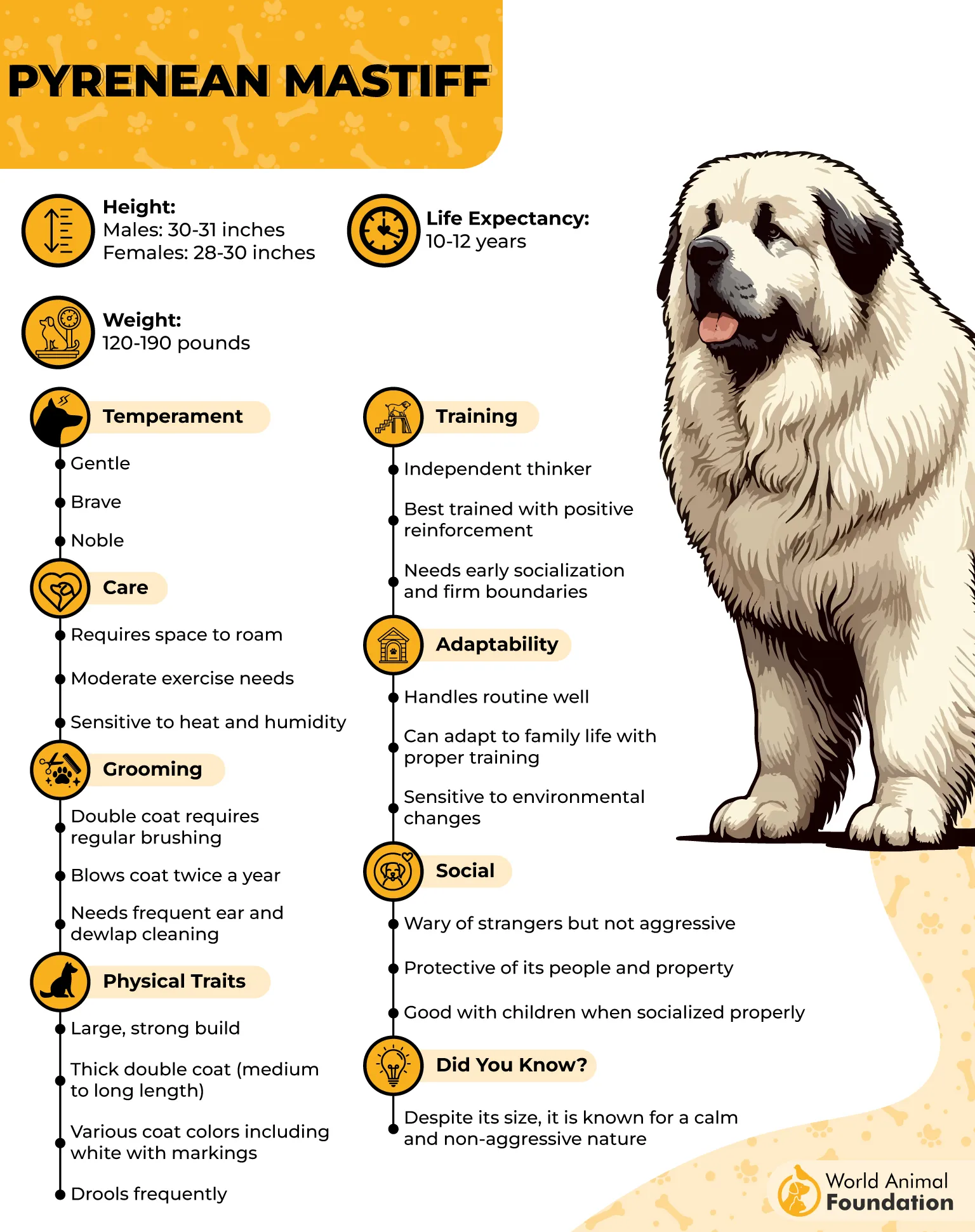
This breed’s freedom is territorial, standing watch through long nights, with calm decision-making underneath. It can lie still for hours, then rise the instant something is wrong.
Size factor: Weighing well over 100 pounds, this breed is not one anyone can simply pull away.
Training note: Patient, reward-based handling started early works best, since corrections tend to make it dig in.
A securely fenced property and guarding work keep this breed satisfied. It suits an owner with livestock or serious space, not a first home. Treat it fairly, and this gentle giant becomes a calm, affectionate family member.
4. Akita
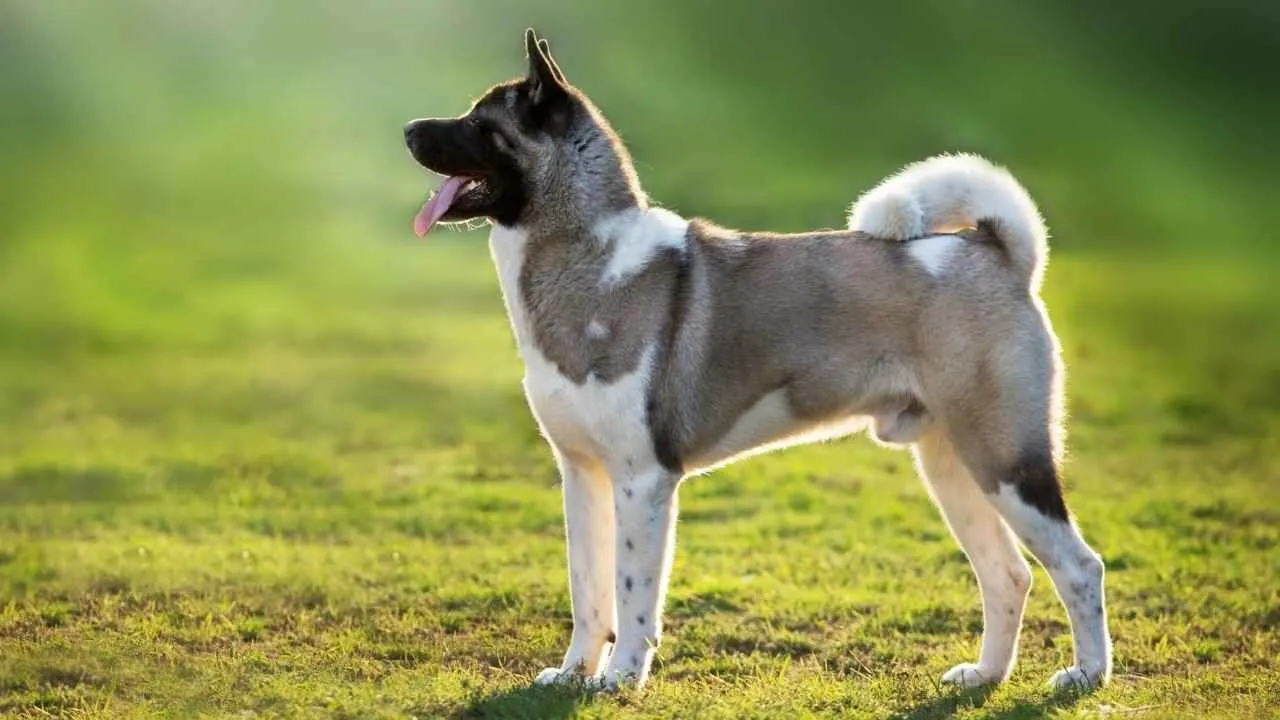
In Japan’s Akita Prefecture, this breed guarded nobility and tracked game through mountain terrain alone. It had to read each situation itself. That history built a mind that trusts its own judgment, as Royal Canin notes.
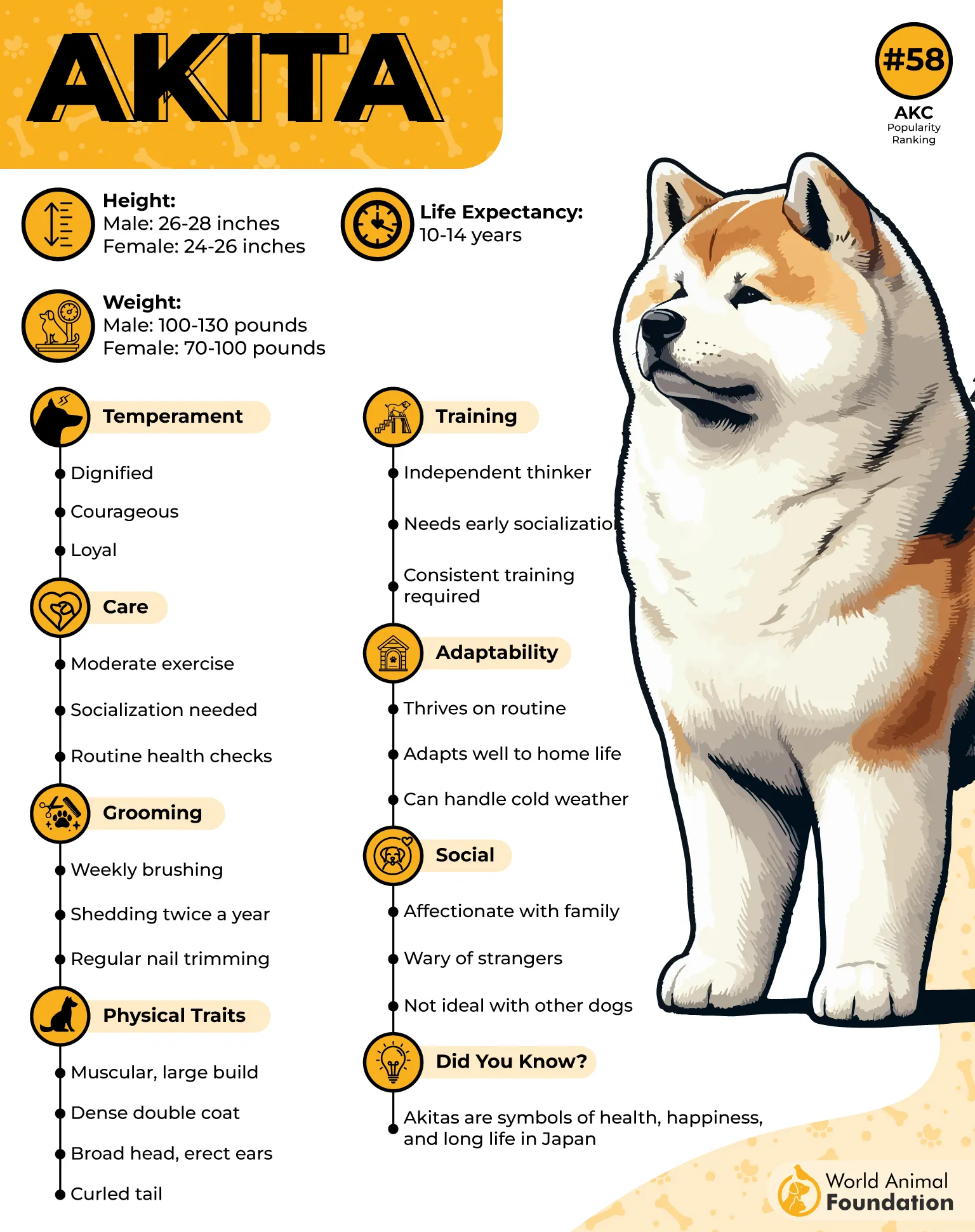
An Akita’s freedom is decision-making first, judging real threats, territory a close second. It will not bark at every sound; it watches, then reacts once it has assessed things.
Size factor: At well over 100 pounds, a dog that picks its own moment to react should never surprise a visitor.
Training note: This breed needs a handler it respects, not repetition, so calm consistency beats raised voices.
Because the Akita decides when to act, early socialization is non-negotiable. It suits an owner who understands reserved, one-family dogs, not instant friendliness seekers. Earn its trust, and it becomes a devoted, loyal presence at home.
5. Great Pyrenees
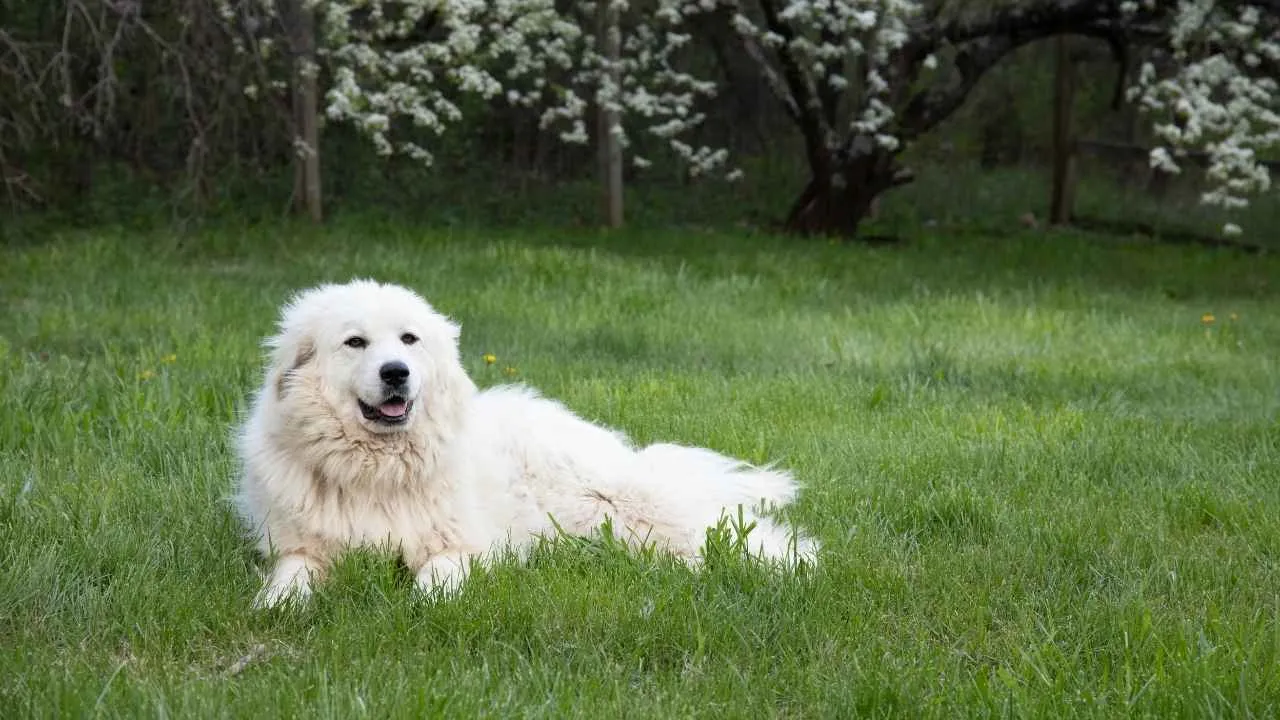
On snowy peaks between France and Spain, the Great Pyrenees stood watch over sheep through long nights alone. Wolves never announced themselves, so the dog decided when danger was real.
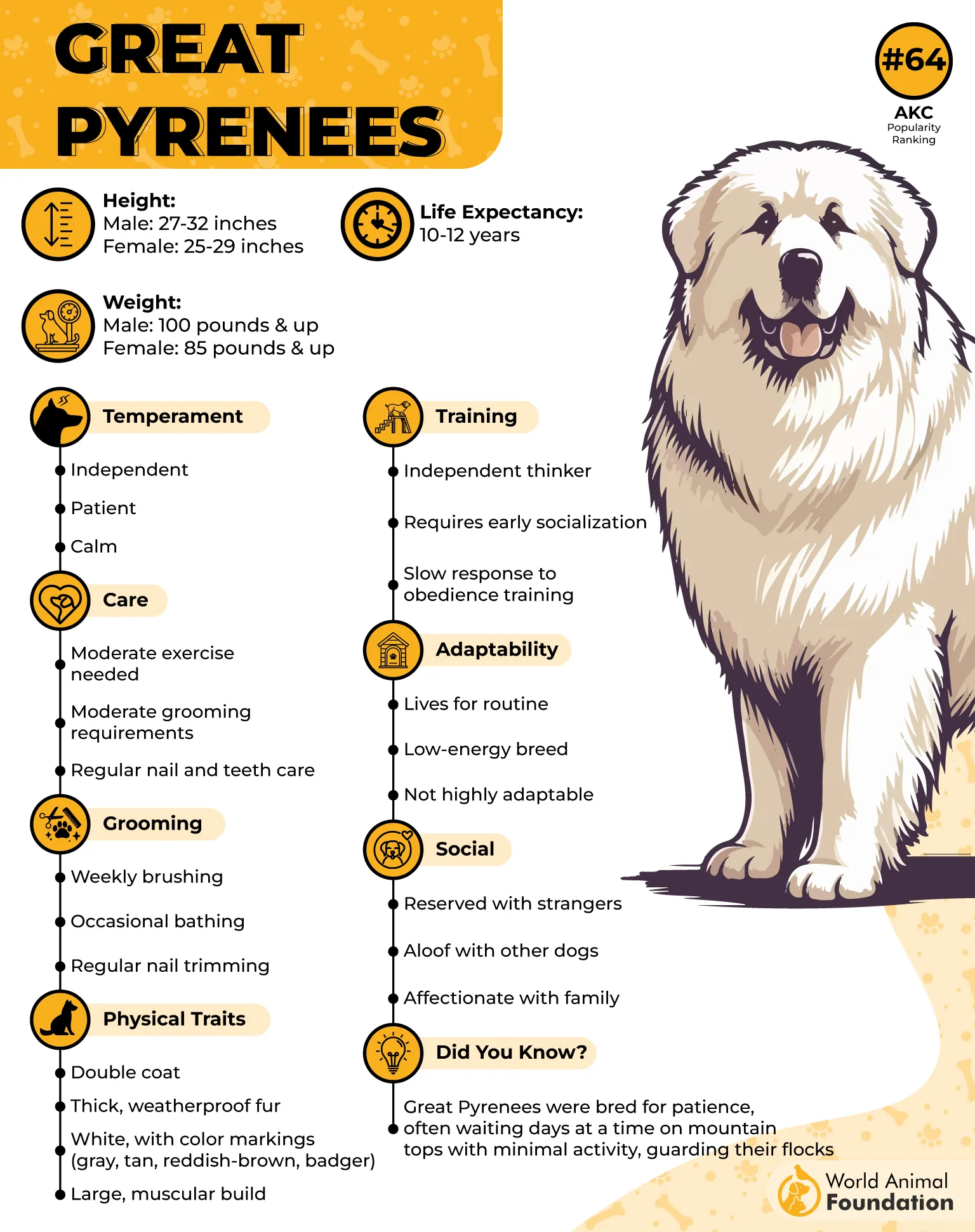
This breed’s freedom is territorial, with a sharp sense of when to escalate, a trait the AKC ties to centuries of guarding flocks. It often chooses its own patrol route and barks on its own schedule, not a human’s.
Size factor: Males topping 100 pounds mean this breed is not easily moved once it plants itself.
Training note: Commands land better framed as teamwork, since repetition alone gets tuned out fast.
Secure, sturdy fencing matters, since its sense of territory stretches past the yard it guards. It suits a family with space or livestock, not an apartment seeker. Respect its independence, and it becomes a devoted, gentle guardian for the whole family.
6. Anatolian Shepherd Dog
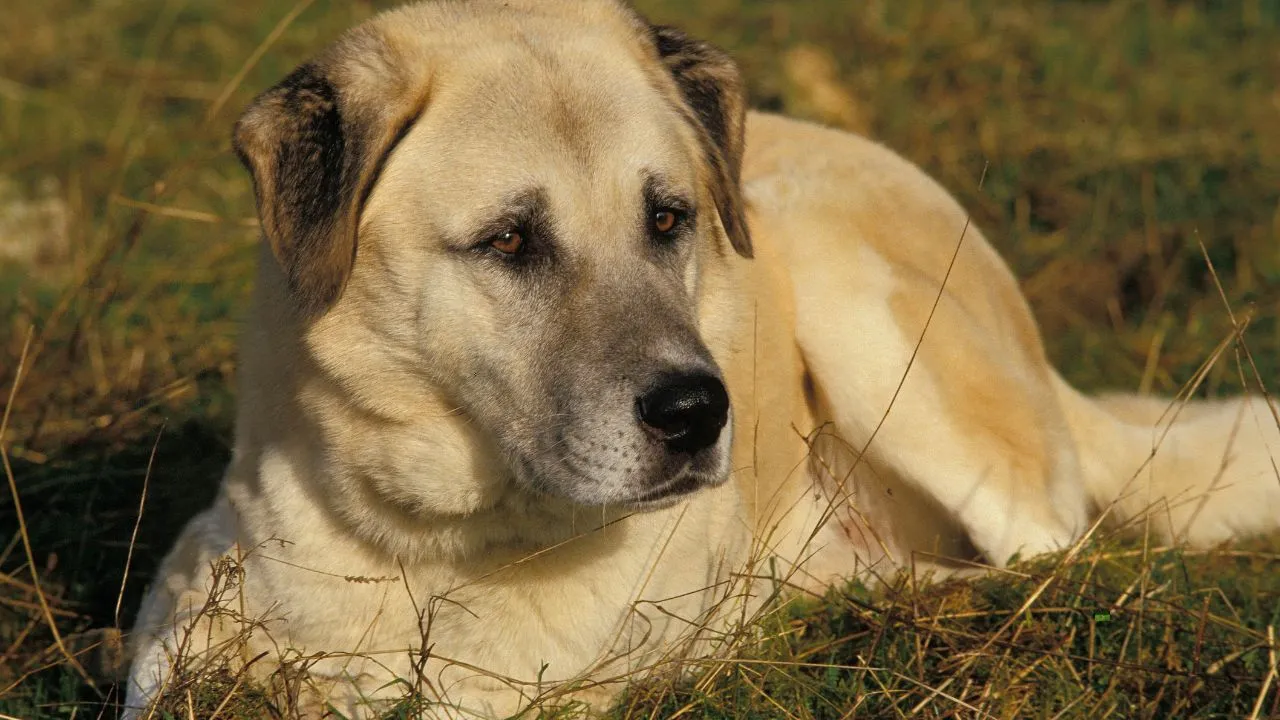
This breed’s job in ancient Anatolia was never to herd; it was to think for itself beside the flock. Shepherds were often far off, so every call landed on the dog alone.
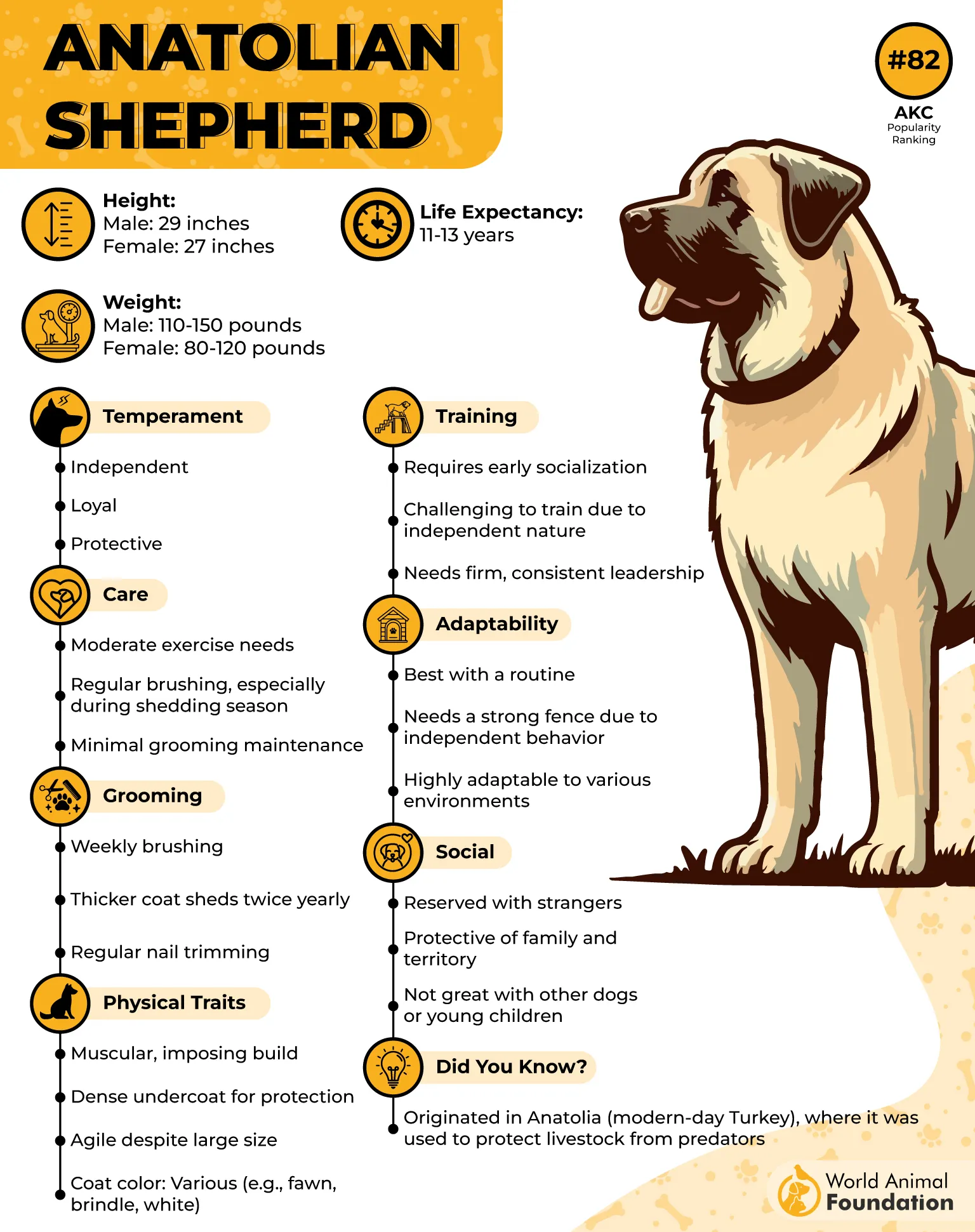
This breed’s freedom is territorial, with decision-making about which threats are worth a response. It often ignores a stranger past the fence, then reacts the instant that stranger steps inside it.
Size factor: At up to 150 pounds, a dog that decides a line is crossed closes distance fast.
Training note: This breed listens when it agrees with an instruction, so commands must make sense to it.
A tall, secure fence and real guarding work keep this breed satisfied, not restless, exactly what Hill’s Pet recommends. It fits rural space and livestock, not an apartment. Given a real job, it becomes a calm, fearless protector of family.
7. Tibetan Mastiff
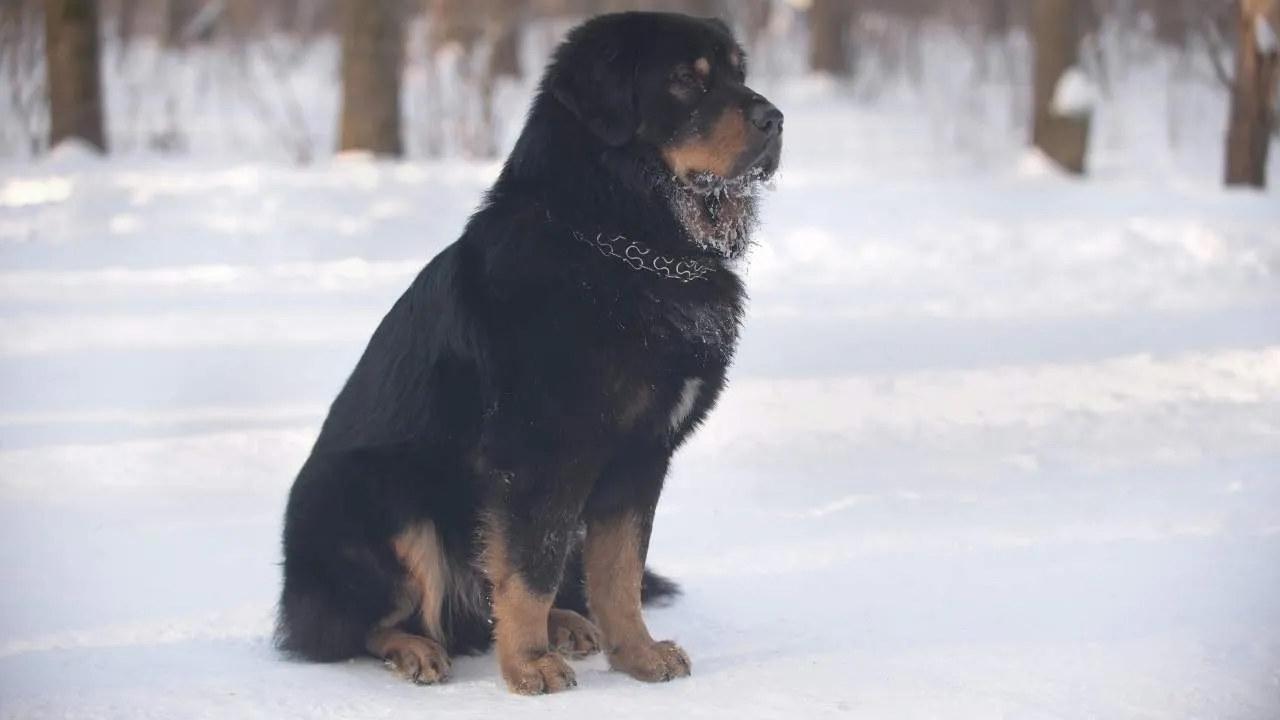
High on the Tibetan Plateau, this breed was tethered at monastery gates, guarding through the night. No one stood beside it in the dark, so every decision was its own.
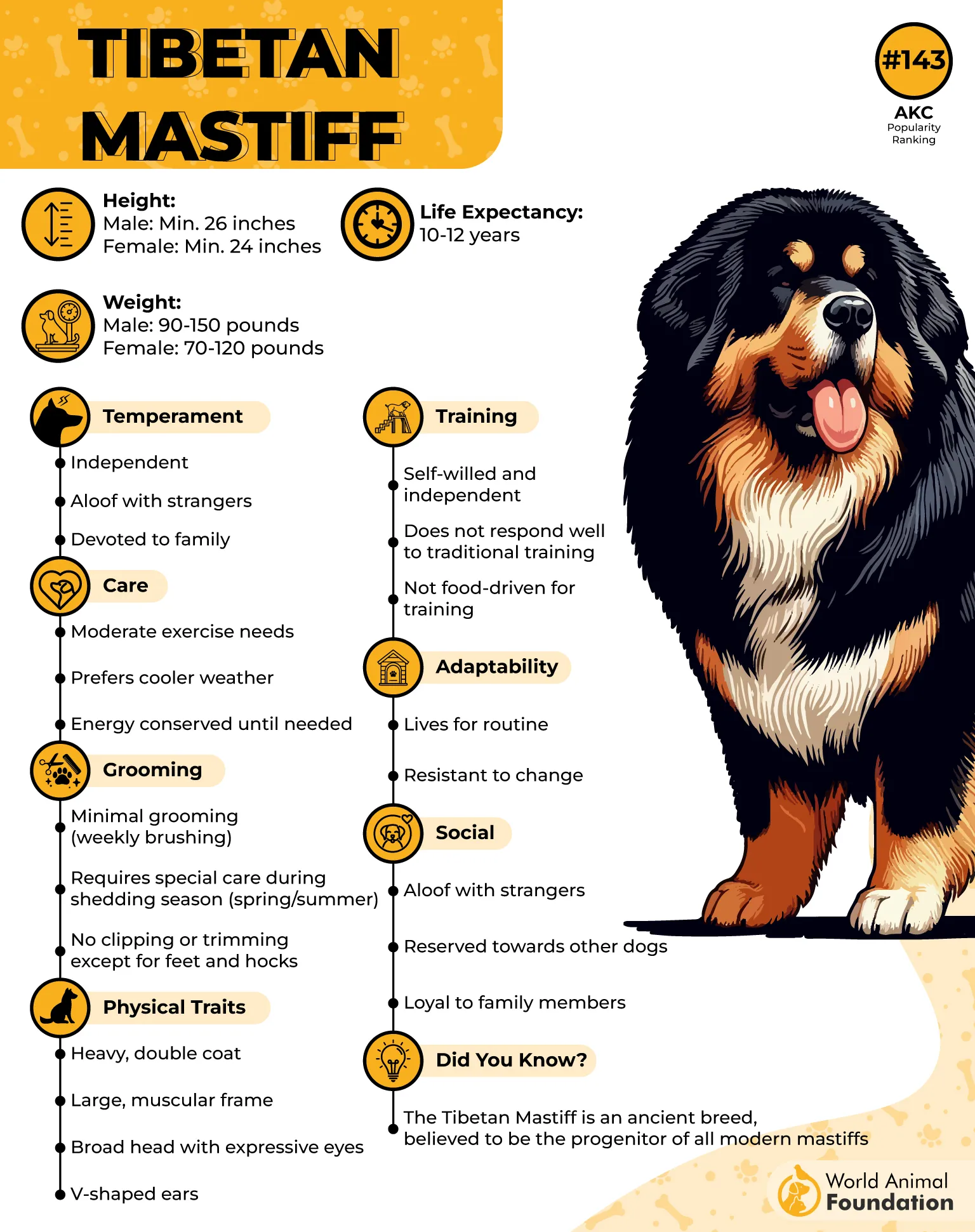
This breed’s freedom is mostly decision-making, choosing when a sound deserves a response; territory is a close second, as Purina notes. It can doze through an afternoon, then snap alert at the smallest shift after sunset.
Size factor: At well over 100 pounds, a dog confronting something after dark is not easily pulled back.
Training note: This breed is intelligent, not obedient, so sessions must feel worthwhile, or they will not land.
Letting this breed sleep indoors settles it, while patrolling alone outdoors fuels round-the-clock barking. It suits a calm, experienced owner with a secure yard, not a first-time parent. Earn its trust, and it becomes a loyal, patient guardian.
Conclusion
These seven giant dog breeds prove that freedom was never the opposite of loyalty; it was always the job description. Give any of them real space, early training, and a task worth doing, and a strong-willed dog turns into one of the most devoted members of the family.
Pick the type of freedom you can actually live with, not just the breed that looks most impressive, and you will land on a great choice for years to come. Ready to welcome one of these independent giants into your life? Start by matching your space and energy to the breed, then reach out to a reputable breeder or rescue today.
