




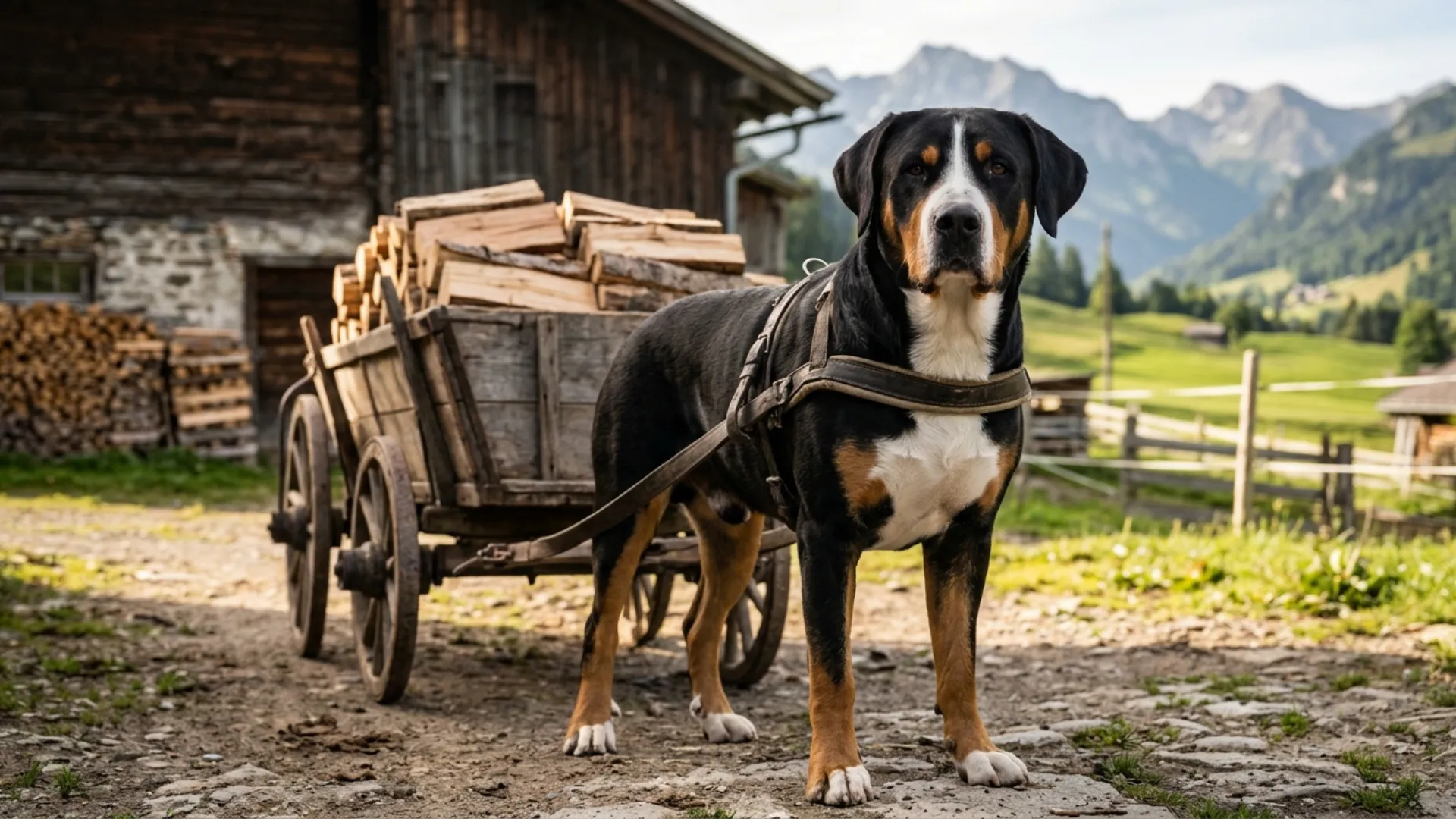
Some dogs possess extraordinary physical strength, sturdy frames, and the endurance needed to handle demanding tasks. From hauling heavy loads across snowy terrain to moving livestock and assisting with rescue operations, muscular dog breeds have played important roles alongside humans for centuries. Their physical capabilities reflect generations of breeding for specific jobs rather than appearance alone.
However, strength comes in different forms. Some breeds are built for sustained pulling and long-distance travel, while others rely on powerful muscles, stability, and controlled movement to perform physically challenging duties. Proper nutrition, regular conditioning, suitable training, and veterinary care are essential for maintaining their strength without placing unnecessary strain on their joints.
The following nine breeds stand out for their muscular development and working backgrounds. Exploring their individual strengths, historical roles, and exercise requirements can help explain why each has earned a place among the dogs best equipped for demanding physical work.
Top Dog Breeds Possessing Muscular Excellence for Heavy Work
1. Alaskan Malamute
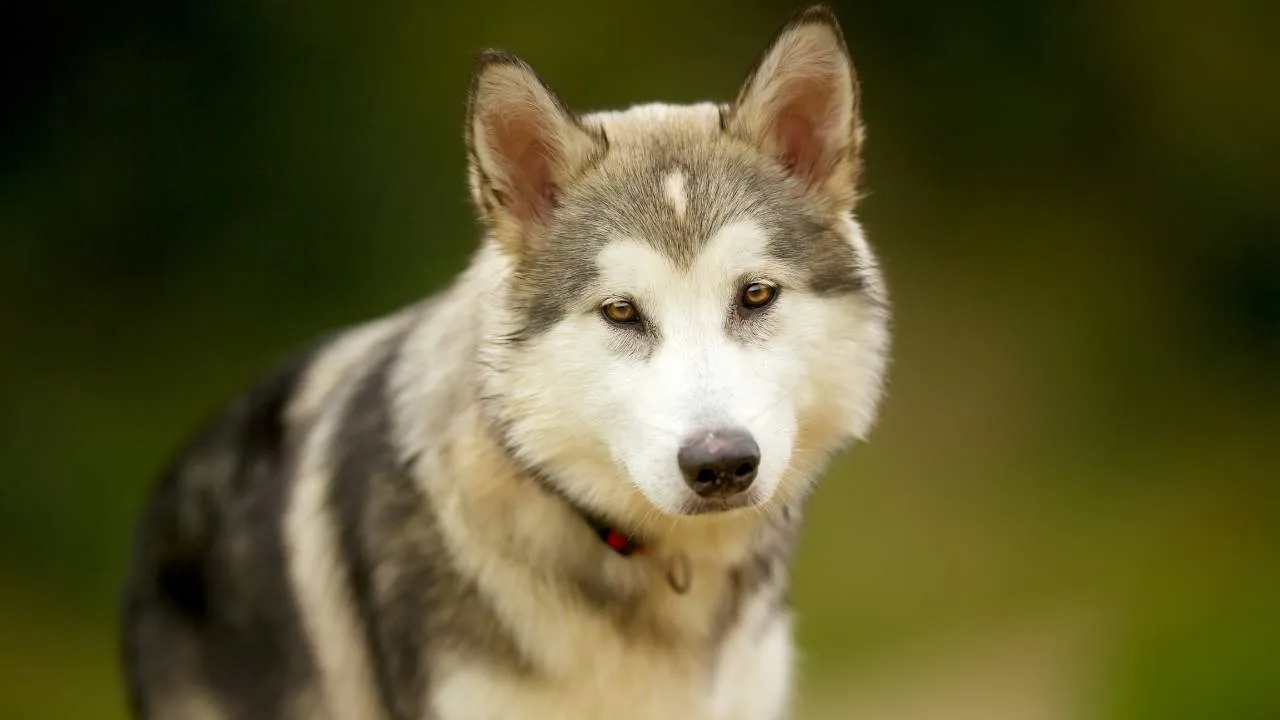
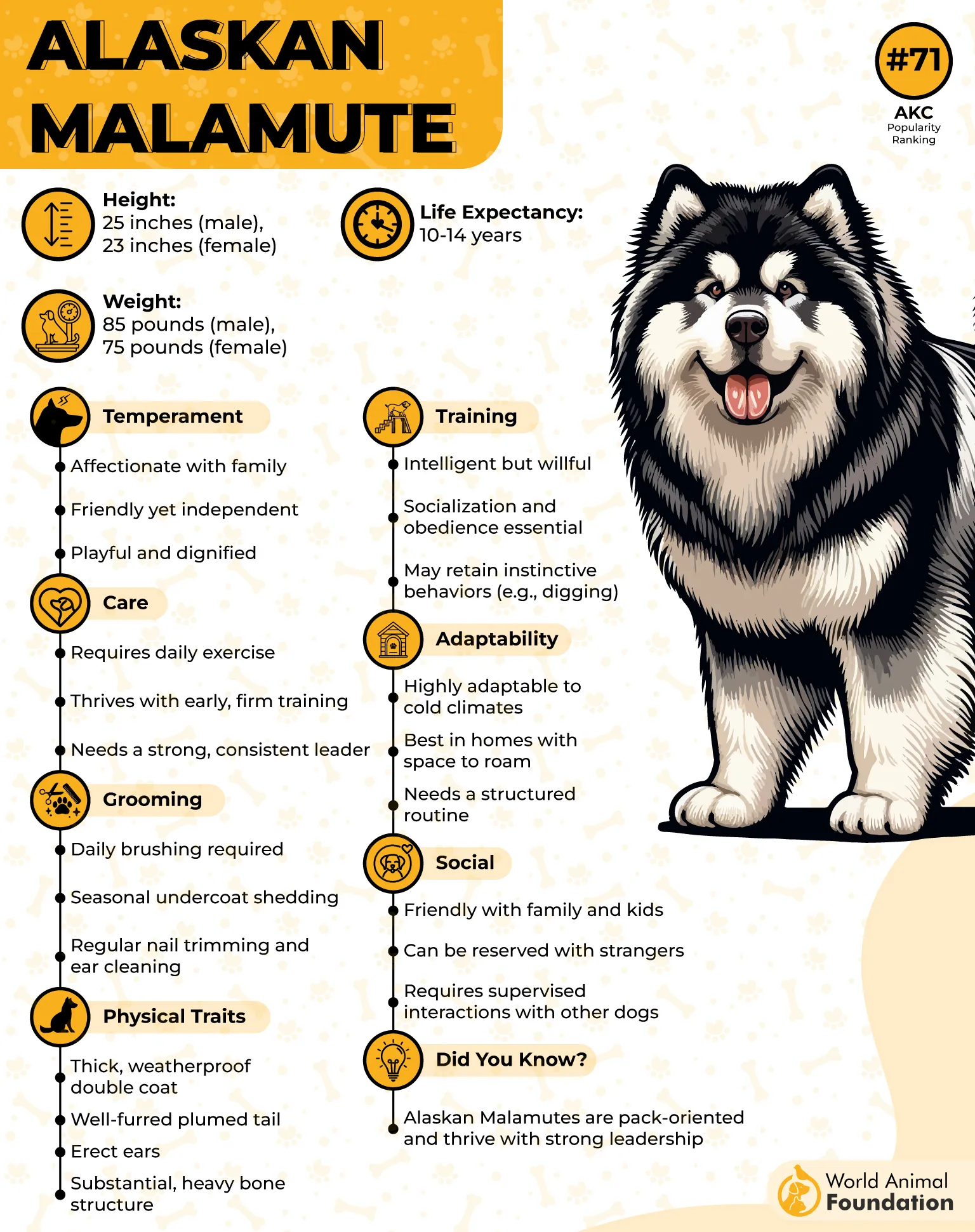
Alaskan Malamutes are powerful dogs developed to haul heavy sled loads across frozen landscapes. Their broad chests, substantial bones, and muscular limbs support impressive pulling ability, while their thick double coats provide insulation in cold weather. Unlike breeds designed primarily for sprinting, Malamutes are especially suited to sustained effort over challenging terrain.
Arctic Survival Shaped a Powerful Sled Dog
The Alaskan Malamute originated in Alaska and is associated with the Mahlemut people, who relied on these dogs for transportation and demanding hauling work. Their strength and endurance were essential in environments where moving supplies across snow could be difficult. Generations of working alongside people helped establish the breed’s robust build and independent character.
Built for Pulling Rather Than Constant Speed
Malamutes benefit from activities that engage their natural strength, including appropriately conditioned hiking, pulling sports, and long walks in suitable weather. Their exercise should be introduced gradually to protect developing joints and prevent overexertion. They can struggle in hot climates because of their dense coats, so cooler conditions, fresh water, and careful temperature management are important.
2. Greater Swiss Mountain Dog
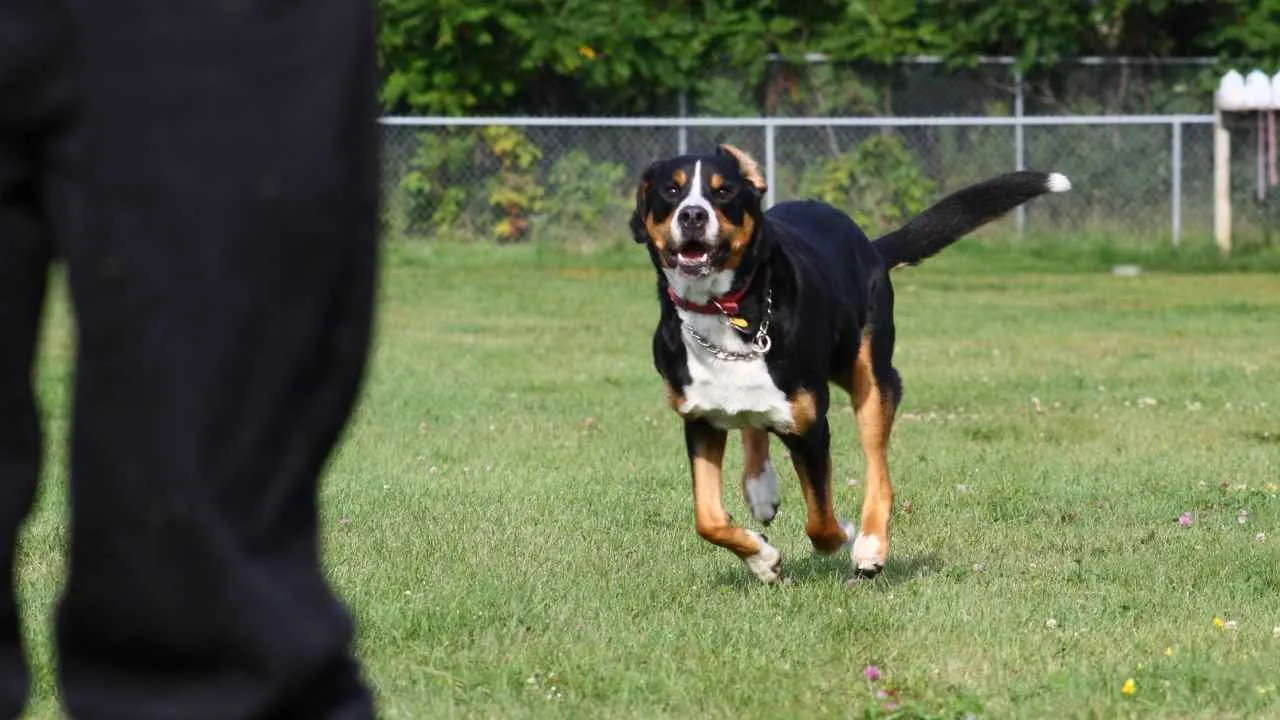
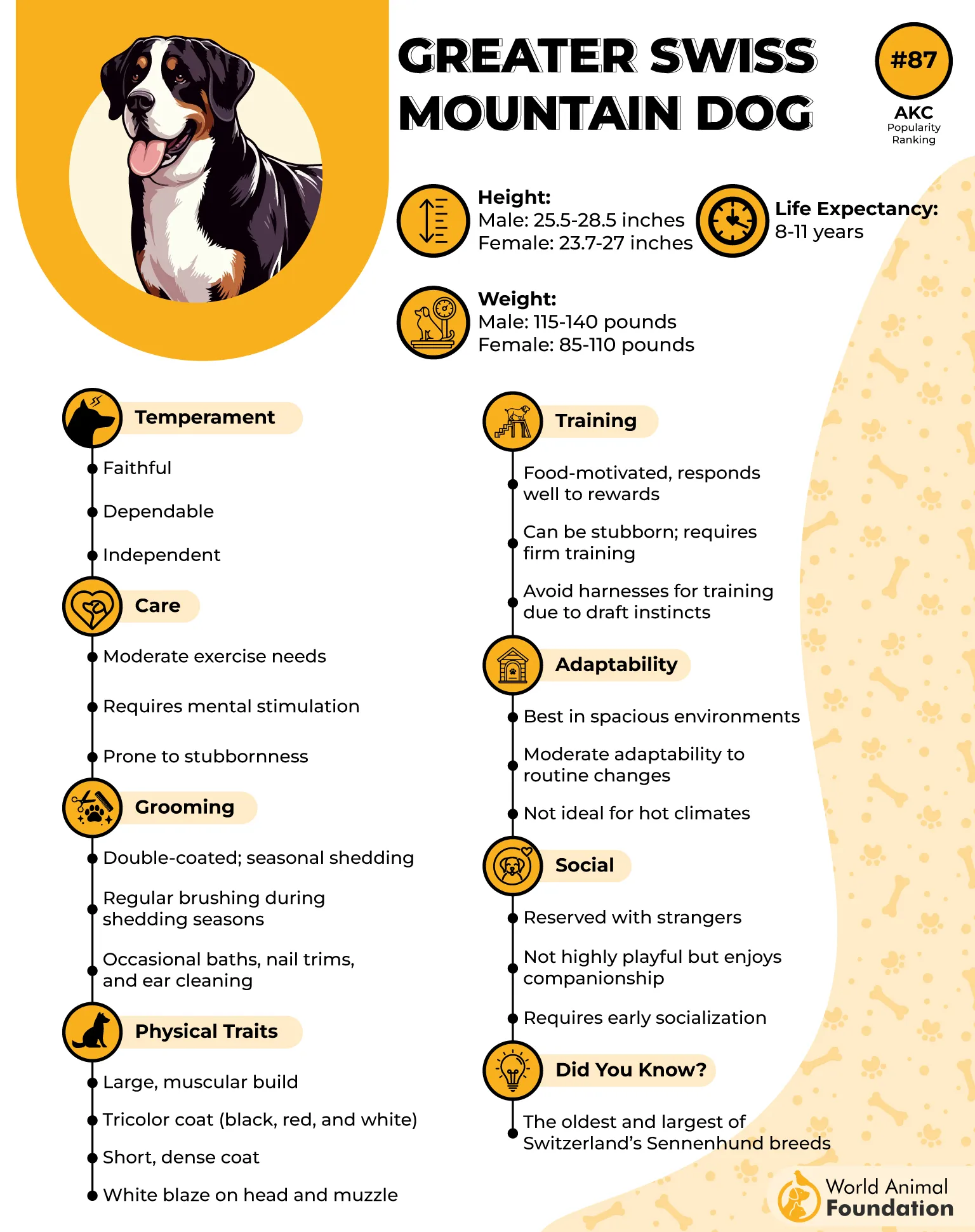
The Greater Swiss Mountain Dog is a substantial working breed with a broad frame, strong limbs, and considerable physical stability, as per WebMD. Historically associated with farm duties, it was valued for moving goods, assisting with livestock, and performing other demanding jobs.
Its muscular build supports practical strength, while its generally steady nature can make it a dependable working companion.
Swiss Farm Life Produced a Versatile Heavyworker
The Greater Swiss Mountain Dog developed in Switzerland from large farm and draft dogs. Farmers used these animals for pulling carts, moving goods, and helping manage livestock across rural communities. Their history favored strength, durability, and the ability to work closely with people, establishing a breed well suited to practical tasks.

Strong Enough for Draft Work and Outdoor Challenges
Greater Swiss Mountain Dogs can enjoy carting activities, hiking, and structured exercise that develops coordination and stamina. Owners should also monitor body weight and avoid repetitive high-impact exercise that could place unnecessary stress on their musculoskeletal system.
3. Newfoundland
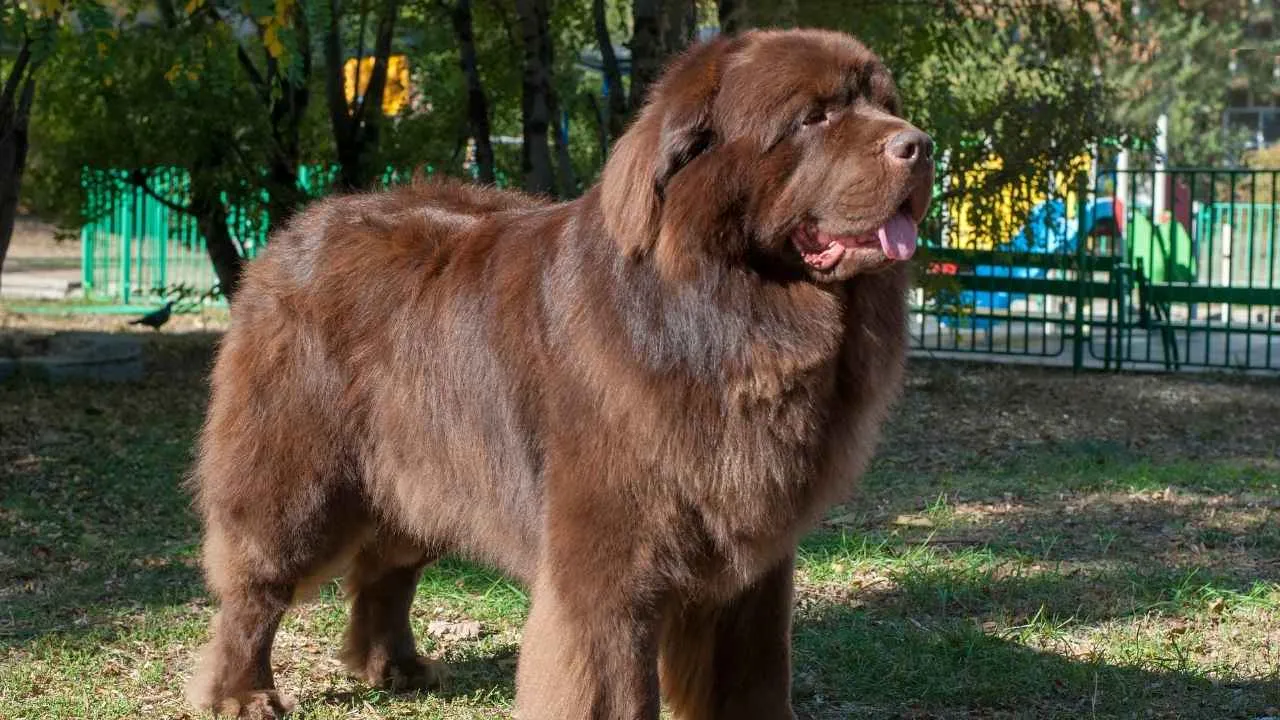
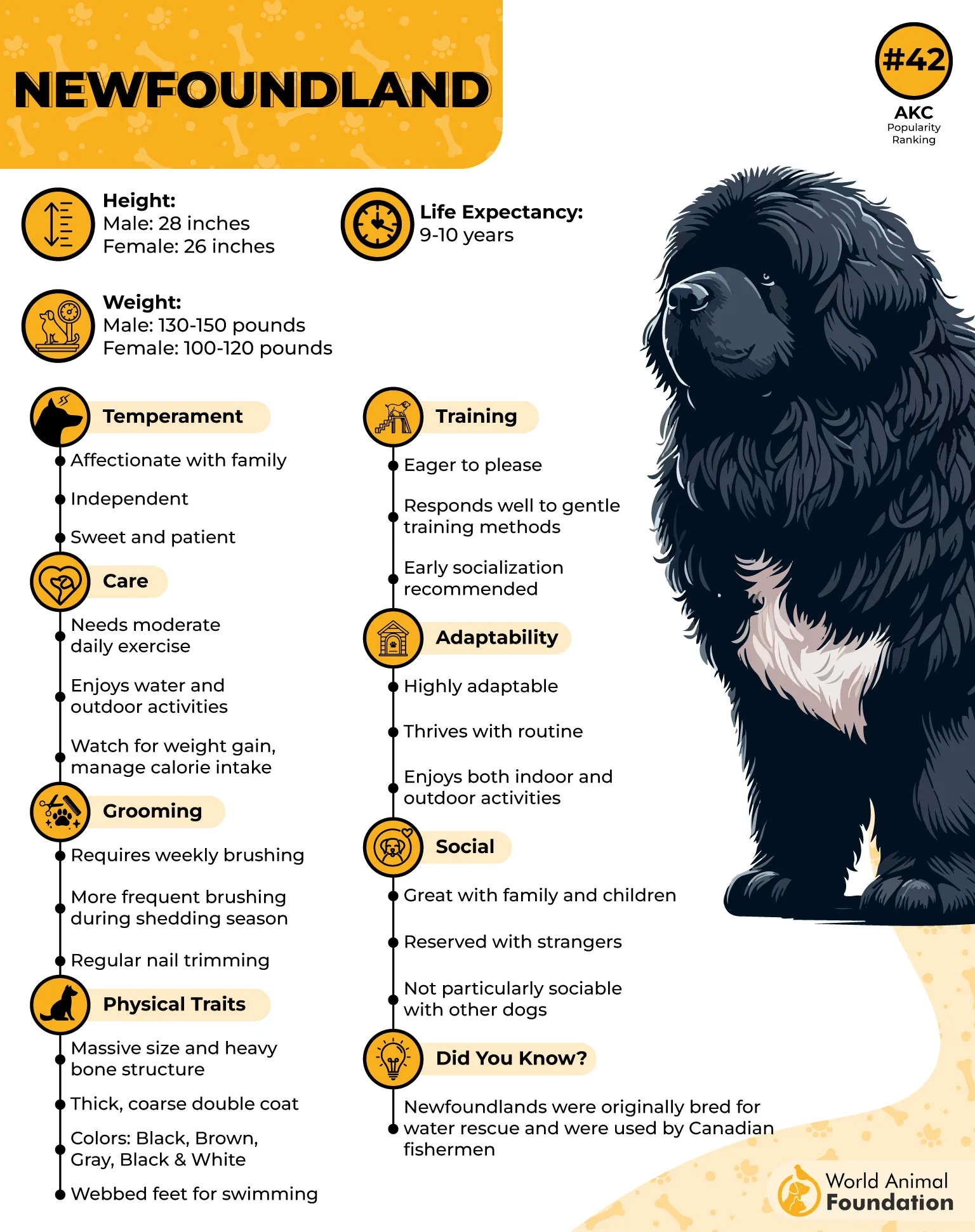
Newfoundlands combine a massive frame with powerful shoulders, substantial limbs, and remarkable swimming ability. Their physical strength historically helped them haul equipment and assist fishermen, while their water-resistant double coats supported work in cold conditions. Rather than relying solely on brute force, they combine strength with buoyancy, endurance, and a willingness to cooperate.
Coastal Work Built Strength and Water Confidence
The Newfoundland originated on the island of Newfoundland in Canada, where working dogs assisted fishing communities with tasks around the water. They were used to haul nets, transport equipment, and help retrieve objects from the sea. Their combination of strength and swimming ability later contributed to their reputation as capable water-rescue dogs.
A Muscular Swimmer That Needs Careful Conditioning
Newfoundlands often benefit from supervised swimming, moderate walks, and controlled activities that support mobility. Their large bodies require thoughtful exercise planning, particularly while they are still growing. Thick coats, heavy shedding, and susceptibility to overheating also mean that owners should provide shade, fresh water, regular grooming, and comfortable resting areas.
4. Bernese Mountain Dog
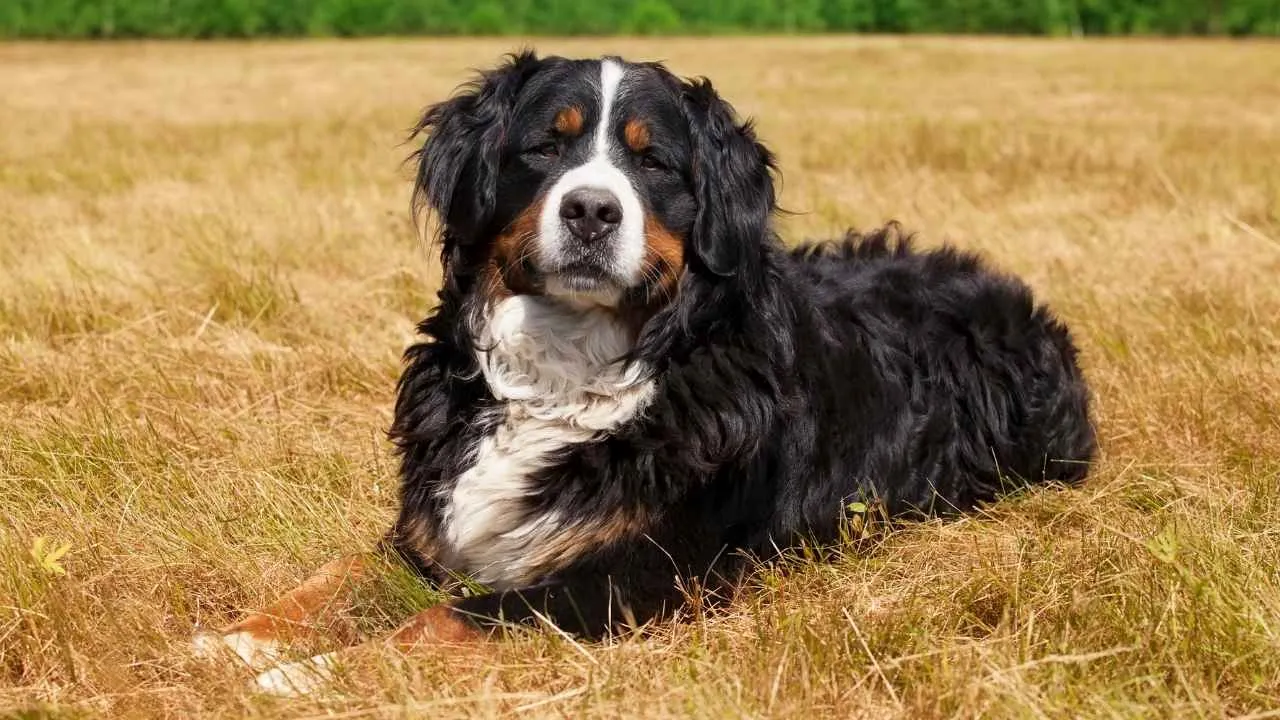
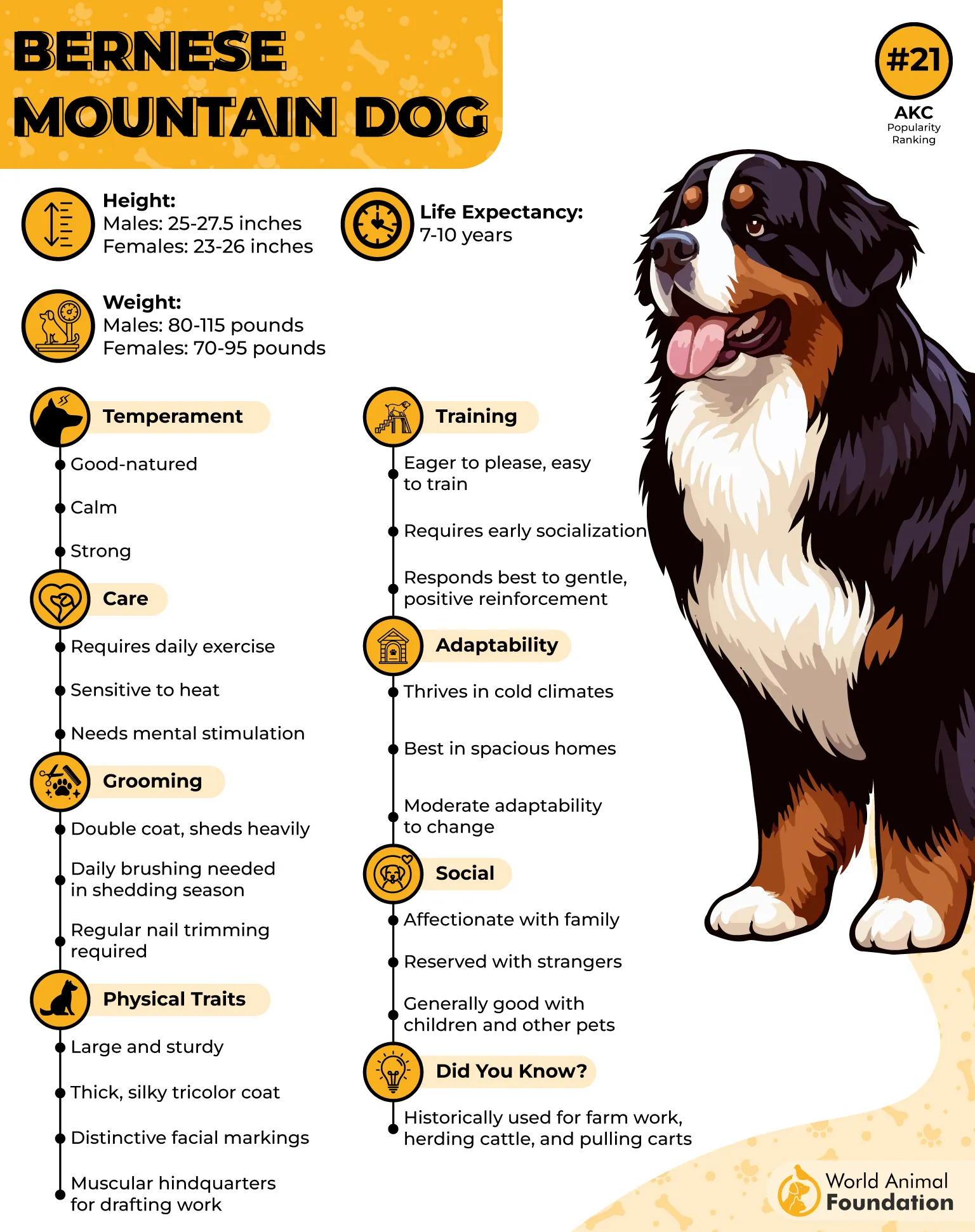
Bernese Mountain Dogs possess a sturdy body, strong hindquarters, and the physical balance needed for traditional farm work. Although they are not built for extreme speed, their strength and steady movement made them useful for pulling carts and assisting with livestock. Their combination of power and a generally affectionate temperament also makes them popular family companions.
Swiss Agricultural Traditions Shaped This Strong Breed
The Bernese Mountain Dog originated in Switzerland, particularly around the canton of Bern. Farmers relied on these muscular dogs for pulling carts, driving cattle, and carrying out other tasks around farms. Their thick coats helped them work in cold weather, while their substantial frames supported the physical demands of rural life.
Cart-Pulling Strength With a Gentle Disposition
Bernese Mountain Dogs may enjoy carting, hiking, and other moderate activities when introduced safely. Their exercise should focus on steady conditioning rather than excessive impact, particularly during puppyhood. The breed is also prone to certain serious health problems, including some cancers and orthopedic conditions, so responsible breeding and regular veterinary care are especially important.
5. Saint Bernard
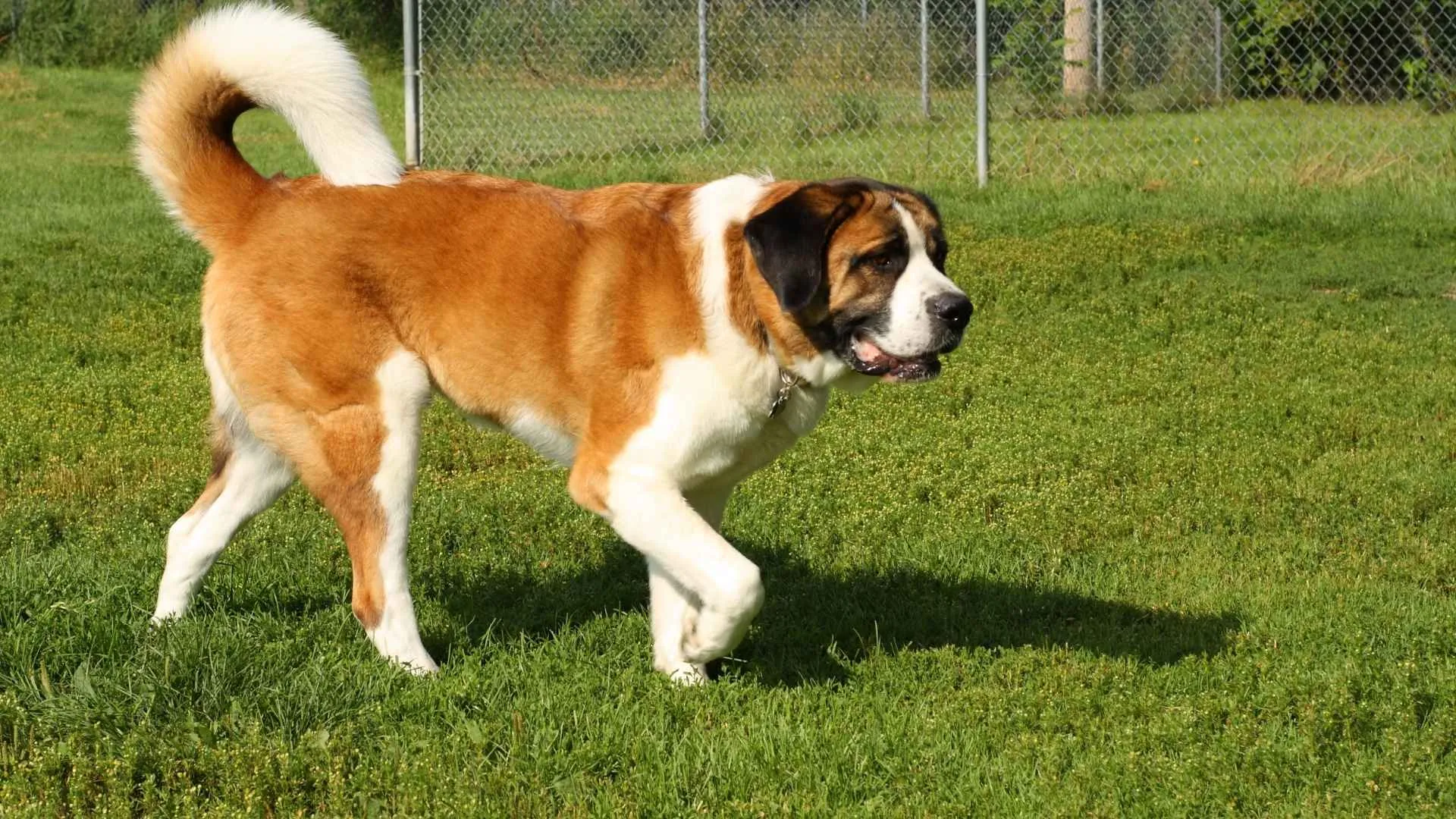
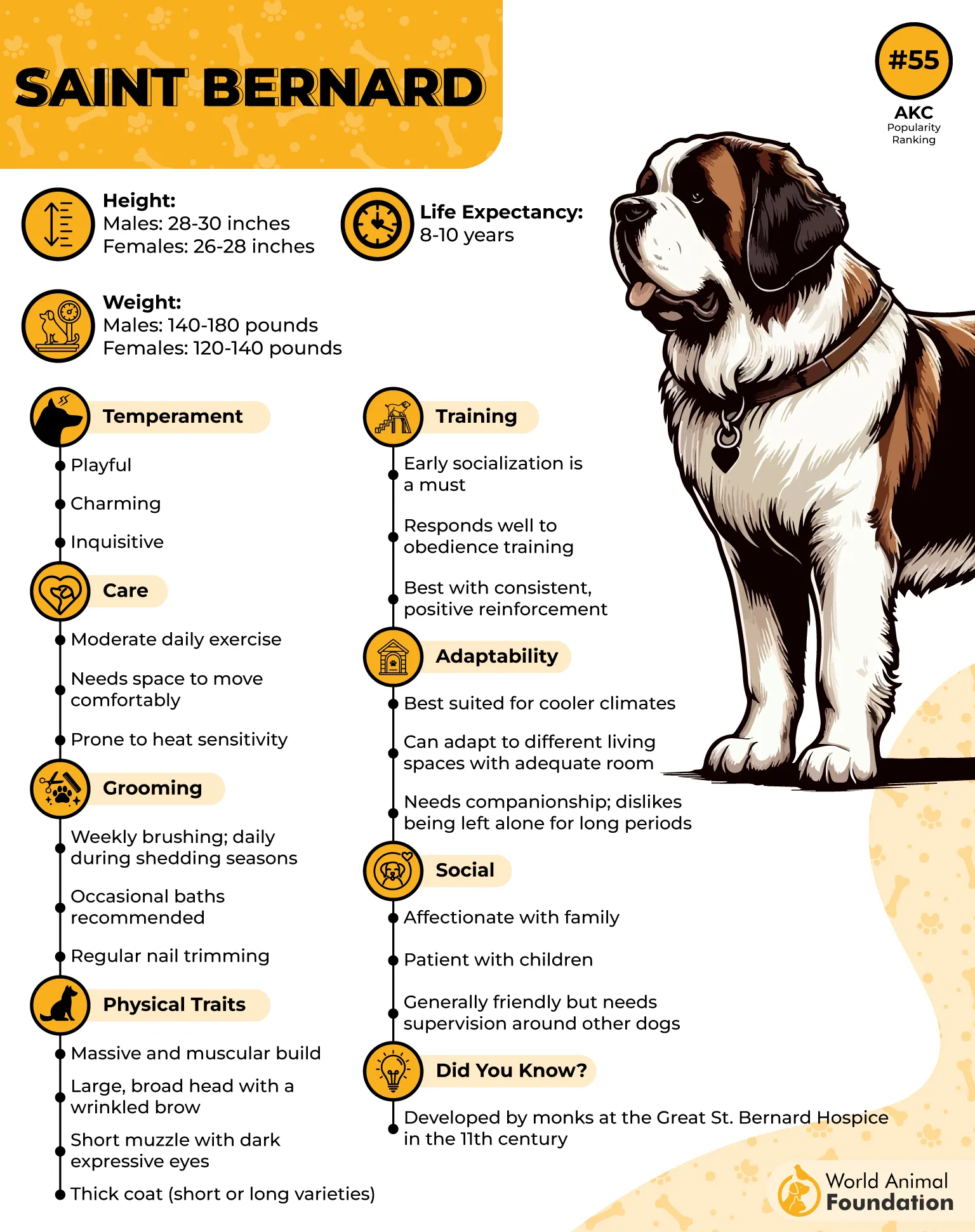
Saint Bernards are exceptionally large dogs with strong bones, broad chests, and powerful muscles. Their substantial build helped them navigate challenging mountain environments and assist people traveling through snowy passes. Although they are not endurance athletes in the same way as sled dogs, their size and strength historically supported physically demanding rescue and transport-related work.
Alpine Rescue History Behind an Imposing Frame
The Saint Bernard originated in the Swiss Alps, where monks at the Great St. Bernard Hospice kept large working dogs to assist travelers. These dogs became associated with mountain rescue and helping people in difficult conditions. Their physical robustness, thick coats, and steady temperament contributed to their reputation as dependable companions in harsh environments.
Powerful Movement Requires a Measured Exercise Plan
Saint Bernards benefit from regular, moderate walks and controlled outdoor activity that maintains muscle tone without overloading their joints. Their growth rate and adult size make appropriate nutrition and careful exercise particularly important. Owners should avoid strenuous activity in hot weather and watch for signs of fatigue, since their massive bodies can be vulnerable to overheating.
6. Rottweiler
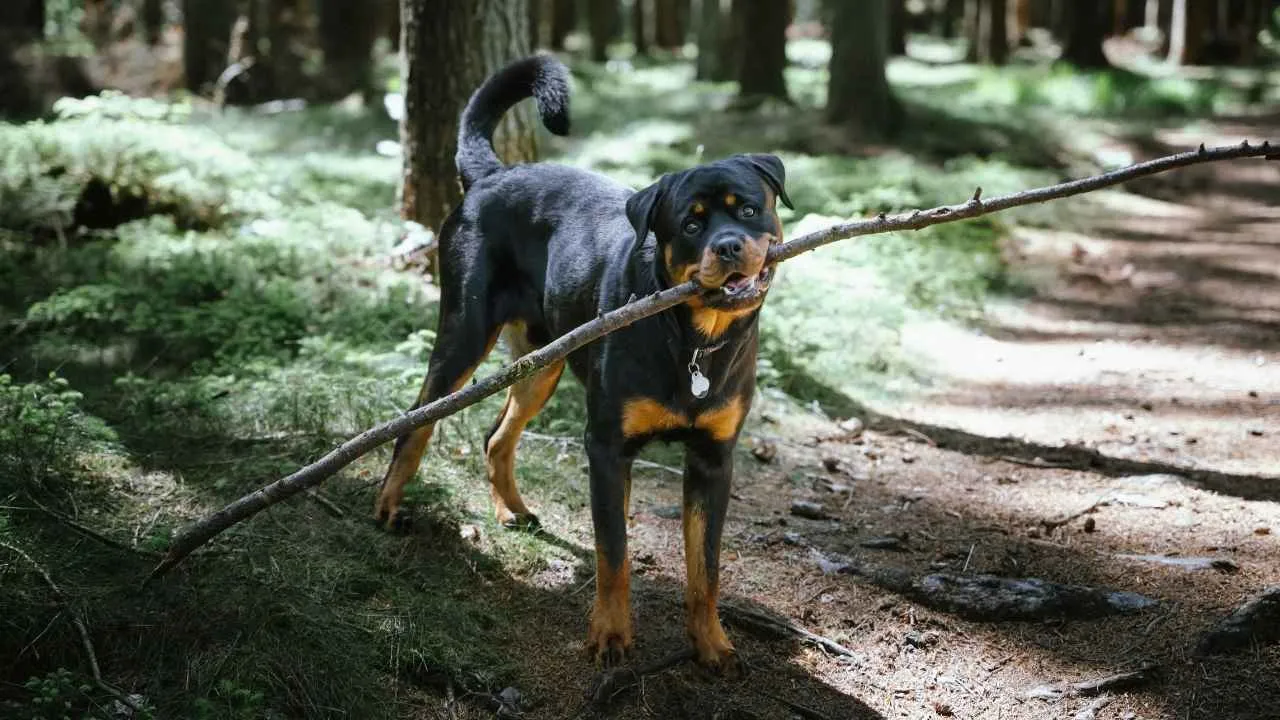
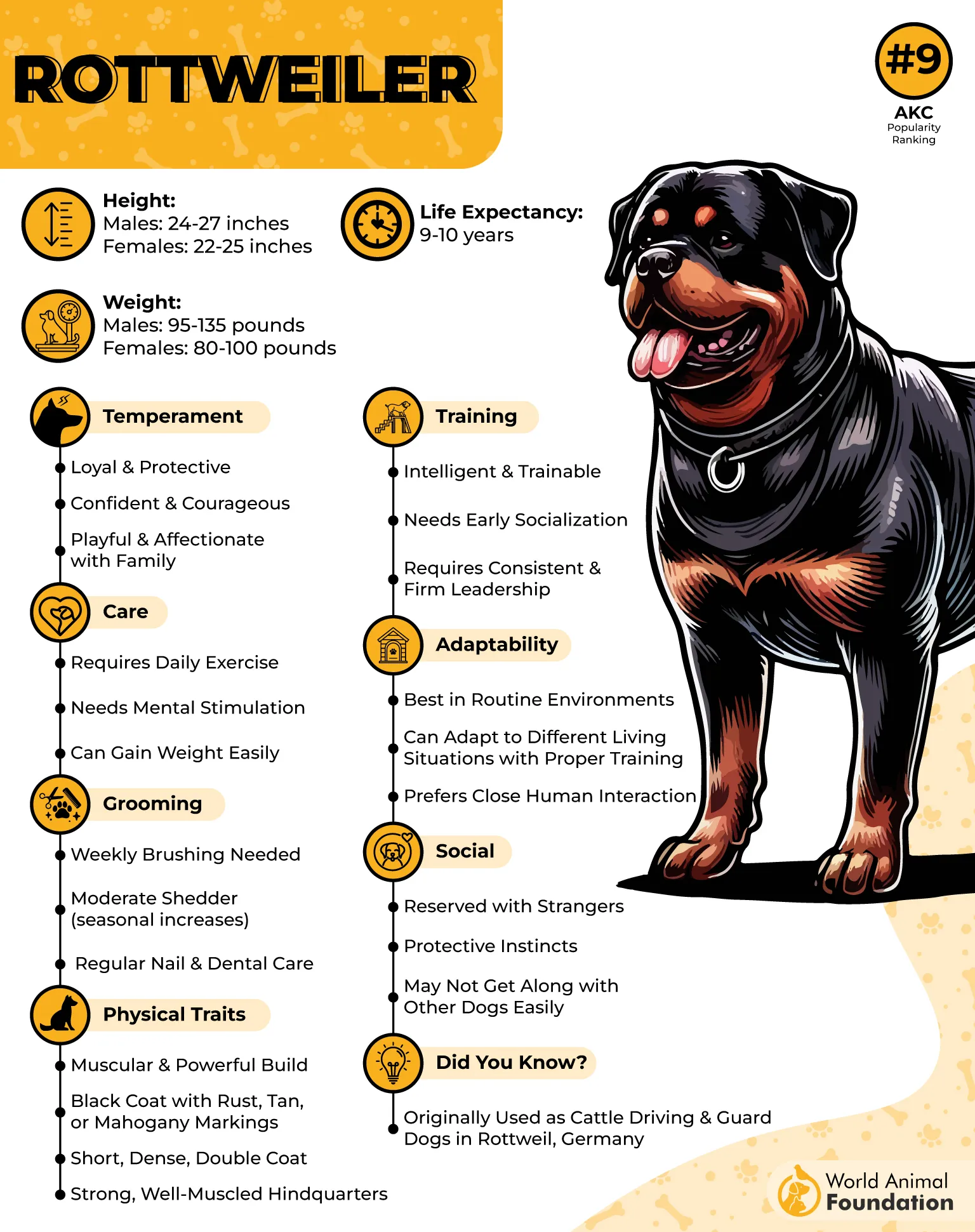
Rottweilers are compactly powerful dogs with broad shoulders, muscular hindquarters, and a strong, balanced gait. Their build supports tasks that require controlled force and physical stability, while their intelligence makes them capable of learning structured working routines. They have historically performed demanding jobs involving livestock, guarding, and cooperation with human handlers.
From Livestock Driving to Modern Working Roles
The Rottweiler developed in and around Rottweil, Germany, where its ancestors helped drive cattle and assist butchers with practical work, as per PDSA. These duties required strength, stamina, and reliable movement over varied terrain. As agricultural practices changed, the breed found new roles in service and working environments that valued its physical capability and trainability.
Strength That Benefits From Structured Training
Rottweilers can participate in suitable canine sports, obedience work, and carefully managed conditioning exercises. Building strength should prioritize sound movement, gradual progression, and appropriate recovery rather than excessive weight or resistance. Because these dogs are powerful, good leash manners, impulse control, and responsible handling are just as important as physical fitness.
7. Dogue de Bordeaux

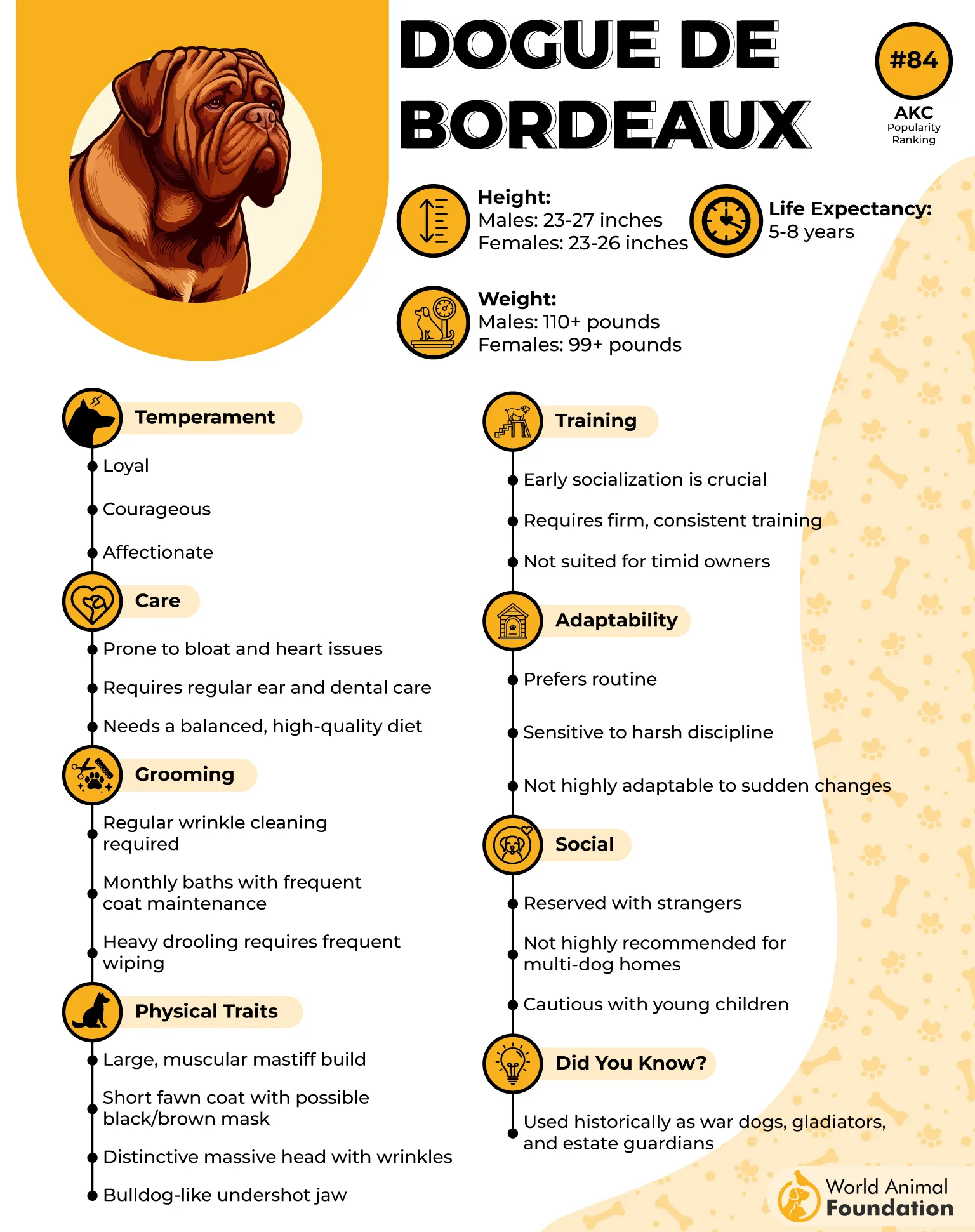
The Dogue de Bordeaux has a massive head, broad chest, thick neck, and heavily muscled body. Its powerful appearance reflects a history associated with demanding working and guarding duties. While its build conveys considerable strength, the breed is generally better suited to controlled physical activity than prolonged endurance work or strenuous exercise in hot conditions.
French Working History and Mastiff Ancestry
The Dogue de Bordeaux is an old French mastiff-type breed whose ancestors performed various roles, including guarding property and other physically demanding tasks. Over time, it developed into a distinctive breed recognized for its broad head, substantial frame, and confident presence. Its working history contributed to its reputation as a powerful, physically robust dog.
Heavy Muscles Need Joint-Friendly Activity
Dogue de Bordeaux dogs benefit from moderate walks, controlled play, and basic conditioning appropriate to their age and health. Their heavy build can place considerable pressure on joints, while their short muzzle may interfere with breathing and temperature regulation.
Owners should avoid strenuous exercise in warm weather and consult a veterinarian about appropriate activity and weight management.
8. American Bulldog

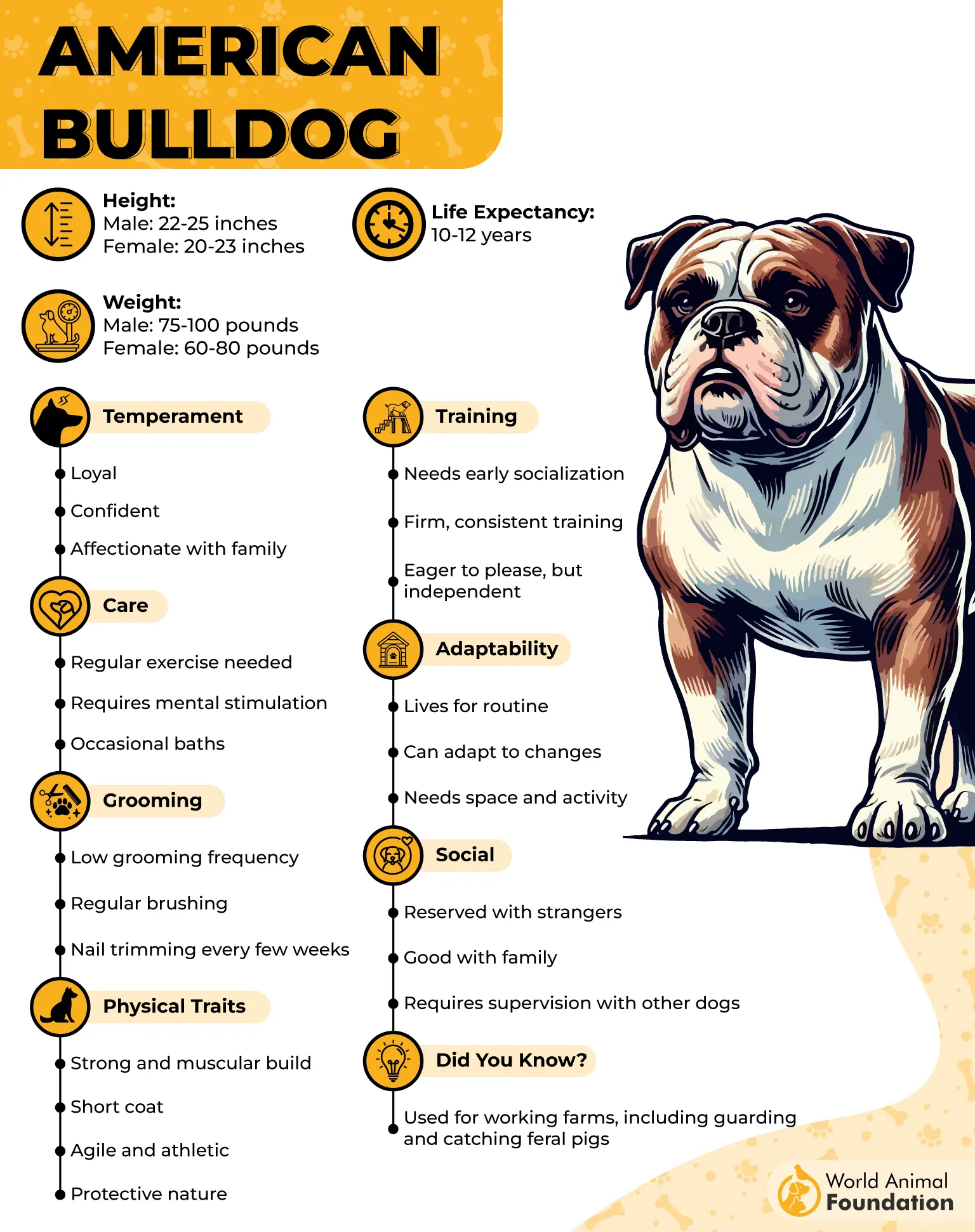
American Bulldogs are athletic, muscular dogs with broad shoulders, strong legs, and an energetic approach to physical activity. Historically used for demanding farm work, they developed the strength and agility needed to help manage livestock and perform practical tasks. Compared with heavier mastiff-type breeds, many American Bulldogs are more agile and suited to dynamic movement.
American Farm Work Created an Athletic Powerhouse
The American Bulldog developed in the United States from working bulldog-type dogs brought by European immigrants. Farmers used these dogs for livestock management, property duties, and other demanding tasks. Their development emphasized strength, determination, and athletic ability, resulting in a muscular dog capable of both powerful movement and sustained activity.
Combining Muscular Power With Athletic Control
American Bulldogs often benefit from structured play, obedience exercises, hiking, and other suitable activities that develop coordination and fitness. Their conditioning should be gradual, with rest and recovery built into the routine.
Early socialization and consistent training help channel their energy constructively, while regular veterinary care can identify joint or other health concerns before they limit activity.
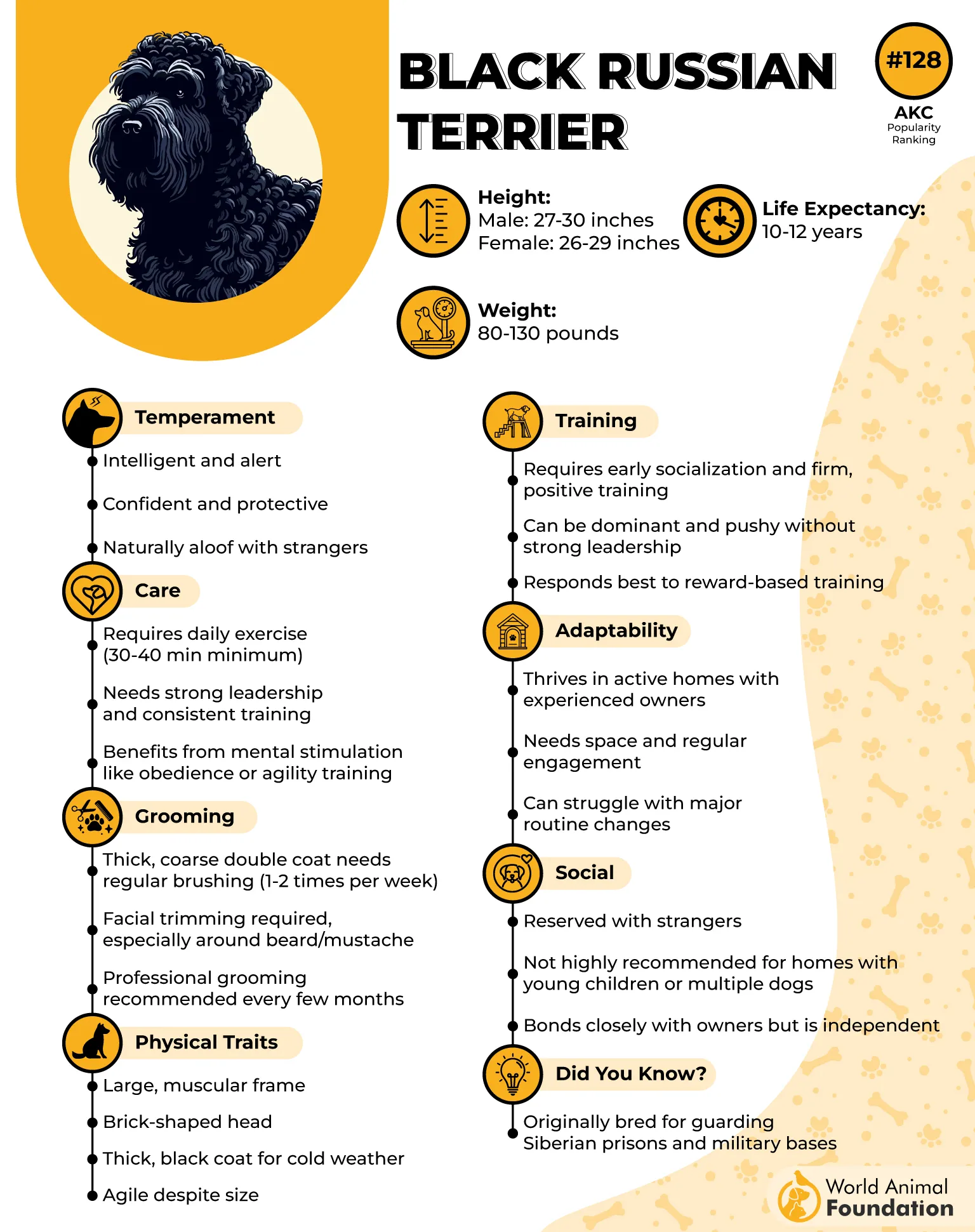
9. Black Russian Terrier
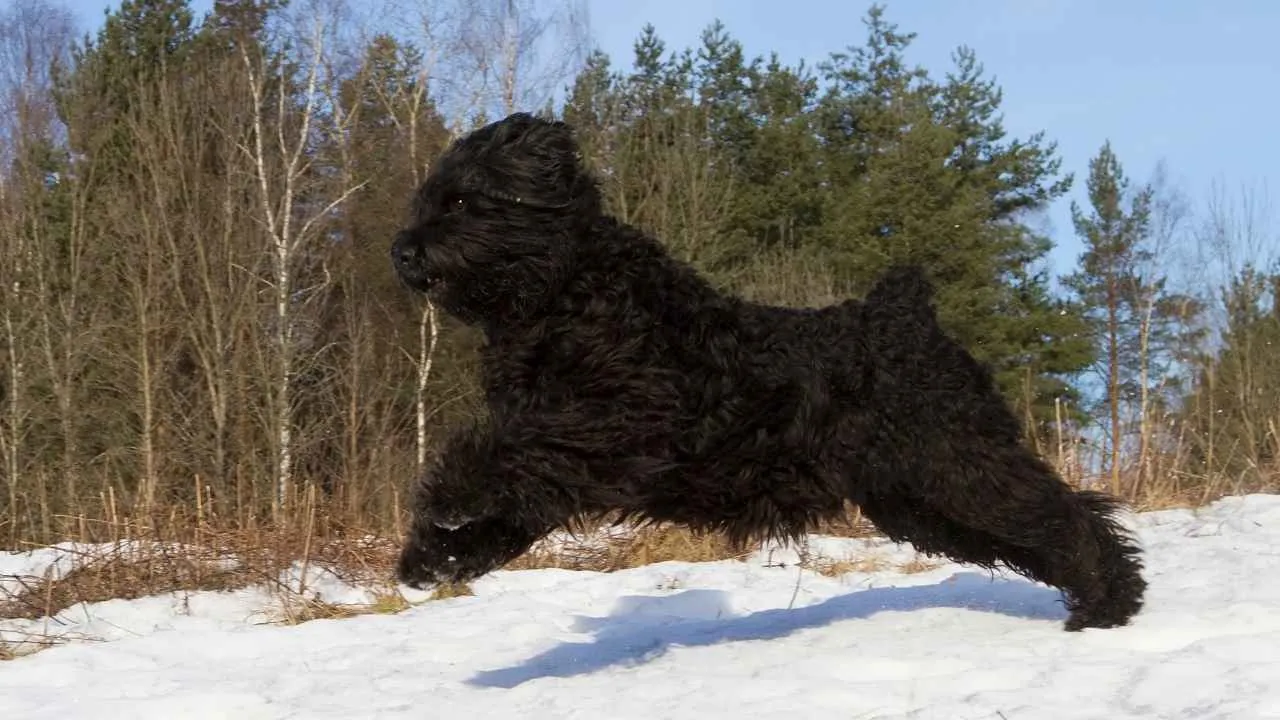
Black Russian Terriers are large, robust working dogs with substantial bone structure, powerful muscles, and an imposing presence. They were developed for demanding service roles requiring physical capability, alertness, and responsiveness to their handlers.
Their strength is most useful when paired with discipline, coordination, and regular training rather than simply encouraging heavier or more intense exercise.
A Purpose-Bred Soviet Working Dog
The Black Russian Terrier was developed in the Soviet Union during the 20th century through a selective breeding program intended to create a versatile service dog, as per the AKC. Several breeds contributed to its development, including the Giant Schnauzer and other large working dogs. The resulting breed was valued for its physical robustness, trainability, and ability to operate in challenging conditions.
A Strong Working Partner That Needs Engagement
Black Russian Terriers typically benefit from regular walks, obedience training, tracking activities, and appropriately managed conditioning. Their substantial size makes controlled movement and joint health important considerations. They also require regular coat care, early socialization, and clear behavioral expectations to help them develop into confident, manageable companions.
Conclusion
All the above dog breeds demonstrate different forms of canine strength. Some excel at hauling and draft work, others have a history of water rescue or farm duties, and several combine muscular power with versatile working abilities.
However, a muscular appearance does not automatically mean a dog is suited to every heavy task. Endurance, joint health, temperament, coordination, and training all influence working ability. Exercise should match the individual dog’s breed characteristics, age, and health rather than focus solely on building muscle or increasing resistance.
If you are considering one of these breeds, research its specific working background and long-term care requirements. Provide balanced nutrition, gradual conditioning, adequate recovery, and routine veterinary checks to support healthy movement.
With responsible care, these powerful dogs can maintain their physical capabilities while enjoying a comfortable and fulfilling life alongside their families.
