




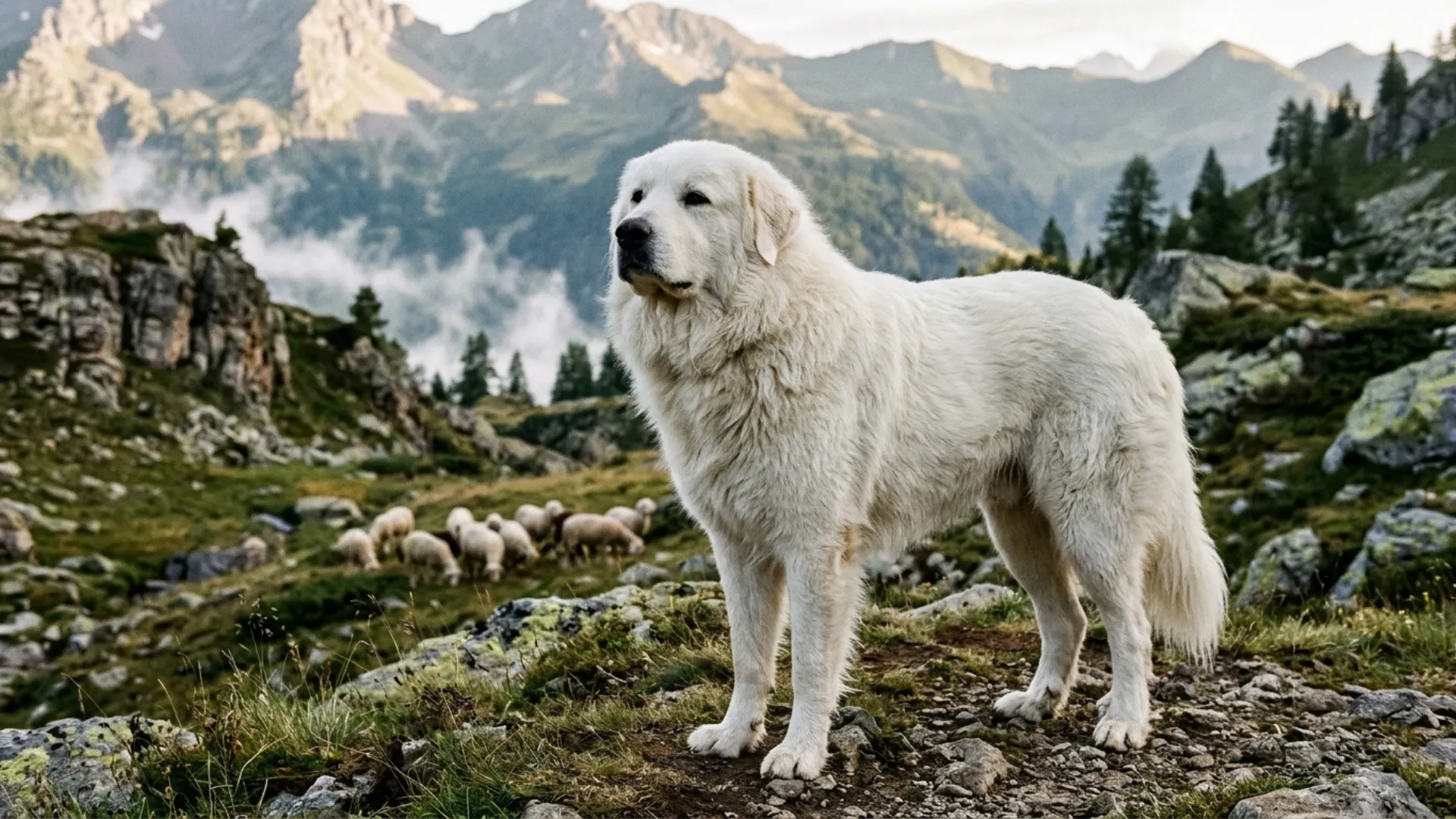
Giant dog breeds often combine impressive physical strength with loyalty, confidence, and a natural awareness of their surroundings. Many were developed to guard property, protect livestock, or assist people in challenging environments. Their imposing size can be intimidating, but the best-known giant breeds often balance their protective instincts with patience and affection toward their families.
However, a large body does not automatically make a dog an effective guardian. Temperament, early socialization, responsible breeding, and consistent training all influence how a dog responds to unfamiliar people and situations. Some giant breeds are naturally watchful and independent, while others are more inclined to offer quiet companionship and intervene only when necessary.
From powerful livestock guardians to gentle giants with a strong sense of devotion, the following seven breeds demonstrate different forms of resilience and protectiveness. Understanding their unique traits can help prospective owners determine which breed best suits their home, experience, and lifestyle.
Resilient Giant Dog Breeds Known for Their Protective Instincts
1. Broholmer
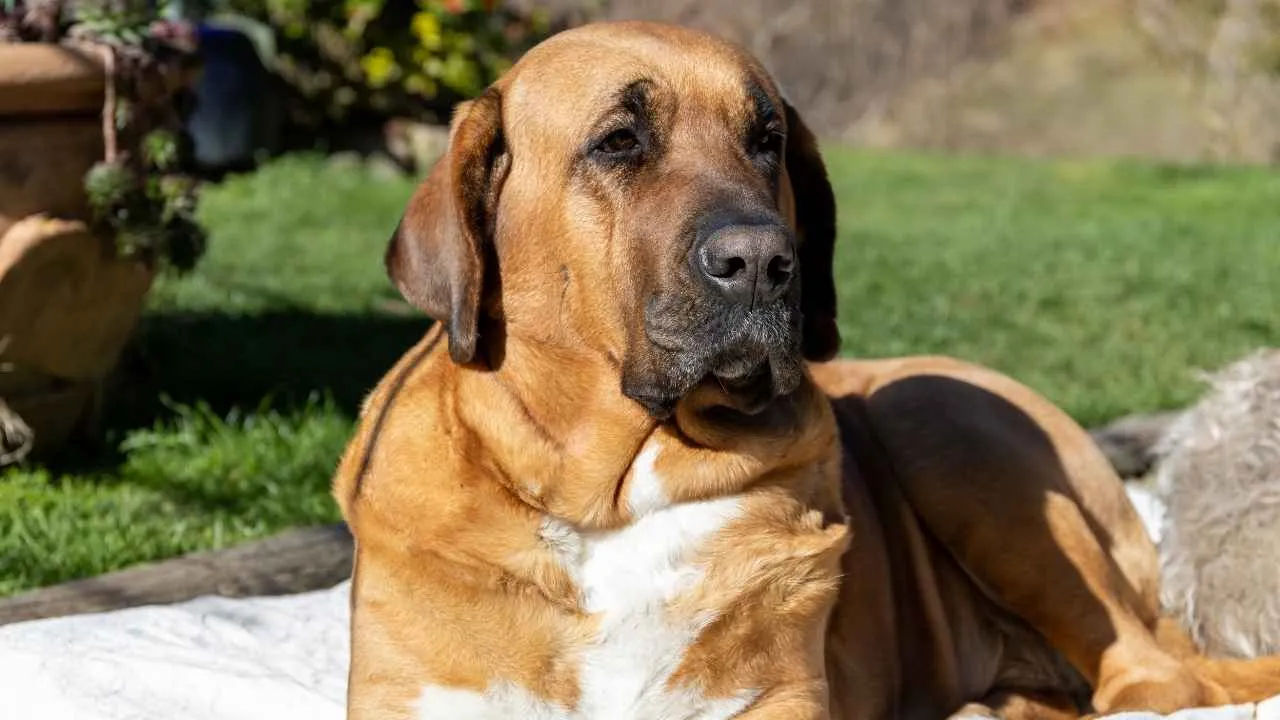
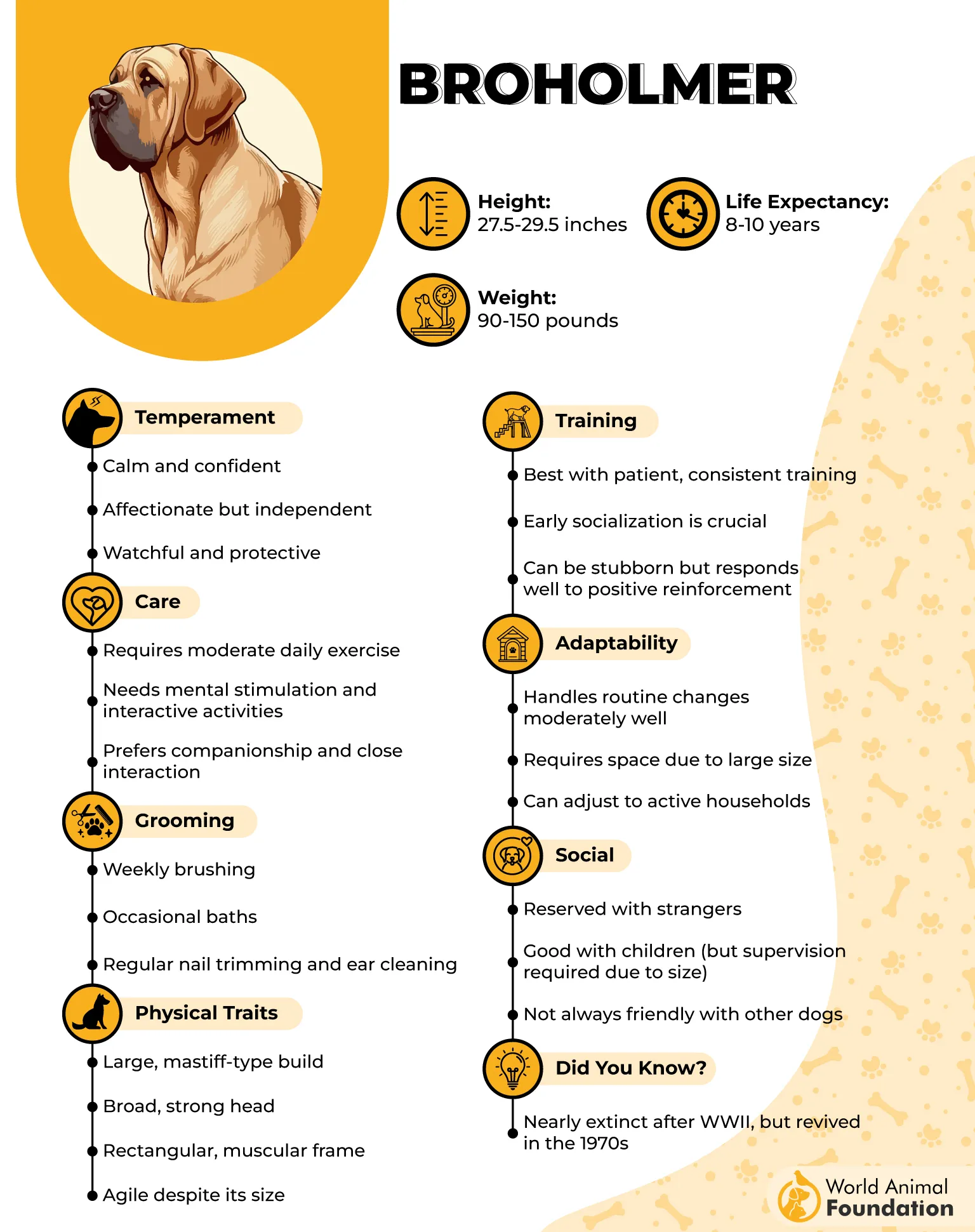
The Broholmer is a powerful Danish mastiff-type dog known for its imposing build, calm temperament, and natural watchfulness. Historically valued as a guardian and companion, this giant breed can be deeply devoted to its family while remaining observant around unfamiliar people. Its strength and steady disposition make it an impressive presence in a suitable home.
A Danish Guardian With Historic Roots
The Broholmer originated in Denmark, where large mastiff-type dogs were used for guarding estates and assisting with other practical duties. The breed became associated with Danish nobility and was later revived through dedicated breeding efforts after its numbers declined. Its muscular frame, broad head, and confident appearance reflect its traditional guarding background, as noted by the AKC.
Combining Strength With Calm Confidence
Broholmers often develop strong bonds with their families and can be naturally attentive to activity around their homes. Early socialization and reward-based training help them distinguish everyday visitors from situations requiring attention. Because of their enormous size, they need adequate space, consistent boundaries, and owners capable of managing a powerful dog responsibly.
2. Great Pyrenees
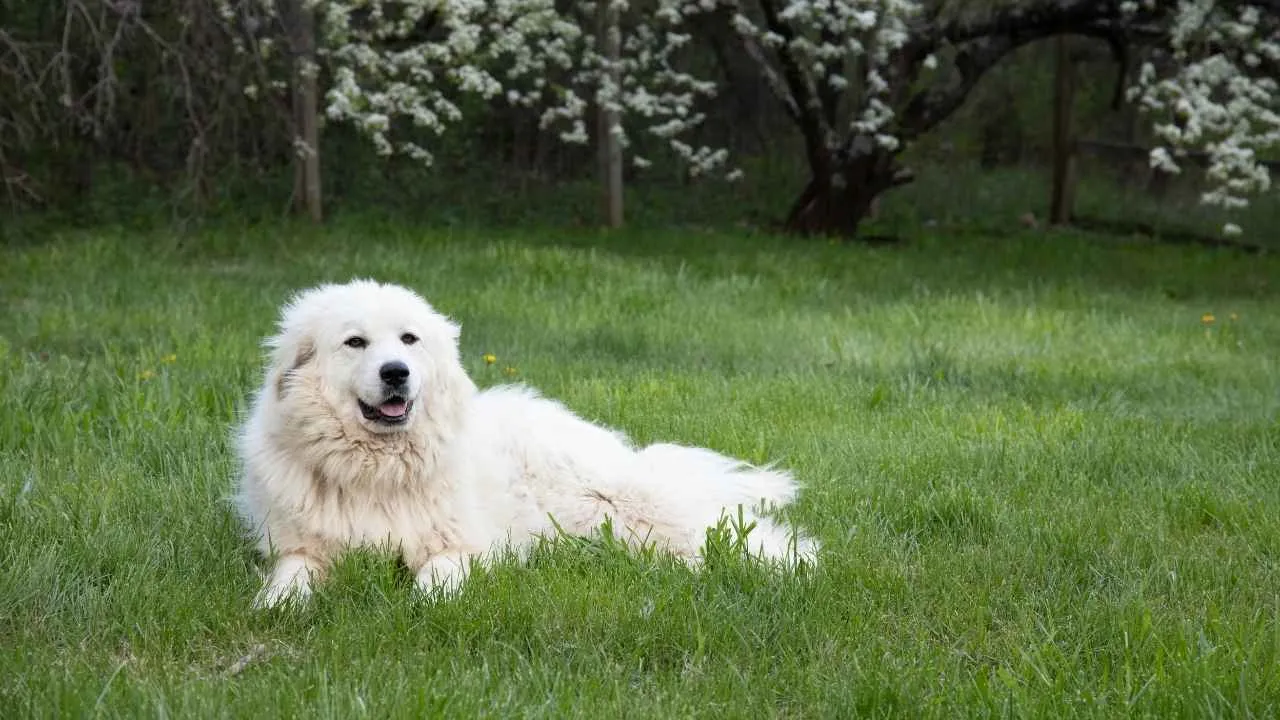
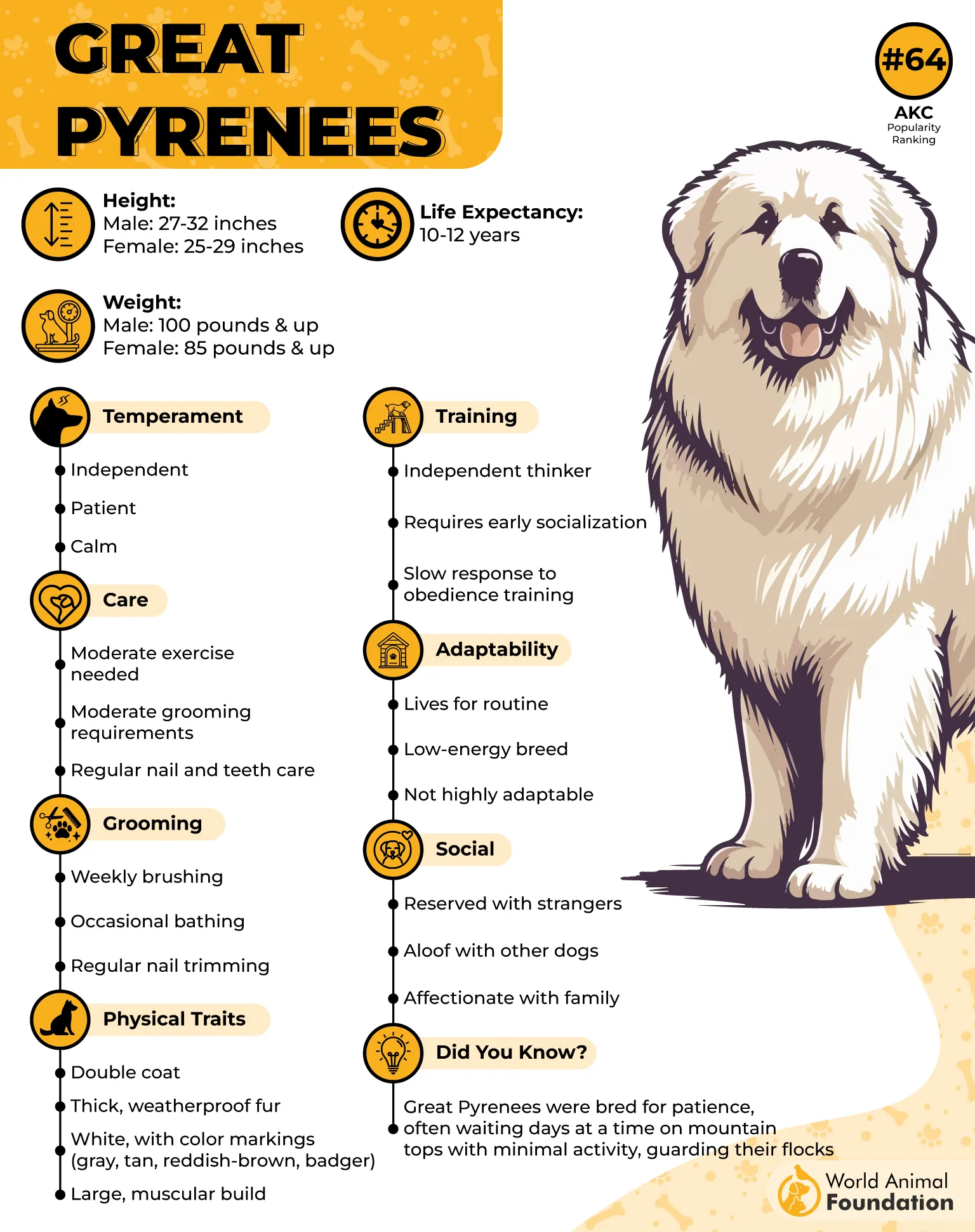
The Great Pyrenees is a large livestock guardian known for its thick white coat, independent judgment, and instinct to protect animals and property. Developed to work in mountainous regions, this resilient breed is accustomed to assessing potential threats without constant direction. Its calm presence and strong family bonds make it a valued guardian in suitable environments.
Mountain Origins and a Long Guarding Tradition
The Great Pyrenees originated in the Pyrenees Mountains between France and Spain, where it protected sheep from predators and other dangers. Its thick double coat provides insulation against harsh weather, while its substantial build supports demanding outdoor work. Centuries of livestock guarding helped shape its patience, independence, and natural vigilance.
An Independent Protector With a Gentle Side
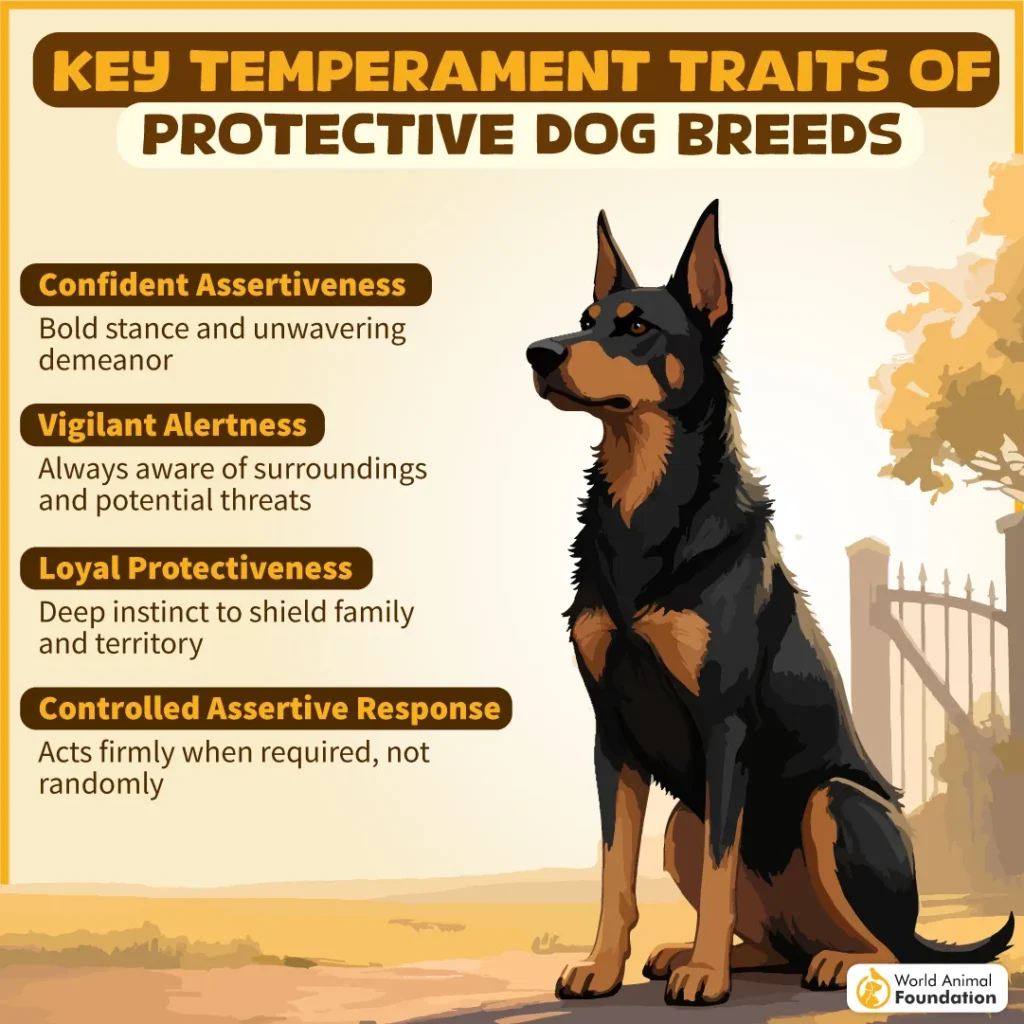
Great Pyrenees dogs often remain watchful around their territory while showing affection toward familiar people and animals. Their independent nature can make training challenging, so consistent guidance and early exposure to different people and environments are important. Owners should also prepare for regular brushing, considerable shedding, and nighttime barking in response to unfamiliar sounds.
3. Great Dane
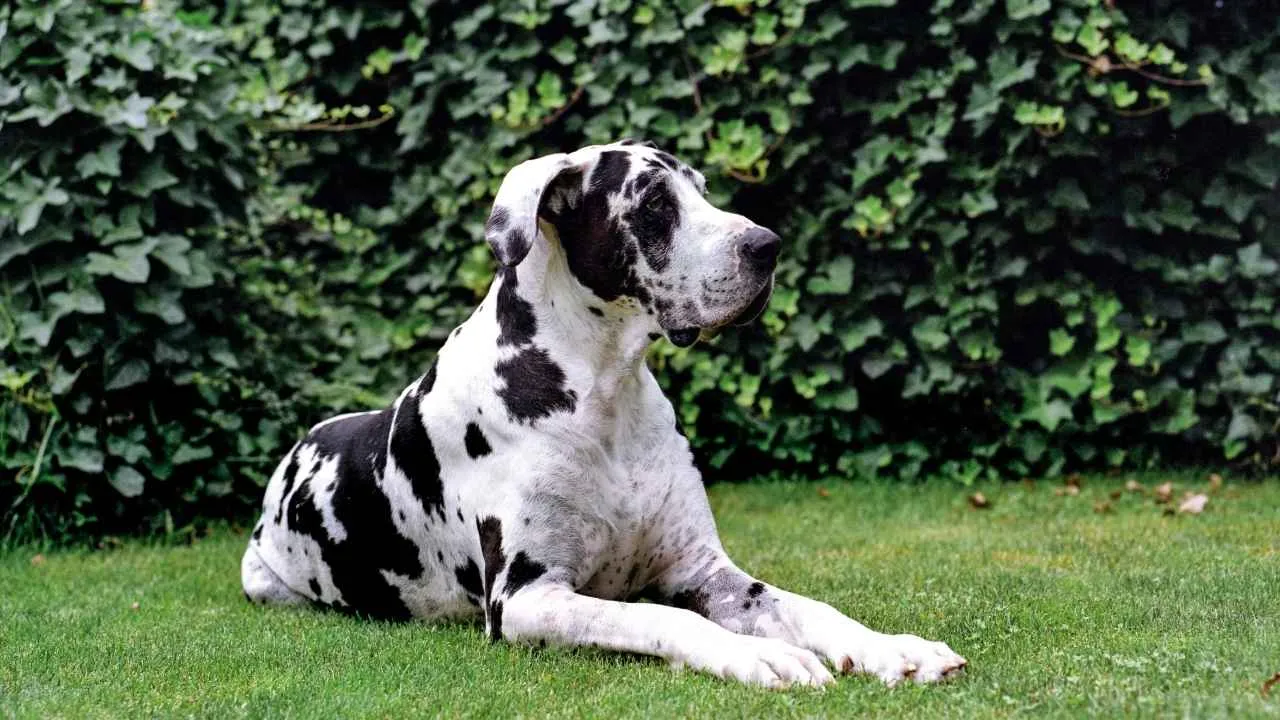
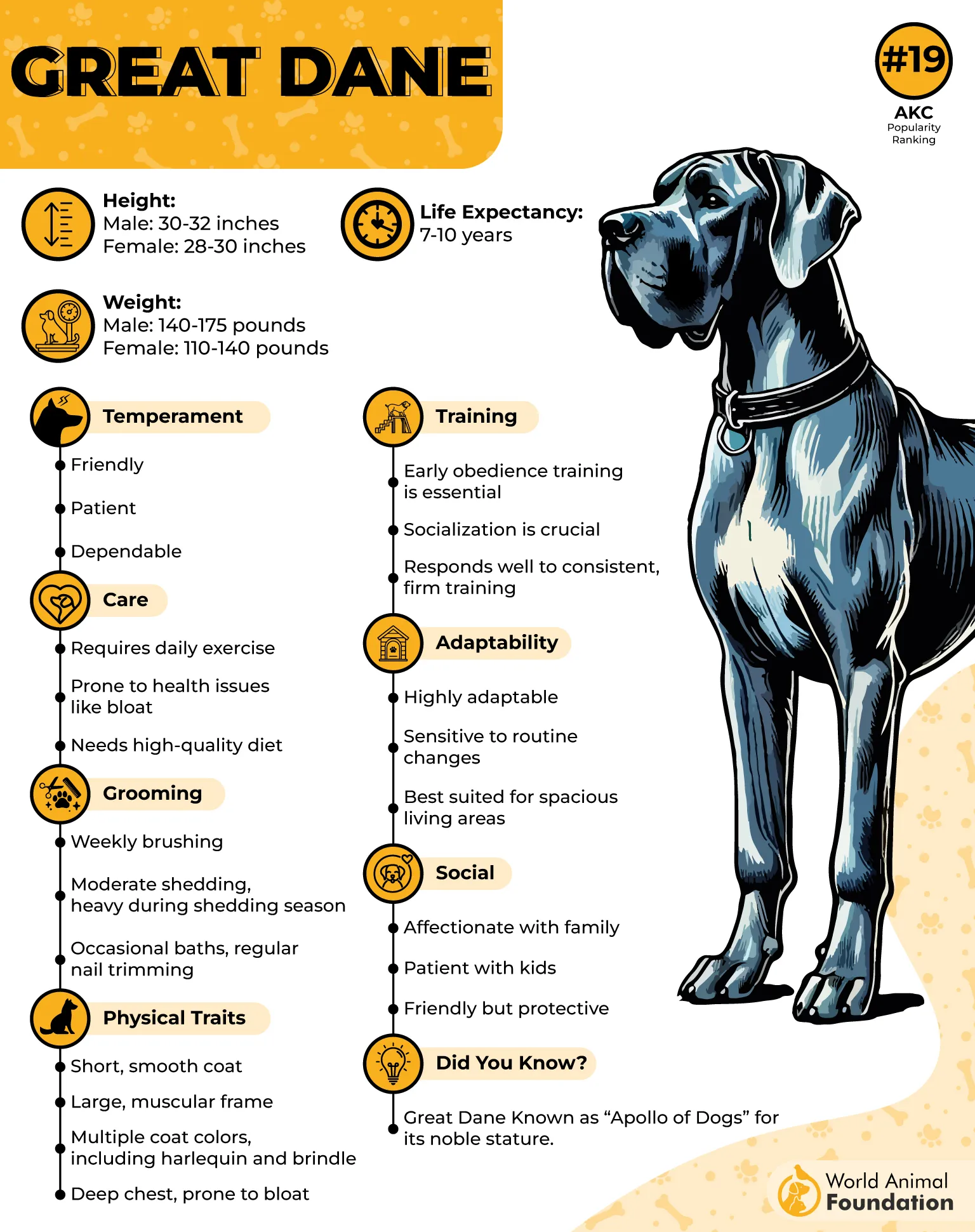
The Great Dane is an exceptionally tall dog whose impressive appearance can make it an effective visual deterrent. Despite its size, the breed is often affectionate, sociable, and gentle with its family. Its combination of physical presence, alertness, and devotion makes it a noteworthy companion for households prepared to accommodate a giant dog.
A Giant Breed With European Heritage
The Great Dane was developed in Germany from large hunting and guarding dogs, with its ancestors used to pursue powerful game such as wild boar. Over time, selective breeding emphasized a more refined appearance and a companionable temperament. Its height, muscular body, and confident bearing remain among its most recognizable characteristics.
Protective Presence Without Unnecessary Aggression
Great Danes can be alert to unfamiliar activity and may discourage unwanted approaches simply through their size. They generally benefit from early socialization, leash training, and calm introductions to visitors. Their enormous bodies require adequate space, while their short coats are relatively easy to maintain. Owners should also understand the breed’s risk of bloat and certain heart conditions.
4. Newfoundland
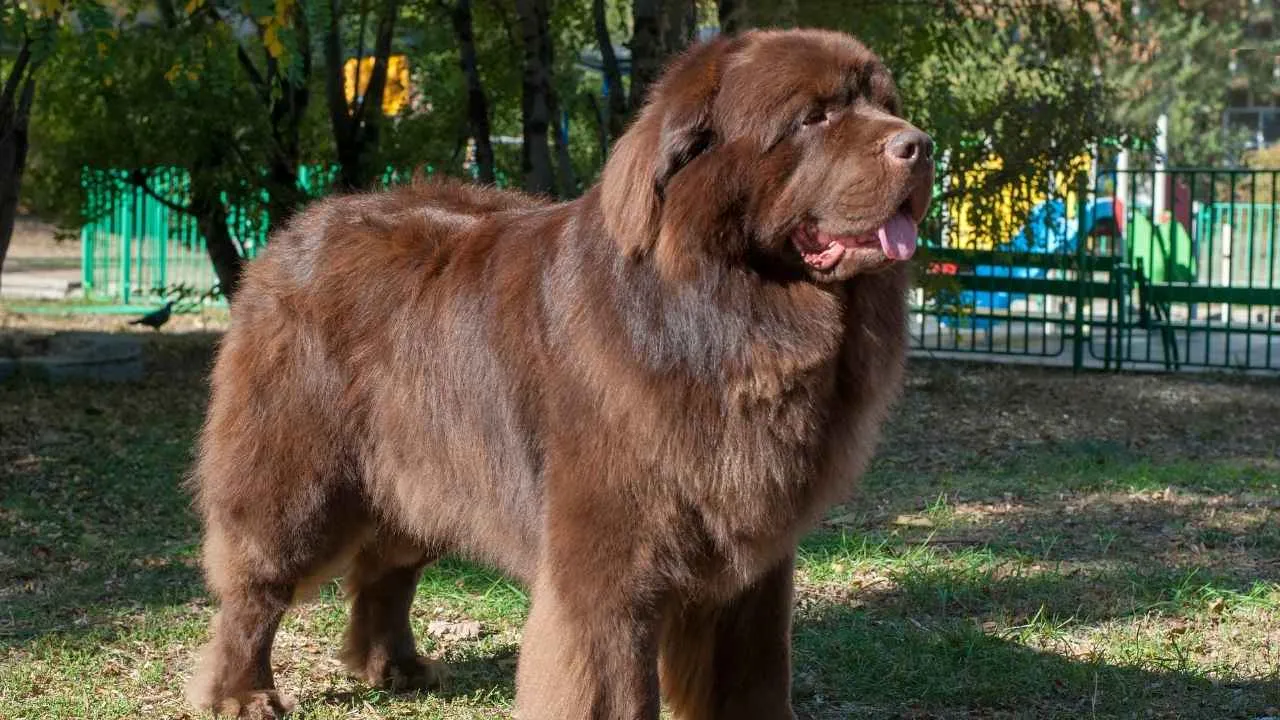
The Newfoundland is a massive, strong dog recognized for its gentle temperament, swimming ability, and devotion to people. Although it is not primarily a modern protection breed, its size, attentiveness, and history of assisting humans make it a resilient and dependable companion. Many Newfoundlands are particularly patient with family members and naturally inclined to remain close to their households.
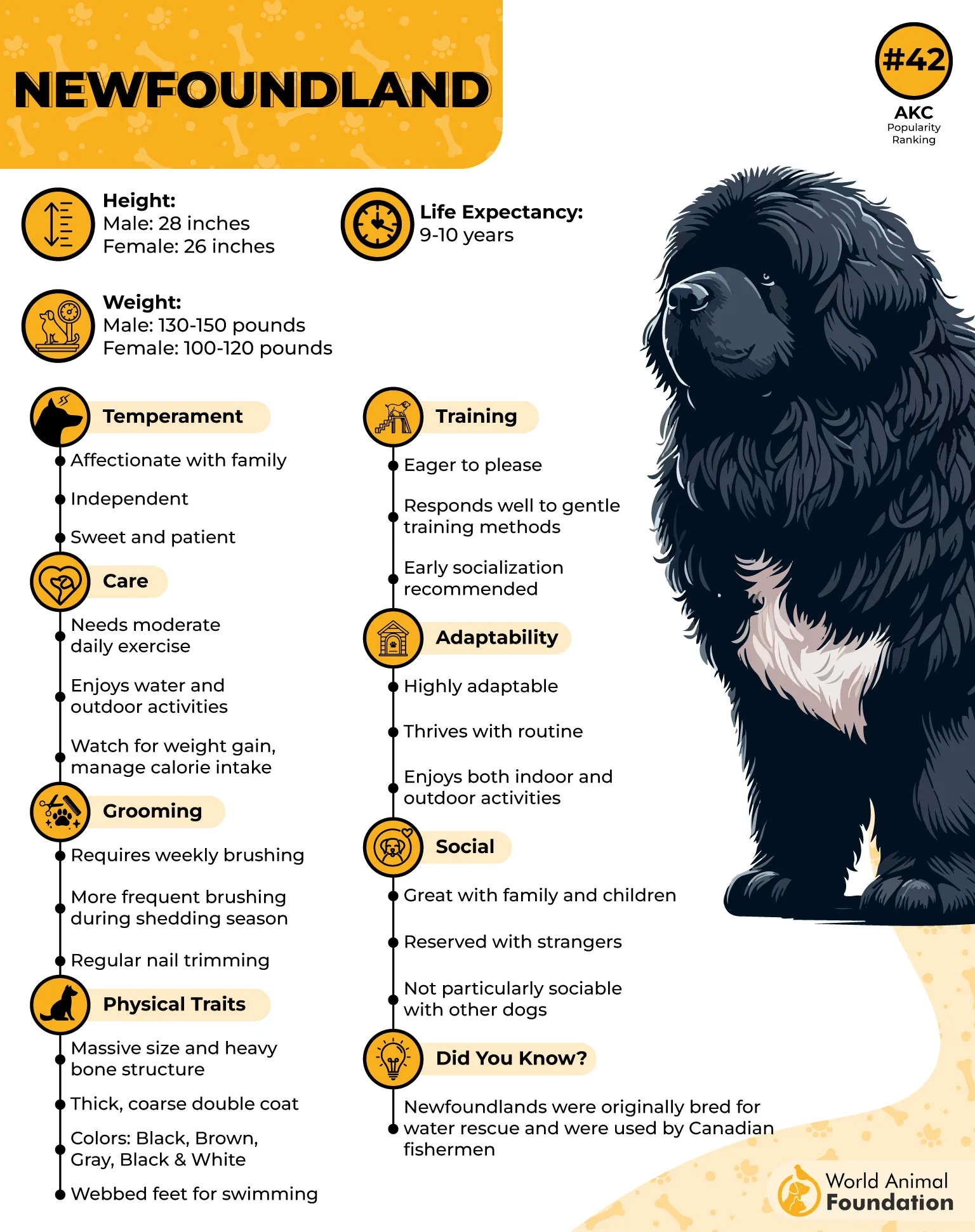
A Working Dog From Canada’s Atlantic Coast
The Newfoundland developed on the island of Newfoundland, Canada, where it assisted fishermen with demanding tasks around boats and cold water. Its powerful body, webbed feet, and water-resistant double coat support swimming and lifesaving work. The breed became famous for its strength, endurance, and willingness to cooperate with people in difficult conditions.
A Gentle Giant With Strong Family Loyalty
Newfoundlands often show their devotion through steady companionship rather than aggressive guarding. Their size and awareness can make them reassuring household presences, while early socialization helps them respond calmly to visitors and unfamiliar situations. Owners must be prepared for heavy shedding, drooling, regular grooming, and the space needed for such a substantial dog.
5. Leonberger
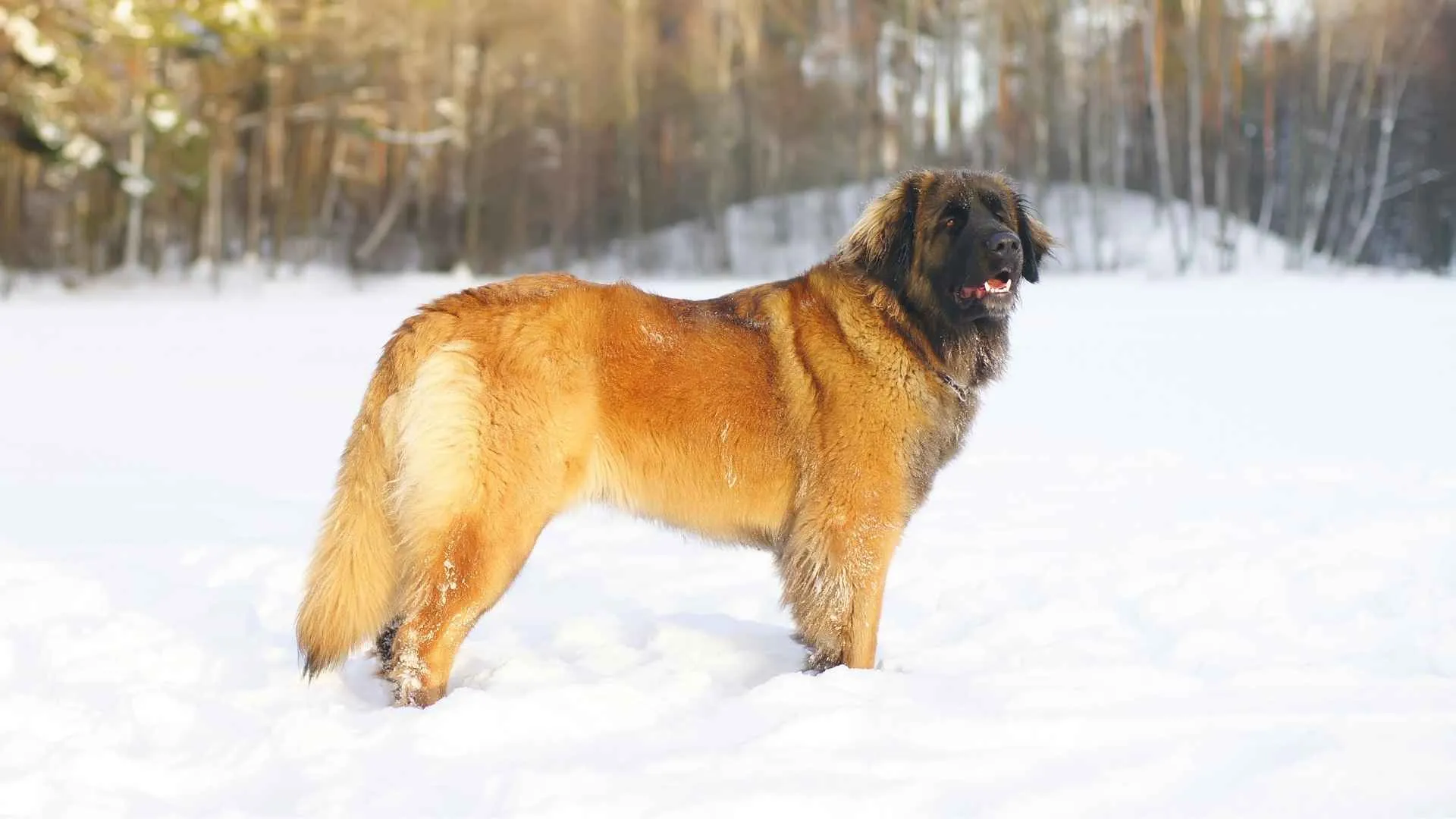
The Leonberger is a giant working breed known for its impressive mane, powerful build, and balanced temperament. Developed as a versatile companion and working dog, it often combines confidence with affection and a natural awareness of its surroundings. Its size and loyalty can make it a reassuring presence, particularly in households that can meet its exercise and grooming needs.
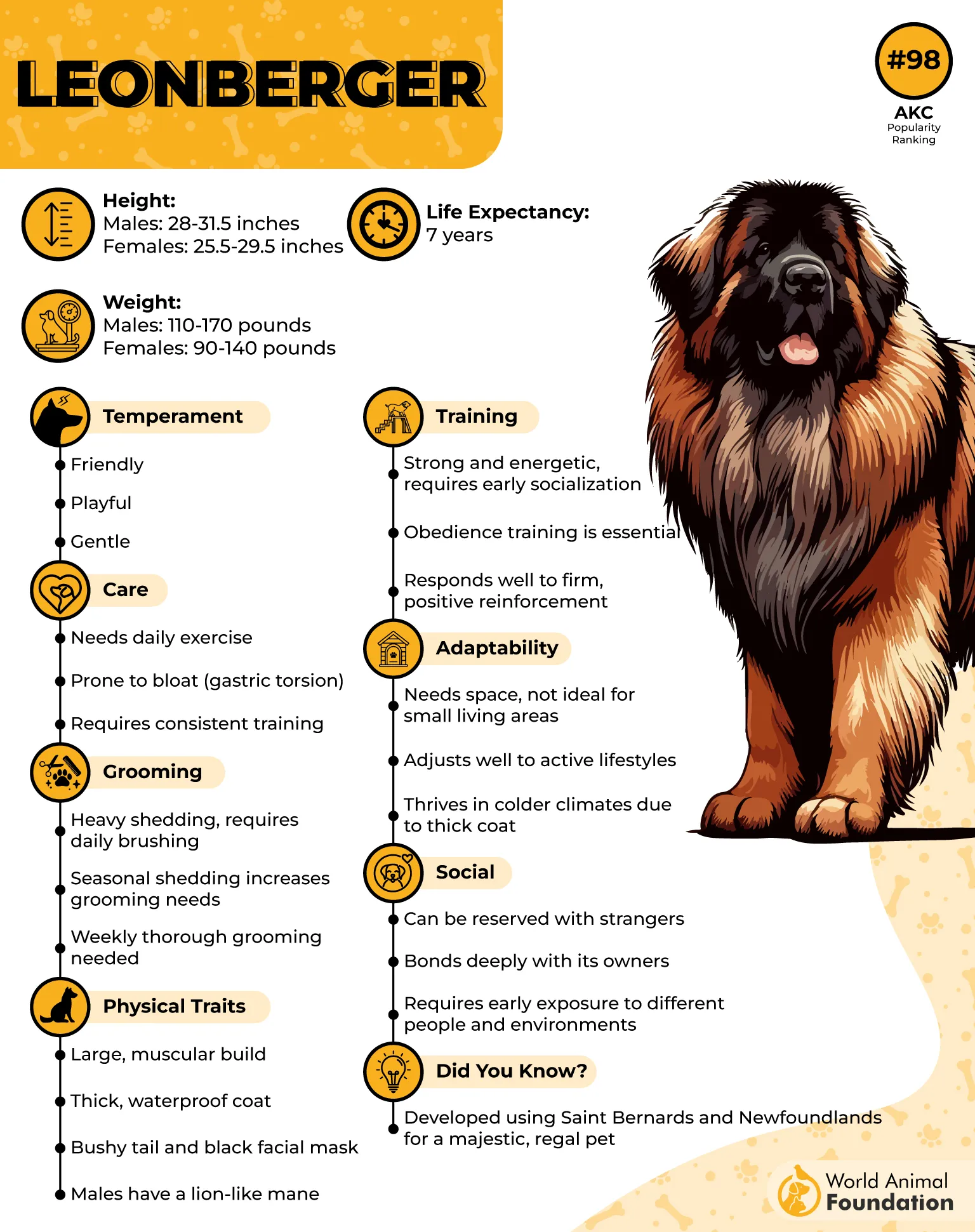
A German Breed Inspired by a Lion
The Leonberger originated in Leonberg, Germany, during the 19th century. Breeders sought to develop a large, lion-like dog by combining several giant breeds, including the Newfoundland and Saint Bernard, with other suitable dogs, as per WebMD. The result was a strong, long-coated companion that became popular among families and working-dog enthusiasts.
Confidence, Companionship, and Responsible Training
Leonbergers can be attentive to their surroundings and deeply attached to their families without needing to display excessive suspicion. Early training helps establish polite greetings, dependable recall, and appropriate behavior around other animals. Their thick coats require frequent brushing, and their size makes careful exercise management during growth especially important.
6. Estrela Mountain Dog
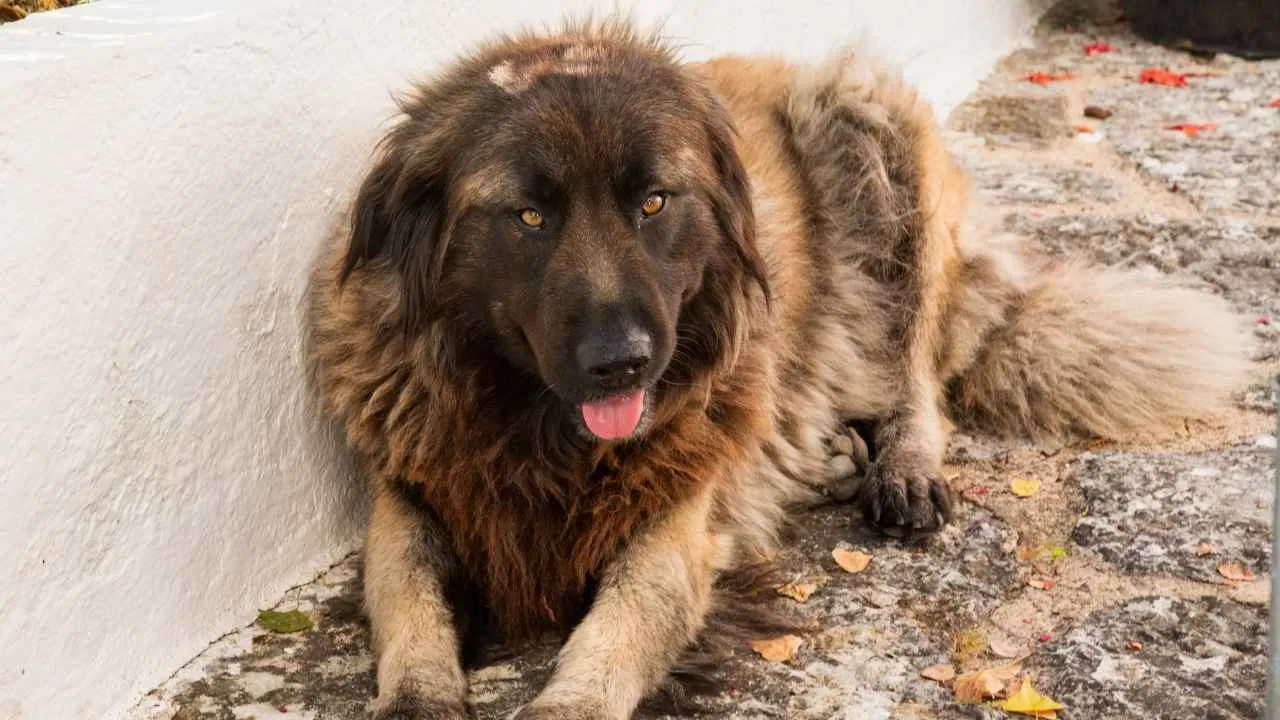
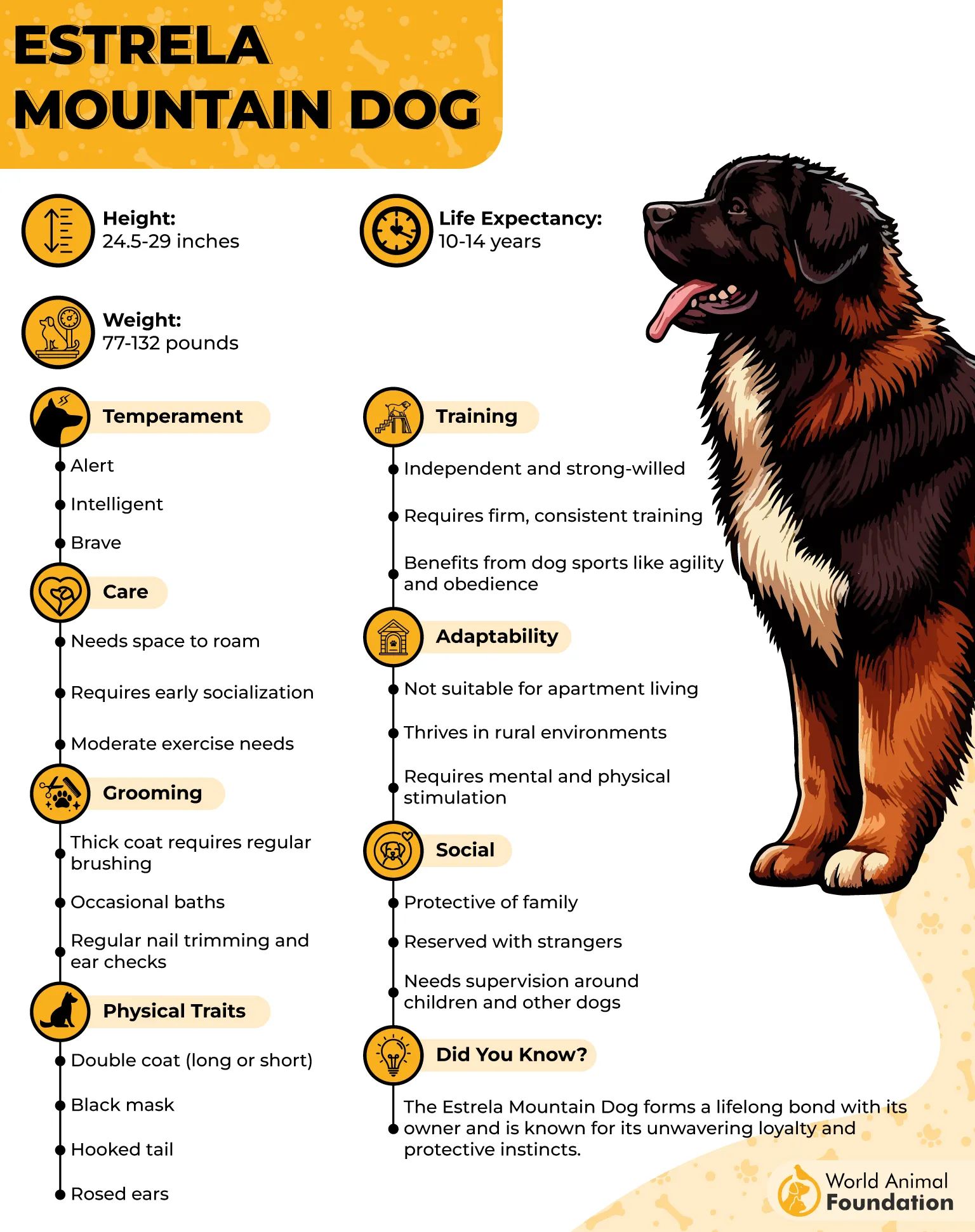
The Estrela Mountain Dog is a robust livestock guardian known for its independence, courage, and strong protective instincts. Originating in Portugal’s mountainous regions, it was developed to defend livestock and remain alert in demanding outdoor conditions, as per Purina. Its imposing size and loyalty make it a capable guardian for experienced owners who understand the needs of independent working breeds.
A Portuguese Guardian Shaped by Mountain Life
The Estrela Mountain Dog takes its name from Portugal’s Serra da Estrela mountain range, where it protected flocks against predators and other threats. Generations of working in isolated terrain helped establish its endurance, weather tolerance, and ability to make decisions independently. Its thick coat and powerful body reflect the demands of its traditional role.
A Watchful Dog That Needs Clear Boundaries
Estrela Mountain Dogs often form strong attachments to their families while remaining reserved around unfamiliar people. Their independent instincts mean that training should begin early and emphasize consistency, calm handling, and positive reinforcement.
Secure fencing, regular activity, and thoughtful socialization are important for helping these large guardians distinguish normal daily encounters from genuine concerns.
7. Saint Bernard
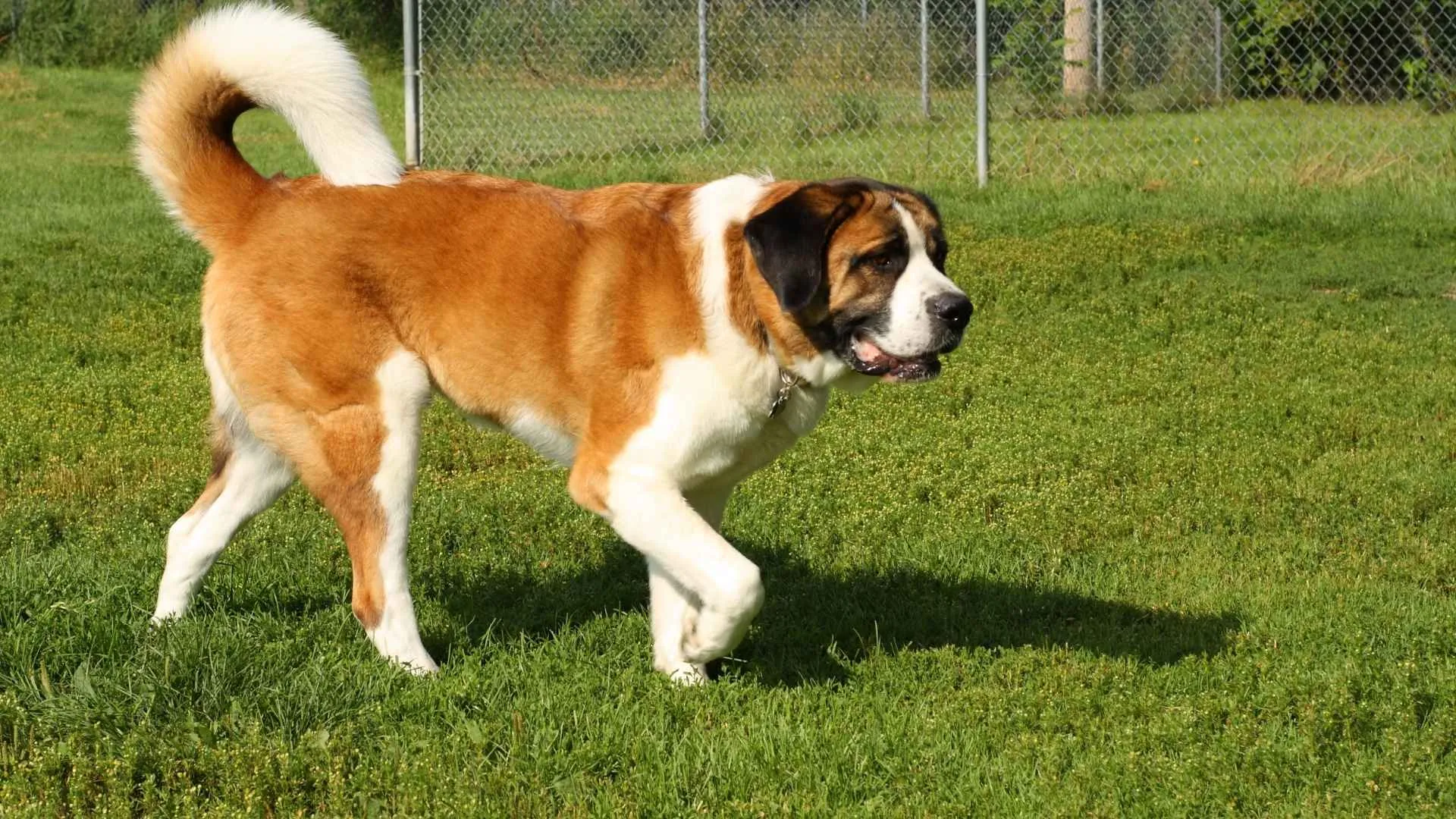
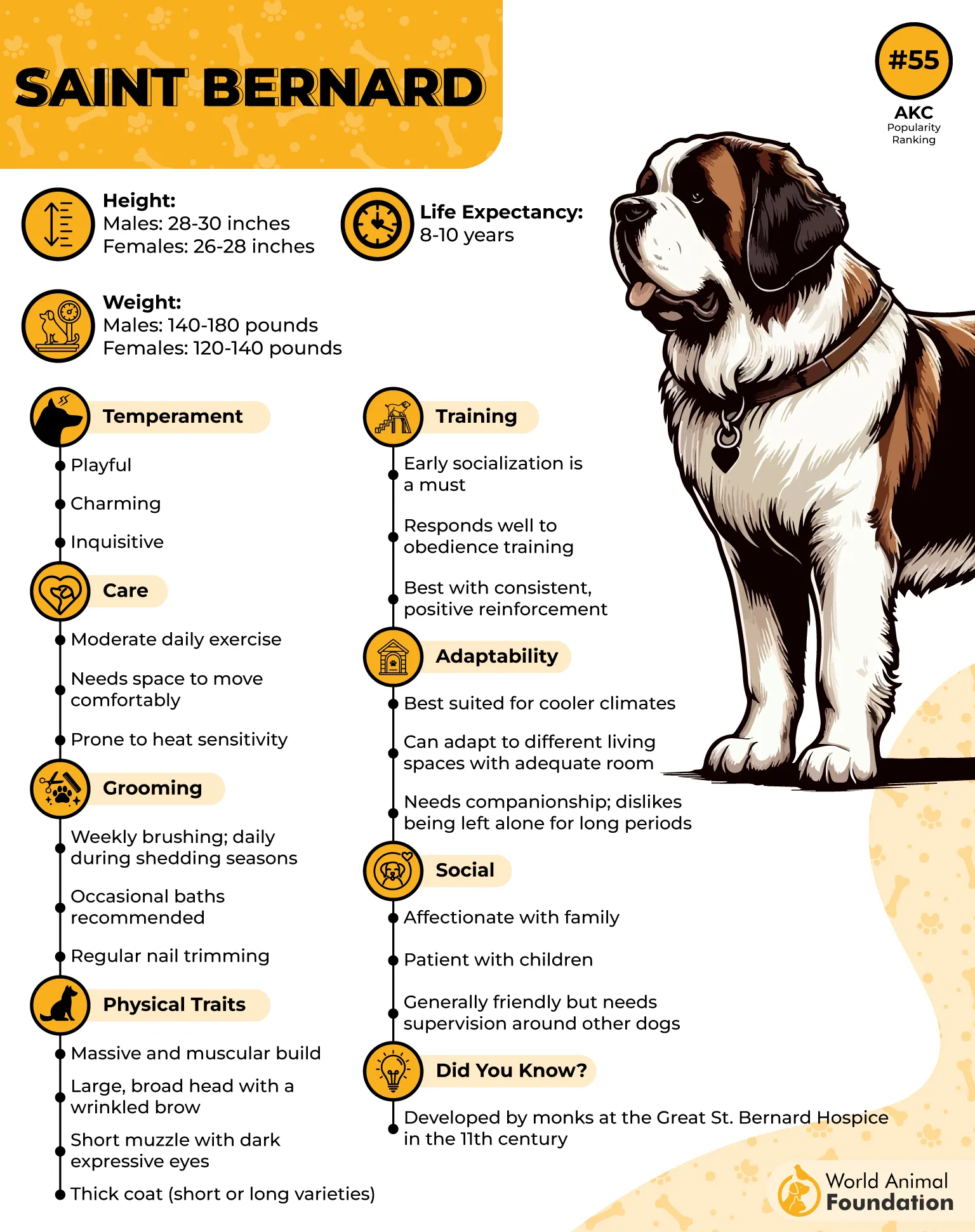
The Saint Bernard is a massive, muscular dog historically associated with mountain rescue work in the Swiss Alps. Its size, strength, and calm demeanor give it a commanding presence, while its affectionate temperament often makes it a devoted family companion. Although it is not primarily a modern protection breed, its attentiveness and loyalty can contribute to a reassuring household presence.
Alpine Origins and a Legacy of Rescue
The Saint Bernard developed around the Great St Bernard Pass in the Swiss Alps, where dogs were kept by monks at a hospice serving travelers. These dogs became famous for helping locate and assist people in dangerous mountain conditions. Their thick coats, powerful frames, and endurance suited the cold, demanding environment.
A Protective Presence With a Gentle Temperament
Saint Bernards are often patient and affectionate, particularly when raised with consistent guidance and positive social experiences. Their enormous size means that basic obedience, controlled greetings, and comfortable interactions with children and visitors are essential. Owners should also plan for regular grooming, drooling, appropriate exercise, and veterinary monitoring for joint problems and bloat.
Conclusion
All of the above dog breeds demonstrate resilience and devotion in different ways. Some were developed specifically to guard livestock or property, while others earned their reputations through rescue work, companionship, and dependable service to people.
However, protective instincts should never be confused with uncontrolled aggression. A well-adjusted guardian needs early socialization, consistent training, and opportunities to become comfortable around ordinary visitors and unfamiliar environments. A dog’s individual temperament and upbringing matter just as much as its breed characteristics.
Before choosing a giant dog, consider the costs of feeding, grooming, veterinary care, training, and providing suitable living space. These breeds can be loving and dependable companions, but their strength and size require responsible ownership.
With patient guidance, appropriate care, and clear boundaries, a resilient giant breed can become both a devoted family member and a confident, watchful presence.
