




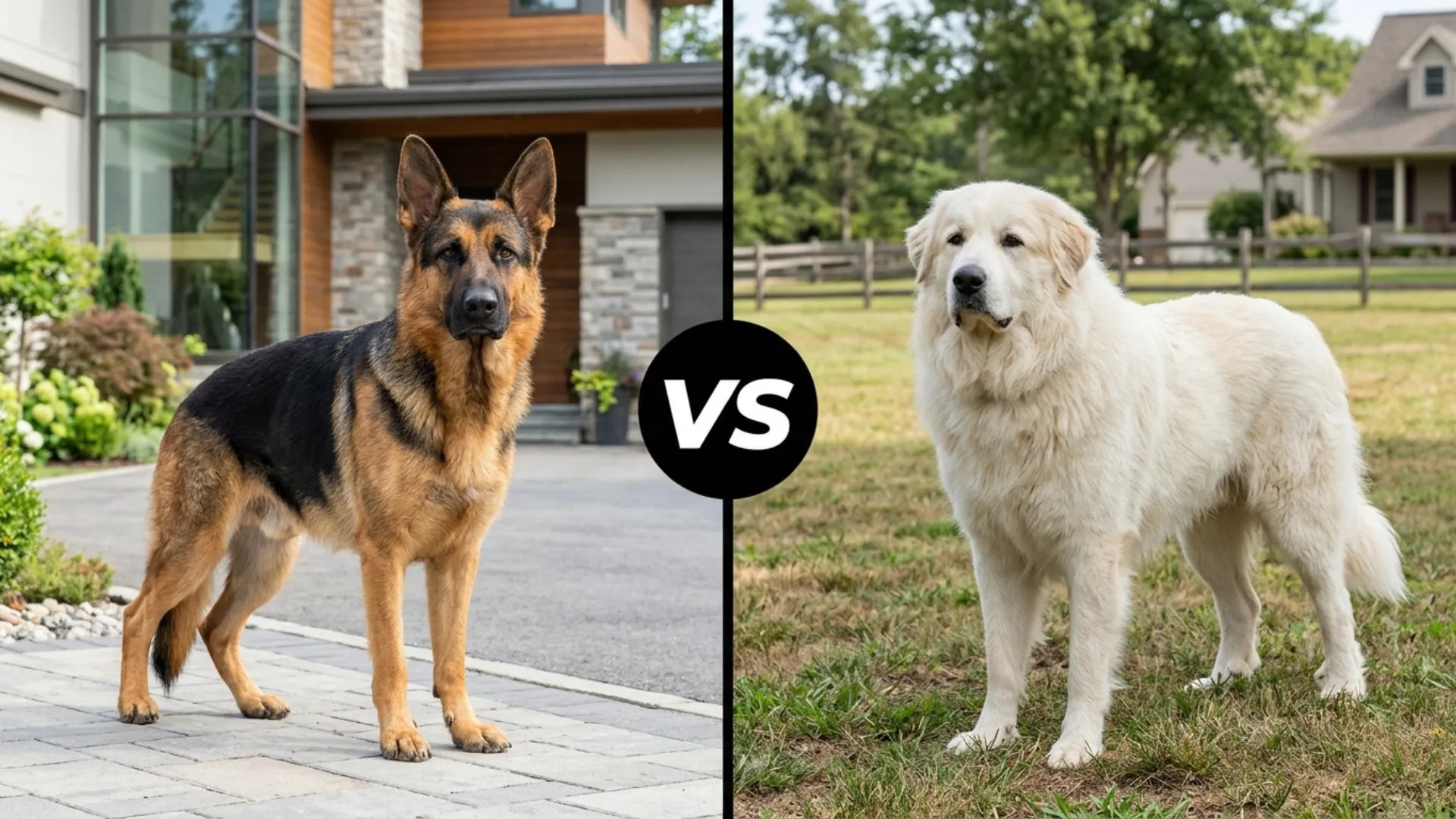
Imagine having a dog that follows your every command and another that trusts its instincts to guard your home. That is the fascinating difference between the German Shepherd and the Great Pyrenees.
Both are loyal, intelligent, and naturally protective, yet their personalities and working styles could hardly be more different. The German Shepherd is an energetic, people-oriented companion that thrives on training, mental challenges, and spending time with its family.
The Great Pyrenees, on the other hand, is a calm, independent guardian whose instincts were shaped by generations of protecting livestock. Their differences extend beyond temperament to exercise, grooming, obedience, and everyday care.
While one flourishes with structured activities and close human guidance, the other needs space, patience, and an owner who respects its self-reliant nature.
Understanding these contrasts can help prospective owners decide which of these remarkable guardians better fits their household, lifestyle, and expectations.
Key Takeaways
Different working backgrounds: German Shepherds were developed for herding and protection, while Great Pyrenees were bred to guard livestock independently.
Distinct personalities: German Shepherds are energetic, people-oriented and eager to learn, whereas Great Pyrenees are calm, self-reliant and independent.
Training styles differ: German Shepherds generally respond well to structured training, while Great Pyrenees may be more challenging because of their independent instincts.
Exercise requirements: German Shepherds need at least two hours of daily exercise, along with mental stimulation.
Space matters: Great Pyrenees benefit from room to move and secure fencing to manage their natural territorial instincts
German Shepherd vs. Great Pyrenees: Two Very Different Guardians
1. Origins & Purpose
The German Shepherd and Great Pyrenees were both bred to protect, but their working backgrounds shaped two very different approaches to guarding. Developed in Germany in the late 19th century, the German Shepherd was originally bred to herd sheep and protect livestock.
Its intelligence, agility, courage, and exceptional trainability eventually made it valuable in police work, military service, search and rescue, and other demanding roles.
In contrast, the Great Pyrenees has ancient roots in the Pyrenees Mountains between France and Spain, where it guarded sheep against predators such as wolves and bears.
Bred to work independently in mountainous terrain, it relied on its instincts, patience, and imposing presence to defend its flock, as stated by National Pyr.
While the German Shepherd became known for working closely with human handlers and responding to commands, the Great Pyrenees developed into a self-reliant guardian capable of making decisions without constant supervision. Their contrasting histories explain their distinct protective styles.
2. Size & Build
Although both breeds have an imposing presence, the German Shepherd and Great Pyrenees differ considerably in their size, structure, and appearance.
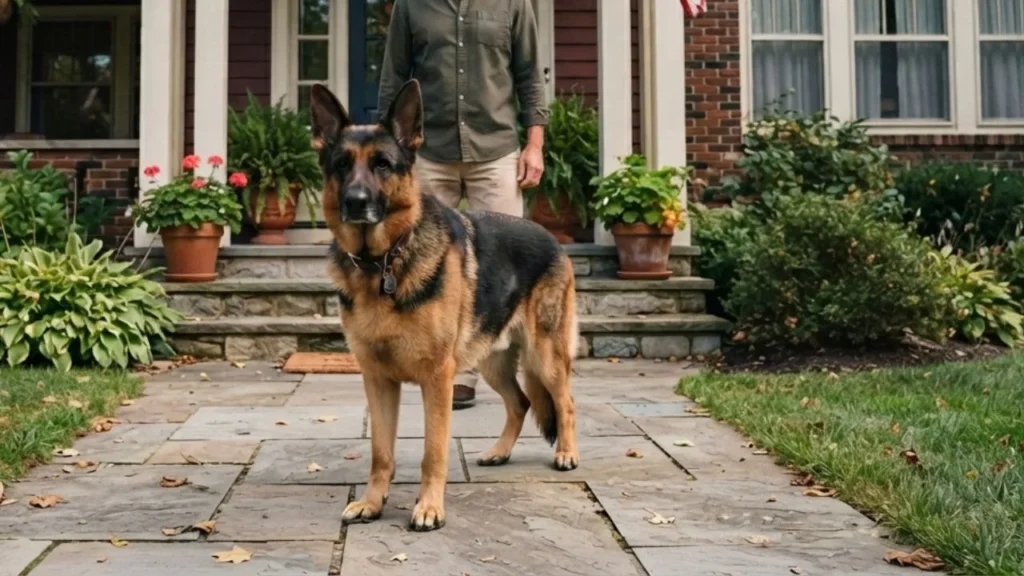
The German Shepherd is a large, muscular and athletic dog, with males typically standing 24–26 inches tall and weighing 65–90 pounds. Females are generally smaller, measuring 22–24 inches and weighing 50–70 pounds.
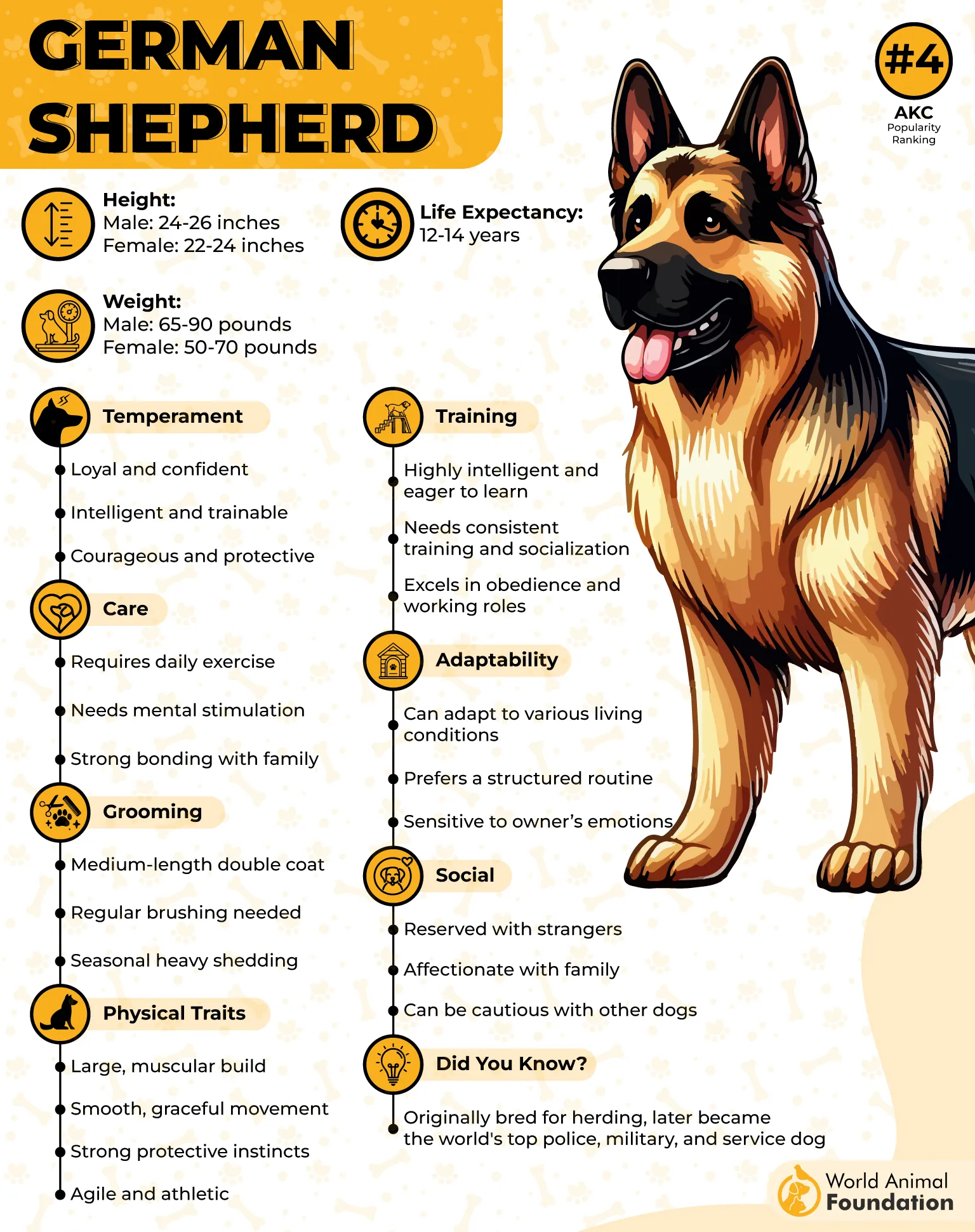
Its balanced frame, strong limbs, and graceful movement allow it to run swiftly and respond quickly to potential threats. The Great Pyrenees, however, is considerably larger and more heavily built, with males standing approximately 27–32 inches tall and weighing over 100 pounds.
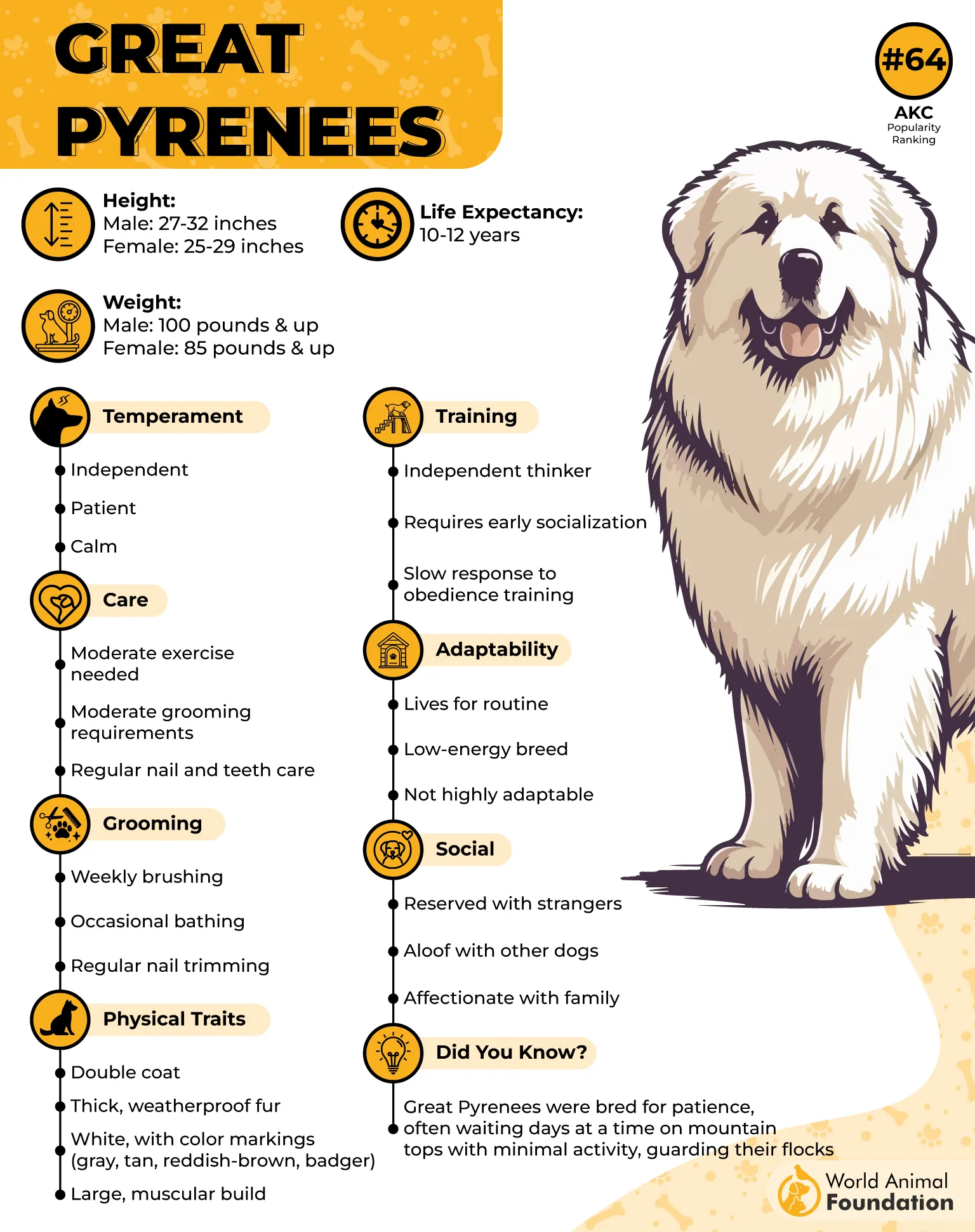
Females generally weigh over 85 pounds. Its broad chest, powerful body, and thick, weather-resistant double coat reflect its origins as a mountain livestock guardian. Unlike the German Shepherd’s agile, streamlined appearance, the Great Pyrenees has a majestic, sturdy build and a distinctive white coat, sometimes featuring darker markings.
3. Pricing & Availability
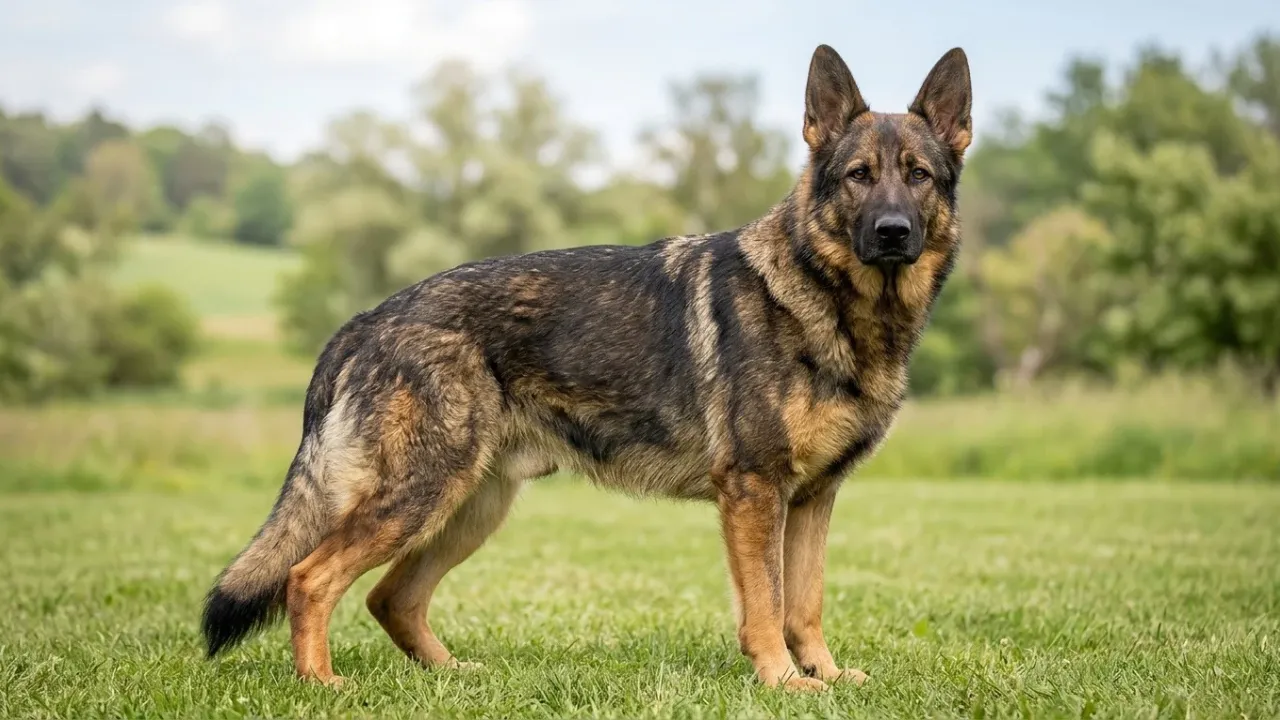
Bringing either breed home requires careful consideration of purchase prices, availability and long-term expenses. German Shepherds are widely recognised and popular, making them relatively accessible through reputable breeders, animal shelters and rescue organisations.
According to the provided breed information, a German Shepherd puppy from a reputable breeder can cost approximately $2,000–$4,000, although prices vary depending on pedigree, breeder and location. Adoption may offer a more affordable alternative.
Great Pyrenees puppies are also available through specialised breeders and rescue groups, but finding one may require additional research, particularly in areas where the breed is less common.
Great Pyrenees puppies typically range from $1,750 to $2,500 or more.
Their size, substantial food requirements, grooming needs, and potential veterinary expenses should also factor into ownership costs. Both breeds can develop health conditions, including hip dysplasia and bloat, making responsible breeding and preventive veterinary care important.
Prospective owners should compare local prices, breeder health screenings, adoption options, and ongoing care expenses before making a commitment.
4. Temperament & Personality Style
The German Shepherd and Great Pyrenees are devoted guardians, but their personalities reveal two distinct approaches to protecting their families. German Shepherds are intelligent, courageous, alert, and deeply loyal, often forming exceptionally strong bonds with their owners.
They are naturally watchful around strangers and respond well to consistent, reward-based training, making them particularly suited to structured working roles. Their eagerness to learn and close connection with their handlers allow them to respond to commands and changing situations.
Great Pyrenees, on the other hand, are gentle, affectionate, and remarkably independent. Their centuries-old livestock-guarding instincts make them naturally protective of their families, property, and other animals.
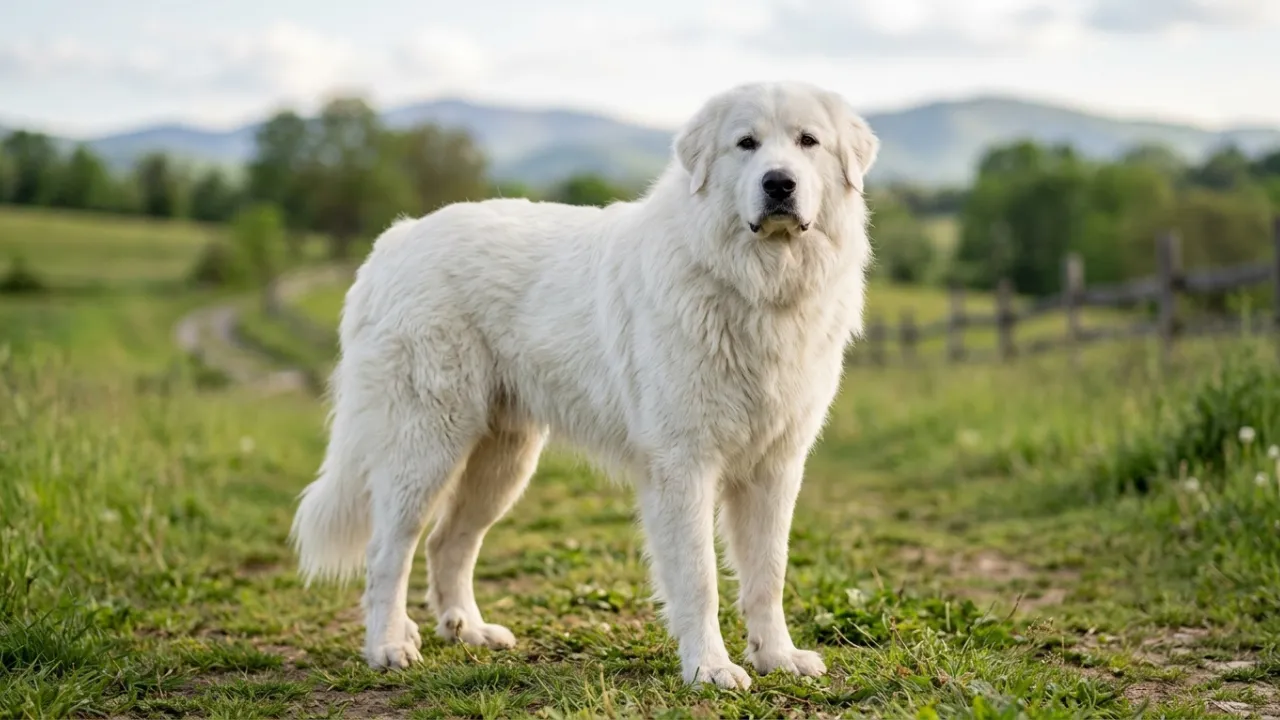
Rather than constantly seeking direction, they prefer to assess situations and make their own decisions. They can be stubborn and less responsive to repetitive obedience training, requiring patience, firm yet gentle guidance and early socialisation. While German Shepherds thrive on close collaboration, Great Pyrenees favour a calmer, self-directed style of guardianship.
5. Exercise Needs & Energy Level
Their contrasting working backgrounds also influence how much exercise and mental stimulation these two guardians require. German Shepherds are highly athletic, energetic dogs that need substantial daily activity to remain physically fit and mentally satisfied, according to Pooch and Mutt.
Adults generally benefit from around two hours of exercise each day, combining brisk walks, interactive play, obedience training, and activities such as agility, tracking, or herding. Their intelligence and strong work ethic mean that physical exercise alone may not be enough to prevent boredom and undesirable behaviour.
Great Pyrenees, despite their impressive size and strength, typically have more moderate exercise requirements. Around 20–30 minutes of daily exercise may suffice for some adults, alongside opportunities for mental engagement and purposeful activities.
Their traditional role involved conserving energy while watching over livestock and responding swiftly when danger appeared.
They are generally calmer indoors but may become active and vocal at night. Unlike German Shepherds, which thrive on structured activity, Great Pyrenees prefer a more leisurely routine, with secure outdoor spaces and opportunities to patrol safely.
6. Trainability & Obedience
German Shepherds and Great Pyrenees approach training with very different attitudes. Intelligent, attentive and eager to please, German Shepherds thrive on structured lessons, positive reinforcement and regular mental challenges.
Early training and socialisation help them develop good manners, respond to commands and become confident family companions. Their strong bond with owners often makes them receptive to guidance, although they need consistent activity to prevent boredom and unwanted behaviour.
Great Pyrenees are equally intelligent, but their independent nature makes obedience a different experience. Bred to guard livestock without constant human direction, they are accustomed to making decisions on their own.
They may question commands or ignore instructions they consider unnecessary, so patience and consistency are essential. Rather than expecting instant obedience, owners need to understand their self-reliant temperament and provide thoughtful guidance.
While both breeds benefit from early socialisation, the German Shepherd is generally more suited to command-based training, whereas the Great Pyrenees is an independent guardian.
7. Grooming Needs & Shedding
Neither breed is a low-shedding companion, so prospective owners should be prepared for regular brushing and some extra cleaning around the home. German Shepherds have a medium-length double coat, with a coarse outer layer and a dense, soft undercoat.
They shed throughout the year, with heavier shedding in spring and autumn. Weekly grooming helps remove loose hair, maintain coat condition, and keep shedding manageable. Frequent bathing is unnecessary and may strip the coat of its natural protective oils.
The Great Pyrenees also has a thick, weather-resistant coat that requires routine care. Its abundant white fur is part of its distinctive appearance, but shedding comes with the territory. Owners should expect loose hair on furniture, clothing, and around the house, even when grooming is consistent.
Both breeds need regular attention to keep their coats healthy, but the Great Pyrenees’ substantial coat can make shedding especially noticeable. For either guardian, grooming is an ongoing commitment rather than an occasional chore.
8. Guarding Instincts & Alertness
Both breeds have an instinct to protect, but their guarding styles reflect very different working histories. German Shepherds were developed for herding and protection, and their loyalty, alertness and responsiveness have made them valued in police, military and rescue work.
Closely bonded with their families, they may be reserved around unfamiliar people and use their loud, strong bark to signal unusual activity. Early socialisation and consistent training help them distinguish ordinary visitors from situations that warrant attention.
Great Pyrenees, by contrast, were bred to guard livestock independently, often working far from human supervision. Their protective behaviour is instinctive rather than dependent on commands, according to the Great Pyrenees Club. They are devoted to their families and territory, generally calm at home, but may react to unfamiliar approaches.
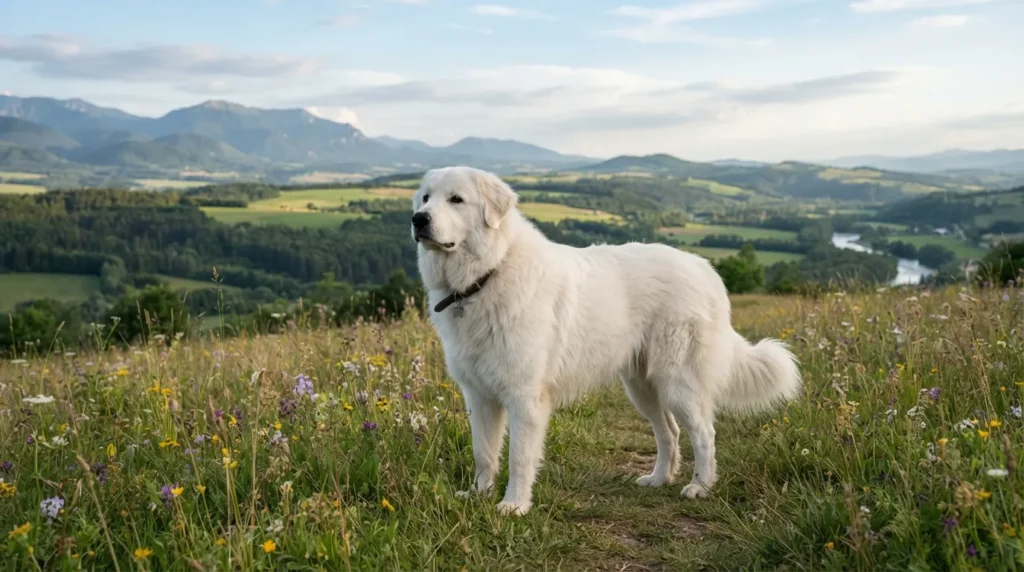
Their tendency to patrol and bark, particularly at night, reflects their traditional role as livestock guardians. Secure fencing and responsible management are important. Neither breed should be encouraged to act aggressively; good ownership means guiding their protective instincts safely and appropriately.
9. Health & Lifespan
A dog’s health needs are an important part of choosing a suitable companion, particularly when considering two large working breeds. German Shepherds have an expected lifespan of 12 to 14 years, and some health concerns occur more frequently in the breed.
These include hip dysplasia, lameness, and gastrointestinal problems. Maintaining a healthy weight, providing suitable nutrition and arranging veterinary care can help owners monitor their dog’s wellbeing.
Their deep chest also means owners should learn the warning signs of bloat and take appropriate precautions around exercise and meals.
Great Pyrenees are described as generally healthy and long-lived for a large breed, with a typical lifespan of 10 to 12 years.
However, their size and inherited health risks still deserve consideration. Prospective owners should ask reputable breeders about the health history of the parents, including hip-dysplasia screening, and review the puppy’s veterinary records.
Both breeds need regular veterinary attention, balanced feeding, and responsible care throughout their lives. While their expected lifespans are broadly similar, individual health varies, so choosing carefully and maintaining preventive care are essential.
10. Which Working Dog Fits Your Lifestyle Best?
Choosing between a German Shepherd and a Great Pyrenees means deciding what kind of companionship and daily routine suit your household. German Shepherds are people-oriented, energetic, and highly trainable.
They often enjoy learning alongside their owners and need substantial physical exercise, mental stimulation and consistent guidance. They may suit active households prepared to invest time in training, socialisation and daily engagement.
Great Pyrenees are calmer indoors as adults, but their independent nature and strong guarding instincts bring different responsibilities. They need daily attention, room to move, and secure fencing to manage their tendency to patrol.
Their barking, particularly at night, may also be challenging in densely populated neighbourhoods. Neither breed is automatically suited to every home, and both require responsible supervision around children.
Consider your available space, experience with large dogs, tolerance for shedding and barking, and willingness to provide ongoing care. The right fit depends less on appearance than on whether your lifestyle can meet the breed’s needs.
Conclusion
German Shepherds and Great Pyrenees may both be devoted guardians, but their temperaments and working styles set them apart. The German Shepherd is an energetic, people-focused dog that responds well to structured training and thrives on regular activity with its family.
The Great Pyrenees is a calm yet independent livestock guardian, guided by instincts developed through generations of working on its own. Both can become affectionate family companions when their needs are understood and met.
However, their size, protective nature, grooming demands and exercise requirements call for thoughtful preparation. Before welcoming either breed home, consider the time, space and consistency you can provide.
A suitable match gives these intelligent, loyal dogs the opportunity to feel secure, stay engaged and fulfill their roles as trusted companions and guardians.
