




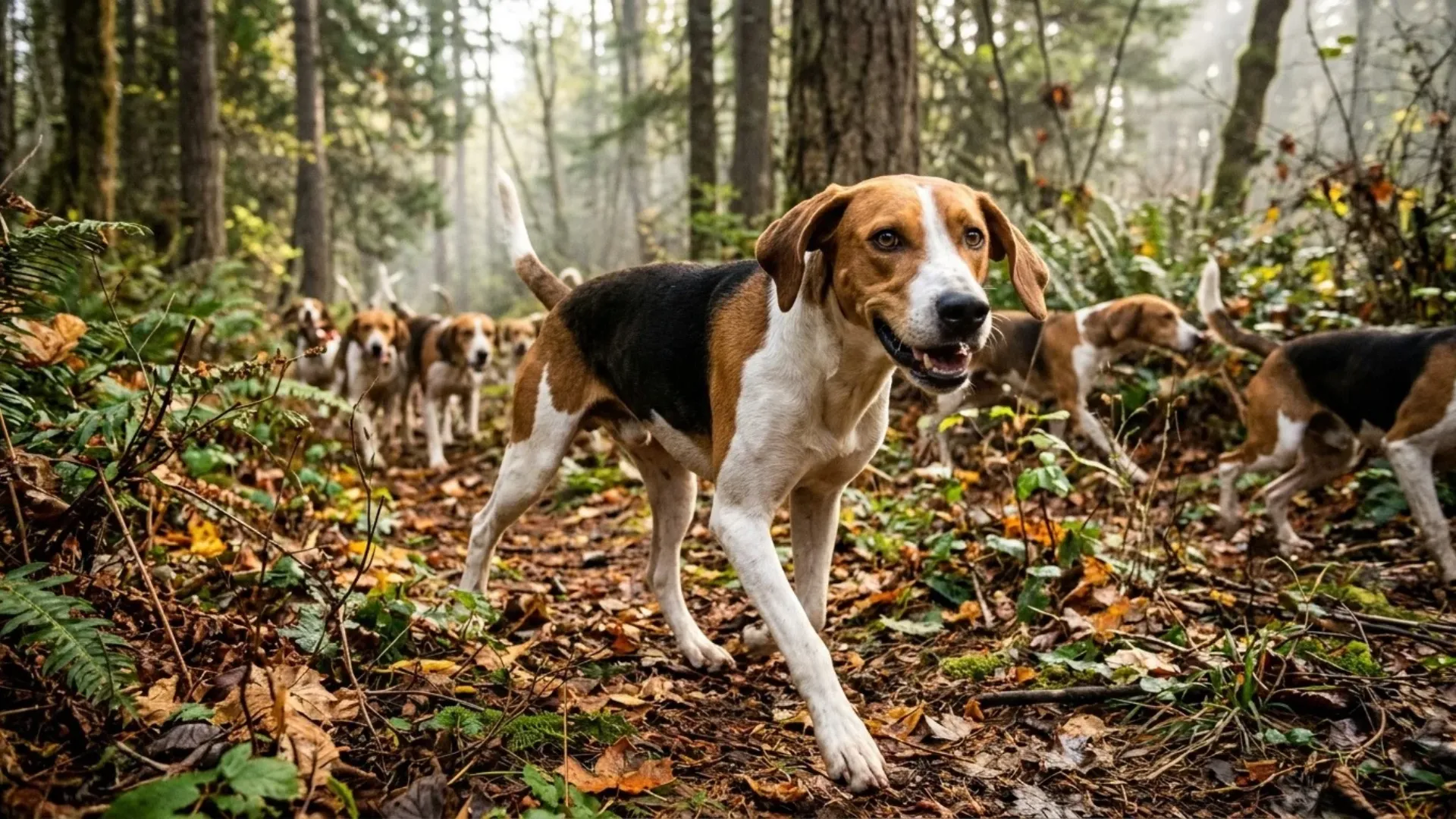
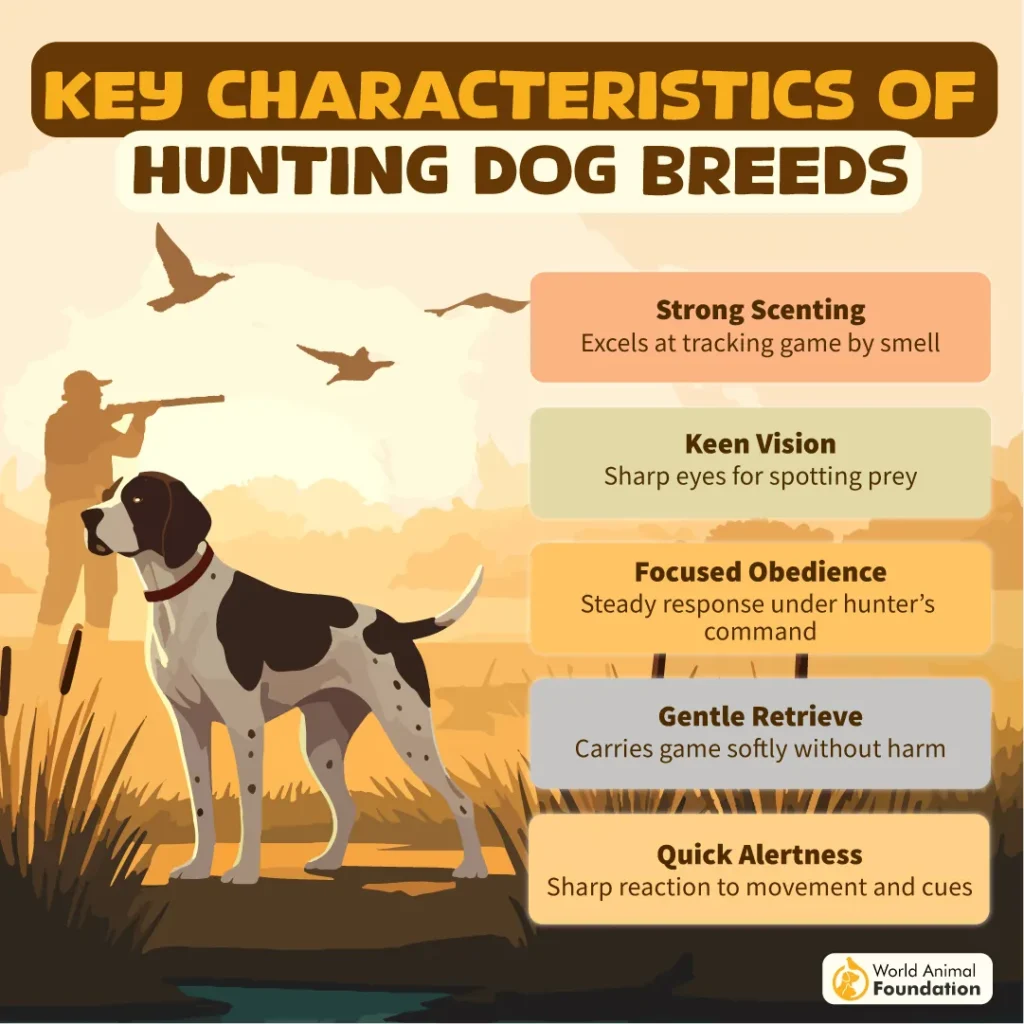
What do a well-organized sports team and a pack of enthusiastic hunting dogs have in common? Everyone has a job, communication matters, and someone always gets distracted by something interesting. In the canine world, that distraction is usually a fascinating smell.
Team hunting scenarios reveal some of the most impressive examples of cooperation between dogs and humans. Some hunting breeds were developed to follow scent trails alongside other hounds, while others learned to locate, flush, or retrieve game under their handlers’ direction. Their abilities reflect generations of selective breeding and specialized working partnerships.
So, let’s talk about the dog breeds that work well in team hunting scenarios.
Dog Breeds That Work Well in Team Hunting Scenarios
1. American Foxhound
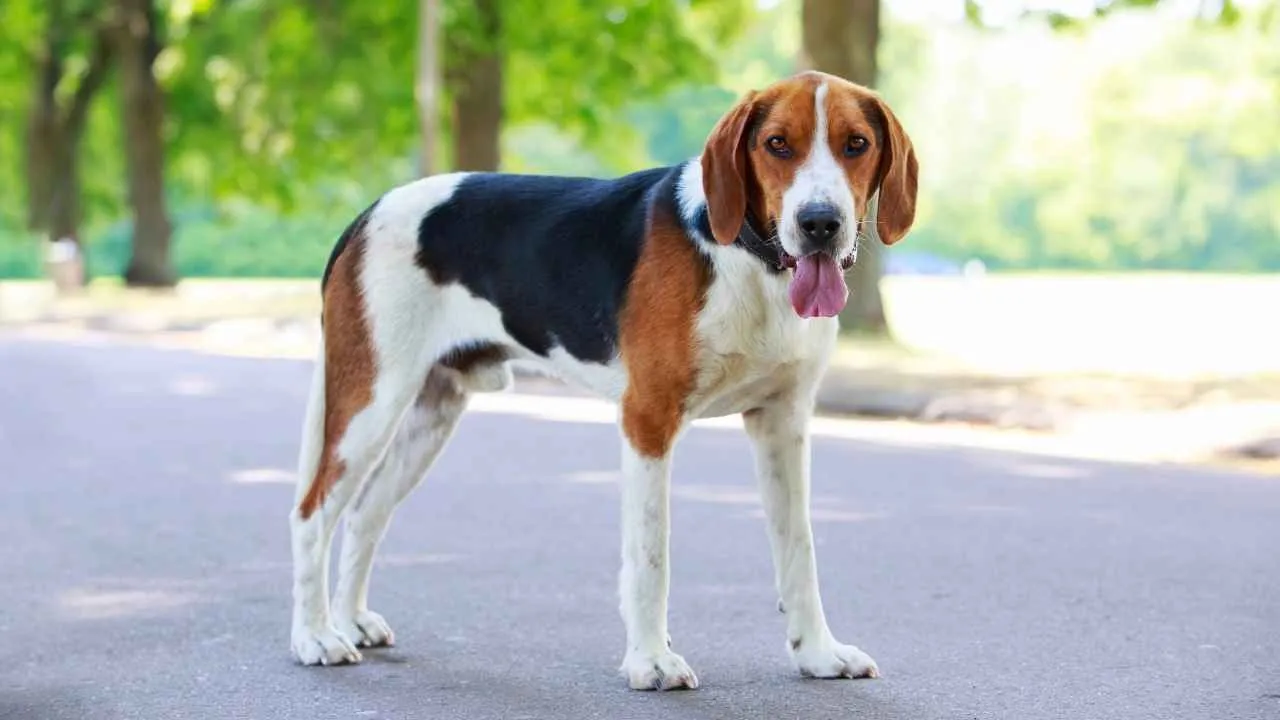
If teamwork had a canine mascot, the American Foxhound would be a strong contender. Developed in colonial America from European foxhound stock, this athletic scent hound was bred to pursue fox trails across extensive countryside while working with other hounds.
Its long legs, deep chest, and short, easy-care coat reflect a working heritage built around endurance. American Foxhounds are particularly well suited to pack activities because generations of breeding favored dogs who could follow scent while functioning alongside their companions.
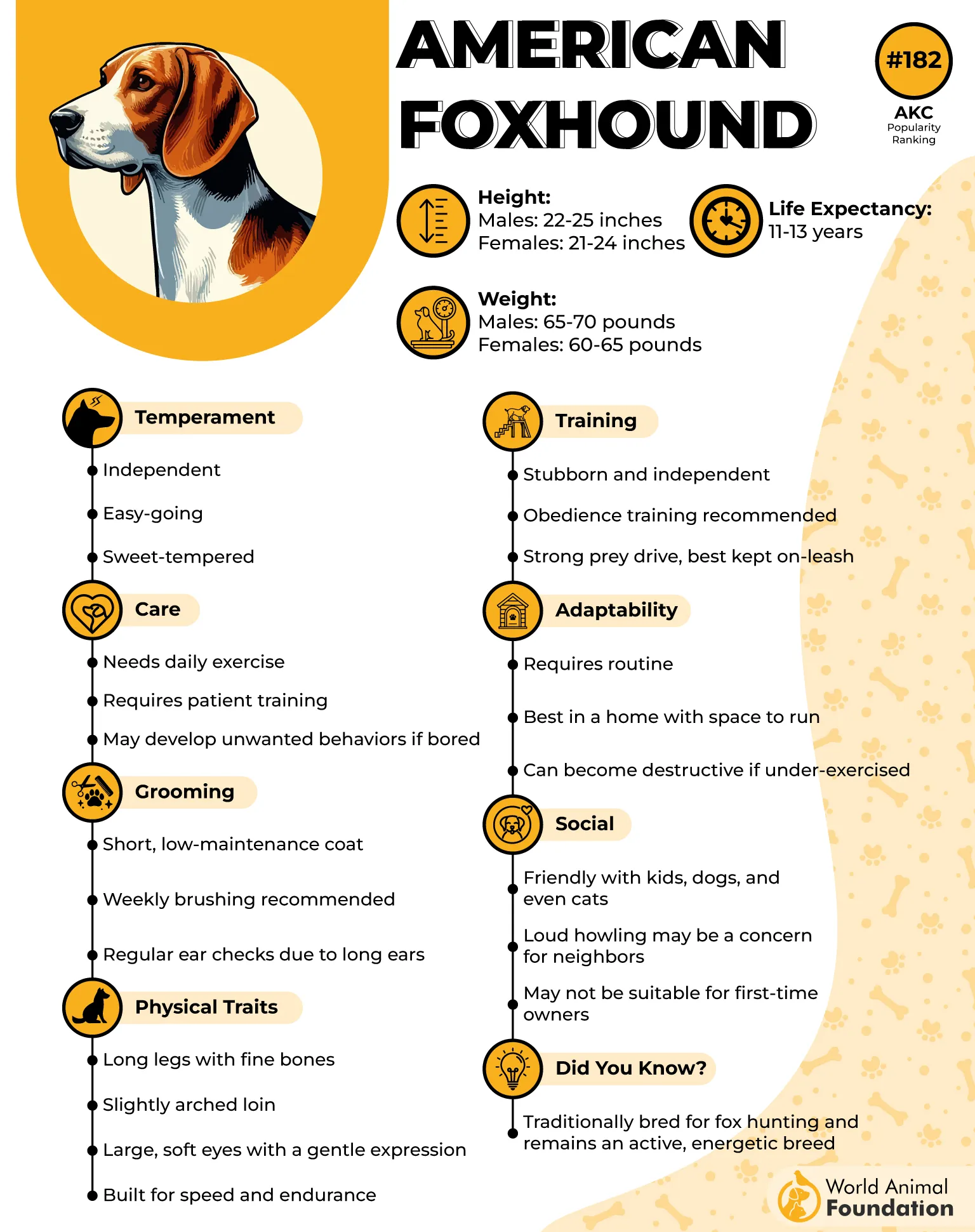
These highly energetic hounds are often friendly with other dogs and affectionate with familiar people, although their independence can make recall challenging. Their musical baying is another distinctive trait, and it can carry surprisingly far.
As pets, they require substantial daily exercise, secure outdoor spaces, and patient training. Their sociable pack instincts can be appealing, but they may not suit households seeking a quiet, low-energy companion.
George Washington kept packs of hounds and helped develop American foxhunting traditions. The American Foxhound’s historical association with early American hunting culture remains one of the breed’s most memorable features.
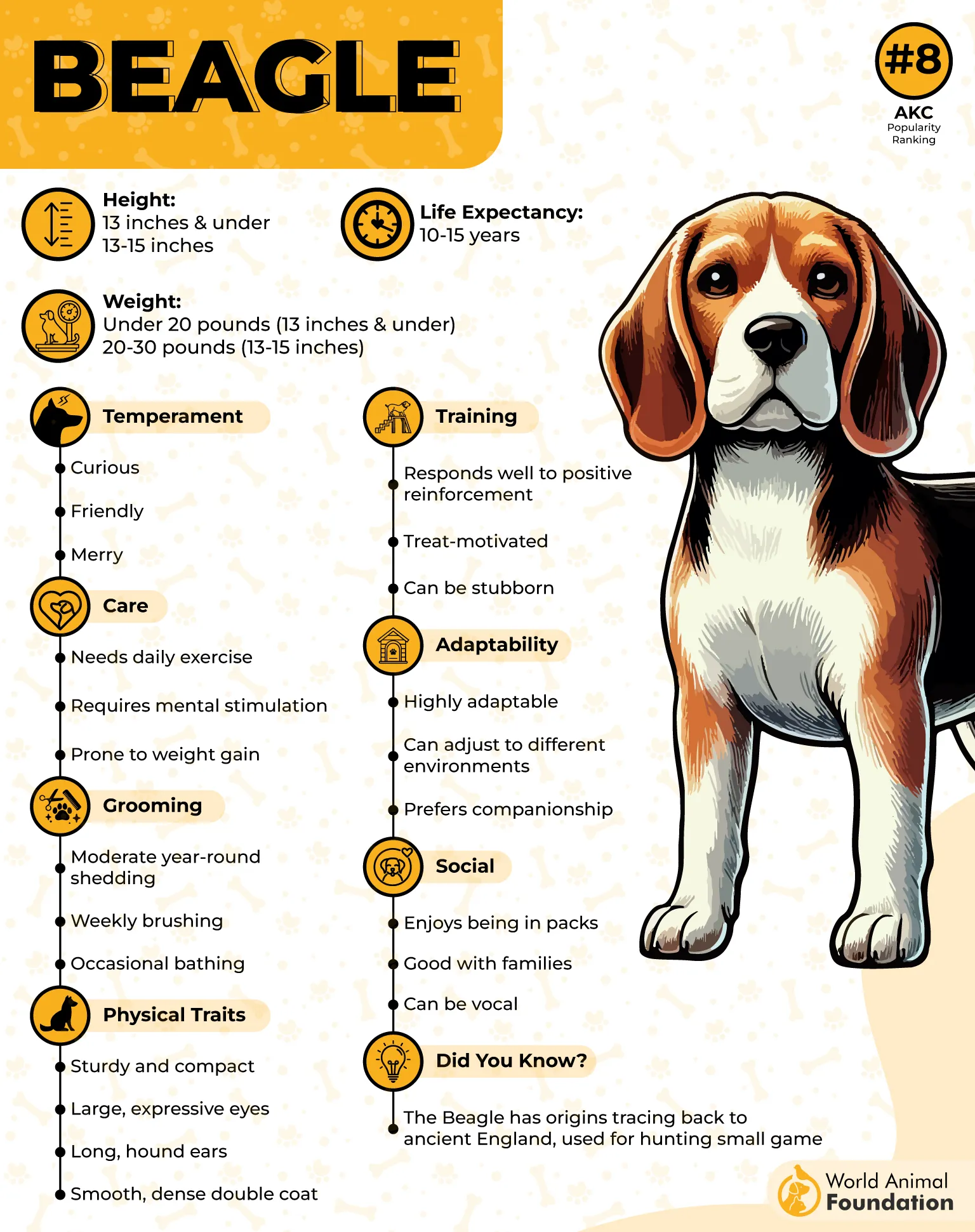
2. Beagle
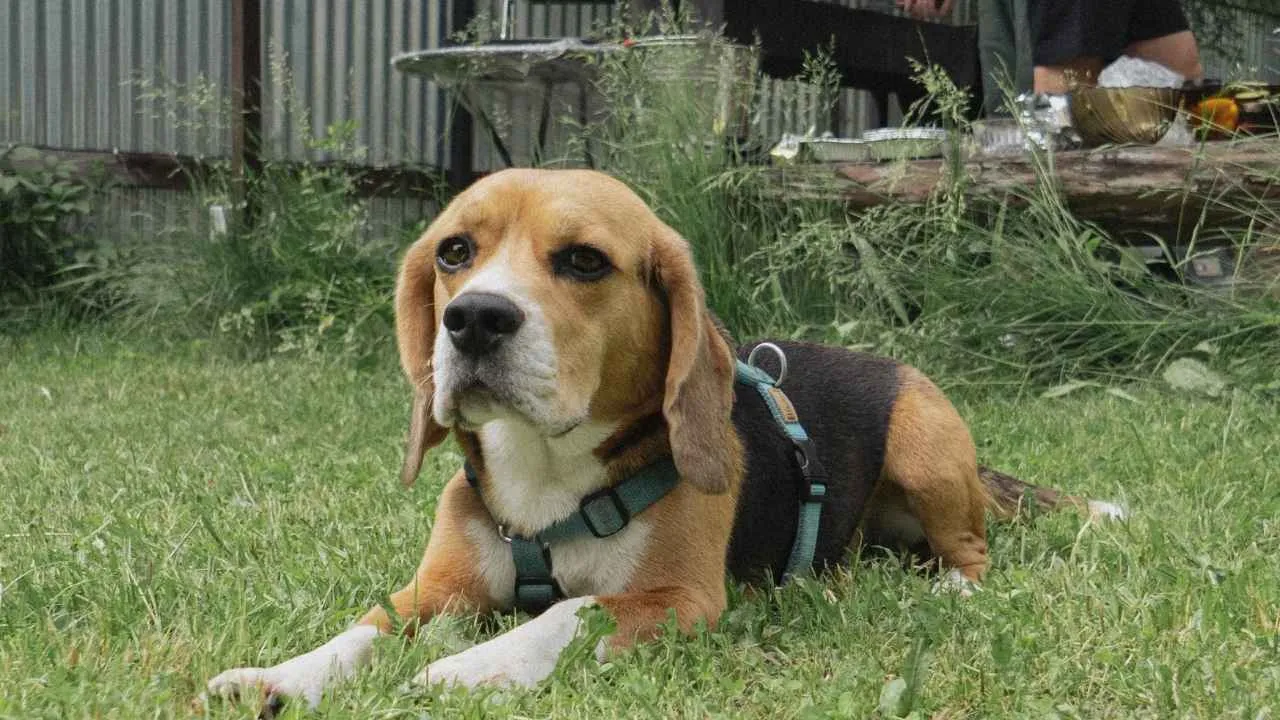
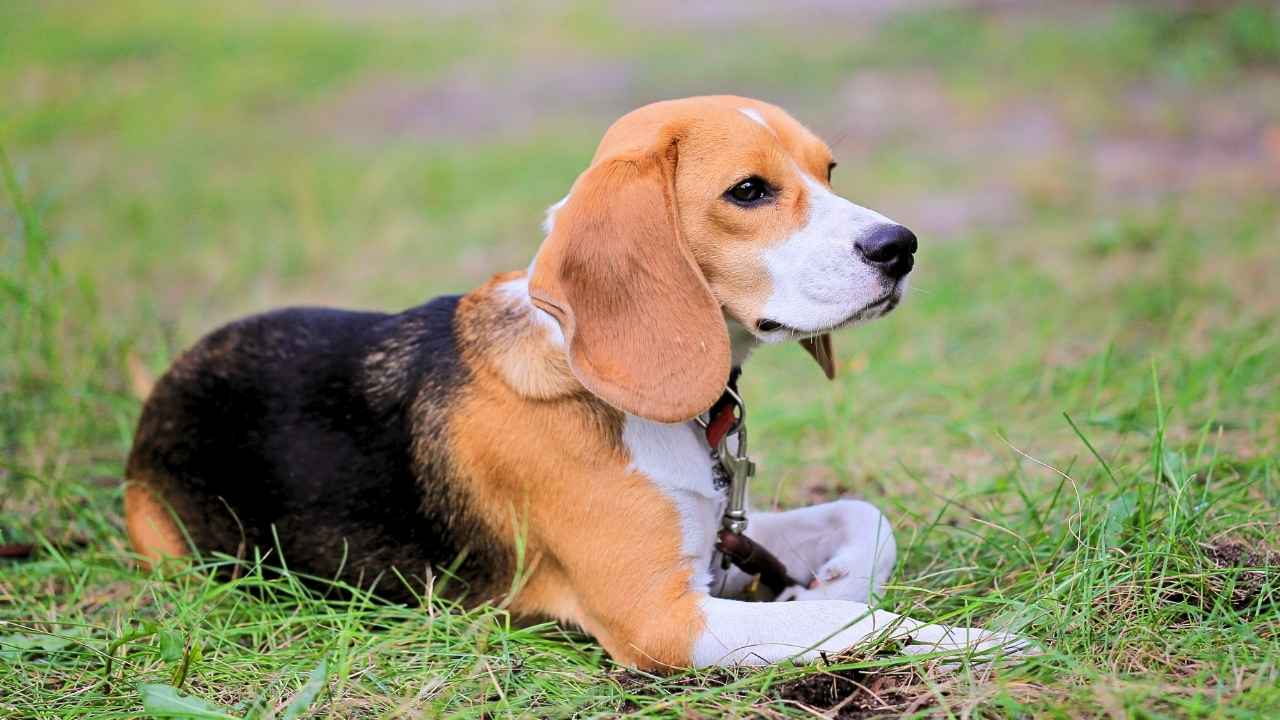
Don’t underestimate the Beagle because of its compact size. Originally developed in England for hunting hare and rabbit, this determined little scent hound became especially valued for working in packs that hunters could follow on foot.
Their short coats, expressive brown eyes, and long ears give them a friendly look, but their noses are serious business. Beagles are often enthusiastic scent followers who enjoy exploring trails alongside other dogs.
One of their greatest strengths in cooperative hunting is their generally sociable nature. Many Beagles enjoy canine company, although individual relationships still depend on temperament and socialization.
Historically, Beagles were especially practical for hunters without horses. Their smaller size and manageable pace let people follow the hounds on foot as they tracked game.
The Royal Kennel Club describes them as curious, friendly hounds with a strong scenting heritage.
Known for agility, they need regular exercise, secure fencing, and rewarding training sessions. Their strong interest in smells can sometimes outweigh their interest in your instructions, so building reliable recall takes patience.
For families interested in scent-driven dog breeds, the Beagle offers a fascinating combination of sociability, enthusiasm, and working history.
3. Harrier
Somewhere between the Beagle and the English Foxhound stands the Harrier, a sturdy scent hound developed for pursuing hare across the British countryside. Historically associated with organized packs, Harriers combine endurance, scenting ability, and the sociable temperament expected of dogs working closely together.
Their short, dense coats are practical for outdoor work, while their strong legs and balanced bodies help them cover uneven ground. Unlike a dog bred primarily for short bursts of speed, the Harrier was developed for sustained movement over considerable distances.
They are generally friendly, outgoing, and comfortable around other dogs when properly socialized. Their pack-oriented background can make them appealing companions for active households with multiple compatible dogs.
A memorable detail is that organized Harrier packs have been associated with British hunting traditions for centuries, as per Show Sight Magazine. The breed’s relatively uncommon status today makes its historical role particularly interesting.
Their strong noses and independent tendencies mean that off-leash freedom should be limited to safely enclosed areas unless recall is exceptionally reliable. For guardians who enjoy energetic outdoor activities, the Harrier offers a lively personality and a genuine heritage of cooperative pack work.
4. Bluetick Coonhound
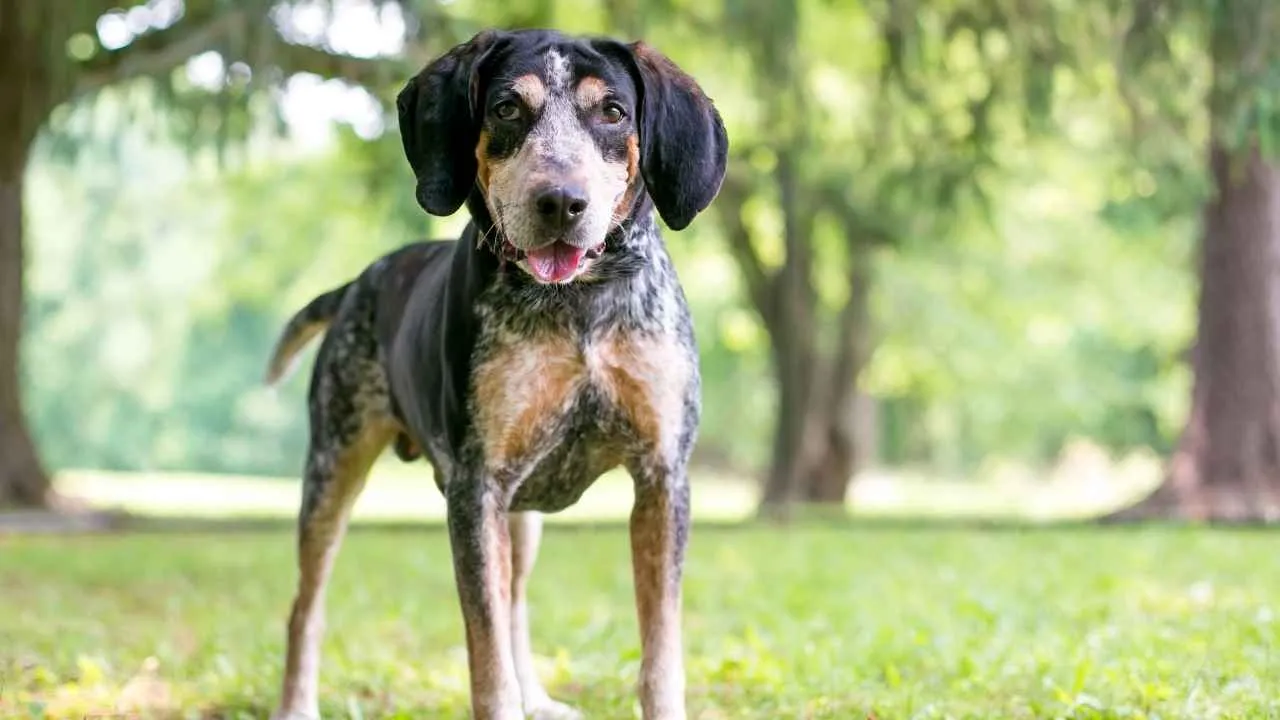
The Bluetick Coonhound looks as though someone carefully painted its coat with hundreds of tiny blue-black speckles.
Its muscular body, long ears, and distinctive mottled coat make it immediately recognizable. The breed’s keen scenting ability and determination helped establish its reputation among hunters who needed dogs that could follow difficult trails.
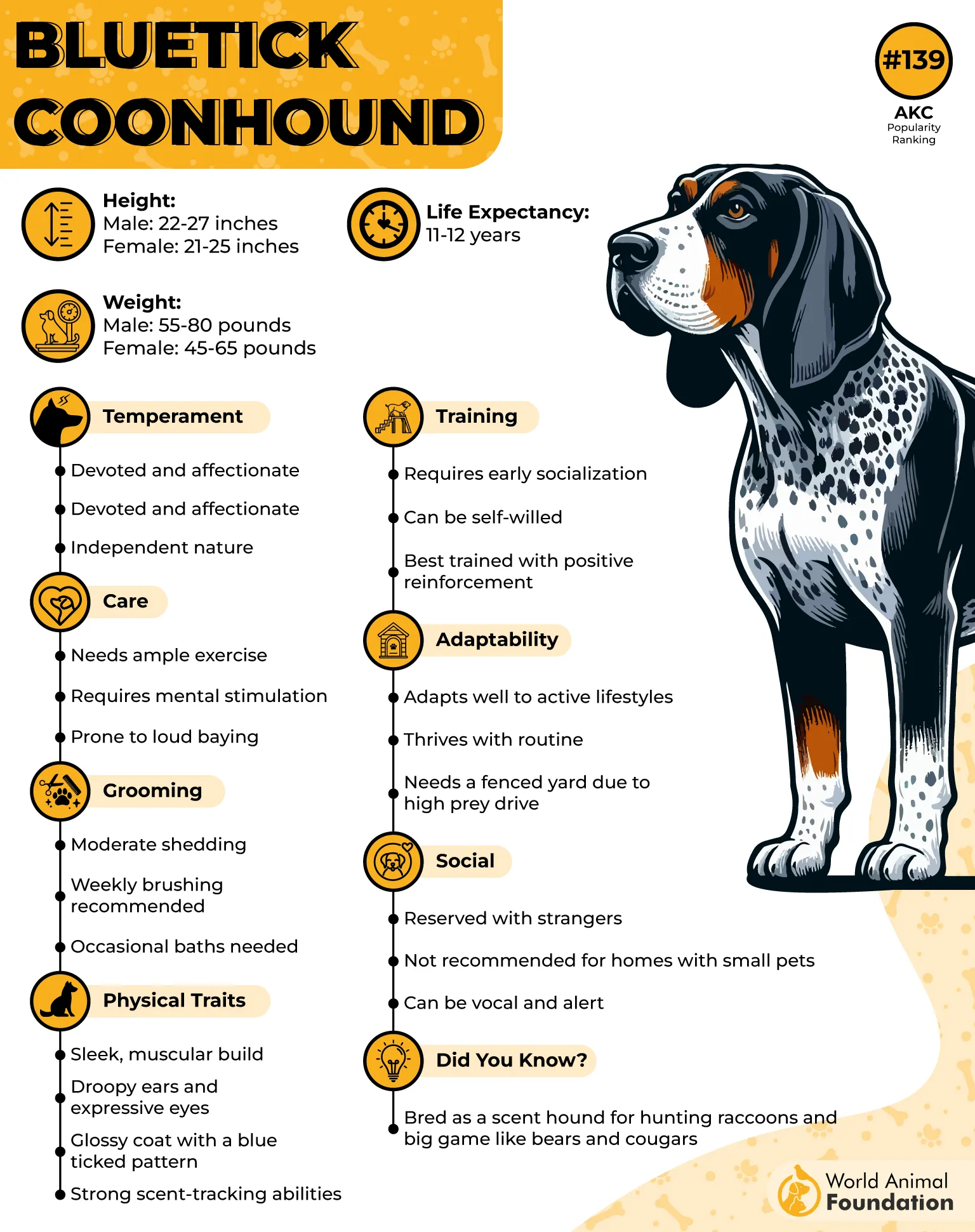
These medium-sized dogs may work individually or alongside other compatible hounds, depending on their training and the hunting tradition involved. Their ability to stay focused on a scent can be valuable during coordinated field activities, although pack cooperation varies from dog to dog.
These dogs are often affectionate with their families and can be sociable with other dogs. However, their strong hunting instincts and powerful voices require thoughtful management.
One interesting fact is that Bluetick Coonhounds are known for their distinctive baying voices, which historically helped handlers locate working dogs from a distance. Their daily needs include vigorous exercise, scent-based enrichment, and secure spaces for exploration. Positive reinforcement helps build reliable communication, especially when an exciting odor competes for their attention.
5. Black and Tan Coonhound
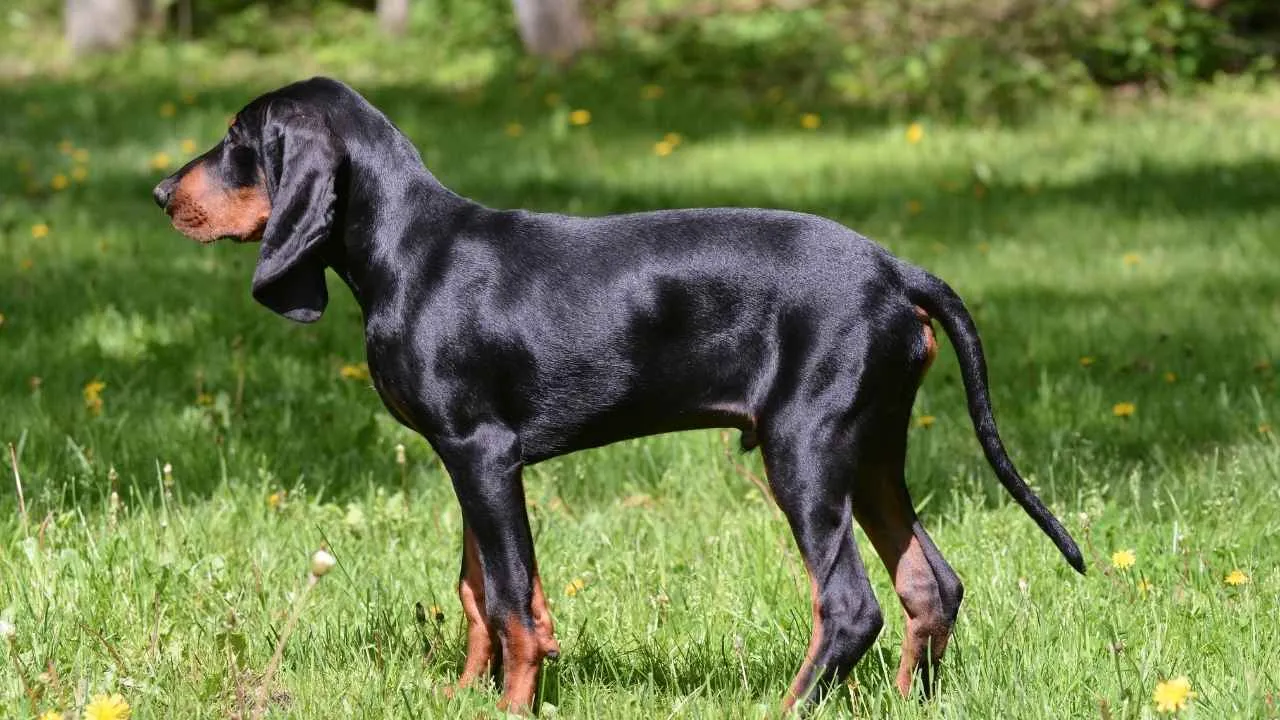
With its long ears, soulful expression, and impressive nose, the Black and Tan Coonhound looks like a detective who has already solved the mystery. These dogs with excellent noses became especially associated with tracking raccoons and other game.
Its distinctive black coat with tan markings, substantial build, and loose skin around the head reflect its traditional scent-hound appearance. These dogs were valued for their ability to follow trails across difficult terrain, sometimes continuing long after other dogs lost interest.
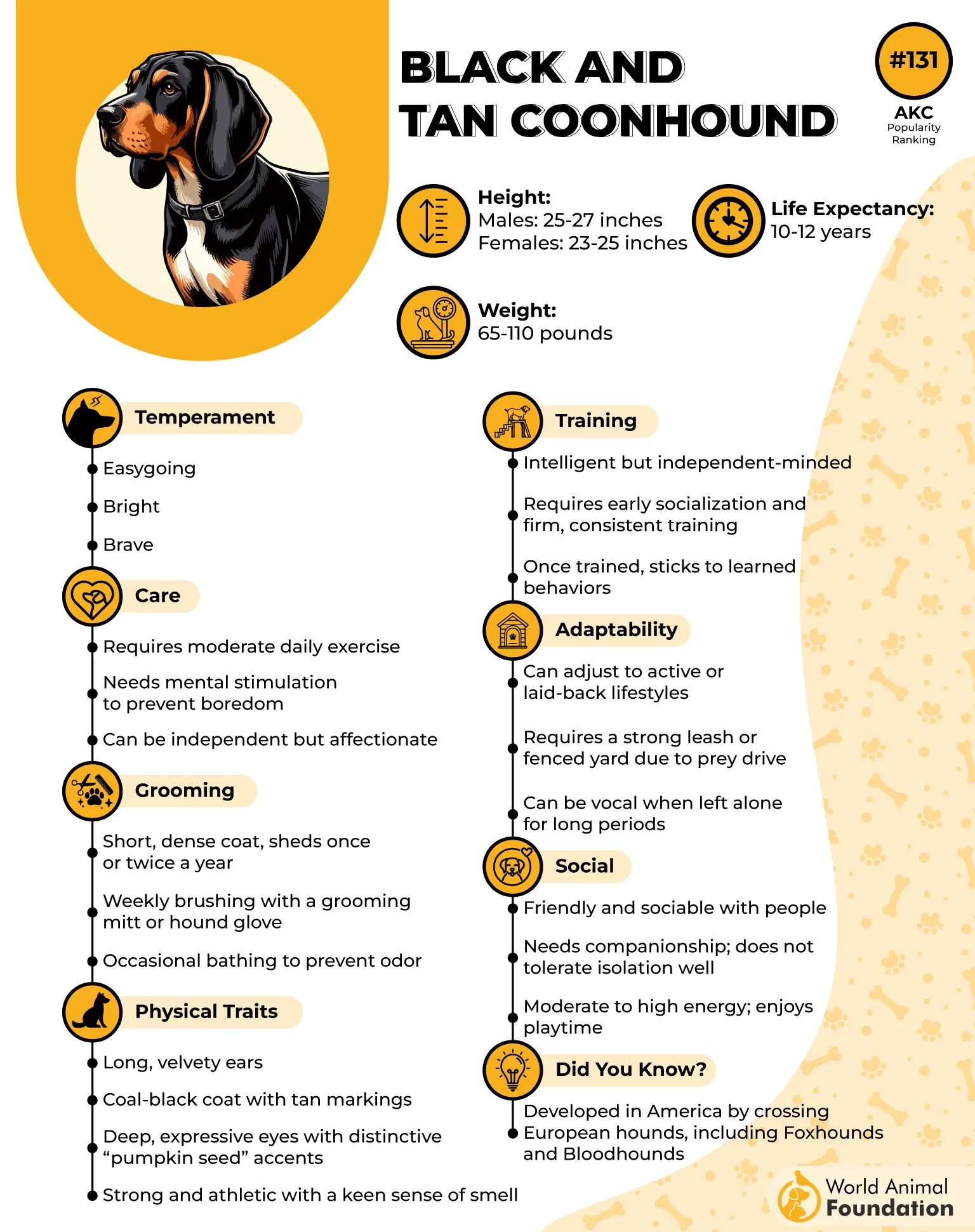
Black and Tan Coonhounds with a keen sense of smell can work independently or with other hounds, depending on training and circumstances. Their strong scenting instincts make them capable field workers, although they may become deeply absorbed in a trail.
Despite their determined working nature, many are affectionate and relatively easygoing at home after sufficient exercise. Their interactions with children, strangers, and other dogs depend on socialization and individual temperament.
These dogs benefit from regular outdoor exercise, scent games, and consistent positive reinforcement training. Secure fencing is especially important because an interesting smell can become their top priority.
6. German Shorthaired Pointer
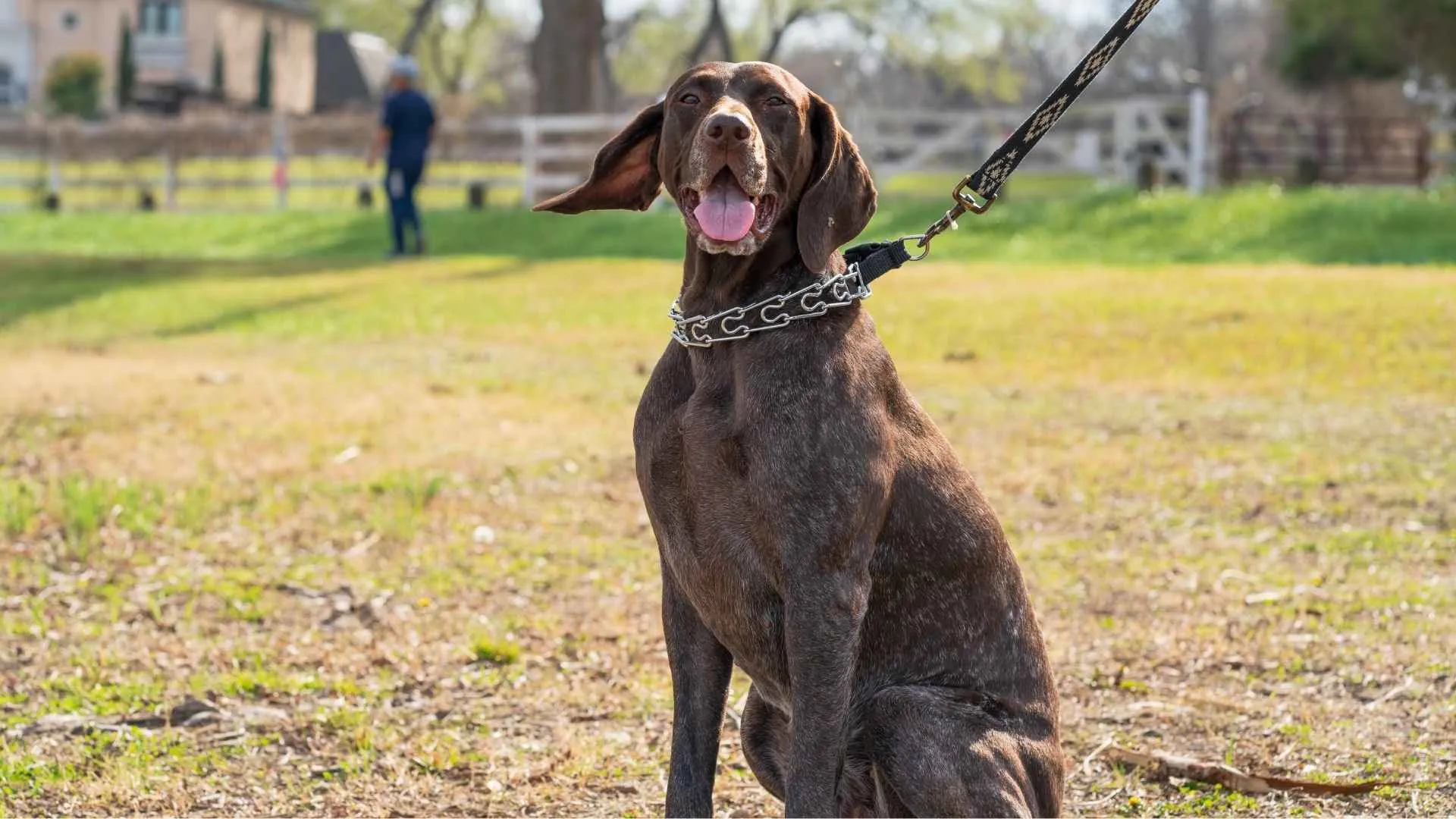
Not every excellent hunting teammate works in a traditional pack. The German Shorthaired Pointer, developed in nineteenth-century Germany, was bred as a versatile sporting dog capable of locating, pointing, and retrieving game across different environments.
Its streamlined body, short coat, and powerful athletic build support demanding outdoor activity. German Shorthaired Pointers are especially valued for their versatility, with many enjoying both land-based fieldwork and water retrieving.
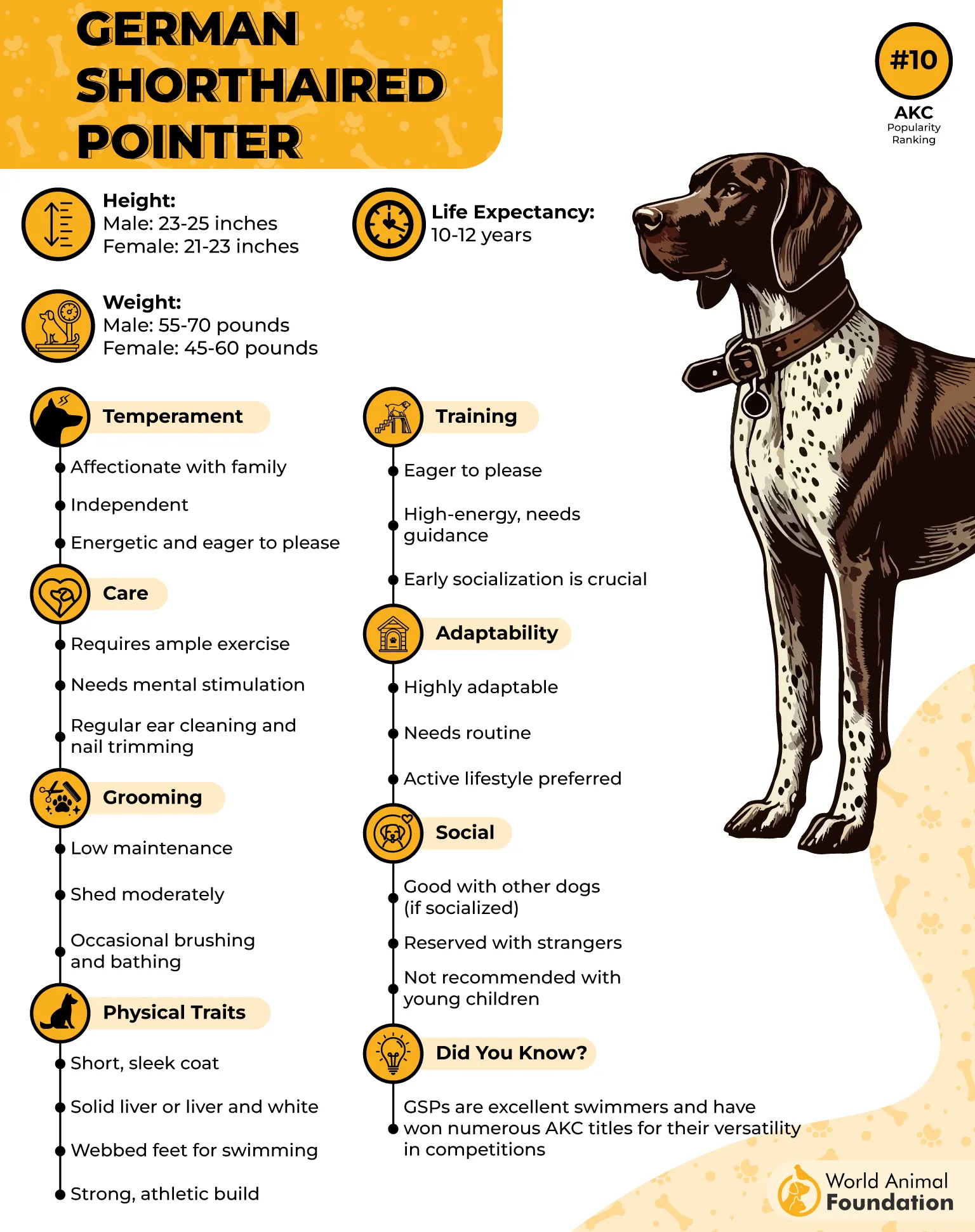
Their cooperative strength lies primarily in communicating with a handler rather than pursuing independently as a pack. Well-trained individuals can work effectively in organized field settings, although their approach differs substantially from that of Foxhounds or Beagles.
These Pointer dogs are often affectionate, intelligent, and enthusiastic, but their considerable energy makes them unsuitable for sedentary households. They generally need vigorous exercise, mental stimulation, and meaningful activities.
Their short coats are relatively straightforward to maintain, although their overall care needs are far from minimal. Early socialization and consistent reward-based training help channel their enthusiasm into cooperative behavior.
7. English Springer Spaniel
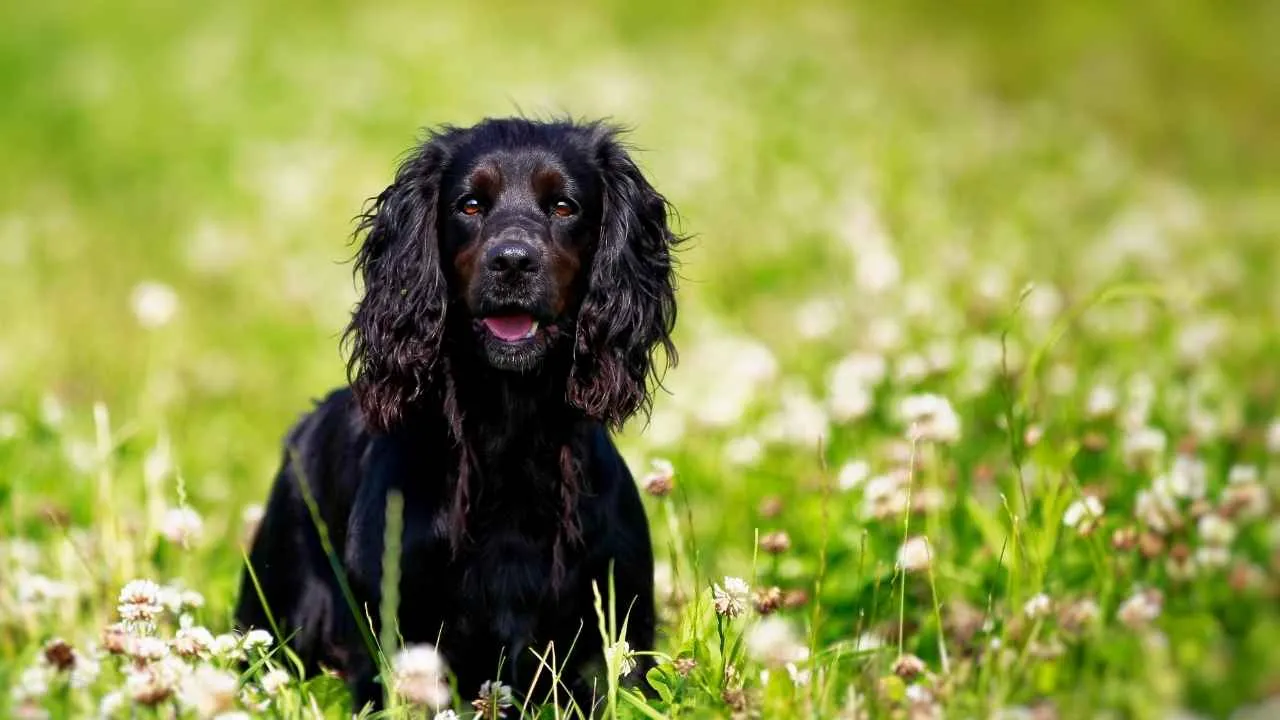
If the German Shorthaired Pointer is the versatile athlete, the English Springer Spaniel is the enthusiastic teammate that keeps checking whether everyone is ready for the next activity. PDSA says this sporting breed is associated with finding and flushing game birds from cover before retrieving them for hunters.
Its medium-length coat, feathered ears, and expressive face give it a friendly look, while its muscular body supports energetic fieldwork. Common coat colors include liver-and-white and black-and-white, sometimes with additional markings.
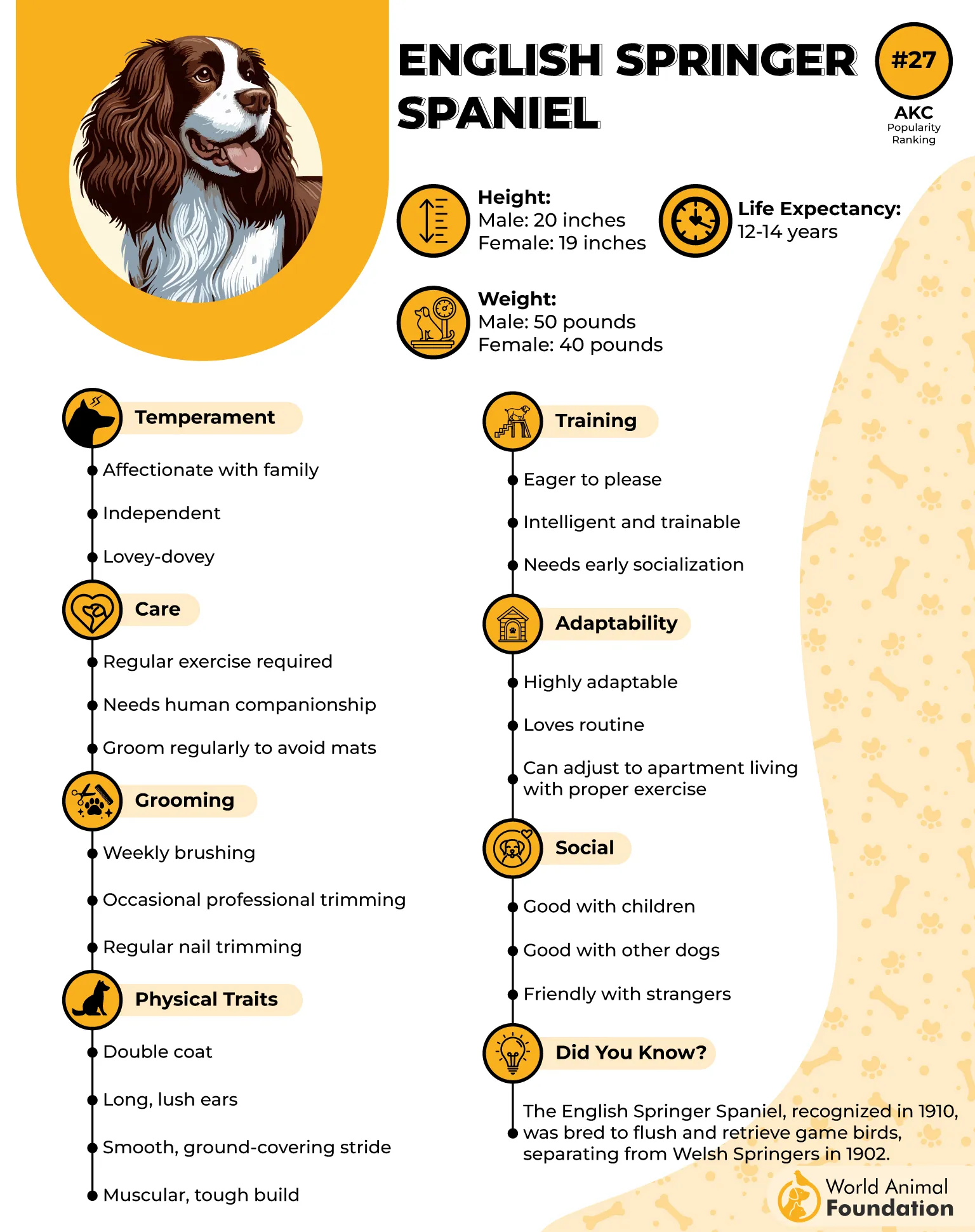
These bird hunting dogs are often highly responsive to their handlers and enjoy working through structured tasks. Unlike pack-oriented scent hounds, their cooperative strength usually comes from staying in communication with a person during flushing and retrieving.
Their history is particularly interesting because the terms used for different land spaniels once reflected working roles rather than the modern breed distinctions familiar today. Springing spaniels became associated with flushing game from hiding places, which helps explain the breed’s name.
Friendly, intelligent, and eager to participate, the English Springer Spaniel makes a fitting final example of how successful teamwork can develop through a close relationship between a dog and its handler.
Conclusion
The best dogs for team hunting events bring different strengths to the field, from the cooperative scent-tracking traditions of American Foxhounds and Beagles to the handler-focused abilities of German Shorthaired Pointers and English Springer Spaniels. Each breed demonstrates how canine teamwork can take several fascinating forms.
Before choosing a hunting breed, consider its exercise needs, temperament, and welfare requirements, and explore reputable rescues or responsible breeders. Whether your companion follows trails or simply enjoys a backyard scent game, a rewarding partnership starts with trust.
