




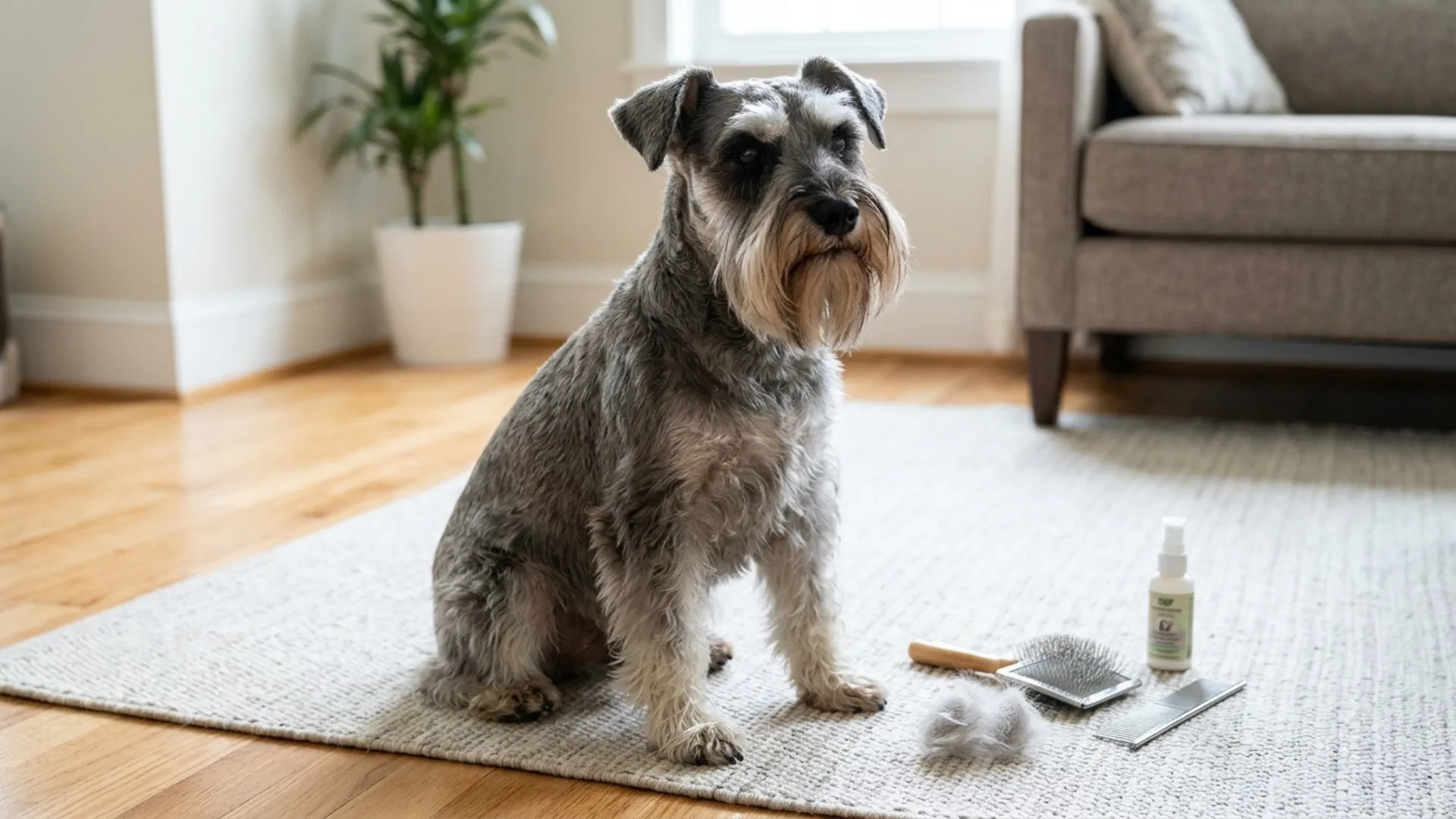
What do a vacuum cleaner, a black sweater, and a dog owner’s sofa have in common? They’re all familiar with dog hair’s mysterious ability to appear absolutely everywhere. Sometimes I wonder whether certain dogs secretly manufacture extra fur when nobody’s watching.
Fortunately, some low-shedding dog breeds can make everyday cleaning much easier. These dogs typically shed less loose hair than heavy-shedding breeds, though their coats often need more brushing, trimming, and professional grooming.
But here’s the catch: low shedding doesn’t mean zero maintenance, and no breed is guaranteed to be allergy-free. So, let’s talk about the dog breeds that shed less and what owners should know.
Dog Breeds That Shed Less and What Owners Should Know
1. Standard Poodle

The Standard Poodle is proof that a glamorous hairstyle can hide a surprisingly athletic personality. Although strongly associated with France, the Poodle has historical roots in Germany, where its ancestors worked as water-retrieving dogs.
Its dense, curly coat is one of the breed’s most recognizable features. Unlike heavy seasonal shedders, Poodles generally don’t shed much because their curls often trap dead hair.
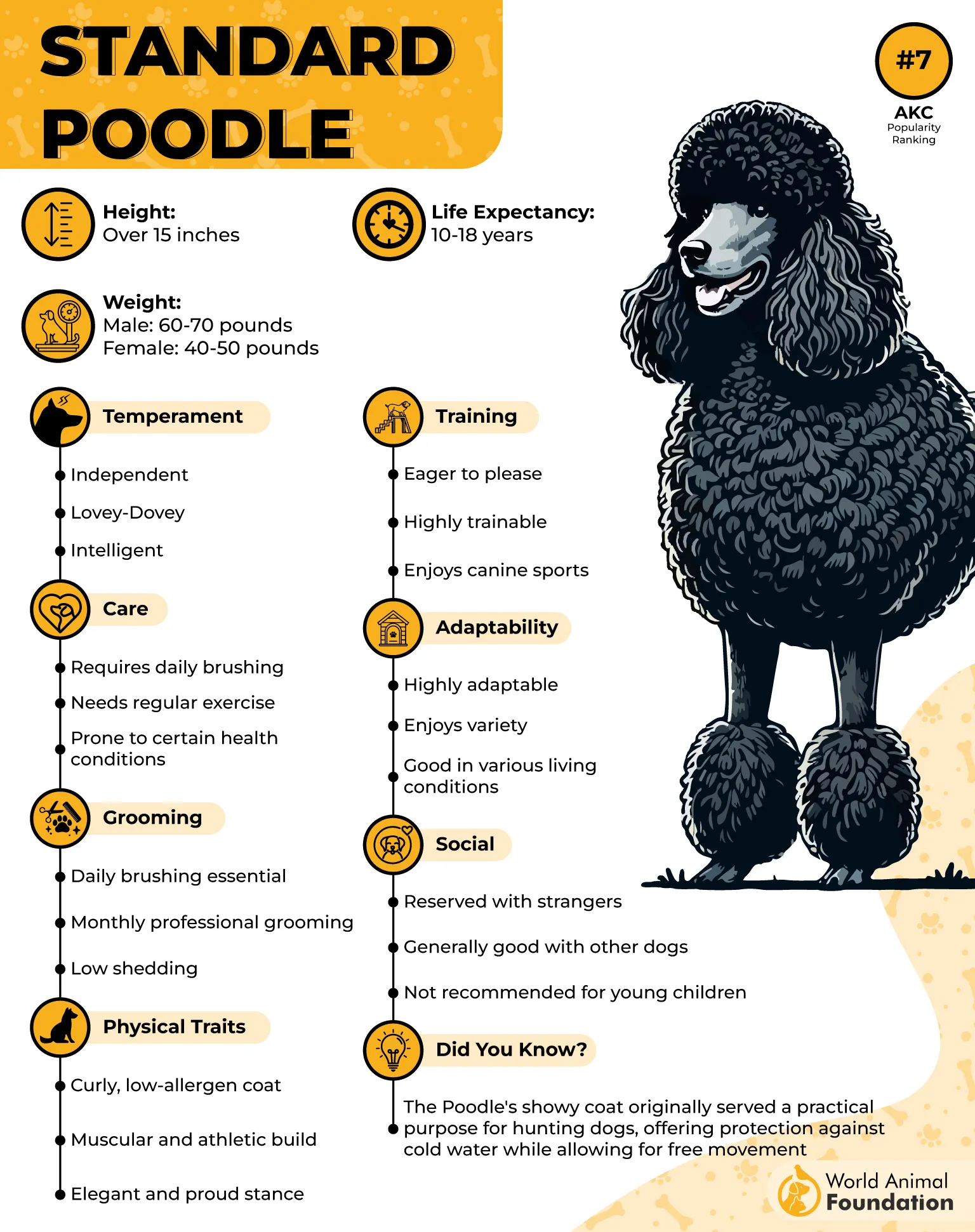
However, this advantage comes with a responsibility: regular brushing and professional grooming are essential. Without proper care, the coat can develop uncomfortable mats that pull against the skin.
Standard Poodles are often intelligent, affectionate, and eager to learn new skills. Their original retrieving background also means they need considerably more exercise than their elegant appearance might suggest.
One fascinating historical detail is that traditional Poodle clips developed partly from practical grooming practices associated with water work. The distinctive shaved areas reduced coat bulk, while retained hair protected selected areas.
2. Miniature Schnauzer
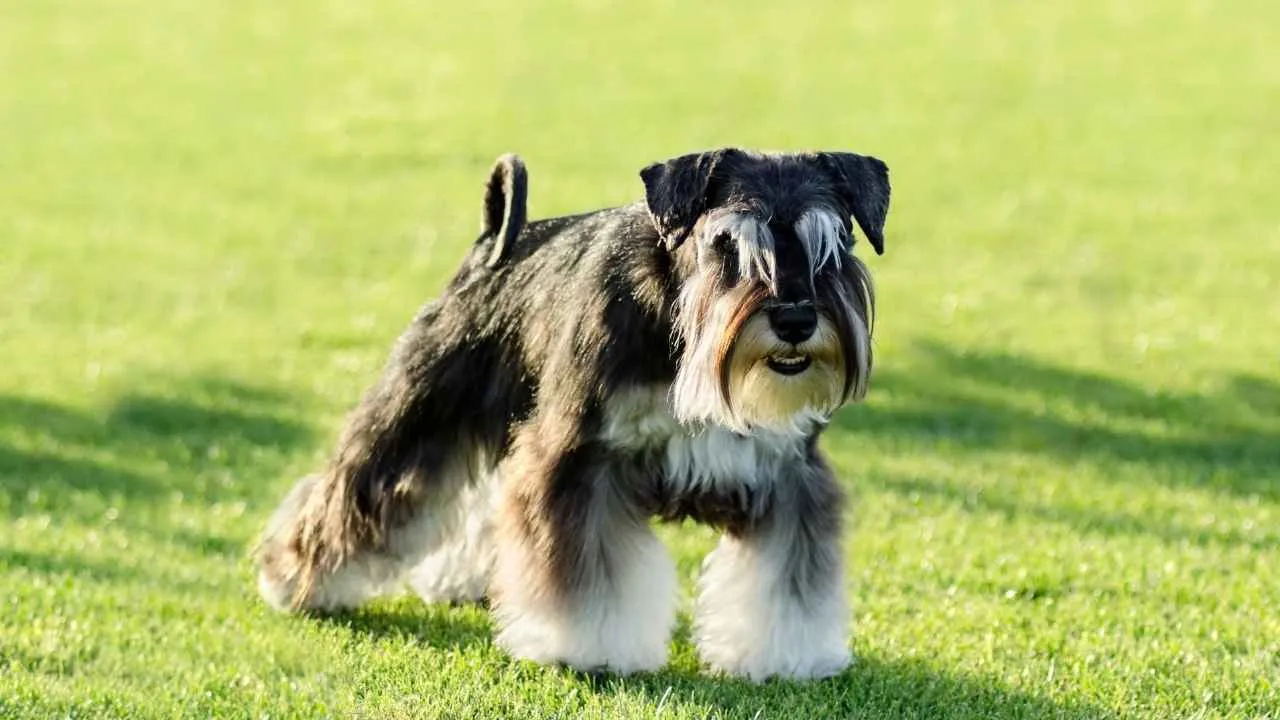
If facial hair were a competitive sport, the Miniature Schnauzer would arrive with a trophy collection. Developed in Germany from smaller Schnauzer-type dogs, this sturdy little breed historically helped control rodents around farms and stables.
Its distinctive wiry double coat features a harsh outer layer and softer undercoat. Miniature Schnauzers typically shed less than many other double-coated breeds, especially when their coats are maintained with regular grooming.

Their famous eyebrows and beard create an expressive appearance, but those furnishings need attention. Food particles, moisture, and dirt can collect around the muzzle, making routine cleaning part of everyday care.
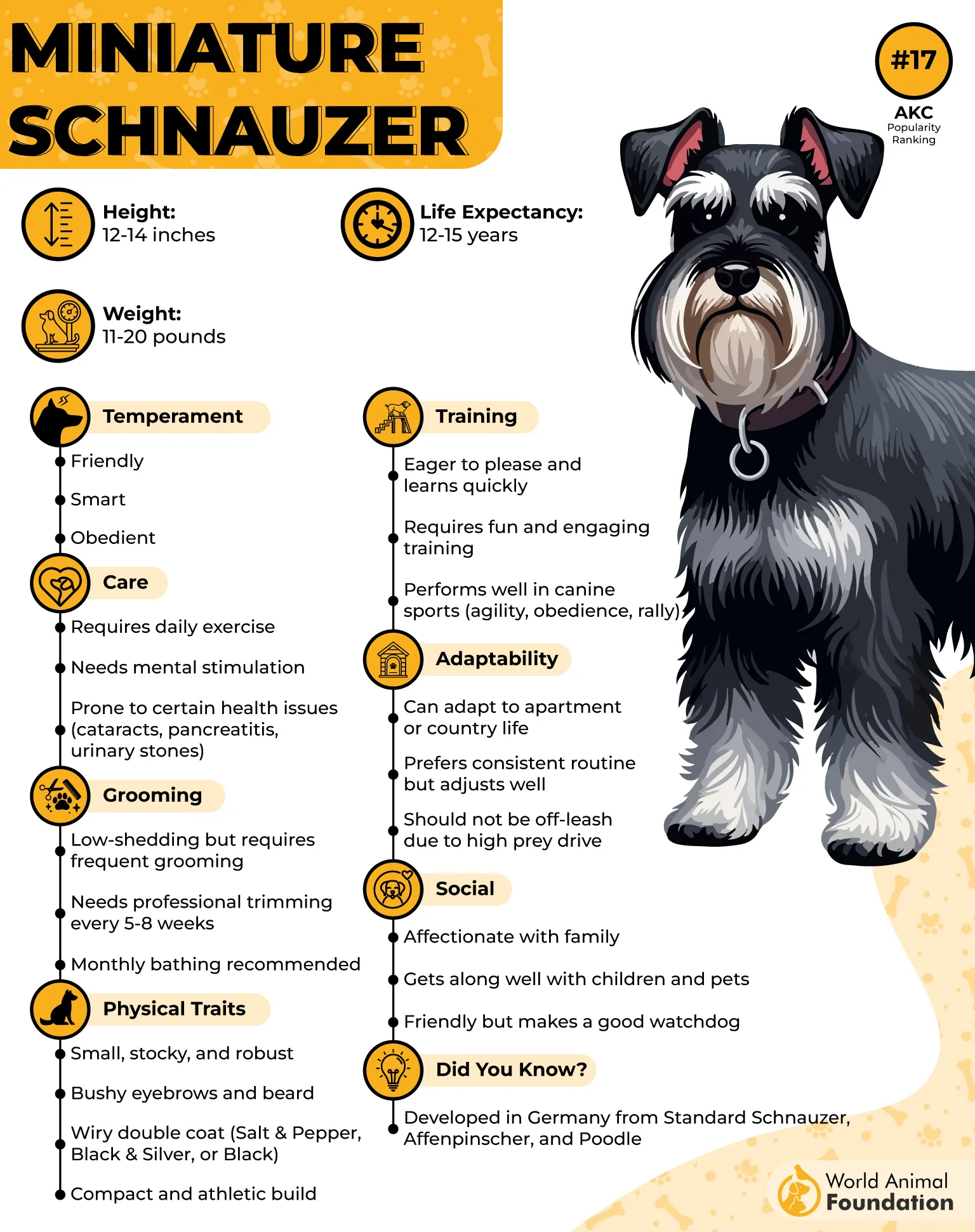
These small dogs are often lively, intelligent, and affectionate with their families. Their alert nature can also make them vocal watchdogs, so early socialization and positive reinforcement training are valuable.
Notably, the breed was developed as a smaller working dog rather than simply a miniature decorative companion. That practical background helps explain its confidence and enthusiasm for activity.
These dogs enjoy brisk walks, puzzle toys, and interactive games. Their coats usually require professional clipping or hand-stripping, depending on the desired texture and grooming goals.
3. Bichon Frise
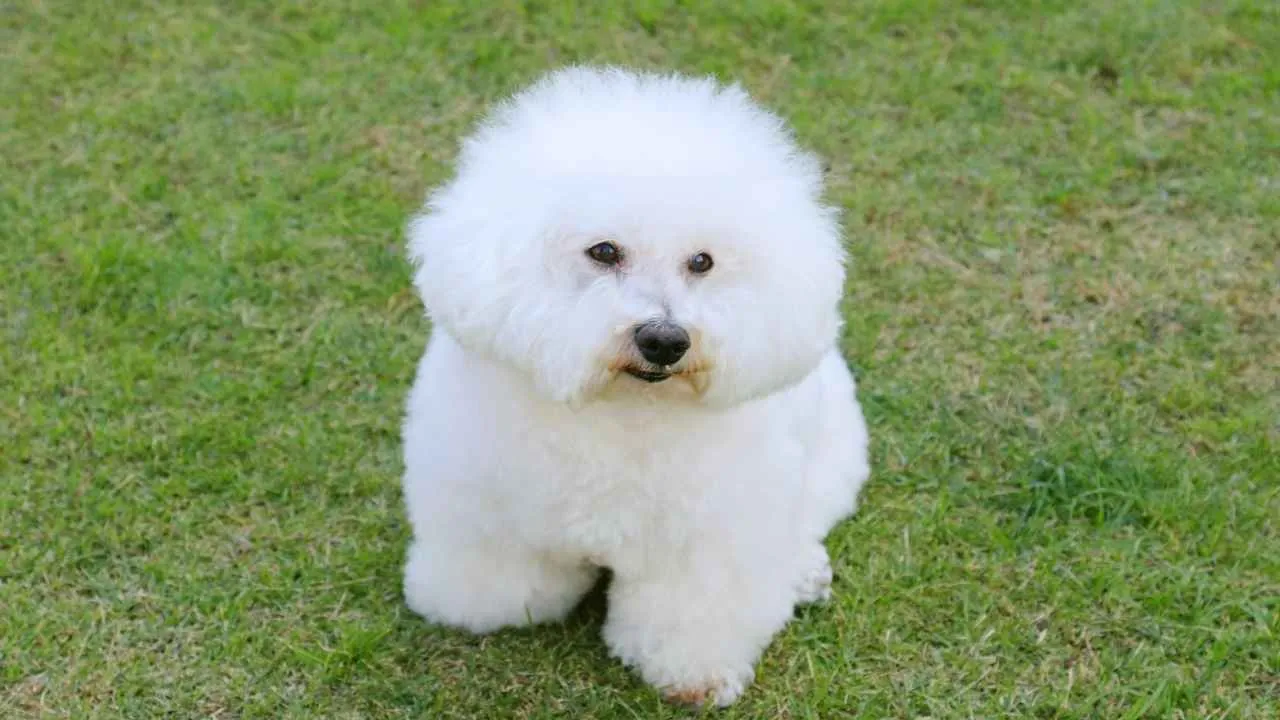
Imagine a fluffy cotton ball who learned to walk, developed a sense of humor, and decided everyone should become its best friend. That’s the Bichon Frise, a cheerful companion breed with Mediterranean ancestry and a long history of popularity among European households.
Its soft, dense double coat combines a silky undercoat with a curlier outer layer. Although Bichons shed relatively little, loose hairs can become trapped in the coat, increasing the risk of tangles and mats.
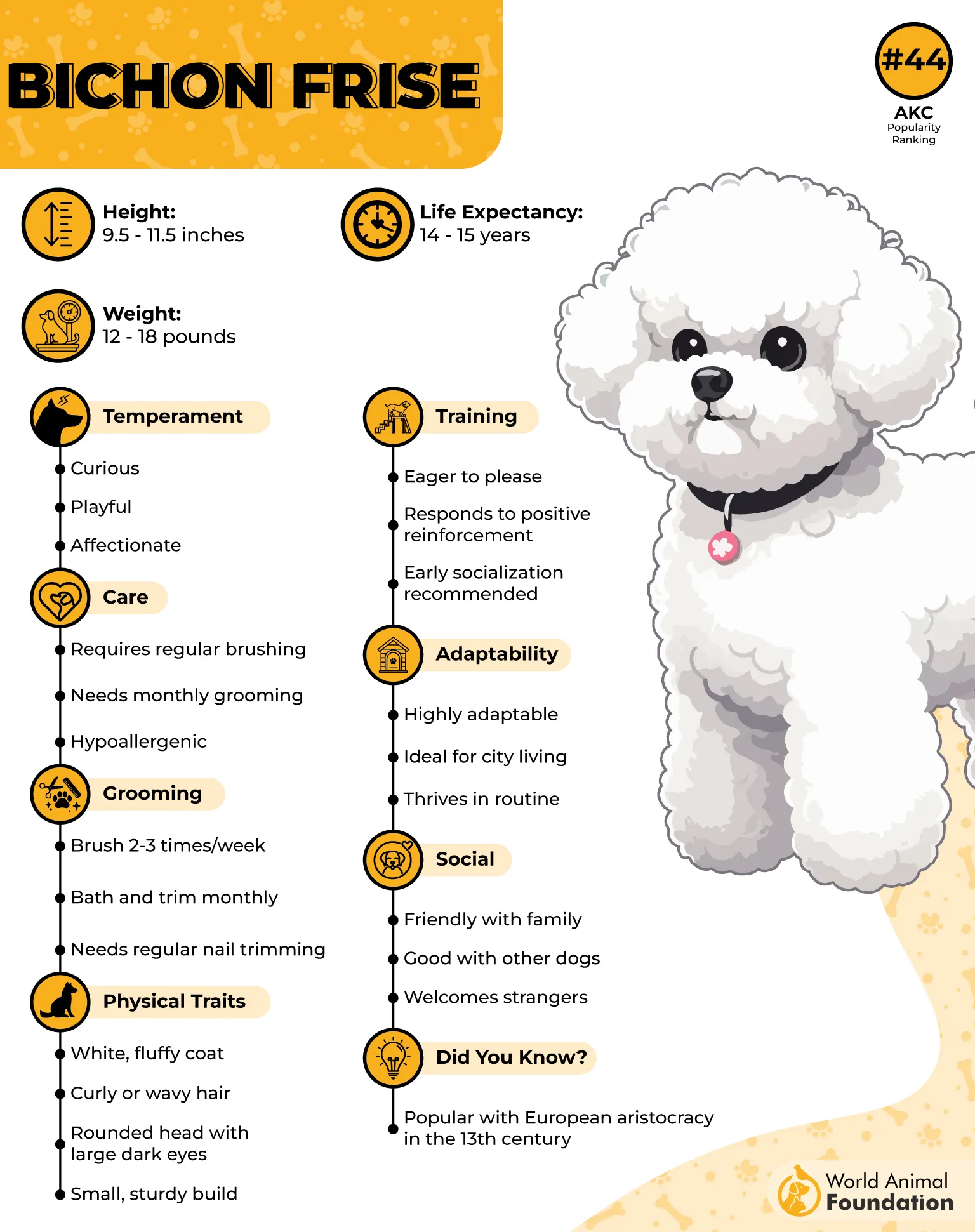
Regular brushing and professional grooming are therefore essential. The breed’s familiar rounded appearance is usually maintained through careful trimming rather than occurring naturally without upkeep.
They are often affectionate, playful, and sociable with people and other dogs when properly introduced. Their cheerful personalities can make them appealing family companions, although they still need daily exercise and mental stimulation.
The American Kennel Club describes the Bichon Frise as a playful, curious companion with a distinctive white coat. For households prepared for regular grooming, the Bichon offers affectionate companionship with comparatively little loose hair around the home.
4. Maltese
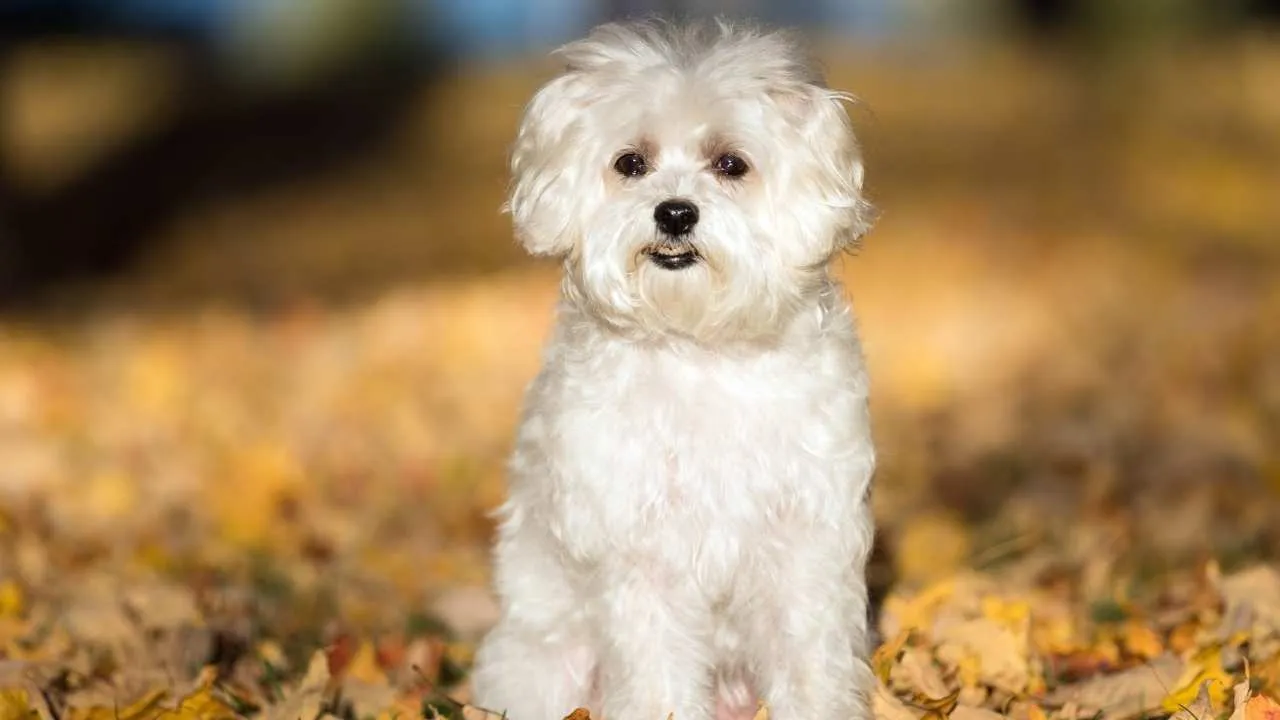
The Maltese has been charming people for centuries, and its flowing white coat is a major part of that appeal. These dogs shed very little and make great family dogs.
Unlike many fluffy double-coated dogs, Pooch and Mutt say that the Maltese has a long, silky single coat that sheds relatively little. However, those delicate strands can tangle quickly, especially around the ears, legs, and areas where the coat rubs against itself.
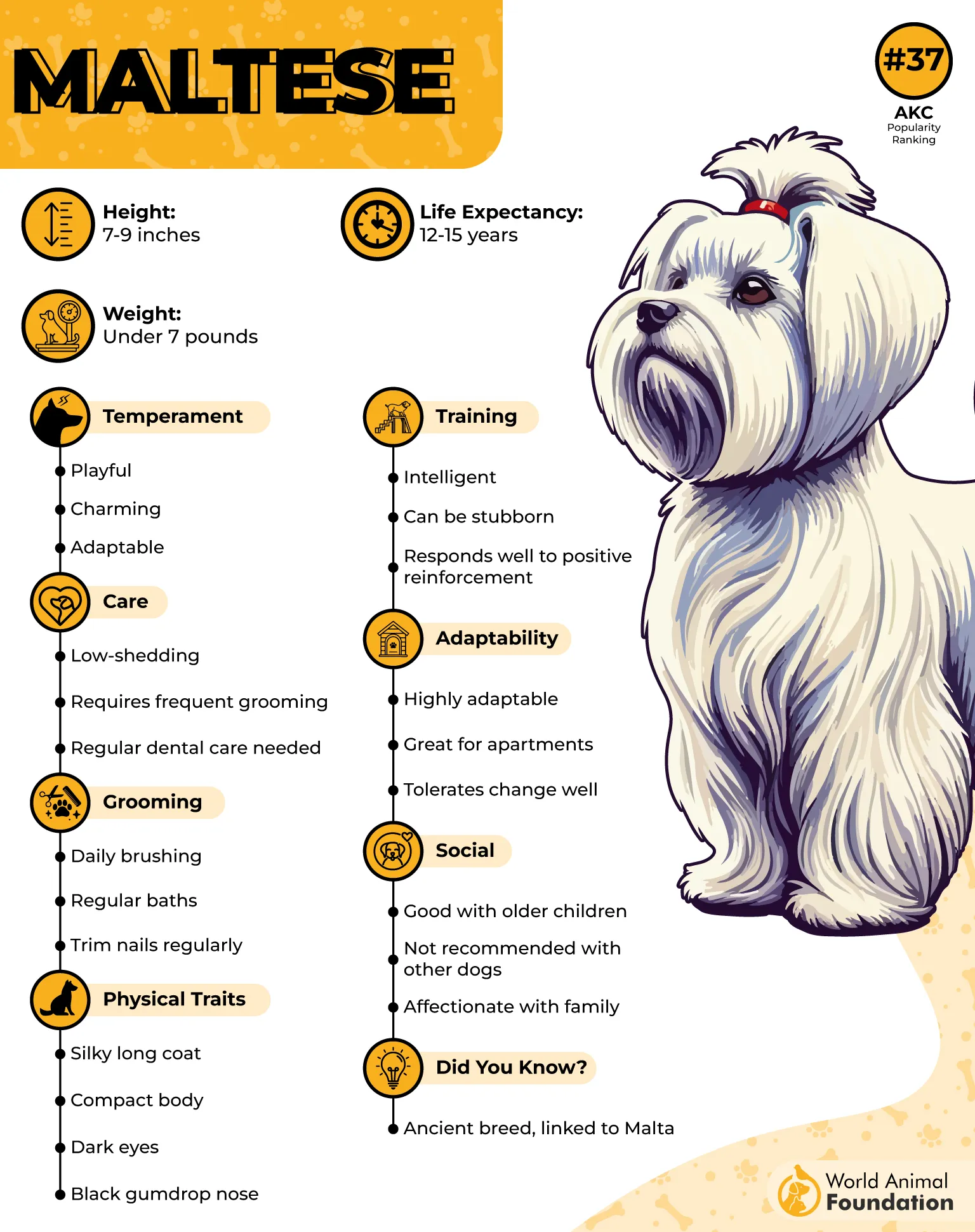
Many owners prefer a shorter puppy cut to simplify everyday maintenance. Even with a shorter trim, regular brushing and professional grooming remain important for comfort and coat health.
They are often affectionate, lively, and deeply attached to their favorite people. Their small size makes them well-suited to many apartments, though they still enjoy short walks, interactive play, and gentle training sessions.
Their delicate bodies require careful handling, particularly around young children and larger dogs. Dental care also deserves attention because toy breeds can be prone to dental crowding and periodontal disease.
5. Portuguese Water Dog
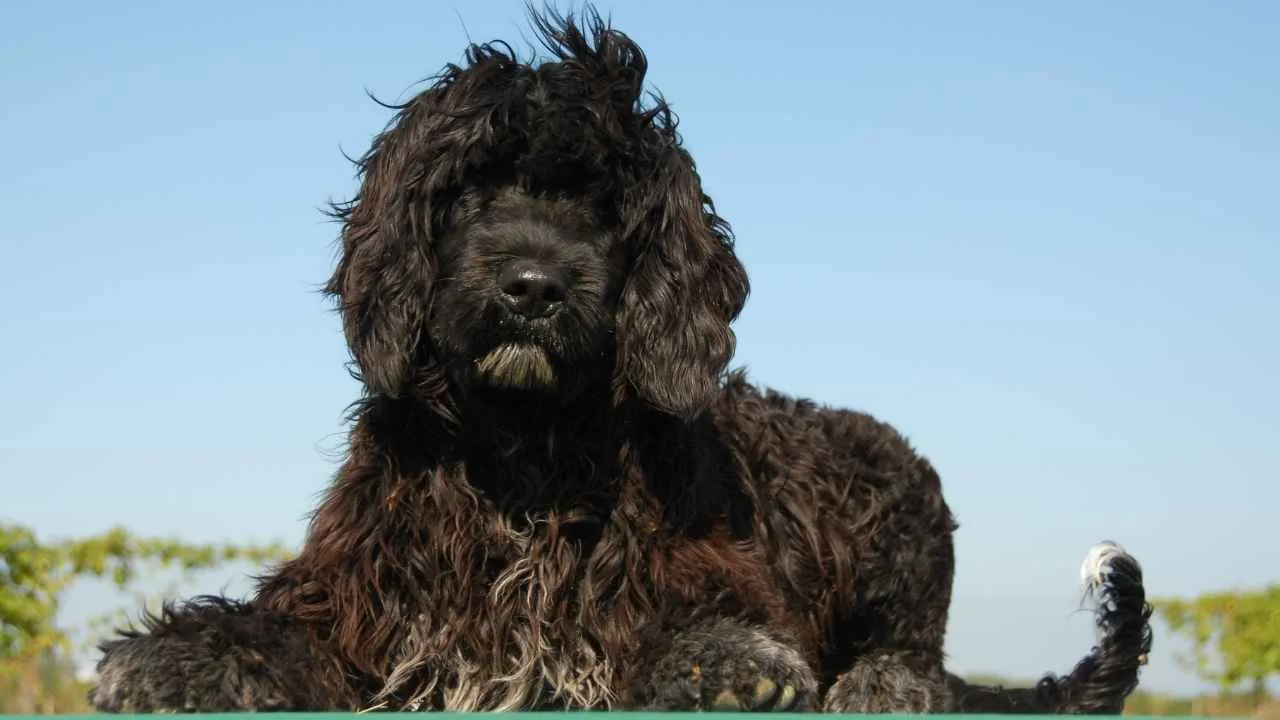
Not every low-shedding dog is content to spend the afternoon supervising the sofa. The Portuguese Water Dog was developed to work alongside fishermen along Portugal’s coast, helping retrieve equipment, carry messages between boats, and assist with maritime tasks.
Its coat may be curly or wavy, and both varieties typically shed relatively little. However, the dense hair requires consistent brushing and trimming to prevent mats, especially after swimming or outdoor adventures.
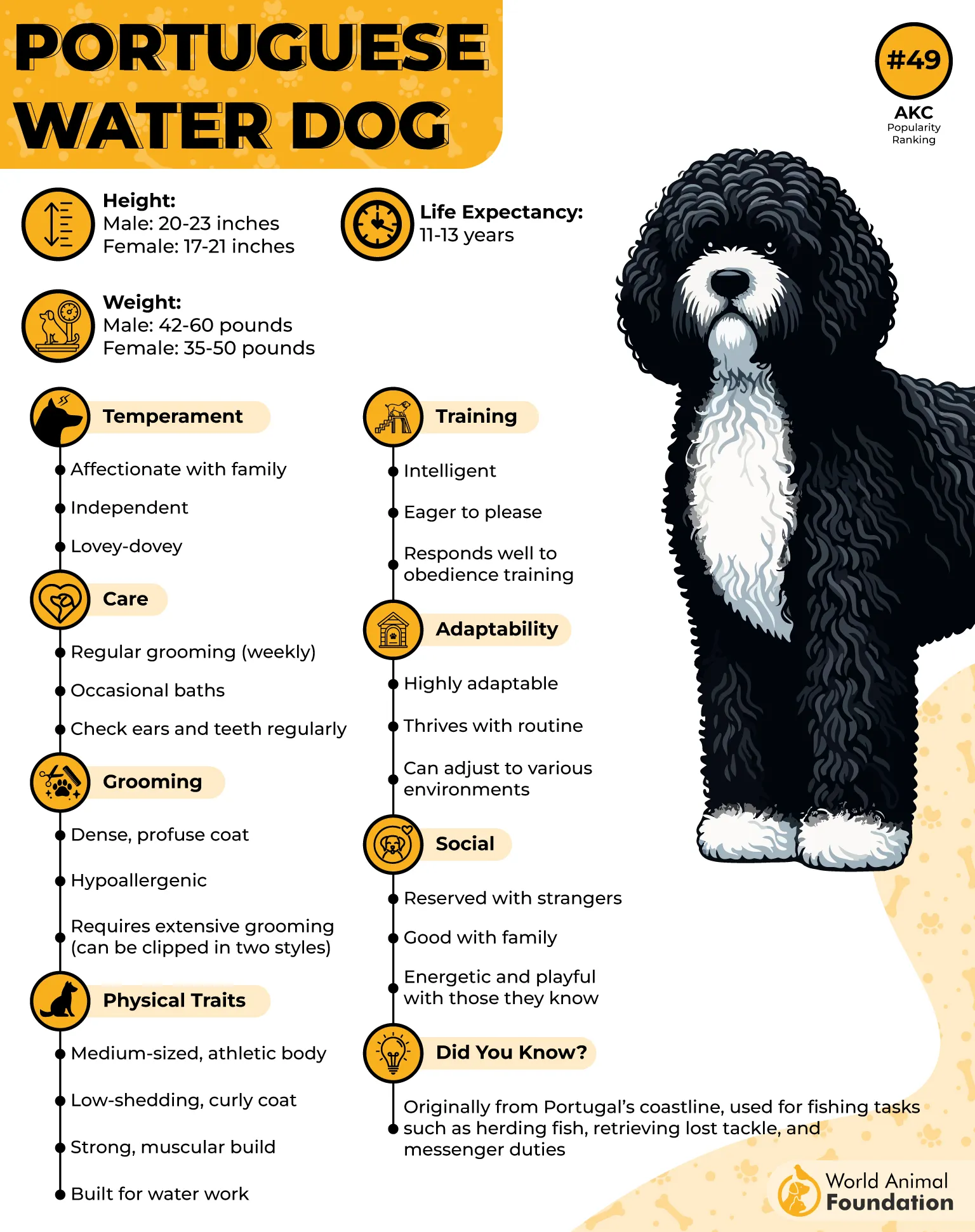
These medium low-shedding dogs are often intelligent, energetic, and strongly motivated by family activities. Their working background makes them especially well-suited to households that enjoy exercise, training, and outdoor recreation.
Despite their relatively low shedding, these water dogs are not low-maintenance overall. They need regular physical activity, mental enrichment, and a dependable grooming routine. For active pet parents seeking a lively companion who leaves less loose fur around the house, this breed offers an appealing combination of athleticism and affection.
One memorable fact: former U.S. President Barack Obama’s family had two Portuguese Water Dogs, Bo and Sunny. Their public appearances helped introduce many people to this distinctive working breed.
6. Soft Coated Wheaten Terrier

The Soft Coated Wheaten Terrier looks as though it stepped out of a countryside painting, complete with a flowing coat in warm golden shades. Originating in Ireland, this versatile farm dog historically helped control vermin and guard rural property.
Unlike the harsh-coated appearance of many terriers, Wheatens have a soft, silky coat that falls in gentle waves. Their single coat generally sheds relatively little, but it can mat easily without regular brushing and combing.
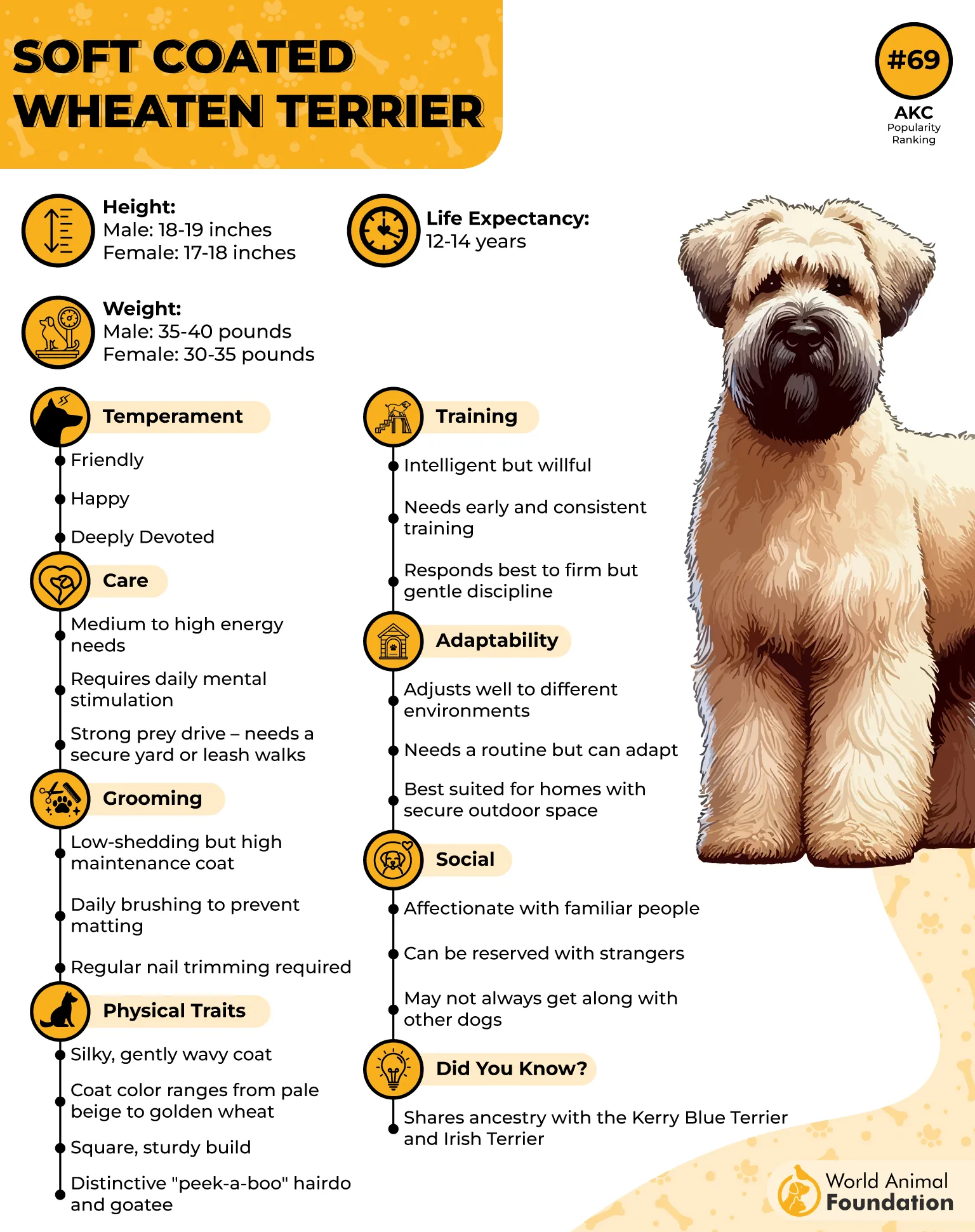
Wheatens are often cheerful, affectionate, and energetic. Their enthusiasm for greeting people is so well known that owners sometimes call their exuberant welcomes the “Wheaten greeting.”
That friendliness doesn’t eliminate the need for training. These dogs can be lively and independent, so consistent reward-based lessons help them develop polite manners around visitors and other animals.
Their history is particularly interesting because they were practical working dogs on Irish farms long before they became widely recognized as companion animals. Their versatility contributed to the breed’s enduring appeal.
7. Kerry Blue Terrier

The Kerry Blue Terrier has one of the most distinctive coat colors in the dog world. Its soft, dense, wavy coat is famous for its blue-gray coloring. Interestingly, Kerry Blue Terrier puppies are typically born dark, with their coats gradually changing as they mature.
These individual dogs generally shed relatively little, which appeals to people who prefer fewer loose hairs around the home. However, their continuously growing coats need regular brushing, trimming, and professional grooming to prevent tangles.

Kerry Blue Terriers are often intelligent, confident, and energetic, as noted by PetMD. They can form strong bonds with their families, although their assertive terrier personalities make early socialization and thoughtful introductions to other dogs especially important.
One fascinating historical detail is that the Kerry Blue Terrier became closely associated with Irish national identity during the early twentieth century. Its distinctive appearance and working heritage helped establish it as a recognizable Irish breed.
Their relatively low shedding should never be mistaken for low overall care needs. Kerry Blues need consistent training, substantial activity, and attentive grooming. For experienced guardians who appreciate a confident, athletic companion with an unusual coat, the Kerry Blue Terrier makes a memorable final entry.
Conclusion
Low-shedding breeds can make everyday cleaning easier, but their beautiful coats still require time, attention, and regular maintenance. From the athletic Standard Poodle to the affectionate Maltese and distinctive Kerry Blue Terrier, each breed offers its own combination of grooming needs, personality, and lifestyle requirements.
Yorkshire Terrier, Shih Tzu, Standard Schnauzer, Toy Poodles, Irish Water Spaniel, Afghan Hound, Chinese Crested dogs, and Giant Schnauzer also possess affectionate personalities that can be considered to bring home as pets.
Before choosing your companion, explore cues, consider your grooming budget, and think about the dog’s exercise and social needs. A cleaner sofa is lovely, but a happy, healthy dog is even better.
