




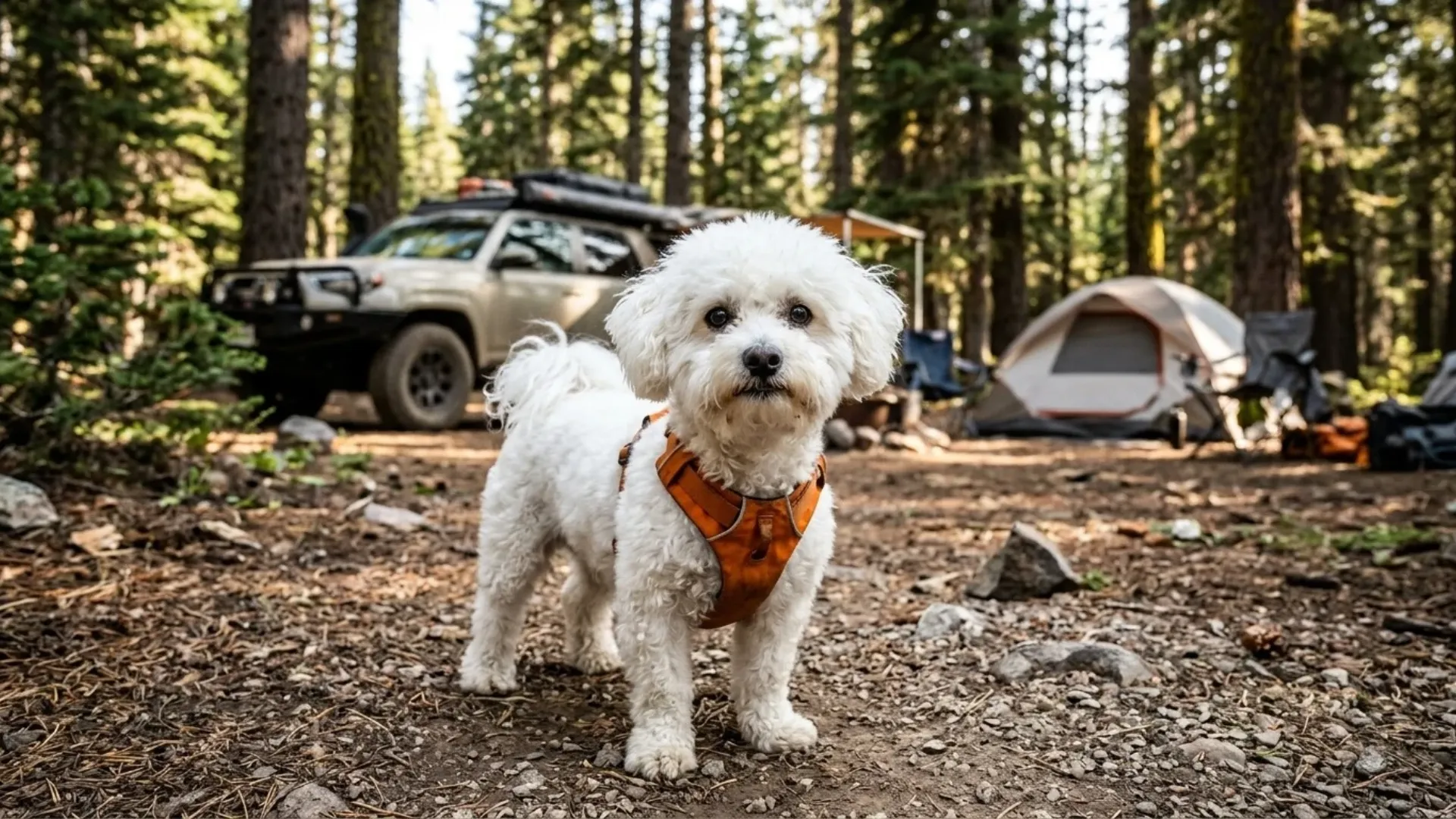
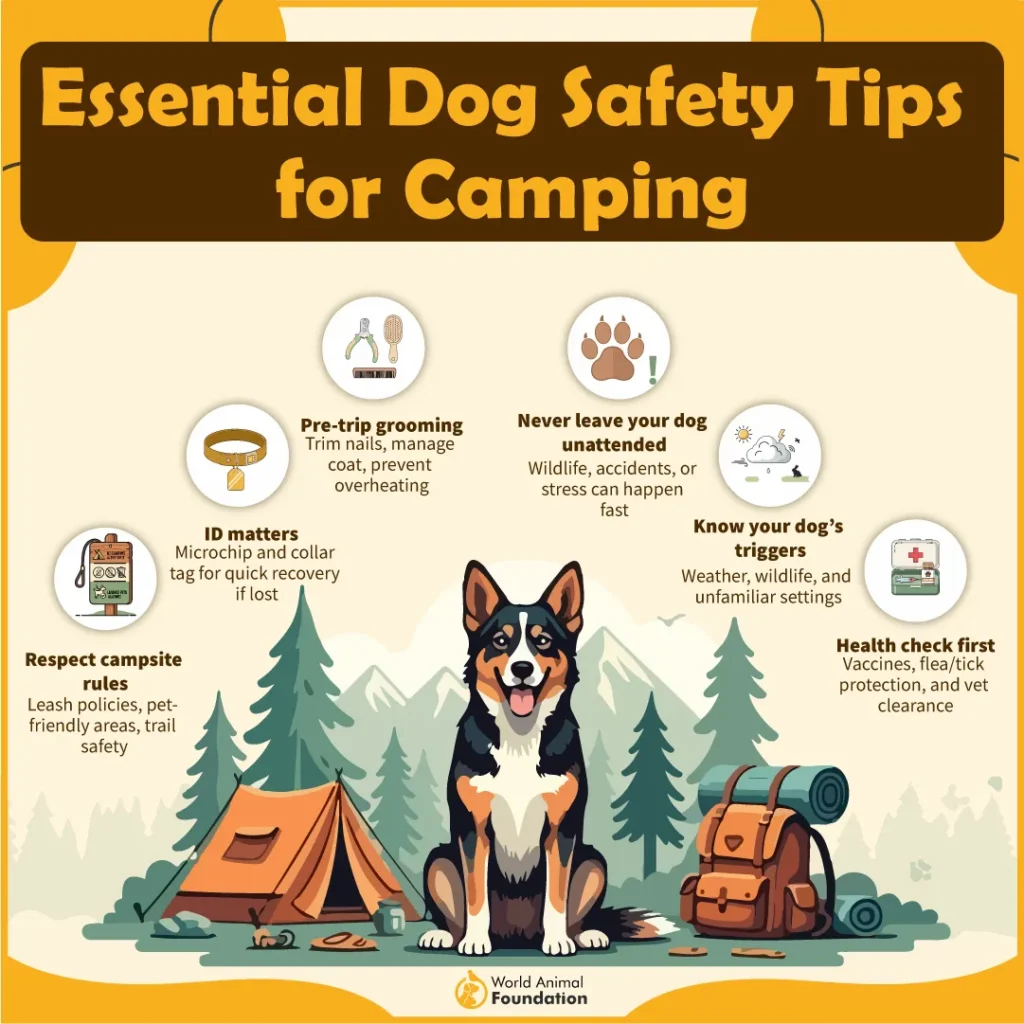
Taking a camping break is even nicer when you bring your dog along. You can stroll rough trails, watch your pup sniff around, and unwind near the tent. Simple moments outdoors feel brighter with a companion at your side. The right dog can soak in the cool air, check out new spots, and stay close while you take in the scenery.
Off-road camping can be tough, though. Loose rocks, wet weather, and wild animals can test a dog’s comfort, and long walks or steep sections may wear some dogs out fast. Before you leave home, plan around your dog’s health, past training, coat needs, and basic safety.
Fun Fact
Dogs rely heavily on their noses outdoors. Fresh smells from plants, dirt, and local wildlife can hold their focus for a long time, and a quick pause to sniff can be as rewarding to them as your next view.
Pack-Like Dog Breeds for Off-Road Camping Trips
1. Labrador Retriever
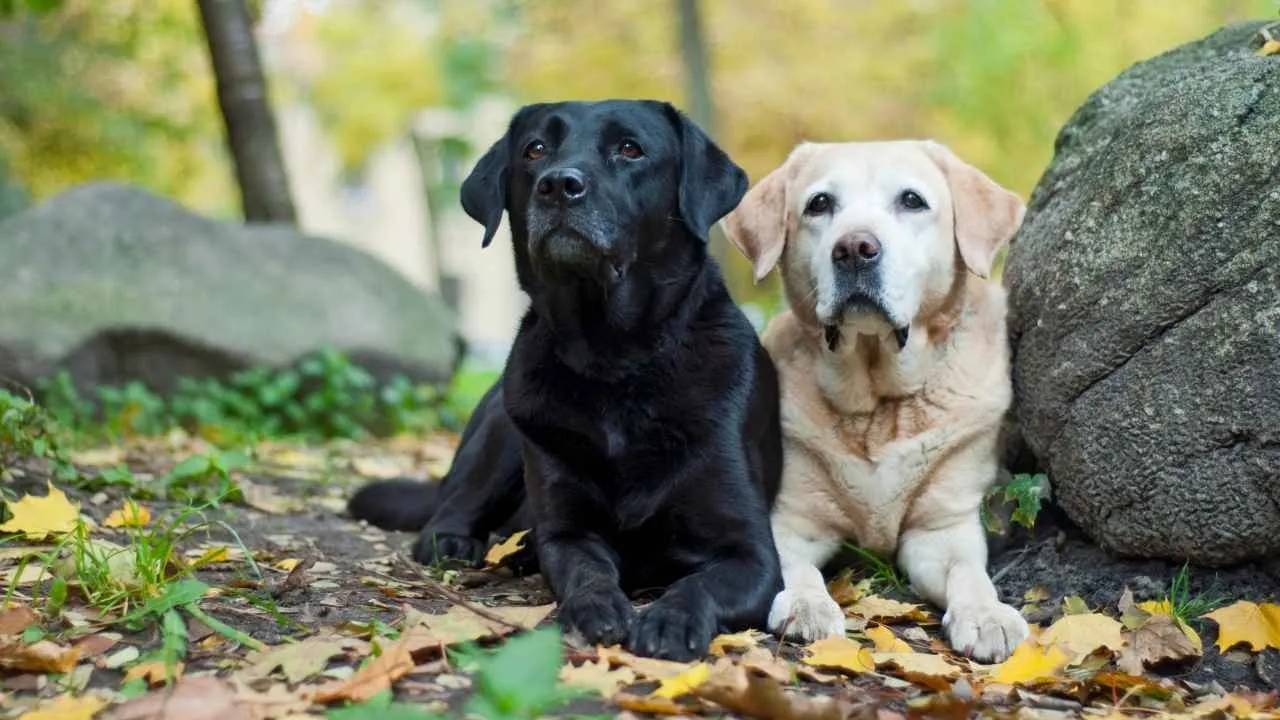
Labradors are open and lively dogs. They like being with their people and often enjoy games, which makes them good trail buddies for trips with plenty of walking, open areas, and stops near water. Many Labradors do well around new people and other dogs, especially if they’ve learned those situations.
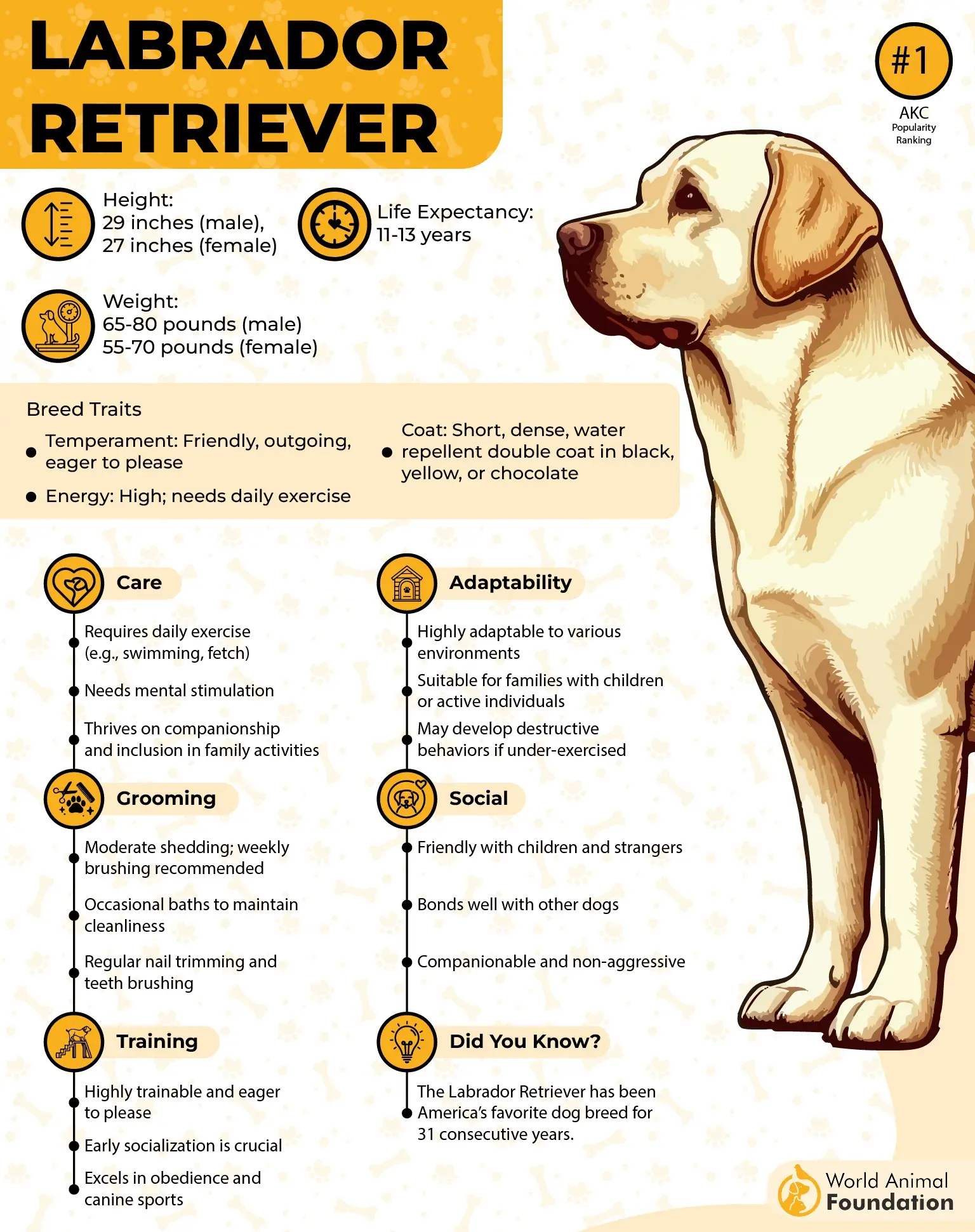
Their short, thick double coat helps a bit when the weather changes, but it won’t keep them comfortable in very hot or very cold conditions. Labs can also get carried away when they see birds, squirrels, or other animals, which is why good recall and calm leash behavior help.
The American Kennel Club states that with decent planning, a fit adult Lab can be a happy travel buddy on the right camping trails.
2. Golden Retriever
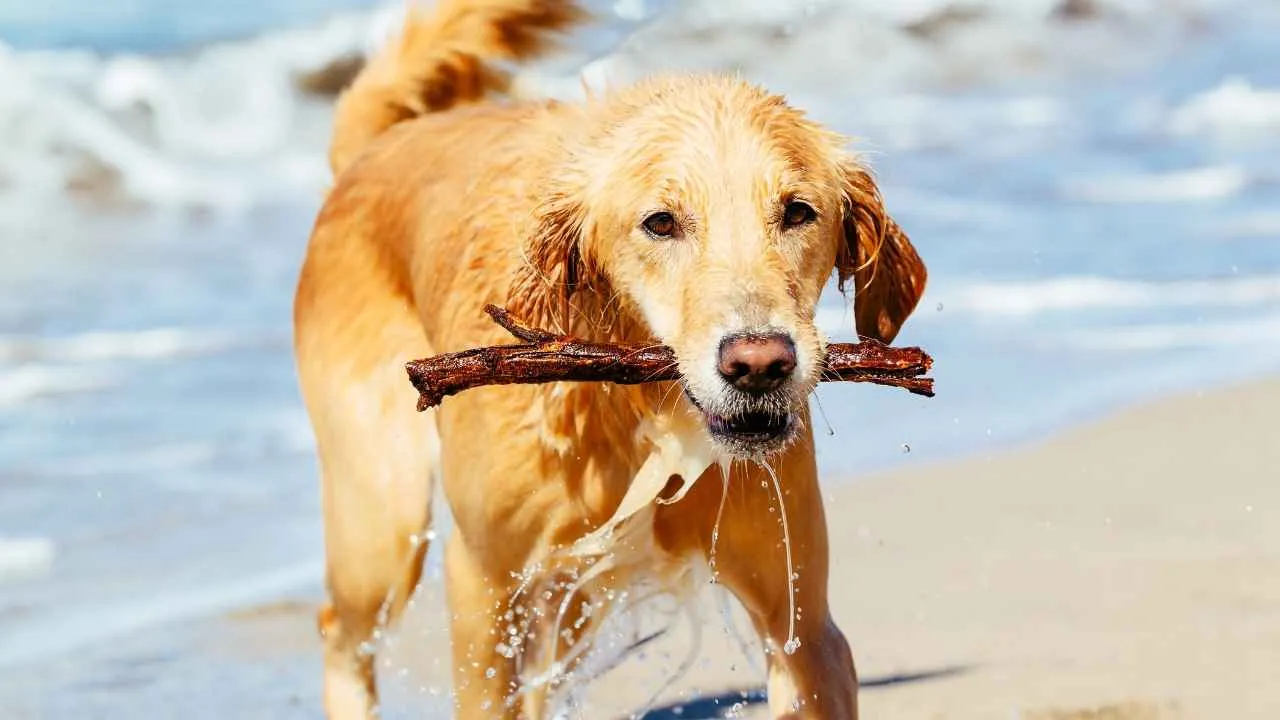
Golden Retrievers tend to be kind and social. They usually like to join in family fun outdoors, whether that’s a morning walk or a round of fetch near the campsite. They also learn well, which can help with camp routines. It’s easier if you’ve already practiced cues like “stay,” “come,” and “leave it” before you arrive.
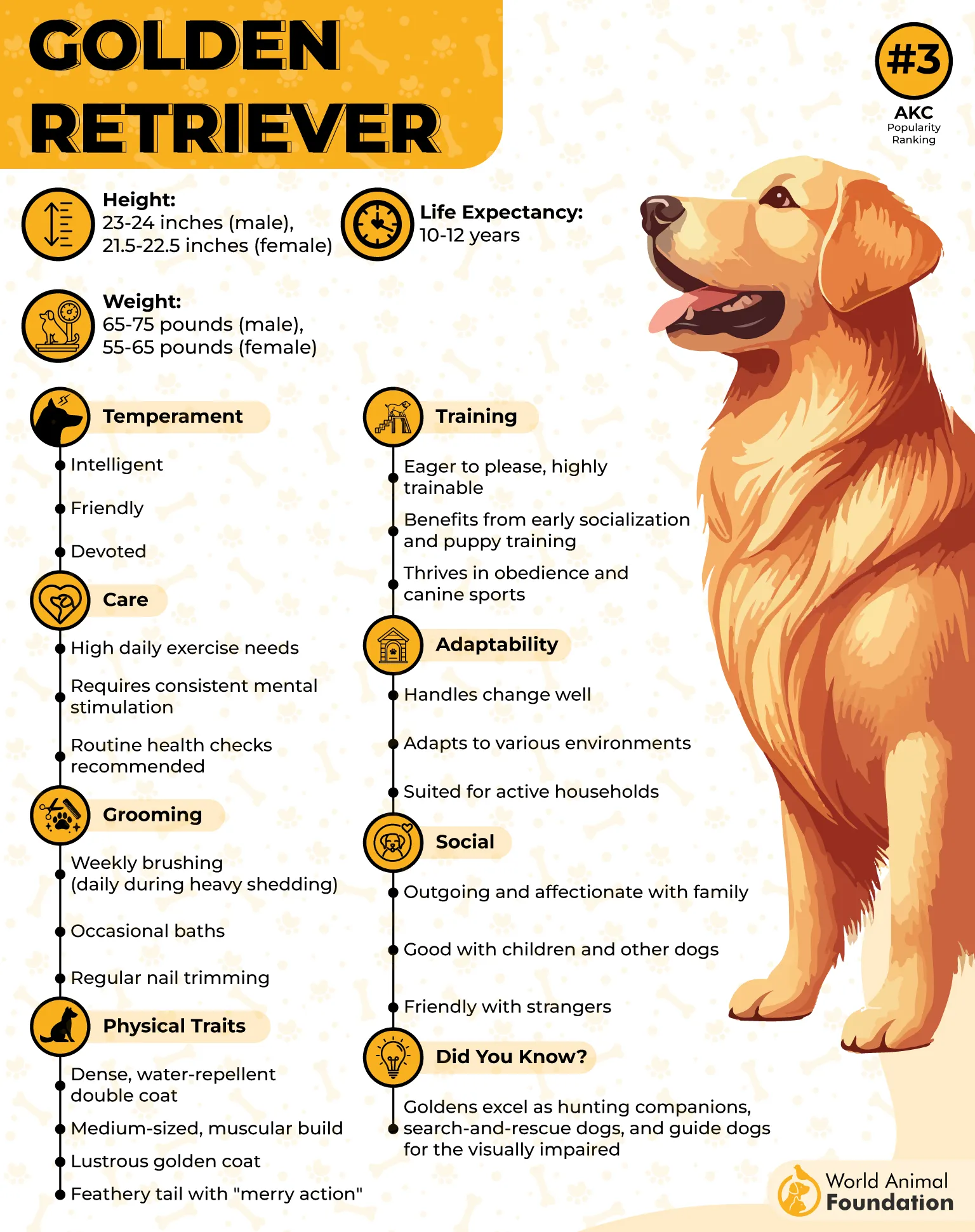
Their coat is longer, so brushing is important. Dry leaves, burrs, and mud can cling to the legs and tail. Goldens can also overheat on hard hikes, especially when the weather is warm, so try to plan outings for the cooler parts of the day and carry clean water. After crossing rough ground, check their paws.
Purina notes the breed’s friendly nature and common care needs. Goldens often make good hiking partners when you build up activity slowly and keep their comfort in mind.
3. Cavalier King Charles Spaniel
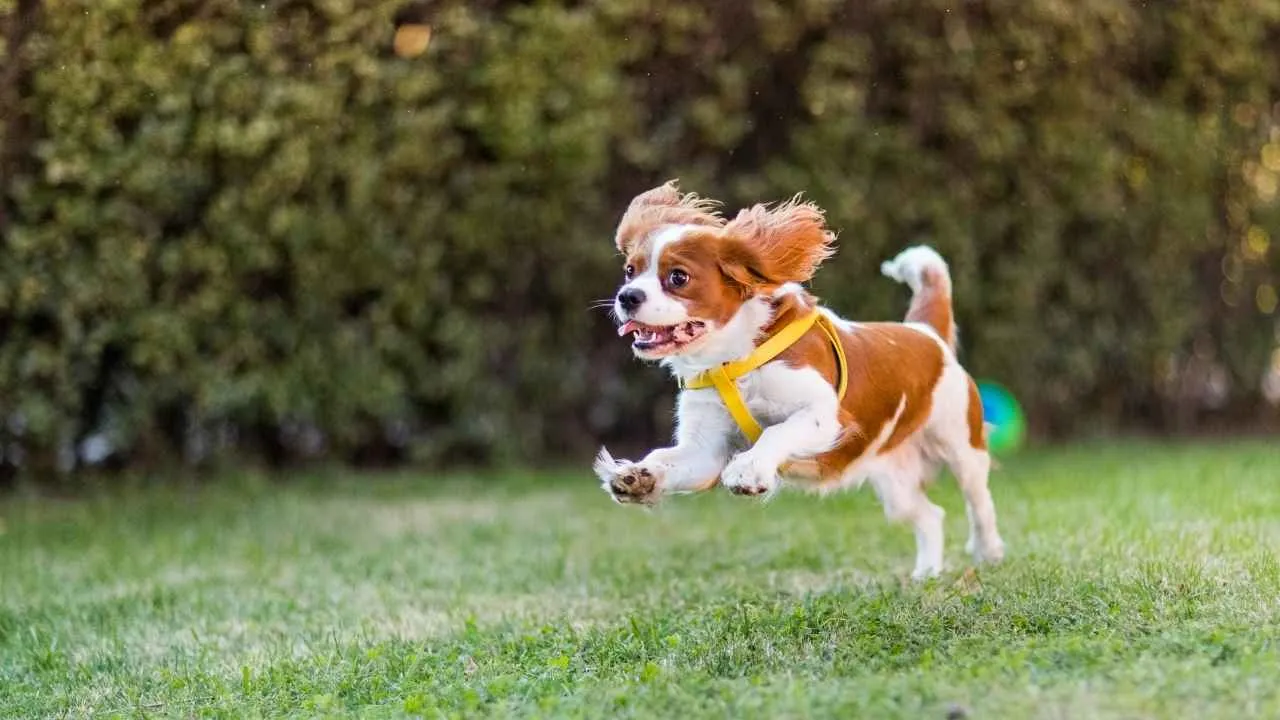
Cavalier King Charles Spaniels are small dogs that tend to stay near the people they trust. A relaxed camping trip can suit them well. Think slow walks, easy paths, and time to lie down by the tent. Because they’re small, getting them to new places may also be simpler.
They aren’t ideal for every harsh trail, though. Their small size can limit them on steep hills, and loose stones and rough ground can feel awkward. Weather can also be a concern, so extra care matters. Don’t force them to keep up with bigger dogs.
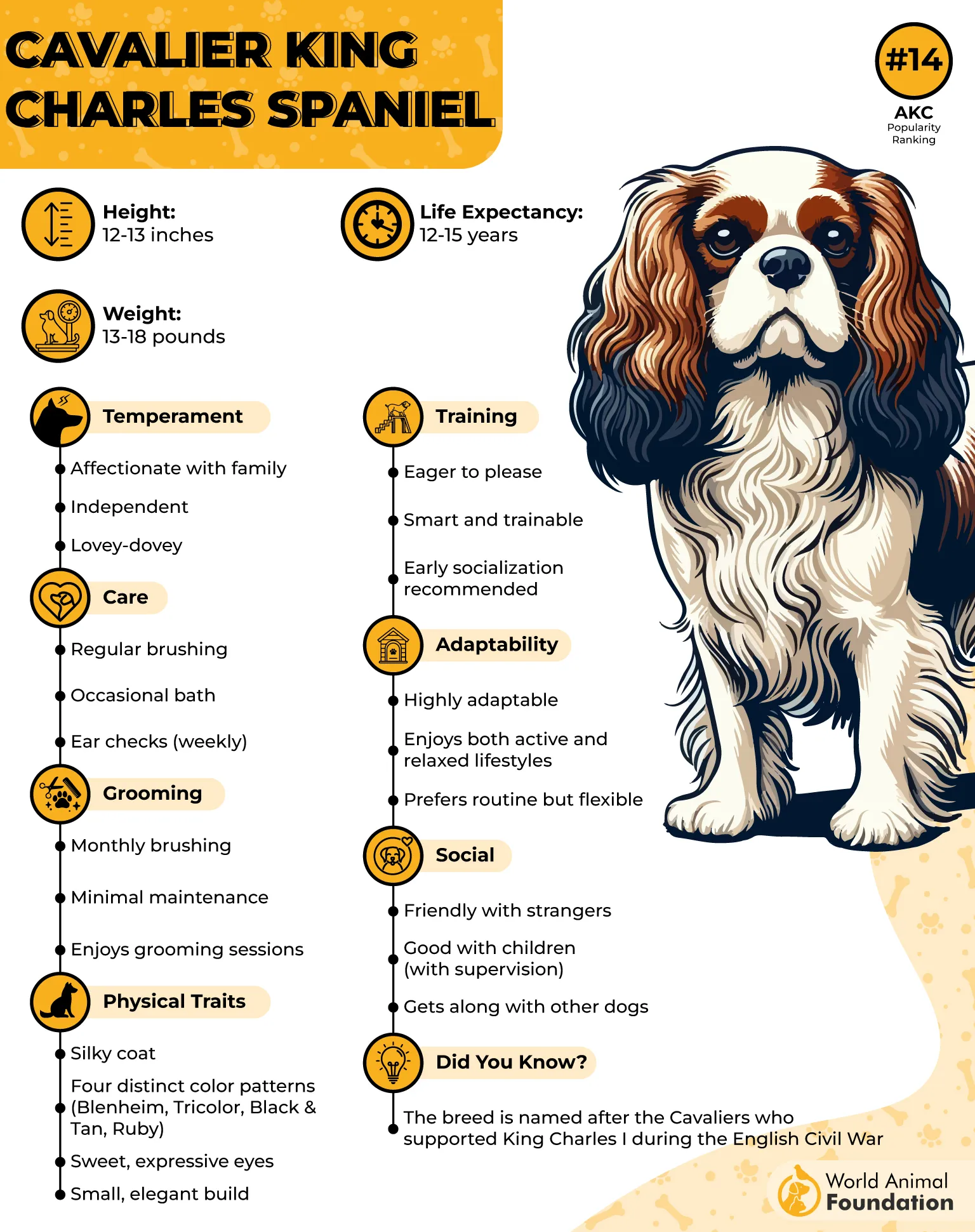
PDSA points to their need for company, movement, and mental focus. Cavaliers can join outdoor trips, but comfort and the right kind of route should be your first priority, not the total distance.
4. Beagle
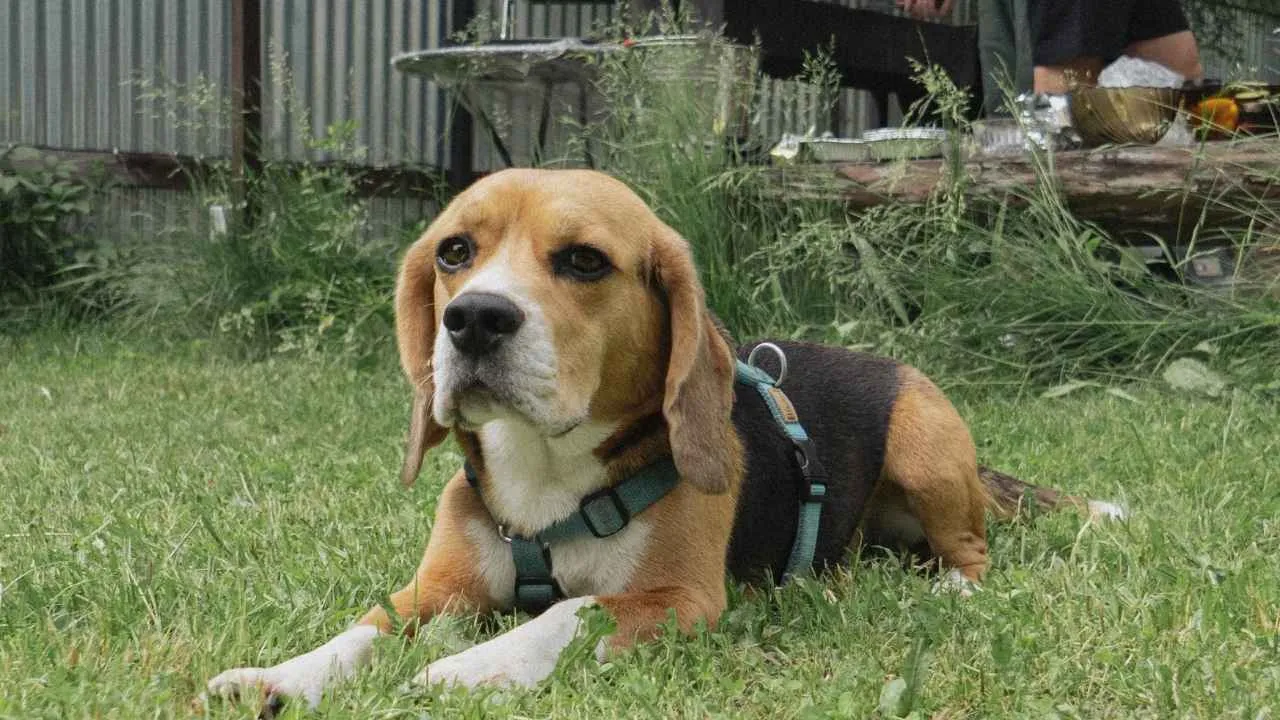
Beagles have roots as scent hounds. On a walk, a trail full of smells can feel fun and rewarding to them. They have a compact build and stay curious. Many Beagles enjoy wooded paths and like to follow their family along a marked route. They are usually friendly as well, which can help them settle in at camp, as long as people and other dogs are introduced calmly.
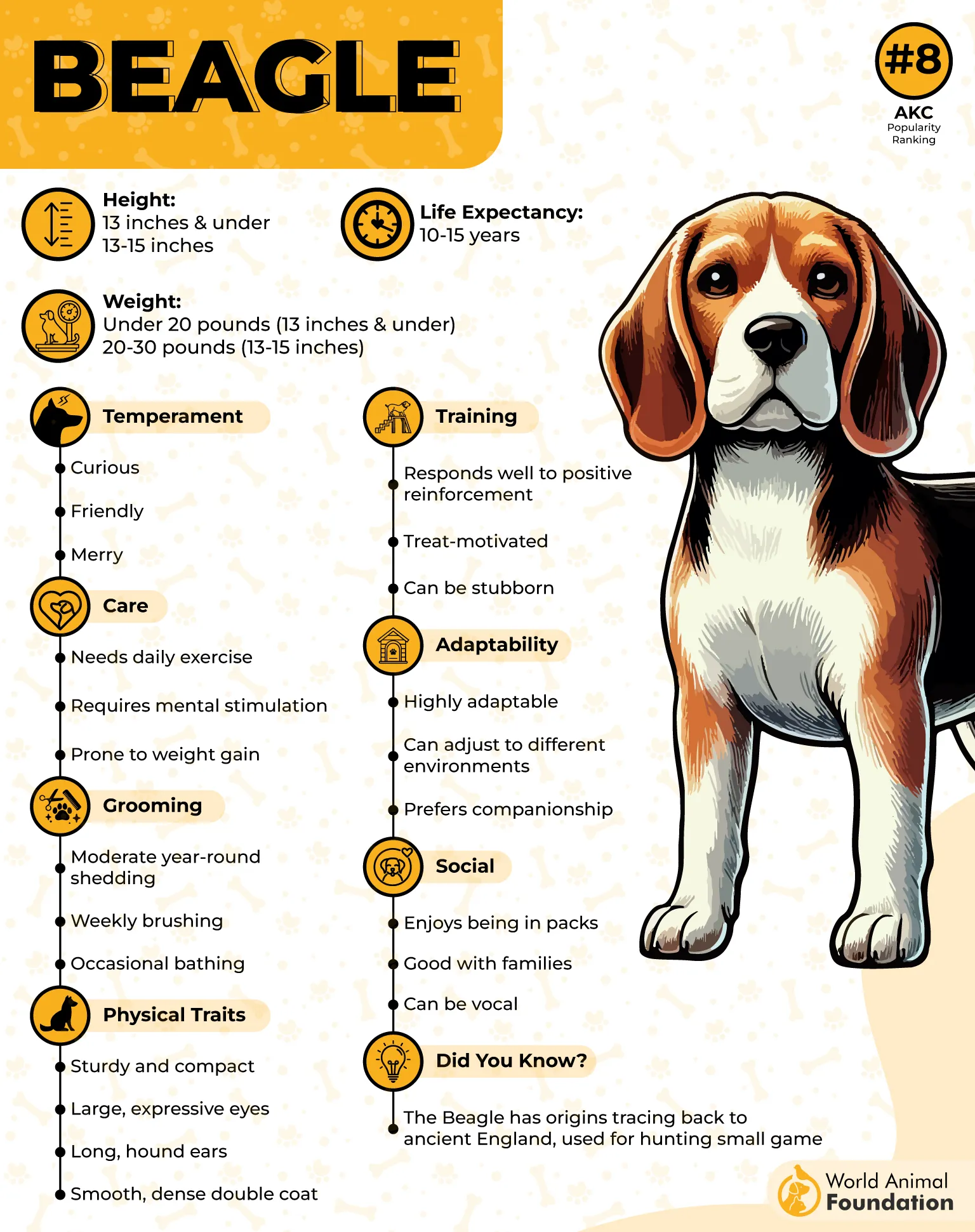
A Beagle’s nose is strong, and that can cause problems. The dog might catch an interesting smell and tune out what you’re saying, so use a well-fitted harness and leash. Don’t skip this just because your dog acts calm at home.
Beagles may bark or whine, so reward quiet moments. Keep a good distance from other campers and be polite around them. Hill’s Pet Nutrition notes that with steady training and patience, Beagles can be fun trail partners.
5. Border Collie
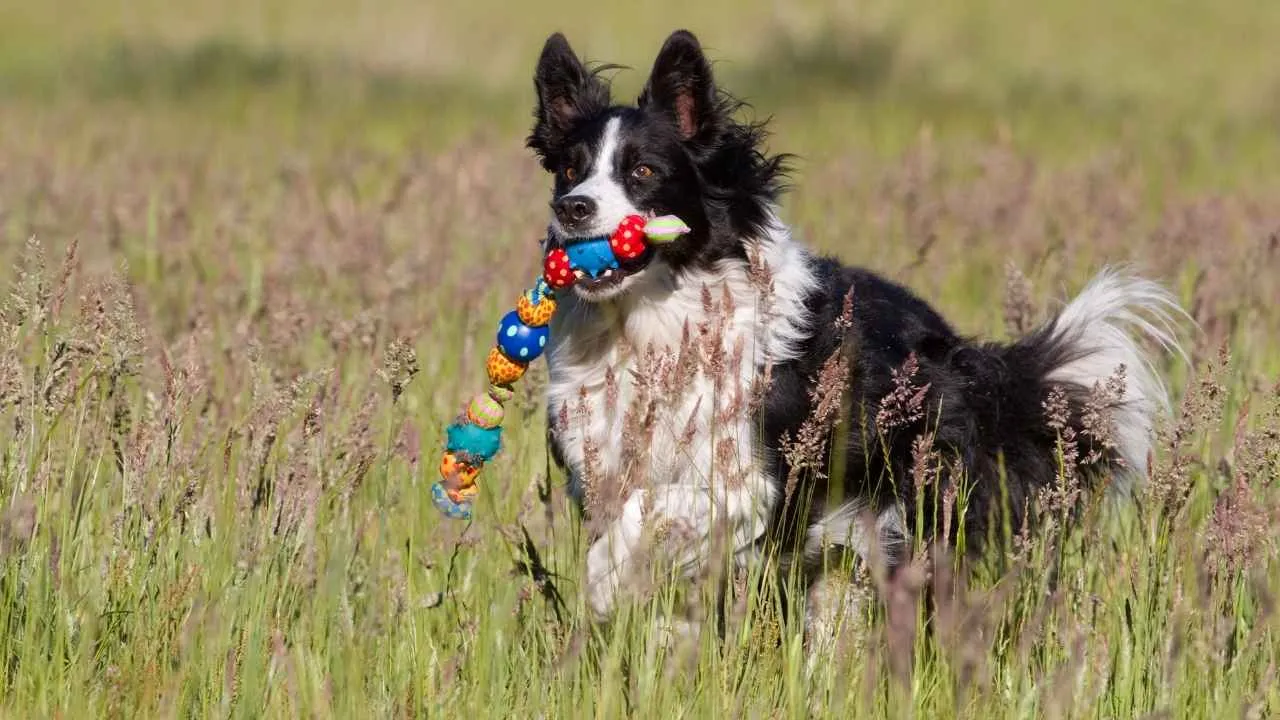
Border Collies are smart and athletic. They often do best when they get both exercise and mental work every day. They suit owners who like long walks and want to learn new things alongside their dog. They also enjoy varied paths and changing terrain. They may pick up trail cues fast, but that training should start well before the camping trip.
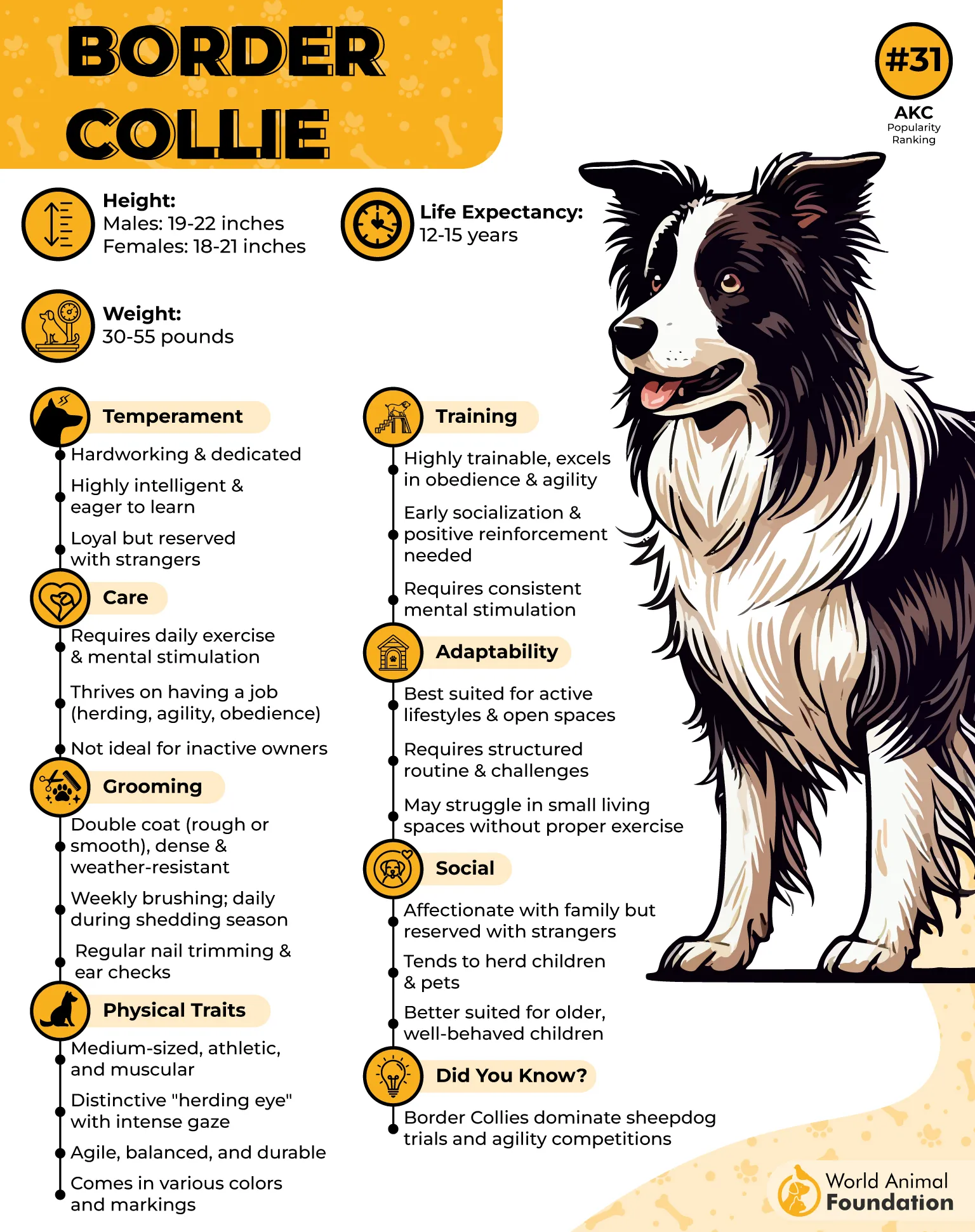
A short walk usually won’t be enough for these herding dogs. Plan regular exercise along with training games, and offer tasks that use their minds. After hard play, make sure they get time to cool down. Their herding drive can show up as chasing or trying to control other animals, and it can also be directed at cyclists or kids.
A Border Collie is happiest when it gets mental work and physical time together. Plain walks are rarely enough, and it responds well to tasks that genuinely challenge it. If you plan ahead, you can take it on longer outings, but stop often so it doesn’t get worn out.
6. Jack Russell Terrier
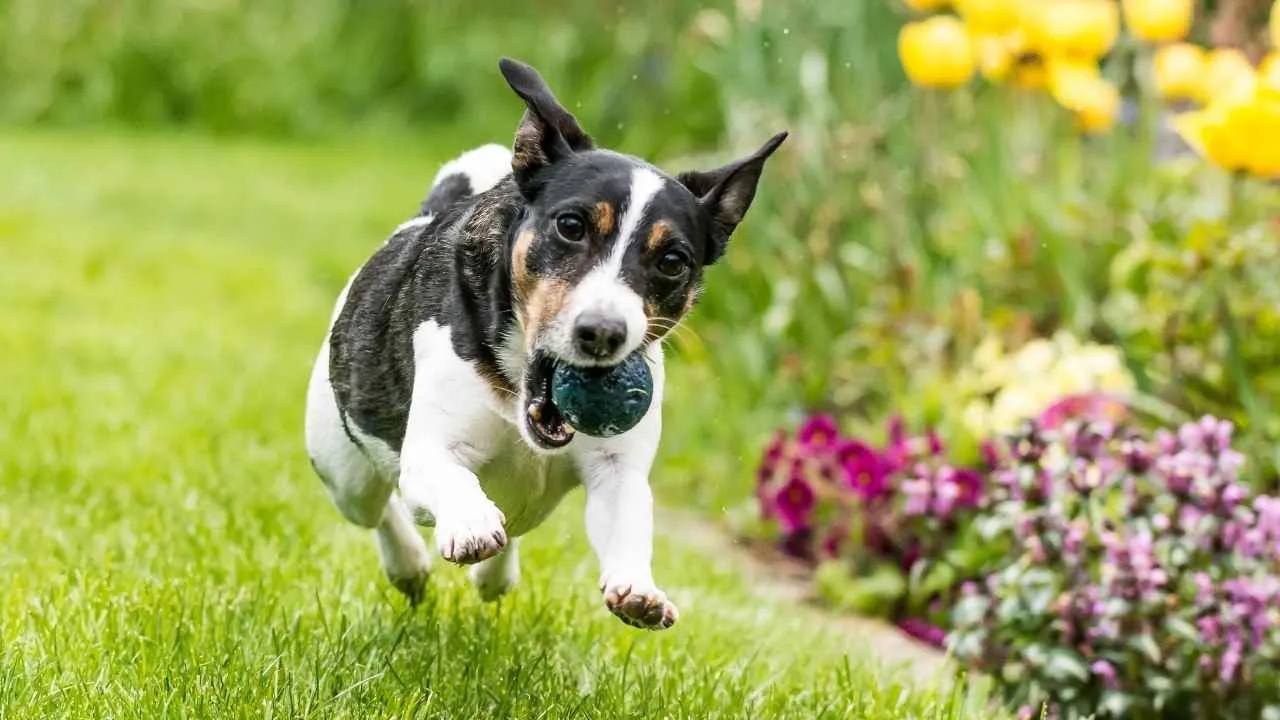
A Jack Russell Terrier is small, but it often acts bold and curious outdoors. The breed was shaped for hunting, so it stays alert. On a camping trip, it may want to check out every spot around the site. Because the dog is compact, travel can feel easier for many owners.
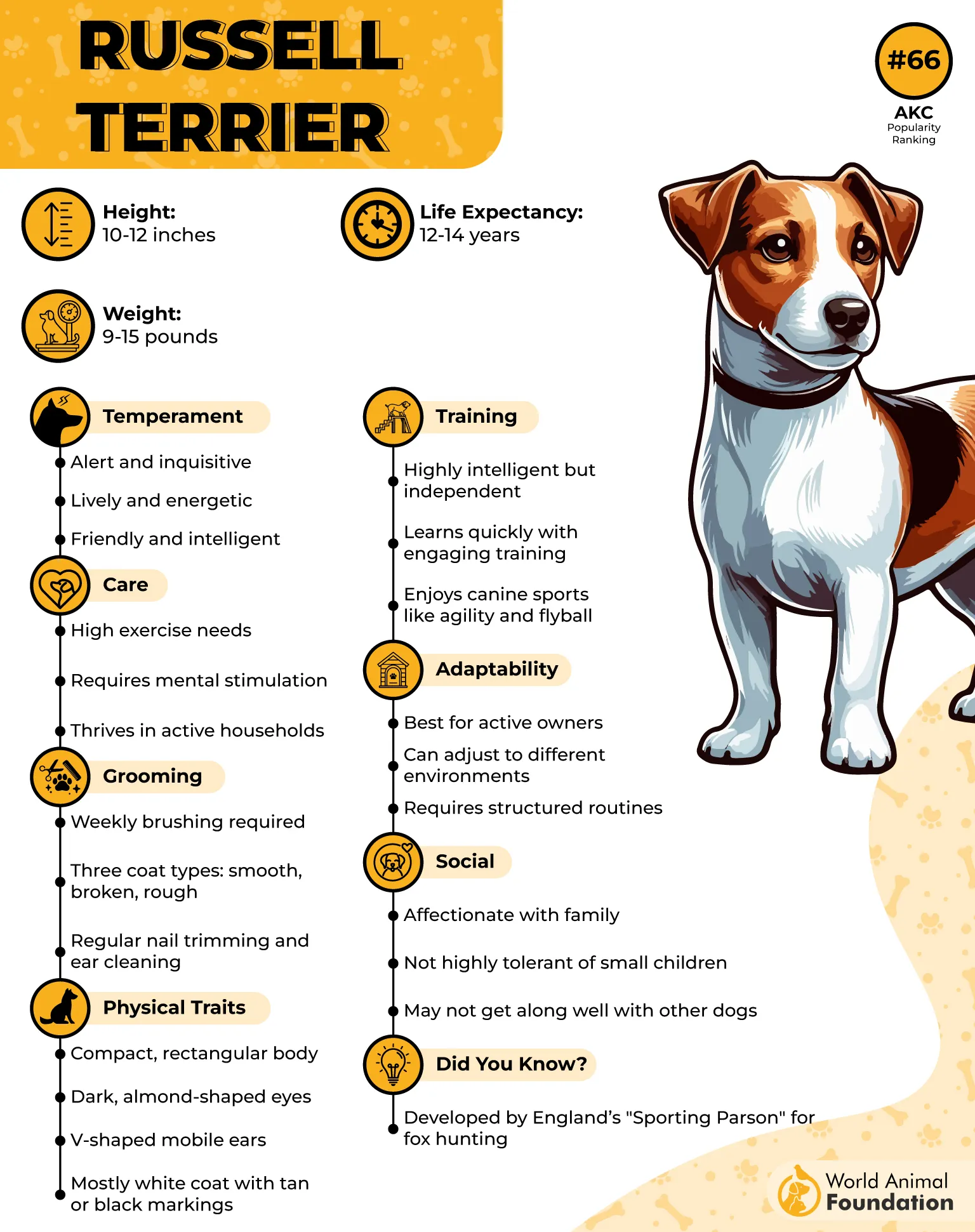
Still, hunting drives can create problems on trails where the rules are loose. Off-leash hikes can be risky if rabbits, birds, or other small animals show up. A Jack Russell might chase fast and only come back when it decides to, so use a secure leash in new places.
Jack Russell Terriers do better when they get exercise every day. They also need training that is short and steady. When you keep things relaxed and choose a safe route, these dogs can make a camping trip feel exciting.
7. Bichon Frise
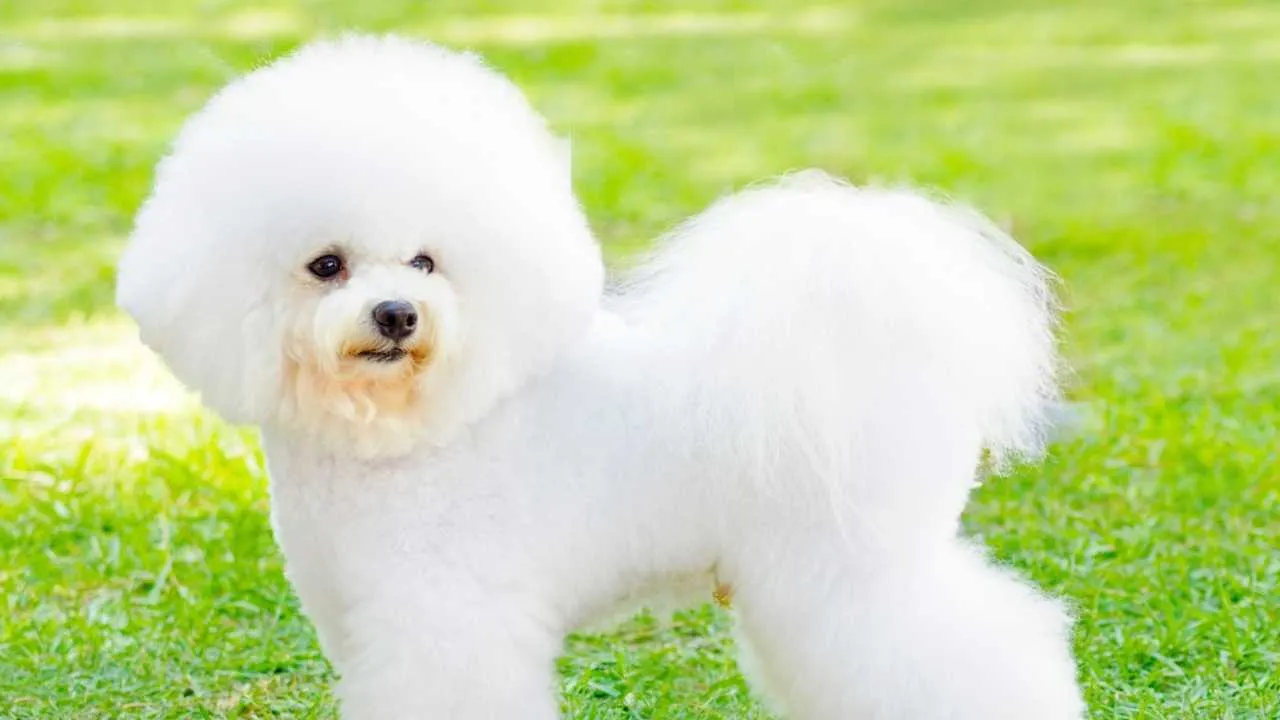
Bichon Frises are small dogs known for being friendly and loving. Many like to stay close to the people they trust. For camping, they can do well on calm trips: think short walks, pretty views, and time together at the site. Because they’re so playful, even a small moment can feel fun.
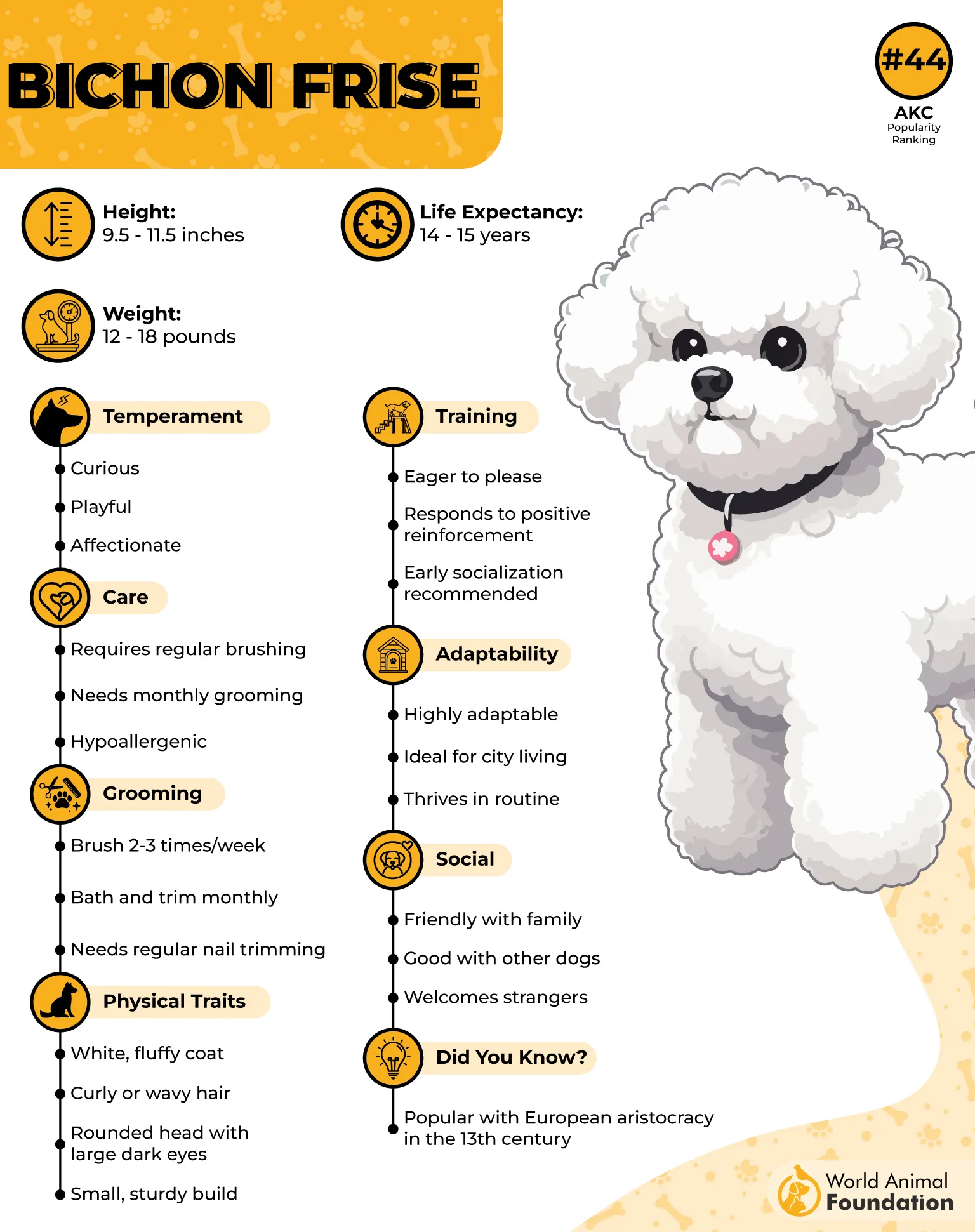
Their coat is fluffy and needs routine care. After walking through wet grass, mud, or brush, check the fur. Bichons are also small, so rough ground can wear them out, and steep hills, loose rocks, and long distances may be too much. Pick trails that are easy and safe for dogs.
PDSA adds that these dogs may not suit the hardest terrain. Still, they can enjoy outdoor trips that match their size and stamina.
Conclusion
The best dog breed for an off-road camping trip isn’t just the most active one. The right choice fits the plan you’ve made. Health, training, size, and comfort all matter. A Labrador or Golden Retriever can fit well with lively family outings.
Beagles and Jack Russell Terriers may need extra watchfulness around smells and wildlife. Cavaliers and Bichon Frises often do better on easier routes, while Border Collies tend to need both physical play and mental work.
Plan your route with your dog in mind, and don’t expect your dog to match every trail the way you do. If you prepare ahead, stay calm, and adjust when things change, you can still spend great time outside together. Those memories can feel just as satisfying as reaching the last campsite.
