




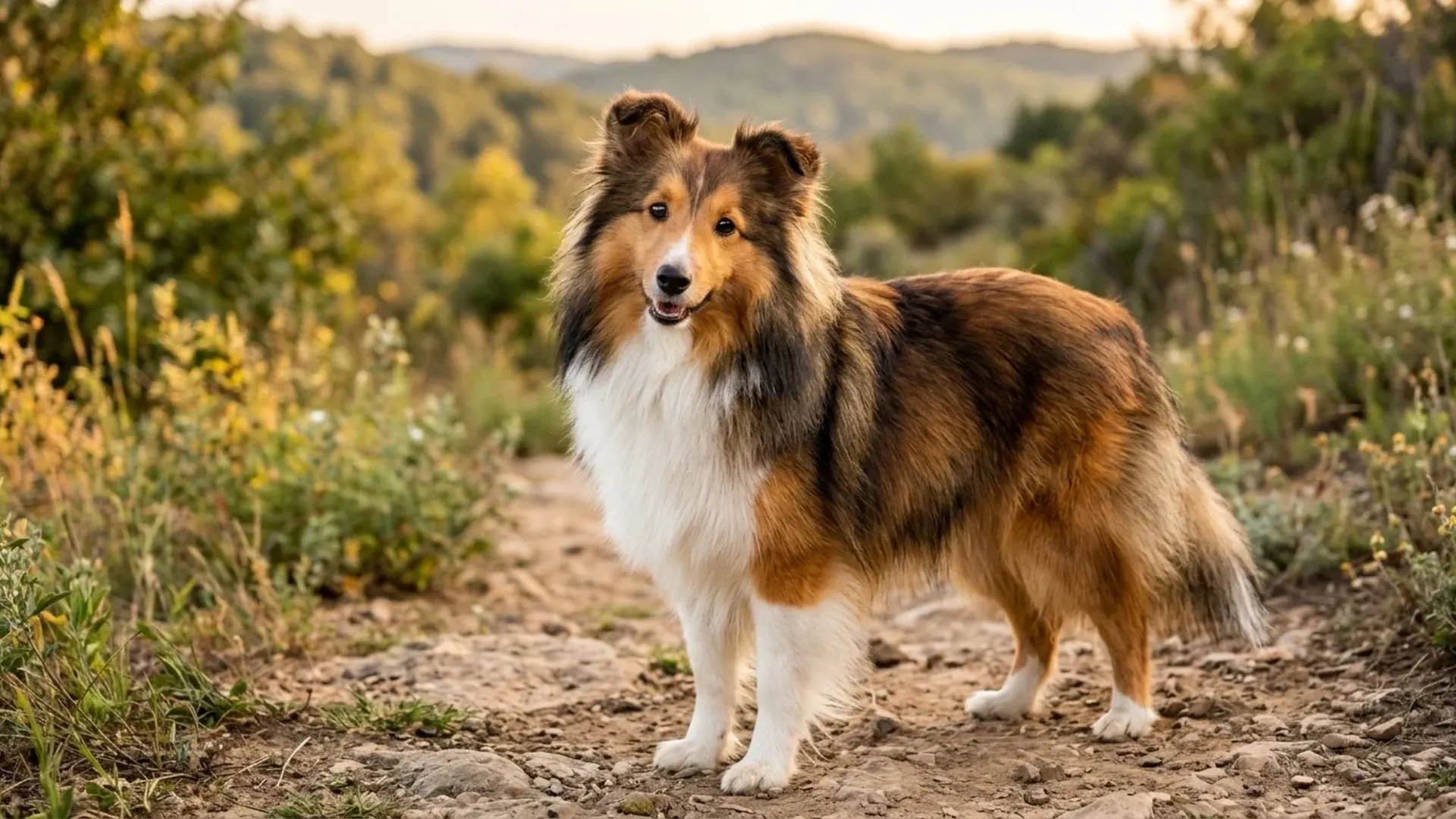
Dogs with sable coats are unique because no two have an identical color or pattern. Sable breeds have a natural two-tone, ombre-like effect. Each hair has a light base, like soft gold, warm red, or creamy tan, with dark or black-brown tips.
This makes the fur look layered, as if it changes color when the dog moves or runs in the sun. That’s probably why people are so fond of them. Many sable puppies even shift shades slightly as they grow up, which is fun to watch.
Finding the right dog can still be a challenge, though. You need a dog with a sable coat, but also one that fits your routine, home size, and exercise style.
In this guide, we share seven sable-coated breeds. We’ll cover what their base and tip colors look like, along with their grooming routines. You’ll also learn about their temperament, personality, and the ideal owner.
Dog Breeds Known for Their Sable Coats
1. German Shepherd
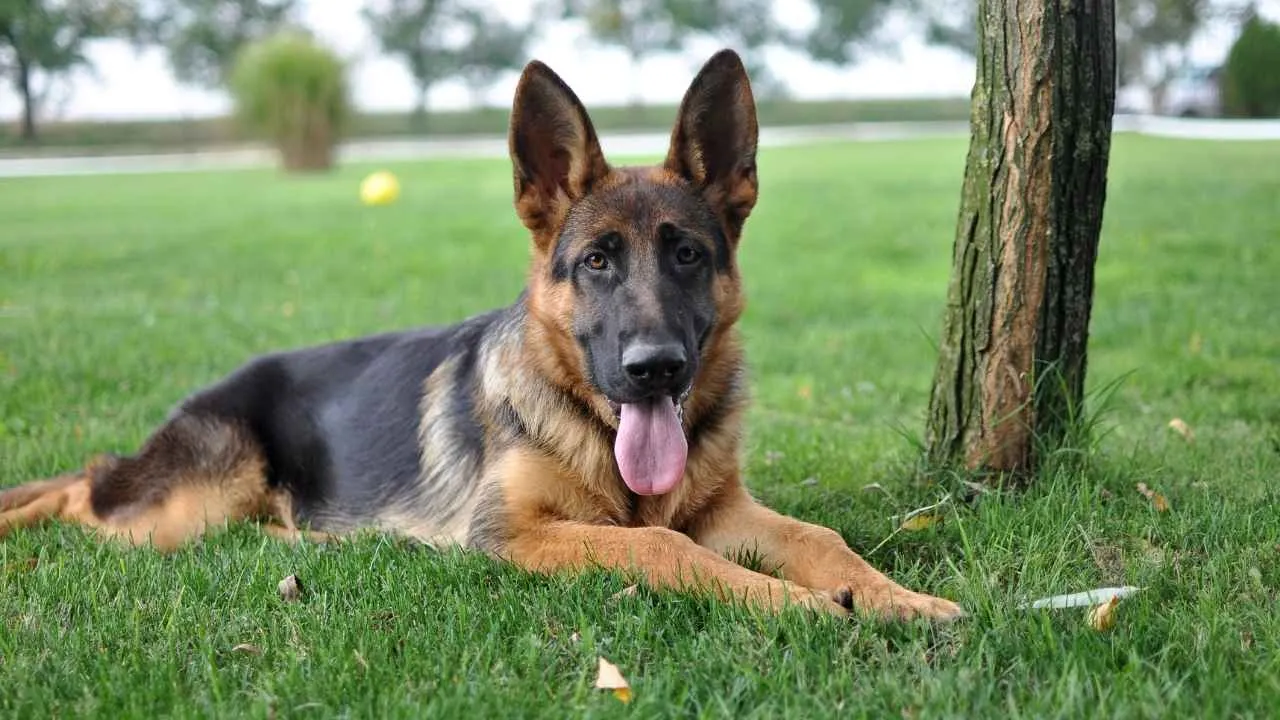
German Shepherds are confident, courageous, and fiercely loyal. They form deeply protective, loving bonds with their owners. These large dogs were bred to herd and protect sheep, and thanks to their intelligence, they later served as search and rescue and service dogs as well.
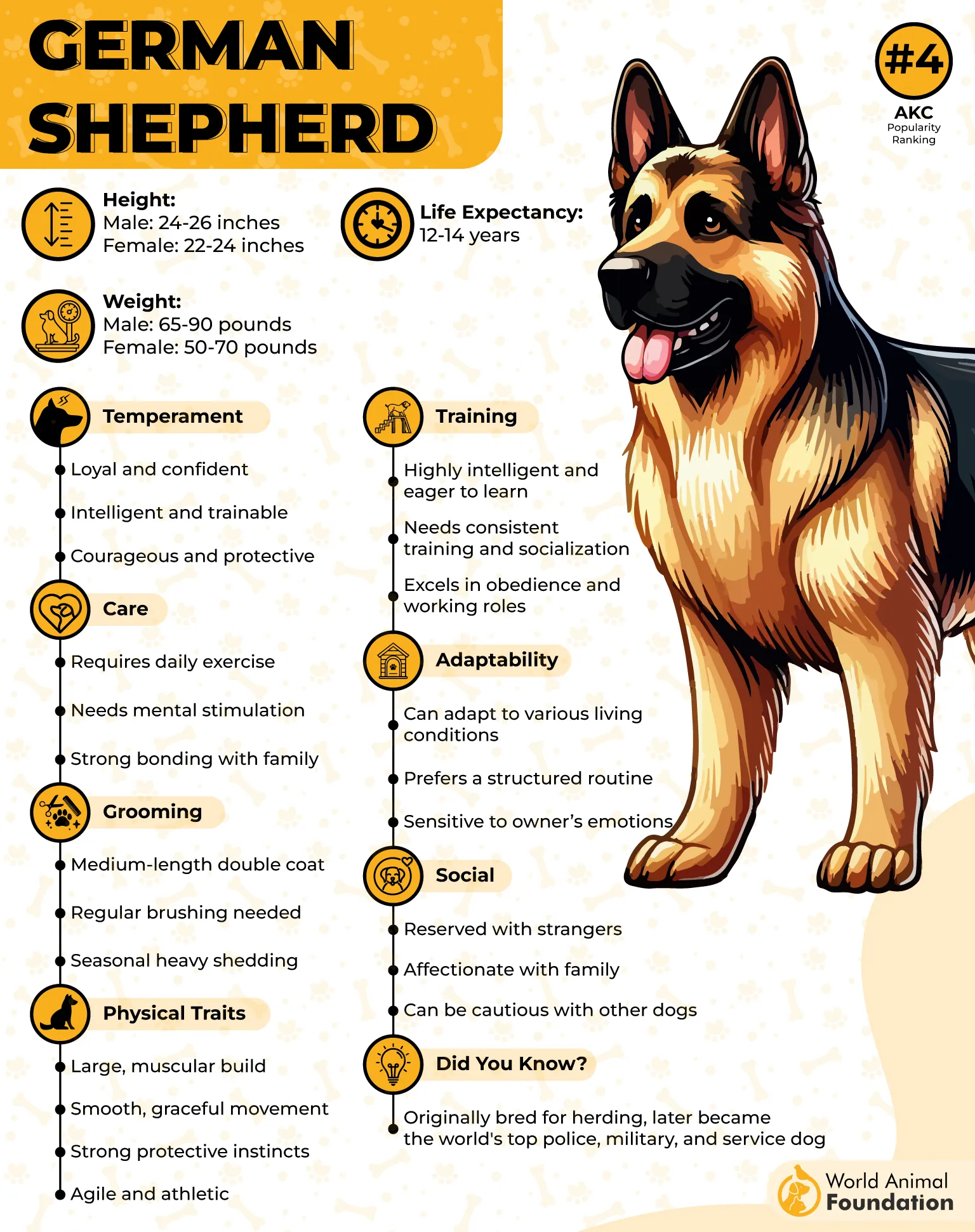
The classic sable coat gives GSDs their wolf-like appearance. The base color can be golden-tan, deep red, or light gray, with black tips. This creates a beautiful ombre effect across the back, shoulders, and tail, which becomes more striking as the dog matures.
They have a thick double coat that sheds heavily, according to the Royal Kennel Club. Expect to brush them three to four times a week and to provide roughly 60 to 90 minutes of vigorous activity daily. German Shepherds are intelligent and typically do well with active, dedicated owners.
2. Shetland Sheepdog

Shetland Sheepdogs are affectionate, gentle, and intensely loyal. They are sweet-natured companions that adore being near their family, and they were bred for herding. Shelties are famous for their gorgeous sable coats, which range from golden honey tones to a deep, dramatic mahogany.
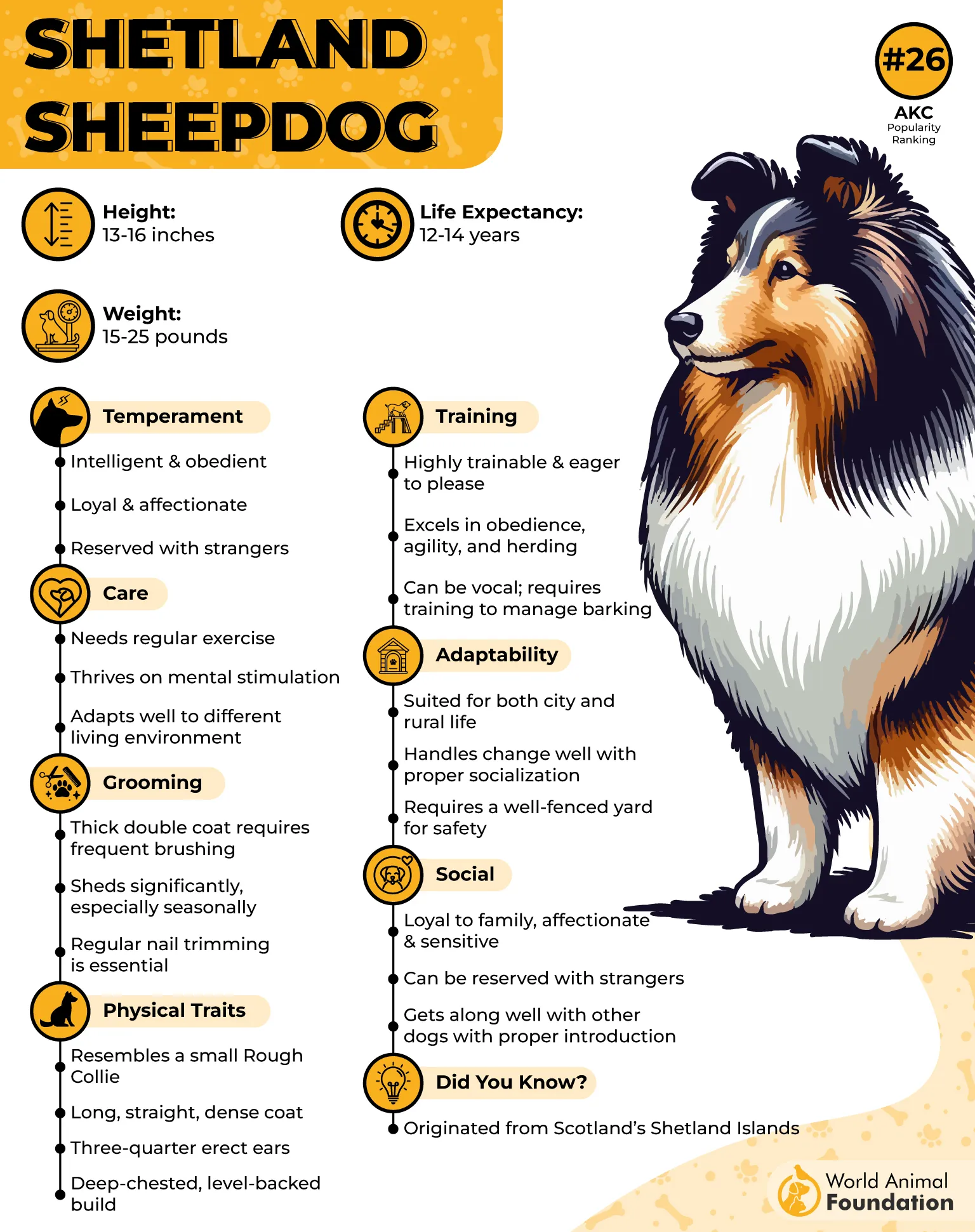
Every hair has a rich base tipped with black pigment, which creates a gradient look. Their long, dense double coat sheds considerably and needs brushing three to four times a week to prevent matting. They also need around 45 to 60 minutes of exercise a day.
These small dogs are eager to please. They pick up commands quickly and learn best with gentle, treat-based training. Shetland Sheepdogs are typically a good fit for first-time owners and active families who can manage their herding instincts and energy needs.
3. Pomeranian
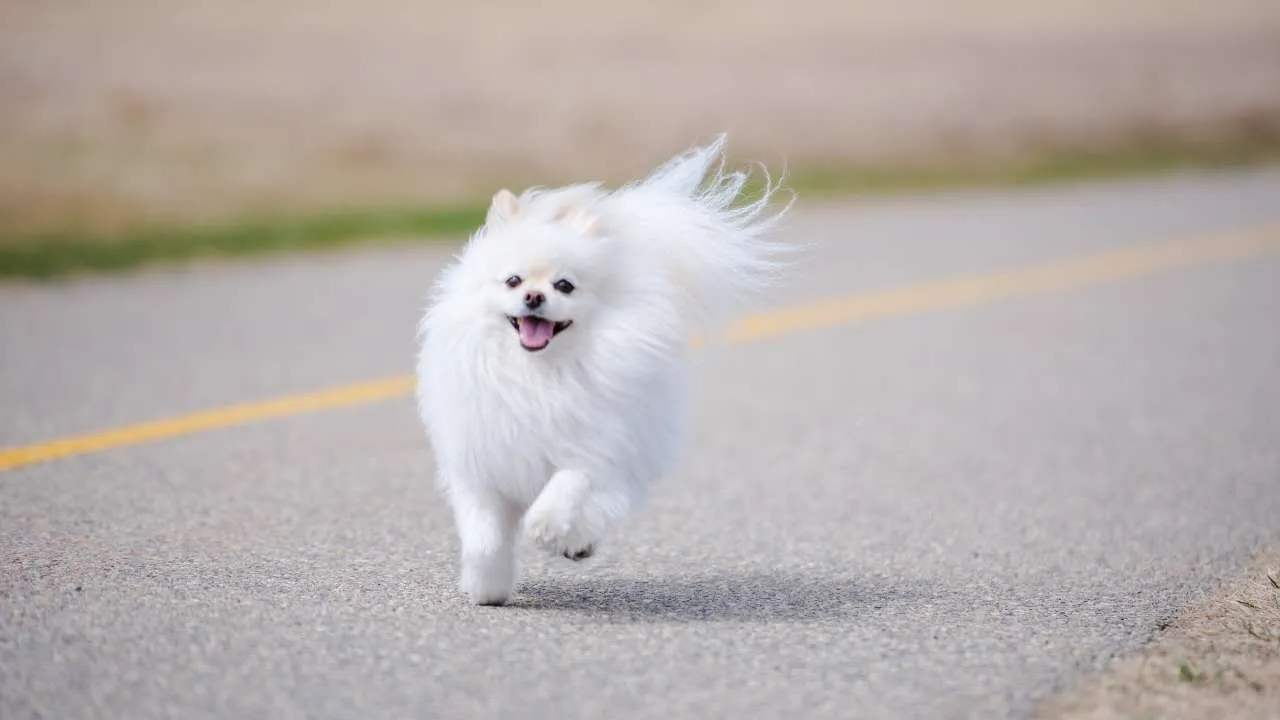
Pomeranians are lively, extroverted, and endlessly affectionate, with a huge personality in a tiny frame. They were bred down in size in the Pomerania region purely for companionship after Queen Victoria fell in love with them. Poms have a beautiful, cloud-like puffball coat.
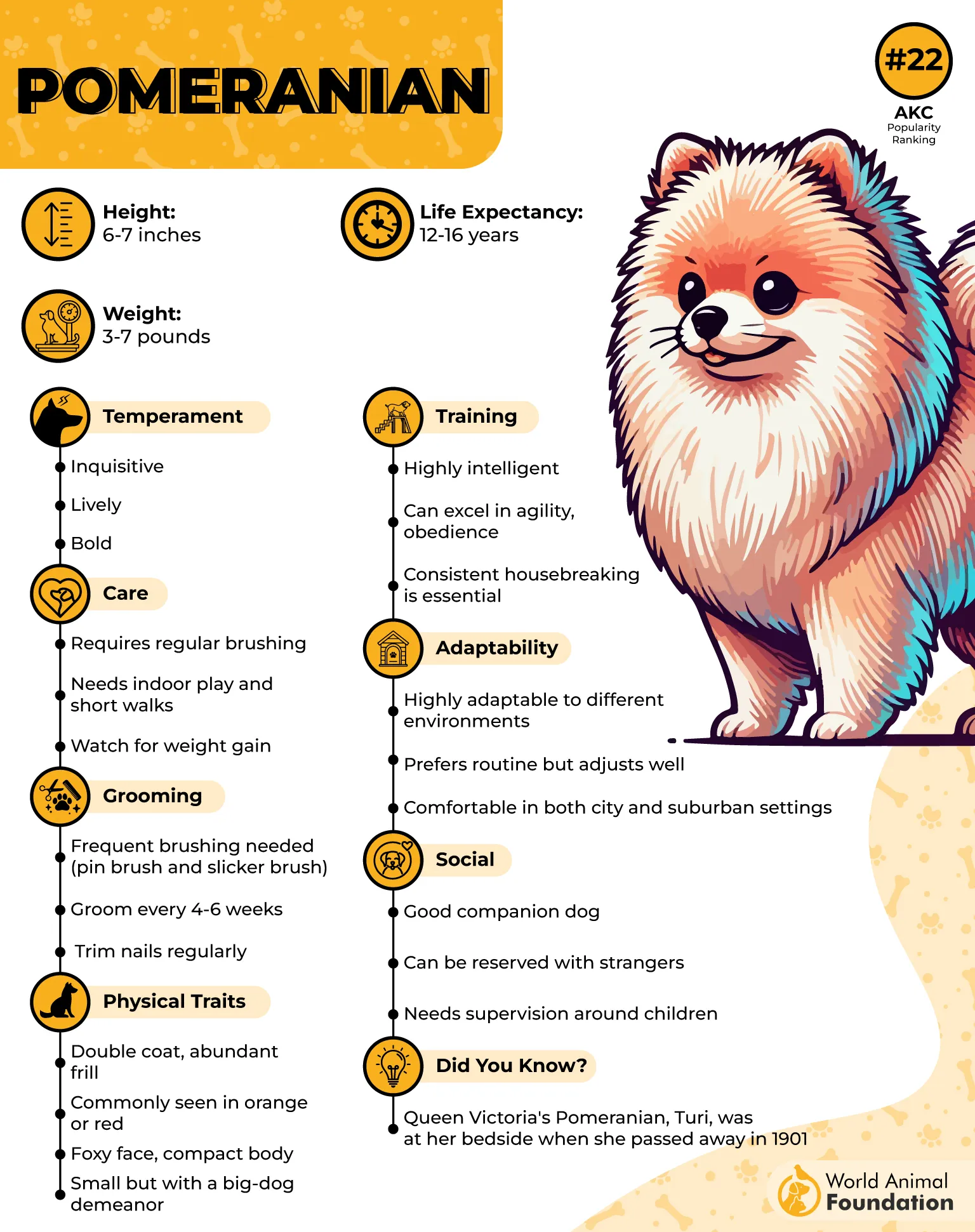
Their sable coats range from soft cream, golden orange, or bright red to deep chestnut, with black tips. This creates a shimmering effect when they walk or move. Poms shed moderately year-round and need brushing three to four times a week with a slicker brush.
They also need about half an hour of exercise a day for mental stimulation, as PDSA shares. Pomeranians are quick learners and respond well when called. Early training helps keep their vocalization and alertness under control.
4. Pembroke Welsh Corgi
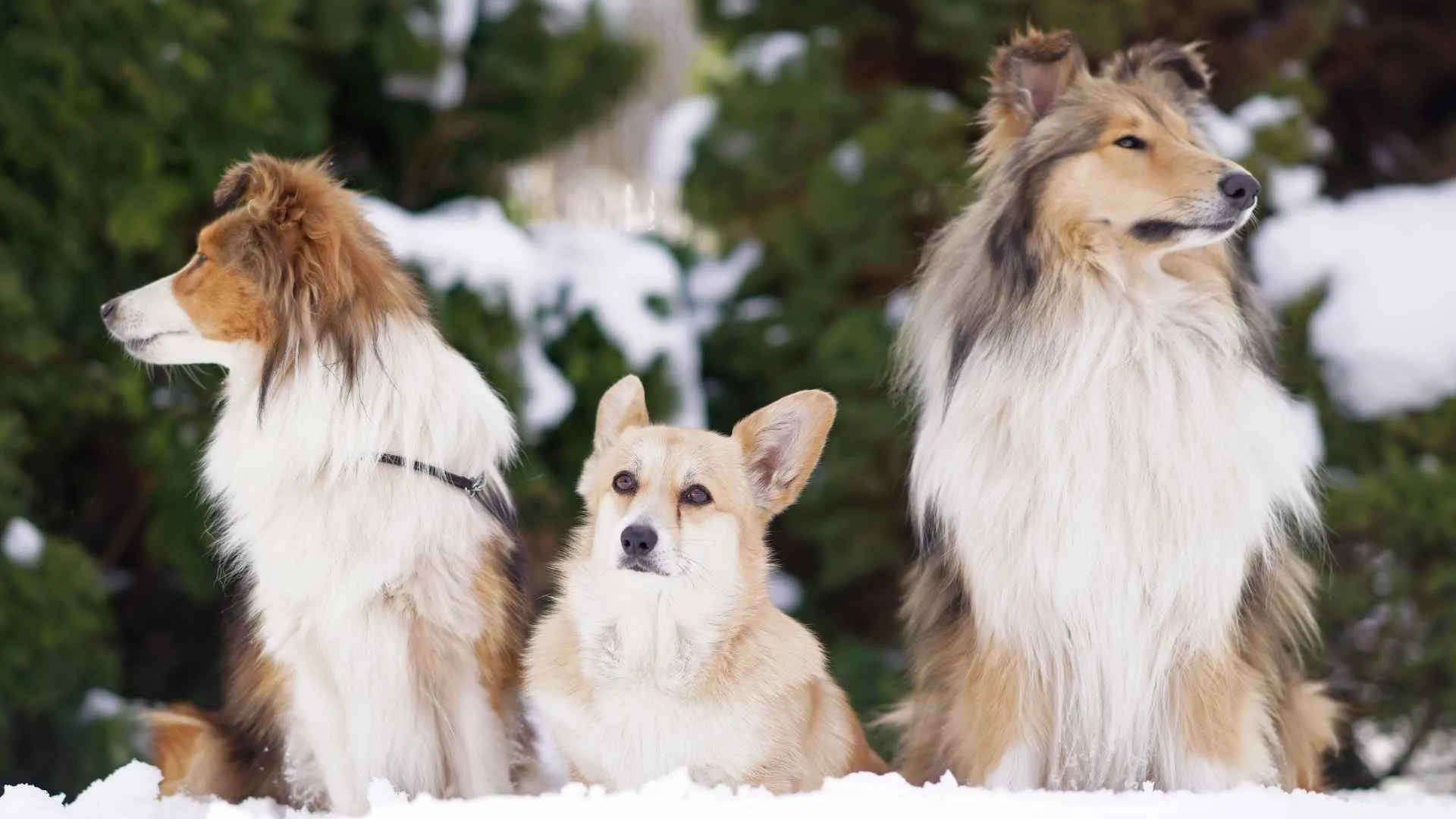
Pembroke Welsh Corgis are happy, outgoing, and intelligent dogs with a low-slung body. They were bred as versatile farm dogs, which explains their nipping habit. Corgis also come in beautiful sable shades, including a warm reddish-gold or golden-tan base with dark black tips.
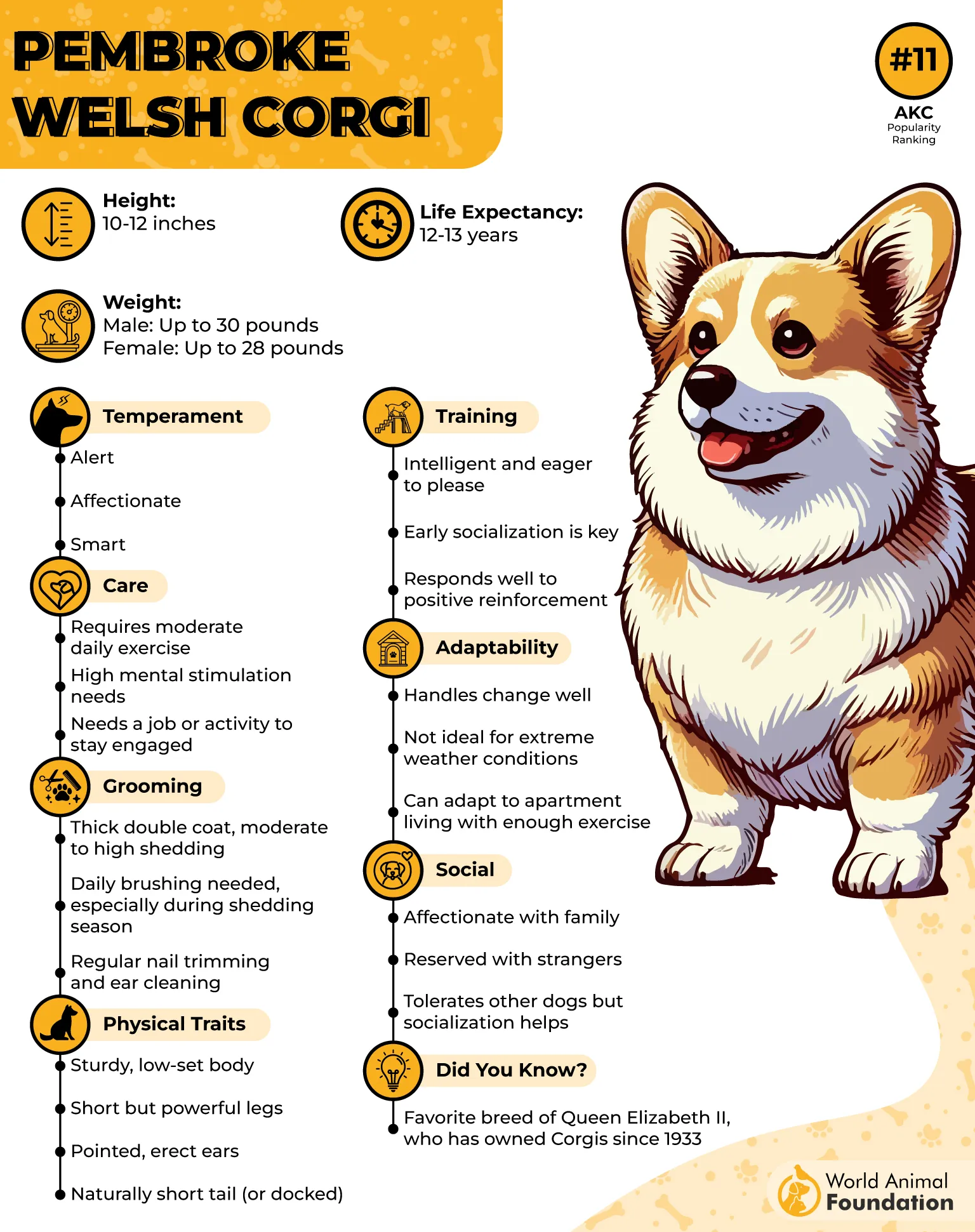
This dark tipping can create a cap-like effect over the head. They also have crisp white markings on the chest, neck, paws, and muzzle. These fox-faced pups are notorious year-round shedders and need frequent brushing to keep loose hair under control.
Despite their short legs, they need around 45 to 60 minutes of exercise a day. They have a big-dog bark, according to the AKC, and need proper training along with early socialization. Pembroke Welsh Corgis are prone to becoming overweight because they love treats, so keep a close check on how much they get.
5. Border Collie
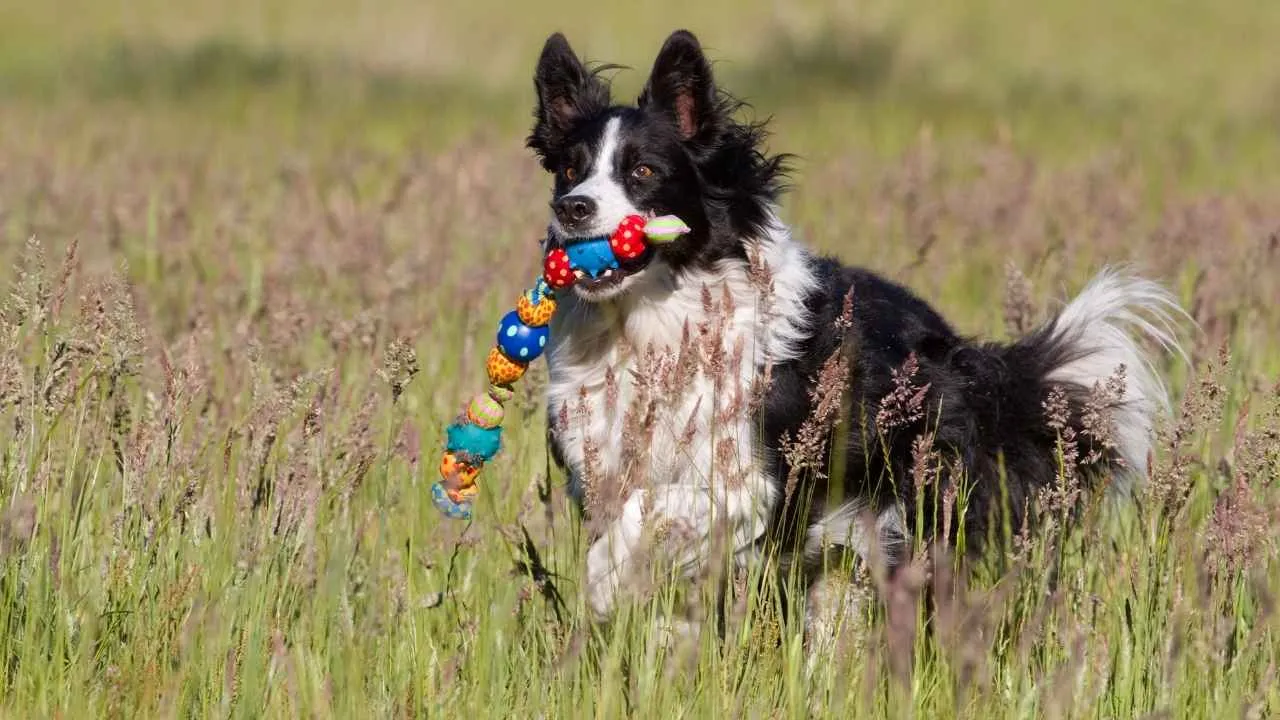
Border Collies are intense, energetic, and remarkably sharp. They are among the smartest dog breeds in the dog world and form extremely tight bonds with their owners. They were bred to herd sheep over vast, rugged terrain, using swift movement and an intense stare, often called “the eye.”
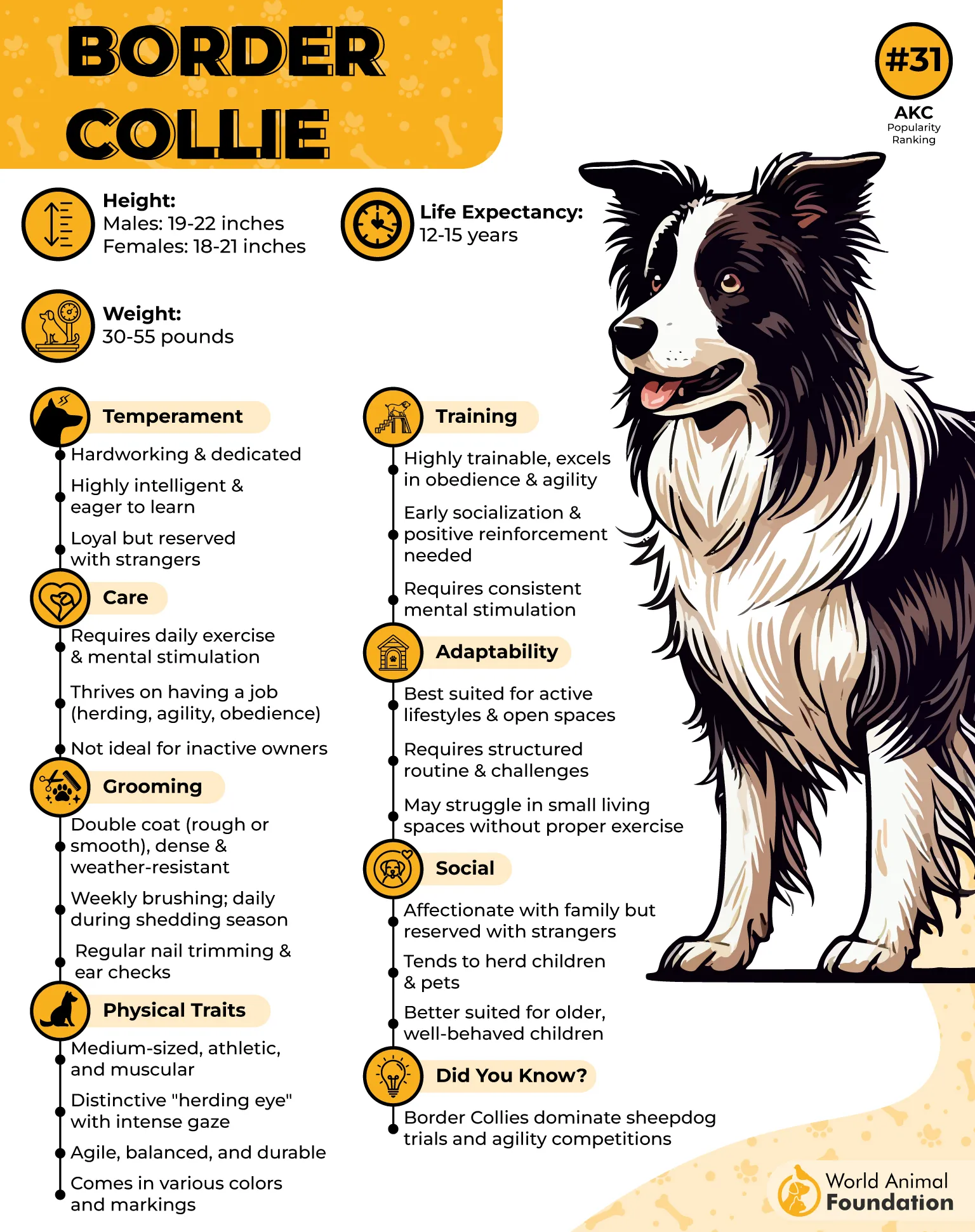
Sable Border Collies have coats with light base colors, from soft golden fawn and creamy tan to deep reddish gold, with individual hairs tipped in dark brown or black. These medium-sized dogs come in two coat varieties, smooth and rough, and both shed moderately year-round.
Border Collies have very high activity levels, and roughly 90 minutes or more of exercise a day is essential. They learn commands quickly, but their herding background also gives them a habit of nipping, so focus on training them properly.
6. Papillon
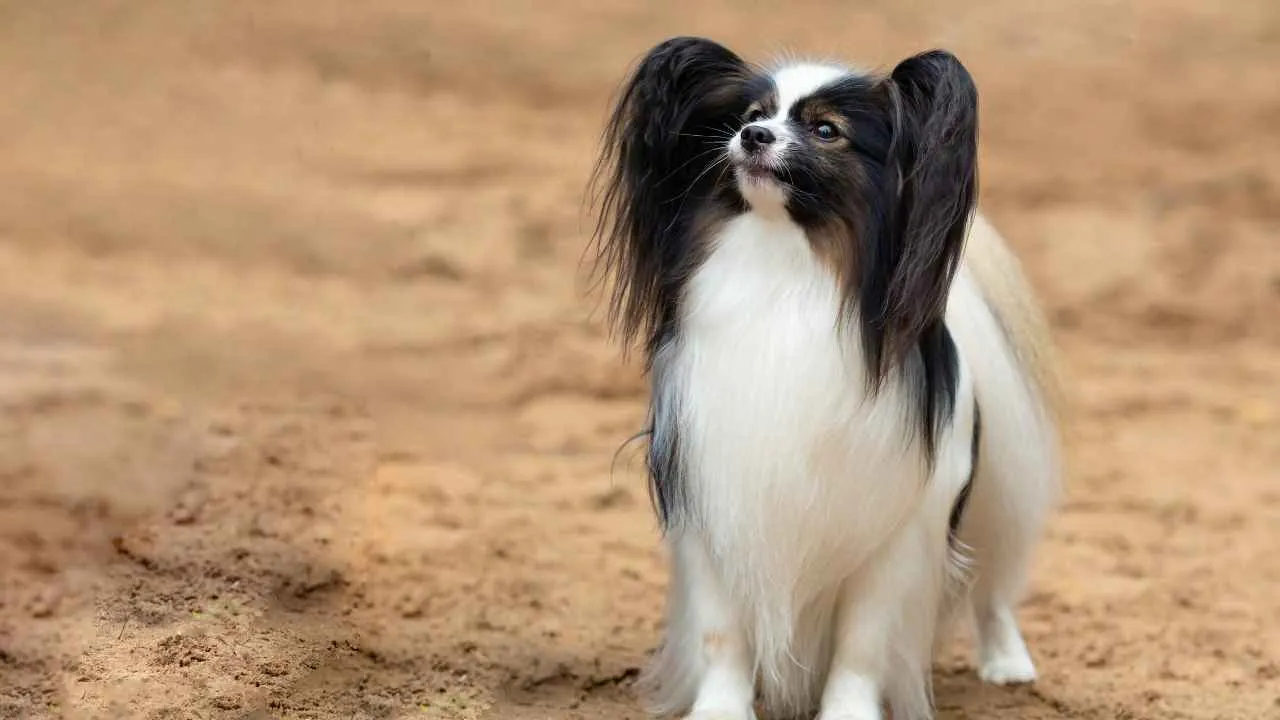
Papillons are happy, friendly, and surprisingly affectionate toy breeds. They were bred as prized lapdogs for European royalty and became famous for their butterfly-like ears. According to Hill’s Pet, these small dogs have little to no doggy odor, and they’re known for their silky, flowing coat with a delicate ombre effect.
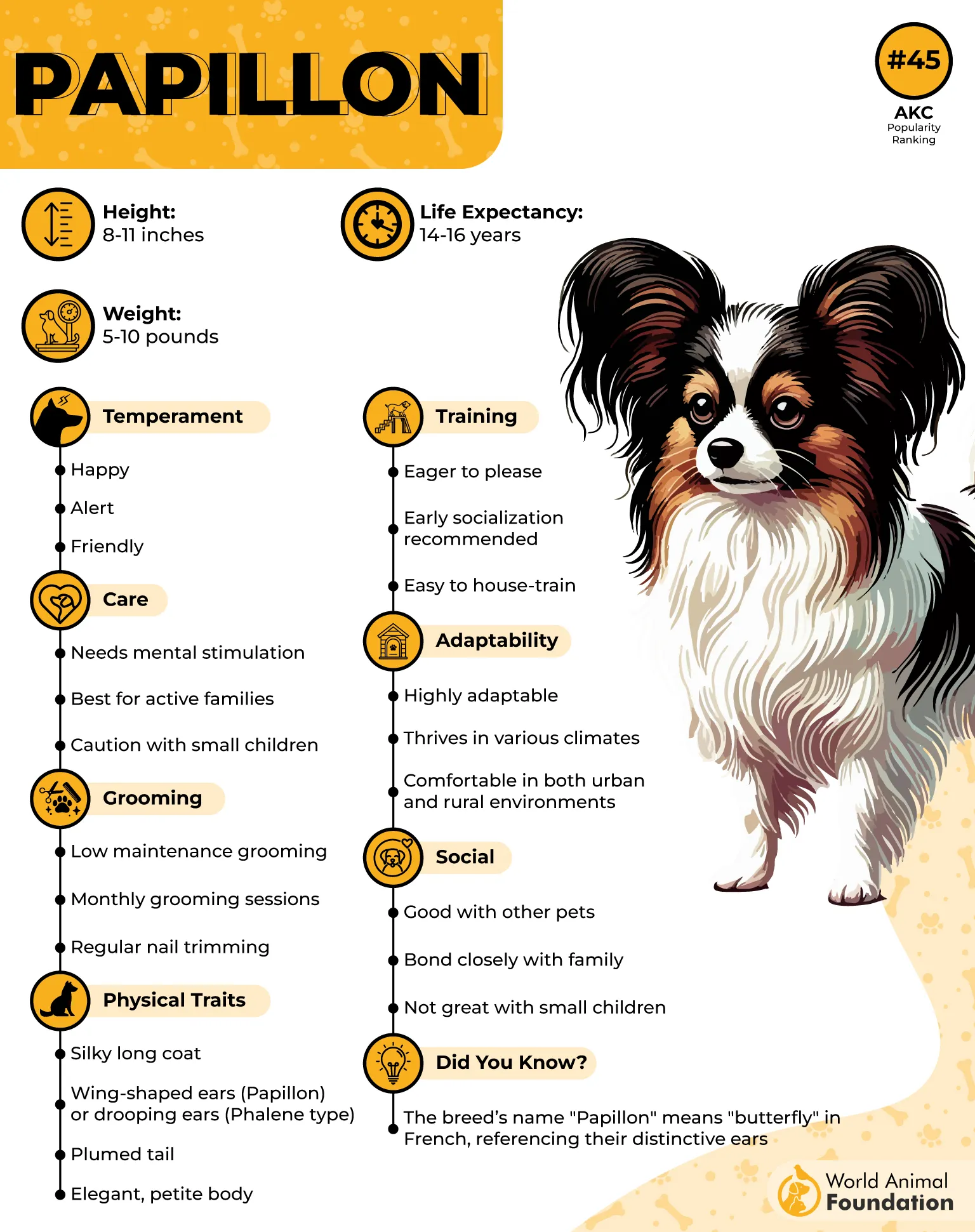
Their sable coats typically come in soft golden fawn, creamy orange, or rich, deep red, with fine dark tips. The body is predominantly white, but the sable color also spreads across the face, ears, and back in symmetrical patches, which look adorable.
Papillons don’t have an undercoat, so they are typically light shedders. They need brushing two to three times a week with a pin brush to keep the hair behind their ears and legs free of tangles. They are also ranked among the smartest breeds, so they learn quickly.
7. Icelandic Sheepdog
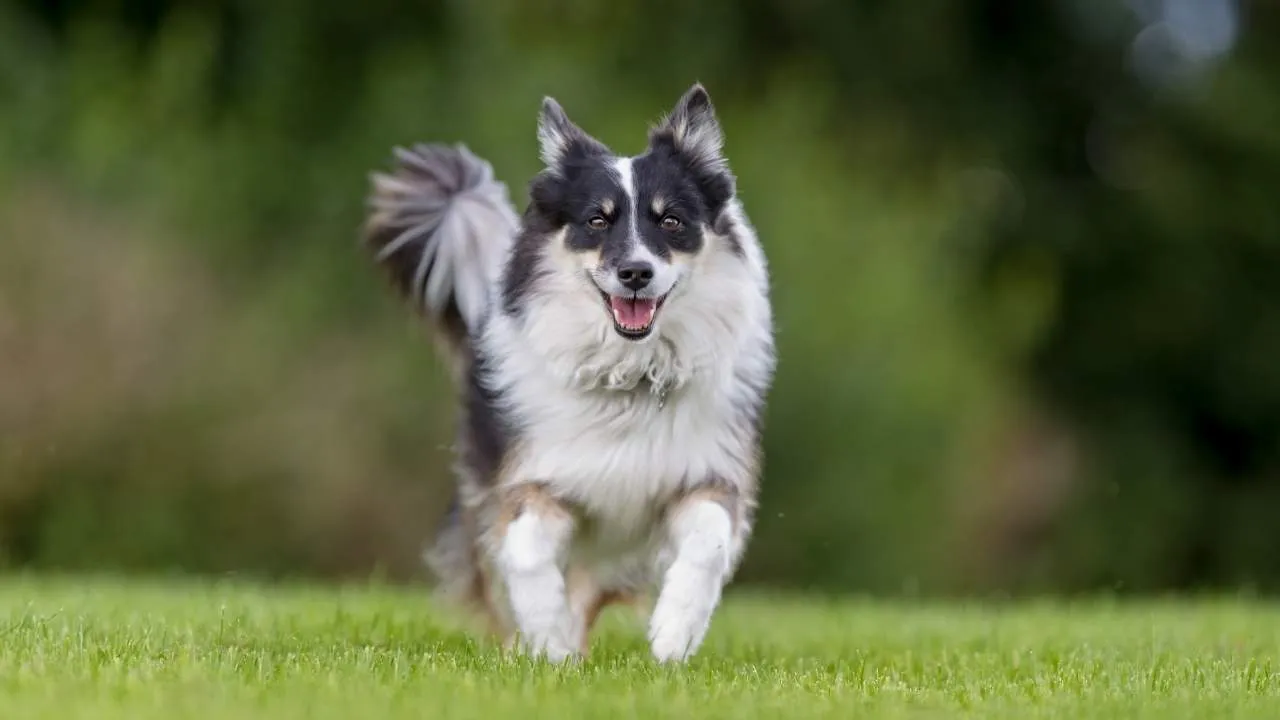
Icelandic Sheepdogs are cheerful, friendly, and inquisitive. They form close bonds with their families and welcome both loved ones and visitors with a happy demeanor. They are Iceland’s only native breed and were developed as tough, agile farm dogs for herding sheep and cattle.
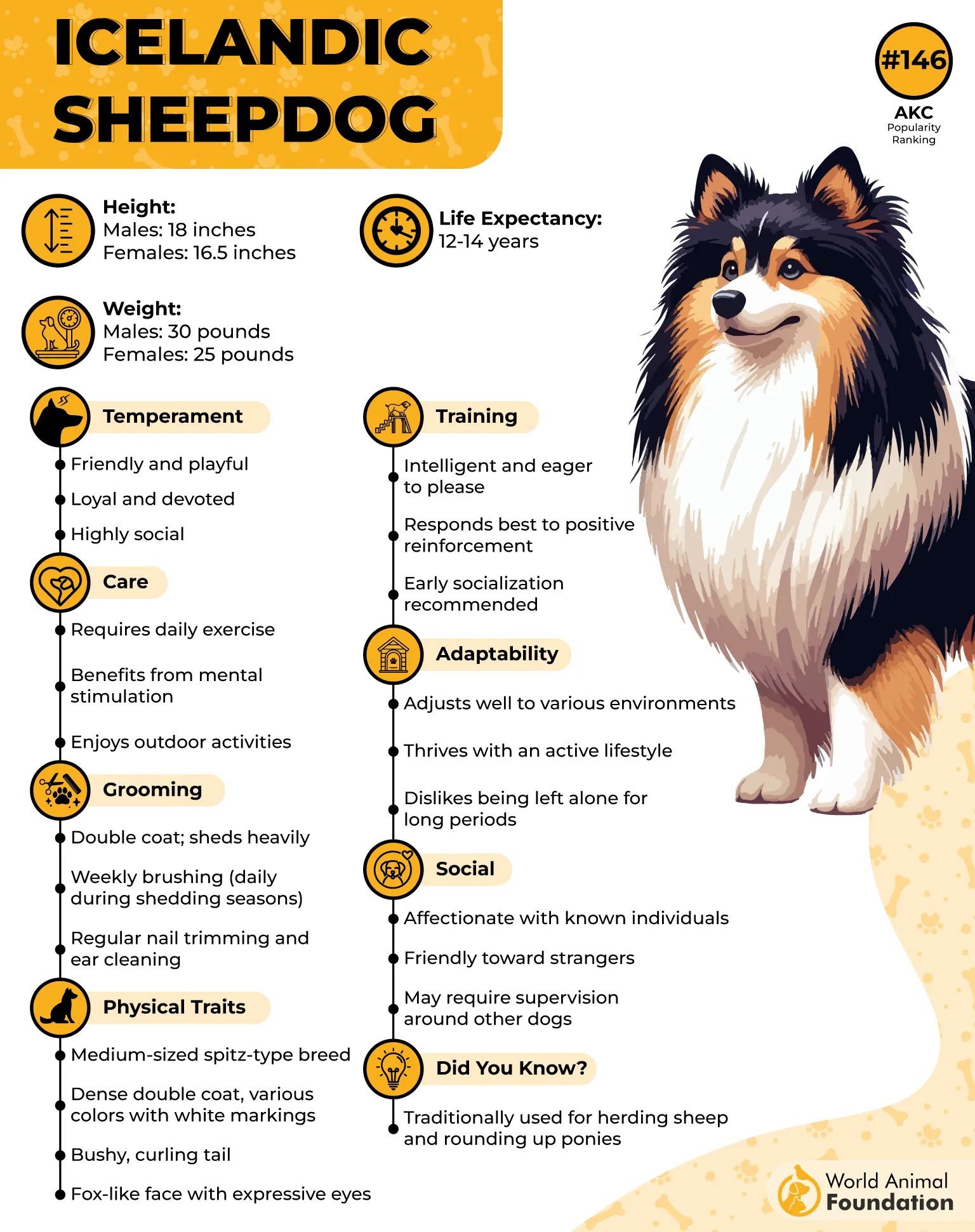
Their sable coats have a warm base that ranges from soft fawn and honey gold to a deep reddish tan, with subtle black tipping. The thick, weather-resistant double coat sheds moderately and needs brushing two to three times a week with a slicker brush.
These energetic dogs need about 45 to 60 minutes of daily activity. They are bright, eager to please, and highly social, but proper training and early socialization are still important. Icelandic Sheepdogs are a good fit for active families and first-time owners.
Conclusion
The seven breeds above all have sable coats, each with its own mix of base and tip colors. They create a beautiful ombre effect when they walk or run, and no two dogs look exactly alike, so the one you bring home will be one of a kind. That uniqueness only adds to their appeal. Be sure to read about each breed’s temperament and exercise needs before choosing one.
