




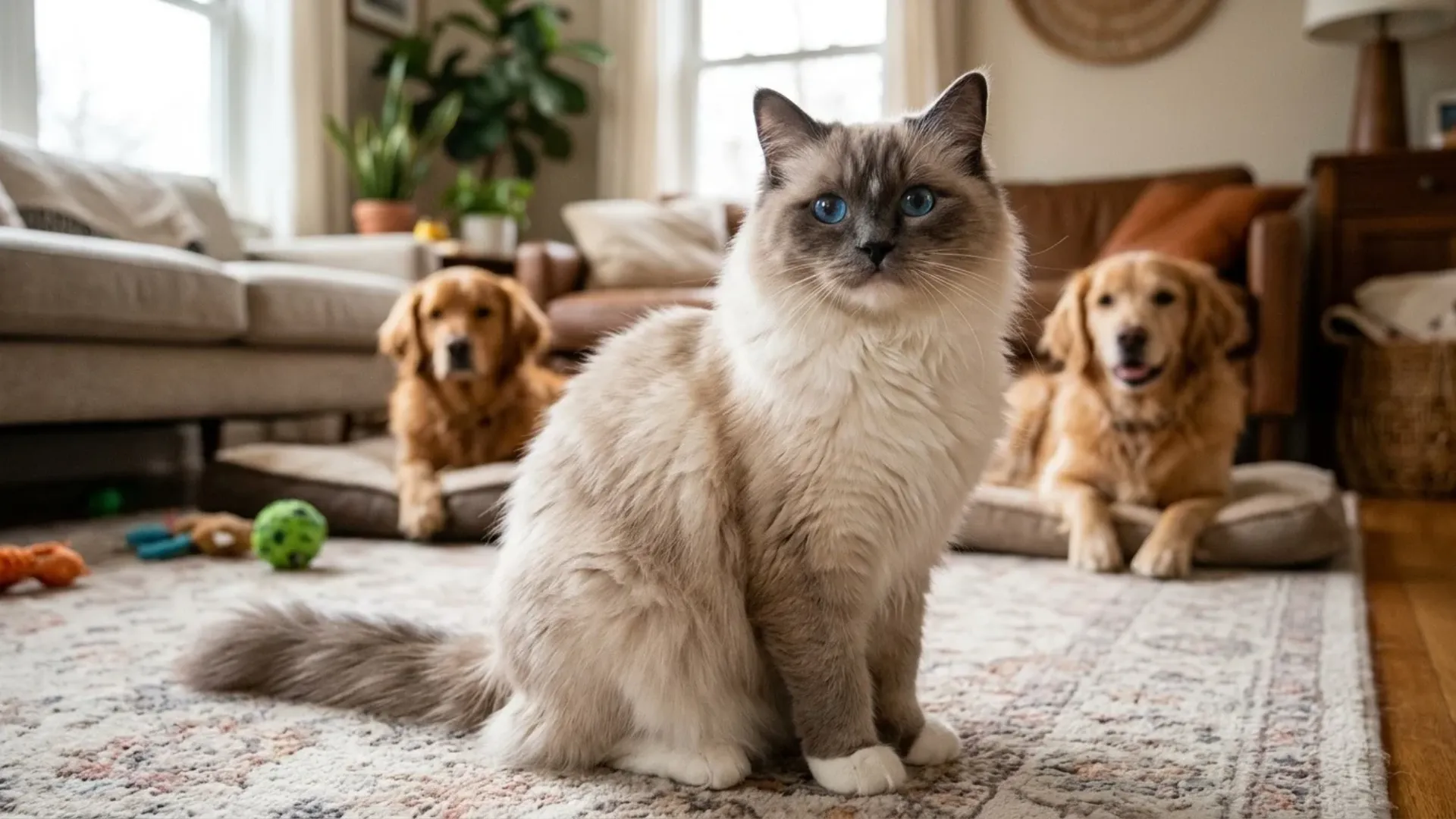
Choosing the best indoor cats for multi-pet homes is all about finding a feline that can comfortably share its space with other animals. Some cat breeds are naturally sociable, adaptable, and more accepting of furry housemates.
Cats with gentle temperaments, playful personalities, and low territorial tendencies often adjust better to living with other cats or friendly dogs. However, early socialization, individual personality, and proper introductions play an important role in building peaceful relationships.
From affectionate Ragdolls to outgoing Maine Coons, several cat breeds can make wonderful companions in busy households. Let’s explore the best indoor cats for multi-pet homes and discover what makes them great at sharing their space.
Best Indoor Cat Breeds For Multi-Pet Homes
1. Maine Coon
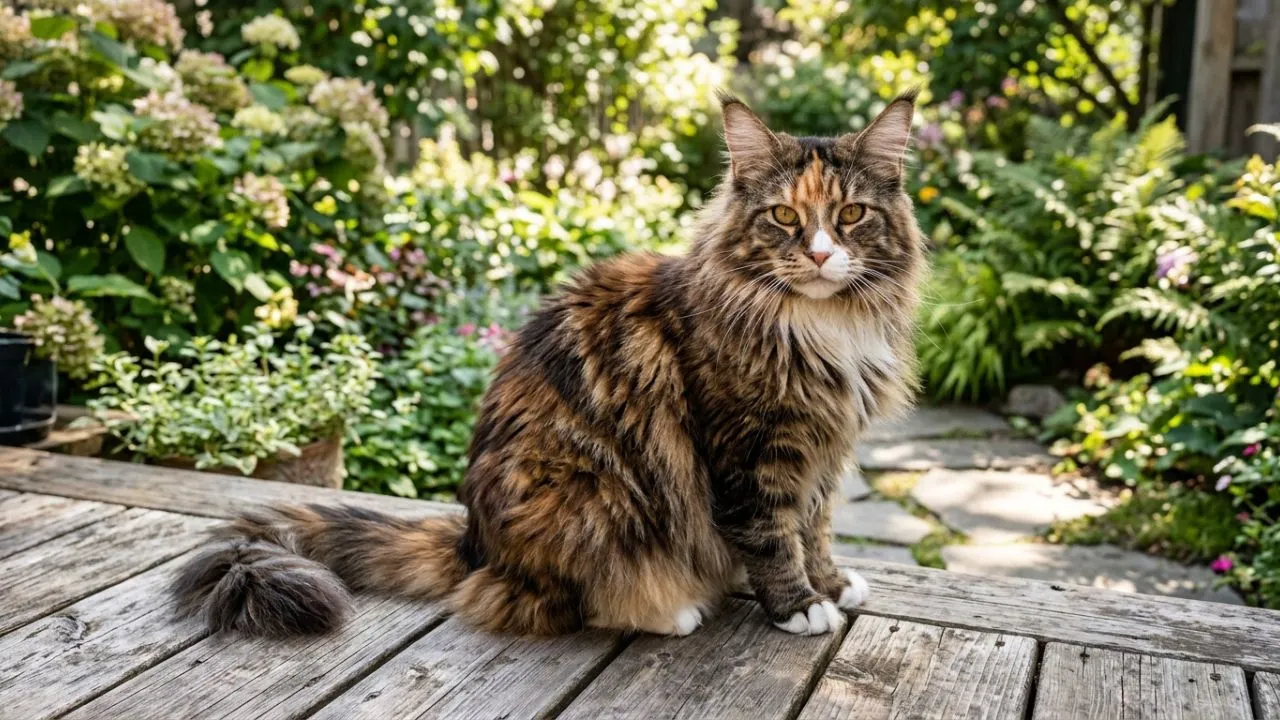
Maine Coons are gentle giants with sociable personalities that make them excellent candidates for multi-pet households. They often develop close relationships with other cats, dogs, and children, while their easygoing temperament helps them handle the bustle of a shared home.
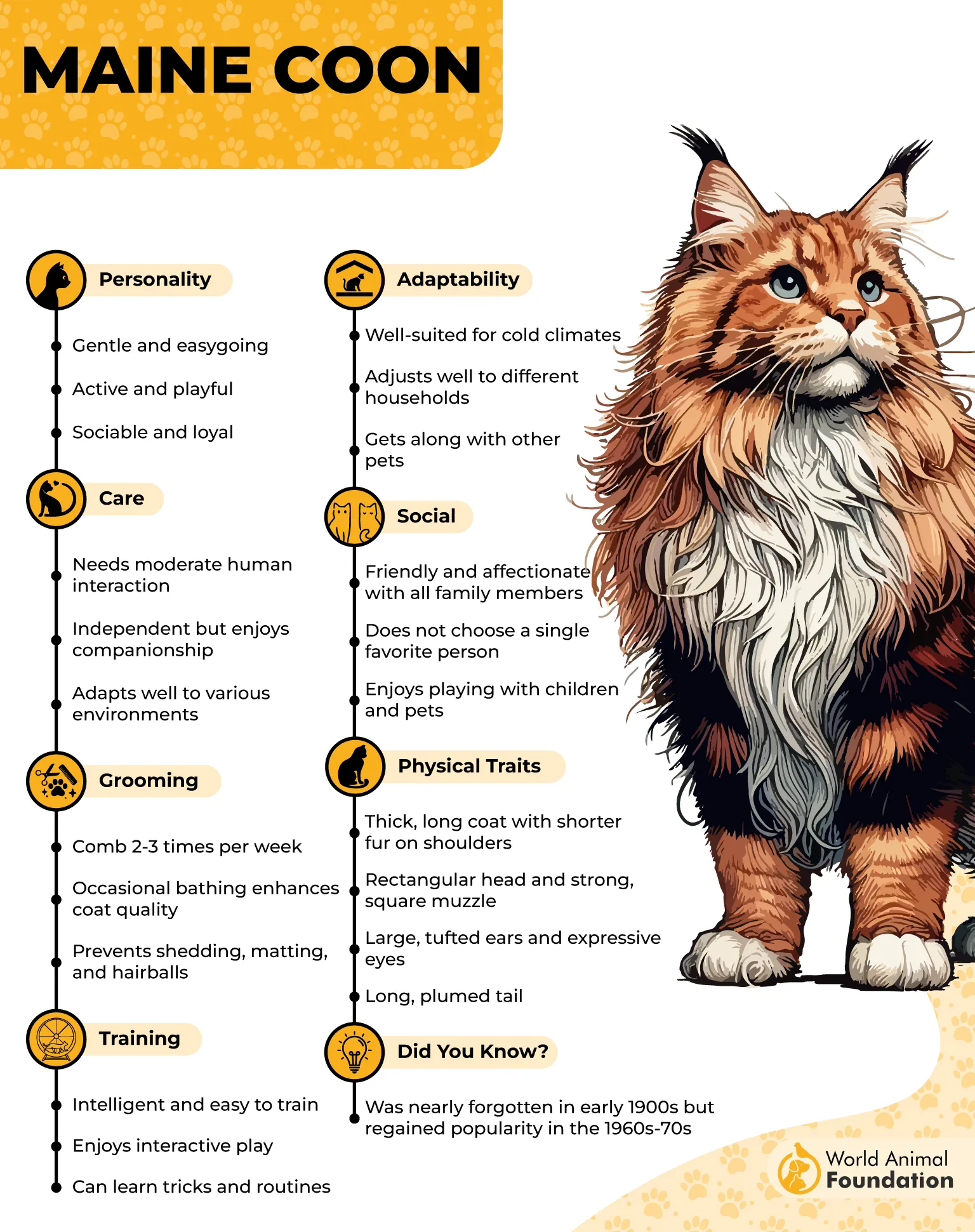
These intelligent cats enjoy interactive toys, games, and quality time with their families. Some communicate through distinctive chirps and trills rather than relying solely on meows, making their interactions especially endearing.
Their long, thick coats require regular grooming, and scratching posts help protect household furniture. Providing enough indoor space, climbing opportunities, and mental stimulation keeps these active cats comfortable and engaged.
How This Breed Stands Out
Sociable with other household pets: Their friendly, adaptable nature can help them build positive relationships with other animals.
Playful, chirping communicator: They use charming vocalizations and enjoy interactive activities that encourage bonding with pets and people.
2. Ragdoll
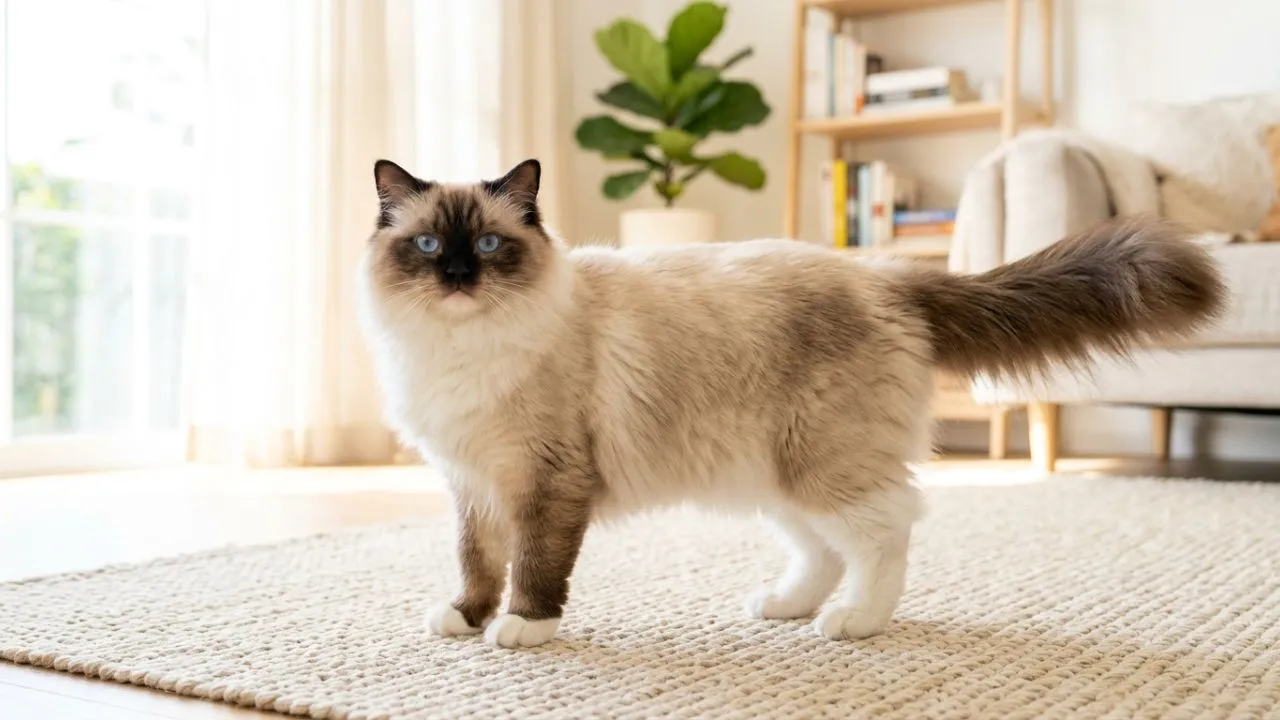
Ragdolls are affectionate, easygoing cats that can thrive in homes shared with other pets, with a sweet nature that helps explain why they remain one of the more popular breeds for families and shared homes.
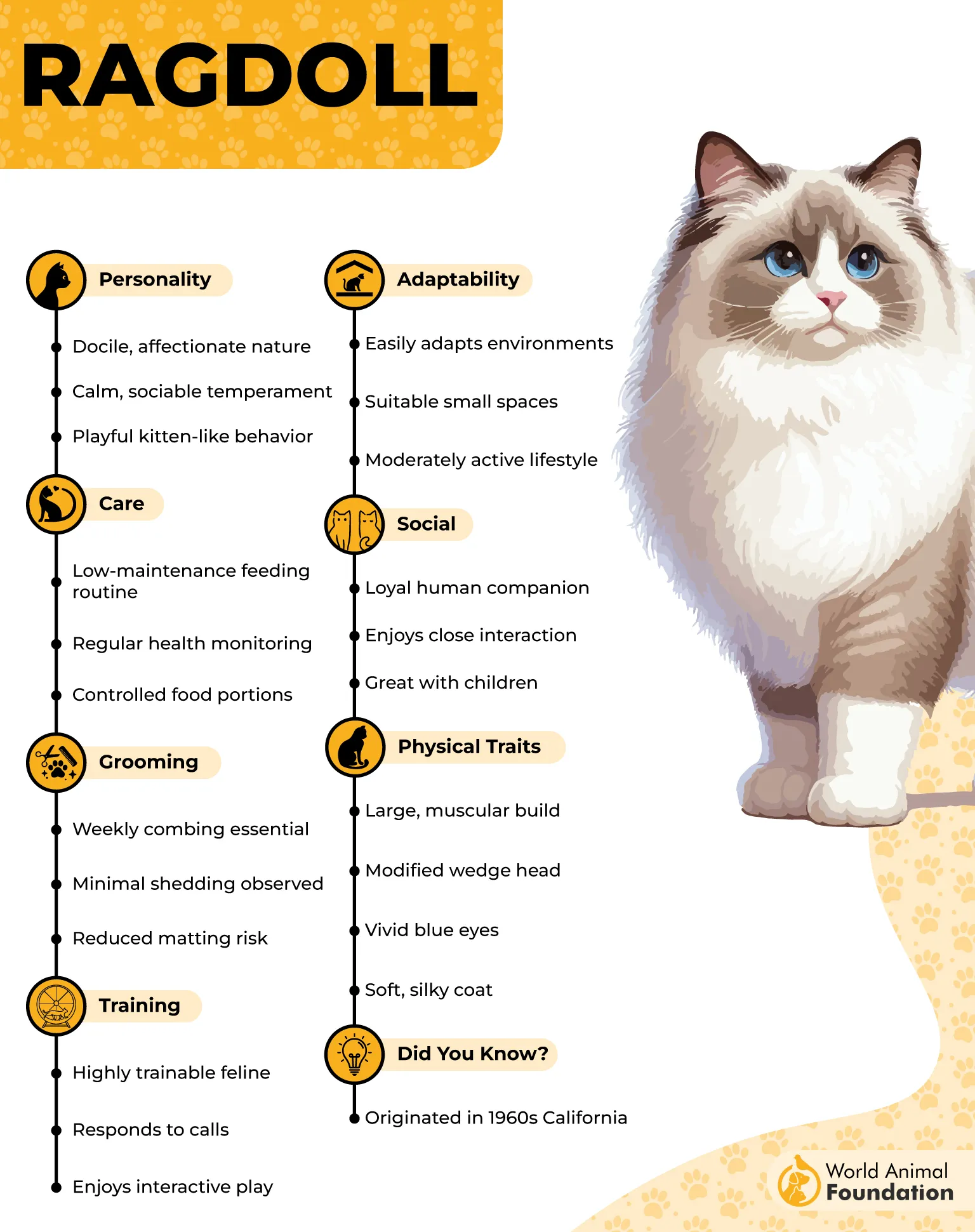
Their name comes from their tendency to relax when held, reflecting their generally docile temperament. They are often friendly toward other cats and dogs and are less inclined to defend territory aggressively. These gentle companions enjoy giving and receiving affection, and they like to spend time with their humans, frequently following their favorite people from room to room.
Their patient, tolerant nature can also make them suitable for families with children, provided interactions remain gentle and respectful. Because they are so people-oriented, they may struggle if left alone too often.
Ragdolls are particularly well suited to indoor living, where they can enjoy comfortable resting spots and safe shared spaces. Their trusting personalities make secure surroundings and positive introductions important when welcoming another animal into the household.
How This Breed Stands Out
Relaxed, tolerant temperament: Their gentle disposition can help them adjust to living alongside different pets.
Enjoys peaceful shared spaces: Ragdolls are laid-back companions who enjoy attention and close company in cozy indoor areas with family members and familiar animal companions.
3. Burmese
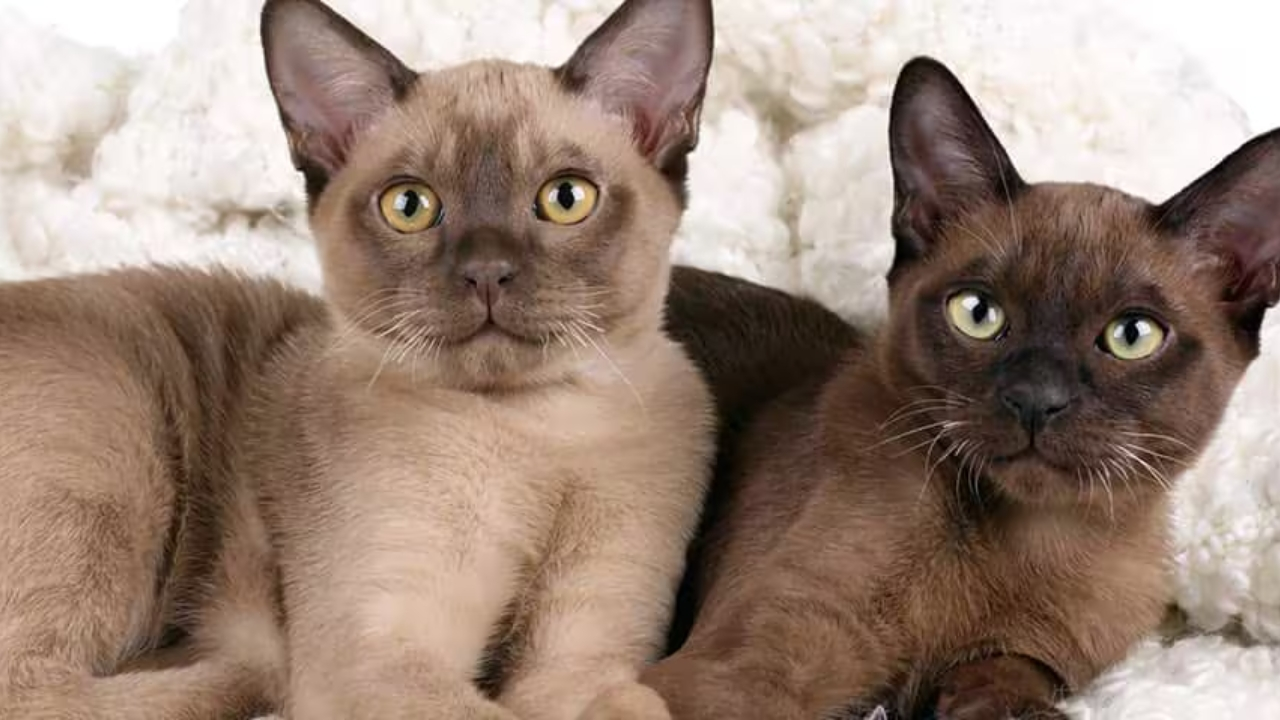
Burmese cats have a delicate build despite their muscular bodies, along with silky coats and outgoing personalities that make them engaging companions in multi-pet homes. They enjoy being involved in everyday family activities and are a good fit for households that can offer regular companionship from both people and familiar animals.
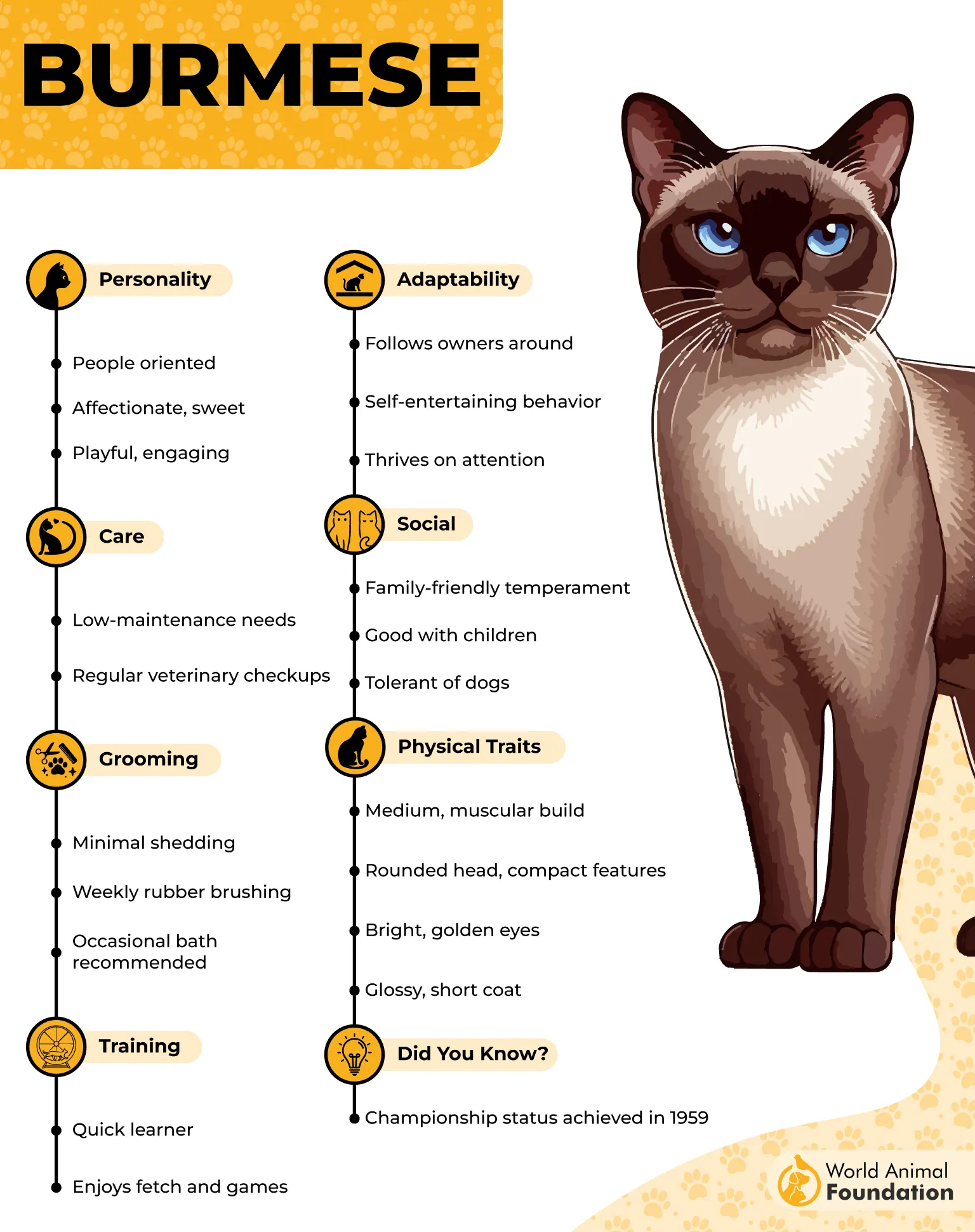
Highly affectionate and curious, these cats thrive on companionship and do not do well when left alone for too long. Some display dog-like habits, such as greeting owners at the door or retrieving toys, while others enjoy cuddling and grooming their feline housemates. Their trusting nature also makes a secure indoor environment particularly suitable.
Unlike cats that become less active with age, Burmese often retain their kitten-like playfulness well into adulthood. Cat trees, window perches, and interactive toys provide opportunities to climb, explore, and burn off energy indoors.
How This Breed Stands Out
People-focused, outgoing nature: Burmese cats love staying close to their families and often enjoy interacting with other household pets.
Playful well into adulthood: Their lasting curiosity and energetic spirit make regular games and climbing activities essential.
4. Birman
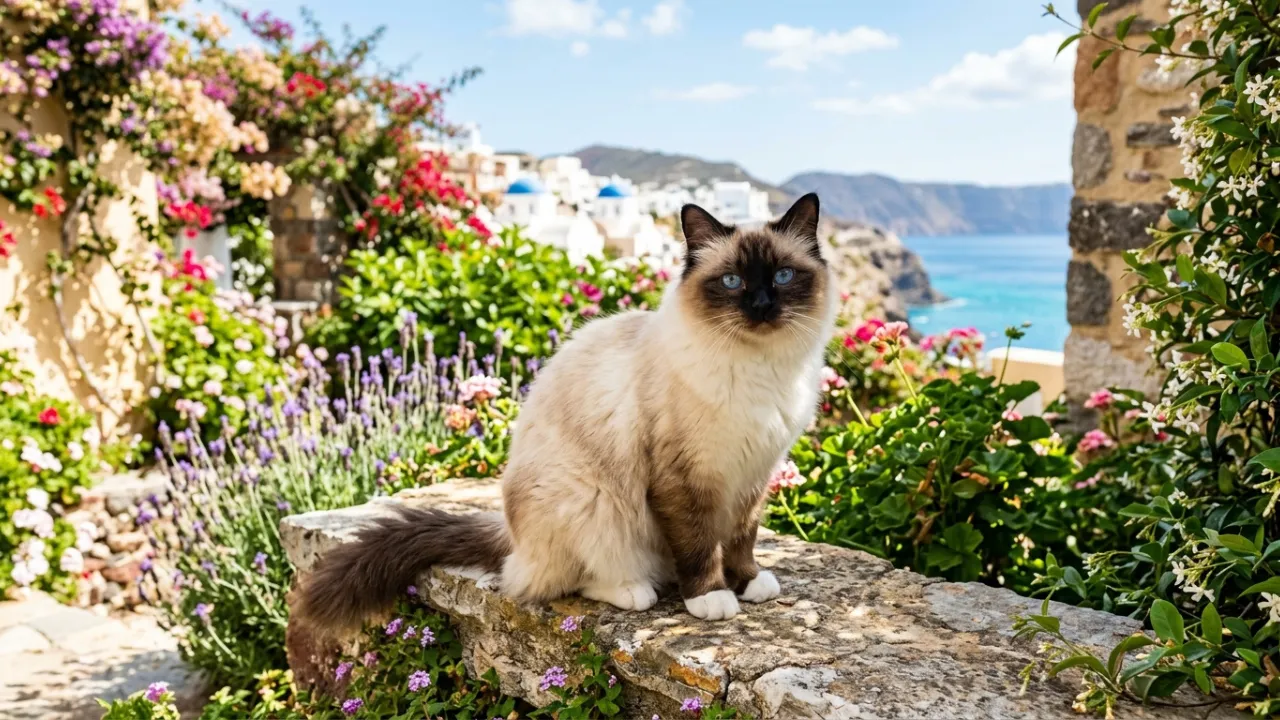
With striking blue eyes and a soft, beautiful coat, Birmans bring a gentle presence to multi-pet households. Their affectionate, adaptable temperament helps them settle into indoor family life, where they can share their space with other cats and friendly dogs.
According to WebMD, Birman cats are gentle, affectionate companions with soft, long coats who love staying close to their owners and spending time together throughout the day.

Birmans enjoy being near their favorite people and may follow them from room to room or greet them enthusiastically at the door. Although some prefer affection on their own terms, they generally appreciate companionship and can form close bonds with familiar household pets.
These intelligent cats also enjoy exploring toys and learning simple tricks. Their balanced energy allows them to switch between playful activities and peaceful resting periods, making interactive toys and comfortable indoor retreats useful additions to their environment.
How This Breed Stands Out
Gentle, approachable personality: Their patient, affectionate nature can help them adjust to sharing a home with other animals.
Curious, friendly interactions: Birmans enjoy exploring, playing, and engaging with familiar people and pets throughout the day.
5. Persian
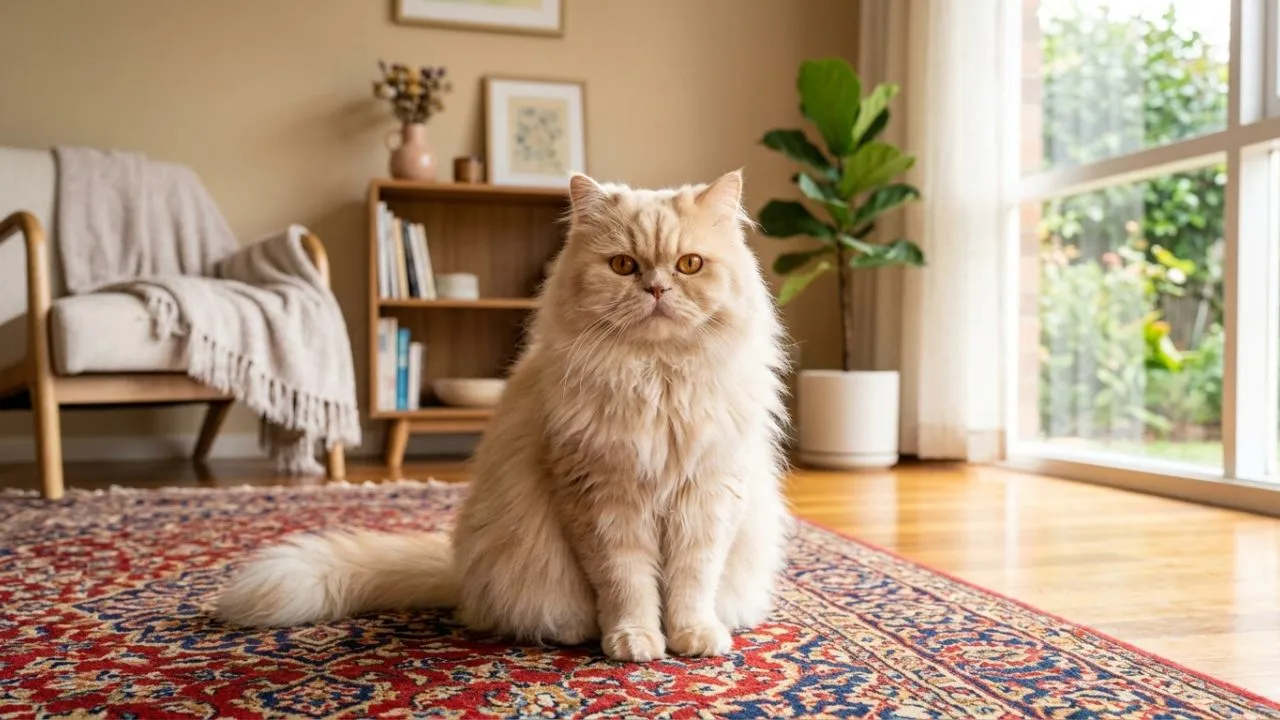
Persian cats are recognized for their luxurious long coats, short nose, and peaceful disposition. They flourish in comfortable indoor settings where noise and sudden changes are kept to a minimum. Although they may be reserved around unfamiliar visitors, they often develop deep attachments to their families.
According to Purina, Persians generally prefer watching household activity from a cozy spot rather than joining boisterous games. That gentle, quiet nature is one reason they tend to suit calmer households and can be especially comforting companions for older owners.
They can coexist with other pets, especially those with similarly gentle temperaments, and are less likely to initiate confrontations or enjoy rough play.
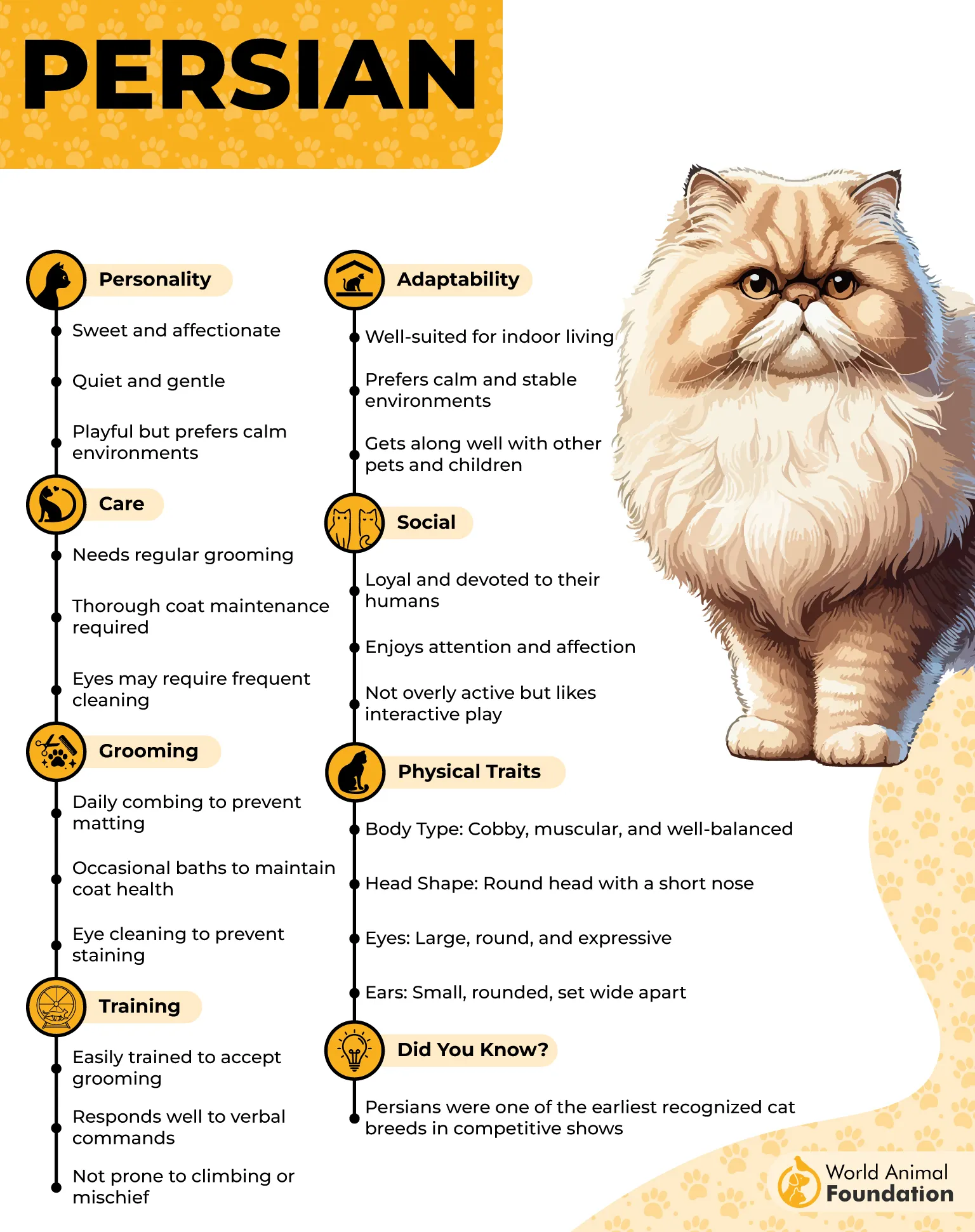
Their thick coats require frequent grooming to prevent tangles and maintain their condition. Regular brushing, comfortable resting areas, and predictable routines help these cats feel secure in shared homes without overwhelming their preference for a quieter lifestyle.
They can also be left alone occasionally more easily than some highly social breeds, though they still need regular care and attention.
How This Breed Stands Out
Prefers calm indoor environments: Their mild-mannered personality suits peaceful homes with respectful animal companions.
Independent lounging habits: Persians enjoy relaxing in comfortable spots and observing other pets without constant interaction.
6. British Shorthair
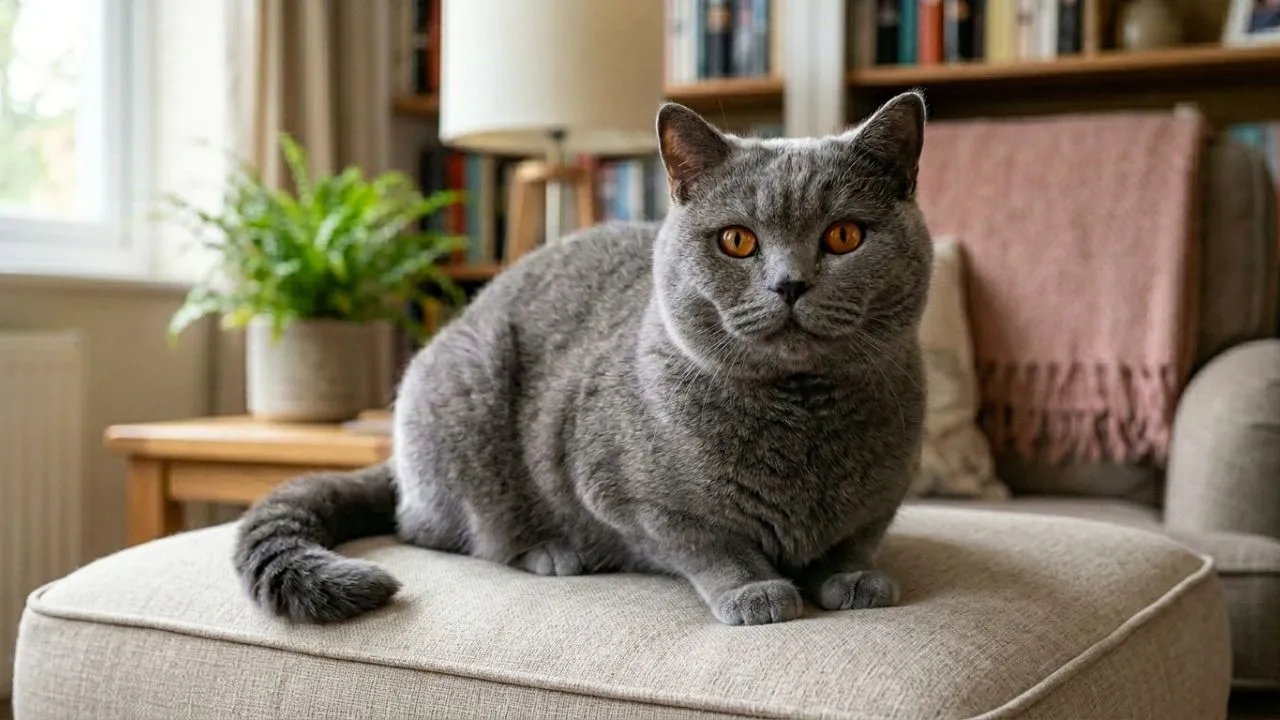
British Shorthairs are calm, confident cats that appreciate companionship without needing constant attention. Their independent nature, short coat, and steady temperament can make them suitable for multi-pet homes, and they’re often considered a low-maintenance cat that prefers peaceful interactions over boisterous play.
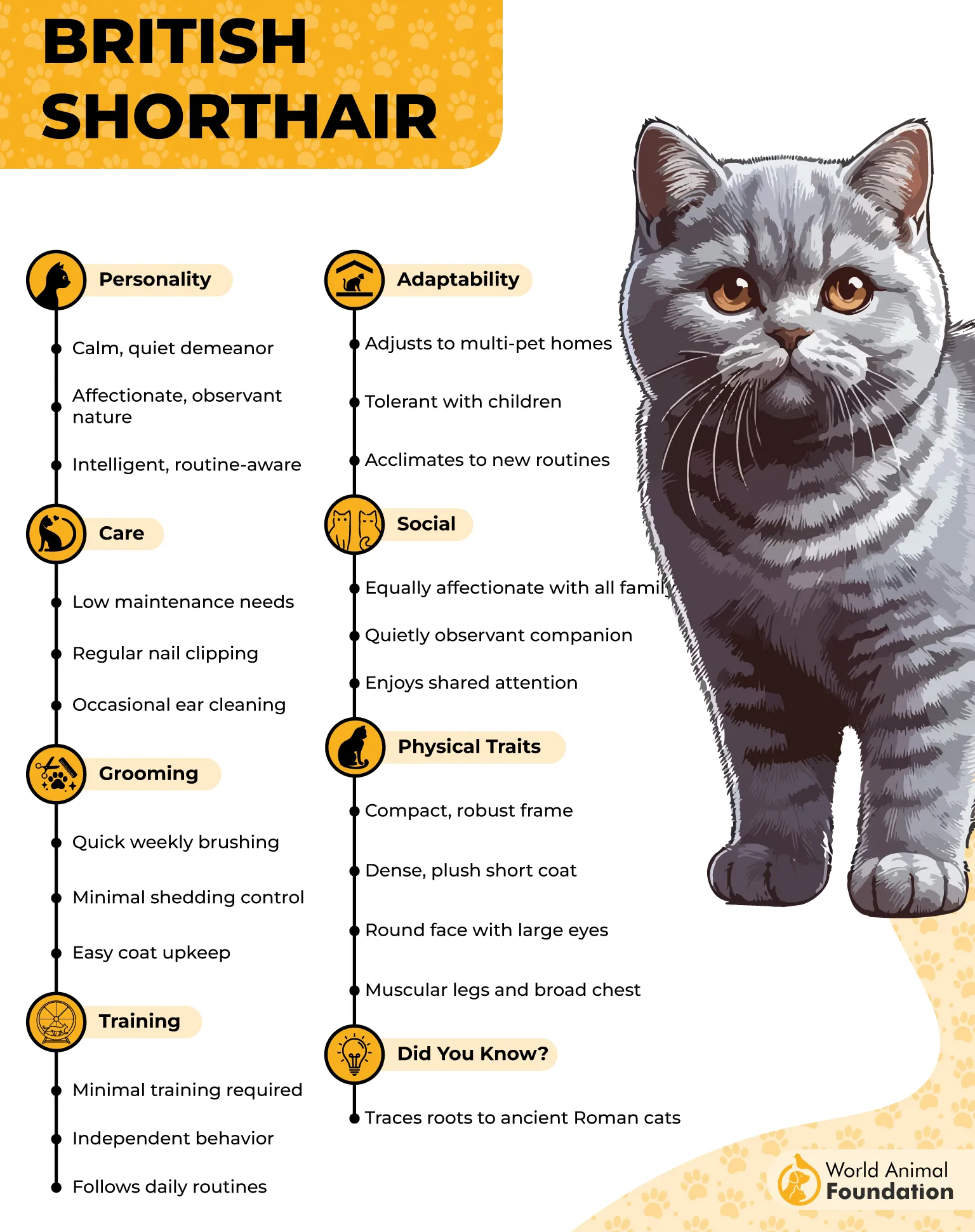
Rather than demanding cuddles, these cats often show affection by sitting beside their owners or quietly following them around the house. They are typically tolerant of other pets and can adjust to sharing their space when introductions are handled gradually. They can spend more time on their own than some clingier breeds, though no cat should be left alone too long.
British Shorthairs benefit from short play sessions, puzzle toys, and predictable daily routines. Many become even more laid-back as they get older. Their dense, plush coats need regular brushing, while comfortable resting areas allow them to retreat whenever they want some quiet time.
How This Breed Stands Out
Comfortable with personal space: They enjoy being near family members without requiring constant physical contact from people or other pets, and their dense coat is relatively low maintenance compared with longer-haired breeds.
Unflappable, easygoing demeanor: Their patient, confident nature can help them adapt to a shared household with respectful animal companions, making them a good fit for homes trying to avoid cats that get into trouble out of boredom.
7. Russian Blue
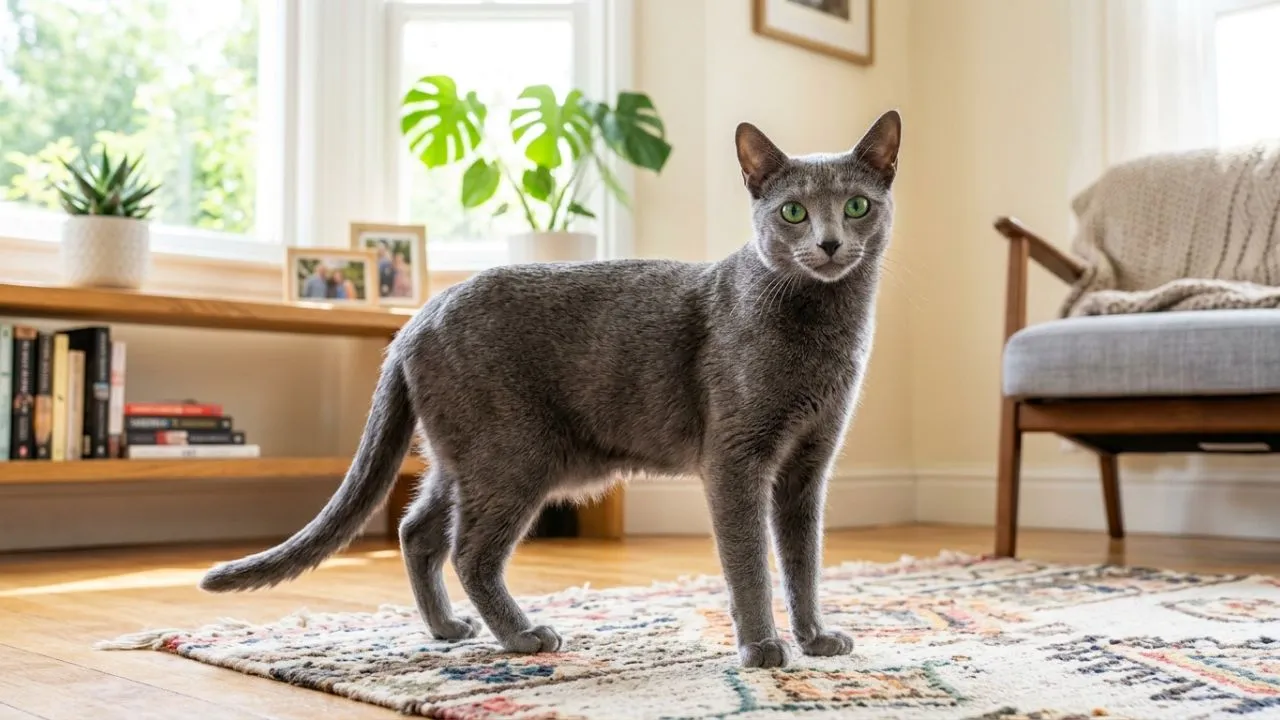
With their plush, silver-tipped blue coats and vivid green eyes, Russian Blues have a distinctive appearance matched by a thoughtful, sensitive temperament. They prefer peaceful surroundings and tend to observe household activity quietly rather than rushing into the middle of it.
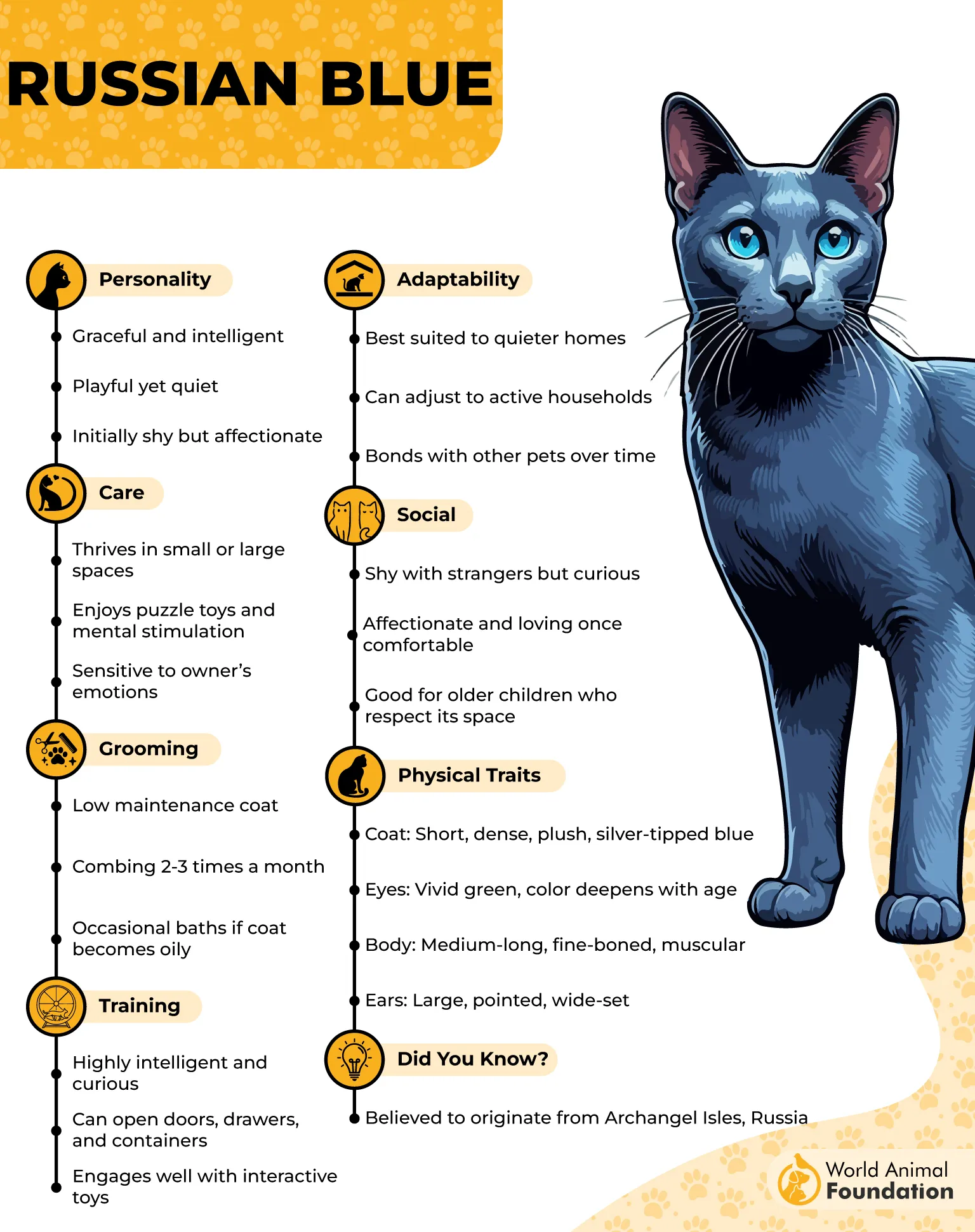
According to PetMD, these intelligent cats form strong attachments to their favorite people, often staying nearby without constantly seeking physical affection. Although they may be shy around strangers, they often stay close to their humans once they feel secure, and gentle treatment with time to settle can help them become comfortable with family members and other pets.
Russian Blues value consistency, so predictable feeding times, familiar resting places, and gradual introductions are especially helpful when adding another animal to the household. Sudden changes may unsettle them, making a stable indoor environment important for their comfort.
How This Breed Stands Out
Quiet, predictable household habits: They appreciate familiar routines and peaceful spaces where they can relax undisturbed.
Reserved but affectionate once settled: They may take time to trust others but often develop deep bonds with people and compatible pets.
Conclusion
Choosing the right cat for a multi-pet household depends on temperament, activity levels, and the need for companionship, so this list focuses on breeds with traits that often suit life inside and shared households, including some of the best house cats for multi-pet living.
Regardless of breed, successful cohabitation requires gradual introductions, separate resources, and safe places for every pet to retreat. Understanding each animal’s personality and respecting its boundaries can help create a comfortable, harmonious indoor home.
