




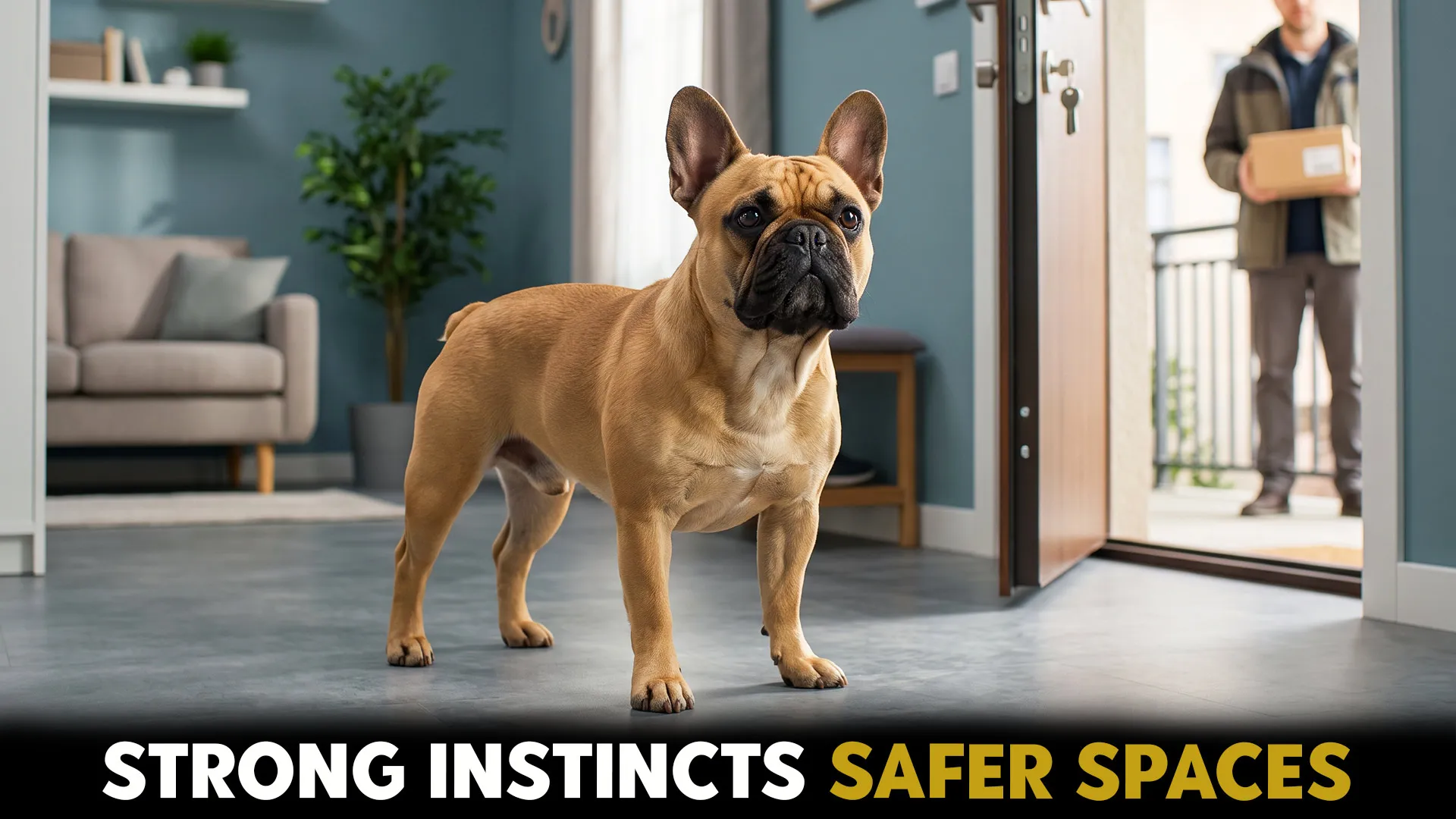
A safe home starts with more than strong locks and security systems. Sometimes, a loyal, alert dog can provide an extra layer of protection while bringing comfort and companionship to the family.
The most reliable guard dogs combine confidence, intelligence, and an instinct to protect their territory without becoming unnecessarily aggressive. From powerful guardians to watchful family dogs, these seven breeds stand out for their ability to help keep living spaces secure.
Think of David Bowie’s line: “We can be heroes, just for one day.” For many dogs, every day at home is hero day, whether they are alerting you to a delivery or simply keeping your slippers company.
Below are seven reliable breeds known for steady temperaments and comfortable indoor lives. Some are small and snuggly. Others are surprisingly calm giants. All can bring real companionship to a secure living space.
Most Reliable Dog Breeds for Secure Living Spaces
1. Rottweiler
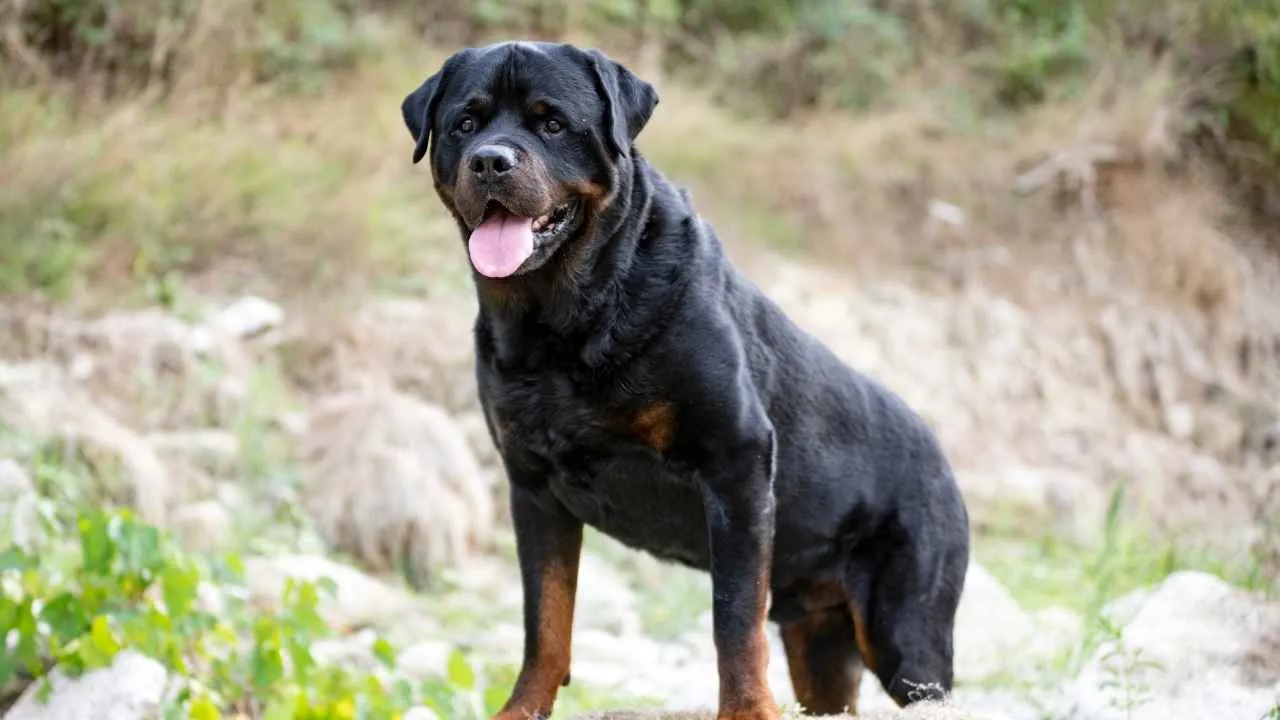
The history of the ancient breed dates back to ancient Rome, where it was used to herd livestock. The breed then made its way to Germany, where it was adapted to pull heavy meat carts to the markets. Also known as the Rottweiler Metzgerhund, the calm companion is widely used as a protective dog, messenger dog, and therapy dog, according to Orvis.
Descended from the Molosser breed, the individual dog has a strong jaw structure, allowing it to maintain a powerful hold and crushing bite force. The agile working breed has explosive speed. It adopts the ‘wait-and-see’ strategy and does not react until it is sure of an actual threat.
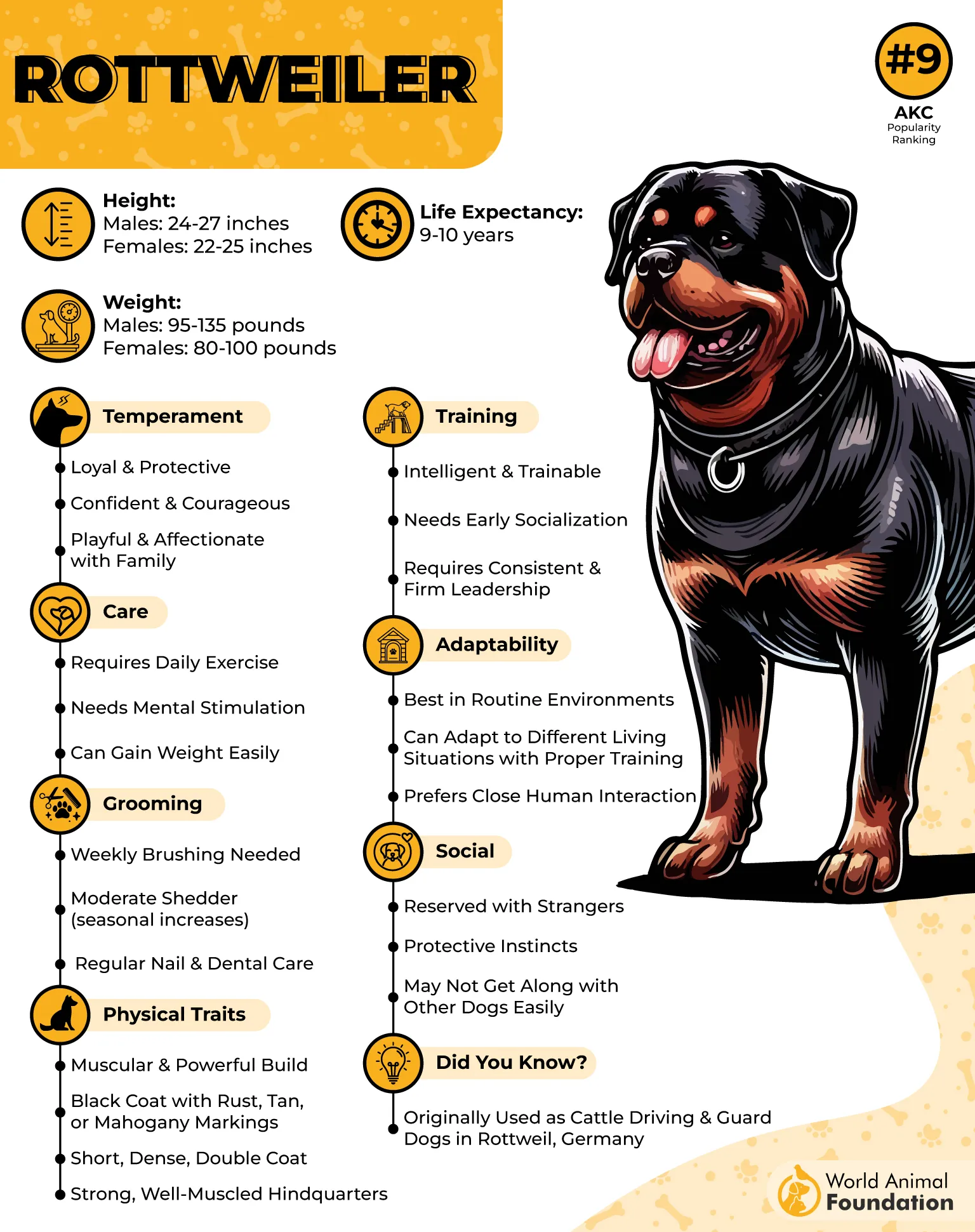
Because of its strong territorial instincts, this extremely intelligent dog naturally patrols the perimeter. It has a calm temperament and forms strong bonds with the owner’s family while remaining aloof towards strangers.
2. Doberman Pinscher
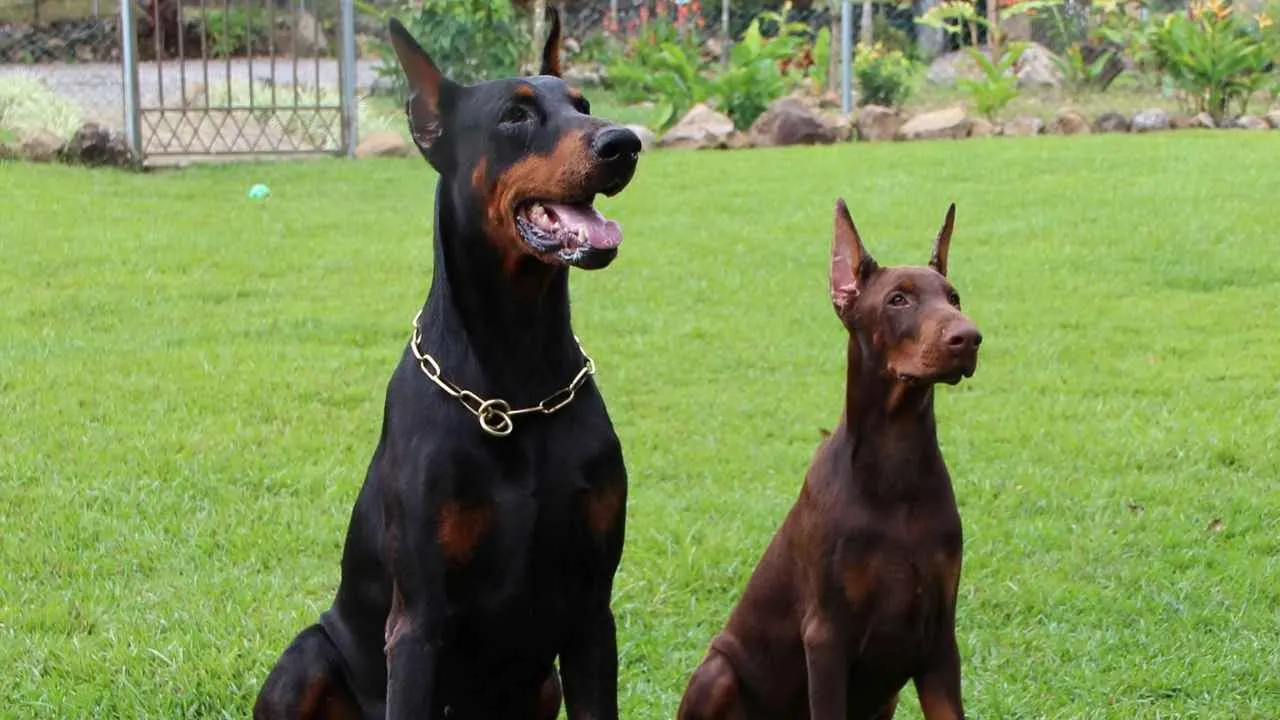
This dog was developed by a German tax collector, Karl Friedrich Louis Dobermann, in the 19th century as a protection dog. Bred as an intelligent and loyal companion, the breed is thought to have descended from the Black and Tan Terrier, German Pinscher, and Rottweiler.
Because of the optimal weight-to-height ratio, the dog is heavy enough to overpower an adult human. It has a strong bite force of 305-308 PSI, and the wedge-shaped muzzle provides maximum physical leverage. High intelligence makes it actively read body language and facial expressions.
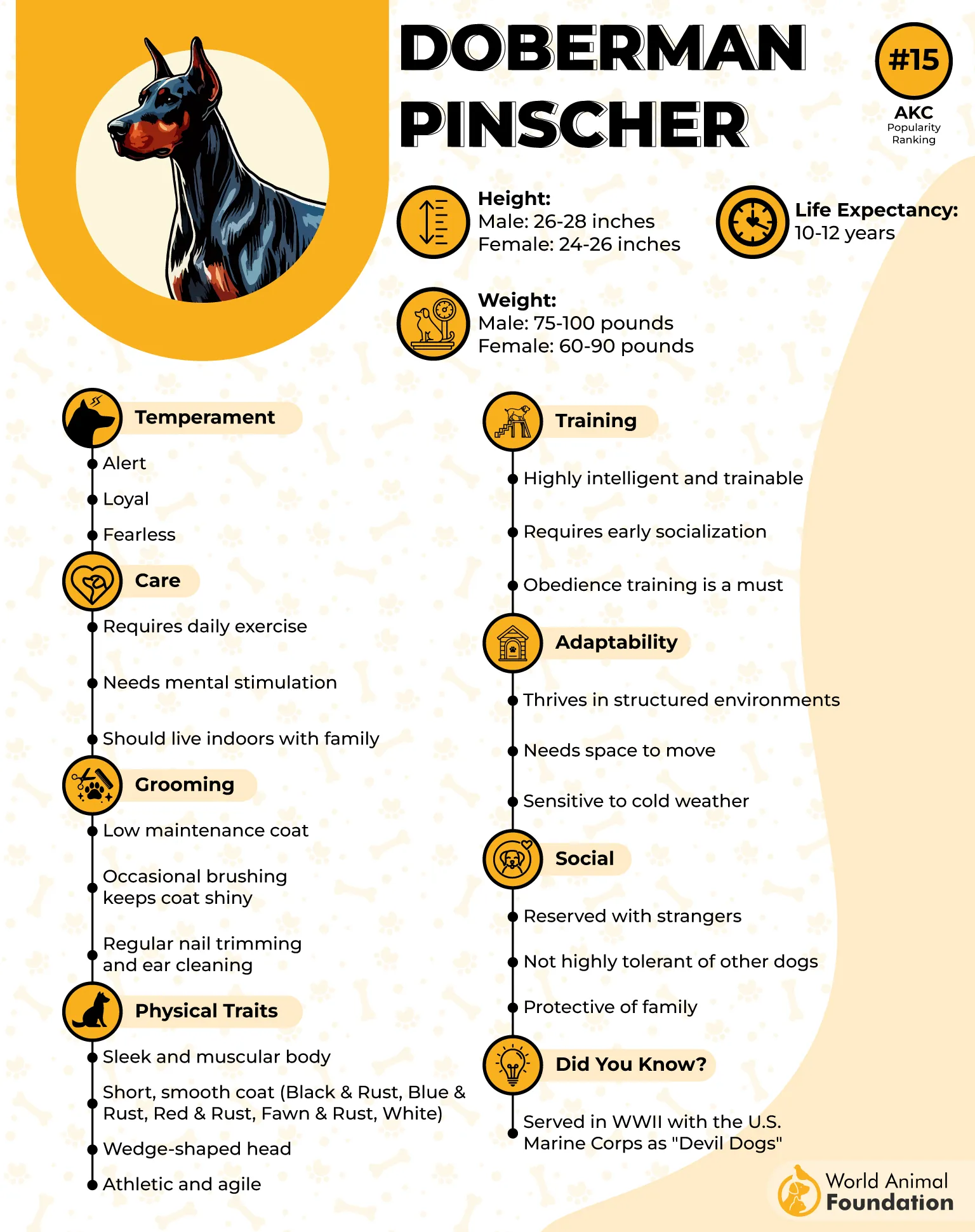
The dog has a strong, controlled impulse and can stop mid-charge or freeze on a dime to check back with the handler. The guard dog tends to sleep lightly at the primary structural thresholds.
3. Newfoundland
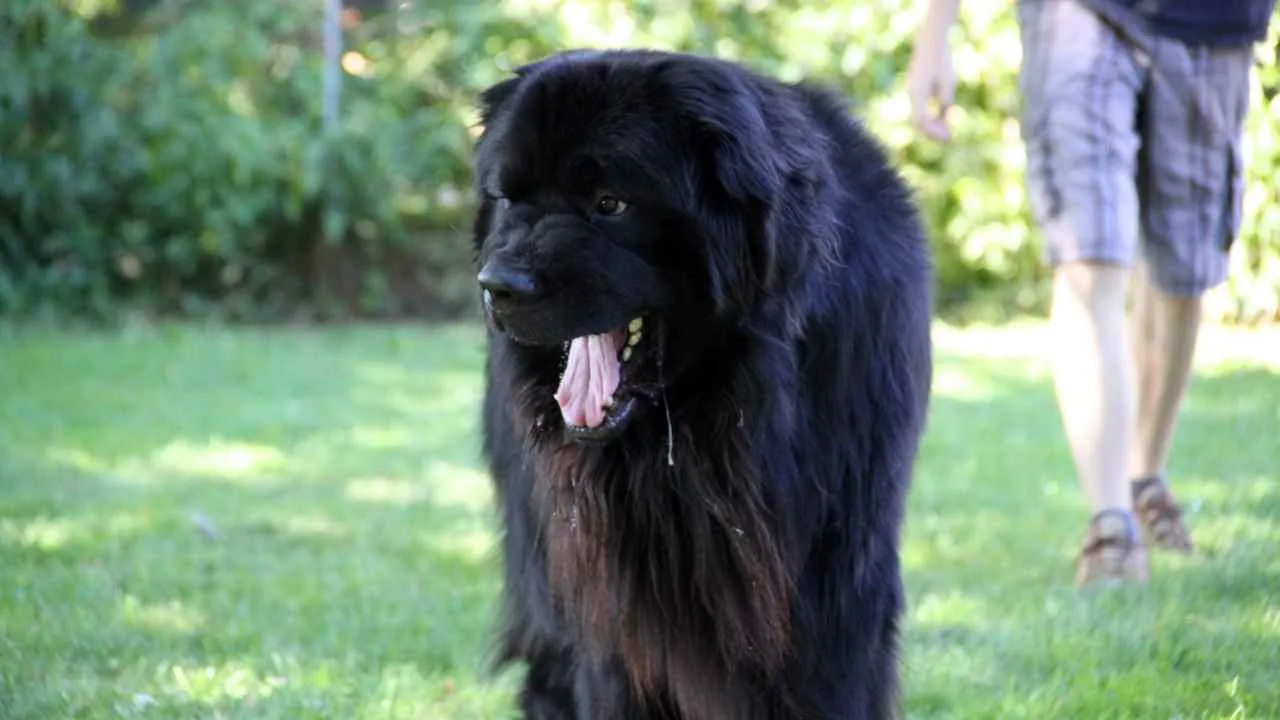
The gentle giant was originally developed in Canada to help fishermen. The recorded traces of the great apartment dog date back to 1775. It was historically used for cart pulling, backpacking, and water rescue. It thrives in cold climates and water, according to Hill’s Pet.
The breed grows rapidly during early years, and the metabolism slows down once it reaches adulthood. Built exclusively for endurance, the dog has a high threshold for reactivity. Not a so-aggressive barker, the large dog is extremely vigilant and scans the environment continuously. It has an ingrained instinct to physically retrieve and protect by visual deterrence.
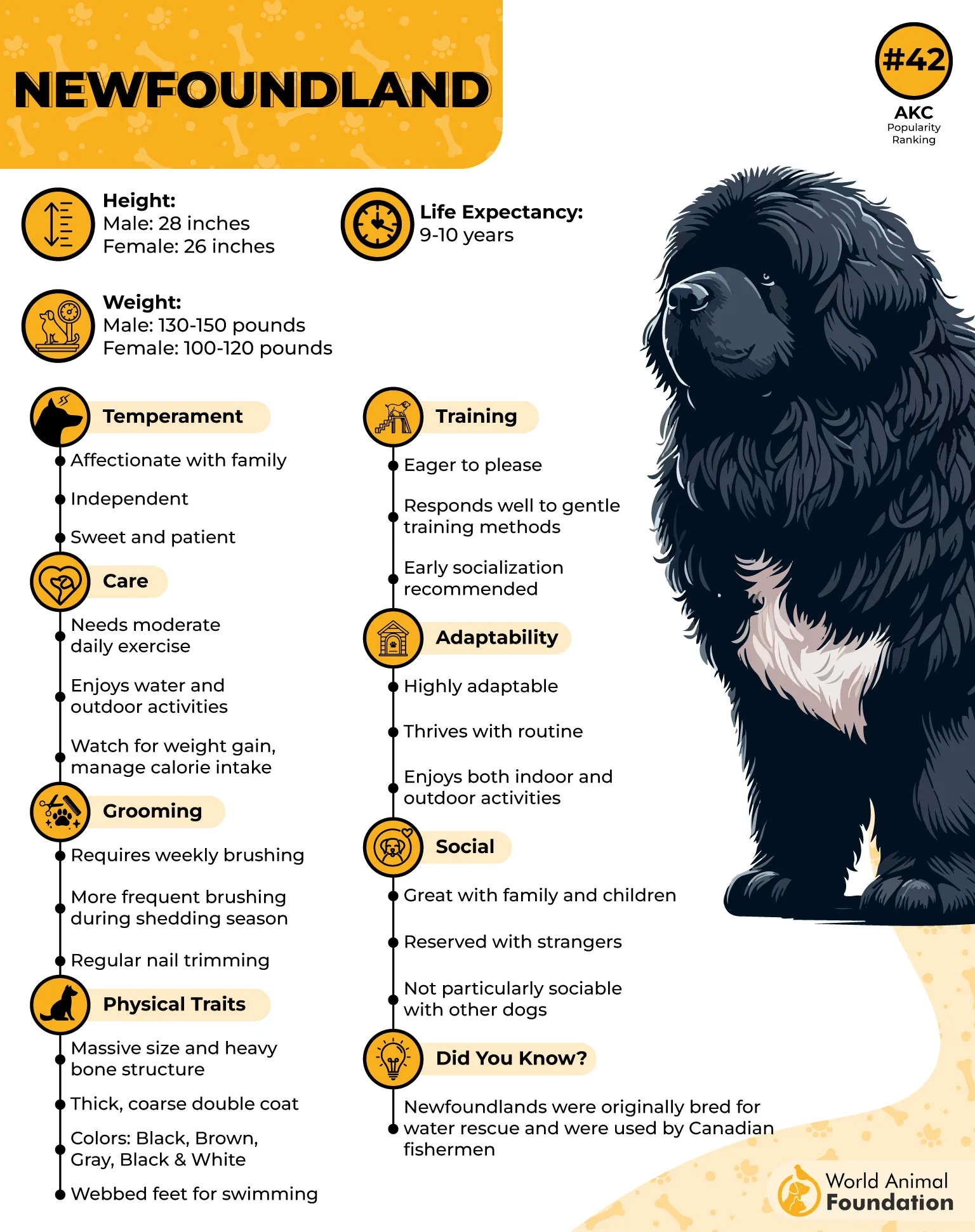
It uses its 130-150 pounds of giant physique as a body blocker and utilizes its herding instincts by leaning its body against the human companion. It also silently patrols the perimeter to look for an intruder.
4. German Shepherd
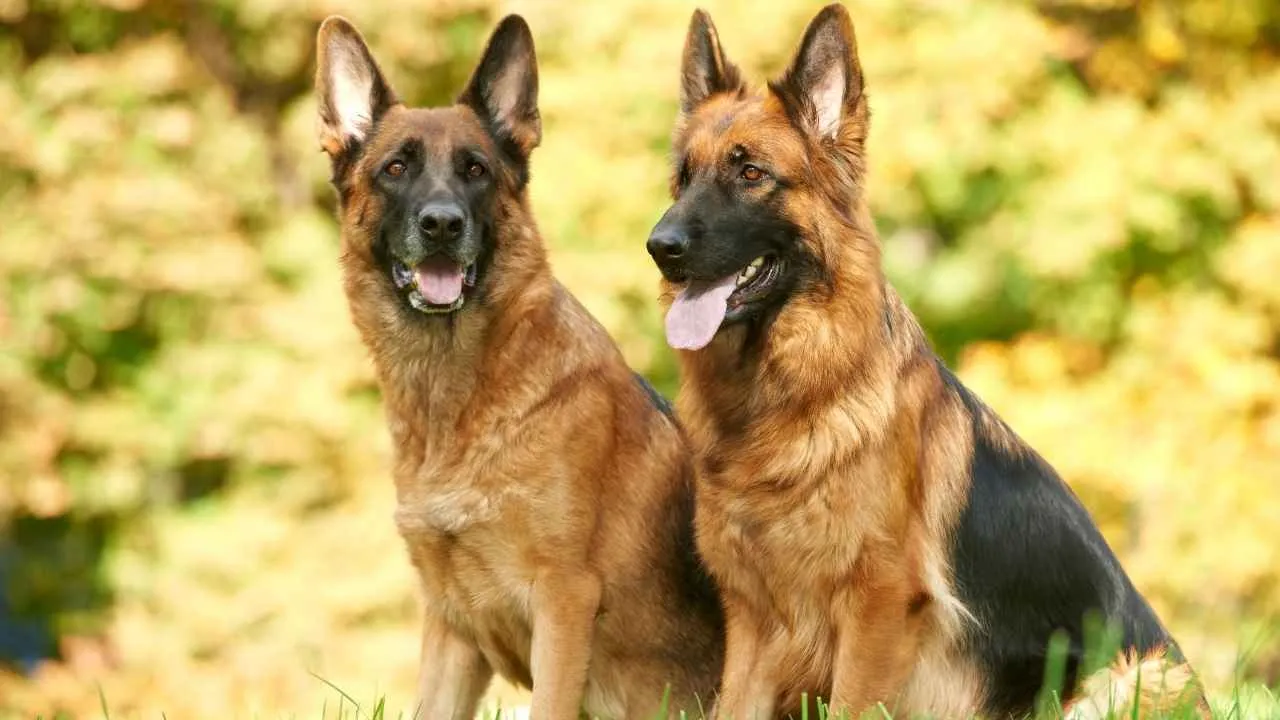
This medium-sized dog was bred by Captain Max von Stephanitz in Germany as a herding dog. The third most intelligent breed in the canine kingdom, the GSD can clearly differentiate between unfamiliar sounds and known sounds. The German Shepherd is widely used as a therapy dog, service dog, detection dog, and guard dog.
The large and erect ears act as an acoustic funnel. The weather-resistant double coat protects the breed from external stimuli and harsh weather conditions. The high adaptability makes it highly suitable for all family environments: apartment dwellers and rural living. The breed has a high threshold for reactivity and tends to stay calm under stressful situations.
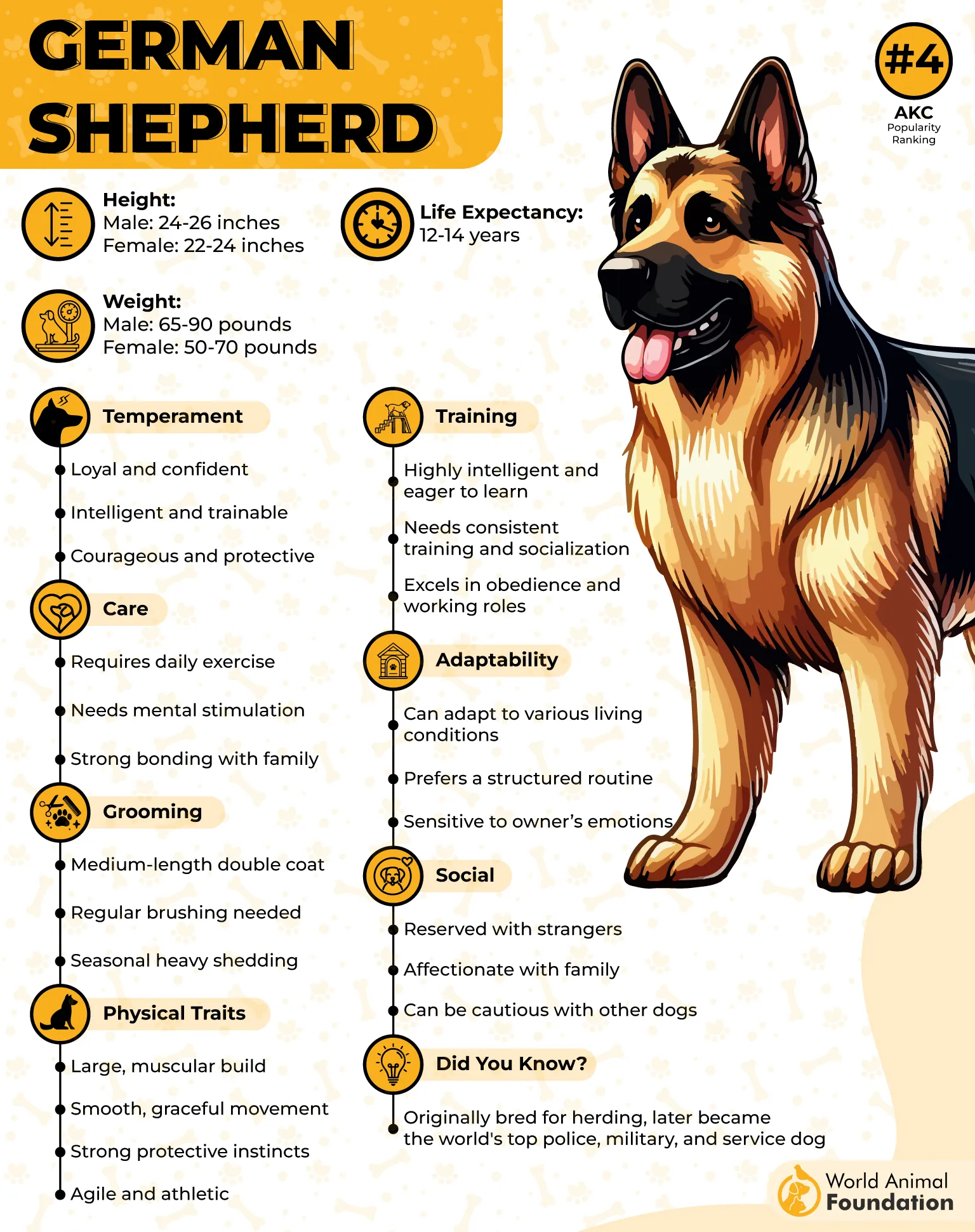
It creates a passive visual deterrence using an imposing posture and a focused gaze. Because of its exceptional bite-and-release control, the breed excels in obeying verbal commands from the handler.
5. Mastiff
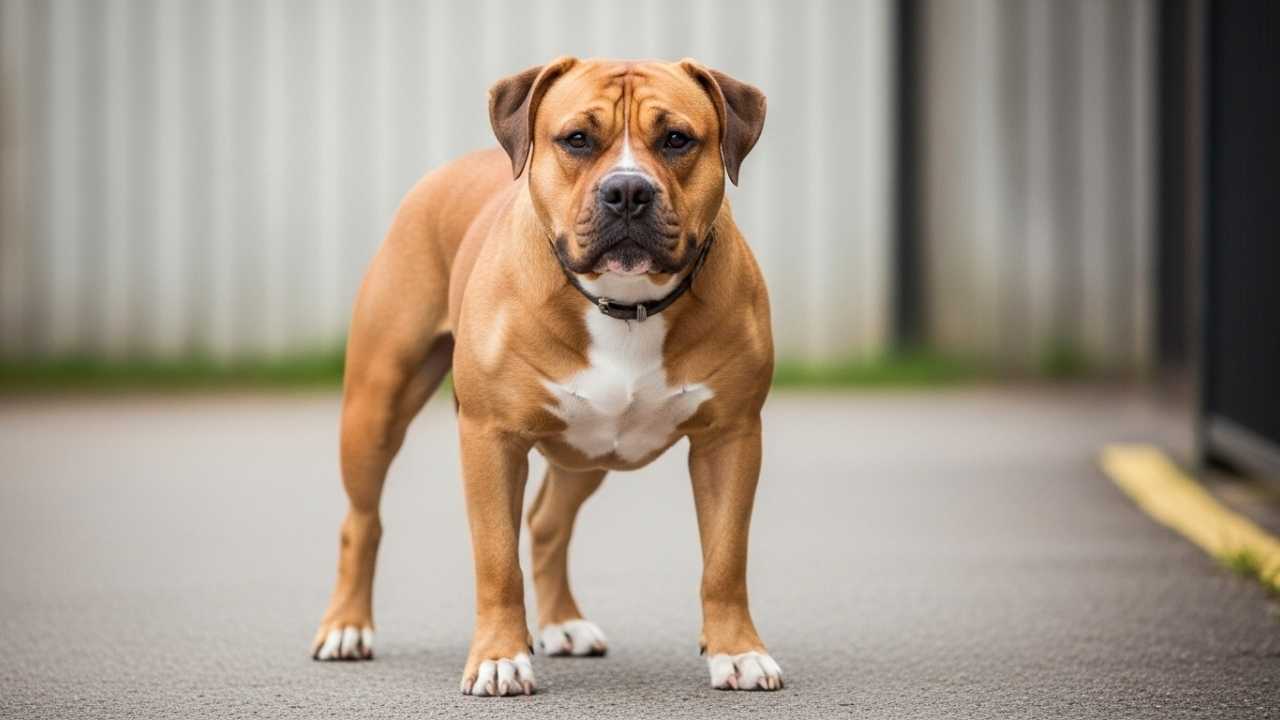
The large dog is known for its low-set tail, a short coat, large feet, a broad muzzle, and a big skull. The history of the ancient breed dates back 3,000 years in Asia and Europe. The primary purpose of the breed was to serve as a protective dog breed, as reported by Wikipedia.
The rectangular body is built for stationary and low-impact power. The breed is naturally aloof of unfamiliar entities, but instead of reacting aggressively, it tends to keenly assess the situation first. Since it has a low prey drive and reacts slowly, the breed is highly reliable for children and multi-pet households.
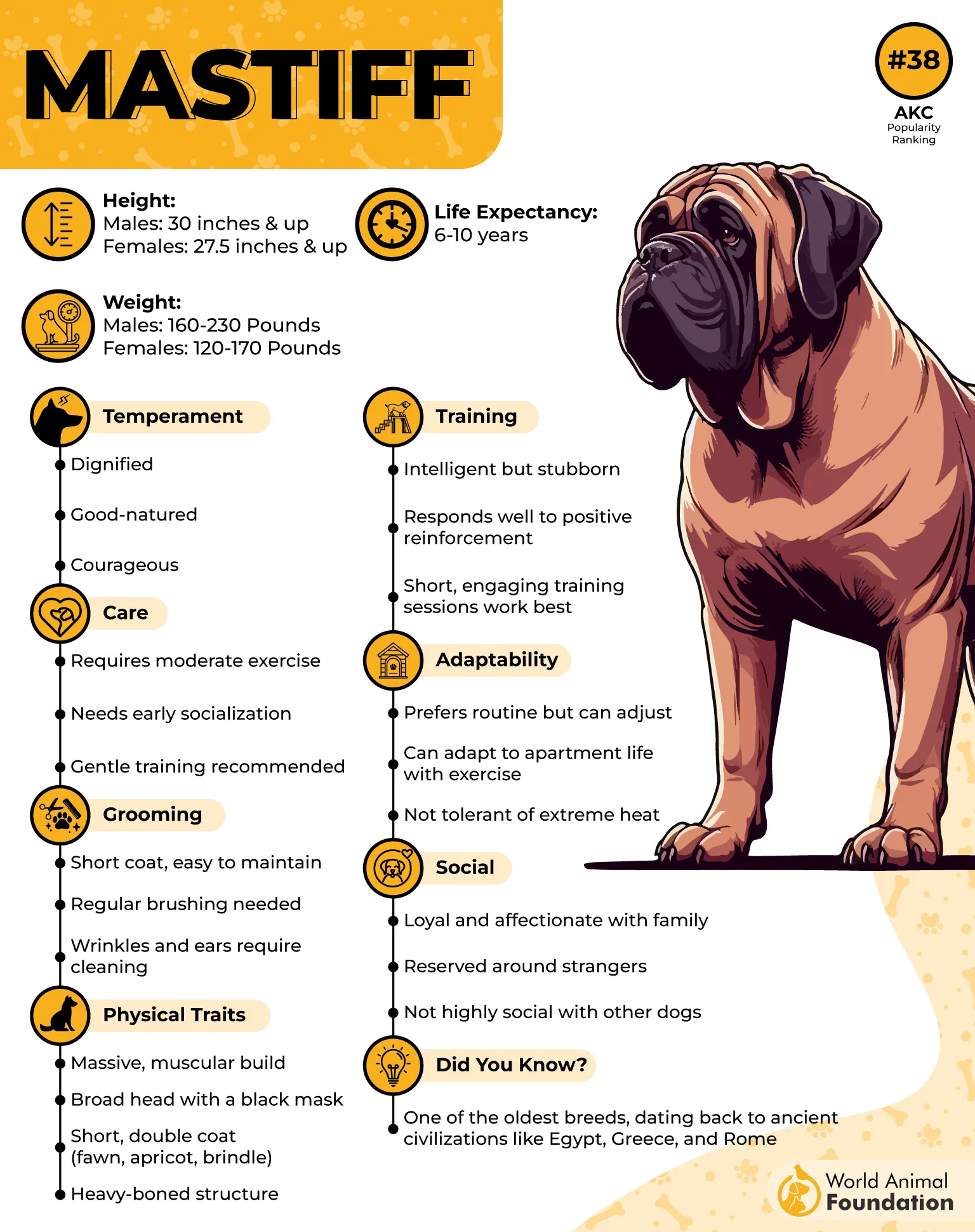
The best dog breed has an instinct to corner and pin the intruder non-aggressively, providing a measured security response. It locks its eyes with the intruder and freezes to an alert posture
6. Saint Bernard
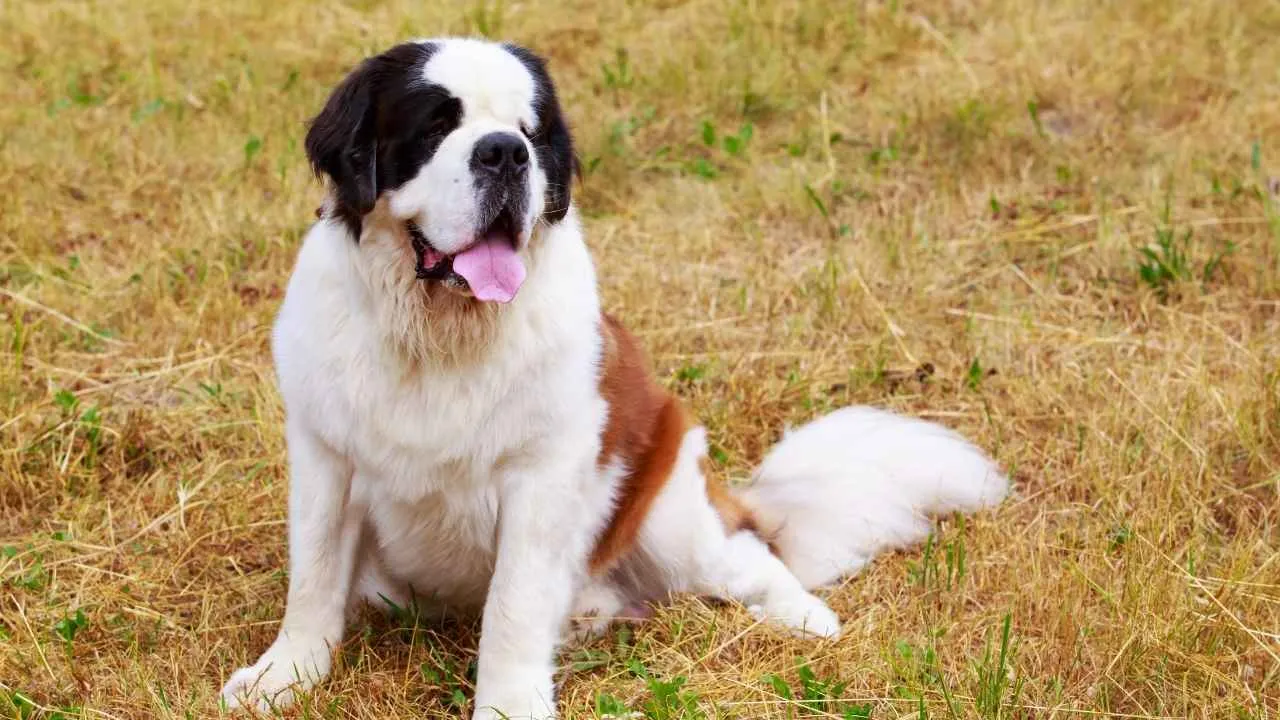
The history dates back to Switzerland in 1050, where the breed was originally developed by Bernard de Menthon at the monastery. Its primary purpose was to use its incredible sense of smell to find lost or injured travelers and save them. It was recognized by the AKC in 1885.
The breed exhibits a balanced gait, especially when indoors. It lacks erratic flight drive and thus rarely knocks over furniture. The dog is highly attuned to human emotions and approaches situations with calm assessment. Being an independent thinker, it tends to locate, dig out, and lie directly on the frozen individuals without the handler’s instructions.
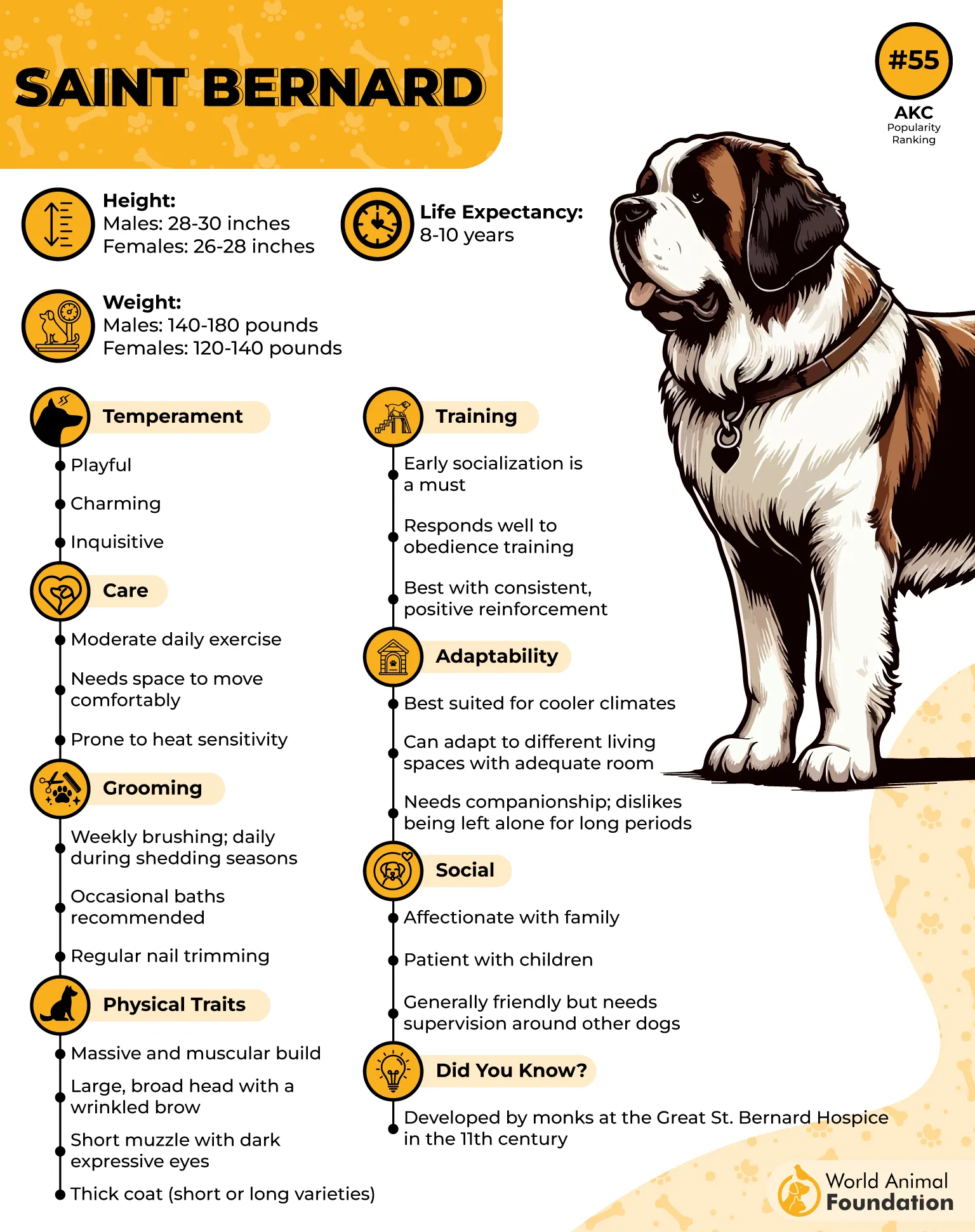
Also known as the nanny dog, it remains extremely patient and forgiving around kids and other pets. It swiftly transitions from a resting position to a fierce defender when it feels threatened.
7. Greyhound
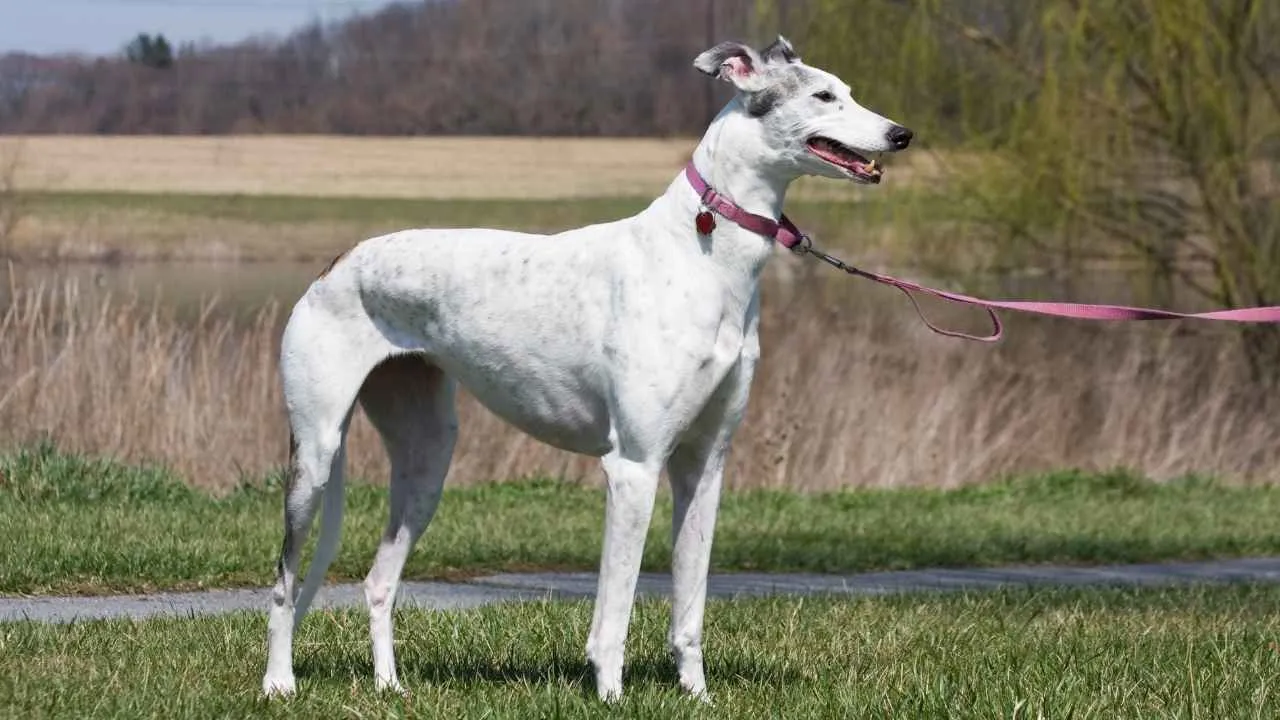
This old dog breed is thought to have developed in ancient Egypt and was used to hunt wild game. Later, it began to be used in lure coursing sports and was judged on the basis of agility, speed, and sharp focus. It was brought to America in the mid-19th century.
The dolichocephalic skull and lateral eye placement provide a 270-degree field of vision. It generally has a quiet demeanor but barks if it notices any anomaly. Also known as the 45 mph couch potato, the active breed may easily sleep up to 18-20 hours a day. It stays reserved around strangers and has strong protective instincts, making it a perfect fit for small living spaces.
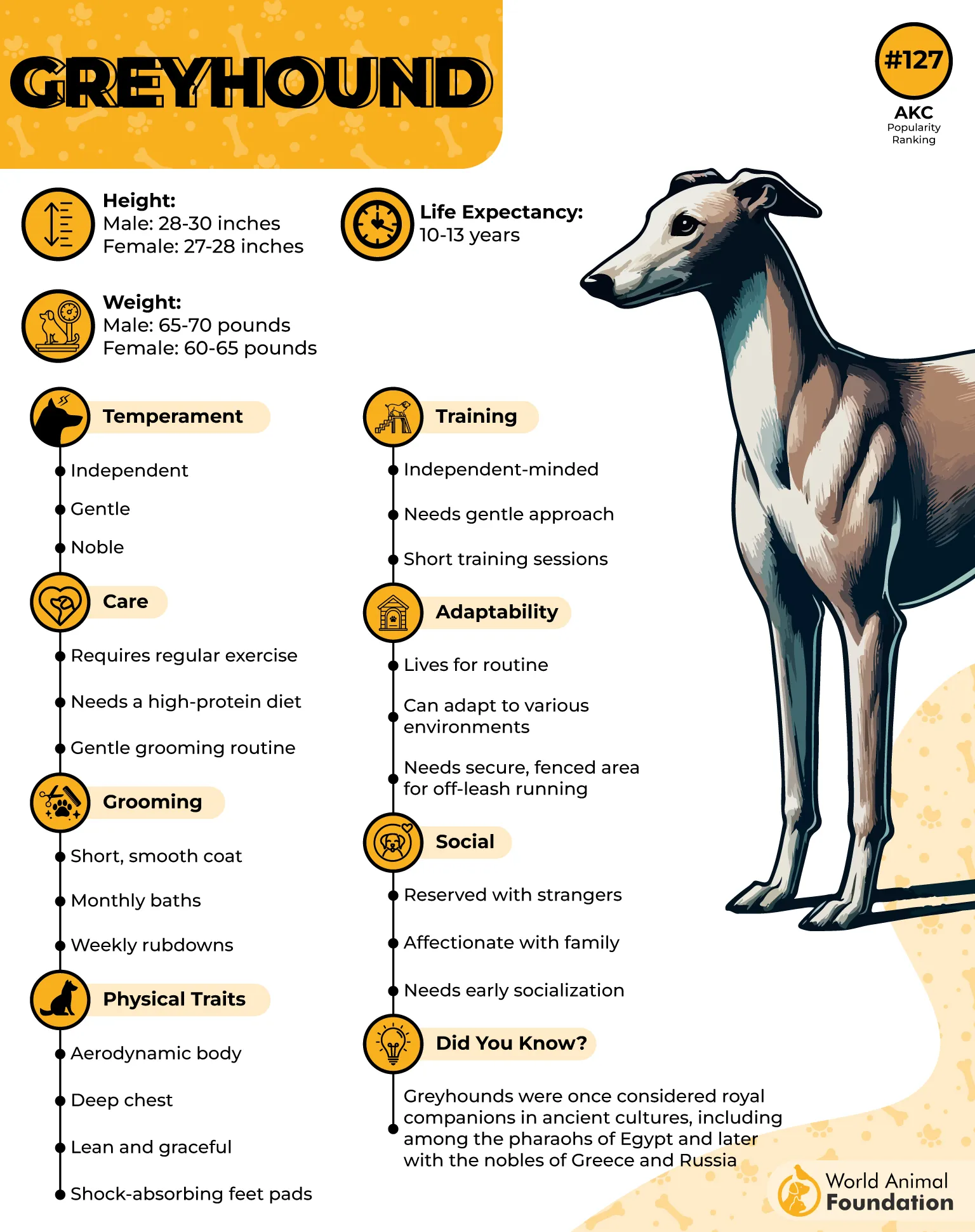
The aggressiveness towards humans and other dogs was selectively eliminated for hunting purposes. Instead of reacting defensively, the dog first withdraws itself to a safe space.
Conclusion
Choosing a dog for a secure, shared living space is less about finding a “perfect breed” and more about finding a compatible personality. A calm Bulldog, a loving Saint Bernard, or a sleepy Greyhound can bring comfort without turning your hallway into a concert venue.
The right companion will not only fit your space. It will make that space feel safer, softer, and more like home. And honestly, there is nothing better than coming back to a wagging tail that acts like you have been gone for years, even if you only stepped out for coffee.
