




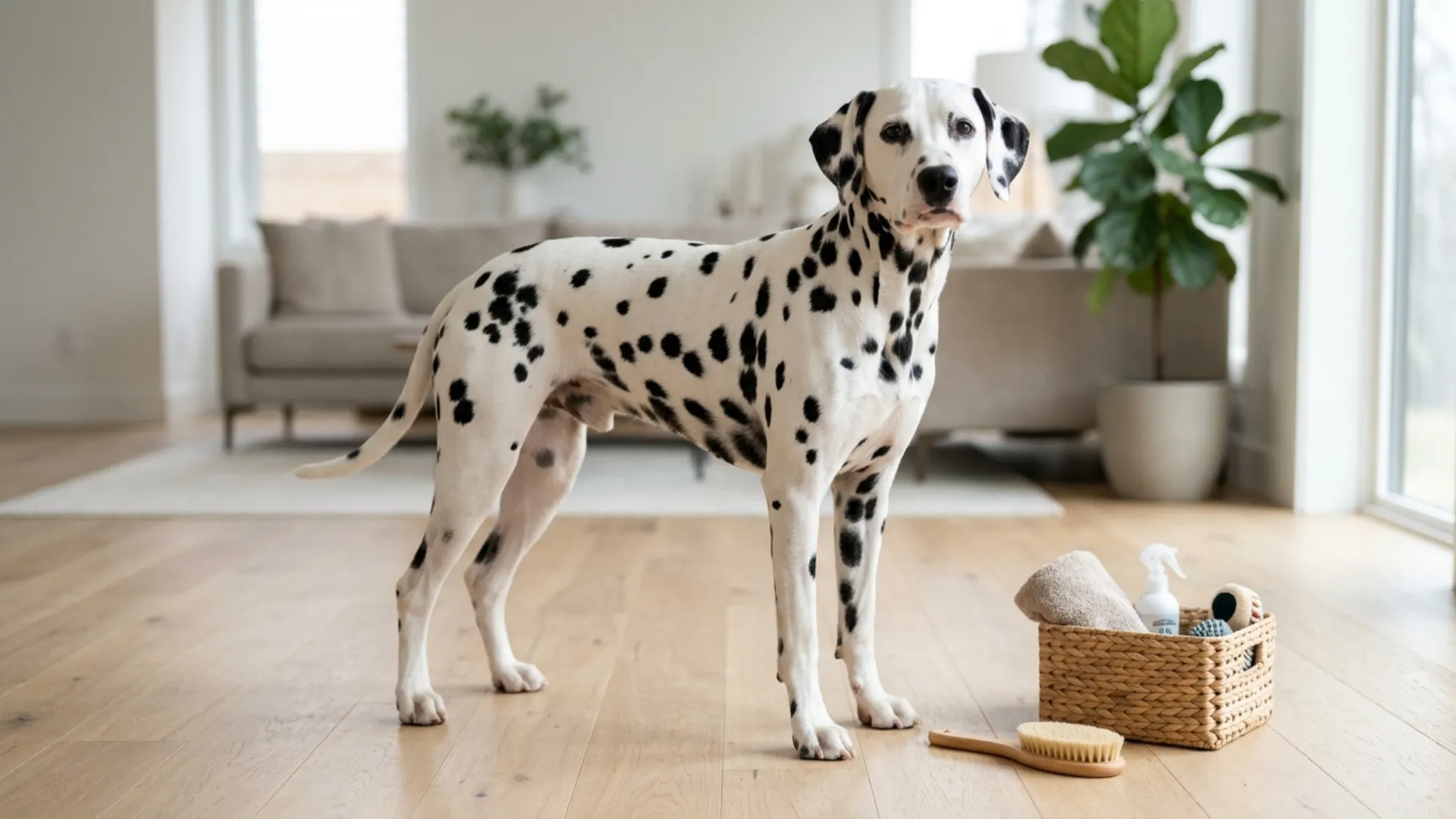
Love dogs but not the endless brushing sessions, tangled fur, and expensive grooming appointments? You’re definitely not alone, because plenty of pet parents want an adorable furry bestie without turning coat maintenance into a second full-time job.
Thankfully, some dog breeds have naturally short, sleek coats that make grooming much easier while keeping their look effortlessly stylish. However, short hair doesn’t automatically mean zero shedding or zero maintenance, because coat density, seasonal changes, and individual skin health all influence how much care your pup requires.
Ready to meet some top short-coated dog breeds for busy pet parents who love low care? Let’s go!
Top Short-Coated Dog Breeds for Busy Pet Parents Who Love Low Care
1. Basenji
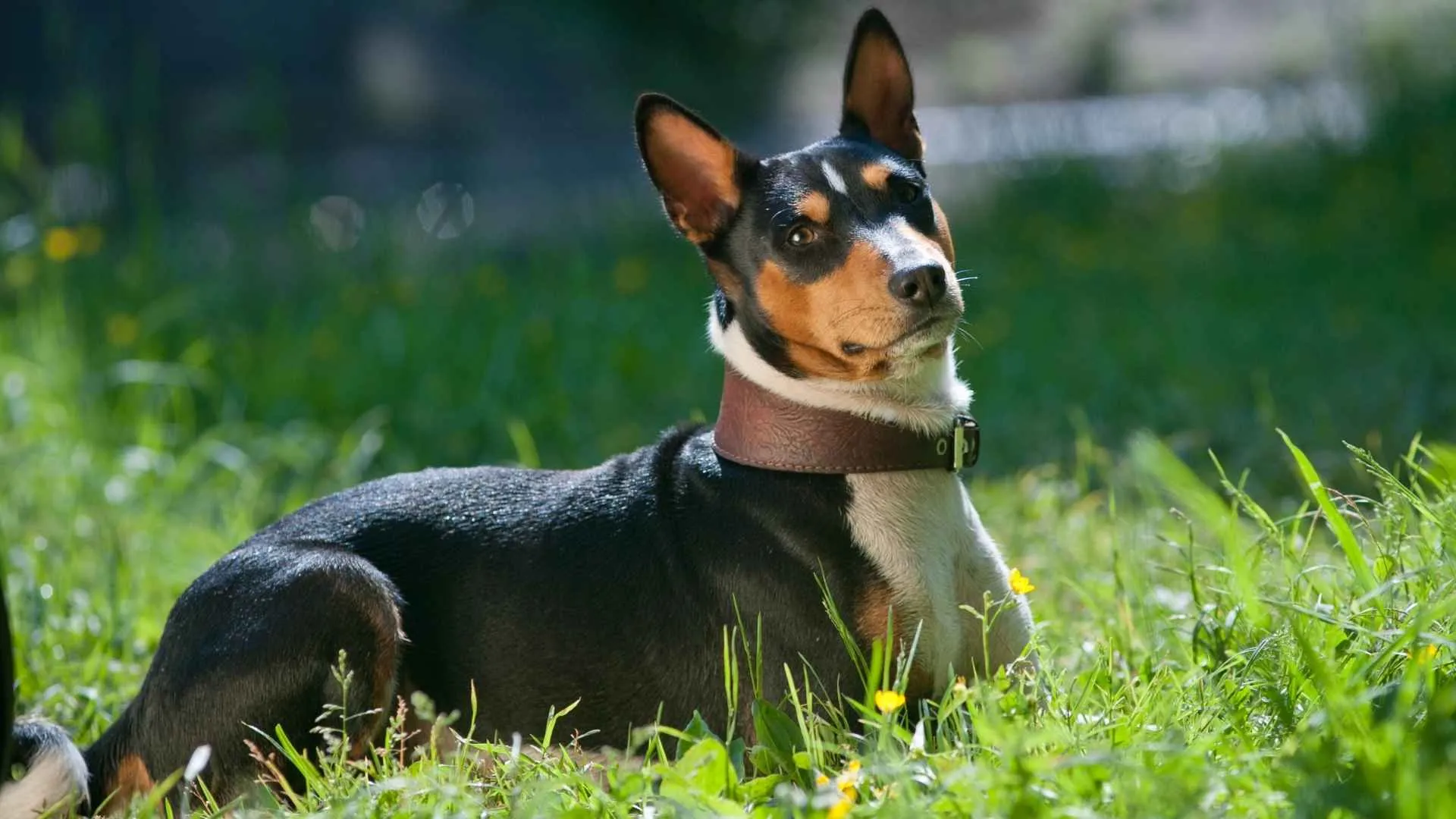
The Basenji is basically the minimalist fashion icon of the dog world, with a naturally sleek coat that looks freshly polished with minimal grooming. Originating from Central Africa, this low-maintenance dog has exceptionally short, fine hair that lies close against its athletic body, creating a smooth silhouette with almost no fluffy bulk.
One of the most fascinating things about the Basenji’s coat is its smooth texture, which helps prevent dirt and loose debris from becoming deeply trapped in long layers of fur. PDSA says their striking coat colors include rich chestnut red, pure black, tricolor combinations, and brindle patterns, usually accompanied by crisp white markings on the feet, chest, or tail tip.
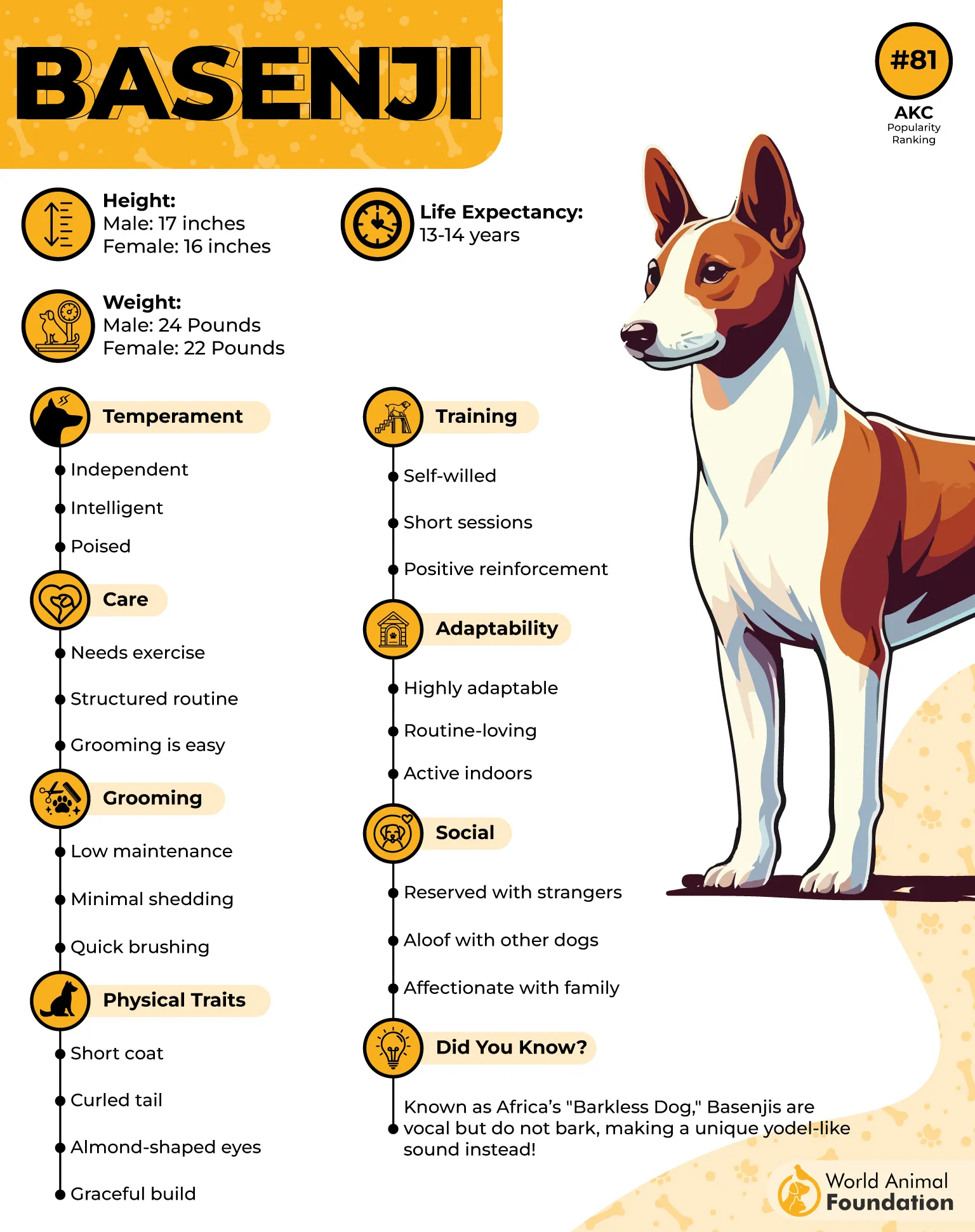
These energetic dogs also have a reputation for grooming themselves almost like cats, which is honestly iconic for a dog that already seems determined to do everything its own way. Owners frequently notice these independent little hunters licking their coats and keeping themselves relatively clean, although self-grooming doesn’t replace essential hygiene or veterinary care.
Their short, fine fur can make shedding less noticeable than in many heavily coated breeds, but Basenjis still shed naturally throughout the year. Because they lack the insulation of dense winter coats, they may appreciate protective clothing on cold walks, especially in chilly or wet conditions.
2. Beagle
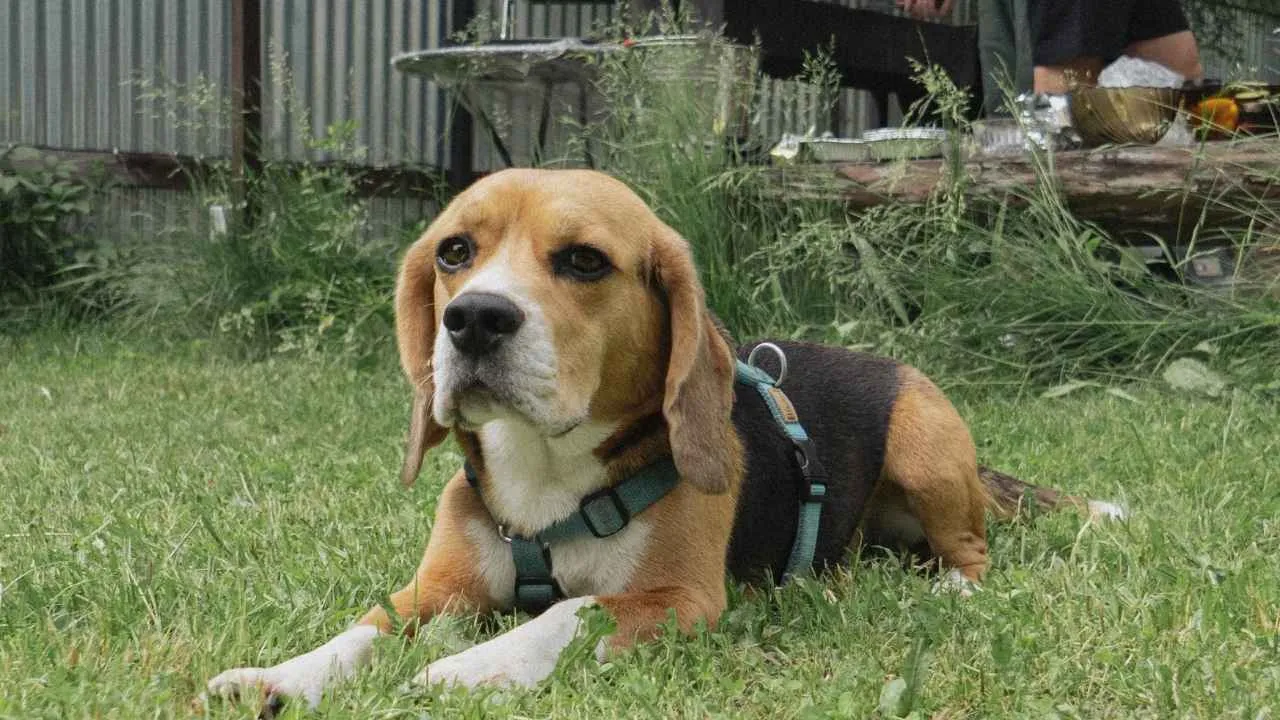
Beagles prove that a small dog breed can have an adorable, expressive face and a practical, easy-care coat without sacrificing personality. These cheerful scent hound dogs have short, dense double coats originally suited to outdoor work where their fur protected them from changing weather and rough vegetation.
A Beagle’s coat is typically firm, close-fitting, and remarkably simple to maintain because it lacks the long feathering and elaborate furnishings found on many other breeds. Their colors include classic black, tan, and white tricolor patterns, along with combinations featuring lemon, red, blue, brown, and other recognized hound shades.
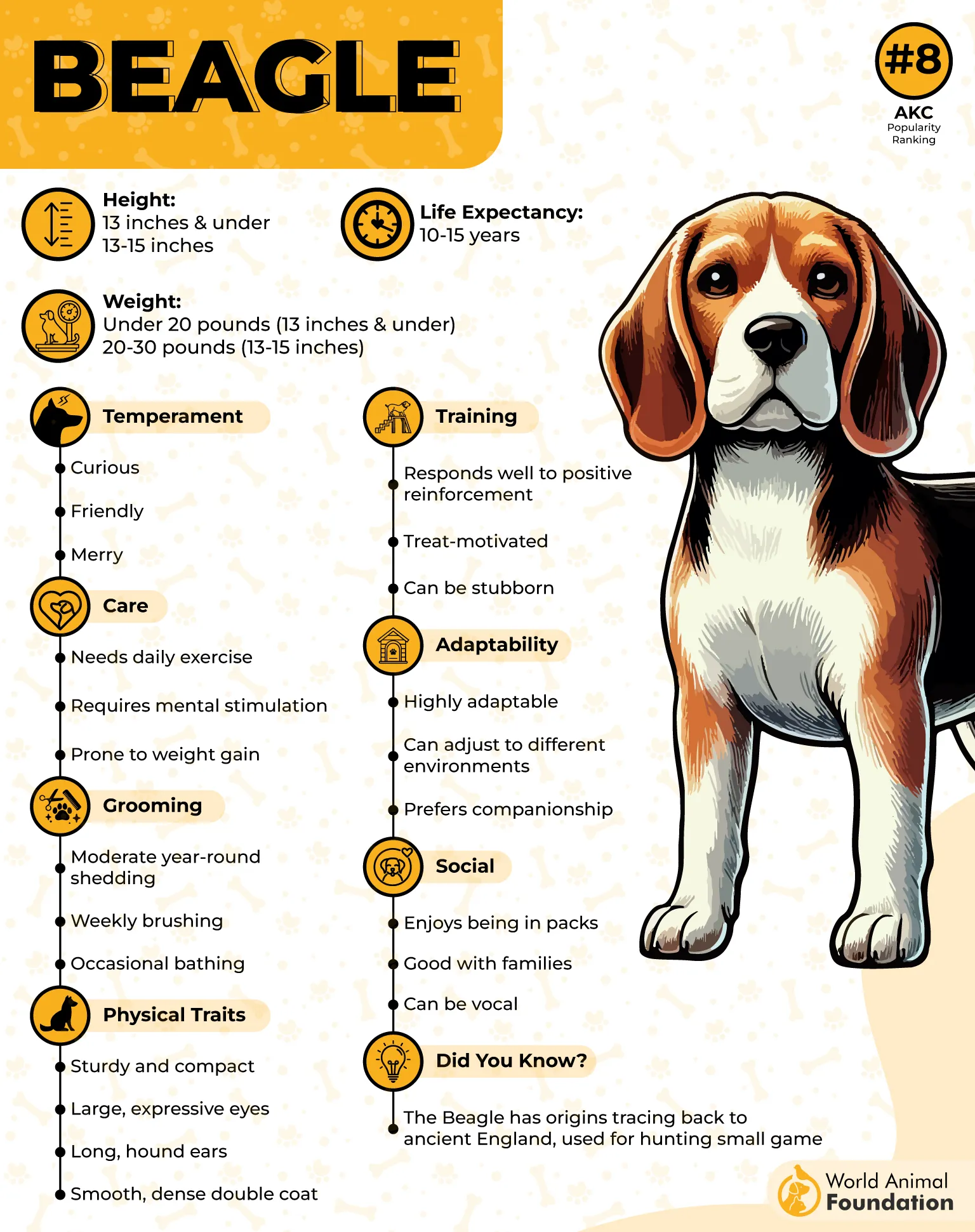
The biggest advantage of the Beagle’s short coat is how easily owners can remove loose fur, surface dirt, and everyday debris with basic grooming tools. A weekly brushing session using a grooming mitt or medium-bristle brush is often sufficient during ordinary periods, while more frequent brushing can help manage heavier seasonal shedding.
Of course, these companion dogs have a hilarious talent for following interesting smells straight into muddy patches, dusty corners, and occasionally something absolutely disgusting. Fortunately, their short fur makes cleaning up these questionable adventures manageable, because dirt is easier to spot and wash away than under thick, flowing hair.
3. Boston Terrier
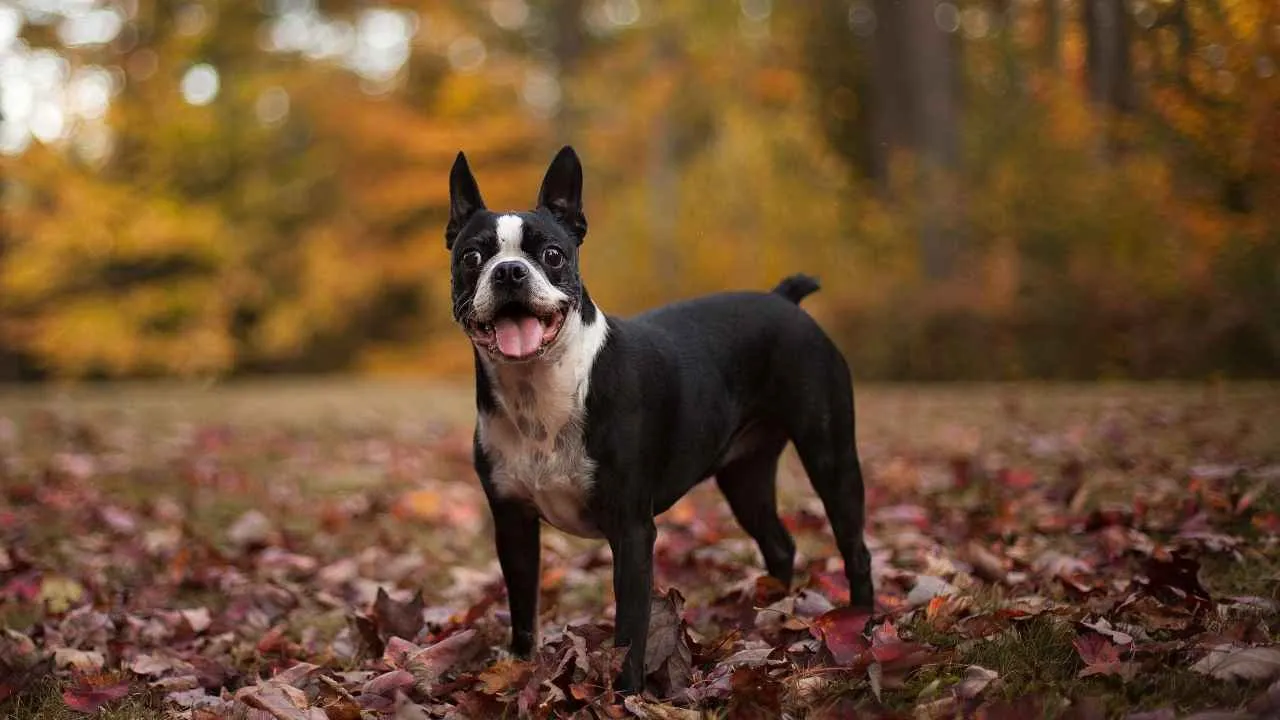
Boston Terriers are a compact breed with fine, smooth, glossy hair. Their coats commonly feature black, brindle, or seal coloring combined with white markings, giving them an elegant look without requiring complicated grooming appointments.
Unlike fluffy breeds that need regular trimming around their faces, legs, and paws, they have short hair that rarely develops tangles or mats, making pet ownership easy. Their fine coat texture means a gentle brushing session can remove loose hair and surface debris without extensive detangling or specialized equipment.
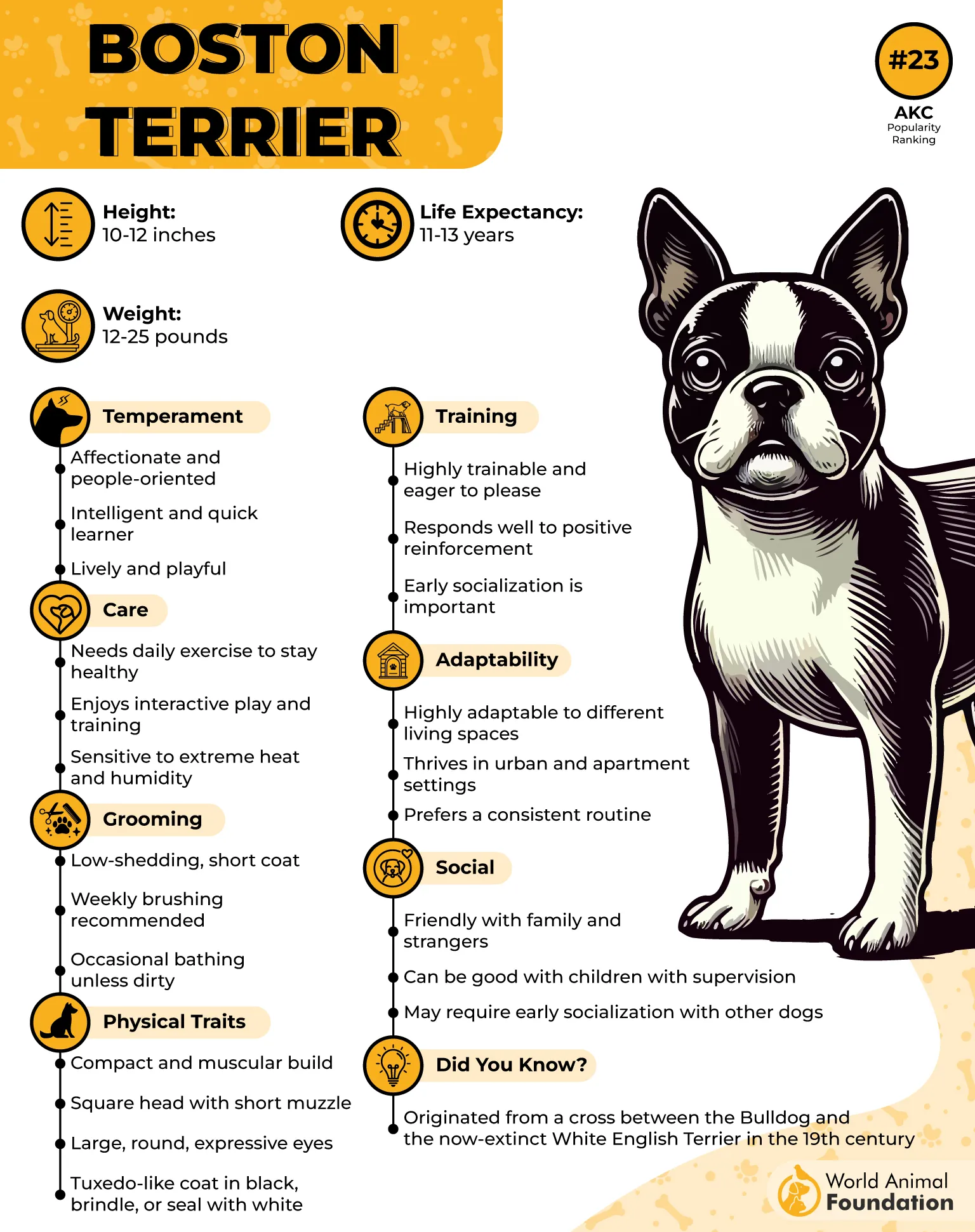
Purina says another advantage of the Boston Terrier’s sleek coat is how quickly everyday grooming can fit into a busy schedule. A soft grooming mitt or gentle bristle brush can help distribute natural oils and maintain the coat’s character, while occasional baths remove accumulated dirt and odors.
However, the same short coat that makes grooming convenient provides relatively limited insulation during cold weather. Boston Terriers may need a sweater or jacket when temperatures drop, while their short muzzles make overheating and breathing difficulties major concerns during warm-weather activities.
4. Boxer
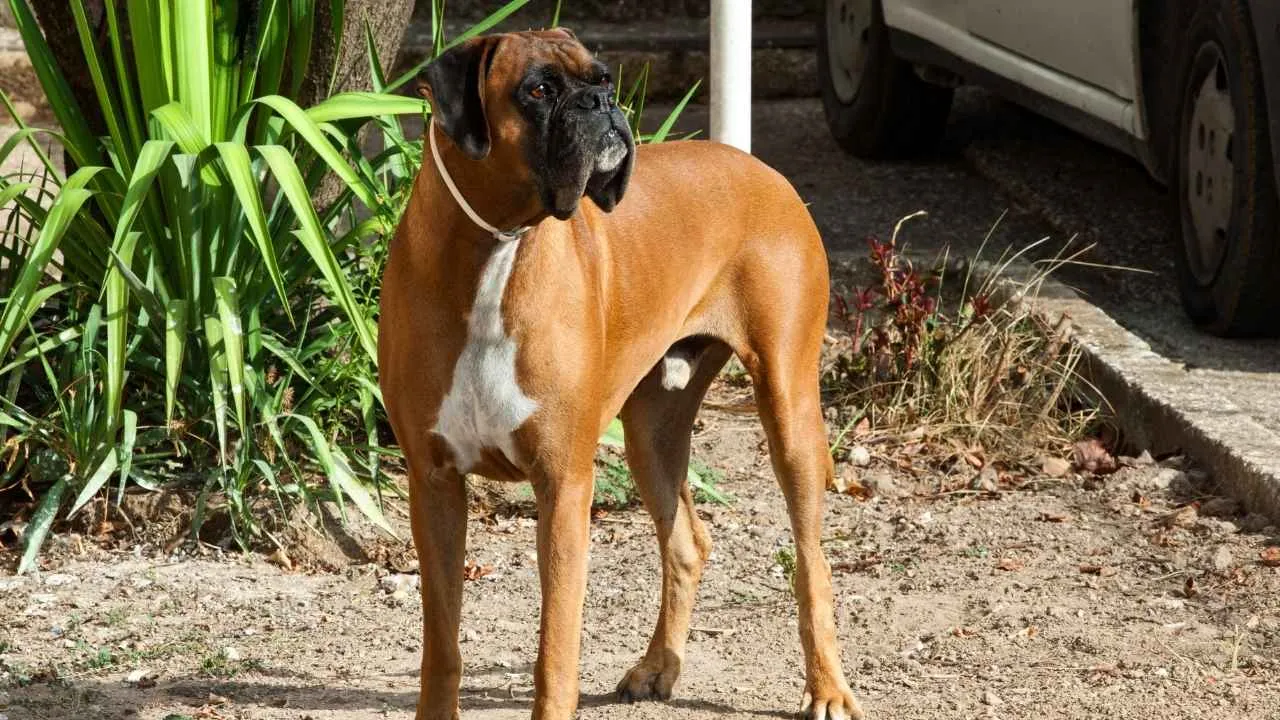
Boxers are the muscular gym enthusiasts of the dog world, except their workout outfits are replaced by naturally sleek coats that show off every athletic contour. These energetic German working dogs have short, tight-fitting hair that creates a smooth, glossy surface over their powerful shoulders, deep chests, and well-developed muscles.
The Boxer coat is usually fawn or brindle, often with distinctive white markings that add character to its already expressive appearance. Because the hair lies so close to the skin, the breed’s muscular outline stays clearly visible, creating the clean silhouette traditional breed descriptions emphasize.
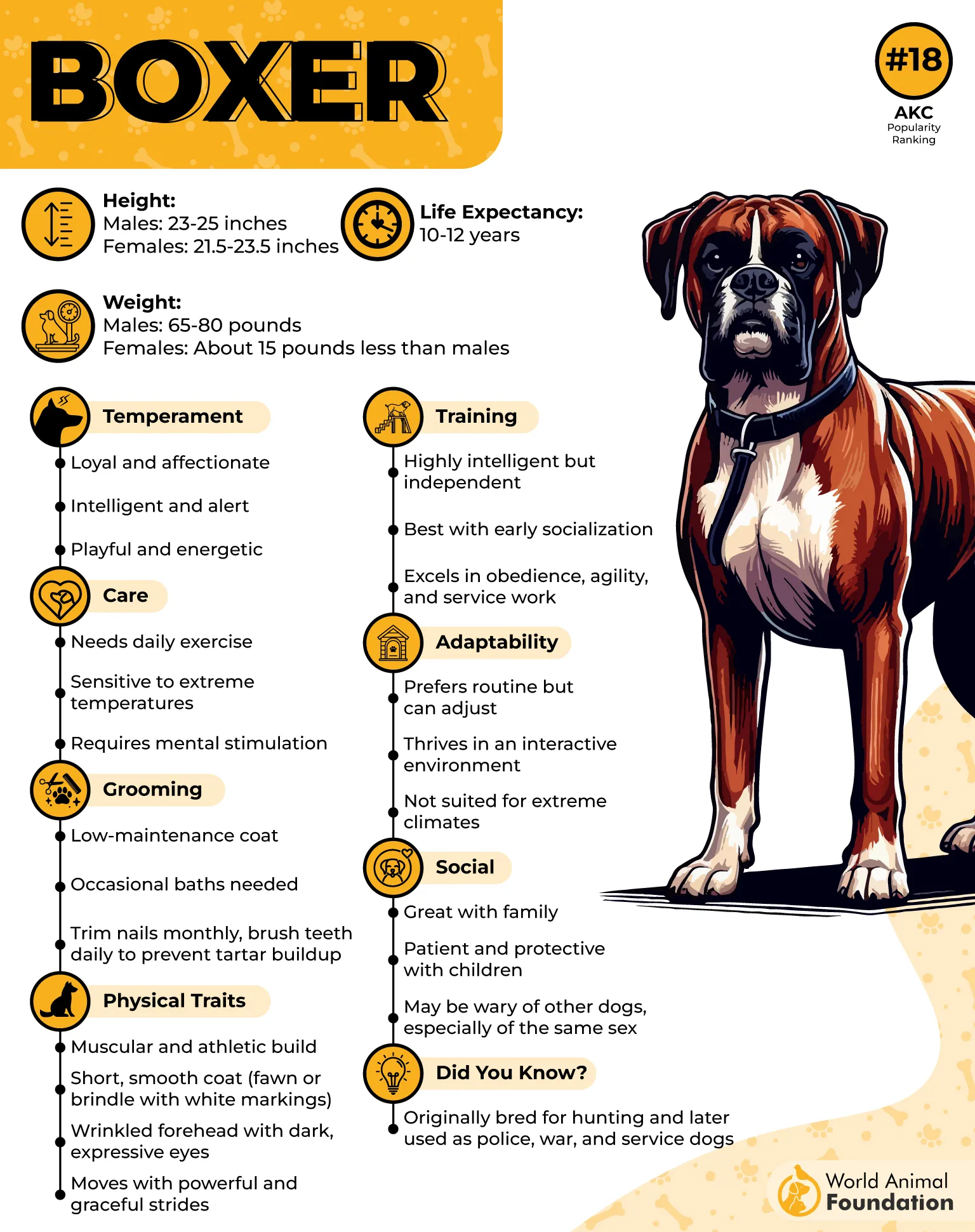
Maintaining a Boxer’s coat is refreshingly uncomplicated because weekly brushing often removes much of the loose hair and keeps the coat looking tidy. Rubber grooming mitts work particularly well for many short-coated dogs, gently lifting dead hairs while providing a comfortable massage that some Boxers genuinely enjoy.
Their short coats also make post-adventure cleanup easier, especially after energetic walks, outdoor games, or enthusiastic backyard zoomies. However, Boxers have relatively limited protection against extreme cold, and their short muzzles also make them more prone to overheating in hot or humid weather.
5. Dalmatian
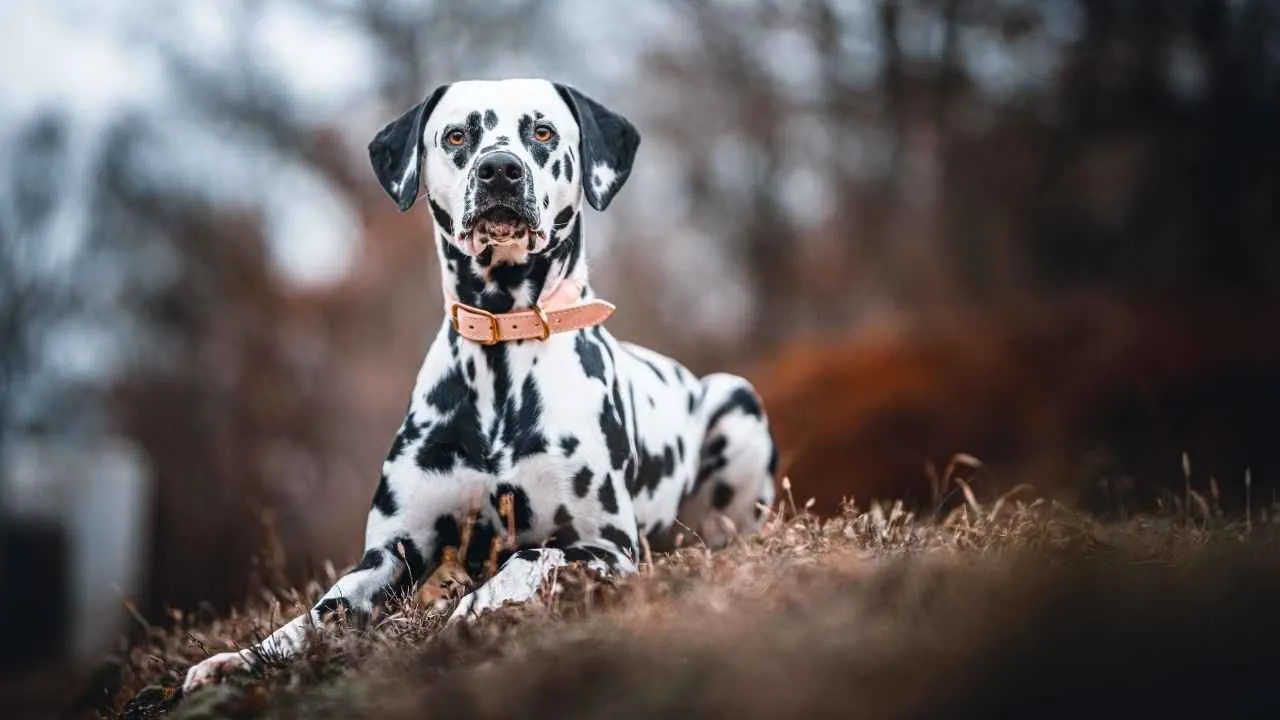
Dalmatians are walking works of art, sporting one of the most recognizable short coats in the canine world. Their smooth white fur, decorated with clearly defined black or liver-colored spots, creates an instantly recognizable appearance that has fascinated dog lovers for generations.
The Dalmatian’s coat is short, dense, and fine, lying close to the body without the long furnishings that can complicate grooming in other breeds. Their distinctive spots develop as puppies mature, since Dalmatian puppies are generally born with predominantly white coats before their characteristic markings become increasingly visible.
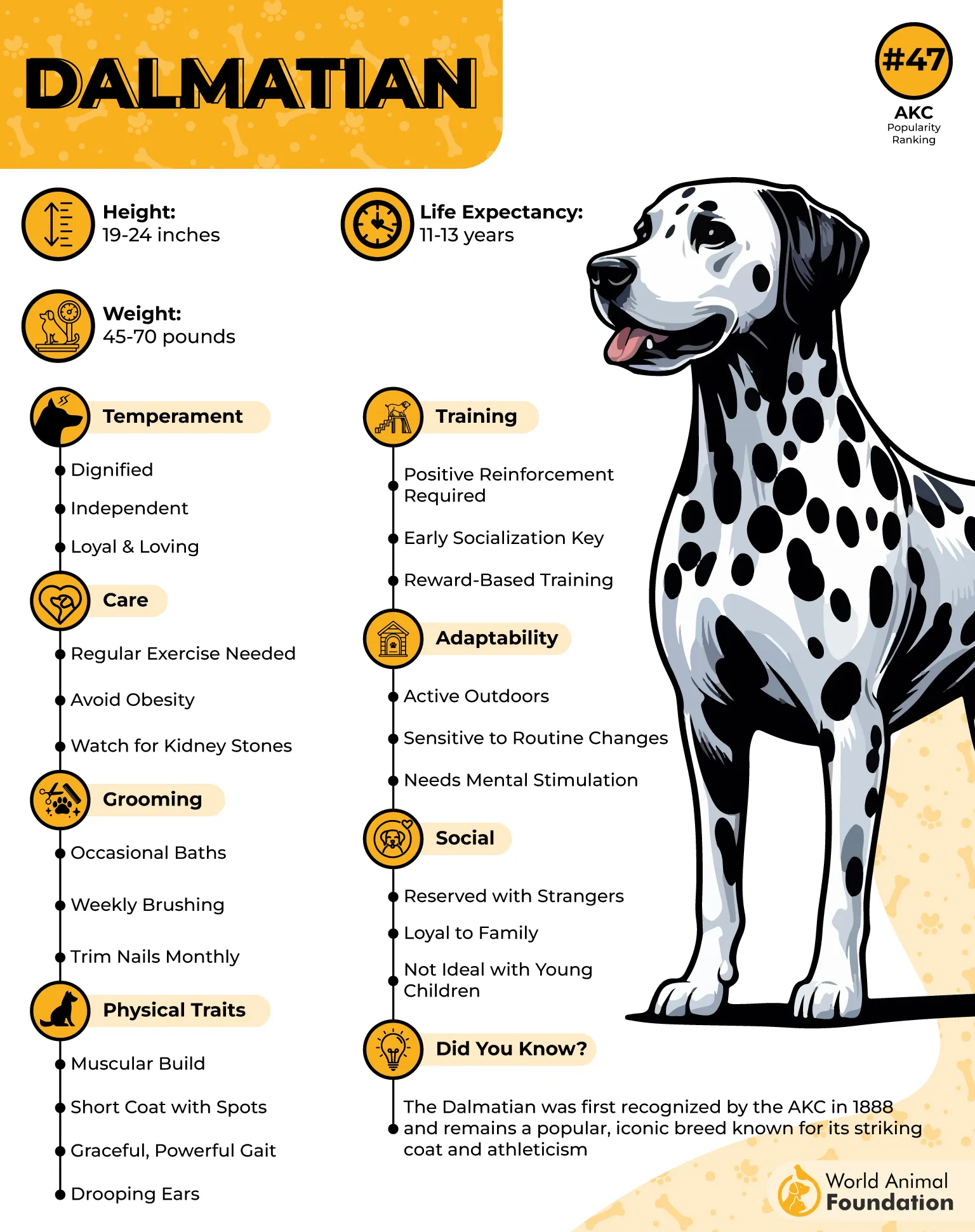
Here’s the surprising plot twist: They may have short hair, but they’re not guaranteed to be low-shedding dogs. They shed year-round and can be surprisingly noticeable on furniture, clothing, and upholstery, sometimes sticking stubbornly to fabrics despite their small size.
Fortunately, their hair coats don’t spread throughout the house, and their smooth texture makes routine bathing and drying relatively straightforward. A weekly grooming session can help remove dead hair and surface dirt while supporting skin health.
6. Doberman Pinscher
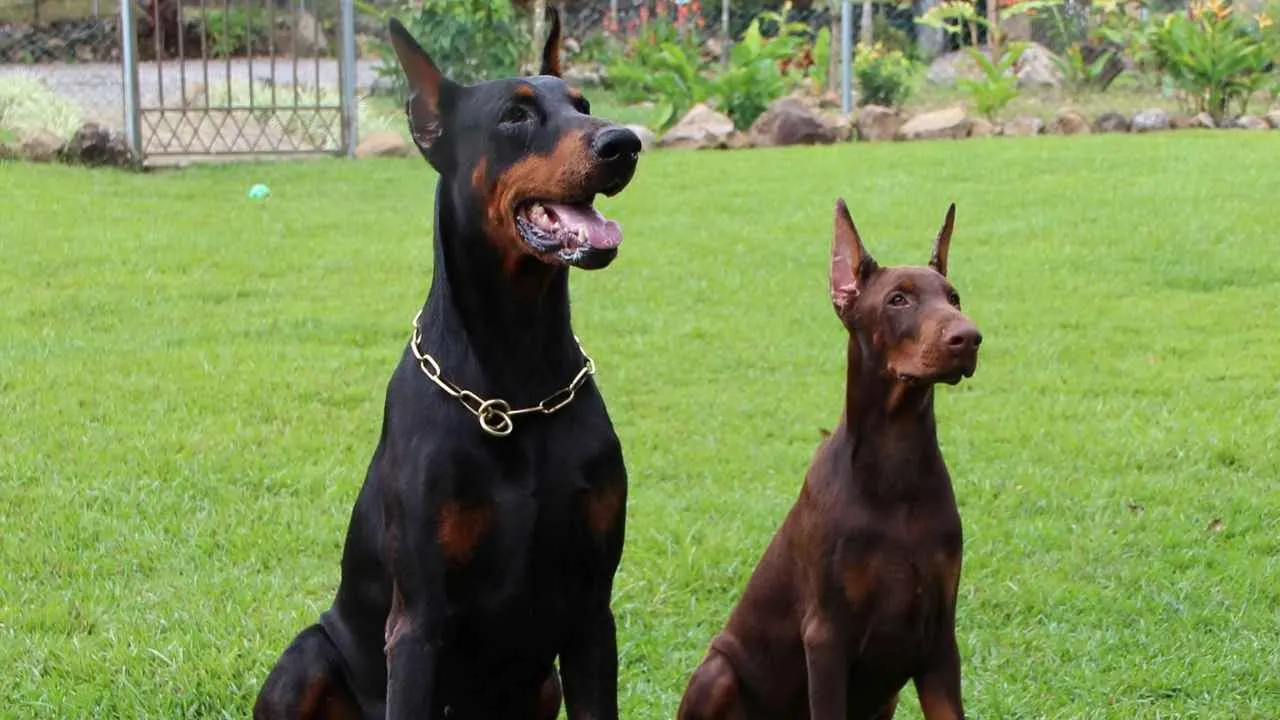
Doberman Pinschers have a sleek, polished appearance that gives them a permanent, luxury-fashion look. Their short coat lies tightly against their muscular bodies, emphasizing the elegant lines, athletic build, and confident presence that define this impressive working breed.
The classic Doberman coat is black with sharply defined rust markings, although recognized color varieties also include red, blue, and fawn combinations with rust accents. Their hair is naturally short and close-fitting, creating a glossy finish that highlights their streamlined physique without long feathering around the ears, legs, or tail.
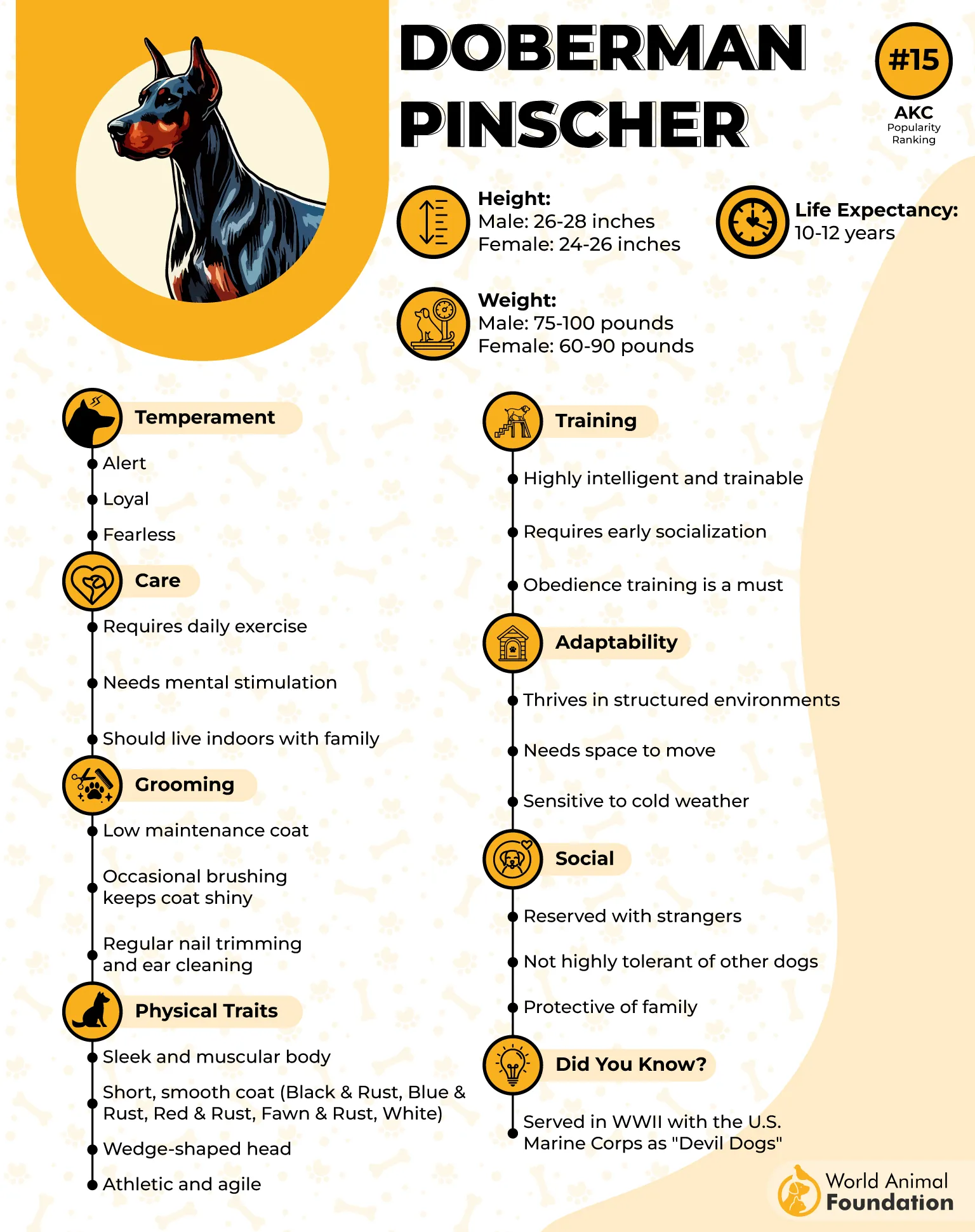
According to the Royal Kennel Club, they do shed, despite their remarkably neat appearance, and shedding can range from light to more noticeable throughout the year. Brushing once or several times a week with a soft-bristled brush or grooming mitt helps remove loose hair while distributing the natural oils that keep their coat healthy and shiny.
Their short coats also let owners notice skin problems quickly, including irritation, dry skin, thinning hair, or chews that might otherwise hide beneath longer fur. Some Dobermans can develop skin problems linked to allergies or inherited conditions, so persistent hair loss or changes in coat texture warrant veterinary attention.
7. Greyhound
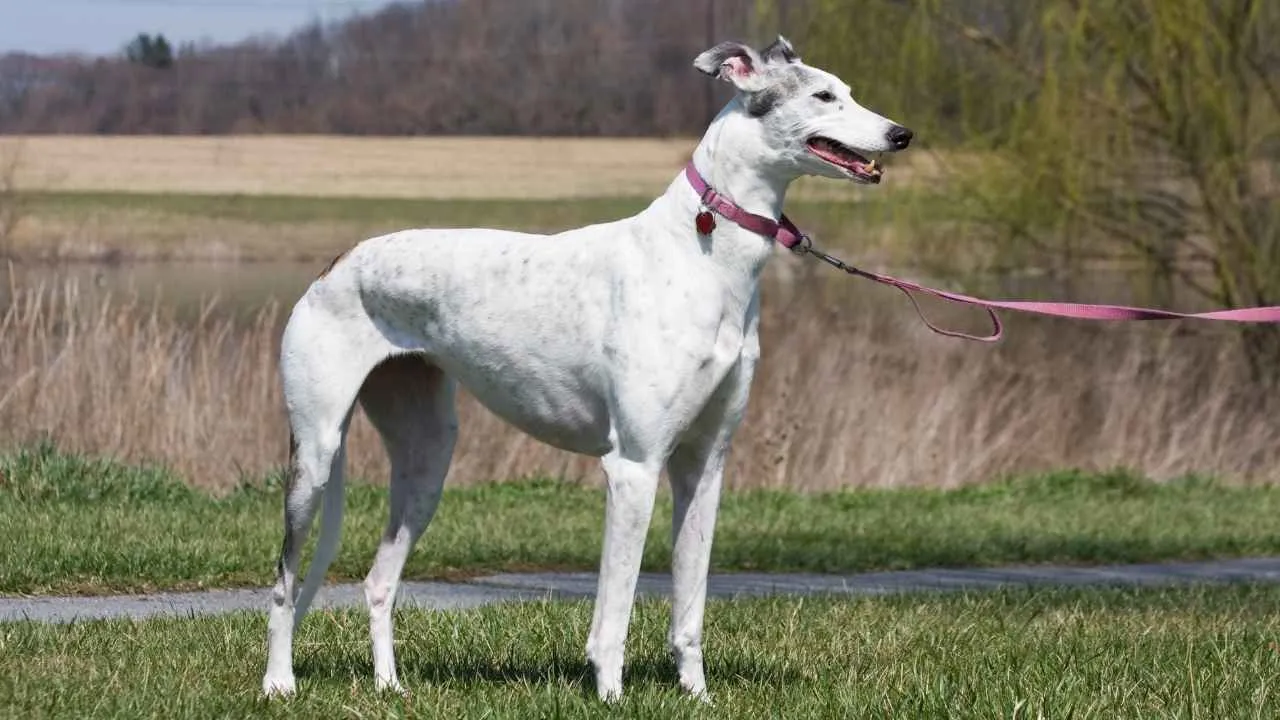
Greyhounds are the supermodels of the short-coated dog world, combining elegant proportions, incredible athletic history, and surprisingly minimal grooming requirements. Their exceptionally fine, close-fitting coats reveal the graceful curves of their lean bodies, deep chests, and long legs, creating one of the most recognizable silhouettes among dog breeds.
A Greyhound’s coat is typically short, smooth, and relatively thin, with little of the heavy insulation found in double-coated breeds. Their coloring can include black, white, fawn, red, blue, brindle, and numerous combinations, giving this sleek breed an impressive range of appearances despite its simple coat structure.
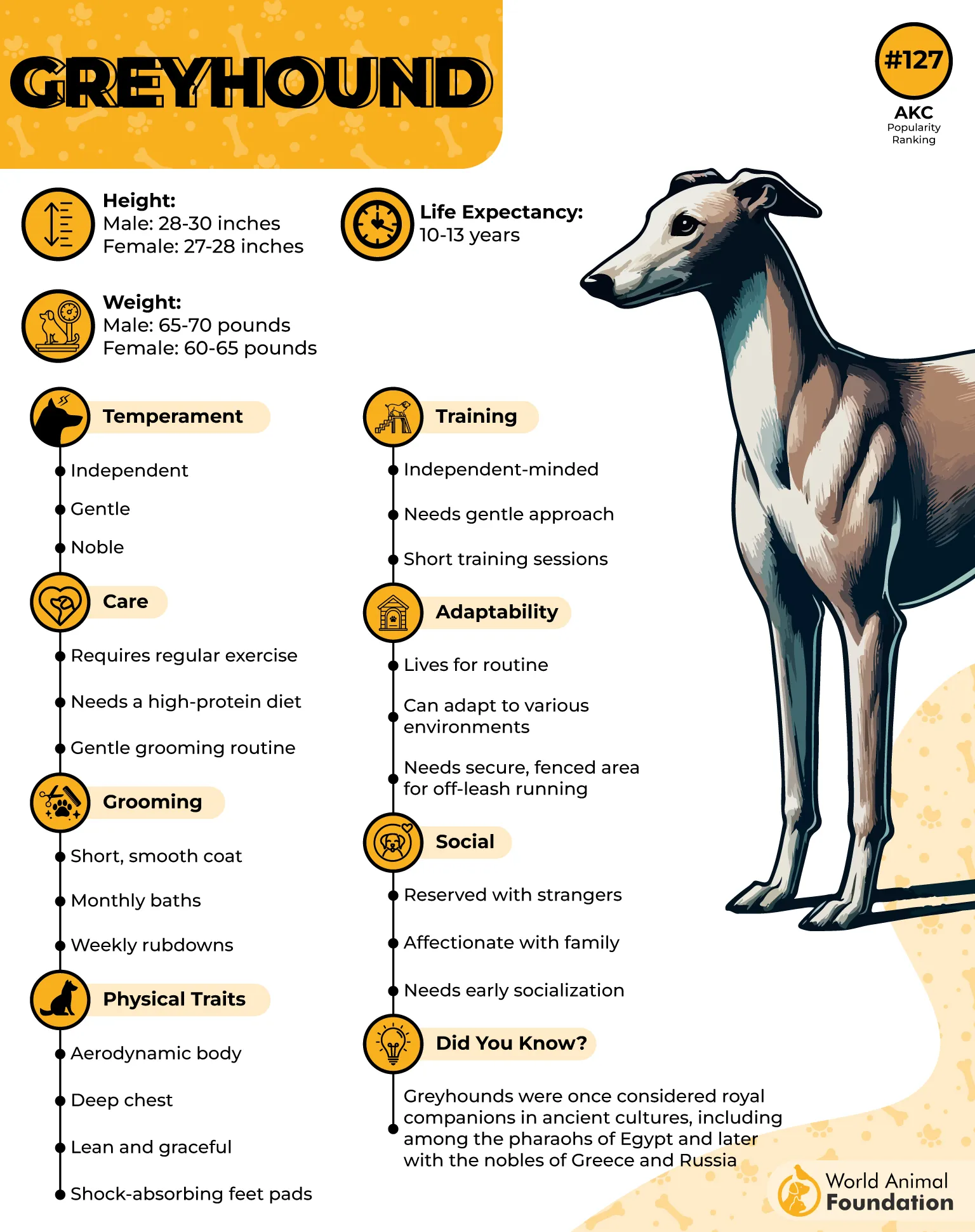
Because Greyhounds have fine hair and comparatively little body fat, they often feel cold more quickly than dogs with thick, insulating coats. A properly fitted jacket can help during chilly walks, especially in wet or windy weather, while soft bedding helps protect their prominent joints and relatively delicate skin.
Grooming a Greyhound is usually refreshingly simple because the coat doesn’t require complicated brushing techniques, trimming, or specialized styling. A gentle weekly brushing with a soft grooming mitt often removes loose hairs and surface debris, while occasional baths maintain cleanliness without stripping the skin of natural oils.
8. Labrador Retriever
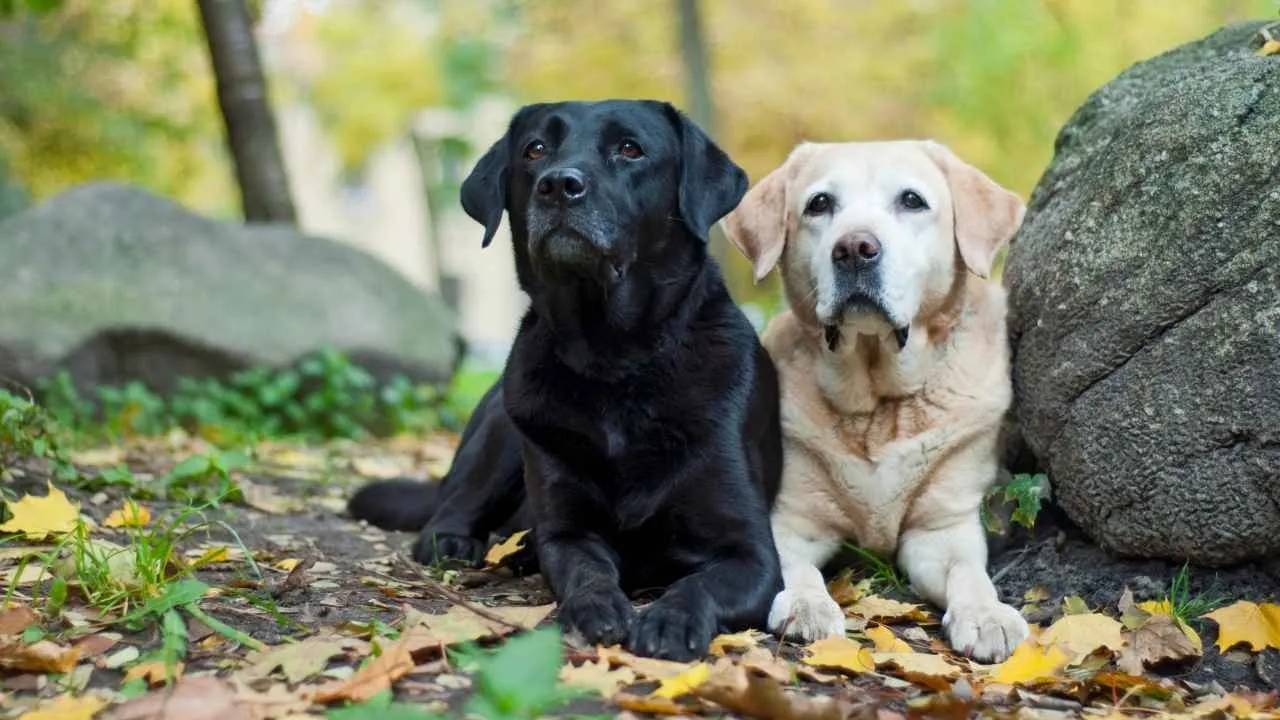
Labrador Retrievers may look like the ultimate low-maintenance family dogs, but their short coats hide a surprisingly dense fur. These friendly sporting dogs have a dense, water-resistant double coat developed to support retrieving work in wet, challenging environments.
Labrador coats traditionally come in three recognized colors: black, yellow, and chocolate, although yellow can range from pale cream to rich fox-red shades. Their thick, close-fitting hair creates a sturdy appearance without the long feathering seen on Golden Retrievers, making everyday cleaning and grooming comparatively straightforward.
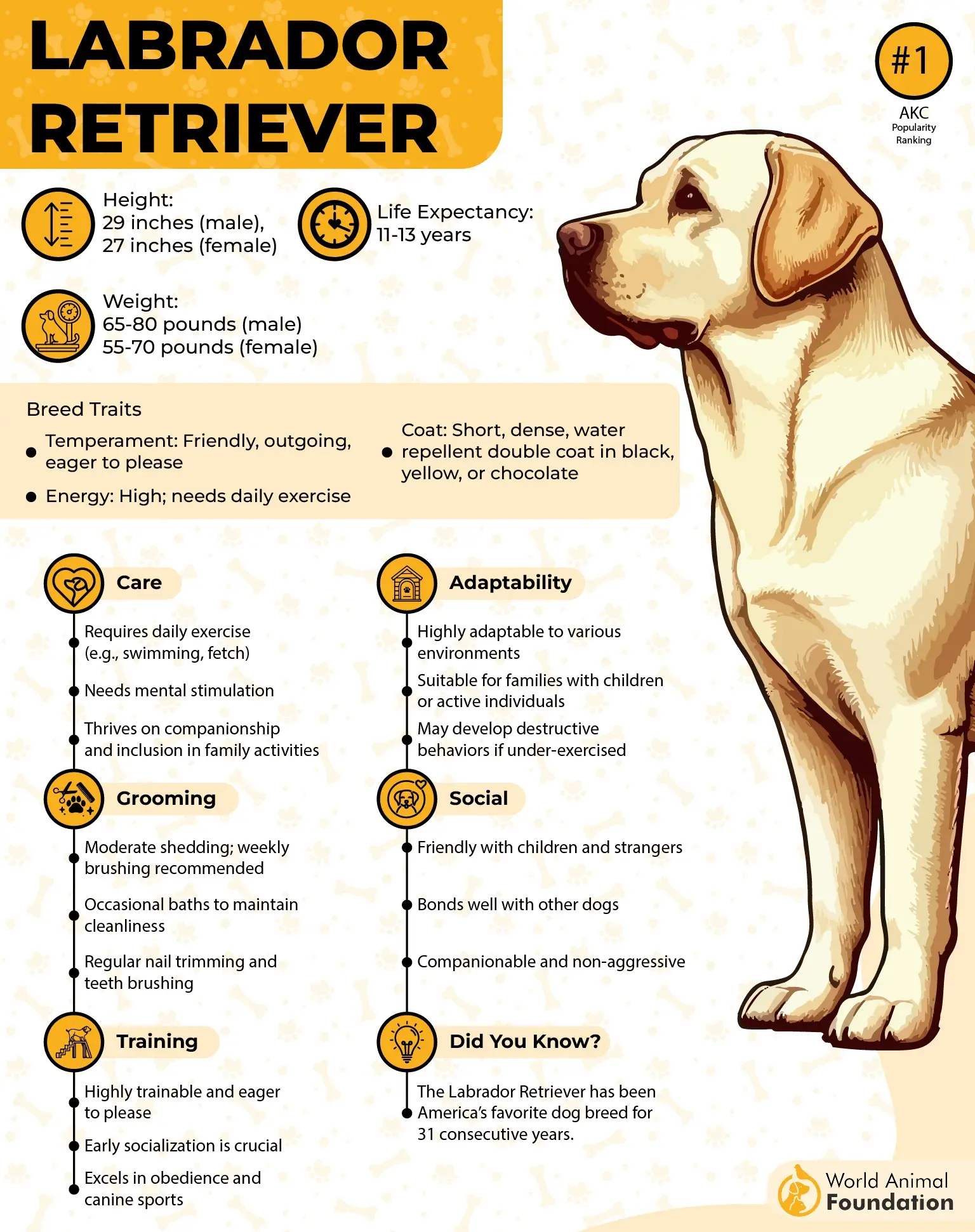
Here’s the reality check every future Labrador owner needs: short hair doesn’t mean minimal shedding when a dense undercoat is involved. Labradors can shed year-round, with heavier seasonal coat changes.
As the undercoat adjusts to changing conditions year-round, more frequent brushing with the right grooming tool can remove loose hair and help reduce the furry tumbleweeds that otherwise appear around the house.
Fortunately, Labrador coats are relatively easy to wash and maintain because their short outer hairs don’t typically develop the complicated mats associated with long-haired breeds. Weekly brushing may be enough during lighter shedding periods, while occasional baths remove dirt and odors, especially after swimming or muddy adventures.
9. Weimaraner
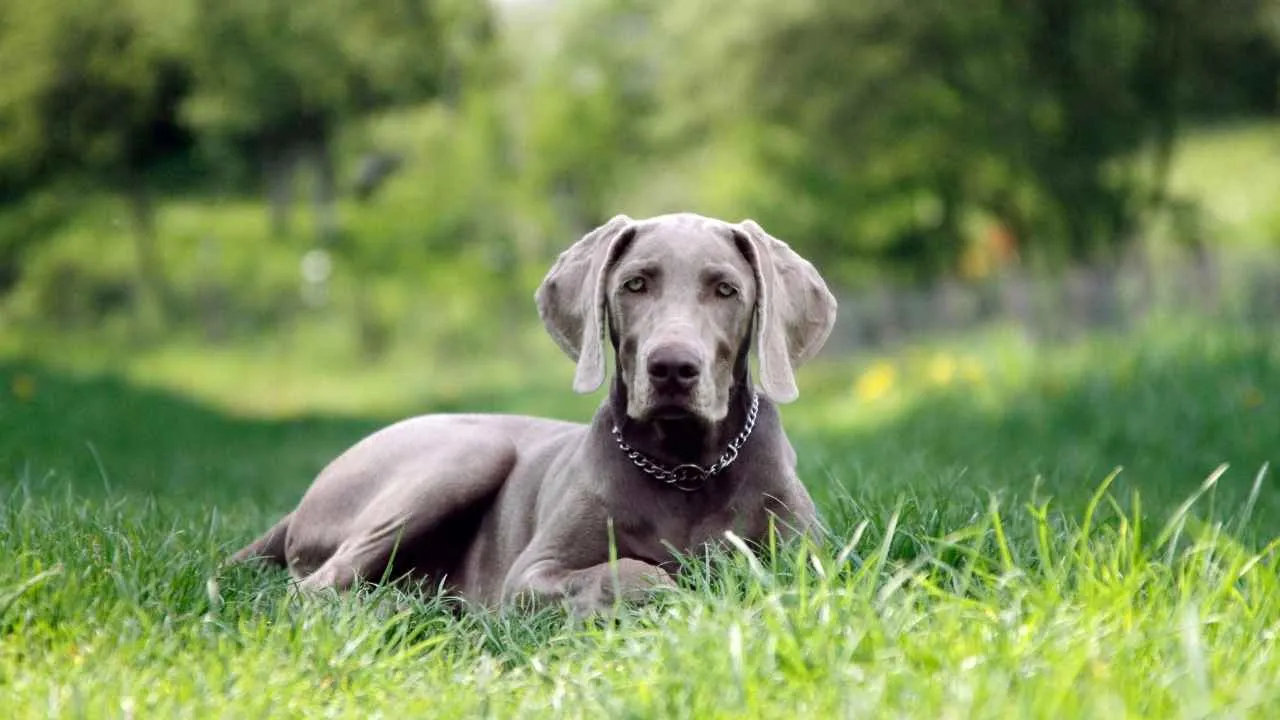
Weimaraners are the silver-coated celebrities of the canine world, with a sleek look that reads as effortlessly expensive without needing an elaborate grooming routine and professional grooming as well. These athletic companions possess smooth, close-fitting coats that emphasize their graceful movement and powerful physique.
The standard short-haired Weimaraner has a fine, smooth coat that lies flat against its body, creating a polished appearance with relatively little grooming effort. Coat shades range from mouse-gray to silver-gray, sometimes appearing almost metallic under natural light, while the rand can appear, enhancing its sophisticated overall look.
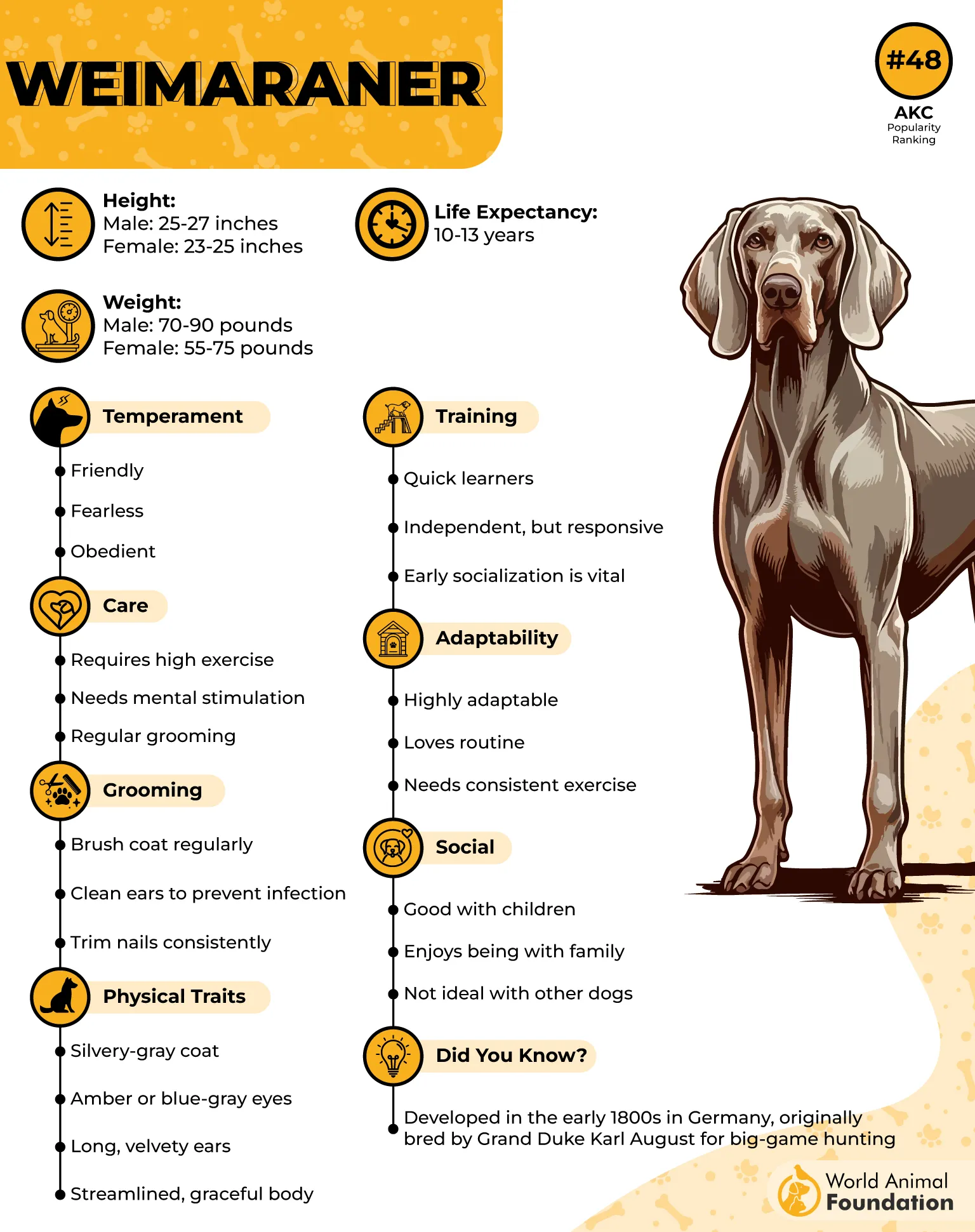
One of the biggest advantages of the Weimaraner’s short coat is how easily owners can maintain its shine without professional styling or extensive brushing sessions. Weekly brushing with a rubber curry comb or soft-bristled brush usually removes loose hairs, distributes natural oils, and keeps the coat looking smooth.
Their close-fitting fur can also make everyday cleanup easier after energetic walks, outdoor play, or adventures through dusty environments. However, short hair offers limited protection against harsh weather and rough vegetation, so owners should monitor for scratches, skin irritation, and discomfort during cold conditions.
Conclusion
Short-coated dogs are proof that beautiful canine companions don’t always need elaborate grooming routines, expensive haircuts, or endless detangling sessions.
However, choosing a short-coated breed doesn’t mean a completely maintenance-free experience, especially with dense double coats or seasonal shedding. Regular brushing, skin checks, nail care, dental hygiene, and weather protection still matter, and exercise, training, and companionship should always shape your breed choice.
