




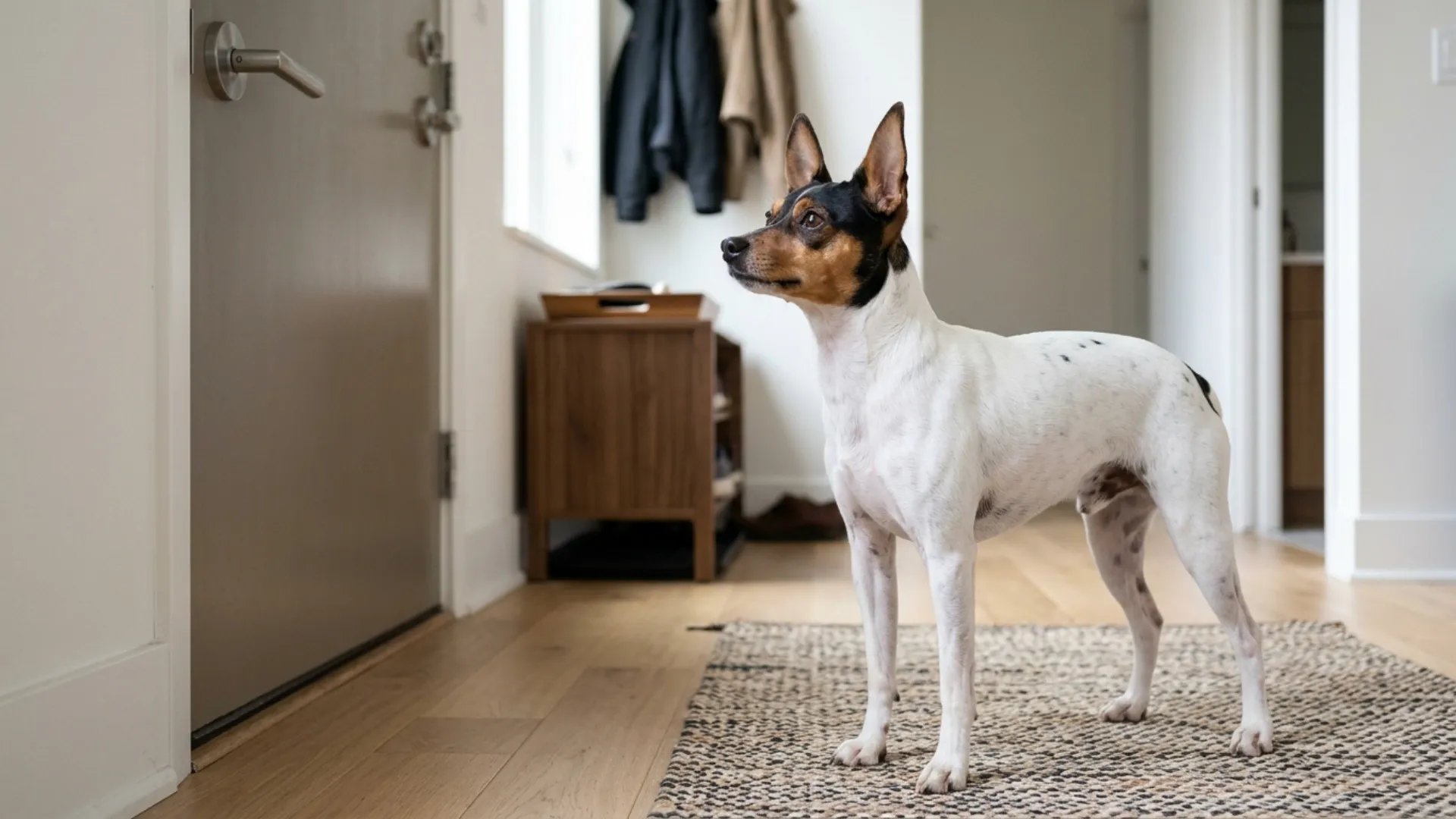
The doorbell rang while a homeowner was busy preparing dinner. From the kitchen, the sound barely registered, but a little dog resting near the living room window was already on its feet. It hurried toward the entrance, barking at the visitor outside.
Moments later, the pet owner checked the door and discovered a delivery waiting on the porch. Small moments like this explain why little dogs can be useful around the home. Their alertness, curiosity, and tendency to vocalize can help draw attention to visitors or unfamiliar activity.
A small body also makes them easier to accommodate in homes where space is limited. Still, their reactions depend on individual temperament, upbringing, and consistent training. Some dogs bark at every passing pedestrian, while others reserve their voices for unusual activity.
The following article explores small dog breeds known for watchfulness, helping you find a companion that suits your home and daily routine.
Key Takeaways
What makes a small dog notice someone outside before you do? For several breeds, that watchful streak goes back hundreds of years.
Lhasa Apsos once served as sentinels inside Tibetan monasteries, where their keen hearing and surprisingly strong bark had a practical purpose.
Cairn Terriers bring a different history, with generations of hunting among Scottish stone piles shaping their habit of investigating anything unusual.
Keep reading because the little dog watching your window today may be following instincts that started far from the modern living room.
Best Small Dog Breeds to Keep an Eye on Your Home
1. Miniature Schnauzer
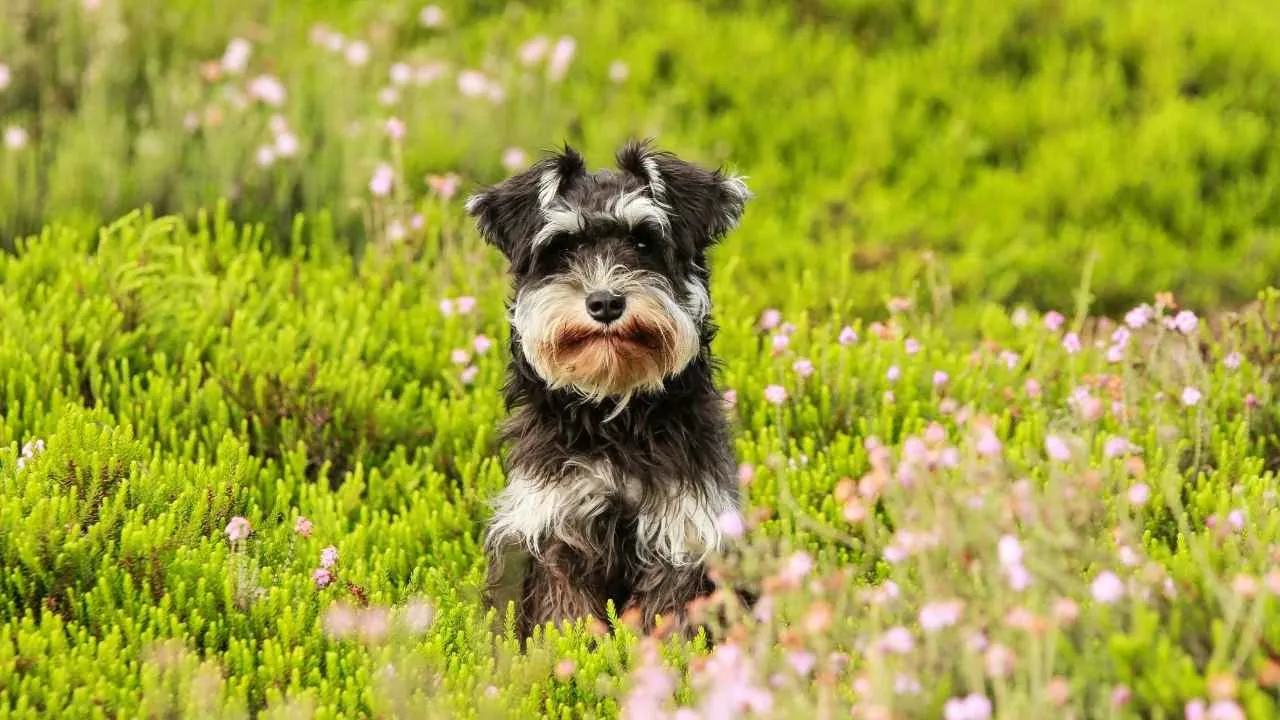
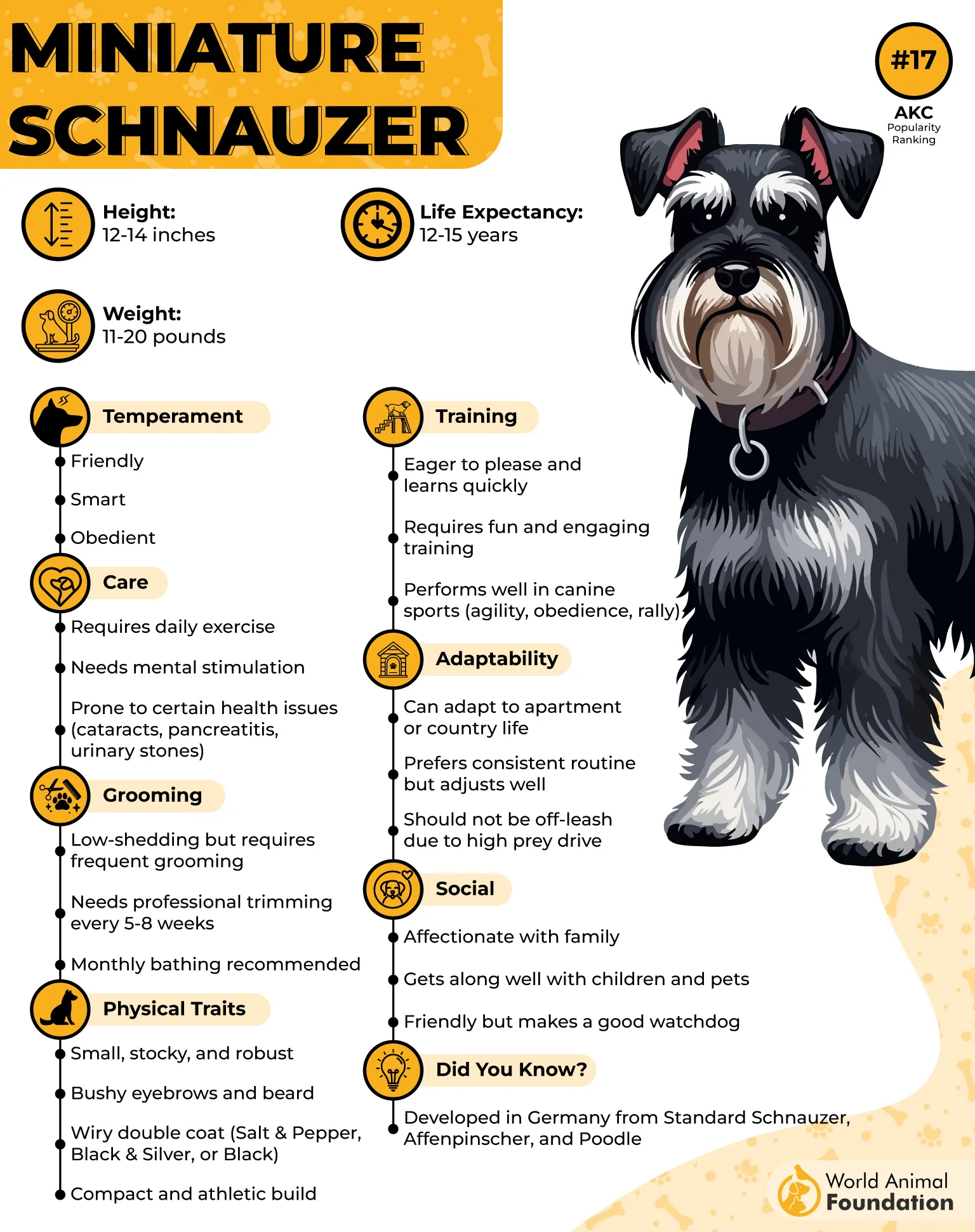
The Miniature Schnauzer originated in Germany during the late 19th century, when farmers wanted a smaller version of the Standard Schnauzer for catching rats and other barnyard pests. Crosses involving smaller Standard Schnauzers and Affenpinschers helped shape the breed, which was first recorded in 1888.
Always Listening for Trouble
A keen sense of hearing and an instinct to guard its surroundings make the Miniature Schnauzer a capable household watchdog. Even passing vehicles, unfamiliar footsteps, or activity near the entrance can prompt a sharp bark, giving the household an early warning.
This is what makes this breed attentive:
Affectionate with family members
Enjoys joining household activities
Often reserved with newcomers at first
Smart but Independent
Their intelligence makes Miniature Schnauzers quick learners, although boredom can lead to unwanted barking or mischief, as Orvis describes.
Short training sessions with treats and games help reinforce good behavior, while early socialization teaches them how to respond calmly to unfamiliar people and other dogs.
2. Miniature Pinscher

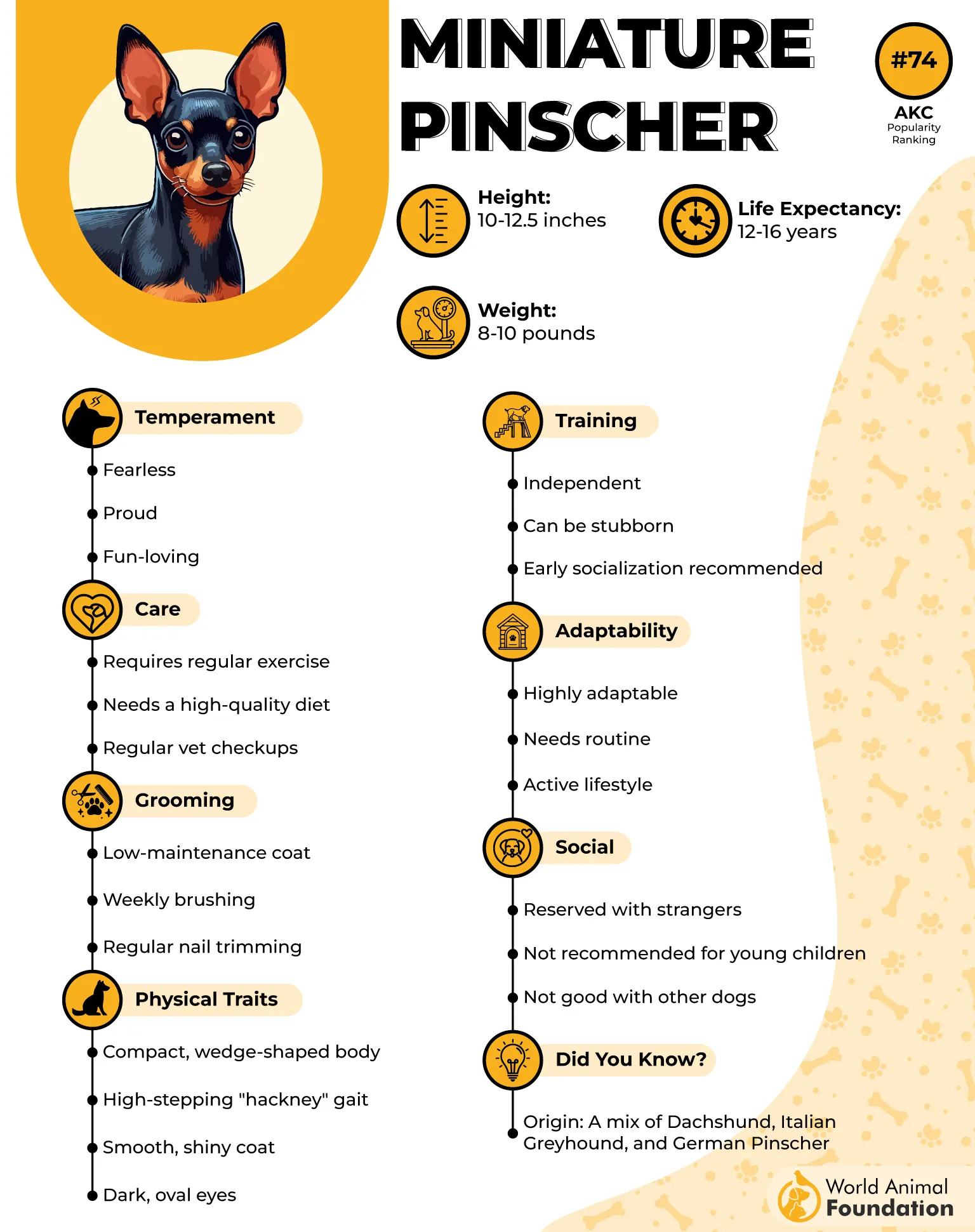
The Miniature Pinscher, often called the Min Pin, has deep German roots dating back several centuries, with written records of the breed appearing roughly 200 years ago. Farmers valued these small, energetic dogs for efficiently catching rats and controlling unwanted vermin around homes and farms.

Always on Patrol
A naturally alert nature makes the Miniature Pinscher quick to notice unfamiliar activity around the house. Its sharp bark can announce approaching visitors, unusual sounds, or movement outside, while its curiosity often leads it to investigate anything that catches its attention.
Its watchful habits also include:
Patrolling different areas of the house
Investigating unfamiliar objects with its nose and paws
Reacting quickly to sudden changes in its surroundings
Independent and Full of Curiosity
This popular small dog breed enjoys being close to their families but also likes exploring rooms and investigating interesting objects on their own, as PDSA noted.
Their independent side can make obedience training challenging, while their strong chase instinct requires careful supervision around cats, squirrels, and other small animals.
3. Tibetan Spaniel
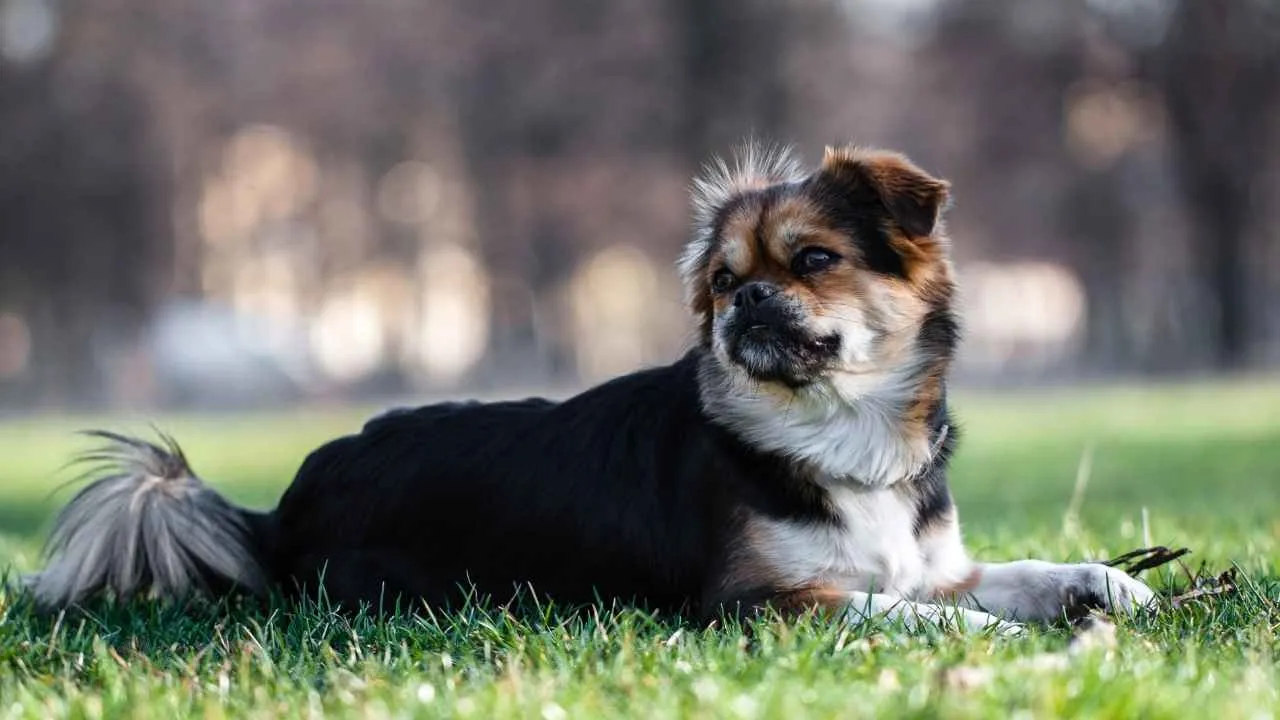
The Tibetan Spaniel has ancient roots in Asia, where Buddhist monks kept these little dogs inside monasteries as companions and early warning guards.
Their lion-like appearance held special meaning in Buddhist tradition, and the smallest dogs were carefully selected during monastery breeding.
A Little Lookout with a High Vantage Point
This tiny dog has an unusual habit of climbing onto sofa backs and other elevated spots to watch household activity, as mentioned by Omlet.
From these favourite perches, they can notice approaching visitors or unfamiliar sounds and bark when something catches their attention, usually quieting down once reassured.
Besides being watchful, their daily-life behavior includes:
May struggle when left alone
Can be stubborn during training
Responds best to gentle, consistent guidance

An Independent Little Companion
Beneath their thick double coat, Tibetan Spaniels have a compact, agile build and a distinctive plumed tail that curls over the back. They are affectionate with familiar people, generally get along with children and other pets, and often follow a favourite family member from room to room.
4. Lhasa Apso

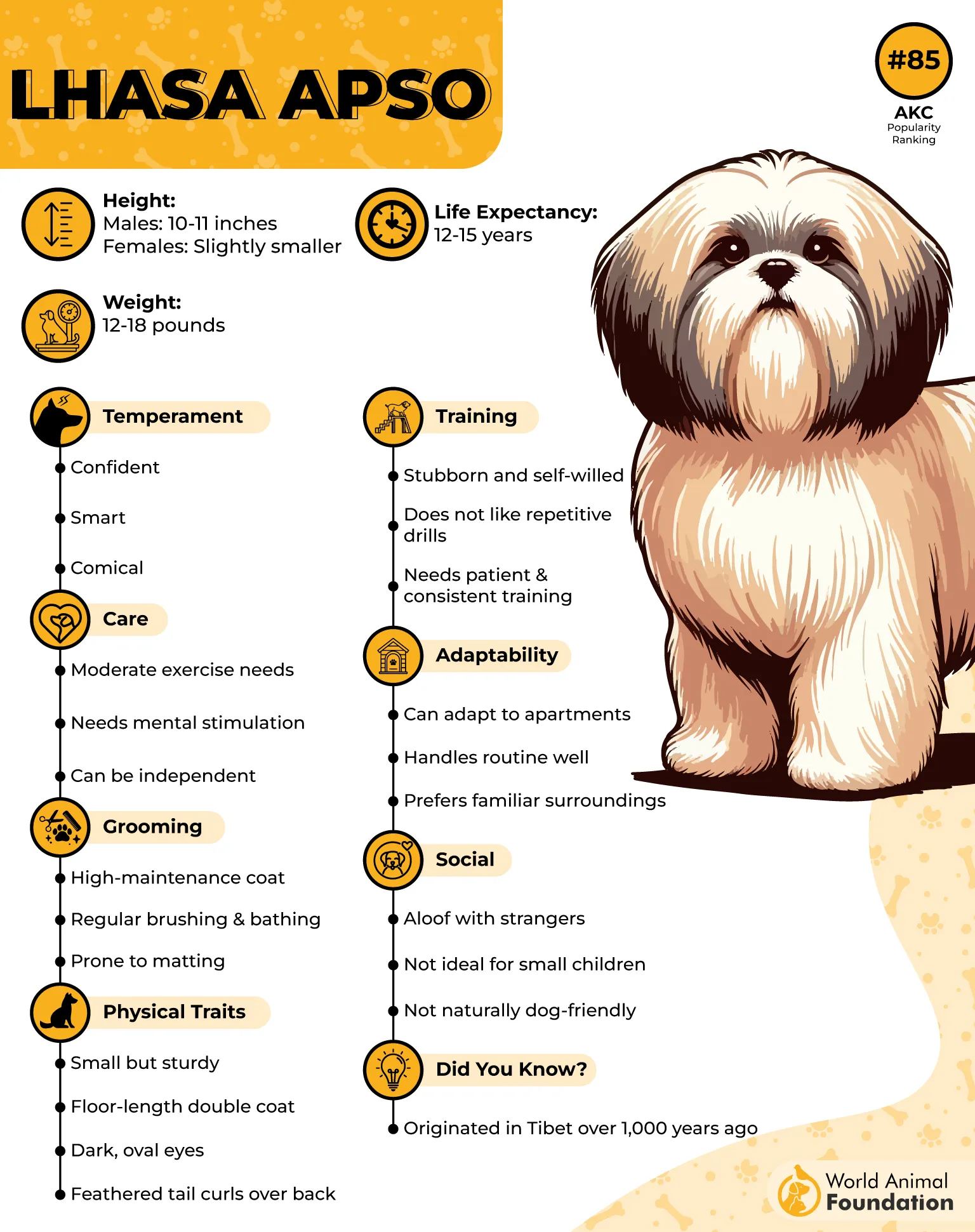
The Lhasa Apso was originally bred in Tibet, where Buddhist monks kept these small dogs as sentinels inside monasteries. Its name reflects its roots, with Lhasa referring to Tibet’s capital and Apso meaning bearded. Records of its exact beginnings are uncertain, but the breed was already established around 800 BC.
An Ear Always Tuned to Activity
Lhasa Apsos have keen hearing and a surprisingly strong bark for their size, making them quick to announce unfamiliar activity in the hallway.
Their natural suspicion of strangers comes from generations of guarding monastery interiors, and they generally become more relaxed once visitors are accepted.
Their everyday habits reveal other interesting sides:
Frequently checking familiar routes around the house
Watching entrances from elevated resting spots
Reacting strongly to small, fast-moving objects
A Coat Built for Tibetan Weather
The Lhasa Apso’s long double coat originally provided insulation against the cold conditions of the Tibetan Plateau. Its facial hair also helps shield the eyes and muzzle from dust and wind, although regular brushing and careful cleaning around the eyes are important.
5. Cairn Terrier

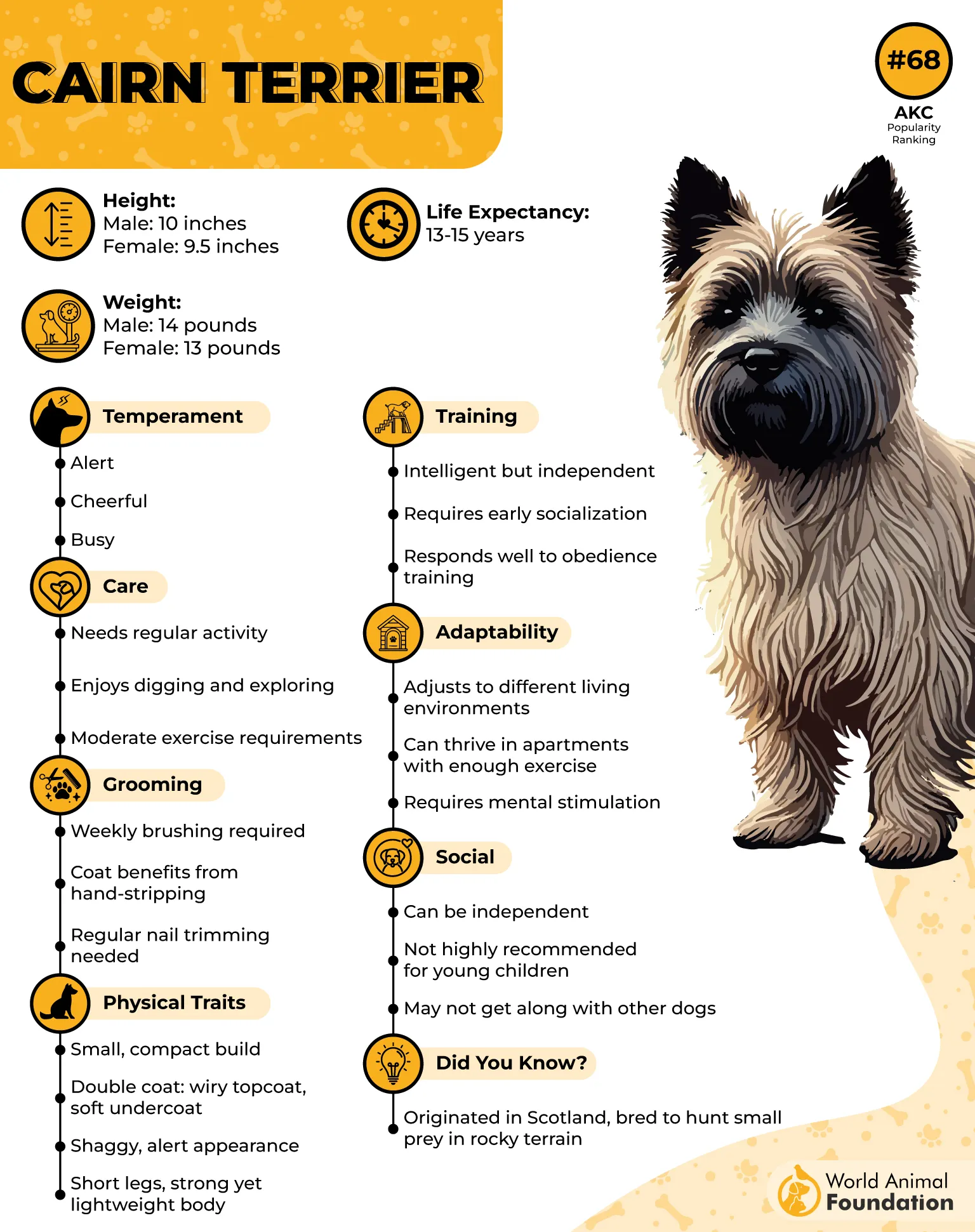
The Cairn Terrier is considered one of Scotland’s oldest terrier breeds, originating in the rugged Highlands where it hunted small quarry among piles of stones known as cairns. Its original name was the Short-Haired Syke Terrier, which the Kennel Club changed to Cairn Terrier in the early 1900s.
Quick to Sound the Alarm
Cairn Terriers have an alert, inquisitive nature and are quick to bark when visitors approach, or unfamiliar activity catches their attention. Their original work around Scottish crofts encouraged them to pay close attention to their surroundings and announce anything unusual.
Their working instincts also appear in several everyday habits:
A persistent urge to dig and investigate narrow spaces
A characteristic pounce and shake during toy play
A tendency to chase rabbits, squirrels, and other small animals
Bold Personality, Sensitive Side
This lap dog breed is a lively, independent dogs that enjoy obedience, agility, and other activities involving quick responses. They can be affectionate with family members and tolerant of respectful children, although their terrier instincts may create difficulties around cats and small furry pets.
6. Norwich Terrier

The Norwich Terrier emerged in England as a farm dog valued for controlling rats and pursuing foxes into their underground dens. It was grouped with the Norfolk Terrier until 1964, when their different ear shapes became the official distinction. Glen of Imaal Terrier crosses also helped shape the Norwich breed known today.
Quick to Notice Visitors
Those upright ears give the Norwich Terrier an advantage when picking up sounds around the house. Naturally attentive, it quickly reacts to unfamiliar activity and can announce approaching visitors with a sharp bark, making it a useful little household alarm.
Its terrier instincts also appear in everyday play:
Shaking and tossing toys as if handling prey
Working persistently at puzzles and scent games
Showing a feisty side around unfamiliar dogs
Small Frame, Strong Working Instincts
A compact, sturdy body and powerful forequarters give the Norwich Terrier the strength needed for digging and squeezing through tight spaces. Despite its small stature, this breed has plenty of energy and generally gets along with children and other pets when introduced to them early.
7. Toy Fox Terrier
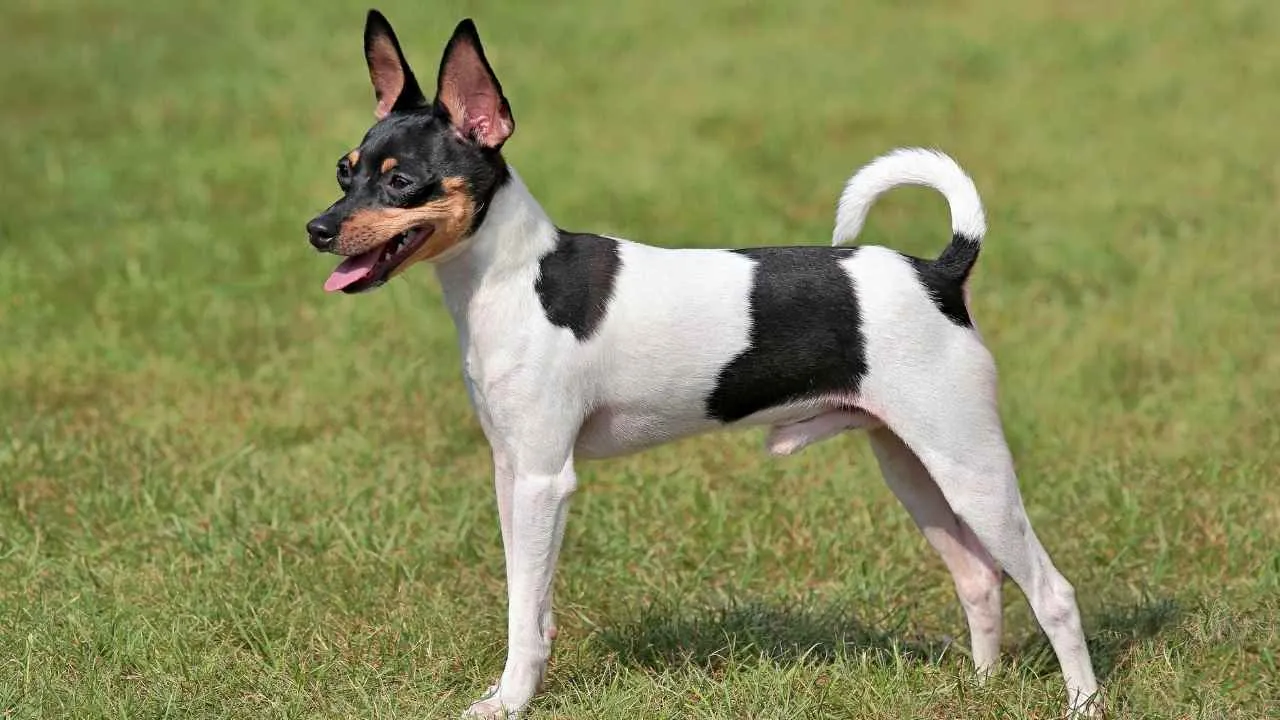
The Toy Fox Terrier developed in the United States in the early 1900s through crosses between Smooth Fox Terriers and smaller companion breeds.
Chihuahuas, Italian Greyhounds, Manchester Terriers, and Miniature Pinschers helped create a smaller dog with the Fox Terrier’s hunting instincts, intelligence, and athletic ability.
Quick to Notice Activity
A Toy Fox Terrier’s upright ears and sharp attention make it quick to detect unfamiliar sounds around the house. It may watch activity through windows or from elevated spots, then deliver a sharp bark when someone approaches or something unusual catches its attention.
Its other characteristic habits include:
Sudden head tilts when tracking faint noises
Quick pounces toward rustling objects
Tight turns during energetic indoor play
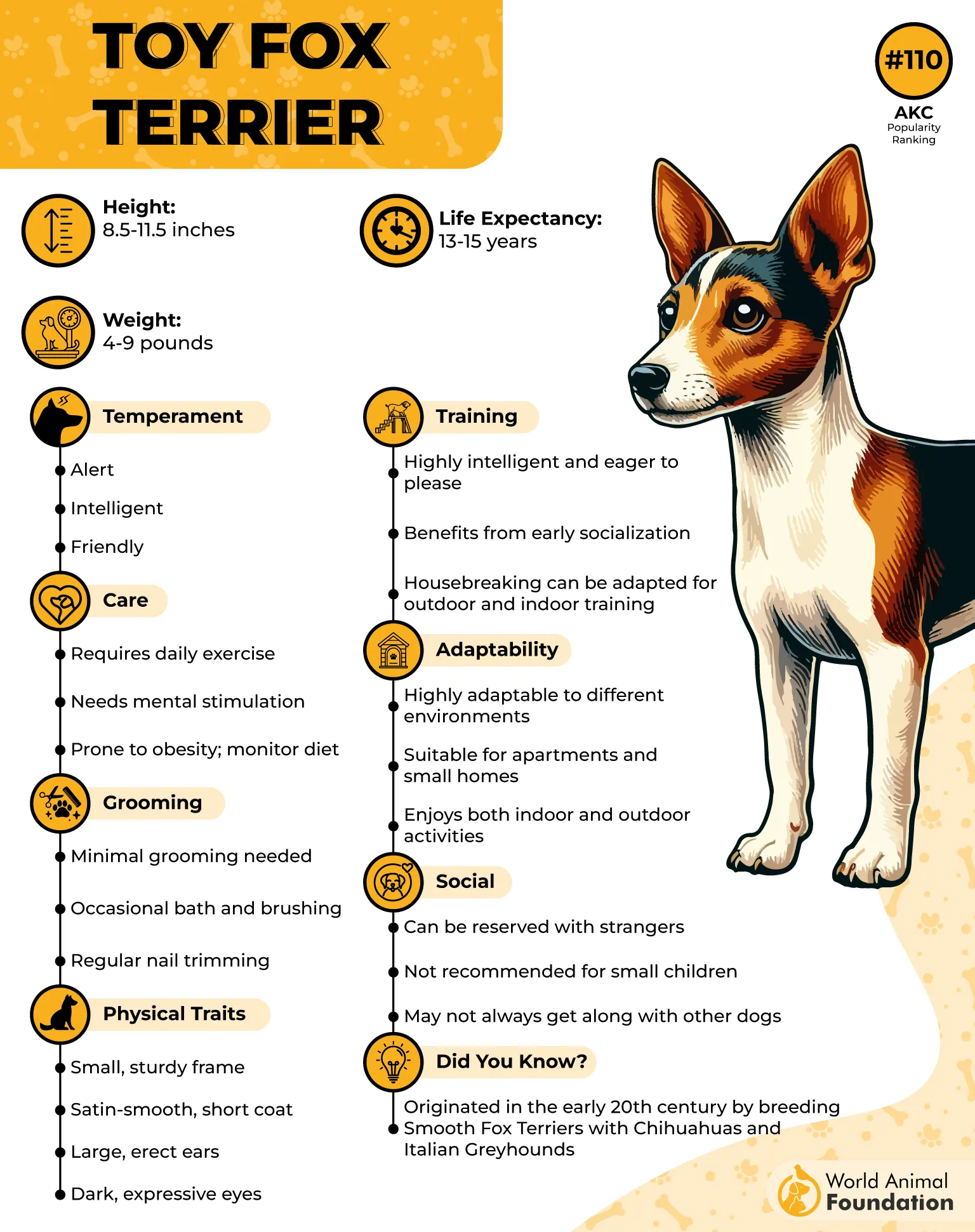
A Tiny Athlete
The Toy Fox Terrier has a fine-boned frame, compact feet, and a short, smooth coat that needs little grooming. Its quick reflexes suit activities such as agility, obedience, and trick training, while its limited coat insulation makes a warm sweater useful in cold weather.
Conclusion
A small watchdog can be a useful addition to a home where space is limited, but awareness still matters. These little companions often have a big dog personality, noticing footsteps, doorbells, and unfamiliar activity before anyone else in the household. Their barking can help alert pet parents to visitors, although it should not replace proper security measures.
Training plays an important role in teaching a small breed when to sound the alarm and when to settle down. Their personalities also differ, with some being more independent and others having a good nature that makes them prefer constant company.
Look beyond size and consider daily care, temperament, and training needs before welcoming one into your home.
