




Life rarely comes with a mute button. Between clattering kitchenware, booming sound systems, echoing footsteps, and chaotic street traffic, a vibrant home is constantly humming with activity. Yet, welcoming a four-legged friend into a bustling space shouldn’t transform domestic harmony into a storm of relentless barking, frantic pacing, or defensive hiding.
True canine composure is about finding a confident, cooperative soul who turns potential audio chaos into meaningless background noise.
Selecting a pet capable of maintaining mental equilibrium amid high-decibel household momentum reshapes the entire family dynamic. The ultimate four-legged companion absorbs human instruction effortlessly, navigating daily domestic upheaval with unshakeable dignity and steady focus.
Discovering easy-to-train dog breeds that stay calm in loud environments unlocks a world of stress-free cohabitation, proving that even the most energetic households can host an oasis of shared tranquility.
Easy-to-Train Dog Breeds That Stay Calm in Loud Environments
1. Cavalier King Charles Spaniel

Cavalier King Charles Spaniel is a tiny, upbeat roommate who radiates pure warmth regardless of surrounding commotion. This pint-sized companion weaves genuine sweetness into brief lesson blocks, turning instruction time into cozy bonding. PetMD mentions that their gentle spirit makes them remarkably receptive to gentle guidance, forming an eager partnership with human handlers.
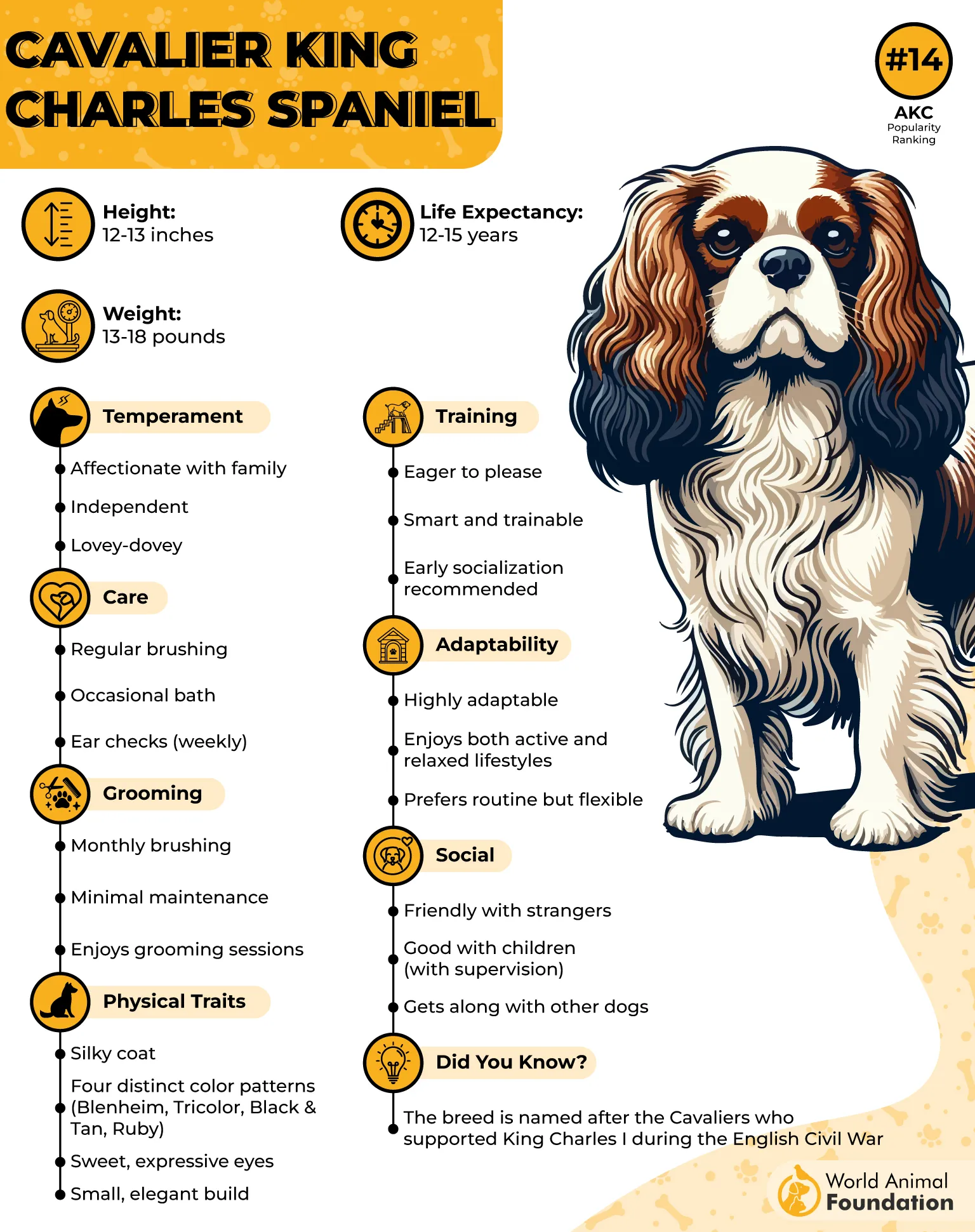
Greeting familiar visitors comes naturally to these gentle souls. Whether hosting bustling dinners or lounging through quiet mornings, their adaptable vibe anchors them solidly. Rather than panicking over unexpected clatter, they glance at their owner for a serene signal. They process shifts in household energy without developing frantic pacing habits or nervous whining.
Their bright intellect grasps fundamental cues, potty habits, and reward-based drills effortlessly. Short, upbeat practice paired with tasty rewards works wonders for these human-focused pups. Clicker training techniques and praise-filled routines produce fast results because pleasing their human companion serves as primary motivation.
Introducing heavy appliance rumbles or chiming entryways gradually builds massive confidence. Gentle, stepped exposure turns potential stress triggers into harmless background audio. Creating a dedicated, cushioned sanctuary corner in a central living space allows them to observe lively family moments without feeling directly overwhelmed by immediate activity.
2. Labrador Retriever

When life involves constant motion, laughter, and unpredictable house energy, the Labrador Retriever steps up like an eager teammate. Built with working-dog roots, they thrive on high-level mental clarity, cooperative instincts, and deep human bonds. Their natural impulse control makes them standout performers in multi-generational homes where noise levels fluctuate throughout the day.
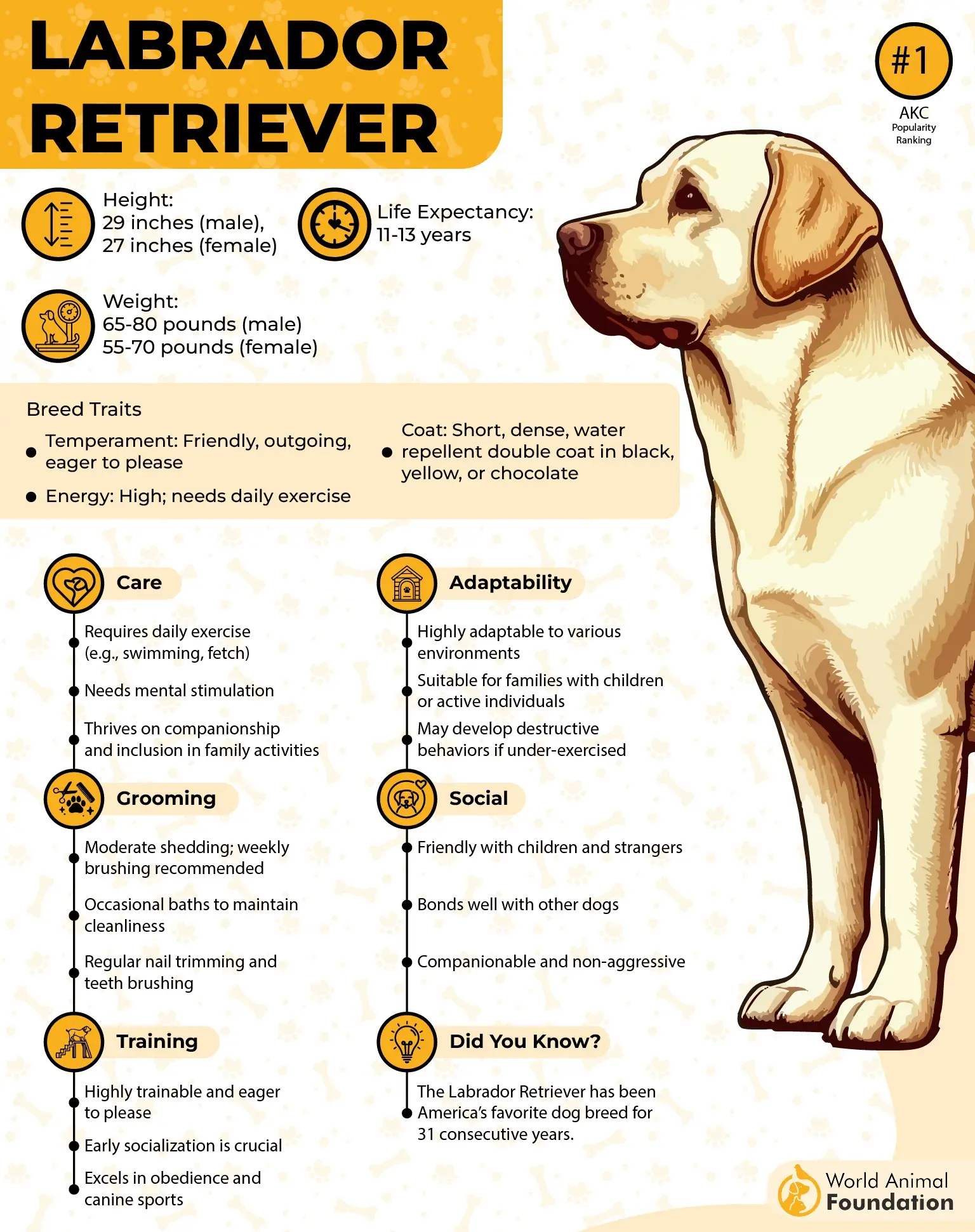
Teaching manners, boundary control, and neutral sound responses stays simple because these animals love pleasing their leaders. Friendly towards incoming guests, they seamlessly blend into active residences. Petplan states that their robust physical build pairs with an even-tempered mindset that tolerates slamming kitchen cabinets, dropped items, and elevated voice levels without flinching.
While young pups display boundless enthusiasm, often trotting toward ringing doorbells, their underlying confidence stabilizes them quickly. Structured physical outlets, brain games, and dedicated mat-settle routines redirect potential excitement into collected composure. Integrating structured fetch games, scent-tracking puzzles, and controlled walking sessions ensures their physical vigor turns into indoor calm.
With balanced guidance, this popular choice matures into a remarkably steady buddy who navigates busy routines like a pro. They offer unwavering companionship through seasonal events, large gatherings, and chaotic weekend home projects.
3. Golden Retriever
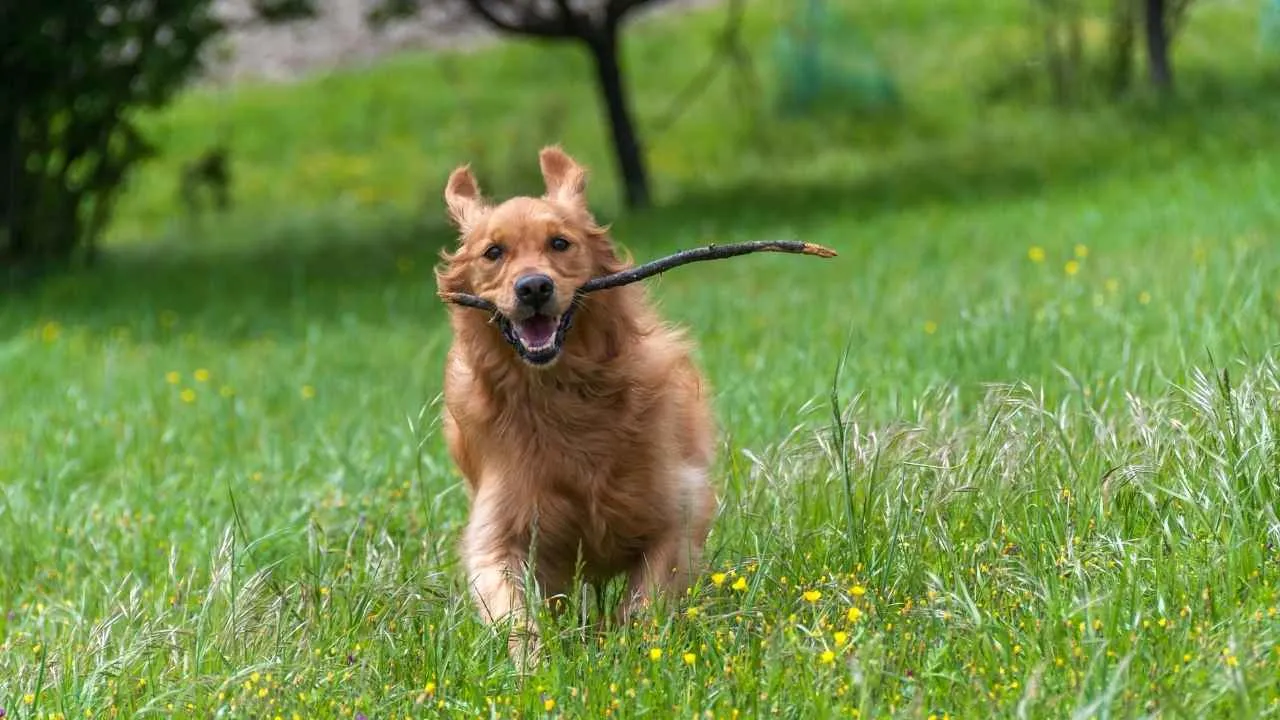
Patience meets stellar intelligence inside this classic Golden Retriever. Created for teamwork, they absorb directional cues swiftly using optimistic encouragement rather than strict reprimands. Their empathetic emotional intelligence allows them to read owner body language accurately, adjusting their internal energy level to match household needs.
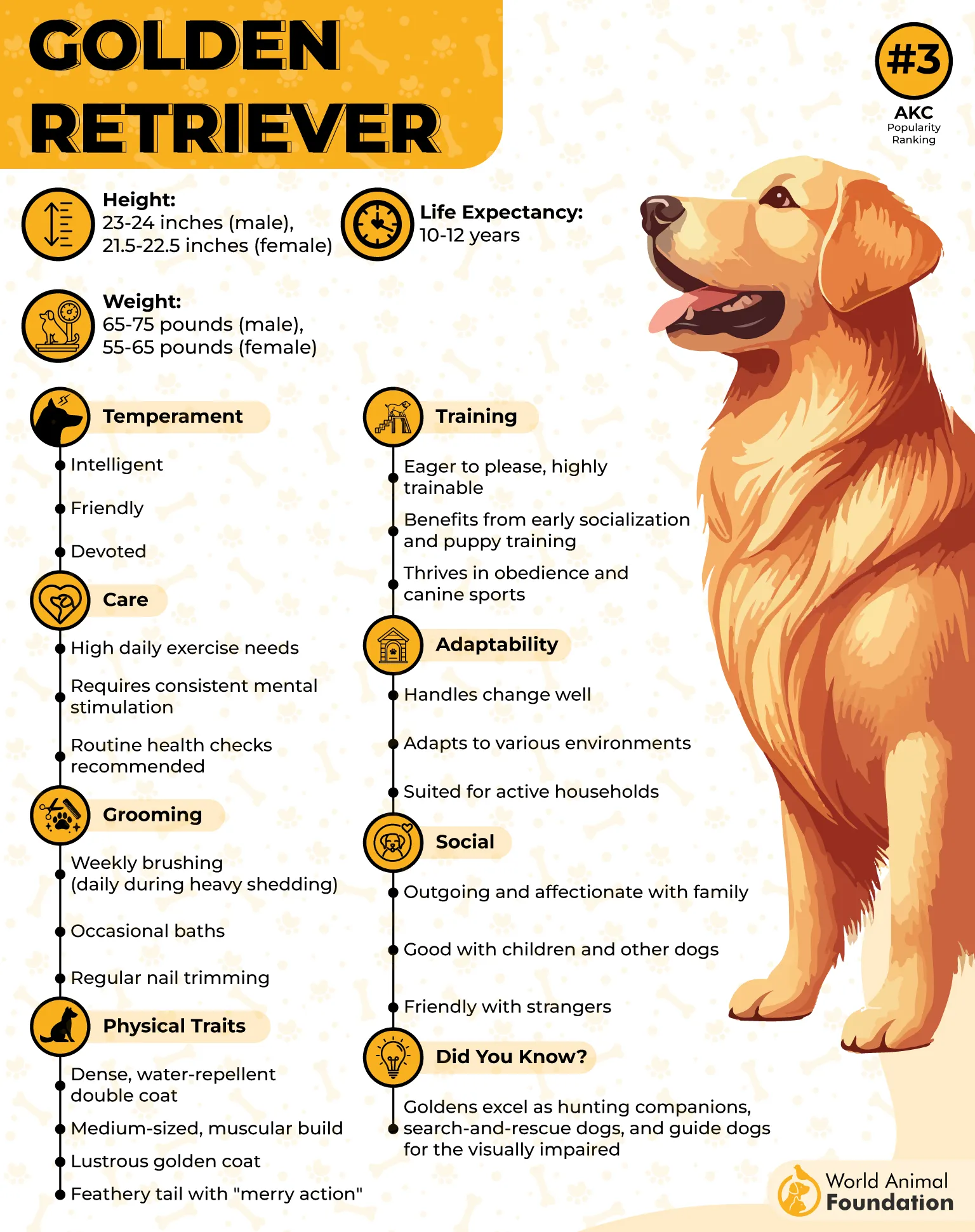
Purina says that their tolerant mindset allows them to handle kids, visiting friends, and household pets comfortably. Daily audio like music tracks, laughing groups, or slamming cabinets becomes easy to ignore when paired with steady positive experiences. They excel at maintaining polite doorway decorum even when multiple visitors enter simultaneously amidst loud greetings.
Because high stamina drives them, physical exercise remains key; without active outlets, pent-up energy might surface during lively events. Early puppyhood exposure to varied environments alongside steady praise builds ultimate self-control. Incorporating long walks in busy parks, retrieval exercises, and mentally challenging puzzle toys channels their natural drive productively.
Pairing a quick-learning brain with a heartwarming presence, this canine thrives in vibrant settings without breaking a sweat. They remain a steadfast anchor during family celebrations, neighborhood parties, and active indoor play.
4. Bernese Mountain Dog

Bernese Mountain Dog is a massive, soft-coated protector radiating absolute serenity amidst household activity. This heavy-built helper possesses a centered demeanor, preferring close contact with loved ones during daily chores. Their historical farm origins give them an innate resilience against chaotic farmyard sounds, which translates directly into calm tolerance of modern household racket.
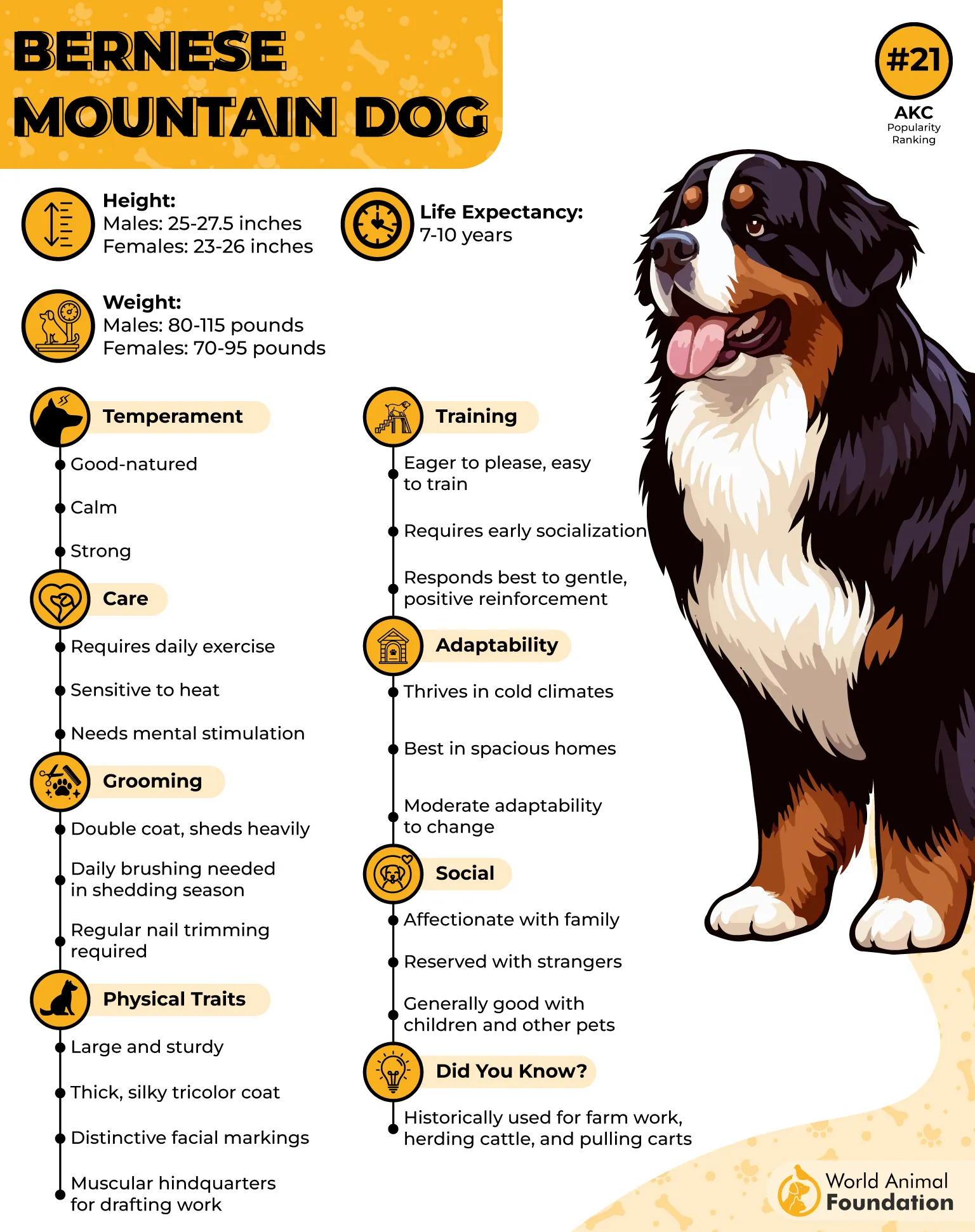
Structured learning suits their sharp minds well. Orvis says that they take pride in mastering simple obedience rules, structured routines, and light family tasks. Their grounded nature keeps them unbothered by ambient chaos, so they don’t need constant attention. They observe bustling family activity from a comfortable vantage point without feeling compelled to intervene or bark unnecessarily.
Early puppy training is crucial to manage their immense size, making cues like “stay” or “settle” essential against accidental jumping. Teaching loose-leash walking skills and polite greeting habits prevents their substantial weight from becoming difficult to manage around incoming guests.
Slowly introduce unfamiliar noises while offering a dedicated sanctuary space to help them process heavy commotion safely. Keep in mind their dense coat requires cool indoor setups during warm seasons. Providing cooling mats, shaded resting zones, and controlled indoor climate options ensures their physiological comfort matches their mental composure.
5. Bichon Frise

Beneath that puffball exterior lies a razor-sharp mind eager for interactive fun. This spirited little figure thrives on human interaction and adjusts smoothly to shifting living arrangements. Their optimistic outlook turns potentially frightening noise spikes into mere curiosities, provided they receive positive reinforcement early on.
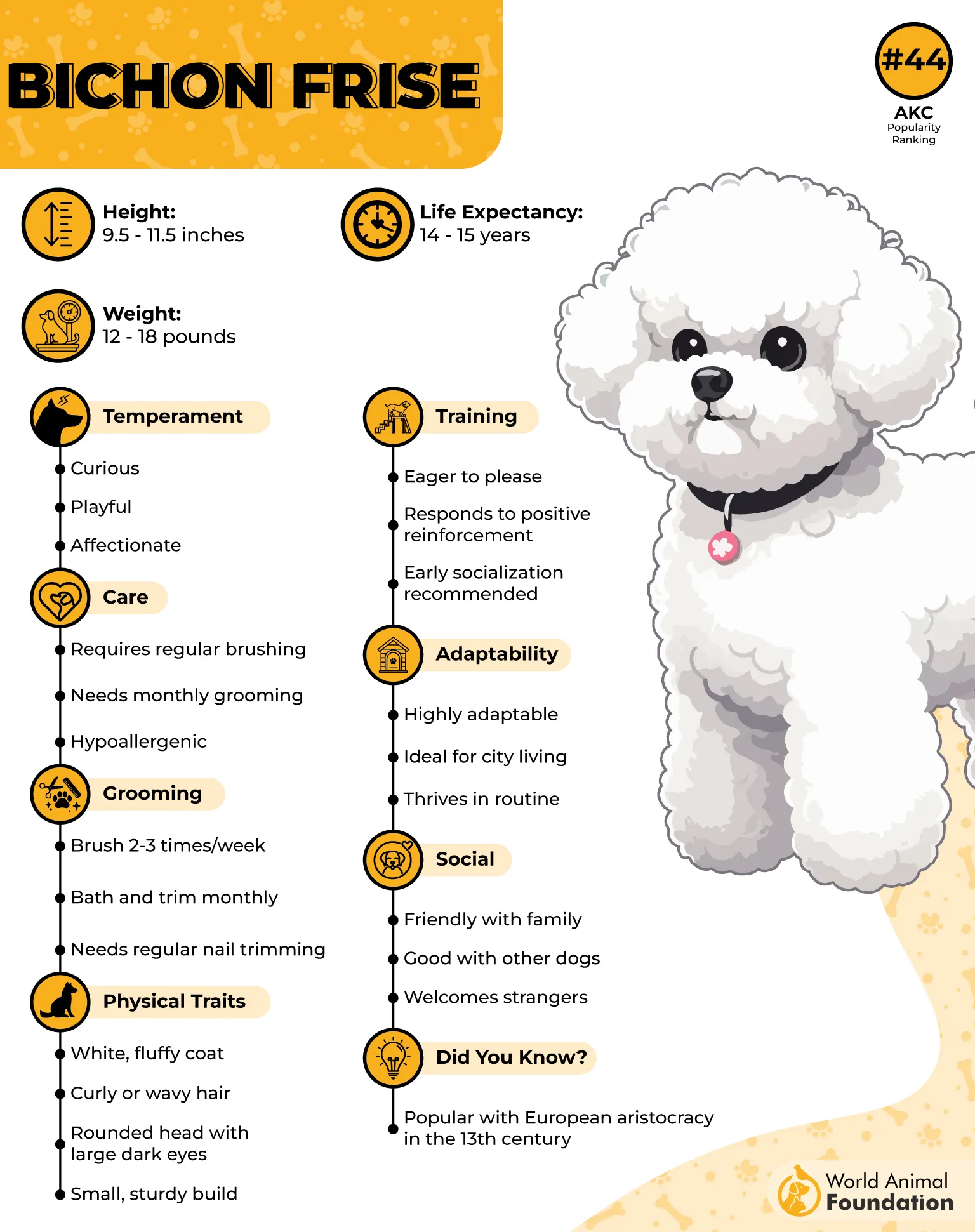
Learning comes naturally to these quick thinkers, who absorb routine commands and social manners via playful, praise-filled practice. Proper exposure helps them process active environments without developing nervous habits. They thrive when training feels like an entertaining game involving agility tricks, target stick touches, or rapid cue responses.
Because vocal tendencies can pop up when hearing footsteps or entry chimes, instilling a “quiet” cue cures unnecessary alerts. Redirecting their focus toward a chew bone or a targeted trick whenever unexpected street noises occur prevents habituated nuisance barking.
Gradual sound desensitization, starting softly and building slowly, ensures high confidence. Their small footprint suits compact apartments, though daily walks, mental puzzles, and frequent coat brushing remain absolute musts. Their low-dander coat hypoallergenic appeal makes them ideal candidates for close indoor living where physical contact and frequent indoor play dominate daily life.
6. Standard Poodle
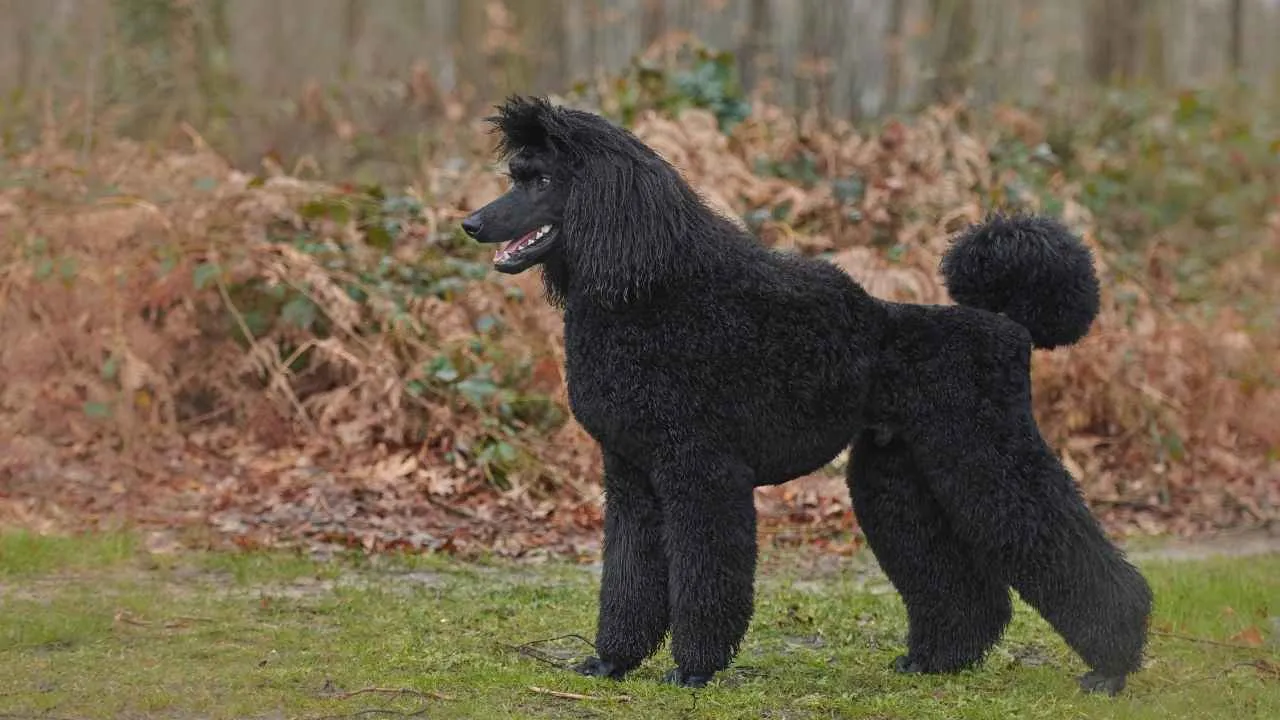
Sleek athleticism meets extraordinary brainpower inside this versatile worker, the Standard Poodle. High-level cognitive capacity allows them to absorb complex instructions, daily schedules, and new tasks with incredible speed. Their refined problem-solving skills allow them to process complex commands and adapt to sudden schedule changes without displaying frustration.
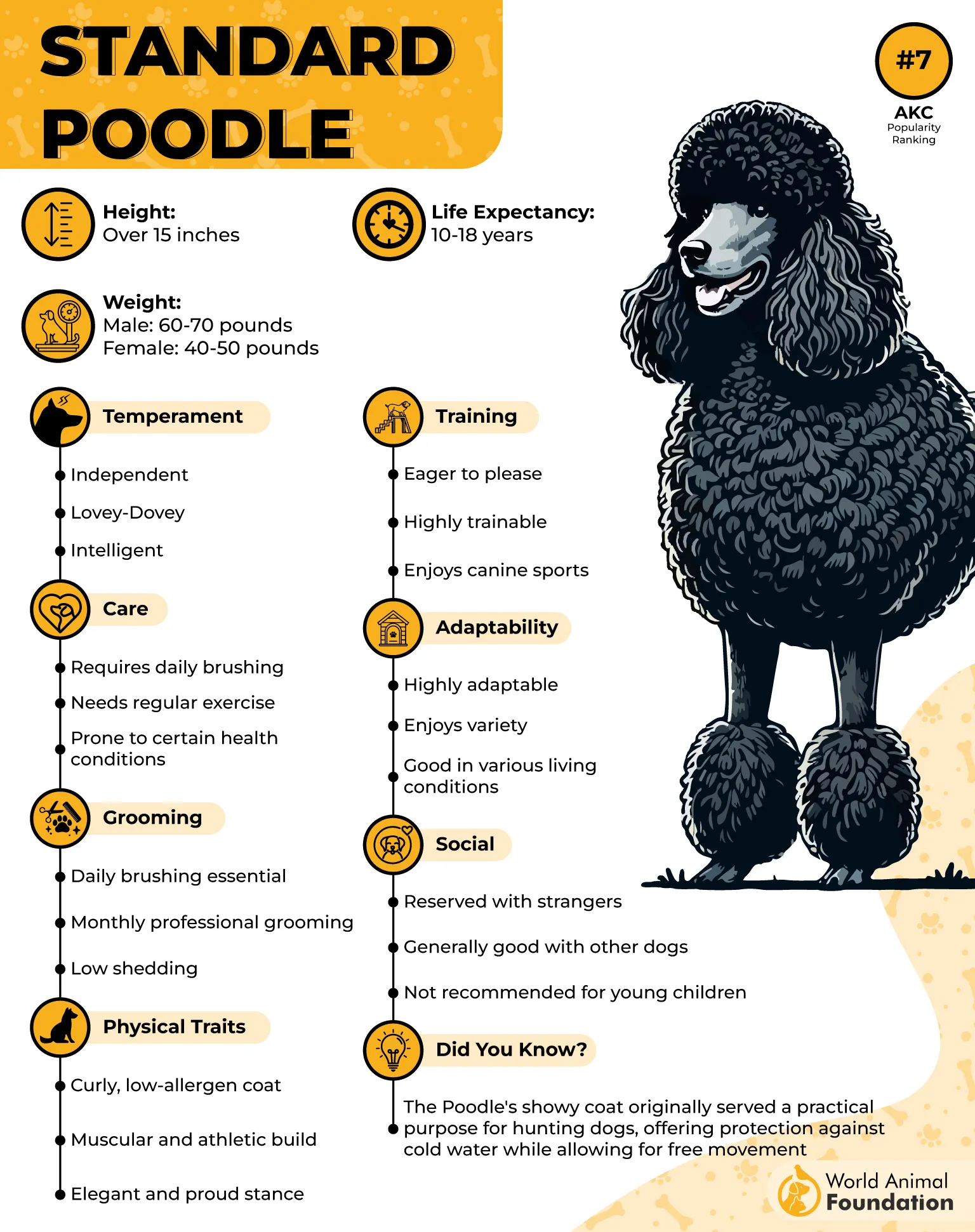
Their sharp awareness evaluates surrounding environments swiftly. Utilizing positive rewards teaches them which sounds warrant attention versus simple background noise. They excel at learning subtle environmental cues, quickly understanding that kitchen appliance alarms, dropped cookware, or loud video games require no defensive reaction.
These social canines embrace family events, smoothly tolerating kids and guests. Because sensitive bonds form deep attachments, early exposure keeps them grounded during sudden loud occurrences. Building confidence through varied urban walks, outdoor obstacle navigation, and diverse socialization settings reinforces their internal bravery.
Interactive toys, advanced obedience drills, and dedicated quiet commands keep their athletic, intelligent minds perfectly balanced during busy days. Their non-shedding coat requires regular professional grooming, but their outstanding adaptability in lively residences makes every effort worthwhile.
7. Bulldog

Known for a famously unbothered attitude, the Bulldog prioritizes lounging near loved ones. Their low-arousal nervous system naturally filters out ambient household clamor, making them virtually immune to standard domestic noise pollution.
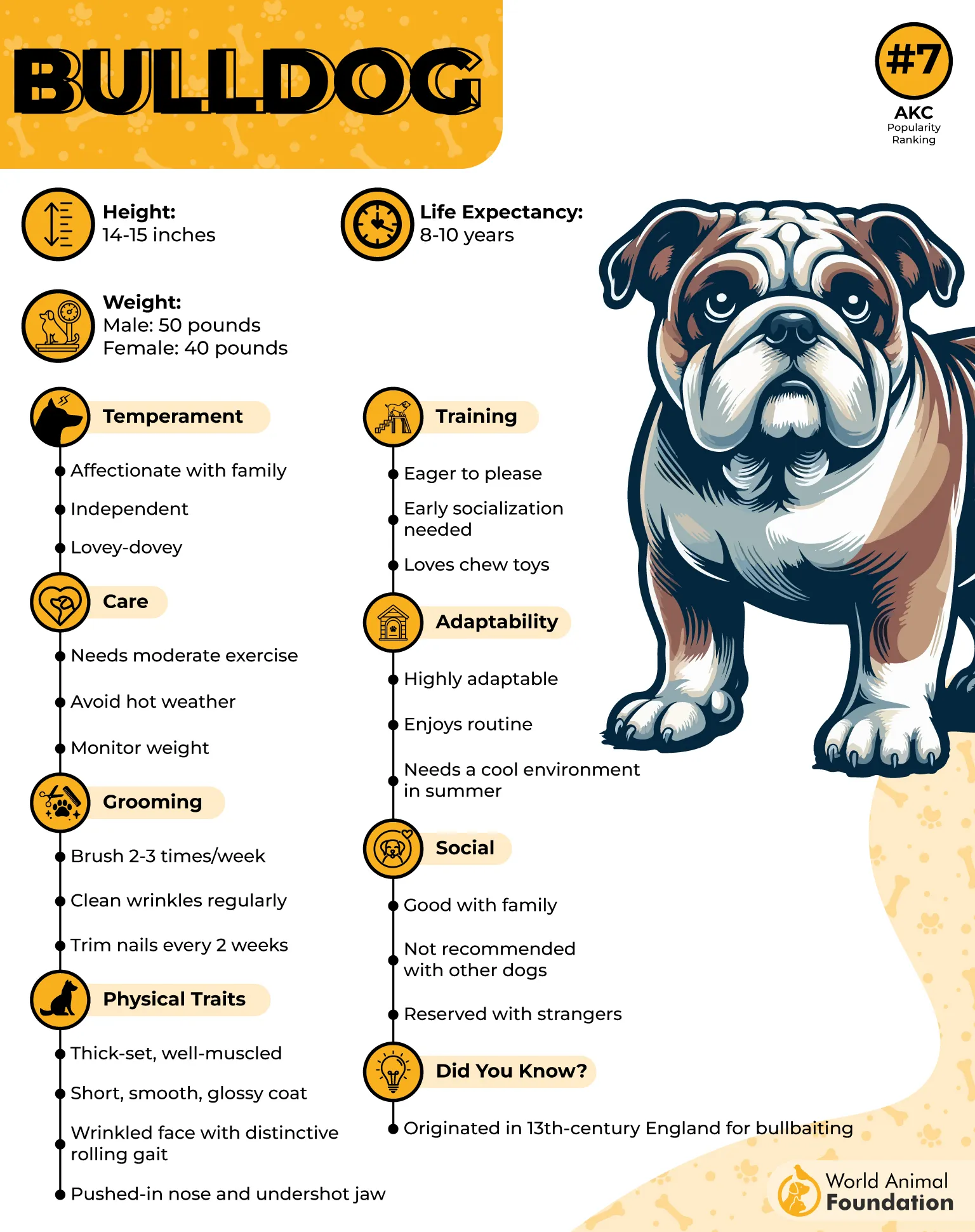
While independent thinking requires brief, engaging practice sessions with clear rewards, they absorb essential boundaries through consistent, gentle repetition. Utilizing high-value food rewards and brief training intervals yields consistent results without boring their easygoing mindset.
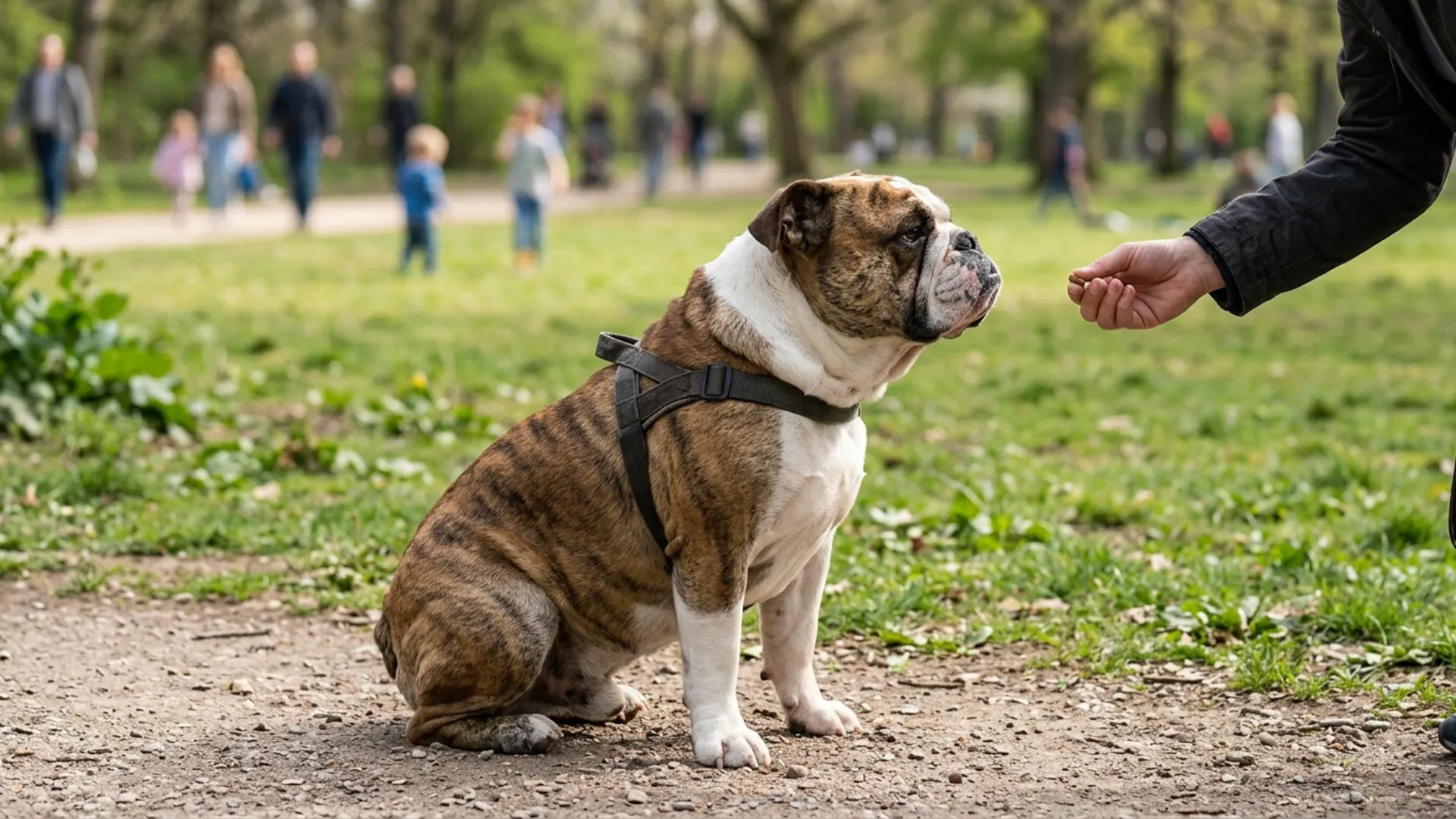
Their steady nature means television noise, casual chatter, and walking traffic rarely disrupt their nap schedule. Early socialization builds comfortable responses toward visiting guests and outside sounds. They maintain a stoic, relaxed presence whether toddlers run nearby, construction noise booms down the street, or vacuum cleaners operate in the same room.
Due to their unique facial structure, hot conditions require climate control and low-strain exercise to maintain safety. For homes seeking a peaceful, low-fuss companion, this low-key breed fits the bill perfectly. Short daily strolls and casual indoor play provide adequate physical conditioning while keeping their relaxed disposition fully intact.
Conclusion
Finding the right balance between eager learnability and serene composure allows dog lovers to welcome a steady companion who fits right into the everyday flow. Whether choosing a brainy puzzle-solver, a sturdy gentle giant, or a relaxed couch enthusiast, matching canine qualities to individual household rhythms establishes a foundation for long-term harmony.
Transforming active home spaces into calm sanctuaries relies on consistent guidance, positive reinforcement, and thoughtful exposure to daily sounds. When owners pair natural breed capabilities with gentle desensitization, structured boundary setting, and adequate daily outlets, even the loudest, most energetic environment becomes an anchor of mutual trust.
With patience and clear direction, every bustling living space can blossom into a stress-free haven where humans and four-legged partners thrive together.
