




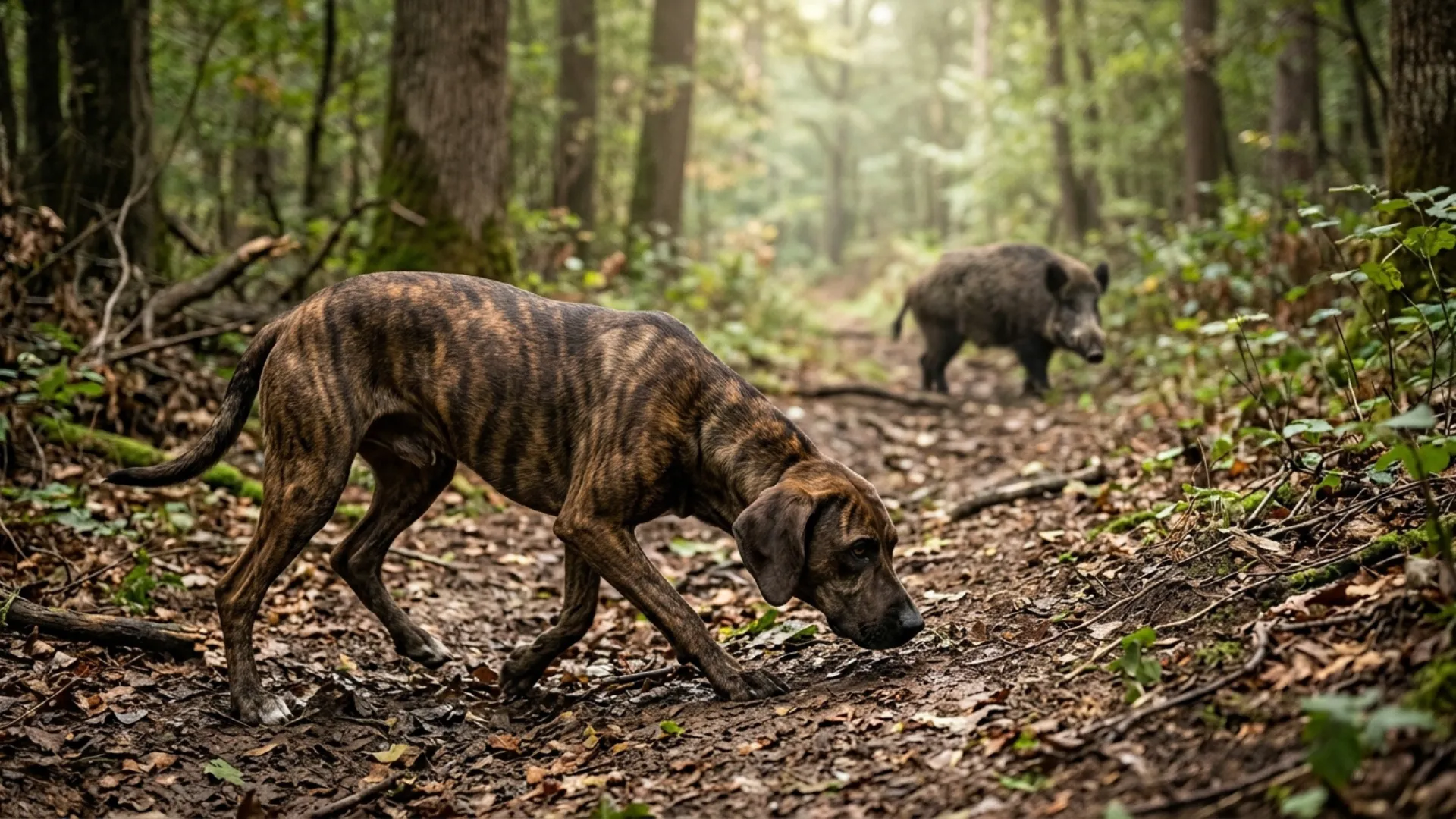
Wild boar hunting presents a formidable challenge, requiring skilled teamwork between hunters and dogs. Navigating dense brush, following scent trails, and working across rugged terrain demand a combination of physical endurance, sharp senses, and determination.
Certain hunting breeds have developed specialized abilities for locating, tracking, or pursuing large game. Their intelligence, responsiveness, and working instincts can make them valuable field partners, although proper training and safety precautions remain essential.
Explore nine dog breeds recognized for their hunting capabilities and discover the distinctive qualities that help them tackle the challenges of wild boar pursuit.
Top Dog Breeds for Dominating Wild Boar Hunts
1. Slovensky Kopov
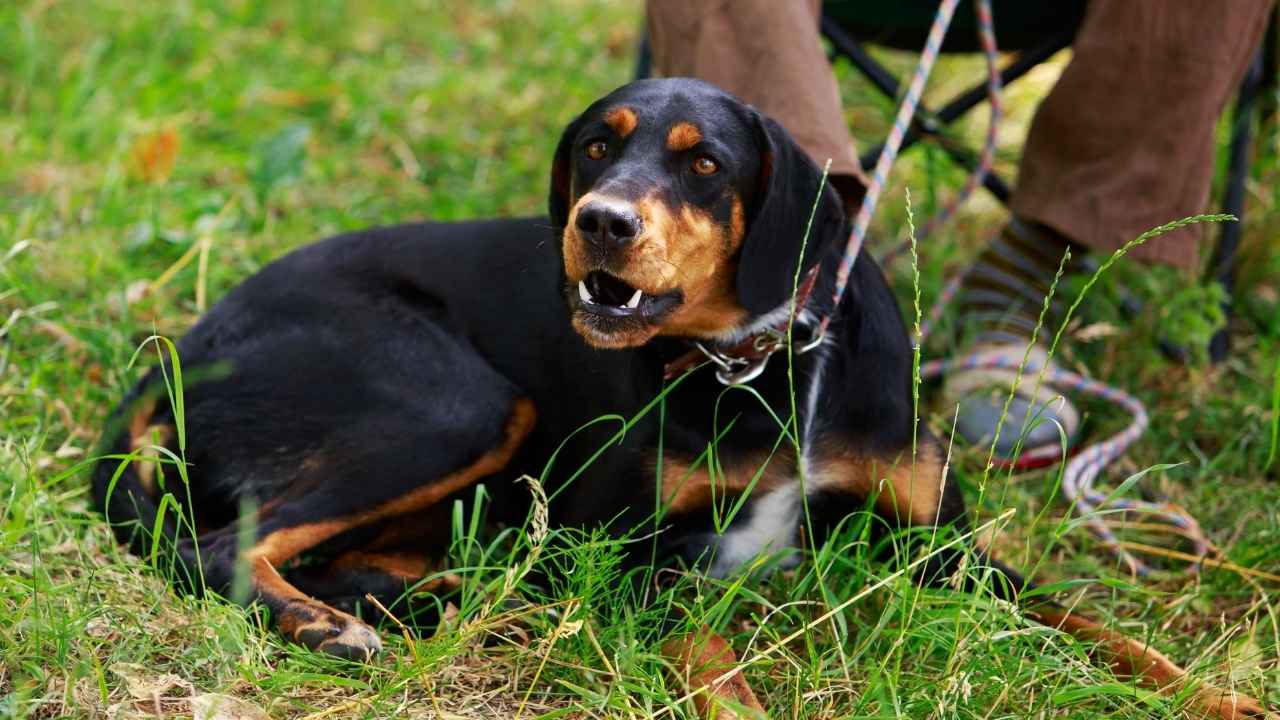
The Slovensky Kopov, also called the Slovakian Hound, is a rugged scent hound developed in Slovakia for hunting wild boar. Its compact, solid build, black coat, and tan markings accompany a fearless temperament suited to demanding hunts.
According to the AKC, participating in dog sports such as agility, obedience, and rally provides an enjoyable way to keep dogs physically active and engaged.
What makes this breed especially valuable in the field is its remarkable nose and determination. Once it picks up a scent, the Slovensky Kopov can follow the trail for hours, relying on its stamina, sense of direction, and persistence to keep pursuing its quarry through challenging terrain.
This hardworking hound thrives on outdoor activity and purposeful tasks rather than a sedentary lifestyle. It also tends to be cautious around unfamiliar people, so consistent training is important for developing a confident, well-adjusted hunting companion.
How This Breed Stands Out
Persistent scent tracking: Follows challenging trails with impressive endurance and concentration.
Loud, distinctive baying: Uses its strong voice to communicate while pursuing game through the hunting grounds.
2. Dogo Argentino
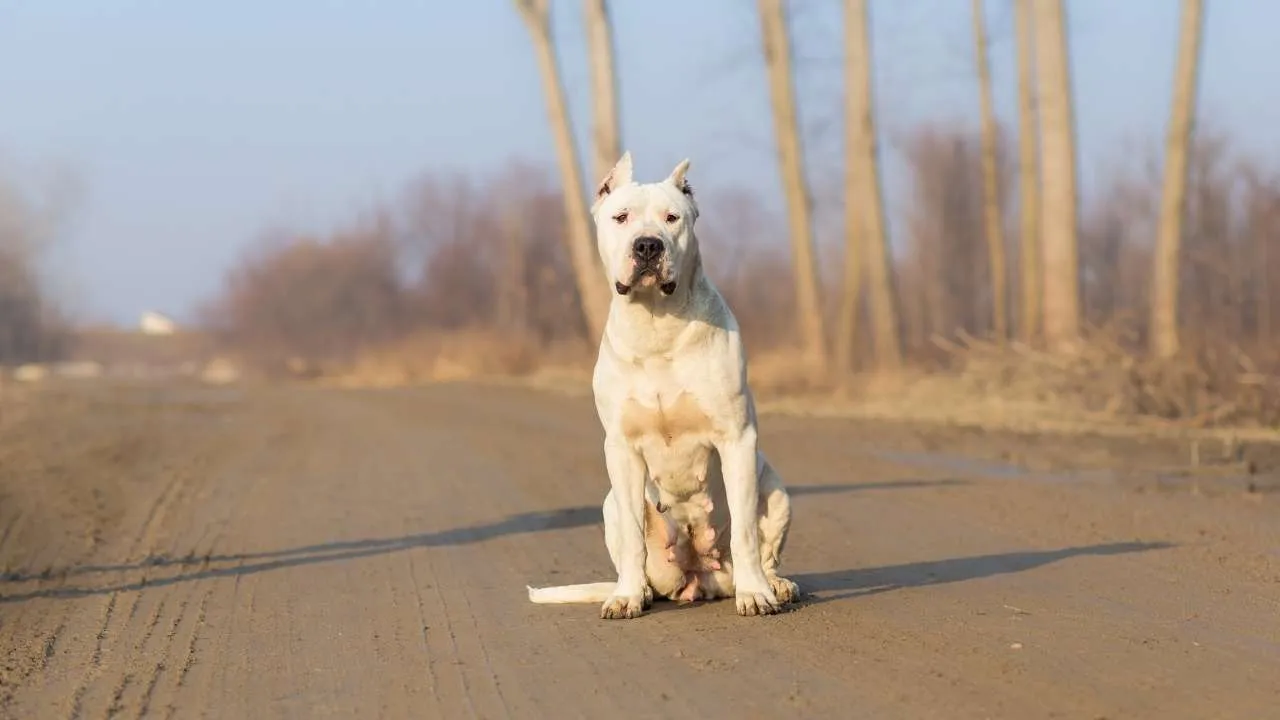
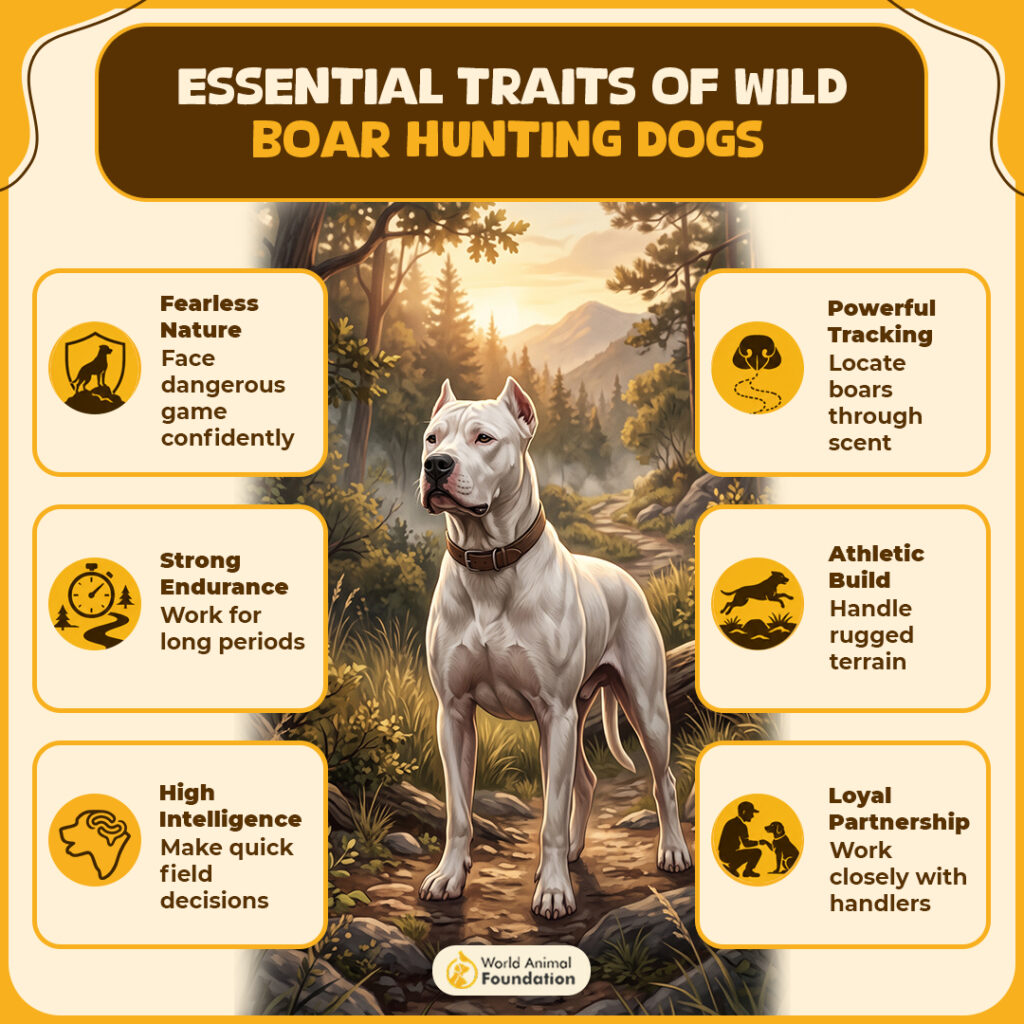
Recognizable by its short, white coat and muscular frame, it is considered one of the best hunting dog breeds. Its balanced physique combines strength with the agility needed to move quickly across challenging hunting terrain.
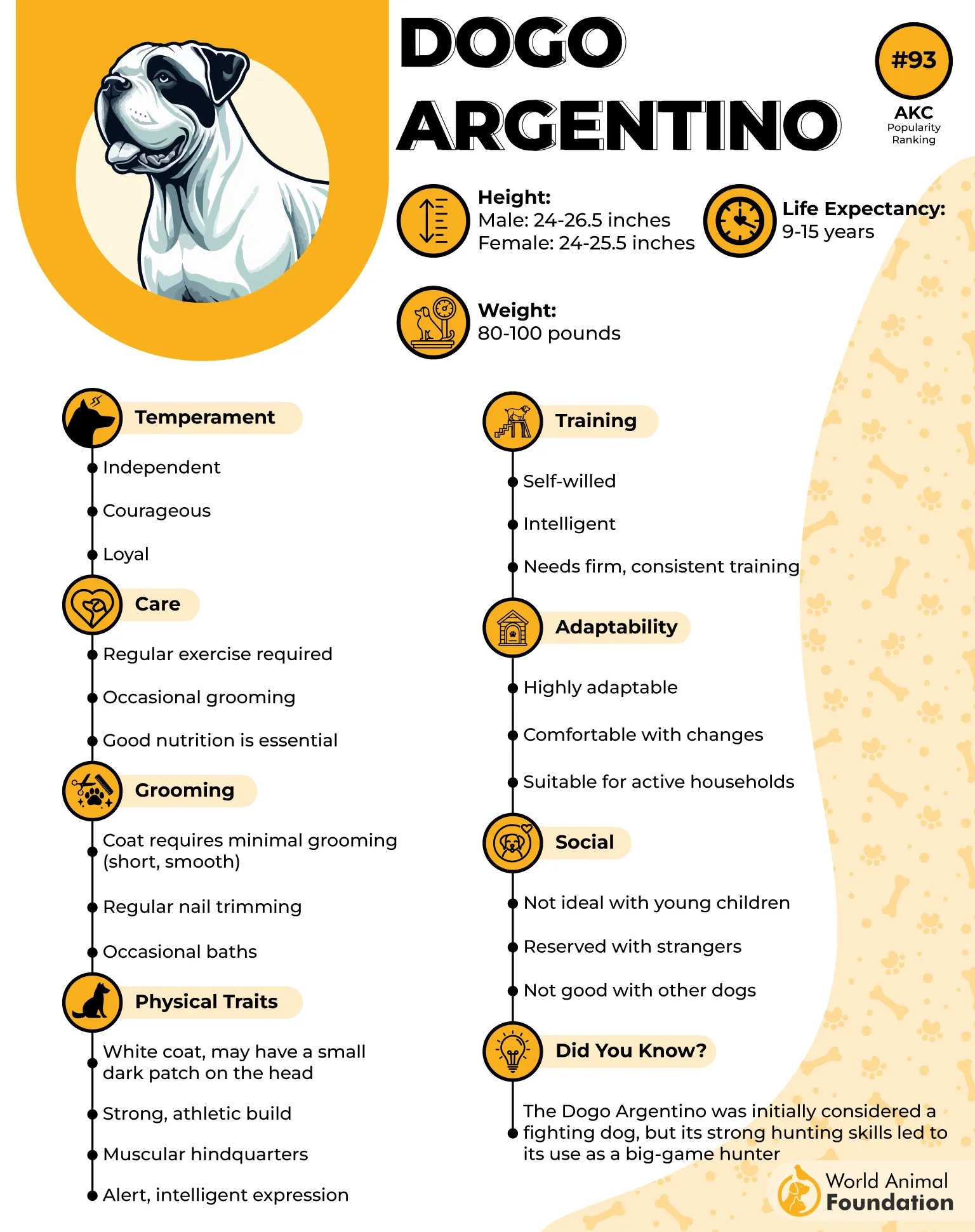
Beyond its imposing appearance, this breed possesses impressive athletic ability, stamina, and a keen sense of smell. Its courage and determination make it suited to demanding big-game work, where physical power and quick responses are valuable. The Dogo Argentino also forms strong bonds with its family.
According to Royal Canin, they are deeply loyal to their families and naturally protective of their homes.
This energetic working dog needs substantial daily exercise, structured training, and early socialization. Its strong prey drive calls for careful management, while its size and intensity make an experienced handler particularly important. Prospective owners should also be aware of potential hearing problems.
How This Breed Stands Out
Powerful, athletic build: Combines muscular strength, agility, and endurance for demanding field pursuits.
Courage around large game: Bred to confront formidable quarry with determination and confidence.
3. Plott Hound
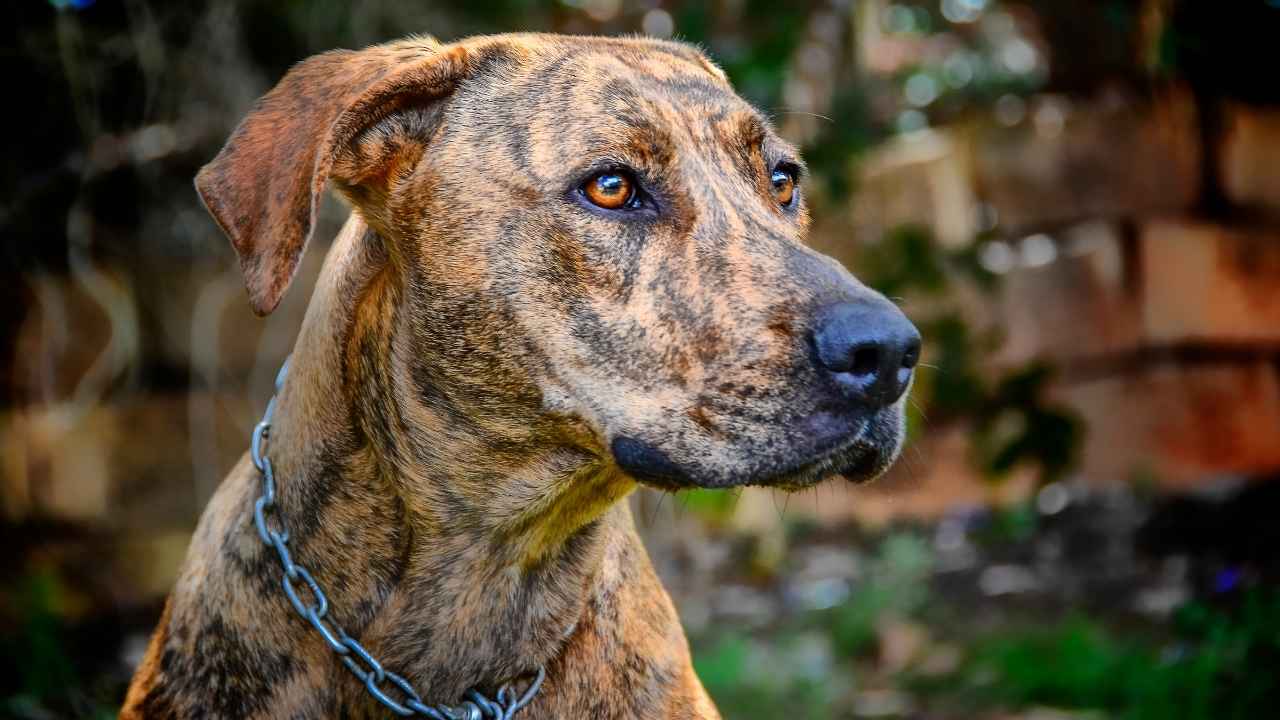
Recognized by its striking brindle coat and athletic frame, the Plott Hound is a determined scent hound developed for pursuing formidable game, including wild boar and bears. Originally bred for demanding hunts, it combines muscular strength with the agility needed to navigate rugged landscapes.
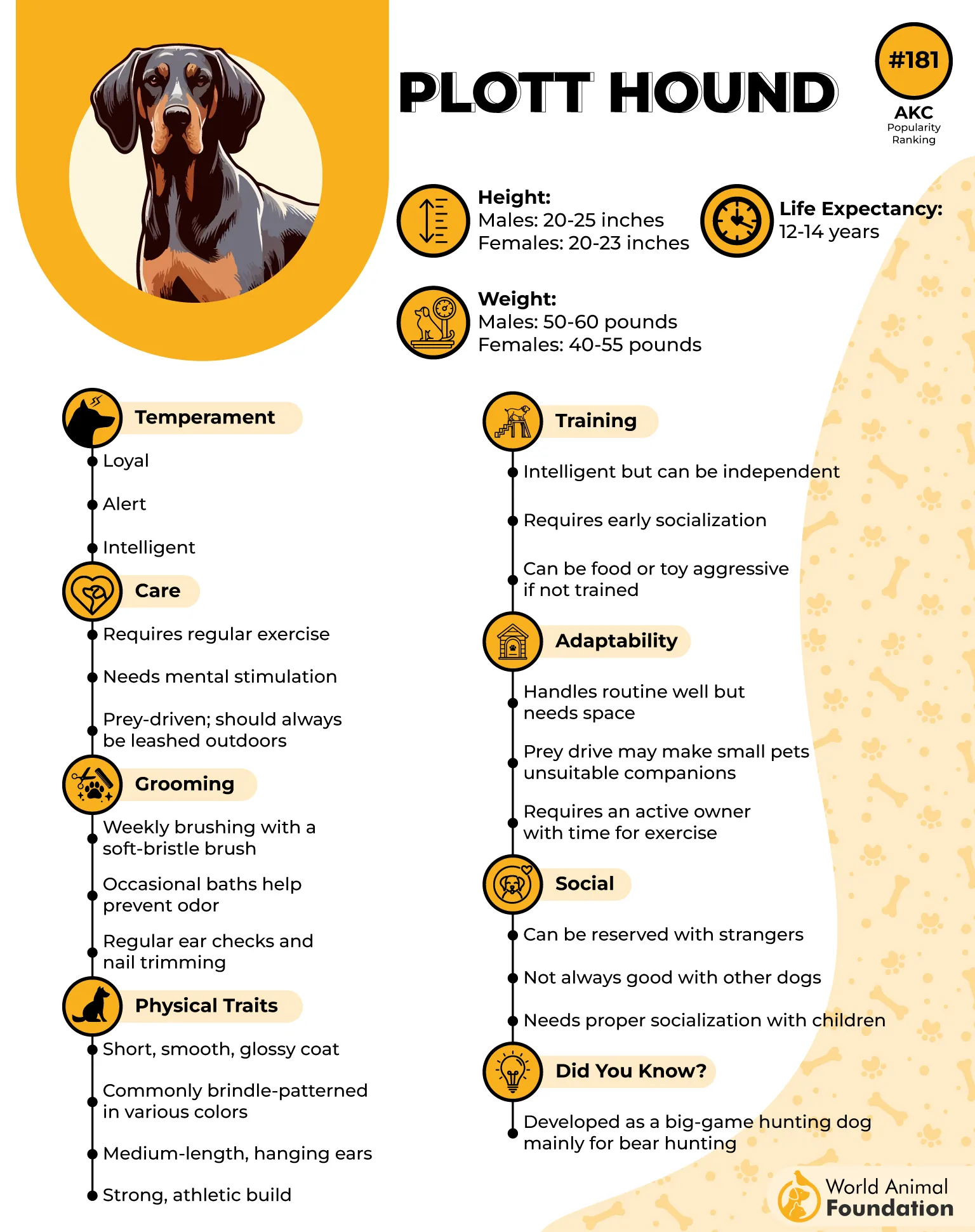
When tracking quarry, this hound is relentless. Its stamina and concentration help it follow scents over long distances, while its courage and persistence support extended hunting work. Away from the field, the Plott can be affectionate with its family, balancing its serious working instincts with a more relaxed home personality.
According to WebMD, Plott Hounds have strong hunting instincts and an energetic temperament, making regular walks and runs essential for meeting their exercise needs.
Its strong prey drive makes leash control important, while early interaction encourages appropriate behavior around unfamiliar people and animals. An active household that can provide structure and outdoor opportunities suits it best.
How This Breed Stands Out
Brindle coat pattern: Its distinctive striped coat can feature varied shades, making the Plott visually recognizable.
Exceptional trail endurance: Built for stamina and persistence, it can follow challenging scents across demanding terrain.
4. Transylvanian Hound
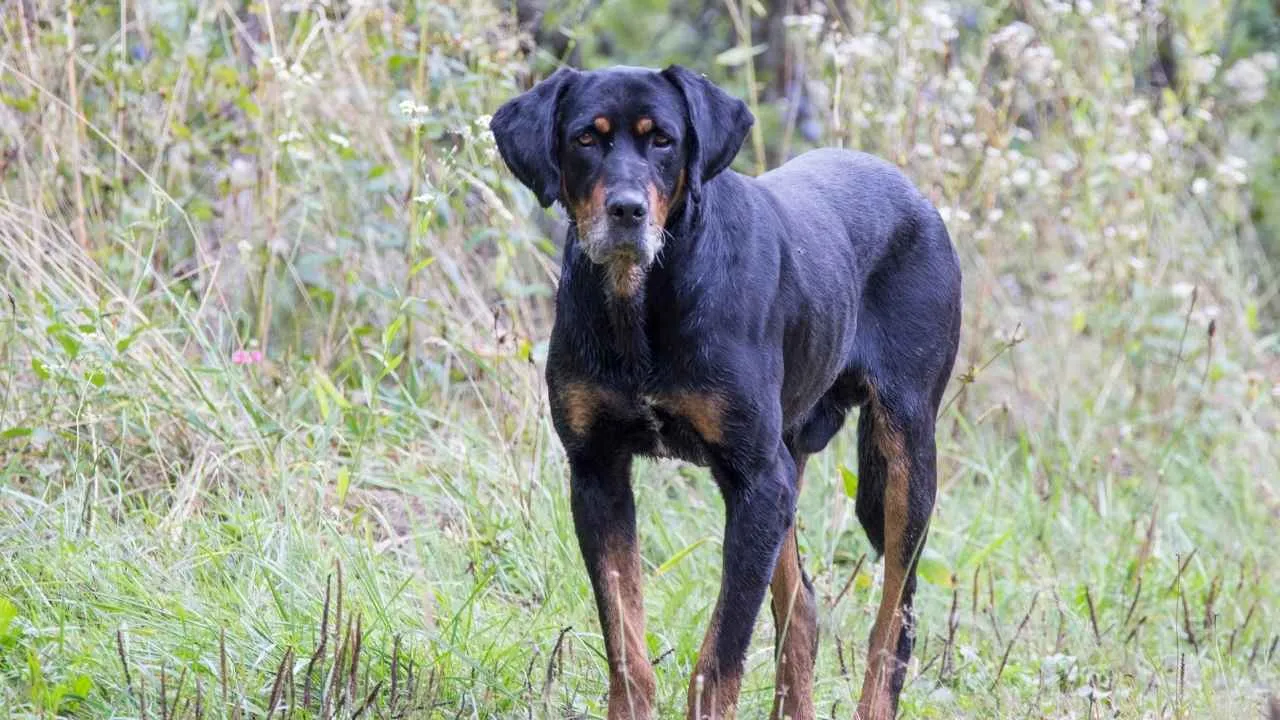
Recognised as one of the top dog breeds for dominating wild boar hunts in thick forests, its black-and-tan coat, lean muscular body, and balanced movement reflect its athletic working heritage.
Traditionally used to hunt alone or in groups, it communicates through a distinctive, ringing voice that helps hunters identify the direction of the game. Its intelligence also supports independent problem-solving in the field.
Despite its strong hunting instincts, the Transylvanian Hound can be loyal, playful, and affectionate with its family. It needs substantial daily exercise, consistent training, and mental stimulation. Because it may follow an intriguing scent without hesitation, secure fencing and leash control are important.
How This Breed Stands Out
Rugged woodland tracking: Its keen nose and adaptability help it pursue game through challenging terrain.
Strong long-distance stamina: Bred for demanding hunts, it can maintain its pursuit over extended distances.
5. Jagdterrier
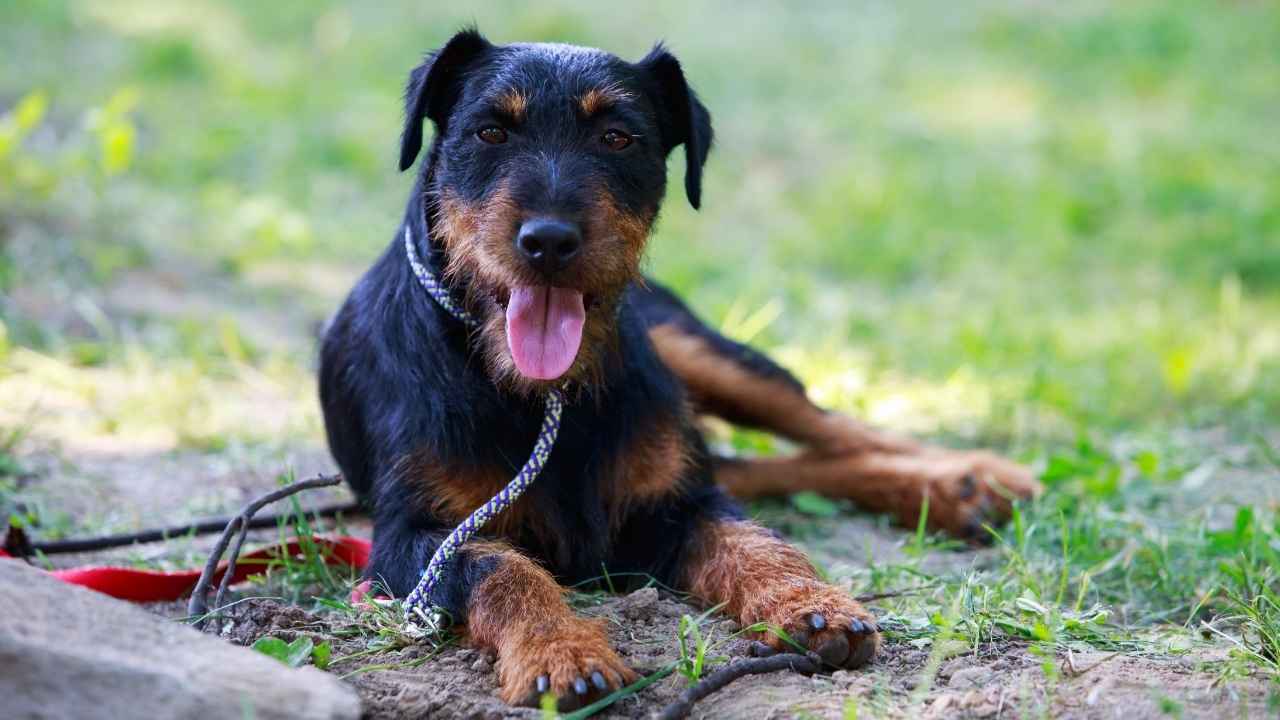
The Jagdterrier, also known as the German Hunting Terrier, is a compact, versatile working dog bred in Germany for demanding hunting tasks. Its dense coat is typically black and tan, and its sturdy proportions allow it to maneuver through challenging environments with agility.
Fearless and eager and ready for any job, this terrier can pursue quarry underground, flush birds from cover, and track wounded animals by scent. Its keen nose, endurance, and willingness to work make it useful in varied hunting situations, including pursuits involving larger game.
Training should channel its strong hunting drive while reinforcing reliable responses and appropriate behavior around other animals.
How This Breed Stands Out
Fearless working-dog drive: Approaches demanding hunting tasks with courage, persistence, and determination.
Compact, muscular frame: Its sturdy, agile build helps it navigate confined spaces and rugged terrain.
6. Catahoula Leopard Dog
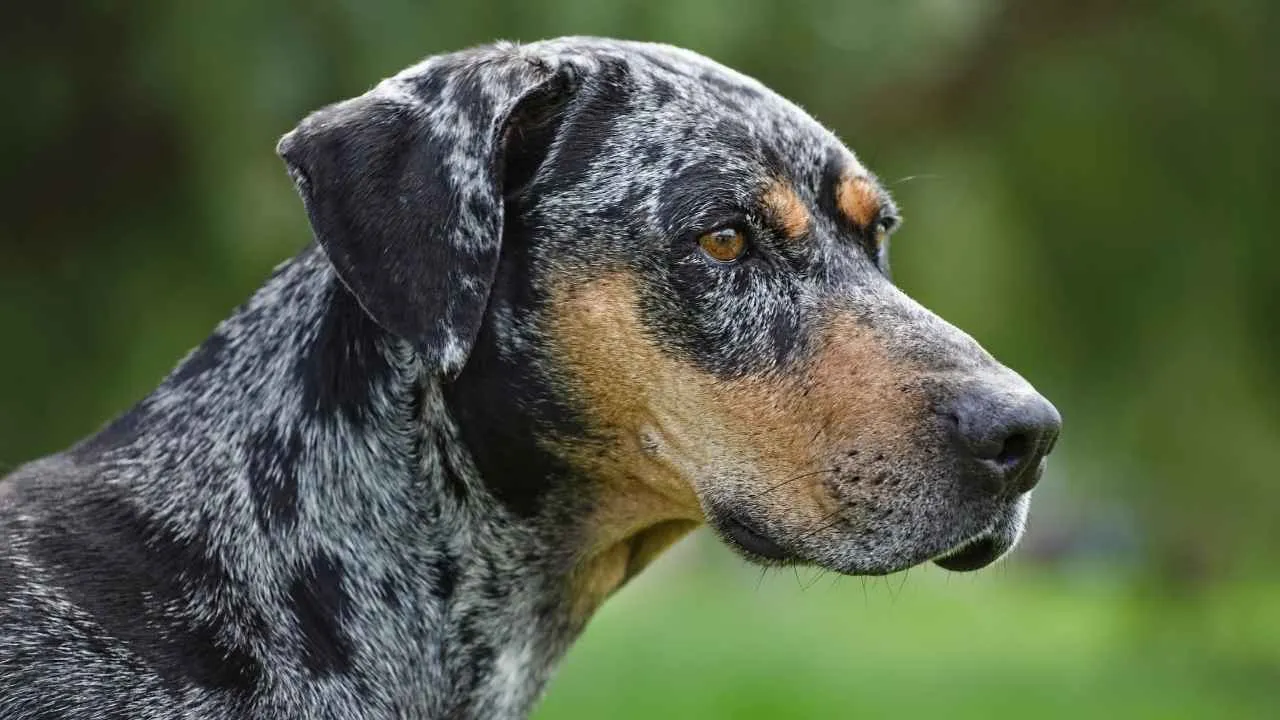
Originating in Louisiana, the Catahoula Leopard Dog is a powerful, versatile working breed recognized for its distinctive coat patterns and often striking eye colors. Its muscular body combines strength with agility, making it capable of handling demanding outdoor work across varied terrain.
Most people know it as the Catahoula Hog Dog; this breed has a history of working with livestock and pursuing challenging game. Focused in the field, it often shows a more playful and affectionate side around familiar family members.
Catahoulas are independent, territorial, and protective, so early exposure and firm, consistent training are essential. They need purposeful tasks to channel their energy appropriately. Experienced handlers are best equipped to manage their strong working instincts.
How This Breed Stands Out
Striking mottled coat: Its varied coat patterns and distinctive eye colors give the breed a memorable appearance.
Agile brush navigation: Its athletic build and endurance help it move through challenging terrain and dense vegetation.
7. Blue Lacy
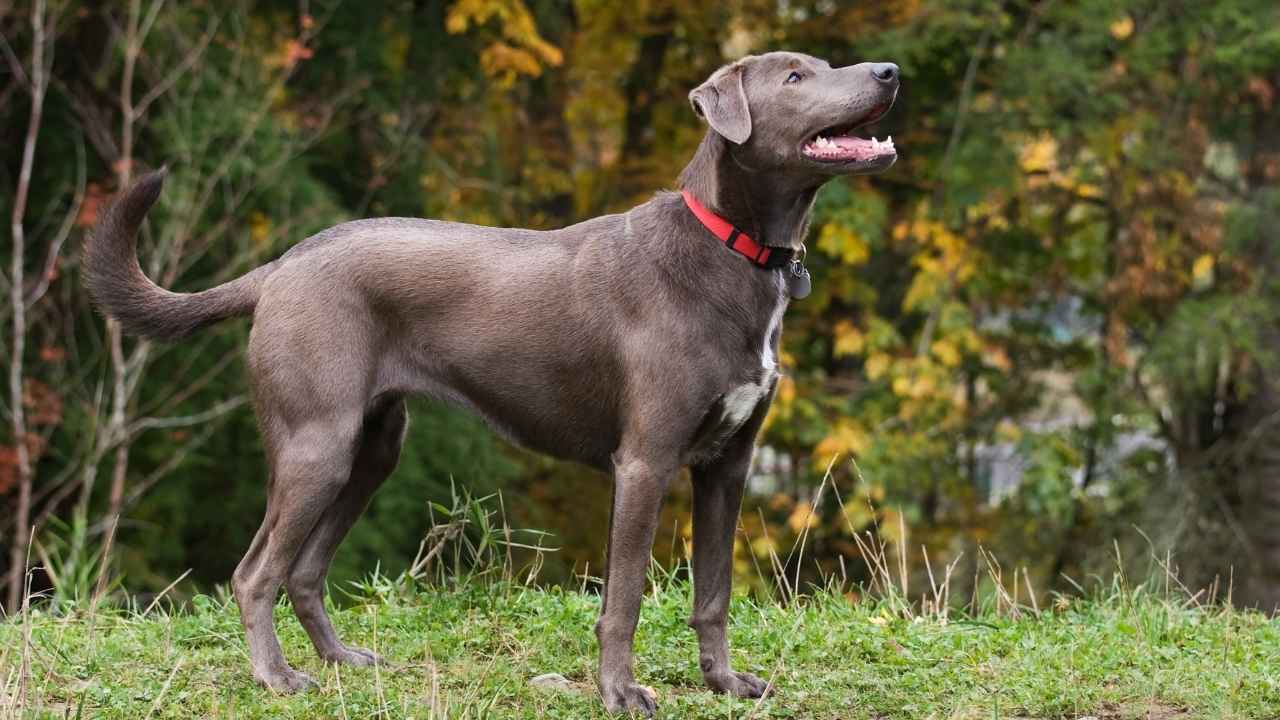
Developed in Texas for demanding ranch work, the Blue Lacy is a lean, athletic breed with a short coat and an alert expression. Despite its name, it can have blue-gray, red, or tri-colored coloring, with all varieties carrying the blue-color gene.
Originally valued for working feral hogs and herding livestock, this determined dog combines stamina with quick reactions and strong working instincts. Its efficient movement helps it cover ground during active pursuits, while its intelligence allows it to learn commands and respond to structured training.
Blue Lacys need open space and purposeful activities to stay engaged. They can become territorial or confrontational around unfamiliar dogs without appropriate socialization, so early exposure and consistent, calm guidance are important.
Their high energy makes them better suited to active homes than sedentary lifestyles.
How This Breed Stands Out
Quick, responsive movement: Its athletic build supports agile movement during demanding ranch and hunting work.
Intense working focus: Intelligent and driven, it thrives when given clear tasks that engage its instincts.
8. Bavarian Mountain Scent Hound
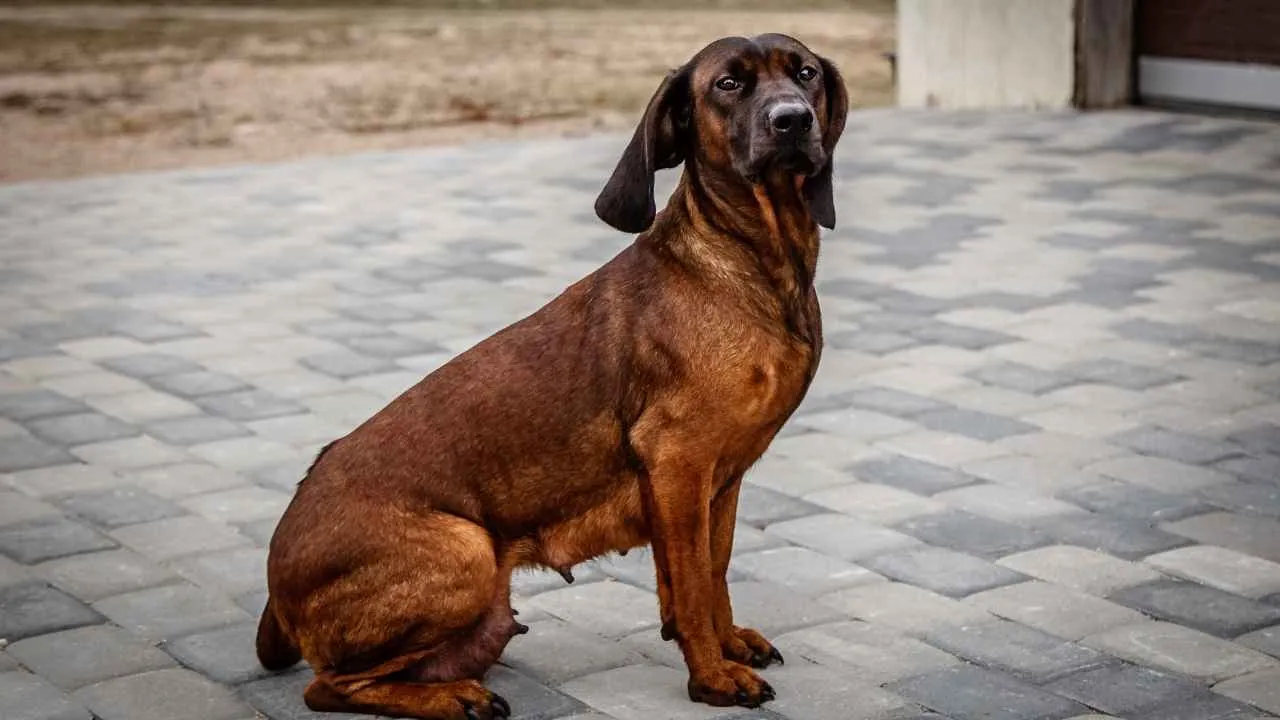
Originating in Germany, the Bavarian Mountain Scent Hound is a specialized tracking breed prized for its remarkable nose. Its greatest strength is detecting the scent of wounded game and distinguishing the animal being tracked from others of the same species.
Rather than rushing blindly after a trail, this hound is known for focused, careful scent work. Traditionally used by foresters and game wardens, it combines confidence, intelligence, and persistence when following challenging tracks.
These qualities can make it valuable during hunts where locating wounded wild boar requires patience and precision.
Devoted to its owner, the breed is generally composed and self-assured, though it may be reserved around strangers. A secure outdoor area and positive reinforcement help support its physical needs and working temperament.
How This Breed Stands Out
Exceptional wounded-game tracking: Its highly sensitive nose helps identify and follow the scent of injured quarry.
Calm, methodical scent work: Approaches tracking with concentration and persistence rather than relying on speed alone.
9. Alano Español
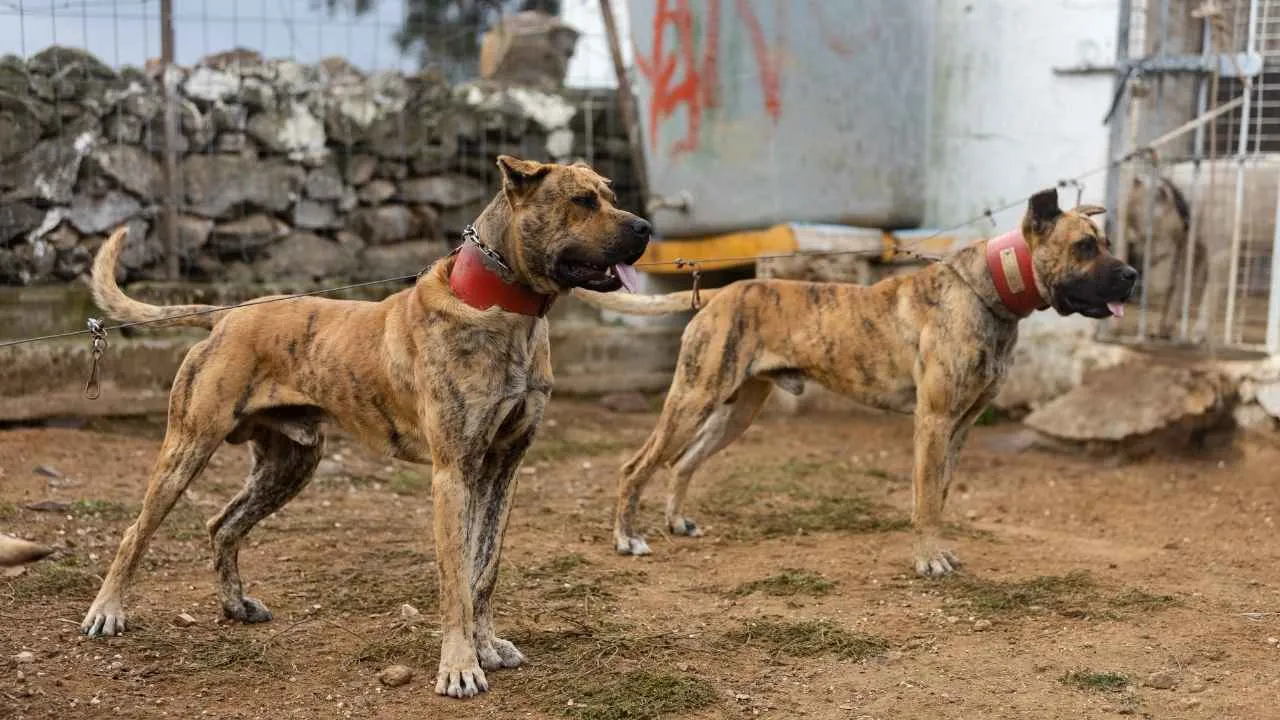
The Alano Español, also known as the Spanish Bulldog, is a powerful working breed with a long history in Spain. Descended from dogs associated with the ancient Alani people, it was used for guarding livestock, managing cattle, and assisting in demanding hunts.
This muscular dog became valued for its ability to pursue and hold large animals, including wild boar. Its working heritage reflects determination, physical strength, and the tenacity needed for challenging tasks.
Although the breed nearly disappeared during the twentieth century, dedicated recovery efforts helped restore its population.
The Alano Español has a robust frame suited to strenuous activity, but its strength calls for responsible handling and consistent training. Early social interaction is important for managing its working instincts and helping it develop into a well-adjusted companion.
How This Breed Stands Out
Historic Spanish catch-dog heritage: Traditionally worked with cattle and assisted hunters in pursuing and holding large game.
Broad chest and powerful jaws: Its solid, muscular build reflects the strength associated with demanding working roles.
Conclusion
Choosing the best dog breeds for wild boar hunting means looking beyond strength alone. Courage, endurance, scenting ability, and a determined working attitude all contribute to a capable hunting companion.
Breeds such as the Dogo Argentino and Plott Hound bring power and persistence, while the Slovensky Kopov and Transylvanian Hound excel at following challenging trails.
The Jagdterrier offers fearless determination, and the Catahoula Leopard Dog and Blue Lacy bring athleticism and versatility to demanding fieldwork.
For hunters who prioritize tracking precision, the Bavarian Mountain Scent Hound offers a specialized nose for locating wounded game. Each breed has distinct strengths, energy requirements, and training needs that deserve careful consideration.
Wild boar hunting also demands responsible handling, suitable training, and attention to safety. Matching a dog’s natural abilities with the terrain, hunting approach, and handler’s experience helps support more effective and responsible work in the field.
