




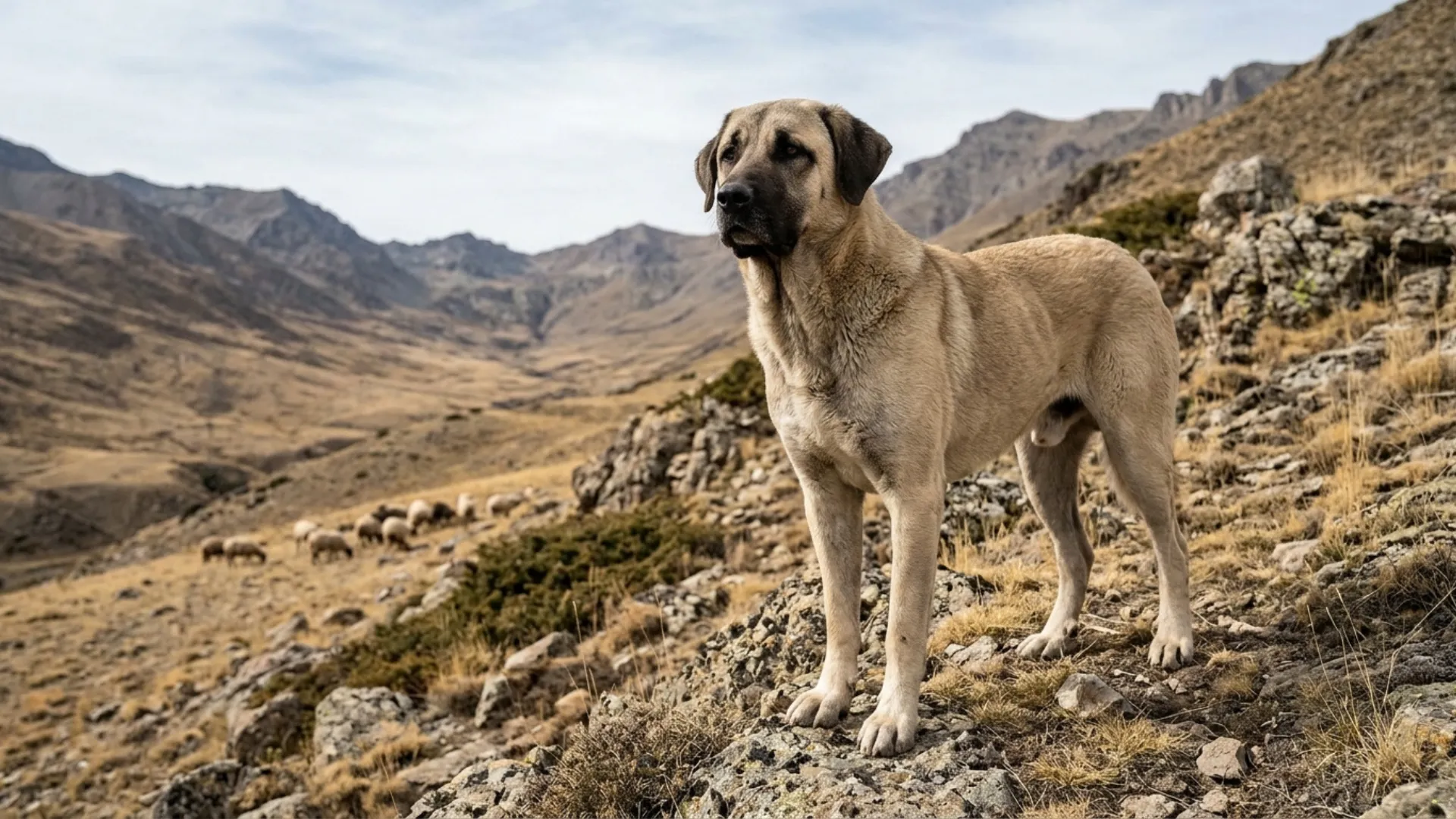
Extreme environments demand more from dogs than ordinary outdoor conditions. Freezing temperatures, scorching heat, rugged mountains, and isolated landscapes require exceptional stamina, physical strength, adaptability, and the ability to work despite environmental challenges.
Certain dog breeds developed over generations to meet these demands, helping humans transport supplies, protect livestock, and survive in places where conditions can be unforgiving.
However, resilience means more than physical toughness. A dog’s temperament, energy management, coat type, and ability to perform its traditional role all contribute to its suitability for demanding surroundings. Some breeds possess thick coats and powerful bodies that help them endure Arctic winters, while others rely on endurance, protective instincts, or efficient movement across difficult terrain.
From northern sled dogs to formidable mountain guardians, the following seven breeds demonstrate distinctive adaptations to challenging environments. Although their inherited characteristics can make them remarkably capable, every dog still requires appropriate shelter, nutrition, conditioning, and protection from dangerous weather.
Resilient Dog Breeds Suited to Extreme Environments
1. Alaskan Malamute
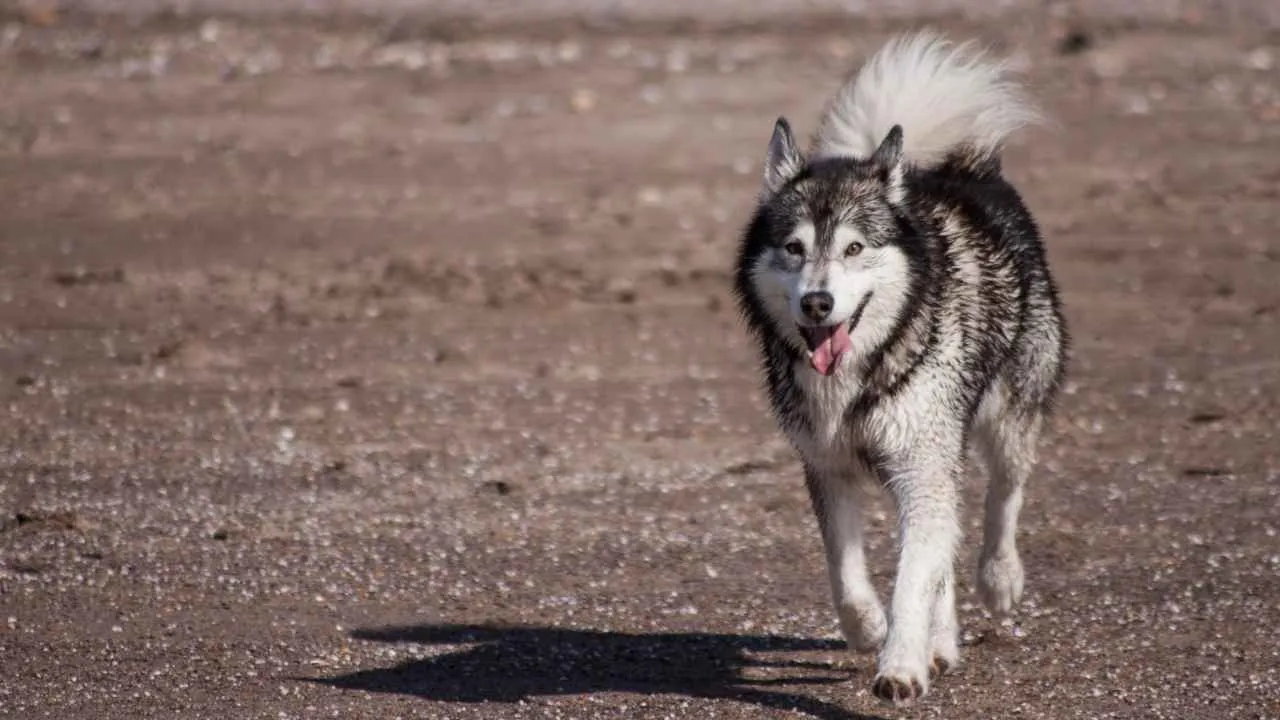
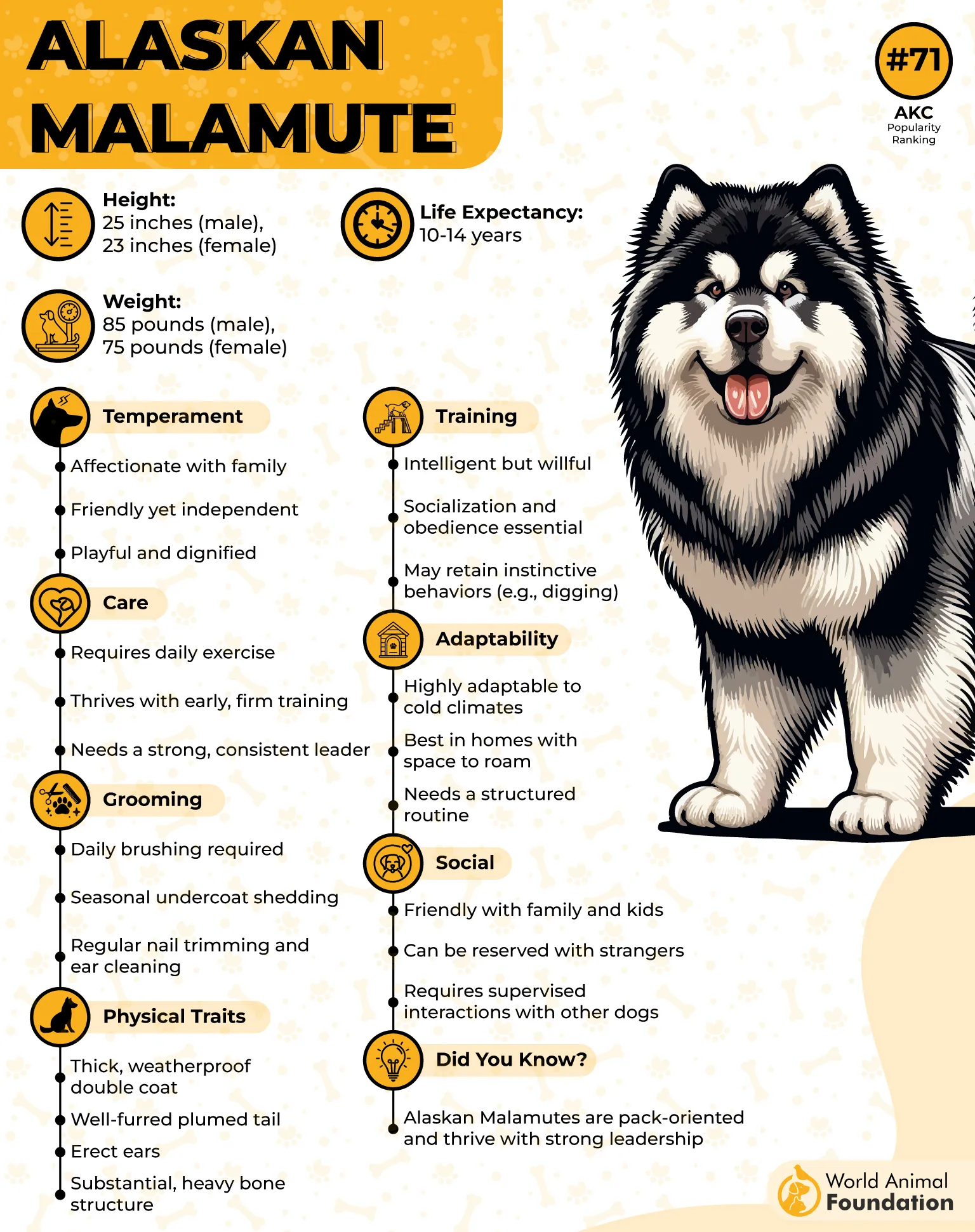
The Alaskan Malamute is strong, independent, affectionate, and determined. Bred for heavy hauling rather than speed, it thrives on purposeful activity and close human companionship. Its stubborn streak and considerable strength make consistent training and regular exercise essential.
An Ancient Working Companion of the Arctic
The Alaskan Malamute traces its origins to the Mahlemut people of northwestern Alaska, who relied on these powerful dogs to transport supplies across snowy landscapes. Their work demanded strength, endurance, and cooperation, shaping the powerful breed known today.
Built for Heavy Work in Freezing Conditions
A dense double coat, broad feet, and muscular frame help the Alaskan Malamute withstand cold weather and travel over snow. Its strength supports sustained pulling, although the thick coat makes hot conditions challenging. Shade, fresh water, and cooler exercise periods are essential in warmer climates.
2. Siberian Husky
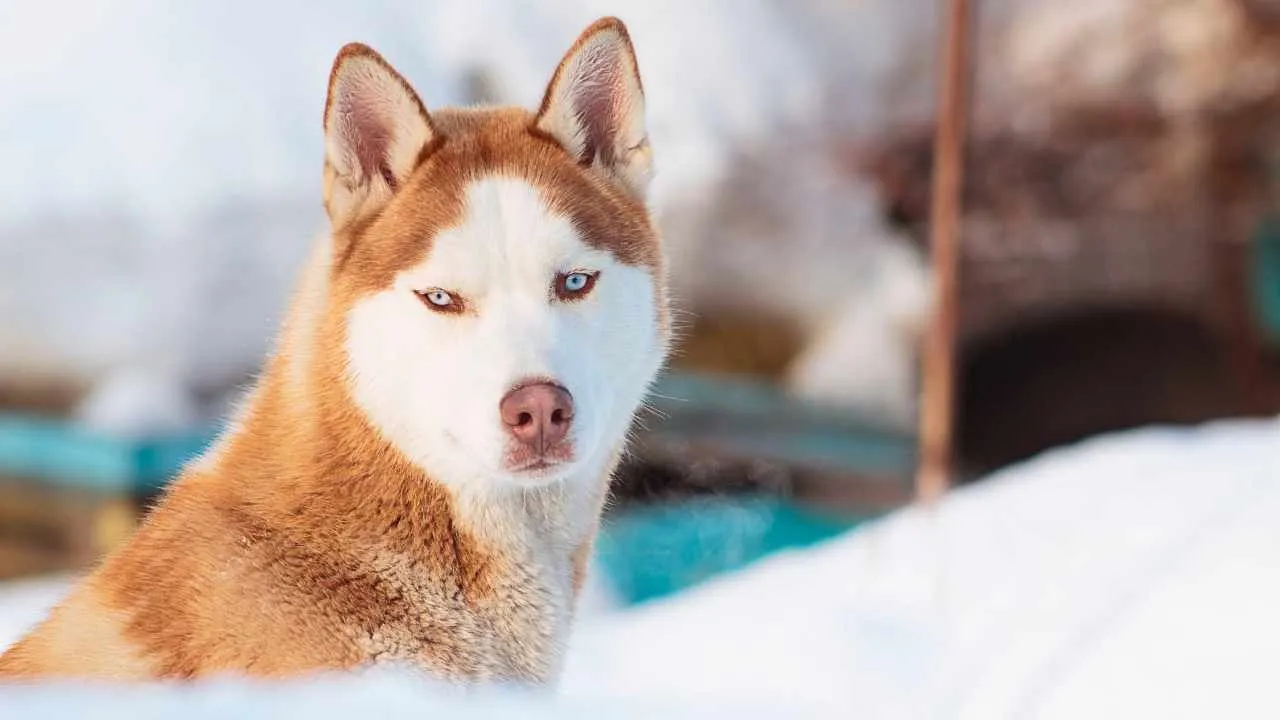
The Siberian Husky is energetic, sociable, curious, and athletic. It enjoys running and working alongside other dogs but can be independent and difficult to manage off-leash. Its high exercise requirements make it better suited to active households than sedentary lifestyles.
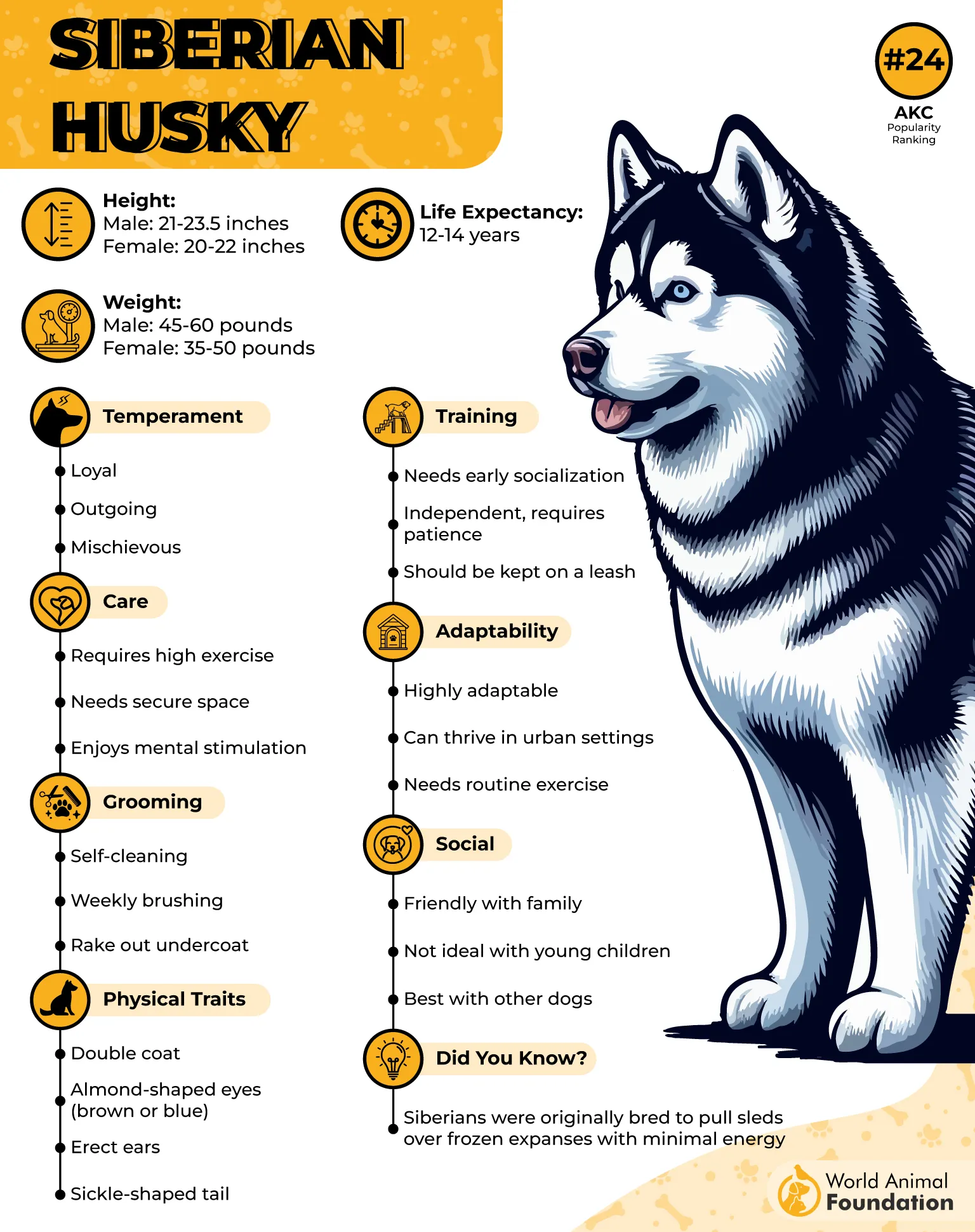
Developed by the Chukchi People of Siberia
The Siberian Husky originated among the Chukchi people of northeastern Siberia, who developed efficient sled dogs for transporting lighter loads over long distances. Introduced to Alaska in the early 20th century, the breed gained recognition for its endurance and sled-racing ability, as per PetMD.
Exceptional Efficiency on Long, Cold Journeys
The Husky’s insulating double coat, compact athletic frame, and efficient movement help it travel across snowy terrain. Its endurance makes it particularly valuable for sustained activity in cold conditions. However, it can overheat in warm weather, requiring careful exercise scheduling, shade, and constant access to water.
3. Greenland Dog
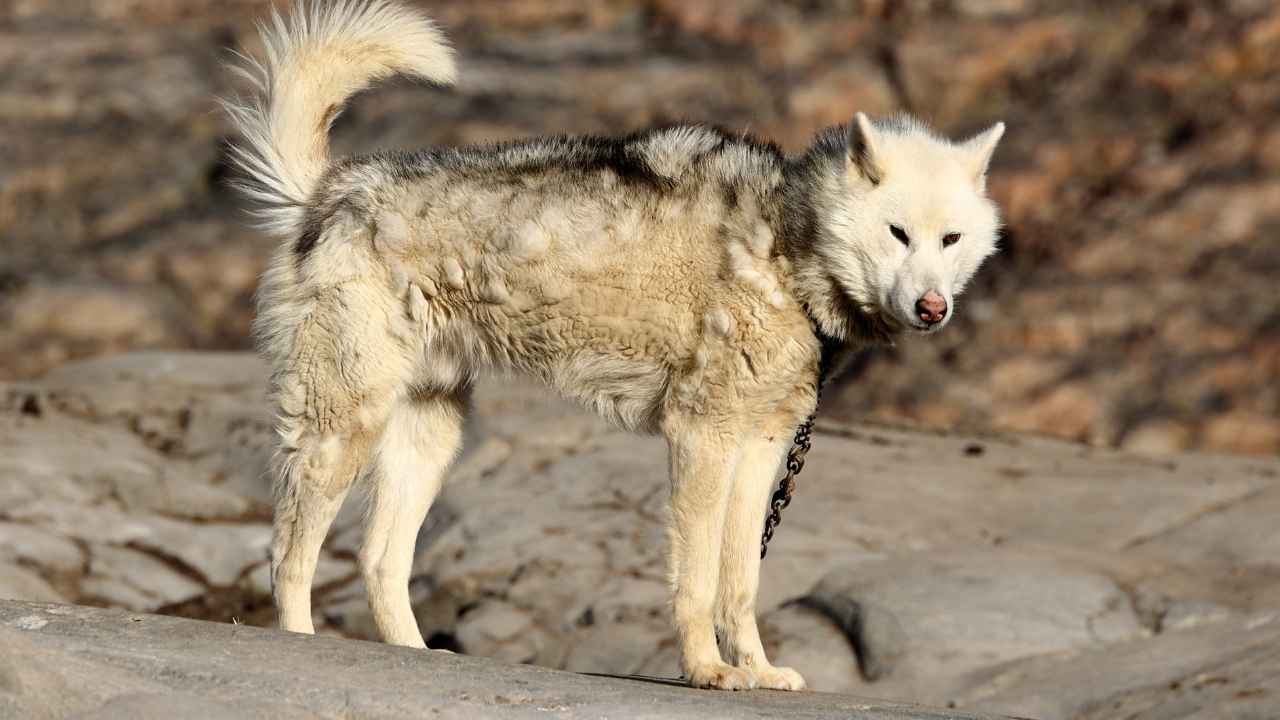
The Greenland Dog is robust, confident, independent, and driven by strong working instincts. It typically thrives when given demanding physical tasks and opportunities to work with other dogs, as per Purina. Its pack-oriented nature and considerable energy make experienced handling particularly valuable.
A Sled Dog Shaped by Greenland’s Harsh Landscape
For generations, Arctic communities in Greenland have relied on Greenland Dogs for transportation, hunting support, and hauling supplies. Their traditional responsibilities required strength and stamina across snow-covered landscapes, shaping a breed renowned for its rugged working ability.
A Rugged Build for Arctic Survival
The Greenland Dog’s thick double coat, sturdy limbs, and muscular body help it withstand severe cold and travel across snow and ice. Its endurance is valuable during extended journeys through remote regions. However, the breed struggles in consistently hot conditions and needs cool resting areas during warmer weather.
4. Anatolian Shepherd
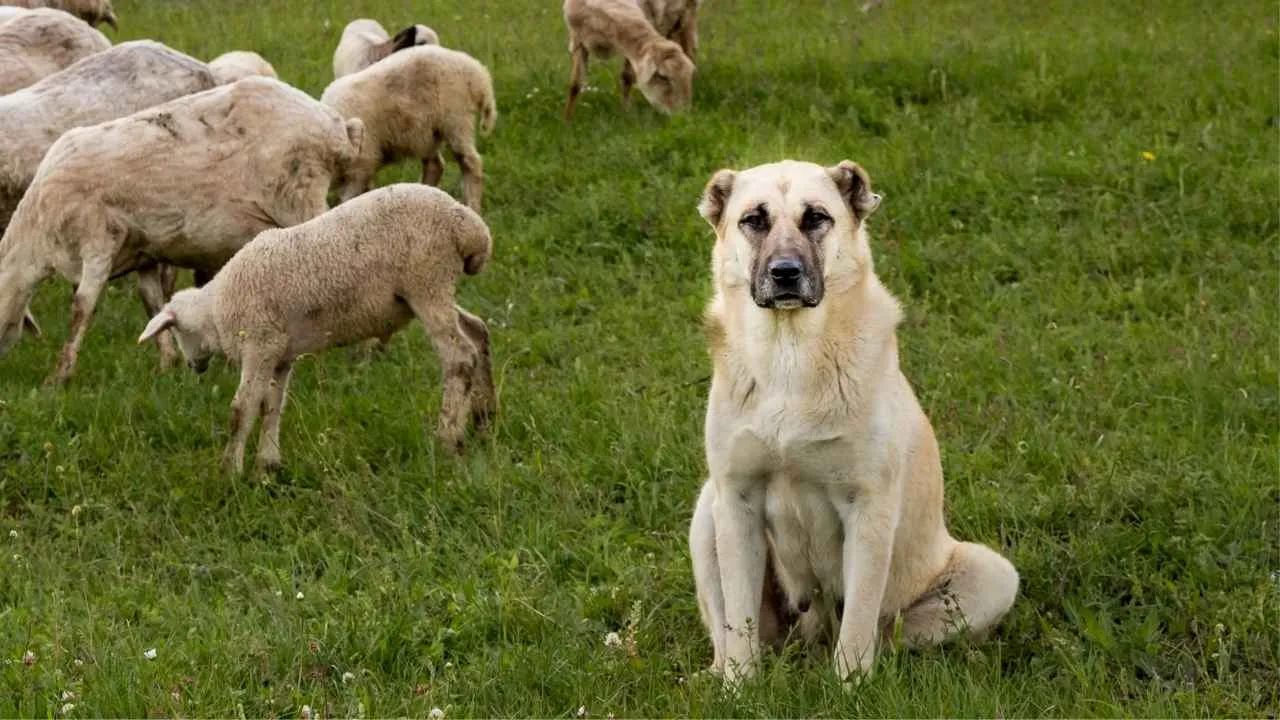
The Anatolian Shepherd is vigilant, self-reliant, and naturally protective. Rather than waiting for constant direction, it can independently assess potential threats to livestock. Its guarding instincts and large size require early socialization, secure boundaries, and confident, consistent handling.
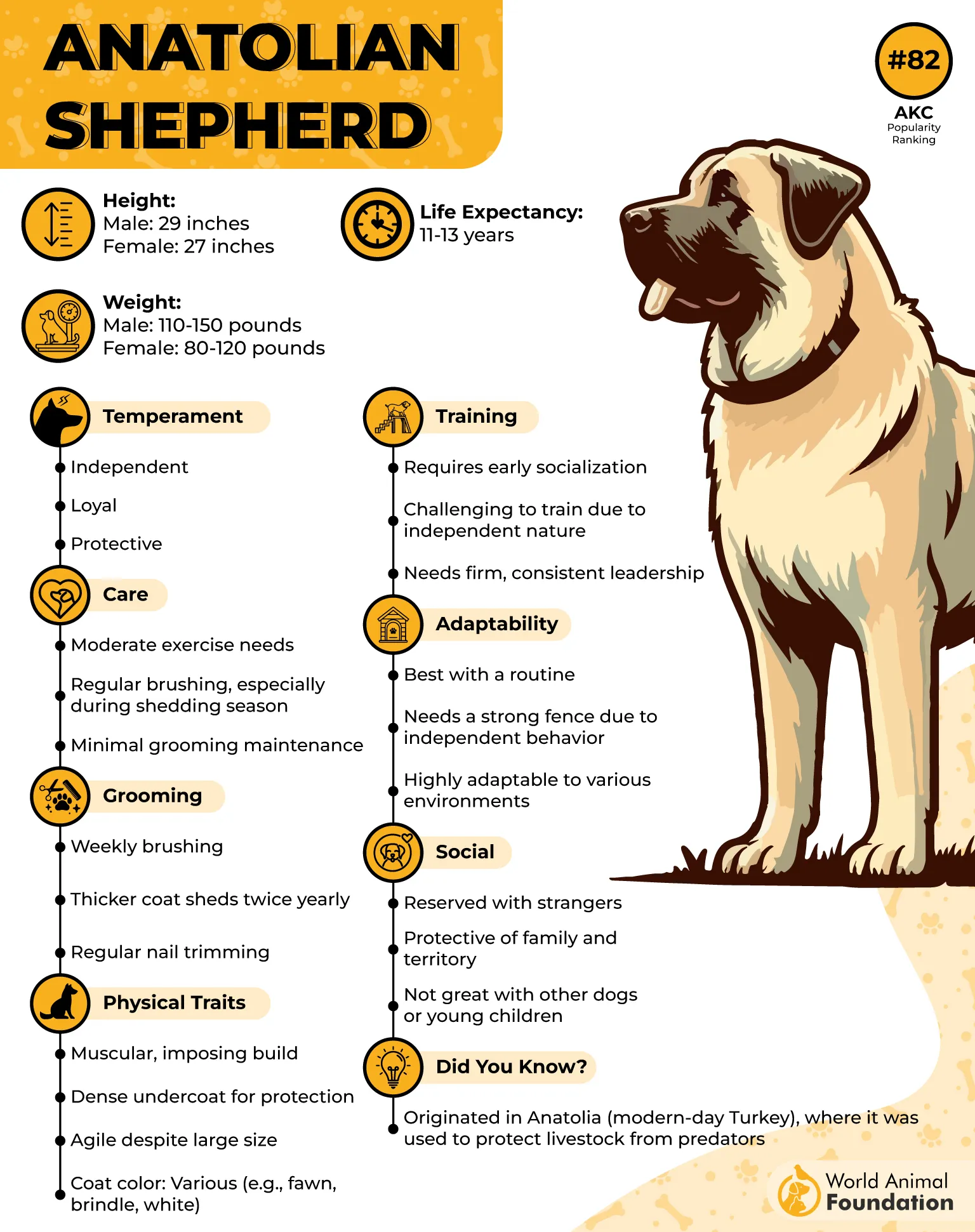
Centuries of Livestock Protection in Anatolia
Originating in the Anatolian region of modern-day Türkiye, this muscular breed helped shepherds protect sheep and goats across extensive grazing areas. Its traditional work demanded independence, alertness, and the ability to respond to threats in remote agricultural settings.
Adaptable Protection Across Exposed Landscapes
The Anatolian Shepherd’s weather-resistant coat, muscular frame, and independent working style support its role across open, rugged terrain. It can adapt to seasonal changes, depending on its coat and individual characteristics. Nevertheless, extreme heat requires shade, fresh water, and reduced activity during the hottest hours.
5. Australian Cattle Dog
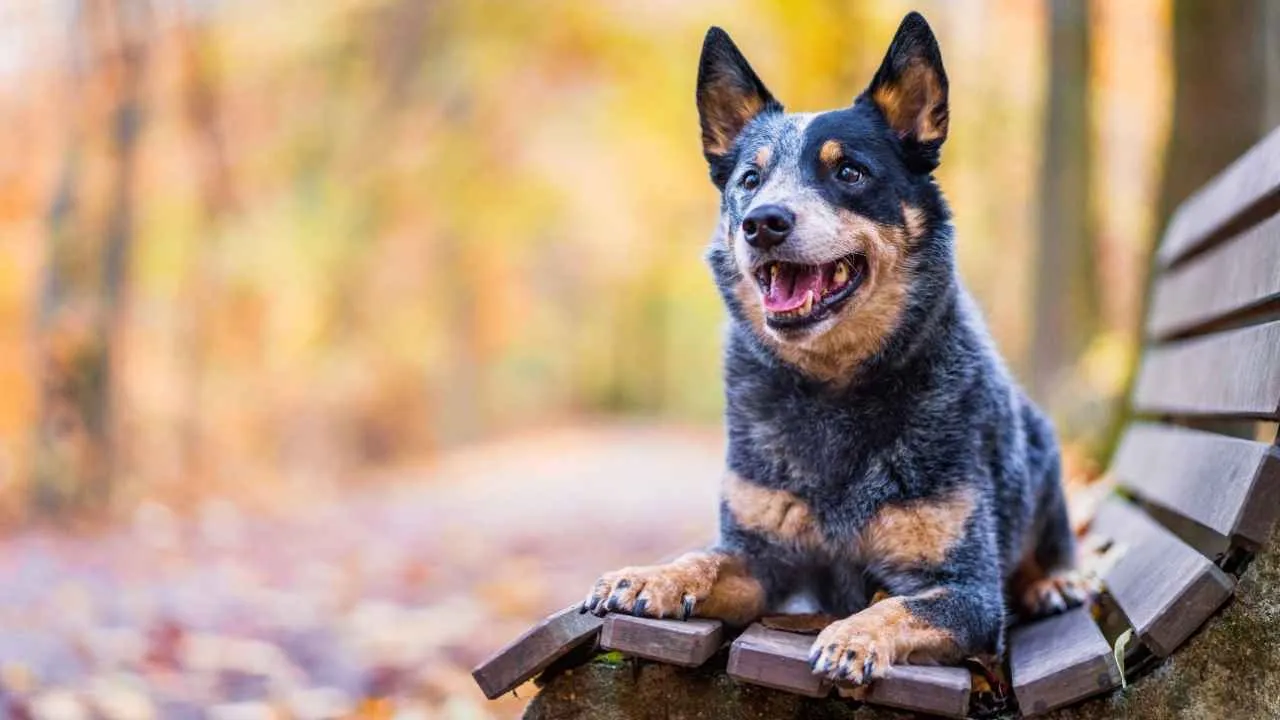
The Australian Cattle Dog is intelligent, alert, tenacious, and highly energetic. Its quick reactions and strong herding instincts help it manage livestock across large properties. Loyal to its family but sometimes reserved around strangers, it needs regular exercise and mentally stimulating work.
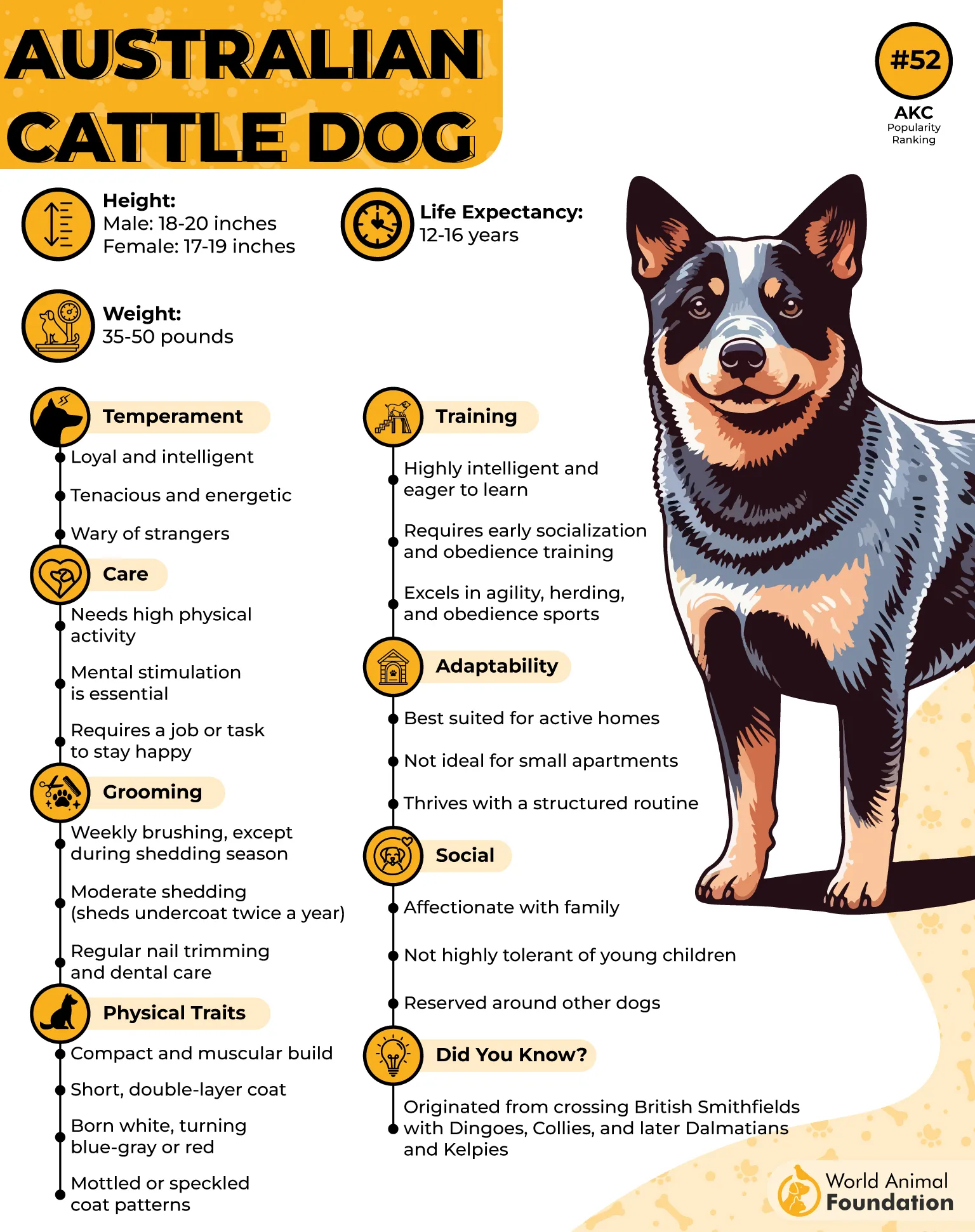
Bred to Move Cattle Across the Australian Outback
Developed in 19th-century Australia, the Australian Cattle Dog was bred to move cattle across vast ranches and difficult terrain, as per WebMD. Breeders combined different working-dog lineages to produce a hardy herder capable of handling long distances, stubborn livestock, and demanding outdoor conditions.
Stamina for Heat, Distance, and Rough Ground
Its compact, muscular body, short double coat, and efficient movement support sustained activity across challenging terrain. These characteristics suit the breed for demanding herding work better than prolonged exposure to extreme temperatures. During hot weather, owners should reduce strenuous exercise, provide shade, and monitor for signs of heat exhaustion.
6. Caucasian Shepherd

The Caucasian Shepherd is imposing, confident, and intensely protective. It tends to be independent and cautious around unfamiliar people, reflecting its traditional guarding role. Its size and powerful instincts demand experienced ownership, early socialization, and careful management around visitors and other animals.
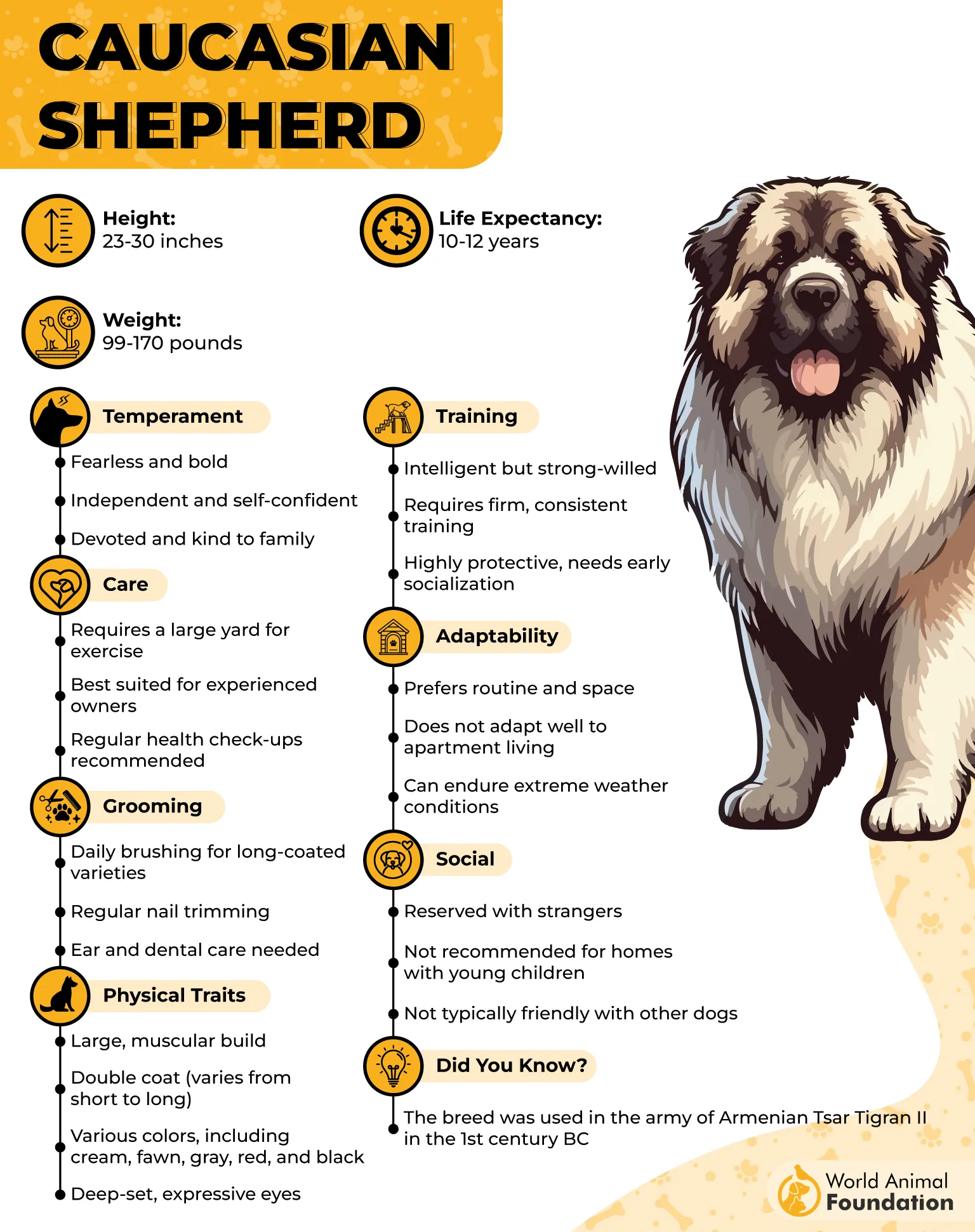
A Guardian From the Caucasus Mountains
The Caucasian Shepherd developed across the Caucasus region, where livestock-guarding dogs protected flocks and settlements from predators. The area’s rugged terrain and cold winters favored powerful dogs with protective instincts and the ability to work outdoors in challenging conditions.
Heavy Insulation for Mountain Winters
A thick double coat, substantial body, and dense undercoat help the Caucasian Shepherd tolerate cold weather and snowy mountain conditions. Its strength and vigilance support livestock protection in remote areas. However, its heavy coat increases overheating risks, making cool shelter, shade, and fresh water essential in warm climates.
7. Tibetan Mastiff
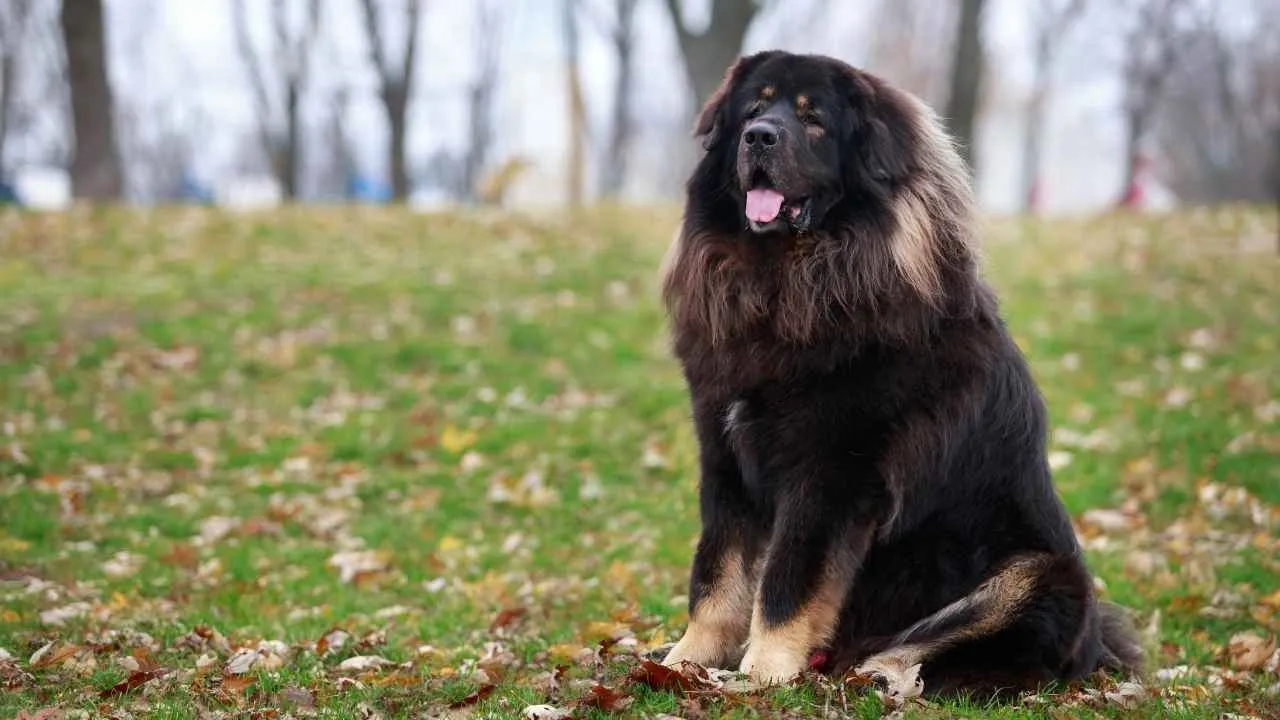
The Tibetan Mastiff is dignified, watchful, independent, and strongly protective of its family and territory. It often prefers observing its surroundings to performing repetitive tasks and may be reserved around strangers. Early socialization and consistent boundaries are important for managing its natural guarding instincts.
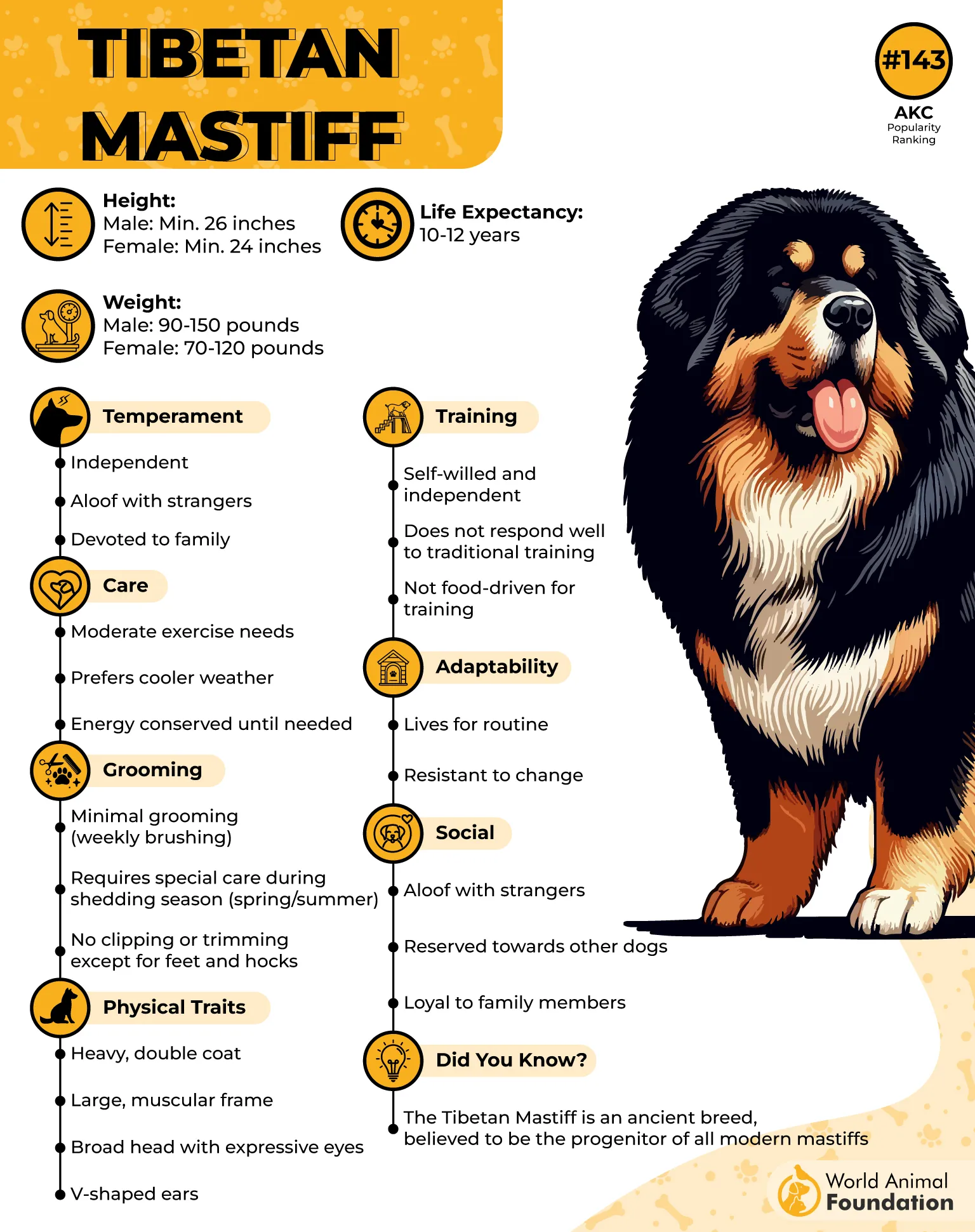
An Ancient Guardian of the Tibetan Plateau
The Tibetan Mastiff has a long history across the Himalayan region and Tibetan Plateau, where pastoral communities used large dogs to protect livestock, homes, and monasteries. Generations of work in remote, cold environments shaped its powerful build, insulating coat, and independent temperament.
Naturally Equipped for Cold, High-Altitude Regions
The Tibetan Mastiff’s dense double coat provides insulation against cold temperatures and strong winds. Its substantial build and natural guarding instincts suit it to demanding mountain environments. However, its heavy coat makes hot, humid climates difficult, so owners should provide cool shelter and avoid strenuous exercise during warm periods.
Conclusion
All the above dog breeds are renowned for guarding livestock and property. The Australian Cattle Dog demonstrates a different kind of resilience through its stamina and adaptability across demanding working terrain.
Nevertheless, no breed is immune to extreme weather. Thick coats can increase overheating risks, while cold conditions can still cause frostbite and hypothermia. A dog’s health, conditioning, and access to suitable shelter remain essential regardless of its inherited characteristics.
Before choosing a breed, consider the local climate, terrain, exercise requirements, and your experience with working dogs. With appropriate care, responsible training, and realistic expectations, these resilient breeds can thrive in environments suited to their individual needs.
