




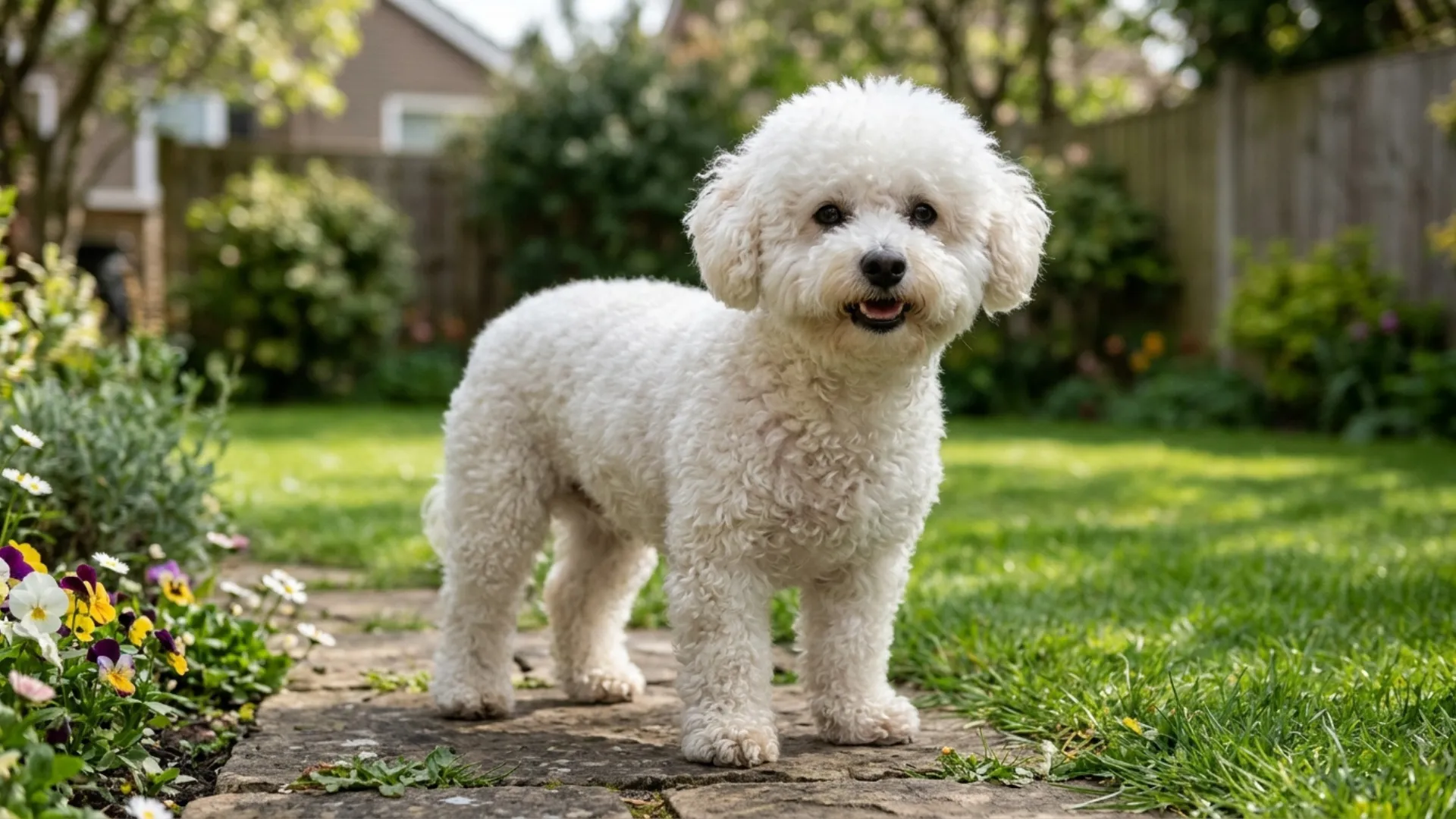
Some people want a dog that can curl up beside them without taking over the entire sofa. Others simply love the idea of a lifelong little companion whose paws stay small even after puppyhood ends. Either way, choosing the right breed matters. A tiny puppy does not always become a tiny adult, so looking at established breed size is a smarter move than judging by those ridiculously cute puppy photos.
The good news? Several breeds are naturally compact throughout adulthood. From the feather-light Maltese to the sturdy Lhasa Apso, these dogs prove that a small body can hold a surprisingly big personality.
Here are seven breeds worth knowing if you want a dog that stays on the smaller side.
Perfect Small Dog Breeds That Never Grow Too Big
1. Maltese
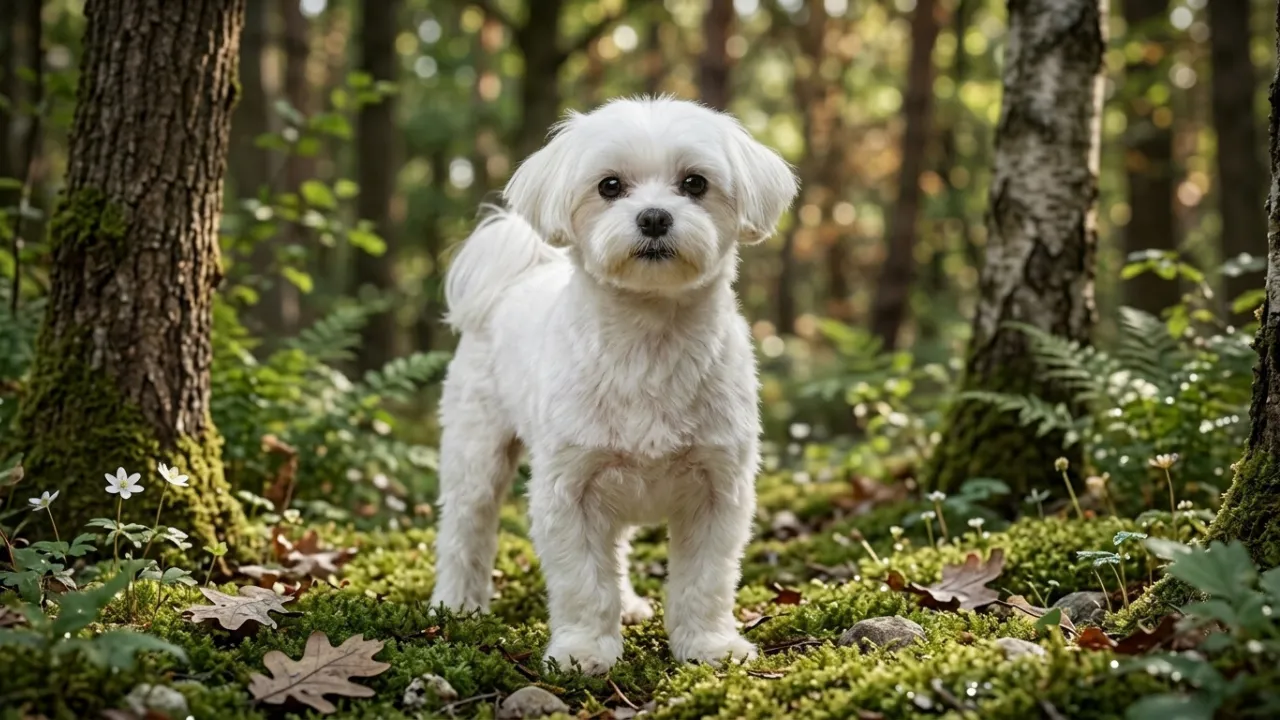
The history of this tiny dog breed dates back to 1500 B.C, when it was developed in the Malta region of the Mediterranean Sea. It is descended from Spitz or Spaniel breeds and arrived in Britain in the 14th century. It was favored by the royalty and was usually kept as a lap dog, as per Pooch & Mutt.
While remaining an alert dog, the breed has smaller footprints; thus, it needs low-impact exercise for 30-60 minutes daily. The dog is prone to obesity, so a balanced diet with restricted calories is recommended. It has a single coat that consists of hair and has less dander production, making it ideal for allergy sufferers.
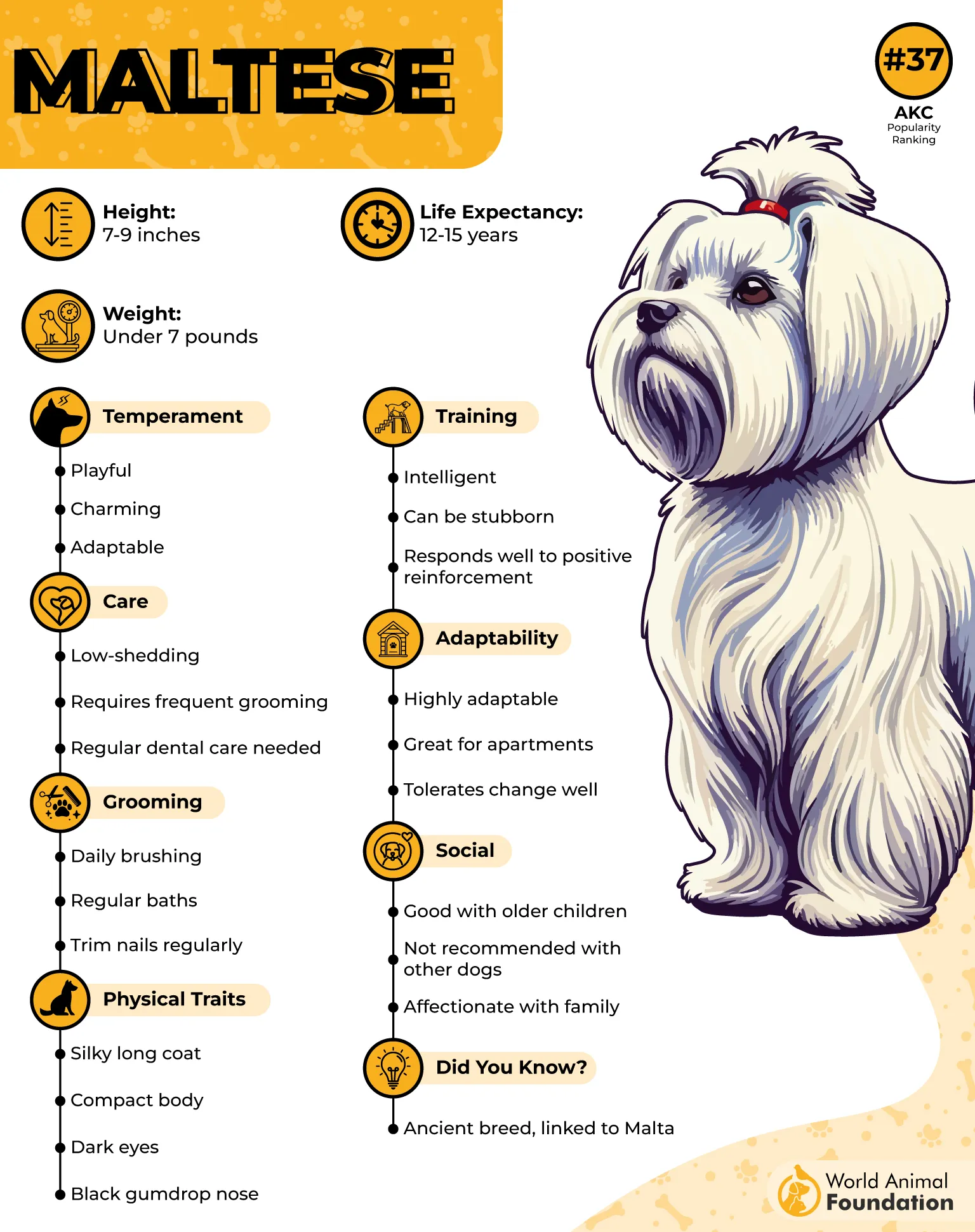
The breed is highly temperature sensitive and can not resist harsh outdoor elements. The neotenal breed thrives in indoor “bouncing” and living-room gameplay. It has highly developed visual and vocal communication skills and uses subtle eye contact and physical interaction to demand attention.
2. Pug
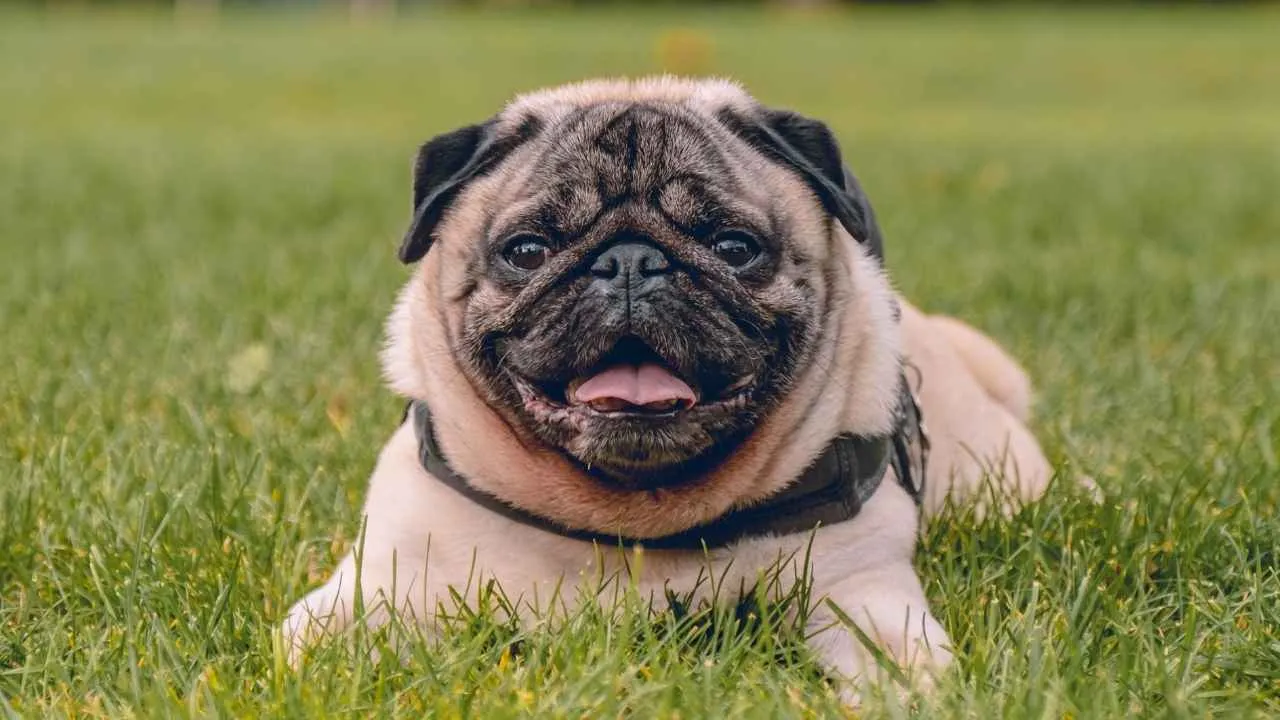
Brought from China to Europe in the 16th century, this little dog breed is a gentle companion dog. Queen Victoria had a great obsession with the breed, and she had 36 Pugs in her palace, as mentioned by Medium. However, the dog is prone to certain health issues because of its breed traits.
The perfect structural density makes it withstand active play with kids or accidental bumps. Because of its low-intensity metabolic rate, the breed has minimal exercise needs (30 minutes daily). The breed has a brachycephalic head, so it becomes difficult to breathe during intense activities.
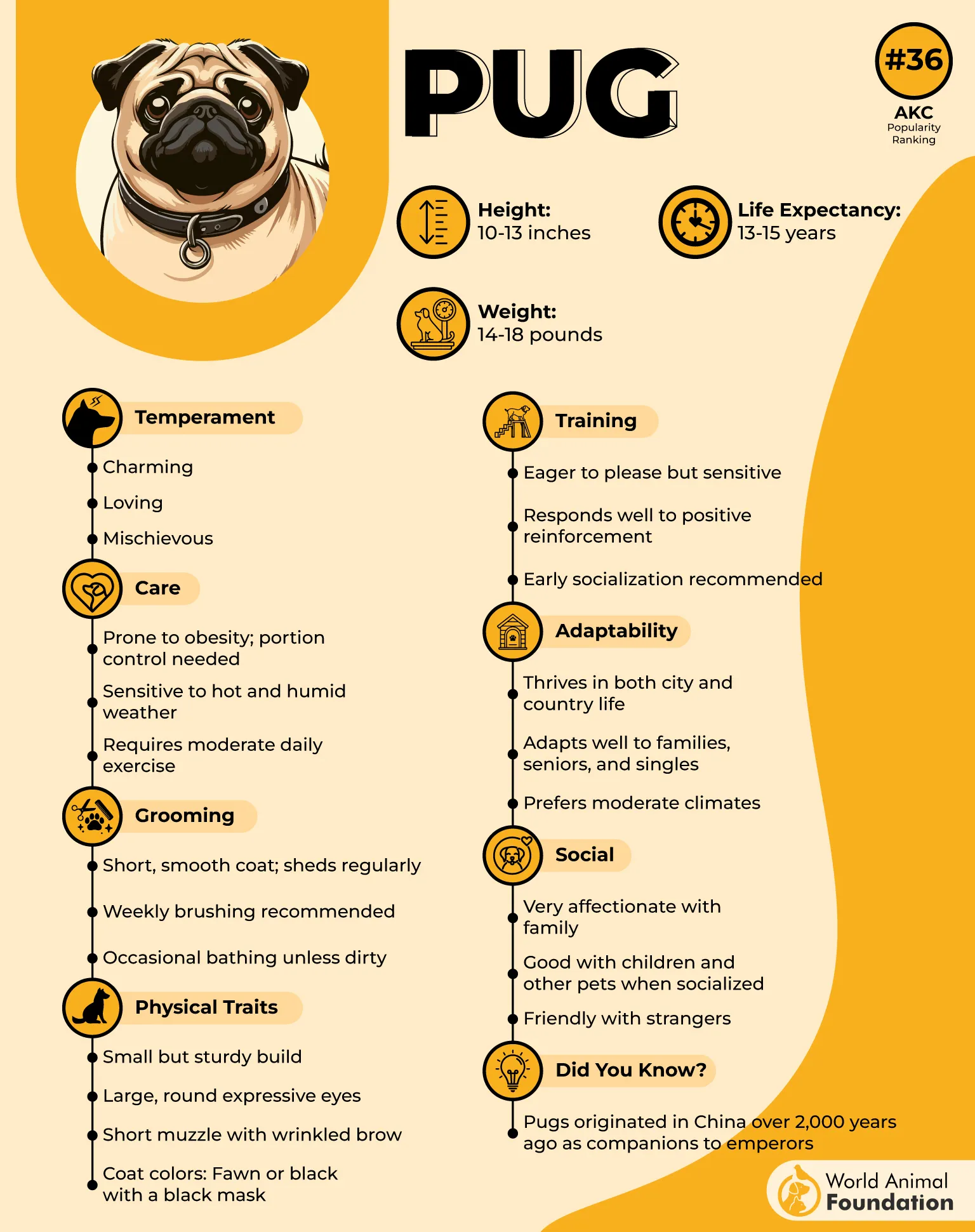
The family dog has human-like ocular features that help it show facial expressions, such as curiosity, surprise, and happiness. The breed barks moderately. It forms strong bonds with the pet parent and may develop separation anxiety when left alone for too long.
3. Cavalier King Charles Spaniel
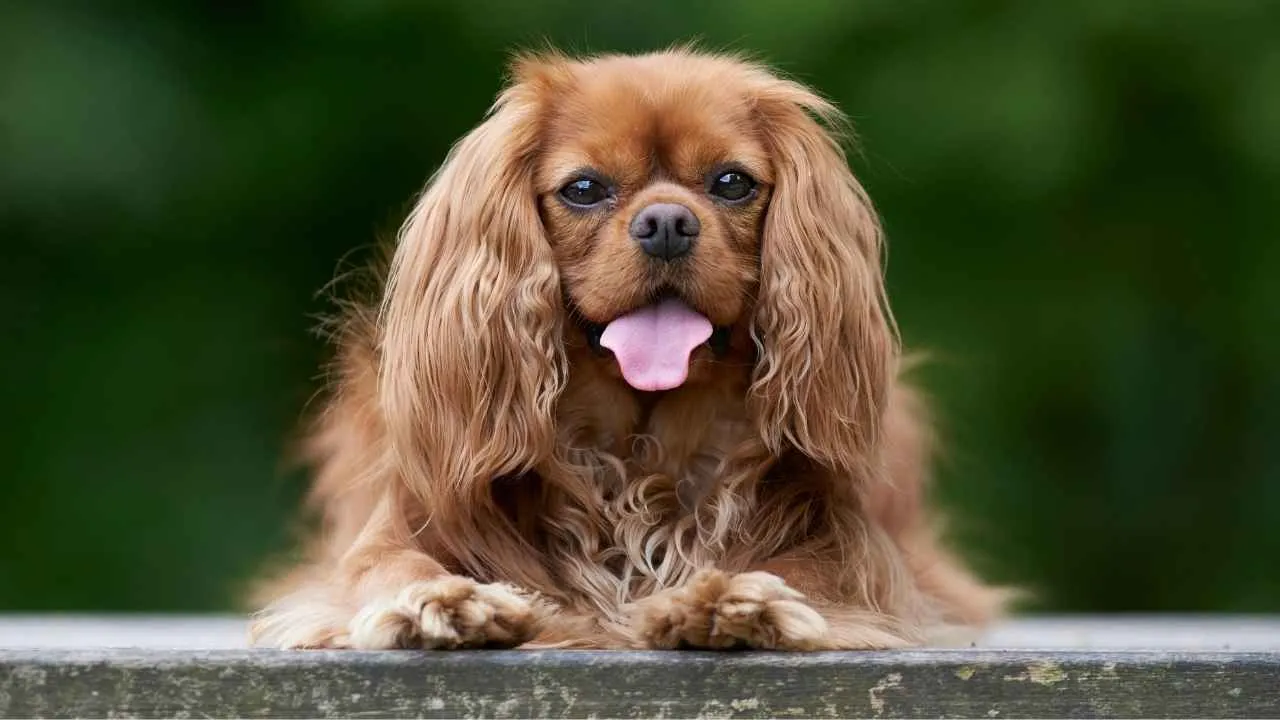
Named after King Charles I in the 17th century, the small breed was originally bred to hunt birds. However, it was bred with Asian toy breeds (such as Pugs and Japanese Chins) during the reign of Queen Victoria, evolving its shape and skull.
The breed has a unique anatomical feature called ‘cushioning’ that removes any harshness from its gaze and helps it exhibit a soft expression. This triggers human nurturing instinct, making it an ideal therapy dog. It has laid-back and moderately muscled hindquarters. This provides a free-moving gait with an even topline.
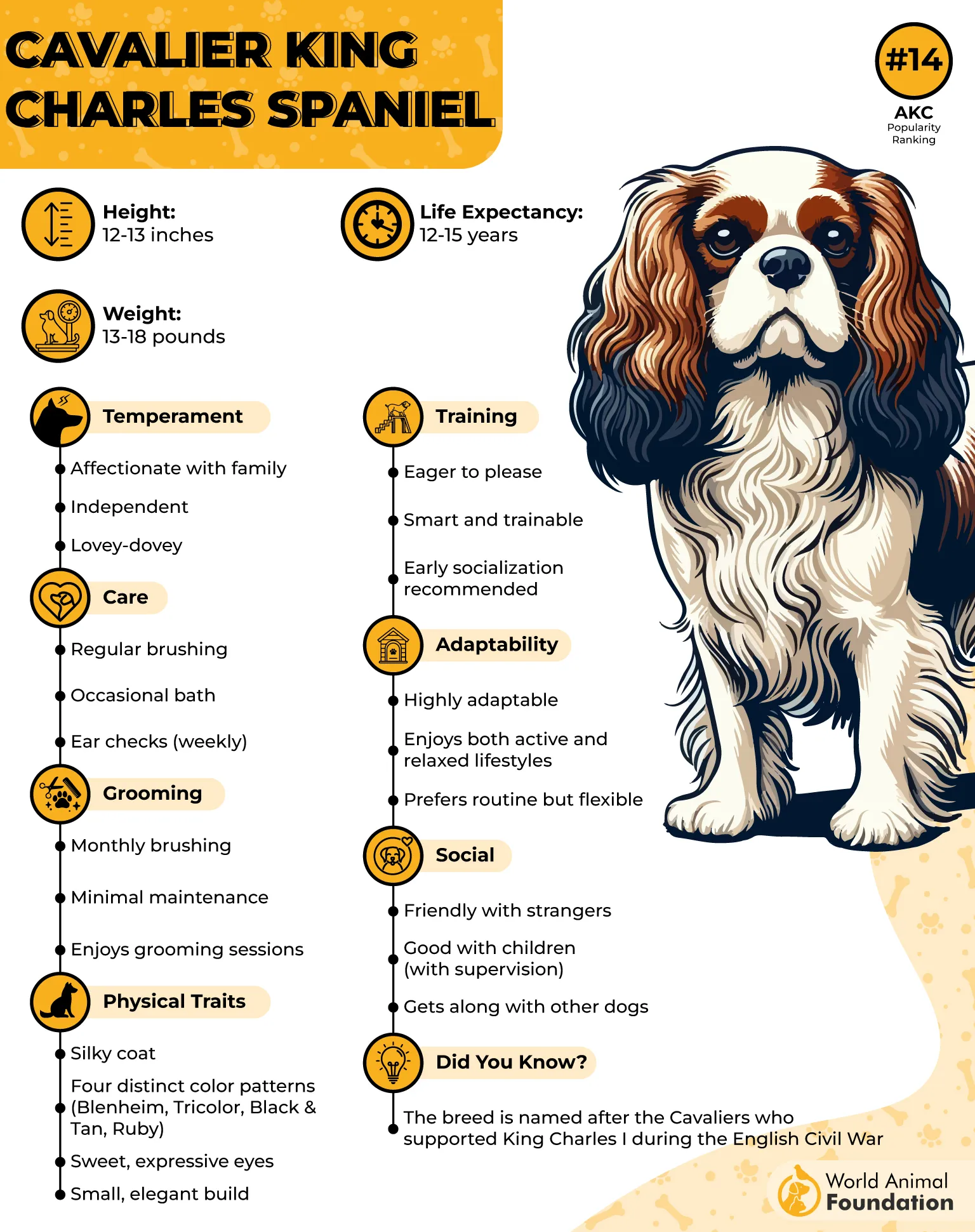
It has a moderate, silky coat that requires moderate grooming. It lacks aggression and makes everyone its friend, even strangers. The eager-to-please nature makes it highly trainable.
4. Shih Tzu
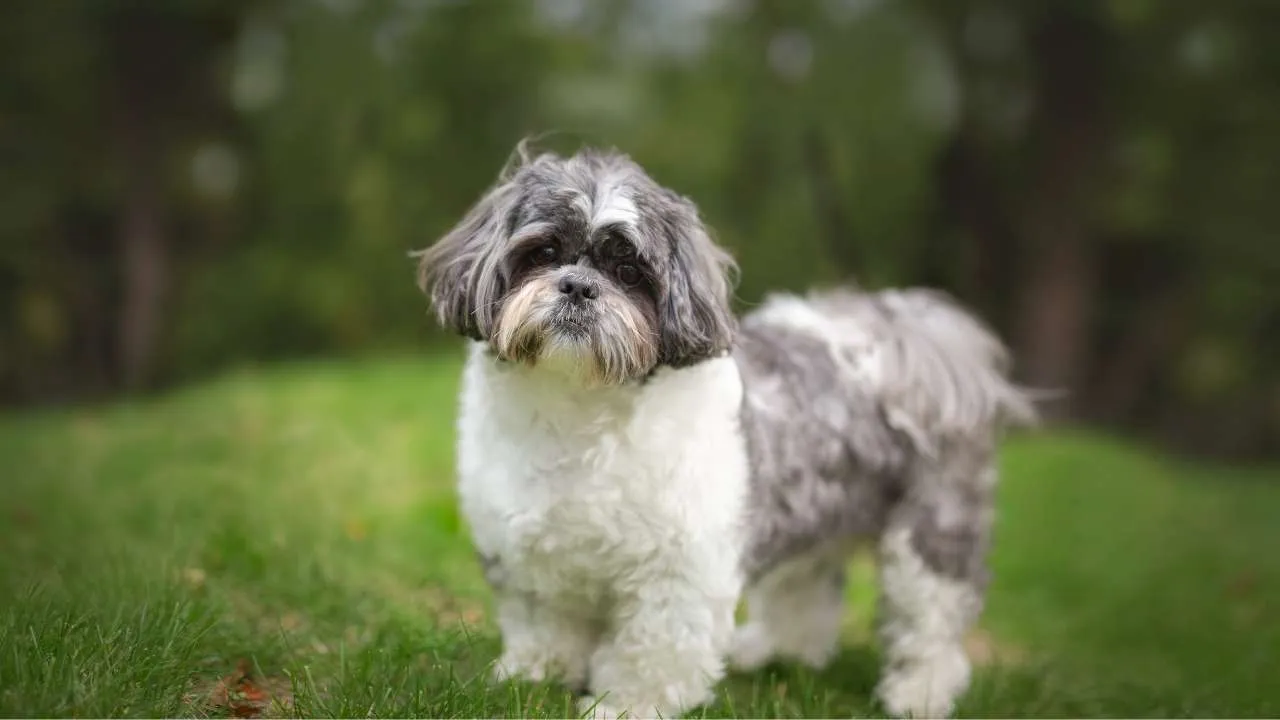
Also known as the ‘lion dog,’ the breed was originally developed by the Buddhists and monks of China as a watchdog to alert them of visitors with its sharp barks. With time, it became a companion dog instead of a working breed by interbreeding with other dogs, such as Pugs and Pekingese.
Bred for short bursts of play rather than endurance, this velcro dog needs 30 minutes of short walk or indoor fetching. The breed has minimal but specialized metabolic demands and benefits from digestible protein and fiber. It has a cat-like nature and tends to sit on a vantage point to keenly observe its surroundings.
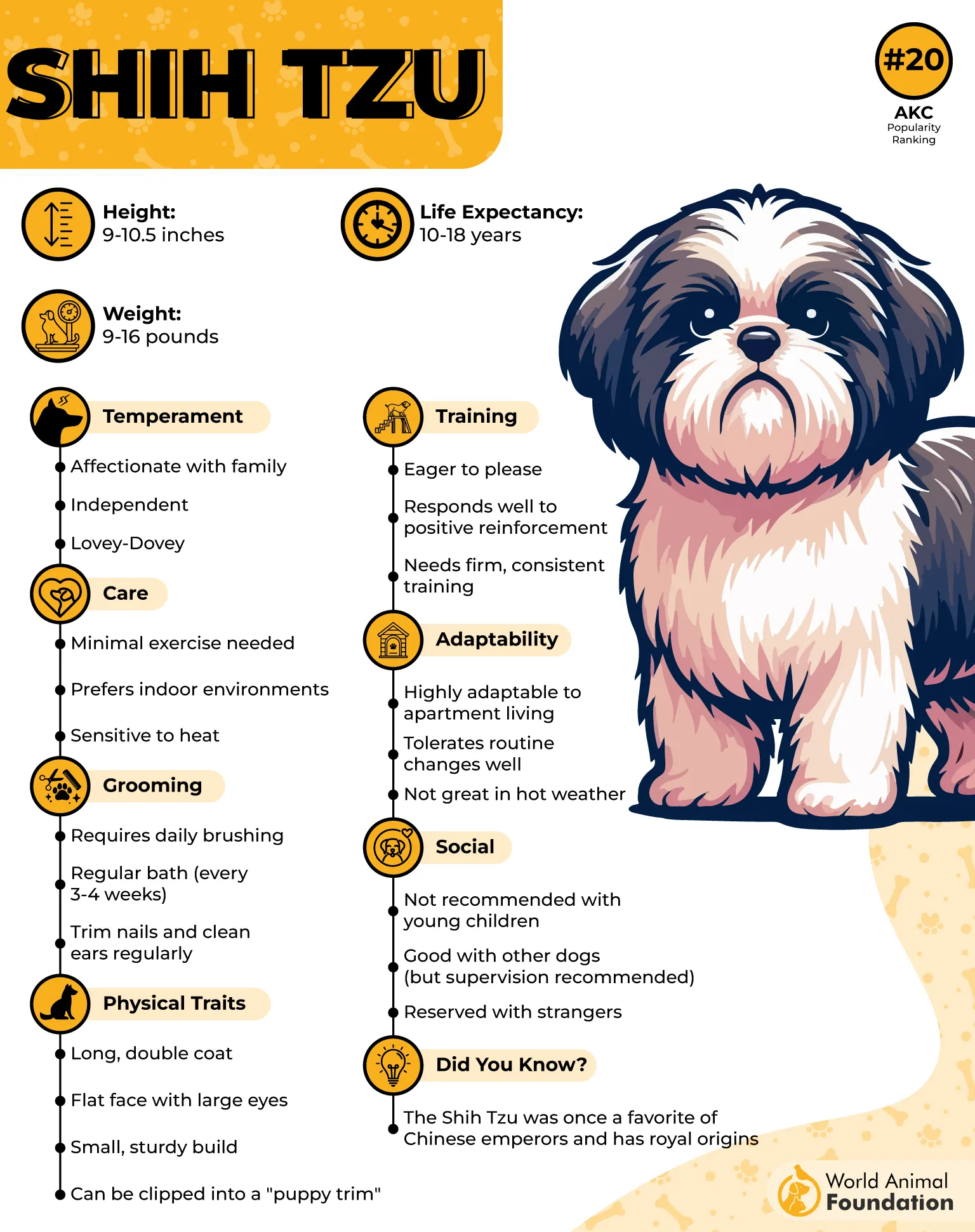
The Shih Tzu has zero herding or hunting drives, making it an incredible family dog that thrives on human interaction. Proper training and early socialization are, however, required.
5. Bichon Frise
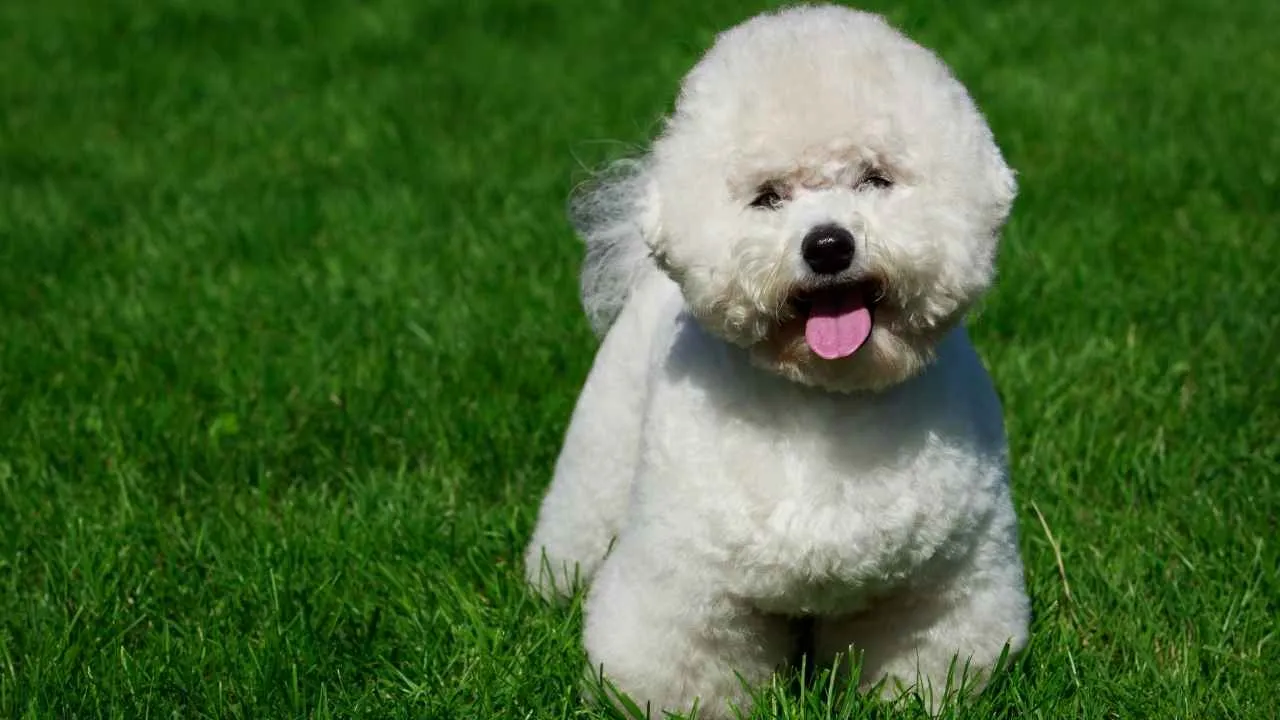
It is believed that the early Spanish seamen introduced the breed to the Canary Islands. Its links to the European nobility date back to the 13th century, when it entered the courts of Spain, Italy, and France as a lap dog, as reported by Wikipedia.
The bouncy and ‘springy’ texture of the coat is because of the softer undercoat and a harder and curly outercoat. Because of its high metabolic rate compared to its body weight, the Bichon Frise burns calories efficiently. The breed has an average lifespan of 12-15 years because of its balanced anatomy.
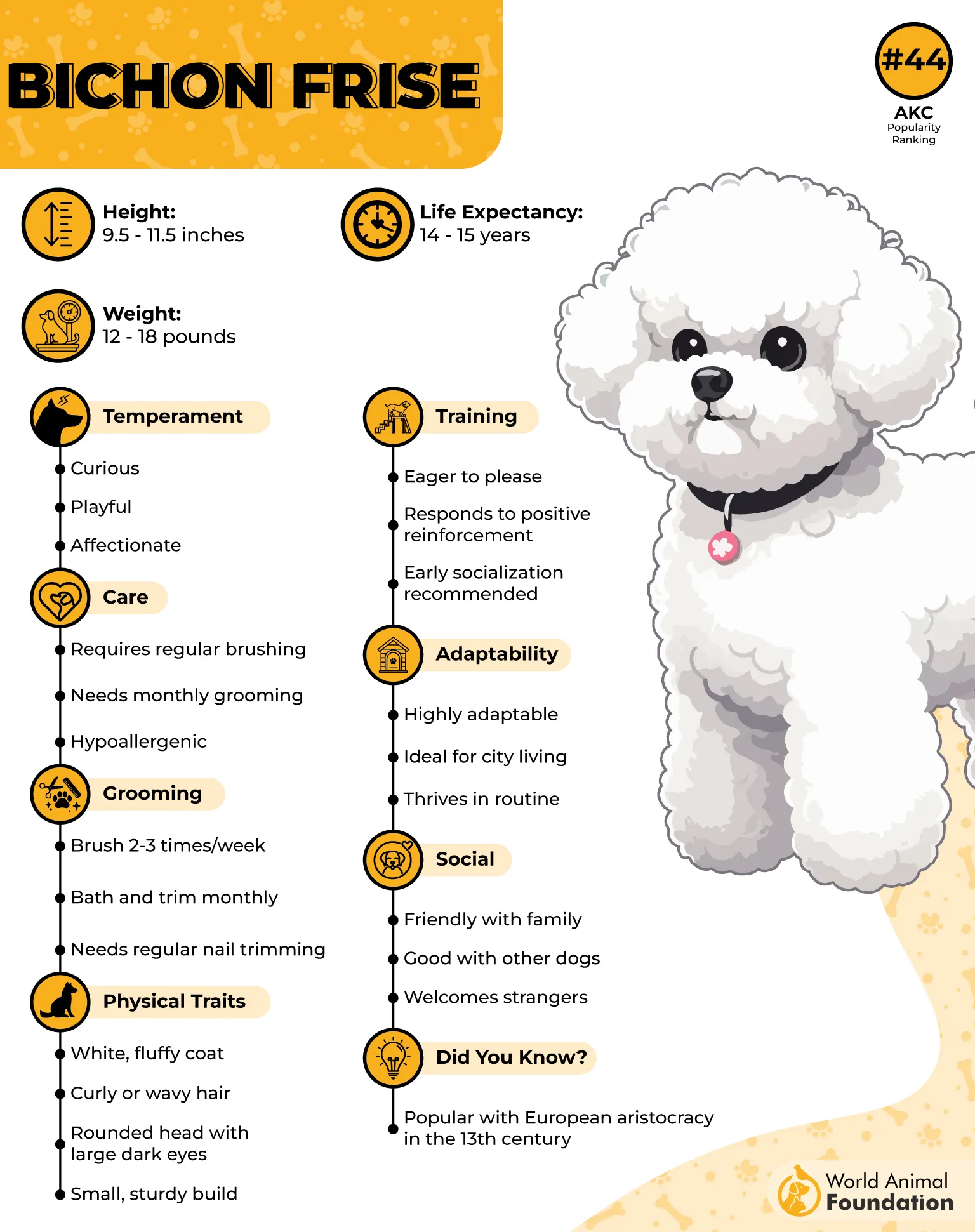
Known for the Bichon Blitz, the breed tends to zoom through the house, jump on the furniture, and move in tight circles before finally coming back to its resting phase. It mirrors humans’ emotions and reads their facial expressions.
6. Havanese
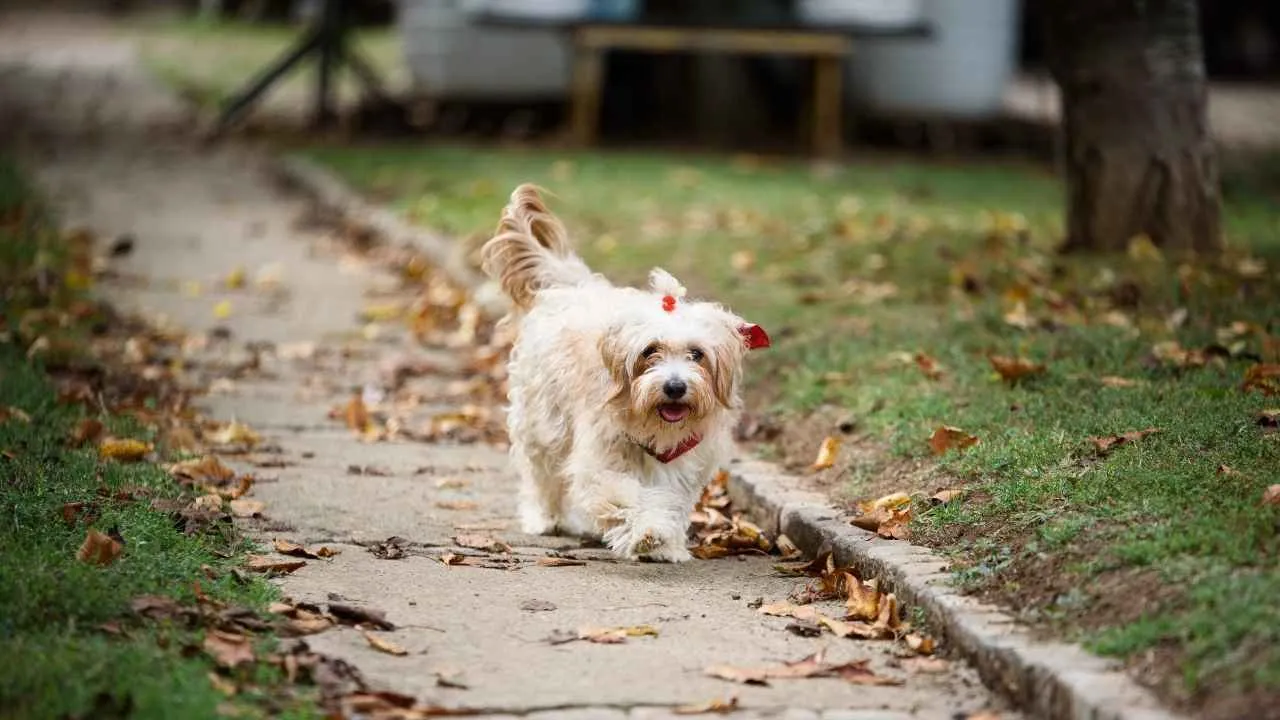
Originating from the Bichon-type dogs in the Mediterranean region centuries ago, the Havanese was traded by Spanish traders and made its way to Europe, where it was used as a performing dog in circuses. It was also known as Habeneros or White Cuban and has a lustrous white and silky coat.
The rectangular proportion of the body provides a low centre of gravity, offering greater stability compared to toy dogs. The strong hindquarter angulation absorbs kinetic shock and enables an elastic movement. The breed possesses a mesocephalic structure that helps it perform high-impact exercise without running out of breath.
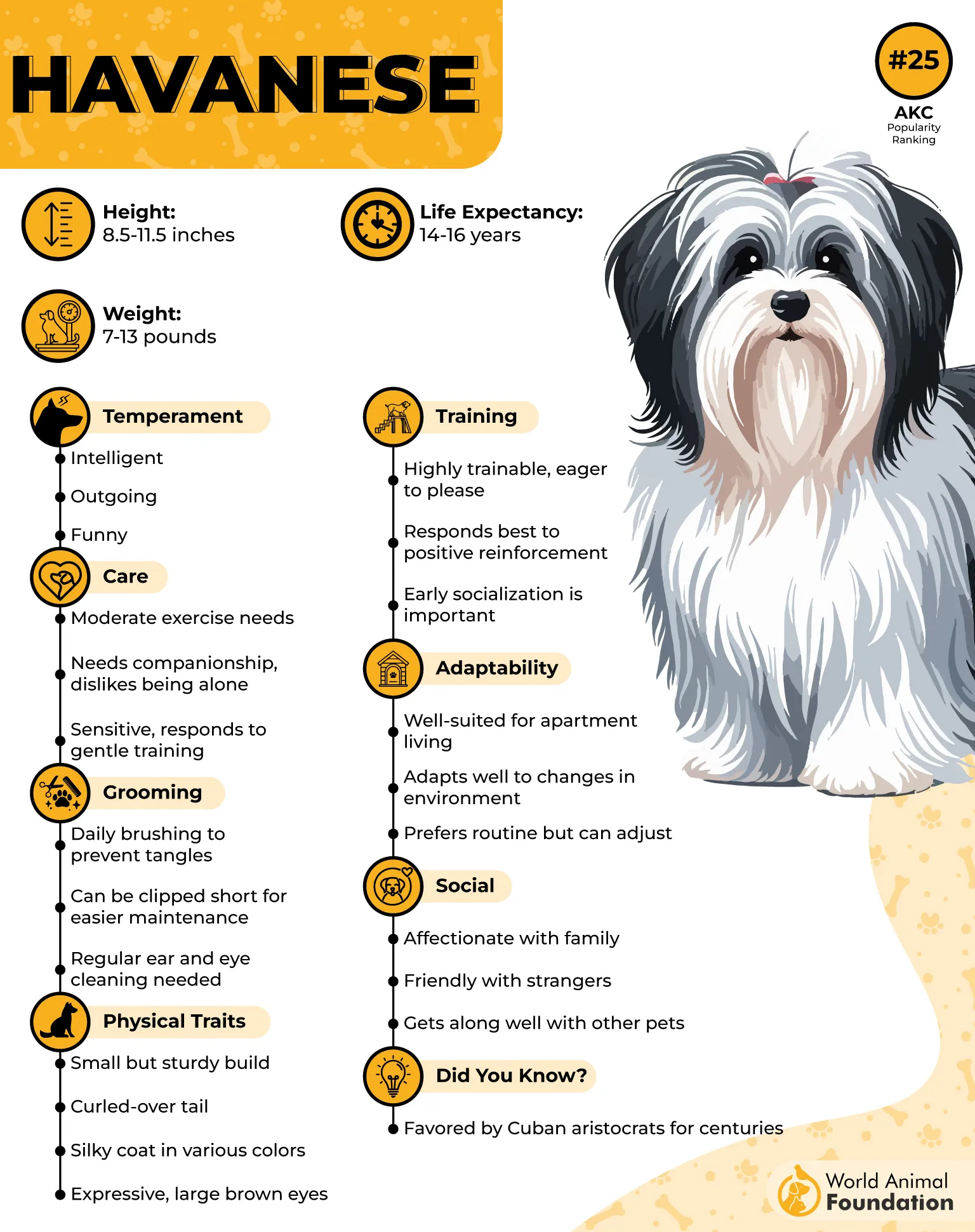
The small dog breed has high emotional intelligence and shows a high degree of empathy. It picks up human moods quickly and adjusts its own moods accordingly. Because of its circus history, it tends to amuse human audiences with its clown-like tricks.
7. Lhasa Apso
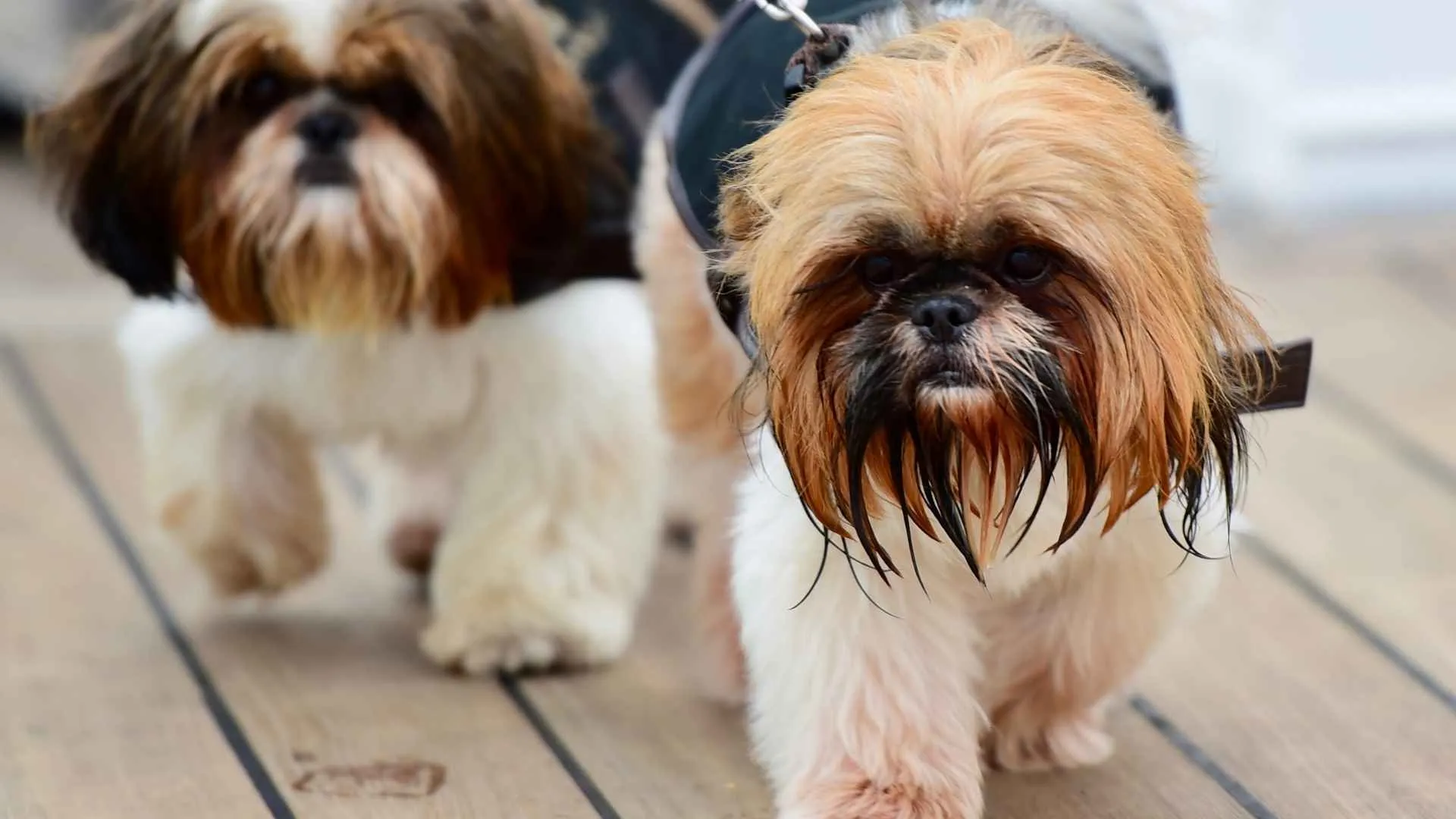
The breed was developed in Tibet as a tiny guard dog to alert monks of intruders. It was actively bred in 800 B.C and today it is mostly kept as a family pet. The word ‘Apso’ literally translates to ‘bearded’ since it was designed to have a thick ruff around its neck.
Specifically built for the Chinese mountains, the Lhasa Apso has large lungs and a broad muzzle that allows maximum oxygen intake. The feet have heavily feathered thick pads that act as shock absorbers while navigating through rocky terrain or icy flooring. The thick whiskers and bushy beard protect it from dust, debris, and snow glare.
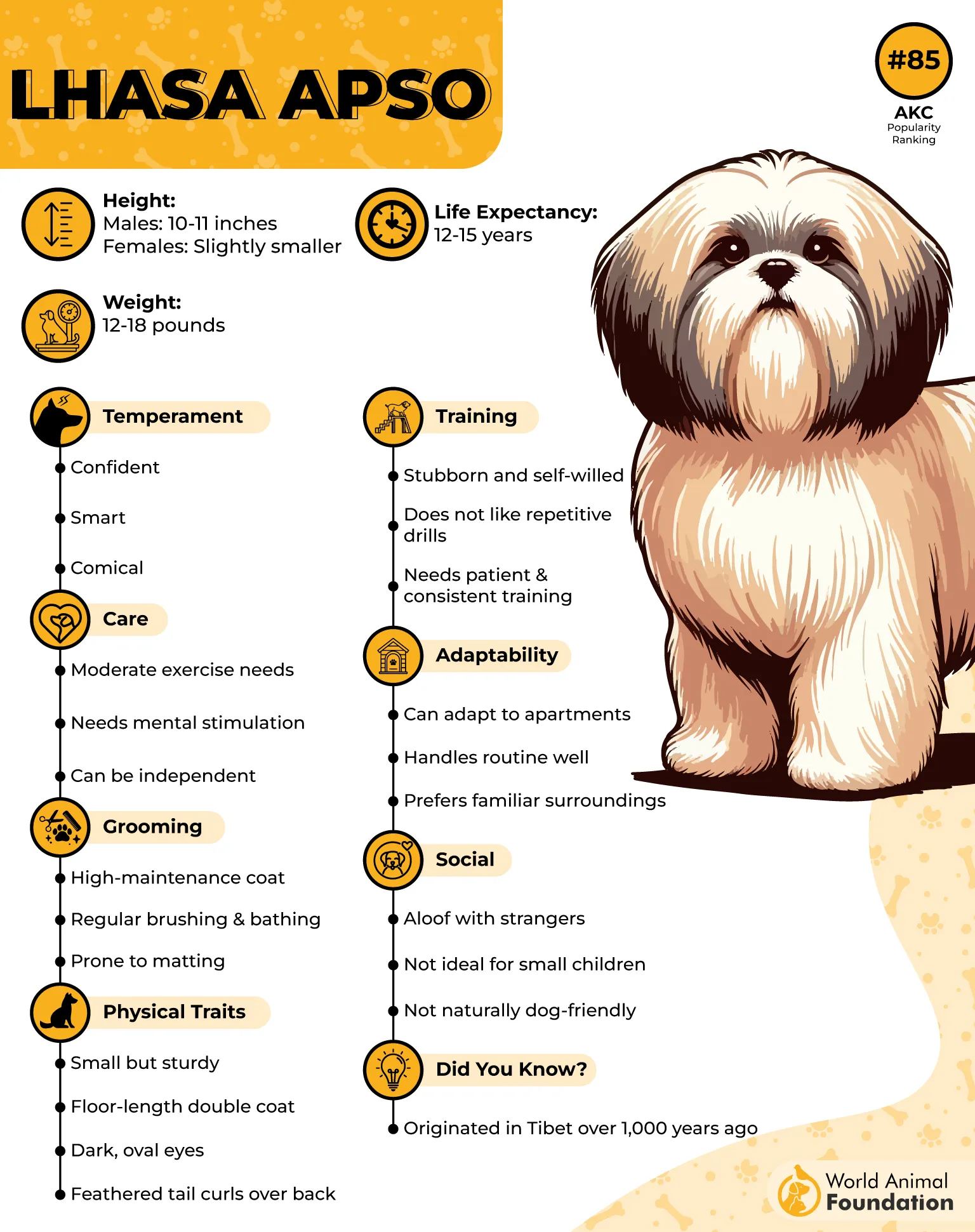
The breed has an advanced interior alarm system because of its acute hearing. Developed as a watchdog, the breed is aloof toward strangers while incredibly loyal and playful with family members.
Conclusion
Choosing a small dog is not only about finding the lowest number on a scale. Adult size, body structure, temperament, grooming needs, exercise requirements, and health considerations all deserve a place in the decision. The Maltese is exceptionally tiny, while the Pug and Bichon Frise offer sturdier builds.
The Cavalier brings a sporting side, the Shih Tzu offers a classic companion temperament, and the Havanese adds playful adaptability. The Lhasa Apso, meanwhile, suits people who appreciate a more independent little character.
The best match is the breed whose needs fit your everyday life. A small dog may take up less space in your home, but it can still take up a huge amount of room in your heart.
