




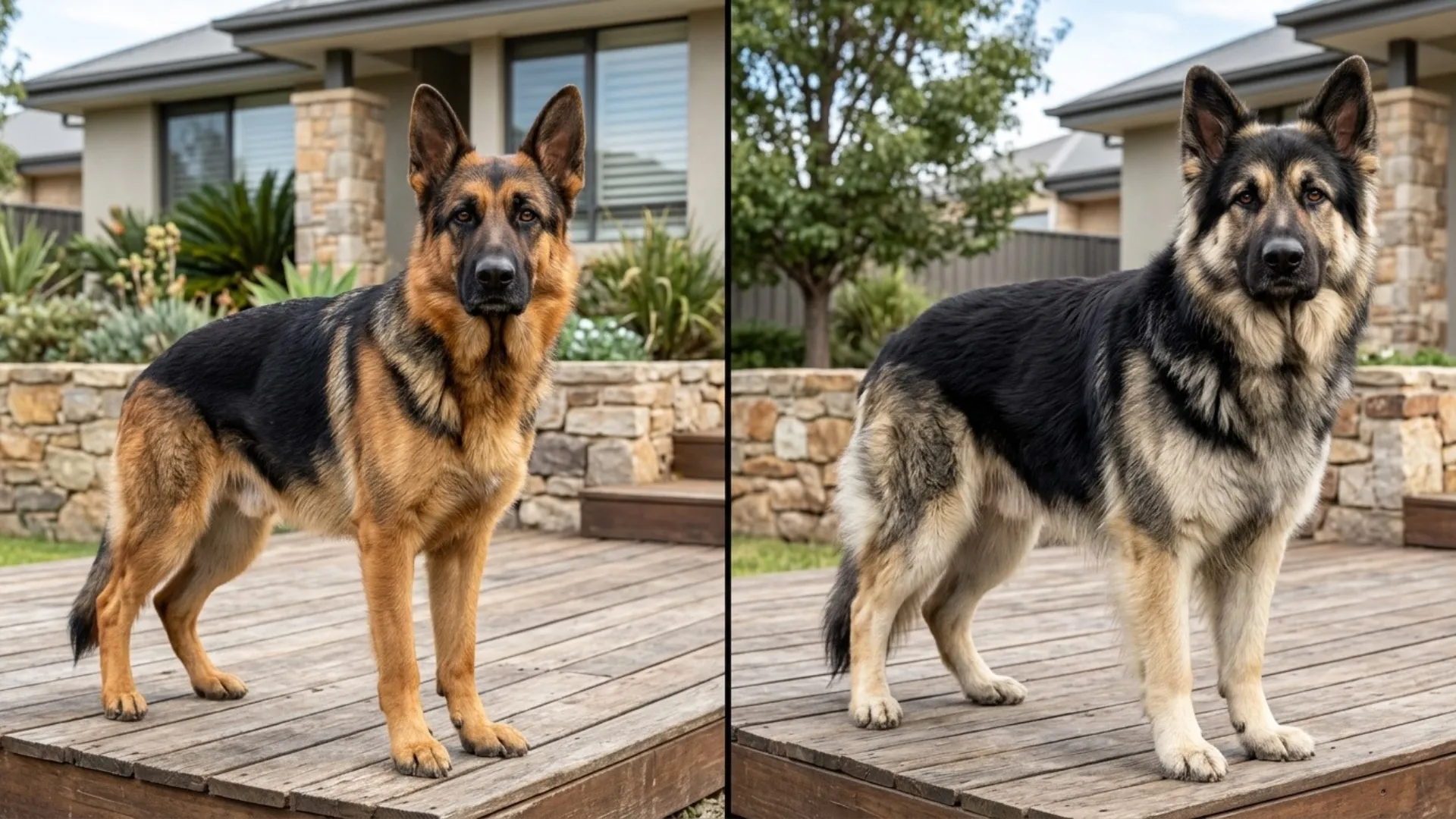
A swift stride and a massive silhouette stride into the spotlight as the German Shepherd and the King Shepherd turn heads for entirely different reasons. One moves with the sharp precision of a high-performance athlete, while the other commands attention through pure, lion-maned majesty.
Behind those wolf-like gazes lies a tale of two distinct paths among large dog breeds, where centuries of working purpose cross roads with a modern vision for an oversized Shepherd companion. Up close, subtle shifts in heritage, physical power, and daily presence set these powerhouse breeds apart.
Unlocking these differences reveals the unique spirit each canine brings into your world. Beyond first impressions lies a fascinating breakdown of how these distinct traits shape real life with an extraordinary partner.
German Shepherd vs. King Shepherd Dog
German Shepherds and King Shepherds are both intelligent, loyal dogs, but each brings unique strengths to the table. Understanding their differences in temperament, size, and working abilities can help you choose the right companion.
Origins & Purpose
German Shepherds trace their roots to late nineteenth-century Germany, where Captain Max von Stephanitz led efforts to develop an exceptional working dog with intelligence, endurance, and dependable instincts. As traditional herding demand declined over time, the breed transitioned naturally into military operations, police work, assistance duties, and search and rescue missions across the globe.
This rich history established the German Shepherd as a fully recognized breed with documented pedigrees, formal club standards, and distinct working and show lines.
The King Shepherd emerged much later during the 1990s in the United States, when breeders sought to create a larger, heavier shepherd-type companion. By crossing traditional German Shepherds with Shiloh Shepherds, Alaskan Malamutes, and other large working breeds, they created a companion dog with a massive build and a sweeter demeanor.
Unlike its well-established relative, major kennel clubs like the American Kennel Club do not recognize the King Shepherd as an official breed, meaning standards and behavioral traits fluctuate more between individual kennels.
Size & Physical Build
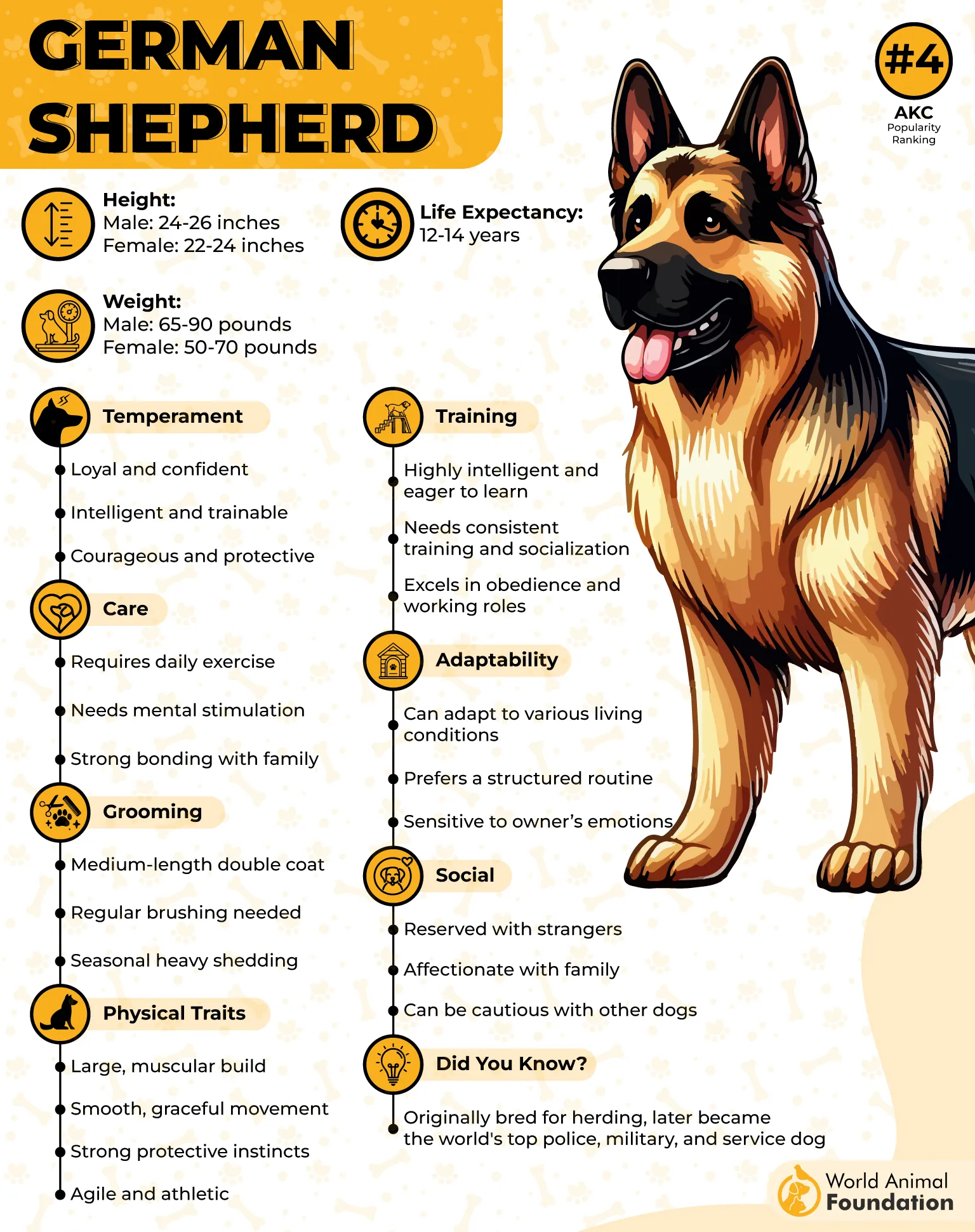
German Shepherds showcase an athletic and aerodynamic frame built for endurance, agility, and continuous movement across varied terrain. According to the AKC, males generally stand 24 to 26 inches at the shoulder and weigh between 65 and 90 pounds, while females reach 22 to 24 inches and weigh between 50 and 70 pounds.
Their double coats feature dense fur in classic black and tan, sable, or solid black, shielding them against diverse weather conditions during outdoor work. While skin tone variations occur, pink coloration does not serve as a standard trait, and unexpected dermatological shifts warrant prompt medical review.
King Shepherds take physical stature to a much larger scale, featuring males that frequently stand 27 to 31 inches tall and weigh anywhere from 100 to 150 pounds, with females reaching similar impressive proportions.
Their coats appear remarkably thick and plush, often developing a rich mane around the neck and longer feathering along the legs and tail. This extra mass creates a striking presence, but handling a dog of this size demands sturdier leashes, spacious living arrangements, heavy-duty bedding, and reliable transportation options.
Temperament & Personality
German Shepherds approach daily life with an alert, focused mind and a strong desire to stay close to their handler. PetMD mentions that their watchful nature translates into deep loyalty toward family members, though they often remain reserved or cautious when encountering strangers for the first time.
Early social exposure helps channel this natural vigilance into sound judgment rather than suspicious or overly protective behavior.
King Shepherds are generally bred to display a softer, more easygoing temperament suited for household life. Many individual dogs show a gentle and affectionate nature, enjoying close contact with family without the intense drive often seen in high-power working lines.
Because the breed is still evolving across different lines, temperament can shift from calm and friendly to somewhat protective depending on the parents. Both breeds form profound emotional connections with their owners and function best when included in daily household activities rather than isolated outdoors.
Exercise & Energy Levels
German Shepherds possess high energy reserves and sharp mental focus that demand consistent daily outlets. Brisk walks, fetch sessions, agility courses, tracking games, and advanced obedience drills keep their bodies fit and their minds satisfied.
Without sufficient physical and mental stimulation, Britannica notes that these active dogs may develop undesirable habits such as destructive chewing, continuous barking, or obsessive backyard pacing.
King Shepherds also require regular outdoor exercise to stay healthy, but their heavier build usually translates into a more moderate pace. Enjoyable activities include long neighborhood walks, casual trail strolls, and gentle yard play that keep muscles toned without placing excessive strain on their large joints.

Growing puppies of both breeds require carefully monitored play to protect developing growth plates, avoiding hard landings and repetitive high-impact jumps. Incorporating interactive puzzle toys and scent games indoors helps burn mental energy while keeping both dog types calm and content at home.
Training & Intelligence
German Shepherds stand among the most intelligent and versatile working breeds in the world, renowned for their ability to learn complex tasks quickly and execute commands reliably under pressure. They thrive under positive reinforcement methods that challenge their intellect, using structured routines, clear expectations, and rewarding games to build dependable working skills.
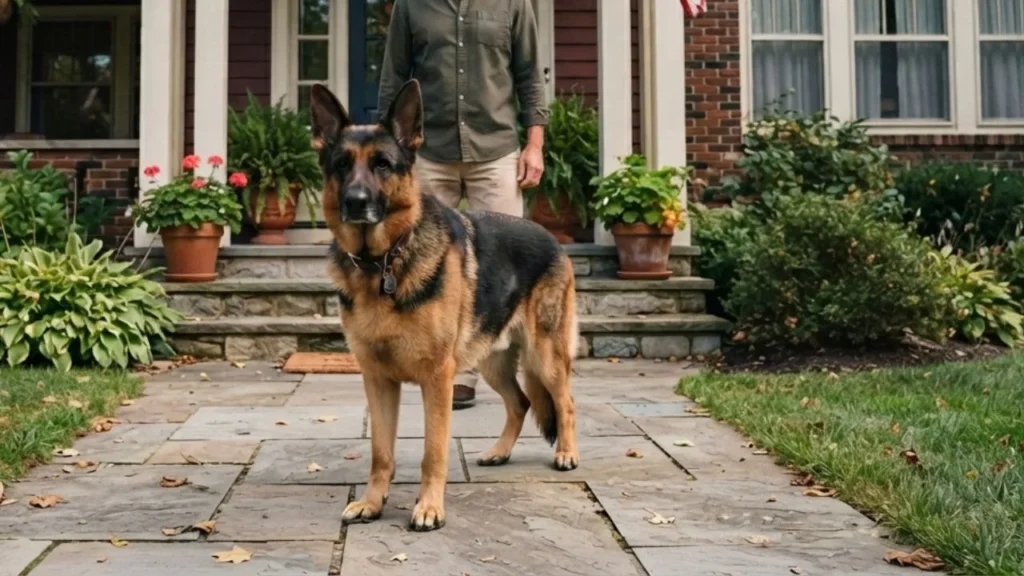
CKCUSA states that King Shepherds also inherit high trainability from their shepherd ancestry, though individual motivation levels can vary more widely across different litters. Some individuals share the eager working focus of their relatives, while others respond better to shorter, highly engaging sessions filled with praise and treats.
Establishing fundamental manners early on, such as walking nicely on a leash, coming when called, and greeting guests calmly, remains critical for managing two powerful breeds safely. Consistency, patience, and clear communication help both dogs build strong trust with their owners and mature into well-adjusted adult companions.
Health & Lifespan
German Shepherds face known predispositions to specific health concerns, including hip dysplasia, elbow dysplasia, degenerative myelopathy, and sudden gastric dilatation-volvulus, commonly known as bloat. Bloat is a medical emergency that requires immediate veterinary care whenever symptoms like abdominal swelling, unproductive retching, or severe distress appear.
King Shepherds share similar health risks due to their ancestral foundation and giant physical build, particularly regarding joint issues and bloat. Because long-term health research on King Shepherds remains limited, claims that they are inherently healthier than purebred German Shepherds lack conclusive scientific backing.
Owners should seek breeders who conduct official hip and elbow evaluations, eye exams, and genetic health screenings on all breeding stock.
German Shepherd vs. King Shepherd Dog Suitability as Family Pets vs. Guard Dogs
Petplan highlights that German Shepherds adapt exceptionally well to active family environments where they can participate in outdoor adventures and daily household activities. Their sharp instincts and steady trainability make them world-class candidates for formal protection work, where controlled decision-making and precise handling are mandatory.
King Shepherds offer a loving, patient companion for families with enough living space and resources to care for a giant breed. Their massive size creates an incredible natural visual deterrent against unwanted visitors, though their gentler nature means they function primarily as watchdogs rather than trained protection animals.
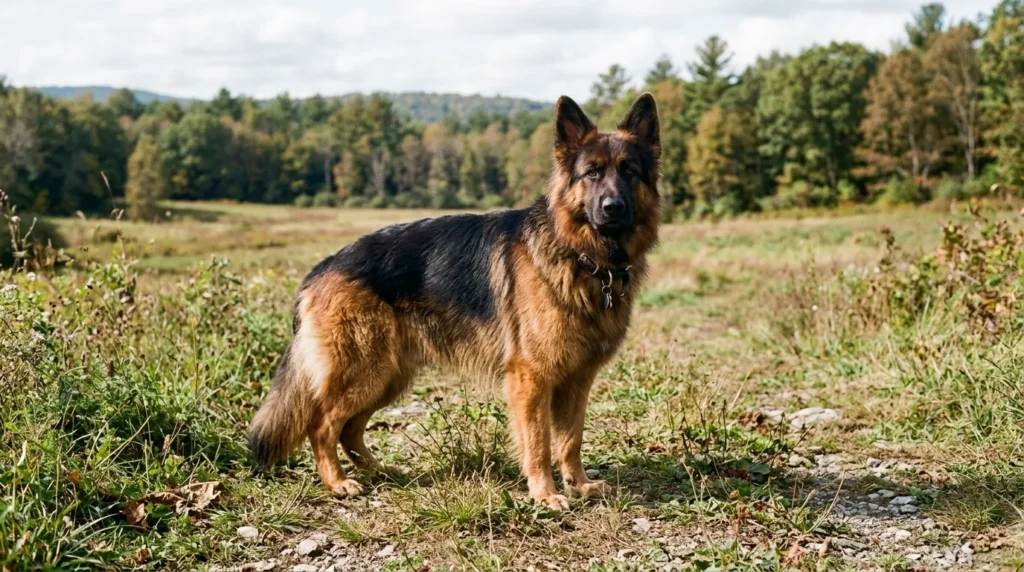
Households with small children need to supervise interactions with both breeds to avoid accidental knocks or overly enthusiastic play. Investing in high-quality nutrition, proper gear, consistent training, and regular veterinary care ensures that whichever shepherd type you select becomes a safe, loyal, and fulfilling partner for years to come.
Conclusion
So, in the King Shepherd vs. German Shepherd comparison, which one deserves a place in your home? The answer depends on the life you can offer, not simply the dog that looks most impressive.
The German Shepherd stands out for its established history, athletic abilities, and proven performance in demanding working roles. The King Shepherd appeals to owners who love a fuller-coated, larger companion and have the space, resources, and time to care for one.
Before committing, meet the individual dog, review its health records, and ask how its parents behave around people and other animals. If you are considering a puppy, look beyond a cute face and choose a breeder who puts health and temperament first.
The right shepherd is the one whose needs match your lifestyle. Give that dog patient guidance, meaningful activities, and a secure home, and you will build a relationship worth far more than impressive looks alone.
