




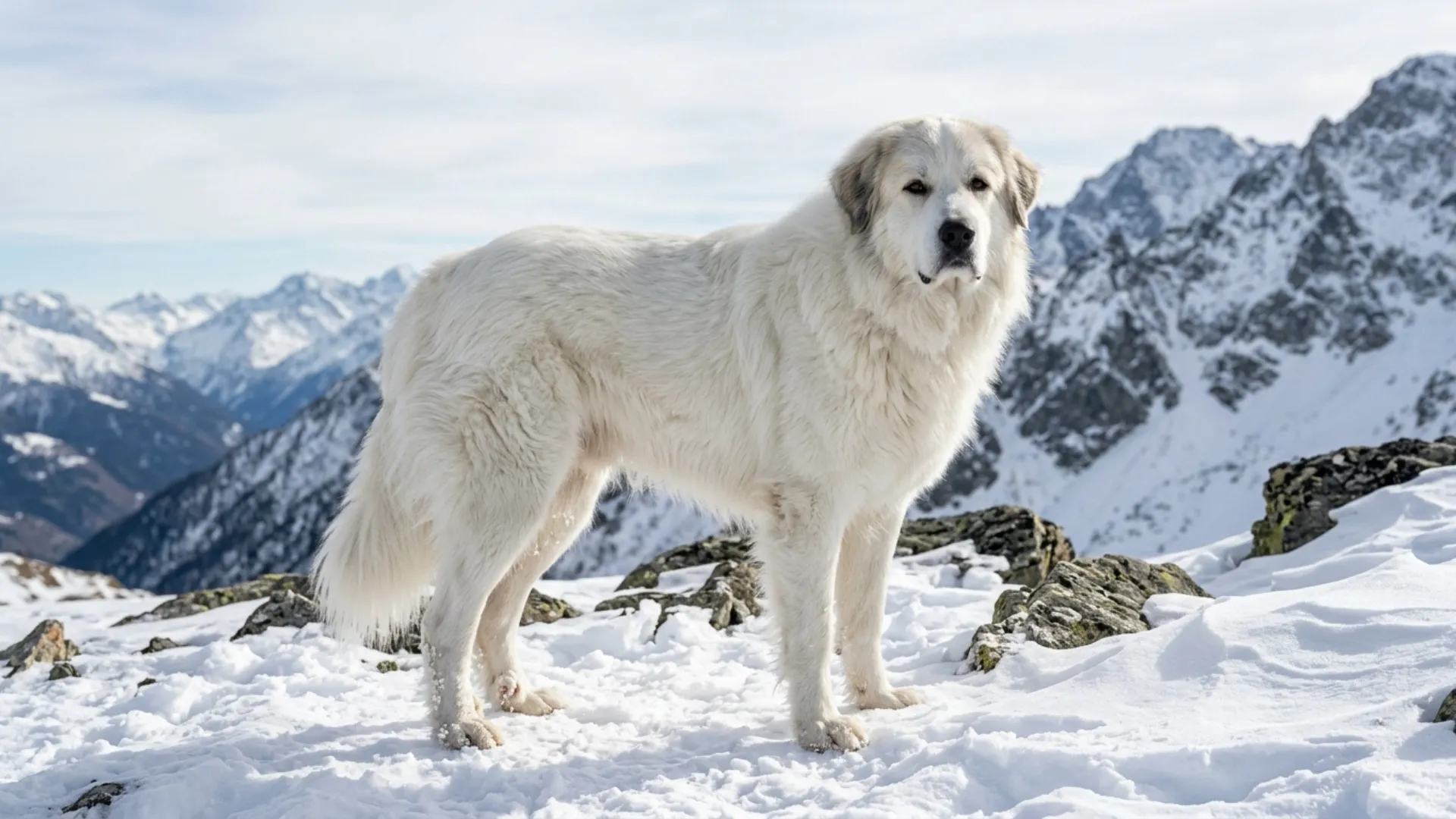
One dog ran nearly 260 miles through a raging Arctic blizzard to deliver life-saving medicine to a town facing a deadly outbreak. The Alaskan dog who got the statue and the headlines only ran the final 55 miles.
According to historical accounts of that famous 1925 rescue, the real hero barely got a mention for decades. Fame, it turns out, does not always go to the toughest dog in the yard.
Plenty of dog breeds carry a similarly oversized reputation, earned through royal courts, loyal vigils, daring mountain rescues, and centuries spent surviving freezing climates few other animals could handle. Some of these stubborn legends hold up, and others are mostly myth with excellent marketing.
So which famous breed actually lives up to its own hype, and which one just has a great publicist? Keep reading to find out, and get ready to meet your new favorite dog along the way.
Legendary Dog Breeds that Thrive in Harsh Environments
1. Siberian Husky
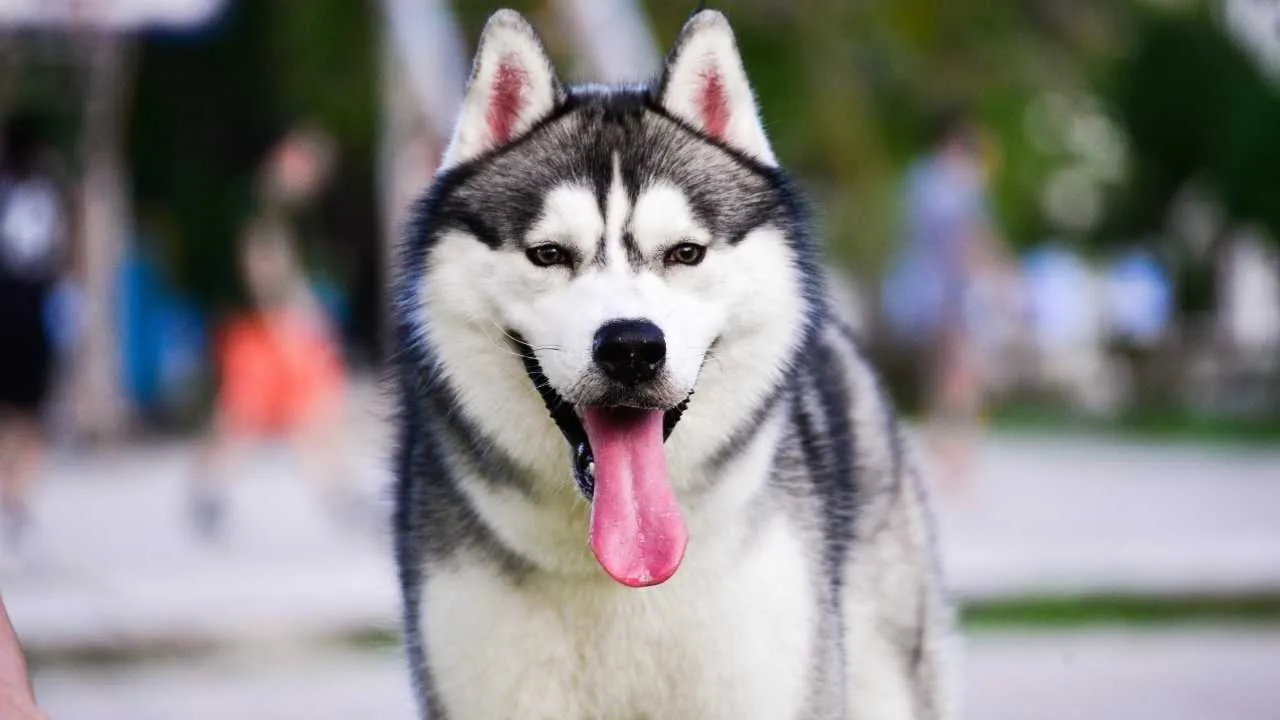
Everyone remembers Balto as the hero of Nome’s 1925 serum run. Togo, from the same Seppala kennel, actually ran the longest and most dangerous leg. Britannica notes their shared toughness came from genetic diversity built for Alaska’s freezing temperatures.
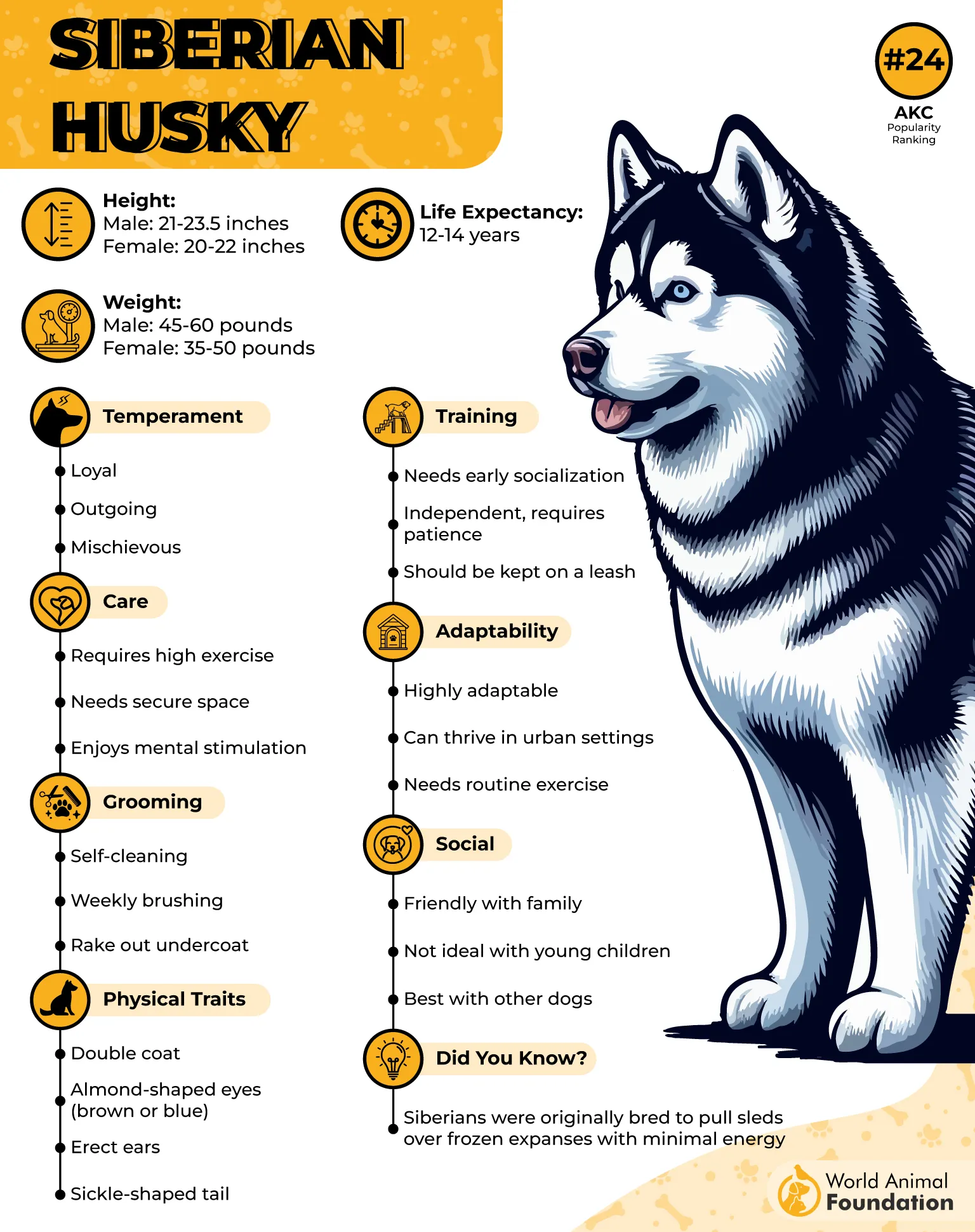
The 1925 run crossed frozen Alaska mid-blizzard. This is home ground for the Siberian Husky, shaped by the Chukchi people for brutal cold weather. Deep snow and long treks were simply routine.
Coat: A thick double coat traps heat and blocks freezing wind.
Build: A compact, muscular frame saves energy over long distances.
Feet: Fur between the toes works like built-in snowshoes.
That cold-weather engine overheats fast once warm weather arrives. Huskies also carry a strong independent streak, so secure fencing matters. This breed thrives with active families who love outdoor adventures.
2. Alaskan Malamute
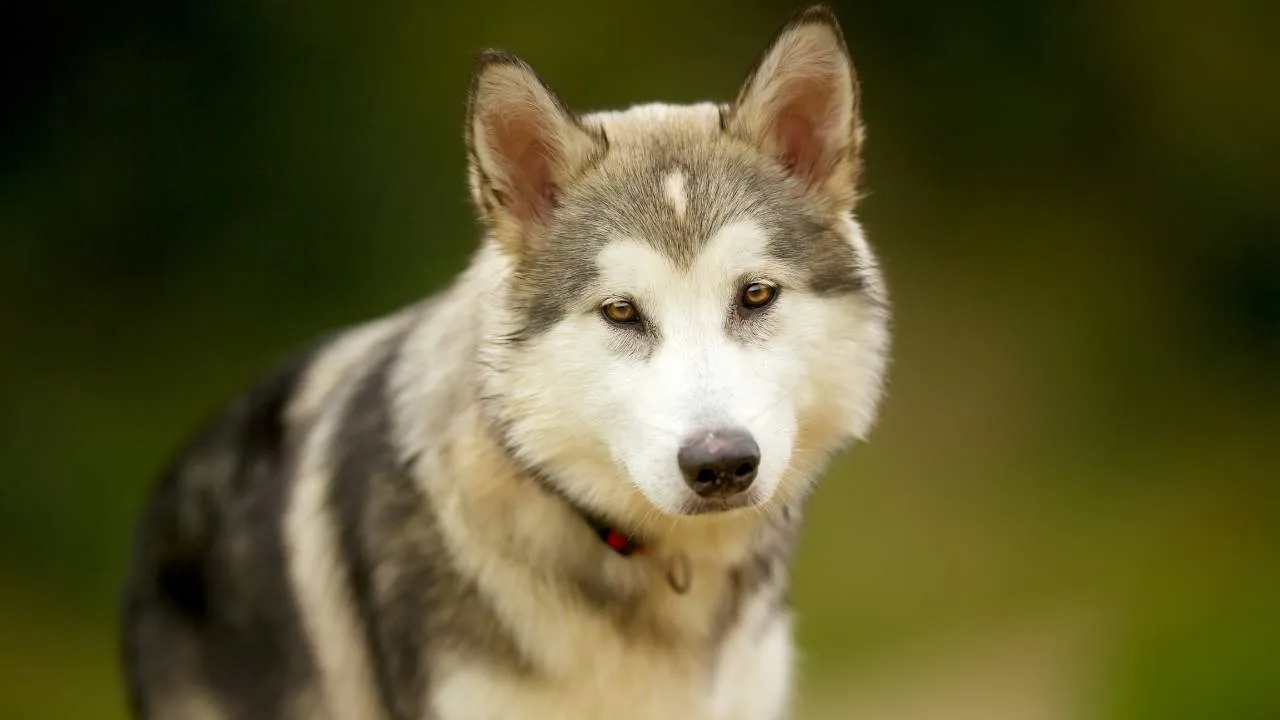
People often call the Alaskan Malamute a tamed wolf. The legend sticks because of its coloring and bold stance, but history says otherwise. This is an ancient breed, originally bred for hauling, not a wolf hybrid.
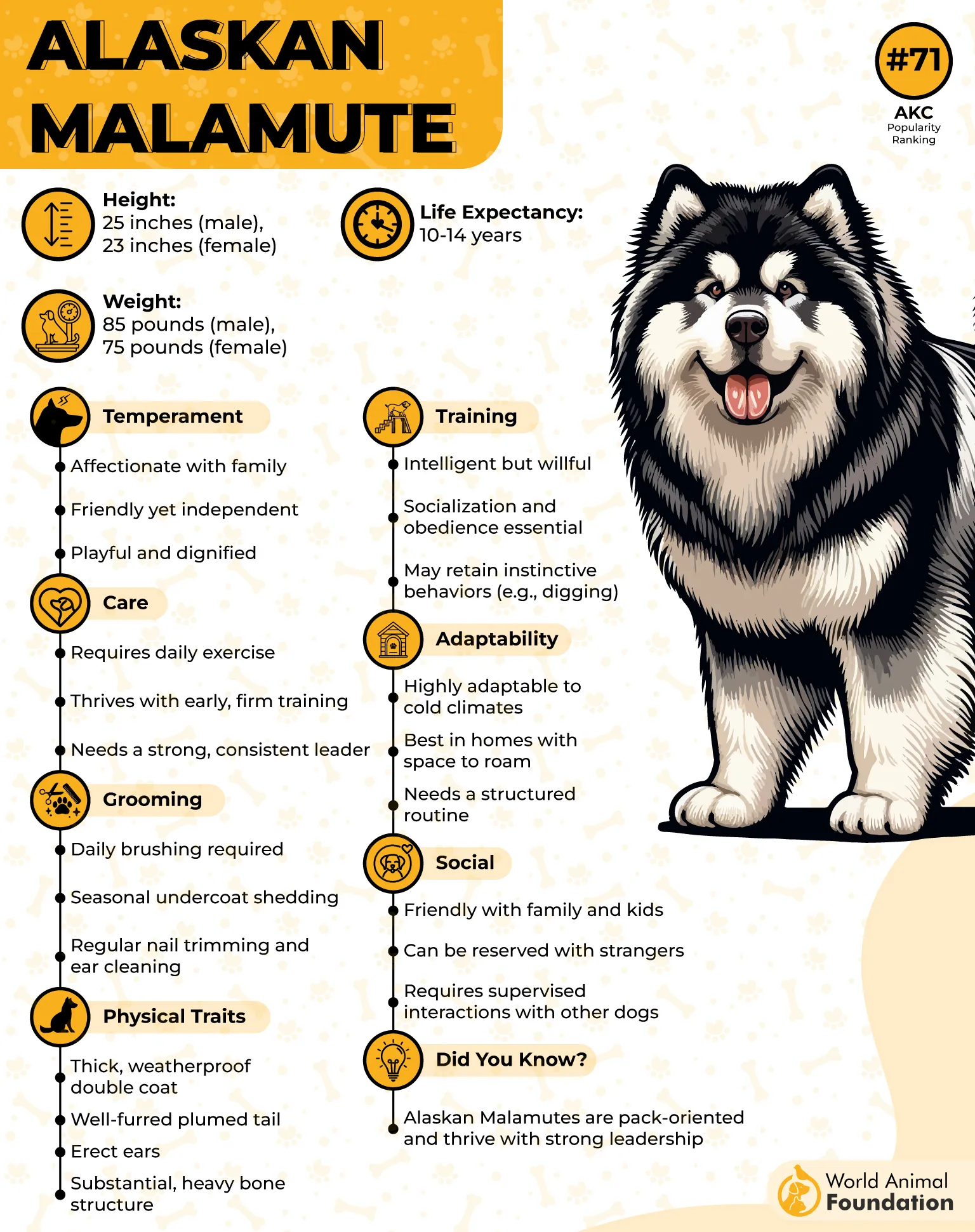
Its home ground is Alaska’s icy northwest coast. The Mahlemut people needed a dog that could haul heavy loads across frozen ground for days. Freezing temperatures and open spaces were the daily backdrop.
Build: A broad chest and heavy bone structure favor pulling power over speed.
Coat: A dense double coat retains heat even in low temperatures.
Temperament: A calm, food-driven nature suited to life on short Arctic rations.
Malamutes still draw unfair stares for that wolf-like look. This breed needs serious daily exercise and firm training, or independence takes over. It is a cold weather athlete, not a lap dog.
3. Tibetan Mastiff
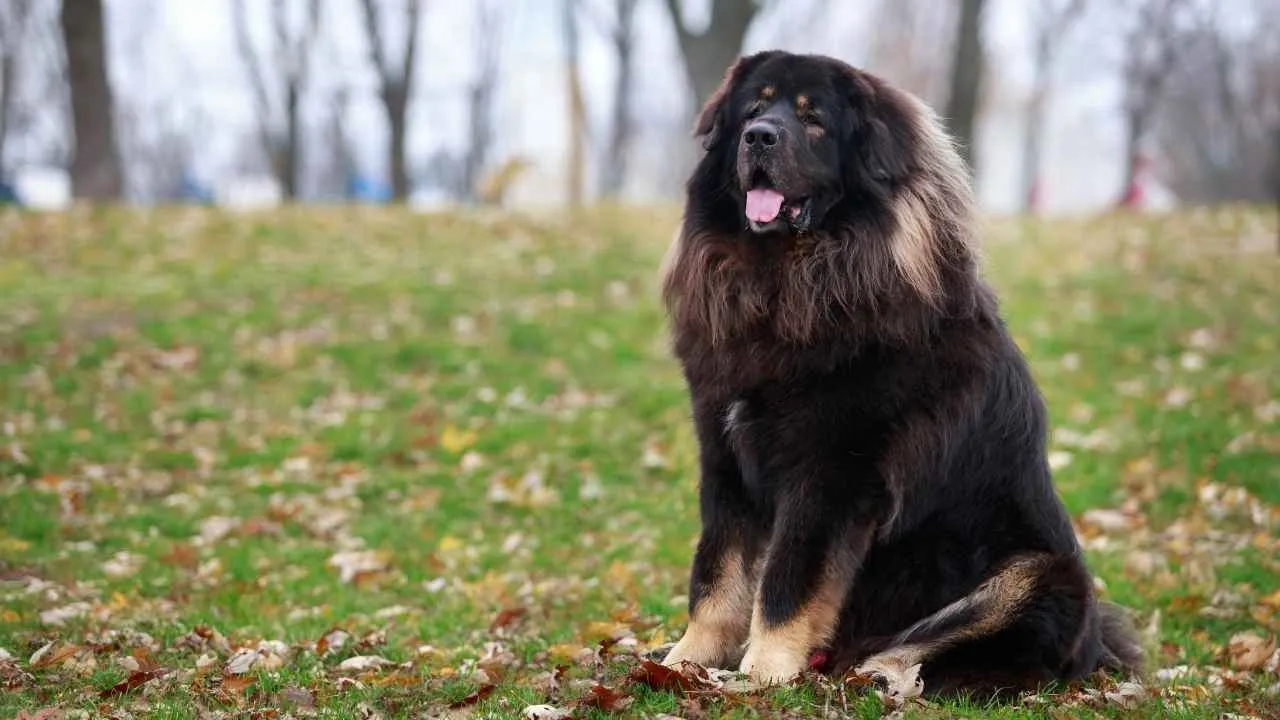
Legend says the Tibetan Mastiff guarded Genghis Khan’s camps. VCA notes guardian dogs may have traveled with Genghis Khan and Attila the Hun across Central Asia. That reputation has lasted centuries, even if the bloodline reads more like folklore.
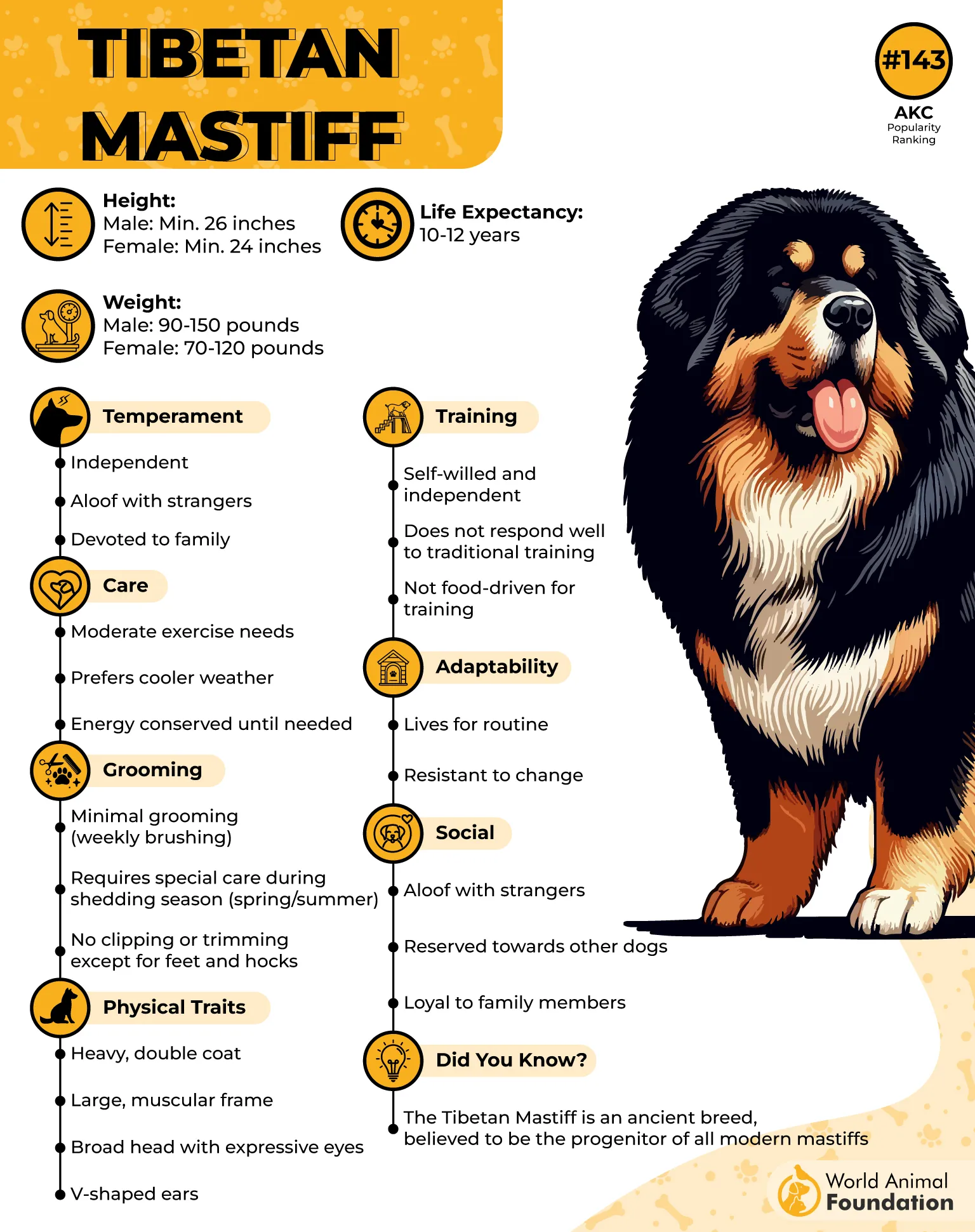
Those camps sat high in the Himalayas, where altitude and cold climate tested every animal. Nights there drop into freezing temperatures, with shelter never guaranteed. Only the toughest dogs survived here.

Coat: A heavy, weatherproof double coat blocks cold air from the skin.
Size: A large, powerful frame retains heat better than a small build.
Instinct: A nocturnal alertness means the breed rests by day and guards by night.
This is not an easy housemate for first-time owners. Its guarding instinct calls for early socialization, and its stubborn streak needs patience. This dog protects fiercely, but on its own terms.
4. Great Pyrenees
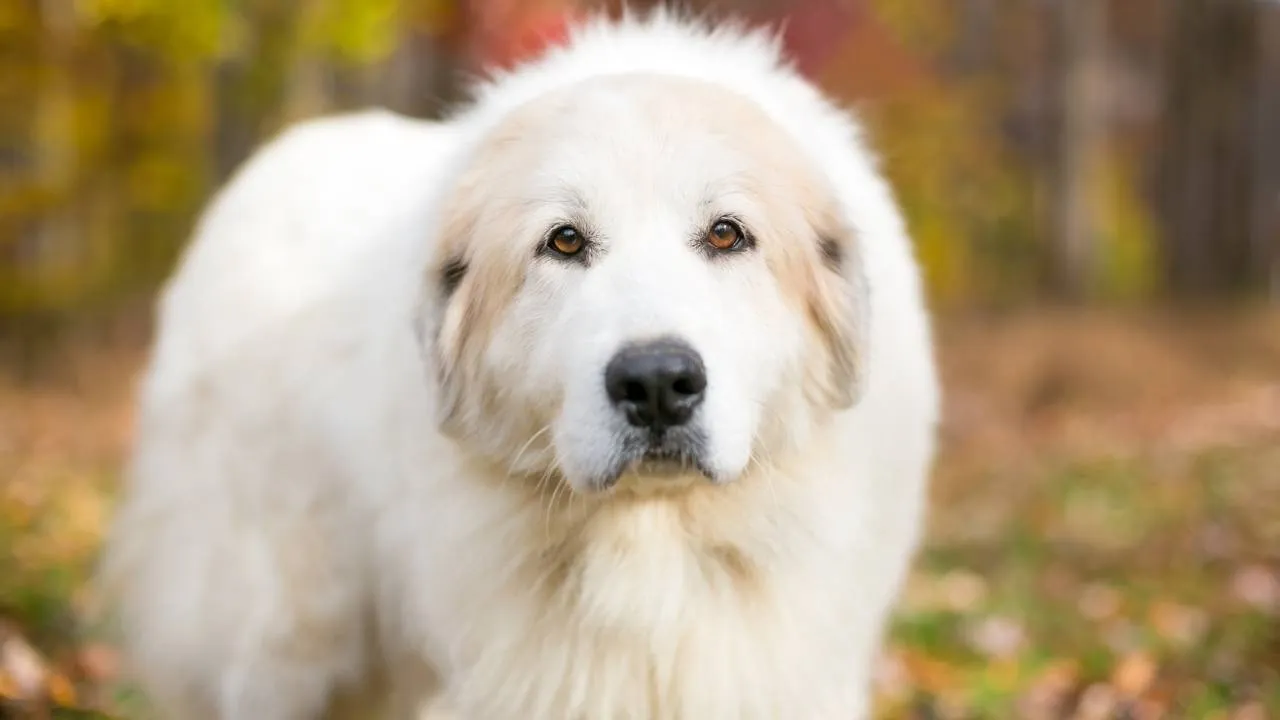
Legend says King Louis XIV named the Great Pyrenees the Royal Dog of France. WebMD confirms that title came only after the breed proved itself guarding the estate. The crown followed hard work, not the reverse.
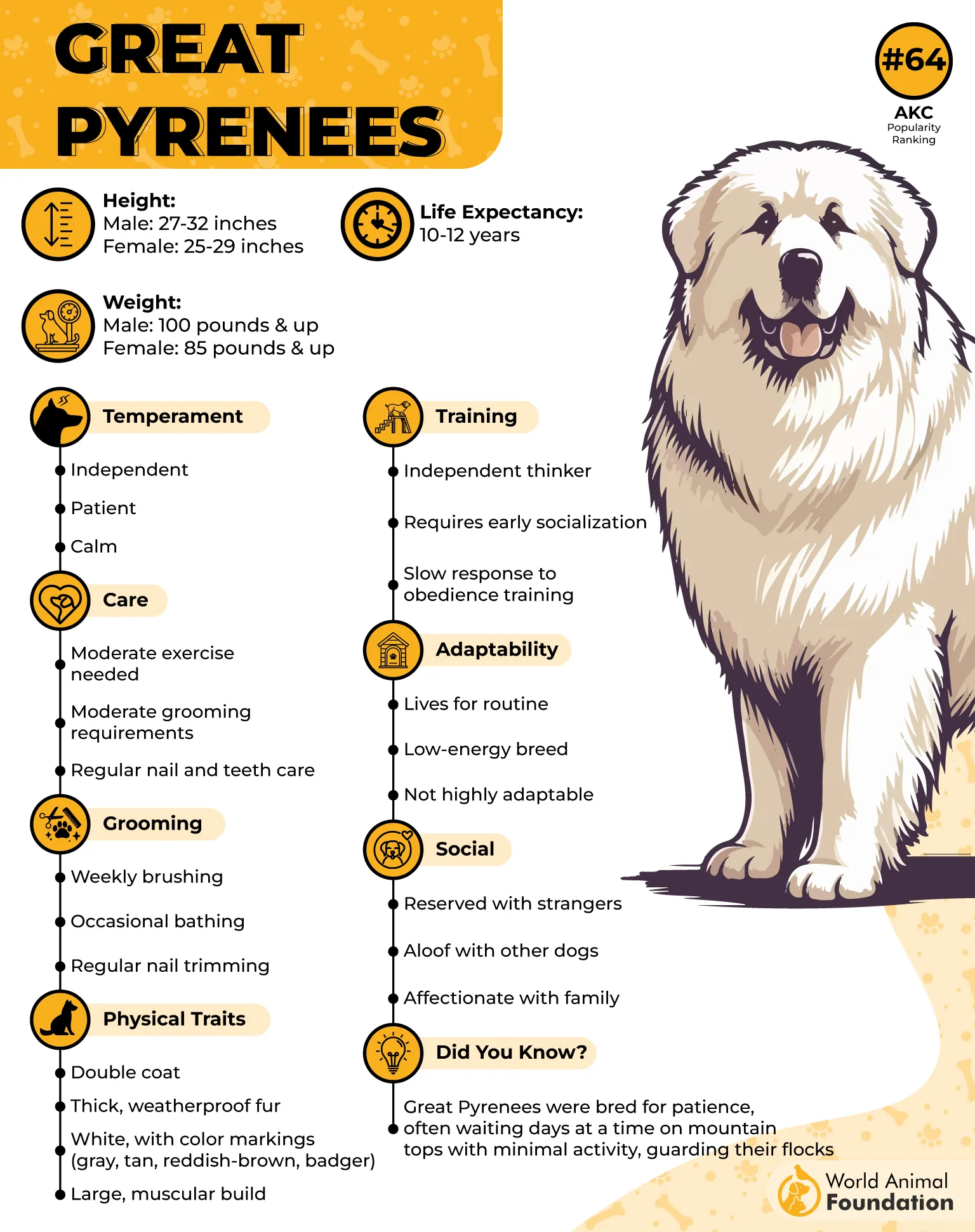
Long before any royal court noticed, this breed guarded livestock in the Pyrenees mountains. Mountainous regions and icy terrain were simply the job site. A shepherd needed a dog tough enough to outlast a wolf.
Coat: A thick, weatherproof coat with a woolly undercoat blocks overnight cold.
Color: A pale coat helps it blend into a flock, watching for threats.
Size: A large, muscular build helps it face down bigger predators.
A Great Pyrenees barks at night purely by instinct, which neighbors rarely enjoy. It sheds constantly and needs room to patrol. This is a working mountain dog first, a cuddly companion second.
5. Norwegian Elkhound
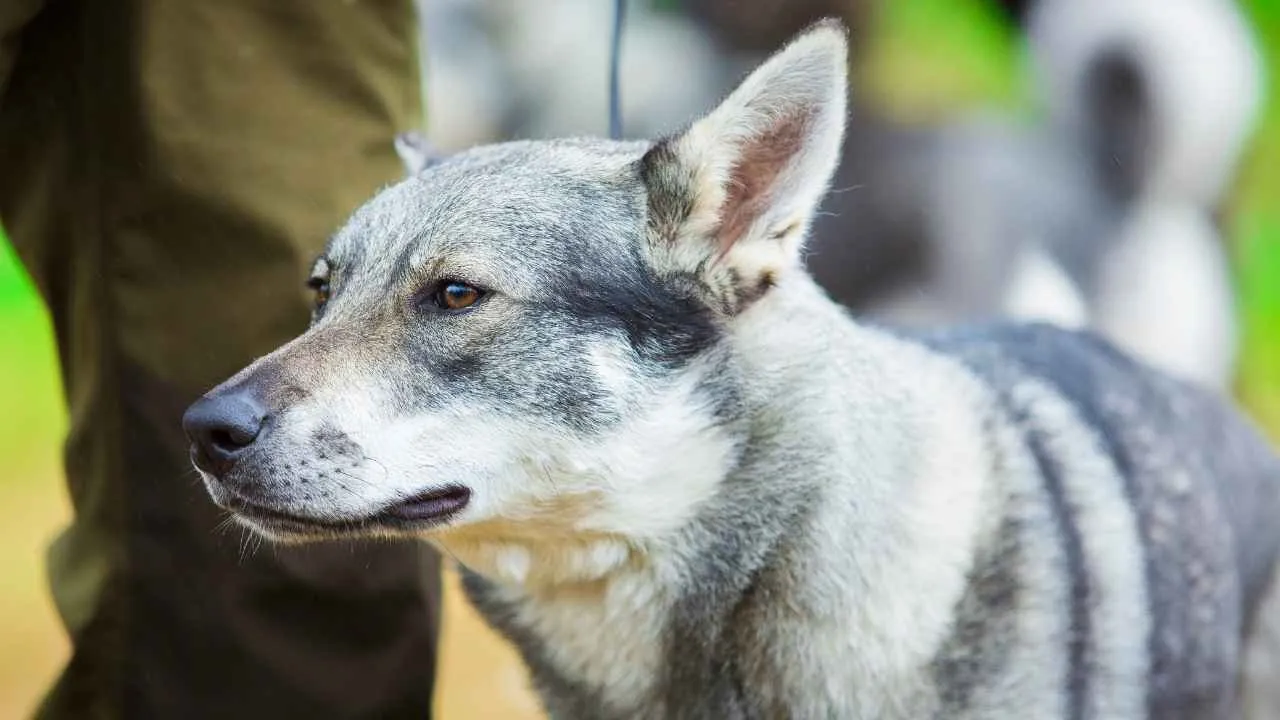
Viking sagas remember the Elkhound as a loyal hunting partner. Purina credits this rugged breed with hunting elk and bear, prized for endurance alongside Viking masters. Archaeologists even found Elkhound-like skeletons buried in Viking burial grounds.
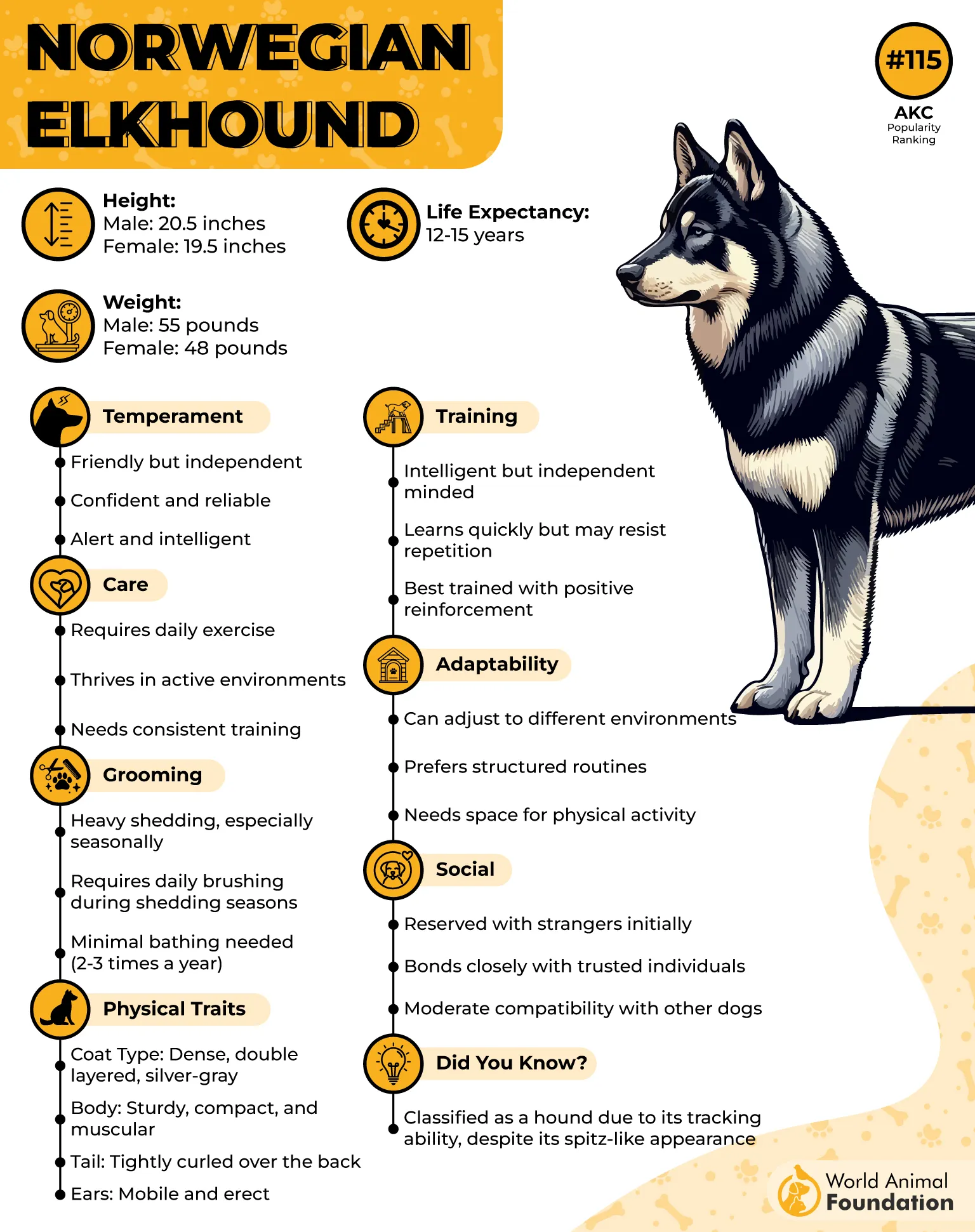
Norway’s forests and mountains gave this breed dense terrain and a cold climate. Hunters needed a dog that could track moose through deep snow for hours. Bears and wolves made the hunt riskier still.
Voice: A loud, distinctive bark holds a cornered animal until hunters arrive.
Coat: A dense gray coat insulates against cold while shedding snow easily.
Build: A compact, square frame makes it agile enough to dodge an angry moose.
That booming bark suits a forest, not a quiet neighborhood. The Elkhound keeps an independent hunting mind, so training takes real consistency. It suits active, energetic families who love outdoor adventures.
6. Akita
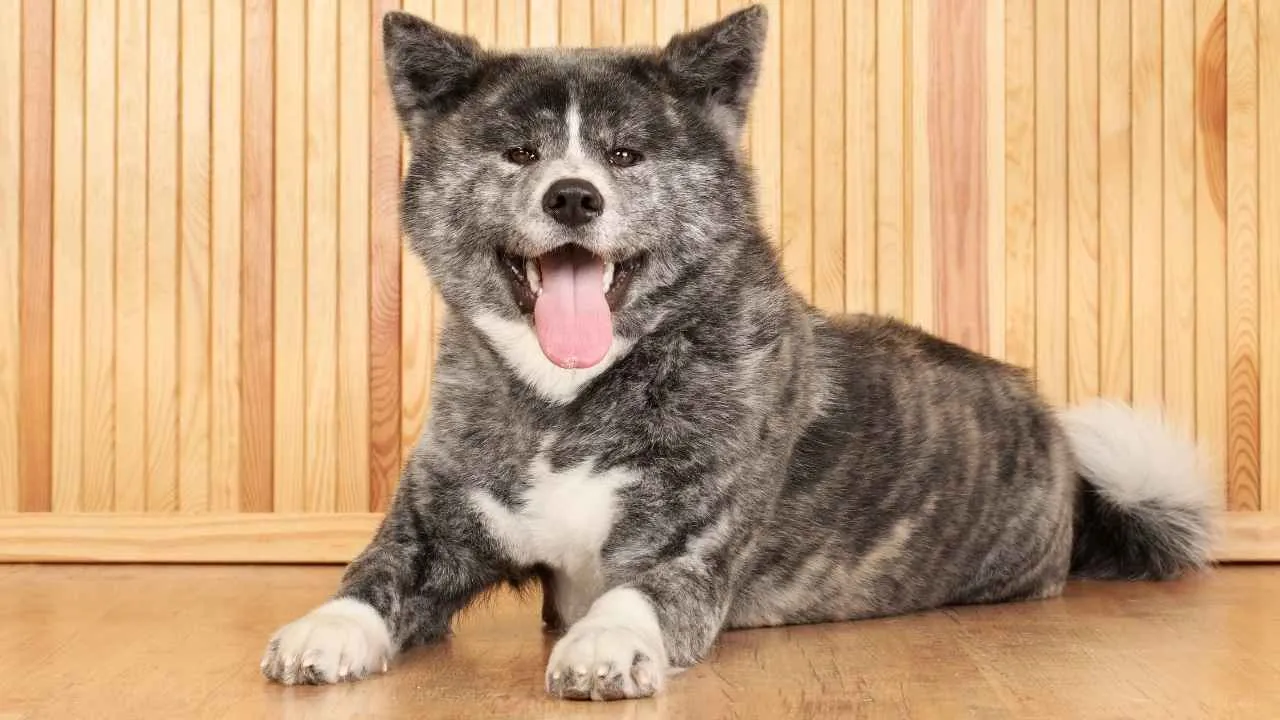
Most know the Akita through Hachiko, that waited 9 years at a Tokyo station. That story made the breed a global symbol of devoted loyalty. The lesser-known legend came first: generations built to survive brutal mountain winters.
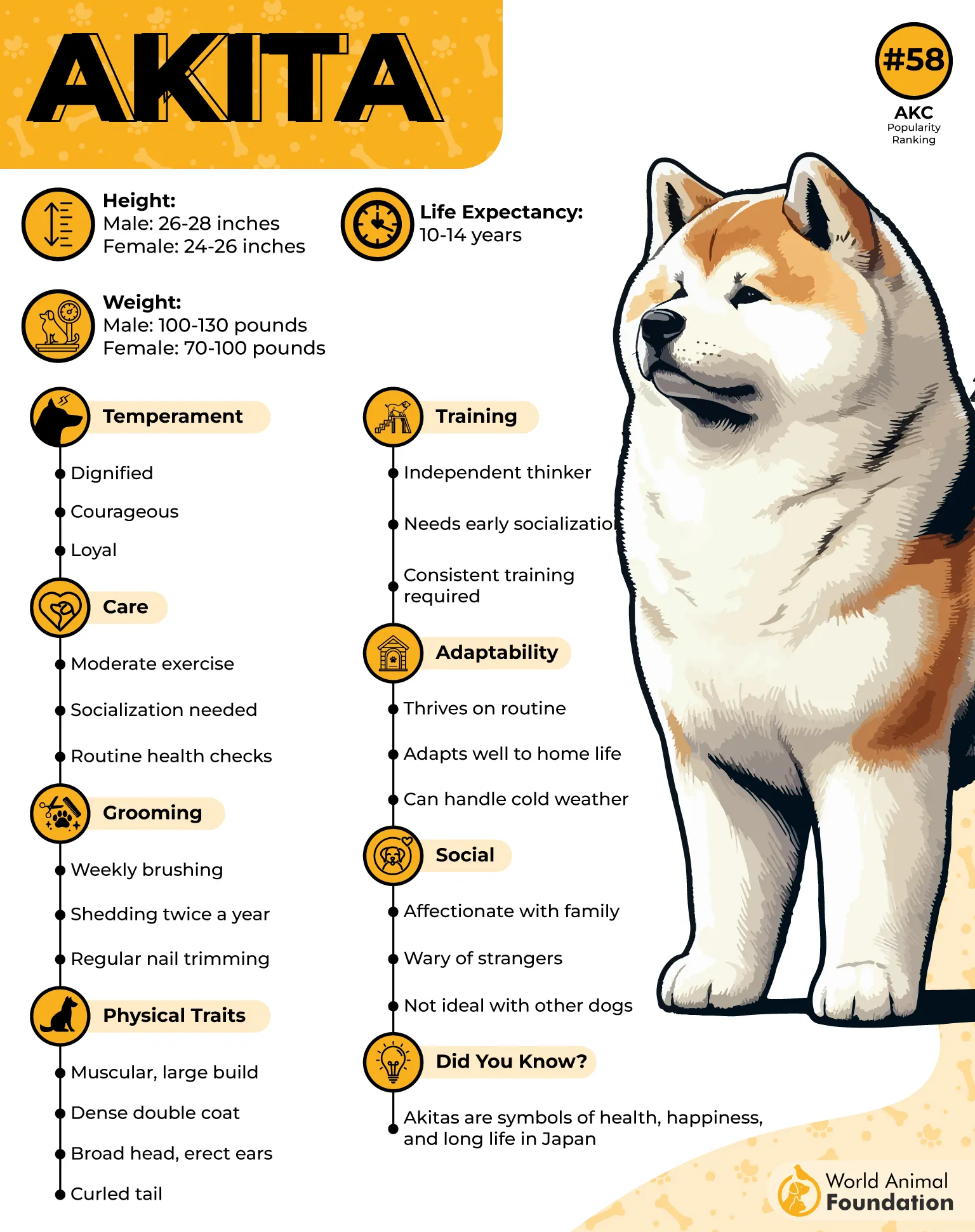
Akita Prefecture sits in Japan’s snowy, mountainous north. Here the breed’s matagi ancestors hunted large game through harsh winters. Deep snow and freezing temperatures defined daily life long before any station vigil.
Coat: A thick double coat holds in warmth through harsh mountain winters.
Build: A powerful frame gives it strength to overpower much larger prey.
Temperament: A reserved, watchful nature makes it an effective guard and hunter.
An Akita’s guarding instinct brings real wariness around strangers. Early socialization and firm, calm training are non-negotiable here. Loyal does not mean easy, and this breed asks for real respect.
7. Saint Bernard
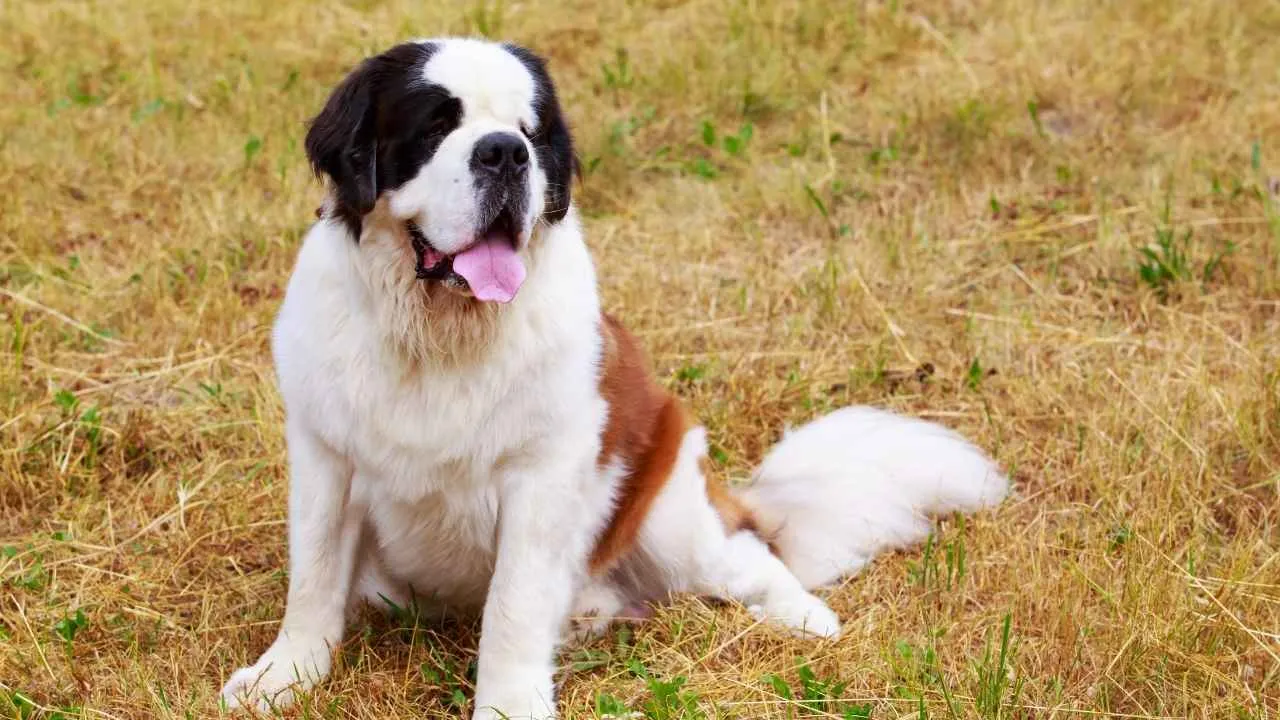
The Saint Bernard owes its fame to Barry, a rescue dog at the Hospice. The AKC credits Barry with saving at least 40 lives between 1800 and 1814. The brandy cask shown around its neck in paintings is pure artistic invention.
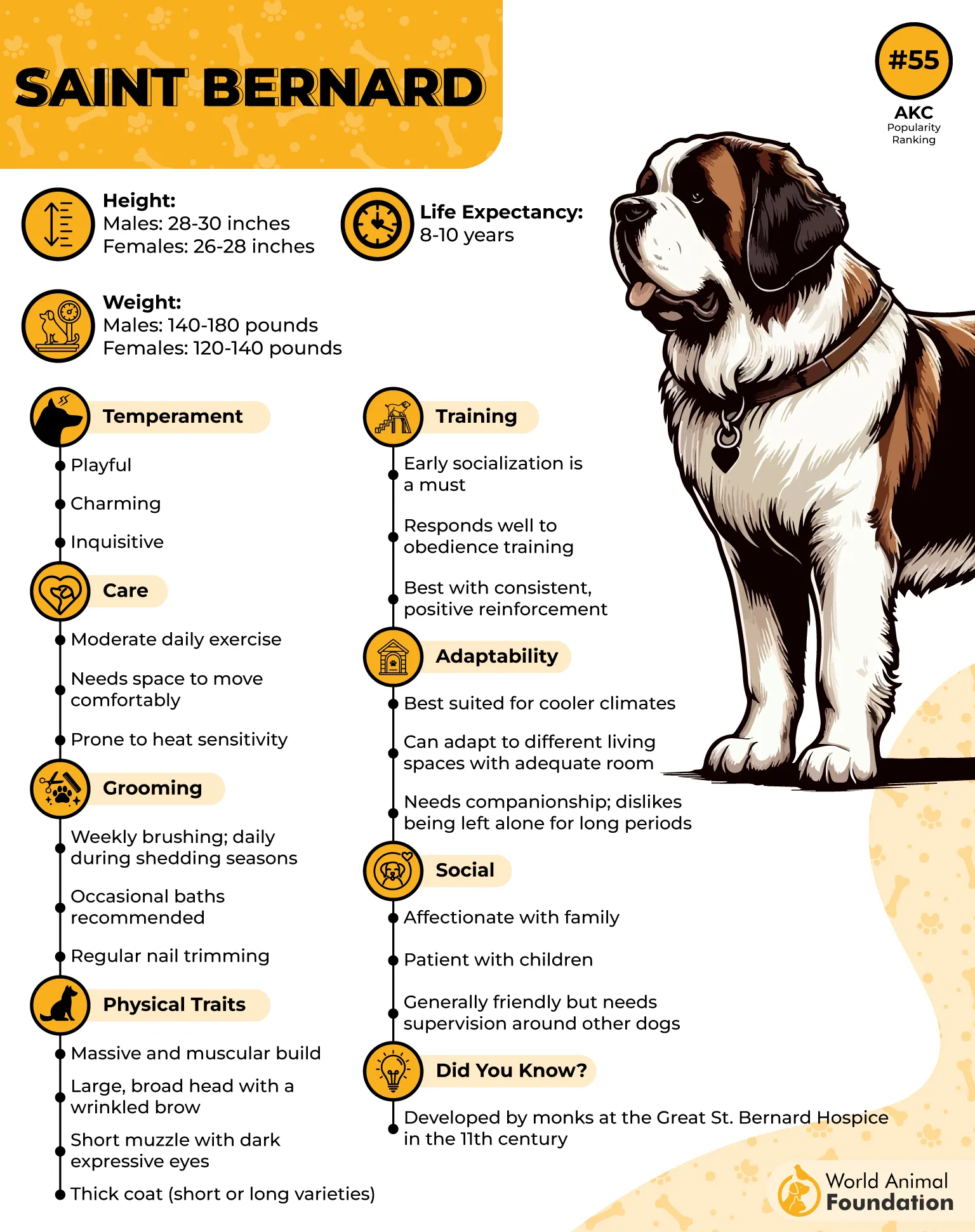
The hospice sat high in the Swiss Alps, on a mountain pass. Snow, avalanches, and freezing fog could strand a traveler fast. Monks needed a dog built for long mountain treks.
Nose: A powerful sense of smell locates travelers buried under deep snow.
Build: Broad paws and a muscular frame plow through heavy drifts easily.
Coat: A dense, water-resistant coat sheds snow instead of soaking it in.
A full-grown Saint Bernard drools, sheds, and needs real space indoors. It grows fast, so joint care matters early. This gentle giant suits active families with room to grow.
Conclusion
Every breed on this list earned its legendary heritage the hard way, through real cold, real mountains, and years of hard work alongside people. Their famous stories hold up surprisingly well, and the same characteristics that built each legend are exactly what move in with you as loyal companions.
A dog this well suited to deep snow and wide-open terrain needs an owner ready to match its energy and provide plenty of outdoor activity, not just admire its history.
Tell us which legendary companion fits your home and your climate best in the comments below.
