





Cats may be famous for doing things on their own terms, but some are especially receptive to human guidance. Their intelligence, curiosity, and desire to interact can make them more responsive to routines, positive reinforcement, and simple training.
Although no cat is obedient all the time, certain breeds are often more eager to engage with their owners and learn new behaviors. Individual personalities and consistent, reward-based training also play important roles.
Discover seven cat breeds that may be easier to guide and train, helping you find a feline companion whose temperament suits your home and lifestyle.
Most Obedient Cat Breeds
1. Siamese

The Siamese is an intelligent, people-oriented cat known for its strong desire to interact with its owners. These affectionate felines often follow their favorite people around the house and eagerly participate in daily activities.
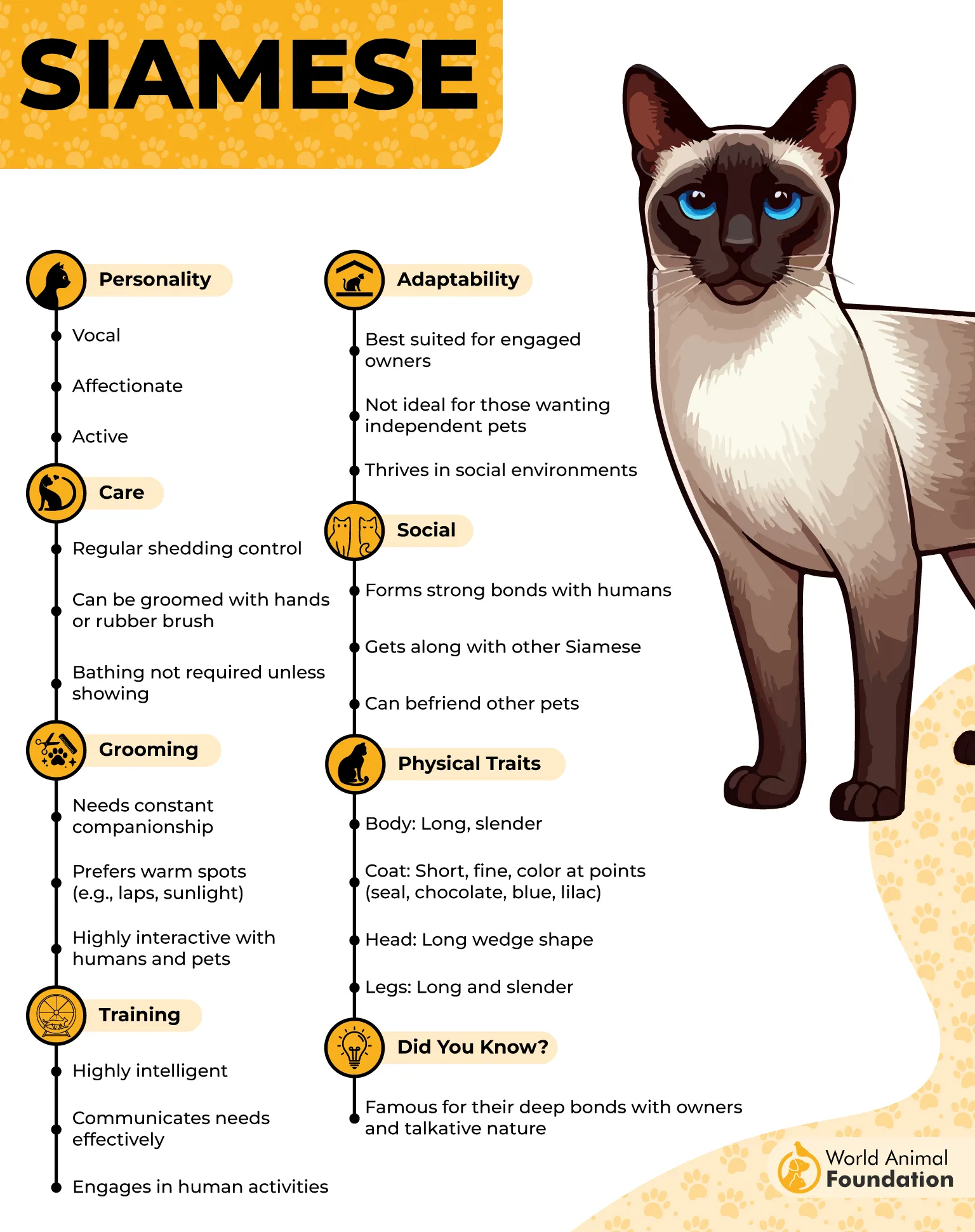
Their curiosity and responsiveness make them well-suited to learning tricks and simple cues. With patience and positive reinforcement, Siamese cats can learn activities such as fetching toys and may even enjoy walking on a leash. Interactive toys and window perches also help keep their minds engaged.
Siamese cats are famously vocal, often communicating through frequent meows during everyday interactions. Their close attachment to their humans means they may become restless when bored, so consistent engagement and stimulating activities are important.
According to PetMD, although these domestic cats may form a strong attachment to their preferred person, they are also sociable enough to curl up on a visitor’s lap.
How This Breed Stands Out
Quick to learn interactive cues: Intelligent and responsive, Siamese cats can learn tricks such as fetch through positive reinforcement.
Strong attachment to human routines: These sociable cats enjoy following their owners and participating in everyday household activities.
2. Bengal
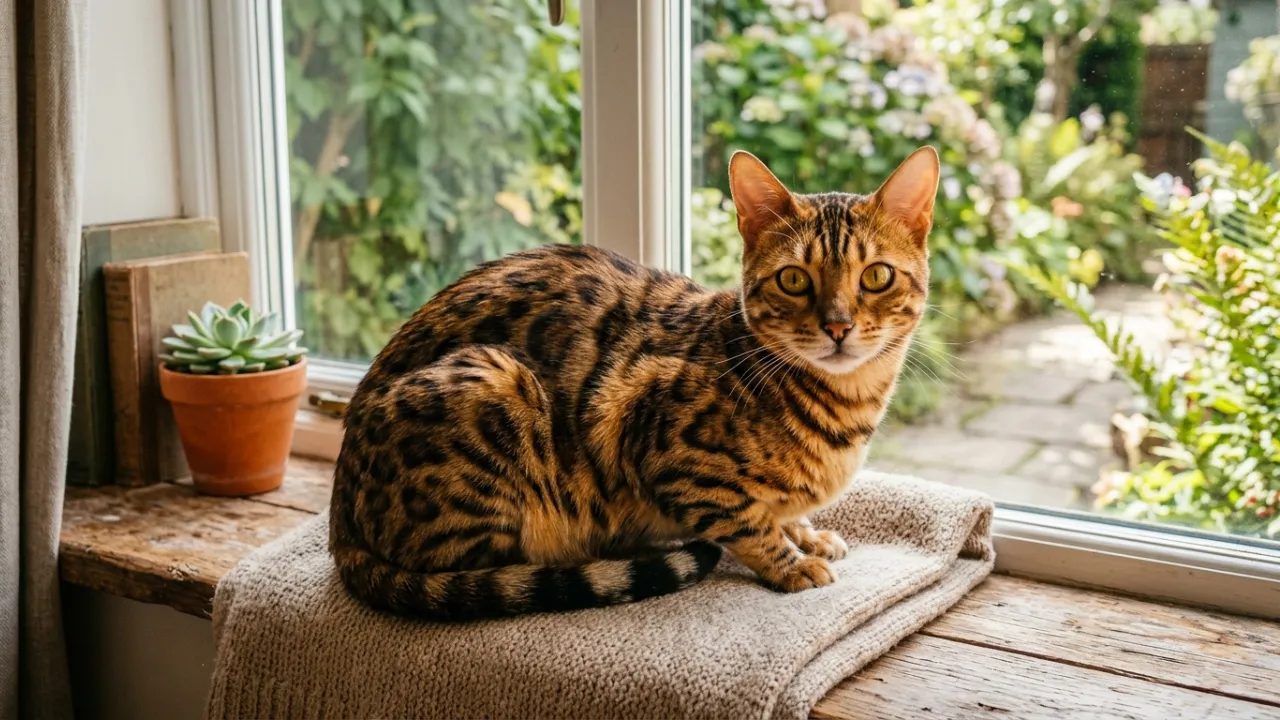
The Bengal is an energetic, intelligent cat recognized for its leopard-like spots and adventurous personality. With a strong desire to explore, these cats enjoy climbing, jumping, and discovering new ways to interact with their surroundings.
According to WebMD, Bengal cats are typically more active and agile than many other breeds, with sociable, playful, and interactive personalities.
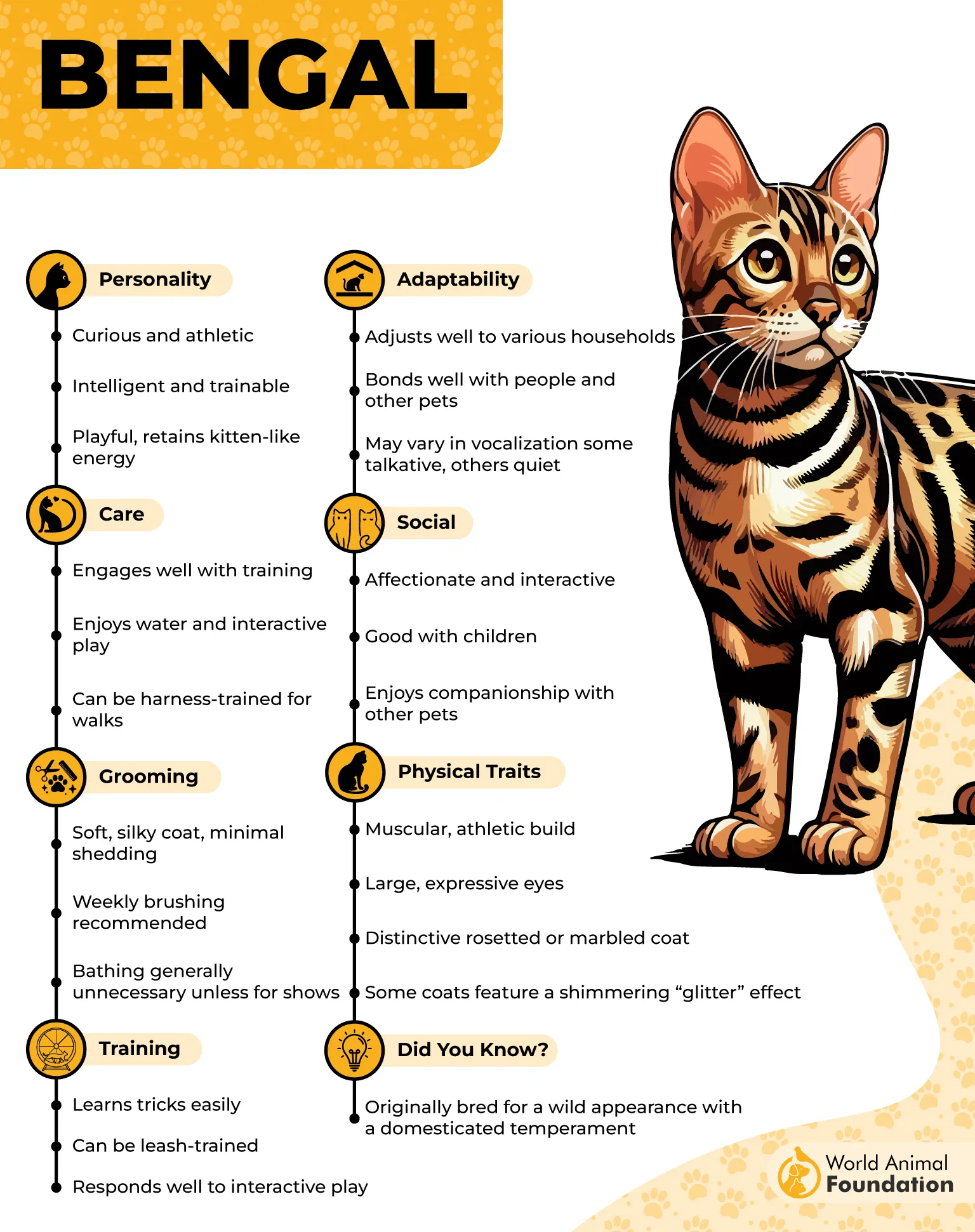
Bengals learn quickly and respond well to activities that challenge their minds. Puzzle toys, interactive games, and clicker training can help channel their curiosity while teaching useful behaviors and entertaining tricks. They also enjoy playing directly with their owners, making training an engaging shared activity.
Their athletic build and adventurous spirit can make leash-walking practice appealing when introduced gradually and positively. Because Bengals need plenty of physical activity and mental stimulation, regular play and varied enrichment are important for keeping them engaged.
How This Breed Stands Out
Enjoys puzzle toys and clicker training: Quick thinking and curiosity make Bengals enthusiastic participants in reward-based learning.
Athletic talent for leash-walking practice: Their active, exploratory nature can suit gradual leash training with patience and positive reinforcement.
3. Abyssinian

The Abyssinian is a lively, outgoing cat with a sleek coat and an inquisitive mind. Friendly and energetic, this breed enjoys being involved in household activities and thrives when given plenty of attention and opportunities to explore.
According to Purina, Abyssinians usually need brushing once a week, although more frequent grooming and occasional baths during shedding seasons can help remove loose fur more efficiently.
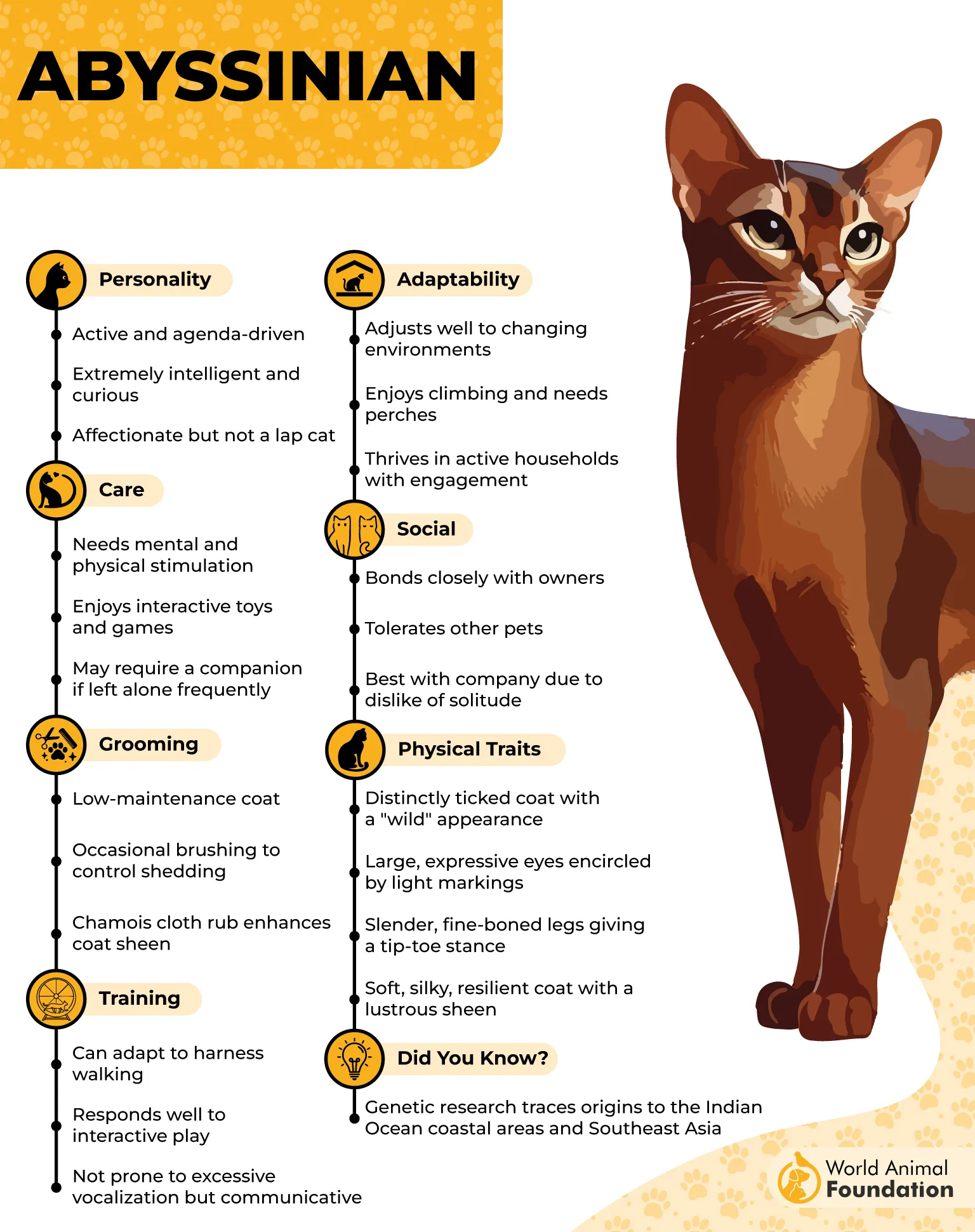
Abyssinians are quick learners that may enjoy playing fetch, mastering tricks, or practicing walking with a leash and harness. Reward-based training using treats can encourage cooperation while providing the mental challenge this intelligent breed craves.
Their curiosity and athletic nature make climbing structures and interactive games valuable additions to their environment. Regular play and training sessions help direct their energy into engaging activities while strengthening their relationship with their owners.
How This Breed Stands Out
Curious, quick-thinking learner: The Abyssinian can pick up tricks and interactive games through consistent, reward-based training.
Excels at climbing-based enrichment: Its energetic, agile nature makes climbing trees and exploring elevated spaces especially appealing.
4. Burmese

The Burmese is an affectionate, people-oriented cat with a muscular build, rounded head, and expressive golden eyes. These sociable felines often follow their owners from room to room and enjoy being involved in everyday household activities.
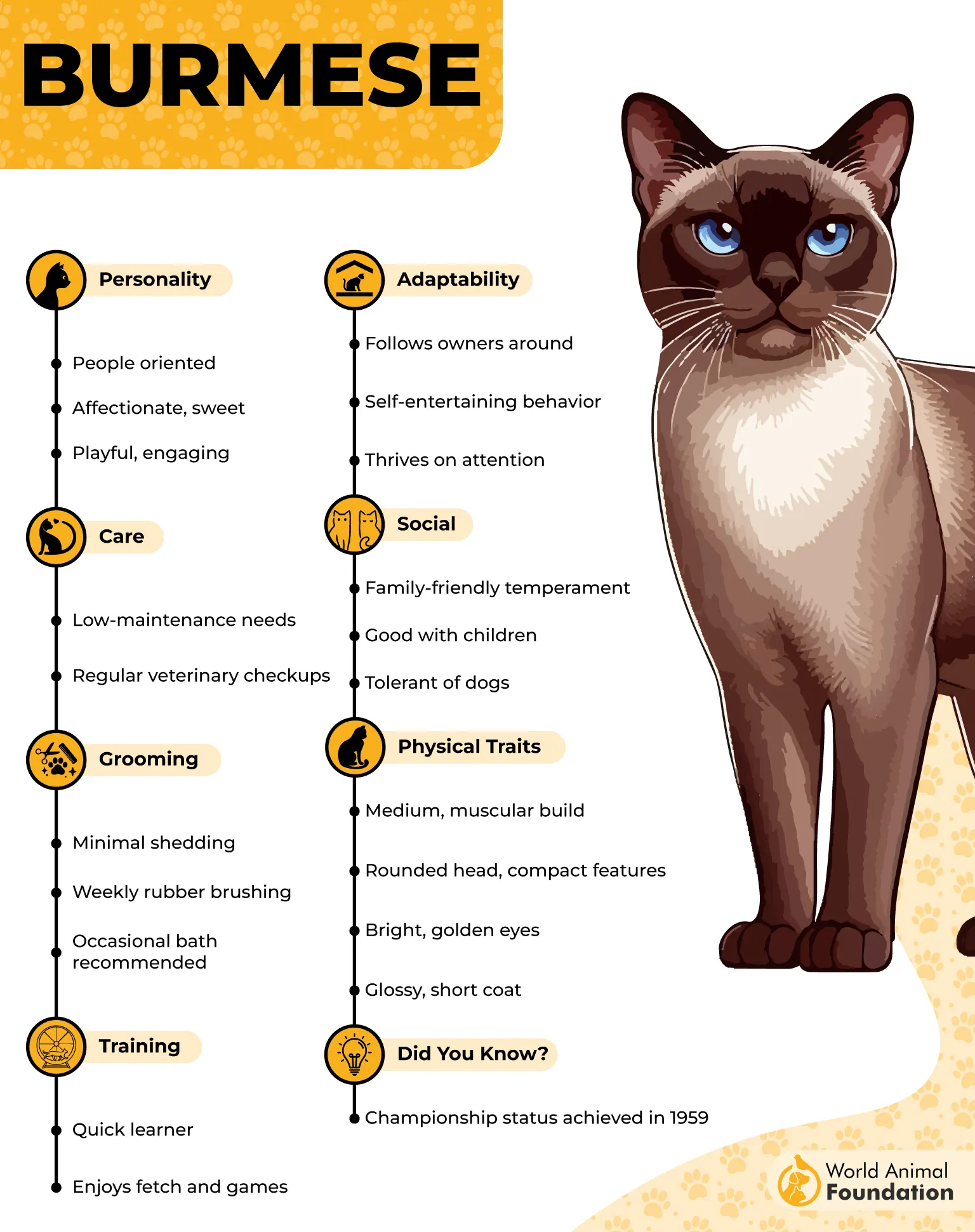
Playful well into adulthood, Burmese cats are intelligent and responsive to interaction. They can learn through clicker training and benefit from activities that challenge their minds. Their curious nature makes supervised indoor enrichment, harness training, or a secure catio useful ways to explore safely.
Burmese cats also enjoy cuddling and communicating with their families through soft, gentle vocalizations. Their short-haired coat requires little grooming, while their energetic personality makes regular play and engagement important.
How This Breed Stands Out
People-focused and eager to engage: Burmese cats thrive on human company and often stay close to their favorite people.
Responds well to reward-based training: Their intelligence and interest in interaction can make clicker training and treat-based learning rewarding.
5. Maine Coon
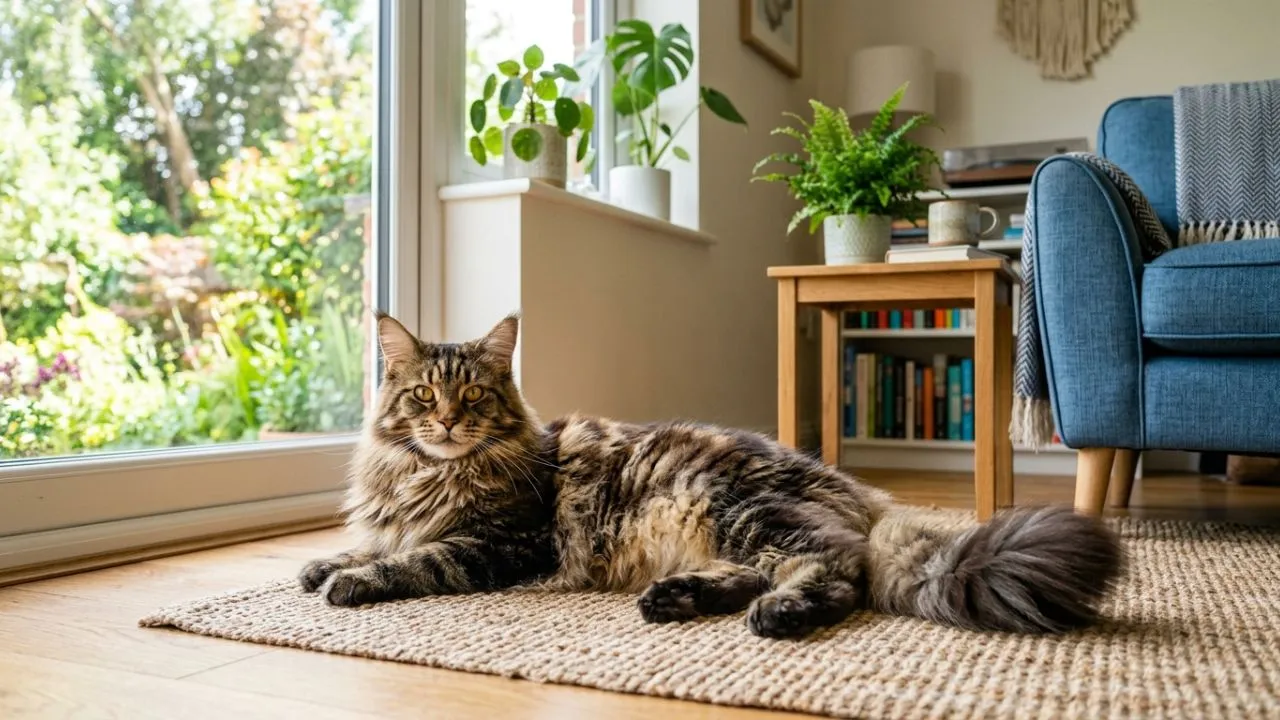
The Maine Coon is a large, easygoing cat admired for its intelligence and adaptable nature. Often described as a gentle giant, it generally enjoys being around people of different ages and can adjust well to changing household situations.
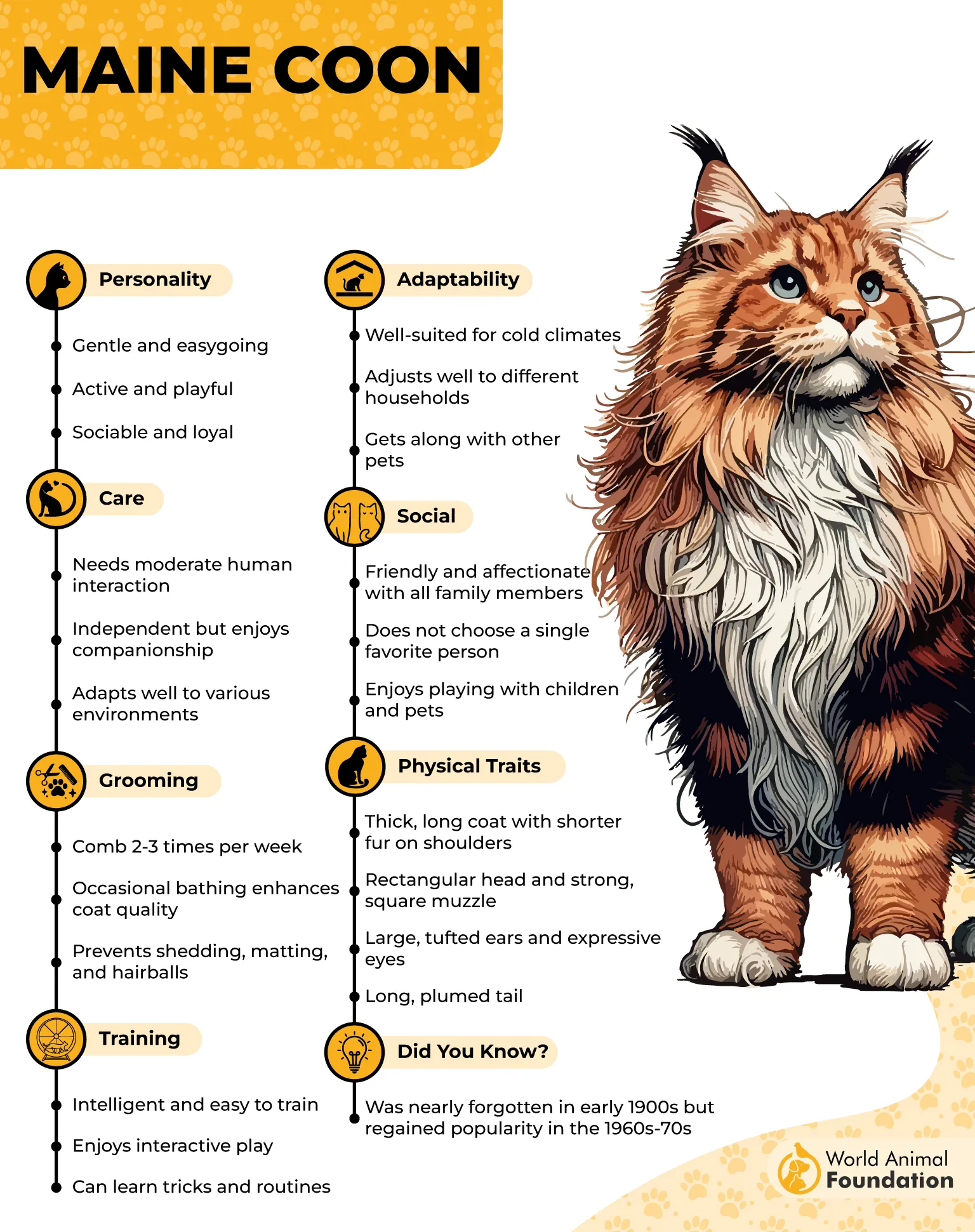
Beyond its relaxed temperament, this breed is capable of learning new behaviors. Maine Coons often pick up tricks quickly and may enjoy games such as fetch. Short training sessions using treats, praise, and consistency can help reinforce desired behaviors while keeping learning enjoyable.
Their patient, cooperative disposition can make them suitable companions for families who want to involve children in supervised training activities. Their willingness to interact and respond to encouragement helps make teaching simple commands a rewarding experience.
How This Breed Stands Out
Can learn fetch and simple commands: Maine Coons can respond well to consistent practice, praise, and food rewards.
Gentle, cooperative personality: Their adaptable, people-friendly nature can make them receptive to positive interaction and training.
6. Japanese Bobtail
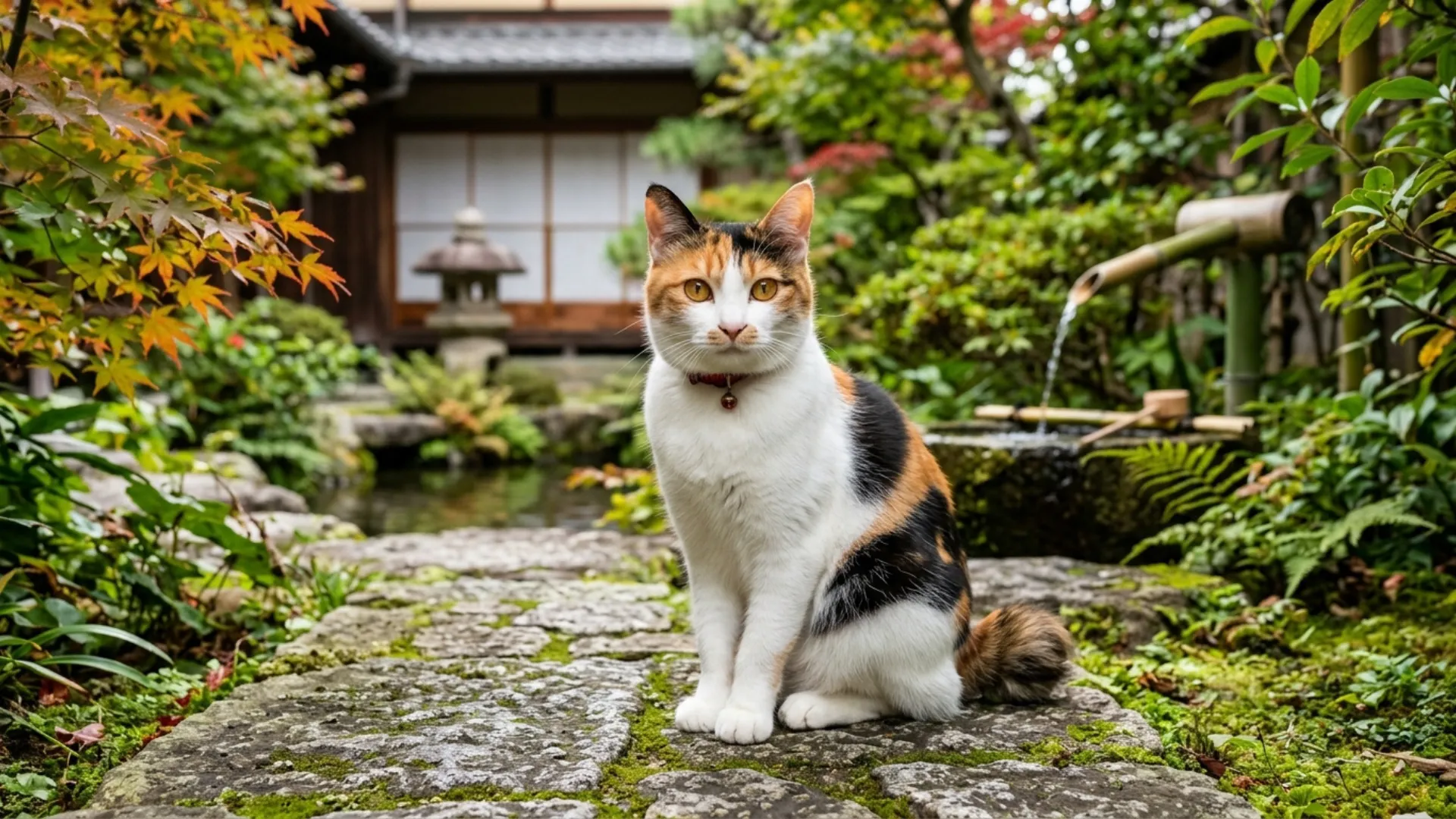
The Japanese Bobtail is a lively, intelligent cat with a distinctive short tail and an outgoing personality. These sociable felines enjoy being involved in household activities, often following their owners from room to room and greeting visitors with friendly curiosity.
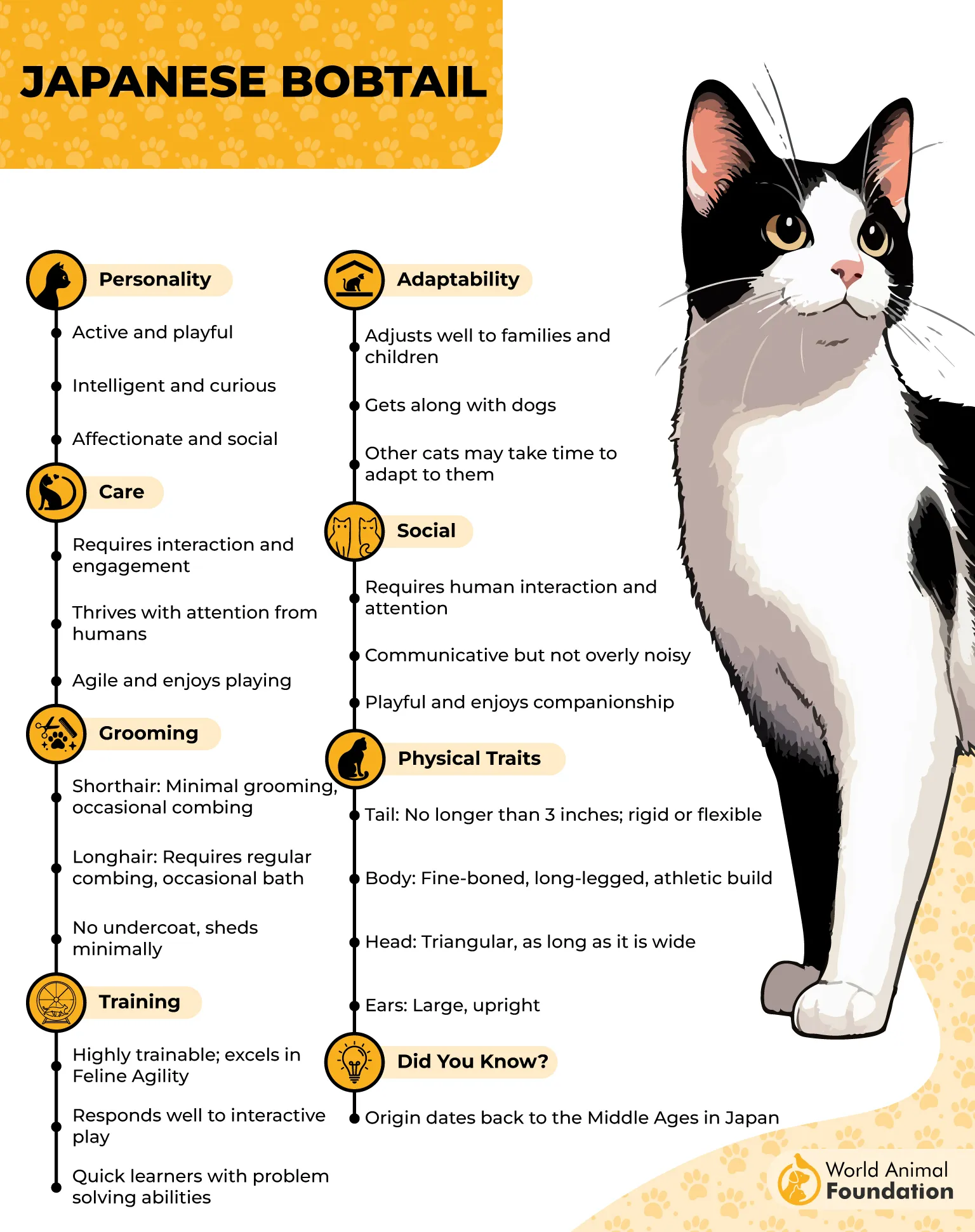
Highly energetic and quick to learn, Japanese Bobtails can master commands and tricks through consistent, reward-based training. They particularly enjoy retrieving toys, making fetch an engaging way to combine exercise with learning. Their alert nature also helps them respond readily to their names and familiar cues.
With their love of climbing, jumping, and exploring, these cats benefit from interactive play, puzzle toys, and elevated perches. Regular engagement helps channel their enthusiasm while giving them opportunities to use their intelligence and athletic abilities.
How This Breed Stands Out
Playful aptitude for retrieving toys: Japanese Bobtails often enjoy bringing toys back repeatedly, making fetch a rewarding interactive activity.
Alert, responsive nature: Their intelligence and attentiveness can help them learn commands and participate enthusiastically in training sessions.
7. Somali
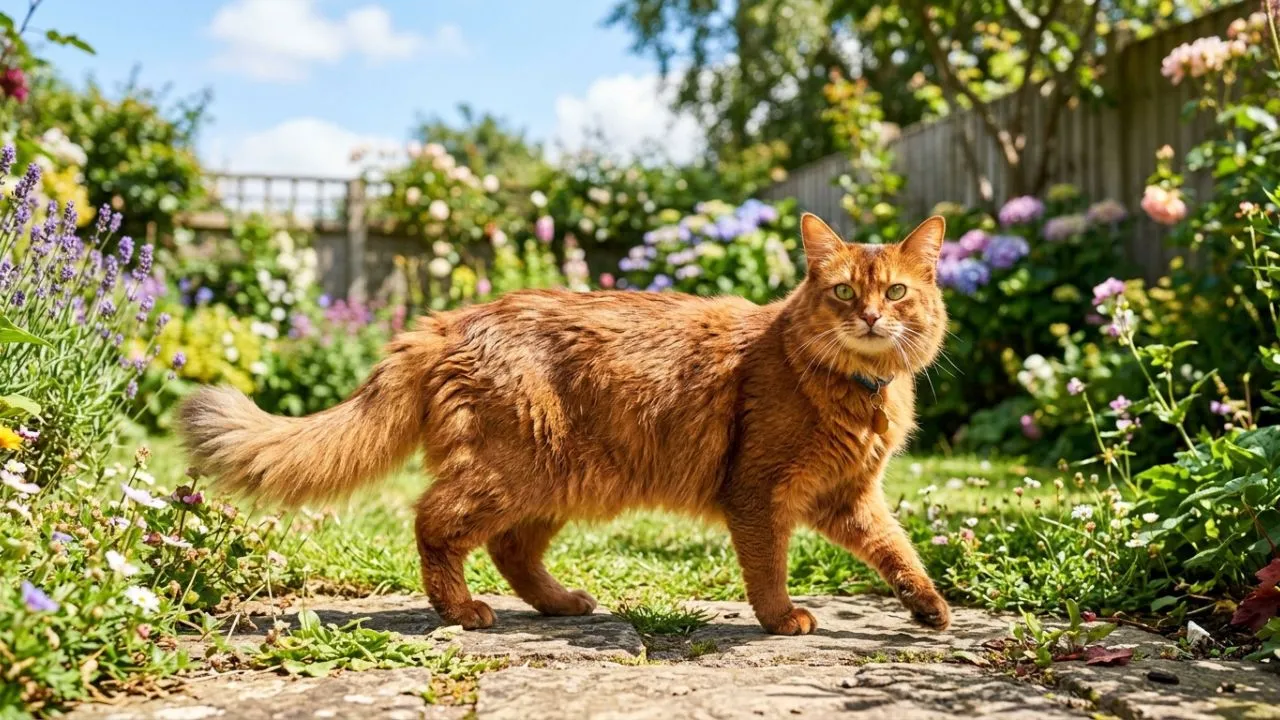
The Somali is an athletic, fox-like cat known for its intelligence, lively spirit, and striking bushy tail. Closely related to the Abyssinian, this breed is naturally curious and enjoys being involved in its surroundings, often watching household activities from elevated spots.
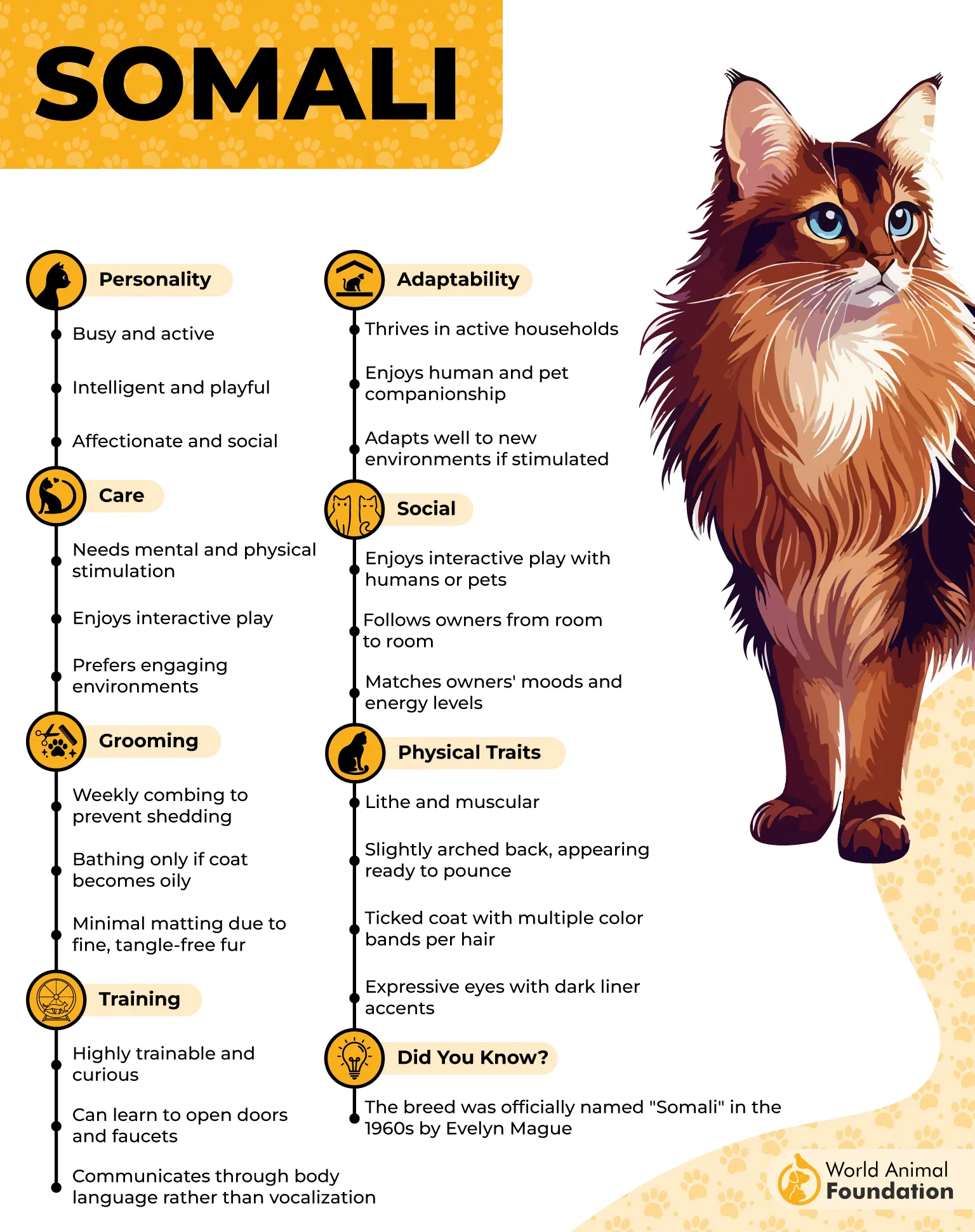
Somalis thrive on mental challenges and can quickly pick up basic commands through short, rewarding training sessions. Some can also learn leash walking, while interactive games provide an enjoyable outlet for their energy. Their eagerness to explore makes varied activities especially valuable.
These cats love climbing and investigating new spaces, so cat trees, shelves, and puzzle toys help keep their minds occupied. Without enough stimulation, a Somali may invent its own entertainment, including opening cupboards or knocking objects from shelves.
How This Breed Stands Out
Agile learner of trick-based games: Somalis can learn commands and tricks through engaging sessions and positive rewards.
Highly curious, exploratory personality: Their adventurous nature encourages climbing, investigating, and discovering new ways to interact with their environment.
Conclusion
Choosing an obedient cat means finding a companion that enjoys learning, responds to encouragement, and connects well with its family. Intelligent breeds can thrive when training is engaging and rewarding.
However, every affectionate cat breed has an individual personality. Patience, consistency, positive reinforcement, and respect for your cat’s comfort are more effective than expecting instant obedience.
With regular play, mental enrichment, and gentle training, you can build trust while helping your feline companion develop useful skills. The best match is a feline friend whose energy, temperament, and learning style fit your household and daily routine.
