




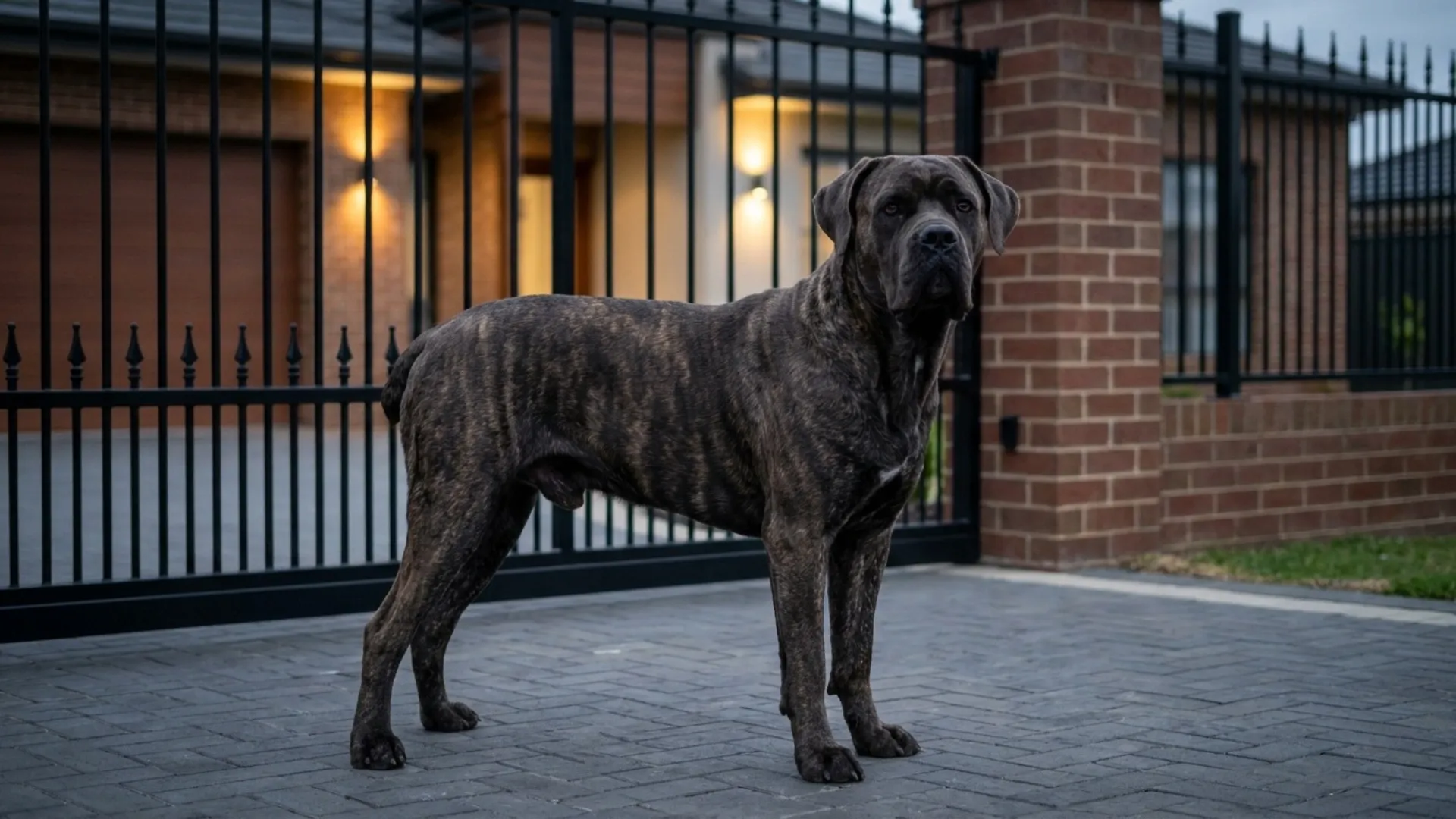
\Ever dreamed of owning a powerful guard dog that looks intimidating enough to make strangers reconsider their life choices?
These impressive protectors come with serious loyalty, intelligence, and confidence, but owning one isn’t exactly a low-effort side quest. Behind their fearless appearances are demanding personalities that need dedicated training, daily exercise, consistent socialization, and plenty of owner attention.
Here’s the reality check: a naturally protective dog doesn’t automatically become a well-behaved family guardian without proper guidance. Many working breeds were developed to protect livestock, guard property, or do physically demanding jobs, so their brains and bodies still crave meaningful challenges.
If you’re considering one of these top high-maintenance guard dog breeds that demand attention, here’s what daily life looks like when your adorable puppy becomes a full-time responsibility.
Top High-Maintenance Guard Dog Breeds That Demand Attention
1. Belgian Malinois
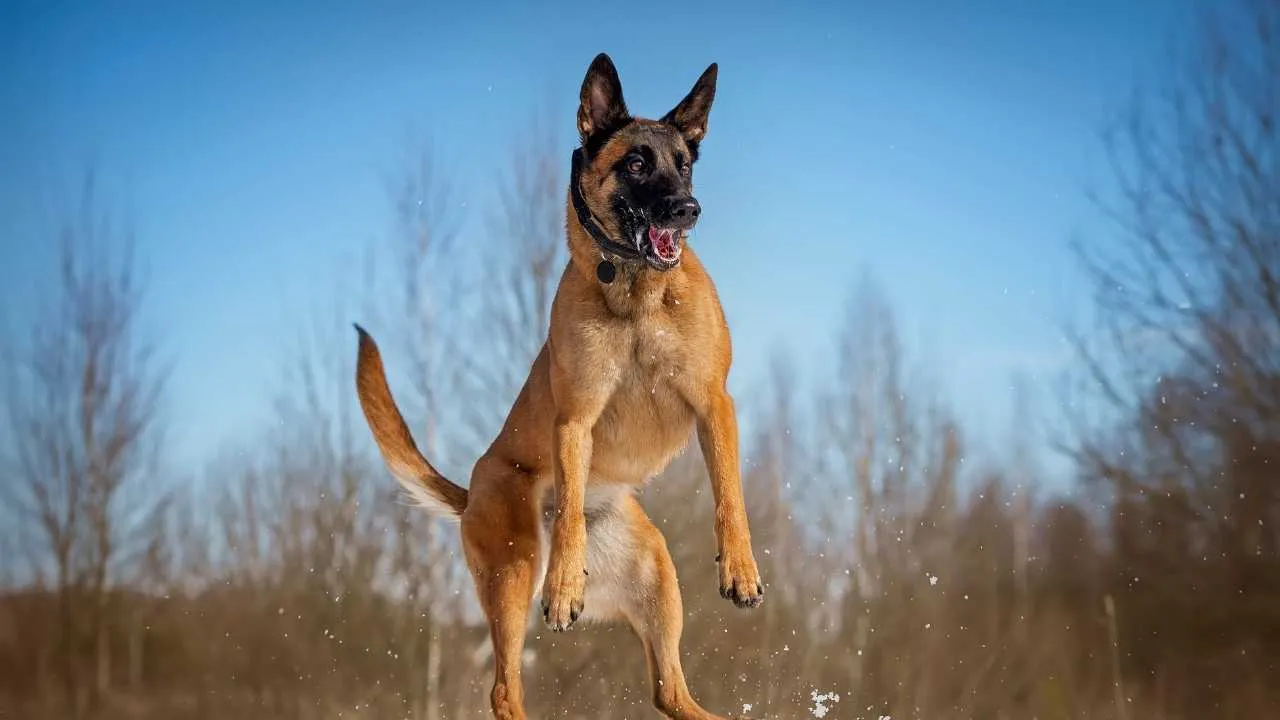
Originally developed for herding livestock, Belgian Malinois now regularly appear in police, military, detection, and protection work because of their impressive trainability and drive. These muscular dogs combine remarkable speed and endurance with a work-focused personality that can overwhelm owners expecting a relaxed household companion.
Let’s talk about exercise, because a casual neighborhood stroll won’t satisfy most healthy adult Malinois. These dogs need substantial daily physical activity alongside structured mental challenges, including advanced obedience, tracking, scent detection, agility, and carefully controlled interactive games.
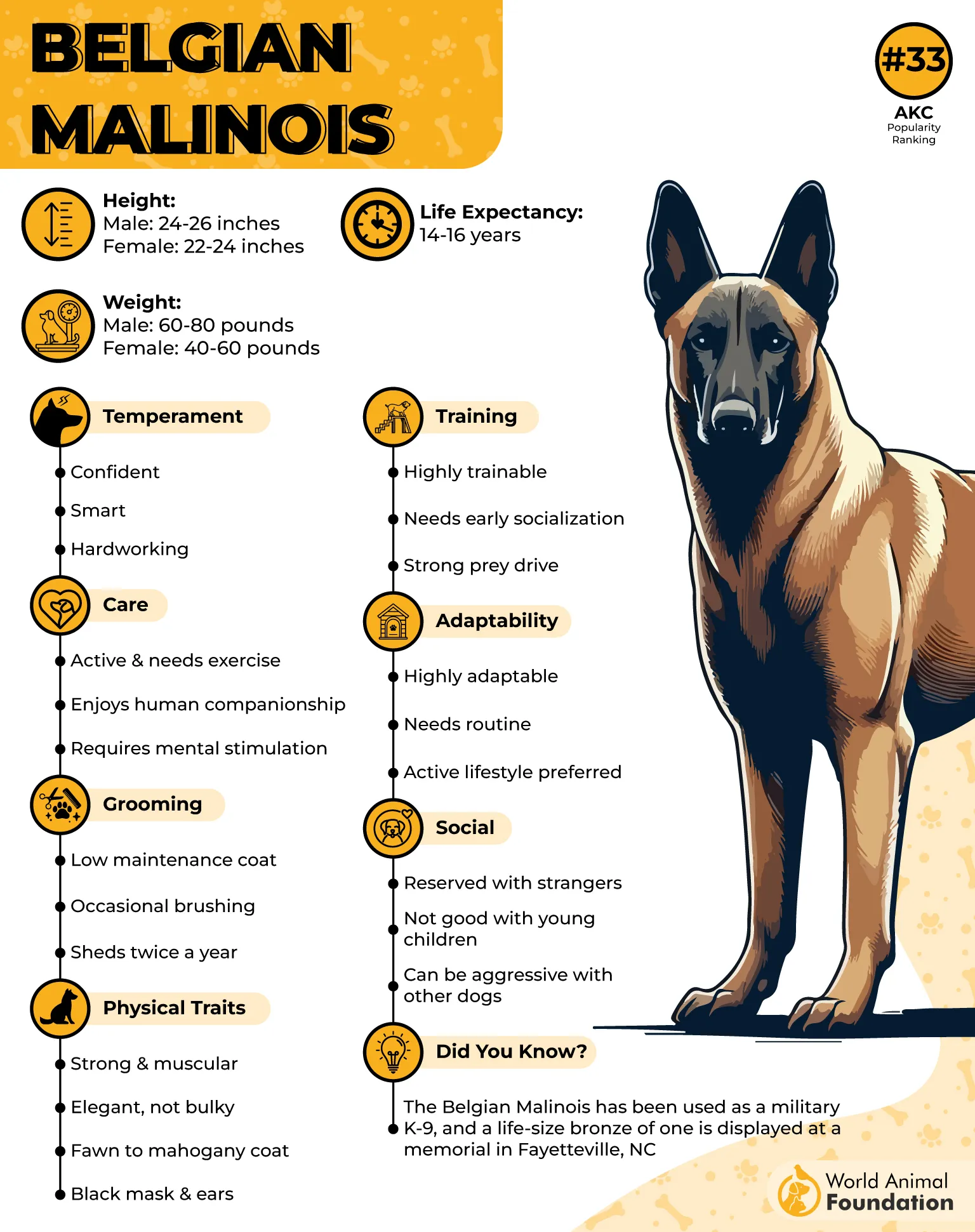
Their intelligence can also become a full-time management challenge when owners underestimate how quickly they learn. A Malinois that receives inconsistent guidance may develop unwanted habits, such as excessive barking, chasing moving objects, jumping, or destructive behavior, as excitement and frustration build.
Another demanding aspect of this breed is its strong attachment to human activity, so leaving it alone in a backyard is a poor substitute for engagement. Despite being excellent guard dogs, they want to join in almost everything their experienced dog owners do.
2. Cane Corso
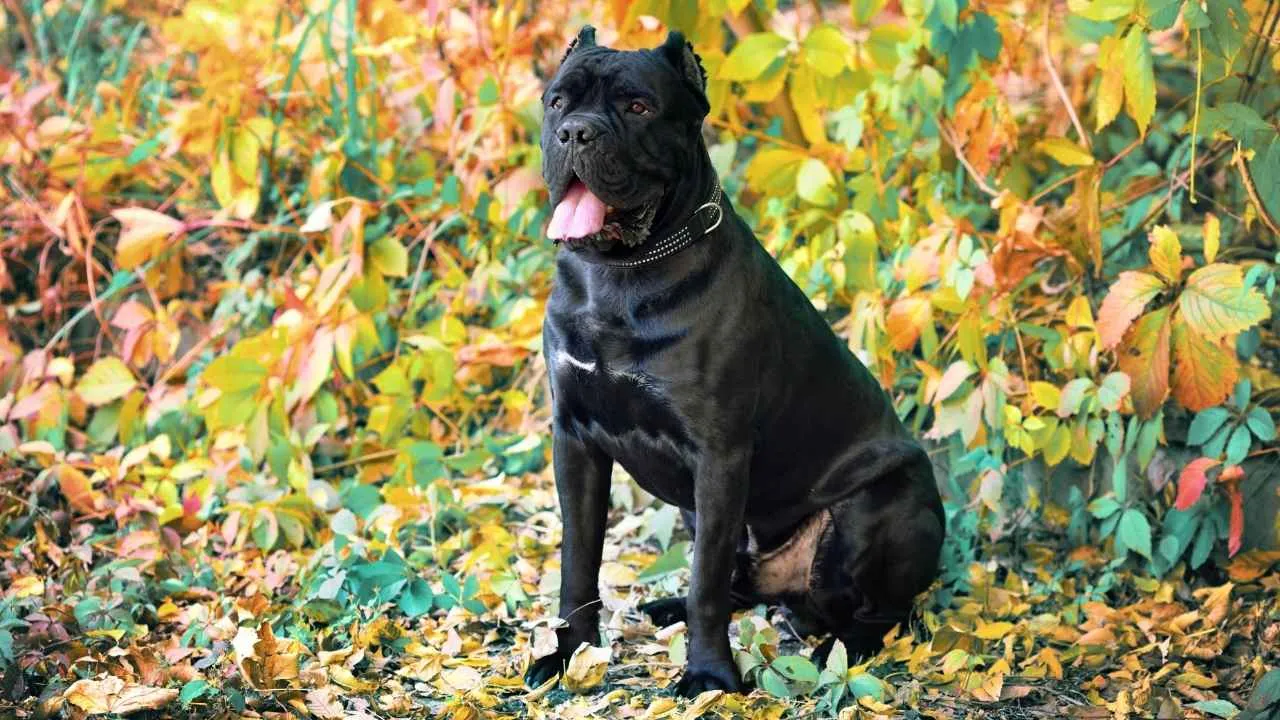
The Cane Corso has an intimidating presence that makes people notice it before they’ve even finished opening the front gate. This powerful Italian dog is loyal and protective, with an instinct to guard, and often weighs more than 100 pounds; it has a broad head, a muscular body, and a naturally confident personality shaped by generations of working and protective roles.
The biggest challenge with this protective dog breed isn’t necessarily its energy level but the incredible strength packed into that imposing frame. An adult that suddenly pulls on a leash, rushes toward visitors, or gets overexcited around another dog can create genuine safety concerns simply because of its size.
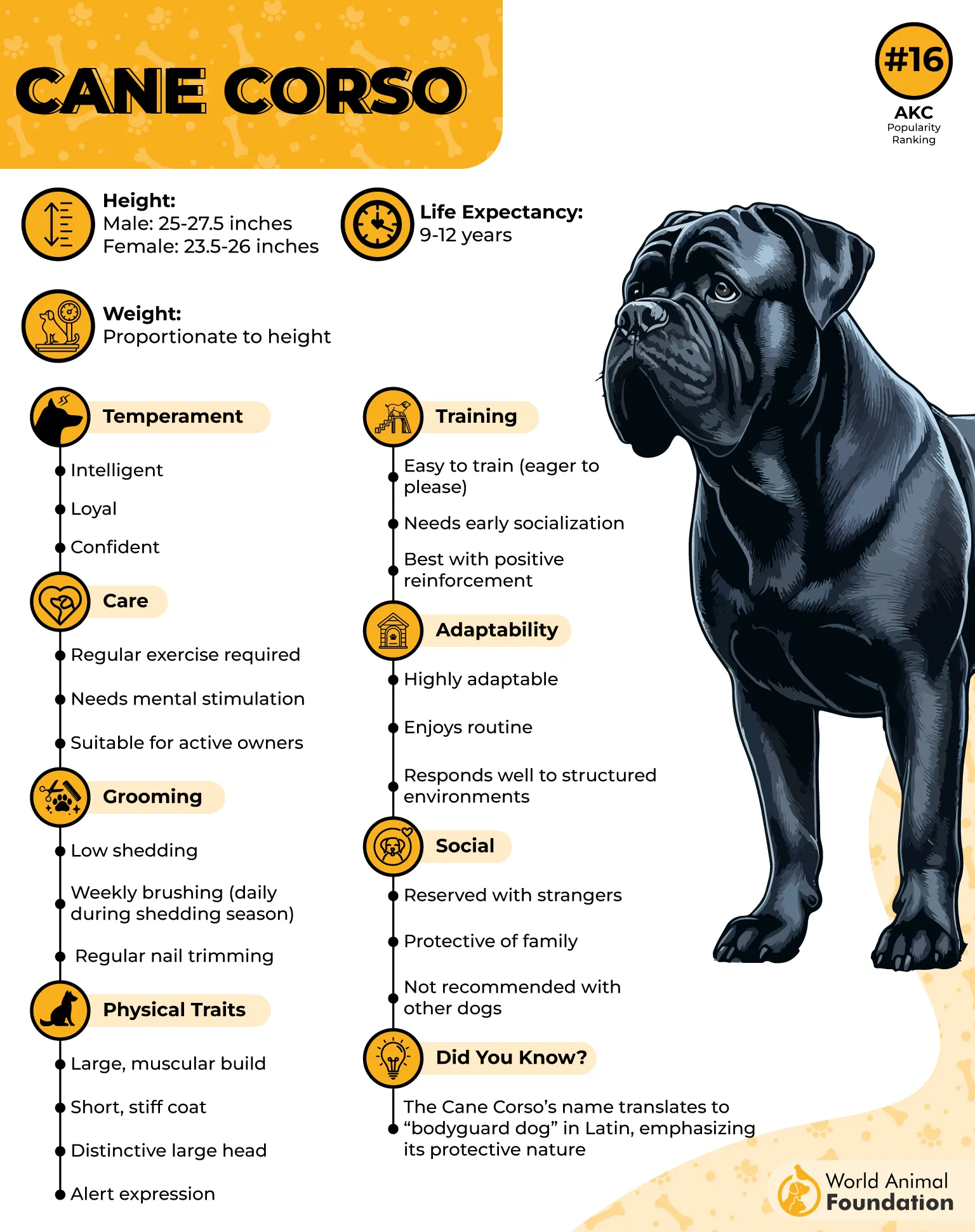
Socialization also deserves serious attention because they aren’t naturally enthusiastic about welcoming every unfamiliar person into their personal space. Their protective instincts can make them suspicious of strangers, so puppies need carefully managed exposure to different environments, people, animals, household sounds, and everyday experiences.
Despite their relatively short coats, caring for this great guard dog still involves responsibilities that go far beyond occasional brushing. Their double-layered fur sheds year-round, and their large bodies require appropriate exercise, nutritious meals, weight monitoring, and secure outdoor spaces for controlled activity.
3. Doberman Pinscher
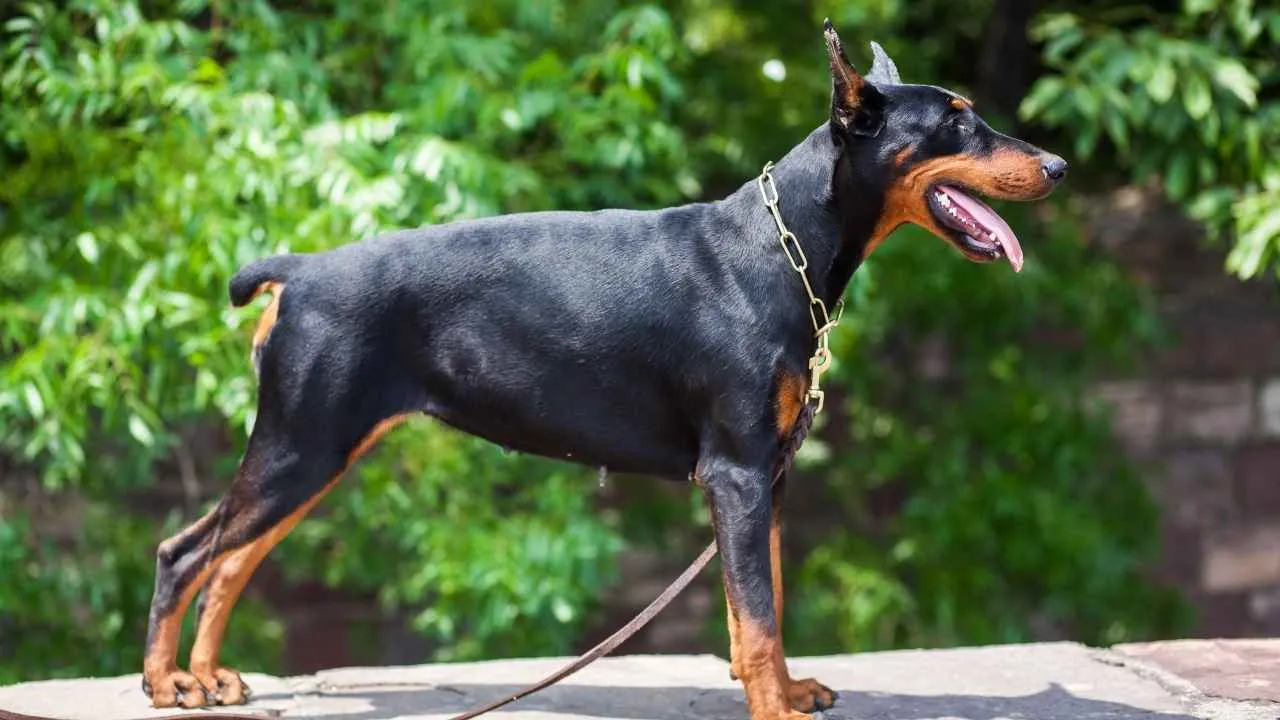
Originally bred in Germany as a protective companion, the Doberman Pinscher is an elegant breed with a protective nature, combining intelligence, vigilance, speed, and strong loyalty to its family.
One reason Dobermans can be particularly demanding is their strong desire to stay close to their favorite people. Many form exceptionally close relationships with their owners and prefer spending their time participating in household activities rather than being isolated for long periods.
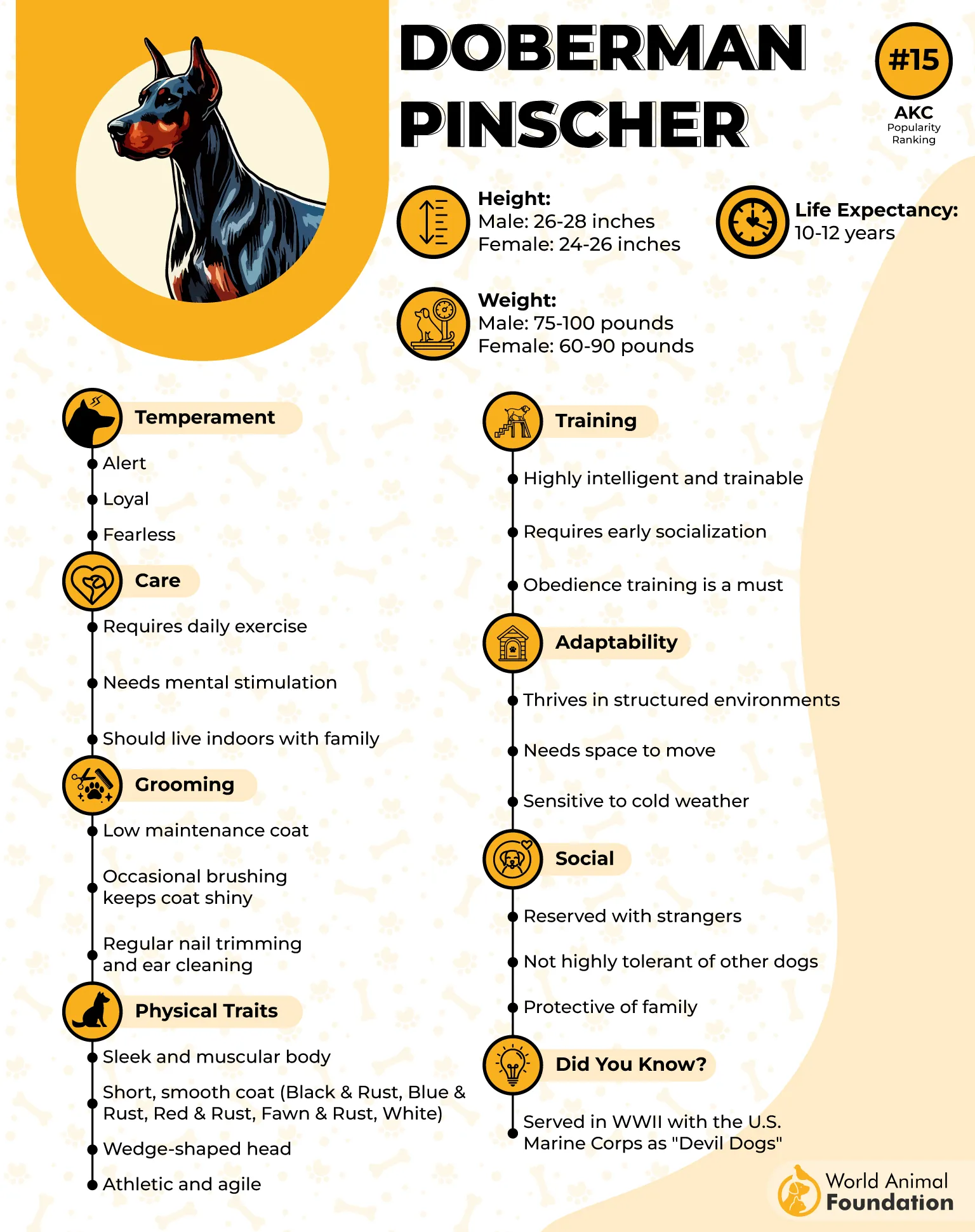
Exercise is another major responsibility because Dobermans are energetic athletes, not decorative security systems with shiny coats. Long walks, controlled running opportunities, hiking, obedience exercises, and activities such as tracking or agility can help satisfy their physical and mental needs.
Training this guardian dog requires confidence without intimidation because these intelligent dogs respond well to clear instructions, consistency, and rewarding interactions. Their natural watchfulness makes thoughtful exposure to visitors, public environments, and other dogs essential for preventing unnecessary suspicion or overprotective reactions.
4. Rottweiler
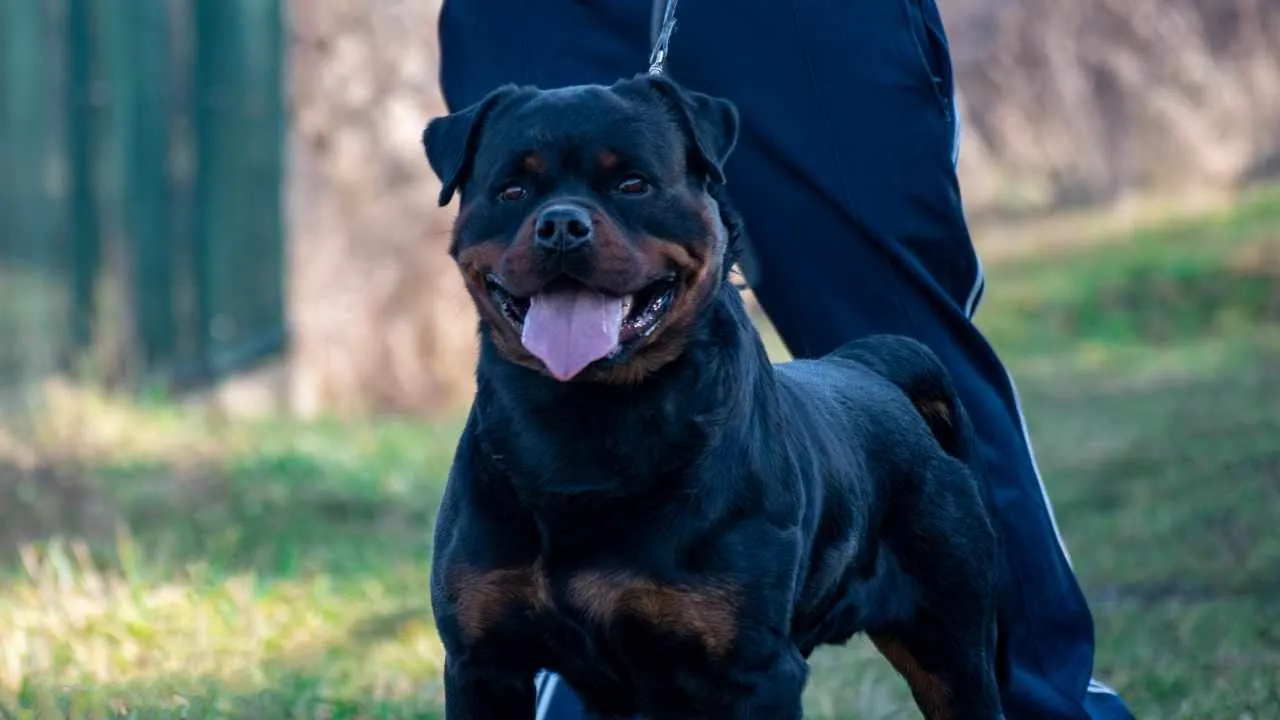
The Rottweiler has a powerful, confident appearance, originally used to drive cattle and later associated with pulling butchers’ carts in Germany; these muscular working dogs developed impressive strength, endurance, and a natural willingness to protect their surroundings.
One of the biggest maintenance challenges involves teaching a Rottweiler to control its enormous strength before it becomes a fully grown adult. PetMD says a playful puppy jumping onto guests might seem adorable, but that same behavior becomes far less entertaining when the dog grows into a powerful companion that can accidentally knock someone over.
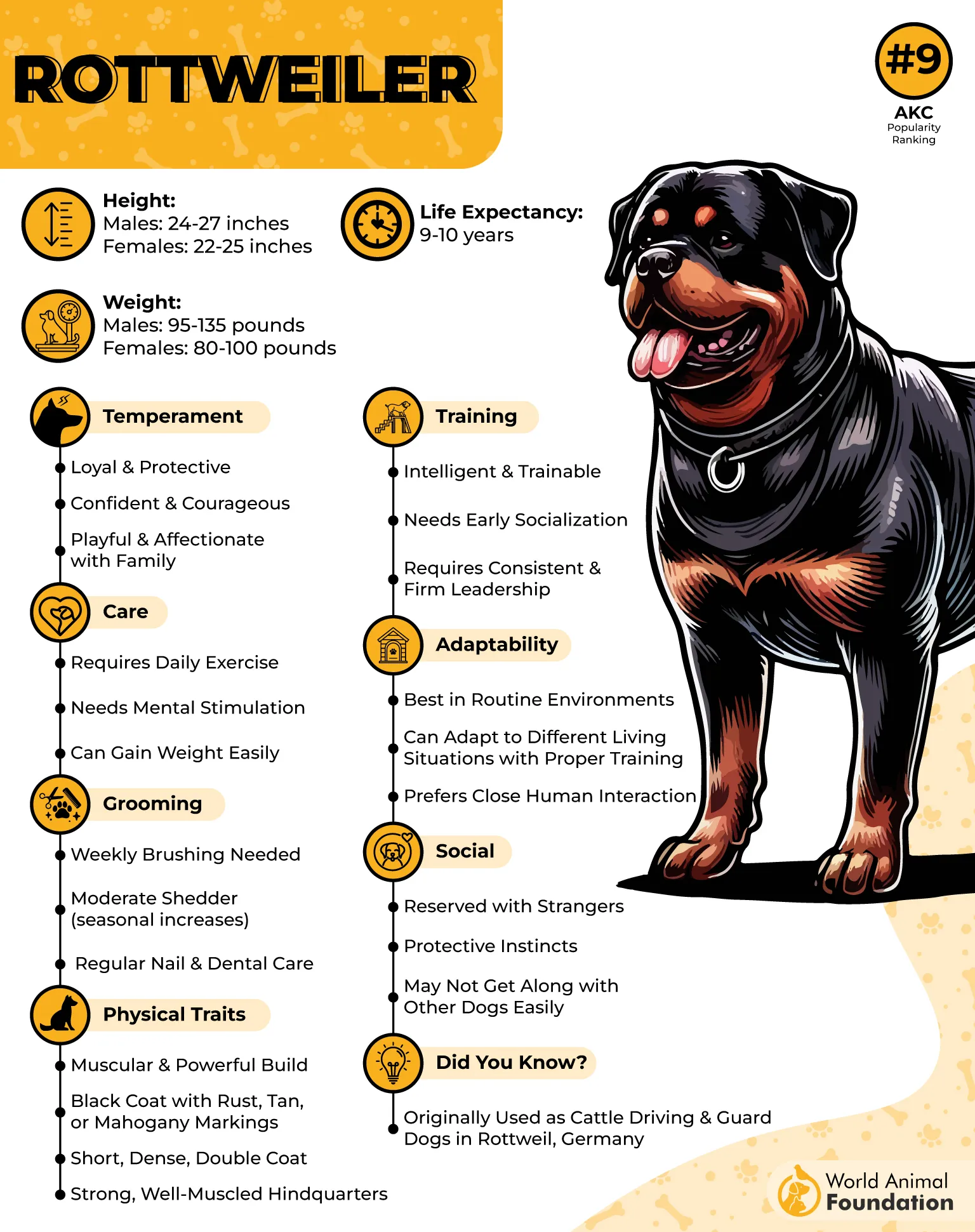
Unlike dogs that enthusiastically welcome every stranger, Rottweilers can be naturally reserved and protective, making socialization especially important. They should experience controlled introductions to different people, environments, sounds, and animals while learning that unfamiliar situations don’t automatically require a defensive response.
Their muscular build also means they need consistent physical activity to maintain fitness. Walking, swimming, controlled retrieving, tracking, and obedience provide valuable exercise, and maintaining a healthy weight reduces stress on the body.
5. German Shepherd
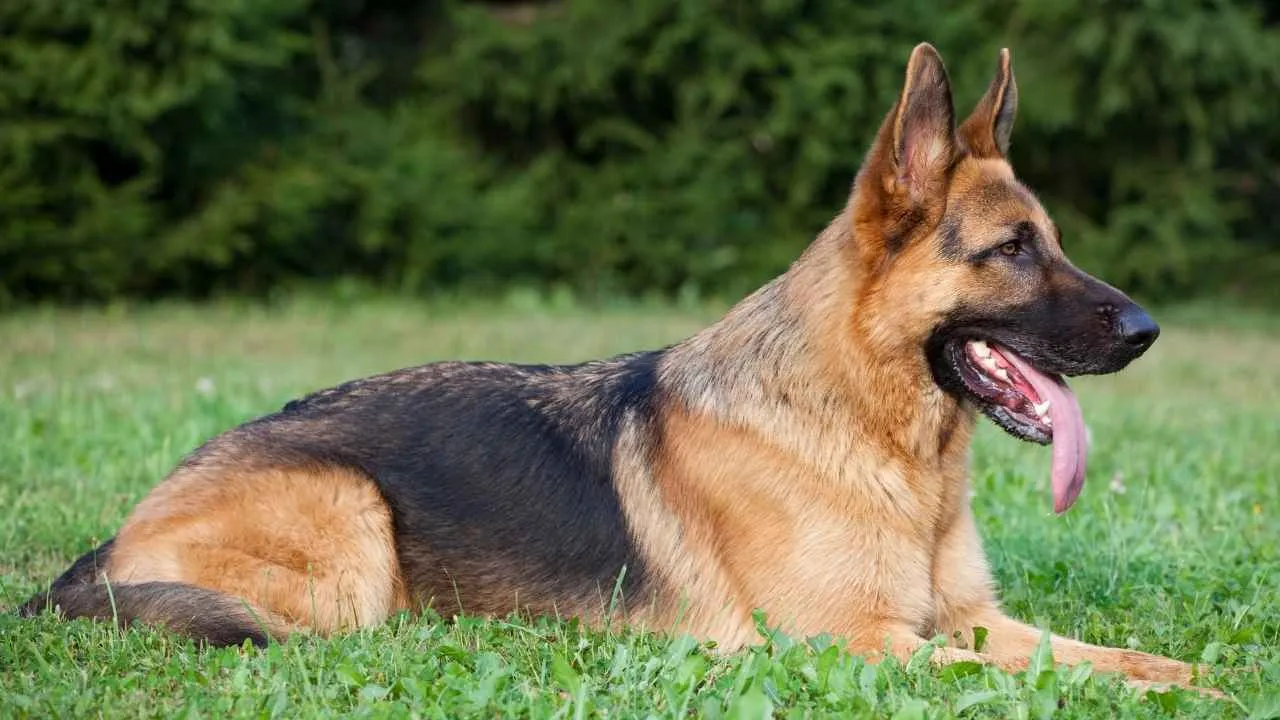
The German Shepherd is the multitasking legend of the working-dog world, combining intelligence, loyalty, athleticism, and a surprisingly demanding daily schedule. This versatile breed is now widely associated with police work, search-and-rescue operations, assistance roles, and family companionship.
When it comes to physical activity, German Shepherds aren’t the kind of dogs that consider a five-minute bathroom break an exciting adventure. Healthy adults usually benefit from substantial daily exercise, including brisk walks, hiking, and appropriately managed running.
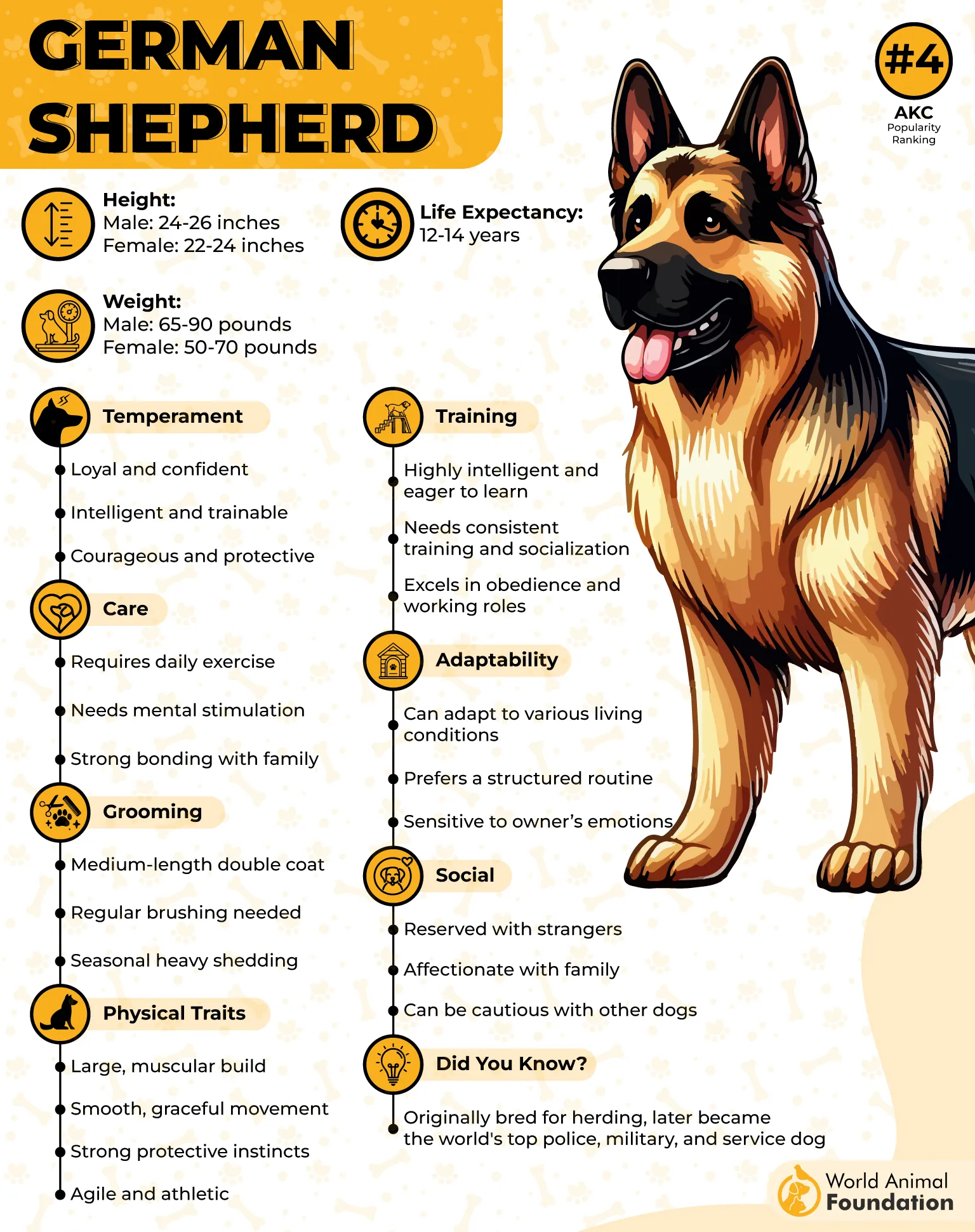
Their intelligence creates another maintenance responsibility because basic commands alone may not provide enough stimulation for an enthusiastic German Shepherd. Activities such as scent discrimination, obedience challenges, tracking games, and learning useful household behaviors can help channel mental energy while strengthening communication with the owner.
Then there’s the shedding situation, which deserves its own dramatic soundtrack because German Shepherds can release impressive amounts of fur. Their dense double coats have a firm protective outer layer and a soft undercoat, so they need brushing every few days and extra attention during heavier seasonal shedding.
6. Akita
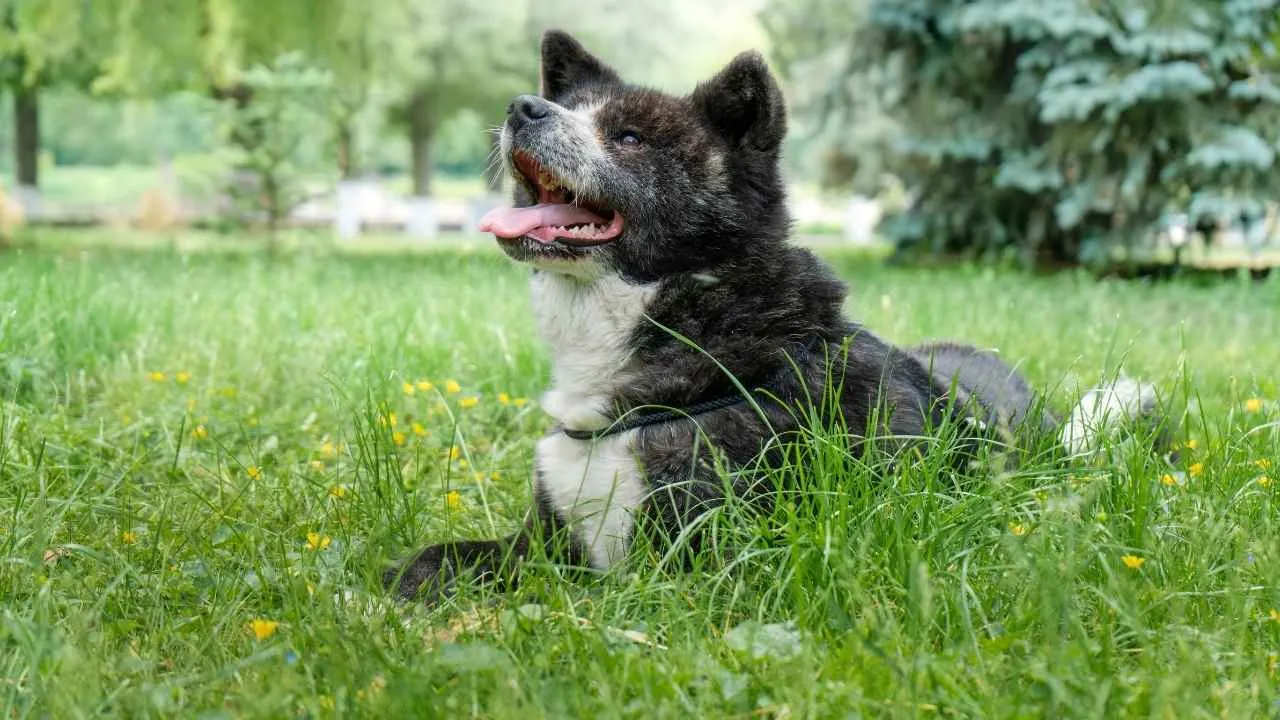
The Akita has the majestic appearance of a fluffy warrior and the independent personality of someone who absolutely doesn’t take orders from just anybody. Developed in Japan, this powerful breed has a hunting and guarding background, giving it a naturally watchful demeanor and strong loyalty to trusted family members.
Unlike highly cooperative working breeds that seem delighted to repeat the same exercise, Akitas can be independent thinkers with their own opinions. Their intelligence doesn’t guarantee enthusiastic obedience, especially when training feels repetitive, confusing, or unnecessarily confrontational.
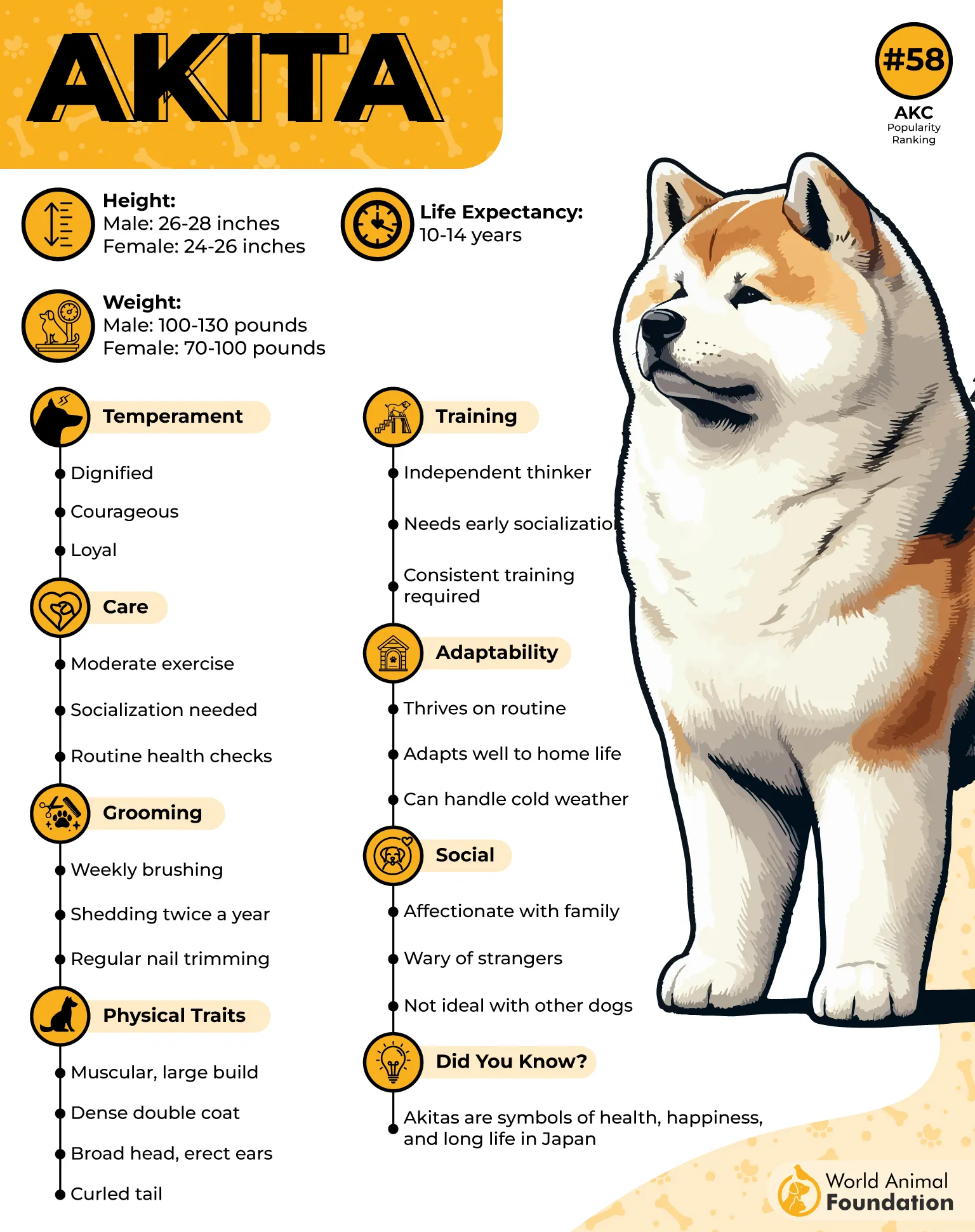
One particularly serious responsibility is managing the Akita’s relationships with unfamiliar dogs and people. Some Akitas show intolerance toward other dogs, especially those of the same sex, while their natural guarding instincts can make them cautious around strangers.
Grooming demands become impossible to ignore when an Akita begins shedding its thick seasonal undercoat. Although these dogs are generally clean and need only routine brushing during quieter shedding periods, their dense double coats can suddenly release large clumps of fur when seasonal coat blowing begins.
7. Giant Schnauzer
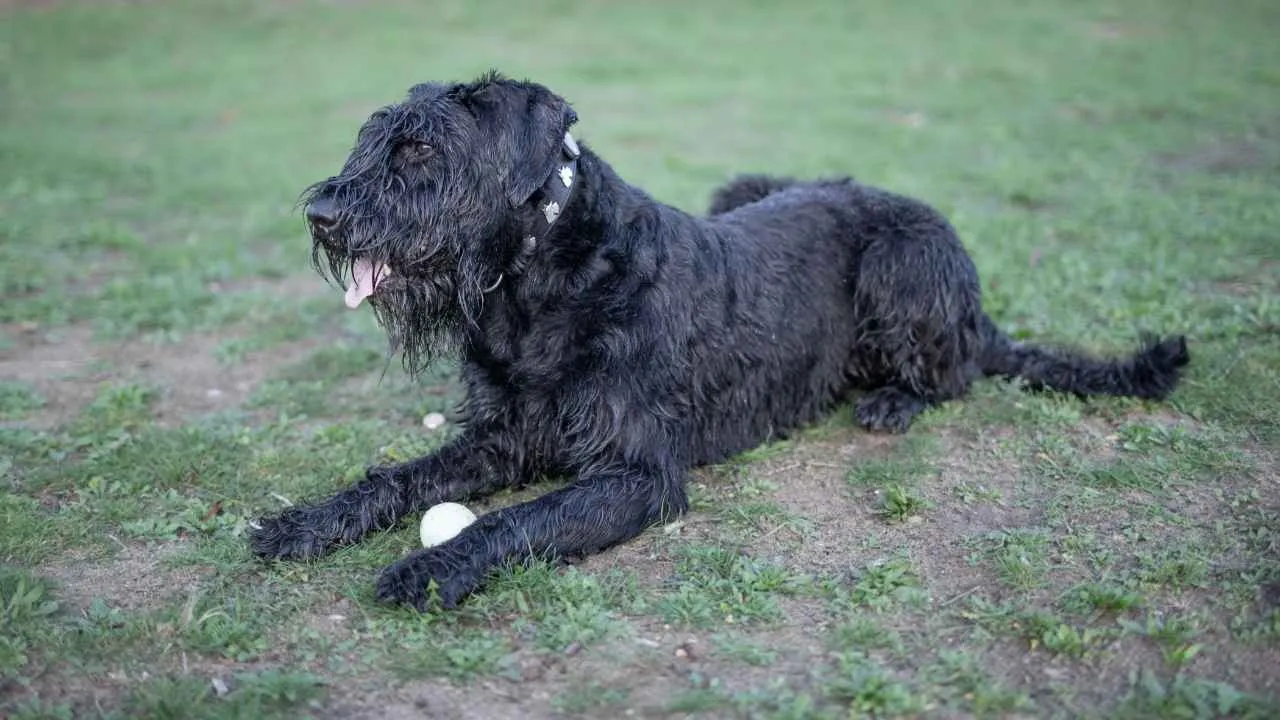
The Giant Schnauzer looks like a sophisticated gentleman with an impressive beard, but don’t let that fashionable facial hair fool you into thinking it has a relaxed personality. This powerful working breed combines impressive strength with intelligence, determination, and a strong protective instinct.
Their physical energy is one of the biggest reasons they earn a reputation as seriously high-maintenance companions. These large dogs thrive on demanding activities such as hiking, structured running, proper training, agility, and interactive games that let their athletic bodies do something productive.
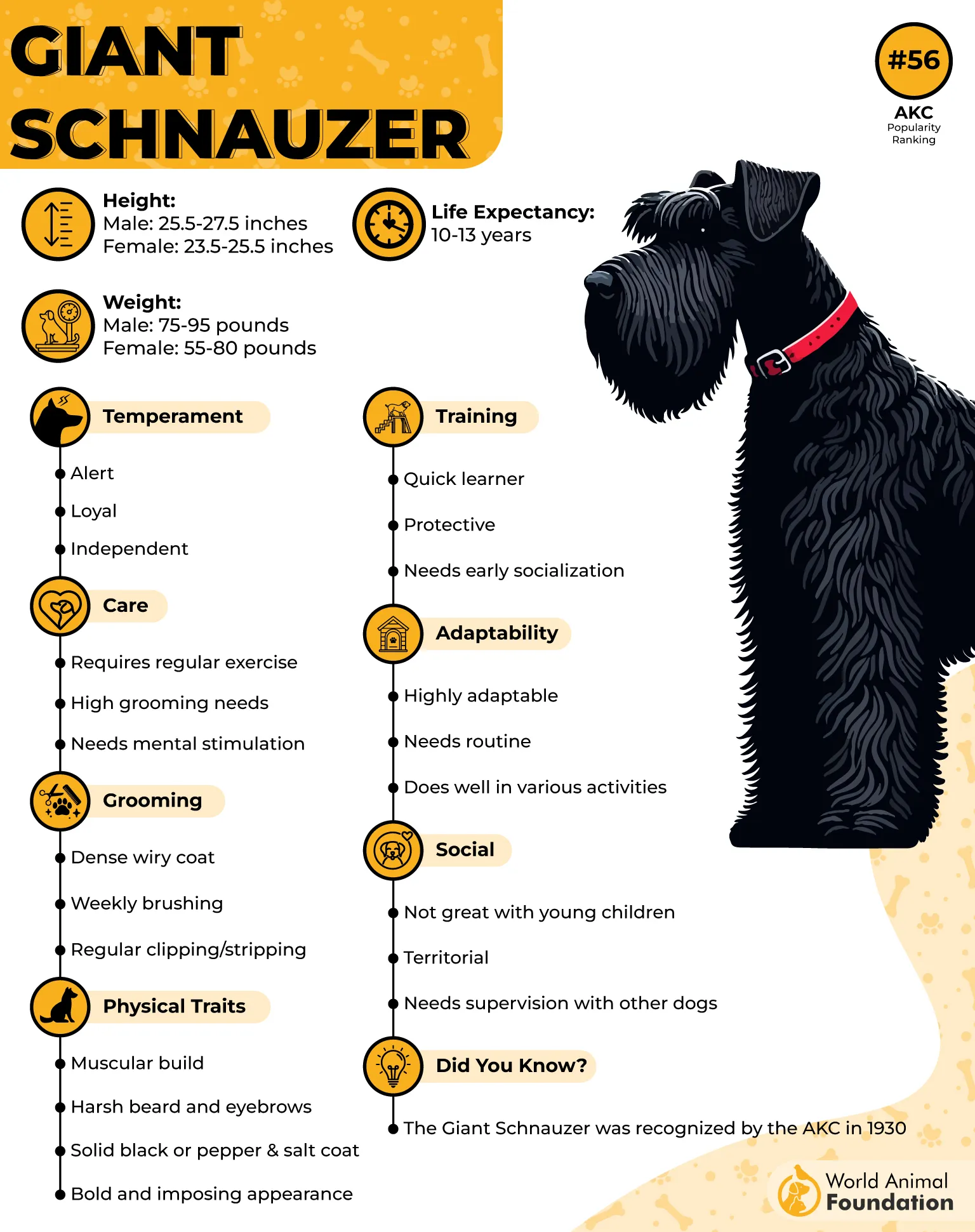
Their intelligence also means first-time dog owners must commit to developing calm behavior rather than simply encouraging endless excitement. A Giant Schnauzer that lacks consistent guidance may become difficult to manage through excessive barking, territorial reactions, jumping, or unwanted attempts to control situations around the household.
Unlike the wash-and-wear Doberman, the Giant Schnauzer’s grooming schedule can feel like another part-time job. Its dense, wiry double coat needs regular brushing and periodic clipping or hand-stripping, while the trademark beard can collect water, food particles, and outdoor debris during everyday adventures.
8. Beauceron
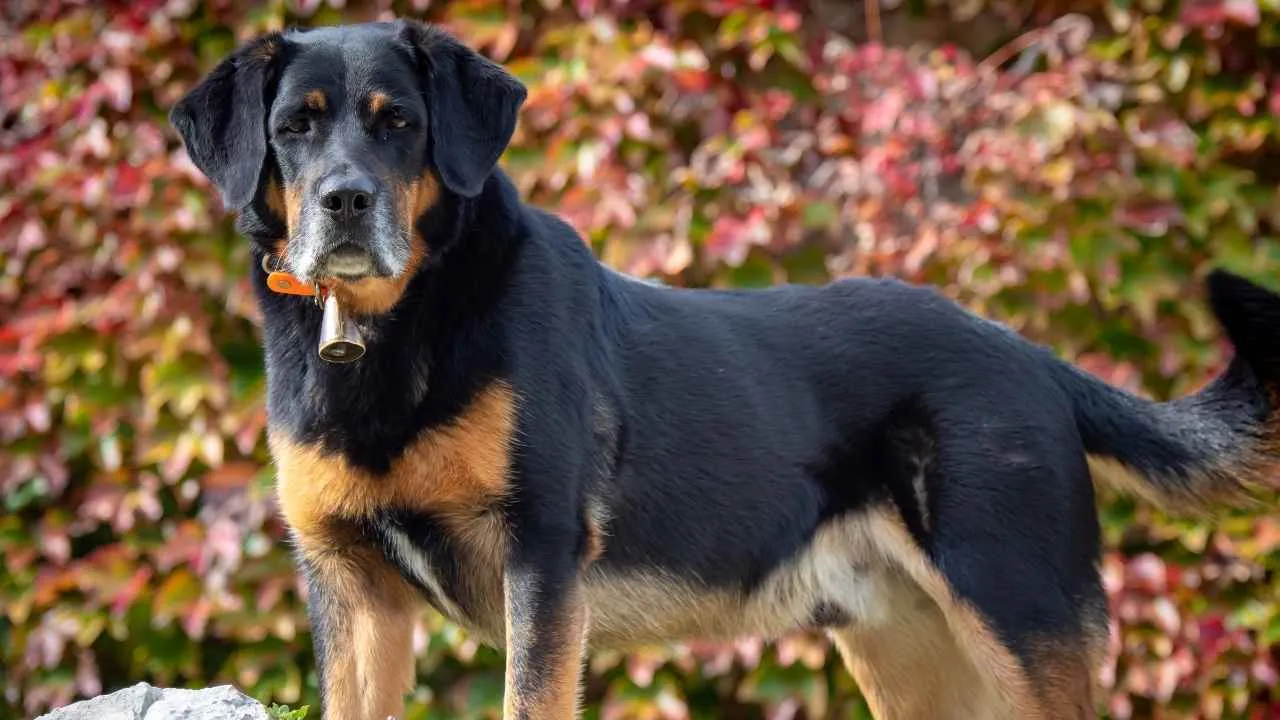
The Beauceron is renowned for herding and protecting livestock. It has impressive endurance, intelligence, confidence, and the ability to handle demanding physical work.
One of the biggest responsibilities is meeting the Beauceron’s remarkable need for physical challenges without letting excitement spiral into uncontrollable behavior. Long walks, varied outdoor adventures, structured training, proper socialization, herding activities, and appropriate canine sports can help provide the movement and stimulation these intelligent dogs crave.
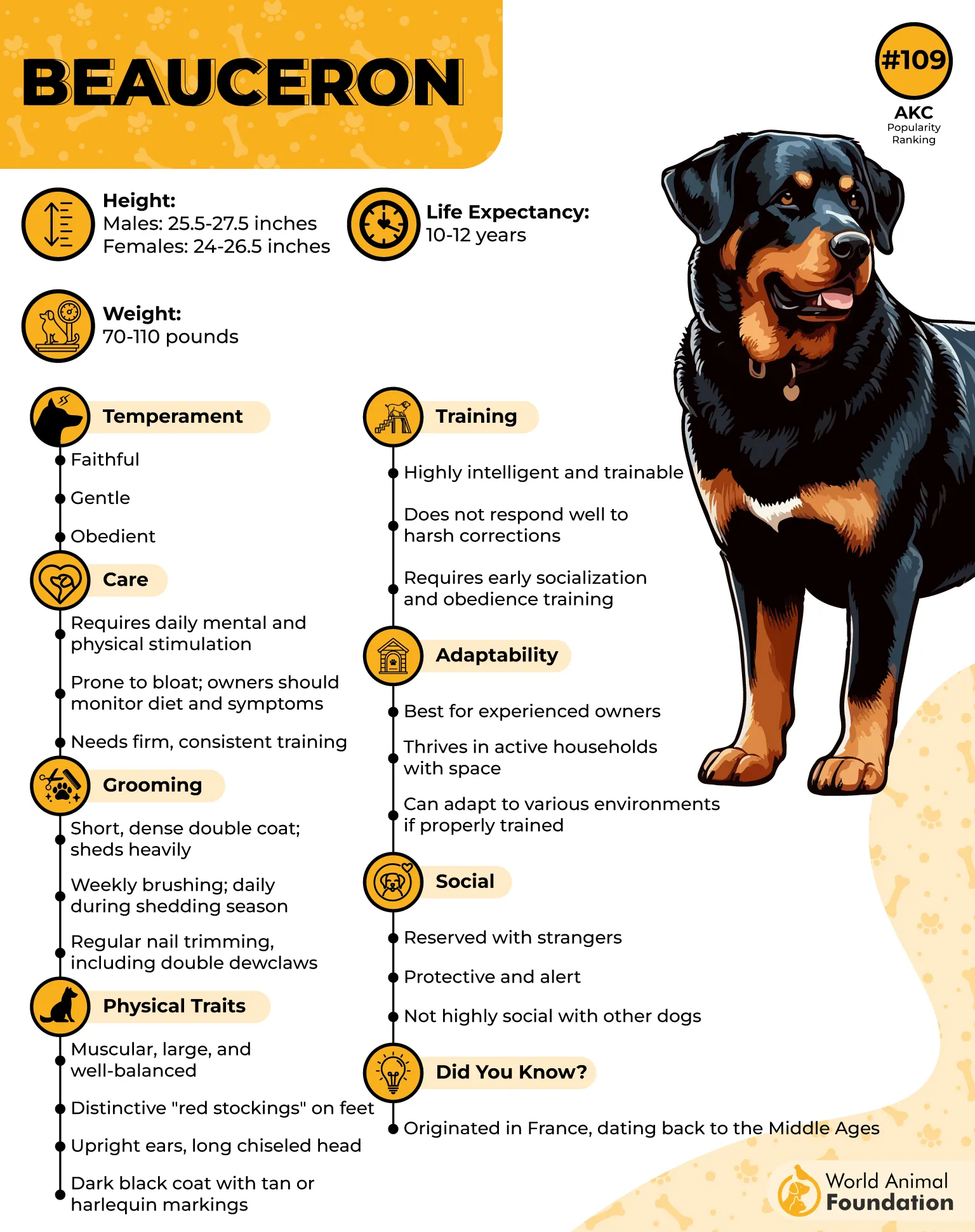
Orvis emphasizes that Beaucerons need considerable mental and physical activity and suit experienced owners who can consistently meet those demands. Their natural herding instincts can also create unexpected household chaos if owners don’t teach boundaries early.
The Beauceron is particularly challenging because it requires balancing its serious working instincts with the calm social behavior modern households expect. Owners must provide reliable recall training, structured exposure to unfamiliar situations, secure environments, and age-appropriate exercise while helping the dog develop the confidence to remain composed around visitors.
9. Black Russian Terrier
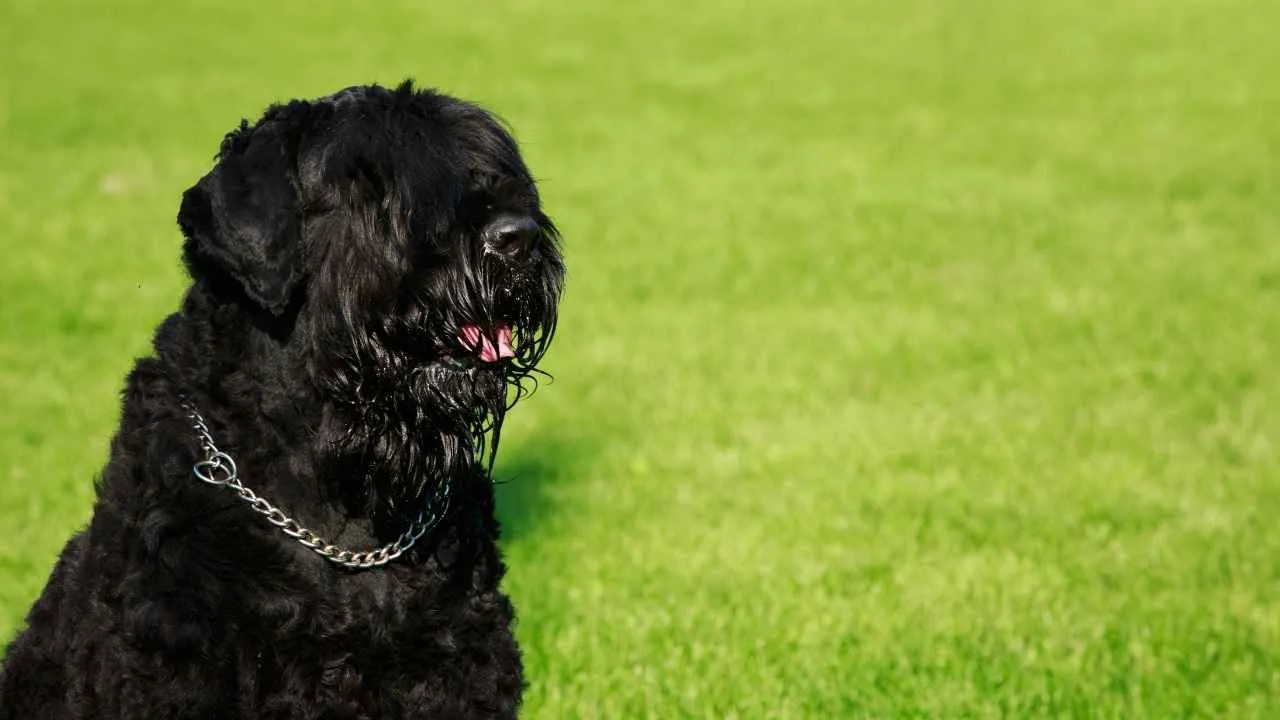
The Black Russian Terrier’s appearance alone makes it one of the most memorable guardian breeds around. Developed in the Soviet Union for military and security-related work, this impressive breed combines physical power, intelligence, endurance, and a naturally protective personality.
Their protective instincts and naturally reserved temperament mean they benefit from carefully planned socialization that teaches them to recognize ordinary visitors, public environments, and harmless everyday situations.
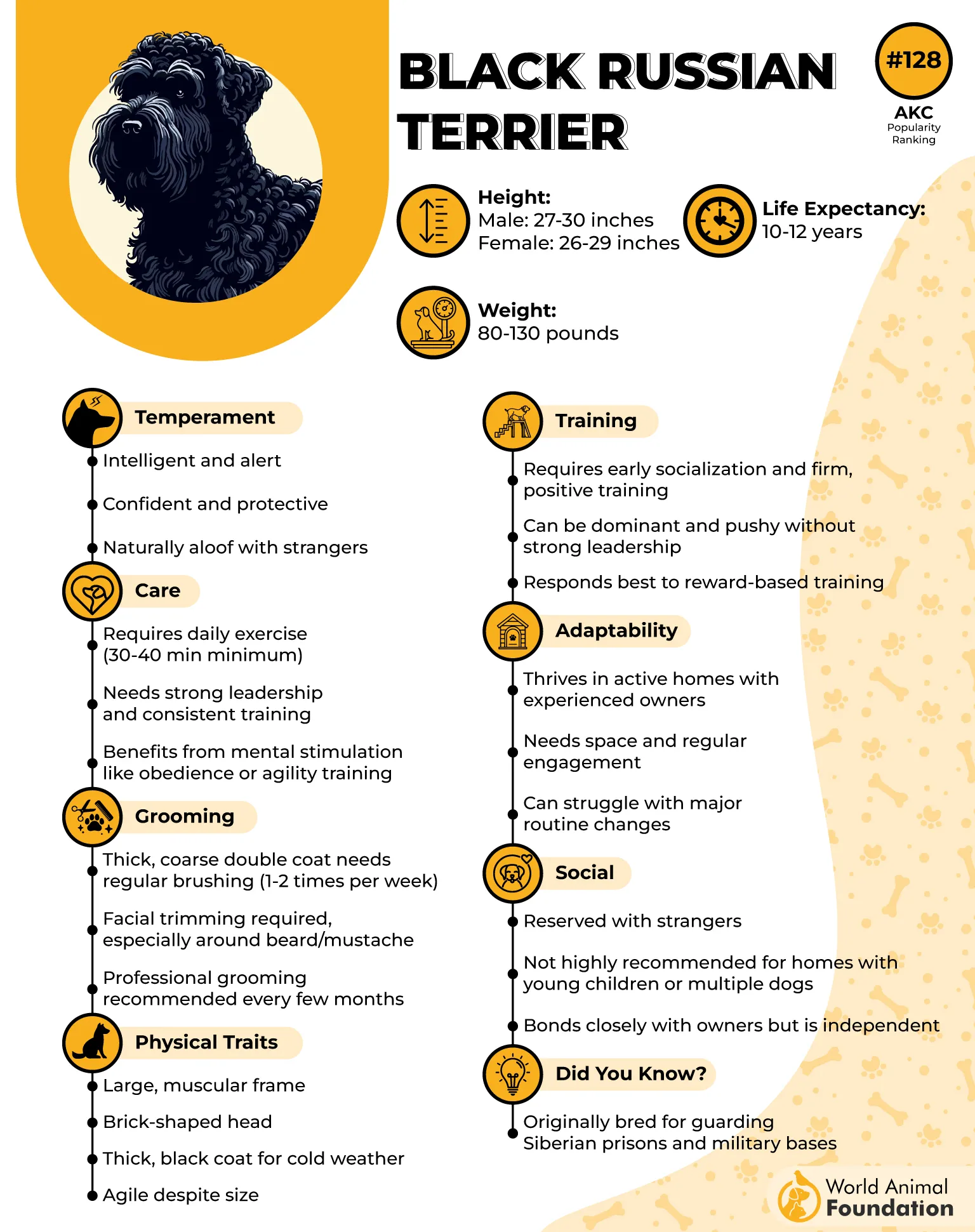
Their dense black coats introduce another maintenance commitment that can quickly overwhelm owners who underestimate grooming requirements. UKC Dogs says the breed has a coarse, somewhat tousled double coat with abundant hair around the head, legs, and body, and that it requires thorough brushing to prevent painful tangles and mats.
Exercise and mental enrichment matter just as much because these canine companions were developed for demanding working roles, not for spending their entire lives lounging around the house. These intelligent dogs can enjoy structured obedience training, tracking, controlled outdoor adventures, and problem-solving activities.
Conclusion
Owning a powerful guard dog might sound like the ultimate security upgrade, but these nine breeds prove that impressive protection instincts come with equally impressive responsibilities. The Great Dane and Rhodesian Ridgeback, with their intimidating appearance, also prove to be exceptional protectors.
Responsible ownership depends on recognizing that a dependable guardian should be confident, well-socialized, responsive to training, and able to stay calm in everyday situations.
Regular exercise, appropriate enrichment, preventive veterinary care, and positive reinforcement are essential, and naturally protective breeds benefit from experienced handling that prioritizes safe behavior over encouraging aggression.
