




Inviting a four-legged friend into your world doesn’t mean transforming your living room into a gymnasium or spending your weekends untangling endless mats of fur. If you crave the unconditional love and joyful greetings of a pet without the heavy demands of a high-maintenance routine, finding a harmonious match changes everything.
These low-maintenance dog breeds deliver a fantastic solution for busy schedules, first-time owners, and households wanting a relaxed companion. Short coats, easygoing energy levels, and flexible temperaments keep day-to-day care refreshingly simple. Even so, these easygoing dogs still rely on balanced nutrition, thoughtful training, loving companionship, and routine veterinary checkups to thrive.
From lightning-fast sprinters to tiny characters bursting with personality, these nine canine companions offer incredible charm without the complicated upkeep. Let’s dive in and discover which low-effort dog fits your lifestyle seamlessly.
Top Easy Dog Breeds with Low-Maintenance Needs
1. French Bulldog
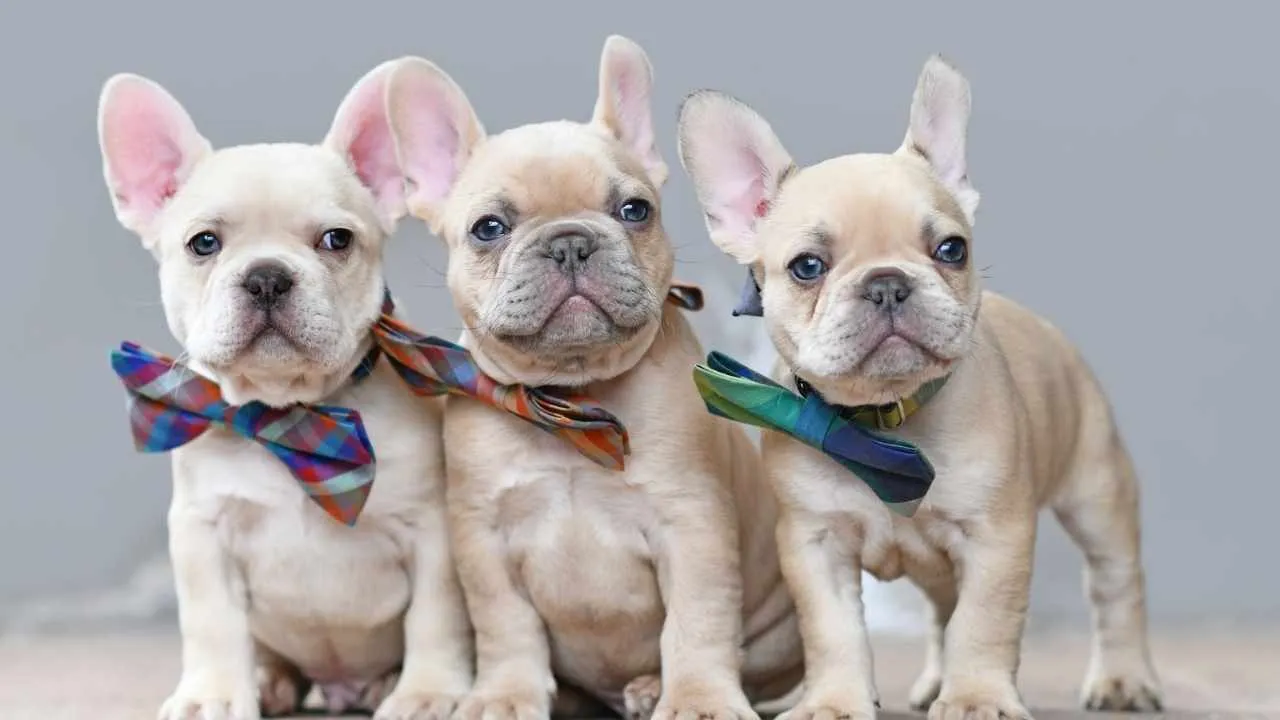
Meet the French Bulldog, a compact housemate with bat ears and a wrinkled face who turns any couch cushion into its personal kingdom. This cheerful breed delivers big charm while asking for very little physical activity in return. Their small size and loving heart make them a favorite choice for apartment living and small living spaces.
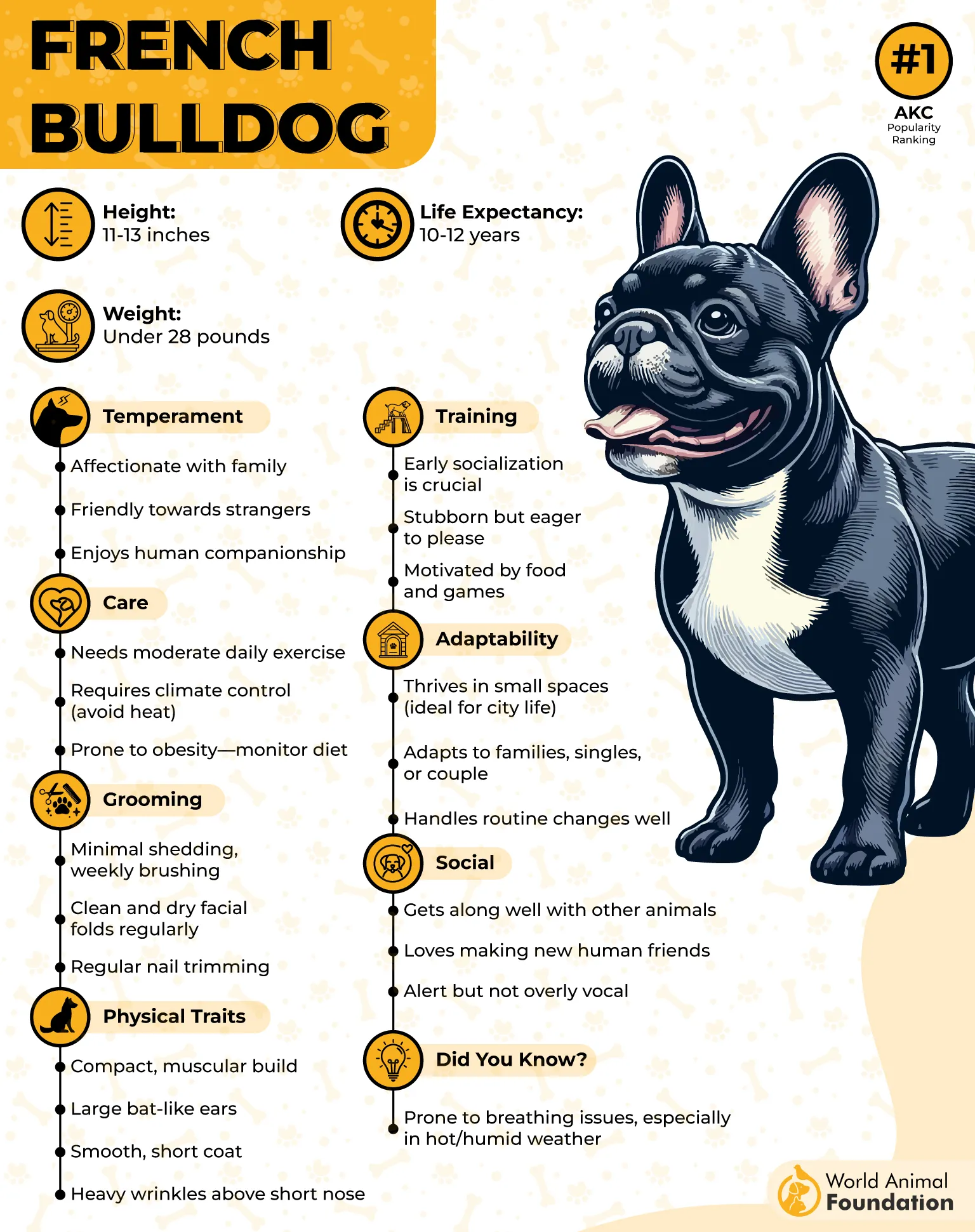
Their smooth coats need minimal grooming, requiring only occasional brushing to clear away loose hair. Purina notes that quick strolls and light indoor play satisfy their fun side, which keeps them safe since heavy exercise is tough on their flat faces. These affectionate dogs form tight bonds with their owners and enjoy simple, predictable daily routines.
Because their squished faces bring health concerns like breathing difficulties, overheating, and skin irritation in facial folds, clean their wrinkles daily, keep them cool in hot weather, and avoid hard workouts during warm afternoons.
Stick to measured meals, low-impact play, and regular vet checkups to keep your flat-faced friend healthy. Given their devoted nature, plenty of daily love and attention will keep their spirits high.
2. Whippet
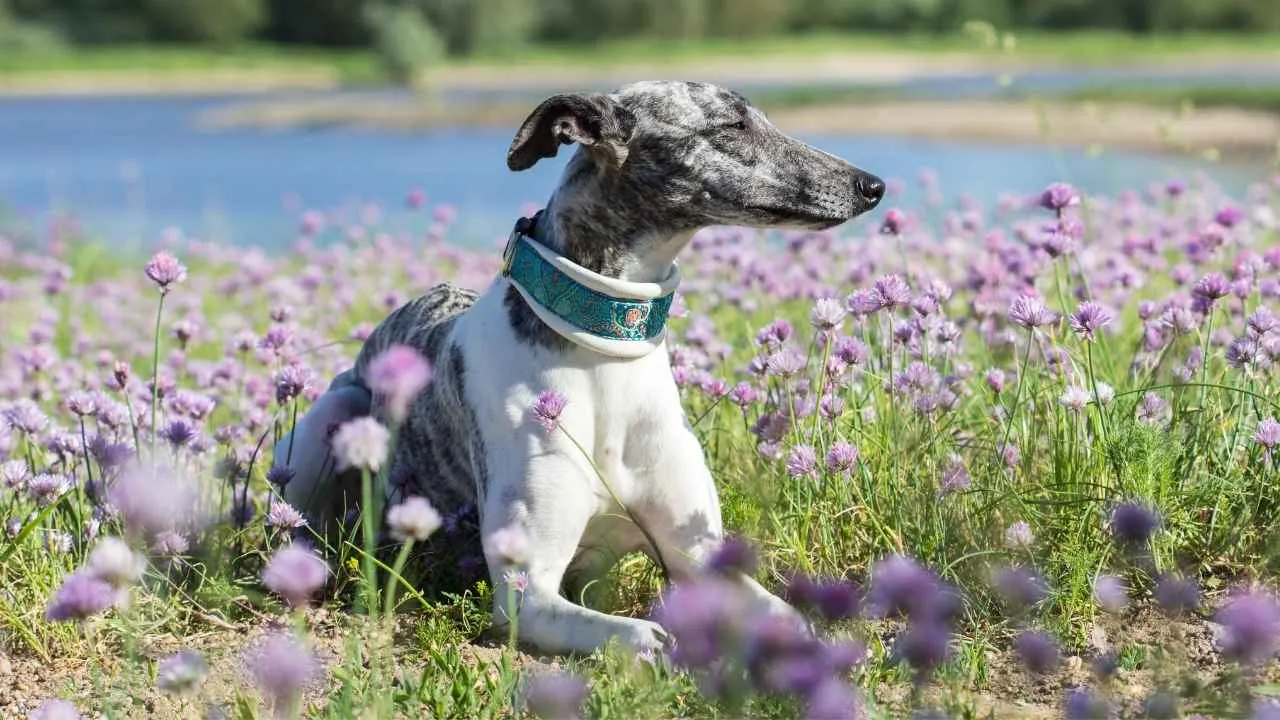
Whippet is a lightning-fast runner that transforms into a peaceful couch potato the moment it comes indoors. This low-maintenance breed combines a sleek body and gentle nature to give you the perfect mix of athletic talent and calm indoor behavior.

With a short coat that stays clean easily, overall care remains light. Occasional brushing and regular nail trims are all it takes to keep them tidy. Although they love a good run, their exercise needs do not mean long hours of walking. Short daily walks, playful games, and quick sprints inside a fenced yard satisfy their athletic instincts.
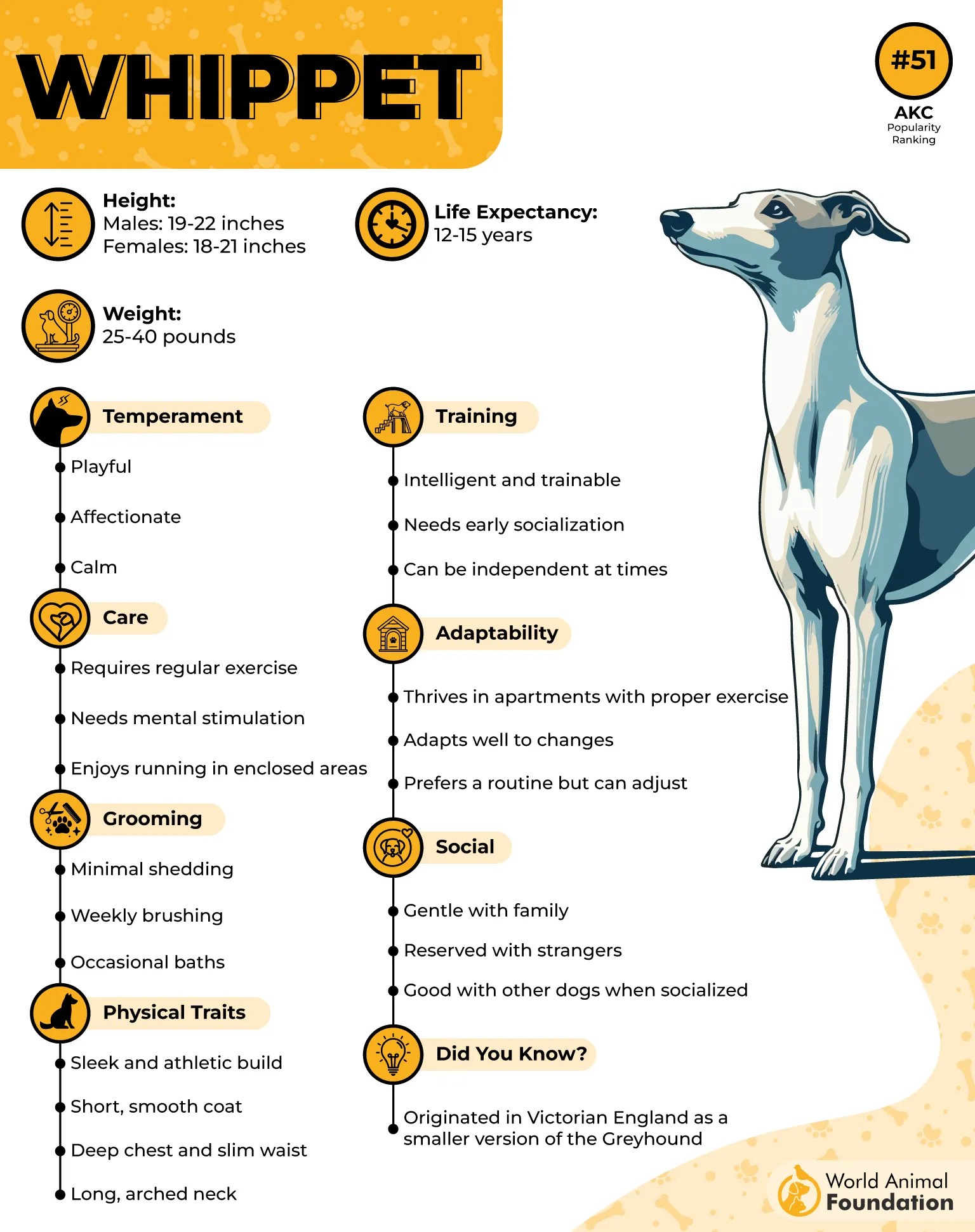
Inside the house, a well-exercised pet loves soft beds and quiet naps right next to you. Gentle training works best for their sensitive mood. WebMD mentions that their strong chase instinct means outdoor trips require a secure leash or enclosed space.
Since thin coats and little body fat make them sensitive to cold weather, provide warm clothes on chilly days and soft bedding at home. Keep their weight healthy and offer easy puzzle toys to block out boredom.
3. Greyhound
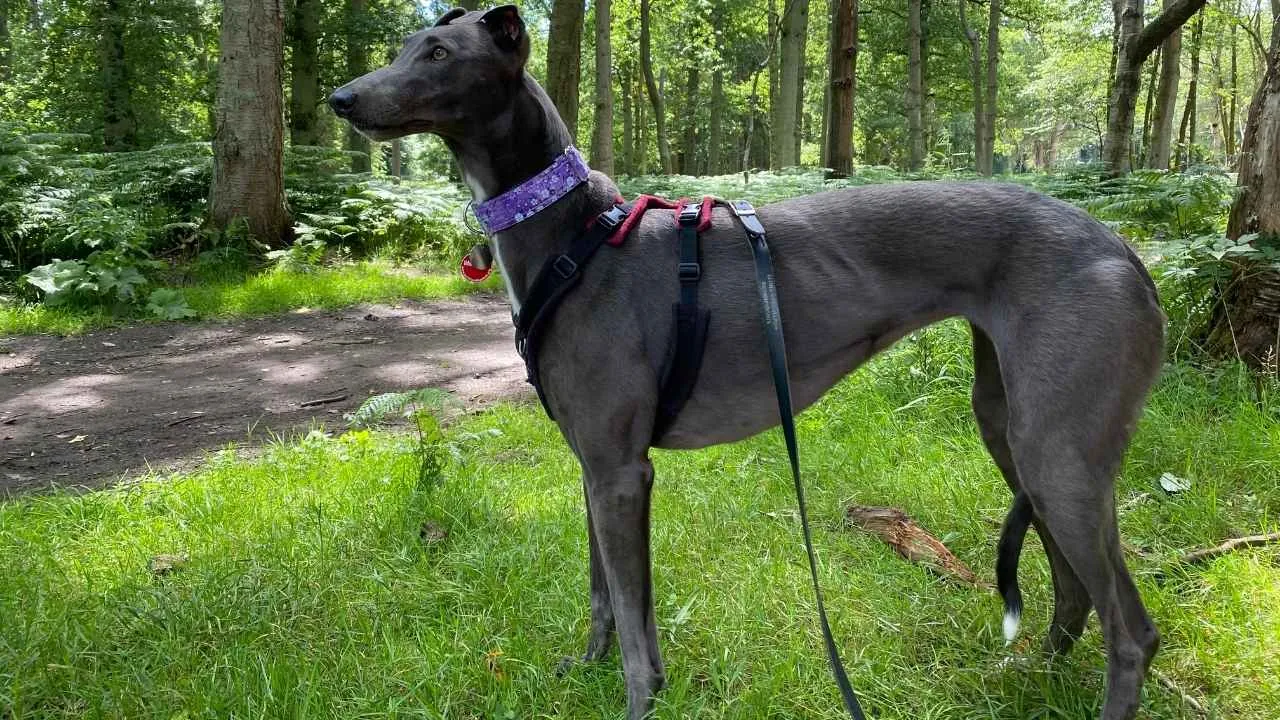
You might be surprised to learn that the Greyhound pairs a famous racing background with the calm soul of a lazy house pet. Tall, lean, and graceful, Omlet states that this breed loves short bursts of speed followed by long naps. Their easygoing indoor behavior fits well with anyone looking for a companion without demanding exercise requirements.
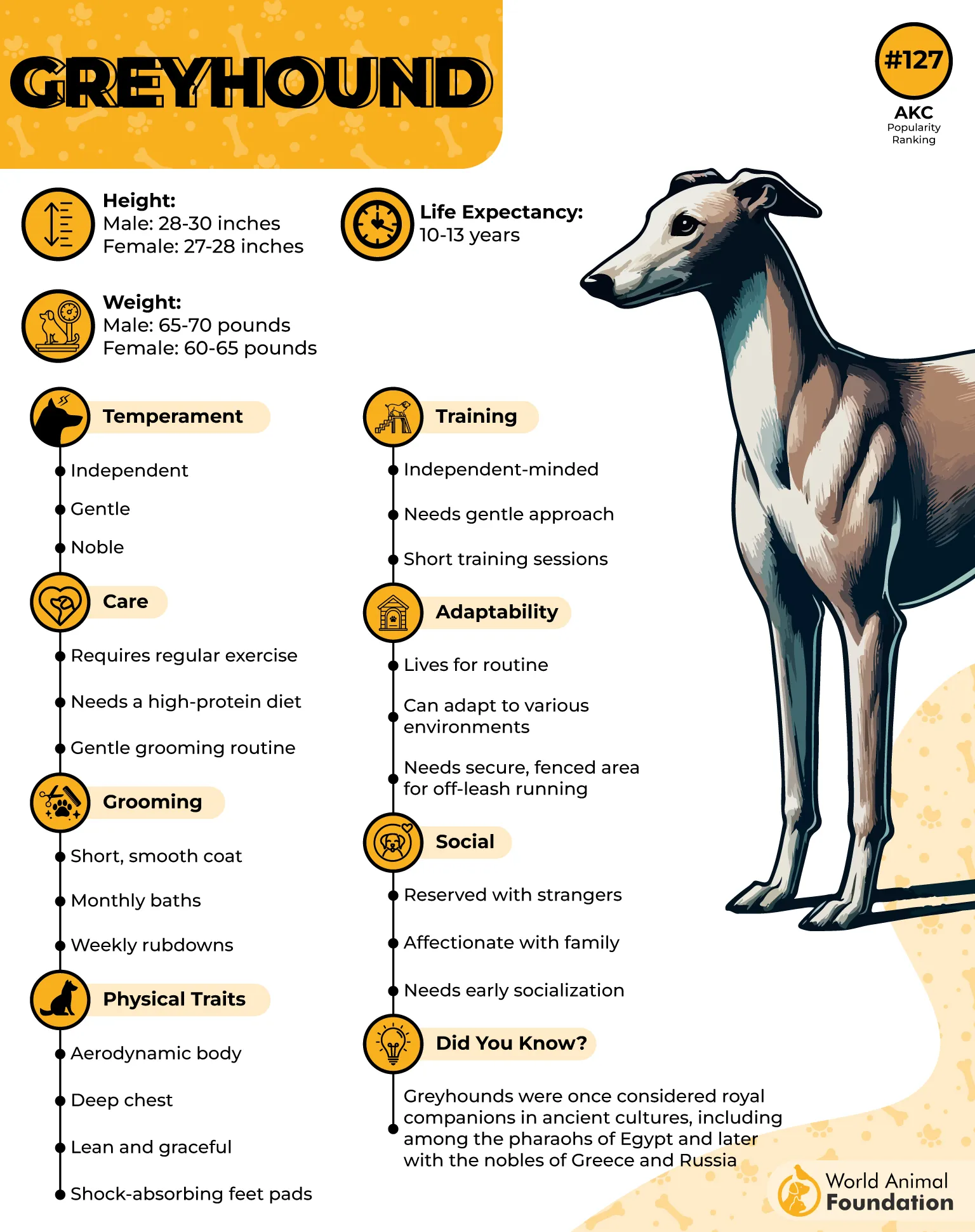
A smooth coat means low grooming effort, and simple brushing removes loose hair quickly. Daily walks, safe running opportunities, and fun games keep them fit without turning your life into an intense fitness boot camp. Retired racers often adapt smoothly to quiet homes once given time to settle in.
Their large size requires a big, soft bed, while their prey drive means you should watch them closely around cats and small pets. Early introductions and careful supervision help manage these instincts. Their thin skin also gets scratched easily, so check them over after outdoor fun.
Give them high-quality food, keep them on a secure leash outside, and remember that even quiet dogs need regular training, love, and vet checkups.
4. Chihuahua
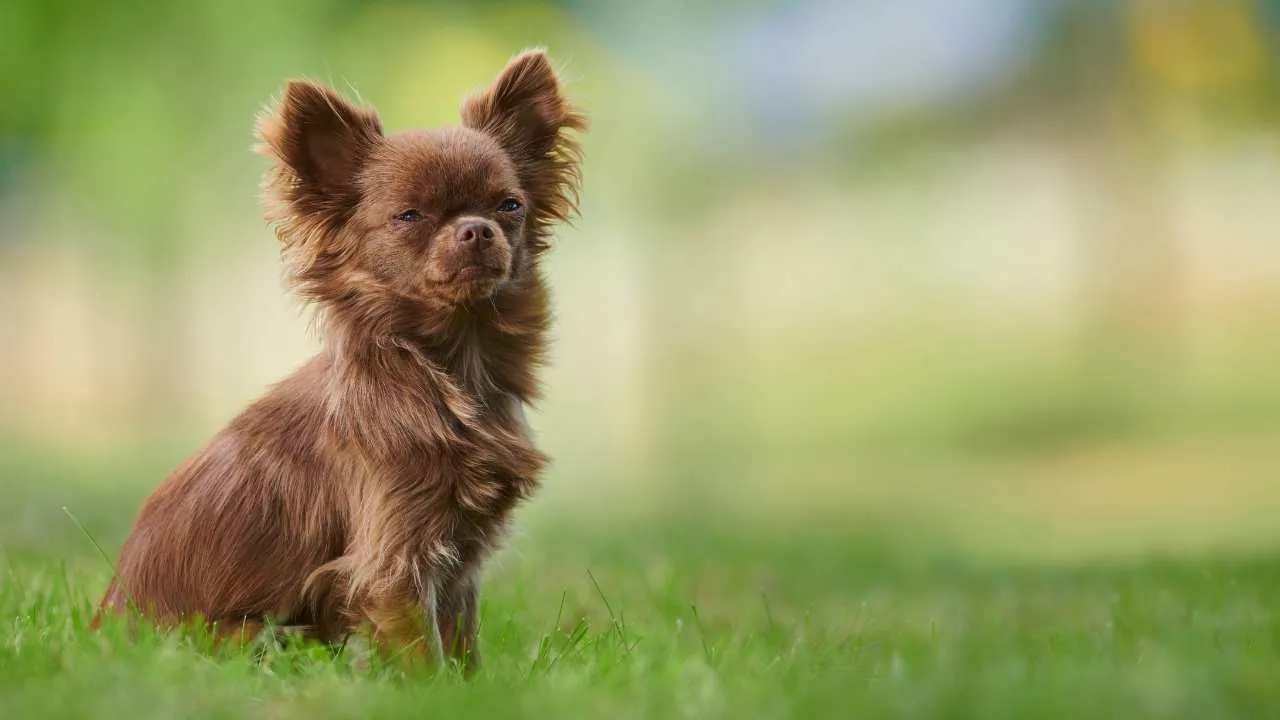
Packing maximum attitude into a tiny frame, the Chihuahua proves that true confidence comes in small packages. This lively companion loves forming a close bond with its favorite person, following every step around the house with curious eyes and quick feet.
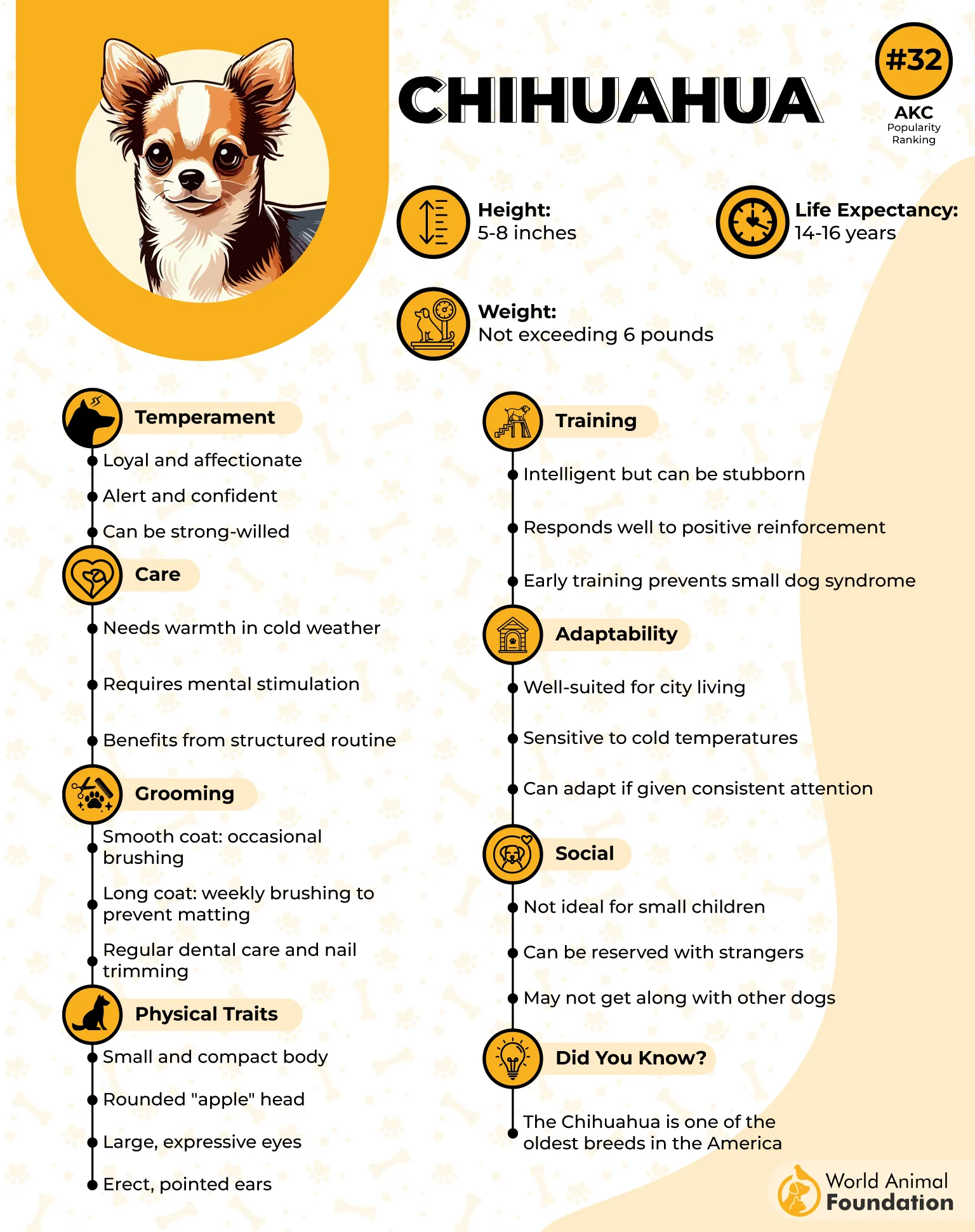
Short-haired varieties require minimal grooming, though long-haired varieties need extra grooming. Their exercise requirements stay manageable with quick walks, indoor play, and safe exploring. Britannica highlights that patient training directs their alert nature away from constant barking, which happens when every new noise sounds like a big event to them.
Despite their tiny size, early socialization and steady rules help them stay polite. Their fragile bodies need gentle handling around young kids and big dogs. Dental care needs extra focus too, as small dogs face crowded teeth and mouth problems.
Serve small, size-appropriate meals, brush their teeth daily, and keep them warm when cold weather hits. Always supervise them around bigger pets and pick safe toys that keep them happy without risk of injury.
5. Boston Terrier
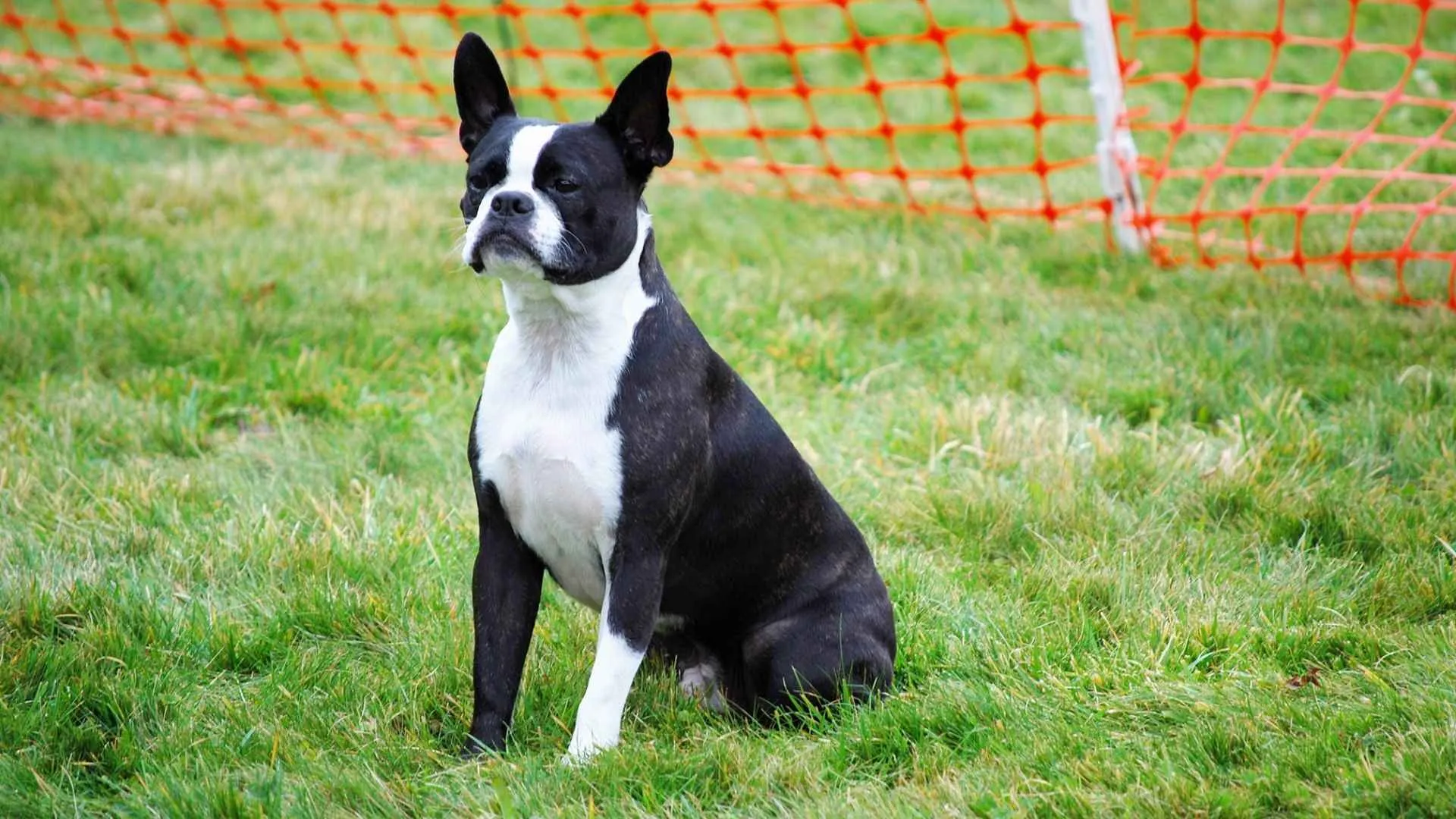
Wearing a permanent little tuxedo, the Boston Terrier looks like a tiny, polite gentleman who is always ready for fun. A friendly mood, small build, and love for family activities make everyday life with them a joy. They do great in busy homes where they get plenty of attention and time to play.
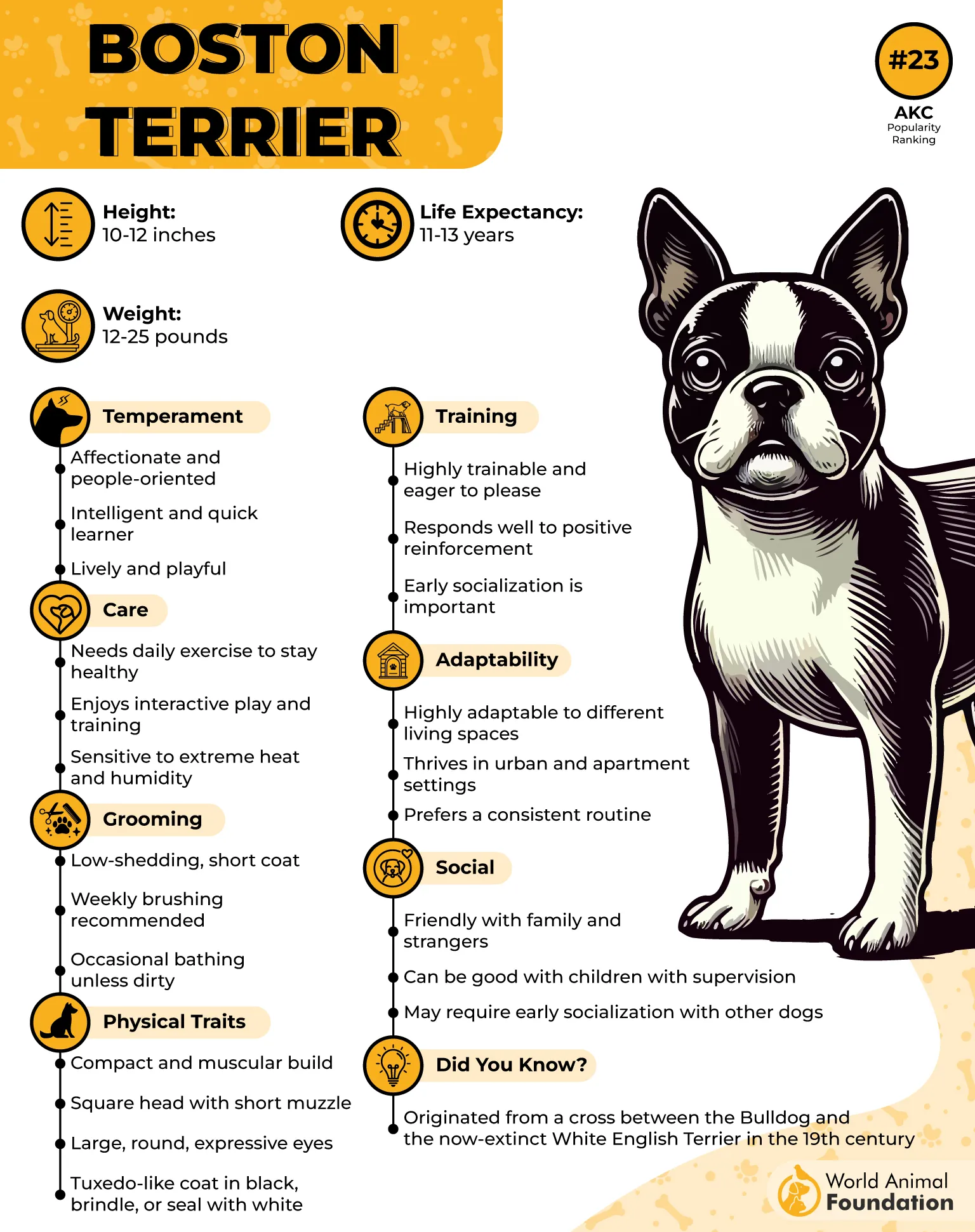
Their smooth coat calls for very little upkeep, and their neat size fits apartment living well. Short walks, simple games, and fun training sessions stretch their bright minds. They love joining in on family life, though early socialization helps build good manners around new people and other pets.
Because of their short muzzles, watch out for breathing difficulties, overheating, and eye injuries. Protect their big eyes from rough play or dirt, and keep outdoor time brief when it gets hot.
Keep play sessions calm, maintain a healthy weight, and clean around their face as needed. Using reward-based training and giving them daily love keeps their manners sharp and their happy mood shining.
6. Pug

If you want a dog that acts like a funny little comedian, the Pug’s personality will bring endless smiles to your day. With round eyes, a wrinkly forehead, and a curly tail, every look they give you feels full of fun. Loving and social, they want to stay close to you during short walks or lazy TV nights. Their moderate energy levels suit pet owners who prefer a calm routine.
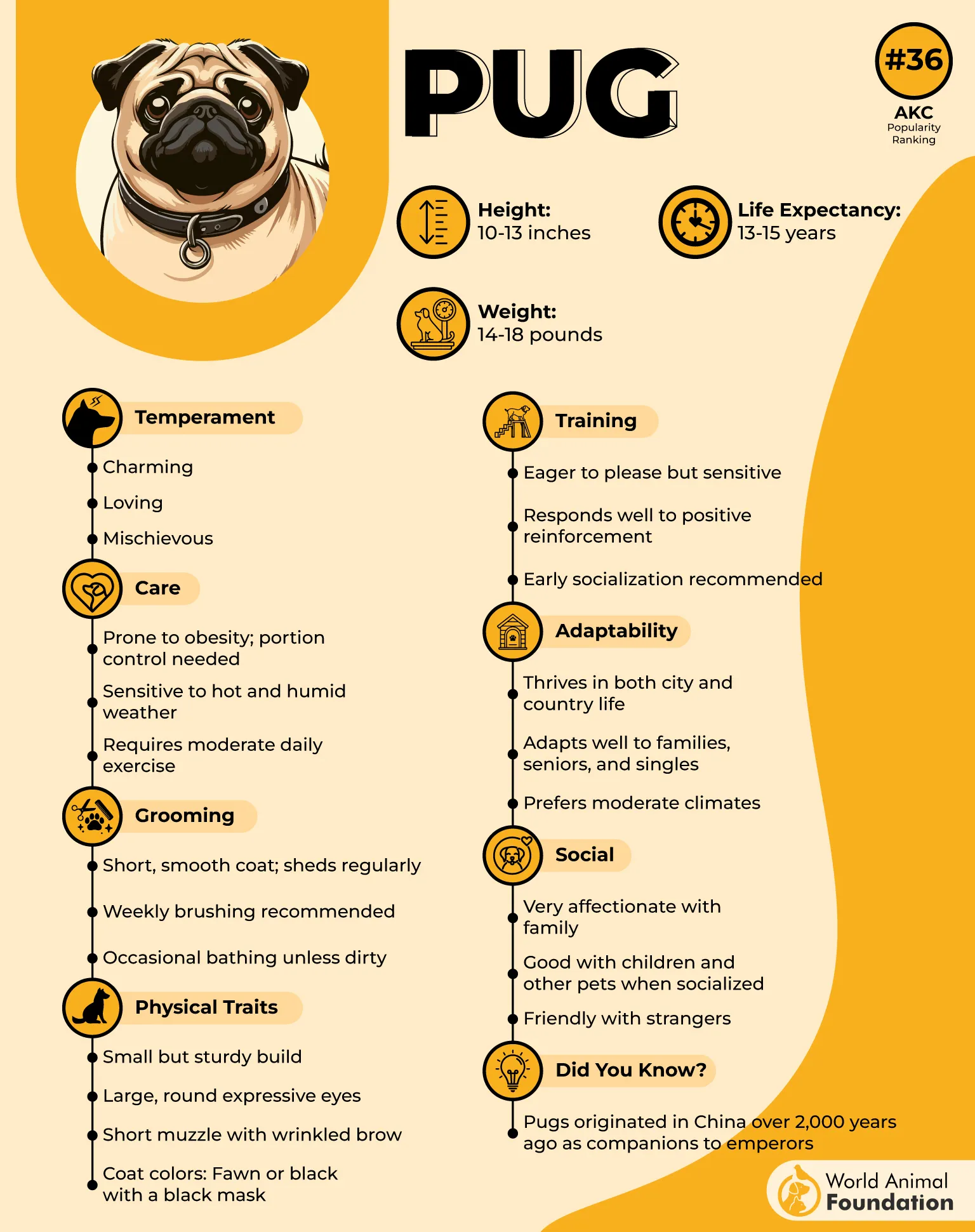
While their short coats look simple, they shed considerably, so regular brushing helps control loose hair. Gentle walks and indoor games provide suitable activity when the weather is mild.
Their flat faces bring real health concerns, including restricted breathing and poor heat tolerance. Clean and dry their facial folds regularly to prevent skin irritation, and watch their food intake since excess weight puts extra strain on their lungs and joints.
They also need company to prevent separation anxiety and boredom. Measure their meals, monitor their breathing during play, keep them cool, and set up regular vet visits to guard their health.
7. Dachshund

Built low to the ground with long bodies and short legs, the Dachshund approaches life like a big, brave explorer. First bred to hunt badgers, these bold little dogs love checking out new smells and exploring every corner of their home. Their spunky nature brings tons of fun to homes that like a curious pet.
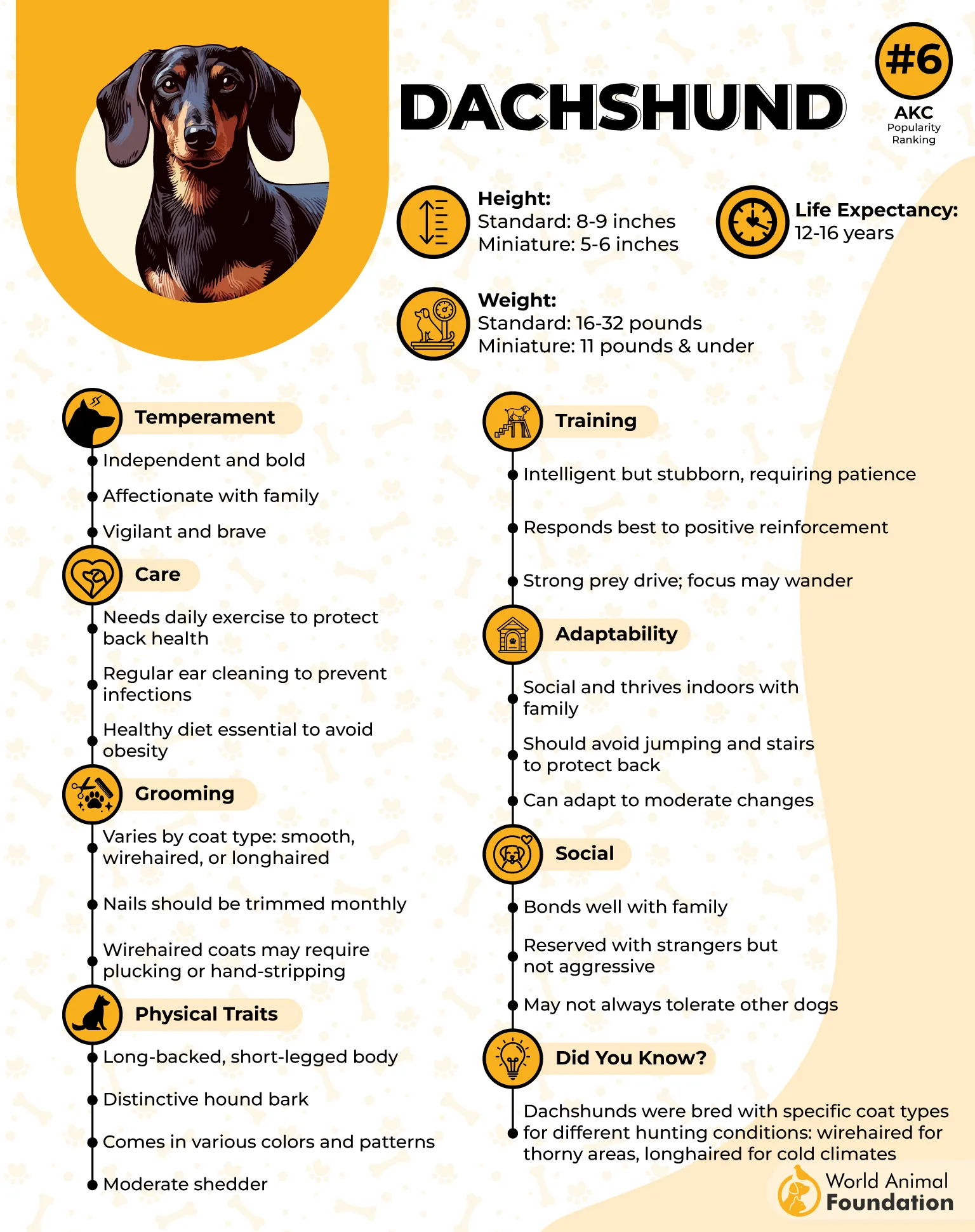
Smooth-coated options are among the easier maintenance breeds for grooming, needing only a quick brush and a simple bath. Wire-haired and long-haired varieties require extensive grooming compared with their smooth-coated relatives, so keep coat types in mind.
Daily walks and play sessions keep them happy, but exercise must protect their backs. Their long spines face risks from intervertebral disc disease, a serious health problem.
Keep them lean, limit jumping off furniture, and use ramps near couches. Lift them carefully by supporting their front and back, and give them puzzle toys to satisfy their hunting mind without overworking their body.
8. Basenji
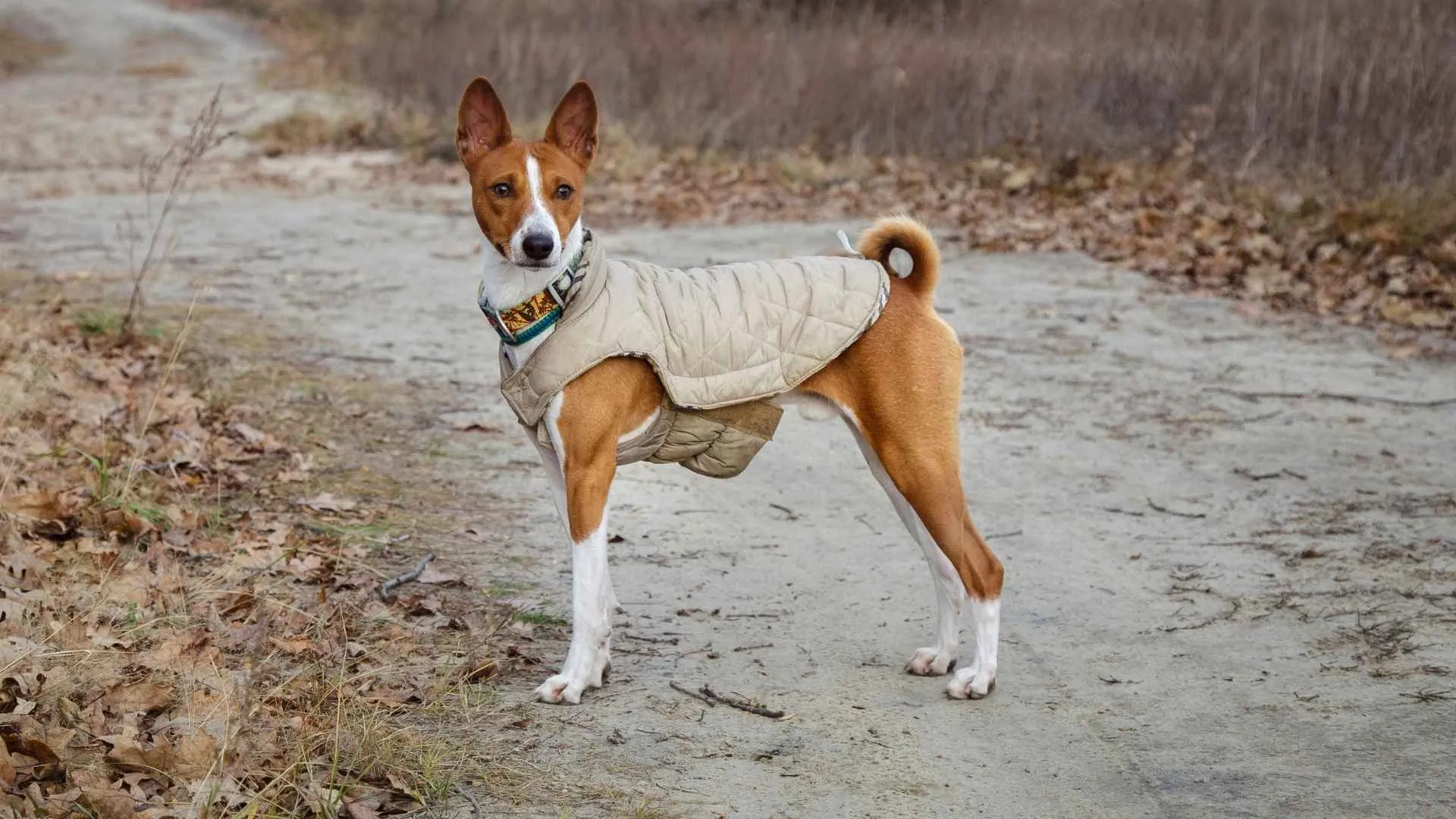
Known as the barkless dog, the Basenji stands out by making a soft yodel sound, keeping its short coat clean like a cat, and acting with quiet independence. Clean and clever, this breed appeals to owners who like a tidy, smart companion that thinks for itself.
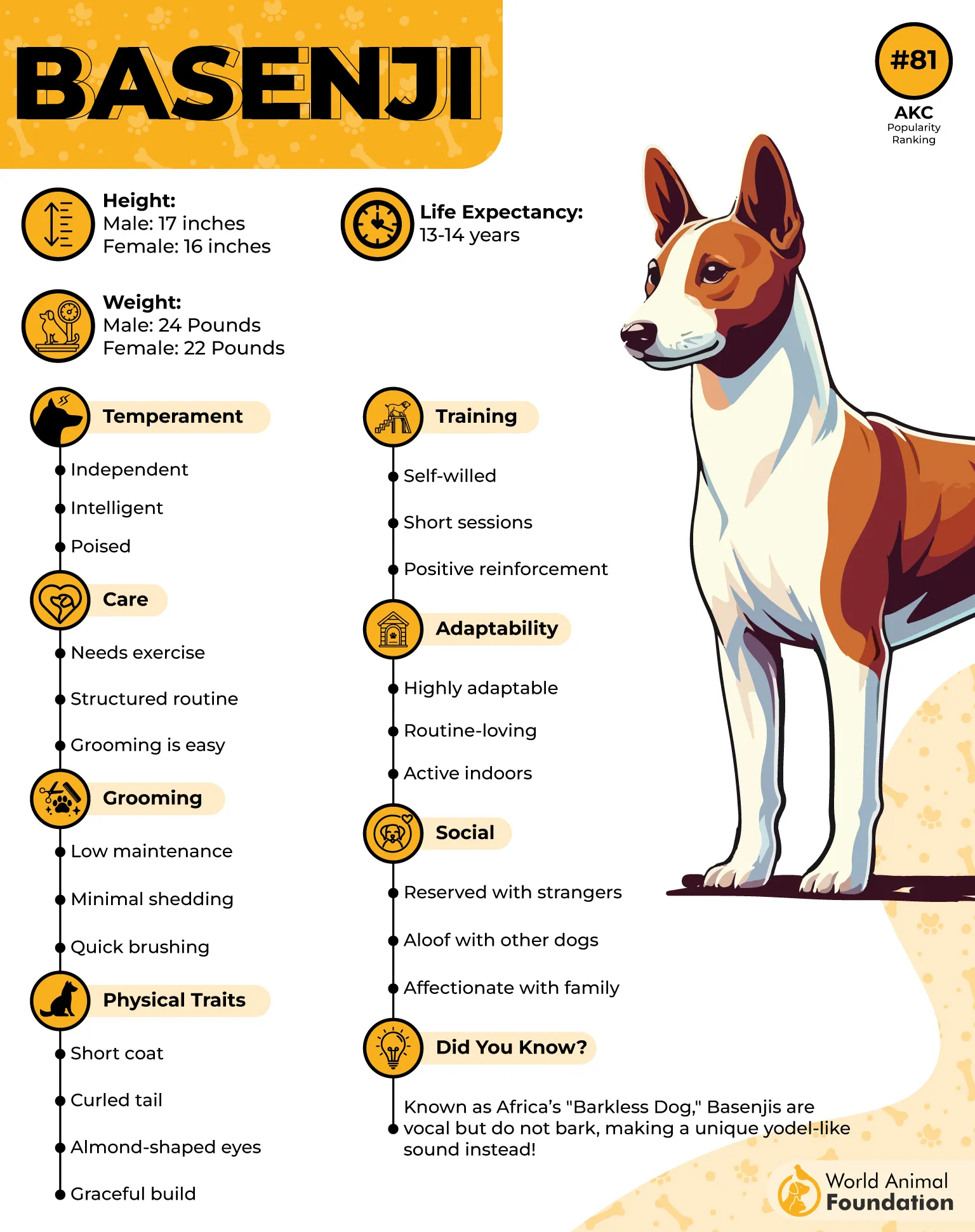
Brushing now and then handles their minimal grooming needs with ease. However, easy grooming does not mean they want to sleep all day. These energetic dogs need daily exercise, play, training, and fun mental tasks. Their hunting instincts make secure outdoor spaces very important.
Training takes patience because they prefer following their own ideas over quick orders. Reward-based training, fun games, and early socialization earn their trust. Swap out their toys often, use secure leashes on walks, brush their teeth, and ask your vet about tests for Fanconi syndrome, a hereditary kidney disease.
9. Basset Hound
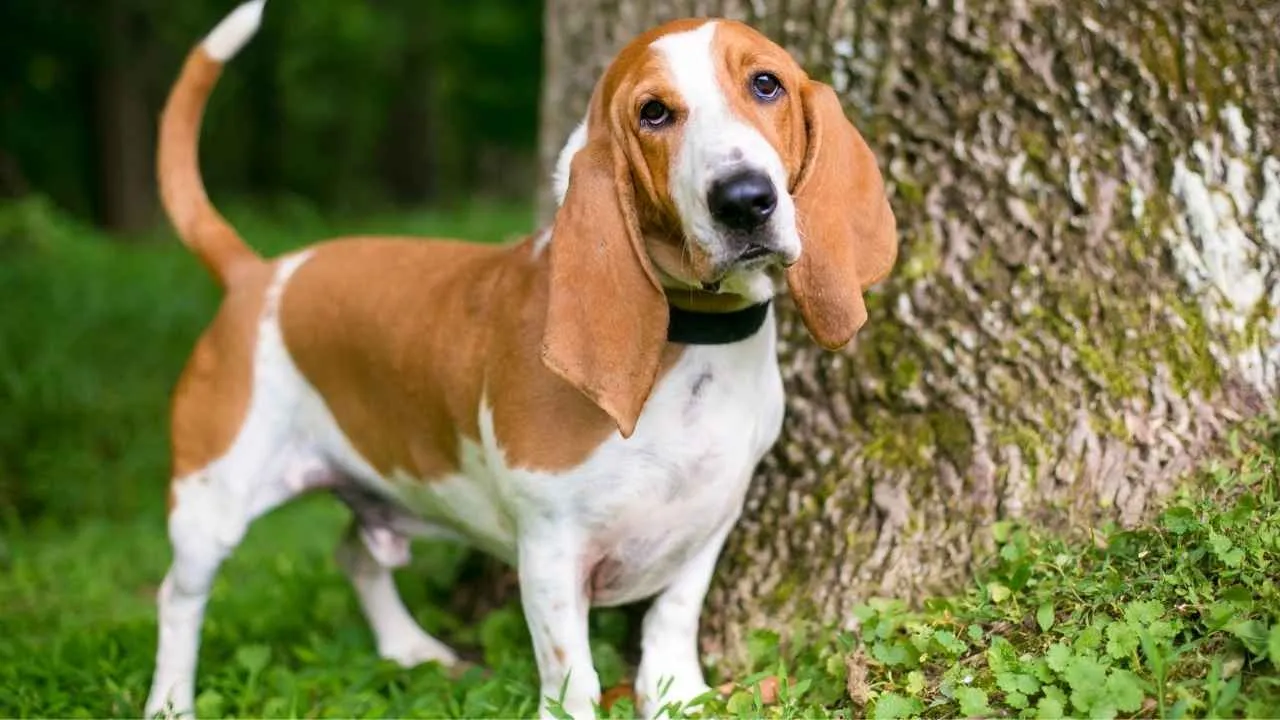
With long floppy ears, sad eyes, and a powerful nose, the Basset Hound brings a calm and friendly mood into any home. Their relaxed nature fits people who like slow walks and quiet nights instead of hard workouts. While this scent hound has an independent mind, gentle training brings out its sweet side.
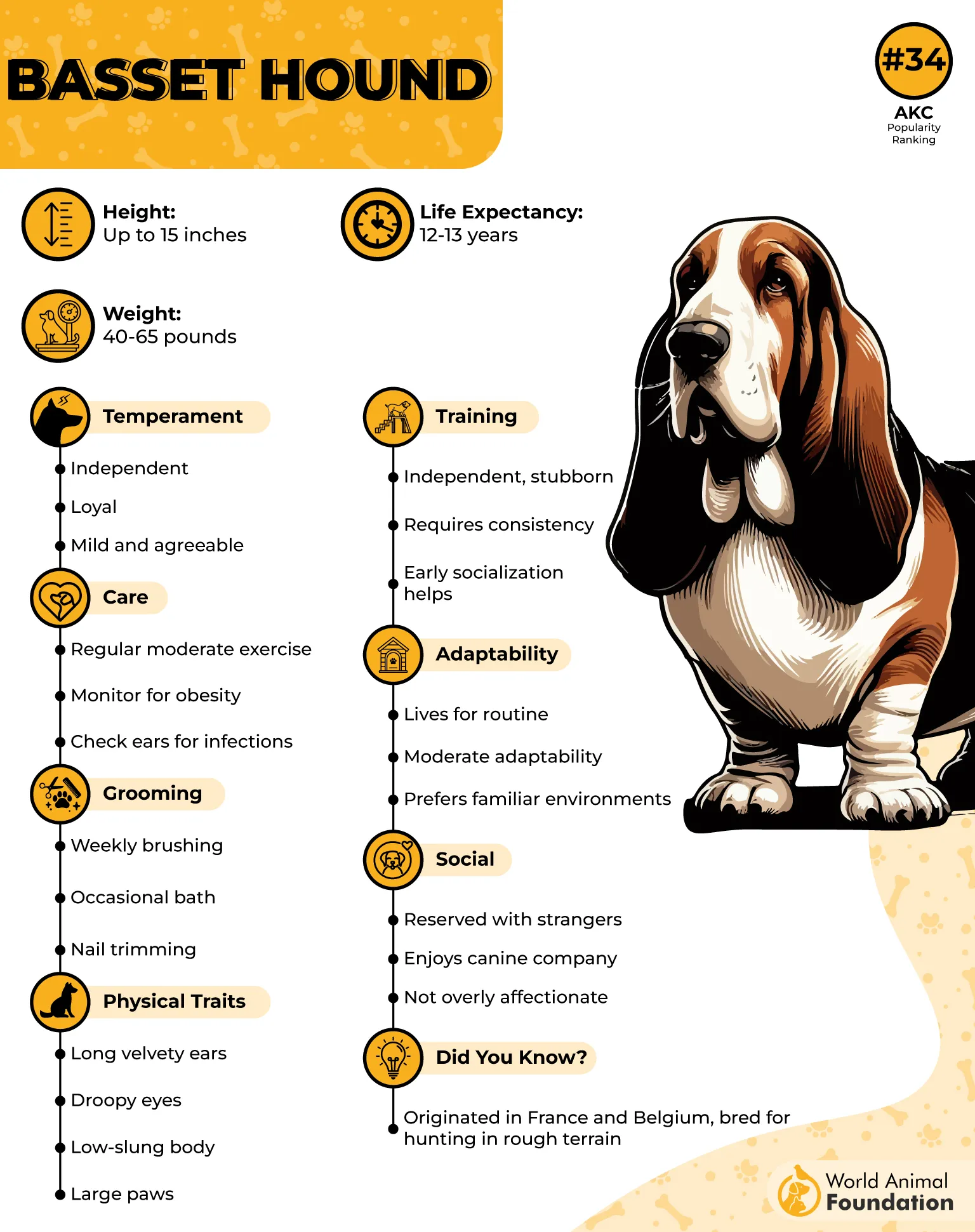
Their short coat needs little grooming, though shedding still happens. Regular brushing keeps loose hair under control, and those long ears need frequent checks to stop moisture buildup and infections. Daily walks and sniffing games offer good exercise and fun mental work.
Because their nose rules their world, leash training is key outdoors. They have a stubborn streak, so rewards work much better than harsh words.
Their long backs and heavy build mean weight control is critical to protect their joints. Keep meals measured, encourage gentle daily walks, check their ears often, and give them a soft bed to rest their big paws.
Conclusion
Welcoming an animal partner into your private sanctuary is less about finding a shortcut and more about forging a seamless rhythm between two different worlds. Ultimately, the true magic happens when your household energy naturally dovetails with an animal’s innate spirit, turning everyday coexistence into a profoundly rewarding journey of mutual companionship.
