




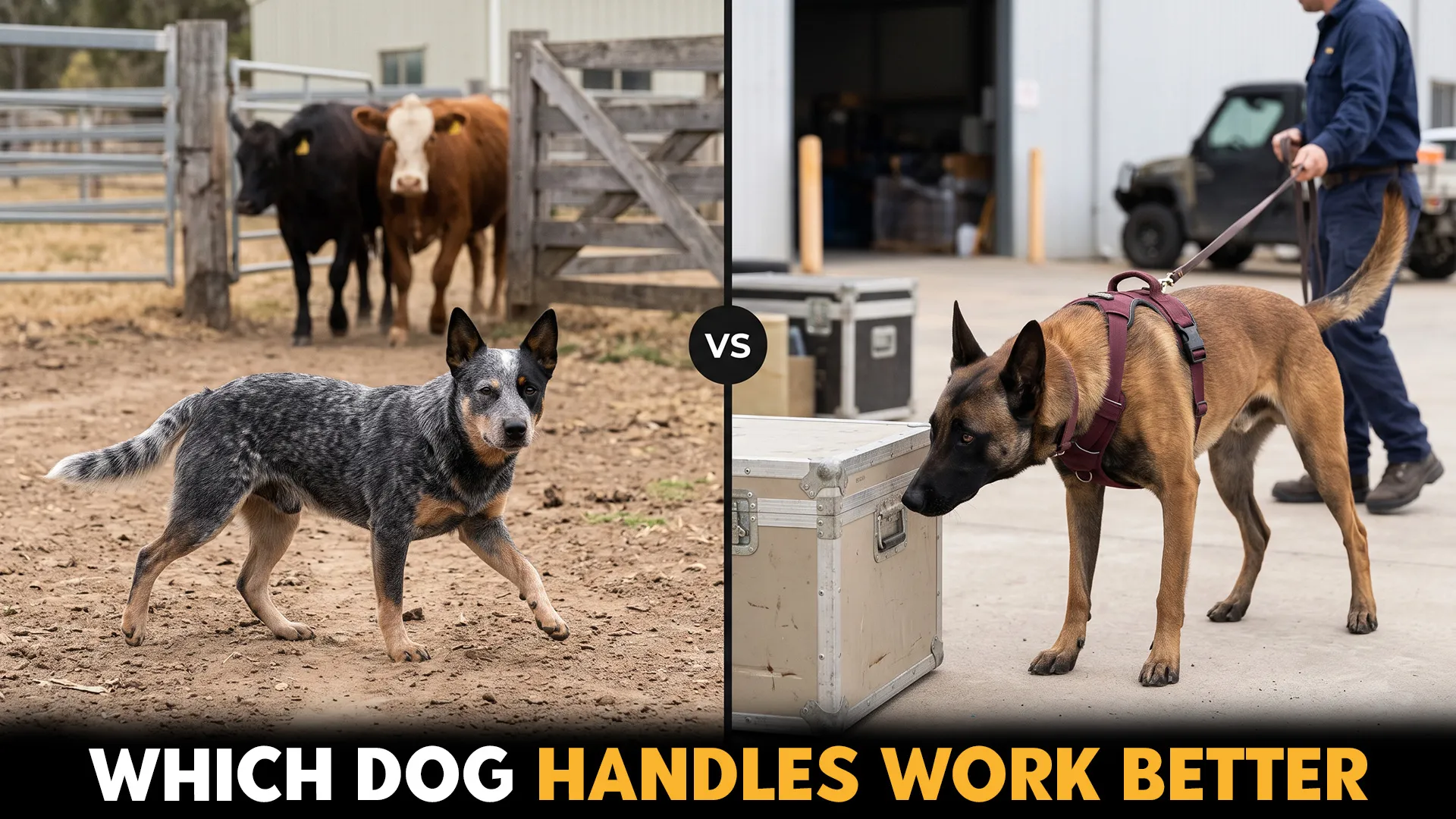
The Australian Cattle Dog and Belgian Malinois are two intelligent, energetic working breeds known for their strength, focus, and dedication.
While both excel at demanding tasks, the Australian Cattle Dog was developed to herd livestock, whereas the Belgian Malinois is valued for its versatility and ability to perform complex working duties.
Despite their shared drive and athleticism, these breeds differ in temperament, training needs, and working styles. The Australian Cattle Dog tends to be independent and determined, while the Belgian Malinois is highly responsive and eager to work with its handler.
Understanding these differences can help you decide which breed better suits your lifestyle. From exercise requirements to trainability and daily care, each dog has unique needs that are worth considering before choosing your next companion.
Australian Cattle Dog vs. Belgian Malinois: Working Dog Differences Explained
Origins & Purpose
Australian Cattle Dog
The Australian Cattle Dog was developed in 19th-century Australia to manage large herds across rugged terrain and long distances. Thomas Hall crossed Blue Smooth Highland Collies with dingoes to create a tough, enduring herding dog suited to the Outback.
Further breeding refined the breed’s working abilities and temperament. Also known as the Blue Heeler or Red Heeler, the Australian Cattle Dog became valued for its stamina, resilience, and ability to handle stubborn cattle.
Belgian Malinois
The Belgian Malinois originated in Belgium as one of four varieties of Belgian shepherd dogs developed during the 1800s. Named after the city of Mechelen, it was bred for herding and protection, with a strong work ethic and sharp intelligence.
During the early 20th century, the breed gained recognition as a police and military dog. Today, Belgian Malinois commonly serve in law enforcement, search and rescue, and detection work, reflecting their versatility and dedication to demanding tasks, as noted by the AKC.
Size & Build Differences
Australian Cattle Dog
Australian Cattle Dogs are medium-sized, compact, and muscular, typically weighing 35–50 pounds and standing 17–20 inches tall.
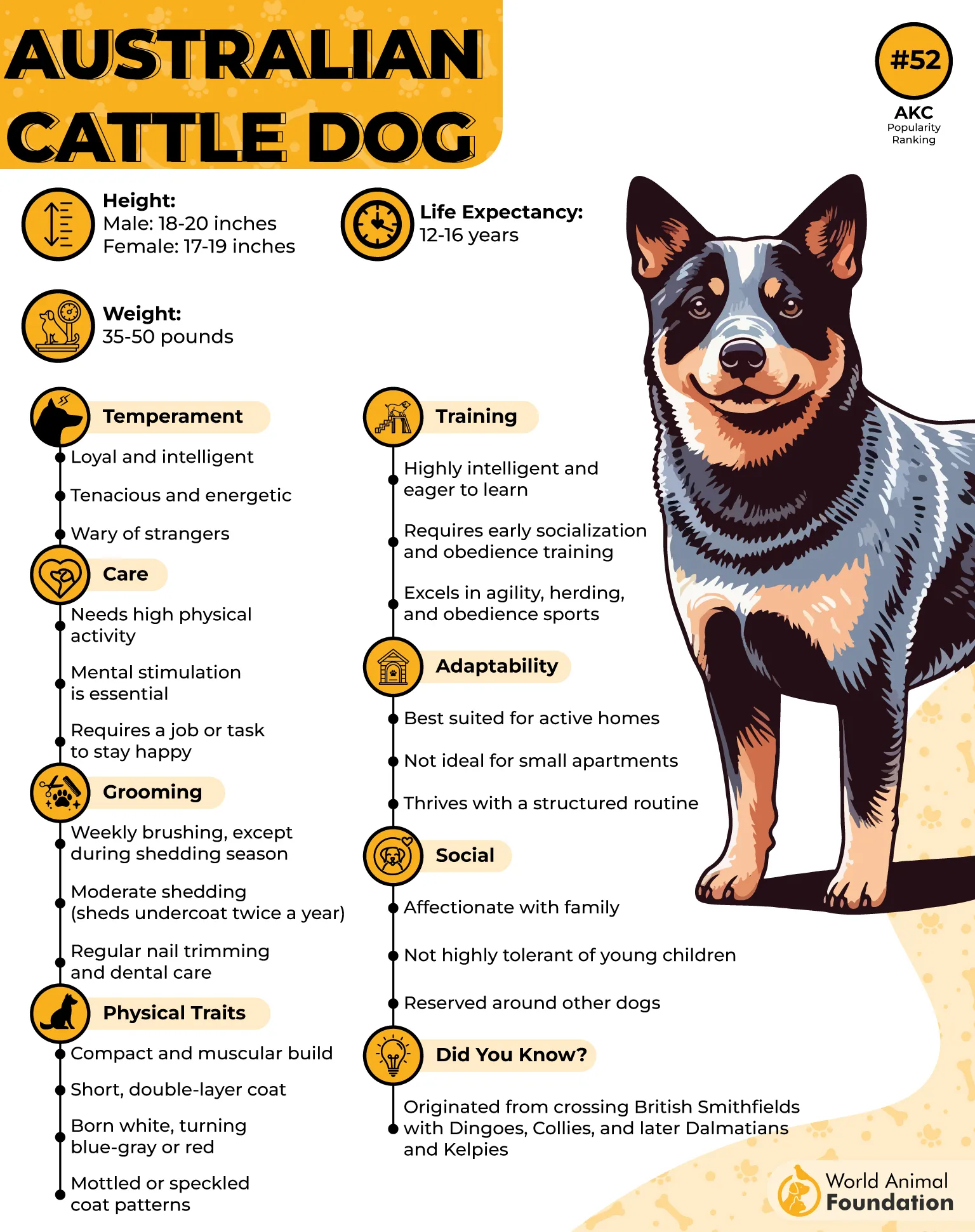
Their strong, balanced bodies are built for endurance and agility, allowing them to move efficiently over long distances. Their short double coats, which come in blue or red speckled patterns, help protect them from weather and rough terrain.
Belgian Malinois
Belgian Malinois are taller and generally leaner, with a solid, athletic build that reflects their agility and strength. Males typically stand 24–26 inches tall and weigh 60–80 pounds, while females measure 22–24 inches and weigh 40–60 pounds.
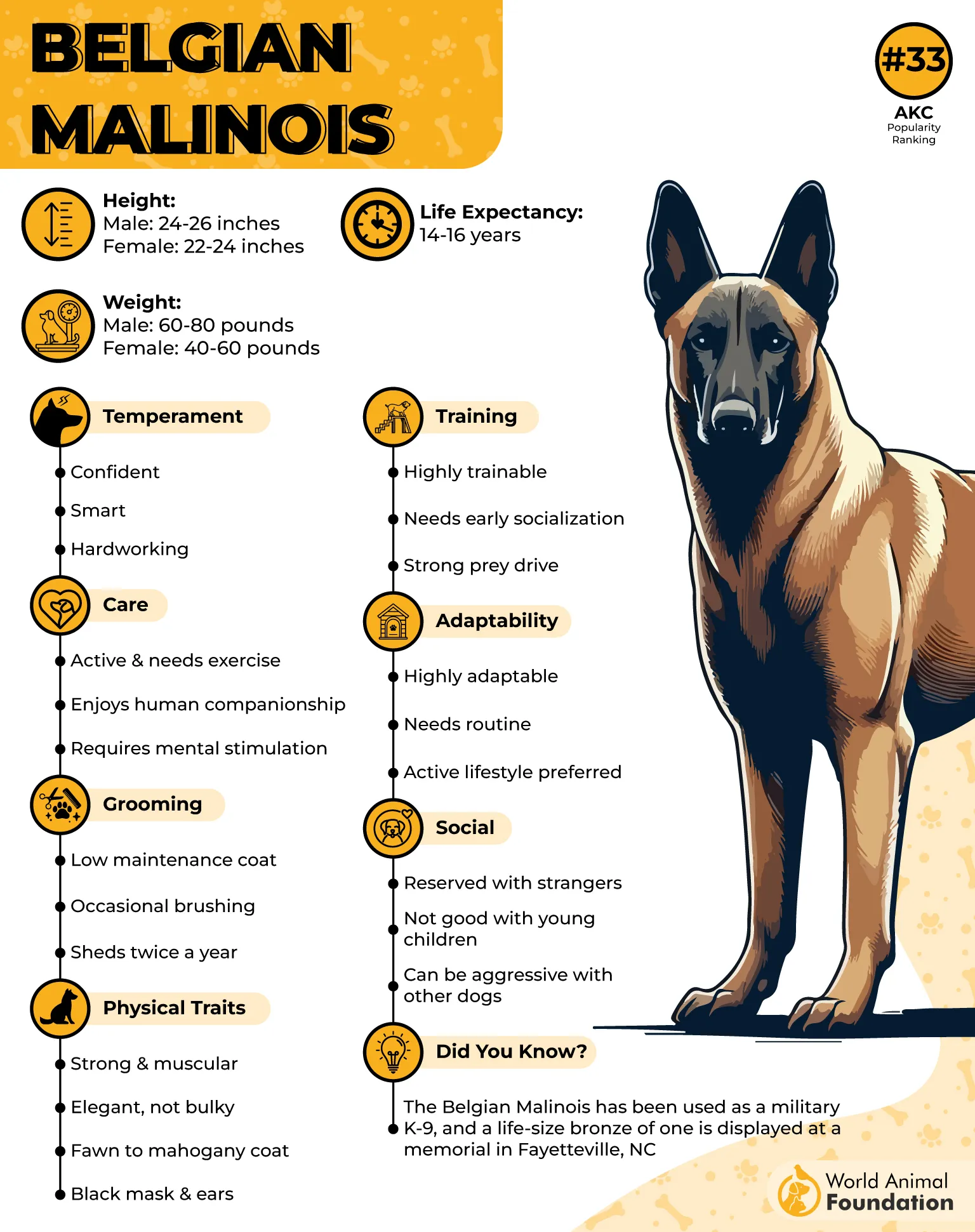
Their short, thick coats are usually fawn or mahogany with black-tipped hairs, complementing their alert expression and confident posture.
Temperament & Personality
Australian Cattle Dog
Australian Cattle Dogs are intelligent, independent, and hardworking, with a strong instinct to herd and protect. They form close bonds with their owners but can be wary of strangers and stubborn during training.
Their tendency to nip at heels may extend to children or other people, so consistent training and supervision are important. These energetic dogs thrive when given regular mental challenges and physical activities rather than a sedentary lifestyle.
Belgian Malinois
Belgian Malinois are alert, confident, and intensely loyal dogs that thrive on working closely with their owners. Their intelligence makes them responsive to training, while their protective instincts and high prey drive require early socialization and consistent guidance.
According to Orvis, they may be reserved around strangers and reactive toward unfamiliar dogs. With their considerable energy and need for mental stimulation, Malinois do best with active owners who can provide regular exercise, structured activities, and plenty of engagement.
Exercise & Energy Levels
Australian Cattle Dog
Australian Cattle Dogs have remarkable stamina and were bred to herd cattle across vast areas for long periods. They need an active lifestyle with plenty of physical exercise and mental challenges. Without enough activity, they may develop unwanted behaviors out of boredom.
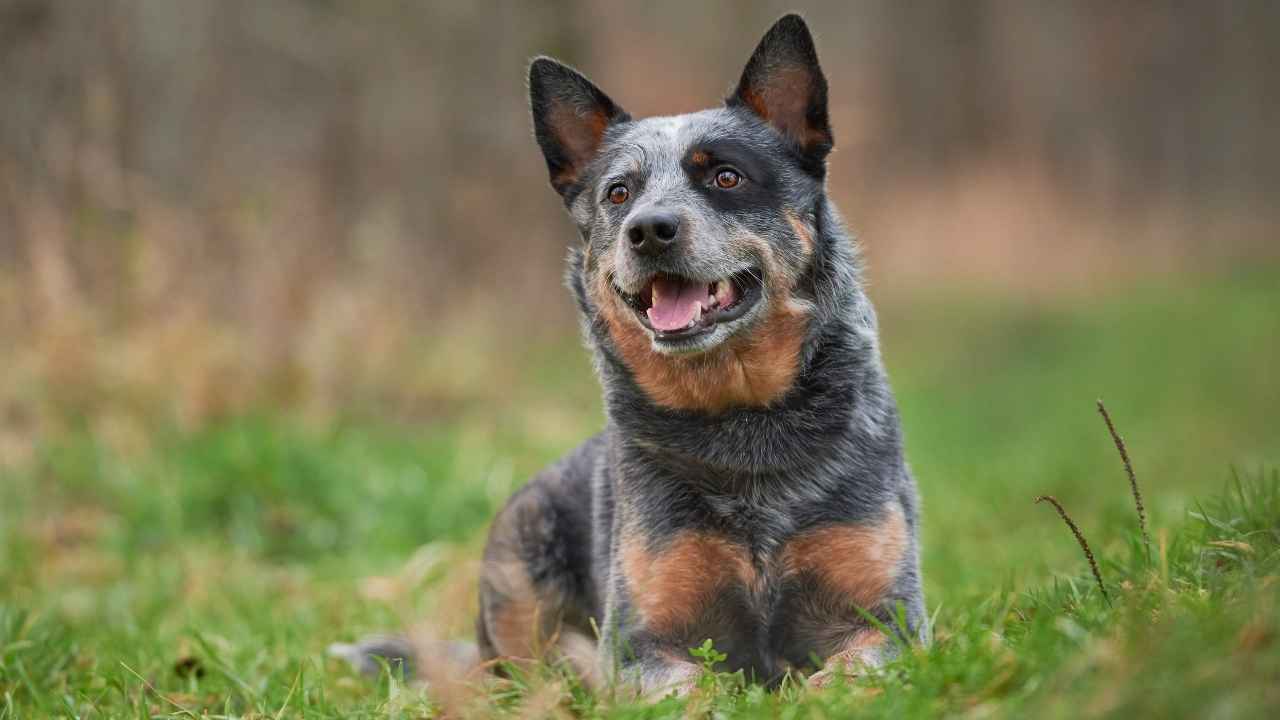
Activities that help keep them engaged include:
Running, jogging, and playing fetch or frisbee.
Agility training and herding activities.
Problem-solving games and obedience training.
These dogs generally do best in homes with enough space to move around and owners who can dedicate significant time to daily exercise. Small living spaces and a sedentary routine may not suit their energetic nature.
Belgian Malinois
Belgian Malinois are exceptionally energetic dogs that need more than a leisurely daily walk to stay satisfied. They benefit from vigorous exercise, structured activities, and regular mental stimulation.
Without enough engagement, they may become bored and develop destructive habits, such as chewing, digging, or excessive barking.
Aim to provide at least one to two hours of daily exercise through activities such as:
Brisk walks, running, and hiking.
Fetch, agility training, and flyball.
Tracking and other mentally engaging tasks.
A large, securely fenced area where they can run safely is also beneficial. Belgian Malinois thrive with active owners who can keep them involved throughout the day, making them better suited to energetic households than those with a relaxed routine.
Training & Intelligence
Australian Cattle Dog
Australian Cattle Dogs are highly intelligent and enjoy learning new commands, tricks, and tasks. Their independent nature can make them stubborn at times, so they respond best to firm but gentle guidance and positive reinforcement, as PetMD notes.
Early socialization and obedience training are especially important to manage their tendency to nip and develop good manners. Their problem-solving abilities and strong work ethic make them well suited to agility, fetch, frisbee, obedience training, and canine sports.
Belgian Malinois
Belgian Malinois are exceptionally intelligent, quick learners that thrive when their training provides both mental stimulation and a clear purpose.
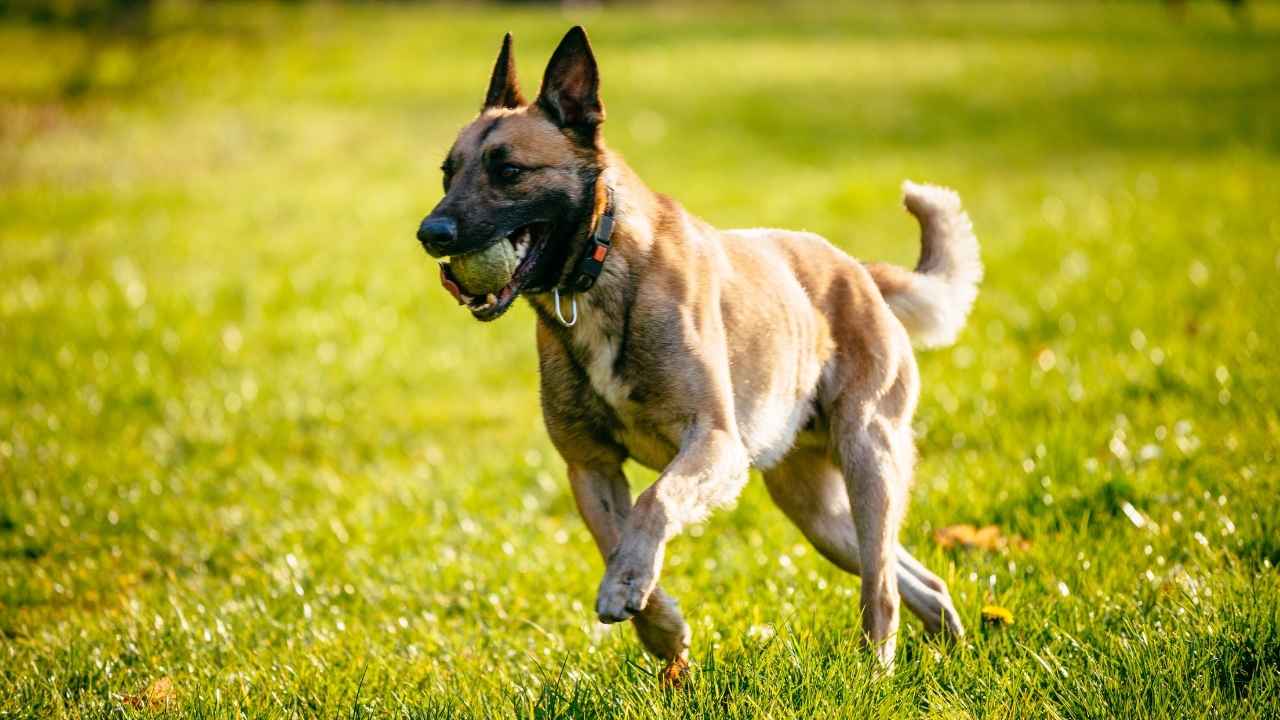
They respond well to positive reinforcement using praise, treats, and toys. However, their strong herding instincts may lead them to chase moving objects, making consistent obedience training essential.
Early socialization helps them become more comfortable around unfamiliar people and new environments. Training should cover basic commands, leash manners, and reliable recall.
Because of their intelligence and demanding working nature, professional guidance from a trainer experienced with the breed can be particularly helpful.
Vocal Behavior
Australian Cattle Dog
Australian Cattle Dogs can be vocal, particularly when they are bored or lack sufficient physical and mental activity. Excessive barking is one of the unwanted behaviors that may develop without consistent training.
Their strong herding instincts can also contribute to their tendency to nip, making early socialization and obedience training important for managing these behaviors.
Belgian Malinois
Belgian Malinois may bark excessively when they become bored or do not receive enough exercise and mental stimulation. Their high energy levels and need for regular engagement make it important to keep them occupied with structured activities.
Consistent training and sufficient daily exercise can help reduce boredom-related behaviors, including excessive barking and destructive chewing.
Coat & Grooming
Australian Cattle Dog
Australian Cattle Dogs have short, dense double coats with weather-resistant outer layers that help repel dirt and protect them from the elements.
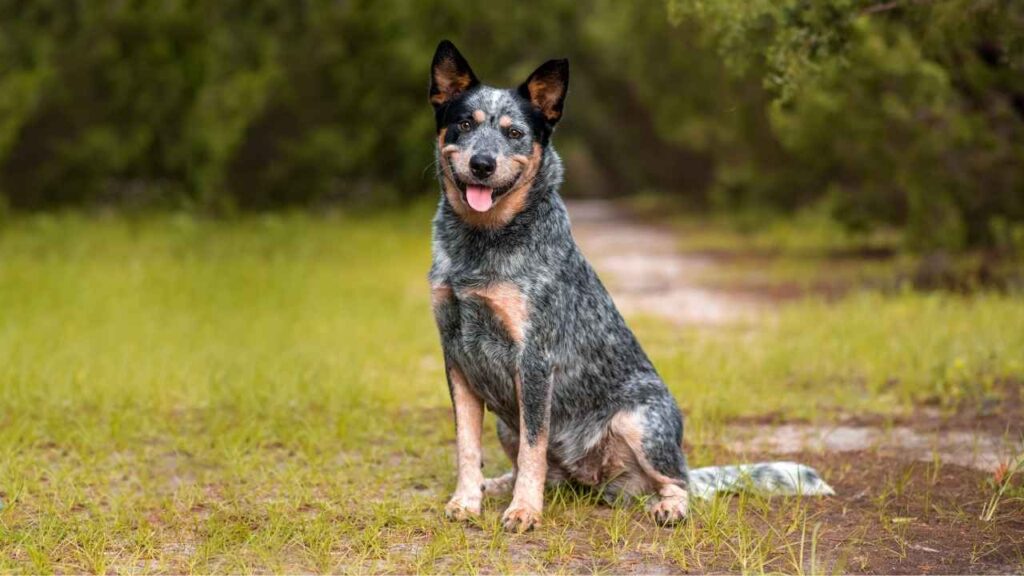
Their coats come in blue or red speckled patterns and require relatively little maintenance. Brushing once or twice a week is usually sufficient, with more frequent brushing during seasonal shedding, which typically occurs once or twice a year.
Bathing about once a month or when needed helps keep their coats clean. Owners should also check and clean their ears occasionally and trim their nails approximately once a month. Overall, their practical coat makes grooming relatively easy.
Belgian Malinois
Belgian Malinois have short, straight, weather-resistant double coats with dense undercoats. Their grooming needs are moderate, requiring brushing at least once or twice a week to remove loose hair.
Shedding increases during spring and fall, when more frequent brushing helps manage the seasonal undercoat blowout. Bathing about once a month or when necessary keeps their coats clean without excessive washing.
Their ears should be checked regularly and gently cleaned when needed, while nail trimming is generally required once or twice a month. Daily toothbrushing is also recommended to maintain good dental hygiene.
Health Issues & Lifespan
Australian Cattle Dog
Australian Cattle Dogs are generally hardy and robust, with a typical lifespan of around 13–17 years. However, they can develop certain hereditary and breed-specific health conditions. Responsible breeding, genetic testing, and health screening can help reduce the risk of some inherited problems.
Progressive retinal atrophy (PRA)
Primary lens luxation (PLL)
Hip and elbow dysplasia
Deafness
Osteochondritis dissecans
Cataracts
Von Willebrand’s disease
Persistent pupillary membrane
Epilepsy
Umbilical hernia
Belgian Malinois
Belgian Malinois are generally sturdy and healthy dogs, with a lifespan of around 10-14 years. However, they may develop certain inherited conditions affecting their joints and eyes.
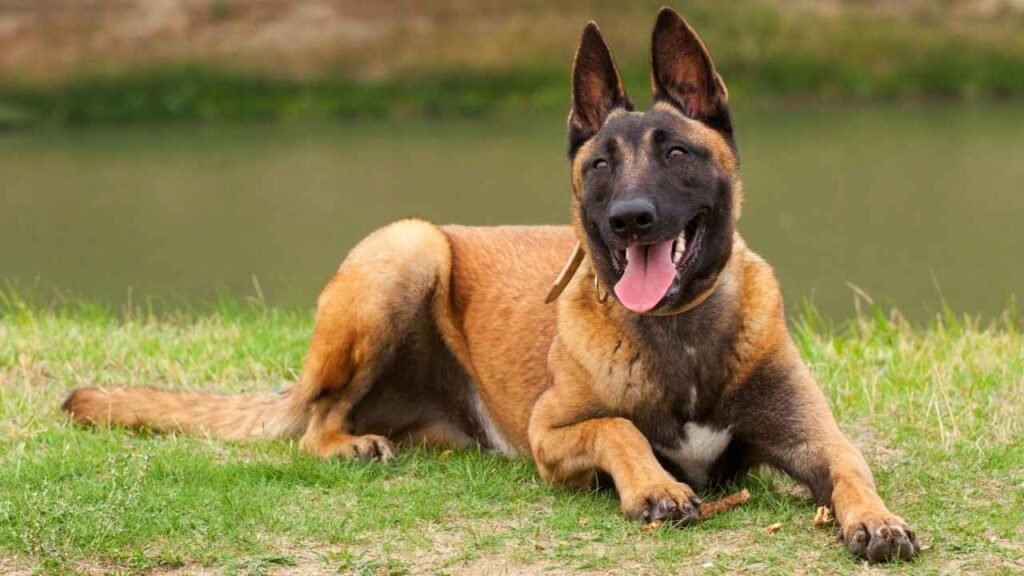
Responsible breeding and appropriate health screening can help identify potential risks. Regular veterinary care is also important for monitoring their long-term health.
Hip and elbow dysplasia
Progressive retinal atrophy (PRA)
Cataracts
Persistent pupillary membrane
Pannus
Hemangiosarcoma
Anesthesia sensitivity
Conclusion
The Australian Cattle Dog and Belgian Malinois are both intelligent, athletic working breeds, but they differ in size, temperament, training needs, and daily care.
Australian Cattle Dogs excel at independent herding, while Belgian Malinois thrive when working closely with their handlers. Both need plenty of exercise, mental stimulation, consistent training, and proper socialization to stay happy and well-adjusted.
Before choosing between these breeds, consider your activity level, experience with dogs, and ability to meet their demanding needs.
Research reputable breeders, ask about health screenings, and spend time learning about each breed’s personality. The best working dog isn’t necessarily the strongest or fastest—it’s the one whose instincts, energy, and working style fit your life.
