




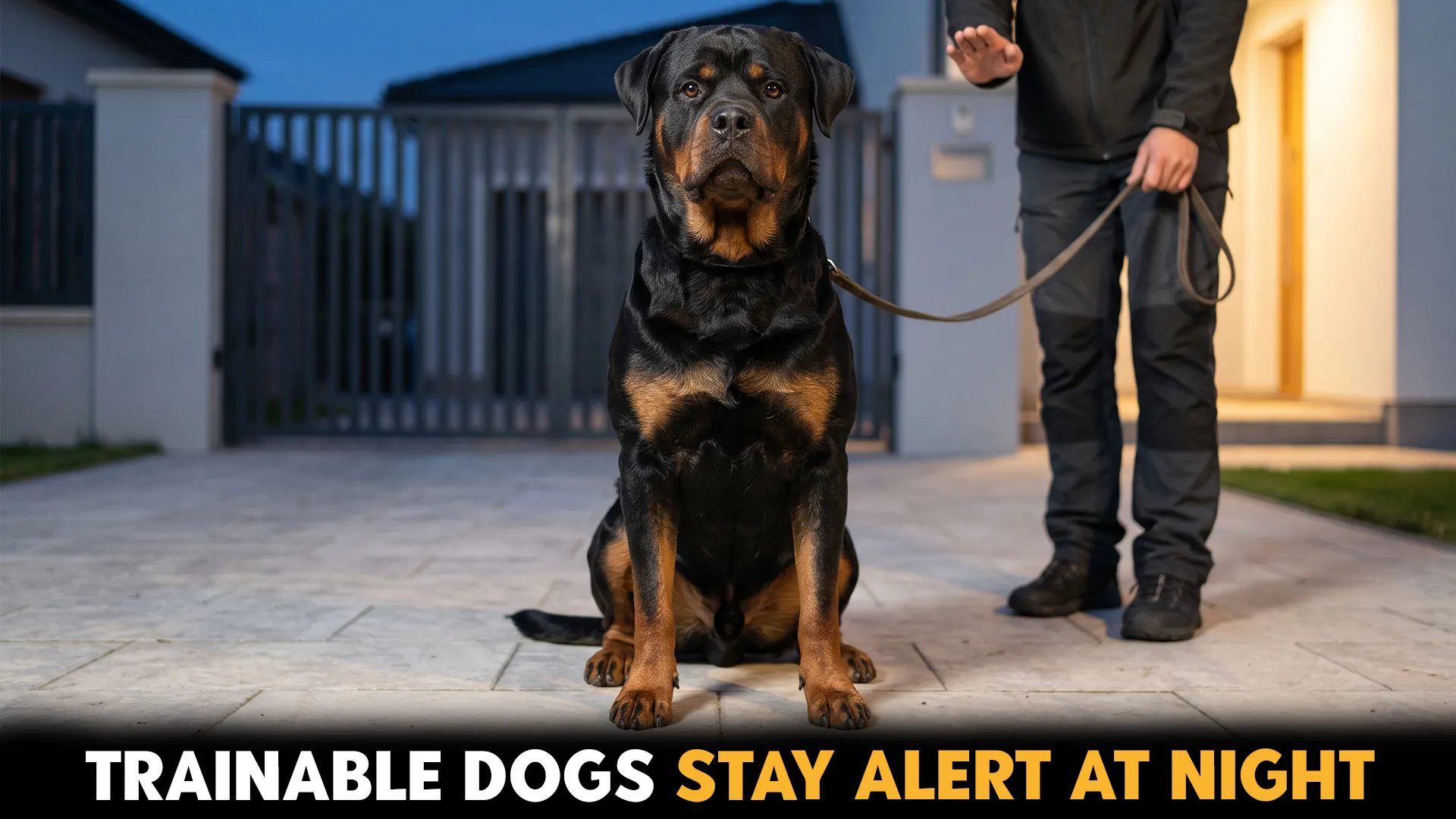
When the neighborhood goes quiet, the lights go off, and every random sound suddenly feels more suspicious, a watchful dog can bring an extra sense of awareness to the home.
The best night-time protection dogs are not animals trained to launch themselves at anything that moves; they are stable dogs that notice unusual activity, alert their owners, follow commands, and settle when told everything is okay. Basically, you want a responsible security teammate, not a furry chaos generator with trust issues.
The top dog breeds you can train for night-time protection bring serious protective potential, but none comes with a security system pre-installed and perfectly calibrated.
Top Dog Breeds You Can Train for Night-Time Protection
1. Belgian Malinois
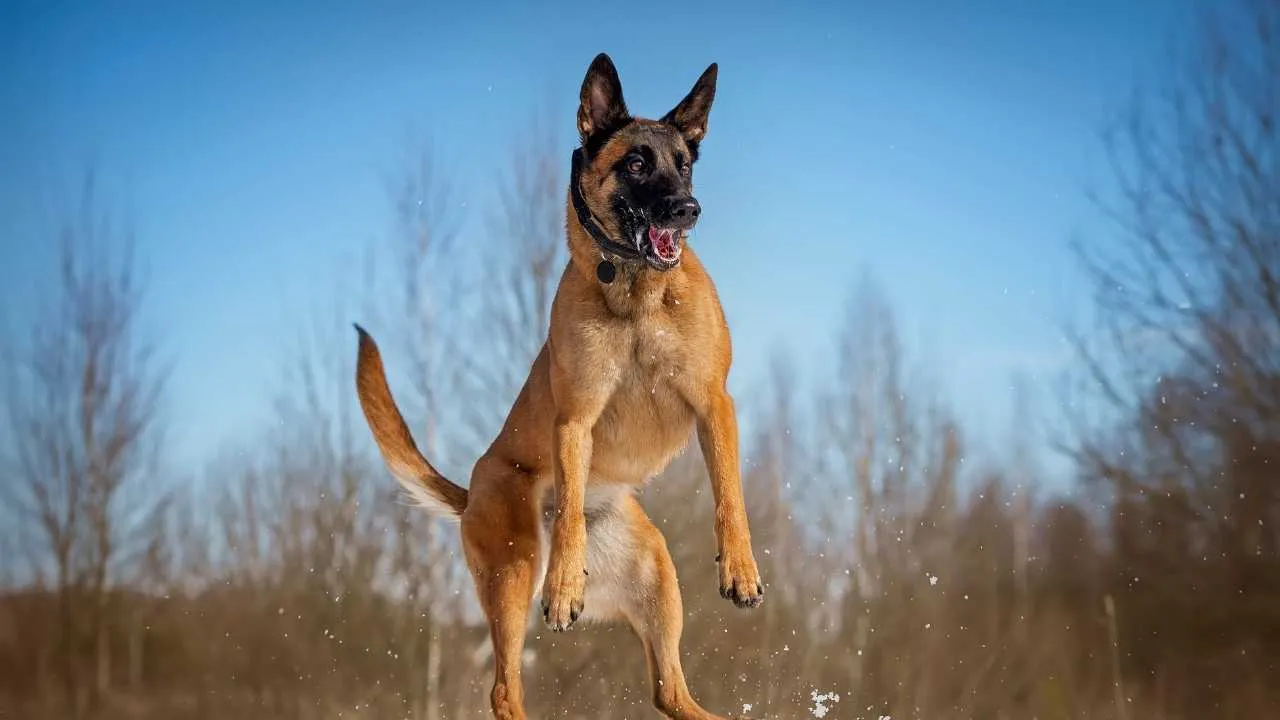
The Belgian Malinois is basically what happens when someone combines an athlete, an honor student, and an extremely committed employee into one lean canine body. Developed from Belgian shepherd dogs, the Malinois is highly intelligent, people-oriented, protective, and intensely driven to work, traits that have made the breed prominent in police and military K-9 roles.
For night-time home awareness, start by teaching it what normal night sounds actually are. Take calm evening walks, practice obedience near parked vehicles and moving shadows, reward neutral responses to neighbors, and introduce sounds such as doors closing, gates rattling, footsteps, and distant voices at a manageable intensity.
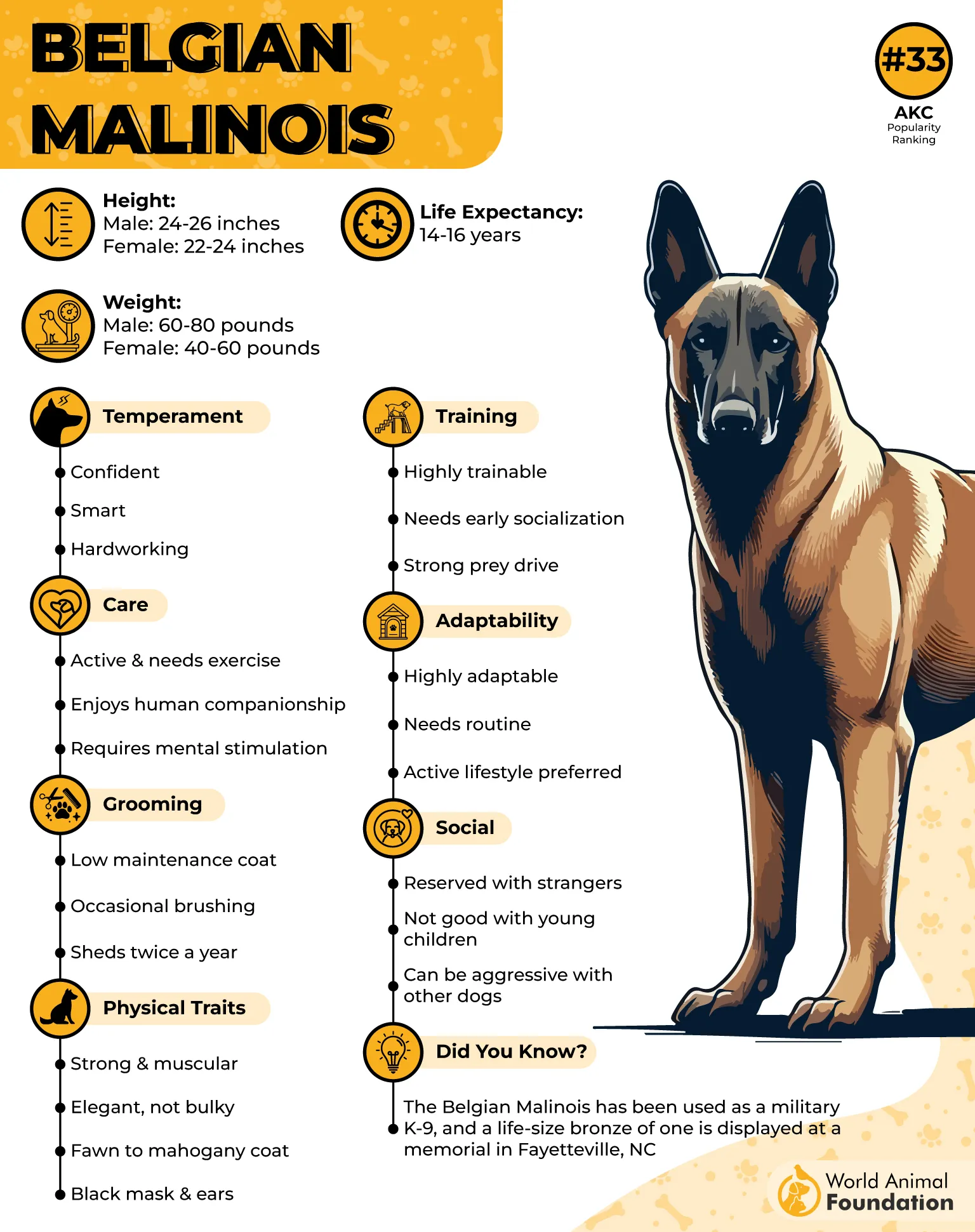
A useful home routine is alert, check, settle. Allow the dog to notice an unusual sound and give an appropriate warning, then call it back to you, reward the response, and send it to a designated bed or “place” until released.
Doorway and perimeter manners are equally important because a Malinois can move from zero to athletic masterpiece extremely quickly. Train waits at doors, checks in automatically with the handler, reliably recalls, walks calmly on a leash, and responds immediately to cues such as “leave it,” “come,” and “place,” especially after dark.
2. Cane Corso
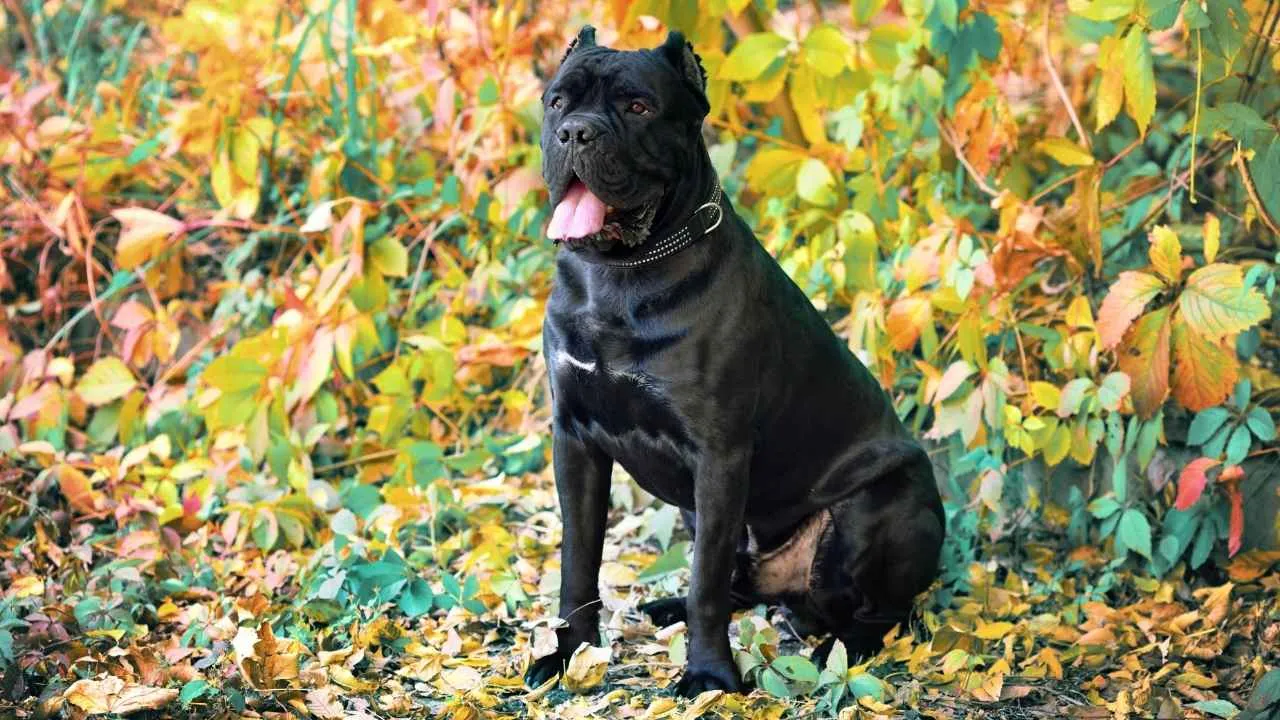
The Cane Corso looks as if it were designed specifically to make someone reconsider whether trespassing was truly essential to their evening plans. Its name is commonly linked with the idea of a “bodyguard dog.” The AKC characterizes the Corso as intelligent, highly protective, trainable, and naturally serious about its household.
Nighttime preparation should start with boringly reliable obedience, because boring is underrated when the dog beside you weighs as much as some adult humans. Practice leash control, down-stays, door waits, recalls, place work, and calm handling until responding to you becomes more automatic than reacting to the environment.
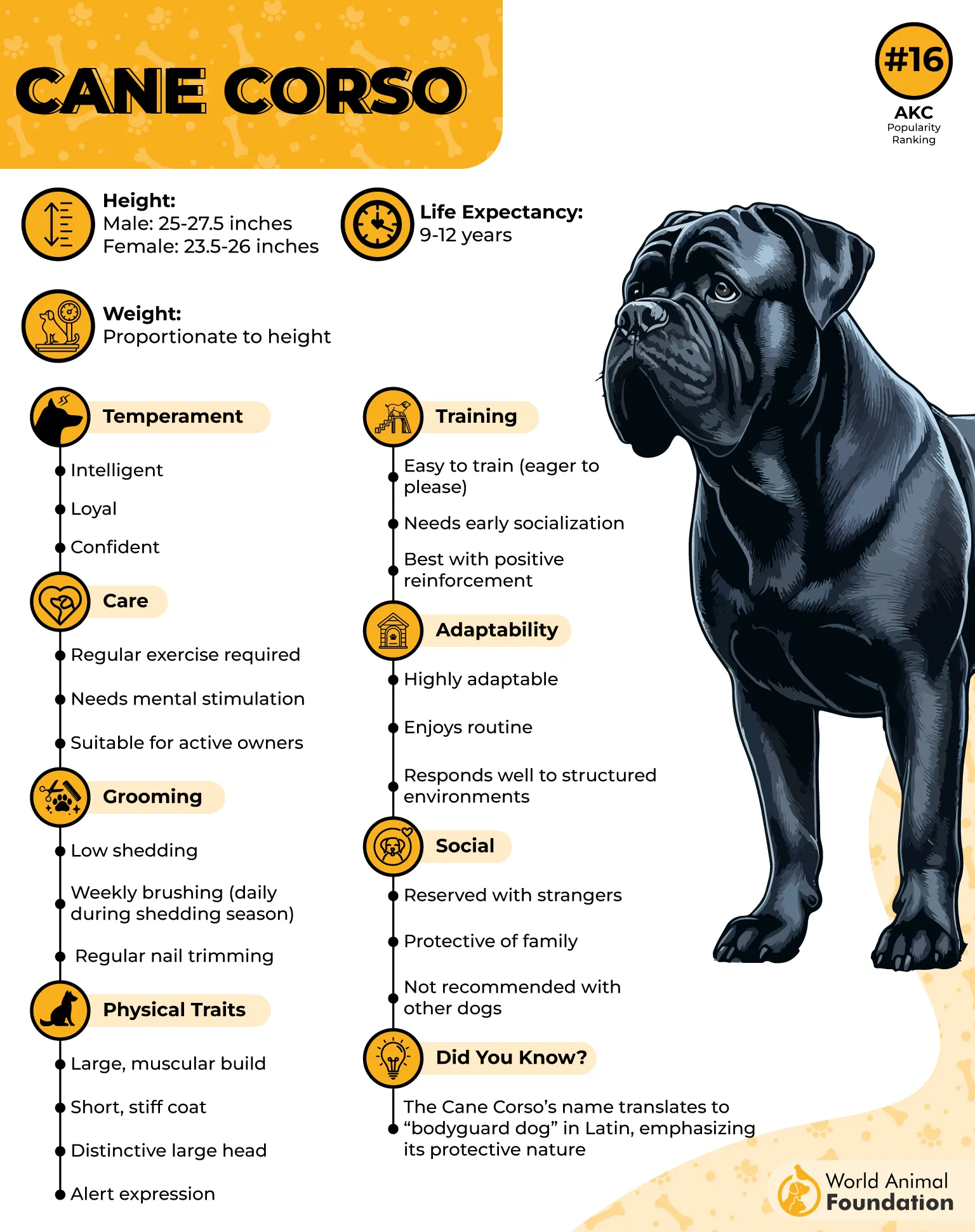
Controlled visitor training matters especially with this breed because they are naturally less welcoming toward strangers. Introduce invited visitors through structured routines in which the dog remains behind a gate, on leash, or in its place until you signal acceptance, then reward calm behavior rather than suspicious fixation.
Mental work should also be part of the evening schedule, rather than relying solely on physical presence to foster good security behavior. Tracking games, scent searches, obedience patterns, and structured property walks let it use its brain before settling for the night.
3. Rottweiler
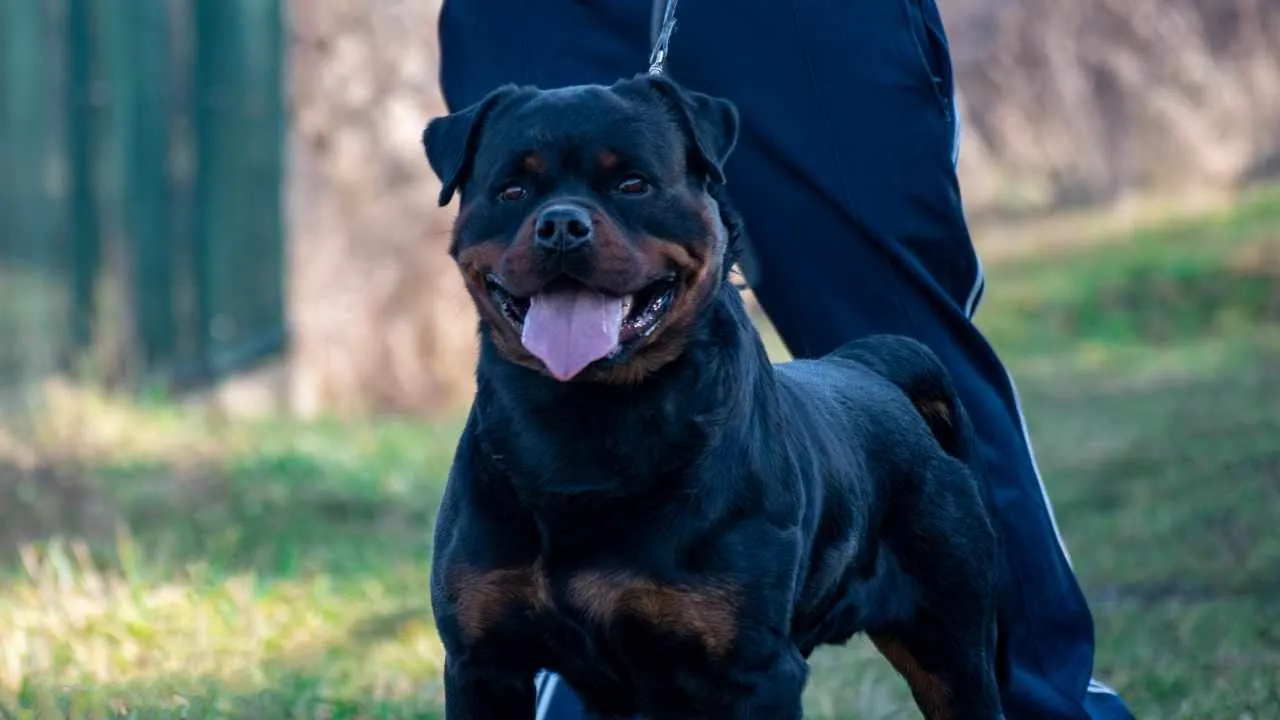
Rottweilers bring a combination of physical presence and surprisingly goofy family affection that makes them one of dogdom’s great personality plot twists. The breed is known for strength, intelligence, confidence, and natural territorial awareness.
For nighttime protection, teach the Rottie to use its first reaction to gather information rather than confront. Evening walks can include calm pauses near gates, cars, shadows, and normal foot traffic while the dog earns rewards for looking back at you instead of locking onto whatever caught its attention.
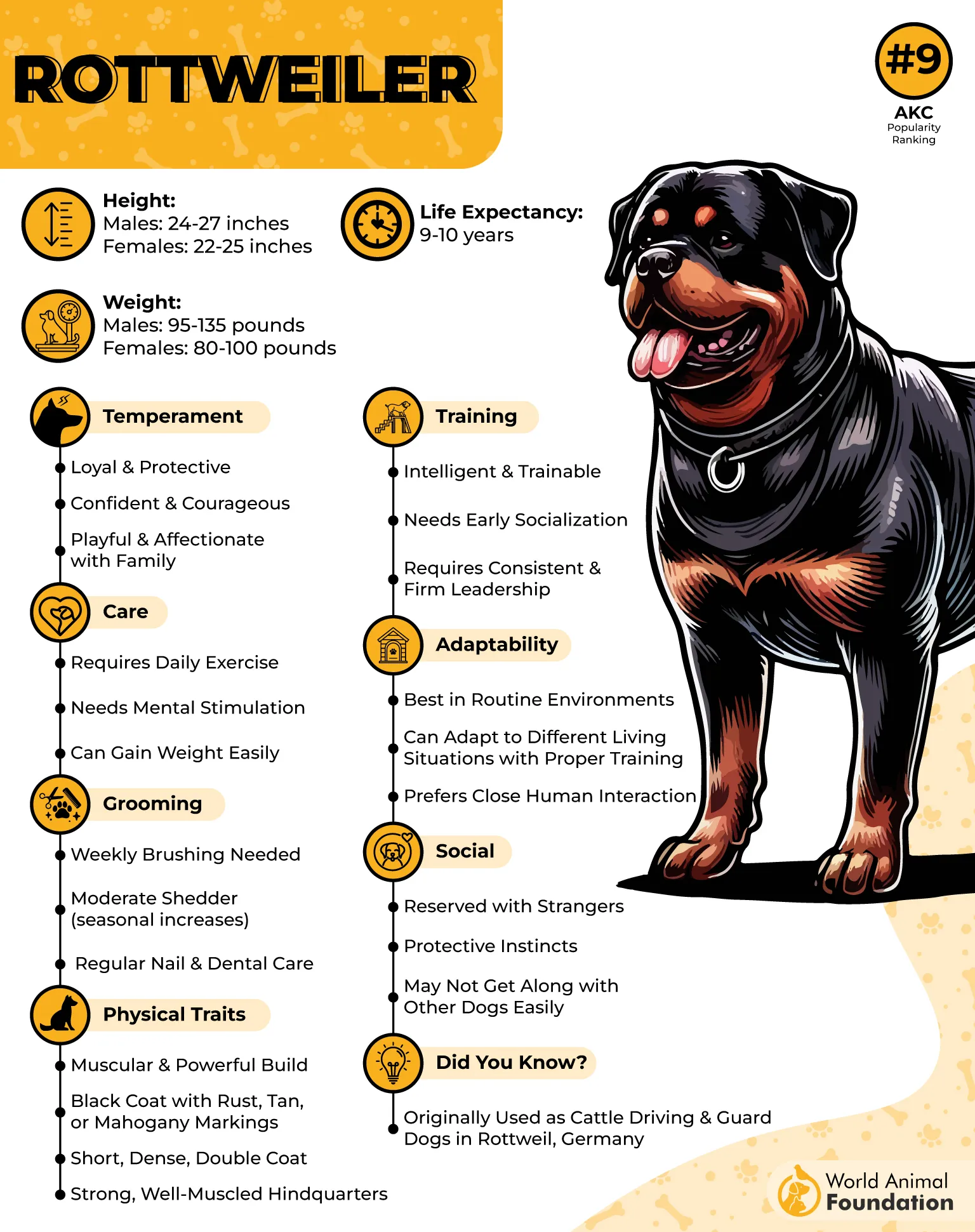
A reliable “place” cue is especially useful with a large territorial dog. Practice sending your Rottweiler to a mat or bed when someone knocks, when an alarm sounds, or when you walk to the door, gradually increasing distractions until the dog can remain there while you assess the situation.
They also need exercise before anybody expects them to deliver zen-level evening behavior. Walking, swimming, tracking, obedience, and other structured activities suit their athletic build and working mind.
4. Akita
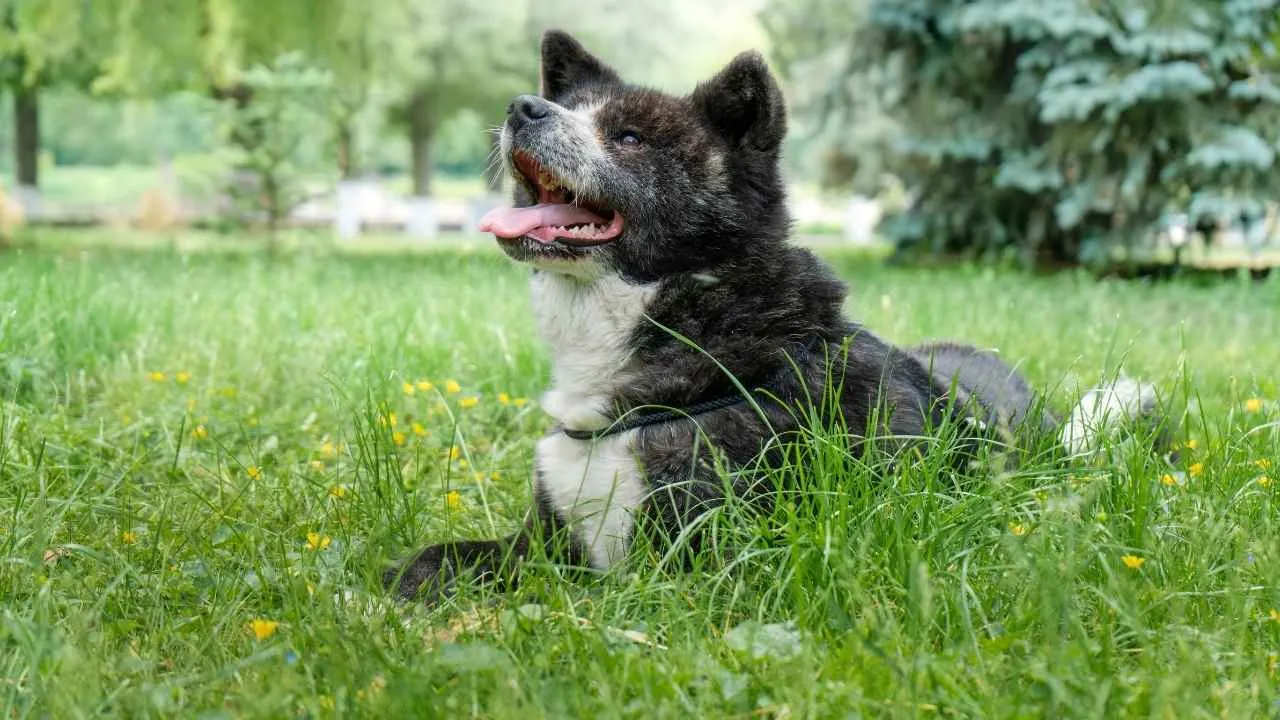
The Akita delivers protection with a very different vibe: less “tell me what to do next” and more “I have already noticed the situation and opened an internal investigation.” This ancient Japanese breed is famous for dignity, courage, loyalty, and a strong instinct to protect family.
Because Akitas are independent thinkers, night training should revolve around predictable rules rather than endless repetition. Practice the same evening behaviors daily—wait before crossing the front door, walk calmly along the property boundary, return immediately when called, and settle in a designated indoor location after the final check.
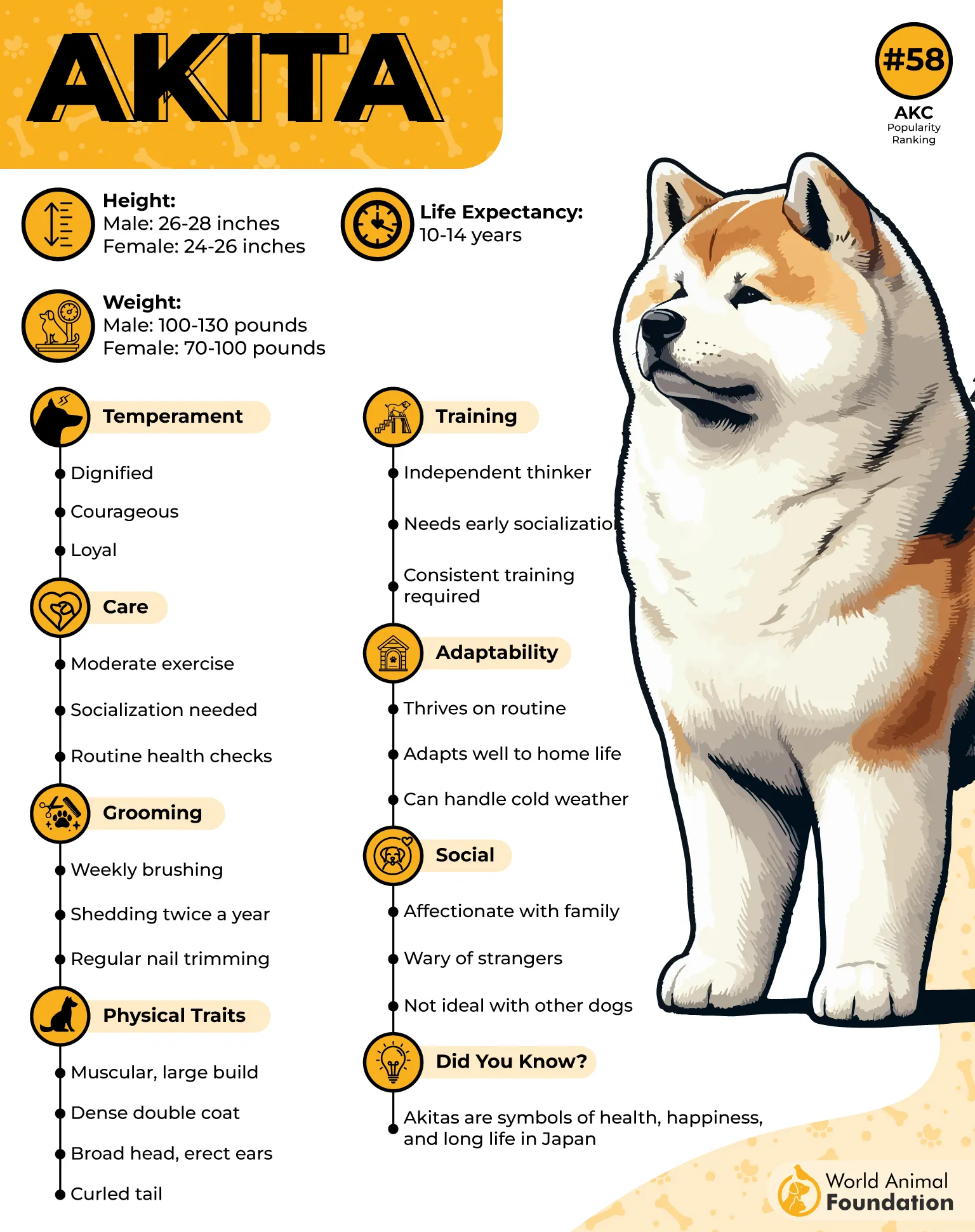
Socialization is especially important because a naturally reserved dog does not need extra encouragement to distrust unfamiliar people. Expose an Akita puppy safely to visitors, maintenance workers, vehicles, delivery sounds, other dogs, different clothing, and ordinary nighttime activity while rewarding calm observation.
Training should also prioritize disengagement because visually monitoring something can become fixation in a serious guardian breed. Build strong “leave it,” “come,” name-response, and eye-contact cues in easy situations before gradually practicing in more distracting situations.
5. Anatolian Shepherd Dog
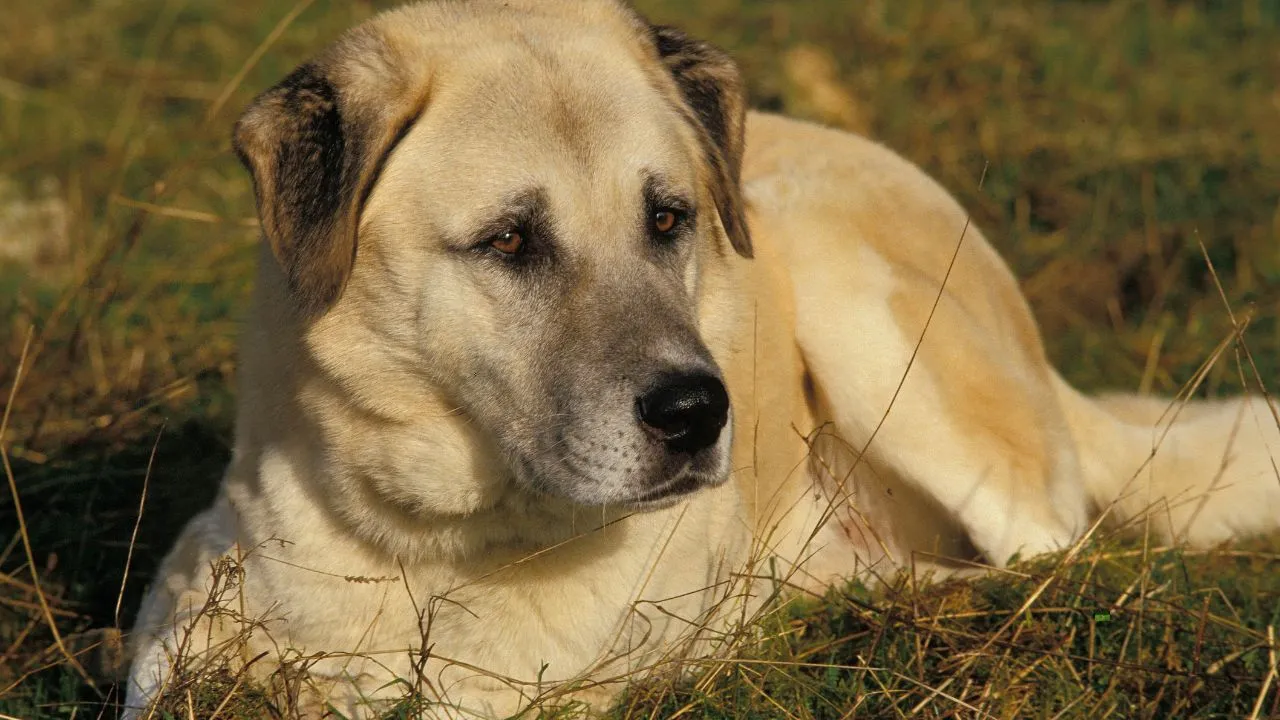
The Anatolian Shepherd Dog makes most ordinary watchdogs look slightly underqualified because protecting vulnerable animals from predators was literally its full-time ancestral job. They are protective, territorial, intelligent, patient, and profoundly loyal, with a guarding instinct deeply ingrained in the breed.
That history changes how night-time training should work because this Shepherd dog is not naturally designed to wait for instructions about every little thing. Livestock guardians traditionally operated away from direct human supervision, deciding for themselves whether something approaching the flock represented a problem.
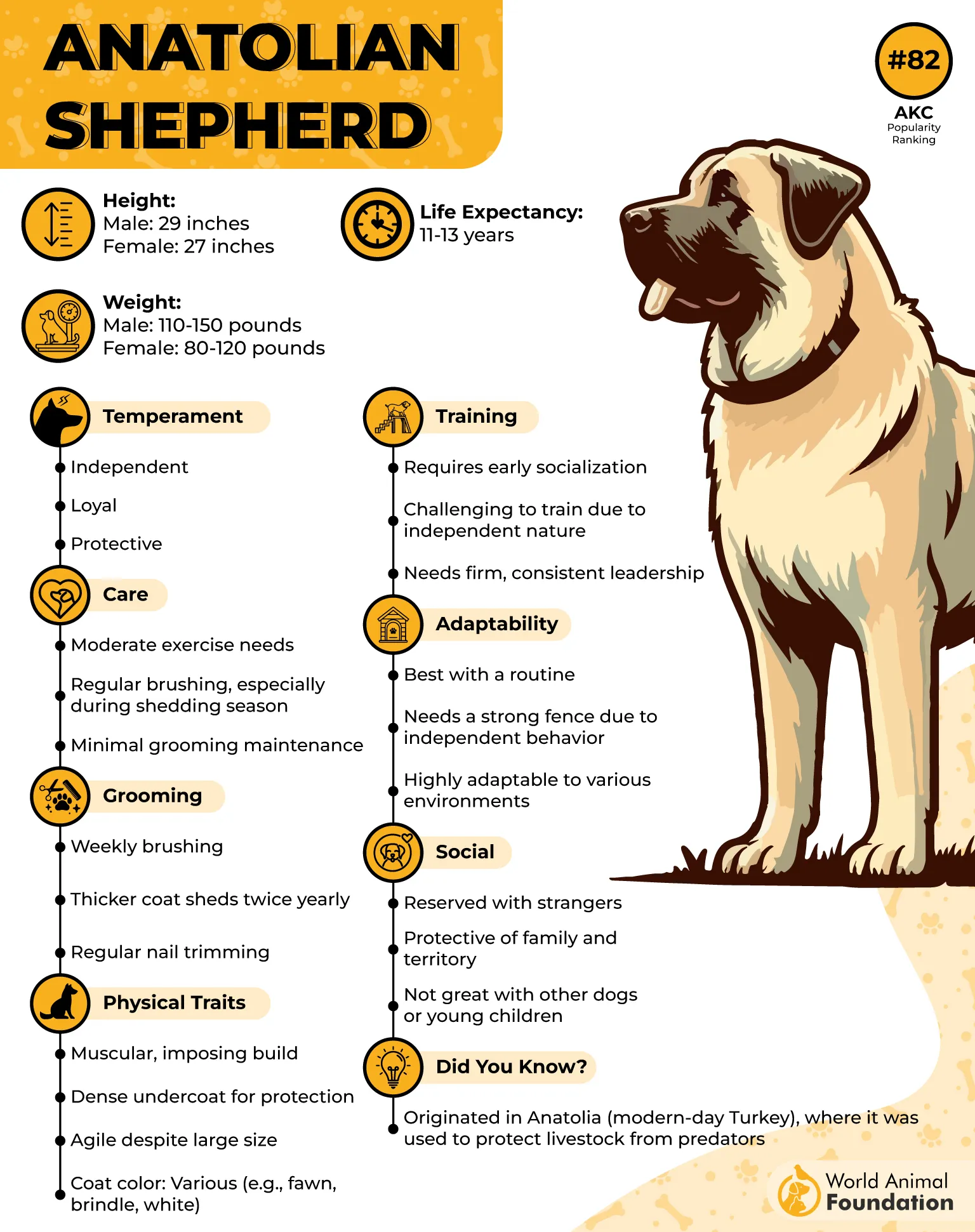
For a household, the priority should therefore be boundaries and management rather than trying to create additional guarding drive. Secure fencing, reliable leash behavior, gate manners, recall practice, and a clear place to settle indoors are essential. In contrast, nighttime patrol behavior should occur with the owner rather than leaving the dog to define an ever-expanding territory.
Teaching a calm response to this personal protection dog to ordinary nocturnal activity is another major project. Walk the property on leash while rewarding the Anatolian for checking in after hearing wildlife, cars, neighbors, or distant dogs, then end the routine with a predictable cue that means guarding time is over and relaxation begins.
6. Rhodesian Ridgeback
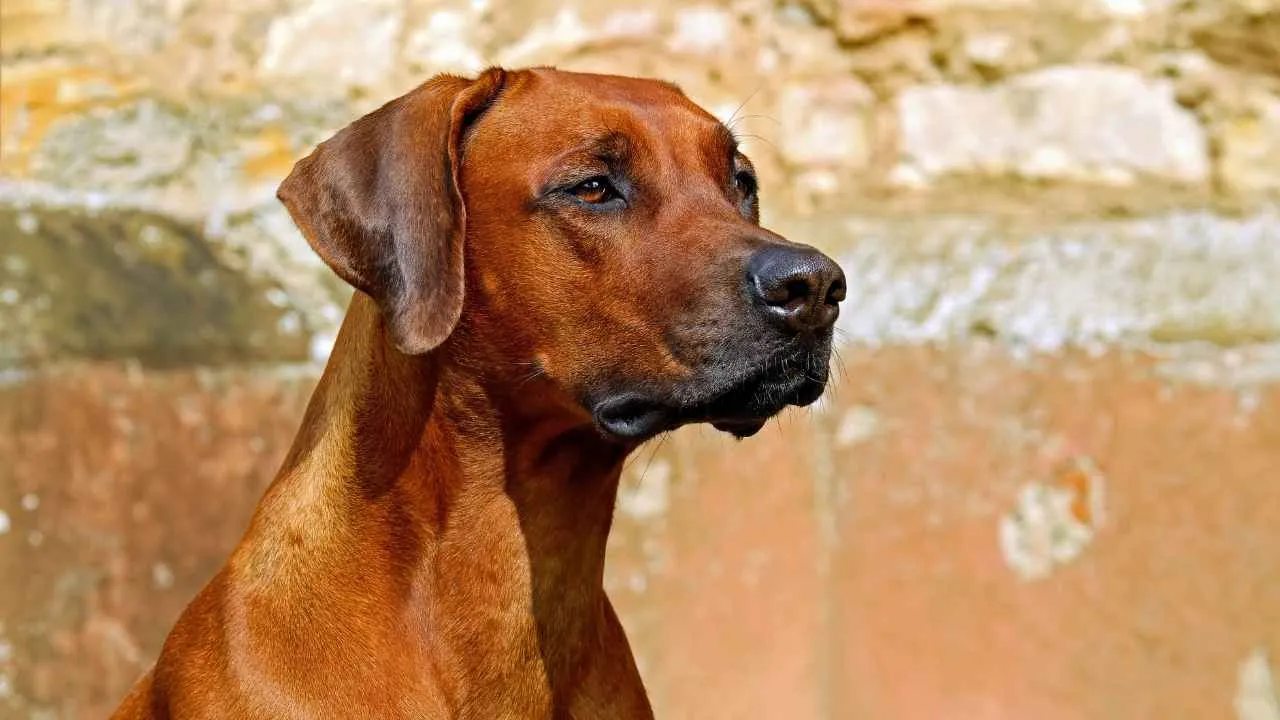
The Rhodesian Ridgeback has the physique of an athlete and the expression of someone who has already decided whether your idea is worth pursuing. Developed in southern Africa, they became famous for tracking and baying lions rather than killing them, while also helping protect farms and families.
That historical balance of tracking plus holding distance offers a useful lesson for modern home protection: awareness does not require reckless confrontation, says Omlet. Teach a Ridgeback to signal unusual movement or sound, return immediately to you, and maintain position while you handle the situation.
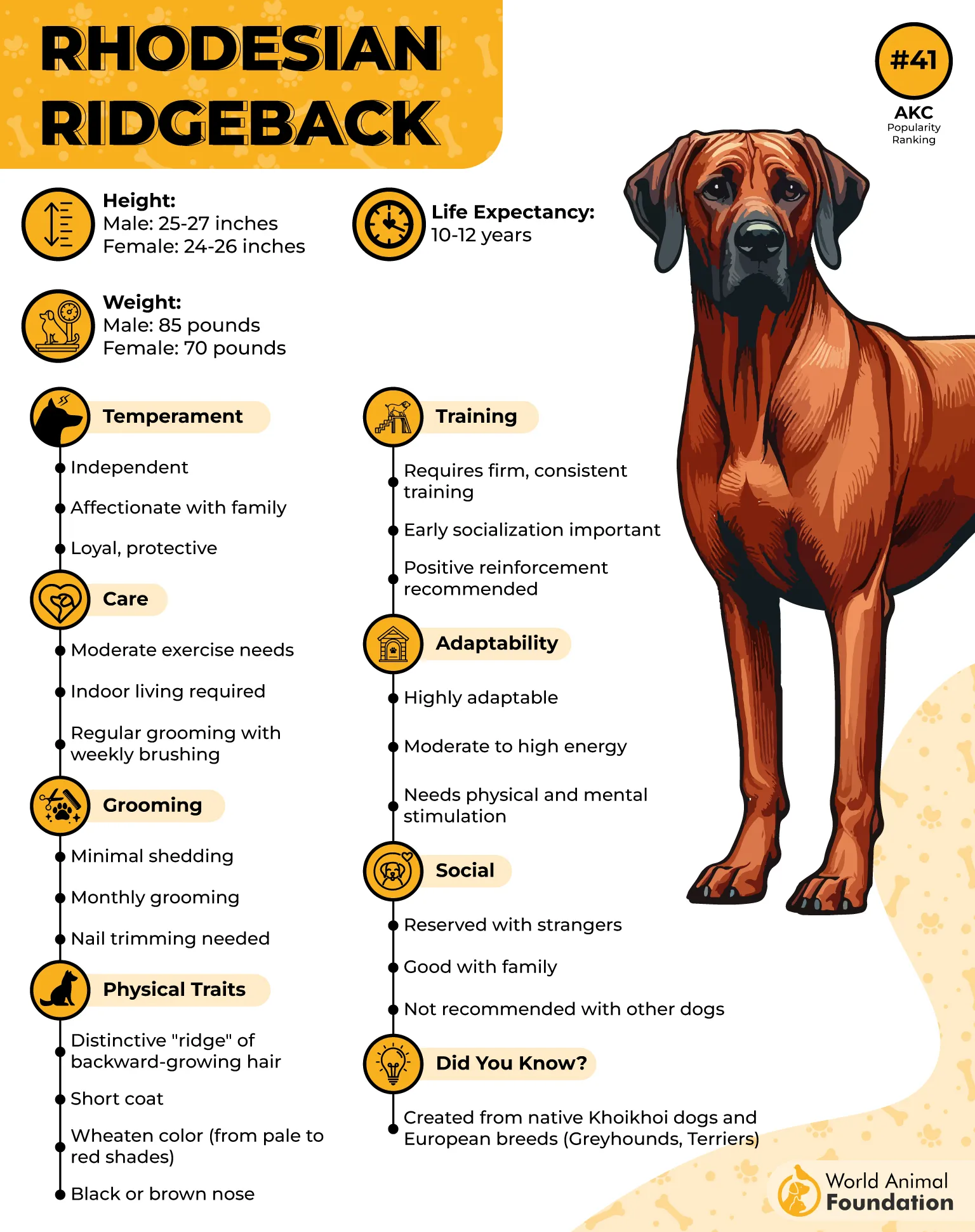
These phenomenal dog breeds for protection benefit from evening scent games because their hunting heritage gives their noses and brains something appropriate to do. Hide a few treats or scented objects around a secure yard, run a short search, then finish with obedience and relaxation indoors so the dog develops a clear transition from “working” to “off duty.”
Secure containment is non-negotiable because strong prey drive can overpower common sense when something small and fast appears in the darkness. Off-leash activity should happen only in safely enclosed spaces, while leash work should emphasize turning away from wildlife, staying beside the handler, and returning attention after sudden movement.
7. Tibetan Mastiff
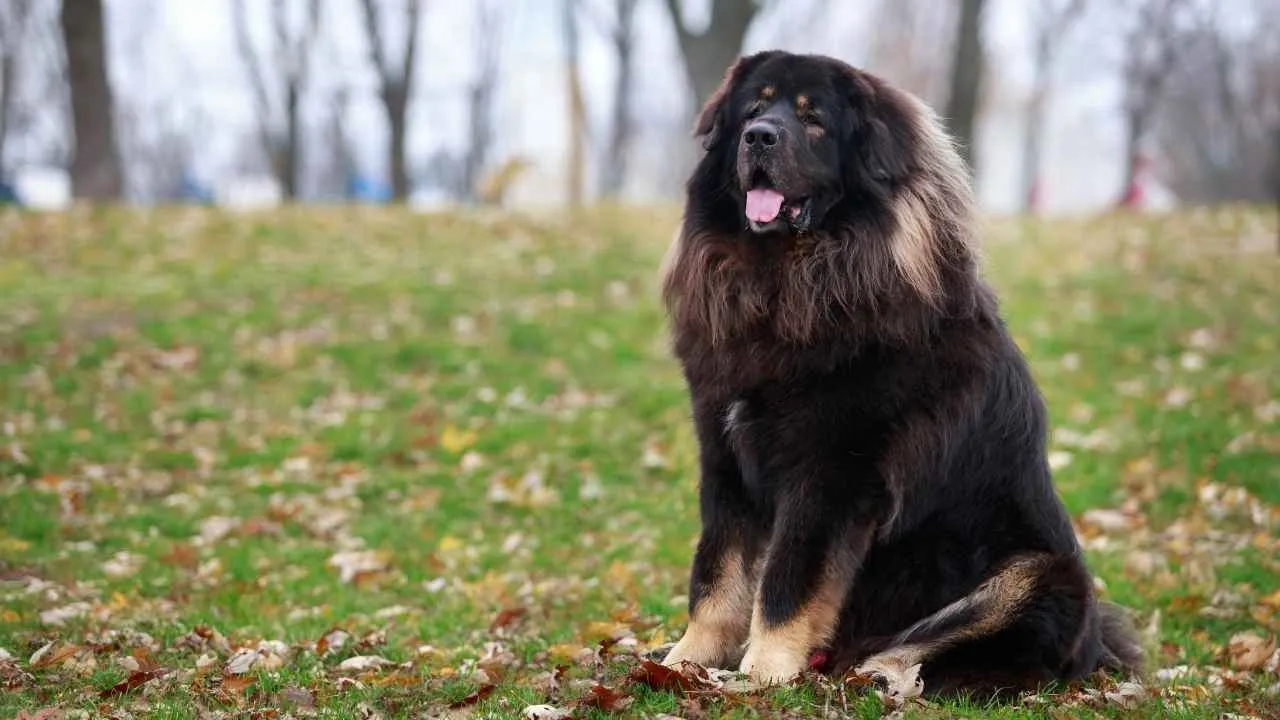
If any breed looks like it has been guarding a mountain fortress since before paperwork existed, it is the Tibetan Mastiff. These excellent guard dogs are massive, heavily coated, and ancient guardians known for watchfulness, territorial instincts, aloofness toward strangers, and intense loyalty to their own families.
Nighttime vigilance is particularly natural for Tibetan Mastiffs, so the biggest training challenge is usually reducing unnecessary guarding rather than creating it. Establish an evening routine in which the dog checks the property with you, returns indoors on cue, and settles behind secure doors or fencing instead of being encouraged to patrol all night independently.
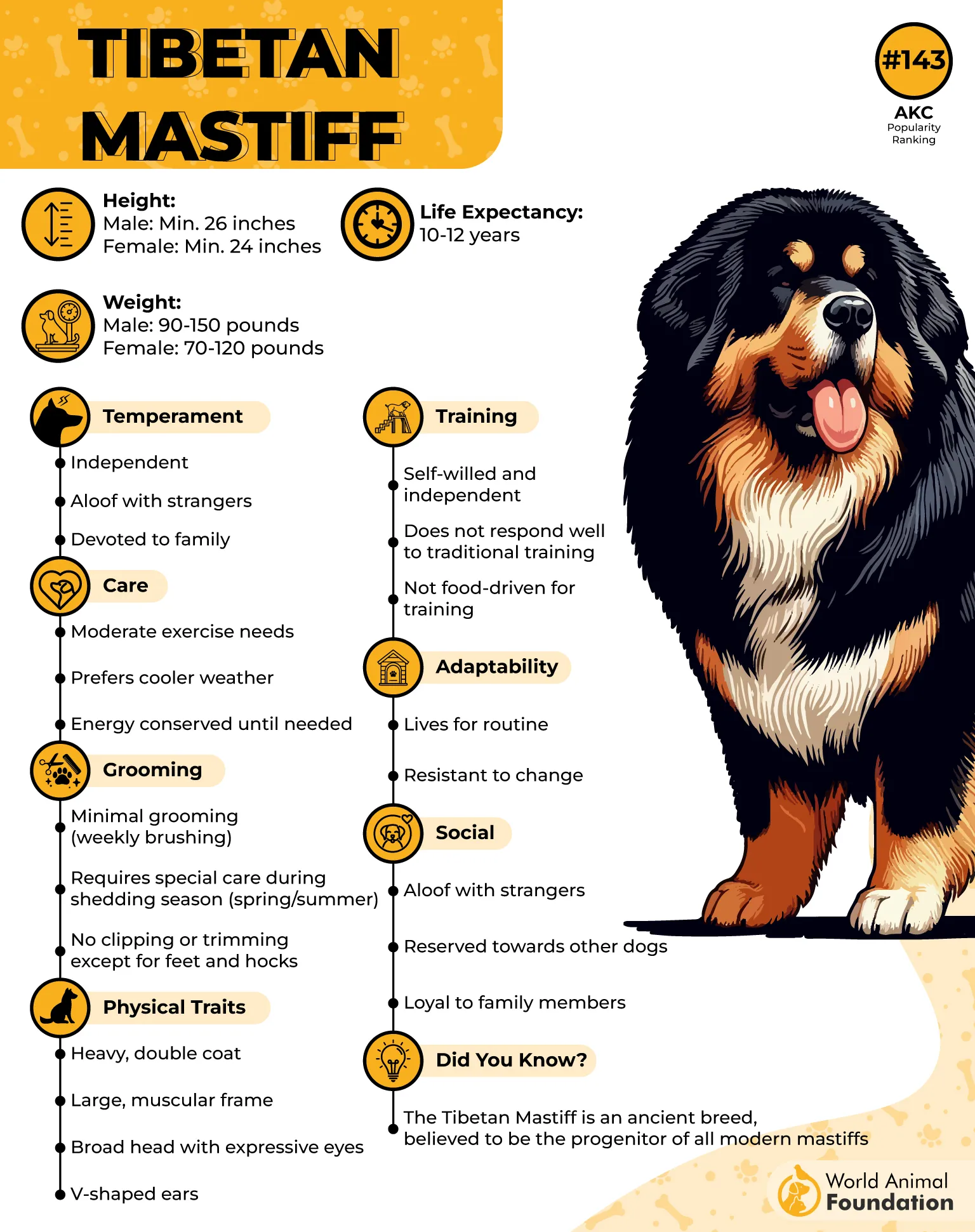
Traditional obedience can be challenging because Tibetan Mastiffs are highly intelligent but notoriously independent. Short, meaningful sessions built around real household routines are therefore more useful than drilling the same command until your Mastiff starts looking like it would like to speak with management.
Visitor acceptance should be carefully structured, especially at night when the dog may be even more suspicious of unfamiliar activity. Keep the Mastiff physically managed as guests enter, reward calm behavior, and teach that the owner—not the dog—decides who is welcome in the home.
8. American Staffordshire Terrier
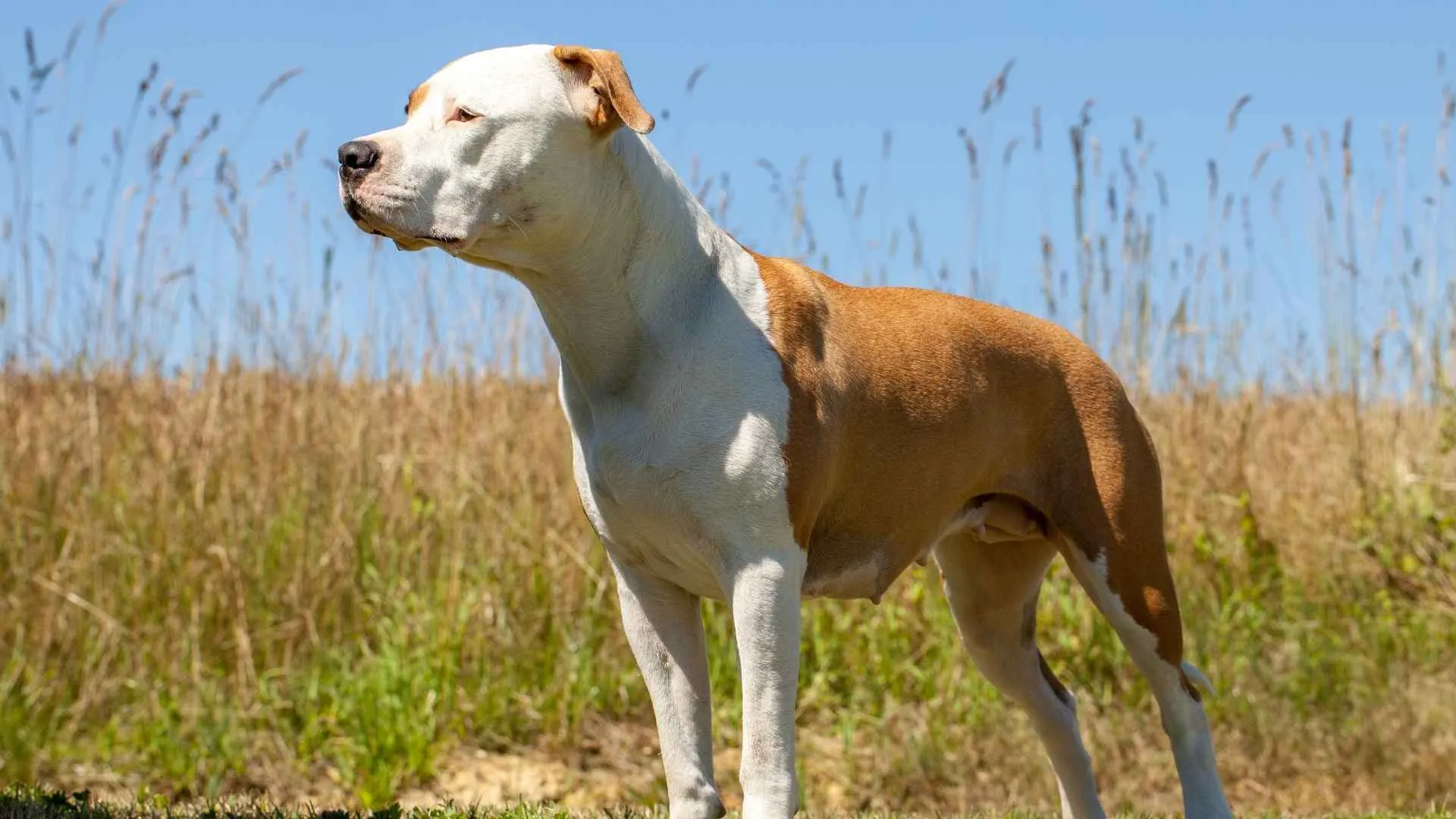
The American Staffordshire Terrier is muscular, confident, people-oriented, and much more trainable than lazy stereotypes sometimes suggest. This guard dog breed’s solid physique can look intimidating, but responsible nighttime protection training should focus on obedience and stability.
A good first goal is a rock-solid “bed” or “place” command. Practice sending the dog to its spot when the doorbell rings, when someone passes the window, and when you move toward the entrance, rewarding calm stays until released.
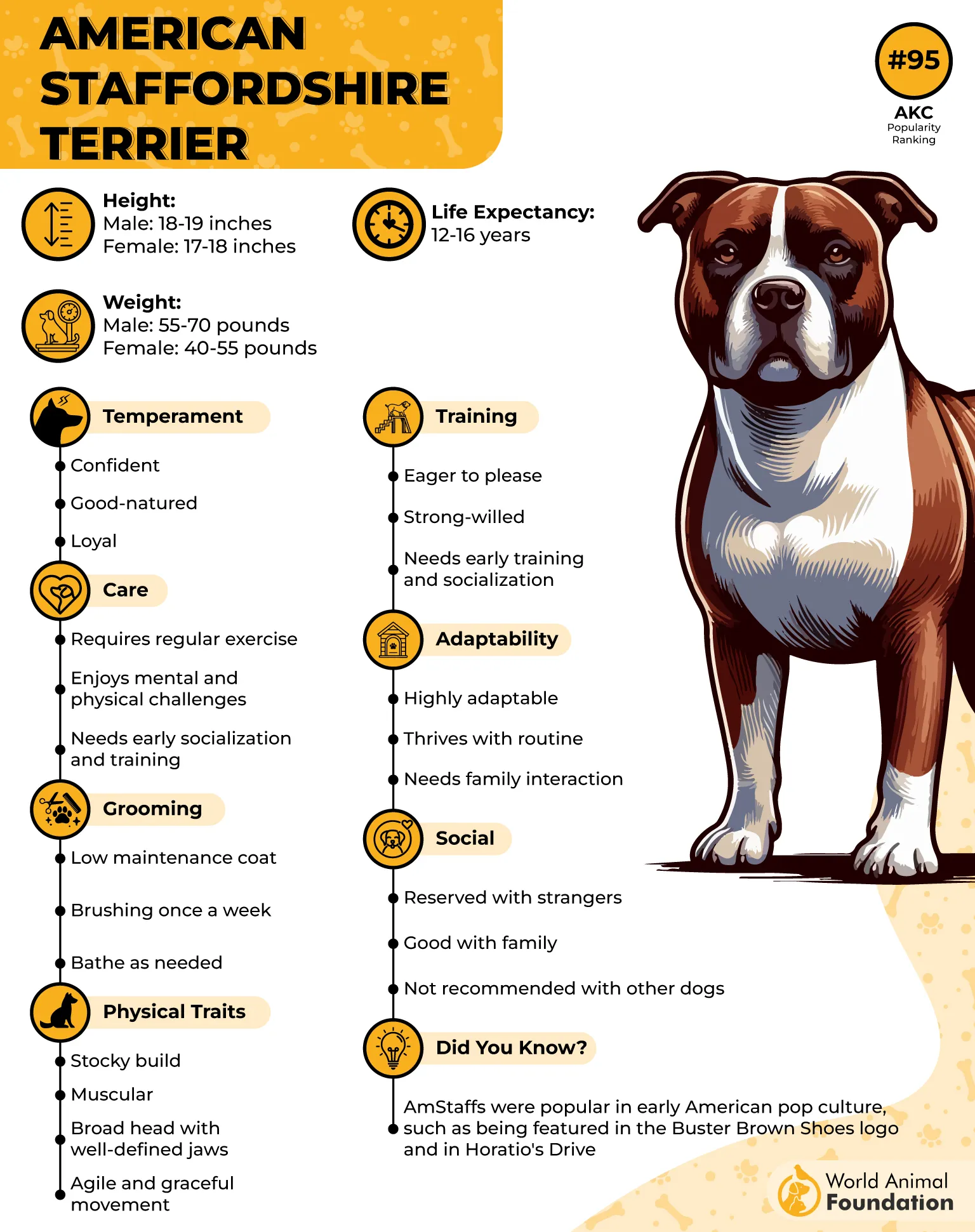
Orvis mentions that they can thrive on advanced training because they combine a strong work ethic with an enthusiastic relationship with their owners. A short evening session of scent work or obedience can lead to better nighttime behavior than repeatedly encouraging the dog to stare suspiciously through a window.
Social neutrality is particularly important with a breed that may be unfairly judged by appearance alone. Teach calm passes around strangers, neutral behavior toward neighbors, comfortable handling, reliable leash manners, and immediate disengagement from exciting situations so the dog becomes an ambassador rather than a headline.
9. Bullmastiff
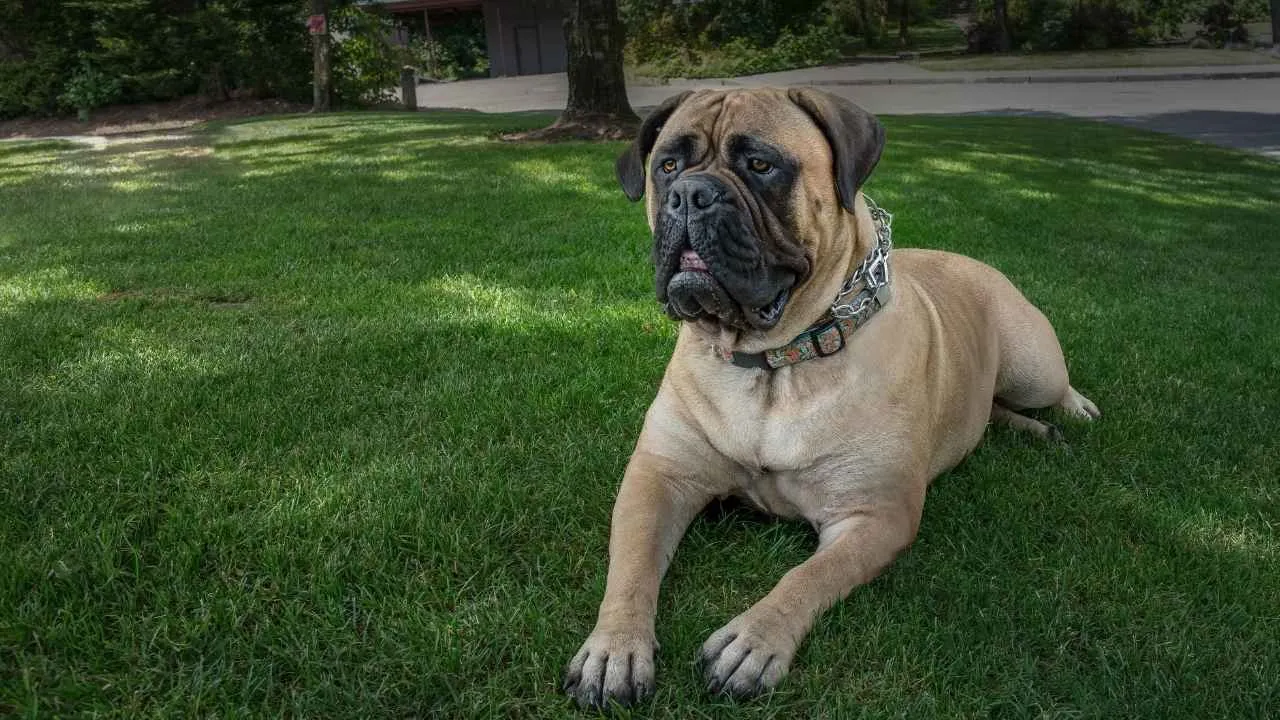
The Bullmastiff is the one breed on this list whose historical résumé practically screams night shift. Developed in 19th-century Britain as the “Gamekeeper’s Night Dog,” these dogs accompanied estate keepers patrolling for armed poachers after dark.
Modern owners should preserve the control part of that heritage and leave historical physical restraint in the history books. Train the Bullmastiff to walk quietly beside you during an evening property check, pause when you stop, return indoors on cue, and settle somewhere with a clear view of the main entrance.
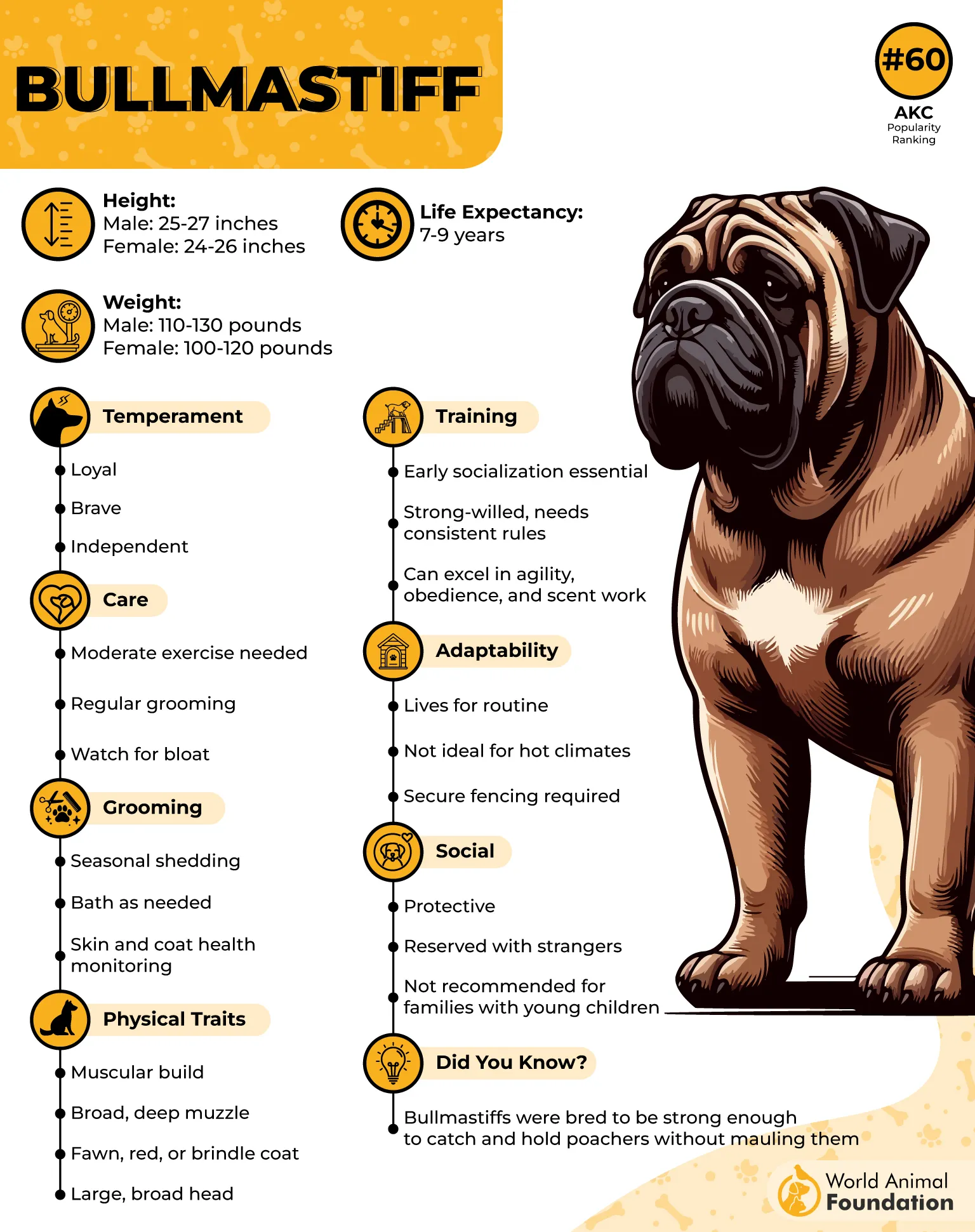
One major advantage, according to the Royal Kennel Club, is that Bullmastiffs are relatively quiet compared with many guardian breeds. They are fearless while working but docile at home, and history shows they tend to rely on their presence rather than constant barking.
Impulse-control training remains essential because these best guard dogs have a natural protective instinct. Door waits, leash manners, recalls, calm greetings, “leave it,” and patient stays should begin while the dog is young enough that accidentally being body-checked during practice is still more comedy than medical event.
10. German Shepherd
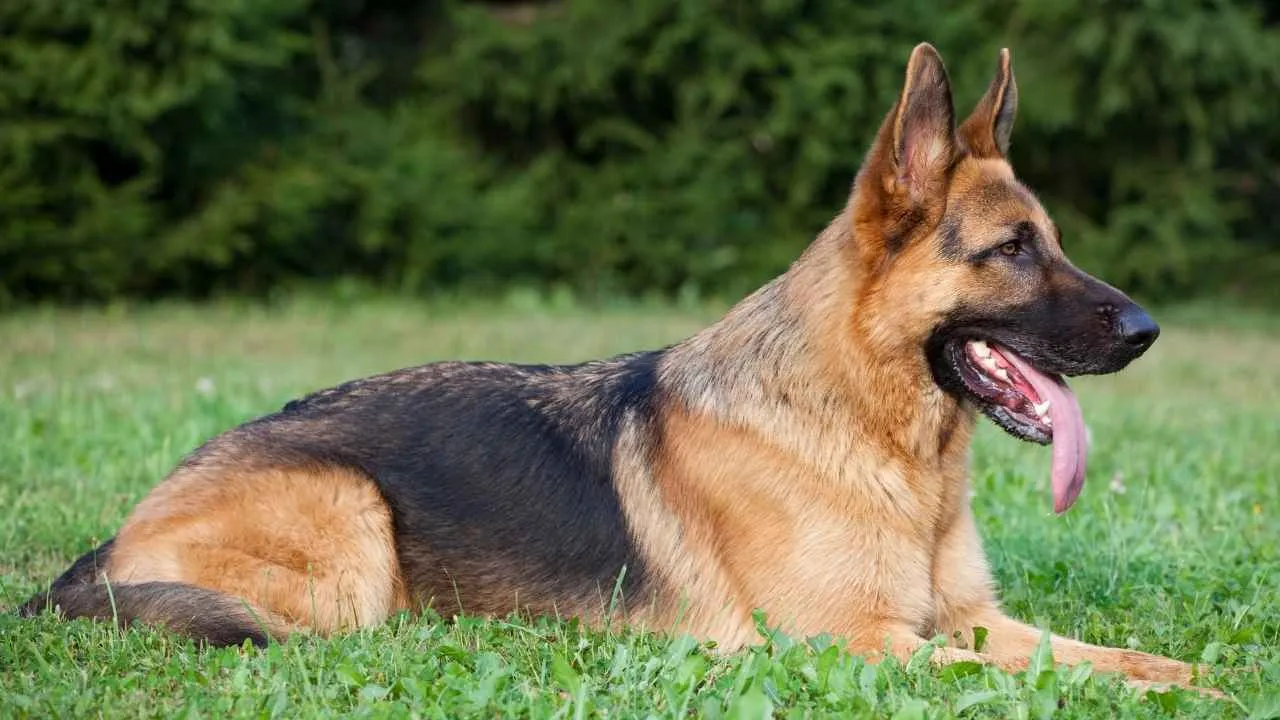
The German Shepherd Dog is probably the breed most people picture when somebody says “trained protection dog,” and there are solid historical reasons for that association. Bred for intelligence, working ability, and versatility, these guard dogs eventually became prominent in police, military, service, and tracking roles.
For ordinary home night security, begin with the skills that make professional working dogs useful: attention and obedience. Practice heel, recall, down-stay, place, door boundaries, emergency turns, and a quiet cue in daylight before gradually repeating them during evening walks and low-light conditions.
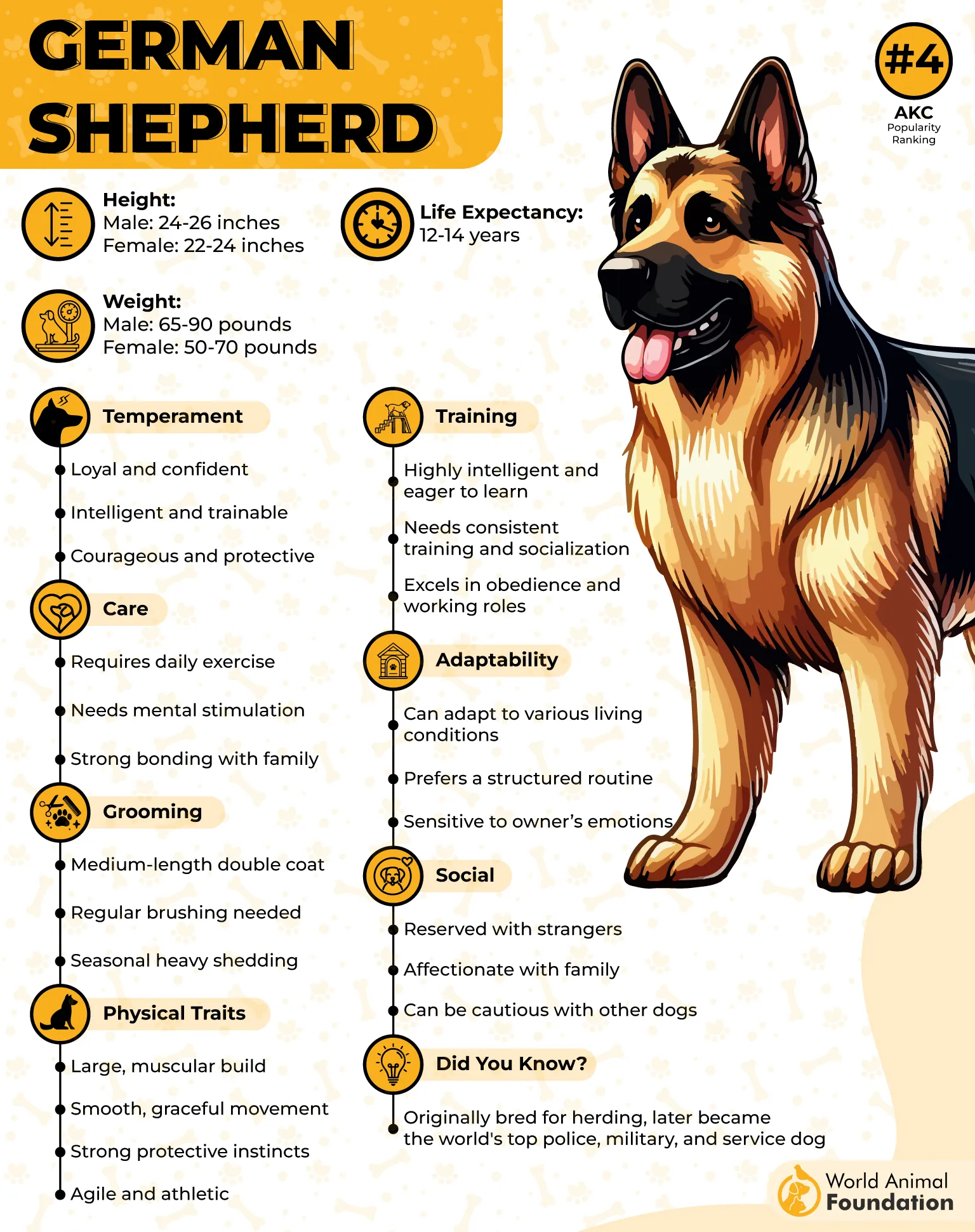
German Shepherds also benefit enormously from environmental confidence exercises when compared to other pets. Walk calmly across different surfaces; practice around umbrellas, hoods, bicycles, gates, flashlights, sudden sounds, and people appearing at a distance; always reward recovery and focus rather than encourage suspicion.
GSD’s intelligence means owners can create sophisticated but completely nonviolent protection routines. For example, the Shepherd can learn to alert, return to the handler, move to a designated position, remain there while the owner checks cameras or contacts help, and then relax on release. Deliberately developed for unusual trainability and protective instincts.
Conclusion
Nighttime protection should never mean creating a dog that believes darkness permits it to become aggressive. The most valuable guardian is a confident animal that notices unusual activity, communicates with its owner, obeys immediately, and settles once the situation is resolved. In real life, control is the protection feature.
Whichever breed you choose, start with relationship, socialization, proper training, and obedience before even thinking about “protection.” Teach the dog to notice, alert, return, hold position, and disengage, then reinforce those skills until they remain reliable in darkness, amid distractions, and in response to unexpected noises.
