




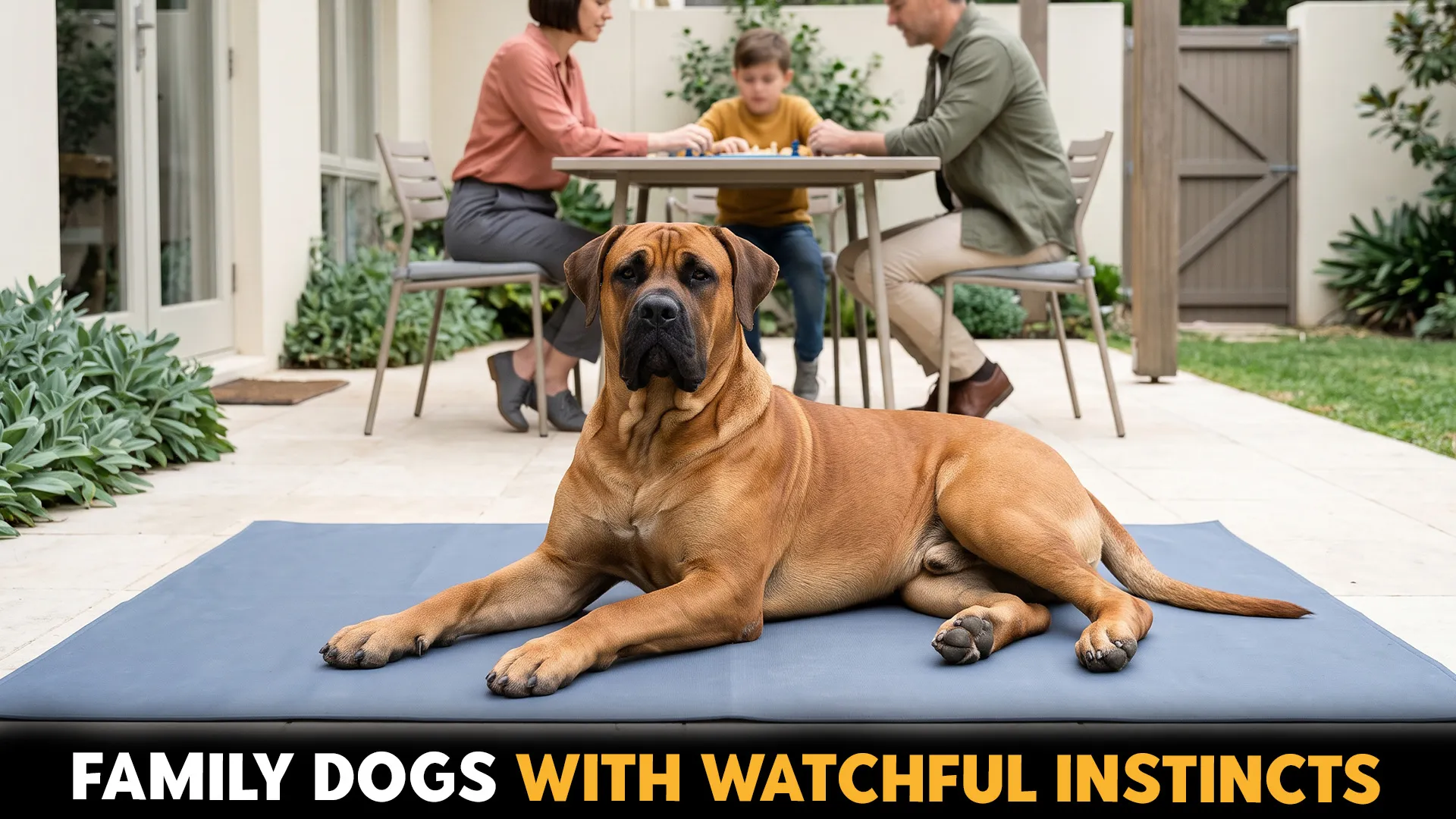
Ever wonder why some of the biggest dogs are also the calmest ones in the room? It seems like a contradiction, but it’s actually one of the most requested combinations from families searching for a loving companion.
The truth is, naturally protective doesn’t have to mean high-strung or unpredictable. With proper training and early socialization, a stable temperament and genuine watchfulness can live together beautifully in the same dog.
Finding the right breed for your family’s lifestyle means understanding what protective instincts actually look like day-to-day, not just what looks intimidating on paper.
So what does a truly effective guard dog breed look like up close? Keep reading, because the list might surprise you.
Top Calm and Protective Dog Breeds for Families
1. Newfoundland
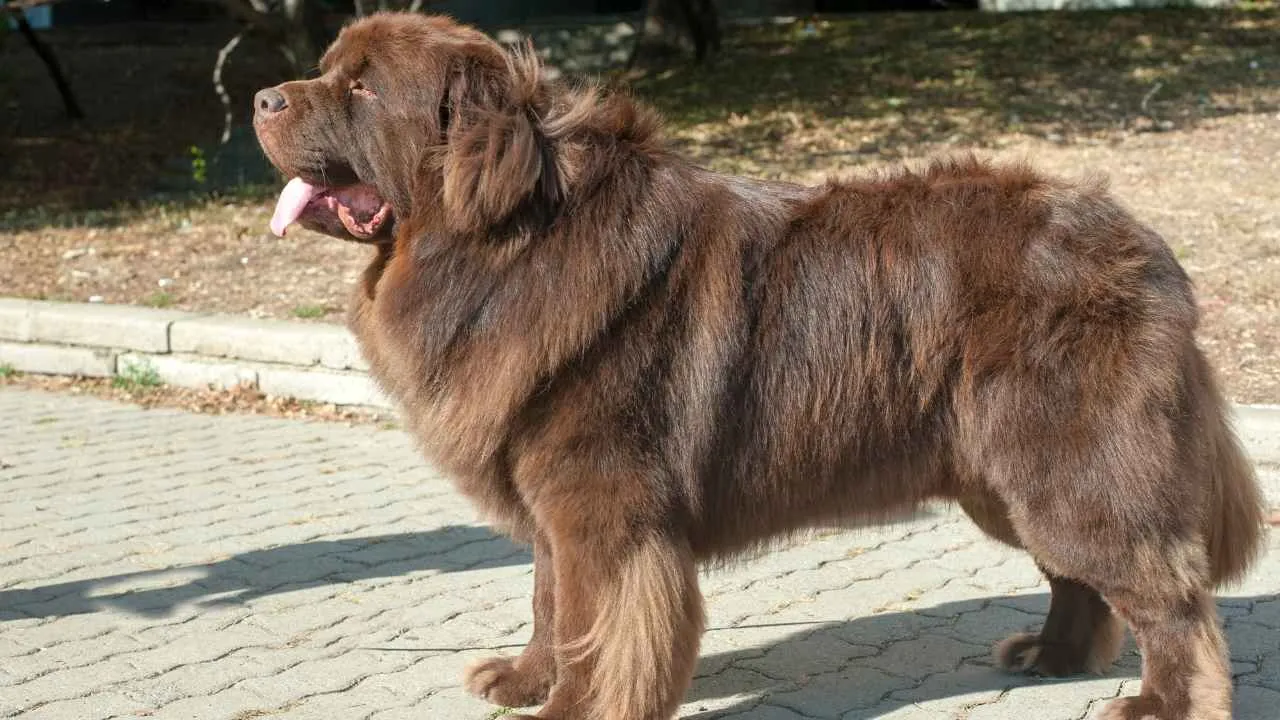
Guard dog breeds don’t all bark first. The Newfoundland keeps watch quietly, pairing a calm demeanor with natural protective instincts that suit any family protection dog search. The American Kennel Club calls this gentle giant a patient, devoted companion by nature.
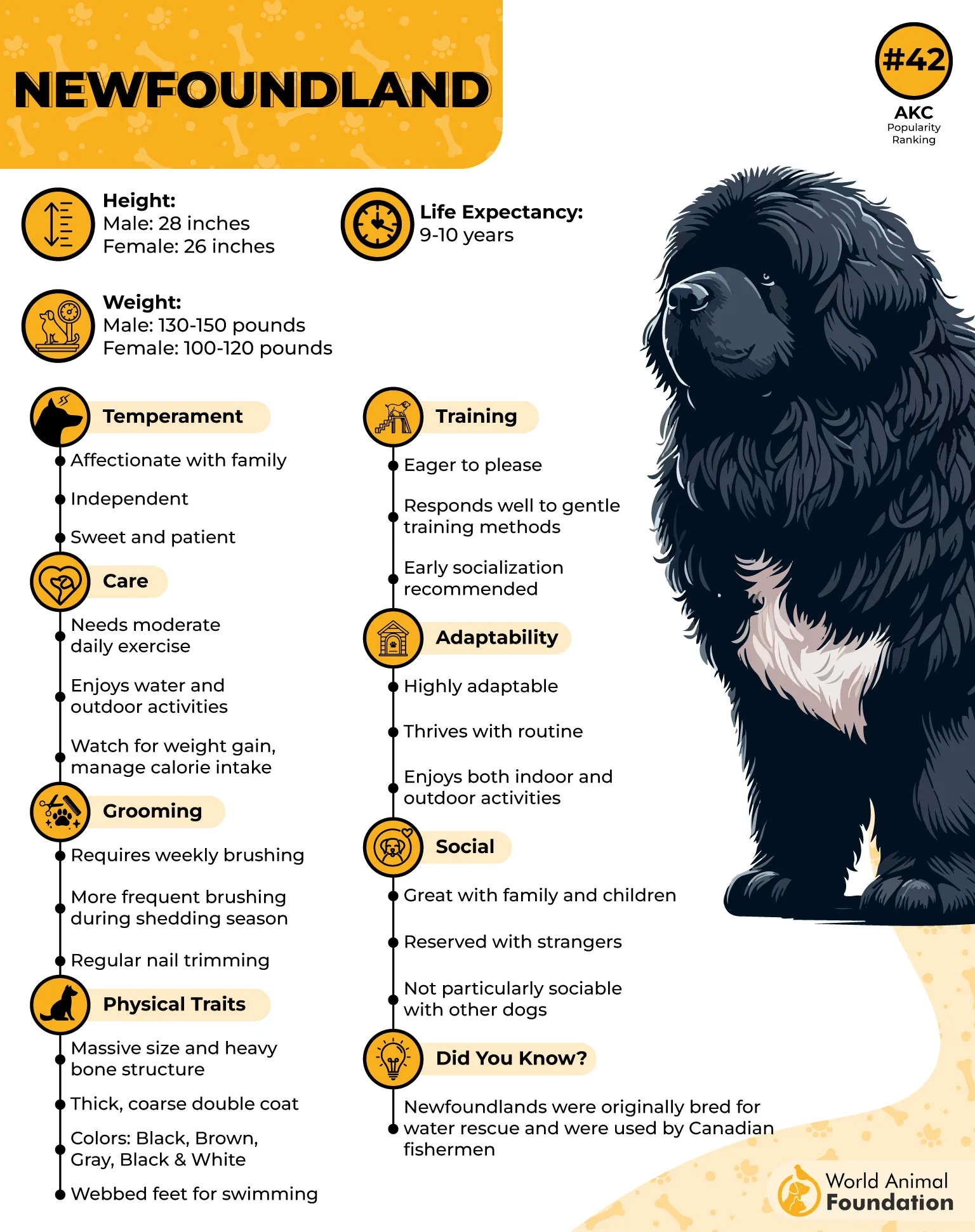
Early training and proper socialization ease this breed into family life. Newfoundlands form strong bonds with immediate family and welcome other pets without fuss. Kids benefit most from their patient, gentle nature.
Grooming: Brush the thick coat weekly to manage shedding and drool.
Habits: Prone to separation anxiety, so company matters more than long stretches alone.
A large breed diet with joint support keeps this giant healthy while growing. Daily walks cover their moderate energy, since Newfoundlands aren’t built for endurance running. A splash in water adds mental stimulation too.
2. Great Dane
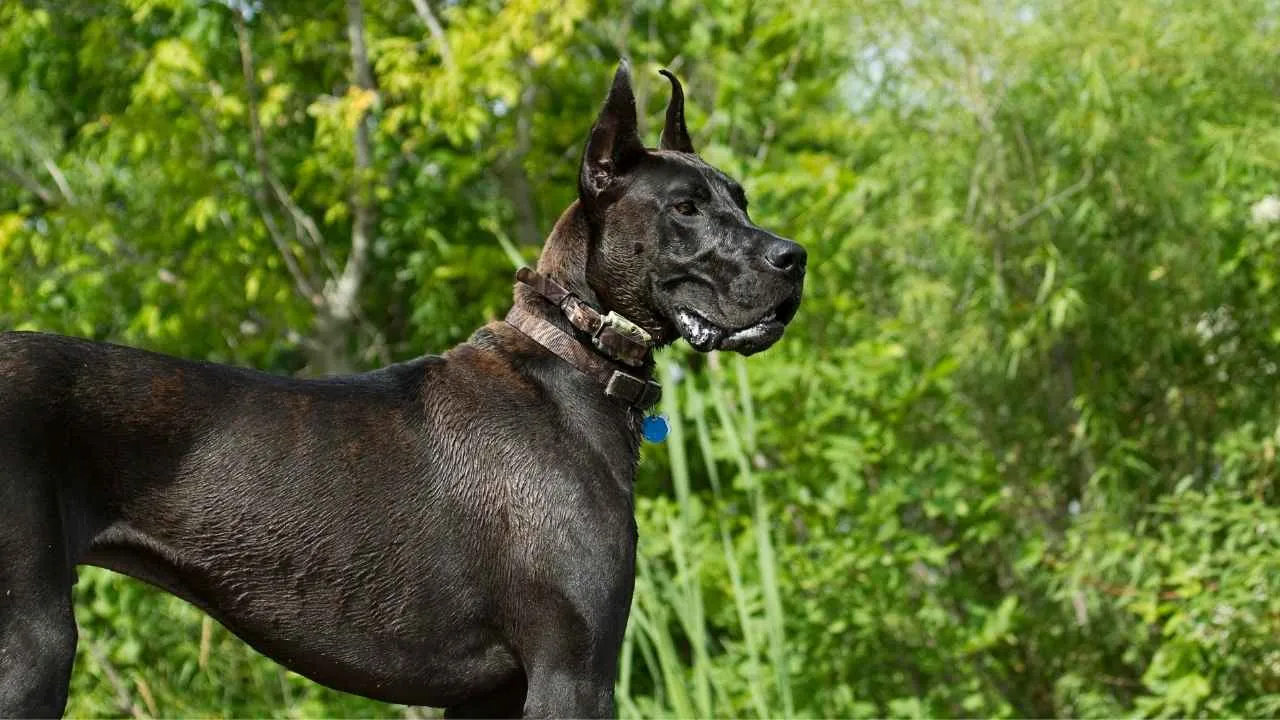
Great Danes prove size isn’t everything for guard dog breeds. A calm demeanor and natural protective instincts keep them watchful, not aggressive, until genuine threats appear.
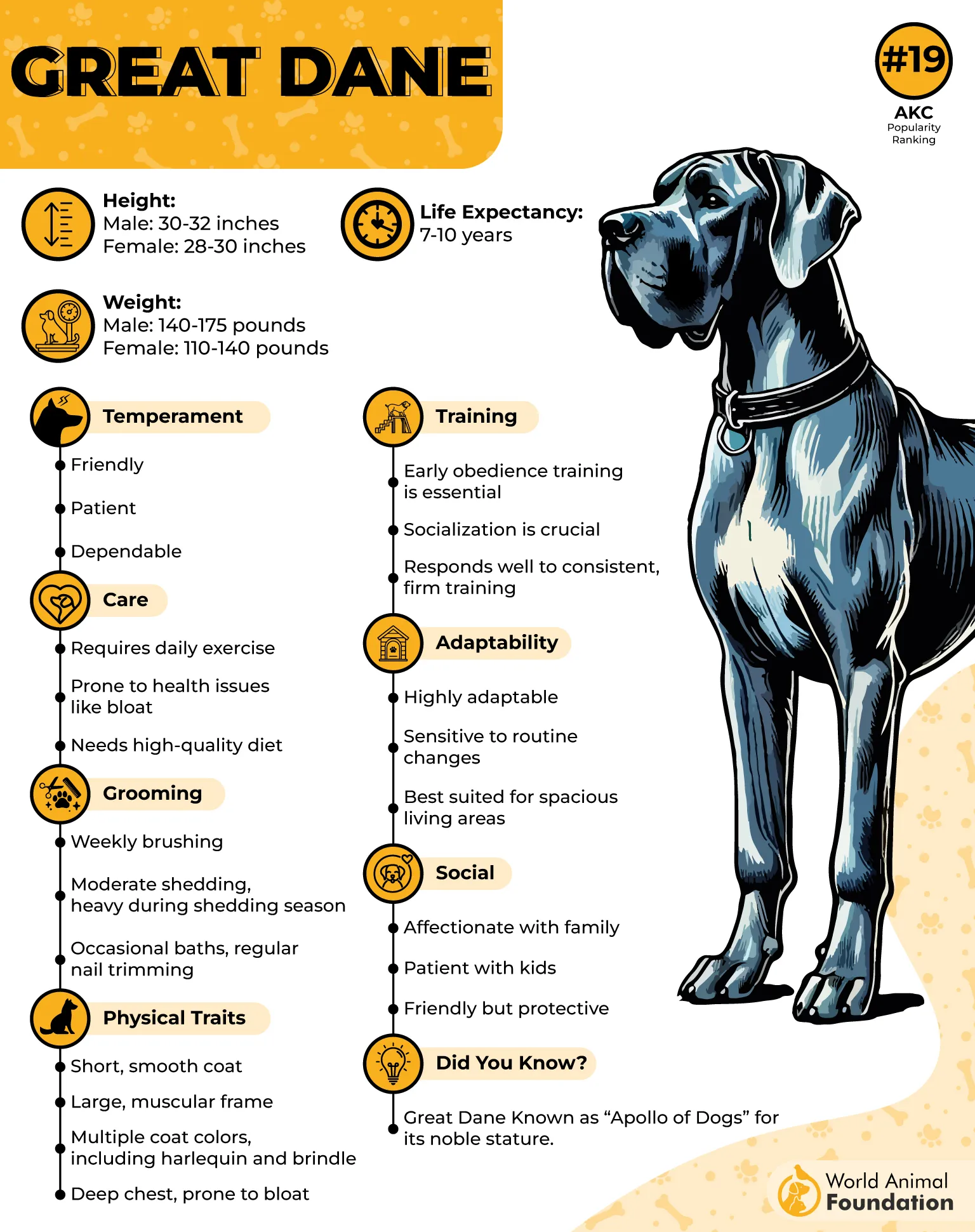
According to VCA Animal Hospitals, obedience training builds control and mental stimulation early on. This breed forms strong bonds with family members and stays incredibly loyal. Kids and other pets fit right into their world with consistent training.
Grooming: A short coat needs only weekly brushing to control average shedding.
Habits: This breed loves to lean on people and follow them from room to room.
A balanced diet with controlled calories keeps this giant breed at a healthy weight. Puppies need large-breed growth food to grow safely. Daily walks and light play suit their moderate energy just fine.
3. Shar Pei
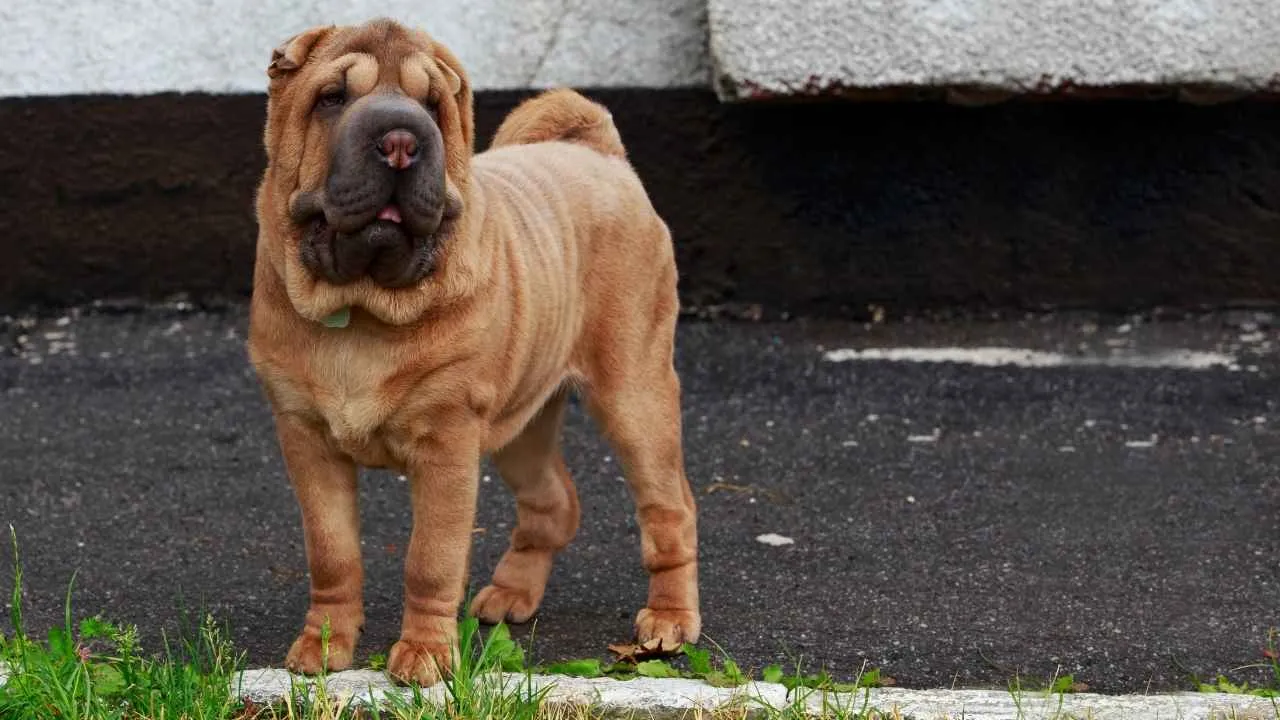
The Shar Pei was originally bred to guard livestock, and that instinct never faded. Hill’s Pet notes a calm, devoted nature paired with sharp protective instincts, staying aloof with strangers yet fiercely loyal to family members.Lifelong training and proper socialization keep the stubborn streak in check around other pets. Early exposure to new people prevents wariness from turning into real trouble. Kids in the immediate family usually earn deep affection once trust builds.
Grooming: The wrinkled coat needs regular wiping between folds to avoid skin trouble.
Habits: Low energy suits apartment life, with short walks doing the job just fine.
A measured, high-quality diet helps manage this breed’s sensitive skin and weight. Puzzle toys and short training sessions give this independent thinker enough mental stimulation. Consistent mealtimes help keep both digestion and mood steady.
4. Boerboel
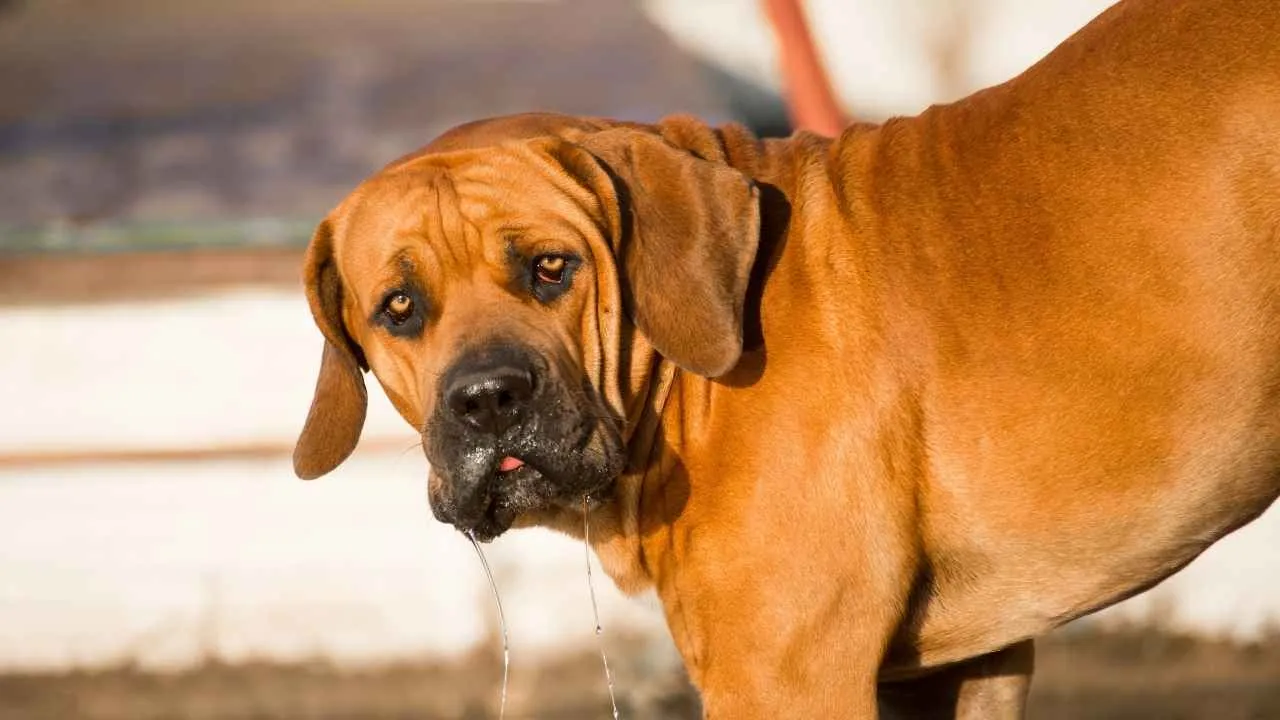
Boerboel is a fierce guard dog with a dignified demeanor, capable of telling friend from foe. Raw strength meets natural protective instincts here, calm at home but alert the moment genuine threats appear.
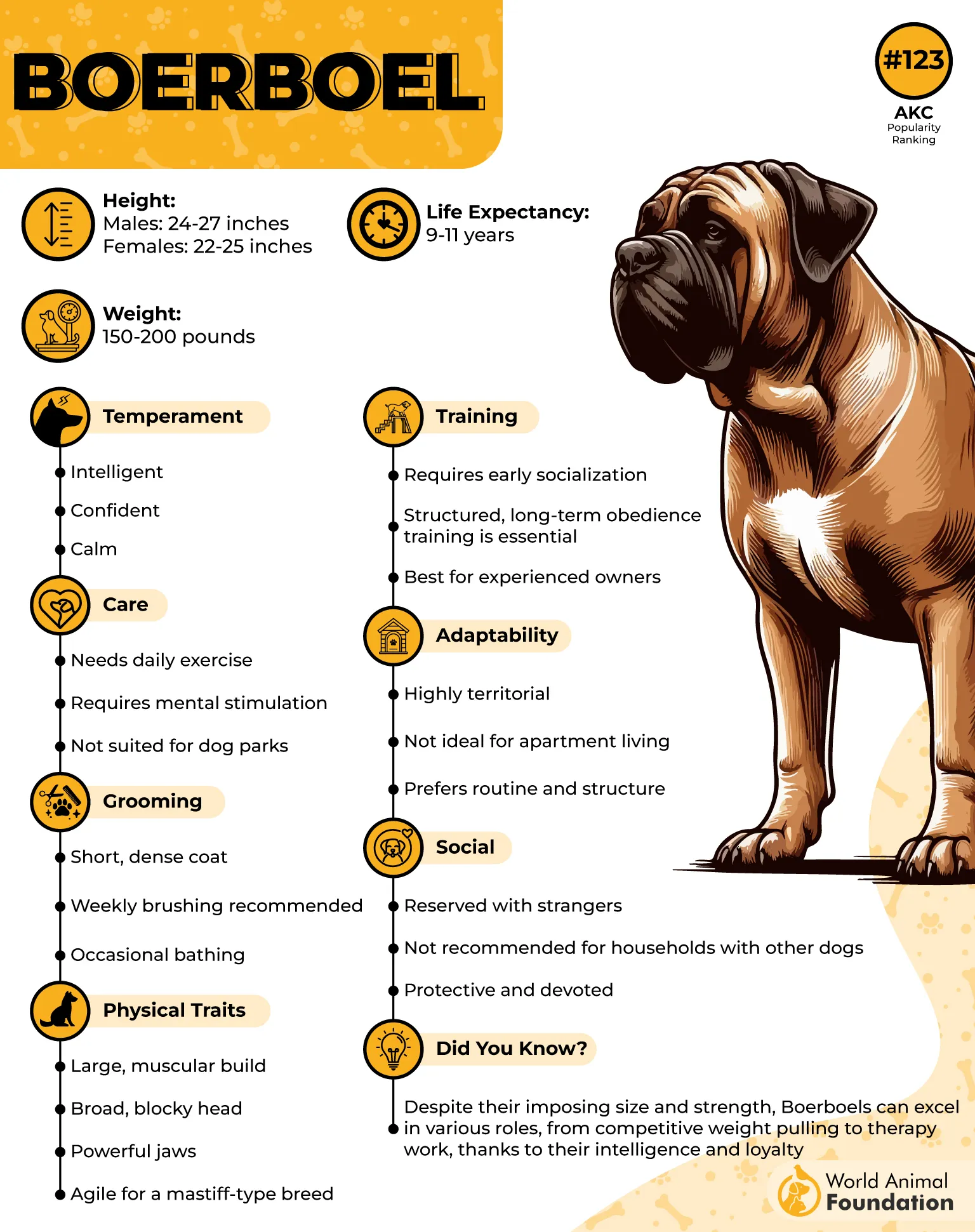
WebMD describes that this breed can be a lot for first-time owners, so consistent training and early socialization matter most. Boerboels form strong bonds with immediate family and stay gentle with kids they grow up with. Other pets fit in fine with early introductions.
Grooming: A short coat needs only occasional brushing to stay tidy.
Habits: This breed can turn territorial and vocal without enough structure at home.
A large-breed diet supports this dog’s size and joints through every life stage. Daily physical exercise and mental stimulation keep this energetic dog satisfied. Active households suit it far better than a quiet apartment.
5. Bullmastiff
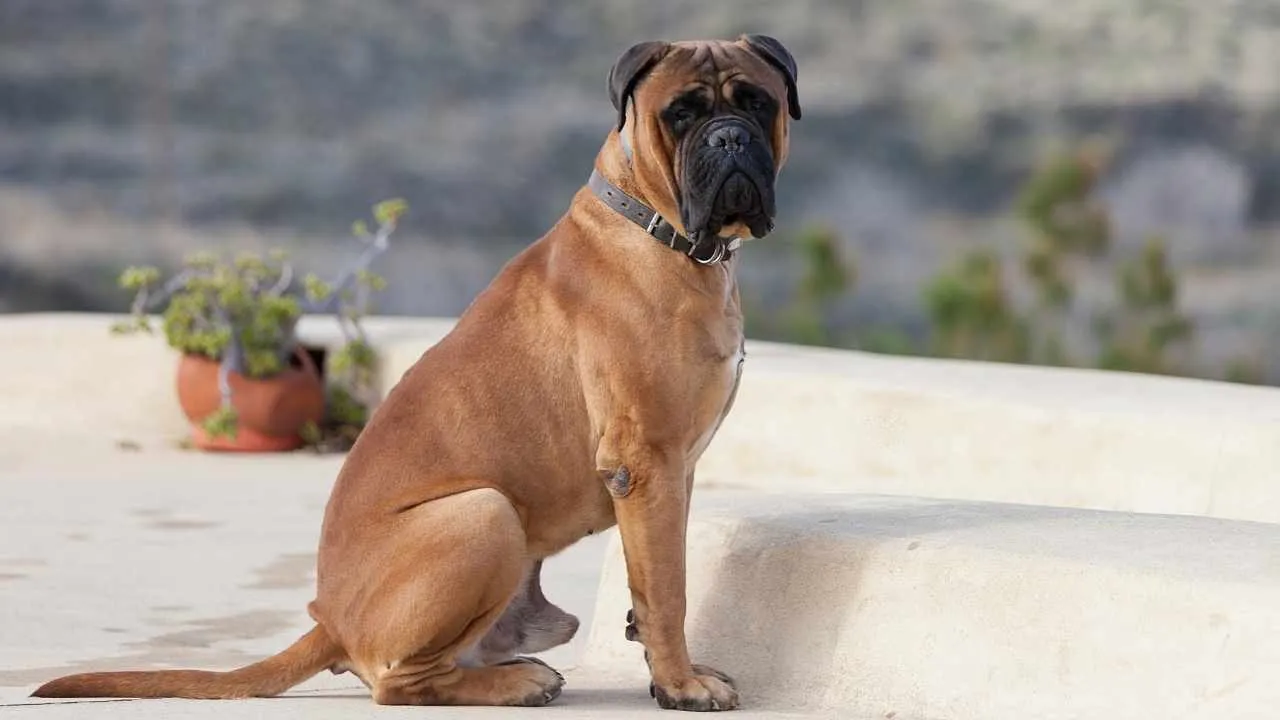
Bullmastiff is a gentle giant with a calm temperament, not the anxious or fearful type. Natural protective instincts run deep, though this breed favors quiet watchfulness over confrontation until genuine threats appear.
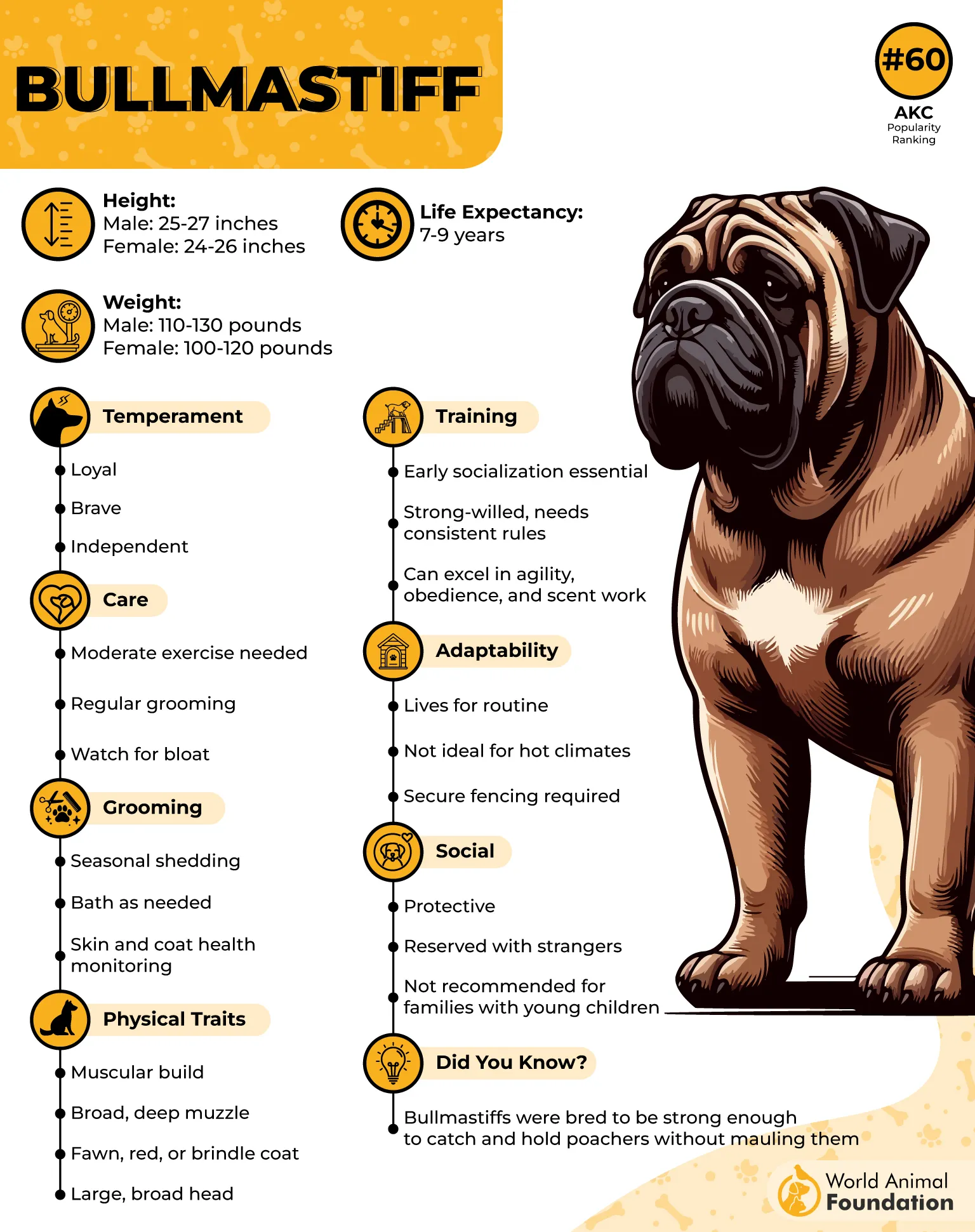
PetMD suggests that socialization during puppyhood is critical, since this breed stays reserved with new people at home. Bullmastiffs are kind around family members, including children, and form strong bonds early. Consistent training helps other pets join the household with ease.
Grooming: The short coat needs only weekly brushing to stay neat.
Habits: This breed enjoys lounging indoors and isn’t much of a barker.
A quality large-breed diet keeps this dog’s joints and weight in check. Their moderate energy means daily walks and playtime cover most needs. A little mental stimulation keeps this deeply loyal dog content.
6. Saint Bernard
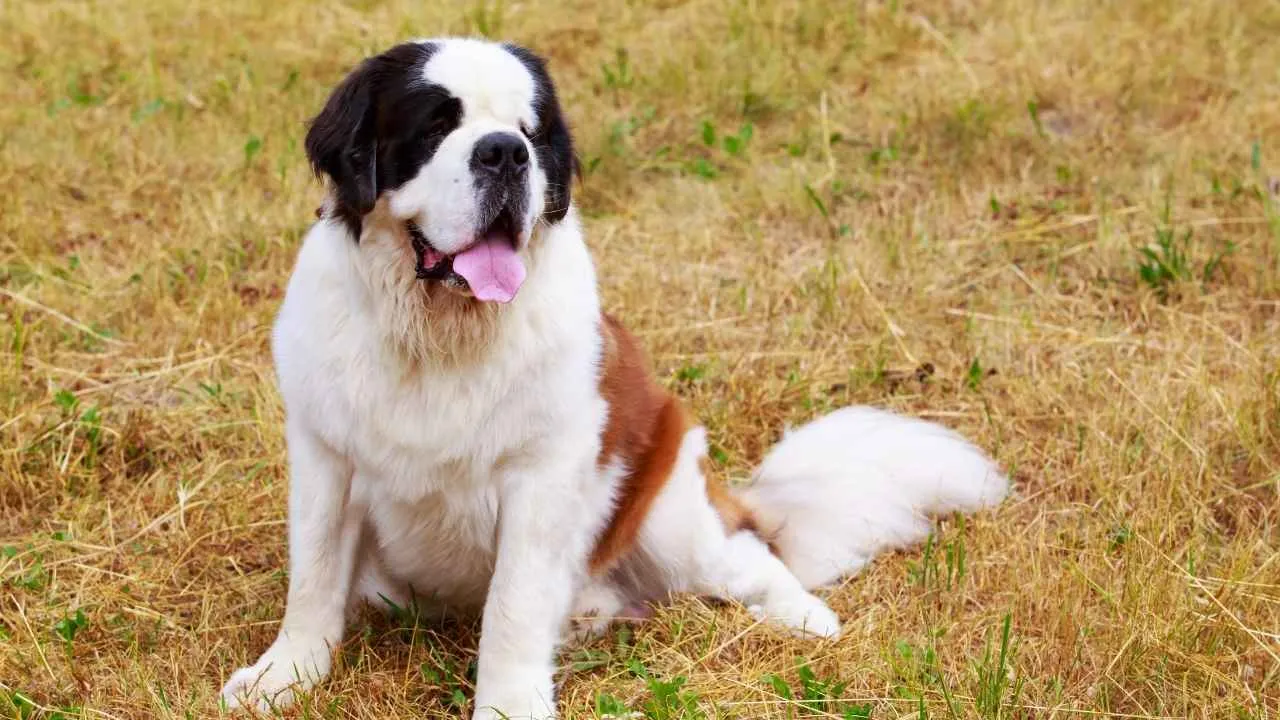
Saint Bernards built their reputation as mountain rescuers, and that protective instinct still shows up at home. A calm demeanor and gentle nature make this one of the best guard dog breeds for a stable family environment.
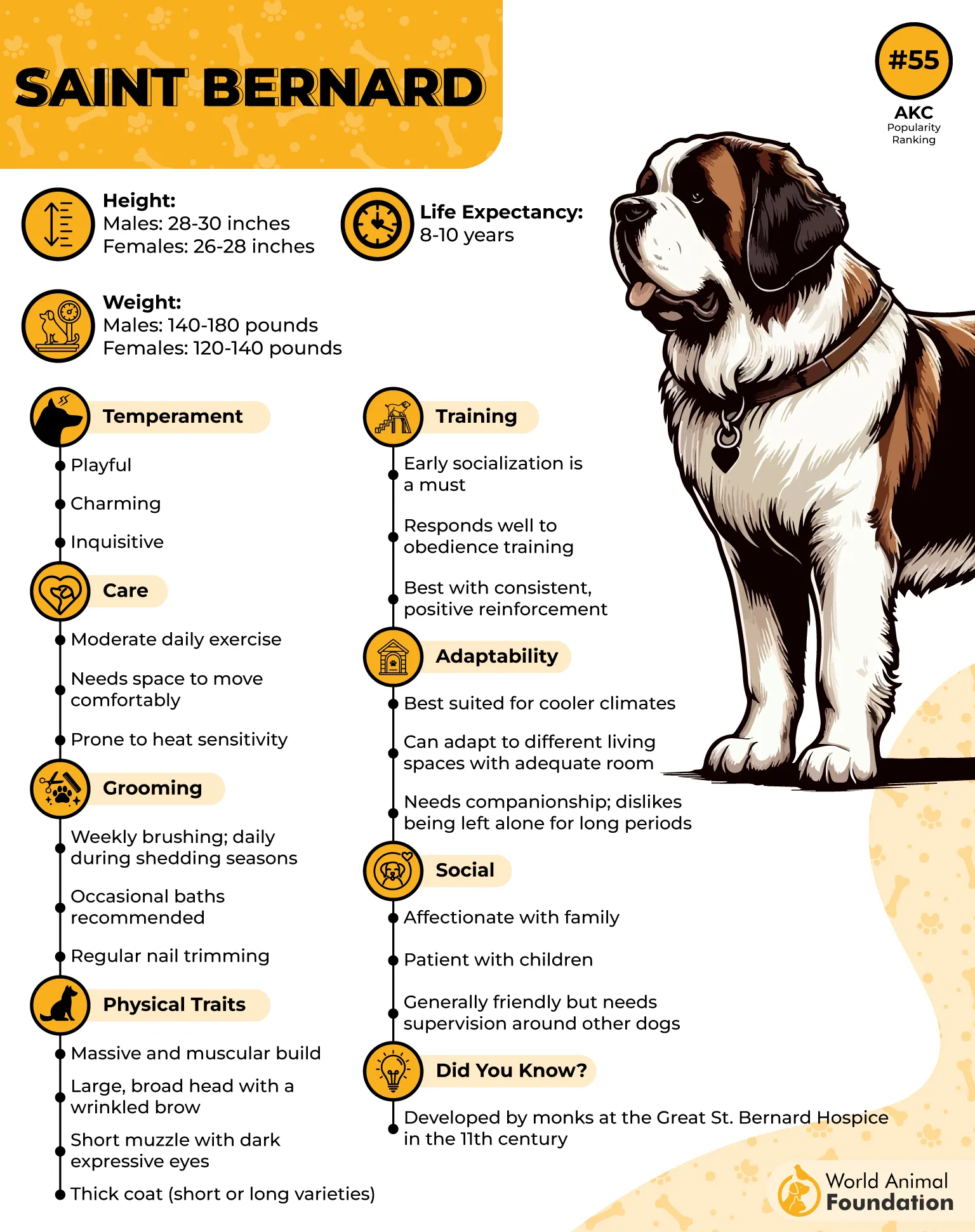
Firm, consistent training keeps this breed’s stubborn side in check from a young age. Saint Bernards form strong bonds with immediate family and stay patient around kids. Other pets usually settle in without much trouble.
Grooming: The dense double coat needs brushing two to three times a week.
Habits: This breed drools often and tends to shed heavily during seasonal changes.
A large-breed diet with joint support helps manage this dog’s size while growing. Moderate daily walks cover their exercise needs, since energy runs low here. Short training sessions add welcome mental stimulation.
7. Akita
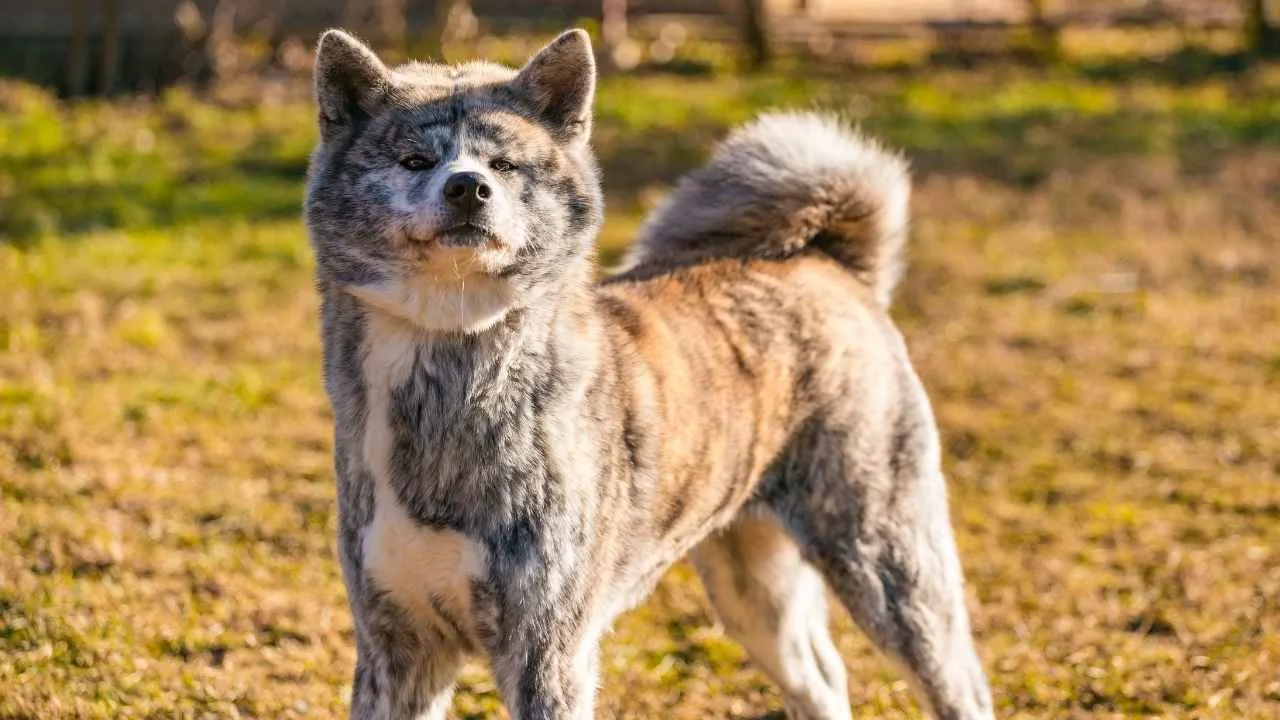
Akitas carry themselves with quiet, dignified confidence rather than loud bravado. Deep loyalty and sharp protective instincts define this breed, though they stay wary of strangers until trust is earned. Genuine threats rarely catch an Akita off guard.
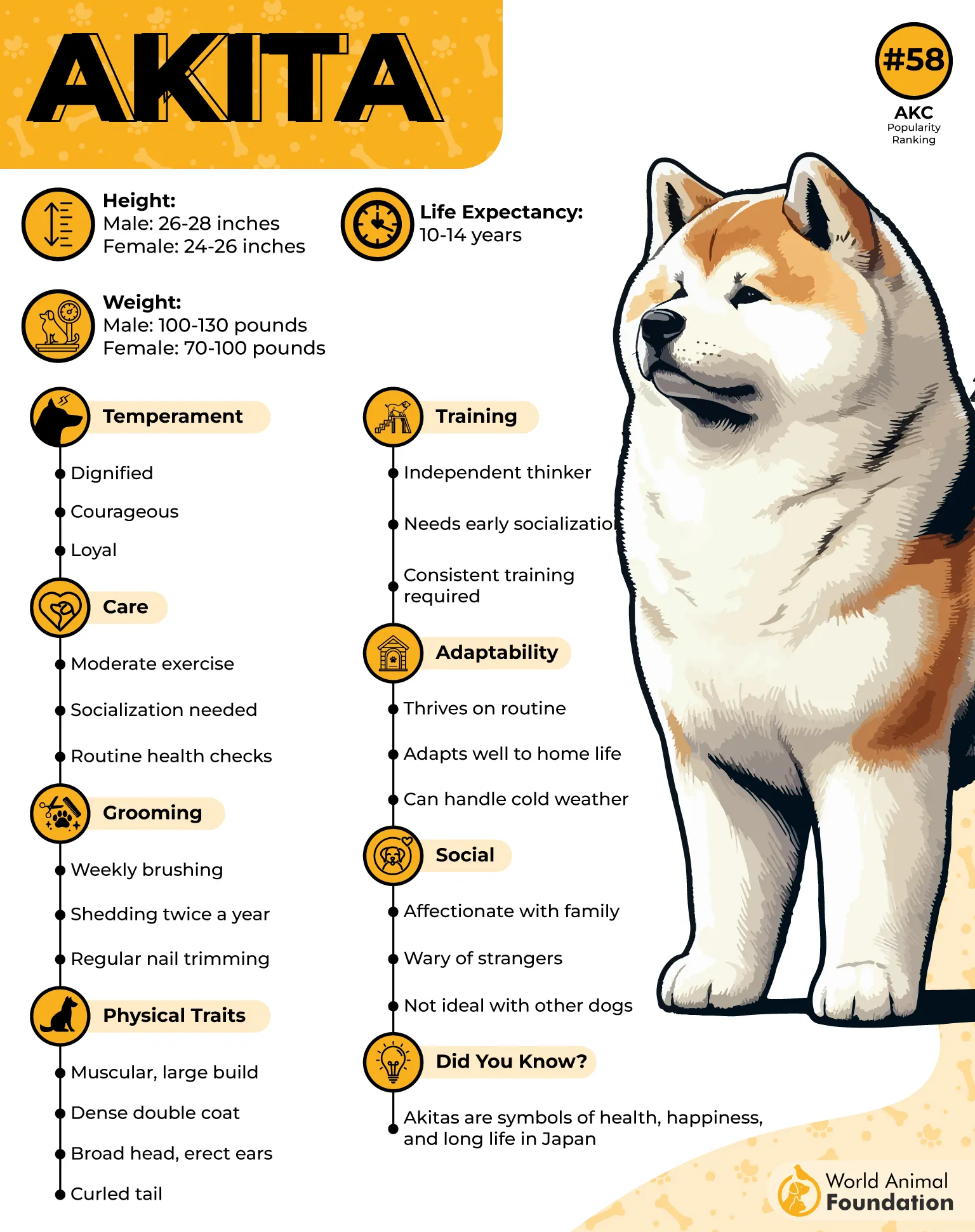
This family guard dog breed needs an experienced owner who can provide early socialization and consistent training. Akitas form deeply loyal bonds with immediate family and stay quietly attentive to their people. Kids raised alongside them often earn genuine devotion.
Grooming: Expect heavy biannual shedding, with light brushing needed the rest of the year.
Habits: This breed is famously fastidious, often grooming itself much like a cat.
A high-quality diet suited to active dogs supports this breed’s muscular build. Daily exercise and mental stimulation keep their sharp mind satisfied and out of trouble. Active families suit this energetic dog better than a laid-back household.
8. Leonberger
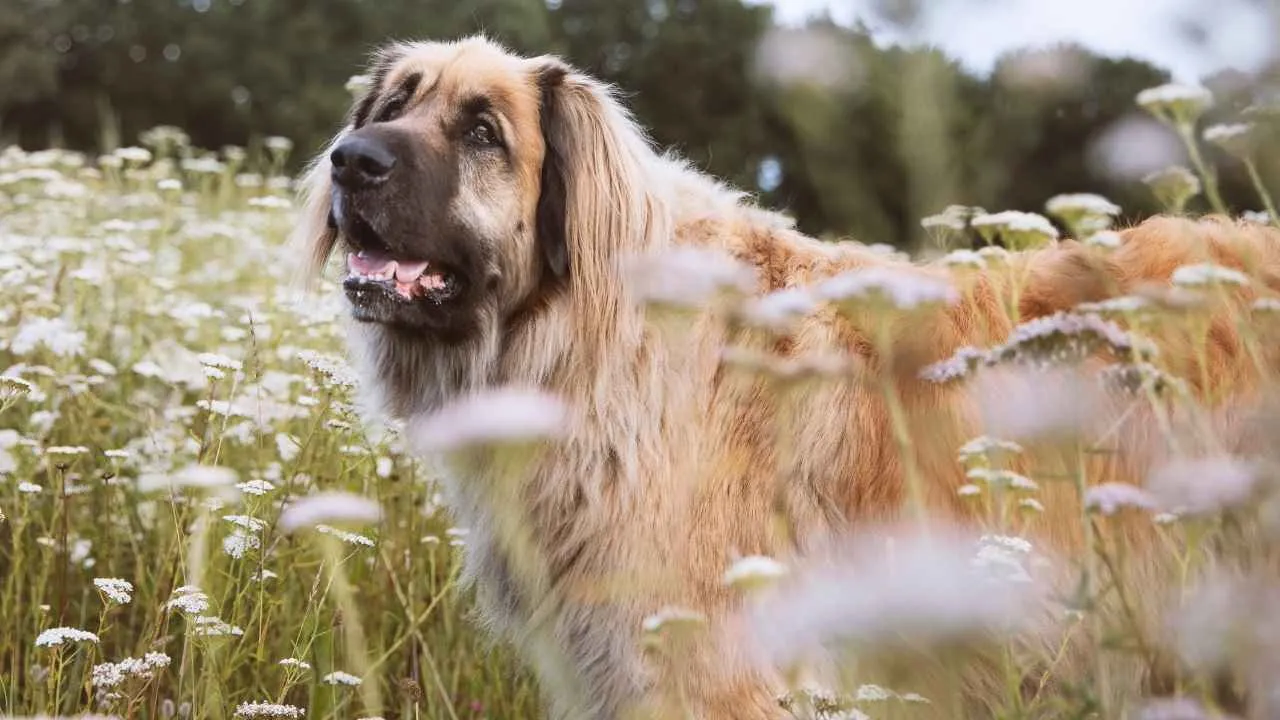
Leonbergers look like lions but act like gentle giants at home. Calm confidence and quiet protective instincts show up as watchful door-blocking rather than aggression. Their size and bark alone are usually enough to deter genuine threats.
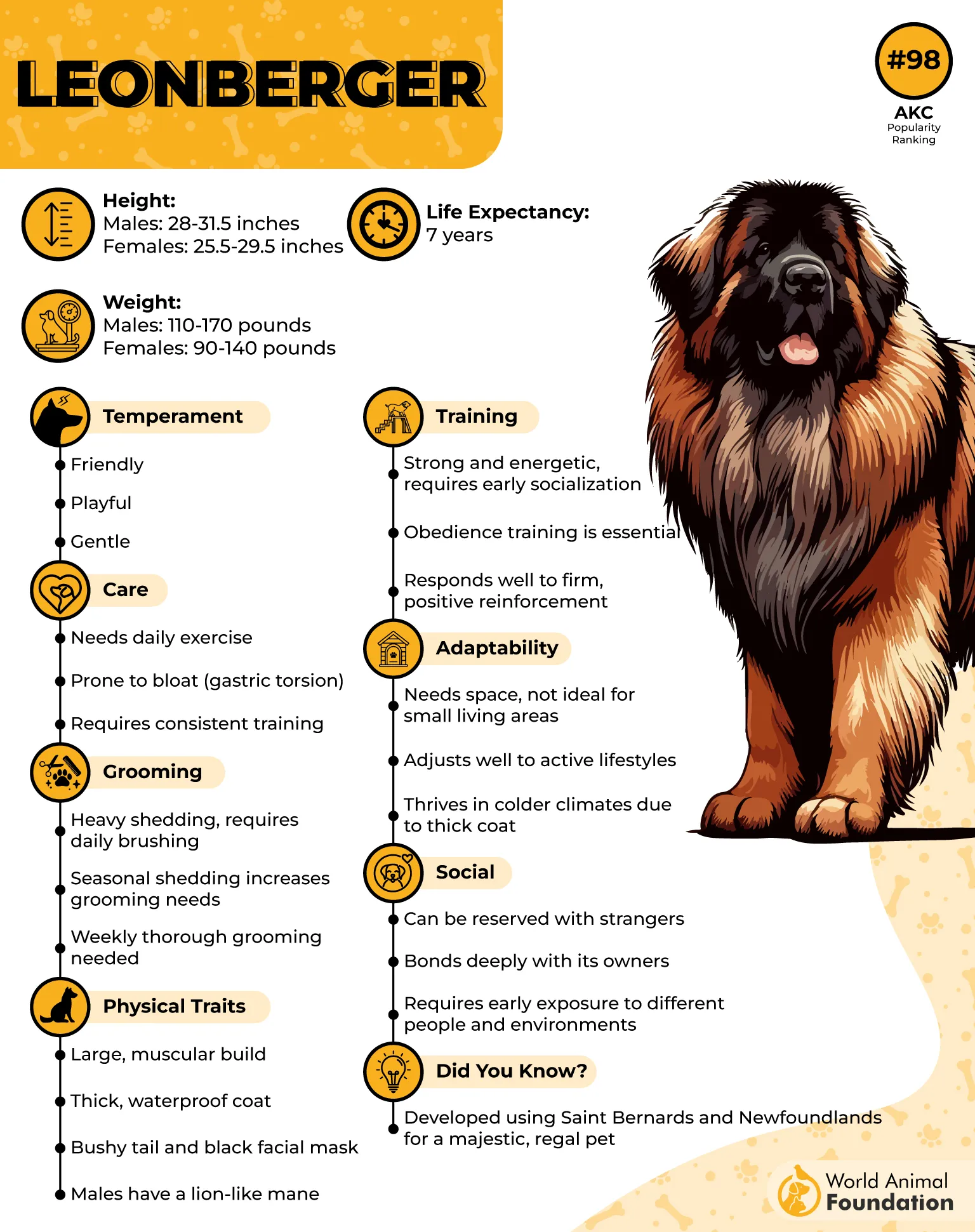
Consistent training and early socialization keep this breed’s independent streak from getting out of hand. Leonbergers form strong bonds with their family members and are especially gentle with kids. Other pets usually fit into the family environment without trouble.
Grooming: The thick double coat needs frequent brushing to prevent tangles.
Habits: This breed dislikes conflict and may try to break up squabbles at home.
A large-breed diet supports this dog’s size and joint health over a long lifespan. Leonbergers carry real energy, needing an hour or two of daily exercise and mental stimulation. Active families with space to spare suit this breed best.
9. Bernese Mountain Dog
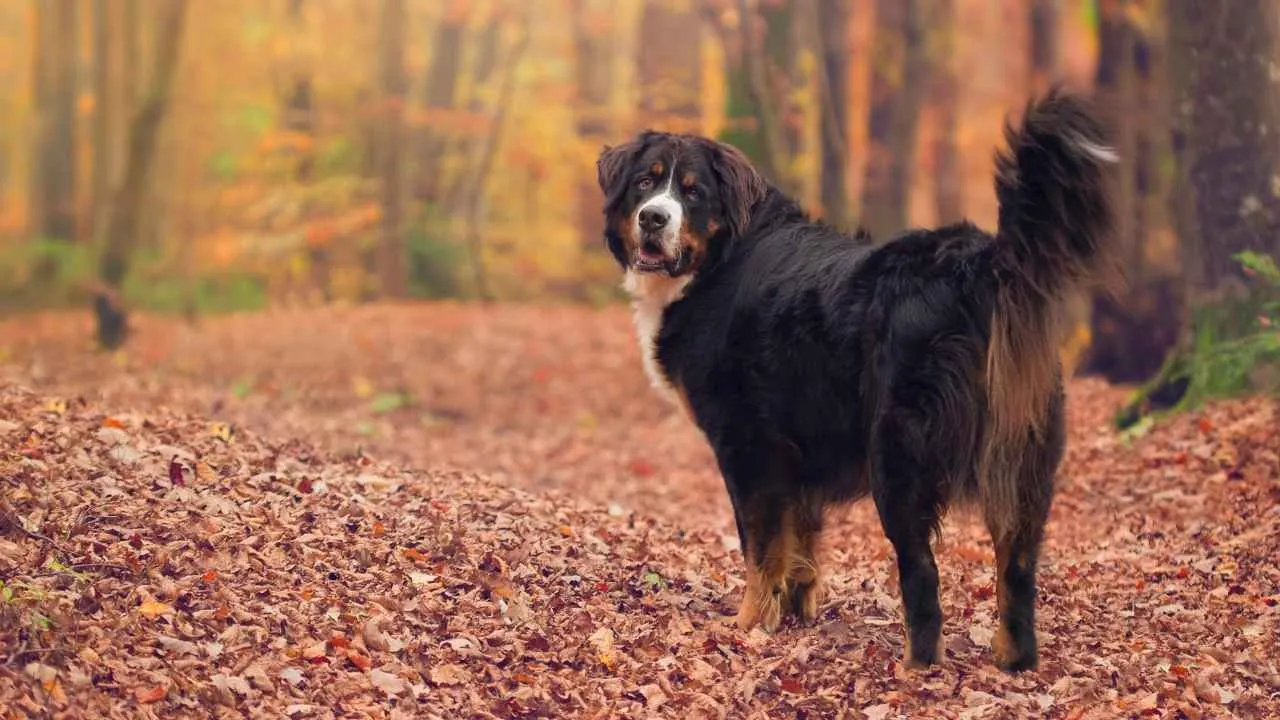
Bernese Mountain Dogs pair a calm, patient nature with sharp alertness that makes them natural watchdogs. Protective instincts kick in when family is at risk, though aggression isn’t part of the package.
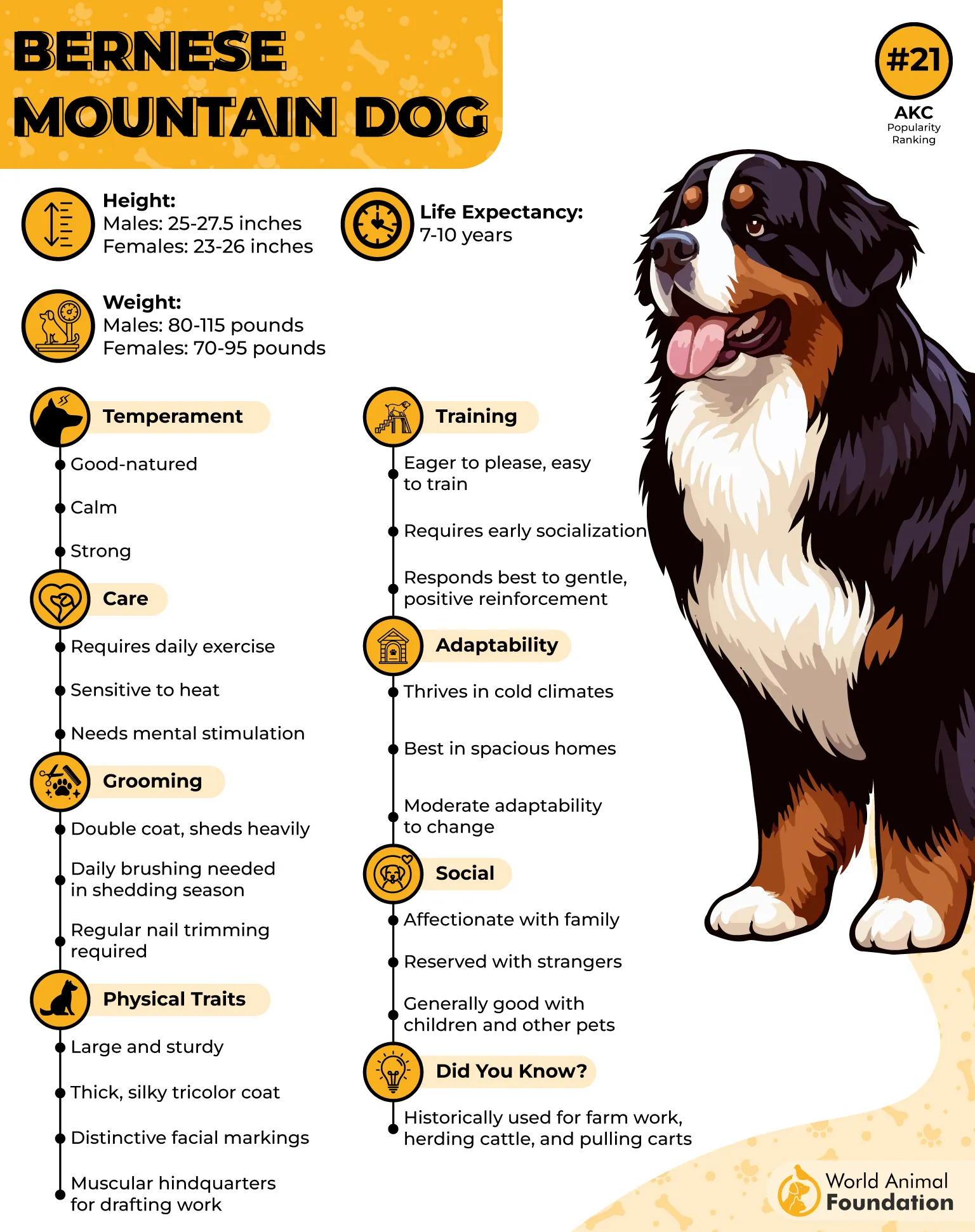
Positive reinforcement training suits this breed best, since harsh corrections hurt their sensitive feelings. Bernese Mountain Dogs form strong bonds with family members and are a loving choice for households with kids. Other pets usually join in with ease.
Grooming: Brush the thick coat two to three times a week, more during heavy shedding season.
Habits: This breed loves physical contact and often leans against people for affection.
A balanced diet keeps this working breed at a healthy weight. About thirty minutes of daily exercise, like hiking or fetch, suits their active but easygoing nature. A little training keeps their mind engaged.
10. Tibetan Mastiff
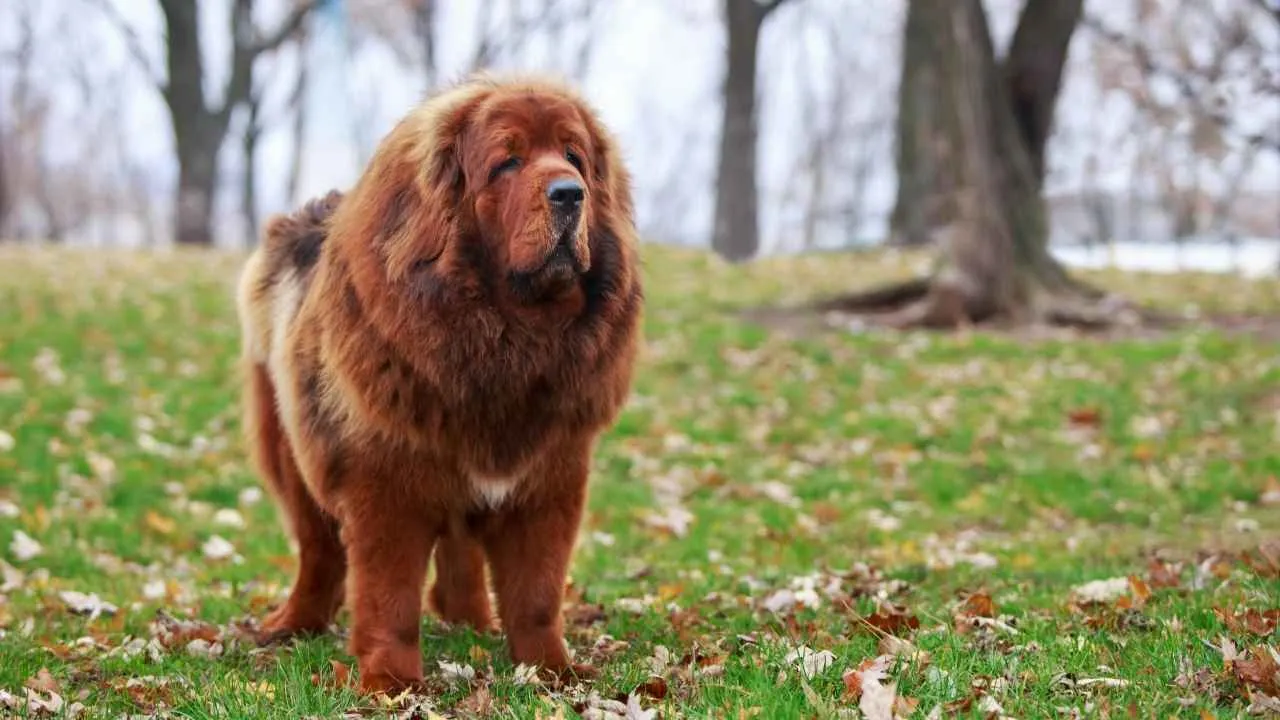
Tibetan Mastiffs stay mellow and calm indoors, saving their energy for what matters most. Fierce protective instincts kick in the moment danger is sensed, stepping between family and any genuine threats. Strangers get a watchful, aloof reception.
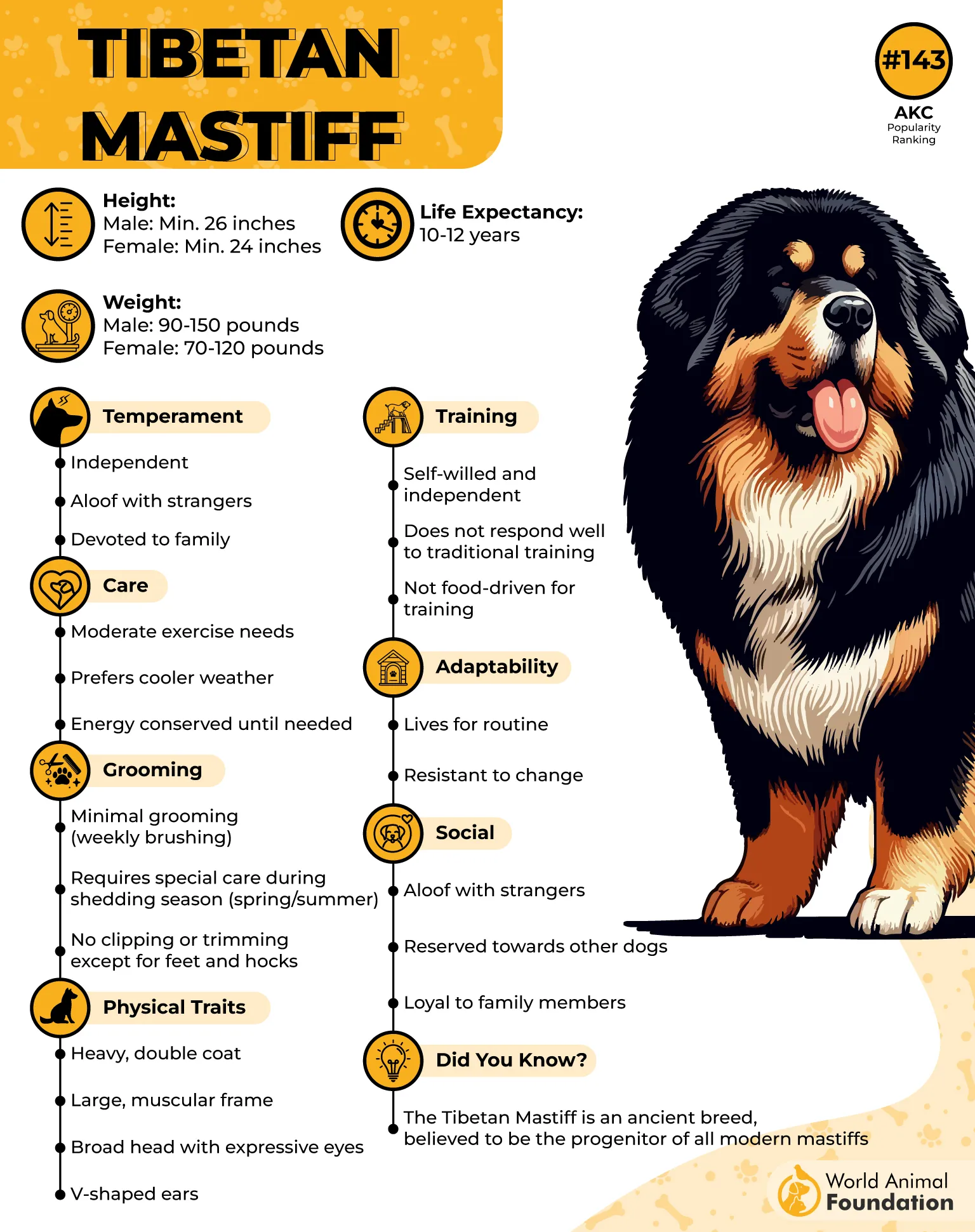
This breed needs an experienced owner, since early socialization and consistent training shape its independent mind. Tibetan Mastiffs form deeply loyal bonds with immediate family and stay devoted around kids. Other pets do best with a proper early introduction.
Grooming: The dense double coat needs extra brushing during shedding season.
Habits: This breed often barks at night, patrolling territory while everyone else sleeps.
A quality large-breed diet supports this dog’s size and joint health. Exercise needs stay moderate, with daily walks and a secure yard covering most of it. Mental stimulation keeps this independent thinker content.
Conclusion
Calm and protective aren’t opposites; they’re a package deal in the right breed. From gentle giants to alert guardians, each dog on this list proves that a stable temperament and reliable protection can absolutely live under one roof.
The best guard dog breeds for your family come down to your space, your experience, and your lifestyle, so match the individual dog to your home rather than the hype. Ready to welcome a loving, incredibly affectionate protector into your family? Start researching reputable breeders today.
