




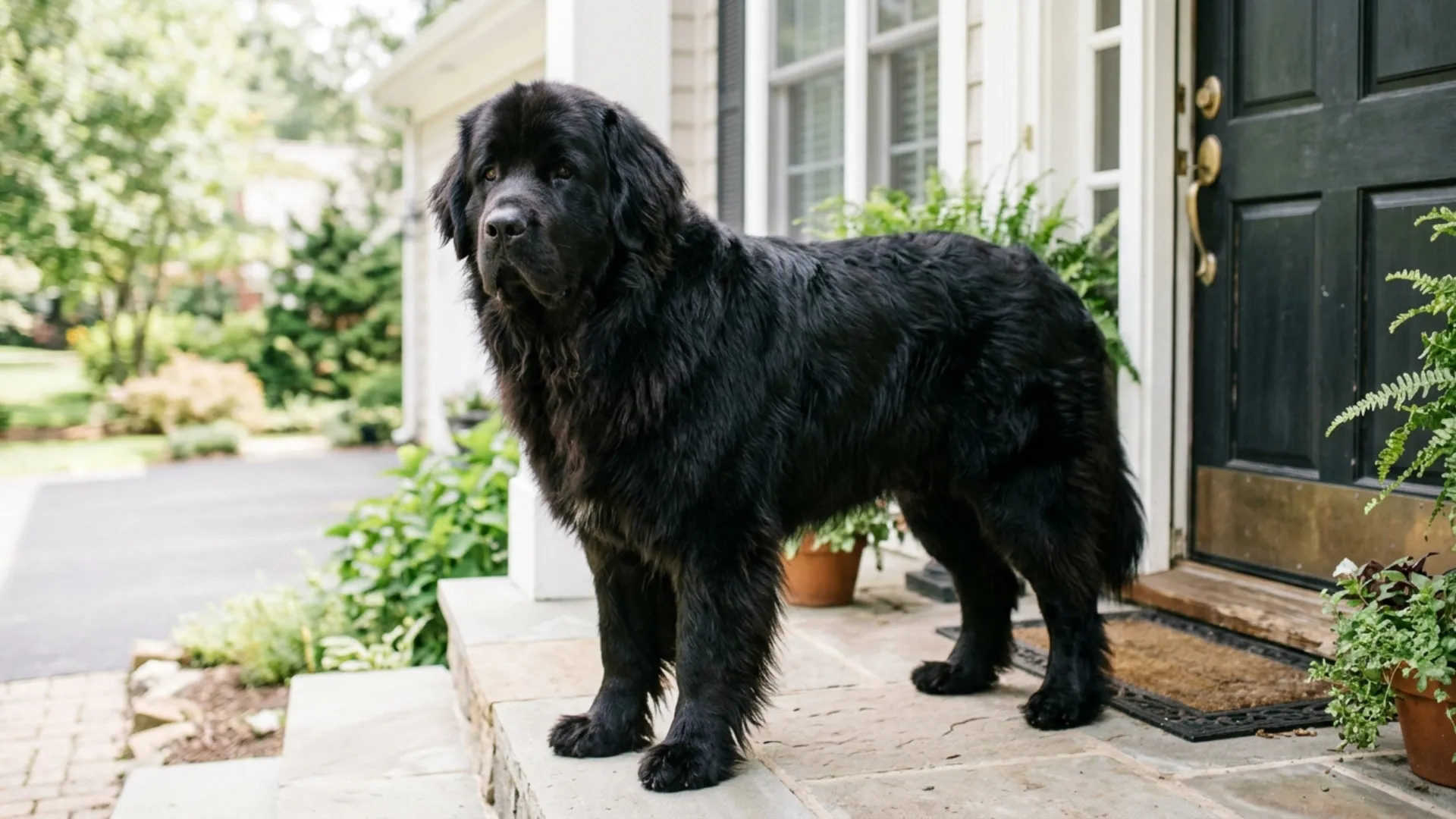
Protecting your home does not mean welcoming non-stop barking, restless energy, or unpredictable behavior into your living space. The ultimate home guardians are not the most aggressive, but the most composed—breeds that possess a natural, silent confidence, sharp instincts, and an innate drive to protect.
These impressive dogs monitor their surroundings with quiet vigilance, acting as a powerful physical deterrent while maintaining a serene presence that brings effortless security to your household.
For owners seeking reliable protection without the exhausting upkeep of high-strung working dogs, calm guard dog breeds offer the perfect balance. They combine low-reactivity, sensible energy levels, and low-maintenance temperaments with an unwavering devotion to their family.
Unfazed by everyday noise yet instantly alert when a genuine threat arises, these steadfast companions deliver total peace of mind while fitting seamlessly into a relaxed, harmonious home life.
Top Calm Guard Dog Breeds for Low-Maintenance Home Security
1. Great Pyrenees
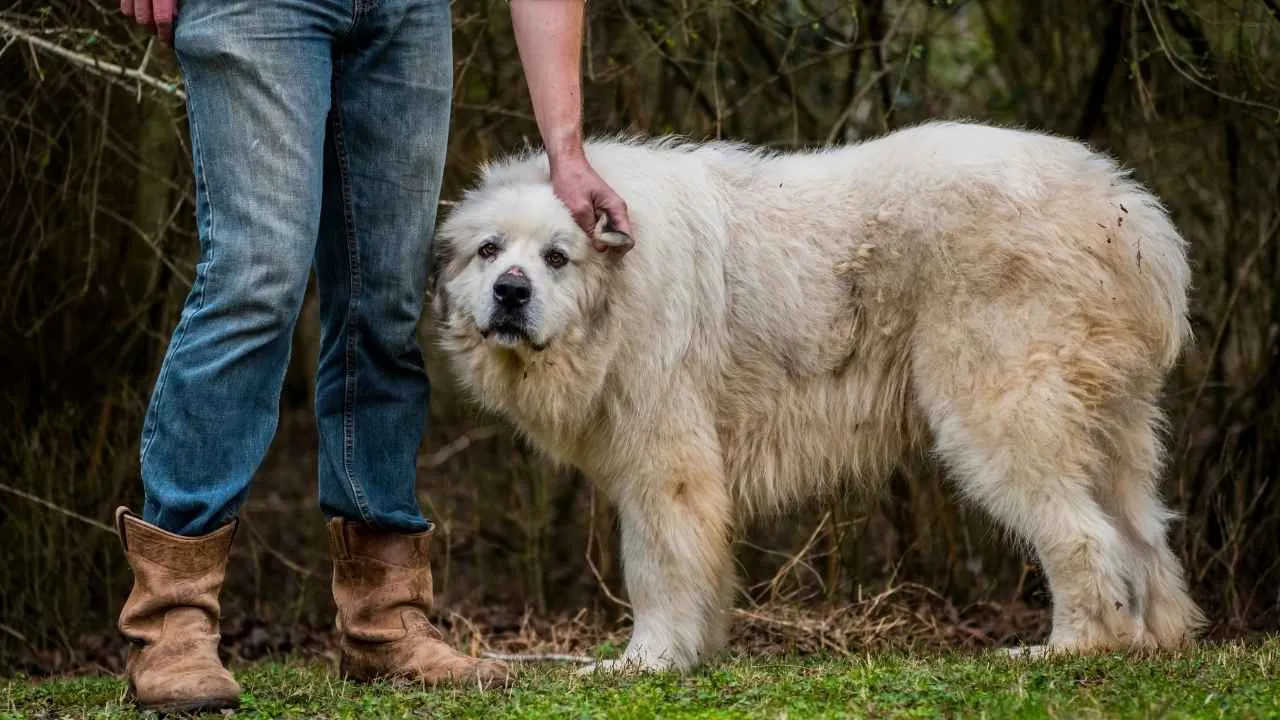
A Great Pyrenees guards through sheer presence, patrolling near the door and relying on size and a deep bark before any physical intervention. True calm settles in around 2 to 3 years, per the AKC.
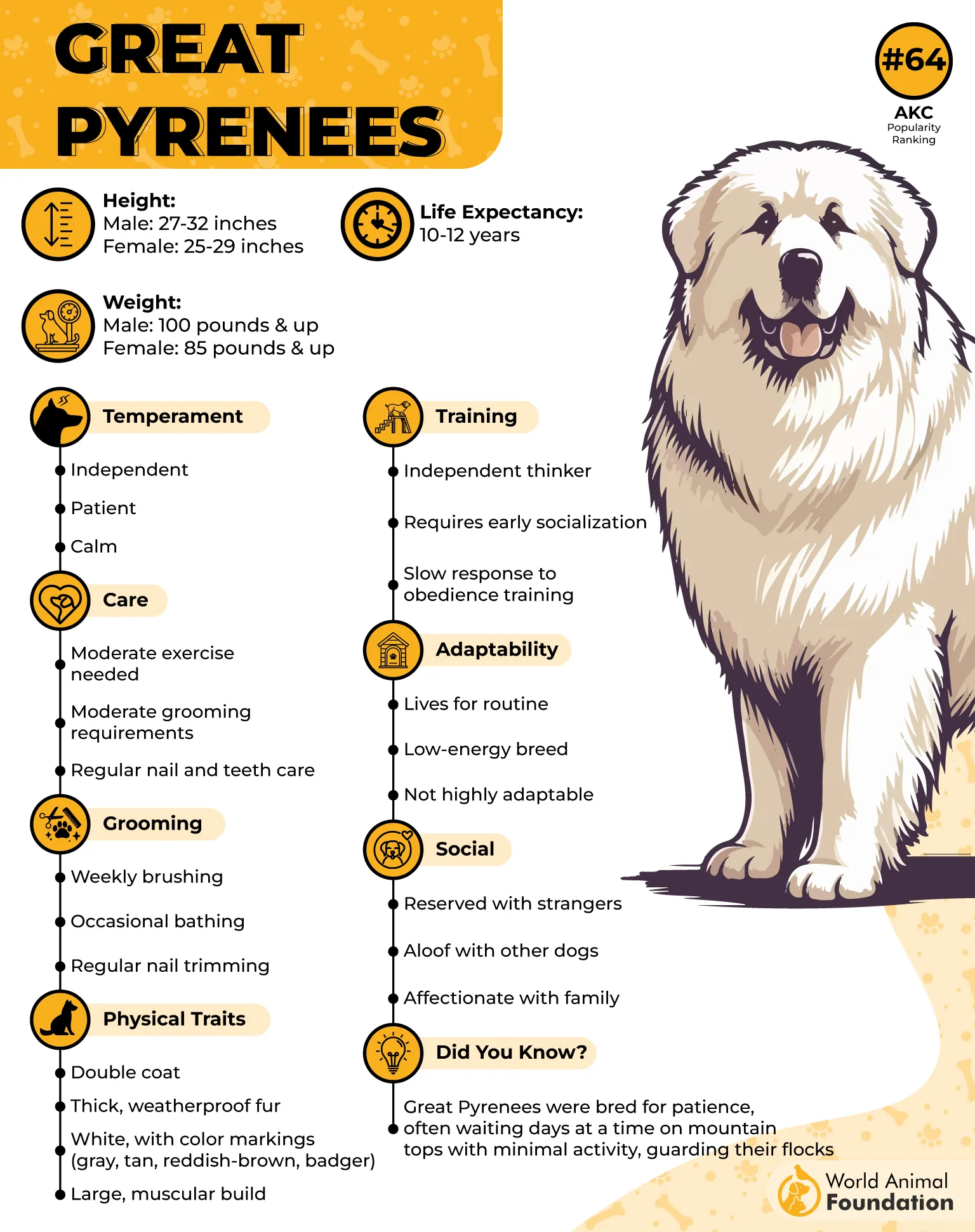
This giant needs a fenced yard, not an apartment, and does best in cooler climates. Watch for hip and joint issues, common in large breeds like this one.
Grooming: Weekly brushing handles the thick double coat, with extra sessions during seasonal shedding.
Exercise: Daily walks plus a sense of purpose, like a fence line or livestock to watch, keep this breed content.
The first 2 years ask for real effort. Early socialization and consistent training turn strong guarding instincts into good judgment, so this breed suits pet parents ready for that early investment.
2. Mastiff
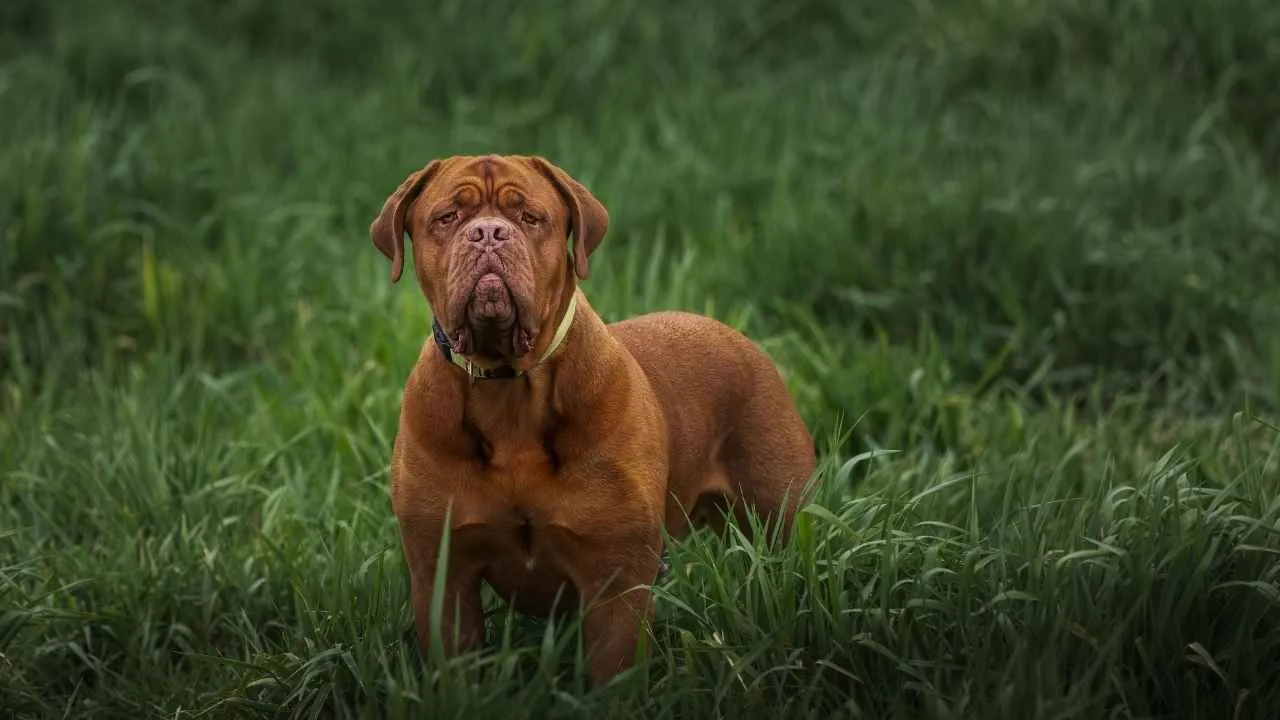
A Mastiff guards mostly by being there. Its sheer size and imposing appearance make most intruders think twice, so it rarely needs to do more than stand its ground. Full emotional maturity can take up to 3 years to show.
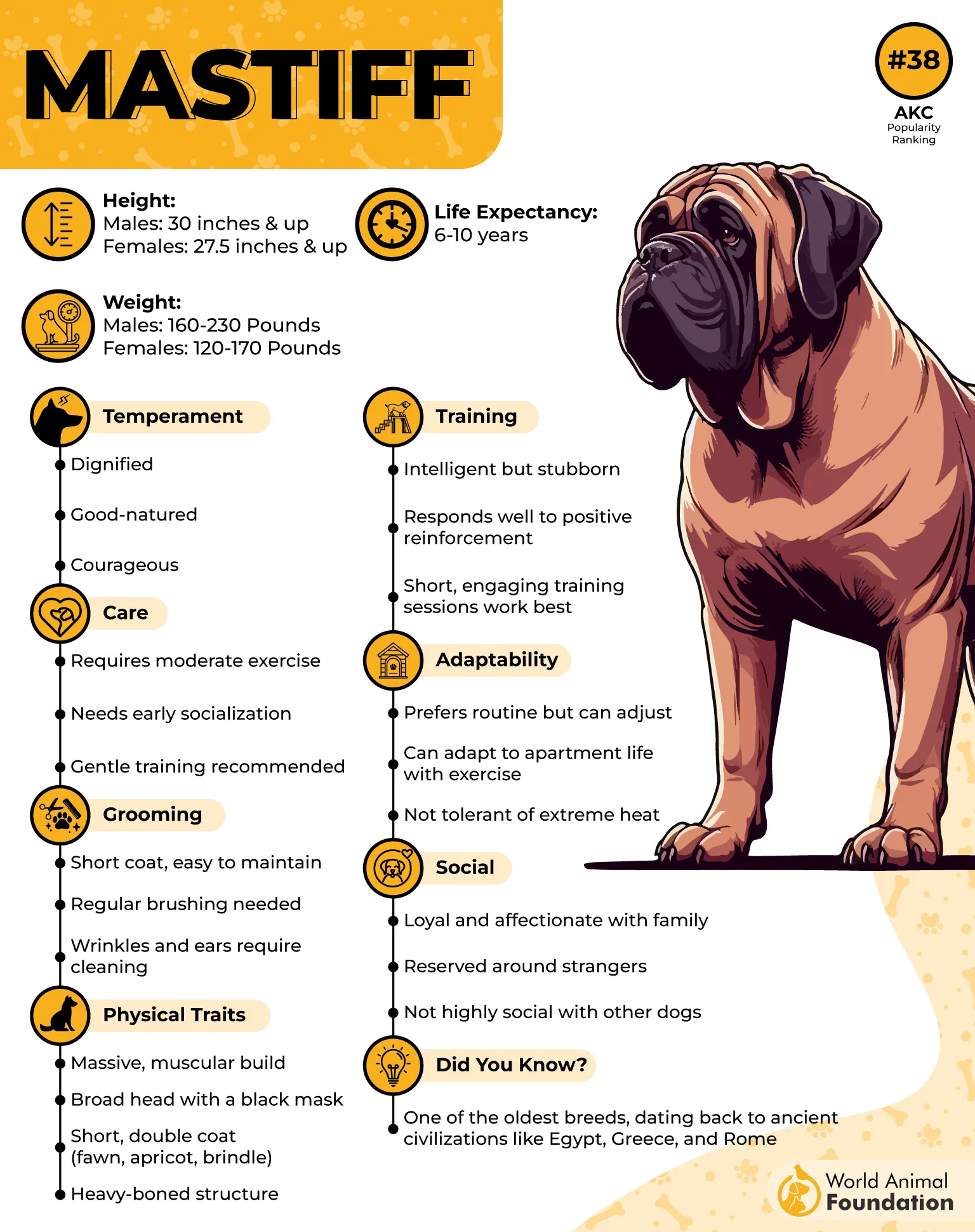
This heavy, drooly dog wants indoor space and a secure yard, not a tiny flat. Large breeds like this one are prone to joint problems, so regular vet checkups matter early on.
Grooming: A short coat keeps brushing light, just a weekly pass and more during shedding season.
Exercise: Moderate daily walks are enough, with some mental stimulation through training games to keep its sharp mind busy.
Mastiff puppies grow fast and get clumsy before they get composed. Early training and proper socialization go a long way toward raising a calm, naturally confident adult instead of an overgrown, overwhelmed pup.
3. Great Dane
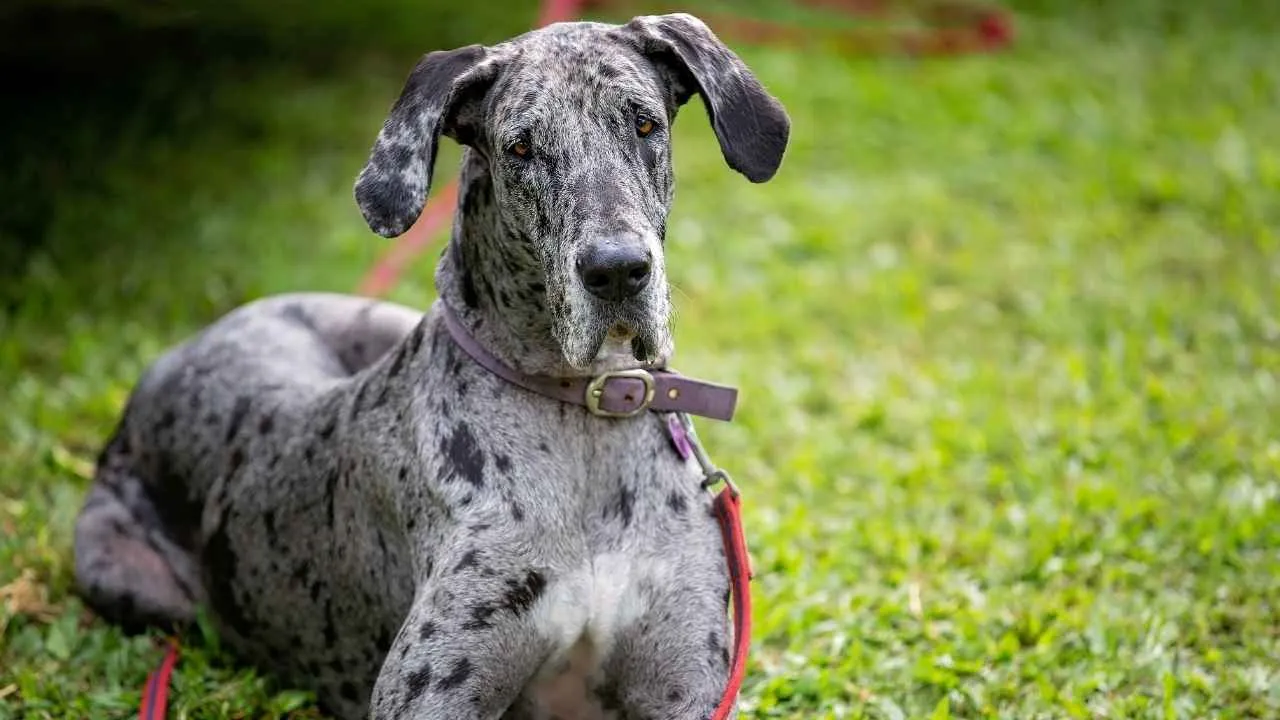
Great Danes are the classic gentle giants: more alert-and-assess than attack-first, watching closely and barking before deciding if action is needed. These dogs typically settle into that steady temperament around 2 to 3 years, according to VCA.
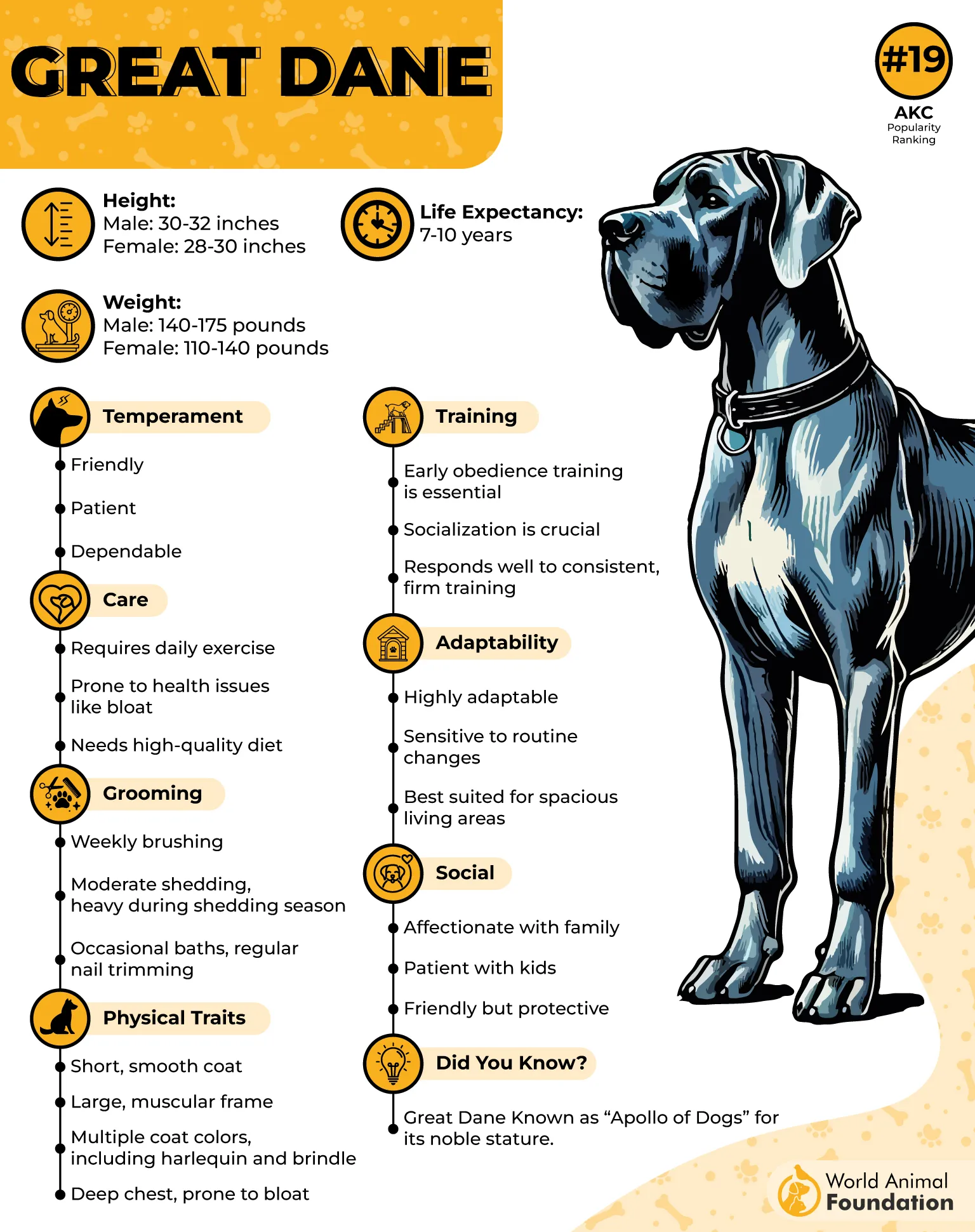
This giant breed needs a surprisingly moderate amount of space once grown, but a cramped apartment and hard floors are not ideal for those long legs. Watch for bloat, a serious risk in deep-chested large dogs like this one.
Grooming: The short coat needs just weekly brushing to stay tidy.
Exercise: A couple of moderate walks a day plus some mental stimulation through puzzle toys keep it balanced.
The puppy stage is a clumsy, fast-growing blur. Early socialization helps it grow into a confident, well-mannered adult instead of an anxious one, and structured training during this window pays off.
4. Newfoundland
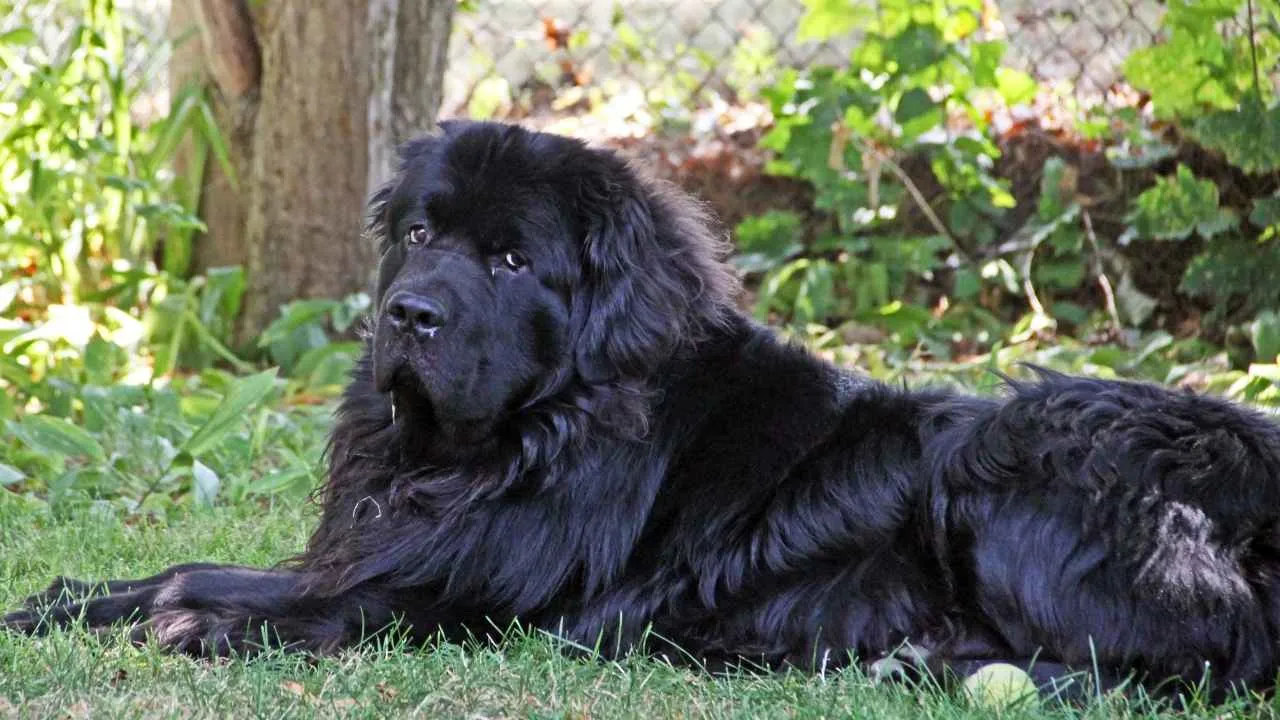
Newfoundlands guard through calm supervision rather than confrontation, often called the original nanny dog for how closely they watch over family members, especially kids. This breed usually reaches its full, settled temperament around 2 to 3 years old.
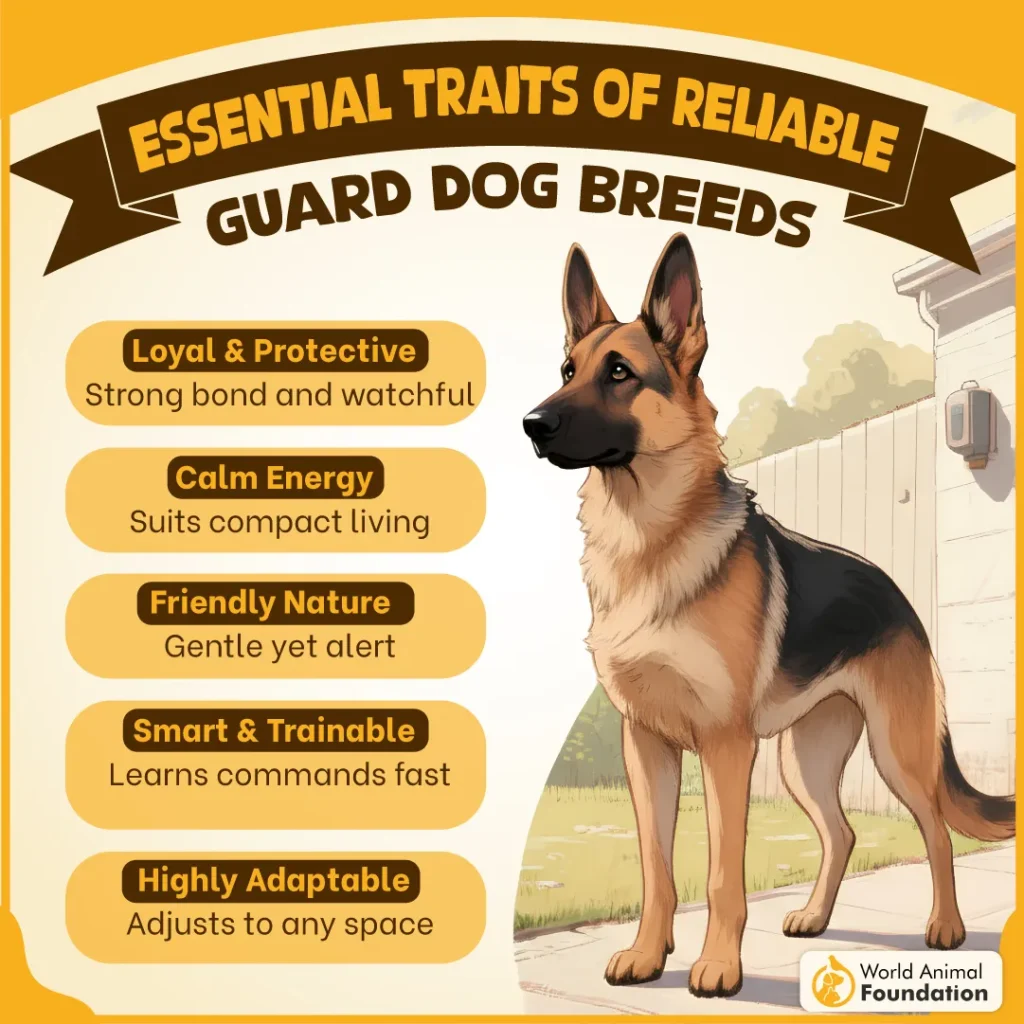
This gentle giant needs outdoor space and does best in cooler weather, not a tropical climate. One caution worth knowing: this breed drools a lot and can overheat quickly in summer, so shade and fresh water are non-negotiable.
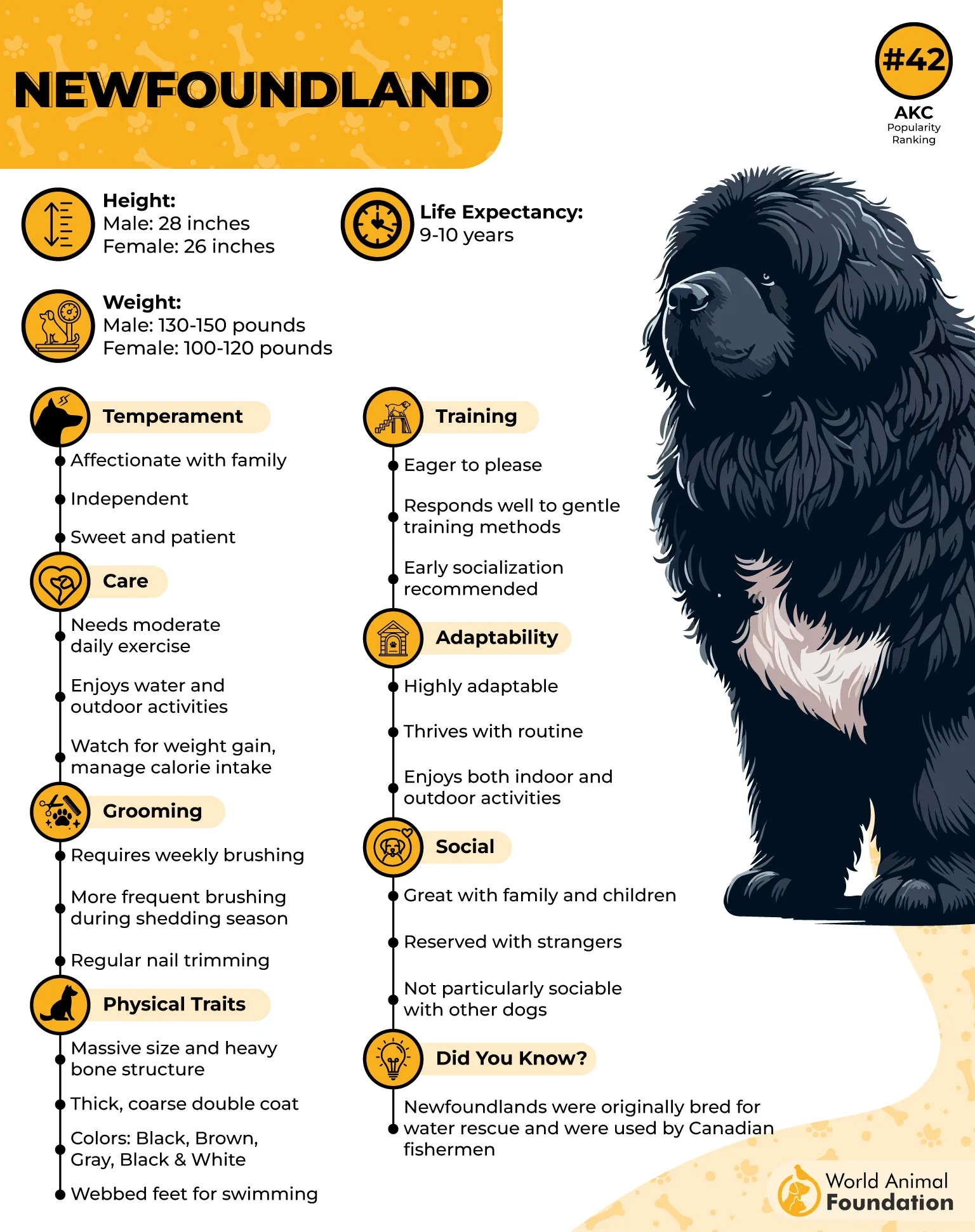
Grooming: The thick double coat needs brushing a few times a week, more during shedding season.
Exercise: Daily swims or walks plus some mental stimulation keep this gentle dog content and calm.
Puppy Newfoundlands are big, goofy, and surprisingly mouthy before they settle. Early socialization and consistent training help channel that strength and natural confidence into good manners around visitors and other pets.
5. Rhodesian Ridgeback
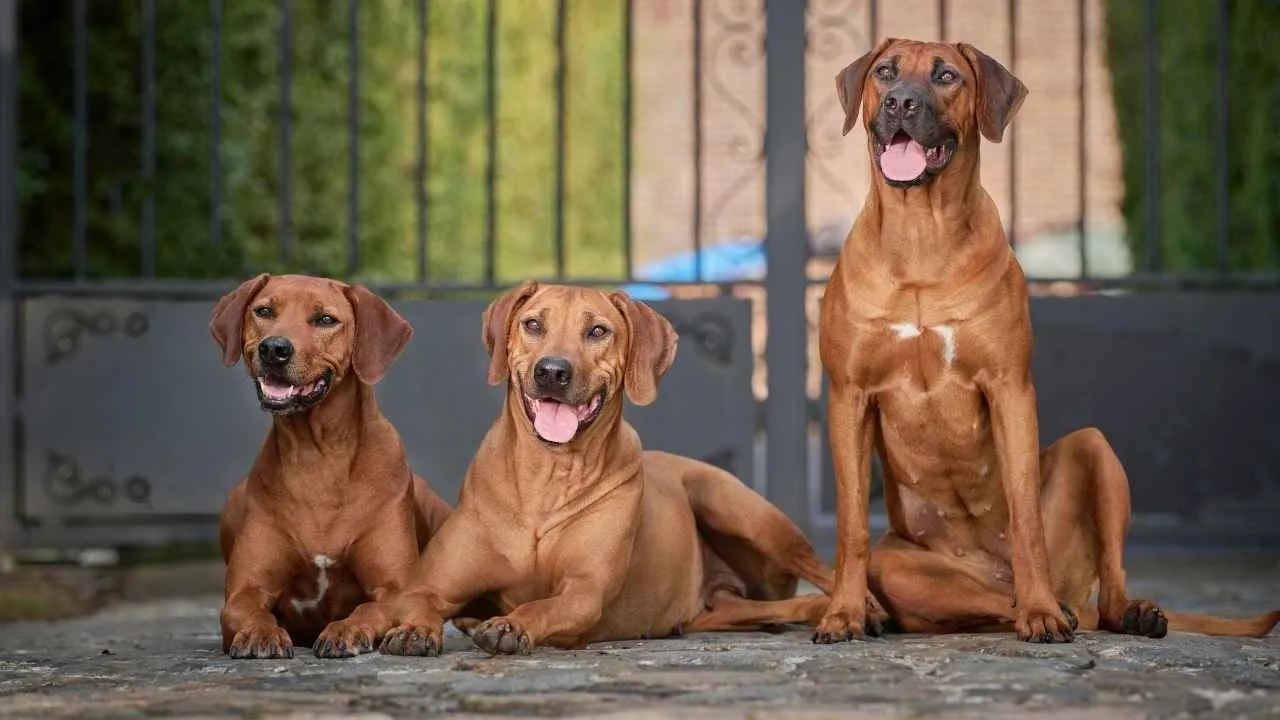
Rhodesian Ridgebacks guard by watching and assessing first, using their independent nature to size up a threat before reacting. Originally bred to track lions in Africa, this breed often stays playful until around 3 years, per PetMD.
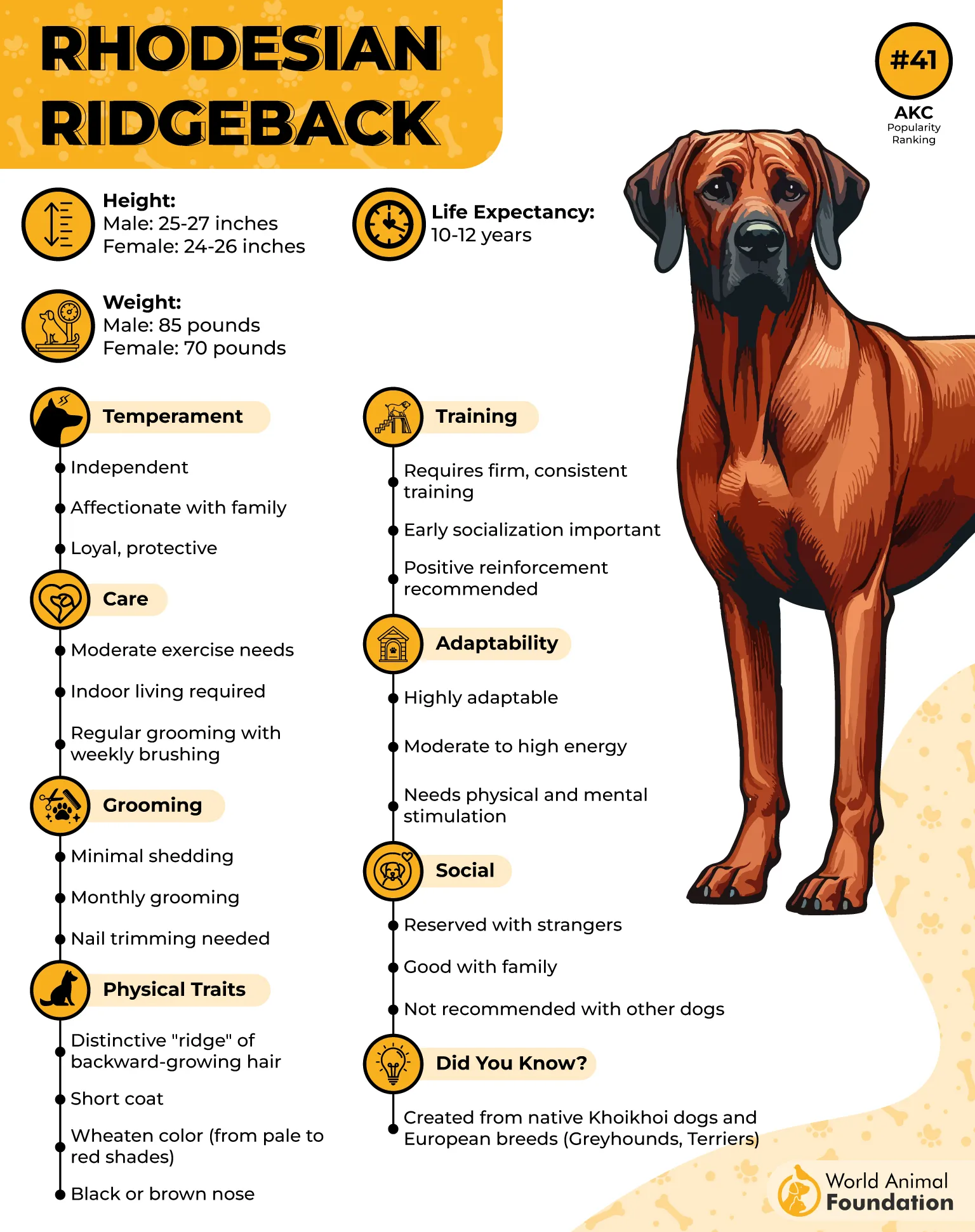
This athletic breed needs room to move and tolerates heat well, given its warm-climate origins, though a securely fenced yard is a must. One caution: its strong prey drive means small pets and this dog do not always mix well.
Grooming: The short coat is wash-and-go, just an occasional brush to remove loose hair.
Exercise: This breed needs serious daily exercise and mental stimulation; think long runs, not short strolls.
Ridgeback puppies are high-energy and strong-willed, testing boundaries often. Proper socialization and consistent, structured training early on are essential, since this streak only grows harder to manage without it.
6. Cane Corso
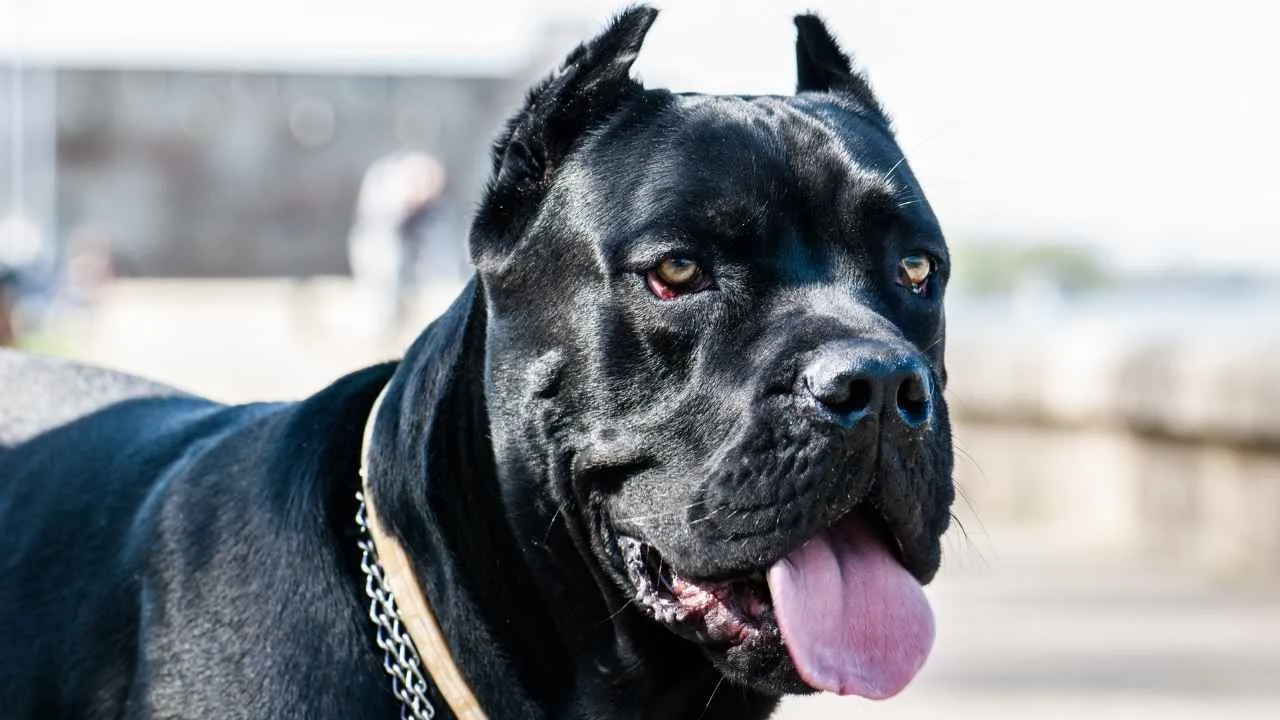
A Cane Corso does not just posture; it can step into full physical intervention if a threat is real, backed by natural confidence and raw power. Expect this breed to reach a calm, controlled adult temperament around 2 to 3 years.
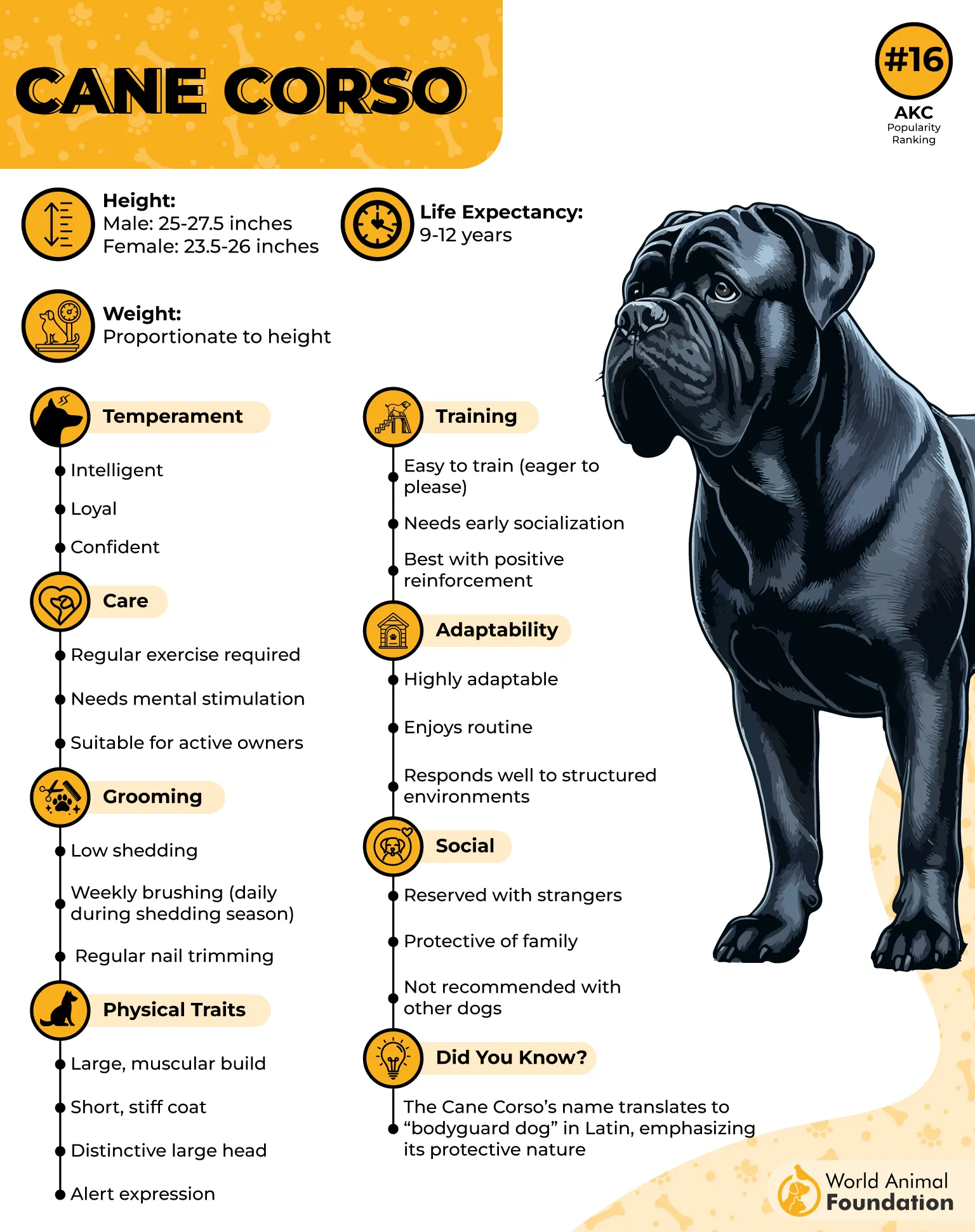
This serious, muscular dog needs space and a confident household, not a first apartment. One caution: it truly suits experienced owners, since its strength and protective nature need firm, fair handling from day one.
Grooming: The short coat barely needs more than a weekly wipe-down.
Exercise: This breed needs real daily exercise, plus puzzle feeders or scent games to tire out that sharp mind.
Cane Corso puppies are bold and testing from the start, so early training and proper socialization are not optional. Consistent leadership in these first 2 years decides if this dog grows into a steady protector or an unpredictable one.
7. Doberman Pinscher
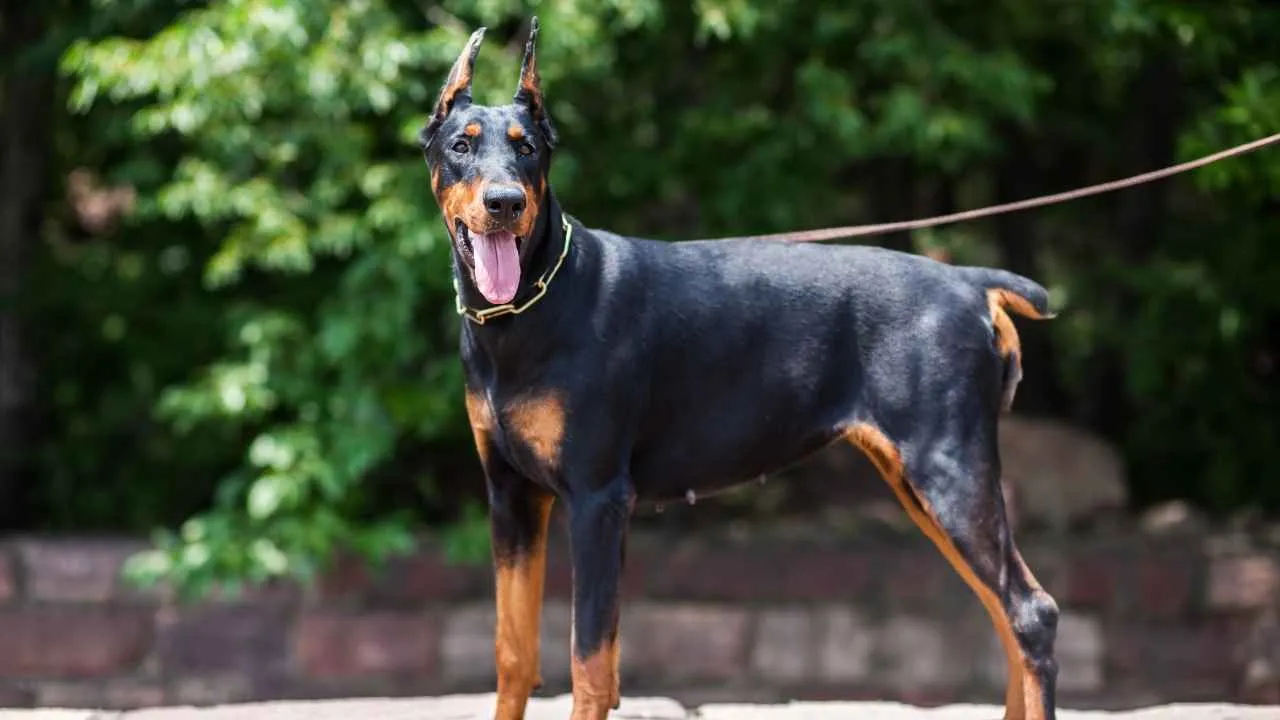
A Doberman Pinscher guards by alert-and-assess, reading situations fast and stepping into physical action only when truly needed. Originally bred for personal protection, it typically reaches full mental maturity around 2 to 3 years, according to Purina.
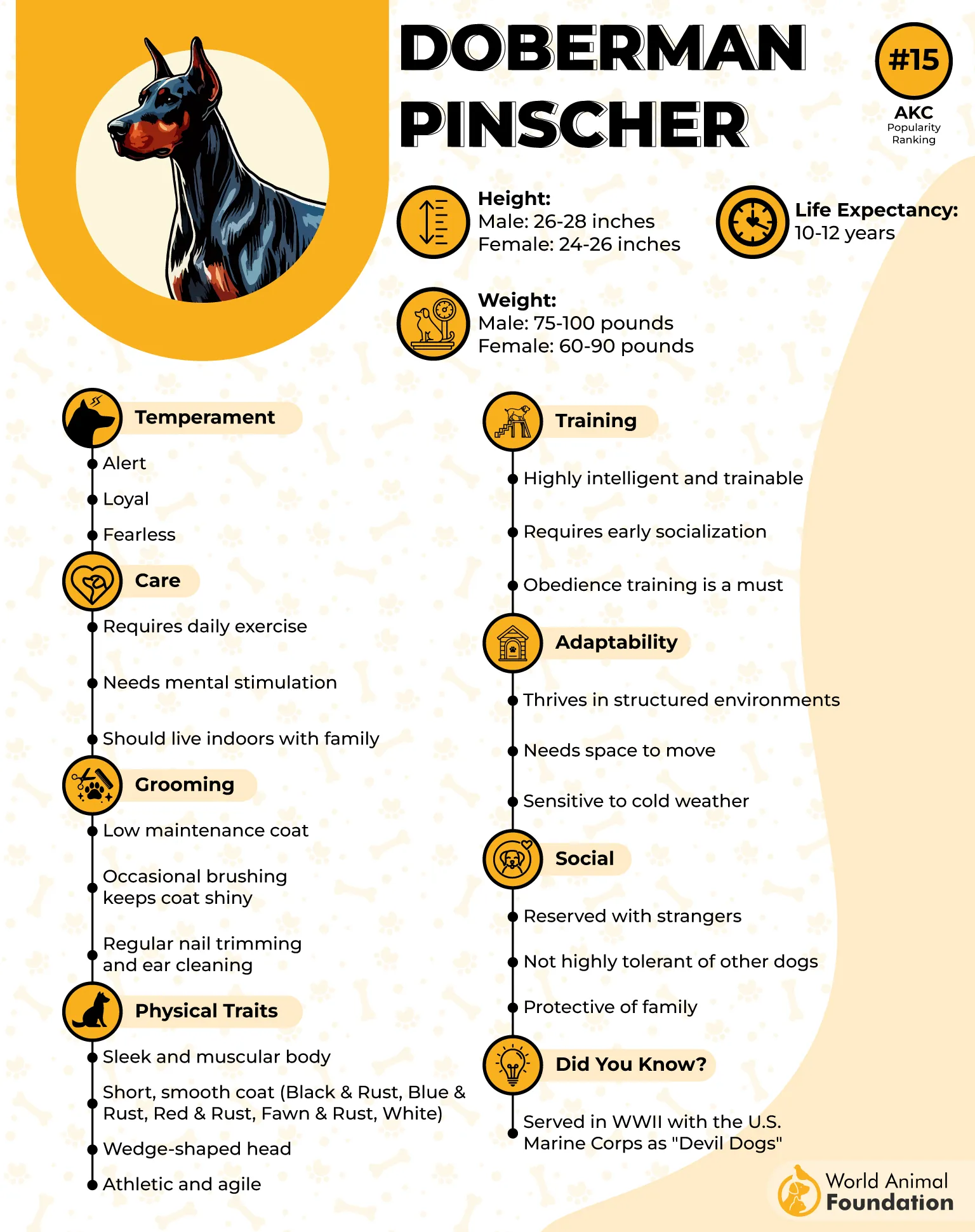
This athletic dog needs a securely fenced yard and is sensitive to extreme cold. One caution: without consistent training, that sharp mind and strong protective instincts can turn into pushiness rather than good judgment.
Grooming: The short, sleek coat needs just a weekly brush.
Exercise: This breed needs vigorous daily exercise and plenty of mental stimulation to stay settled indoors.
Doberman puppies are smart, sensitive, and quick to pick up bad habits if left untrained. Obedience training and proper socialization early on turn this breed into a highly trainable, deeply loyal family member rather than a handful.
8. Bullmastiff
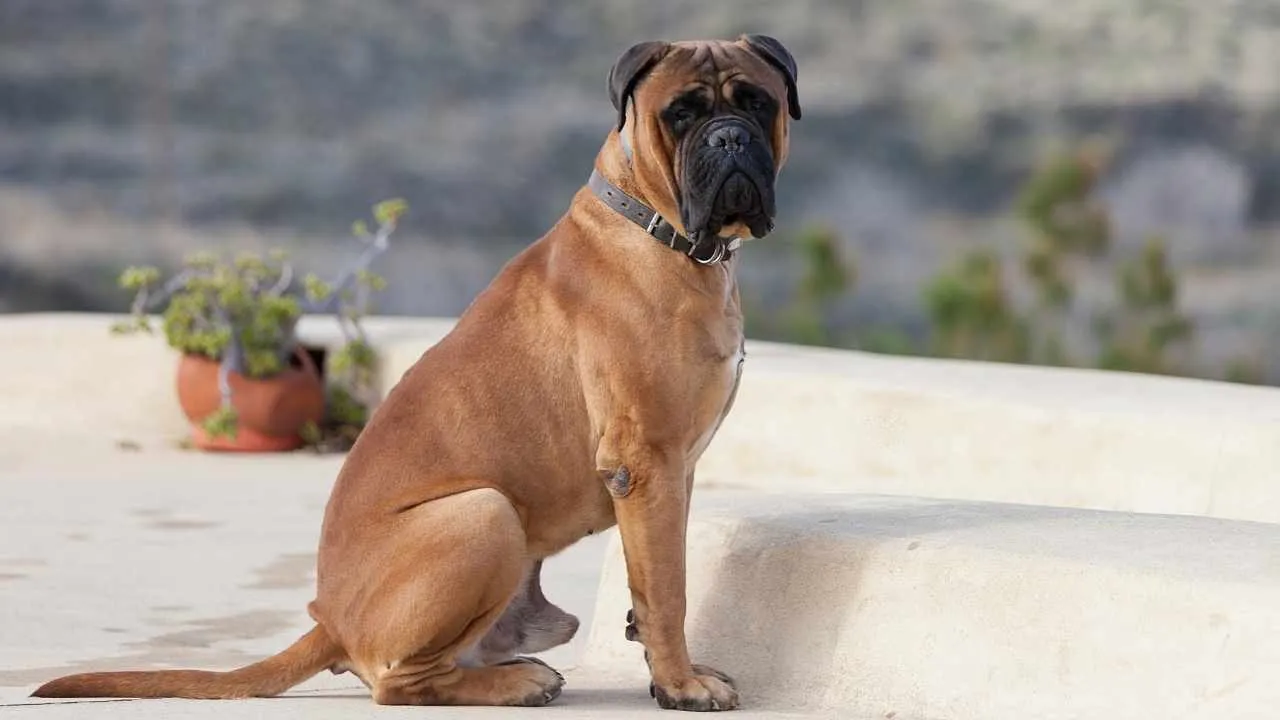
A Bullmastiff was originally bred to physically tackle and hold poachers, so this breed leans toward direct physical intervention rather than just posturing. It usually settles into that steady, controlled temperament around 2 to 3 years old.
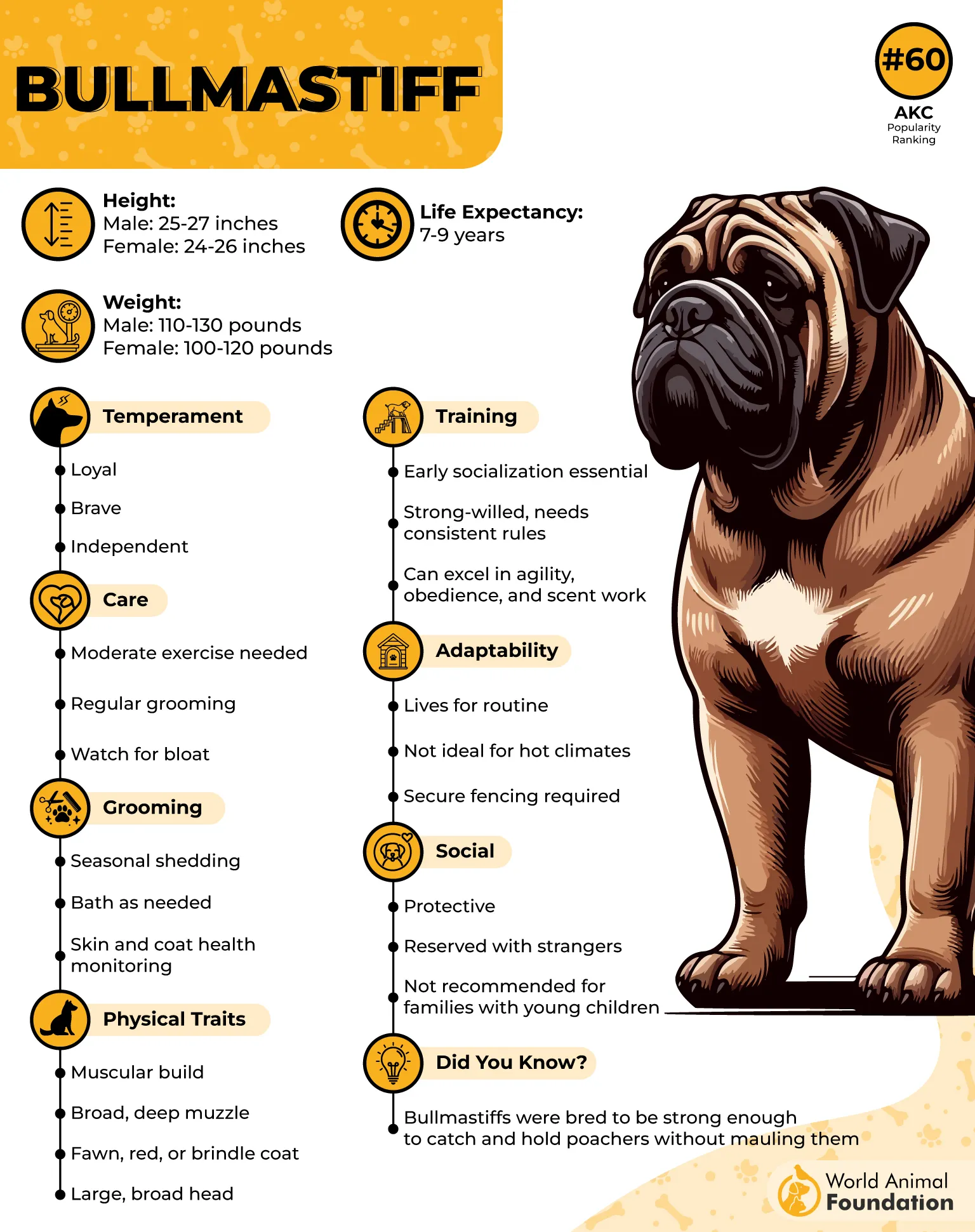
This heavy, powerful dog needs a secure yard and moderate space indoors, not a cramped flat. One caution: like most large dogs, joint issues and a short lifespan are common, so pet parents should plan vet visits accordingly.
Grooming: The short coat needs only a quick weekly brush.
Exercise: Moderate daily walks plus some mental stimulation keep this calm dog satisfied, not overexercised.
Bullmastiff puppies grow fast into serious size before their minds catch up. Early training and proper socialization are essential, since strong guarding instincts need clear guidance to turn into good judgment instead of overprotectiveness.
9. Staffordshire Bull Terrier
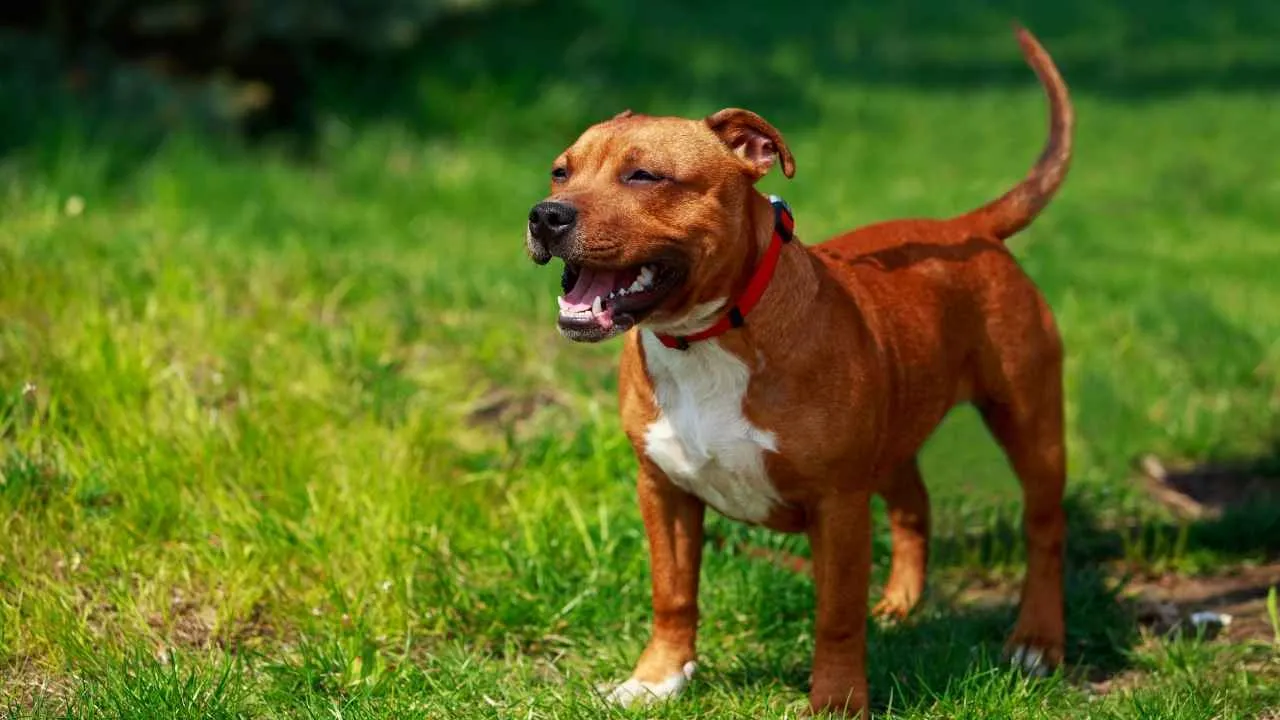
A Staffordshire Bull Terrier guards mostly through alert-and-assess, staying watchful and affectionate rather than aggressive toward family members. This breed matures faster than the giants on this list, often settling by 1 to 2 years old.
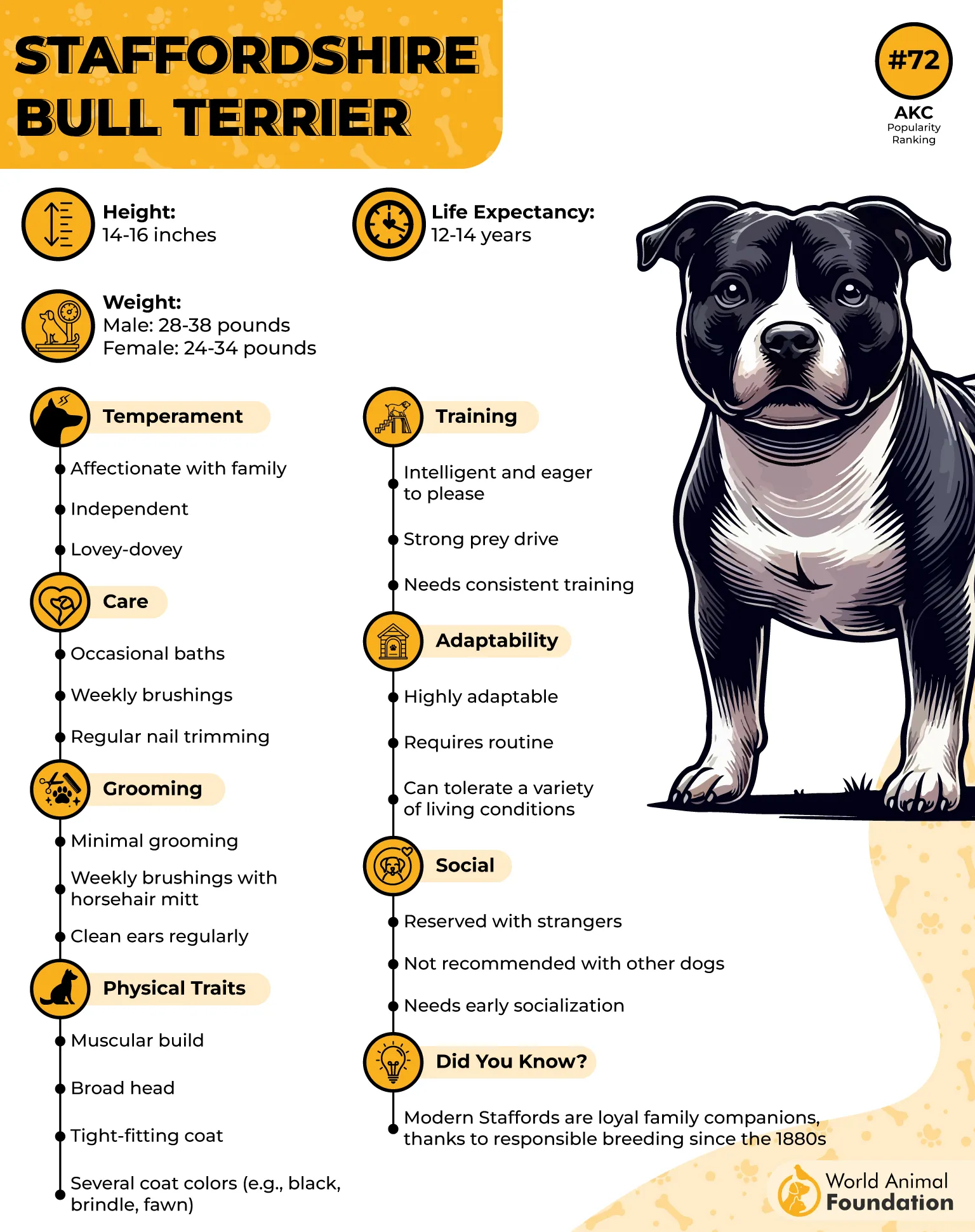
This compact, muscular dog fits apartments and houses alike, more easily than most guard breeds of its size. One caution: its strength and intensity surprise many pet parents, so this is not always the right dog for first-time owners.
Grooming: The short coat needs barely any brushing, just an occasional wipe.
Exercise: This breed needs solid daily exercise and mental stimulation, or that energy turns into mischief.
Staffordshire Bull Terrier puppies are bouncy, mouthy, and full of strong protective instincts that need shaping. Early socialization around other dogs and people, plus consistent training, raises an incredibly loyal, well-mannered companion.
10. Giant Schnauzer
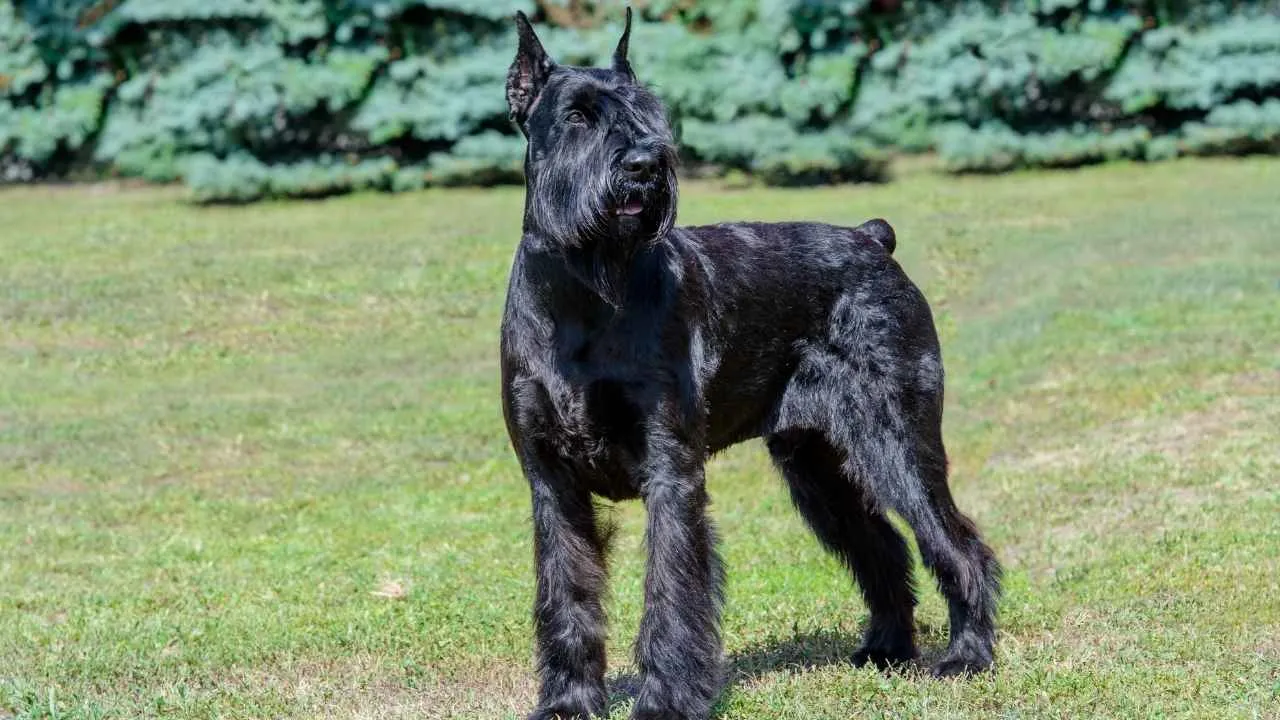
A Giant Schnauzer guards through alert-and-assess, barking fast before deciding if more is needed. Originally bred to herd cattle and guard farms in Germany, it tends to reach full emotional maturity around 2 to 3 years, per PDSA.
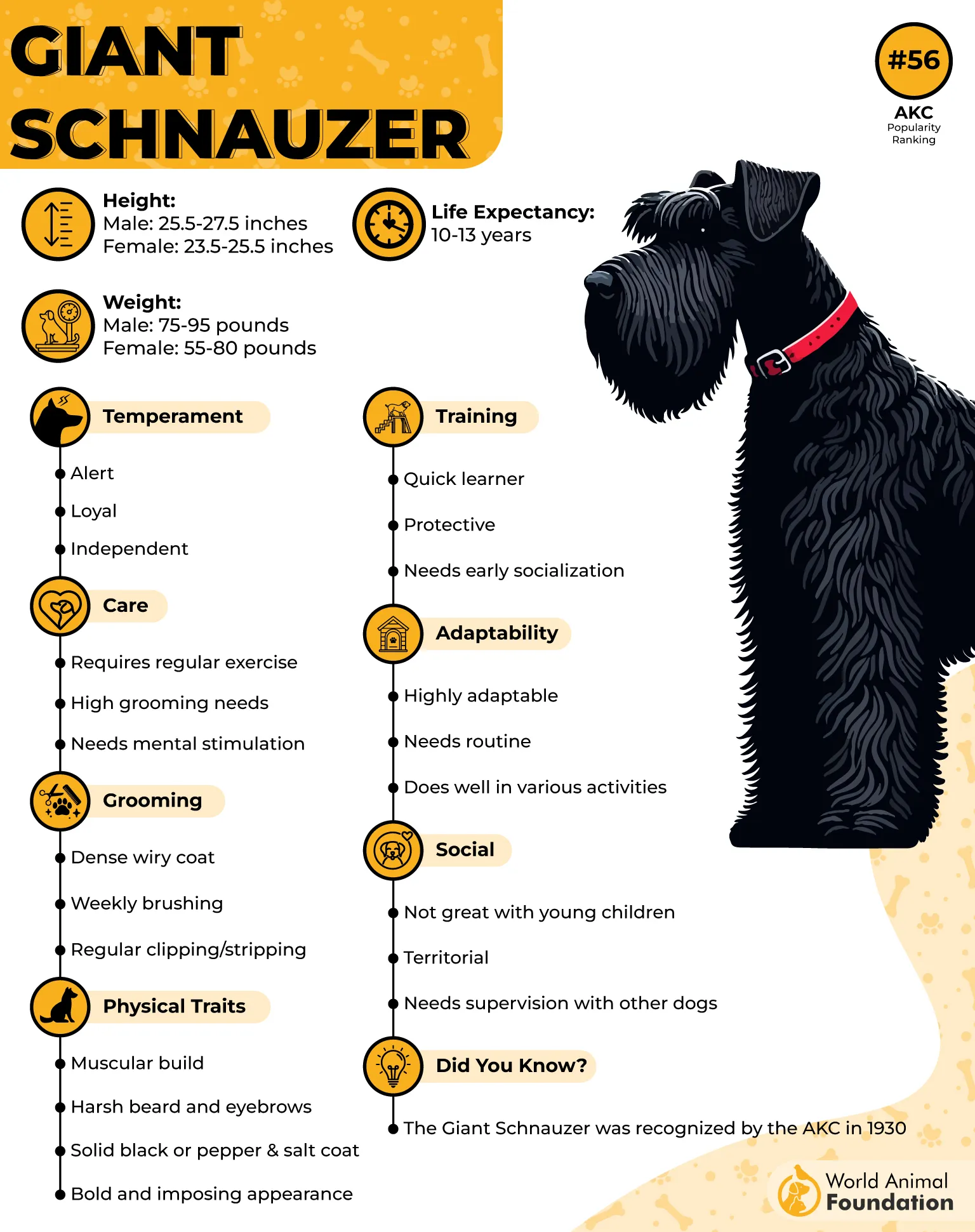
This athletic, wiry dog needs a yard and plenty of room to roam, not a tiny flat. One caution: this breed does best with experienced handlers, since its intelligence and natural confidence need an owner who can keep up.
Grooming: The wiry coat needs regular trimming or hand-stripping every few months.
Exercise: This breed needs serious daily exercise and mental stimulation, like agility work, to stay happy.
Giant Schnauzer puppies are smart enough to outthink an unprepared owner fast. Structured training and early socialization channel that intelligence into a highly trainable, deeply loyal adult instead of a stubborn one.
Conclusion
The best guard dog on this list is not the calmest-looking puppy napping in a corner at 8 weeks old. It is the one whose Maturity Clock matches your household’s daily routine, energy level, and patience for the adolescent phase every breed goes through first.
Get that timeline right, and any of these 10 breeds can grow into a naturally protective, watchful furry friend that many families count on. Revisit the breed profiles above, pick the one whose puppy years you can realistically handle, and start your search for a loyal, good guard dog today.
